Birds Are Wonderful: P, Q, and R !

BIRDS  ARE  WONDERFUL  . . .  P,  Q,  and  R !

Dr. James J. S. Johnson

Jesus said: “Therefore I say to you, do not worry about your life, what you will eat or what you will drink . . . Is not life more than food, and the body more than clothing? Look at the birds of the air, . . . your heavenly Father feeds them. Are you not of more value than they?”   (Matthew 6:25-26)

For ushering in the year of our Lord 2020,  below follows the sixth advance installment of alphabet-illustrating birds of the world, as part of this new series (“Birds Are Wonderful  —  and Some Are a Little Weird*).  The letter P is illustrated by Pinyon Jay, Puffins, and Peafowl.  The letter Q  illustrated by Quail, Quetzal, and Queen Carola’s Parotia.  The letter L illustrated by Rhea, Raven, and Roadrunner.

“P” BIRDS:   Pinyon Jay, Puffins, and Peafowl.

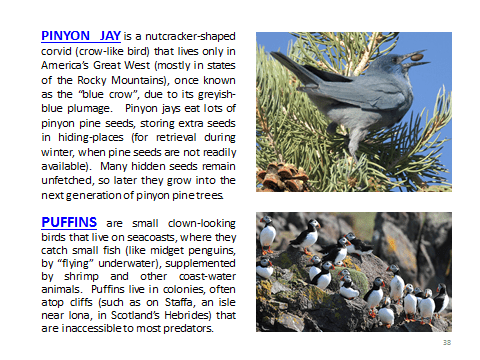
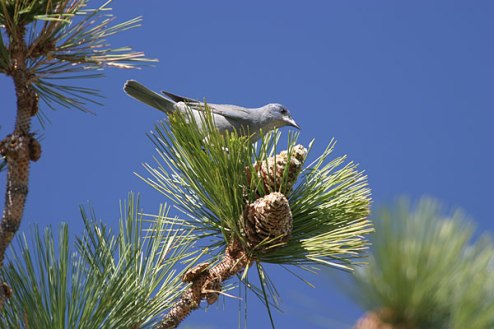
BAW-PinyonJay-Puffins

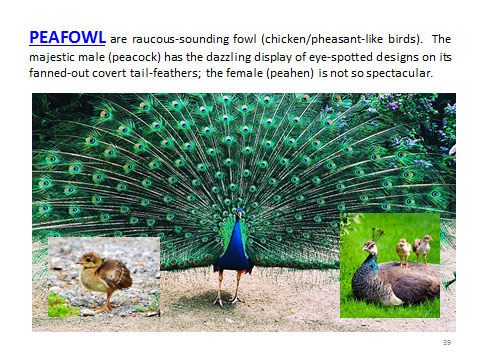
BAW-Peafowl

“Q” BIRDS:  Quail, Quetzal, and Queen Carola’s Parotia.

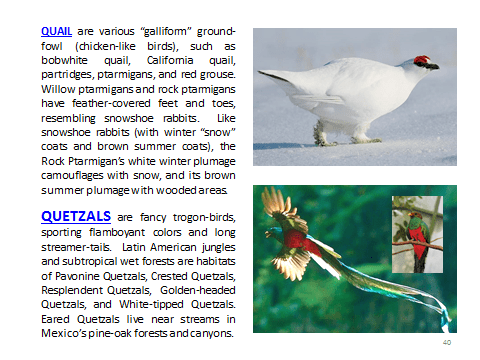
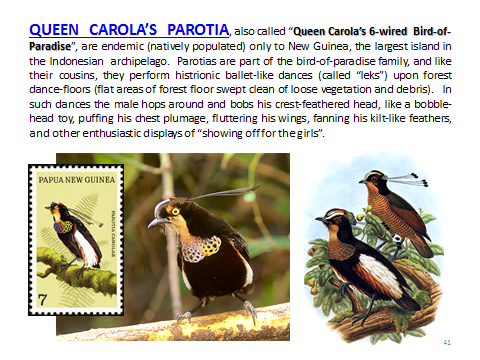
BAW-Quail-QuetzalBAW-QueenCarolasParotia

“R” BIRDS:  Rhea, Raven, and Roadrunner.

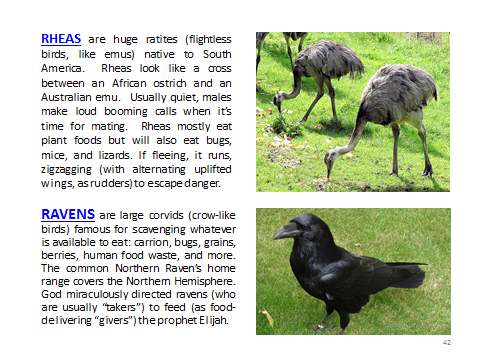
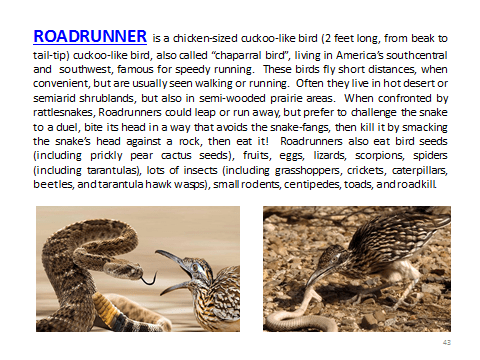
BAW-Rhea-RavenBAW-Roadrunner

Birds are truly wonderful — and some, like the Peacock and Quetzal, are exquisitely beautiful, while others, like the rattlesnake-killing Roadrunner, are fascinatingly unusual, if not also odd-looking!  (Stay tuned for more, D.v.)


* Quoting from “Birds Are Wonderful, and Some Are a Little Weird”, (c) AD2019 James J. S. Johnson   [used here by permission].
PinyonJay-PinyonPine.CaganSekercioglu


Birds Are Wonderful: M, N, and O !

BIRDS  ARE  WONDERFUL  . . .  M,  N,  and  O !

Dr. James J. S. Johnson

Jesus said: “Therefore I say to you, do not worry about your life, what you will eat or what you will drink . . . Is not life more than food, and the body more than clothing? Look at the birds of the air, . . . your heavenly Father feeds them. Are you not of more value than they?”   (Matthew 6:25-26)
For welcoming in the year of our Lord 2020,  below follows the fifth advance installment of alphabet-illustrating birds of the world, as part of this new series (“Birds Are Wonderful  —  and Some Are a Little Weird*).  The letter M is illustrated by Magpies, Magnificent Frigatebird, and Motmots.  The letter N  illustrated by Nightingale, Needle-billed Hermit, and Nighthawk (also called “Nightjar”).  The letter O illustrated by Osprey, Oriental Stork, and Oystercatcher.

“M” BIRDS:   Magpies, Magnificent Frigatebird, and Motmots.

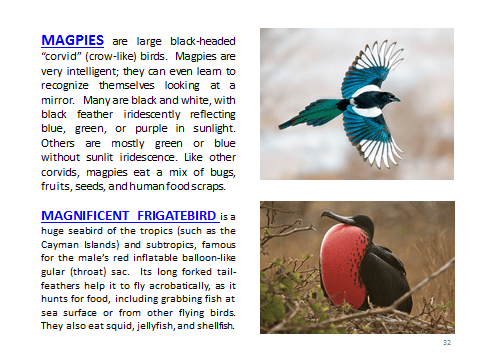
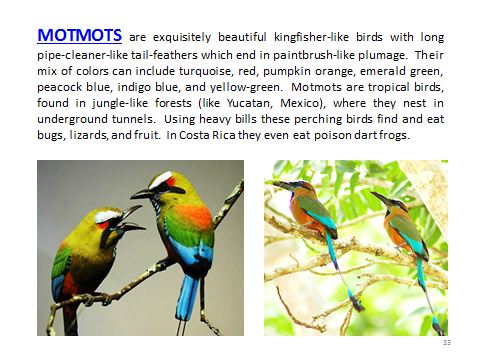
BAW-Magpie-MagnificentFrigatebirdBAW-Motmots

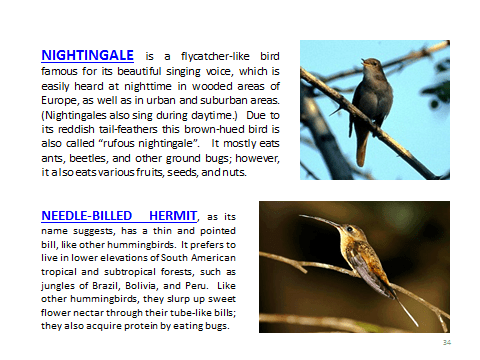
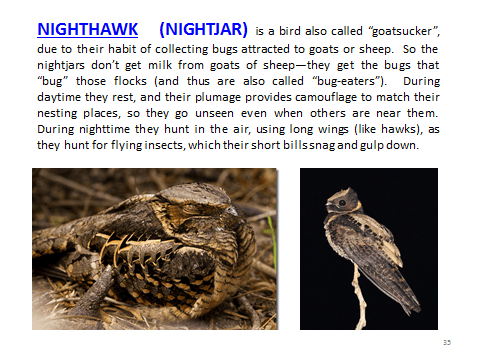
“N” BIRDS:  Nightingale, Needle-billed Hermit, and Nighthawk.

BAW-Nightingale-NeedlebilledHermitBAW-Nighthawk

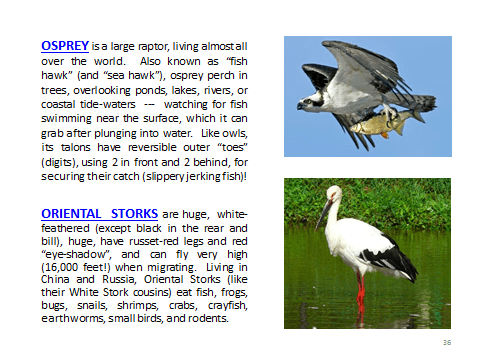
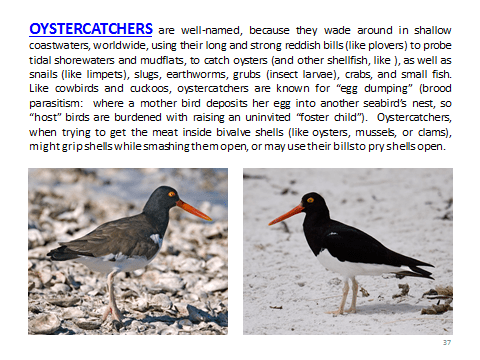
“O” BIRDS:  Osprey, Oriental Stork, and Oystercatcher.

BAW-Osprey-OrientalStorkBAW-Oystercatcher

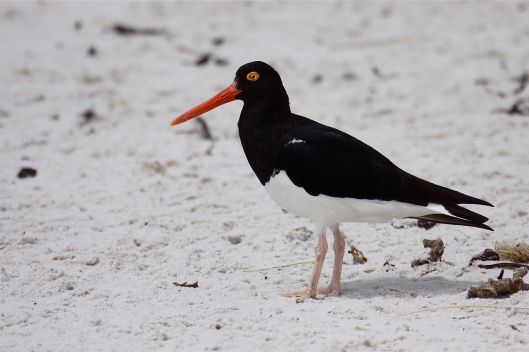
Birds are truly wonderful — and some, like the “egg-dumping” Oystercatcher, are a little bit odd, if not also weird!  (Stay tuned for more, D.v.)


* Quoting from “Birds Are Wonderful, and Some Are a Little Weird”, (c) AD2019 James J. S. Johnson   [used here by permission].

BAW-MagellanicOystercatcher-white-sand


Birds Are Wonderful: J, K, and L !

BIRDS  ARE  WONDERFUL  . . .  J,  K,  and  L !

Dr. James J. S. Johnson

Jesus said: “Therefore I say to you, do not worry about your life, what you will eat or what you will drink . . . Is not life more than food, and the body more than clothing? Look at the birds of the air, . . . your heavenly Father feeds them. Are you not of more value than they?”   (Matthew 6:25-26)

For ushering in the year of our Lord 2020,  below follows the fourth advance installment of alphabet-illustrating birds of the world, as part of this new series (“Birds Are Wonderful  —  and Some Are a Little Weird*).  The letter J is illustrated by Jack-Snipe, Junco, and Jackdaw.  The letter K  illustrated by Kiwi, Kites, and King of Saxony Bird-of-Paradise.  The letter L illustrated by Loons, Loggerhead Shrike, and Little Spider-Hunter.

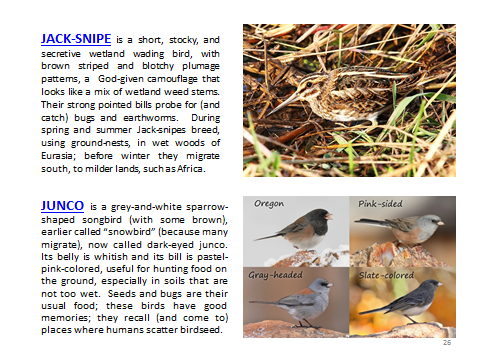
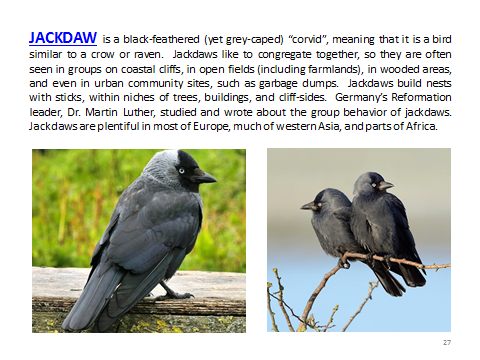
“J” BIRDS:   Jack-Snipe, Junco, and Jackdaw.

BAW-JackSnipe-JuncoBAW-Jackdaw

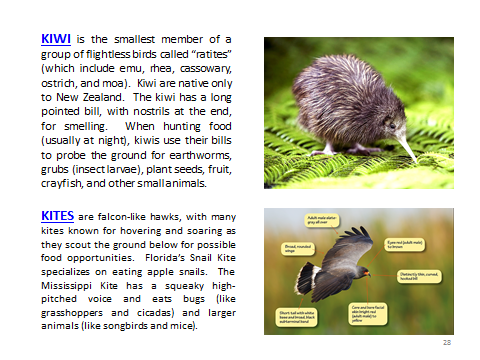
“K” BIRDS:  Kiwi, Kites, and King of Saxony Bird-of-Paradise.

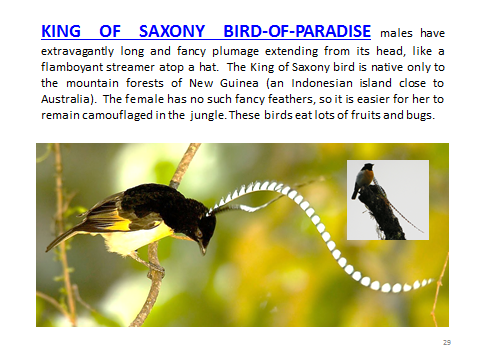
BAW-Kiwi-KitesBAW-King-o-Saxony-Bird-o-Paradise

“L” BIRDS:  Loons, Loggerhead Shrike, Little Spider-Hunter.

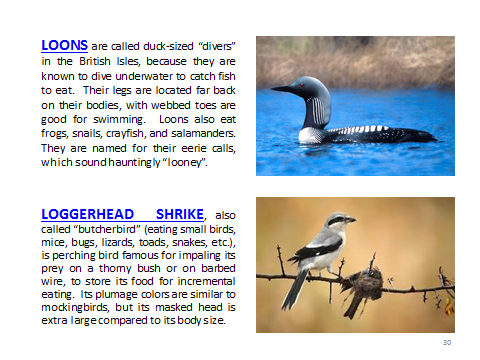
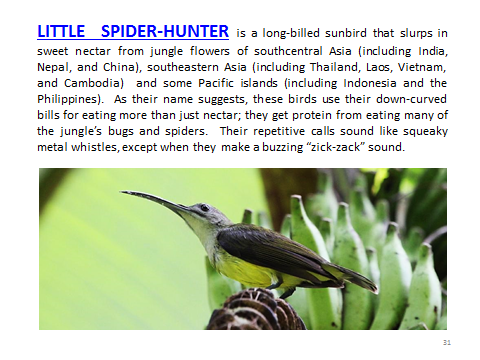
BAW-Loons-LoggerheadShrikeBAW-LittleSpiderHunter

Birds are truly wonderful — and some, like the King of Saxony Bird-of-Paradise, are a little bit extravagant-looking, if not also weird!  (Stay tuned for more, D.v.)


* Quoting from “Birds Are Wonderful, and Some Are a Little Weird”, (c) AD2019 James J. S. Johnson   [used here by permission].

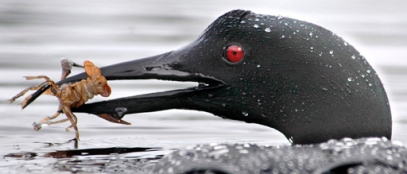
Loon-with-crayfish.USFWS

Birds Are Wonderful: G, H, and I !

BIRDS  ARE  WONDERFUL  . . .  D,  E,  and  F !

Dr. James J. S. Johnson

Jesus said: “Therefore I say to you, do not worry about your life, what you will eat or what you will drink . . . Is not life more than food, and the body more than clothing? Look at the birds of the air, . . . your heavenly Father feeds them. Are you not of more value than they?”   (Matthew 6:25-26)

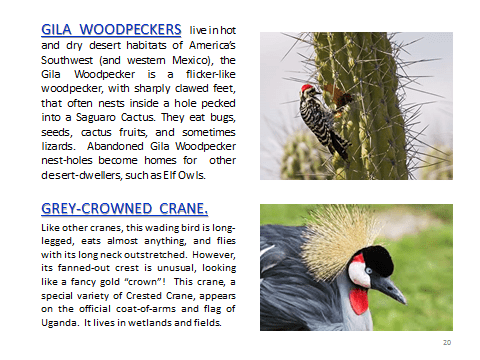
For ushering in the year of our Lord 2020,  below follows the third advance installment of alphabet-illustrating birds of the world, as part of this new series (“Birds Are Wonderful  —  and Some Are a Little Weird*).  The letter G is illustrated by Gila Woodpecker, Grey-Crowned Crane, and Golden Plover.  The letter H  illustrated by Hoopoe, Hoatzin, and Hummingbird.  The letter I illustrated by Iceland Gull, Ibis, and Invisible Rail.

“G” BIRDS:   Gila Woodpecker, Grey-Crowned Crane, and Golden Plover.

BAW-GilaWoodpecker-Grey-CrownedCrane

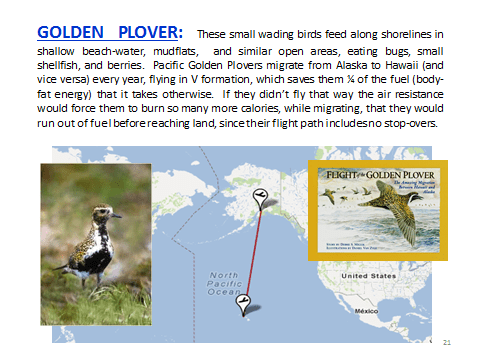
BAW-GoldenPlover

“H” BIRDS:  Hoopoe, Hoatzin, and Hummingbird.

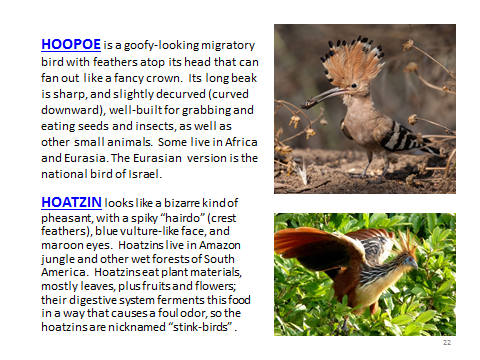
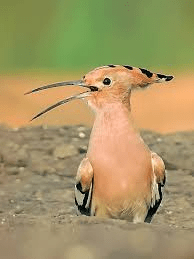
BAW-Hoopoe-Hoatzin

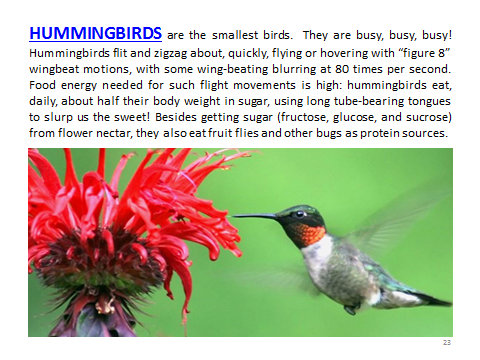
BAW-Hummingbirds

“I” BIRDS:  Iceland Gull, Ibis, and Invisible Rail. 

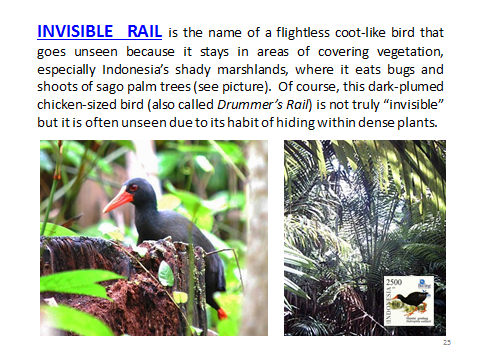
BAW-IcelandGull-IbisBAW-InvisibleRail

Birds are truly wonderful — and some, like Hoopoe, are a little bit goofy-looking, if not also weird!  (Stay tuned for more, D.v.)


* Quoting from “Birds Are Wonderful, and Some Are a Little Weird”, (c) AD2019 James J. S. Johnson   [used here by permission].

Hoopoe-wikipedia


Birds Are Wonderful: D, E, and F !

BIRDS  ARE  WONDERFUL  . . .  D,  E,  and  F !

Dr. James J. S. Johnson

Jesus said: “Therefore I say to you, do not worry about your life, what you will eat or what you will drink . . . Is not life more than food, and the body more than clothing? Look at the birds of the air, . . . your heavenly Father feeds them. Are you not of more value than they?”   (Matthew 6:25-26)

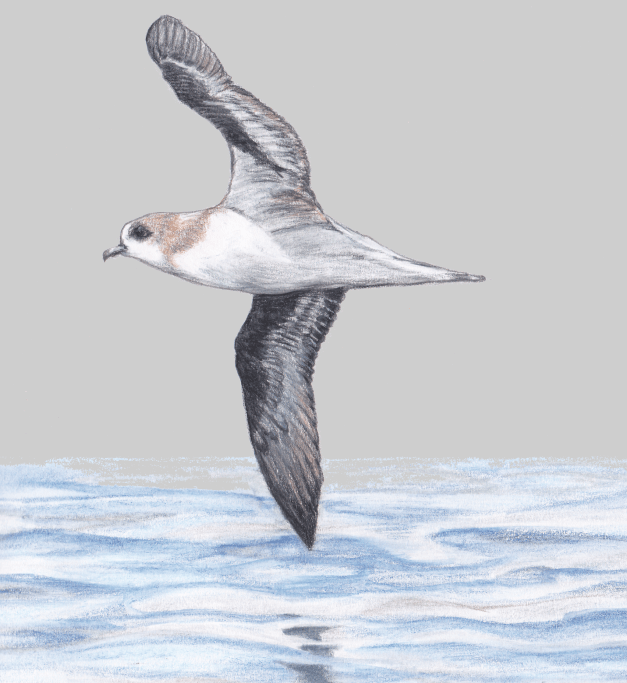
For ushering in the year of our Lord 2020,  below follows the second advance installment of alphabet-illustrating birds of the world, as part of this new series (“Birds Are Wonderful  —  and Some Are a Little Weird*).  The letter D is illustrated by Diamond Firetail, Dead Sea Sparrow, and Doves.  The letter E  illustrated by Eiders, Egrets, and Edible-Nest Swiftlet.  The letter F illustrated by Flamingos, Flamebacks, and Frogmouths.

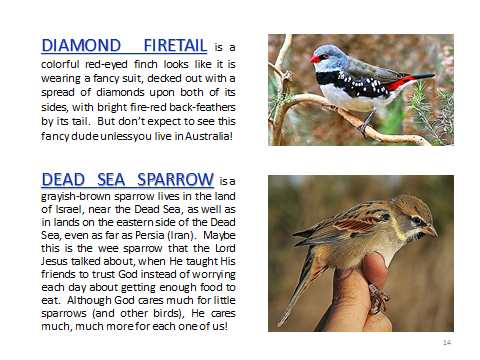
“D” BIRDS:   Diamond Firetail, Dead Sea Sparrow, and Doves.

BAW-DiamondFiretail-DeadSeaSparrow

BAW-Doves

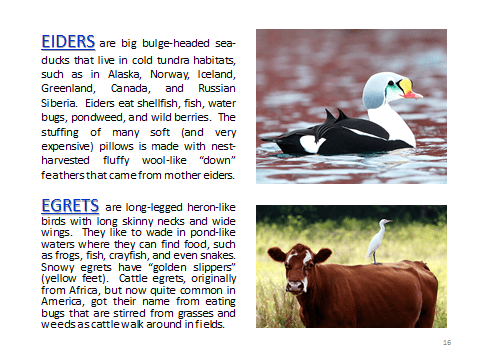
“E” BIRDS:  Eiders, Egrets, and Edible-Nest Swiftlet.

BAW-Eiders-Egrets

BAW-EdibleNestSwiftlet

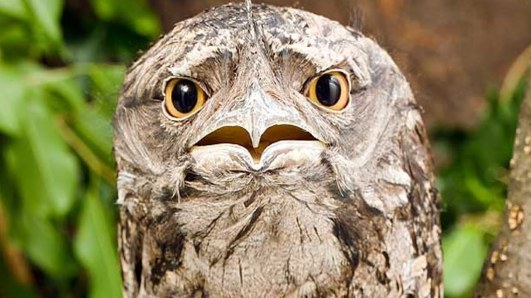
“F” BIRDS:  Flamingos, Flamebacks, and Frogmouths. 

BAW-Flamingo-Flameback

BAW-Frogmouths

Birds are truly wonderful — and some, like Edible-Nest Swiftlets and Frogmouths, are a little bit weird!  (Stay tuned for more, D.v.)


* Quoting from “Birds Are Wonderful, and Some Are a Little Weird”, (c) AD2019 James J. S. Johnson   [used here by permission].

Frogmouth-tawny


Birds Are Wonderful: A, B, and C !

BIRDS  ARE  WONDERFUL  . . .  A, B, and C !

Dr. James J. S. Johnson

Jesus said: “Therefore I say to you, do not worry about your life, what you will eat or what you will drink . . . Is not life more than food, and the body more than clothing? Look at the birds of the air, . . . your heavenly Father feeds them. Are you not of more value than they?”   (Matthew 6:25-26)

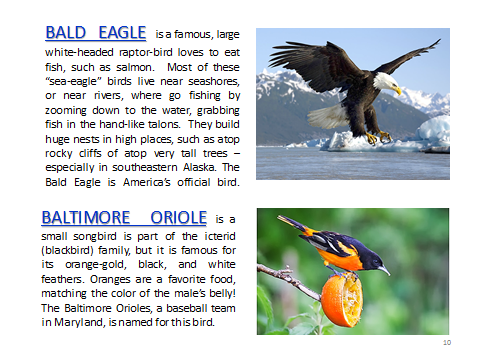
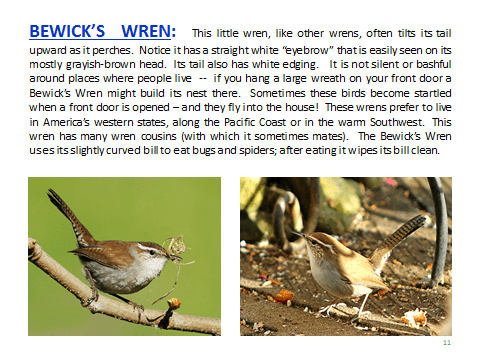
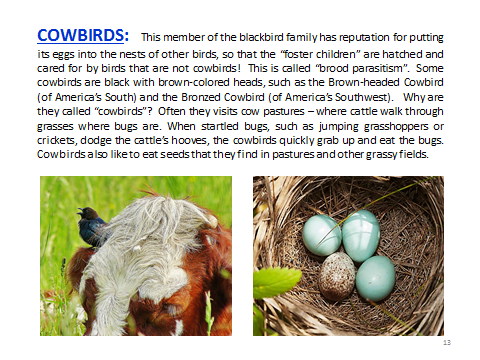
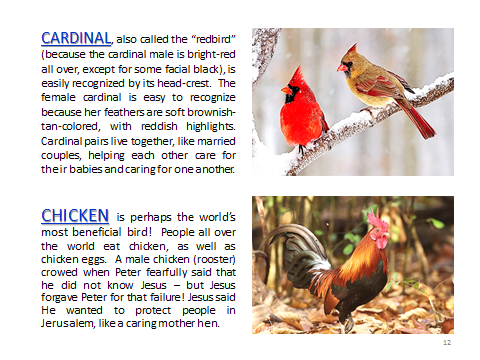
For ushering in the new year  —  the year of our Lord 2020  —  below follows the first installment of alphabet-illustrating birds of the world, as part of this new series (“Birds Are Wonderful  —  and Some Are a Little Weird*).  The letter A is illustrated by Anhinga, Andean Condor, and Arctic Tern.  The letter B  illustrated by Bald Eagle, Baltimore Oriole, and Bewick’s Wren.  The letter C illustrated by Cardinal, Chicken, and Cowbirds.

“A” BIRDS:   Anhinga, Andean Condor, and Arctic Tern.

BAW-Anhinga-AndeanCondor

BAW-ArcticTern

“B” BIRDS:  Bald Eagle, Baltimore Oriole, and Bewick’s Wren.

BAW-BaldEagle-BaltimoreOriole

BAW-BewicksWren

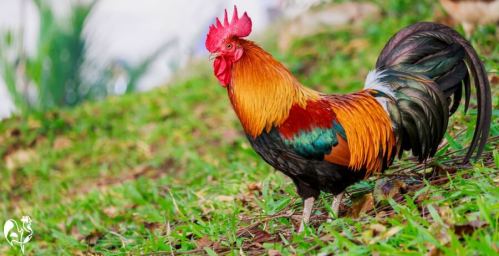
“C” BIRDS:  Cardinal, Chicken, and Cowbirds. 

BAW-CowbirdsBAW-Cardinal-Chicken

Birds are truly wonderful — and some, like cowbirds, are a little bit weird!  (Stay tuned for more, D.v.)


* Quoting from “Birds Are Wonderful, and Some Are a Little Weird”, (c) AD2019 James J. S. Johnson   [used here by permission].

Rooster-RaisinghappyChickens.com-photo

Tickle Me Tuesday – Christmas Bird Videos

Just thought you needed a diversion from all the last minute gift wrapping and cooking. Enjoy these birds with a Christmas attitude.

“A merry heart maketh a cheerful countenance: but by sorrow of the heart the spirit is broken.” (Proverbs 15:13 KJV)

“A merry heart doeth good like a medicine: but a broken spirit drieth the bones.” (Proverbs 17:22 KJV)

“Sing unto him, sing psalms unto him, talk ye of all his wondrous works.” (1 Chronicles 16:9 KJV)

What is the Gospel?

Ian’s Bird of the Moment – Long-tailed Meadowlark

Well the moment is almost Christmas, so an iconic bird, or at least an iconic looking bird, is obligatory. Traditional Christmas icons such as european robins and snow flakes stubbornly persist in Australia despite the summer heat, but I have managed to find a red-breasted bird with a little real snow in the southern hemisphere. Those little white flecks in this photo are tiny snow flakes.

PAS-Icte Long-tailed Meadowlark (Leistes loyca) by Ian

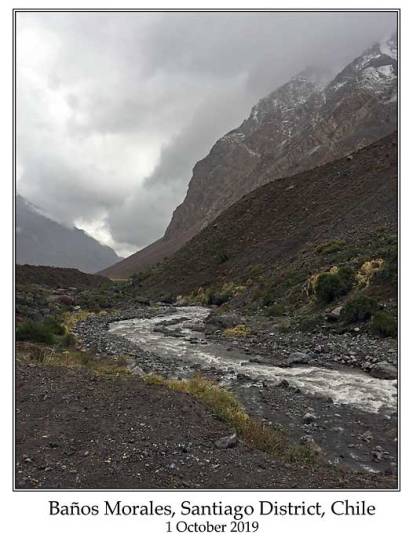
We spent out last full – and coldest – day in Chile at a place called Baños Morales at an altitude of 2,000m/6,500ft in the Andes about 100km southeast of Santiago. The intended destination was a location about a kilometre along a walking track past the end of a sealed road up a steep-sided valley where there was supposed to be Grey-breasted Seedsnipe, one of four species that make up the South American Seedsnipe family (Thinocoridae), odd dove-shaped birds related to waders.

banos_morales_7013_pp by Ian


A bitterly cold wind funnelled up the valley from the south and we found that, despite five layers of clothes, we couldn’t manage being out of the car for too long. We abandoned plans to go to the seedsnipe location and concentrated our efforts on a promising looking swampy area near the road. We didn’t find any seedsnipes but we did find various interesting, hardy birds including some Long-tailed Meadowlarks that stood out dramatically in the bleak landscape. Meadowlarks belong to the Icteridae (Birdway), a widespread American family that includes a variety of colourful birds including Caciques, Oropendolas, New World Orioles and Blackbirds – unrelated to the Eurasian Blackbird of the thrush family, Turdidae (Birdway).

Anyway this is a roundabout way of wishing you Season’s Greetings: may it be safe and enjoyable. I have another iconic bird in mind to welcome in the new decade so I’ll leave New Year Greetings until then.

Kind regards
Ian


Lee’s Addition:

Merry Christmas to you, Ian. Thanks for sharing a “Christmas iconic bird” with us. The snow makes it even more “Christmassy.” Ian, you are on a roll. Your birds of the “moment” are coming more frequently. Before long, you will have to start doing your “Bird of the Week” articles again.

Ian’s Bird of the Week

Icteridae Family

“Now when Jesus was born in Bethlehem of Judaea in the days of Herod the king, behold, there came wise men from the east to Jerusalem, Saying, Where is he that is born King of the Jews? for we have seen his star in the east, and are come to worship him.” (Matthew 2:1-2 KJV)

What will you do with Jesus?

Birdwatching is the right thing to do!

Appreciating  birds  (including,  but  not  limited  to,  Birdwatching)  is  the  right  thing  to  do!

Dr. James J. S. Johnson

birds-Matthew6.25-26 Now begins a new Leesbird.com series (D.v.), on “Birds Are Wonderful! — And Some Are a Little Weird“.*

In this series we will learn to appreciate a variety of birds, while appreciating our great God Who made all those birds — and while also realizing that our great God made each of us who we are, though He could have made us otherwise!birds-grackle.could-have-been-you

Of course, birds began on Day 5, so birds are older than the human race — by 1 day  — since God made the original human pair (Adam & Eve) on Day 6 of Creation Week.

birds-Genesis1.20-22Stay tuned!

* Quoting from “Birds Are Wonderful, and Some Are a Little Weird”, (c) AD2019 James J. S. Johnson   [used here by permission].


Our Christmas Concert 2019 – Adoration

This video is from last Sunday evening. Our church presented a Christmas concert called “Adoration.” I trust you will enjoy the music and the presentation of the various Bible characters.

“Luke 2:8-14 KJV
(8)  And there were in the same country shepherds abiding in the field, keeping watch over their flock by night.
(9)  And, lo, the angel of the Lord came upon them, and the glory of the Lord shone round about them: and they were sore afraid.
(10)  And the angel said unto them, Fear not: for, behold, I bring you good tidings of great joy, which shall be to all people.
(11)  For unto you is born this day in the city of David a Saviour, which is Christ the Lord.
(12)  And this shall be a sign unto you; Ye shall find the babe wrapped in swaddling clothes, lying in a manger.
(13)  And suddenly there was with the angel a multitude of the heavenly host praising God, and saying,
(14)  Glory to God in the highest, and on earth peace, good will toward men.

You can see more of our services here:

Our Services

Palm Warbler Through Our Window

Beautyberry in backyard

In the last week, we added an American Beautyberry (Callicarpa americana) to our backyard. Actually, we dug it up from our previous house, before we sold it Monday. (Yeah!) It was in the backyard and ignored since we moved to our new house. Therefore, it is a bit dried up, but will bounce back with some TLC. [Tender Love and Care]

Palm Warbler on Beautyberry

Palm Warbler on Beautyberry

This morning while eating our breakfast, the Palm Warbler came and sat in the Beautyberry plant/bush. This time I was ready for him/or her. I had the camera right on the table. Yes!! This warbler and a Phoebe have been checking the plant out. [More about that visit in another post.]

The next three photos show how hard it is to try to focus on the bird with your camera in “program mode”. That is the way I use my camera as I have mentioned before. At least you can see the front, back, and side view.  :) Thankfully the video came out much clearer. [After all, I was sitting at the breakfast table.]

Palm Warbler on Beautyberry

Palm Warbler on Beautyberry

“Palm Warblers are small songbirds, but they are on the larger side for a warbler and have a fuller looking belly. Their posture is more upright than a typical warbler and more like a pipit—especially noticeable when they are on the ground. Their tails and legs are longer than most warblers contributing to the pipitlike shape.” [All About Birds]

Palm Warbler on Beautyberry

Palm Warbler on Beautyberry

“This is one bird where behavior—this bird’s near-constant tail-wagging—can help confirm its identity. They mainly forage on open ground or in low vegetation, rather than in forest canopy as many warblers do (although they do sing from high perches in trees and shrubs).” [All About Birds]

Palm Warbler on Beautyberry

Palm Warbler on Beautyberry

Check out this photo from All About Birds:

Palm Warbler in Non-breeding color

Oops!!! This is not a Palm Warbler on Beautyberry, It is the Eastern Phoebe!! [Edited after Published]

“Who provideth for the raven [or Warbler] his food?… they wander for lack of meat.” (Job 38:41 KJV)

“Another parable put he forth unto them, saying, The kingdom of heaven is like to a grain of mustard seed, which a man took, and sowed in his field: Which indeed is the least of all seeds: but when it is grown, it is the greatest among herbs, and becometh a tree, so that the birds of the air come and lodge in the branches thereof.” (Matthew 13:31-32 KJV)

In Mark, Luke, and in Matthew, the parable of the mustard seed is told. They all mention the small grain of mustard seed that grows up into a tree that the birds use for rest and shelter. This little warbler has found rest in this plant just as we find rest for our souls when we know the Lord Jesus Christ as our Savior. With the Christmas season here, there are plenty of reminders of His Love and Salvation.

[All About Birds]

Gospel Presentation

Ian’s Bird of the Moment – Jabiru

Storks (Ciconiidae on Birdway) are a small, varied, global family of 19 or 20 species depending on whether the African and Asian Woolly-necked Storks are split. Some like the Black-necked Stork of Australasia and Asia are striking in appearance while others such as the Marabou Stork of Africa perhaps qualify as the ugliest birds in existence.
black_necked_stork_32778.jpg
This Marabou Stork, photo scanned from film, is hanging around near a buffalo carcass, killed by lions, waiting for its turn after the vultures have left some scraps it can pick up. Stork bills are designed for fishing, not dismembering carcasses. They also frequent rubbish dumps; no doubt they play an important role as garbage collectors but it doesn’t add to their appeal.
marabou_stork_s6109_pp.jpg
The Jabiru of South America was on the must-see list for the Pantanal and is, I think, bizarre rather than plain ugly, with its naked, swollen, black and red neck. It’s also impressive with its huge size, not quite as big as the Marabou but the tallest flying land-bird of the Americas (only the flightless Greater Rhea is marginally taller) and massive black bill. They pay a price for their bare skin. It may be good for personal hygiene but we often noticed that they were bothered by small brown biting flies like the bird below, and often swirled their heads in the water in an apparent attempt to get rid of them.
jabiru_202551_pp.jpg
This one we saw on our first boat trip on the Rio Claro. We try to convince our boatman that we just have to find a Sunbittern (Birdway) but he has other tricks up his sleeve and we have to wait until the following day before he gets serious about the Sunbittern. This particular Jabiru is accustomed to being fed on frozen piranhas and makes sure we take notice by gliding low over our heads and landing in the water nearby.
jabiru_202572_pp.jpg
Before swallowing the fish, the bird washes it thoroughly in the water, or so I assume: maybe it is thawing it. I don’t suppose swallowing a frozen fish is very pleasant but birds aren’t famous for savouring their food and usually just try to swallow it before anyone else gets it or it escapes.
jabiru_202588_pp.jpg
Later in the day we are to enjoy a similar fish-feeding spectacle with well-trained Black-collared Hawk (Birdway) and Great Black Hawks (Birdway), so we are well compensated for the boatman’s initial reluctance to satisfy our lust for the Sunbittern.
jabiru_206653_pp.jpg
Jabirus are strong flyers even if taking off requires a bit of effort. They are widespread through Central and South America, make local movements in response to the availability of water and food, and are known to cross the Andes in Peru. They are up to 1.4m/4ft 7in in length, with a wingspan to 2.6m/8.5ft and weight up to 8kg/18lbs. Greater Rheas (Birdway) have a similar length but can weigh more than 25kg/55lbs.
jabiru_206626_pp.jpg
They build huge nests at the top of trees including palms. The same site may be used repeatedly and the tree, particularly if is a palm, may die. In this nest the two juveniles are nearly fledged though not yet as big as their parents. The adult on the left has a red patch on back of the head: the amount of red on the head and neck is quite variable. I can’t find any explanation for the function of the swollen neck, except perhaps for signalling, as the red gets more intense when a bird is “excited”.
The name Jabiru comes from the South American Tupi-Guraní languages and means “swollen neck” and it is used in the scientific name (Jabiru mycteria). “Jabiru” is also used as a common name for the Black-necked Stork (Birdway), the only Stork occurring in Australia. It would seem that the unrelated South American species has a stronger claim to the use of the name, making it preferable to use the alternative name of Black-necked Stork. I don’t suppose, however, that the town of Jabiru in Kakadu in the Northern Territory is going to be renamed any time soon.
Greetings
Ian

We have not seen these Jabirus in a zoo, but we get to enjoy them through Ian’s lens in the wild. Ian’s trip to the Pantana has been providing many interesting avian wonders for us to enjoy. Also, he has been writing more often. Yeah.
Jabiru (Jabiru mycteria) by Ian

Jabiru (Jabiru mycteria) by Ian

“Then I raised my eyes and looked, and there were two women, coming with the wind in their wings; for they had wings like the wings of a stork, and they lifted up the basket between earth and heaven.” (Zechariah 5:9 NKJV)
“Yea, the stork in the heaven knoweth her appointed times; and the turtle and the crane and the swallow observe the time of their coming; but my people know not the judgment of the LORD.” (Jeremiah 8:7 KJV)