Lee’s Seven Word Sunday – 5/1/16

***

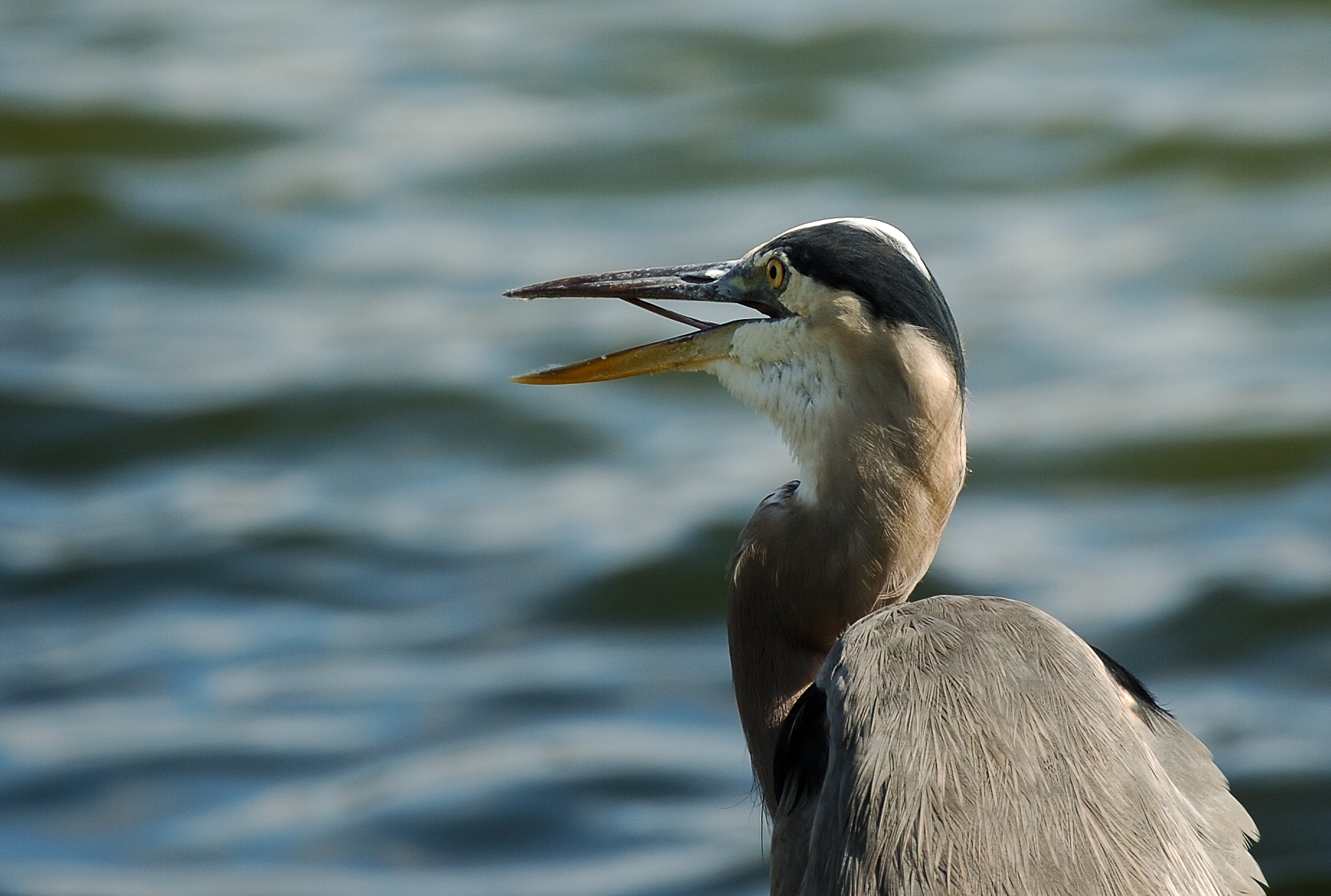
Great Blue Heron at Lake Morton by Dan

WORD OF THE LORD HAS SOUNDED FORTH

***


“For from you the word of the Lord has sounded forth, not only in Macedonia and Achaia, but also in every place. Your faith toward God has gone out, so that we do not need to say anything.” (1 Thessalonians 1:8 NKJV)

Great Blue Heron at Lake Morton by Dan

*

More Daily Devotionals

*

Sunday Inspiration – Icteridae Family I

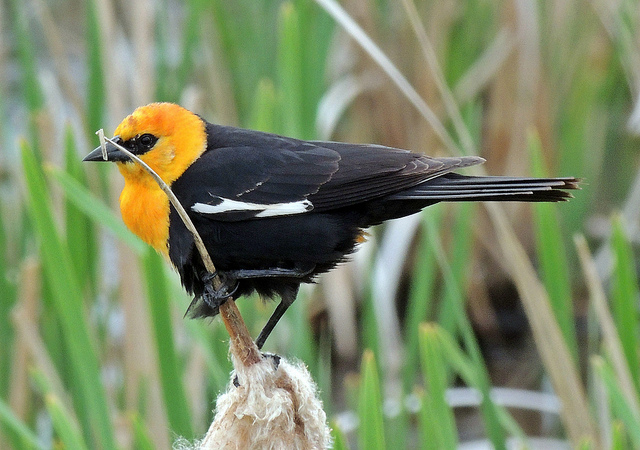
Yellow-hooded Blackbird (Chrysomus icterocephalus) ©Flickr Bob

Yellow-hooded Blackbird (Chrysomus icterocephalus) ©Flickr Bob

His head is like the finest gold; His locks are wavy, And black as a raven. (Song of Solomon 5:11 NKJV)

Most casual birdwatchers do not now the name of  Icteridae, but if I were to mention Blackbirds, Bobolink, Meadowlarks, Cacique, Orpendendolas, Orioles, Toupials, Grackles, Cowbirds, Baywings, and Marshbirds, you would have heard of them. Many in this Icteridae Family are very commonly seen. That is, if you live in the “New World” or Western Hemisphere, specifically the Americas (including nearby islands such as those of the Caribbean and Bermuda).

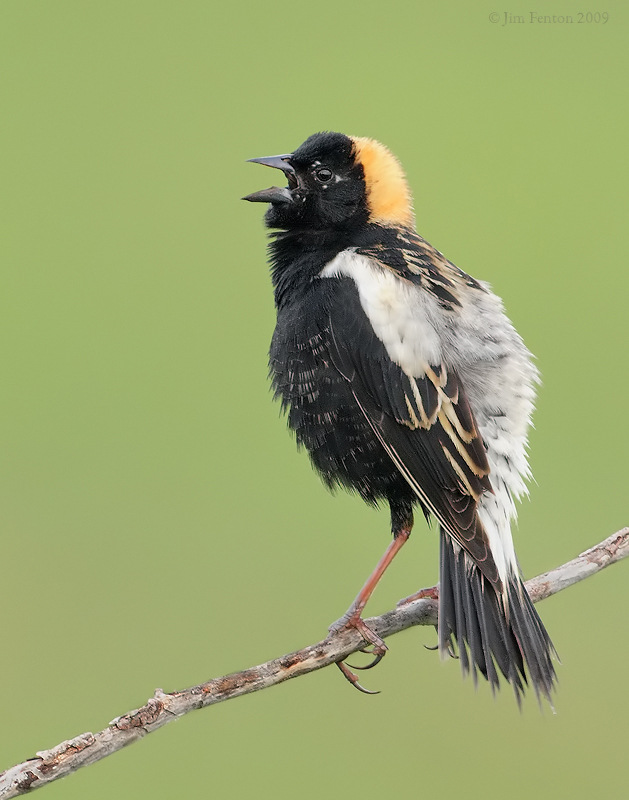
Bobolink (Dolichonyx oryzivorus) by J Fenton

Bobolink (Dolichonyx oryzivorus) by J Fenton

This family has 109 members presently (6.1 Version of I.O.C). Wikipedia says, “Icterids make up a family (Icteridae) of small to medium-sized, often colorful passerine birds restricted to the New World. Most species have black as a predominant plumage color, often enlivened by yellow, orange or red. The family is extremely varied in size, shape, behavior and coloration. The name, meaning “jaundiced ones” (from the prominent yellow feathers of many species) comes from the Ancient Greek ikteros, through the Latin ictericus.”

“Despite the similar names, the first groups are only distantly related to the Old World common blackbird (a thrush) or the Old World orioles.”

Venezuelan Troupial (Icterus icterus) ©©Cqueulat00

Venezuelan Troupial (Icterus icterus) ©©Cqueulat00

“Icterids have adapted to taking a wide range of foods. Oropendolas and caciques use their gaping motion to open the skins of fruit to obtain the soft insides, and have long bills adapted to the process. Others such as cowbirds and the bobolink have shorter stubbier bills for crushing seeds. The Jamaican blackbird uses its bill to pry amongst tree bark and epiphytes. Orioles will drink nectar.” (Wikipedia, with editing)

This slideshow requires JavaScript.

For from you the word of the Lord has sounded forth, not only in Macedonia and Achaia, but also in every place. Your faith toward God has gone out, so that we do not need to say anything. (1 Thessalonians 1:8 NKJV)

“I’ll Stand Up and Say So” ~ ©Hyssongs from “Blessed” Album)

*

Sunday Inspiration

Icteridae – Oropendolas, Orioles & Blackbirds Family

Icterid – Wikipedia

Hope for Hard Times

*

Lee’s Six Word Saturday – 4/30/16

***

Flock Scattering at shore by Lee

THE FLOCK SHALL BE SCATTERED ABROAD

***


“Then saith Jesus unto them, All ye shall be offended because of me this night: for it is written, I will smite the shepherd, and the sheep of the flock shall be scattered abroad.” (Matthew 26:31)

Flock Scattering at shore by Lee

*

More Daily Devotionals

*

Lee’s Five Word Friday – 4/29/16

***

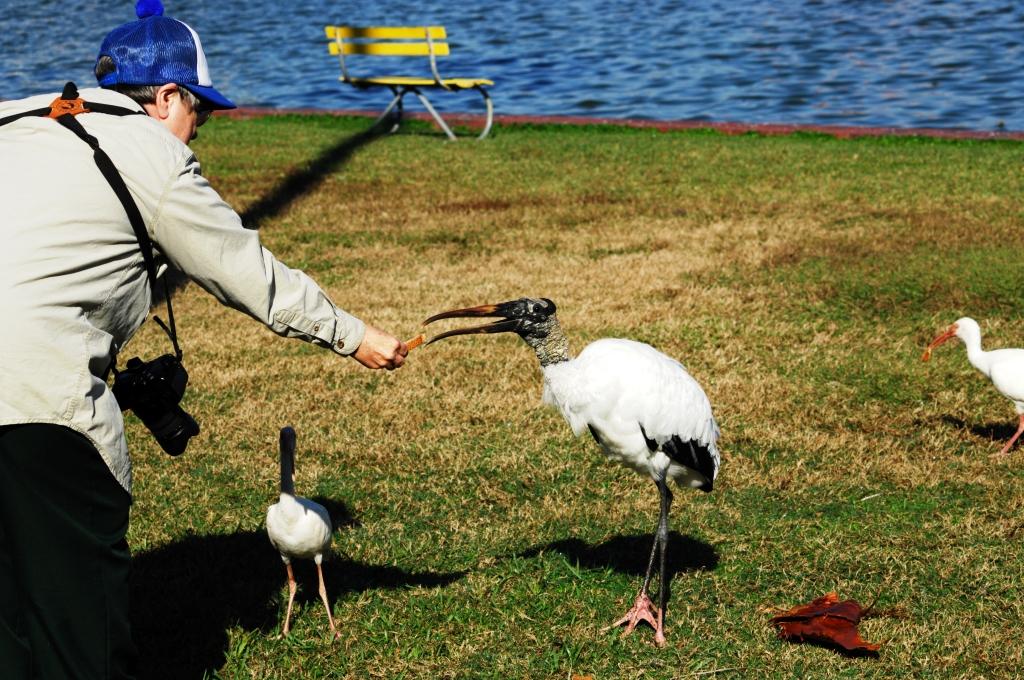
Lee feeding Wood Stork at Lake Morton by Dan Jan 2011

THEY THAT EAT THY BREAD

***


“All the men of thy confederacy have brought thee even to the border: the men that were at peace with thee have deceived thee, and prevailed against thee; they that eat thy bread have laid a wound under thee: there is none understanding in him.  (Obadiah 1:7)

Lee feeding Wood Stork at Lake Morton by Dan Jan 2011

*

More Daily Devotionals

*

New Avian Speed Champion Discovered ~ Re-posted

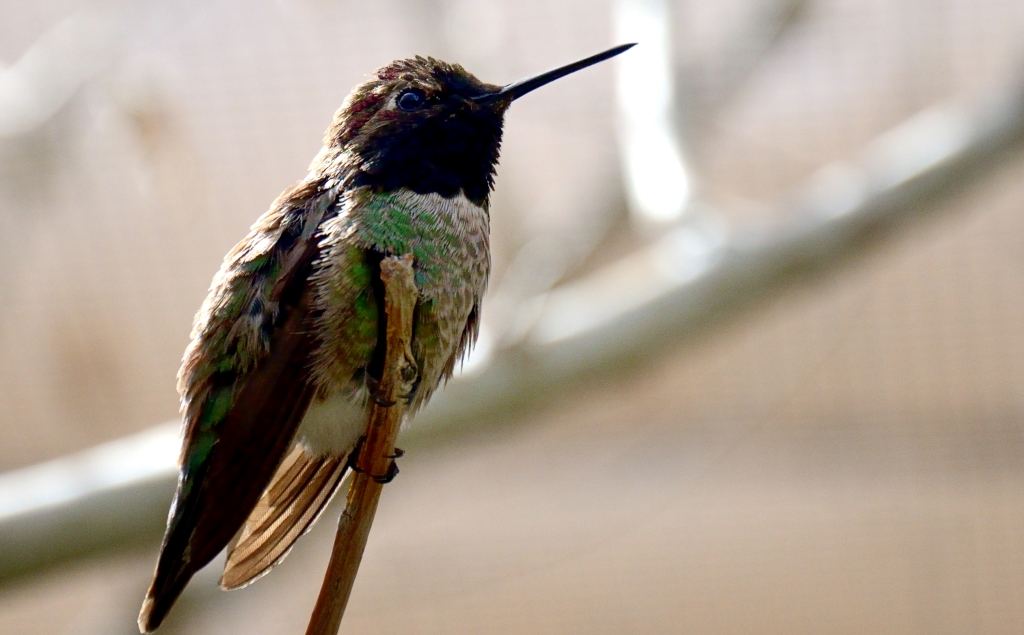
Anna's Hummingbird (Calypte anna) by Ian

Anna’s Hummingbird (Calypte anna) by Ian

“Which doeth great things past finding out; yea, and wonders without number.” (Job 9:10)

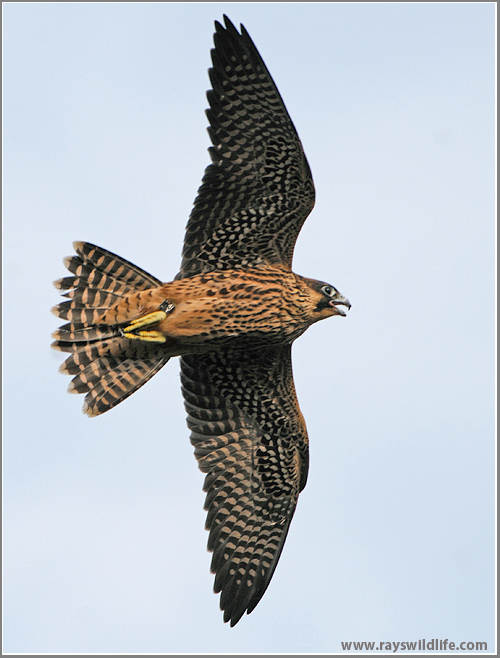
Peregrine Falcon in Flight

Peregrine Falcon in Flight by Raymond Barlow

A peregrine falcon diving toward its prey reaches a relative speed of 200 body-lengths per second. This is close to the 207 body-lengths that the space shuttle travels as it enters our atmosphere. Thus, the peregrine falcon was thought to easily be the fastest dare-devil bird on Earth.

Anna's Hummingbird (Calypte anna) Desert Museum-Tuscon by Dan

Anna’s Hummingbird (Calypte anna) Desert Museum-Tuscon by Dan

Scientists have now discovered that a little pink male hummingbird called Anna’s Hummingbird is the real Top Gun among the birds. As part of its mating ritual, a male hummingbird will try to impress a female with his speed and acrobatics. First, the male will fly up to about 90 feet above the ground. Then, he begins a power dive. As he nears the female, he pulls up, ascending again. During that near-miss pull-up he experiences more than nine times the force of gravity. His relative speed during descent is 385 body-lengths per second. That’s almost twice the peregrine falcon’s relative speed. It’s faster than the space shuttle entering the Earth’s atmosphere and is more than twice the relative speed of a jet fighter running with afterburners!

The wonders of God’s creation are still being discovered, and Creation Moments still loves to make them known to our listeners. But God’s greatest wonder is His love for us though His Son, Jesus Christ. We are thankful that this wonder is revealed to us in the Bible.

Prayer:
Father, I give You thanks for the wonders You create, but I especially give You thanks for the wonder of salvation. Amen.
Notes:
Science News, 7/4/09, p. 7, Susan Millius, “Hummingbird pulls Top Gun stunts.” Photo: Male Anna’s hummingbird. Courtesy of Kevin Cole. (CC BY 2.0)

New Avian Speed Champion Discovered ©Creation Moments 2016

***

*

Wordless Birds – With Hummingbirds

Lee’s Four Word Thursday – 4/28/16

***

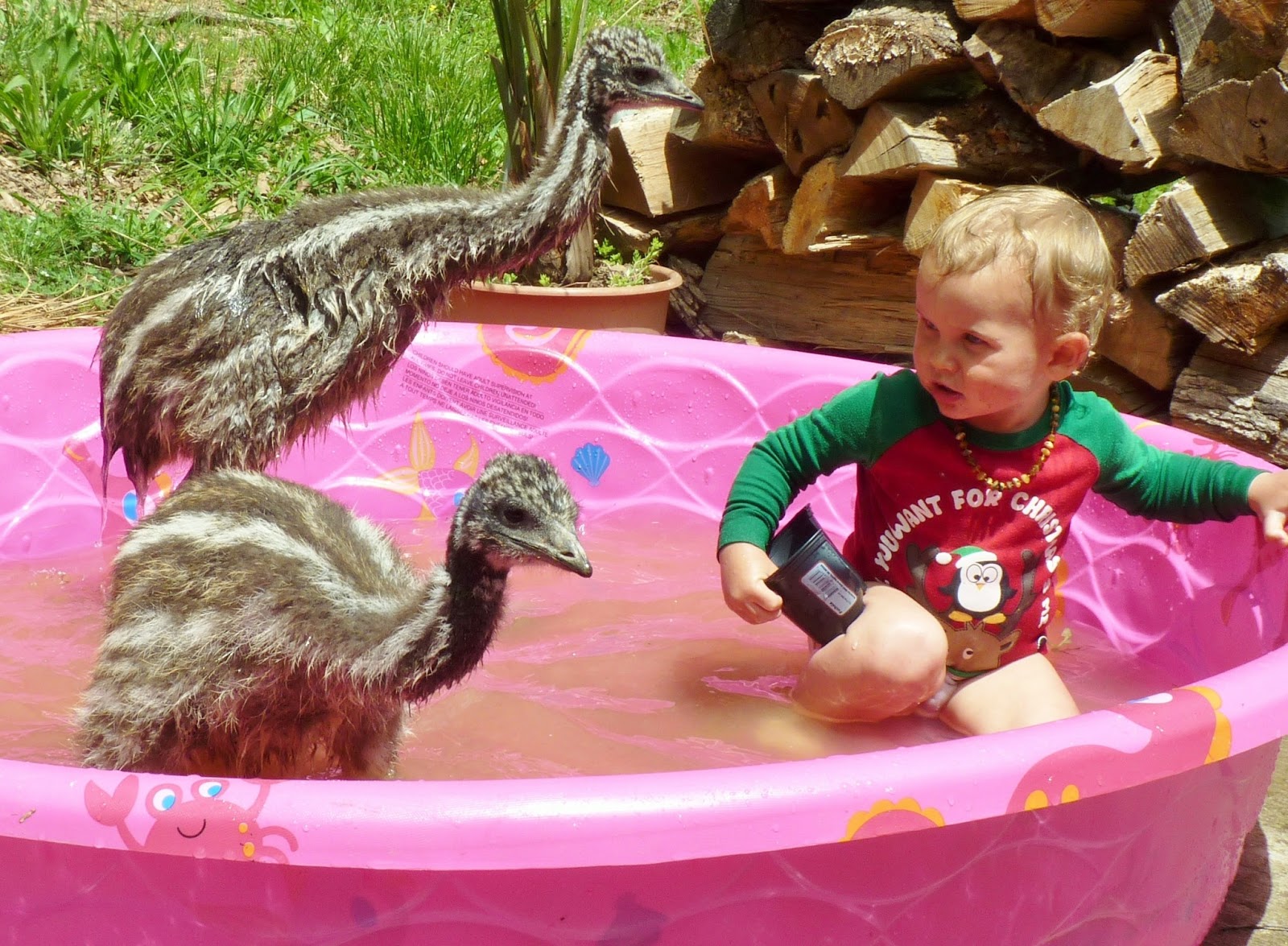
Swimming with the Emus ©©

BECOME AS LITTLE CHILDREN

***


“And said, Verily I say unto you, Except ye be converted, and become as little children, ye shall not enter into the kingdom of heaven.”  Matthew 18:3

Swimming with the Emus ©©

*

More Daily Devotionals

*

Lee’s Three Word Wednesday – 4/27/16

***

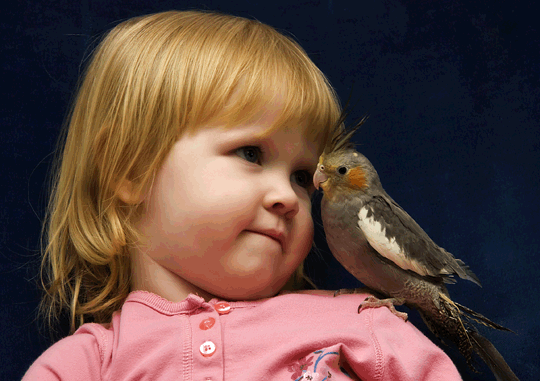
Cockatiel On Her Shoulder ©Daily Mail

ON HER SHOULDER

***


“And before I had done speaking in mine heart, behold, Rebekah came forth with her pitcher on her shoulder; and she went down unto the well, and drew water: and I said unto her, Let me drink, I pray thee.” (Genesis 24:45)

Cockatiel On Her Shoulder ©Daily Mail

*

More Daily Devotionals

*

Lee’s Two Word Tuesday – 4/26/16

***

Seagull Stare at Tybee Island

WATCHERS COME

***


Make ye mention to the nations; behold, publish against Jerusalem, that watchers come from a far country, and give out their voice against the cities of Judah.  Jeremiah 4:16

Seagull Stare at Tybee Island

*

More Daily Devotionals

*

Birds Legs Says No Evolution – Creation Moments

Birds’ Unique Leg Structure Says No Evolution – From Creation Moments

“And God created … every winged fowl after his kind: and God saw that it was good.” (Genesis 1:21)

Countless television programs, museums, textbooks, and popular articles tell us that the birds evolved from dinosaurs. It now appears that this claim is even less credible!

Birds' Unique Leg Structure Says No Evolution

Researchers at Oregon State University have made a fundamental discovery about how birds breathe. Unlike land animals, birds have immovable thigh bones, and they walk and run by bending their knees. All land creatures can move both their thigh bone as well as bend their knees to walk and run. This included the dinosaurs and other theropods from which birds supposedly evolved.

Birds need twenty times as much oxygen as cold-blooded animals. To supply this need, birds are designed with unique lungs and supporting musculature. Researchers found that if birds had the usual muscle structures and could move their thighs, their high-performance lungs would collapse. Even the evolutionists at Oregon State University said that this makes it unlikely that birds evolved from dinosaurs, and they added that birds appear earlier in the fossil record than the theropods from which they supposedly evolved!

There are other transition problems associated with bird evolution that are seldom mentioned. For example, reptiles are cold-blooded and birds are warm-blooded; yet, this major transition has seemingly been overlooked.

Of course, the Bible has always taught that birds were specially made by God and did not evolve from any other creature.

Prayer:
Lord, You have designed all things well. Do not let Your people be fooled by those who deny Your works. Amen.
Notes:
Oregon State University (2009, June 9), “Discovery Raises New Doubts About Dinosaur -Bird Links.” Science Daily.
©Creation Moments 2016
*

*

Interesting Things

Wordless Birds

*

Lee’s One Word Monday – 4/25/16

***

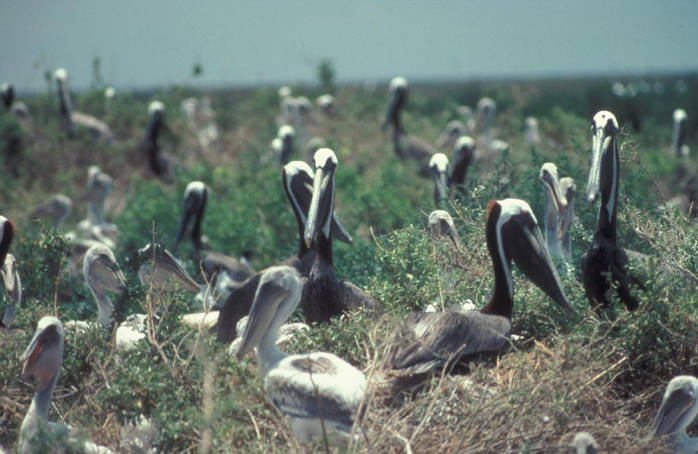
Brown Pelican (Pelecanus occidentalis) rookery ©USFWS

LONGSUFFERING

***


“But the fruit of the Spirit is love, joy, peace, longsuffering, gentleness, goodness, faith, Meekness, temperance: against such there is no law.” (Galatians 5:22-23 KJV)

Brown Pelican (Pelecanus occidentalis) rookery ©USFWS

*

More Daily Devotionals

*

“B” is for Bobwhite and Buteo: “B” Birds, Part 2

“B” is for Bobwhite and Buteo: “B” Birds, Part  2

James J. S. Johnson
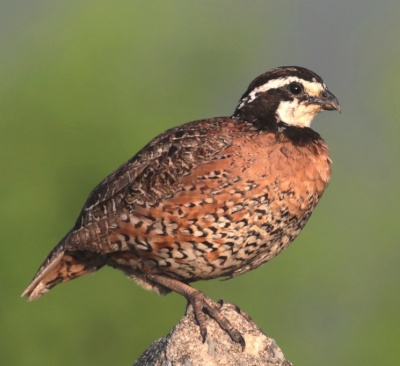
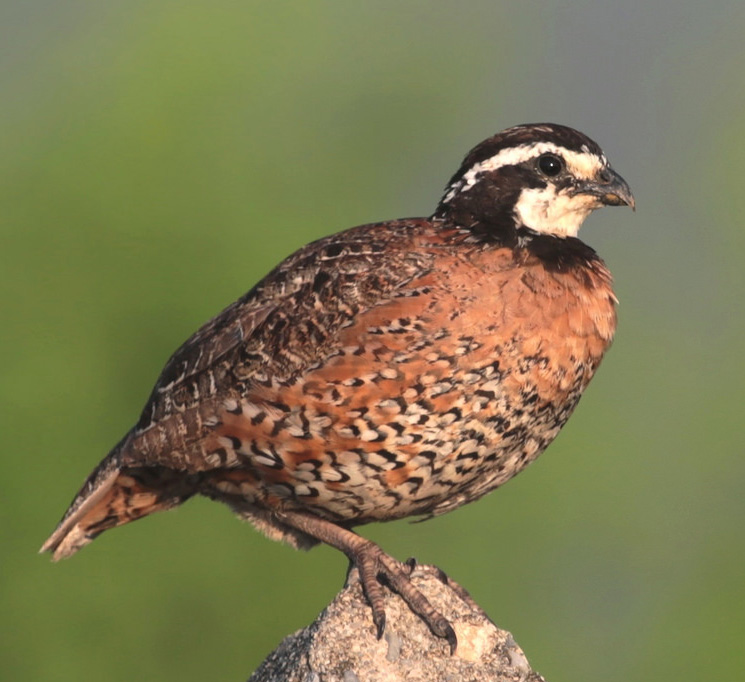
Northern Bobwhite (Colinus virginianus) ©StateSymbols

Northern Bobwhite (Colinus virginianus) ©StateSymbols

BOBWHITE QUAIL (Colinus virginianus)

In this series the “B” birds began (in Part 1) with Bluebird and Bittern. 

In this Part 2 the “B” birds will continue with Bobwhite Quail and Buteo Hawks.

Now for Bobwhite, i.e., the Bobwhite Quail — and the relevance of 1st Samuel 26:20 will be noted below.

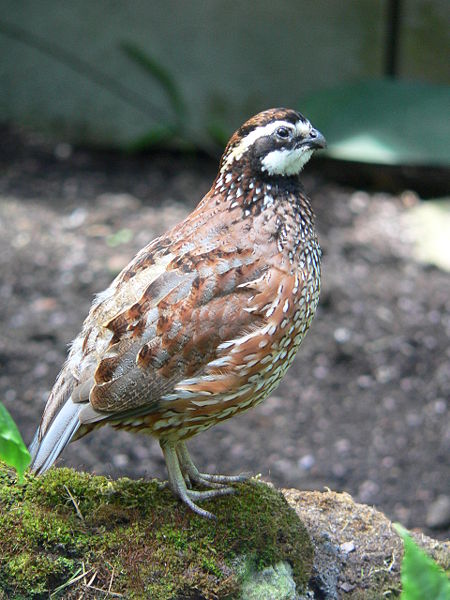
Bobwhite is the name of a bird belonging to the New World quail family.  Other members of that quail family include the Yucatan (Black-throated) Bobwhite, the Crested Bobwhite, and the Spot-bellied Bobwhite.

Northern Bobwhite

The Bobwhite Quail (Colinus virginianus), a/k/a Northern Bobwhite and Virginia Quail, is a “New World quail”, meaning that it belongs to the group of pheasant/grouse/partridge/quail-like ground-fowl that habituate parts of North America.  In particular, the Northern Bobwhite is the only small native galliform (i.e., chicken-like ground-fowl) in the eastern region of North America.

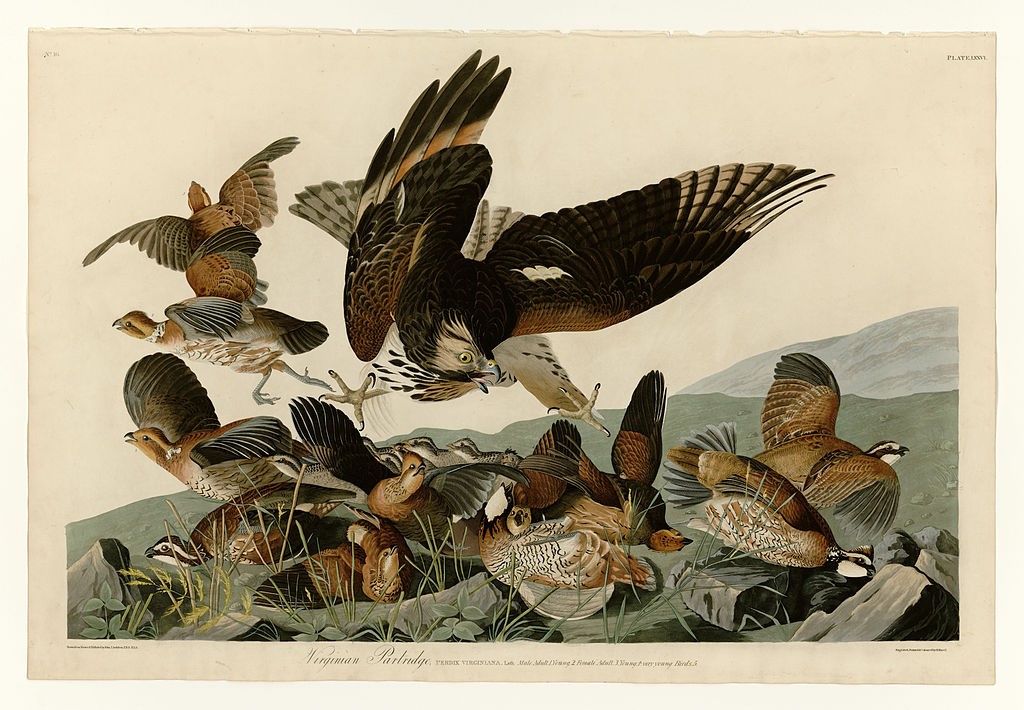
The name “bobwhite” is supposed to represent this quail’s terse two-syllable whistle-call.  The Bobwhite’s call has a lower (and slower) first syllable, followed by a sharply projected (and quicker) “whhht”.  One variety of the Northern Bobwhite, known for habituating Virginia, was formerly called the “Virginia Partridge” (e.g., by ornithologist John James Audubon) – that local variety now being called Colinus virginianus virginianus (identified by Linnaeus in AD1758).
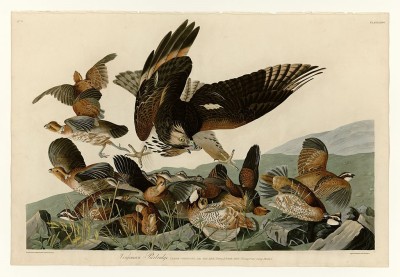
Virginia Partridge (under attack by diving hawk) depicted by John James Audubon (Public Domain)

Virginia Partridge (under attack by diving hawk) depicted by John James Audubon (Public Domain)

Bobwhite Quail, a/k/a Virginia Quail (and a/k/a Northern Bobwhite), are quail.  Accordingly, it is unsurprising to learn that they hybridize with other quail – reports indicate successful hybridizations with Blue Quail (Coturnix adansonii), Gambel’s Quail (Callipepla gambelii), California Quail (Callipepla californica), and Mountain Quail (Oreortyx pictus).

The ground-fowl lifestyle of this grouse-like ground-fowl is comparable to the Rock Partridge (Alectoris graeca) of which Israel’s king David once wrote:

Now therefore, let not my blood fall to the earth before the face of the Lord: for the king of Israel is come out to seek a flea, as when one doth hunt a partridge in the mountains.  (1st Samuel 26:20).

(See “Rock Partridges: Lessons about Hunting and Hatching”, citing 1st Samuel 26:20).

Now for the last category of “B” birds, the Buteo hawks. 

So what are the most prominent characteristics of buteo hawks?  Describing the birds of prey we call Buteo Hawks (a/k/a “buzzard hawks”), Roger Tory Peterson says:  “Large, thick-set hawks, with broad wings and wide, rounded tails.  Buteos habitually soar high in wide circles”, taking advantage of thermal air currents to lift their heavy bodies. [See Roger Tory Peterson, A FIELD GUIDE TO WESTERN BIRDS (Houghton Mifflin, 3rd ed., 1990), page 174.]  The different sexes often look similar, yet the female buteo is typically larger than her male counterpart.
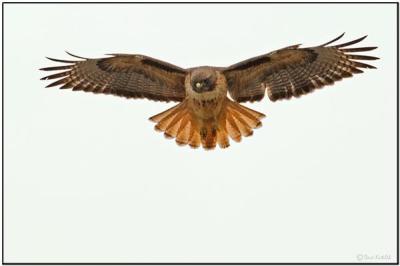
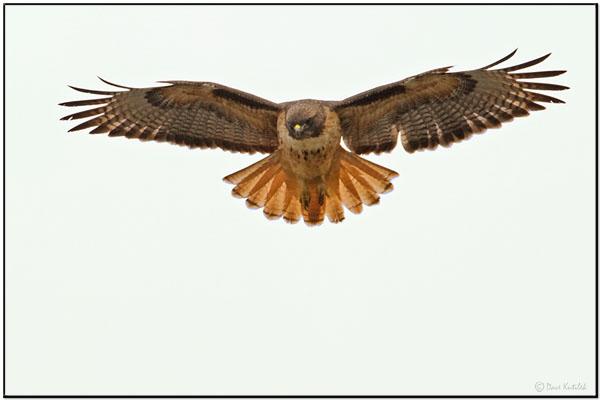
Red-tailed Hawk (Buteo jamaicensis) by Daves BirdingPix

Red-tailed Hawk (Buteo jamaicensis) by Daves BirdingPix

Buteo hawks, as a category or raptors, are routinely contrasted with the Accipiter hawks (a/k/a “bird hawks”) that were described in the previous article on A” birds (see “A” for Accipiter and Alcid: “A” Birds, Part 2, featuring Cooper’s hawk as the representative accipiter).  Hawk-like raptor birds include kites, falcons (including kestrels), harriers, eagles, Old World buzzards, vultures, osprey, and the exotic Secretary Bird.

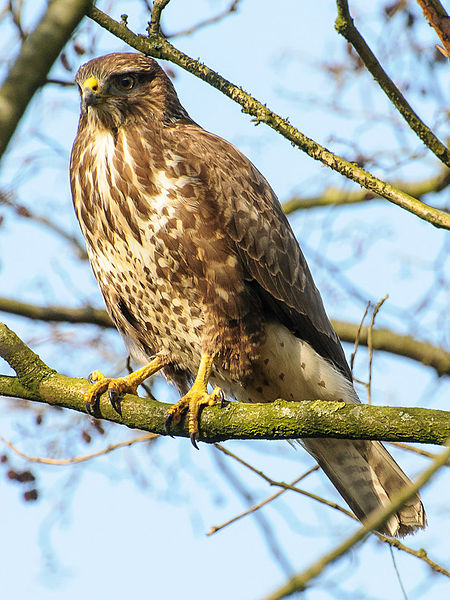
Common Buzzard (Buteo buteo) ©WikiC

Common Buzzard (Buteo buteo) ©WikiC

Common Buzzard (Buteo buteo, of Eurasia)

The paradigmatic buteo, in Europe, would be the Common Buzzard (Buteo buteo).  However, that hawk has non-artificial range in the Western Hemisphere, so the Common Buzzard is not “common” to American birders.  Besides the Common Buzzard, there are many buteo hawks around the world, such as the Ferruginous Hawk (Buteo regalis), Grey Hawk (Buteo plagiatus), Swainson’s Hawk (Buteo swainsoni), Eastern Buzzard (Buteo japonicas), Himalayan Buzzard (Buteo burmanicus), Cape Verde Buzzard (Buteo bannermani), Short-tailed Hawk (Buteo brachyurus), and many more. For this article, however, to represent the entire group of buteos, one buteo will be reviewed, the Red-tailed Hawk (Buteo jamaicensis) of North America.

RED-TAILED HAWK  (Buteo jamaicensis).
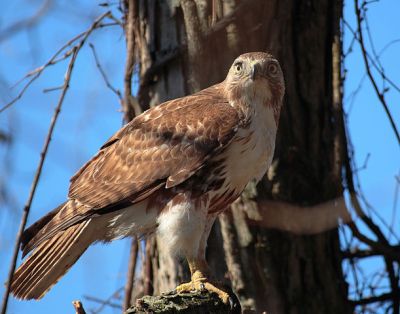
Red-tailed Hawk (Buteo jamaicensis) ©WikiC

Red-tailed Hawk (Buteo jamaicensis) ©WikiC

The Red-Tailed Hawk (Buteo jamaicensis) is described by ornithologist Mary Taylor Gray as follows: “The most abundant, widespread, and familiar hawk of he West, the Red-tailed Hawk resides year-round in Colorado [and elsewhere].  Adult birds are readily identified by their rusty-red tail[s].  Dark bars along the undersides of the leading edge of the outstretched wings, near the shoulder, are also characteristic.  We often see redtails perched on power [utility] poles or soaring in the air on broad wings, carving slow, wide arcs.  The redtail’s dramatic call fits its image as a western icon.  The down-slurred scream—Keeeer!—is often heard as a background sound in movies and television shows.”  [Quoting Mary Taylor Gray, THE GUIDE TO COLORADO BIRDS (Englewood, Colorado: Westcliffe Publishers, 1998), page 66.]

Gray’s observation – that the Red-tailed Hawk is the common buteo of America’s Great West – is illustrated by my own birding experience, even 20 years ago! – having seen redtails during AD1996 in places as divergent as Montana (eastern side of Glacier National Park, July 2nd AD1996) and South Texas (Rockport-Fulton shoreline, Aransas Bay region, March 10th AD1996).
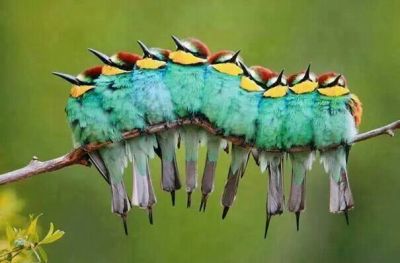
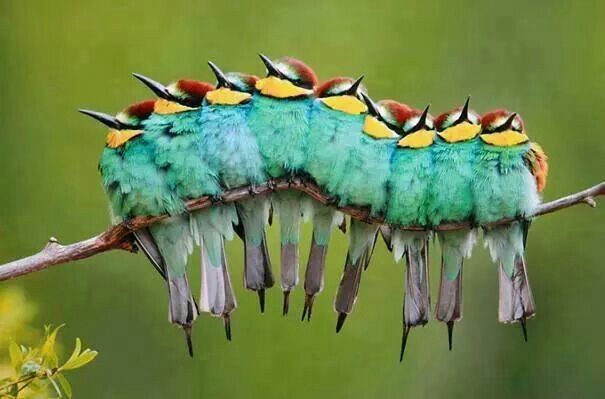
Bee-eaters From Pinterest

Bee-eaters From Pinterest

Of course, other “B” birds (such as the colorful and gregarious bee-eaters, shown above – photograph taken from Lee Dusing’s “Fellowship”,  exhibit our alphabet’s second letter – but this article is already long enough.  God willing, the next contribution to this alphabetic series will be some “C“ birds – such as Cardinal, Chicken, Coot, Cormorant, Chickadee, Caracara, Crane, Cuckoo, Curlew, and Corvid (including Crow)!  So stay tuned!    > JJSJ

*

“B” is for Bluebird and Bittern: “B” Birds, Part 1

“A” is for Avocet, Albatross: “A” Birds, Part 1

“A” is for Accipiter and Alcid: “A” Birds, Part 2

*
 

Lee’s Seven Word Sunday – 4/24/16

***

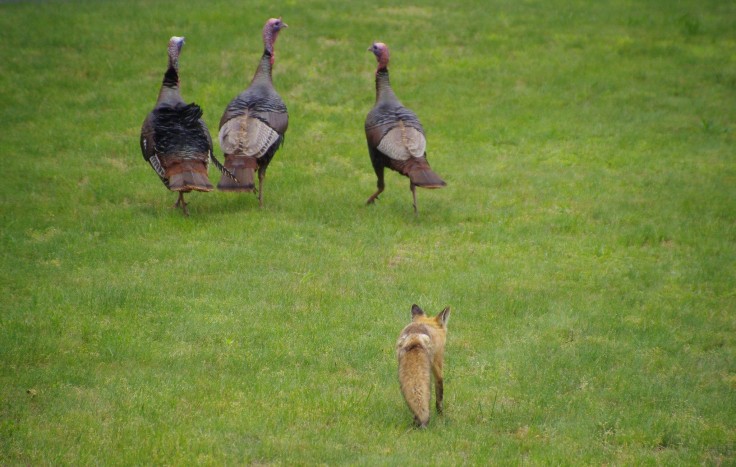
Fox following, stalking, turkeys. ©AnimalWallXYZ

THEY SHALL BE A PORTION FOR FOXES

***


“They shall fall by the sword; they shall be a portion for foxes.”  (Psalm 63:10)

Fox Following, Stalking, Turkeys. ©AnimalWallXYZ

*

More Daily Devotionals

*