RockDoveBlog published this article yesterday and thought you might enjoy reading about this Cool Duck.
An amazing story of duck survival was reported, years ago, by BBC News:
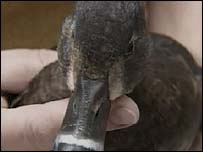
A duck in the US state of Florida has survived gunshot wounds and a two-day stint in a refrigerator. A hunter shot the duck, wounding it in the wing and leg. Believing the bird was dead, he left it in his fridge at his home in Tallahassee. The hunter’s wife got a fright when she opened the fridge and the duck lifted its head, a local veterinarian said. Staff at the Goose Creek Animal Sanctuary who are treating the bird said it has a 75% chance of survival. CLICK HERE TO READ THE REST OF THE BLOG
“Be patient therefore, brethren, unto the coming of the Lord. Behold, the husbandman waiteth for the precious fruit of the earth, and hath long patience for it, until he receive the early and latter rain.” (James 5:7 KJV)
Cajun Cuisine at Willie’s Duck Diner (West Monroe, Louisiana, AD2018)
“…that ye might learn in us not to think of men above that which is written, that no one of you be puffed up for one against another.” (1 Corinthians 4:6b KJV)
“And he arose, and came to his father. But when he was yet a great way off, his father saw him, and had compassion, and ran, and fell on his neck, and kissed him.” (Luk 15:20 KJV)
“I know all the fowls of the mountains: and the wild beasts of the field are mine.” (Psam 50:11 KJV)
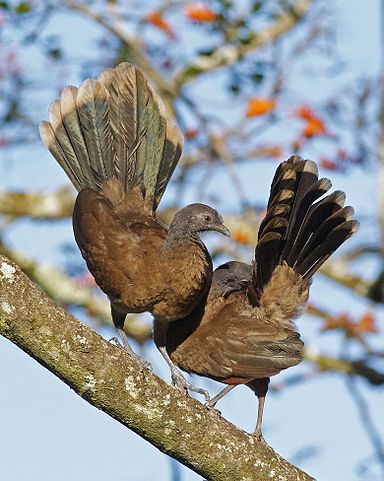
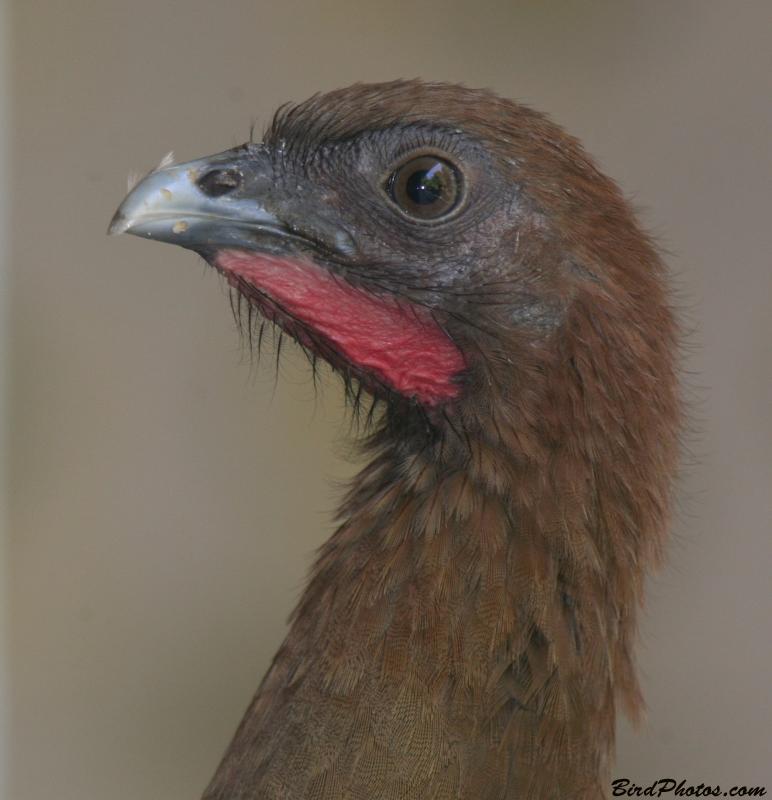
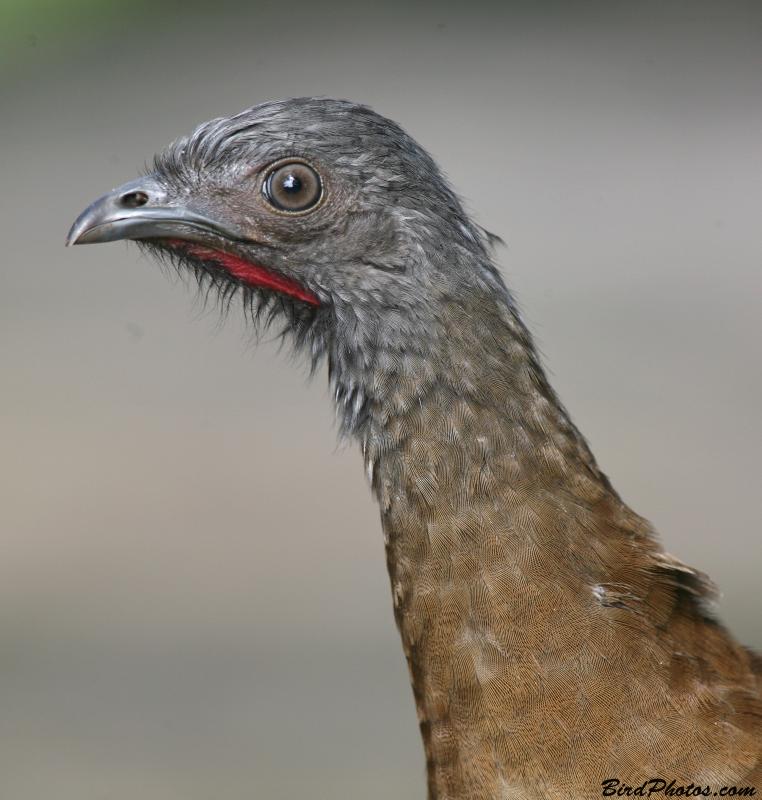
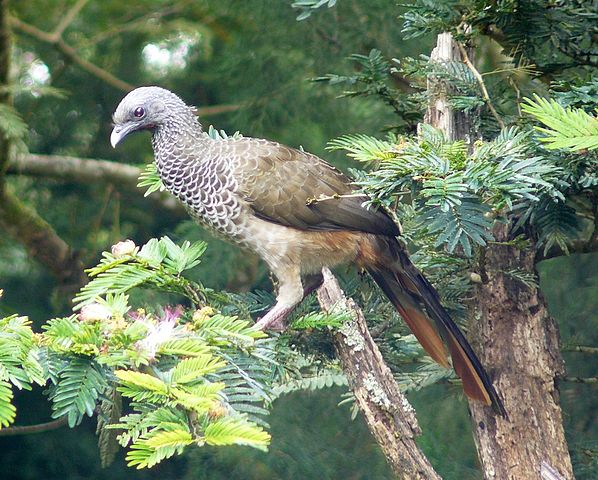
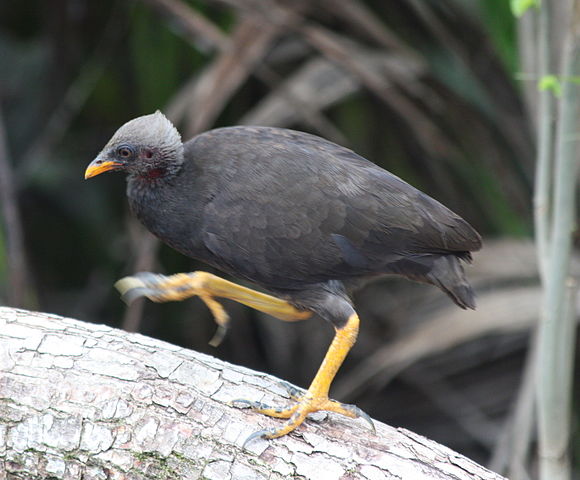
Chachalacas are a part of the Cracidae family. There are 55 species in this family and these 16 Chachalacas are in the Ortalis genus. It makes for a good division for this family, plus, I have been having computer problems for over a week. So, we will go with these noisy little avian wonders from the Lord’s hand. You may notice that they are not really “handsome” or “colorful,” yet, they are just as special to their Creator as the more fancy birds.
Rufous-vented Chachalaca (Ortalis ruficauda) by Kent Nickel
Chachalacas are mainly brown galliform birds from the genus Ortalis. These birds are found in wooded habitats in far southern United States (Texas), Mexico, and Central and South America. They are social, can be very noisy and often remain fairly common even near humans, as their relatively small size makes them less desirable to hunters than their larger relatives. They somewhat resemble the guans, and the two have commonly been placed in a subfamily together, though the chachalacas are probably closer to the curassows.
The generic name is derived from the Greek word όρταλις, meaning “pullet” or “domestic hen.” The common name is an onomatopoeia for the four-noted cackle of the plain chachalaca (O. vetula). (Information from Wikipedia)
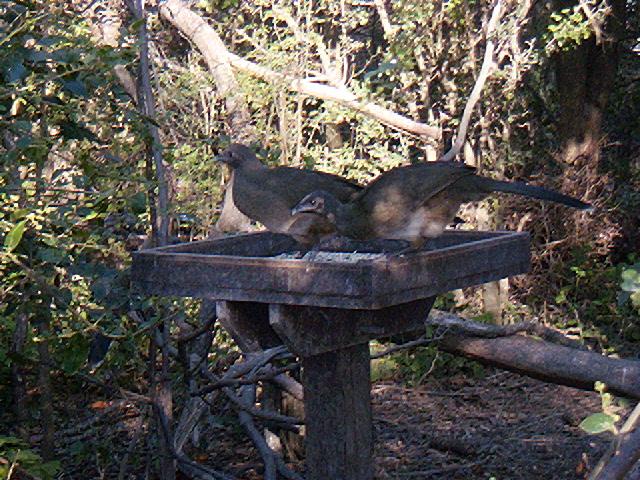
Plain Chachalaca at Santa Ana NWR, 2002 [Old camera]
We were fortunate to see our first Chachalaca at the Santa Ana NWR in South Texas back in 2002. They just barely come over into the U.S.
This slideshow requires JavaScript.
After that noisy Chachalaca thought you might like a little quieter song.
*And my people shall dwell in a peaceable habitation, and in sure dwellings, and in quiet resting places;” (Isa 32:18 KJV)
“Quiet Rest* and “Sweet Hour of Prayer” ~ by Kathy Lisby – Nell Reese acc”.
“And my hand hath found as a nest the riches of the people: and as one gathereth eggs that are left, have I gathered all the earth; and there was none that moved the wing, or opened the mouth, or peeped.” (Isaiah 10:14 KJV)




 Lee's Birdwatching Adventures Plus