***
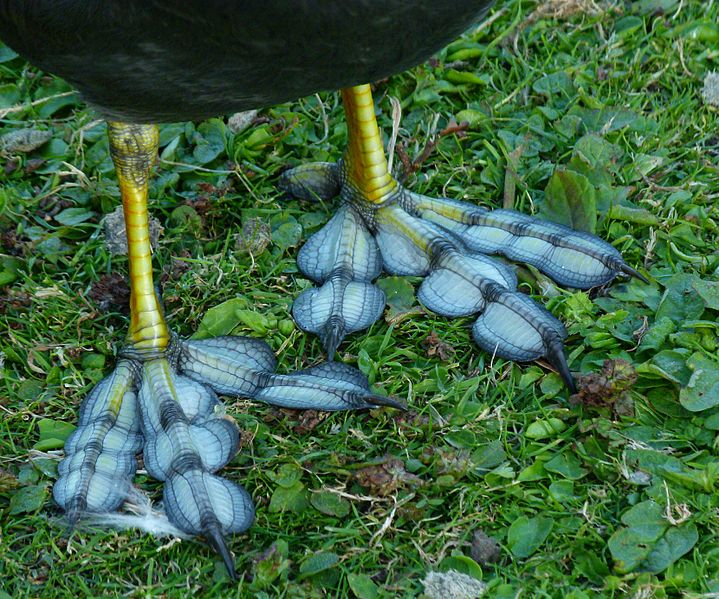
FEET
***
“He brought me up also out of an horrible pit, out of the miry clay, and set my feet upon a rock, and established my goings.” (Psalms 40:2 KJV)
Eurasian Coot (Fulica atra) Lobed Feet ©WikiC
*
*
“He brought me up also out of an horrible pit, out of the miry clay, and set my feet upon a rock, and established my goings.” (Psalms 40:2 KJV)
Eurasian Coot (Fulica atra) Lobed Feet ©WikiC
*
*

Water and Food Holders for the Cages – Lee at Ark Encounter
This is the fourth blog about Birdwatching on board the Ark Encounter. The Ark Encounter is a full-sized model of the Ark that is located in Williamstown, Kentucky.
James J. S. Johnson, Dr. Jim as I call him, writes articles here, but he also has a blog called Rockdoveblog. He has been writing limericks lately, and this one fits well with today’s article.
The Floating Zoo by Dr. James J. S. Johnson
There once was a boat called the Ark:
Peep, meow, baa, hee-haw, and bark!
Its size was quite large,
As afloat went this barge:
Noah’s at-sea zoölogical park!COMMENTARY: See Genesis chapters 6 through 9.
I am sure it WAS interesting on board the Ark, with all the many critters. In the Birdwatching On Board The Ark Encounter – The Provisions I article, I showed you how they stored the food and water for them and the critters. There are more photos to show and tell you about. As the waters were lifted up, and the ark began to float, there had to be a rise in the noise level of the critters on board.
“And the flood was forty days upon the earth; and the waters increased, and bare up the ark, and it was lift up above the earth. And the waters prevailed, and were increased greatly upon the earth; and the ark went upon the face of the waters. And the waters prevailed exceedingly upon the earth; and all the high hills, that were under the whole heaven, were covered. Fifteen cubits upward did the waters prevail; and the mountains were covered.” (Genesis 7:17-20 KJV) [emphasis added]

The Fairy Tale Ark Room
Surely the critters were frightened at times, as were the humans. When the fountains of the deep broke up and the rain fell, it was not a smooth sailing cruise liner. Yet, the Lord God had given Noah the measurements and design for the Ark. Our Omninescient Creator knew exactly how the Ark would hold up during the upheavals and wave actions of all that was going on outside the Ark. (See “Lifted Up From The Earth” by Henry M. Morris, Ph.D., How Could All the Animals Get On Board Noah’s Ark? and The Survival of Noah’s Ark, John D. Morris, Ph.D.)
“In the six hundredth year of Noah’s life, in the second month, the seventeenth day of the month, the same day were all the fountains of the great deep broken up, and the windows of heaven were opened. And the rain was upon the earth forty days and forty nights.” (Genesis 7:11-12 KJV)
Most of our readers are familiar with the details of the Flood, which was universal and not a local flood, as some claim. In fact, one of the rooms at the Ark Encounter they call the “Fairy Tale Ark” room. They have a collection of children’s books and others, depicting the ark with a giraffe sticking his head out the roof, and other critters on deck. You’ve seen them. Here are our photos:


How would you provide for the people, birds and other critters for a year and at least 10 days, (see Provisions I), on those little arks? You couldn’t!!! More on this point another time.
The following is a quote from Chapter 10 of the New Answers Book 1 – Was There Really a Noah’s Ark and Flood? (Online)
“How Did Noah Care for All the Animals?
Just as God brought the animals to Noah by some form of supernatural means, He surely also prepared them for this amazing event. Creation scientists suggest that God gave the animals the ability to hibernate, as we see in many species today. Most animals react to natural disasters in ways that were designed to help them survive. It’s very possible many animals did hibernate, perhaps even supernaturally intensified by God.
Whether it was supernatural or simply a normal response to the darkness and confinement of a rocking ship, the fact that God told Noah to build rooms (“qen”—literally in Hebrew “nests”) in Genesis 6:14 implies that the animals were subdued or nesting. God also told Noah to take food for them (Genesis 6:21), which tells us that they were not in a yearlong coma either.”
“Were we able to walk through the Ark as it was being built, we would undoubtedly be amazed at the ingenious systems on board for water and food storage and distribution. As Woodmorappe explains in Noah’s Ark: A Feasibility Study, a small group of farmers today can raise thousands of cattle and other animals in a very small space. One can easily imagine all kinds of devices on the Ark that would have enabled a small number of people to feed and care for the animals, from watering to waste removal.”
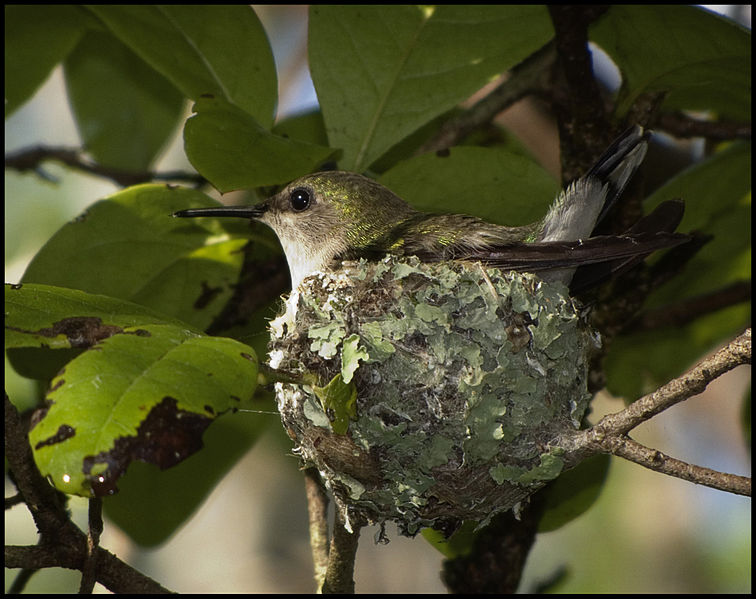
Vervain Hummingbird (Mellisuga minima) WikiC
If God did choose to have the “animals hibernate,” then, this would have required less provisions and time feeding the critters. That could be one way to stretch the food they had on board. Just from today’s behavior, we know that Hummingbirds go into a “torpor” state. Here is a quote from “How Do Hummingbirds survive Cold Nights? Hummingbirds and Torpor” (ScienceBlogs)
“Torpor is a type of deep sleep where an animal lowers its metabolic rate by as much as 95%. By doing so, a torpid hummingbird consumes up to 50 times less energy when torpid than when awake. This lowered metabolic rate also causes a cooled body temperature. A hummingbird’s night time body temperature is maintained at a hypothermic threshold that is barely sufficient to maintain life. This threshold is known as their set point and it is far below the normal daytime body temperature of 104°F or 40°C recorded for other similarly-sized birds.”
I can see again, we are going to need a Part III to this. But before we end this one, we need to not lose the fact of the applications with these provisions. Our Lord has provided us with daily provisions and meets our many needs. Yet, this Ark was for the preservation of those inside. Many were invited to get in the Ark, but they refused. Judgment was coming, they had been warned, yet they refused to heed the warnings. Then, it was too late. The Door was shut.
Today, the offer of salvation through the Lord Jesus Christ as our personal Savior is before us. Will we accept the Lord Jesus Christ as our Lord and Savior or we “fluff” it off like those who refused to enter the Ark. Judgment is coming. Many like to talk about the love part of the Lord, but there is also the judgment side. Hebrews 9:26-28 says,
“For then must he often have suffered since the foundation of the world: but now once in the end of the world hath he appeared to put away sin by the sacrifice of himself. And as it is appointed unto men once to die, but after this the judgment: So Christ was once offered to bear the sins of many; and unto them that look for him shall he appear the second time without sin unto salvation.” (Hebrews 9:26-28 KJV)
Before the Flood, man was able to look ahead to the cross, and now we look back at the cross. The Door was available the pre-flood people, they refused, except eight. Now the Door is open to us. Praise the Lord, Dan and I, along with many of you have opened the door of your hearts and let the Lord in.
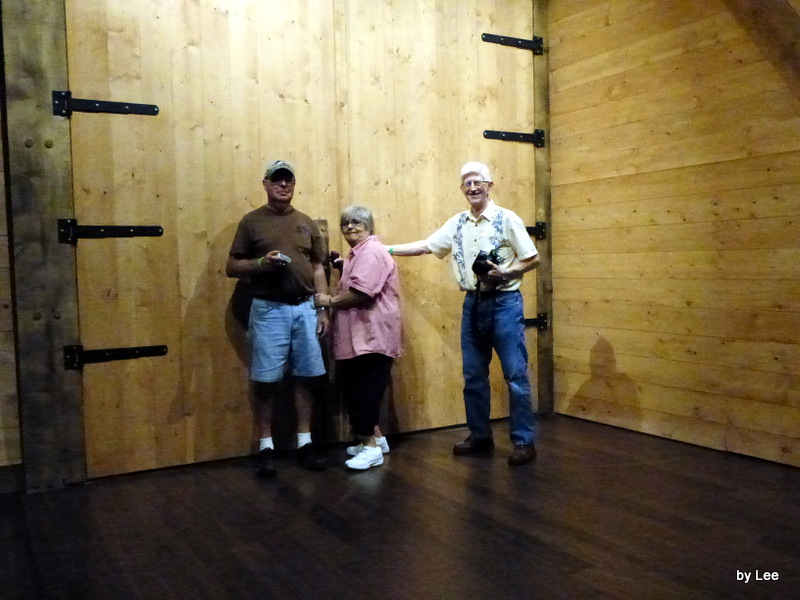
The Door at the Ark Encounter – Dan and our friends
“Then said Jesus unto them again, Verily, verily, I say unto you, I am the door of the sheep. All that ever came before me are thieves and robbers: but the sheep did not hear them. I am the door: by me if any man enter in, he shall be saved, and shall go in and out, and find pasture.” (John 10:7-9 KJV)
*
*

” To give subtilty to the simple, to the young man knowledge and discretion.” Proverbs 1:4
Emu (Dromaius novaehollandiae) Baby by WaltDaily©©
*
*
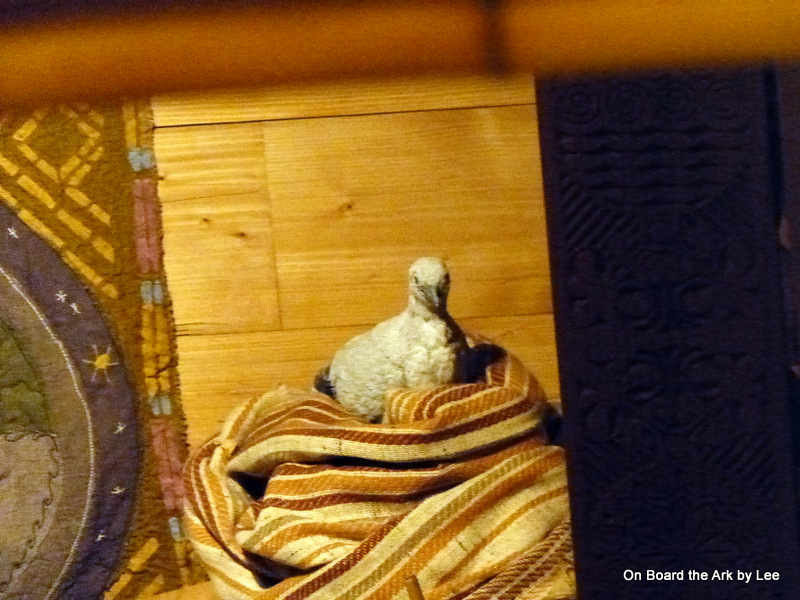
“But the dove found no rest for the sole of her foot, and she returned unto him into the ark, for the waters were on the face of the whole earth: then he put forth his hand, and took her, and pulled her in unto him into the ark.” (Genesis 8:9 KJV)
Dove resting on board the Ark Encounter by Lee
*
*
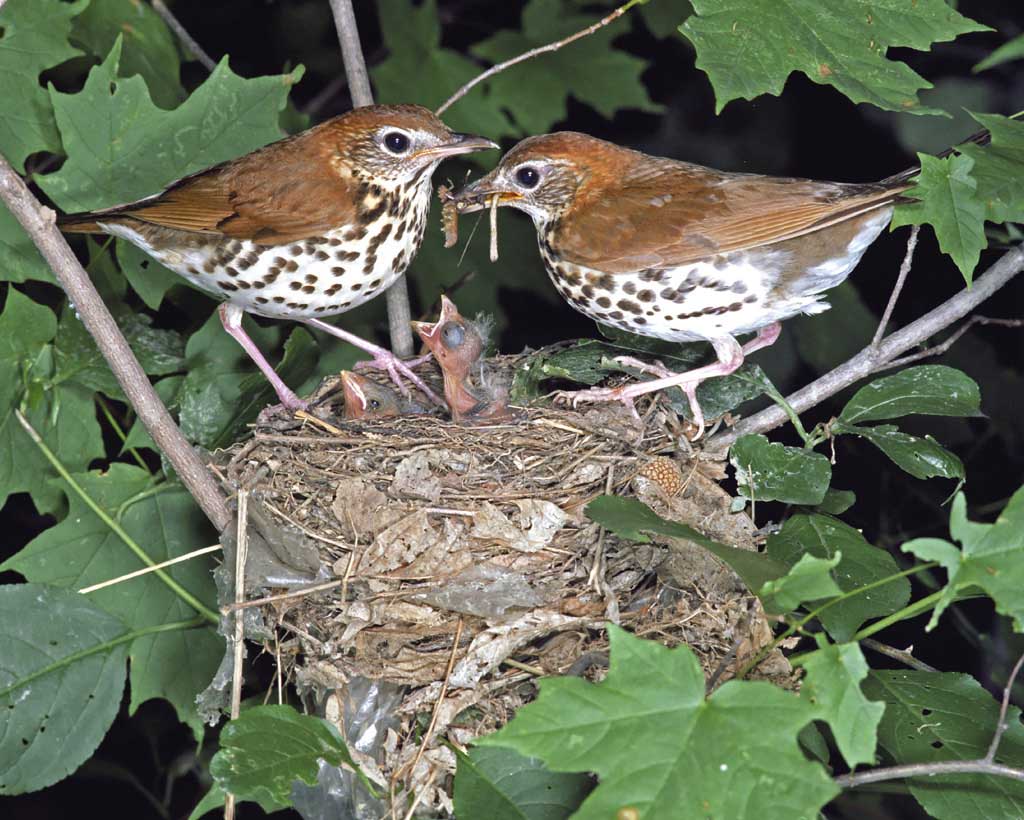
“These wait all upon Thee; that Thou mayest give them their meat in due season.” (Psalm 104:27)
Wood Thrush. Nest ©Audubon Society
*
*

The Door of the Ark by Lee
This is the third article in the Birdwatching On Board the Ark Encounter. Below are links to the other articles. This time I would like to share some of the ways they showed how critters and birds were provided with provisions to sustain them. [All the bolding is added emphasis by me.]
In Genesis 6, the God was instructing Noah about building an Ark with all the directions or instructions. Then He informs Adam that his family and the critters are to be onboard also. They were to “keep them alive.”
Genesis 6:18-22 KJV
(18) “But with thee will I establish my covenant; and thou shalt come into the ark, thou, and thy sons, and thy wife, and thy sons’ wives with thee.
(19) And of every living thing of all flesh, two of every sort shalt thou bring into the ark, to keep them alive with thee; they shall be male and female.
(20) Of fowls after their kind, and of cattle after their kind, of every creeping thing of the earth after his kind, two of every sort shall come unto thee, to keep them alive.
(21) And take thou unto thee of all food that is eaten, and thou shalt gather it to thee; and it shall be for food for thee, and for them.
(22) Thus did Noah; according to all that God commanded him, so did he.”
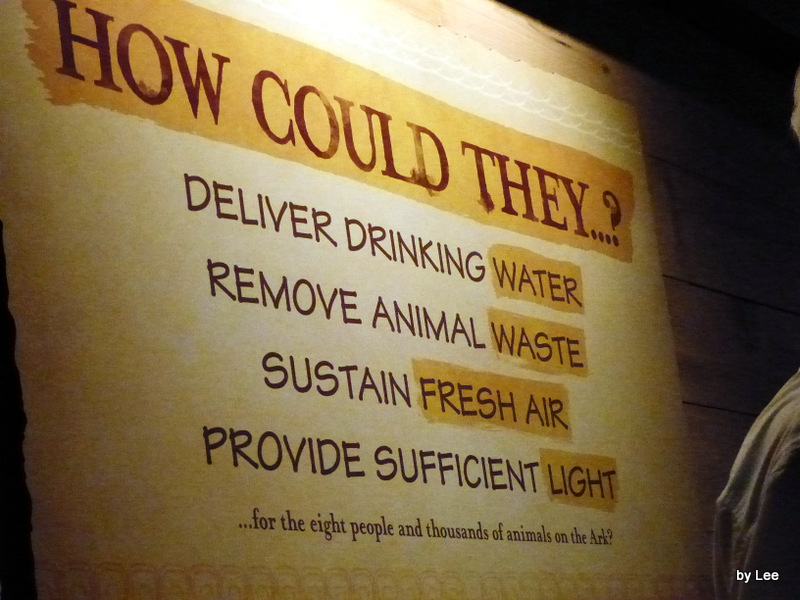
How Could They…?
That is a huge undertaking. How would they do that? On the Ark Encounter, it was interesting to see how they visualized this part of their commission to keep the critters alive, especially the birds. That is what this is concentrated on. Also, that same command was given again in:
Of fowls also of the air by sevens, the male and the female; to keep seed alive upon the face of all the earth. (Genesis 7:3 KJV)

They Went In the Ark
They went in:
“In the six hundredth year of Noah’s life, in the second month, the seventeenth day of the month, the same day were all the fountains of the great deep broken up, and the windows of heaven were opened.” (Genesis 7:11 KJV)
And came out:
“And it came to pass in the six hundredth and first year, in the first month, the first day of the month, the waters were dried up from off the earth: and Noah removed the covering of the ark, and looked, and, behold, the face of the ground was dry. And in the second month, on the seven and twentieth day of the month, was the earth dried. And God spake unto Noah, saying, Go forth of the ark, thou, and thy wife, and thy sons, and thy sons’ wives with thee. Bring forth with thee every living thing that is with thee, of all flesh, both of fowl, and of cattle, and of every creeping thing that creepeth upon the earth; that they may breed abundantly in the earth, and be fruitful, and multiply upon the earth.” (Genesis 8:13-17 KJV)
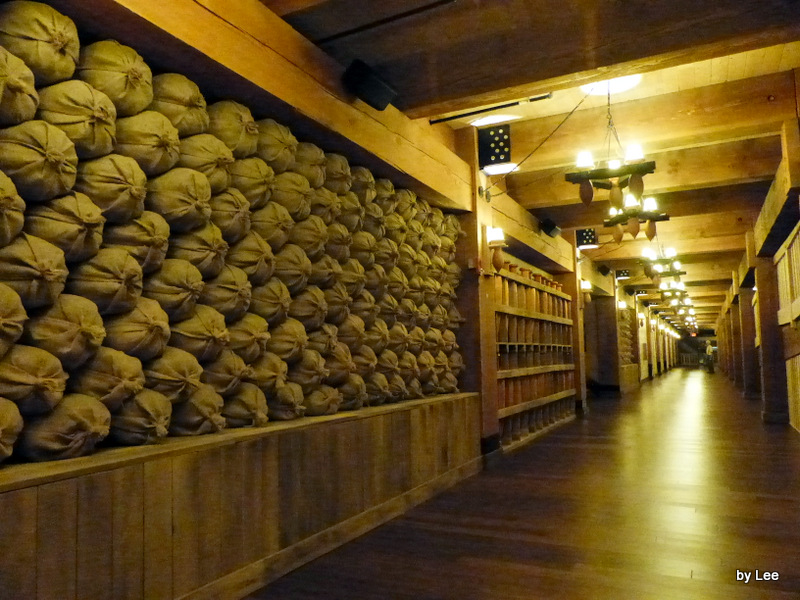
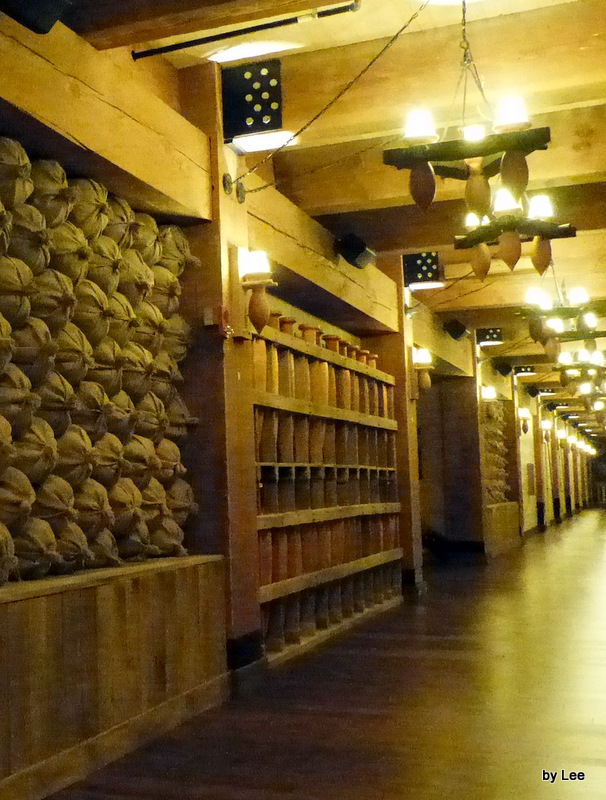
Now if we do the math, Adam, his family, and the critters were in the ark at least one year and 10 days. That is a lot of provisions to have on board! So, let’s see how the Ark Encounter stored their provisions and provided for all on board.
Here are some of the ways thy stored water and grain:
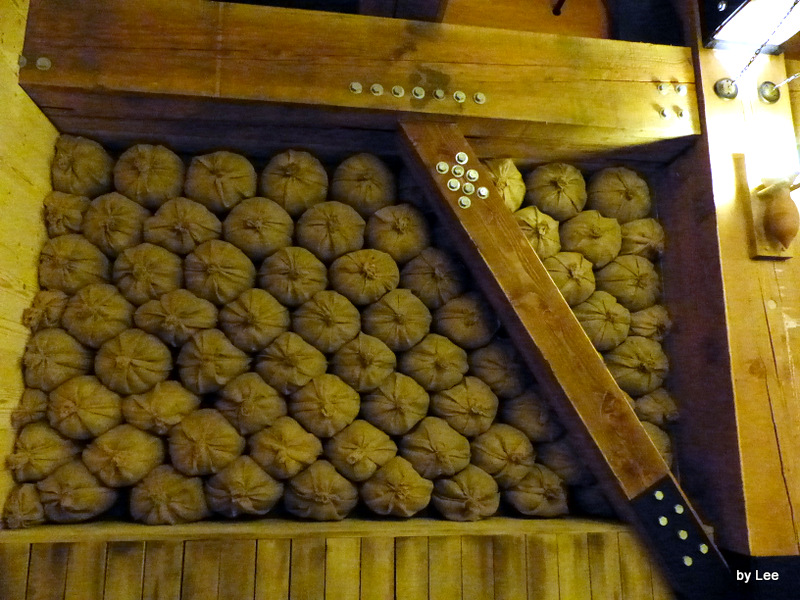

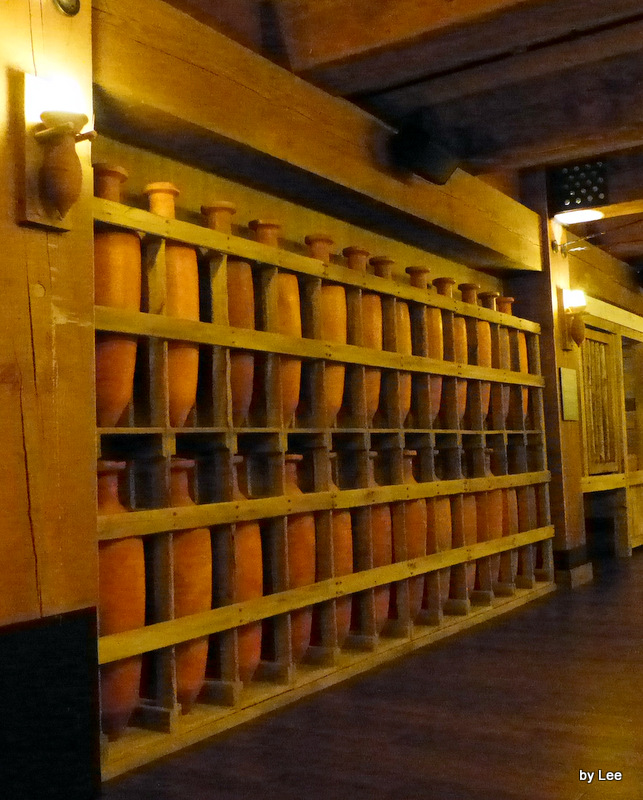
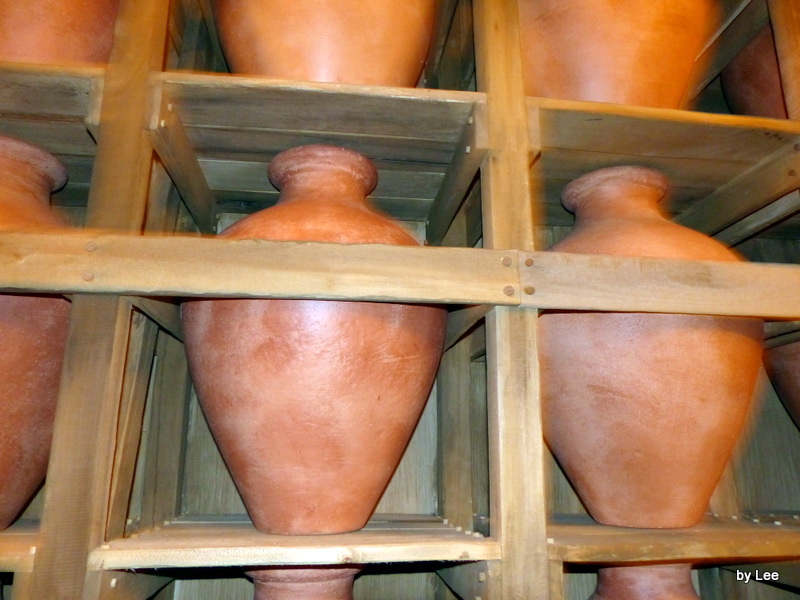


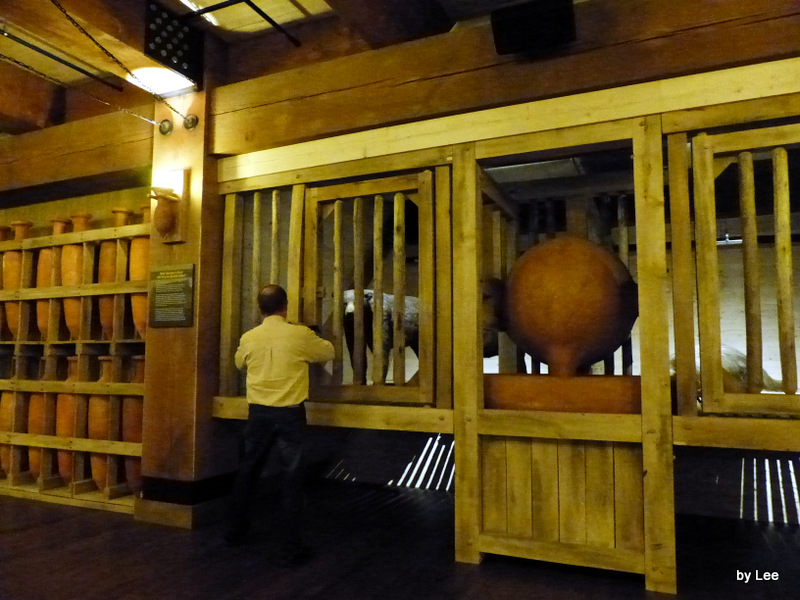

Now that they have provisions stored, the next photos are food preparations for the humans, I suspect:


In the first articles of the series, you were shown the birds and their cages, but now, they have to be fed. Here are some of the photos from the Ark Encounter suggesting how some of this could have taken place. [Please forgive the photos, they were shot in low light, after all the Ark didn’t have modern lights and fluorescent lighting like today.] I tried to get as many close-ups of the signs as I could. Reading their signs is how the different operations are explained.
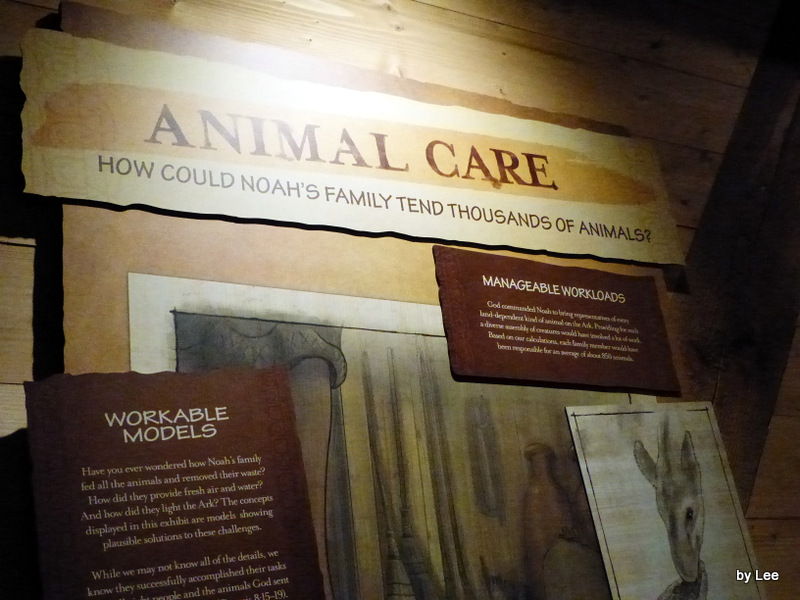

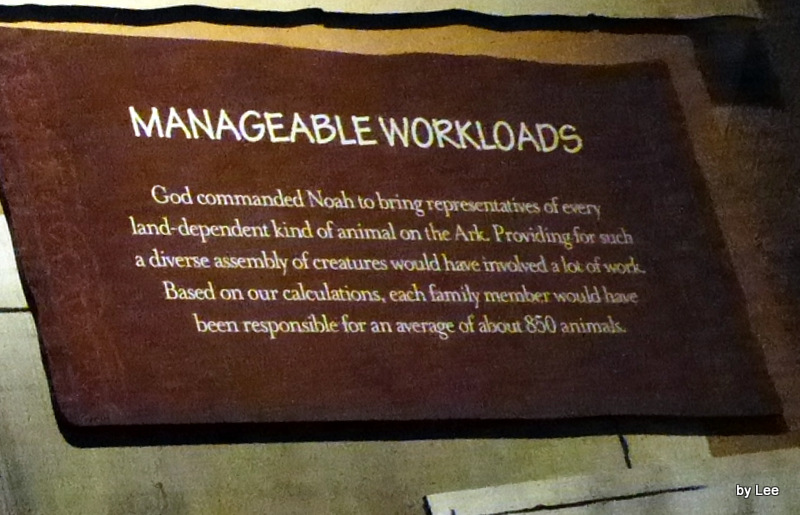
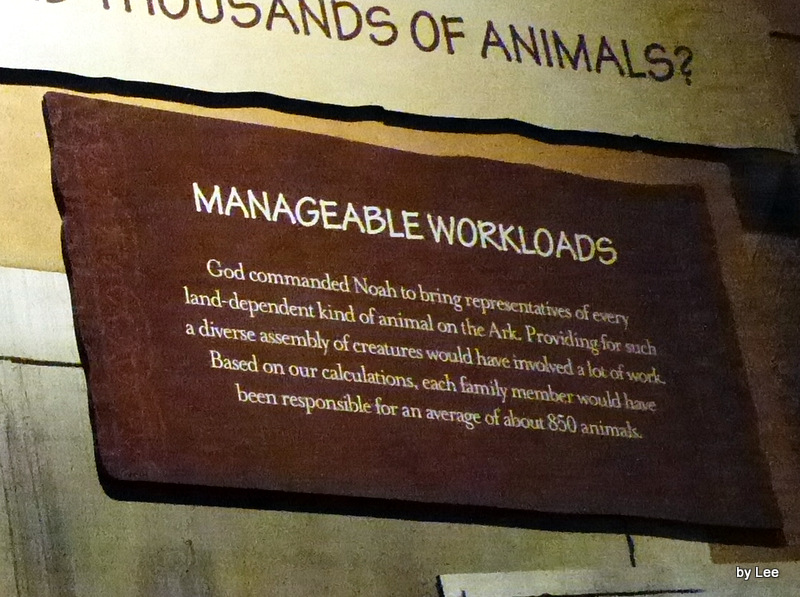

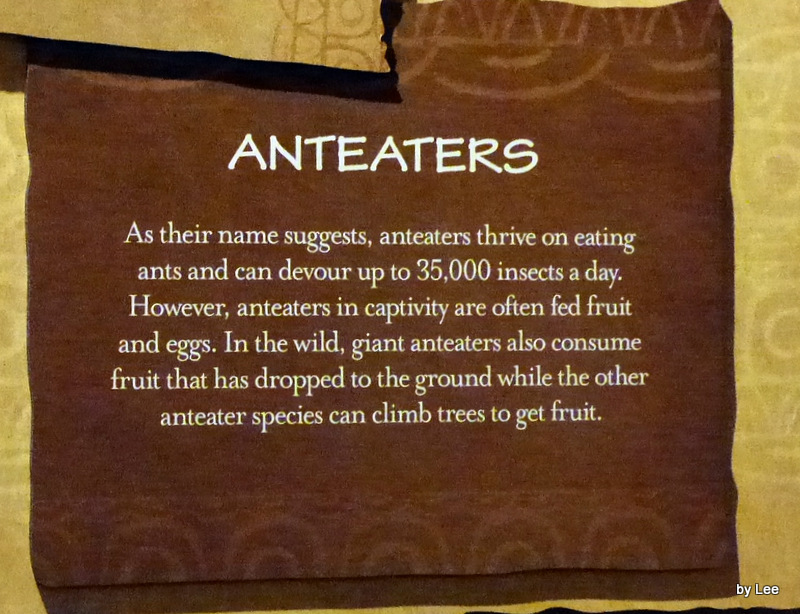


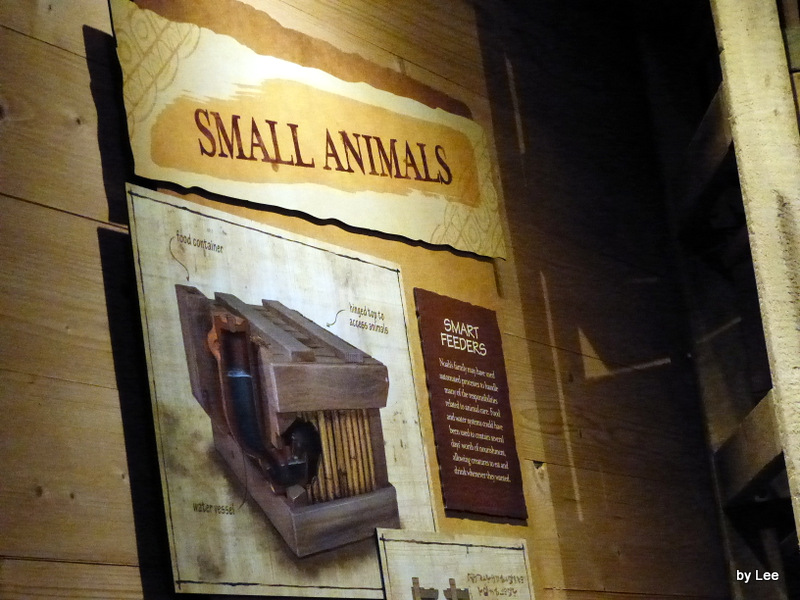


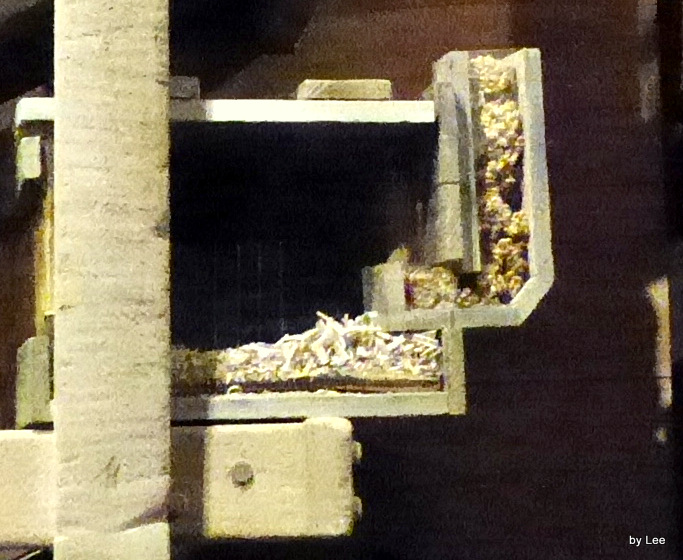


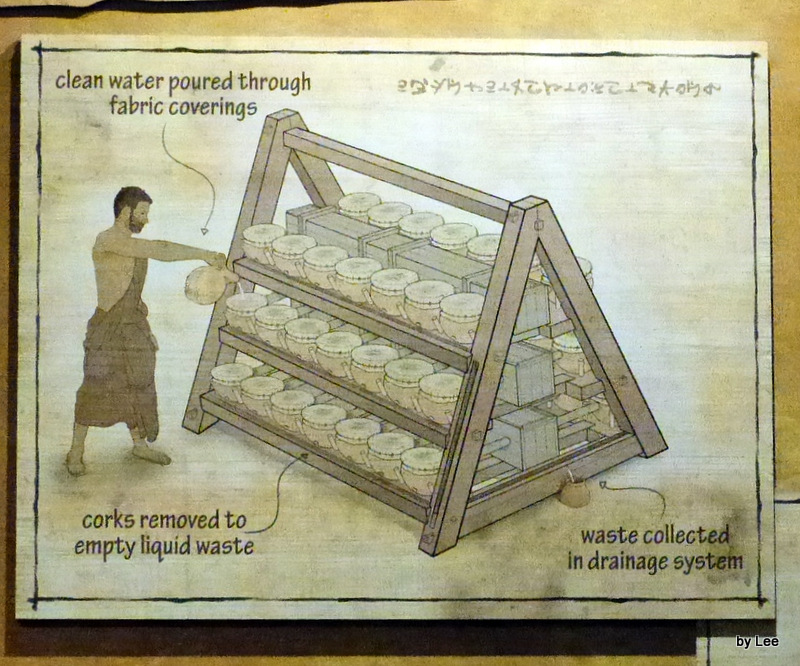
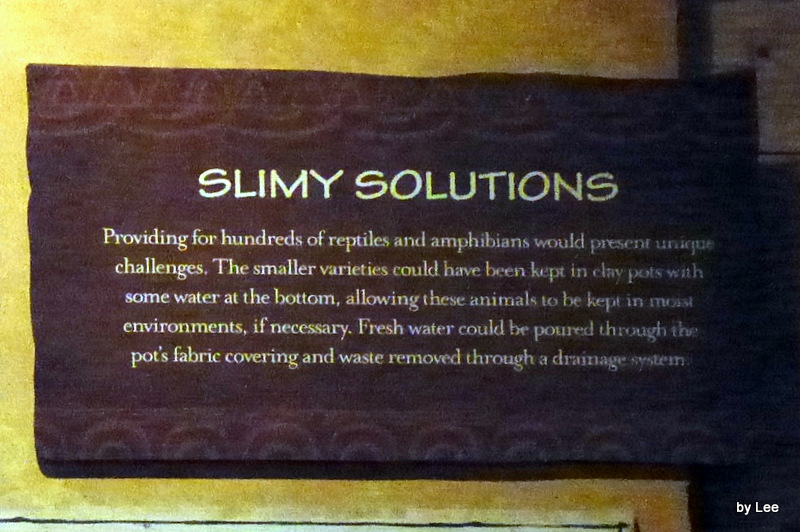
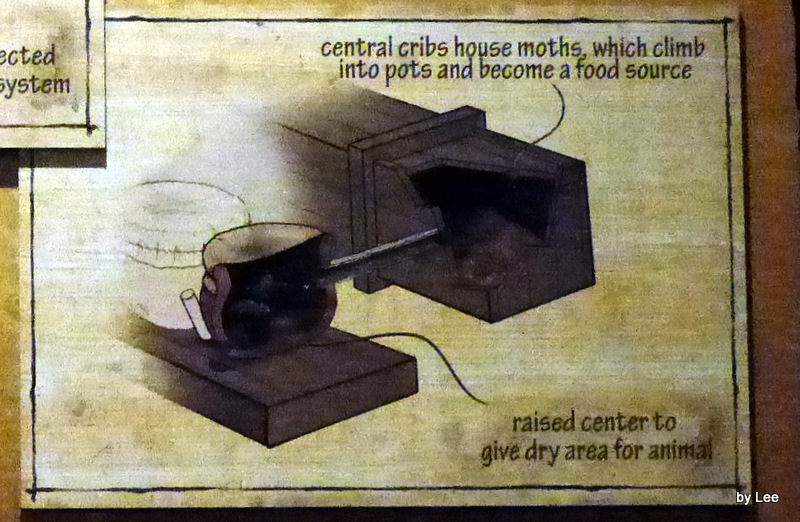

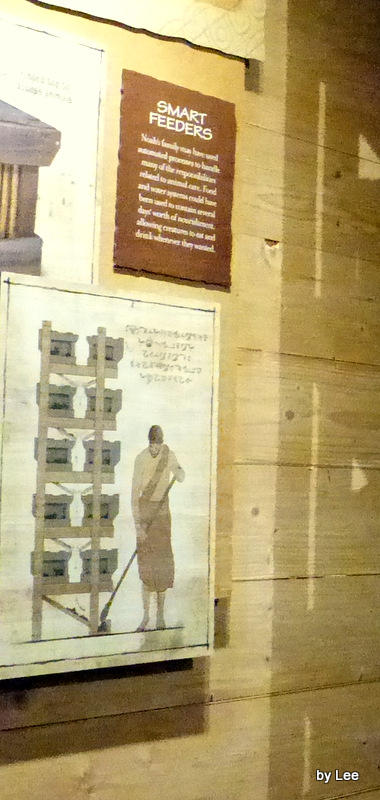


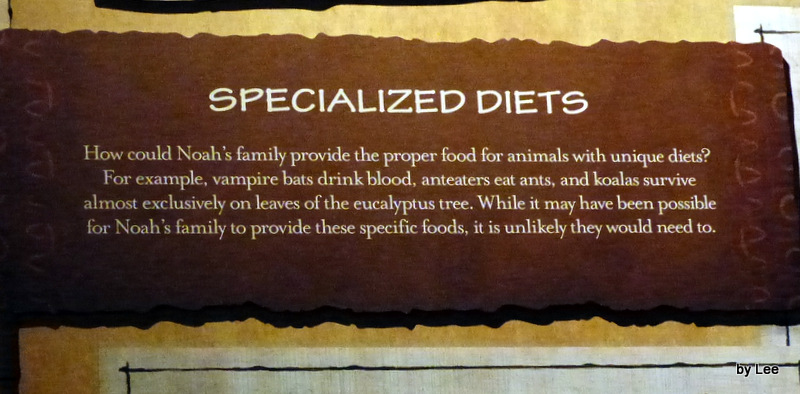
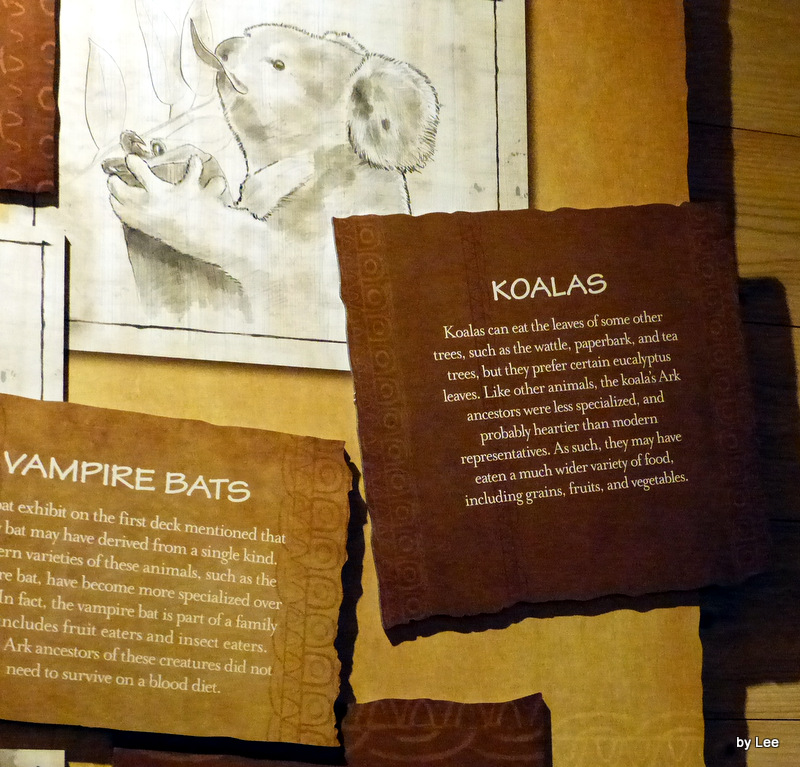
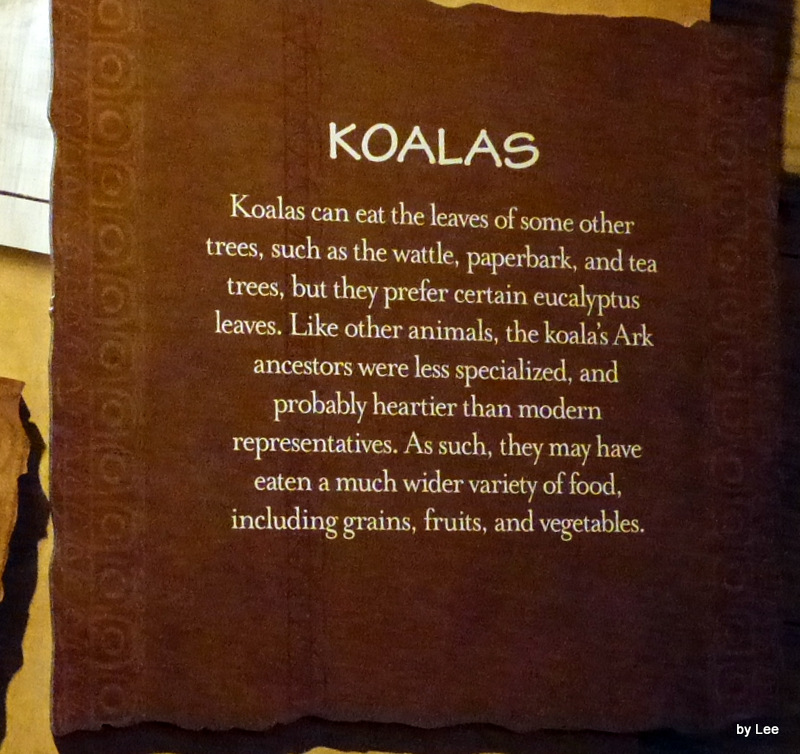

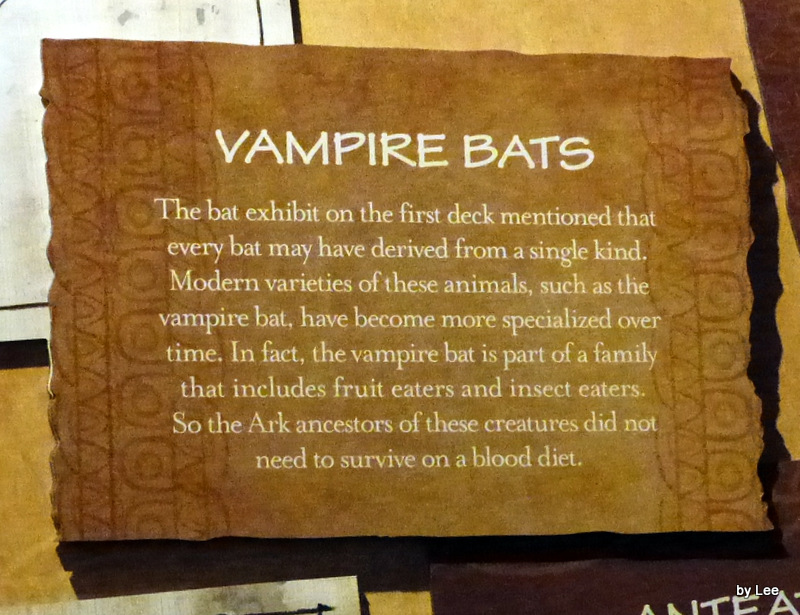


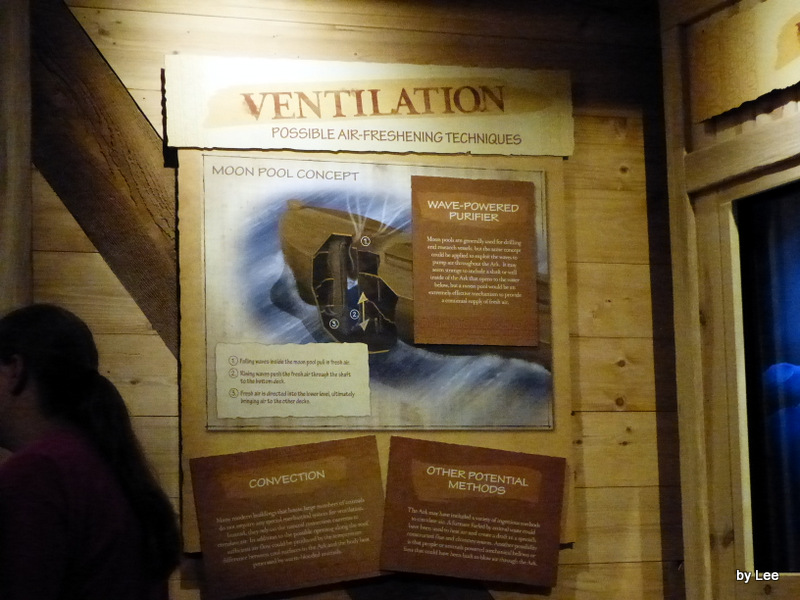


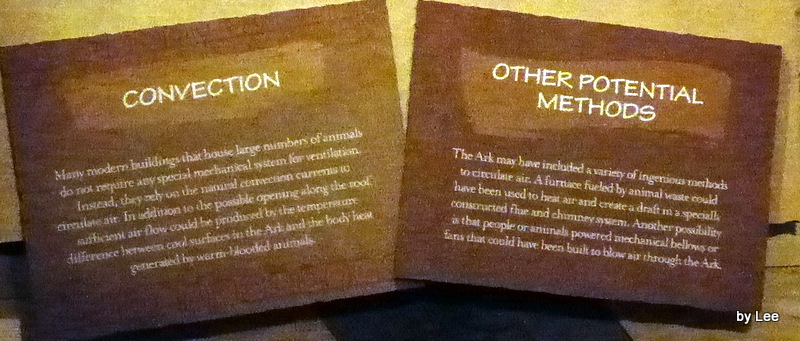


As I have been putting this together, it appears we will need a part II. Stay tuned!
*
See Also:
Birdwatching On Board the Ark Encounter – The Doves
Birdwatching On Board the Ark Encounter – More Birds
Avian Kinds on the Ark – Introduction
Avian Kinds on the Ark – What Is A Kind?
Avian Kinds on the Ark – Birds Embarking
*
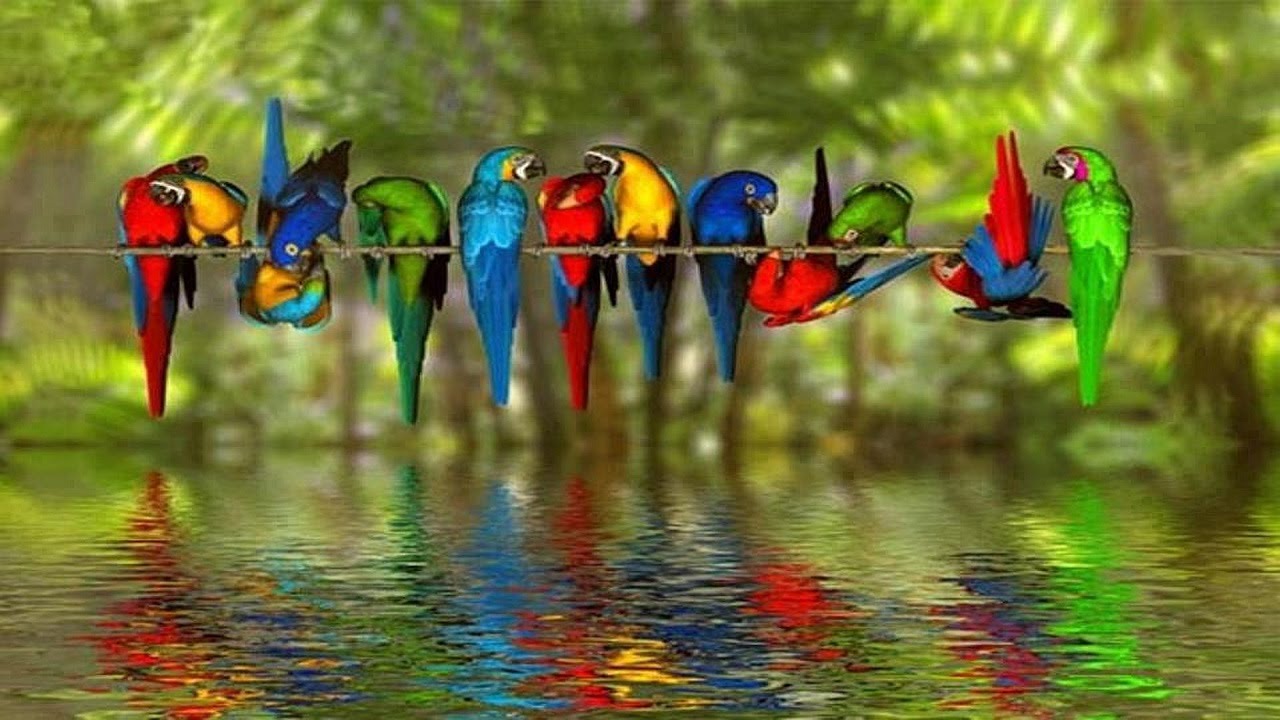
“The sun ariseth, they gather themselves together, and lay them down in their dens.” (Psalm 104:22)
Gathering of Parrots ©I.Ytimg
*
*

“Thou makest darkness, and it is night wherein all the beasts of the forest do creep forth.” (Psalm 104:20)
Birds at Night – ©BirdFeeders.com
*
*

“Where the birds make their nests: as for the stork, the fir trees are her house.” (Psalm 104:17)
Storks At Their Nest ©Science Photo Library
*
*
*
Dr. James J. S. Johnson

EURASIAN JAY (photo by Richard Steel)
And Joshua wrote these words in the book of the law of God, and took a great stone, and set it up there under an oak that was by the sanctuary of the LORD. (Joshua 24:26)

Oak Leaves (southern Finland – public domain)
Oaks are well-known for foliage that provides shade from sunlight. However, for birds, oak trees are probably more appreciated for their branches and their acorns – branches for nesting and perching, and acorns for eating.
One bird that loves acorns, for eating, is the Eurasian Jay (Garrulus glandarius). These jays are called Geai des chênes in French, meaning “jay of the oaks”.
For some youtube footage, showing some Eurasian Jays eating quite energetically, see https://www.youtube.com/watch?v=Kkx2mDE4pGc — “Crazy Jays” by Paul Dinning), one group photo from which youtube video is shown (below).

Eurasian Jays foraging (from Paul Dinning’s “Crazy Jays” youtube)
Busy, busy, busy! There is nothing lackadaisical about how these jays hunt for food!
A fairly shy but common woodland bird seen in highest numbers in autumn; Jays shuttle between the ‘home wood’ and the district’s oak trees to gather in supplies of acorns for the winter. In longer flights the wingbeats are fluttering and the flight course slow and unsteady. Flying along a woodland edge it glides in gentle undulations. … Breeds in both deciduous and coniferous trees favouring coppice and stands of young spruce or pine trees, has also colonized parks and suburban areas. Feeds on insects, tree fruits, eggs and young of passerines etc.
[Quoting Lars Jonsson, BIRDS OF EUROPE WITH NORTH AFRICA AND THE MIDDLE EAST (Princeton University Press, 1993), page 488, emphasis added.] These jays are called Geai des chênes in French, meaning “jay of the oaks”.

Eurasian Jay (Garrulus glandarius) / credit: Nat’l Geo
Acorns are the nuts produced by oak trees. As seeds, they are ready for planting, capable of producing a new generation of oak trees. Like other nuts, acorns are often eaten, by animals (including birds and squirrels) and some humans! Nuts are even mentioned in Scripture as food worthy of cultivation, valuable enough to be used in gift-giving (see Genesis 43:11 & Song of Solomon 6:11).

Eurasian Jay with acorn (by Hans-Jorg Hellwig)
On the 7th of July AD2006, in a park-like tall-treed area next to a restaurant at Haikko Manor, Finland (about 3-to-4 miles from Porvoo, on Finland’s southern coast), my wife and I watched an energetic Eurasian Jay, hopping about, foraging – then it decided, for a moment, to perch upon a rock. (A passer-by took a photograph of my wife and me, just before we walked through the parking lot toward the restaurant, by which we saw the busy “Jay of the Oaks” – the Eurasian Jay.)

JJSJ & wife Sherry, July 7th 2006 (Haikko Manor, near Porvoo, Finland)
But when I tried to photograph the Eurasian Jay, using the same camera, it hopped sideways, flitting about, so quickly I missed getting a focus – and then it then flew away. Was it camera-shy? Or was it just humans-shy, regardless of any camera? (It didn’t say.) But busy it was, and it appeared to find a few bugs to eat, just before it flew off.

Eurasian Jay in flight (by Lennart Hessel)
Regardless, it was fun while it lasted – watching the colorful Jay hop and hunt for acorns (and bugs), then rest briefly upon a rock, then flit away, to somewhere under the huge, dark, old-growth oak trees (mixed with occasional clusters of birch and evergreen trees) that shaded the lawn, in the garden-like area next to the Finnish restaurant.
Suffice it to say: southern Finland is stunningly, refreshingly, relaxingly beautiful, beyond words — and a wonderful, clean, marvelous, splendid, country for birding.
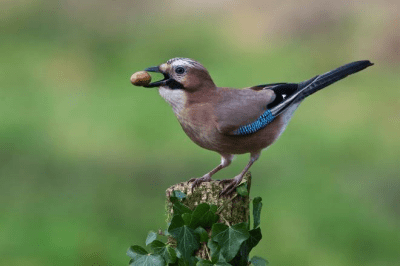
Eurasian Jay with acorn (by Phil Winter)
The Jay of Eurasia is a permanent resident of virtually all but the northern-most parts of Europe, plus various swaths of Asia (see range map below), so it is no surprise to see one hopping sideways under shady oak trees, in a wooded park, near coastal Porvoo.

Eurasian Jay range map (Wikipedia)
This oak-loving corvid is colorful, matching this bird-book’s description:
Pigeon-sized [i.e., about 13 inches long]. Colourful woodland corvid, notoriously shy and wary – generally glimpsed as a coloured bird with black tail and white rump [who] flashes through the trees, screeching its harsh warning. Typical call is a dry, rasping skaak, a familiar woodland sound. Adult: Overall pinkish-brown coloration is relieved by the beautiful shining blue shoulder patch and thick black moustache. All plumages similar. Noisy and excitable; short crest is readily erected, exposing dark streaking. Flight: Action is hesitantly undulating on broad, blunt wings; rising birds initially show black tail contrasting with white rump and wing flashes, and bright blue shoulder patches. Unlikely to be confused [with any other local bird], but compare similar-sized Hoopoe. From below, the black tail contrast with pinkish-brown body.
• Common woodland bird, but especially with oaks – acorns a favourite food
• In recent decades, has moved increasingly into towns; in many city parks, has become bold and fearless
• Feeds on ground, jauntily hopping sideways as it searches for acorns [or insects or berries, such as blackberries]
• Their long persecution by gamekeepers as an egg-thief [i.e., snatching eggs of other birds] belies their importance as a planter of forests; Jays bury acorns throughout the autumn – indeed a single Jay can plant 3,000 acorns in a month
• Rarely seen far from the shelter of trees, a party usually breaks cover one at a time, hurriedly flapping across a clearing or valley
• As well as its angry screeches, wide repertoire of calls includes a buzzard-like mewing note [as well as other calls demonstrating mimicry].
[Quoting Chris Kightley, Steve Madge, & Dave Nurney, POCKET GUIDE TO THE BIRDS OF BRITAIN AND NORTH-WEST EUROPE (Yale University Press, 1998), page 264, emphasis added.]
Thus, as both an eater and planter of oak-seeds (which is what acorns are), the Eurasian Jay’s behavior is not unlike that of the Pinyon Jay, which both eats and plants Pinyon Pine seeds, in America’s Great West. [See “Providential Planting: The Pinyon Jay”, CREATION EX NIHILO, 19(3):24-25 (June 1997), posted at http://creation.com/providential-planting .]

Eurasian Jay perching (by Luc Viatour)
What clever birds God has made these busy woodland-dwelling corvids to be!
Who knows? Maybe my wife and I will get to re-visit Scandinavia, sometime, for more birdwatching. If so, I hope to see another Eurasian Jay – that colorful character that the French rightly call Geai des chênes: “jay of the oaks”. ><> JJSJ profjjsj@aol.com

Eurasian Jay, taking a bow (by Charlie Fleming)
*
More article from James J. S. Johnson
*

“This is the LORD’S doing; it is marvellous in our eyes. ” (Psalms 118:23 KJV)
Marvelous Spatuletail (Loddigesia mirabilis) ©©Dubi Shapiro
*
*

“By them shall the fowls of the heaven have their habitation, which sing among the branches.” (Psalms 104:12 KJV)
Birds Singing from BeliefNet
*
*
 Lee's Birdwatching Adventures Plus