Falcated Duck at Zoo Miami

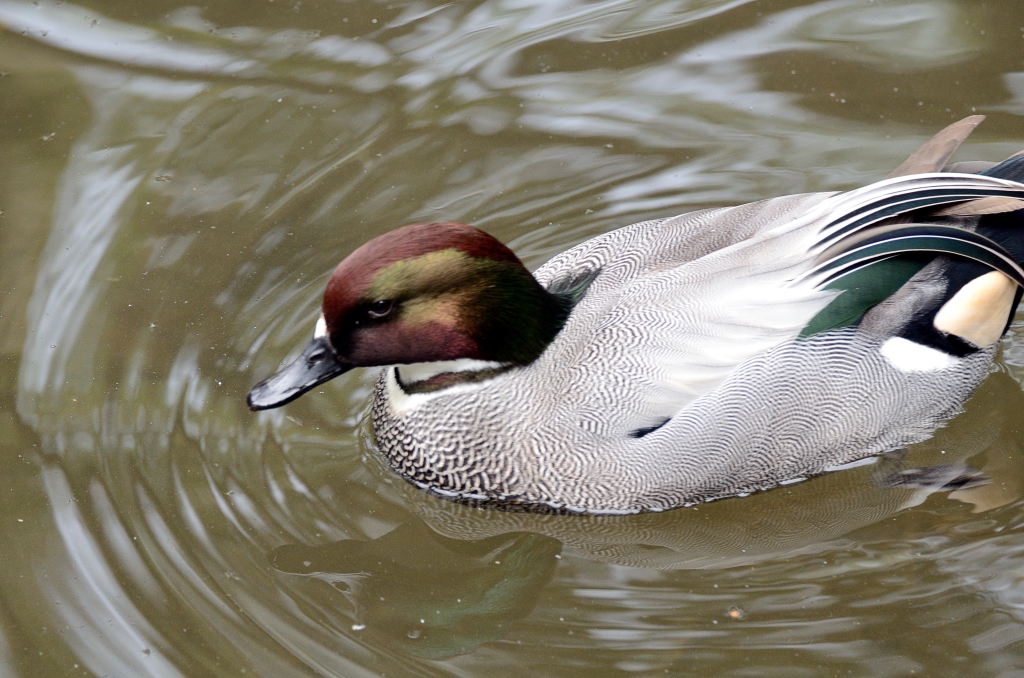
Falcated Duck (Anas falcata) by Dan at ZM

Falcated Duck (Anas falcata) by Dan at ZM

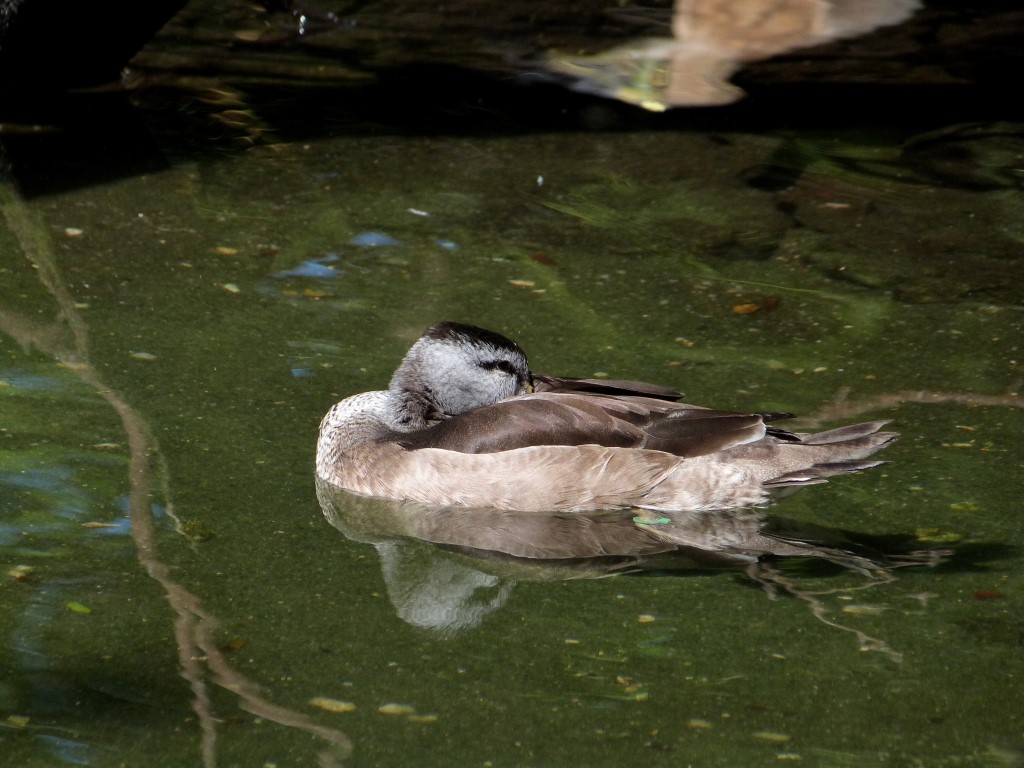
While we were on our latest visit to the Wings of Asia Aviary at Zoo Miami, the Falcated Duck caught my attention. We have seen it before, because there are photos of them, but for some reason, it was just another duck then. The sun caught its iridescent head and I started looking closer this time. Wings of Asia has one male and one female at this time.

These Falcated Duck (Teal) are just one more example of the variety and beauty the Lord gave His creatures when they were created.

All things were made by him; and without him was not any thing made that was made. (John 1:3 KJV)

Apparently when the male wears his breeding plumage, that green really shines.

Falcated Duck (Anas falcata) ©WikiC

Falcated Duck (Anas falcata) ©WikiC

I tried to get photos of his beautiful feathers at the back, but my photos aren’t the best, but maybe you can catch some of the great beauty that the Lord gave these Falcated Ducks.

Falcated Duck (Anas falcata) at Wings of Asia by Lee

Falcated Duck (Anas falcata) at Wings of Asia by Lee

Falcated Ducks are mainly from Asia and belong to the Anatidae – Ducks, Geese and Swans Family. By the way, “falcate” means “curved or hooked like a sickle.” (Wordsmith)

Males and females have similar lengths at 19-21.5 in (46 to 53 cm.) Their weight can range from 422 to 770 grams, with males weighing more than their female counterparts. Wingspans range from 31-36 in (79 to 91 cm). The breeding male is unmistakable. Most of the body plumage is finely vermiculated grey, with the long sickle-shaped tertials, which give this species its name, hanging off its back. The large head is dark green with a white throat, and a dark green collar and bronzed crown. The vent region is patterned in yellow, black and white.

Falcated Duck (Anas falcata) Female ©WikiC

Falcated Duck (Anas falcata) Female ©WikiC

The female falcated duck is dark brown, with plumage much like a female wigeon. Its long grey bill is an aid to identification. The eclipse male is like the female, but darker on the back and head. In flight both sexes show a pale grey underwing. The blackish speculum is bordered with a white bar on its inner edge. Young birds are buffer than the female and have short tertials. Juveniles have plumage similar to females of the species.

The Anas falcata are known to have very striking and beautiful sickle feathers. This is in comparison with many other birds like swams and geese.

Medium dabbling duck with long black and white tertial feathers extending over black rump. Body white, black, gray in finely-scaled pattern. The crested iridescent head is green and purple-brown. White throat has black ring; black tail and black-green speculum are edged in white.

Breeds and winters in southeastern Asia but strongly migratory. Birds seen in North America beyond Alaska may be escaped captives from private collections or wild birds. Favors wetlands, lakes, ponds, rivers, estuaries, and marshes. Near-threatened in the wild. Most U.S. sightings occur between Pacific and Californian coasts, Baja peninsula, Mexico, India, and Canada. (From internet sources including WhatBird and Wikipedia)

Here’s a short clip I took of him washing his feathers at Zoo Miami.

This slideshow requires JavaScript.

In 2011 a Falcated Duck family showed up at the Colusa Natiional Wildlife Refuge. Rare visitors from their normal range. It brought the photographers to catch the rare glimpse of these beautiful birds. Watch this video to see them in action,

*

Falcated Duck – Audubon

Falcated Duck – WhatBird

Falcated Duck – Wikipedia

Birds of the World – Anatidae – Ducks, Geese and Swans

Wordless Birds

*

Birds of Asia – Cotton Pygmy Goose

Cotton Pygmy Goose (Nettapus coromandelianus) at Wings of Asia by Lee

Cotton Pygmy Goose (Nettapus coromandelianus) at Wings of Asia by Lee

 And he spake of trees, from the cedar tree that is in Lebanon even unto the hyssop that springeth out of the wall: he spake also of beasts, and of fowl, and of creeping things, and of fishes. (1 Kings 4:33 KJV)

Let me introduce you to another interesting avian friend from His Creator’s Hand. This is the Cotton Pygmy Goose or Cotton Teal (Nettapus coromandelianus) which is a small perching duck that breeds in Pakistan, India, Bangladesh, southeast Asia and south to northern Australia.

Small individuals of this species are the smallest waterfowl on earth, at as little as 5.6 oz (160 g) and 10 in (26 cm). White predominates in this bird’s plumage. Bill short, deep at base, and goose-like.

Cotton Pygmy Goose (Nettapus coromandelianus) PB Zoo by Lee

Male in breeding plumage is glossy blackish green crown, with white head, neck, and underparts; a prominent black collar and white wing-bar. Rounded head and short legs. In flight, the wings are green with a white band, making the male conspicuous even amongst the huge flying flocks of the lesser whistling duck, which share the habitat. Female paler, without either black collar and only a narrow or nonexistent strip of white wing-bar. In non-breeding plumage (eclipse) male resembles female except for his white wing-bar. Flocks on water bodies (jheels), etc.

The call is a peculiar clucking, uttered in flight

It is largely resident, apart from dispersion in the wet season, but Chinese birds make long-distance migrations to winter further south. It nests in tree holes, laying 8–15 eggs. The nesting season is July to September (SW. monsoon). Its nest is a natural hollow in a tree-trunk standing in or near water, sometimes lined with grass, rubbish and feathers. The eggs, are ivory white.

Cotton Pygmy Goose (Nettapus coromandelianus) at Wings of Asia by Lee

Cotton Pygmy Goose (Nettapus coromandelianus) at Wings of Asia by Lee

This is an abundant species in Asia, although the slightly larger Australian race appears to be declining in numbers.

Found on all still freshwater lakes (jheels), rain-filled ditches, inundated paddy fields, irrigation tanks, etc. Becomes very tame on village tanks wherever it is unmolested and has become inured to human proximity. Swift on the wing, and can dive creditably on occasion.[citation needed] Found in ponds and lakes in southern Pakistan . However numbers are declining and it is definitely endangered.

Its food is chiefly seeds and vegetable matter, especially water lilies; also insects, crustaceans, etc. (From Wikipedia with editing)

I enjoyed watching this female Pygmy Goose floating and took a short video of her.

I just made a page for  Zoo Miami and the Wings of Asia under the Birdwatching Trips. There are most of the articles that have been written about our visits to the Zoo, but especially to the Wings of Asia Aviary. That is where we spend most of our time. This last trip was our fourth visit down to Miami to see those amazing birds.

*
This slideshow requires JavaScript.

*
Cotton Pygmy Goose – Wikipedia

Cotton Pygmy Goose – Ducks of the World

Birds of the World

Birdwatching Trips

Zoo Miami and the Wings of Asia

Wordless Birds

*
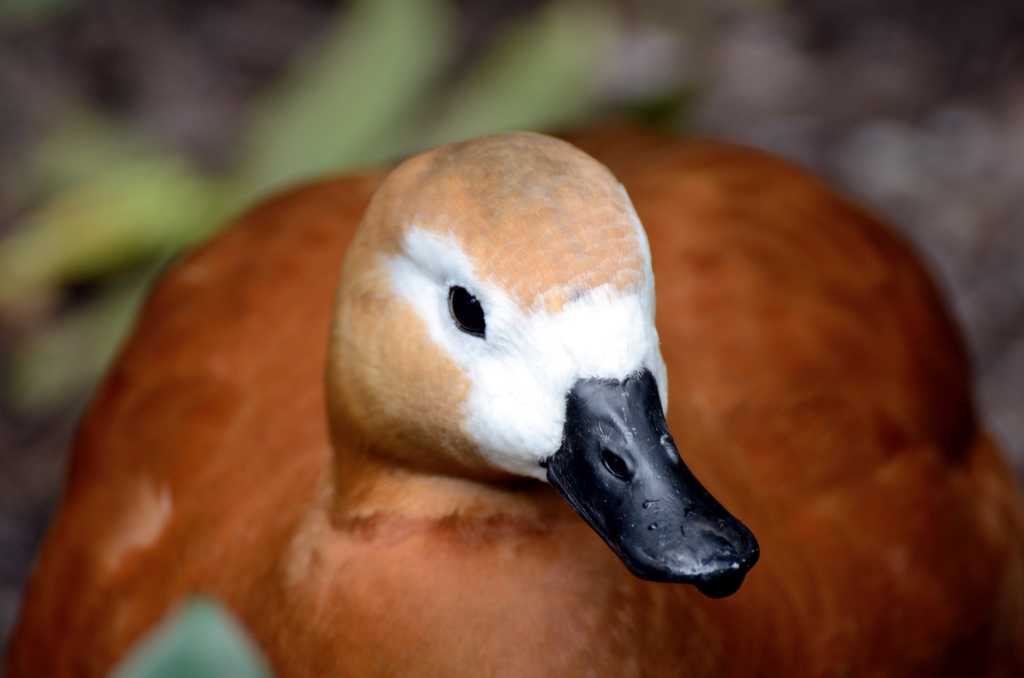
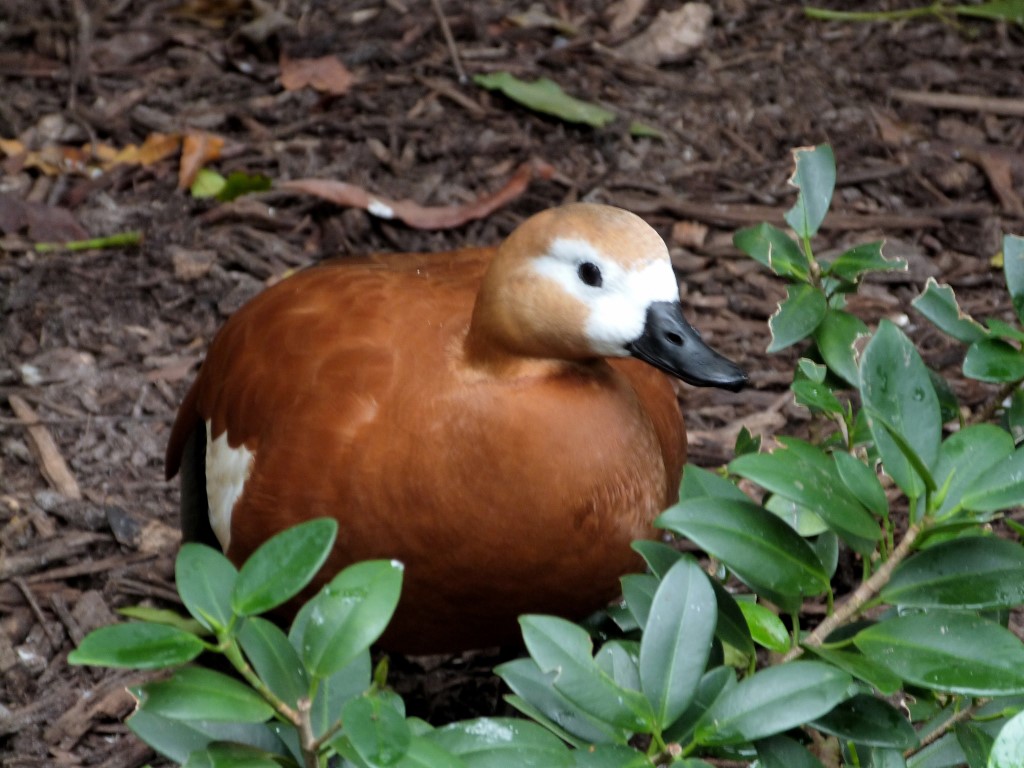
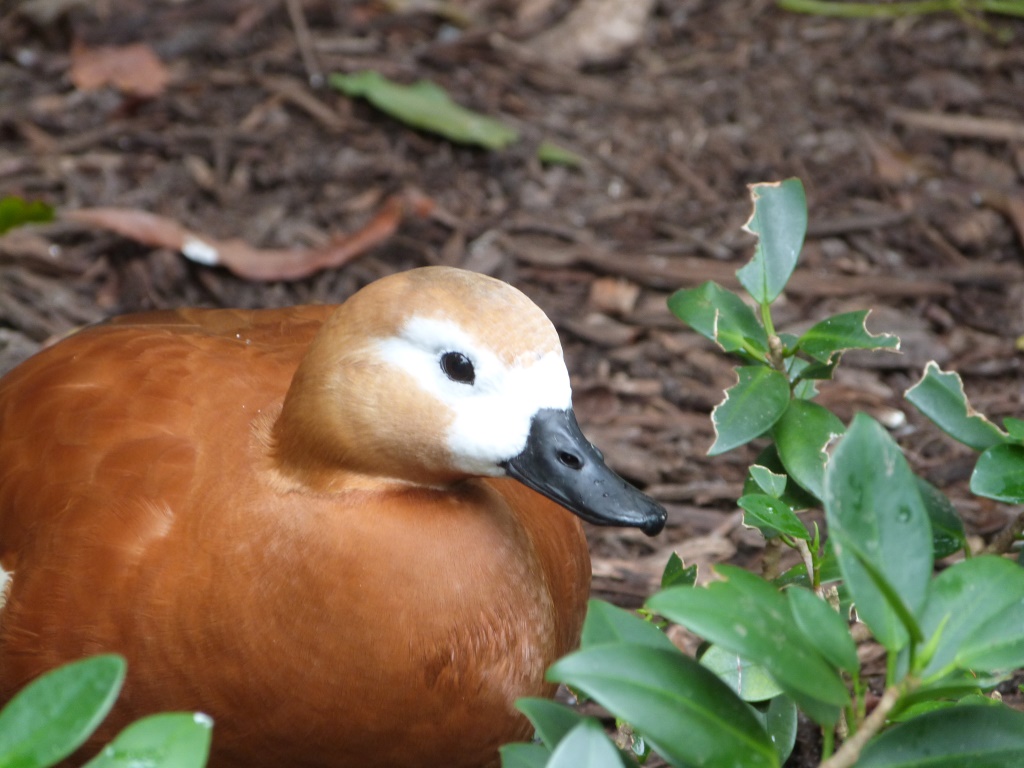
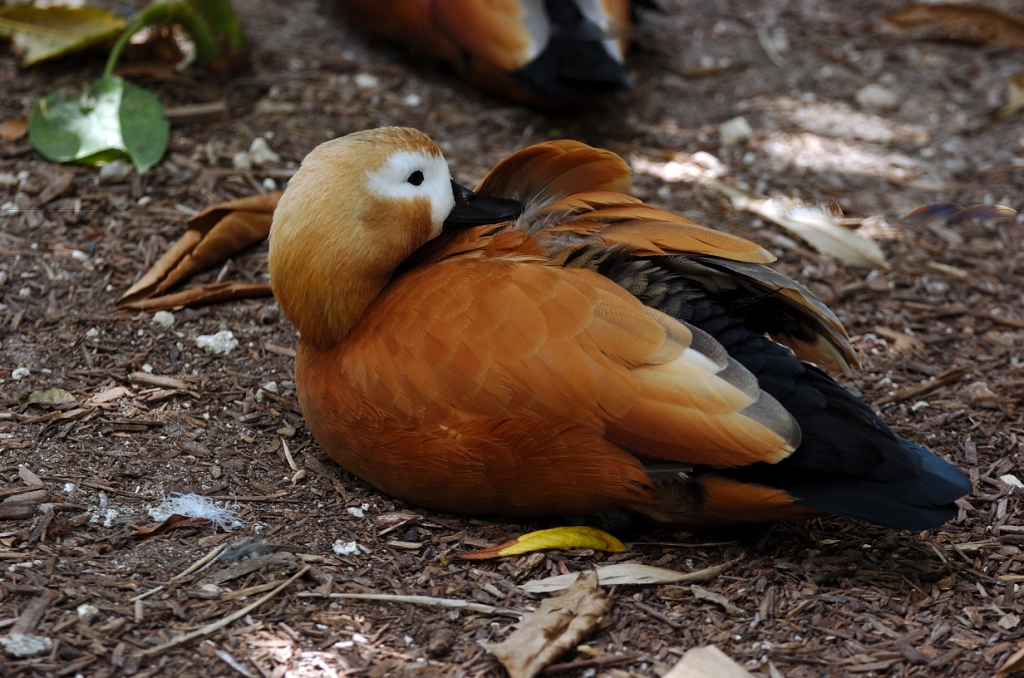
Ruddy and Raja Shelducks at Wings of Asia

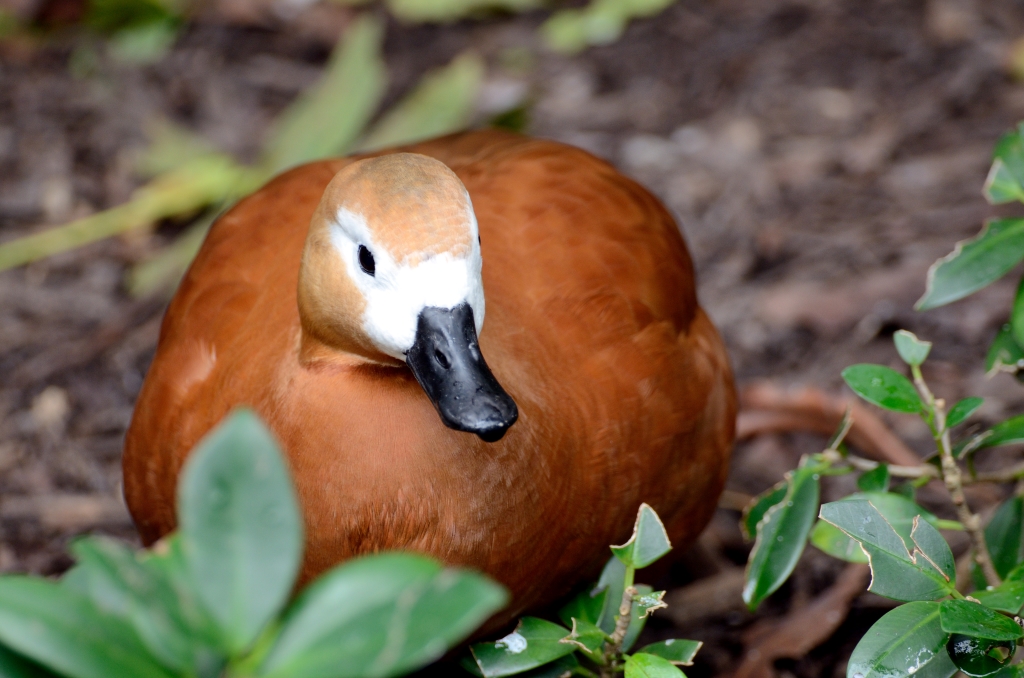
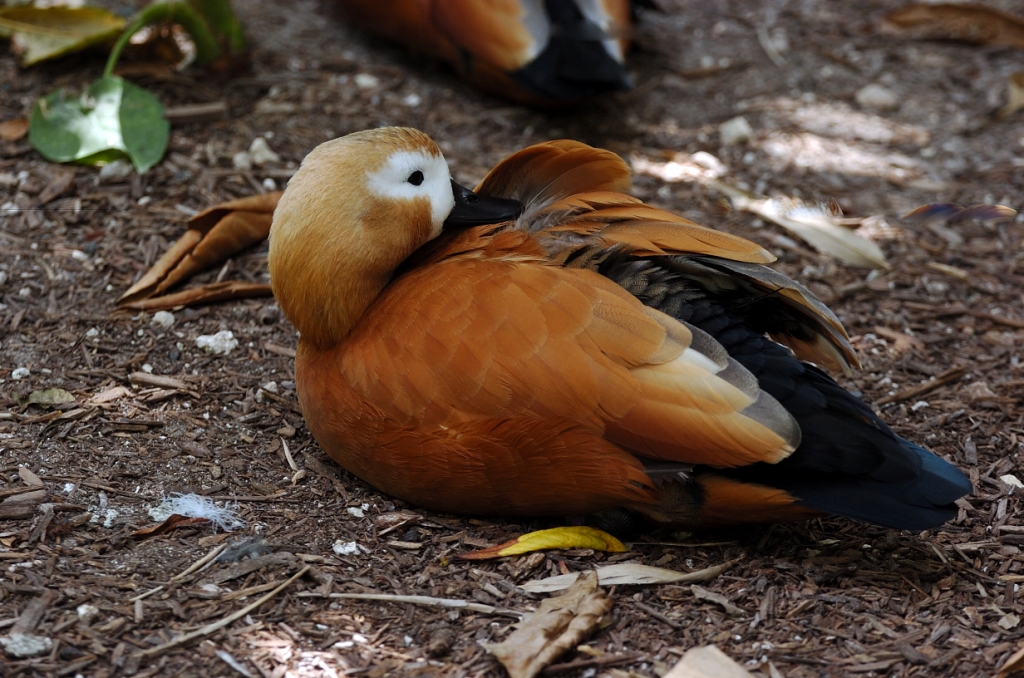
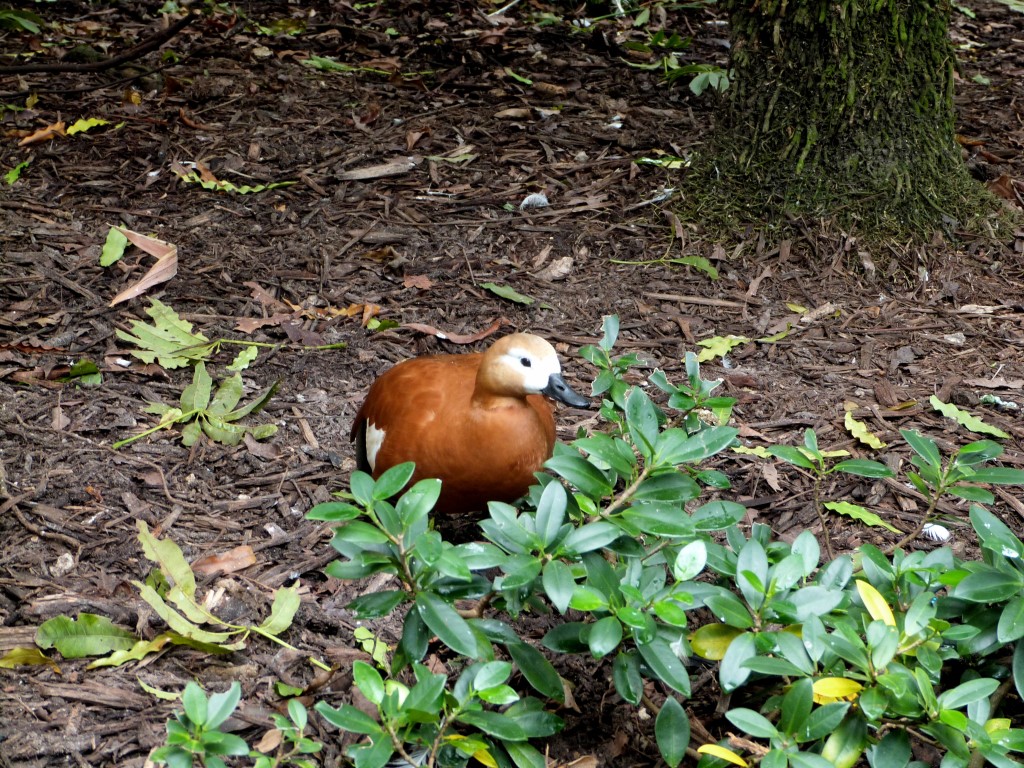
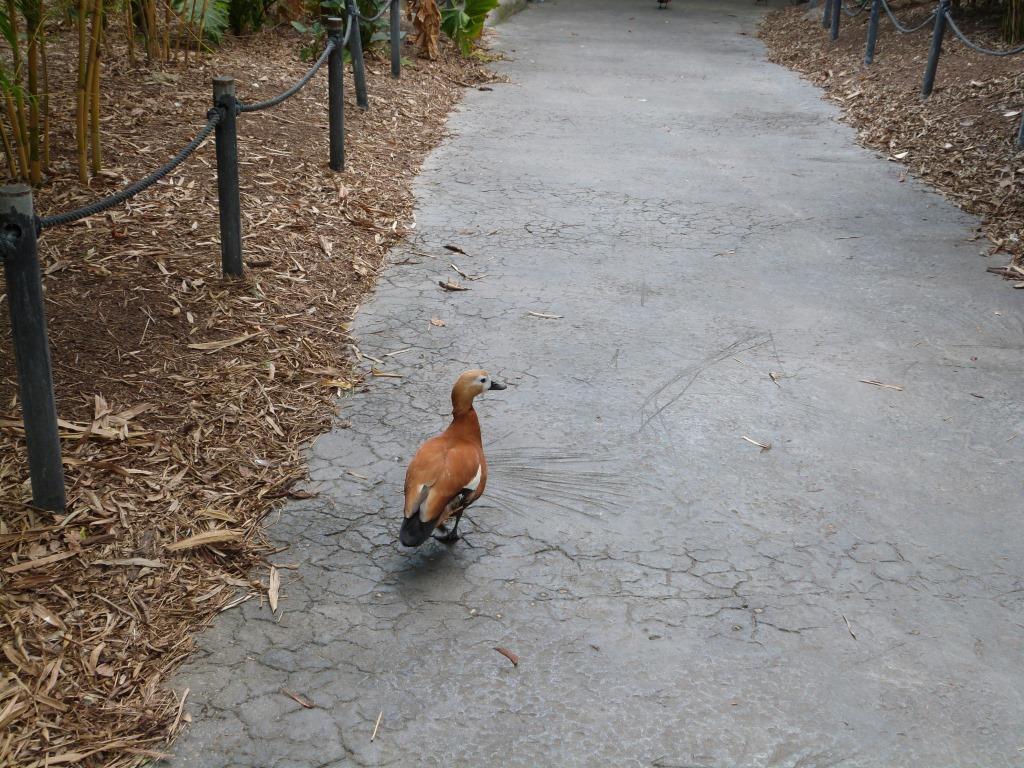
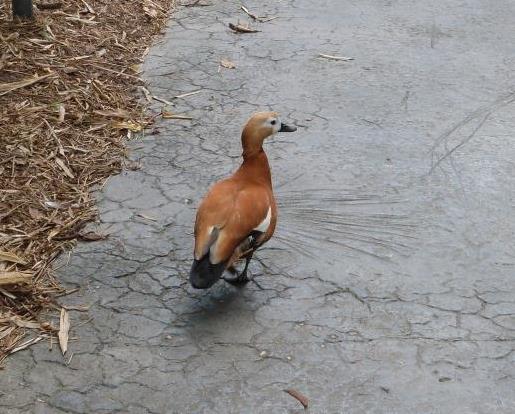
Ruddy Shelduck (Tadorna ferruginea) at Wings of Asia by Dan

Ruddy Shelduck (Tadorna ferruginea) at Wings of Asia by Dan

We enjoyed our latest birdwatching adventure to Zoo Miami. Caught video of the Ruddy Shelducks discussing something. So this time we will share the two species of Shelducks at the Wings of Asia aviary. The Ruddy Shelduck (Tadorna ferruginea) and the Raja Shelduck (Tadorna radjah) are members of the duck, goose and swan family Anatidae – Ducks, Geese and Swans. They are in the shelduck subfamily Tadorninae. There are seven species in the Tadorninae subfamily. Wings of Asia has the Ruddy and Raja Shelducks.

Bless the LORD, O my soul. O LORD my God, thou art very great; thou art clothed with honour and majesty. (Psalms 104:1 KJV)

The Lord has provided for the Shelducks, as He does for all His critters. They are designed for the conditions they live in, in this case swimming, feeding and migrating, with beaks, feet, wings, and coloration to help them survive.

Ruddy Shelduck (Tadorna ferruginea) at ZM

Ruddy –  There are very small resident populations of this species in north west Africa and Ethiopia, but the main breeding area of this species is from southeast Europe across central Asia to Southeast Asia. These birds are mostly migratory, wintering in the Indian Subcontinent.

Facts:

  • They are sometimes called Brahminy Ducks.
  • Can be seen in many Zoos in America.
  • In Tibet and Mongolia, Ruddy Shelduck is considered sacred by the Buddhists. It is also a sacred animal in Slavic mythology.

Although becoming quite rare in southeast Europe and southern Spain, the ruddy shelduck is still common across much of its Asian range. It may be this population which gives rise to vagrants as far west as Iceland, Great Britain and Ireland. However, since the European population is declining, it is likely that most occurrences in western Europe in recent decades are escapes or feral birds. Although this bird is observed in the wild from time to time in eastern North America, no evidence of a genuine vagrant has been found.

This is a bird of open country, and it will breed on cliffs, in burrows, tree holes or crevices distant from water, laying 6-16 creamy-white eggs, incubated for 30 days. The both shelduck is usually found in pairs or small groups and rarely forms large flocks. However, moulting and wintering gatherings on chosen lakes or slow rivers can be very large.

The ruddy shelduck is a distinctive species, 22.8-27.5 in (58-70) cm long with a 43-53 in (110–135 cm) wingspan. It has orange-brown body plumage and a paler head. The wings are white with black flight feathers. It swims well, and in flight looks heavy, more like a goose than a duck. The sexes of this striking species are similar, but the male has a black ring at the bottom of the neck in the breeding season summer, and the female often has a white face patch. The call is a loud wild honking.

Not sure what these Ruddy’s were debating about, but it seems the single one lost the discussion and left.


The ruddy shelduck is a common winter visitor in India. This bird is found in large wetlands, rivers with mud flats and shingle banks. Found in large congregation on lakes and reservoirs. It breeds in high altitude lakes and swamps in Jammu & Kashmir. Arrives in north India by October and departs by April. The genus name Tadorna comes from Celtic roots and means “pied waterfowl”, essentially the same as the English “shelduck”.

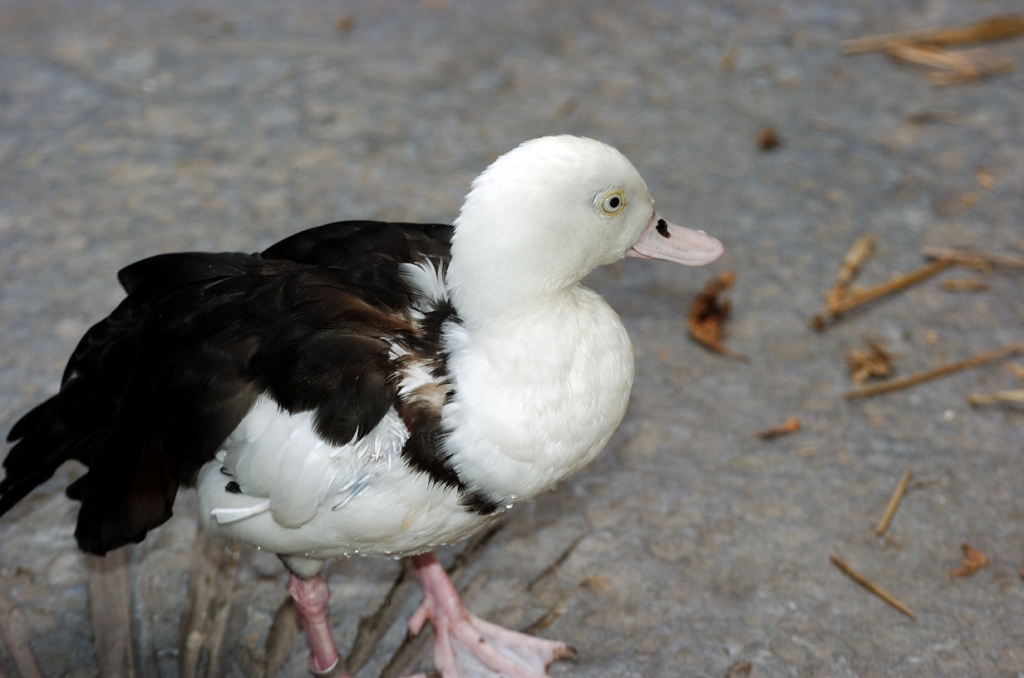
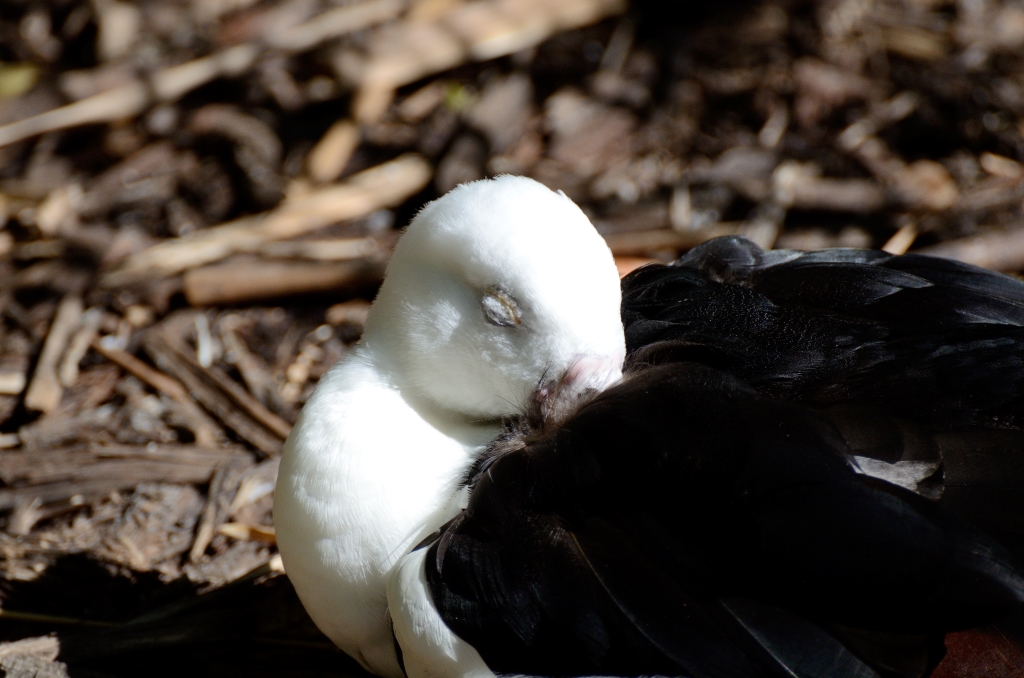
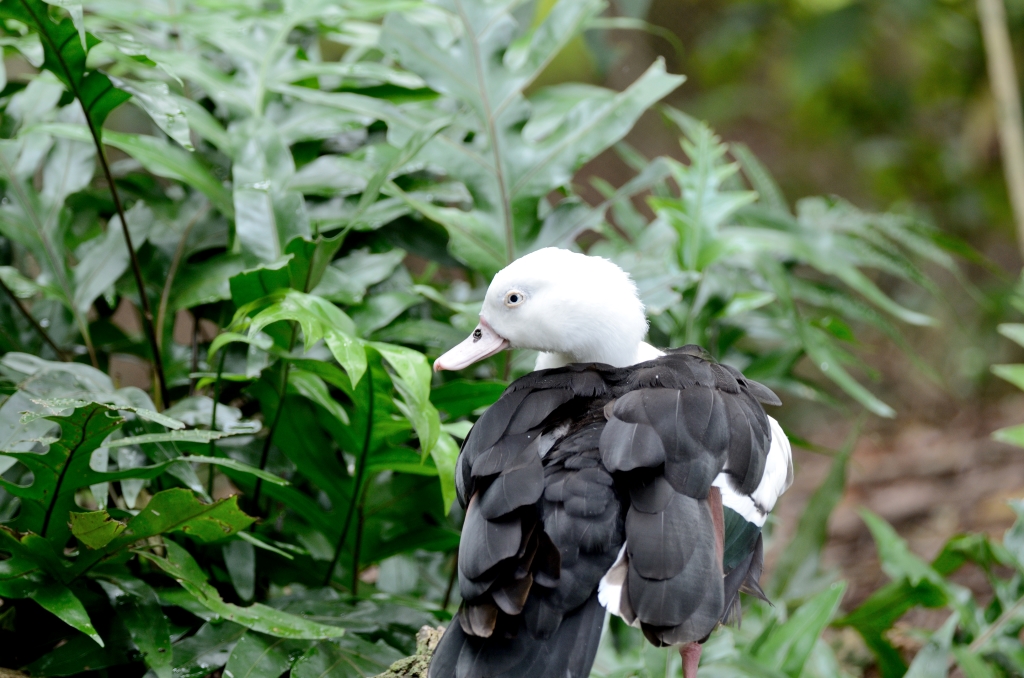
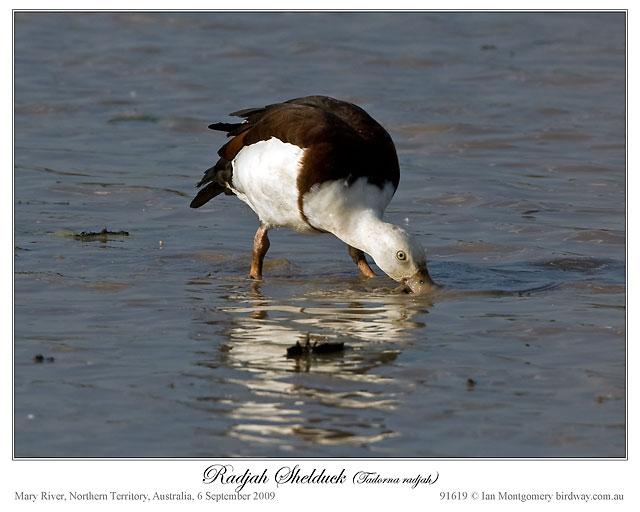
Raja Shelduck (Tadorna radjah) at Wing of Asia by Dan

Raja Shelduck (Tadorna radjah) at Wing of Asia by Dan

Raja Shelduck – The Radjah Shelduck (Tadorna radjah), is a species of shelduck found mostly in New Guinea and Australia, and also on some of the Moluccas. It is known alternatively as the raja shelduck (IOC Name), black-backed shelduck, or in Australia as the Burdekin duck.

The Raja Shelduck forms long-term pair-bonds, and is usually encountered in lone pairs or small flocks. During the wet season the males commonly become very irritable, and have been observed attacking their mates.

The diet consists mainly of mollusks, insects, sedge materials and algae. Pairs start searching for nesting sites during the months of January and February. They nest close to their primary food source, often in the hollow limbs of trees, which makes habitat destruction a particular issue.

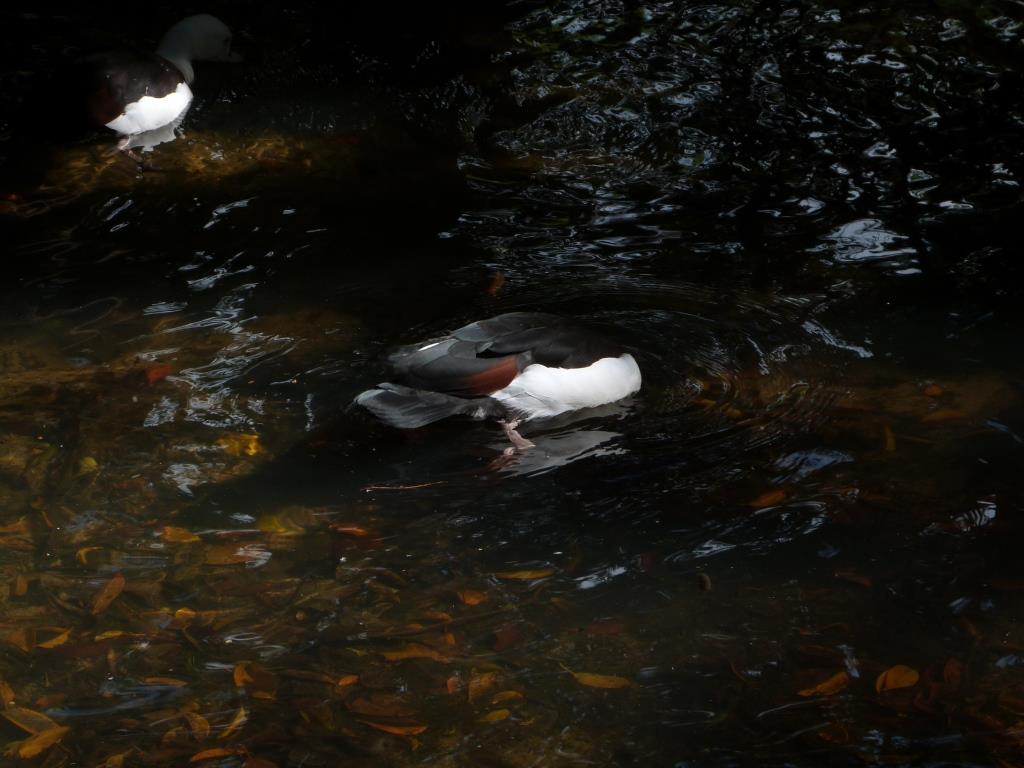
Raja Shelduck (Tadorna radjah) by Dan at Zoo Miami

Raja Shelduck (Tadorna radjah) by Dan at Zoo Miami

The radjah shelduck does not use nesting materials except for some self-supplied down feathers. Egg-laying is usually done by May or June, but depends on the extent of the wet season. The clutches range from 6 to 12 eggs. Incubation time is about 30 days. (Wikipedia edited)

Here are photos of both Shelducks. Some of the photos are from other trips and some from Ian. (PBZ is Palm Beach Zoo)


*
 

Here I Am

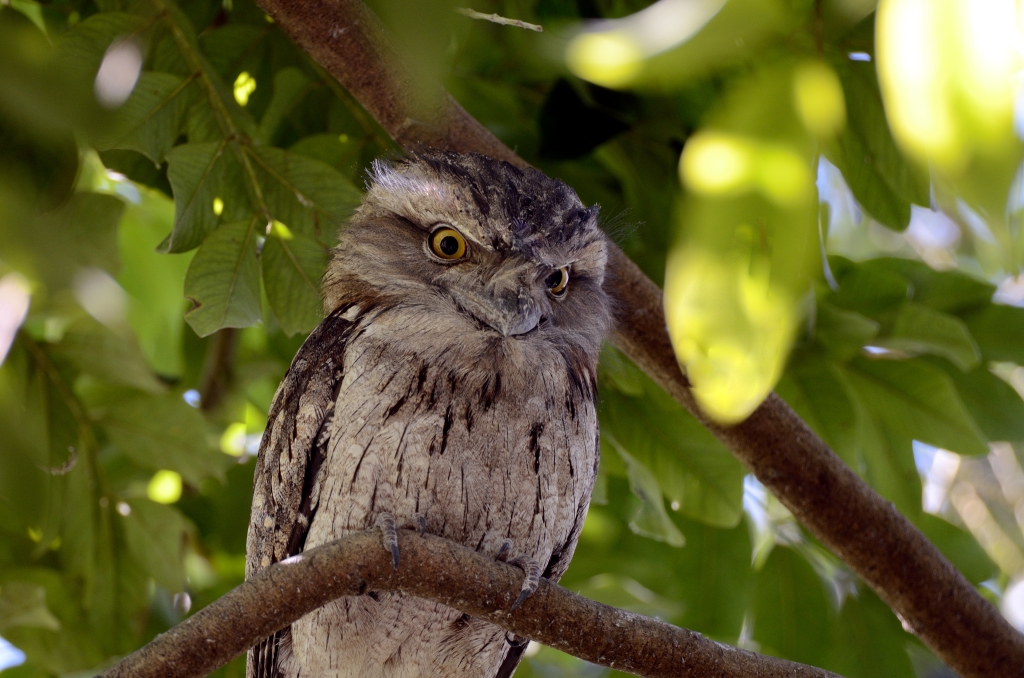
Tawny Frogmouth at Wings of Asia by Dan

Tawny Frogmouth at Wings of Asia by Dan

“Hide not thy face from me in the day when I am in trouble; incline thine ear unto me: in the day when I call answer me speedily. (Psalms 102:2 KJV)

Dan and I just returned from a three-day birdwatching adventure. With almost 1,000 photos and videos to sort, name, and clean-up, I’ll have plenty to post.

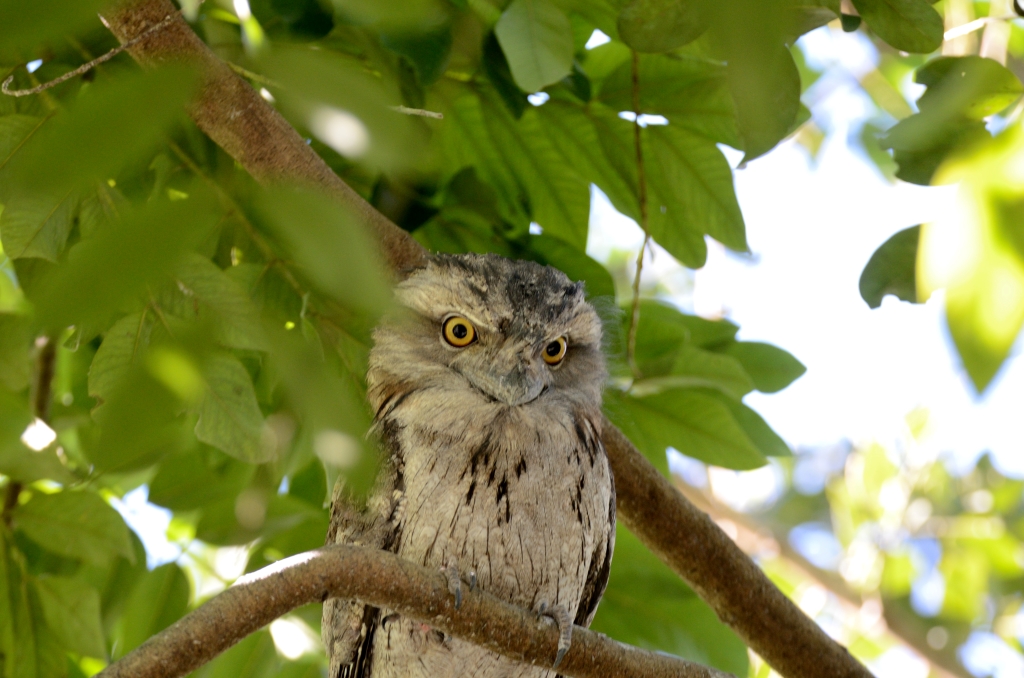
The Tawny Frogmouth (Podargus strigoides) is becoming a favorite of mine, because they are so hard to find. The Lord has given them such camouflage and an ability to freeze when threatened, they are a challenge. We were fortunate this time while visiting the Wings of Asia aviary at Zoo Miami. By following the feeder, that enjoys the birds as much as just working there, he helped us find the new Tawny Frogmouth. They now have two of them. This new one is more active and alert. Could it be that the feeder had a cup with 4 mice in it?

Tawny Frogmouth at Wings of Asia by Dan

Tawny Frogmouth at Wings of Asia by Dan

We actually saw Tawny with his eyes open and I even got a short video of him opening that mouth that gives them their name.

I have written about this bird before, Zoo Miami’s Wings of Asia – Wow! – I, seeing this one, forces me to write again. They belong to the Podargidae – Frogmouths Family which has 16 species of Frogmouths.

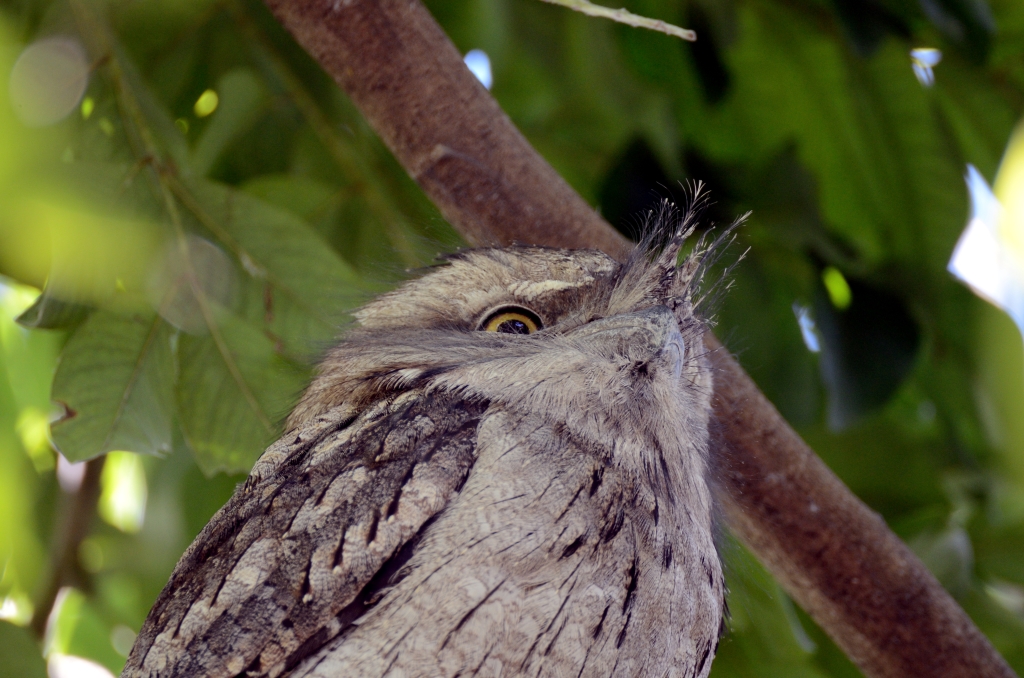
Masters of Camouflage Related to Oilbirds, Whip-poor-wills, and Nighthawks, the Tawny Frogmouth’s excellent camouflage covering makes it look like dried leaves. When frightened, the bird freezes in plosition and, with its cryptic colorations, looks like broken bramches.” (Amazing Bird Facts and Trivia, p 135) Isn’t the Lord’s Wisdom fantastic?

Tawny Frogmouth at Wings of Asia by Dan

Tawny Frogmouth at Wings of Asia by Dan

Another book, (National Geographic, Bird Coloration, p 150-151). says this: “Some birds hide not by being hard to discern, but by appearing not to be birds. The birds that best mimic inanimate objects are found in two groups of distantly related nightjars, the potoos in the Neotropics and the frogmouths in tropical Asia and Australia. Species in both of these groups hunt flying insects at night and rest during the day. Potoos and frogmouths use a strategy to hide during the day that differs … They hide conspicuously in view. The strategy…is to look exactly like an extension of a branch on which the bird sit.”

“Deliver me, O LORD, from mine enemies: I flee unto thee to hide me. (Psalms 143:9 KJV)

Tawny Frogmouth at Wings of Asia by Dan

Tawny Frogmouth at Wings of Asia by Dan

“They are named for their large flattened hooked bills and huge frog-like gape, which they use to capture insects. Their flight is weak. Their longer bristles which may exist to protect the eyes from insect prey.  Tawny frogmouths are large, big-headed birds that can measure from 13 to 21 in (34 to 53 cm) long….stocky and compact with rounded wings and short legs. They have wide, heavy olive-grey to blackish bills that are hooked at the tip and topped with distinctive tufts of bristles. Their eyes are large, yellow, and frontally placed, a trait shared by owls” (Wikipedia)

This slideshow requires JavaScript.

*
This video is of two segments. The keeper tried to get him to come down and then we came back a second time. Several photographers were waiting to get a photo of him coming down, but I guess this calls for another excuse to visit the Wings of Asia.

*

Podargidae – Frogmouths Family

Zoo Miami’s Wings of Asia – Wow! – I

Wings of Asia Aviary

Zoo Miami

Sunday Inspiration – Hide Thou Me

*

Fantastic Week-end

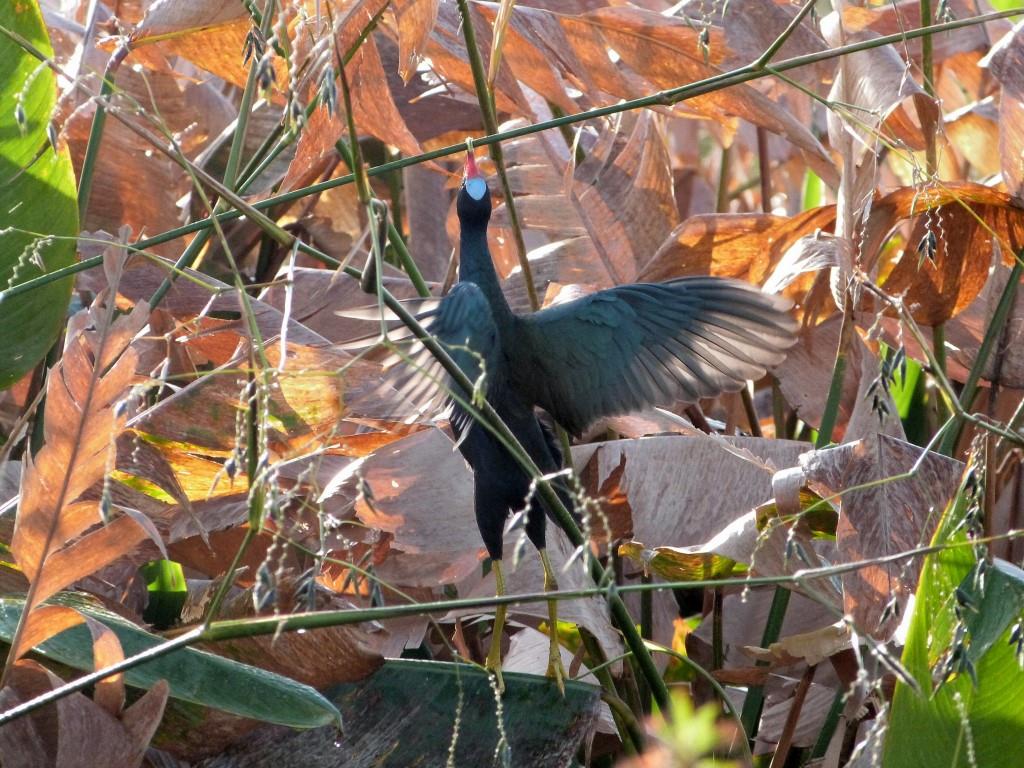
Purple Gallinule Reaching Circle B

Purple Gallinule Reaching Circle B

We greatly enjoyed this past week-end. Dr. James J. S. Johnson, from Institute For Creation Research, who writes for this blog, came to speak at our church. We had not met him personally and so this was a time of getting to know him.

Dan and I, Dr. Jim (my name for him) and Golden Eagle (Baron) went birdwatching on Saturday. We took him to our favorite birding spot here, Circle B Bar Reserve. We saw 31 species, several “life birds” for him and one “life bird” for me, an Orange-crowned Warbler.

The Birders at Circle B Bar Reserve

The Birders at Circle B Bar Reserve

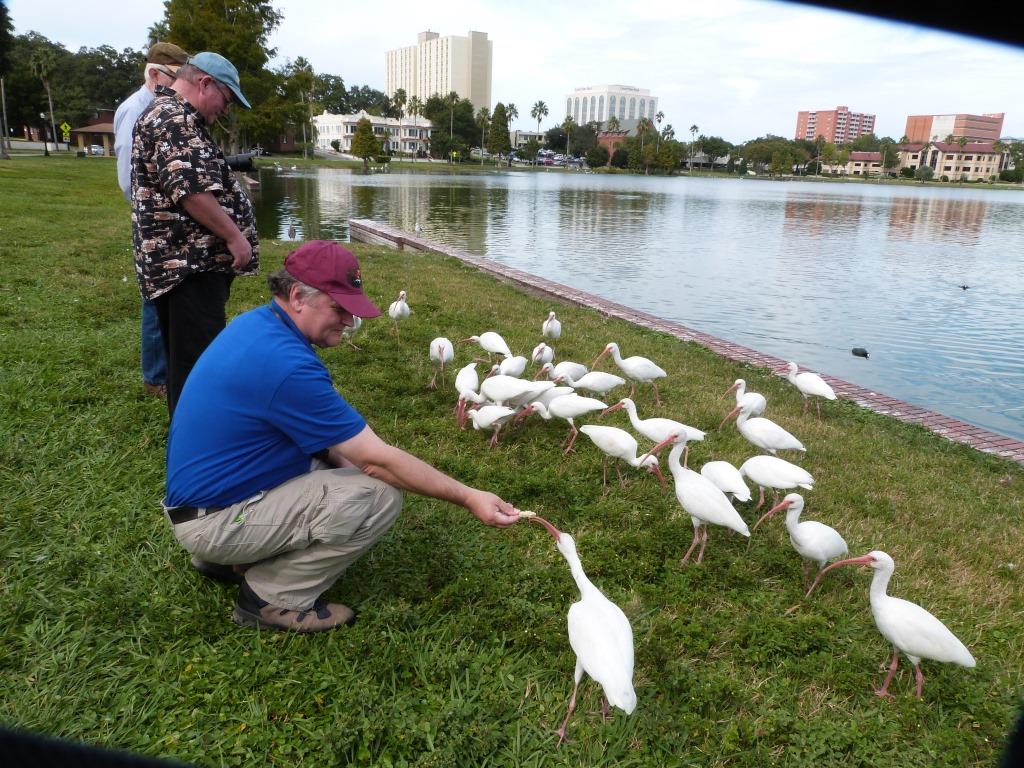
After we left there, we went to Lake Morton. I wanted two things to happen, but it didn’t. Was hoping to let them feed the Wood Stork over there and see a Wood Duck. Not to be. We saw one Wood Stork, but he must have already been fed. We did get to feed some of our other friends there. All total, we saw at least 19 species there. Also, the Lord prepared a great day for us. (Rained good part of Sunday, but Saturday was beautiful.)

Feeding White Ibises at Lake Morton

Dr Jim Feeding White Ibises at Lake Morton

While describing our trip later, I misused the word “boring” which got mistaken. What I meant was that compared other visits to those two places, the number of species were less than normal. Birdwatching adventures are never “boring.” How can they when you are out enjoying the Lord’s great creation? Amazing! Fabulous! Superb! Those are better words.

“But now ask the beasts, and they will teach you; And the birds of the air, and they will tell you; (Job 12:7 NKJV)

“You are worthy, O Lord, To receive glory and honor and power; For You created all things, And by Your will they exist and were created.” (Revelation 4:11 NKJV)

As Dr. James told us in his presentations, the Lord uses so much variety, provision, and design in each of His created beings, humans included. If we just slow down, God’s hand can clearly be seen. (my paraphrase) Just with the birds, the wing structure, specialized beaks, programmed travels, interconnection between bird and plant, and on and on. Oh, Praise the Lord!

Anhinga Lake Morton by Dan

Anhinga Lake Morton by Dan


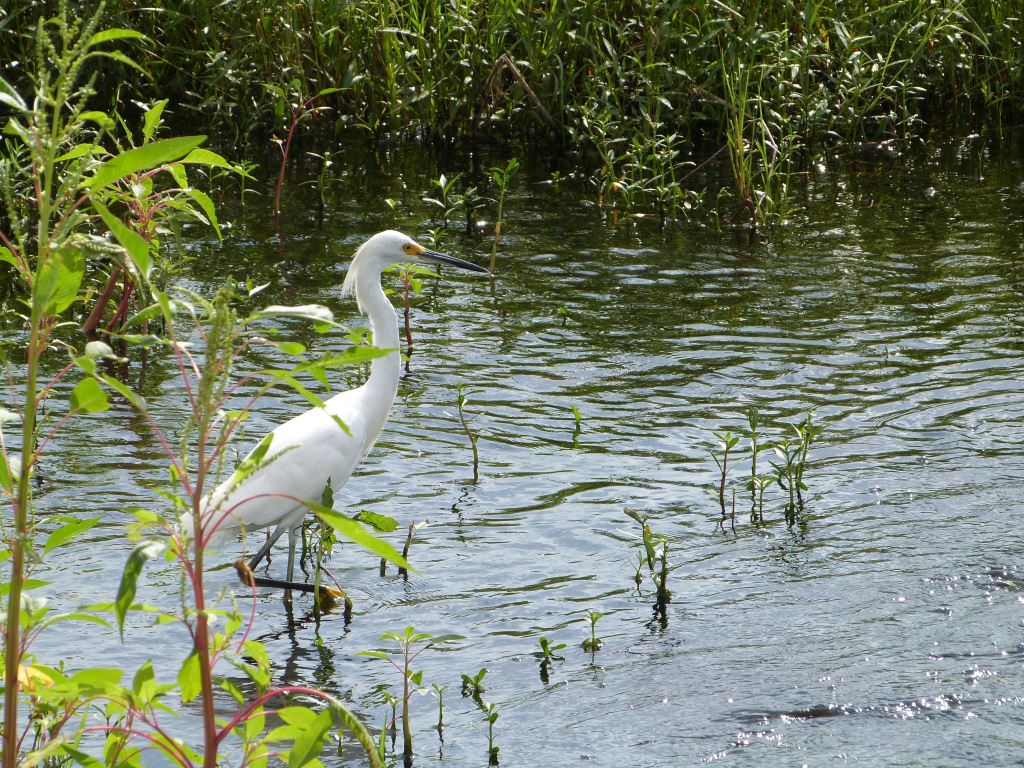
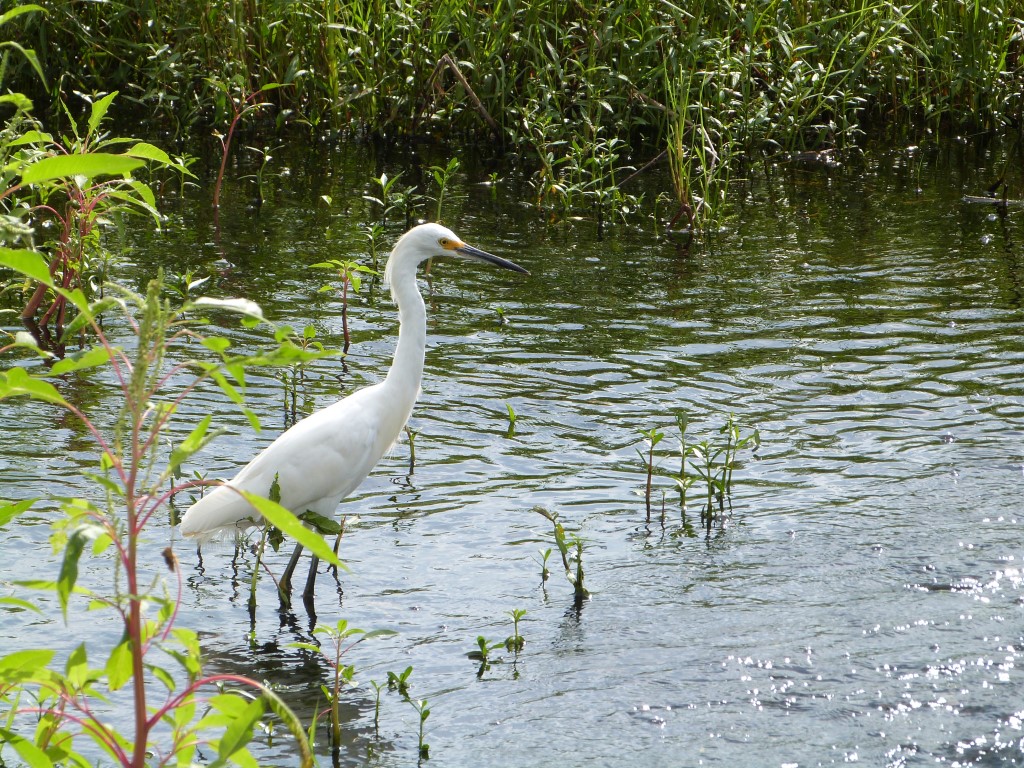
I am including the list of birds seen at both places. Also, a short video of a Snowy Egret using his foot to stir up something to eat. Wonder how that habit came about? Could it be that the Lord programmed that in it because of promising to provide for them?

“Consider the ravens, for they neither sow nor reap, which have neither storehouse nor barn; and God feeds them. Of how much more value are you than the birds? (Luke 12:24 NKJV)

Also, Dr. Johnson’s talks showed slides with examples of these points. (From an excerpt)

Witnesses for God’s Truth – “This presentation reviews 5 different kinds of witnesses for God’s truth, each of which takes away excuses from anyone who pretends to have no witness of God and His glory:  (1) the physical creation, including our own physical bodies; (2) the uniqueness of humanity; (3) Scripture; (4) Christ’s incarnation; and (5) one more witness that we all are accountable for, and this one is quite scary!”

Lessons from the Zoo –  “Did you know that the animal kingdom, in all of its diversity, reveals God’s creative genius and glory in uncountable ways?  Why does God like and create variety in creation? How do the various animals living today, as well as other animals (like dinosaurs) which lived in earlier times, confirm the Bible’s account of creation – and refute Darwin’s evolutionary “natural selection” idea? This presentation provides a series of examples of big and little animals that display God’s handiwork in amazing ways. Mammals, reptiles, insects, spiders, fish, shellfish, jellyfish, and more!

Tricolored-Snowy-Great Egret-White Ibis at Circle B

Tricolored-Snowy-Great Egret-White Ibis at Circle B

Circle B Bar Reserve, Polk, US-FL
Nov 8, 2014 8:00 AM – 10:00 AM
Us, Dr J and Baron – 31 species

Pied-billed Grebe
Double-crested Cormorant
Anhinga
Great Blue Heron
Great Egret
Snowy Egret
Little Blue Heron
Tricolored Heron
White Ibis
Glossy Ibis
Roseate Spoonbill  6
Black Vulture  50
Turkey Vulture  50
Osprey
Bald Eagle
Red-shouldered Hawk
Purple Gallinule
Common Gallinule
Stilt Sandpiper
Red-bellied Woodpecker
Pileated Woodpecker
Eastern Phoebe
Carolina Wren
Blue-gray Gnatcatcher
Gray Catbird
Orange-crowned Warbler
Palm Warbler
Yellow-rumped Warbler
Northern Cardinal
Red-winged Blackbird
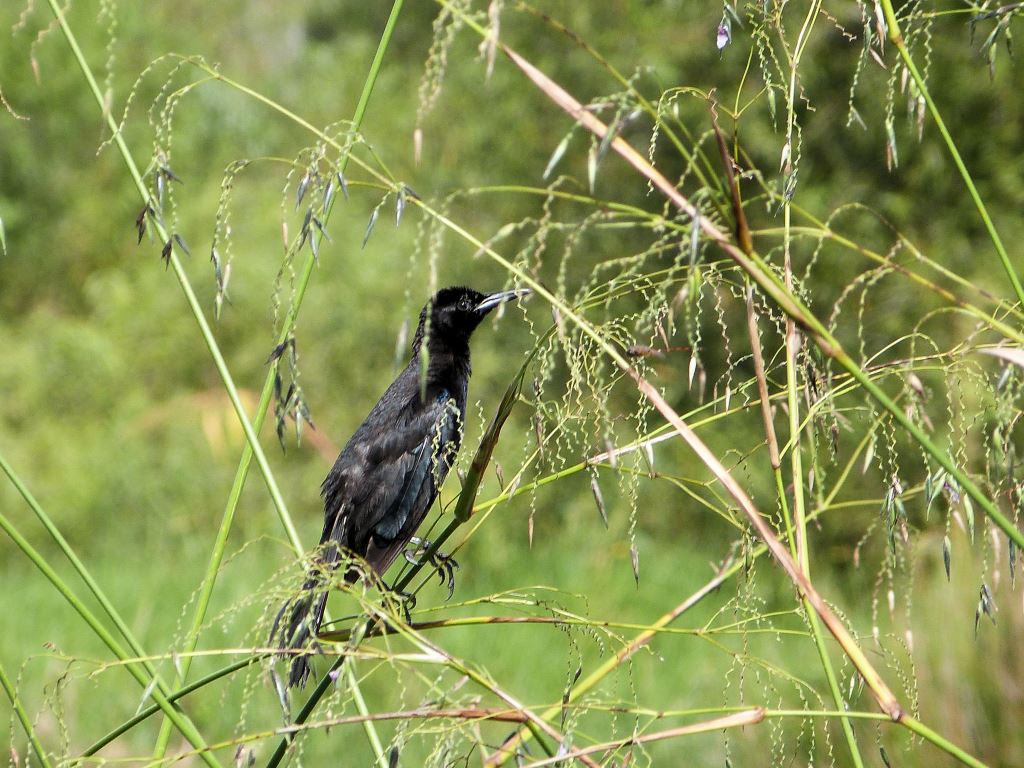
Boat-tailed Grackle

Lake Morton, Polk, US-FL
Nov 8, 2014 10:30 AM – 11:15 AM
Us, Dr J. and Baron – 18 species (+1 other taxa)

Mute Swan
Black Swan
Black-necked Swan
Muscovy Duck (Established Feral)
Mallard (Domestic type)
Blue-winged Teal
Ring-necked Duck
Anhinga
Great Blue Heron
Great Egret
Snowy Egret
White Ibis
Common Gallinule
American Coot
Laughing Gull
Rock Pigeon (Feral Pigeon)
Blue Jay
Palm Warbler
Boat-tailed Grackle

*

*

Lake Morton Birdwatching after Round-up

Green Heron at Lake Morton by Lee

Green Heron at Lake Morton by Lee

Many, O LORD my God, are the wonders which You have done, And Your thoughts toward us; There is none to compare with You. If I would declare and speak of them, They would be too numerous to count. (Psalms 40:5 NASB)

We finally took some time to go see what birds were at Lake Howard. I was a little disappointed that the winter birds haven’t started arriving yet. It is either that, or the fact that they have been re-working the shoreline at the park. They are making it more “people-friendly,” but seem to be making it less “bird-friendly.” Trust that is not going to keep our Wood Ducks, Ring-neck Ducks and Ruddies away. None of them were present.

I really didn’t check the whole lake though. I have been having some leg issues and haven’t been birdwatching lately. In fact, I only crossed the street and birded right there by the shore. You might keep me in your prayers. Had a Doctor appointment today with encouraging word, especially that surgery most like can be avoided on my feet. Friday, another appointment to start some physical therapy for my left leg. It has been weak and causing me to “waddle” like the ducks. Never heard of a “Lee Duck” have you? Hope not.

Here are some of the photos taken Saturday by the shore of Lake Morton. There are still some swans in the pens after the recent yearly round-up of the swans. They gave them all vaccinations. Rounded up well over a hundred of them.

Mute Swan in pen at Lake Morton by Lee

Mute Swan in pen at Lake Morton by Lee

And the swan, and the pelican, and the gier eagle, (Leviticus 11:18 KJV)

I found this very interesting video from YouTube when they did the round-up in 2010.

*

This link is to this year’s story about the Swan Round-up. (It has some neat photos)

http://www.theledger.com/article/20141001/NEWS/141009972/0/

Enjoy a slide show of some of what we saw.

This slideshow requires JavaScript.

*

Wordless Birds

*

Wreathed Hornbills at Central Florida Zoo

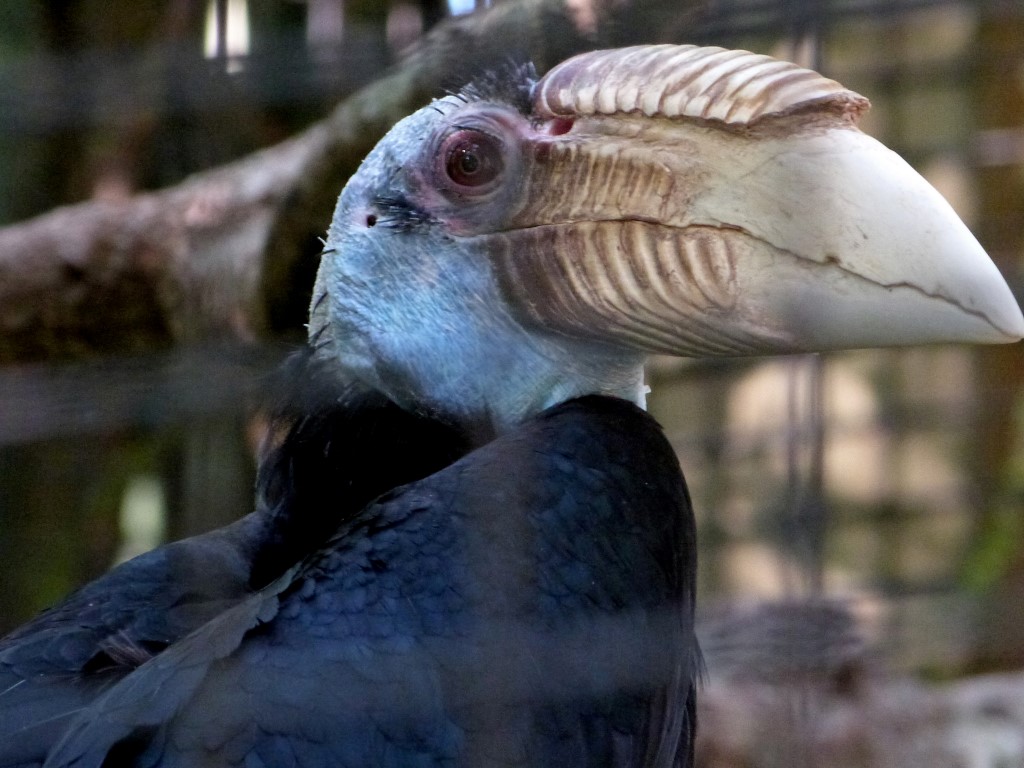
Wreathed Hornbill (Rhyticeros undulatus) Central Florida Zoo by Lee

Wreathed Hornbill (Rhyticeros undulatus) Female Central Florida Zoo by Lee

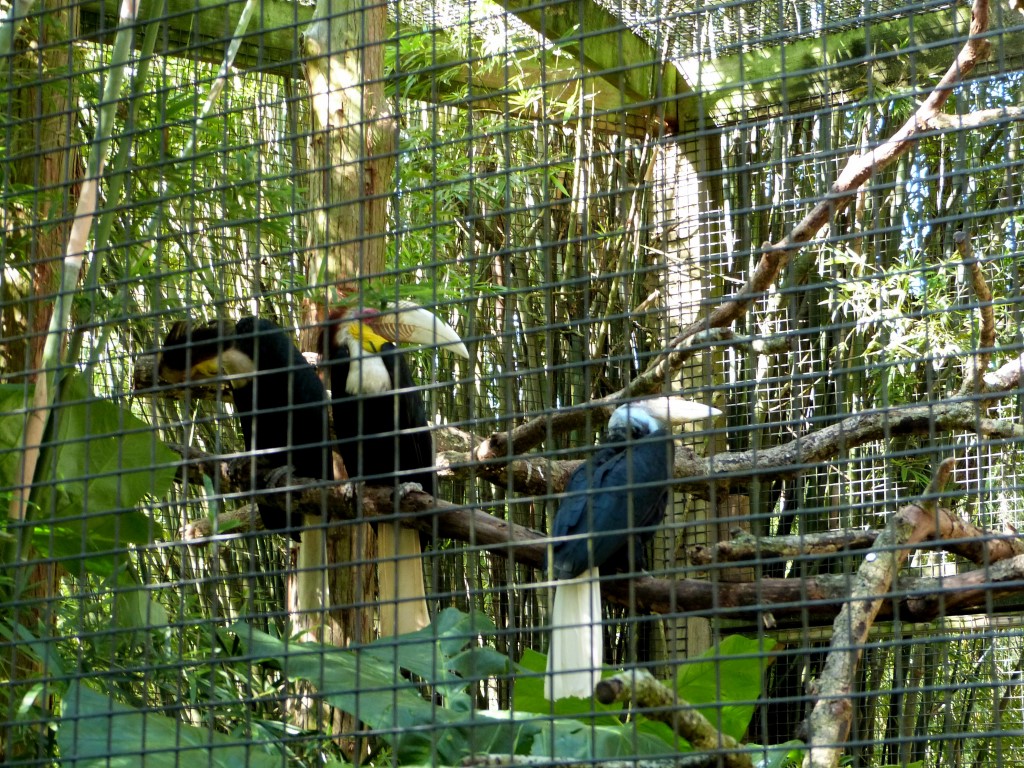
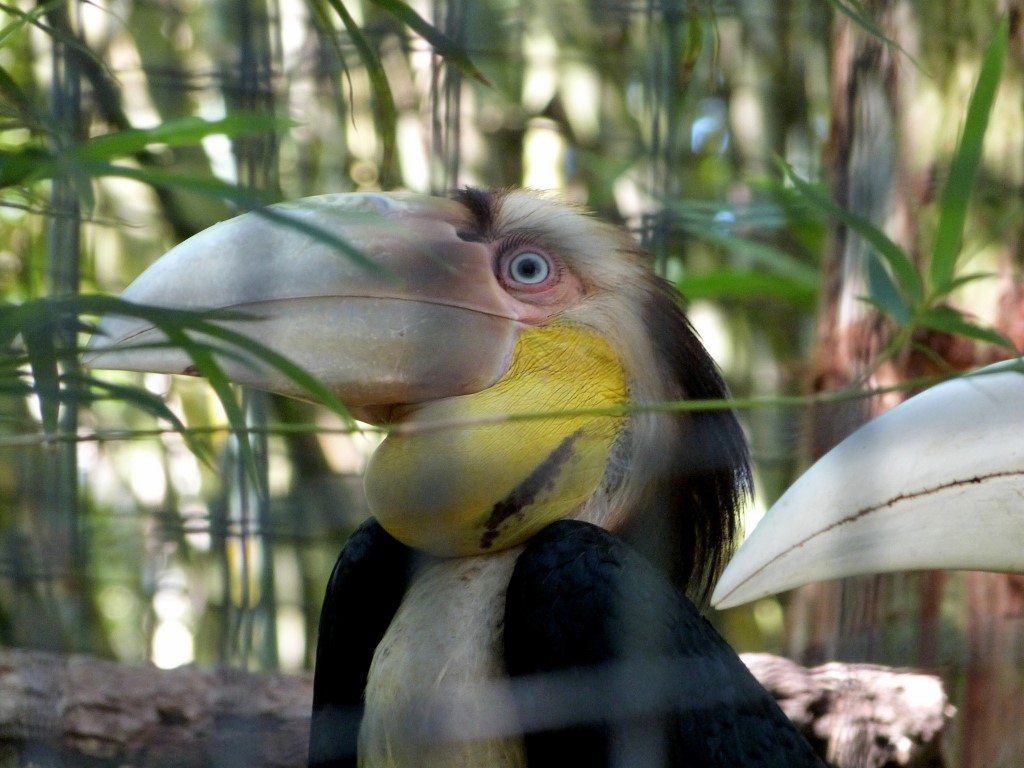
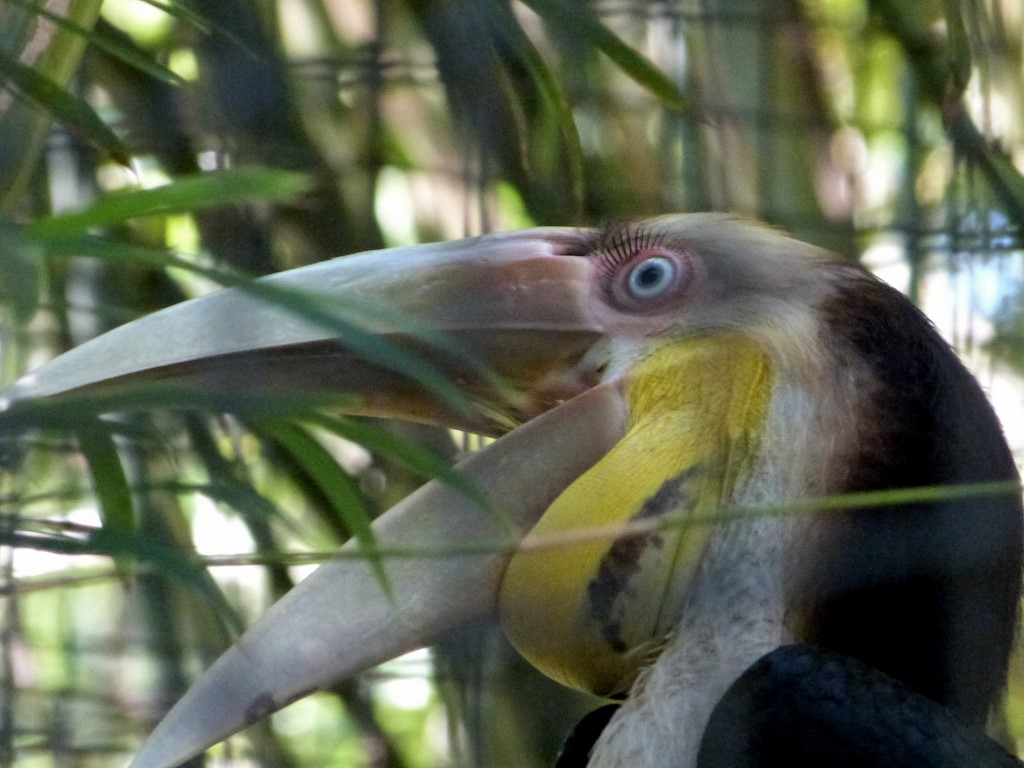
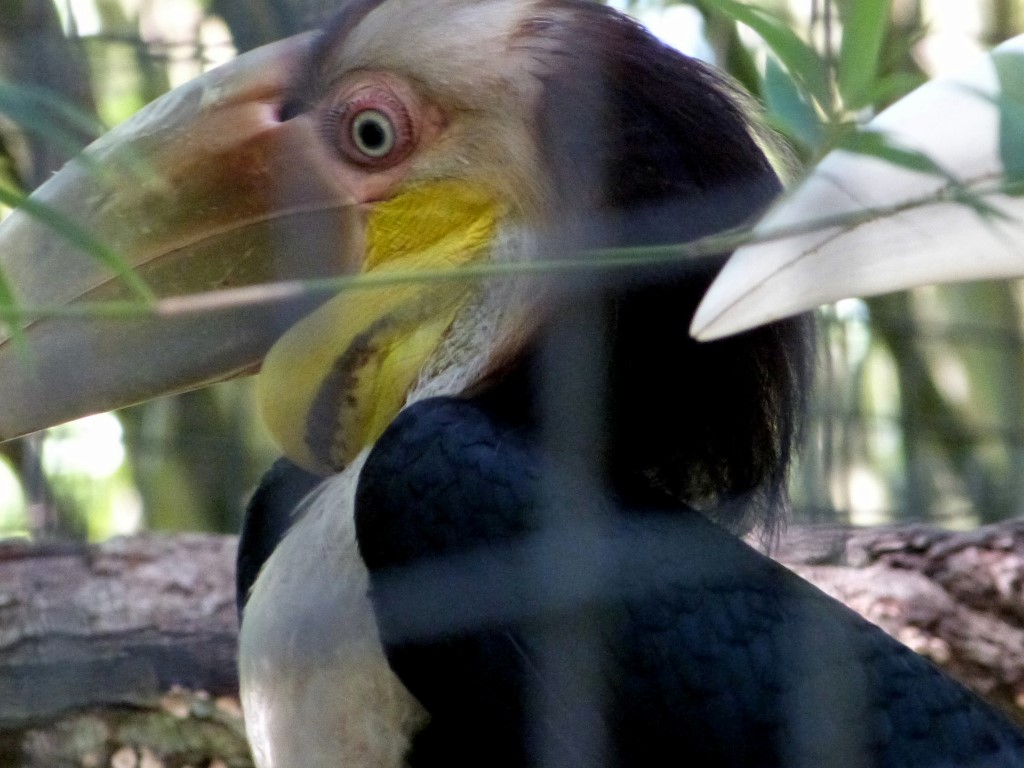
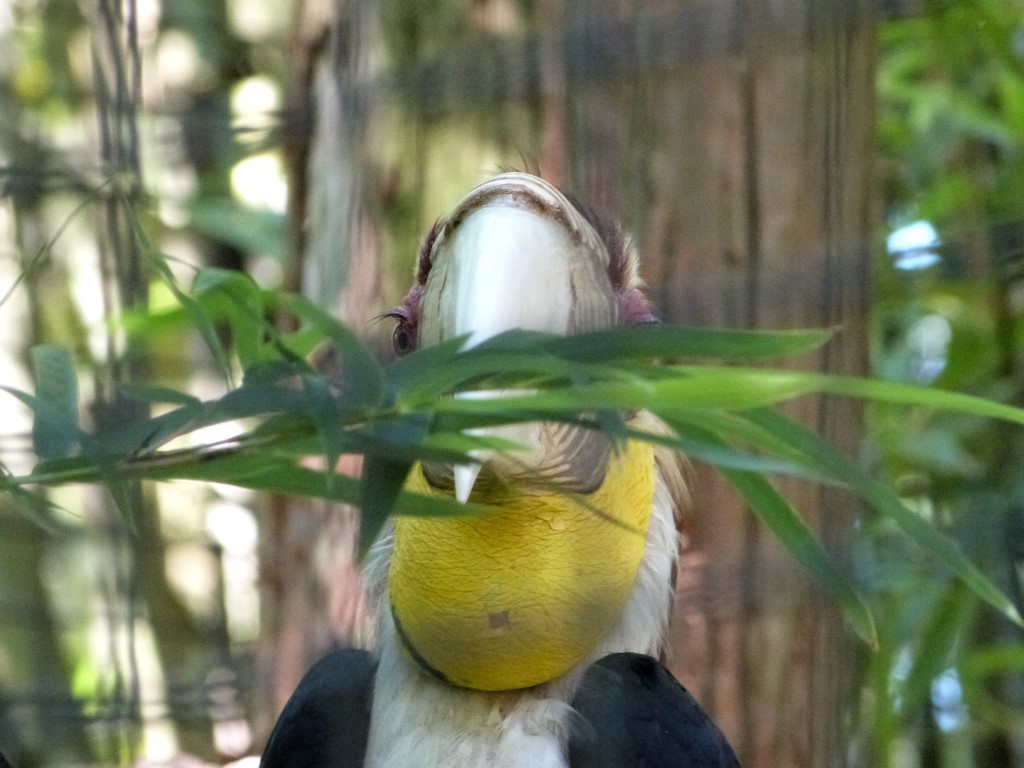
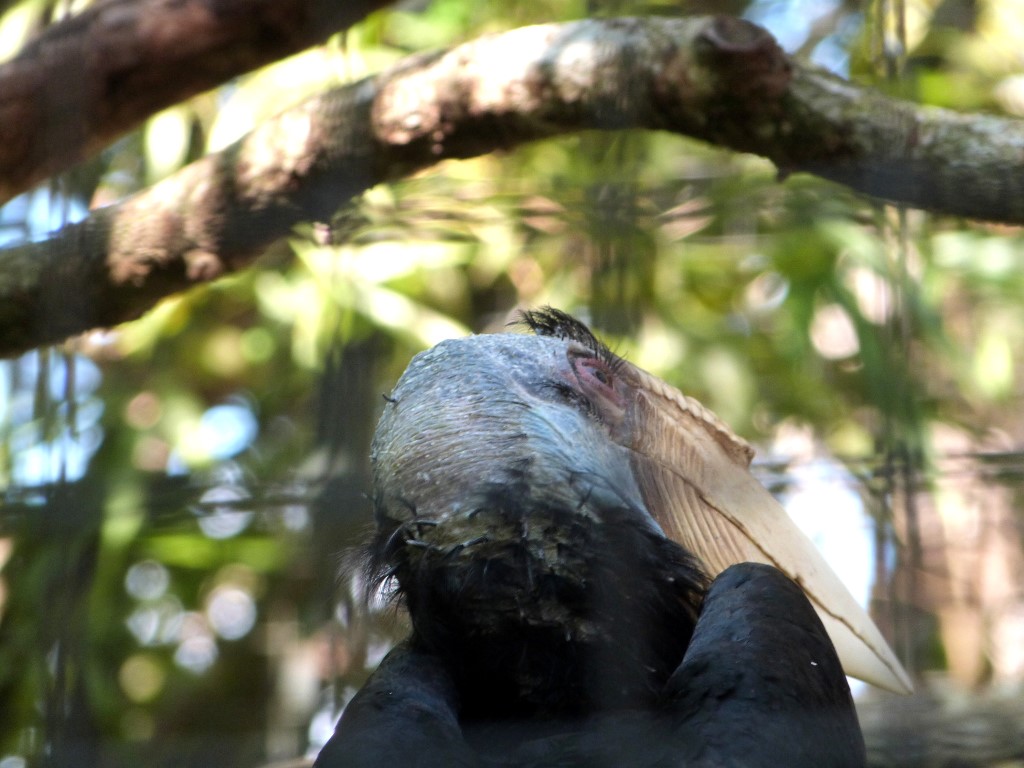
Last week on the way over to the retreat in Daytona Beach, we stopped by the Central Florida Zoo & Botanical Gardens. There were several interesting birds, especially the Wreathed Hornbill (Rhyticeros undulatus). There was a male, female and a juvenile male there. More unique creations from our Creator.

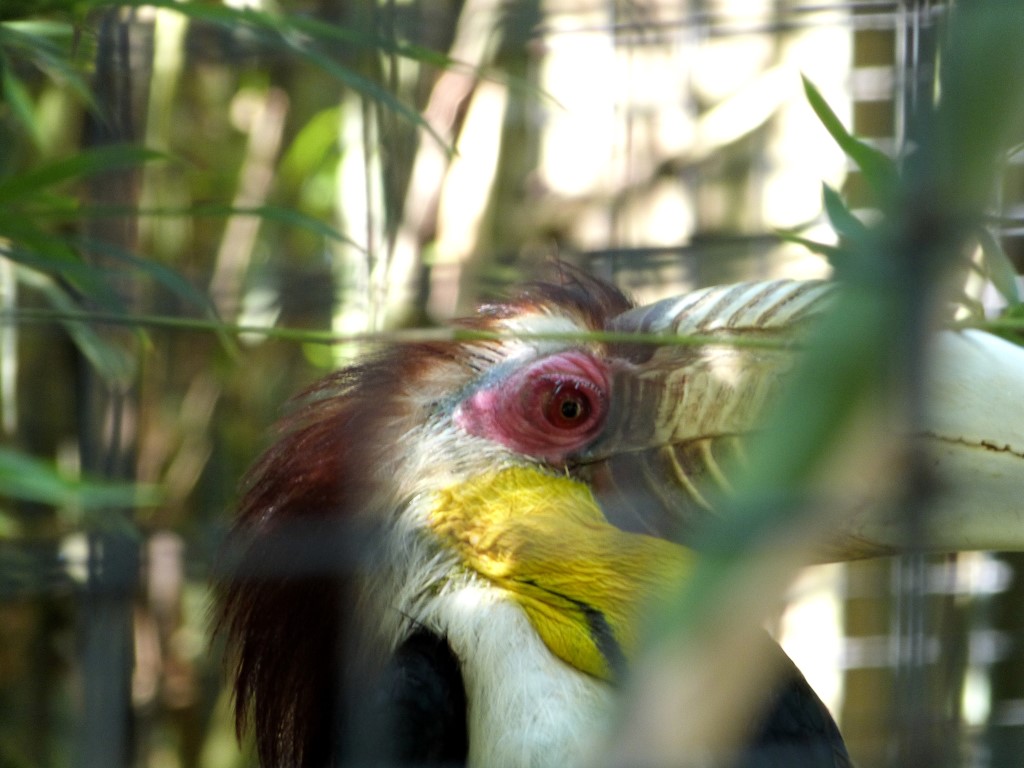
The Hornbill names can be confusing because there is a Wrinkled, Writhed, and the Wreathed Hornbills along with the others. The one here at Central Florida Zoo was the Wreathed..It was hard to get a decent photo because of the size of the fencing/wires on the cages. So, the photos were about a good as I could get shooting in Program mode. I tossed quite a few photos because of the fencing. :))

Wreathed Hornbill (Rhyticeros undulatus) Adult Male Central Florida Zoo by Lee

The Wreathed Hornbill (Rhyticeros undulatus), also known as the Bar-pouched Wreathed Hornbill because of the black line on the pouch or chin. It is a species of hornbill found in forests from far north-eastern India and Bhutan, east and south through mainland Southeast Asia and the Greater Sundas, except Sulawesi. It is 75–100 cm (30–39 in) long. Males weigh from 4.0 lb (1.8 kg) to 8.0 lb (3.65 kg), and females weigh from 3.0 lb (1.36 kg) to 6.0 lb (2.7 kg). Both sexes are similar to the respective sexes of the closely related plain-pouched hornbill, but the wreathed hornbill can be recognized by the dark bar on the lower throat (hence the alternative common name, bar-pouched). Though commonly considered monotypic, evidence suggests some geographical variation in the appearance. (Wikipedia with editing)

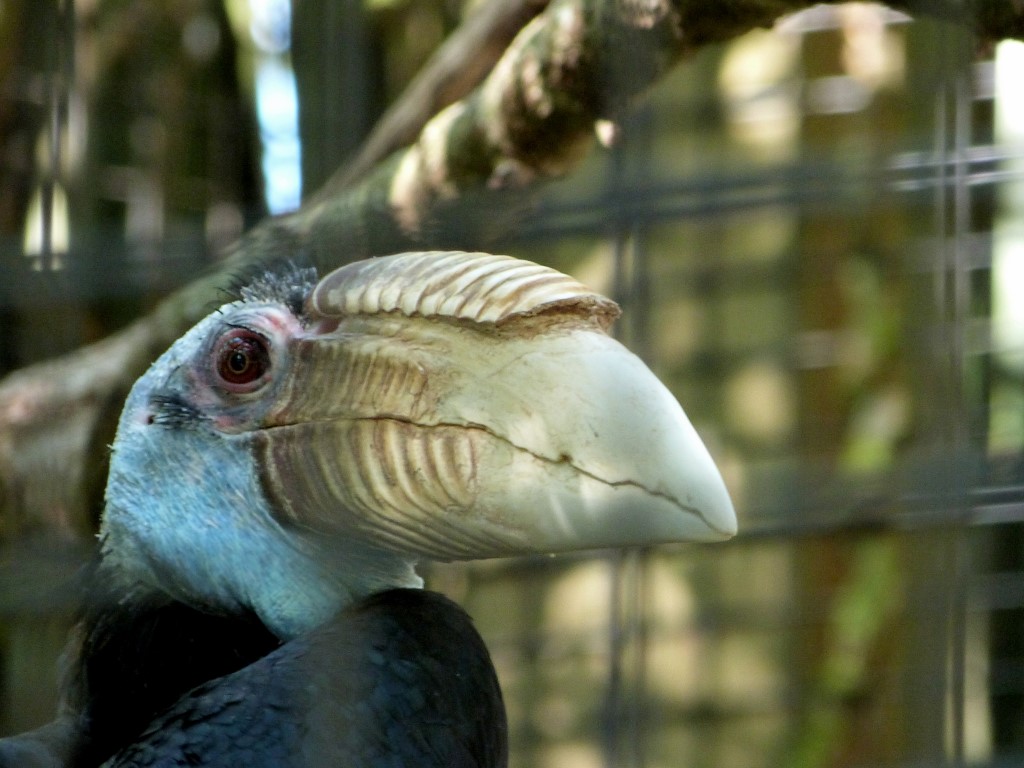
They belong to the Bucerotidae – Hornbills Family which has 59 species. “These birds have large down-curved bills and many have a large growth on the upper bill called a casque.  These bills come in many striking shapes and colors.  They also have what appears to be eyelashes, but they are not made of hair, they are small feathers that serve the same function.” (Central FL Zoo)

Fun Facts (From Zoo Atlanta)

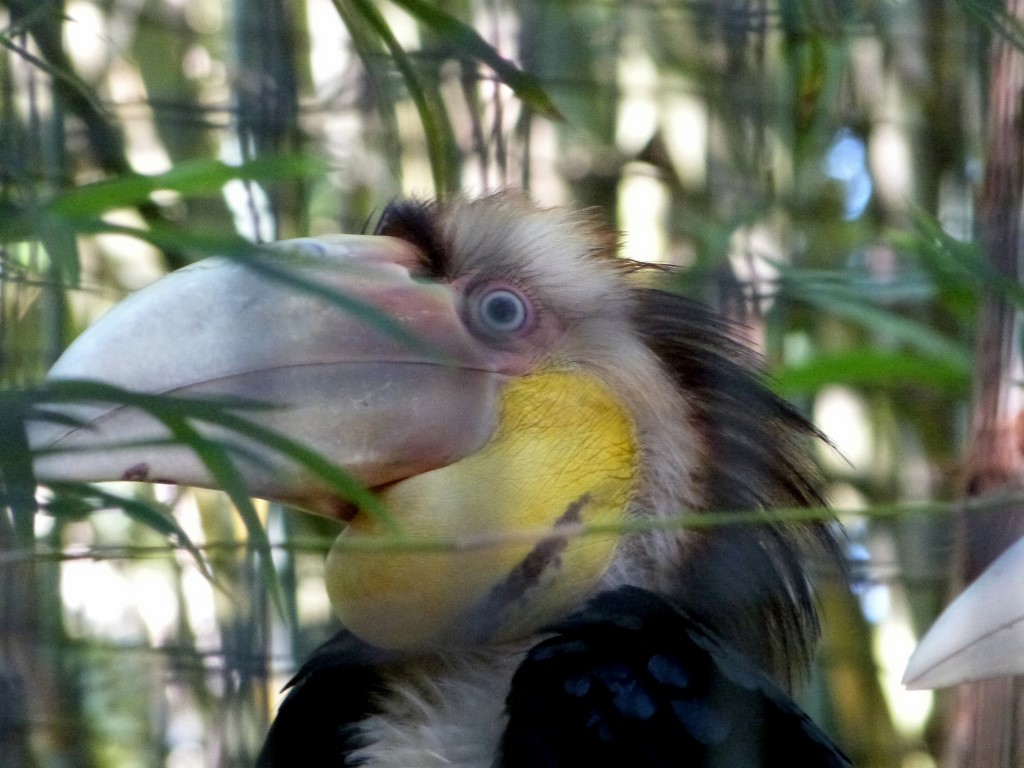
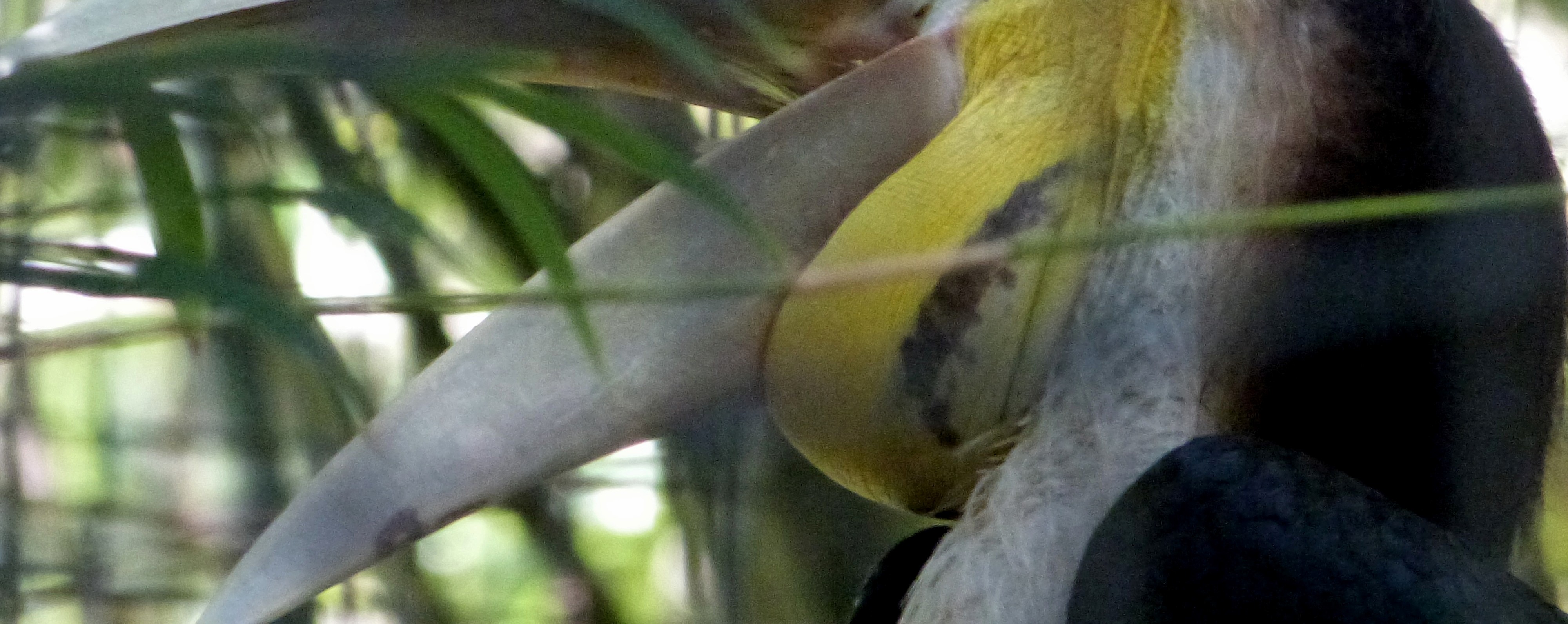
Males can be easily distinguished from females by the color of their throats. The male’s throat skin is yellow; the female’s is blue. – Males and females pair for life. – The specialized knobs on the tops of the birds’ beaks are known as casques. These are believed to function as signals of dominance and gender.

 You shall take with you of every clean animal by sevens, a male and his female; and of the animals that are not clean two, a male and his female; also of the birds of the sky, by sevens, male and female, to keep offspring alive on the face of all the earth. (Genesis 7:2-3 NASB)

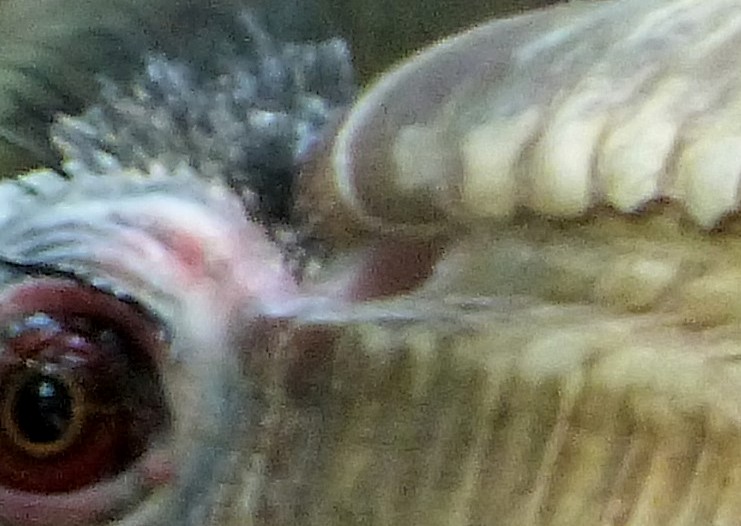
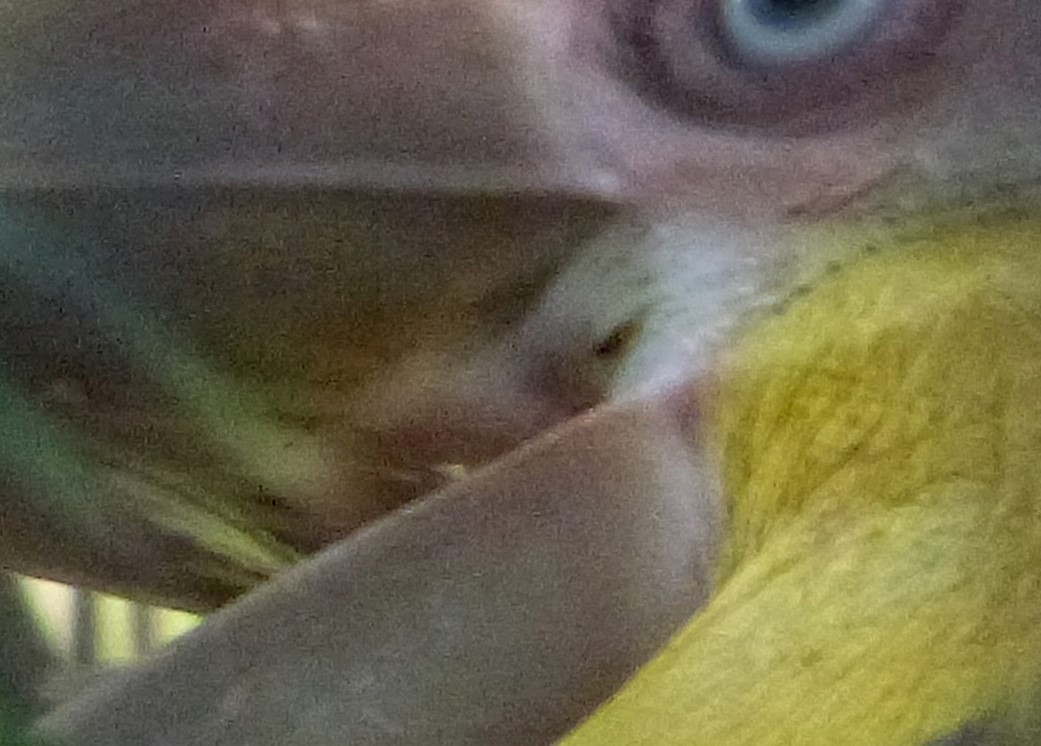
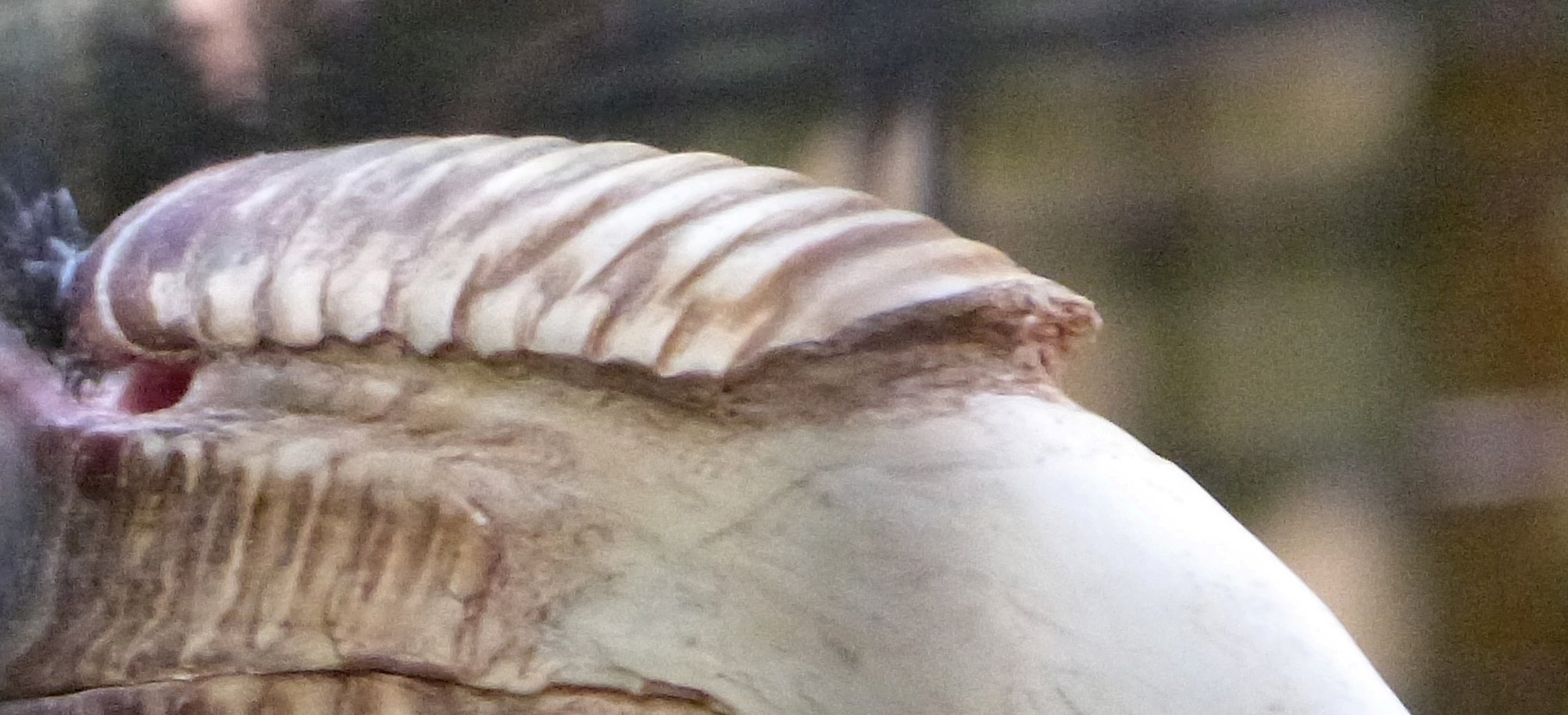
I find their beak so interesting. In light of yesterday’s article, Birdwatching Terms – About’s Bird Bill Parts, I have included some cropped photos pointing out the different parts of the beak. Also, I like their eyelashes which are actually feathers, but act like our eyelashes.

*

Bucerotidae – Hornbills

Central Florida Zoo & Botanical Gardens

Birds of the World

Wreathed Hornbill – Wikipedia

Wreathed Hornbill – Central Florida Zoo

Wreathed Hornbill –  AvianWeb

Is There A God?

*


Kookaburra Encounter

Laughing Kookabura by Dan

Laughing Kookabura by Dan

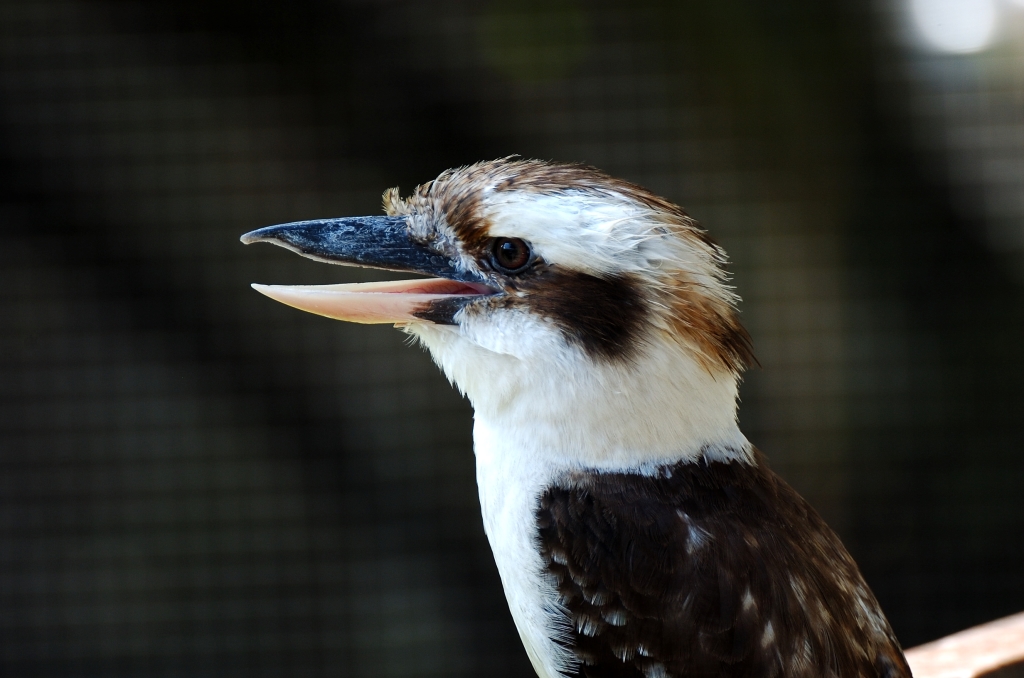
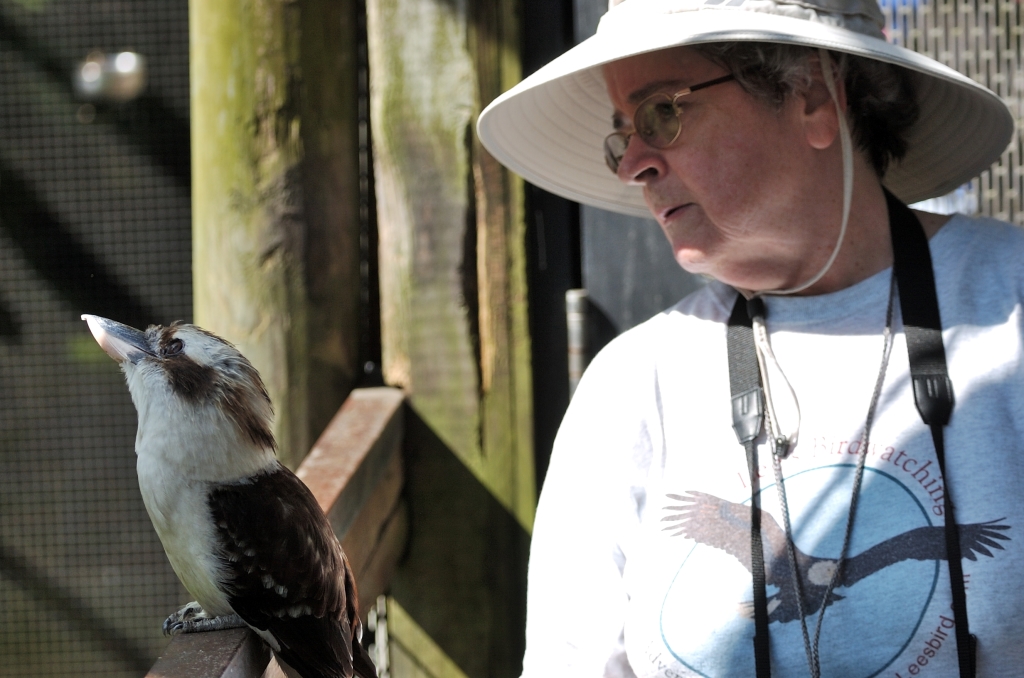
On our vacation several weeks ago we stopped back by the Brevard Zoo in Melbourne, Florida.  I had a neat Kookaburra Encounter.

Lee with Laughing Kookabura at Brevard Zoo by Dan

Lee with Laughing Kookabura at Brevard Zoo by Dan

The Laughing Kookaburra is in the aviary where the Lorikeets, Galahs and other birds are kept. When I came through a door, right there on the rail sat a young Laughing Kookaburra. I have seen them before, but never as close as this one. I got within inches of him/or her. I could have touched it, but was afraid of that beak.

So God created great sea creatures and every living thing that moves, with which the waters abounded, according to their kind, and every winged bird according to its kind. And God saw that it was good. (Genesis 1:21 NKJV)

Here are some of the pictures we took.

Lee very close to Kookabura by Dan

Lee very close to Kookabura by Dan

I have to admit, I was thrilled. Just looking at one of the Lord’s creations so close. Wow! That one photo Dan took of me and the Kookaburra, my hand was within 5-6 inches from it. May I never lose my AWE at seeing and encountering the Lord’s critters.

*

Other Kookaburra encounters:
Birdwatching at the Cincinnati Zoo I
Birds Of The Bible – Joy And Laughter
Birdwatching Adventure to Brevard Zoo in Viera, FL
Birdwatching at the National Aviary – Introduction
Alcedinidae – Kingfishers – Family

*


Photos from Circle B and MacDill Shore

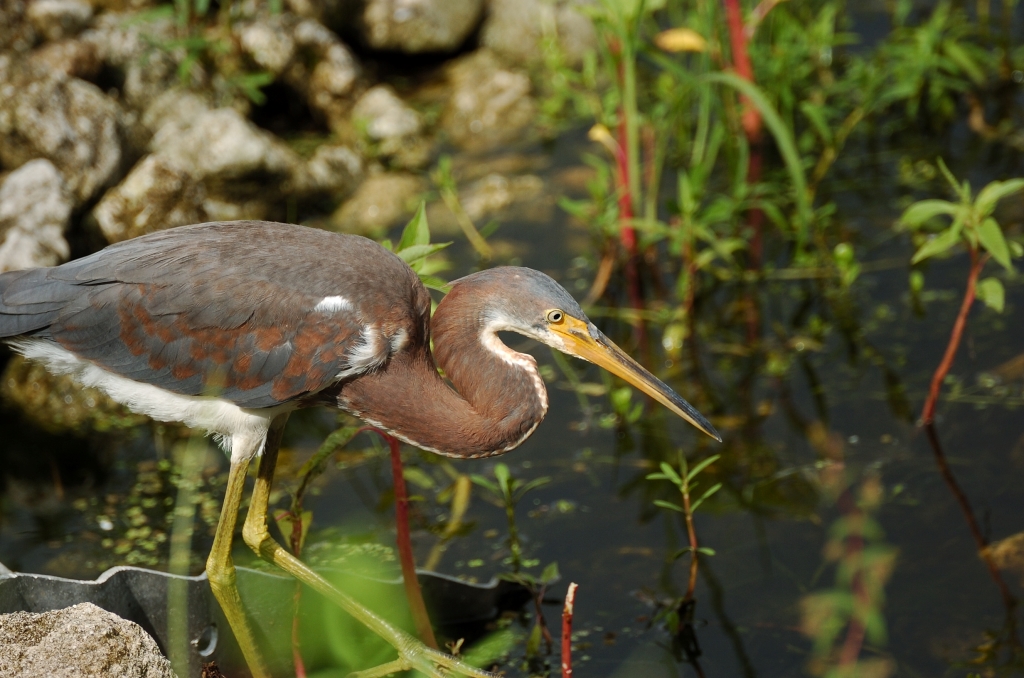
Tricolored Heron Juvenile by Dan at Circle B

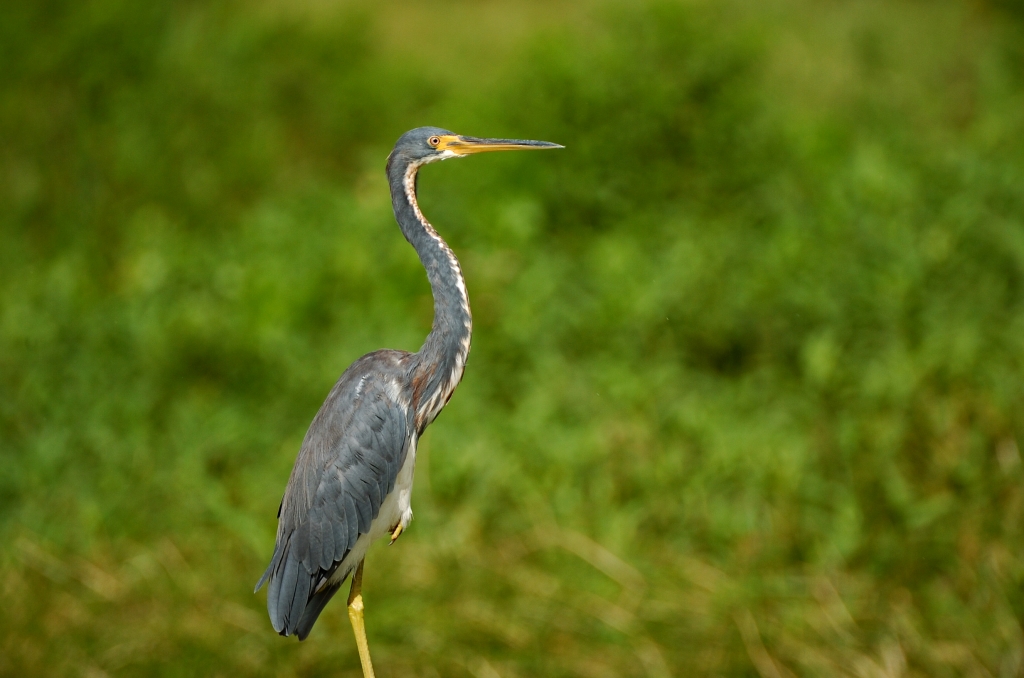
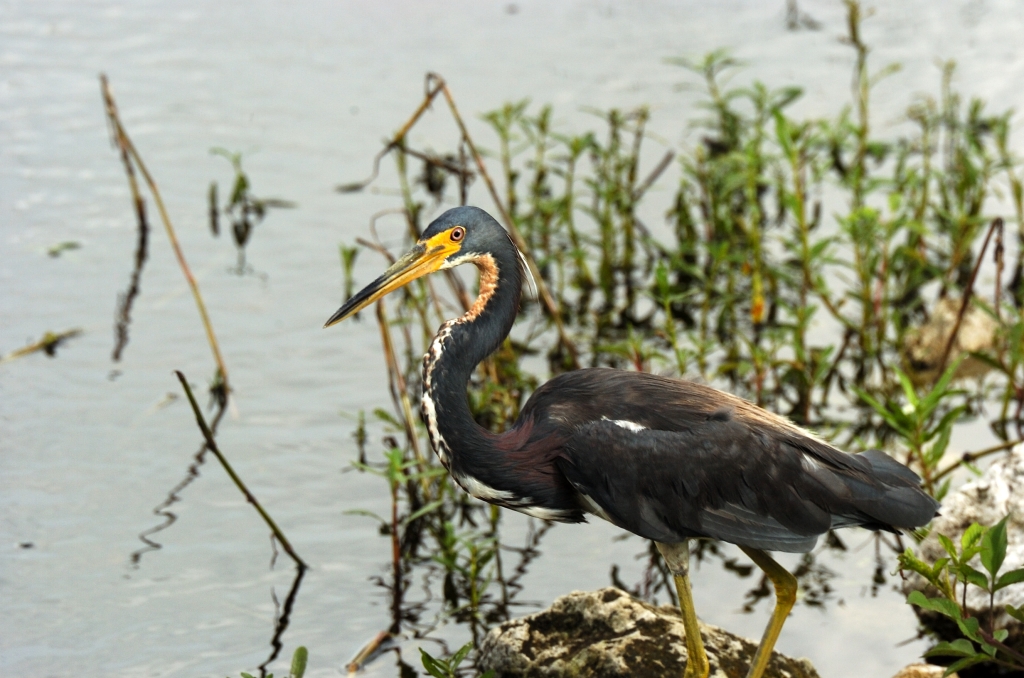
The last post had my photos and videos from our trip to Circle B Bar Reserve (Circle B After Recent Rains) . Today, I am showing you the GOOD ONES! These were taken by Dan.

Also, I am adding his photos from the shore at MacDill AFB on Tampa Bay. The names were added by me and some are uncertain. I know many of you who visit this blog are better at naming birds than we are. Identifying shorebirds is still in the beginning stages for us, though I “think” I know what these are. So, If you can help, please leave a comment.

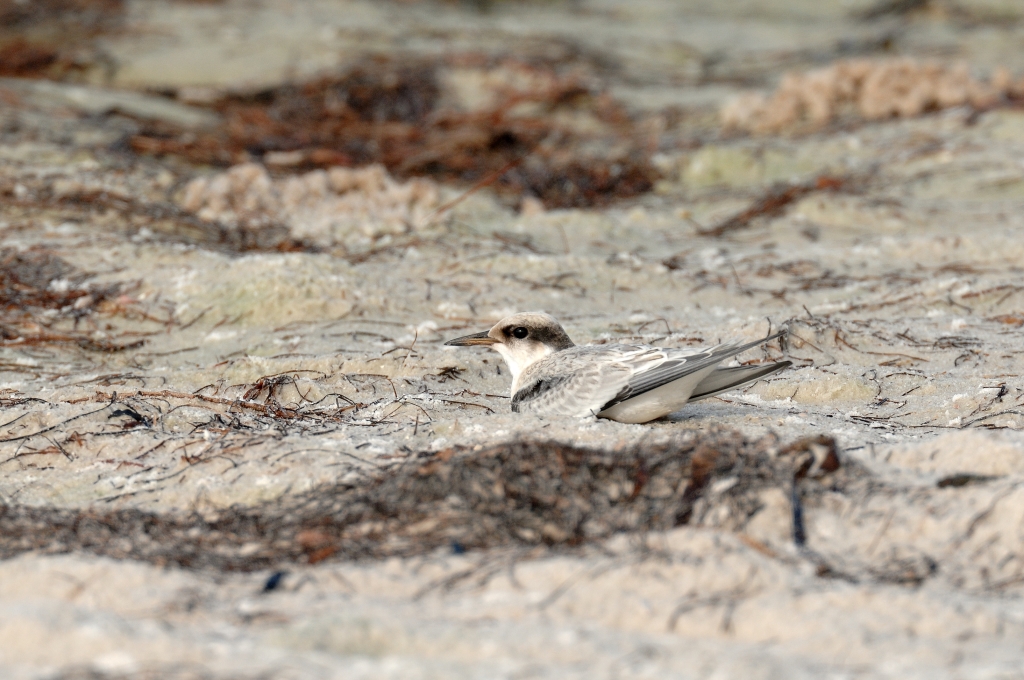
I have searched my books for Dan’s #19, and can’t find it. It must be an immature.

Unknown by Dan MacDill Shore 2014 (19)

Unknown by Dan MacDill Shore 2014 (19)

When the photos I took on this recent trip are blogged about, it would be nice to have proper names on the birds. (At least most of them.)

Enjoy Dan’s photos. He is the one that takes the great ones. You can also visit his website at Dan’s Pix.

*

But these are they of which ye shall not eat: the eagle, and the ossifrage, and the osprey, (Deuteronomy 14:12 KJV)

And the stork, the heron after her kind, and the lapwing, and the bat. (Leviticus 11:19)

I am like a pelican of the wilderness; I am like an owl of the desert. (Psalms 102:6 NKJV)

See:

Circle B After Recent Rains

Dan’s Pix

Birdwatching Trips

Birdwatching Trips – Circle B Bar Reserve, FL

Birds of the Bible – Herons – PelicansOsprey Sea Gulls

Good News Tracts

*

Circle B After Recent Rains

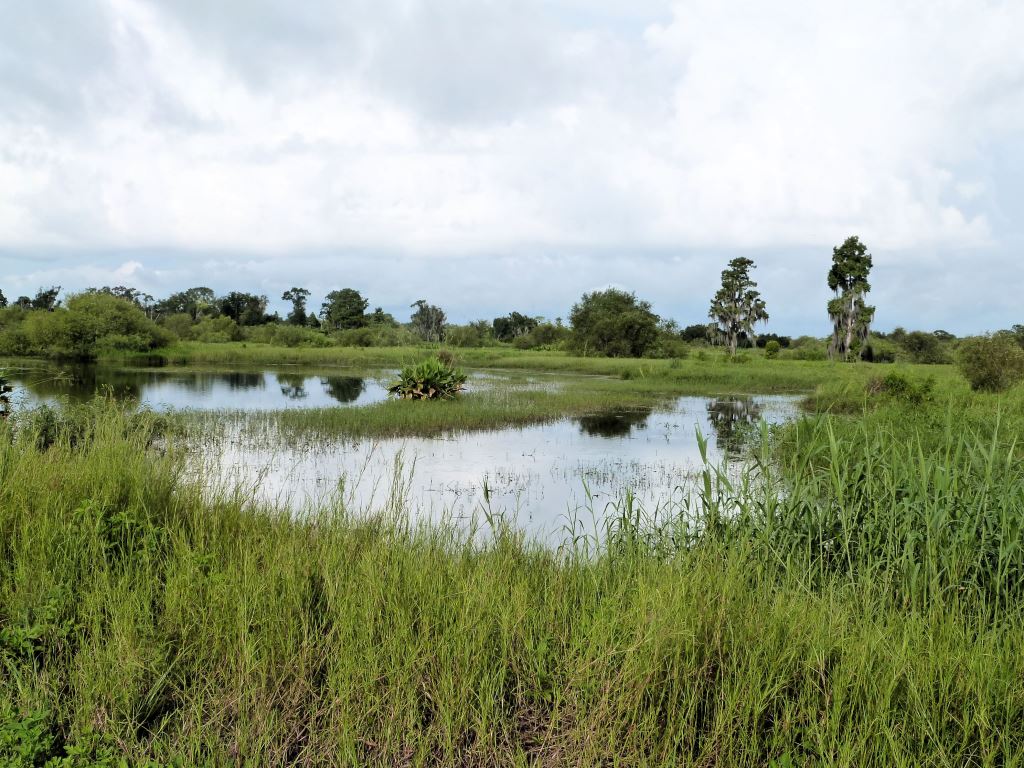
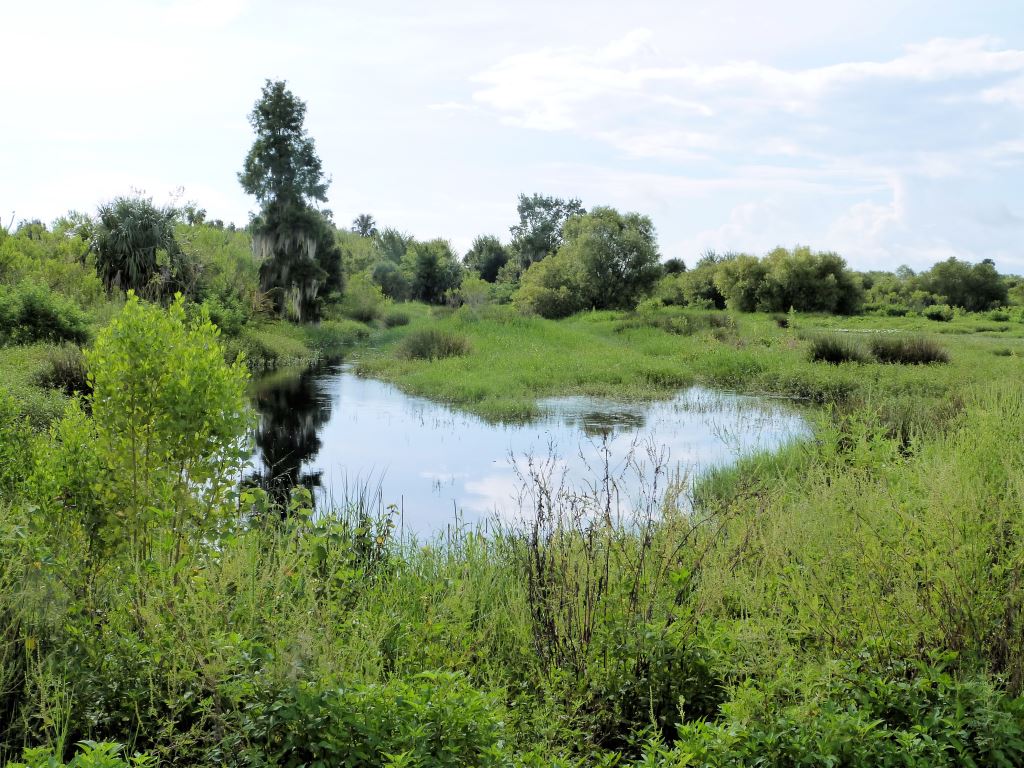
On Wednesday morning, July 16th, we decided to go out to Circle B Bar Reserve and see how the water levels were doing. We have had quite a bit of rain recently and figured that it had to be better than last time. It was quite dry then.

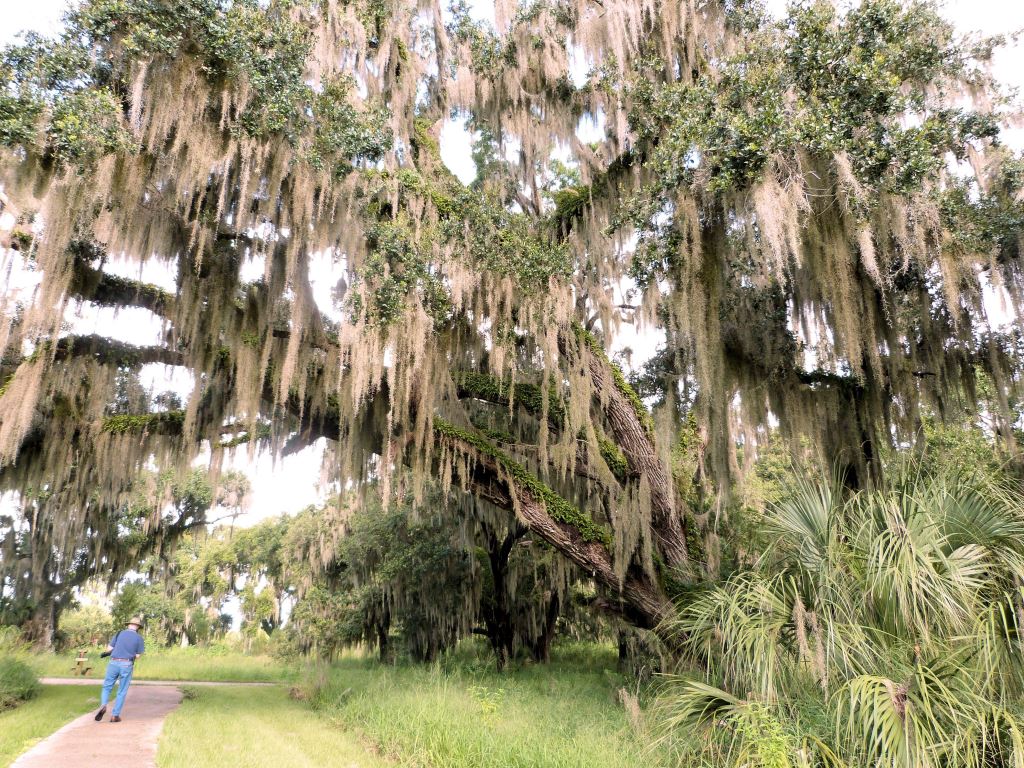
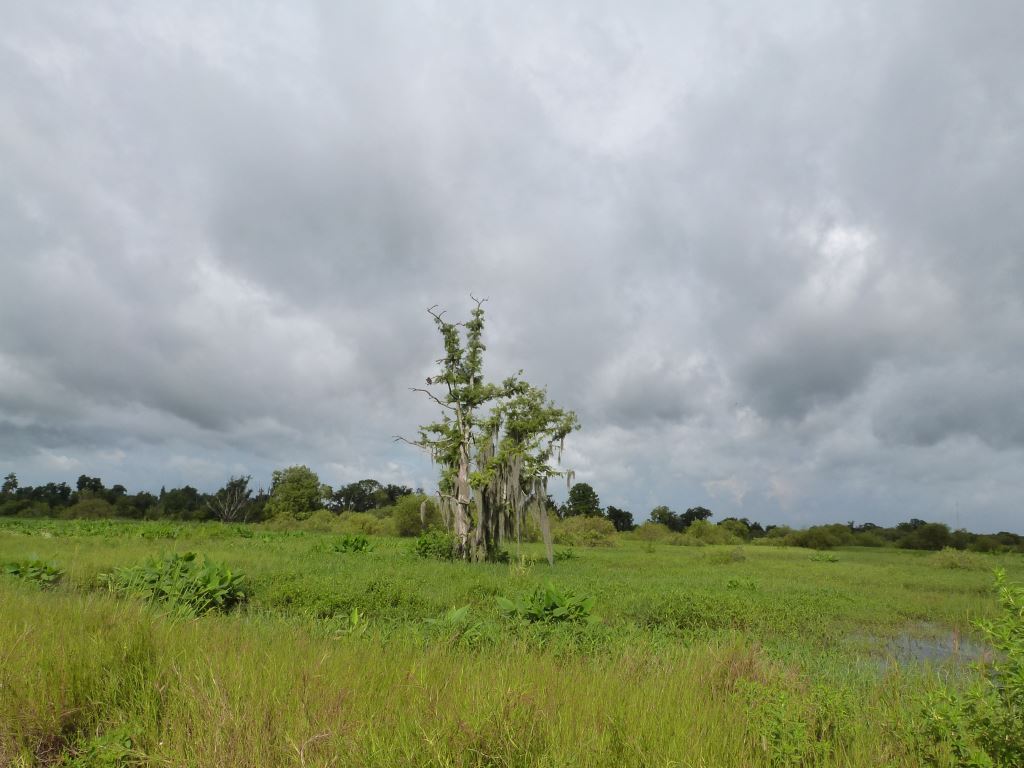
We were not disappointed. The marsh actually looked like a marsh for a change. There weren’t too many birds, but then again this time of the year most are up north.

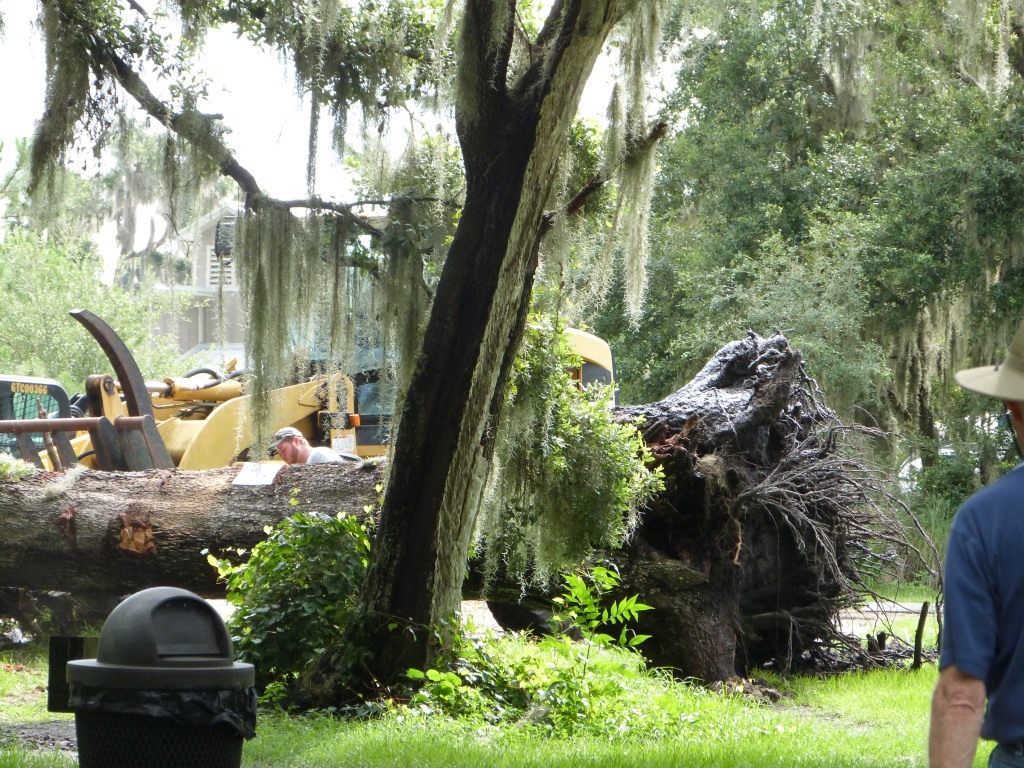
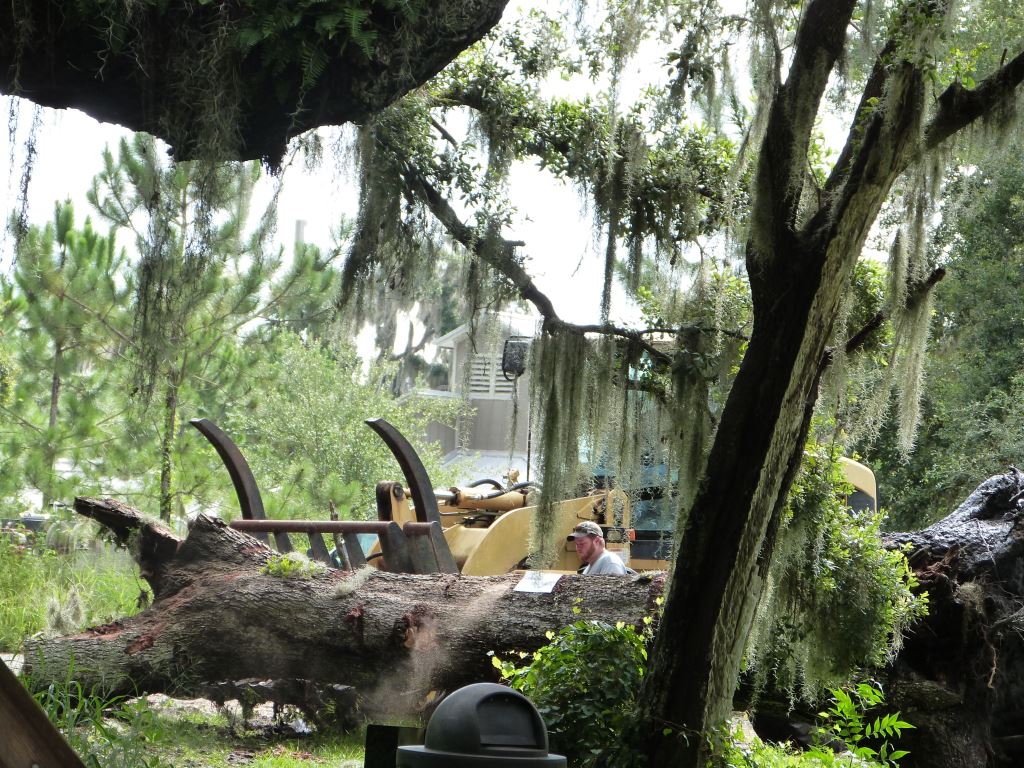
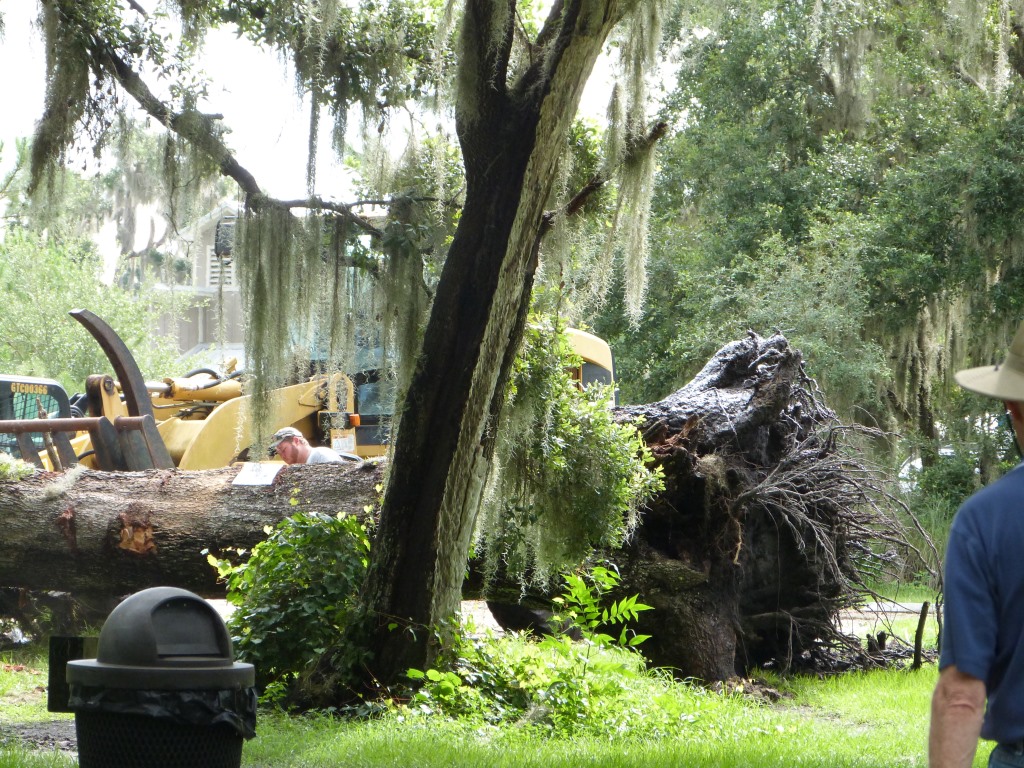
Removing the huge fallen Oak tree at Circle B

Removing the huge fallen Oak tree at Circle B

If the clouds are full of rain, They empty themselves upon the earth; And if a tree falls to the south or the north, In the place where the tree falls, there it shall lie. He who observes the wind will not sow, And he who regards the clouds will not reap. As you do not know what is the way of the wind, Or how the bones grow in the womb of her who is with child, So you do not know the works of God who makes everything. (Ecclesiastes 11:3-5 NKJV)

We were greeted at the parking lot by a crew working on a huge oak tree that had fallen. They were removing it. Sure glad no cars had been parked there at the time it came down.

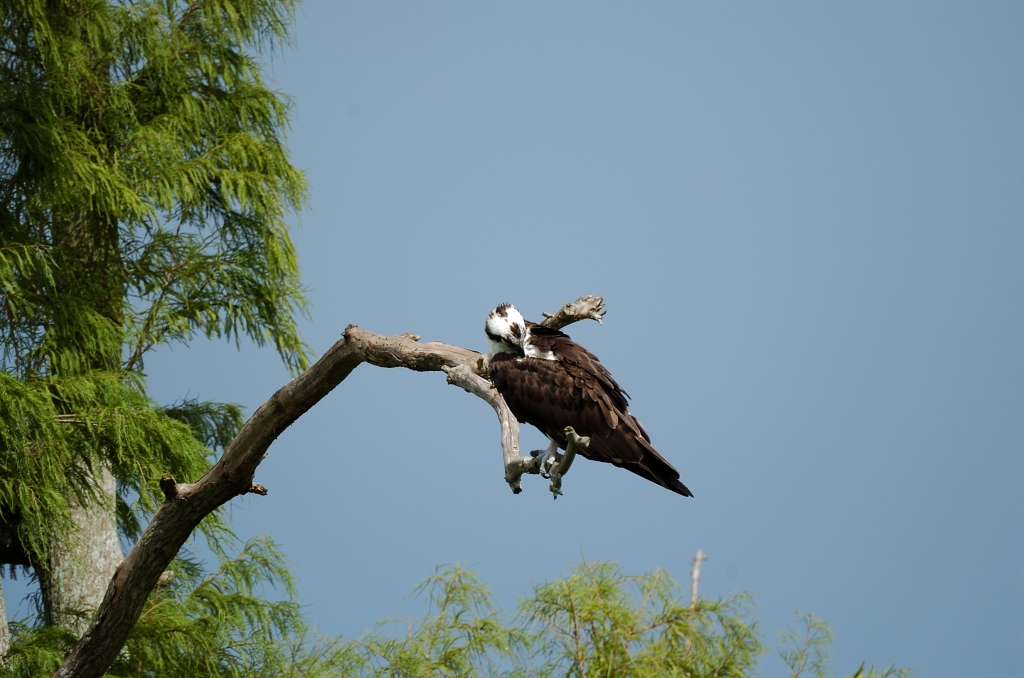
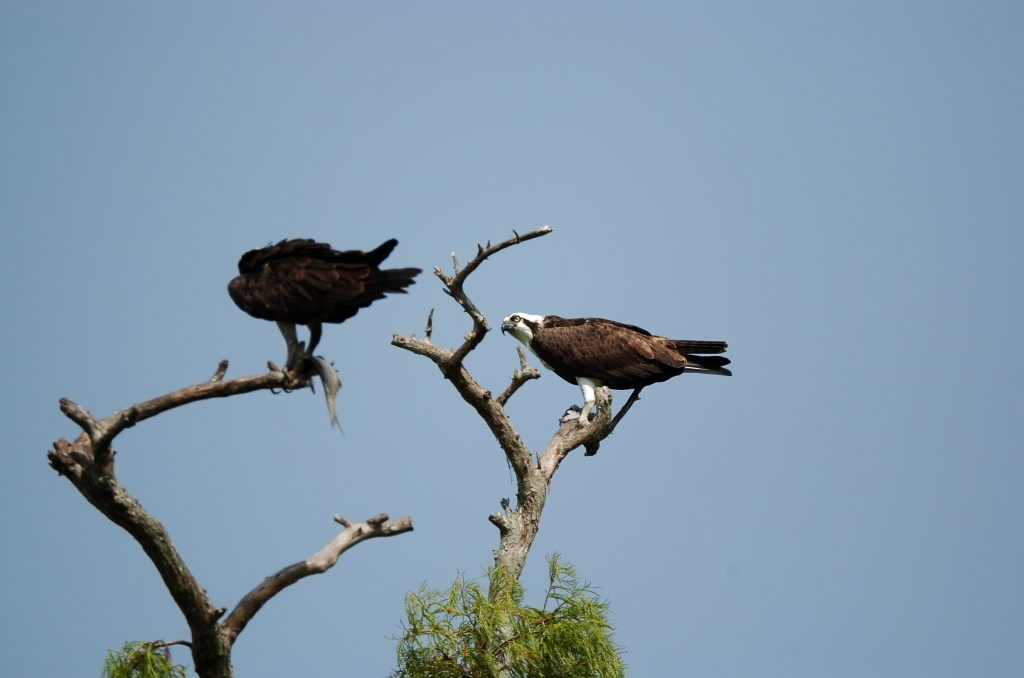
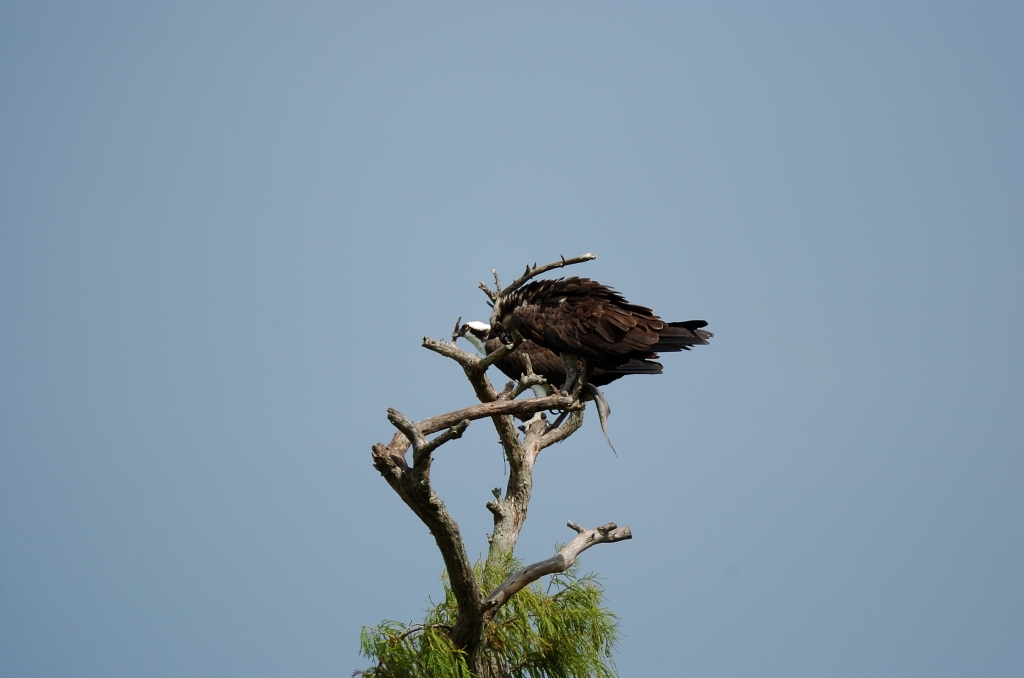
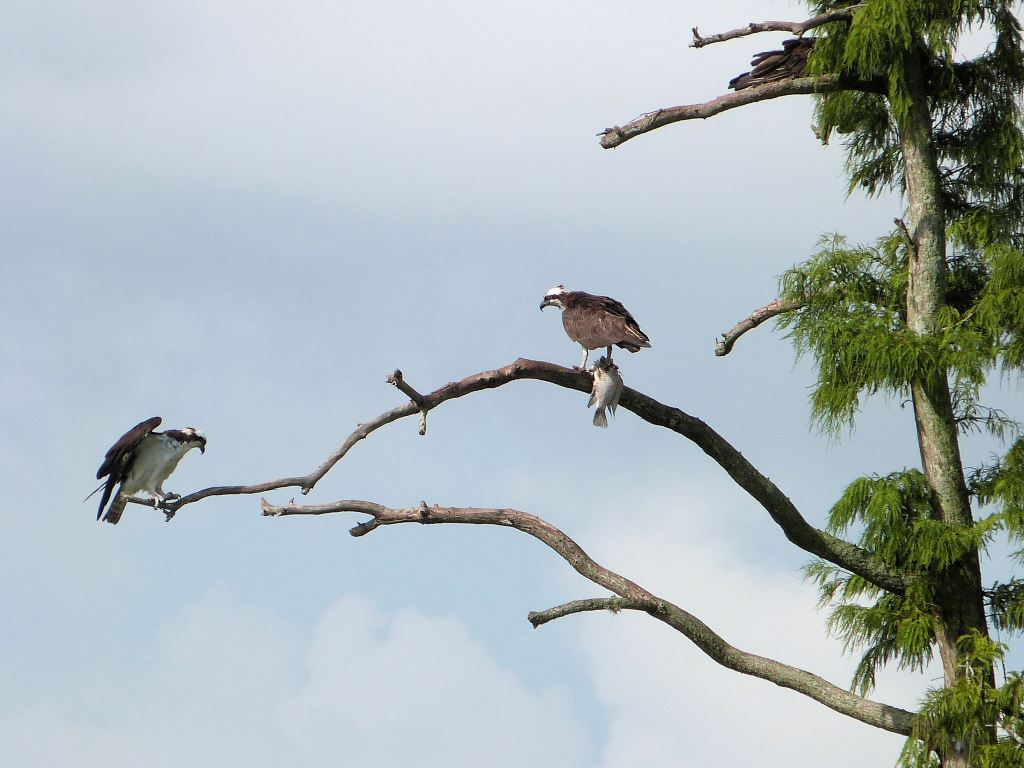
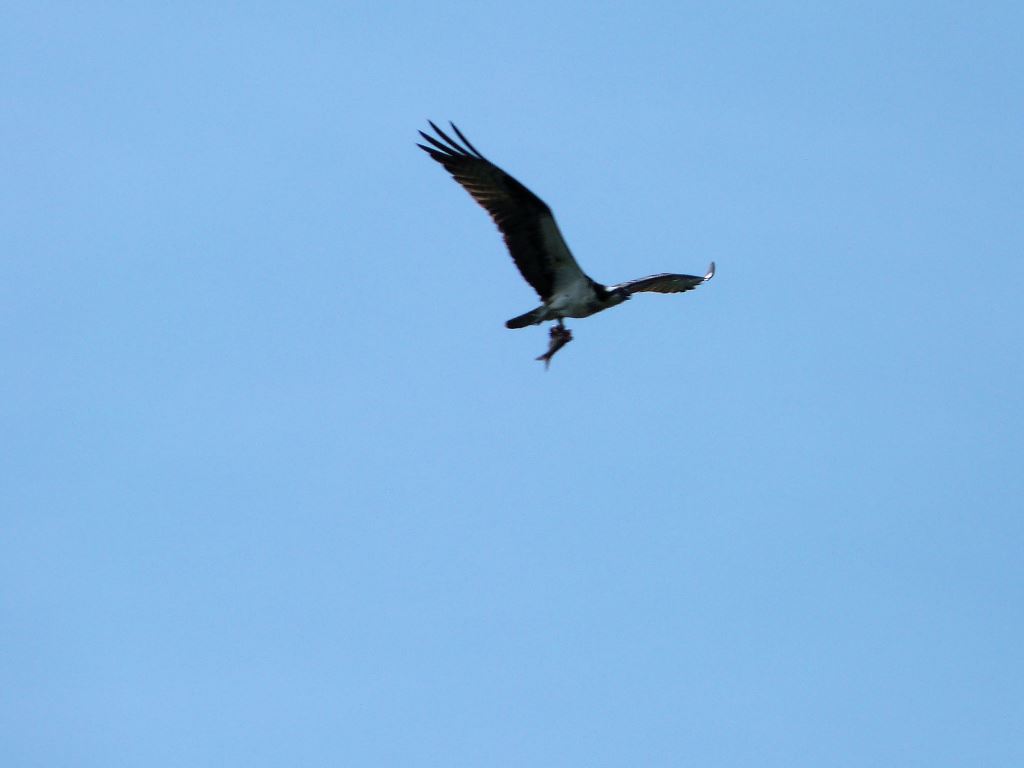
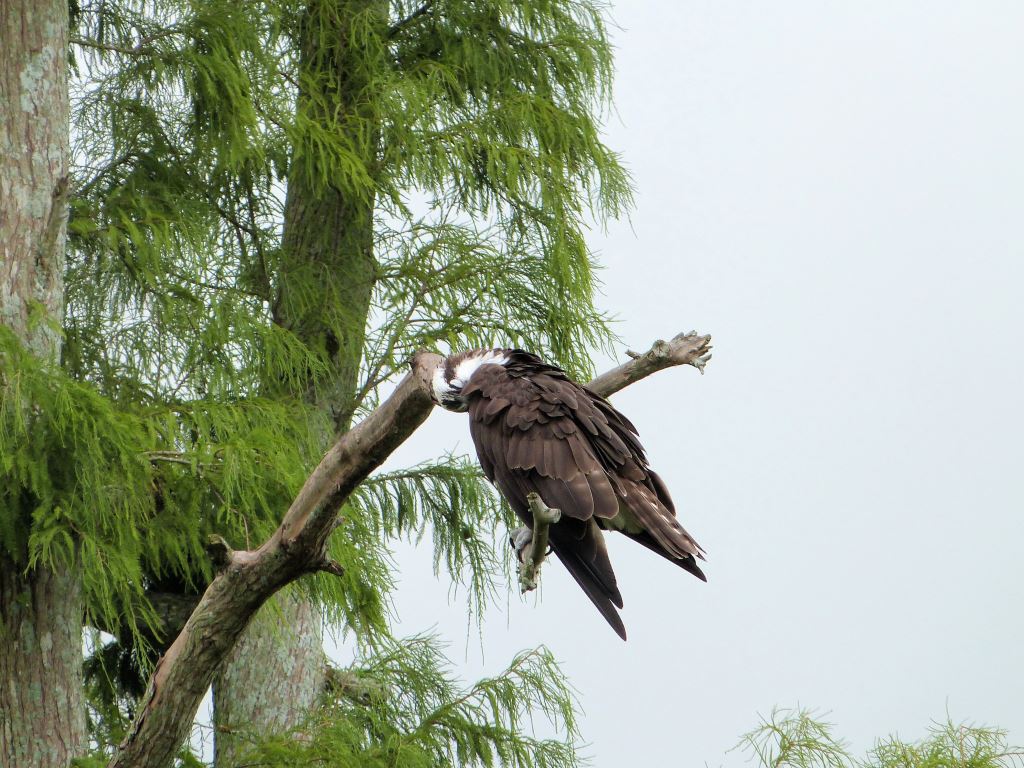
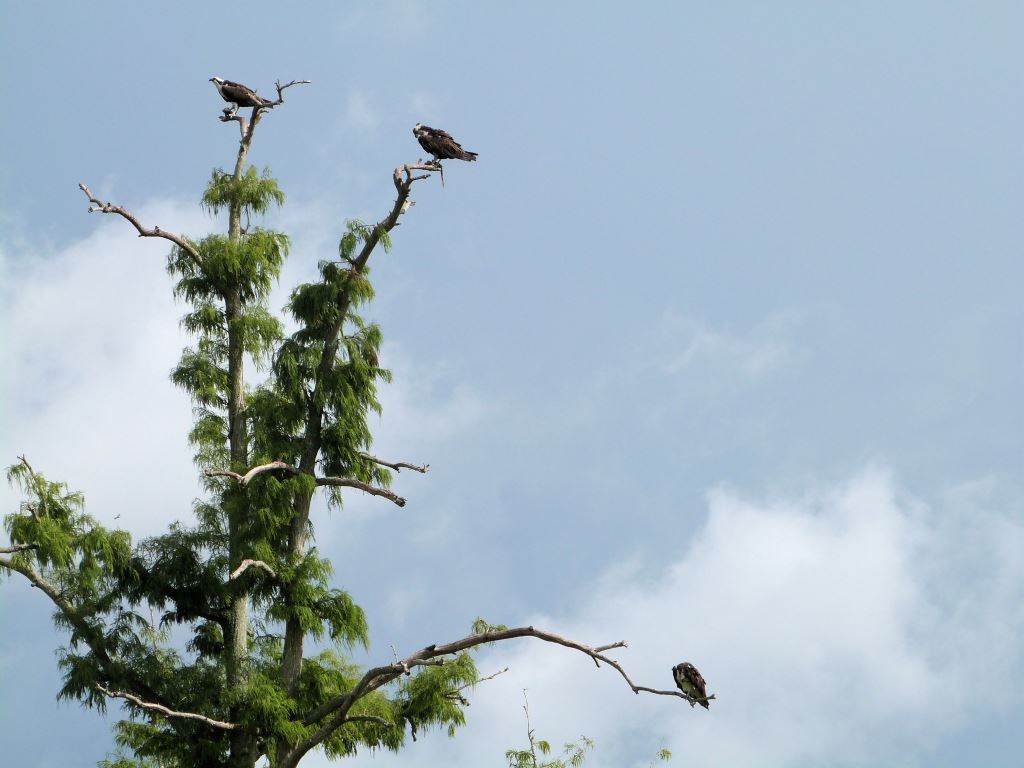
Western Osprey (Pandion haliaetus) With Fish

Western Osprey (Pandion haliaetus) With Fish

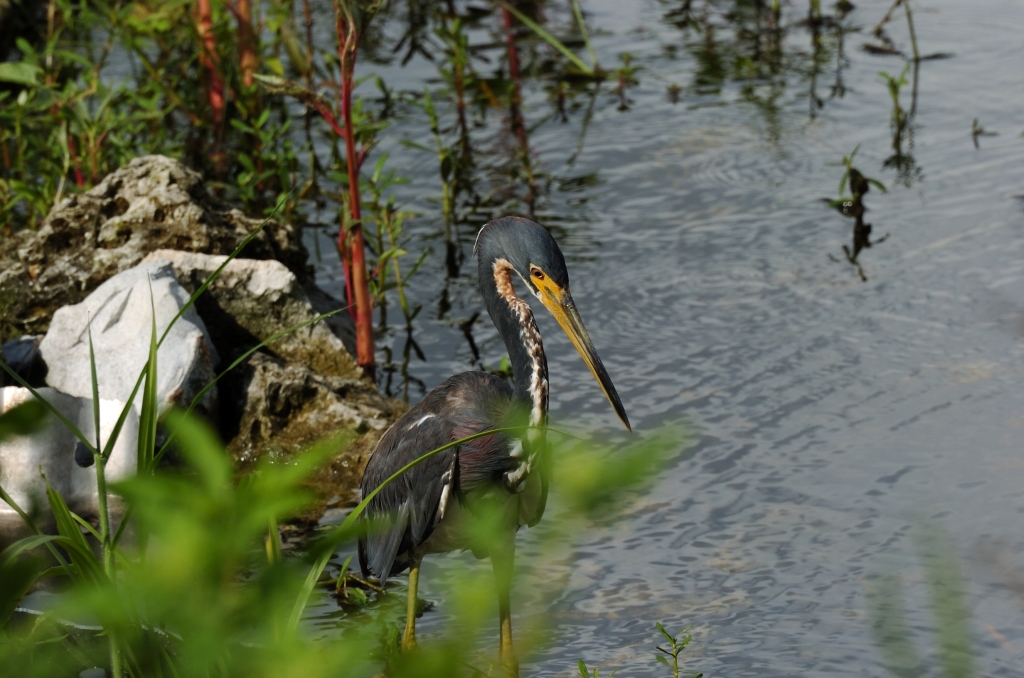
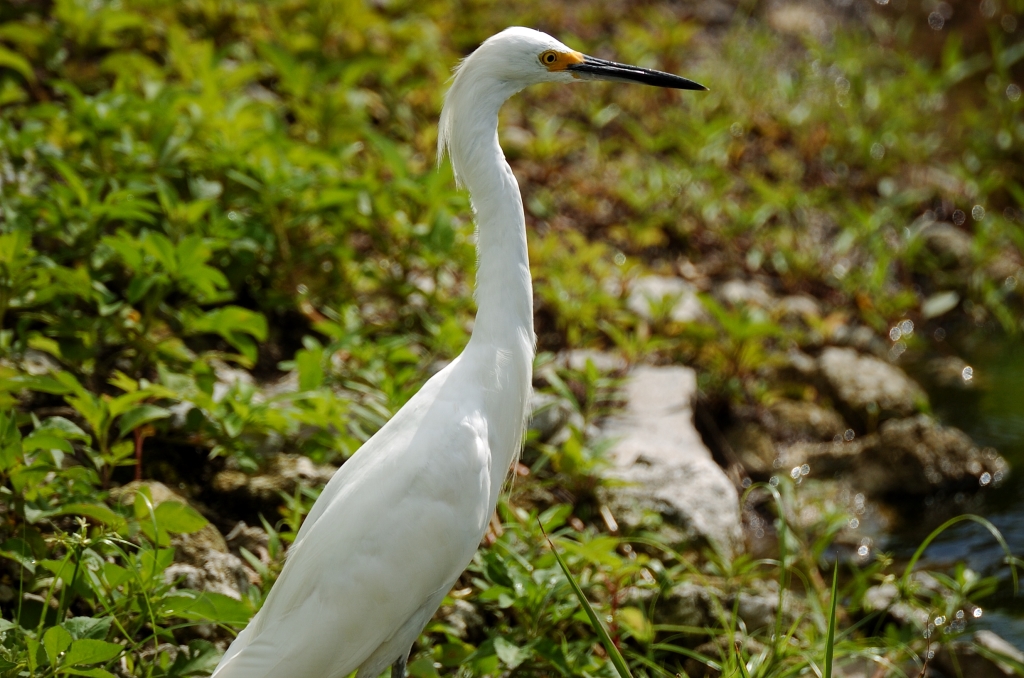
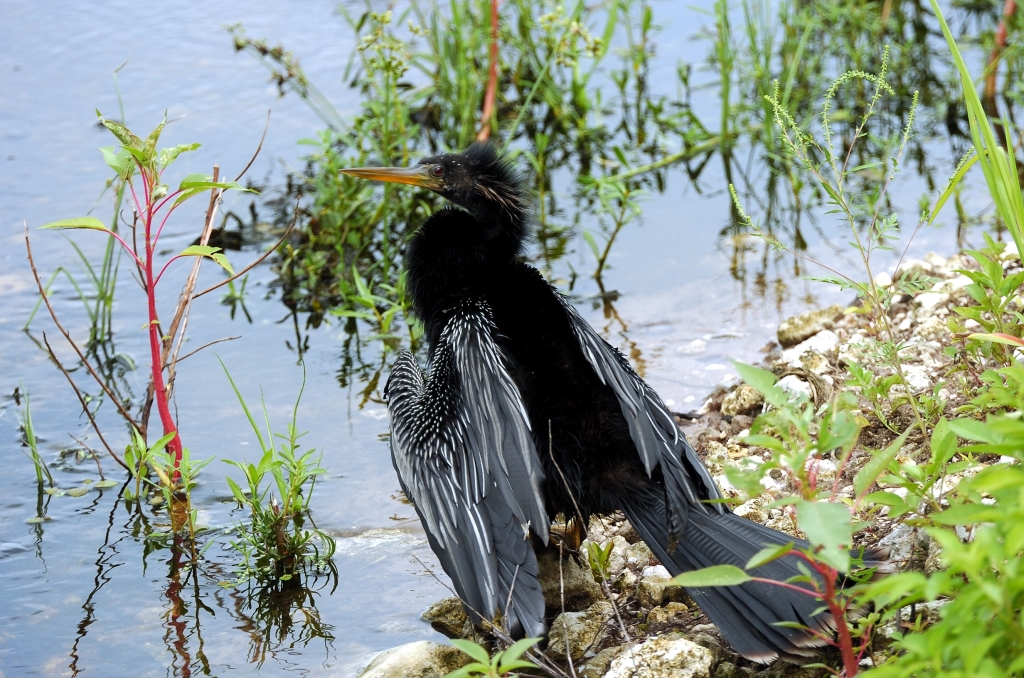
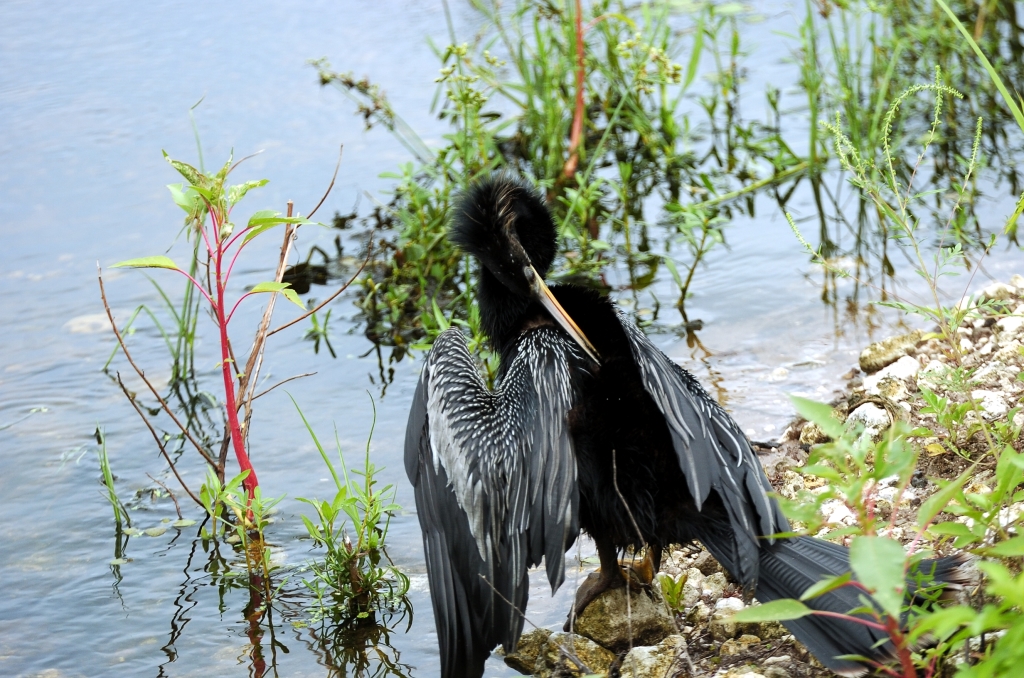
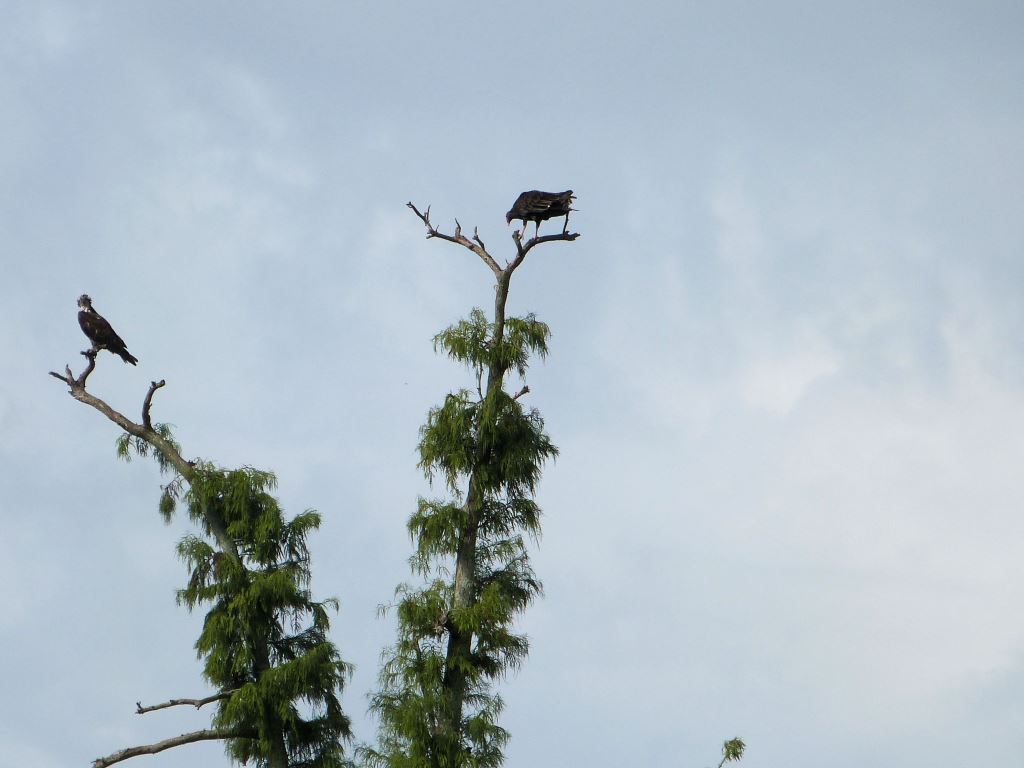
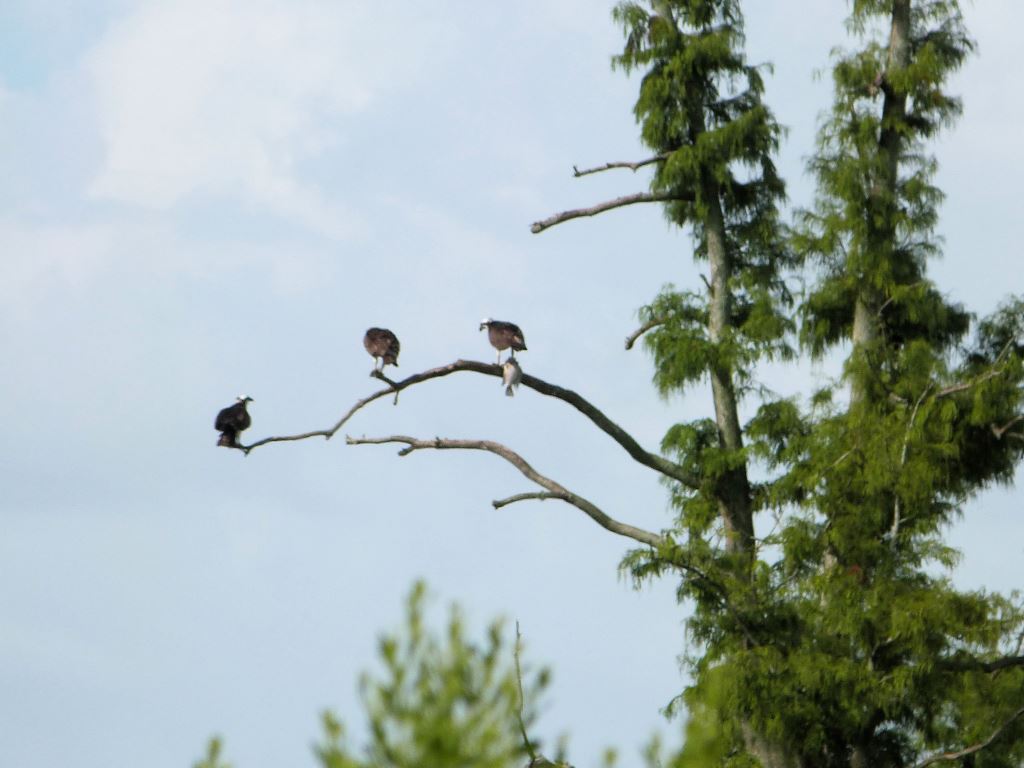
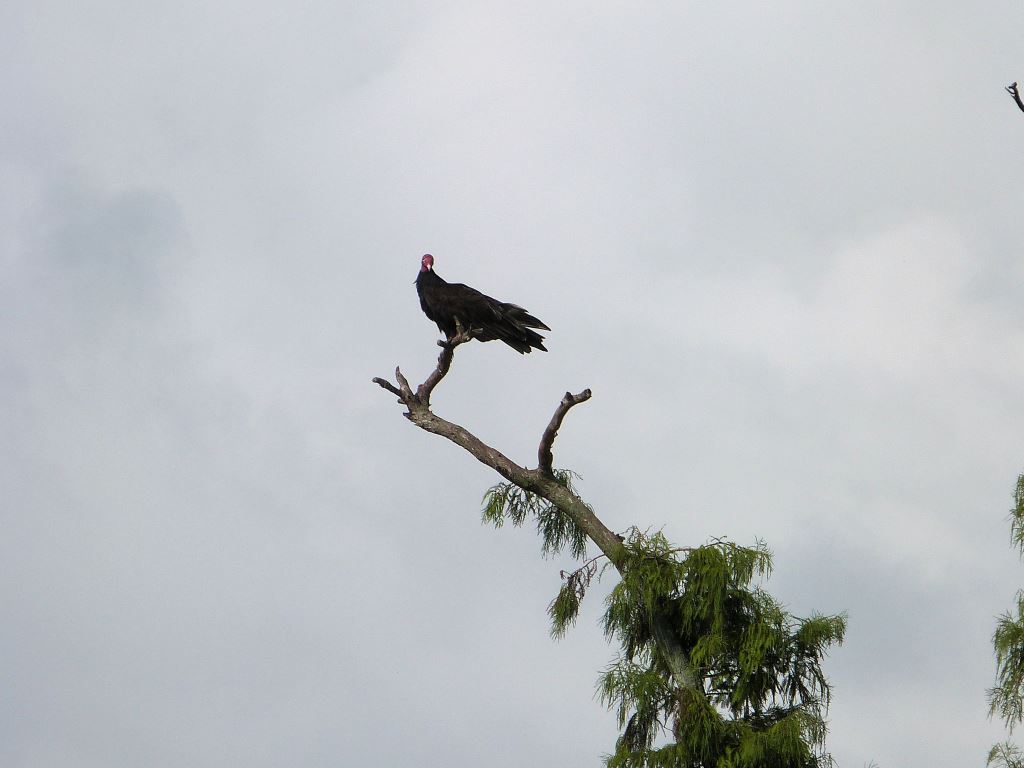
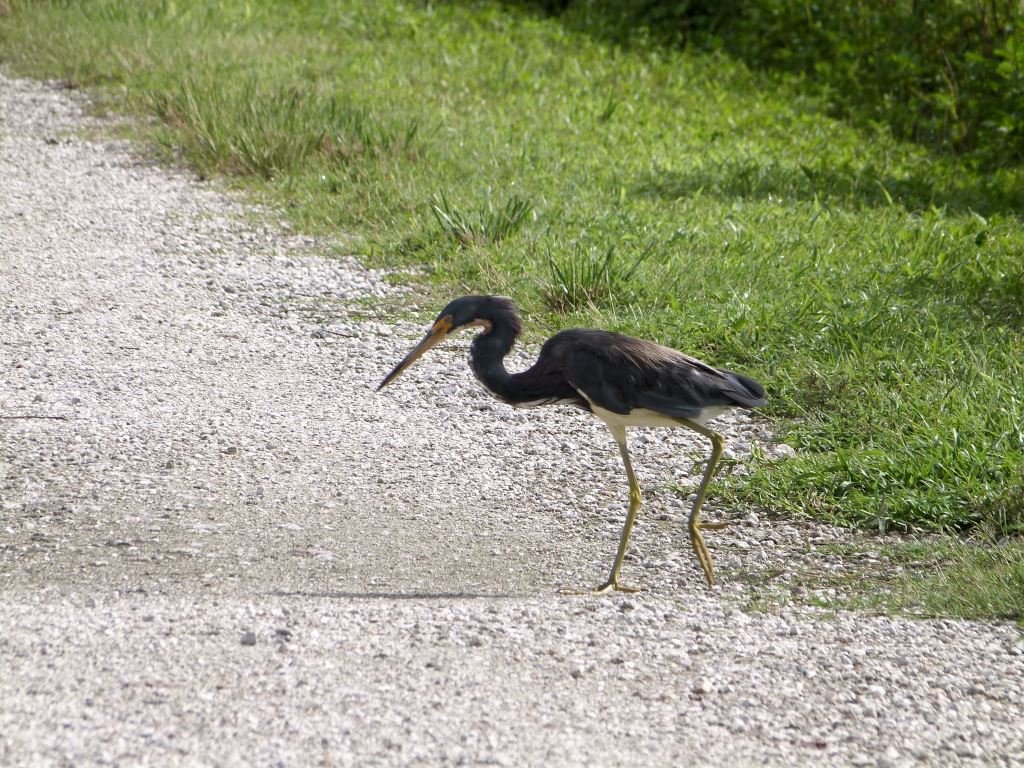
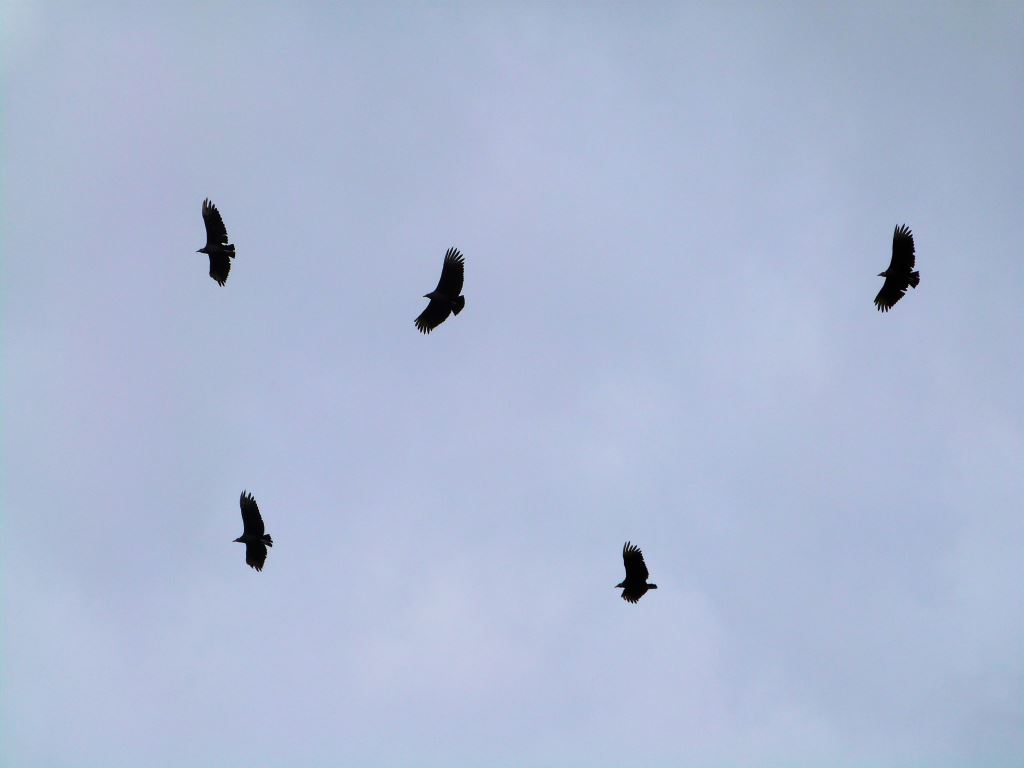
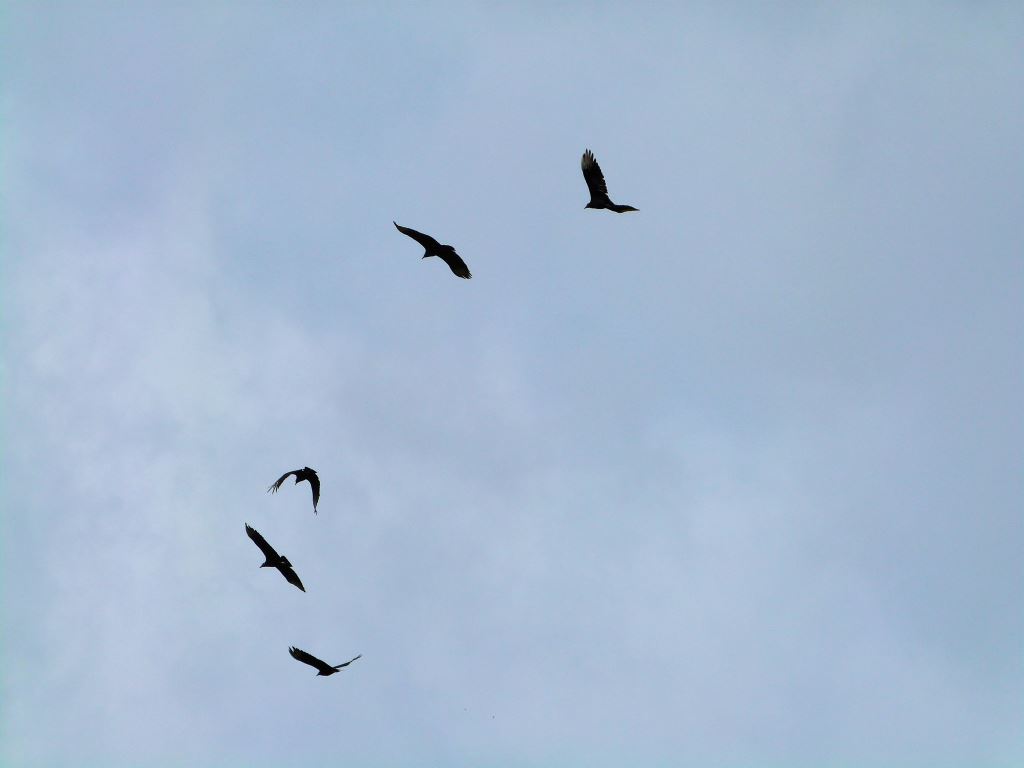
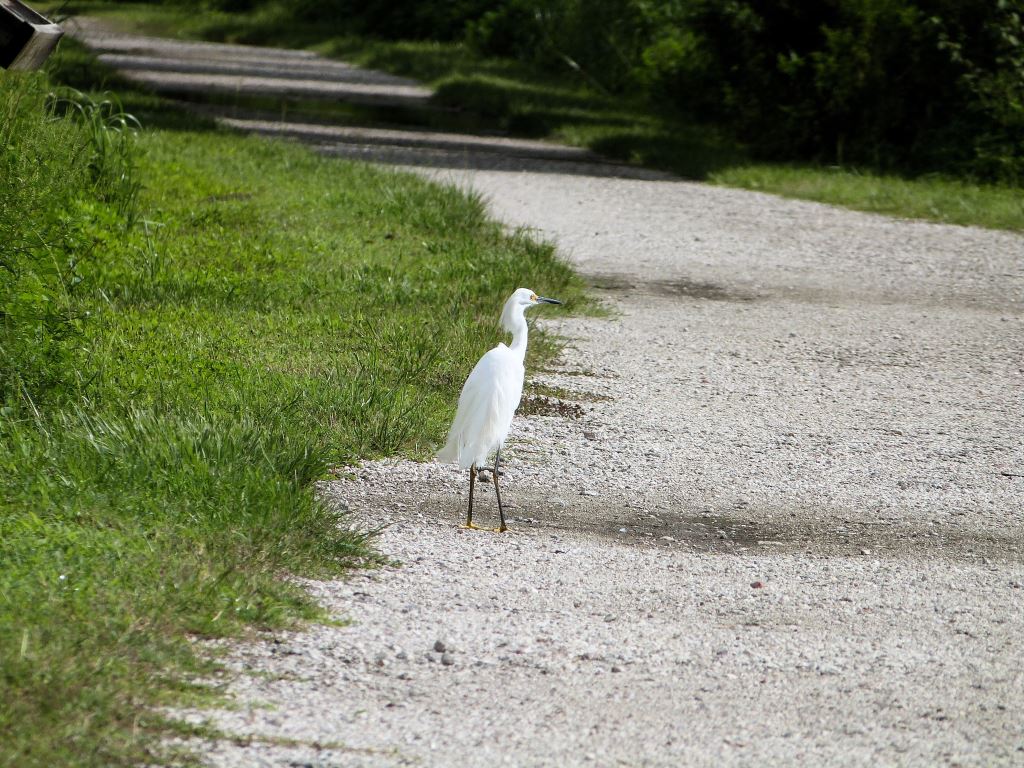
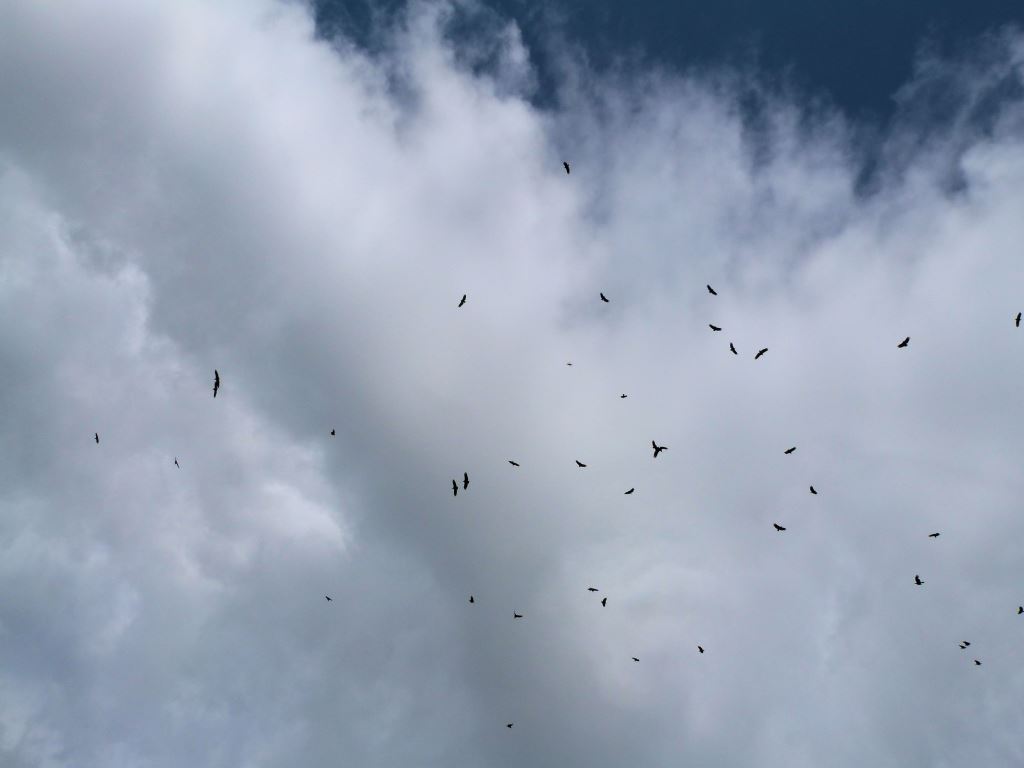
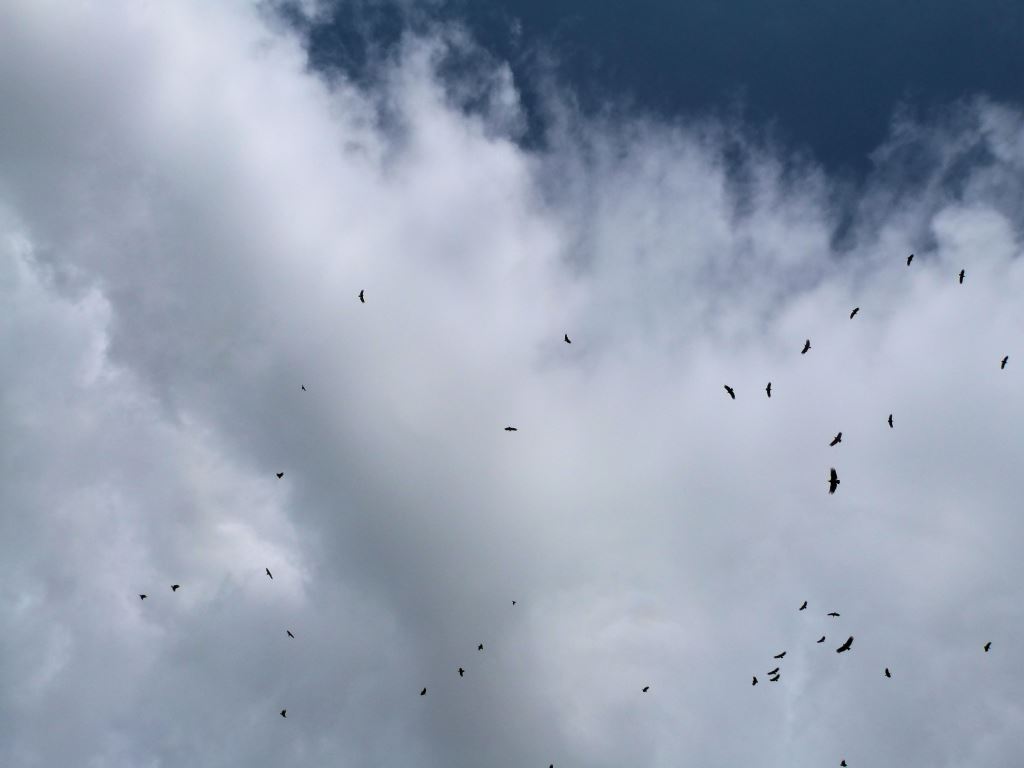
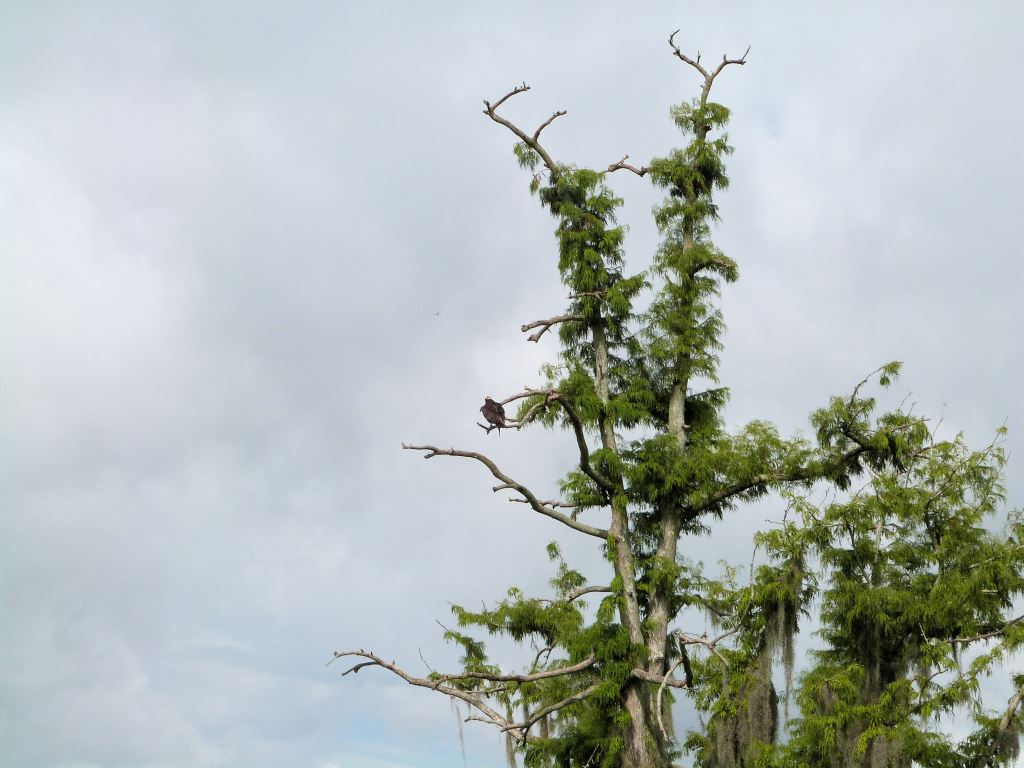
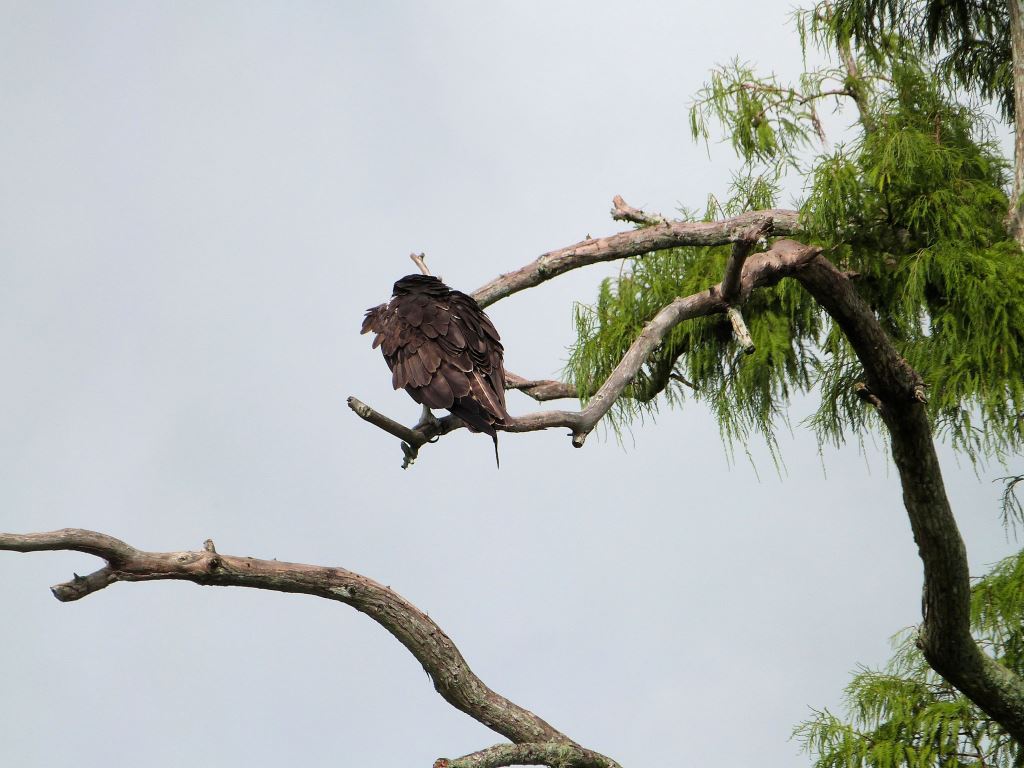
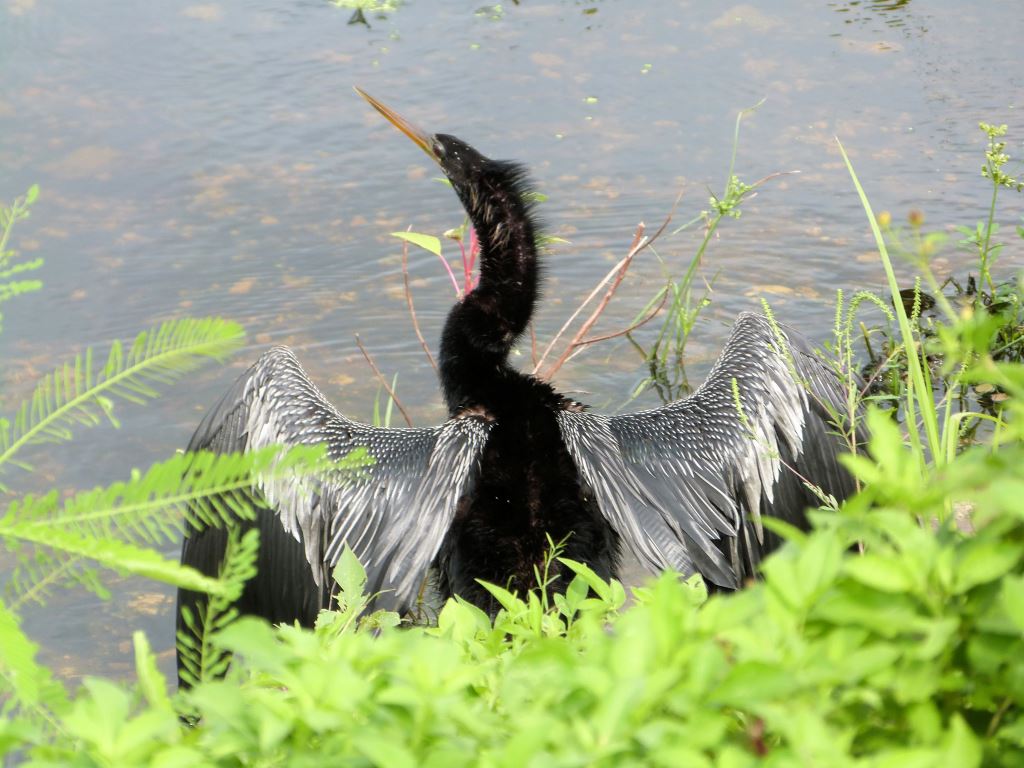
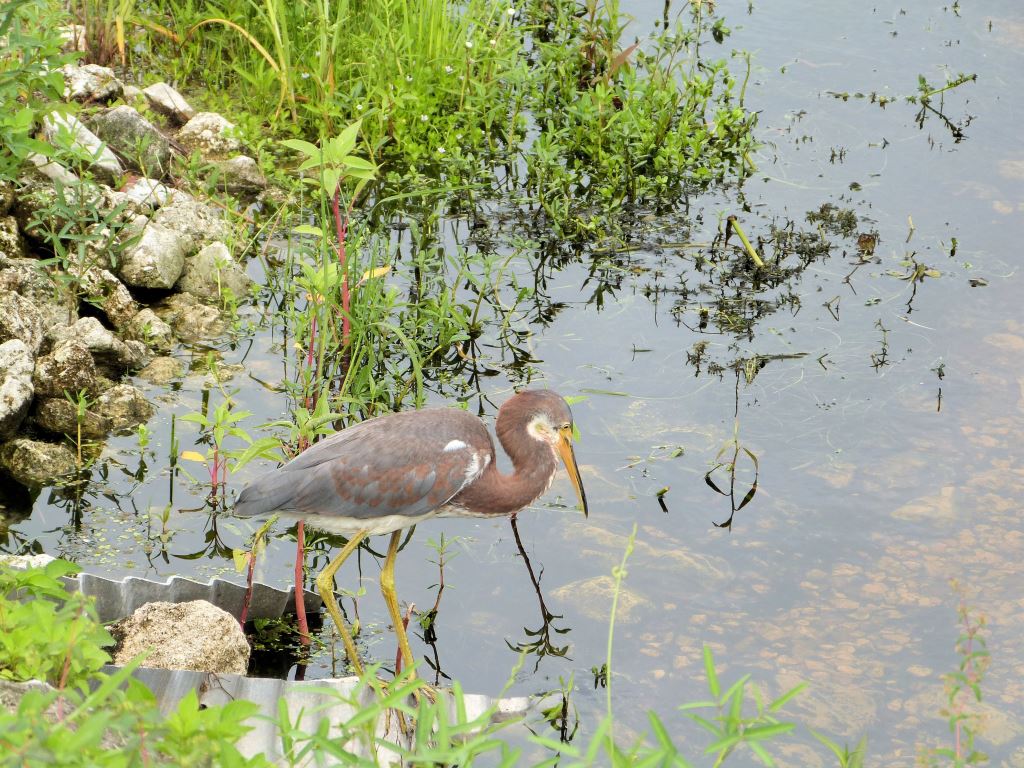
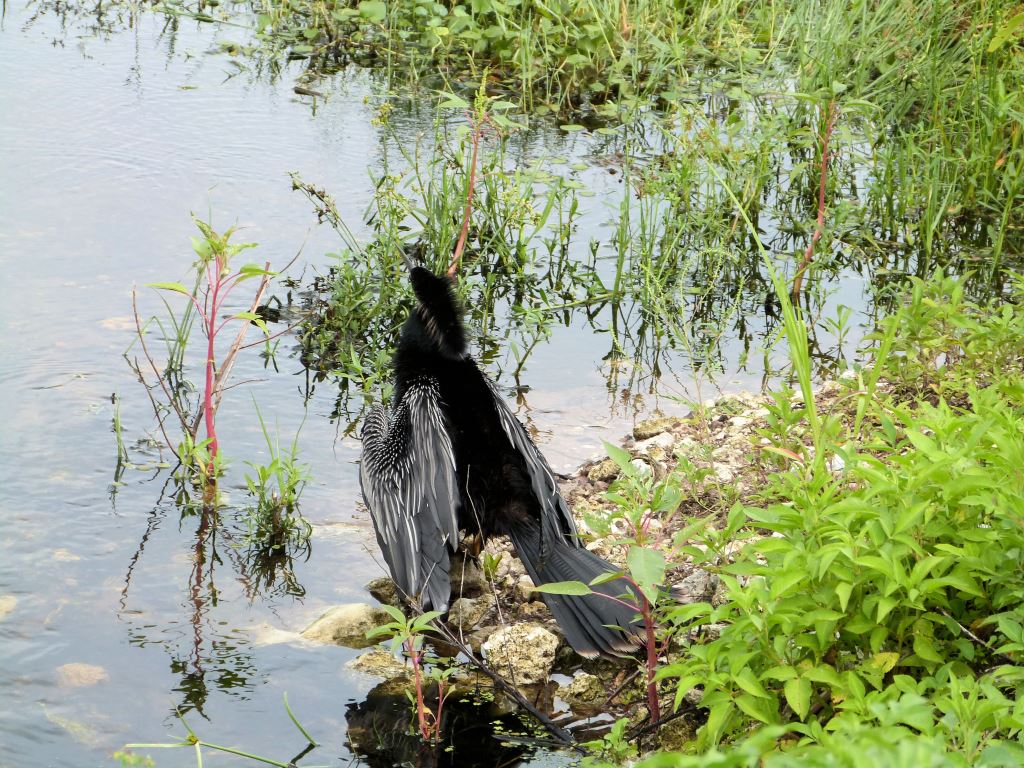
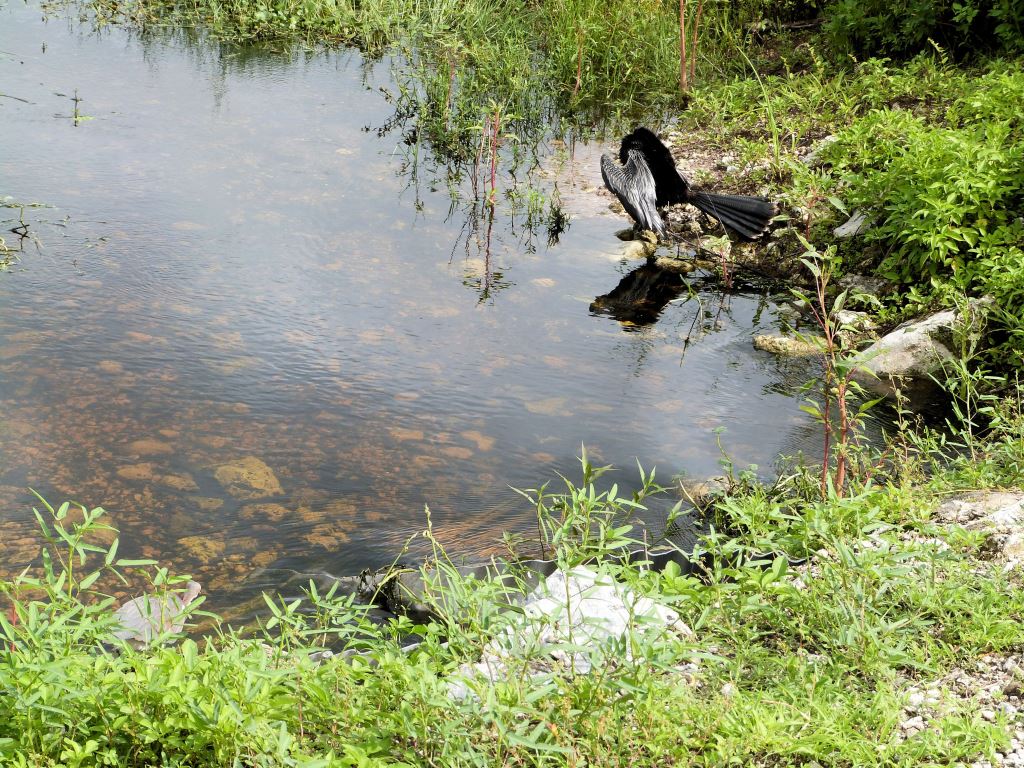
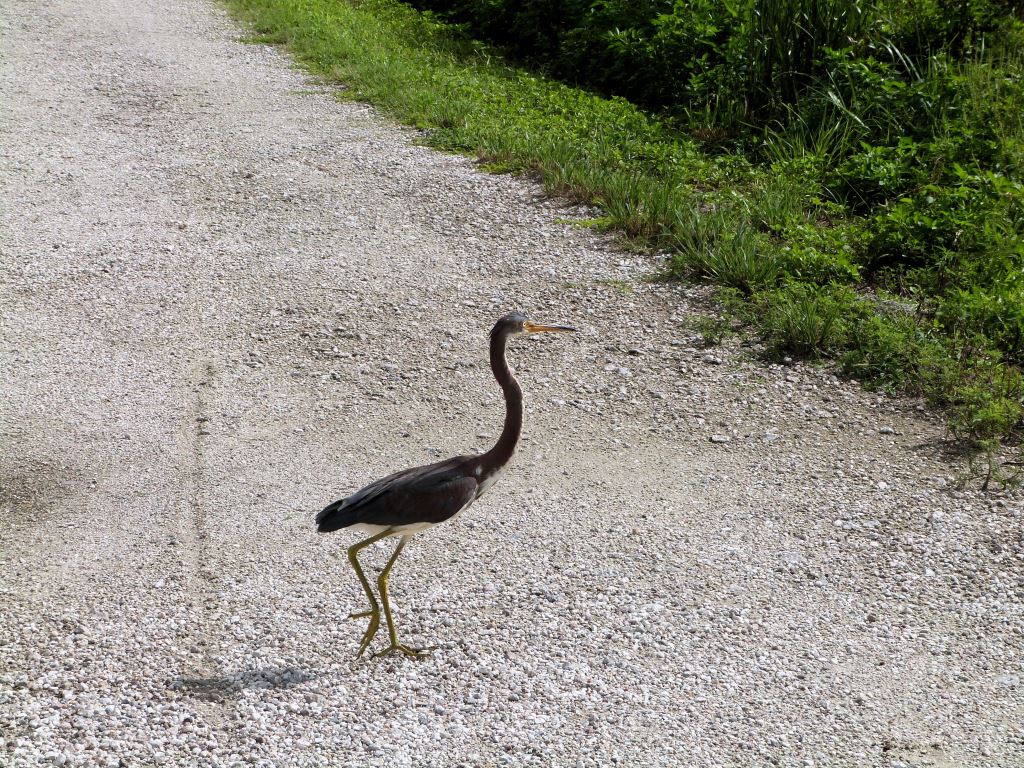
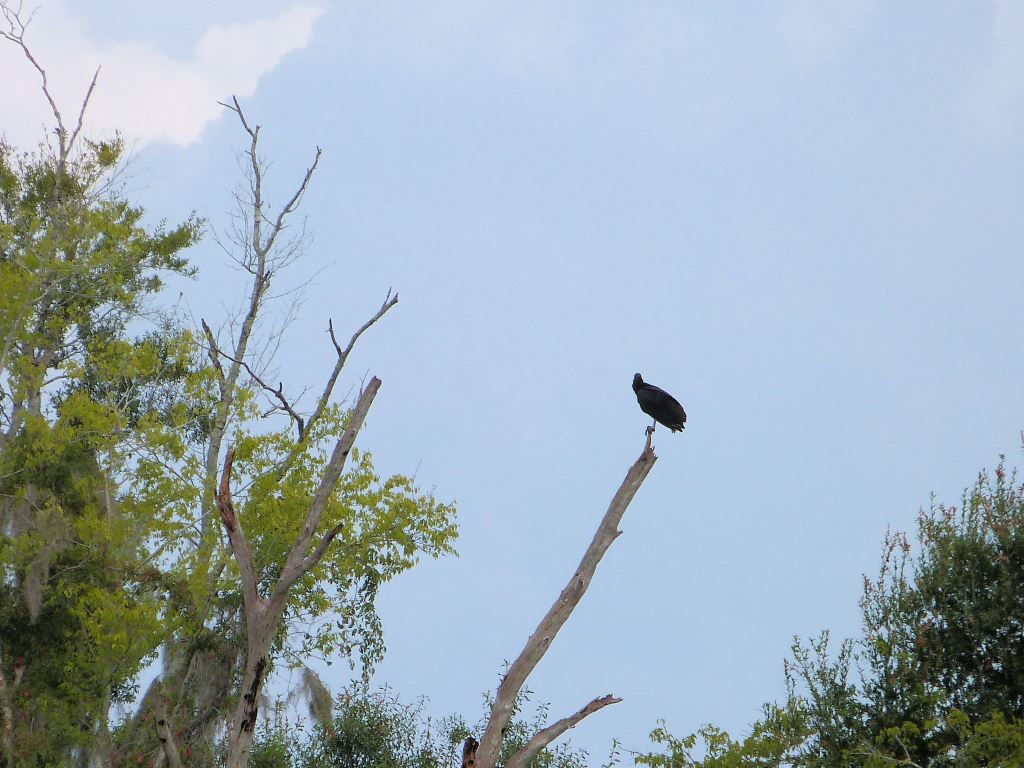
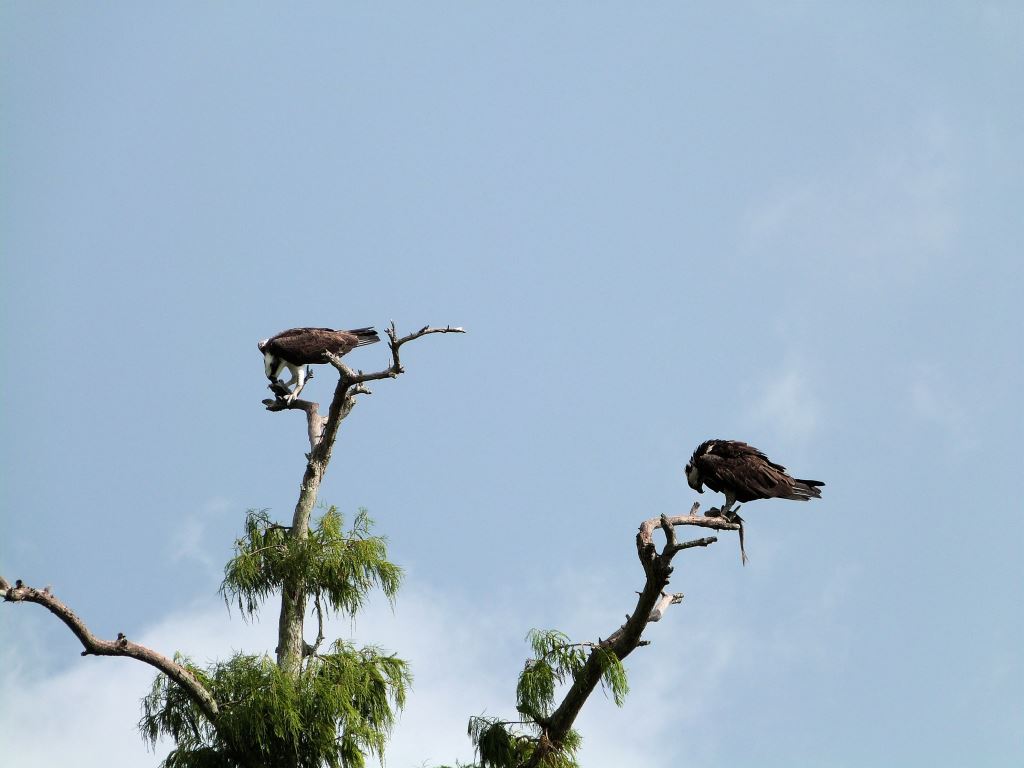
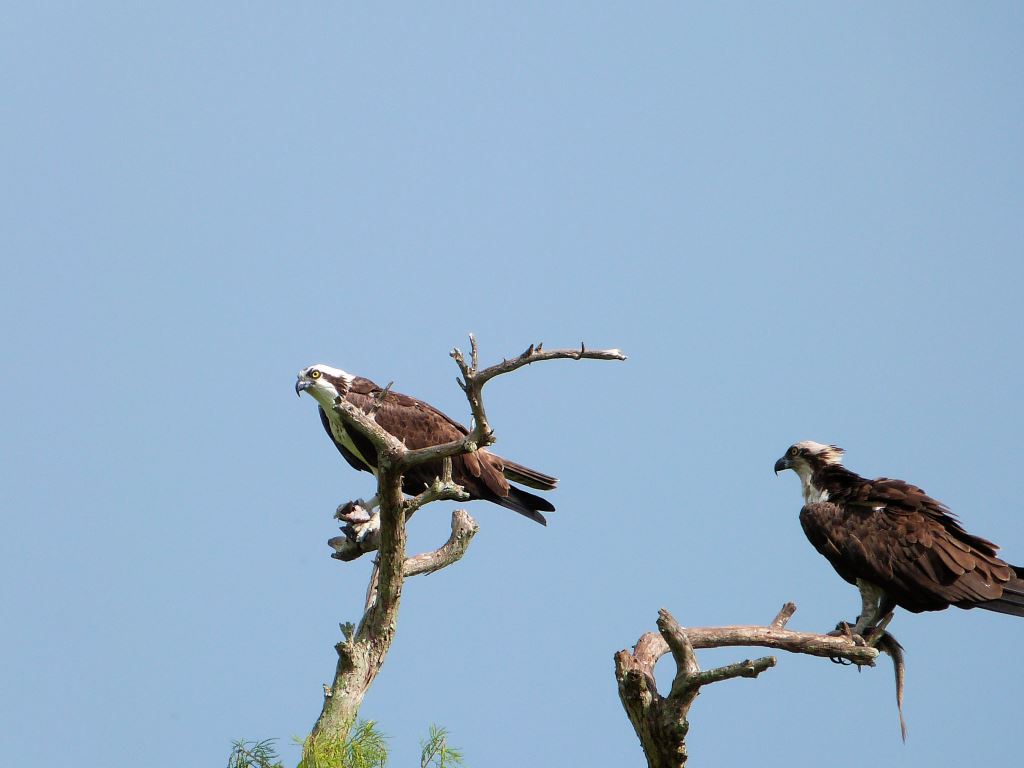
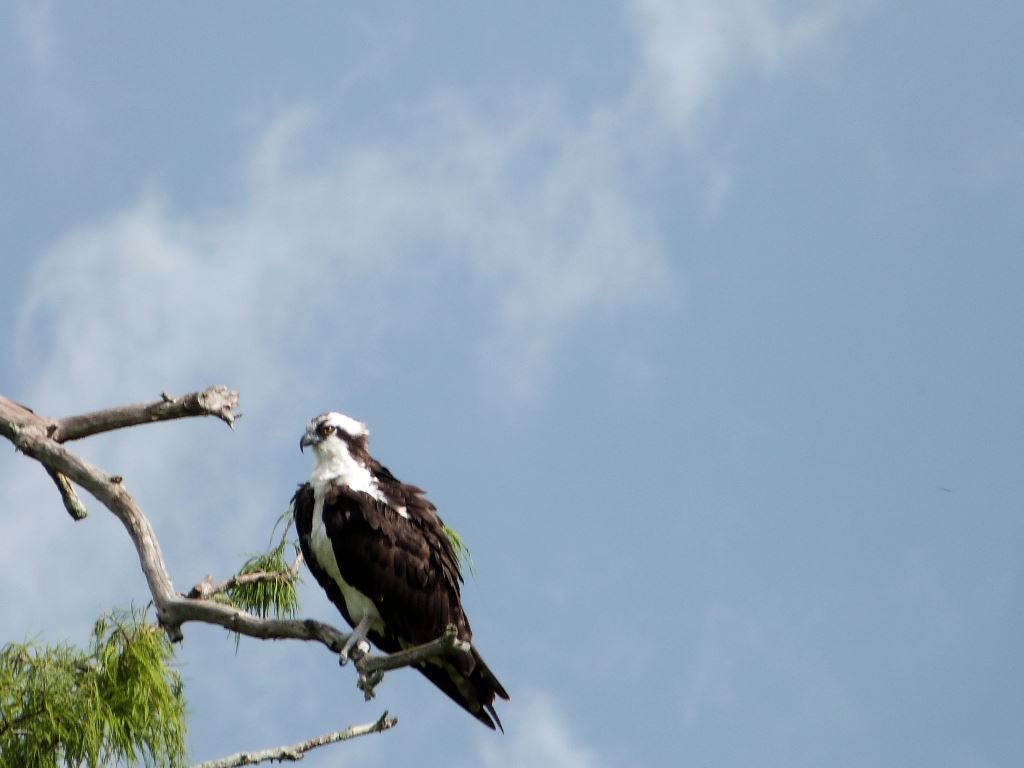
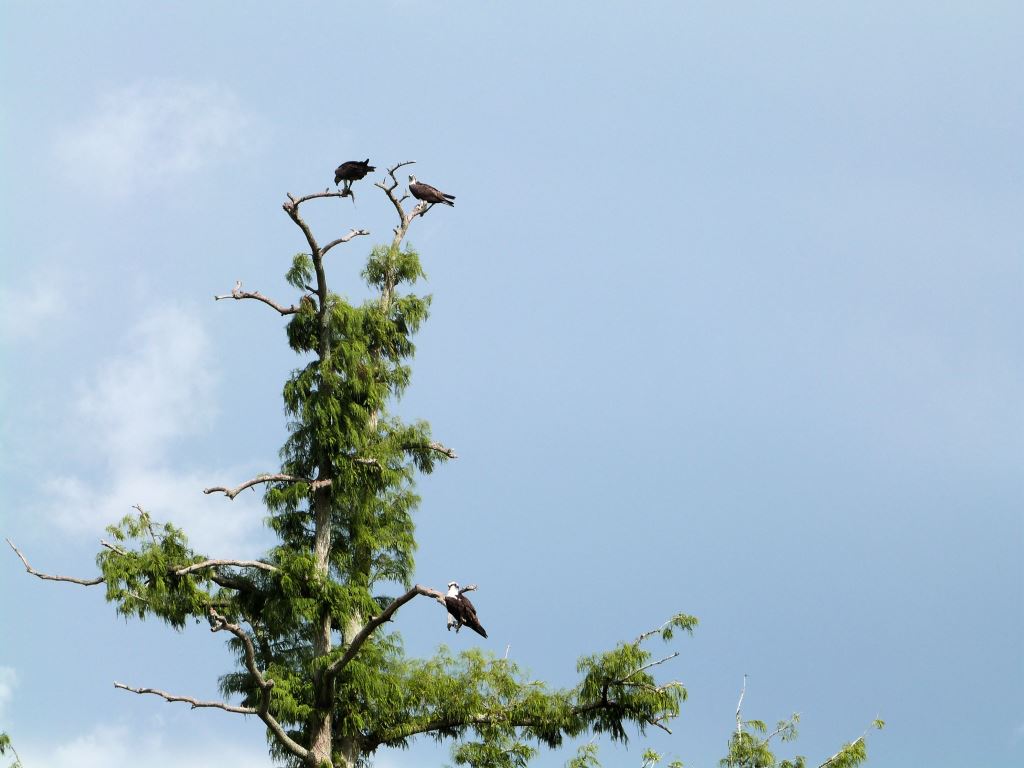
We managed to see quite a few Ospreys, one eating a huge fish up in a tree. There were at least five Tricolored Herons, one of them a juvenile, a Snowy Egret, two Black-bellied Whistling Ducks, some Common Gallinules, an Anhinga and lots of Black and Turkey Vultures circling overhead.


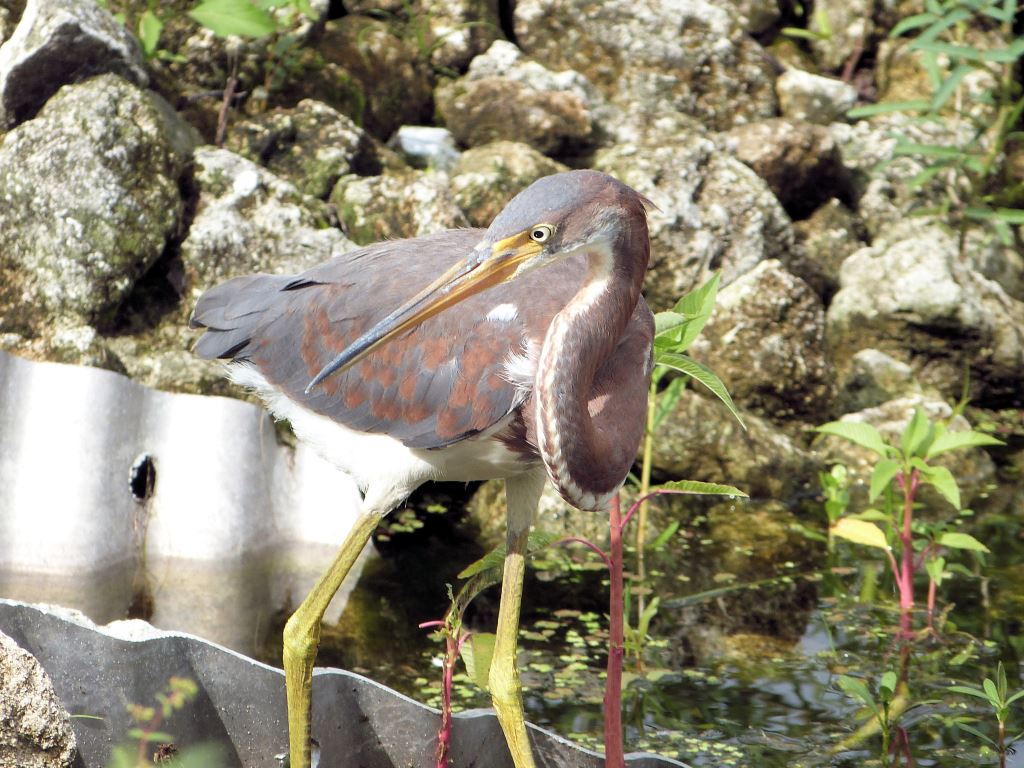
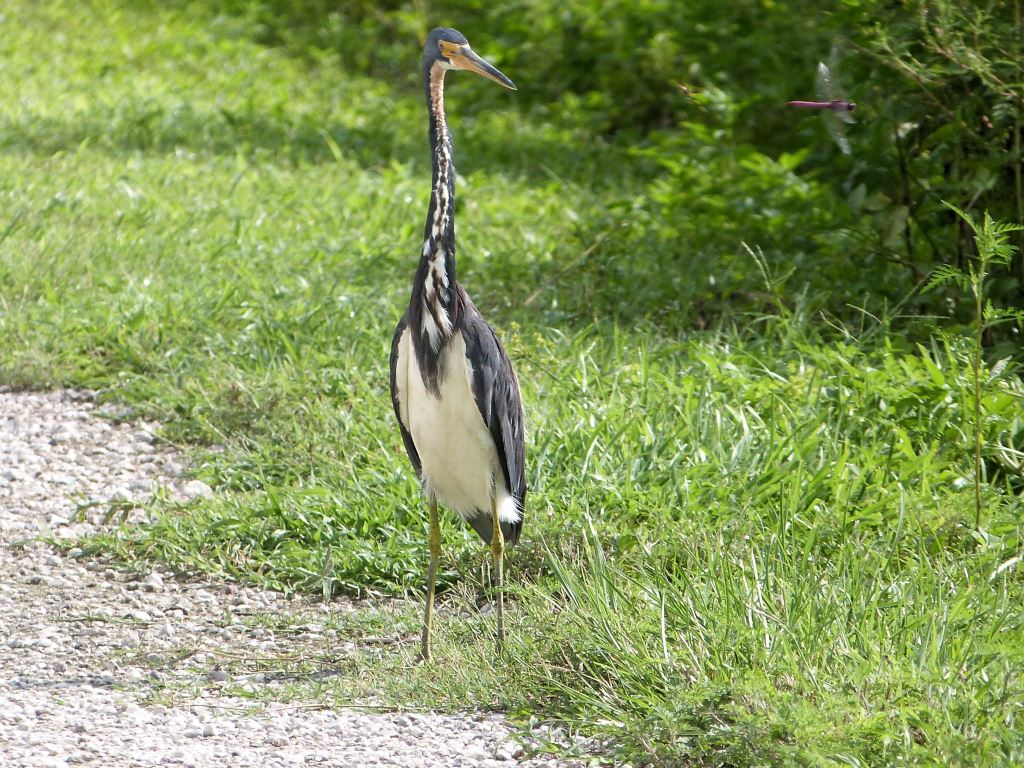
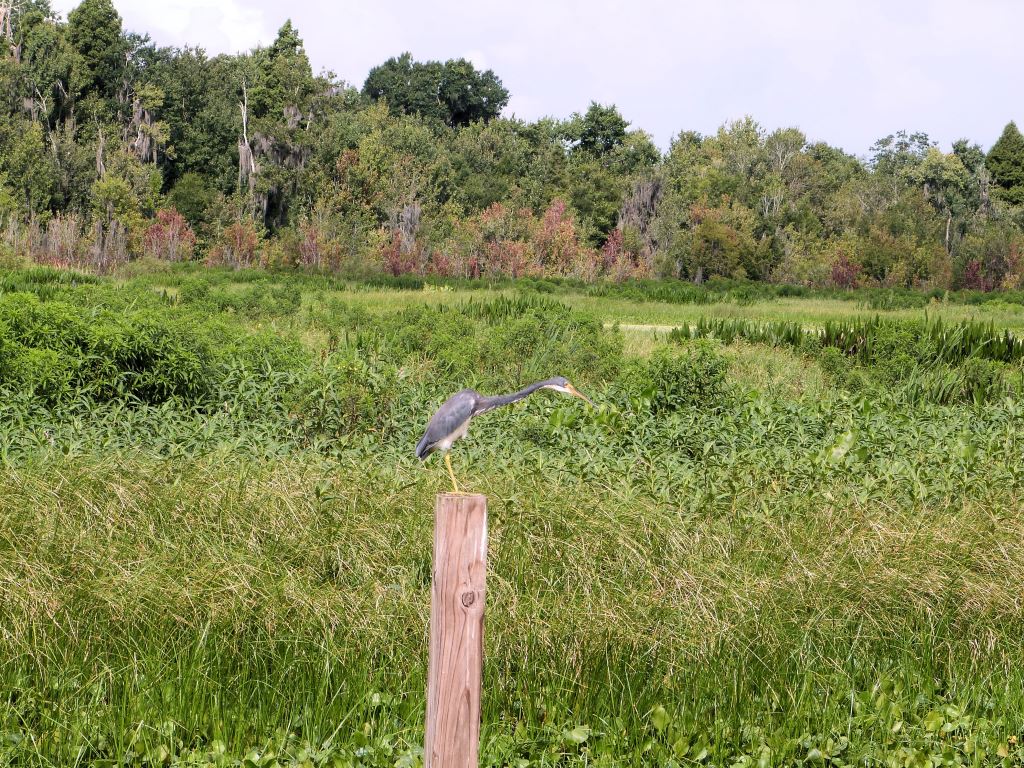
Tricolored Heron (Egretta tricolor) Juvenile Circle B by Lee

Tricolored Heron (Egretta tricolor) Juvenile Circle B by Lee

It was hot, humid, and it began to sprinkle, so we left after about 50 minutes or so. None the less, it is always enjoyable to get out and enjoy the Lord’s creations. I am also thankful that the Lord gave the rain recently to fill up the marsh again and water to drink. We had cool water in the car and did it ever “hit the spot.”

Here are some of my photos and videos that I took.

How great are his signs! and how mighty are his wonders! his kingdom is an everlasting kingdom, and his dominion is from generation to generation. (Daniel 4:3 KJV)

*


*

*

Photos from Honeymoon Island State Park

The same day went Jesus out of the house, and sat by the sea side. And great multitudes were gathered together unto him, so that he went into a ship, and sat; and the whole multitude stood on the shore. And he spake many things unto them in parables, saying, Behold, a sower went forth to sow; (Matthew 13:1-3 KJV)

We recently took a short visit to Honeymoon Island State Park in Dunedin, Florida. (See – Another Birdwatching TripGrey Kingbird at Honeymoon Island SP)

These are some of the photos taken that day. It was hot, summer and not many birds available to watch unfortunately. It was enjoyable just the same and we plan on going back again when the fall birds start migrating through or stopping for the winter.


*

This slideshow requires JavaScript.

*

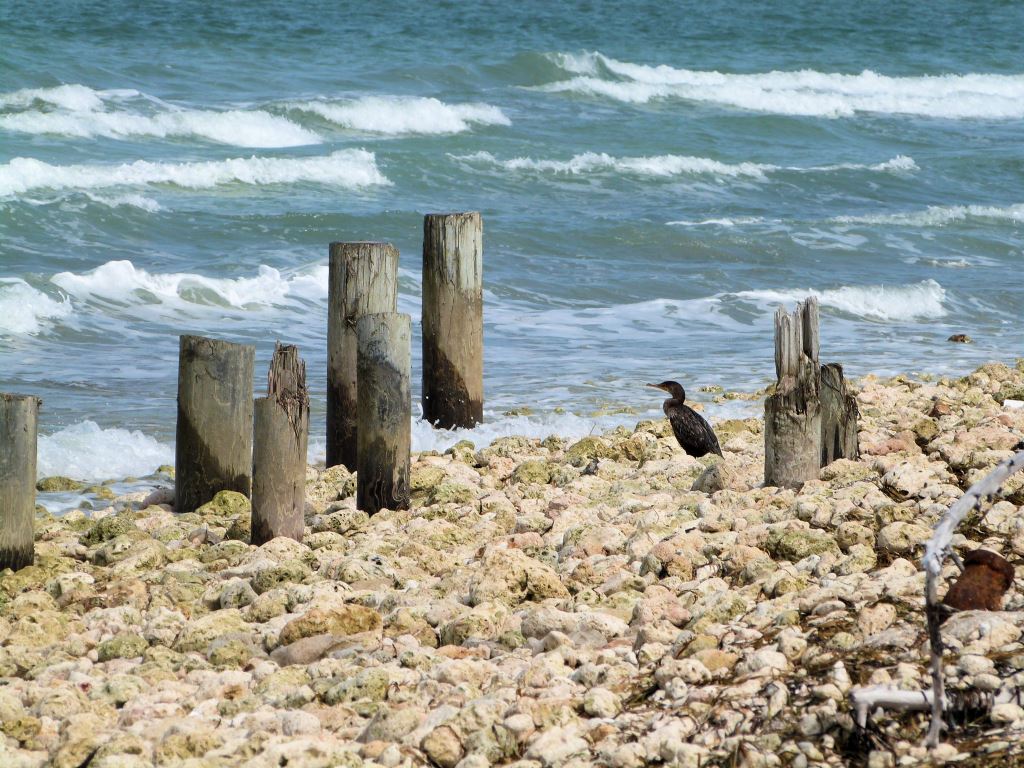
And flocks shall lie down in the midst of her, all the beasts of the nations: both the cormorant and the bittern shall lodge in the upper lintels of it; their voice shall sing in the windows; desolation shall be in the thresholds: for he shall uncover the cedar work. (Zephaniah 2:14 KJV)

*

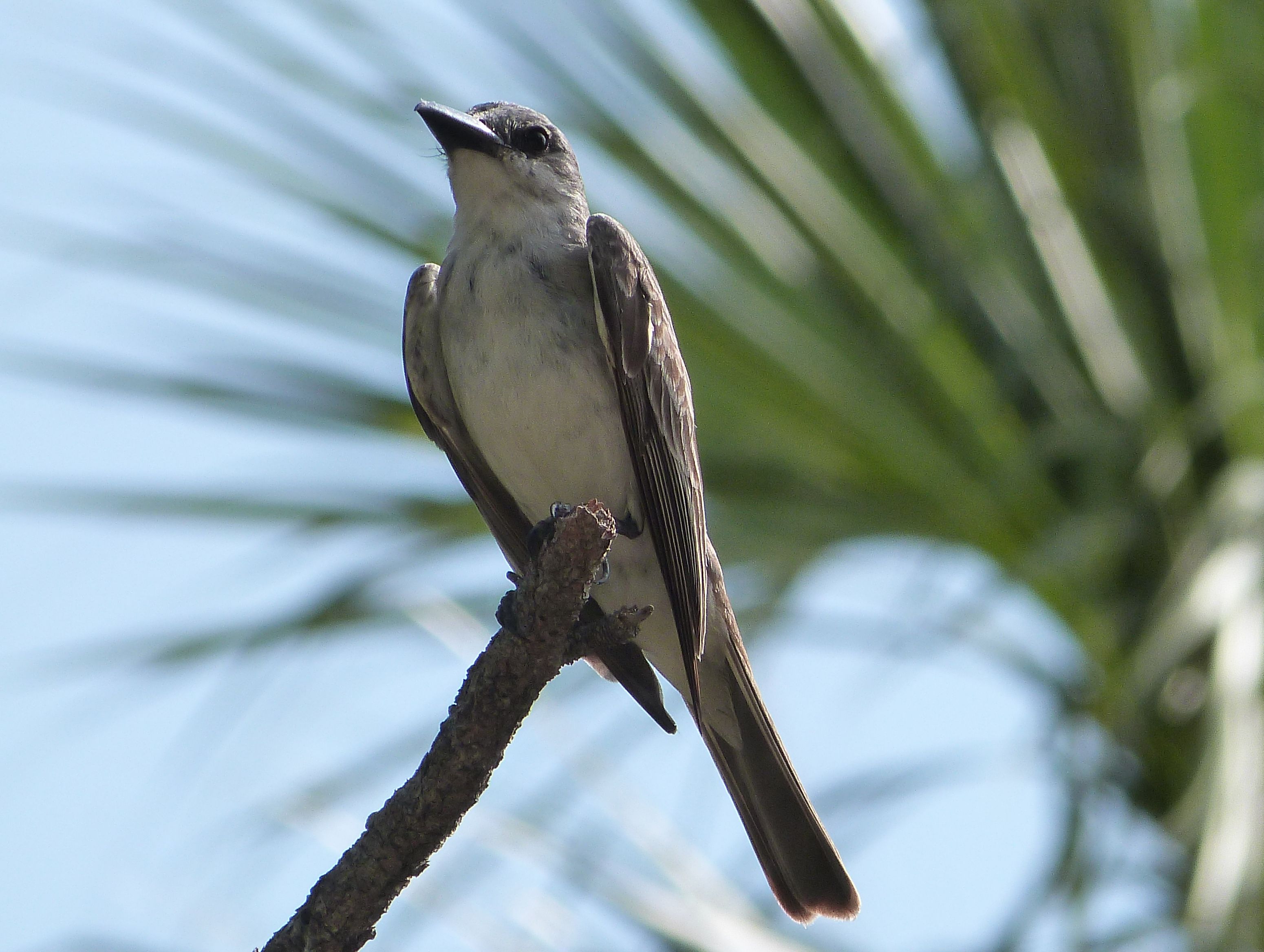
Grey Kingbird at Honeymoon Island SP

Grey Kingbird by Lee at Honeymoon Is SP 7-4-2014

Grey Kingbird by Lee at Honeymoon Is SP 7-4-2014

All the kings of the earth will give thanks to You, O LORD, When they have heard the words of Your mouth. And they will sing of the ways of the LORD, For great is the glory of the LORD. (Psalms 138:4-5 NASB)

The Grey Kingbird (Tyrannus dominicensis) which we saw at Honeymoon Island SP last week was a Life Bird for me. Most Americans call it Gray, but the I.O.C. List of Birds use the Grey spelling. Either way, grey or gray, it is the same bird. That is one reason they use the Scientific name of Tyrannus dominicensis to ID the bird.

Recently I purchased the Latin for Bird Lovers book, because I have tried to see what these “scientific” mean on my own and thought this would be interesting. The book has over 3,000 bird names. I found it to be something quite useful, for me, at least. So let’s see what our Tyrannus dominicensis actually means.

  • Tyrannus “ti-RAN-nus” – “Tyrant, as in Tyanannus Allugularis, The White-throated Kingbird” [p.205]
  • dominicensis“doe-min-ib-SEN-sis-” – “After the Commonwealth of Dominica in the West Indies, as in Pluvialis dominica, the American Golden Plover, which passes through the West Indies during migrations.” [p.61]

So, we have a Tyrant that is from or passes through Dominica. The Kingbirds do belong to the Tyrannidae – Tyrant Flycatchers FamilyThere are 14 birds in the Tyrannus genus, which is the first part of the scientific name, Tyrannus Dominicensis, the second part of the name has 5 birds with that ending. That includes not only this Grey Kingbird, but also the Caribbean Martin (Progne dominicensis),  Antillean Siskin (Spinus dominicensis)Hispaniolan Oriole (Icterus dominicensis) and the Hispaniolan Spindalis (Spindalis dominicensis).

This was my 250th Life Bird record on eBird.

Grey Kingbird (Tyrannus dominicensis) by Lee at Honeymoon Is SP

Grey Kingbird (Tyrannus dominicensis) by Lee at Honeymoon Is SP

The bird also has found a house, And the swallow a nest for herself, where she may lay her young, Even Your altars, O LORD of hosts, My King and my God. (Psalms 84:3 NASB)

“The Grey or Gray Kingbird, also known as Pitirre (Tyrannus dominicensis) is a passerine bird. It breeds from the extreme southeast of the USA, mainly in Florida, through Central America, from Cuba to Puerto Rico as well as eastward towards all across the Lesser West Indies, south to Venezuela, Trinidad, Tobago the Guiana and Colombia. Northern populations are migratory, wintering on the Caribbean coast of Central America and northern South America.

Grey Kingbird by Dan

Grey Kingbird by Dan at HISP

This tyrant flycatcher is found in tall trees and shrubs, including the edges of savanna and marshes. It makes a flimsy cup nest in a tree. The female incubates the typical clutch of two cream eggs, which are marked with reddish-brown. Grey Kingbirds wait on an exposed perch high in a tree,which is where we found it, occasionally sallying out to feed on insects, their staple diet.

The adult Grey Kingbird is an average-sized kingbird. It measures 9.1 in (23 cm) in length and weighs from 1.3 to 1.8 oz (37 to 52 g). The upper parts are grey, with brownish wings and tail, and the underparts are white with a grey tinge to the chest. The head has a concealed yellow crown stripe, and a dusky mask through the eyes. The dark bill is heavier than that of the related, slightly smaller, Tropical Kingbird. The sexes are similar, but young birds have rufous edges on the wing coverts, rump and tail.

Grey Kingbird (Tyrannus dominicensis) by Lee at Honeymoon Is SP

The call is a loud rolling trill, pipiri pipiri, which is the reason behind many of its local names, like pestigre or pitirre, in the Spanish-speaking Greater Antilles, or “petchary” in some of the English-speaking zones.

(from xeno-canto)

Like other kingbirds, these birds aggressively defend their territory against intruders, including mammals and much larger birds such as caracaras and Red-Tailed Hawks. This phenomenon has led to the widespread adoption of the pitirre as a nationalist symbol (a sort of David vs. Goliath figure) in Puerto Rico.

It is found in increasing numbers in the state of Florida, and is more often found inland though it had been previously restricted to the coast. The species was first described on the island of Hispaniola, then called Santo Domingo, thus the dominicensis name.” (from Wikipedia with editing)

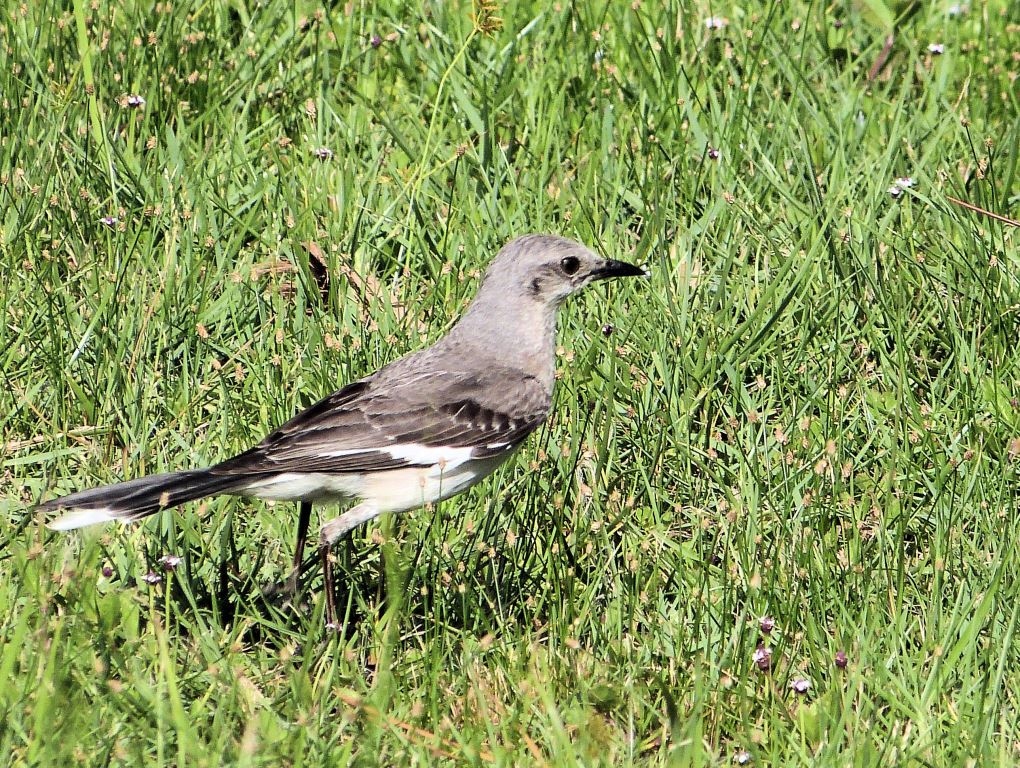
Northern Mockingbird (Mimus polyglottos) by Lee at Honeymoon Is SP

Northern Mockingbird (Mimus polyglottos) by Lee at Honeymoon Is SP

I added this Northern Mockingbird which was also there at the State Park. At first we kept thinking the Kingbird was a Mockingbird. If you compare the photos, you will notice the Mockingbird has a white spot on its wings and also a black spot near its ear. They are very close though. Also, Dan’s photo of the Kingbird came out more brownish. It may be that he caught a younger one. There were several at the park.

Isn’t the Lord great in that He makes us work for the IDs of these birds. As I have said, He should have put name tags on them, but then we wouldn’t learn about His creativity, would we? It is good for us to learn new things. Never get bored with learning.

Make me know Your ways, O LORD; Teach me Your paths. (Psalms 25:4 NASB)

I will instruct thee and teach thee in the way which thou shalt go: I will guide thee with mine eye. (Psalms 32:8 KJV)

*

*

Gideon

*