Birds of the Bible – God Blessed Them

Osprey Family by Phillip Simmons

And God blessed them, saying, “Be fruitful and multiply, and fill the waters in the seas, and let birds multiply on the earth.”
(Genesis 1:22 NKJV)

And God H430 blessed H1288 them, saying, H559 Be fruitful, H6509 and multiply, H7235 and fill H4390 (H853) the waters H4325 in the seas, H3220 and let fowl H5775 multiply H7235 in the earth. H776 (Genesis 1:22 KJV+)

I have written before on this verse, but really never looked into this aspect of it. I knew He had told them to multiply and be fruitful, but I missed the “blessing” part. The Lord didn’t just create the birds and then leave them on their own. He cared about them and “blessed” them. Below is the definition of Strong’s Hebrew word and then Thayer’s Greek word for Blessing or Blessed.

Strong – H1288

בּרך
bârak
baw-rak’
A primitive root; to kneel; by implication to bless God (as an act of adoration), and (vice-versa) man (as a benefit); also (by euphemism) to curse (God or the king, as treason): – X abundantly, X altogether, X at all, blaspheme, bless, congratulate, curse, X greatly, X indeed, kneel (down), praise, salute, X still, thank.

Thayer – G2127

εὐλογέω
eulogeō
Thayer Definition:
1) to praise, celebrate with praises
2) to invoke blessings
3) to consecrate a thing with solemn prayers
3a) to ask God’s blessing on a thing
3b) pray God to bless it to one’s use
3c) pronounce a consecratory blessing on
4) of God
4a) to cause to prosper, to make happy, to bestow blessings on
4b) favoured of God, blessed
Part of Speech: verb

Let’s see what some of the commentaries have to say about the birds being blessed by God:

(Chuck Smith) – “But we get the more complex life forms that sort of are a little independent. They’re not rooted, they’re not grounded, they are mobile, and the various cycles that God has created, the whole process is just so marvelous indeed. The water, teeming with life, and then the air, and the many, many kinds of birds and the variety of birds that God has created. And those instinctive abilities in the birds!
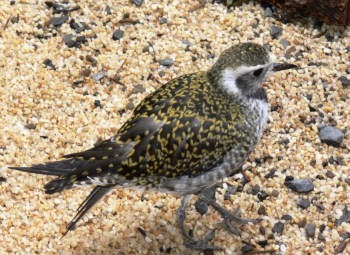
American Golden Plover (Pluvialis dominica) at National Aviary by Lee

American Golden Plover (Pluvialis dominica) at National Aviary by Lee

I’m always fascinated by that little bird in Hawaii that goes up into the Aleutian chain in order to mate. During the summer, they take off from Hawaii and they fly all the way up into Alaska where they mate. They build their nests, they lay the eggs, they hatch their young. And then with the coming of winter, they don’t want to spend winter in Alaska — and who can blame them. And you have to almost envy them, spending their winters in Hawaii. They take off over the thousands of miles without suitcases, without spare gas tanks, without compasses or navigational equipment. And they come and fly right into Hawaii, sometimes they get into severe storms, one-hundred, two-hundred mile an hour winds that blow them off course, but somehow they find their way right in. You say, “oh, they remember the way they flew out.”

How do they reckon? Some think they have some kind of device that tunes on the magnetic field of the earth. I don’t know. But, really, they’re not following the same path, so that argument’s sort of shot down, because, really, the parents decide to leave for Hawaii before the kids are able to fly that far. So, the parents fly off to Hawaii, leaving their kids in Alaska! But, it doesn’t seem to matter, cause a couple of weeks later, their kids take off and they fly right to Hawaii. Never been there before, yet somehow, God has built into this little bird that kind of instinct; and that’s a bird brain. And it’s not a very big kind of a computer. Talk about microsystems!

Oh, the wisdom of God, the wisdom of God. How thrilling to be able to see the design in nature, all testifying of the wisdom of the God that I serve. I’m so glad that I serve Him. I’m so glad that I know Him. Such a glorious God, so wise; all of these created life forms. Now, He created also the mammals, the great whales. He created the animals, the domesticated-type animals, all after their own kind.

And the evening and the morning were the fifth day.”
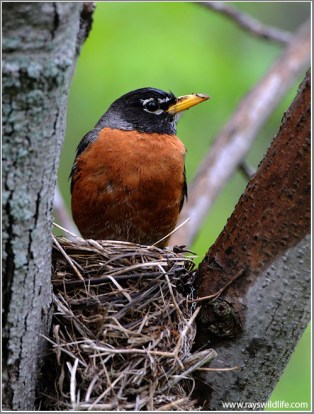
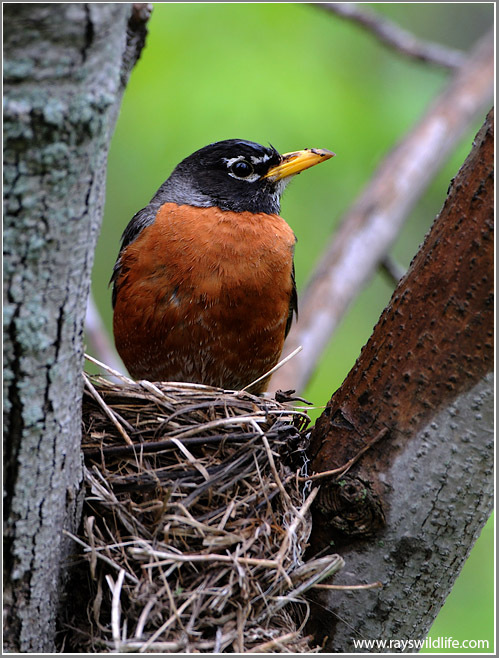
American Robin (Turdus migratorius) in nest by Ray

American Robin (Turdus migratorius) in nest by Ray

(John Gill) – “Genesis 1:22

And God blessed them,…. With a power to procreate their kind, and continue their species, as it is interpreted in the next clause, saying, be fruitful, and multiply, and fill the waters in the seas: and these creatures do multiply exceedingly, and vast quantities there are of them in the mighty waters, though the consumption of some sorts of them is very great. Our English word “fish” is derived from the Hebrew word פוש, “fush”, which signifies to multiply and increase:

and let fowl multiply in the earth; as they did, and continue to do to this day.”

(Matthew Henry) – “2. The blessing of them, in order to their continuance. Life is a wasting thing. Its strength is not the strength of stones. It is a candle that will burn out, if it be not first blown out; and therefore the wise Creator not only made the individuals, but provided for the propagation of the several kinds; God blessed them, saying, Be fruitful and multiply, Gen_1:22. God will bless his own works, and not forsake them; and what he does shall be for a perpetuity, Ecc_3:14. The power of God’s providence preserves all things, as at first his creating power produced them. Fruitfulness is the effect of God’s blessing and must be ascribed to it; the multiplying of the fish and fowl, from year to year, is still the fruit of this blessing. Well, let us give to God the glory of the continuance of these creatures to this day for the benefit of man. See Job_12:7, Job_12:9. It is a pity that fishing and fowling, recreations innocent in themselves, should ever be abused to divert any from God and their duty, while they are capable of being improved to lead us to the contemplation of the wisdom, power, and goodness, of him that made all these things, and to engage us to stand in awe of him, as the fish and fowl do of us.”

(Haydock Commentary) – “Genesis 1:22

Blessed them, or enabled them to produce others. — Multiply: the immense numbers and variety of fishes and fowls is truly astonishing.”

(K & D) – “As animated beings, the water animals and fowls are endowed, through the divine blessing, with the power to be fruitful and multiply. The word of blessing was the actual communication of the capacity to propagate and increase in numbers.”

(John Wesley) – “Observe, 2, The blessing of them in order to their continuance. Life is a wasting thing, its strength is not the strength of stones; therefore the wise Creator not only made the individuals, but provided for the propagating of the several species, Gen_1:22. God blessed them, saying, Be fruitful, and multiply – Fruitfullness is the effect of God’s blessing, and must be ascribed to it; the multiplying of the fish and fowl from year to year, is still the fruit of this blessing here.”
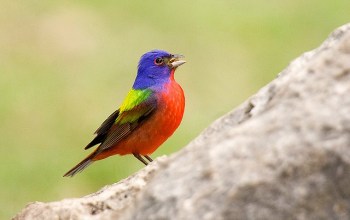
Painted Bunting (Passerina ciris) ©©Flickr

Painted Bunting (Passerina ciris) ©©Flickr

Oh that men would praise the LORD for his goodness, and for his wonderful works to the children of men! (Psalms 107:31 KJV)

The Lord not only blessed the birds, but provided them with the instinct and DNA to be able to reproduce and adapt to the changing conditions. Those that have not been able or suffered disasters be they natural or man-made have become extinct. The “kinds” have produced great varieties (over 10,400 species) that we enjoy as we study and view the different families. While He blessed the birds, in turn, we are blessed because we are able to enjoy the vast variety of these avian creations. Praise the Lord!

Birds of the Bible

Birds of the World

Bird of the Week

*

Birds of the Bible – Sorry For Their Creation?

Rose-Crowned Fruit-Dove by Birdway

Rose-Crowned Fruit-Dove by Birdway

Then the LORD saw that the wickedness of man was great in the earth, and that every intent of the thoughts of his heart was only evil continually. And the LORD was sorry that He had made man on the earth, and He was grieved in His heart. So the LORD said, “I will destroy man whom I have created from the face of the earth, both man and beast, creeping thing and birds of the air, for I am sorry that I have made them.” But Noah found grace in the eyes of the LORD. (Genesis 6:5-8 NKJV)

Now that is an interesting passage from Scripture. Does God change His Mind? I don’t believe He does, but let’s look see what some of the Commentary writers have to say. The bolding mine.

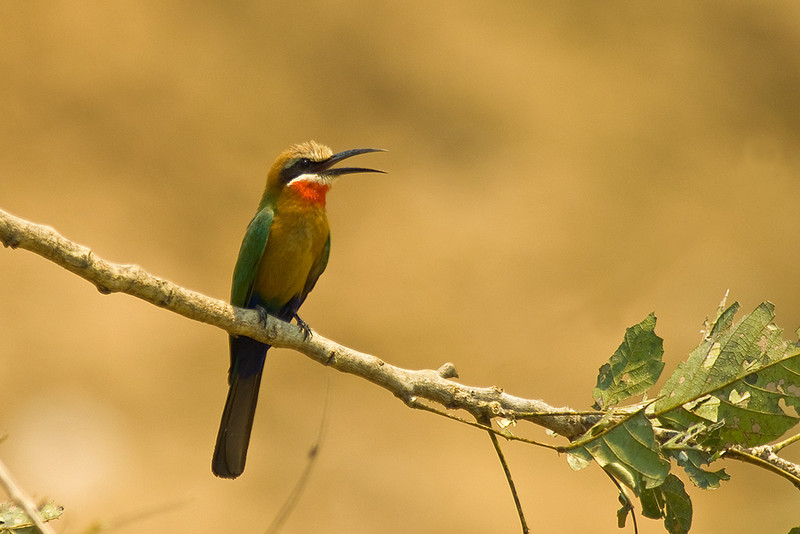
White-fronted Bee-eater (Merops bullockoides) by Africaddict

White-fronted Bee-eater (Merops bullockoides) by Africaddict

(Believer’s Bible Commentary) – “6:6, 7 The Lord’s sorrow does not indicate an arbitrary change of mind, though it seems that way to man. Rather, it indicates a different attitude on God’s part in response to some change in man’s behavior. Because He is holy, He must react against sin.”

(Barnes – this is long but interesting) – Gen_6:7 – I will wipe away man from the face of the soil. – The resolve is made to sweep away the existing race of man. Heretofore, individuals had departed this life. Adam himself had long since paid the debt of nature. These solemn testimonies to the universal doom had not made any salutary or lasting impression on the survivors. But now a general and violent destruction is to overtake the whole race – a standing monument of the divine wrath against sin, to all future generations of the only family saved.
From man to cattle, creeper and fowl of the sky. – These classes of animated nature being mingled up with man are involved in the same ruin with him. This is of a piece with the curse laid upon the serpent, which was the unconscious organ of the tempter. It is an instance of a law which runs through the whole course of nature, as we observe that it is the method of the divine government to allow for the time the suffering inflicted on an inferior animal, or even on a fellow-creature, by selfish passion. It has an appearance to some minds of harshness and unfairness. But we must remember that these animated creatures are not moral, and, therefore, the violent termination of their organic life is not a punishment; that the pain incidental to this, being apart from guilt, is in itself a beneficial provision for the conservation of life; and that it was not intended that the life of animals should be perpetual. The return of the land to a state of desolation by the destruction of animal and vegetable life, however, has its lesson for man, for whom ultimately all of this beauty and fertility were designed, and from whom it is now withdrawn, along with all the glories it foreshadows, as part of the punishment of his guilt. The tenant has become unworthy of the tabernacle, and accordingly he is dispossessed, and it is taken down and removed.

Anna's Hummingbird (Calypte anna) by S Slayton

Anna’s Hummingbird (Calypte anna) by S Slayton

(Jamieson, Fausset, & Brown) – Genesis 6:5-6 – God saw it … repented … grieved — God cannot change (Malachi_3:6; James_1:17); but, by language suited to our nature and experience, He is described as about to alter His visible procedure towards mankind – from being merciful and long-suffering, He was about to show Himself a God of judgment; and, as that impious race had filled up the measure of their iniquities, He was about to introduce a terrible display of His justice (Ecc_8:11).

(Matthew Henry) – 4. Even the brute-creatures were to be involved in this destruction – Beasts, and creeping things, and the fowls of the air. These were made for man, and therefore must be destroyed with man; for it follows: It repenteth me that I have made them; for the end of their creation also was frustrated. They were made that man might serve and honour God with them; and therefore were destroyed because he had served his lusts with them, and made them subject to vanity. 5. God took up this resolution concerning man after his Spirit had been long striving with him in vain. None are ruined by the justice of God but those that hate to be reformed by the grace of God.

Lilac-breasted Roller (Coracias caudatus) by Africaddict

Lilac-breasted Roller (Coracias caudatus) by Africaddict

(Guzik) – “b. The Lord was sorry that He had made man . . . He was grieved in His heart: God’s sorrow at man, and the grief in His heart, are striking. This does not mean that creation was out of control, nor does it mean that God hoped for something better but was unable to achieve it. God knew all along that this was how things would turn out, but our text tells us loud and clear that as God sees His plan for the ages unfold, it affects Him. God is not unfeeling in the face of human sin and rebellion.”

(Wesley) – “Genesis 6:7 – I will destroy man – The original word is very significant. I will wipe off man from off the earth; as dirt is wiped off from a place which should be clean, and thrown to the dunghill. Or, I will blot out man from the earth, as those lines are blotted out of a book which displease the author, or as the name of a citizen is blotted out of the rolls of the freemen when he is disfranchised. Both man and beast the creeping thing, and the fowls of the air – These were made for man, and therefore must be destroyed with man. It repenteth me that I have made them – For the end of their creation also was frustrated: they were made that man might serve and honour God with them and therefore were destroyed, because he had served his lusts with them, and made them subject to vanity.

Horned Grebe (Podiceps auritus) w young ©USFWS

Horned Grebe (Podiceps auritus) w young ©USFWS

These are just some of the remarks from the Commentaries that I have on my e-Sword program, which I use often. My understanding is that God had created both man and beasts/birds. They were suppose to serve Him and use the birds in His service also. After the fall, (Genesis 3) that is when things changed. Man continued sinned more and more until it was continually night and day – “24/7”. Apparently, they even used the creatures and birds in evil ways. Enough was enough and God had reached the end of his long suffering and had to use justice. Because of His Love, he could not let things continue. Gospel Presentation

Now we see such beautiful birds and wonder how much impressive were they like in their unfallen state. I am so thankful that God saved Noah’s family and at least 2 of each animal and 7 pairs of each of the birds. We see some glimpse of what they must have been like. We also, unfortunately, see the results of the curse on many of our avian friends.

More Birds of the Bible

*
Birds of the Bible – The Common Ostrich


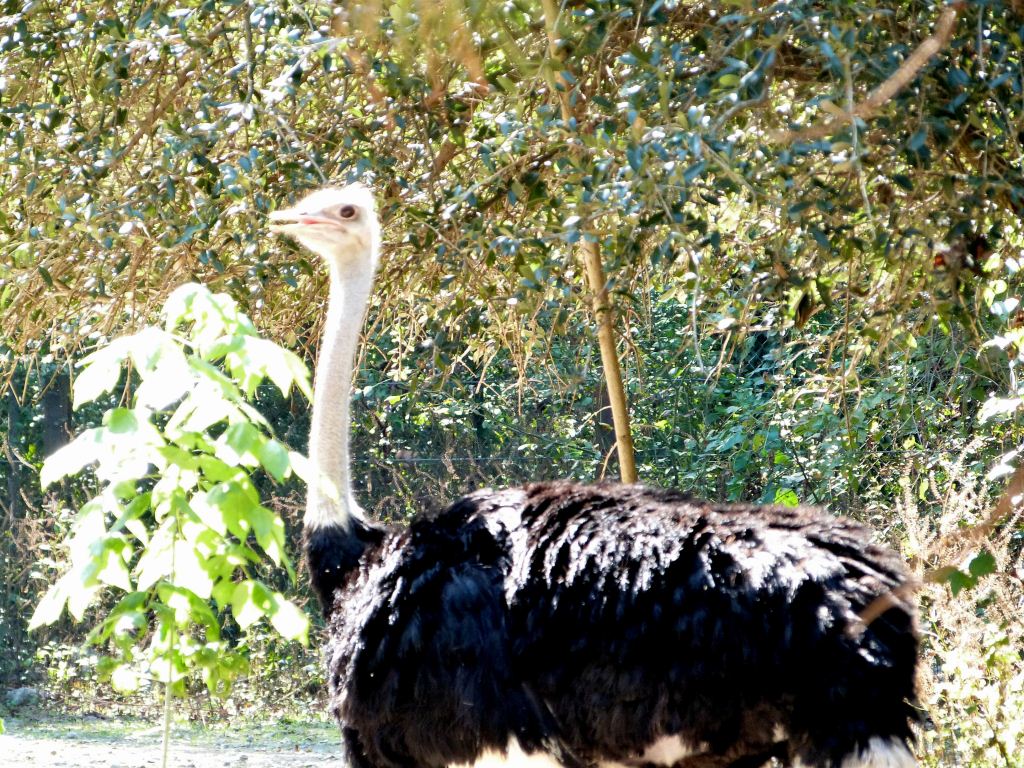
Common Ostrich (Struthio camelus) at Riverbanks Zoo SC by Lee

Common Ostrich (Struthio camelus) at Riverbanks Zoo SC by Lee

Dan and I just recently were on vacation and stopped by the Riverbanks Zoo and Gardens in Columbia, SC. I have see Ostriches before, but it has been awhile. We see the Emus at Zoo Tampa often, but they are not nearly as tall as the Ostrich. I had forgotten that the Lord had created such a huge bird.

The wings of the ostrich wave proudly, But are her wings and pinions like the kindly stork’s? For she leaves her eggs on the ground, And warms them in the dust; She forgets that a foot may crush them, Or that a wild beast may break them. She treats her young harshly, as though they were not hers; Her labor is in vain, without concern, Because God deprived her of wisdom, And did not endow her with understanding. When she lifts herself on high, She scorns the horse and its rider. (Job 39:13-18 NKJV)

The Ostrich does belong to the Struthionidae Family. Currently there are two; the Common Ostrich (Struthio camelus) and the Somali Ostrich (Struthio molybdophanes). The one we saw was the Common. The Ostrich is the largest bird in the world! They are omnivorous flightless birds but make up for their inability to fly with the powerful legs they possess. These birds were built for speed. That is why the reference to the horse and rider. Ostriches can give a horse competition for at least a burst of speed.

Common Ostrich (Struthio camelus) Foot at Riverbanks Zoo SC by Lee

Common Ostrich (Struthio camelus) Foot back at Riverbanks Zoo SC by Lee

“Ostriches usually weigh from 140–320 lb (63 to 145 kilograms), Ostriches of the East African race (S. c. massaicus) averaged 250 lb (115 kg) in males and 220 lb (100 kg) in females, while the nominate subspecies was found to average 240 lb (111 kg) in unsexed adults. At sexual maturity (two to four years), male ostriches can be from 6 ft 11 in to 9 ft 2 in (2.1 to 2.8 m) in height, while female ostriches range from 5 ft 7 in to 6 ft 7 in (1.7 to 2 m) tall. New chicks are fawn with dark brown spots. During the first year of life, chicks grow about 10 in (25 cm) per month. At one year of age, ostriches weigh around 100 lb (45 kilograms). Their lifespan is up to 40 or 45 years.” (Wikipedia with editing)

Common Ostrich (Struthio camelus) Foot at Riverbanks Zoo SC by Lee

Common Ostrich (Struthio camelus) Foot front at Riverbanks Zoo SC by Lee

I am not sure how tall these were, but they had to be close to 8 feet. As I was observing them, I was trying to remember all that the verses said about them. That is one reason I took pictures of their feet. I knew that their feet and legs helped  them run, but also that those same feet were a danger to their young ones. They do have big feet and with an interesting shape as you can see from the photos.

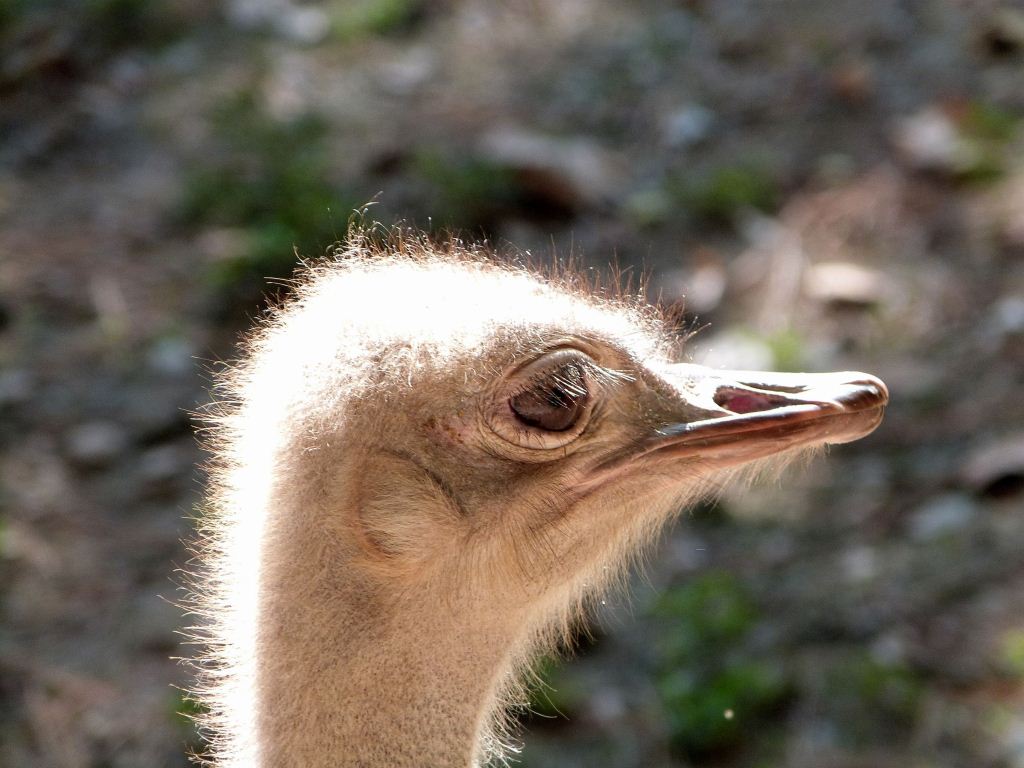
If you notice the size of their head to their body, maybe that is how the Lord “did not endow her with understanding.” The head is interesting though because they are one of the few birds that have eyelashes. They have acute eyesight and hearing, the long neck and legs keep their head up to 9 ft (2.8 m) above the ground, and their eyes are said to be the largest of any land vertebrate – 2.0 in (50 mm) in diameter; they can therefore perceive predators at a great distance. The eyes are shaded from sun light falling from above. However, the head and bill are relatively small for the birds’ huge size”

Common Ostrich (Struthio camelus) Head at Riverbanks Zoo SC by Lee

Common Ostrich (Struthio camelus) Head at Riverbanks Zoo SC by Lee

Oh, sing to the LORD a new song! Sing to the LORD, all the earth. Sing to the LORD, bless His name; Proclaim the good news of His salvation from day to day. Declare His glory among the nations, His wonders among all peoples. For the LORD is great and greatly to be praised; He is to be feared above all gods. (Psalms 96:1-4 NKJV)

Links:

Birds of the Bible – Ostrich

Bible Birds – Ostrich

Struthionidae – Ostriches

Ostrich – Creation Wiki

Ostrich – Wikipedia

Ostrich – The Largest Bird with the Biggest Eyes

*

Birds of the Bible – Trees and Birds

Eagle in Tree on a windy day by Dan

These were the visions of my head while on my bed: I was looking, and behold, A tree in the midst of the earth, And its height was great. The tree grew and became strong; Its height reached to the heavens, And it could be seen to the ends of all the earth. Its leaves were lovely, Its fruit abundant, And in it was food for all. The beasts of the field found shade under it, The birds of the heavens dwelt in its branches, And all flesh was fed from it. (Daniel 4:10-12 NKJV)

What an interesting passage. Actually, this was part of the vision or dream that Nebuchadnezzar had and he is revealing it to Daniel. He is looking for an explanation for it. (See Daniel 4:19 + for the interpretation)

Daniel gives him the interpretation in the rest of the Chapter 4, but I want to concentrate on the tree and the birds. I have seen so many photos and witnessed birds enjoying themselves in the trees. The Lord created them all and provides for the tree, the beast, the birds, and us.

The trees provide food (fruit and seeds), leaves give shade for the animals and birds, the limbs provide a resting place, especially for birds, but I have seen a few leopards and koalas resting on them also.

Verse like:

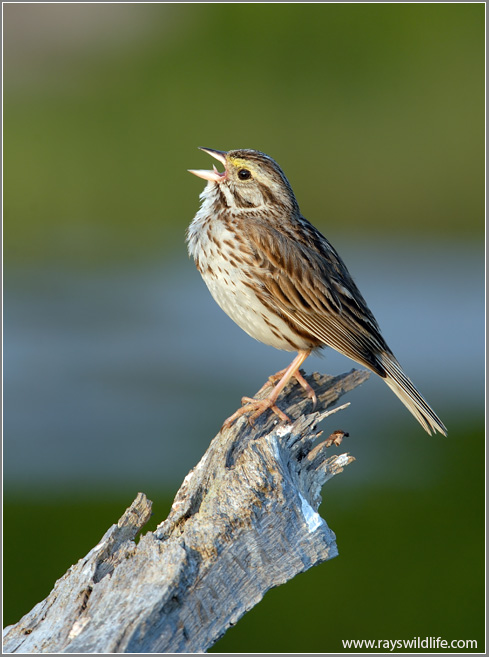
Savannah Sparrow singing by Ray

Savannah Sparrow singing by Ray

By them the birds of the heavens have their home; They sing among the branches. (Psalms 104:12 NKJV)

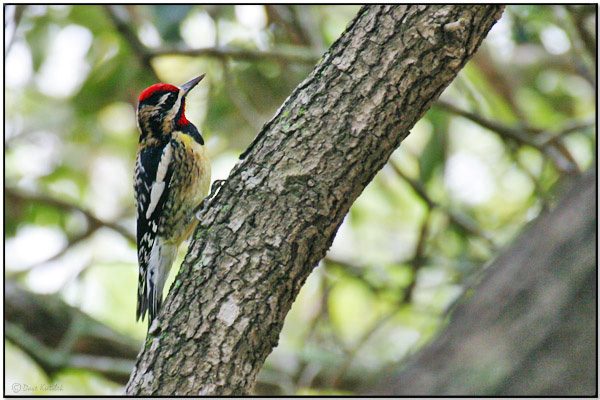
Yellow-bellied Sapsucker (Sphyrapicus varius) by Daves BirdingPix

Yellow-bellied Sapsucker (Sphyrapicus varius) by Daves BirdingPix

The trees of the LORD are full of sap, The cedars of Lebanon which He planted, (Psalms 104:16 NKJV) (Many birds like the sap – Sapsuckers for one)

American Robin (Turdus migratorius) in nest by Ray

American Robin (Turdus migratorius) in nest by Ray

Where the birds make their nests; The stork has her home in the fir trees. (Psalms 104:17 NKJV)

And Jesus said to him, “Foxes have holes and birds of the air have nests, but the Son of Man has nowhere to lay His head.” (Matthew 8:20 NKJV)

Another parable He put forth to them, saying: “The kingdom of heaven is like a mustard seed, which a man took and sowed in his field, which indeed is the least of all the seeds; but when it is grown it is greater than the herbs and becomes a tree, so that the birds of the air come and nest in its branches.” (Matthew 13:31-32 NKJV)

Cedar Waxwing on Cedar Tree at Birdwatchers Digest.

Also he spoke of trees, from the cedar tree of Lebanon even to the hyssop that springs out of the wall; he spoke also of animals, of birds, of creeping things, and of fish. (1 Kings 4:33 NKJV)

*

Our Great Creator has wonderfully designed so many things to work together to provide for each other. Birds need trees and trees need birds. He is worthy of our praise and thanksgiving. And don’t you just enjoy watching the birds in the trees?

For His merciful kindness is great toward us, And the truth of the LORD endures forever. Praise the LORD! (Psalms 117:2 NKJV)

Yes, they shall sing of the ways of the LORD, For great is the glory of the LORD. (Psalms 138:5 NKJV)

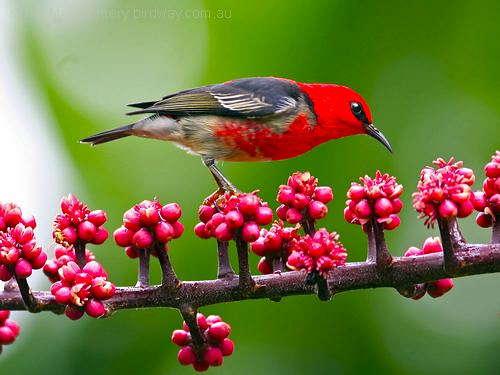
Scarlet Myzomela (Myzomela sanguinolenta) by Ian

Scarlet Myzomela (Myzomela sanguinolenta) by Ian

Great is our Lord, and mighty in power; His understanding is infinite. (Psalms 147:5 NKJV)

For the LORD your God is God of gods and Lord of lords, the great God, mighty and awesome, who shows no partiality nor takes a bribe. (Deuteronomy 10:17 NKJV)

*

Pollinators….

Green Violetear (Colibri thalassinus) ©WikiC

Green Violetear (Colibri thalassinus) ©WikiC

Pollinators…. ~ by a j mithra

Hummingbirds and ornithophilous (bird-pollinated) flowers
were created to have a mutualistic relationship.
The flowers have nectar suited to the birds’ diet,
their color suits the birds’ vision
and their shape fits that of the birds’ bills.

The blooming times of the flowers have also been found
to coincide with hummingbirds’ breeding seasons….

The Rose of Sharon has the nectar
that suits our spiritual diet..

The Rose of Sharon has the power
to purify our soul…

The Rose of Sharon’s will
is to shape our lives for His glory…

If only we had pollinated the way
The Rose of Sharon wanted us to do,
our classmates and our colleagues.
our neighborhood and our nationhood
would not only have known Jesus,
but also would have been effective pollinators…
By the way,
are we seasonal pollinators or regulars?

And he (Jesus) said unto them, Go ye into all the world, and preach the gospel to every creature. (Mathew 16:15)

Have a blessed day!

Yours in YESHUA,

a j mithra

Please visit us at:

Crosstree

ajmithra21


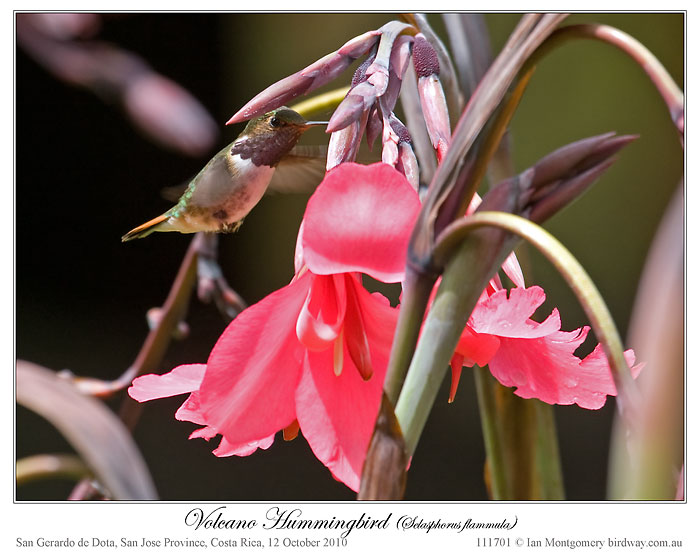
Volcano Hummingbird (Selasphorus flammula) by Ian

Volcano Hummingbird (Selasphorus flammula) by Ian

Lee’s Addition:

Ornithophily or Bird Pollination is the pollination of flowering plants by birds. The Creator created this association is derived from insect pollination (entomophily) and is particularly well developed in some parts of the world, especially in the tropics and on some island chains. The association involves several distinctive plant adaptations forming a “pollination syndrome”. The plants typically have colorful, often red, flowers with long tubular structures holding ample nectar and orientations of the stamen and stigma that ensure contact with the pollinator. Birds involved in ornithophily sre specialist nectarivores with brushy tongues, long beaks, capable of hovering flight or are light enough to perch on the flower structures. (Edited from Wikipedia)

Hummingbird – CreationWiki

Trochilidae – Hummingbirds

Hummingbirds – All About Birds

*

An Inside Job – Re-post from Creation Moments

White-fronted Bee-eater (Merops bullockoides) by Africaddict

White-fronted Bee-eater (Merops bullockoides) by Africaddict

An Inside Job

Listen

And as ye would that men should do to you, do ye also to them likewise.” (Luke 6:31)

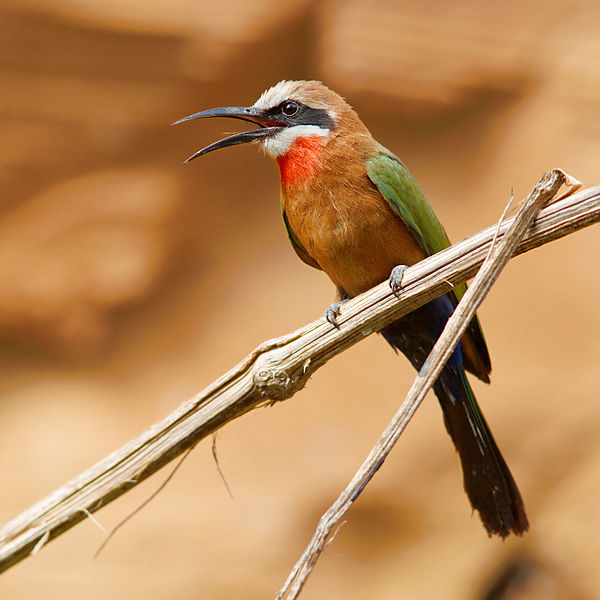
The White-fronted Bee-eater is an East African bird that lives in clans of up to fourteen members.

White-fronted bee-eaters have several problems to deal with. Since they nest on the cliffs overlooking riverbanks, youngsters need a great deal of attention until they learn to fly. Once they are on their own, the young birds are often put to work by their parents as helpers. A father may even drive away his sons’ mates in order to keep them as helpers.

White-fronted Bee-eater (Merops bullockoides) ©WikiC

White-fronted Bee-eater (Merops bullockoides) ©WikiC

Helpers bring food for their mother, brothers and sisters. They also clean the nest area and watch for danger. However, the most important job is guarding the nest at egg-laying time. This is necessary because a female who doesn’t have her own nest will sneak into another bee-eater’s nest and lay her eggs there. If the eggs are laid before the owner of the nest starts laying her eggs, she will simply toss out the foreign egg. If there are eggs already in the nest, she will also care for the foreign eggs. The important job of guarding the nest is usually given to a daughter. However, scientists have observed that sometimes it is the daughter, while on guard duty with the mother absent, who sneaks into the nest and adds a few eggs of her own!

In His goodness, the Creator has given bee-eaters a way of life in which helping each other is part of their nature. This kindness toward each other improves the quality of life. It can serve as an example to us that the world is not designed to favor the survival of the most selfish or aggressive.

Prayer:

Dear Lord, in a world that sees only personal loss when kindness is offered, help me to remember that You gave me all things freely. Help me to see the reward of good will in helping others, even those who cannot help me in return. Amen.


White-fronted Bee-eater (Merops bullockoides) cropped by Bob-Nan

White-fronted Bee-eater (Merops bullockoides) cropped by Bob-Nan

Lee’s Addition:

Bee-eaters are one of the Lord more beautiful bird creations. I always enjoy see their photos. Soon we are going to a Zoo that I understand has Bee-eaters. Needless to say I am anxious to see them. Aren’t they gorgeous?

They belong to the Meropidae – Bee-eaters Family.

Creation Moments

White-fronted Bee-eater – Wikipedia

*

Birds of the Bible – Bluebirds

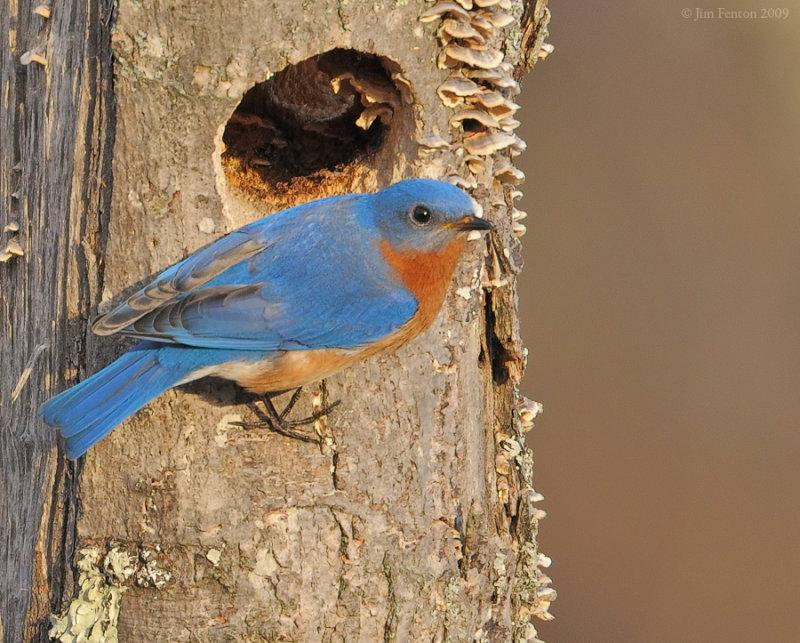
Eastern Bluebird (Sialia sialis) by J Fenton

Eastern Bluebird (Sialia sialis) by J Fenton

Cranes know when it’s time to move south for winter. And robins, warblers, and bluebirds know when it’s time to come back again. But my people? My people know nothing, not the first thing of GOD and his rule. (Jeremiah 8:7 MSG)

As far as I know, the only Version of the Bible (English) that used the word “bluebirds is the Message. It is not a version I use, but that verse makes for chance to write about the Bluebirds. In many of the other versions, “Thrush” is used. Bluebirds are in the Turdidae – Thrushes Family. There are three species; the Eastern, Western and Mountain Bluebirds. In a completely different family, the Irenidae – Fairy-bluebirds Family you will find the Asian and Philippine Fairy-bluebirds. These are not “thrushes” per se.

This verse has been written about in Birds of the Bible – Thrush and Thrushes II. It mentions that the birds know more about migration than the people know that much about God and His dominion.

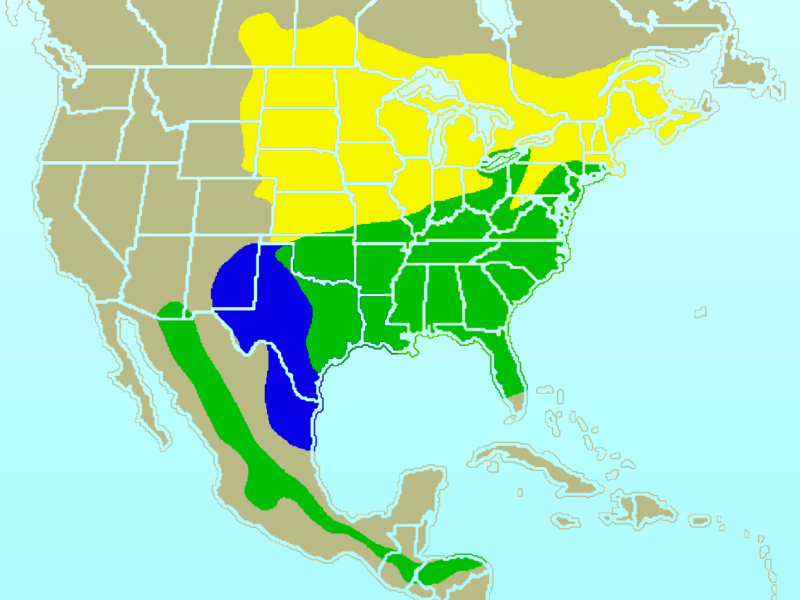
Do the Bluebirds migrate? Only the Eastern Bluebird. Here is their range map. Yellow is summer, blue – winter and green is year round. The summer breeding range extends as far north as the Pacific Northwest, British Columbia, and Montana. The northern Western Bluebirds can migrate to the southern parts of the range; southern birds are often permanent residents. The mountain bluebird is migratory. The Mountain Bluebird range varies from Mexico in the winter to as far north as Alaska, throughout the western U.S. and Canada. Northern birds migrate to the southern parts of the range; southern birds are often permanent residents. Some birds may move to lower elevations in winter.

Eastern_Bluebird-rangemap rangemap Y-Sum B-win G-yr rnd

Eastern Bluebird rangemap Y-Sum B-win G-yr rnd ©WikiC

So, not so sure that was a good choice of birds to use especially since they aren’t even anywhere near the Middle East. Nevertheless they are beautiful birds that the Lord has created for His pleasure and our enjoyment. The majority of their diet is “insects and other invertebrates. The remainder of the bird’s diet is made up of wild fruits. Favored insect foods include grasshoppers, crickets, katydids, and beetles. Other food items include earthworms, spiders, millipedes, centipedes, sow bugs and snails. (Eastern) Bluebirds are very helpful with pest control in the territory surrounding the nest.”

Mountain Bluebird (Sialia currucoides) by Daves BirdingPix

Mountain Bluebird (Sialia currucoides) by Daves BirdingPix

All three of them are cavity dwellers or nest box residents. They are all territorial and “Bluebirds can typically produce between two and four broods during the spring and summer (March through August in the Northeastern United States). Males identify potential nest sites and try to attract prospective female mates to those nesting sites with special behaviors that include singing and flapping wings, and then placing some material in a nesting box or cavity. If the female accepts the male and the nesting site, she alone builds the nest and incubates the eggs.”

“The bluebirds are a group of medium-sized, mostly insectivorous or omnivorous birds in the genus Sialia of the thrush family (Turdidae). Bluebirds are one of the few thrush genera in the Americas. They have blue, or blue and red, plumage. Female birds are less brightly colored than males, although color patterns are similar and there is no noticeable difference in size between sexes.

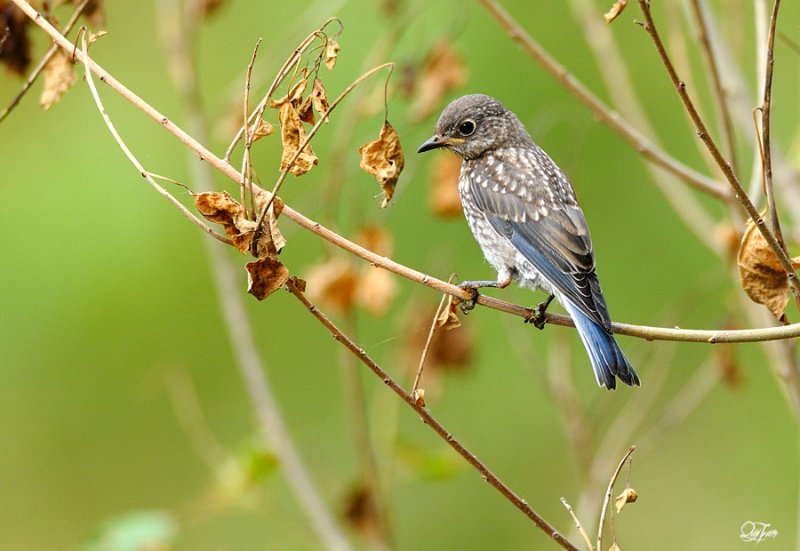
Western Bluebird (Sialia mexicana) juvenile by Quy Tran

Western Bluebird (Sialia mexicana) juvenile by Quy Tran

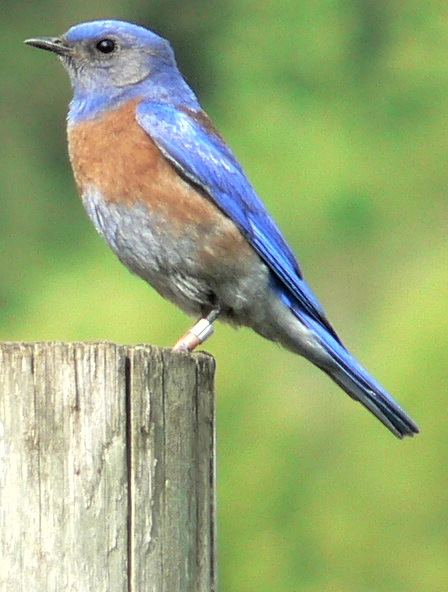
Western Bluebirds are sometimes confused with other bluebirds, however they can be distinguished without difficulty. The Western Bluebird has a blue (male) or gray (female) throat, the Eastern Bluebird has an orange throat, and the Mountain Bluebird lacks orange color anywhere on its body.

Western Bluebird (Sialia mexicana) ©WikiC

Western Bluebird (Sialia mexicana) ©WikiC

I know all the birds of the hills, and all that moves in the field is mine. (Psalms 50:11 ESV)

See:

Birds of the Bible

Birds of the Bible – Thrushes

Eastern, Western, Mountian Bluebirds – Wikipedia

Wordless Birds

*

Evolution is full of Surprises! and will Explain Anything (Re-post)

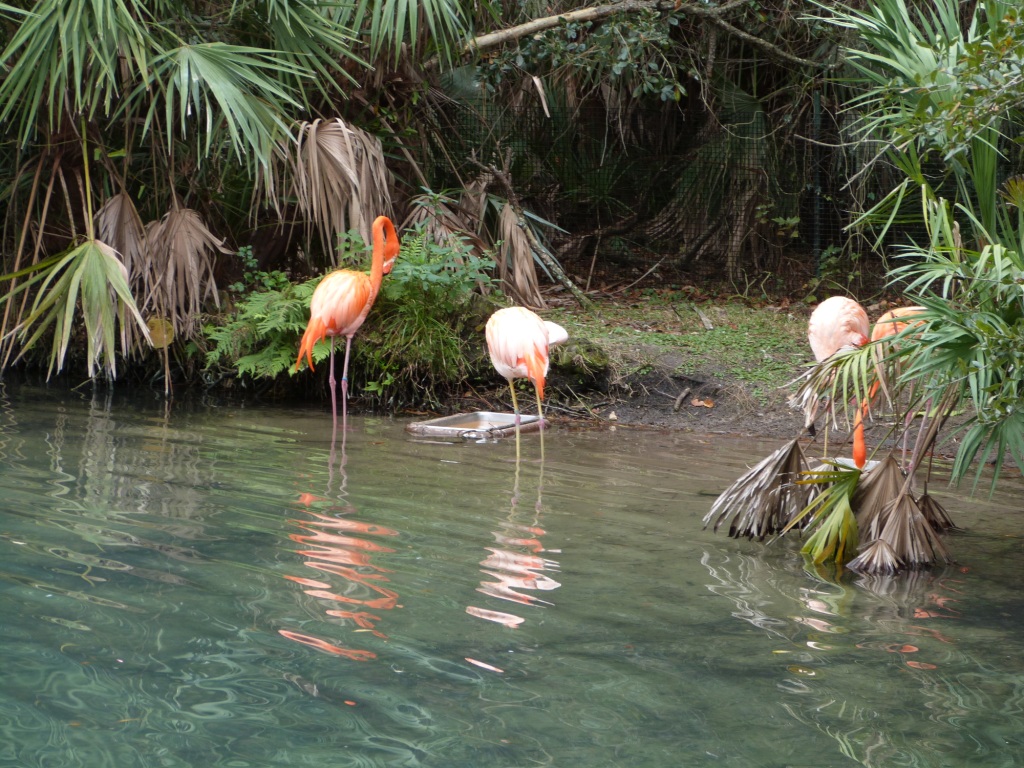
American Flamingo (Phoenicopterus ruber) Brevard Zoo by Lee

American Flamingo (Phoenicopterus ruber) Brevard Zoo by Lee

“During my research I noticed how common it is to run into articles that talk about how “surprising,” “unexpected,” or even “baffling” the results of a study or find is to scientists. Although I know Creation Scientists are probably often surprised as well, I can’t help thinking that scientists would be less surprised if they all had a more accurate worldview.”…

To see the rest of this very interesting article:

Evolution is full of Surprises! and will Explain Anything.

In the beginning was the Word, and the Word was with God, and the Word was God. He was in the beginning with God. All things were made through Him, and without Him nothing was made that was made. In Him was life, and the life was the light of men. And the light shines in the darkness, and the darkness did not comprehend it. (John 1:1-5 NKJV)

This is from CreationScience4Kids

*

Birds of the Bible – Job 38 – 39

Common Ostrich (Struthio camelus) Memphis Zoo by Lee

Common Ostrich (Struthio camelus) Memphis Zoo by Lee

Dan and I have been reading through Job for our devotions. Today was Job 38 and 39. Wow! All of Job’s “friends” have been trying to persuade Job how wrong and unrighteous he is and Job has been trying to figure out why he is being punished, yet defending his righteousness.

Finally in Job 38, God speaks. Job has been asking to speak to God about his situation. (From the Today in the Word, Vol II, Day 28) “So, when Job finally gets the audience with the Lord that he requested, he is not the one asking the questions!  Instead, like a prosecuting attorney, the Lord fires off the questions and informs Job ‘You will answer me’ (38:3). God challenges Job’s insinuation that He wasn’t administering justice fairly. This interrogation covers Job 38 and 39, but it could be paraphrased in this one penetrating question: ‘Were you present at creation?’ ”

If you haven’t read Job lately and especially Chapter 38 and 39, it worth reading.

Northern Raven (Corvus corax) by Ray

Northern Raven (Corvus corax) by Ray

Anyway, within those two chapters, God mentions the Raven and the Ostrich.

Can you hunt the prey for the lion, or satisfy the appetite of the young lions, when they crouch in their dens or lie in wait in their thicket? Who provides for the raven its prey, when its young ones cry to God for help, and wander about for lack of food? (Job 38:39-41 ESV)

Then in the next chapter God tells about the Ostrich that He created:

The wings of the ostrich wave proudly, but are they the pinions and plumage of love? For she leaves her eggs to the earth and lets them be warmed on the ground, forgetting that a foot may crush them and that the wild beast may trample them. She deals cruelly with her young, as if they were not hers; though her labor be in vain, yet she has no fear, because God has made her forget wisdom and given her no share in understanding. When she rouses herself to flee, she laughs at the horse and his rider. (Job 39:13-18 ESV)

Both of these birds have been covered in other Birds of the Bible articles, but just wanted to share them with you again. We know that God provides for the birds and He has promised to provide for His own, Christians. He also, makes birds different, at His will. Who are we to question His knowledge and wisdom. The same is true with us who know the Lord. He gives each of us different talents and abilities. We are not to question why He made us thus.

Birds of the Bible

Birds of the Bible – Ravens

Birds of the Bible – Ostrich

The Gospel Message

*

Birds and Hurricanes

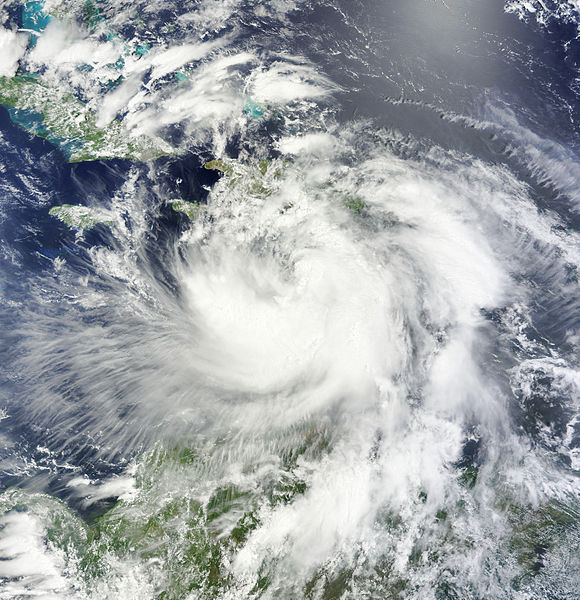
Isaac Aug 24, 2012 - Satellite

Isaac Aug 24, 2012 – Satellite

We here in central Florida are keeping an eye to the south of us as Tropical Storm Isaac marches up this way. They are predicting it to become a hurricane before it gets in this area. We expect rain, but not a direct hit. But! As I told Dan, “until the storm parks at the end of its journey, anything goes.” Do we worry, no, not as Christians. Do we prepare? Yes.

I just filled the feeders extra full for the birds to get a nice meal before they hunker down for what ever passes our way. Where will they go? What will they do? Those are some interesting questions. Let’s see what has been written about that.

How Birds Stay Safe During Hurricanes, “Where Do Birds Go During Hurricanes?” is an interesting article from Birding.com. They tell about the “a sharp drop in barometric pressure” that warns the birds of coming storms. God has given them senses and instincts to prepare.

If they don’t have babies or nest, they are likely to fly to safer regions. Larger birds can stay ahead of the storm. Others have to fly hard, or land and take cover. When the Lord created the birds, He gave them a locking mechanism on their legs and feet. When they perch, their feet sort of lock and that keeps them from falling off while sleeping or from being blown away. Of course, a 80 mph wind or more will get to a point that even they can’t hold on. They also have the chance the tree could be toppled. They also mention that shorebirds tend to go inland.

What Happens To Birds When Hurricanes Hit? from eNature.com says, “Numbers are hard to come by, but it’s clear that many birds are killed outright by hurricanes. This is especially true of seabirds, which have nowhere in which to seek shelter from these storms. Beaches may be littered with seabird carcasses following major storm events. Most Atlantic hurricanes occur in late summer and early fall—and fall storms coincide with bird migration and may disrupt migration patterns severely.” So, the outcome is not always good. One thing we do know from Scripture:

Are not five sparrows sold for two farthings, and not one of them is forgotten before God? But even the very hairs of your head are all numbered. Fear not therefore: ye are of more value than many sparrows. (Luke 12:6-7 KJV)

Are not two sparrows sold for a farthing? and one of them shall not fall on the ground without your Father. But the very hairs of your head are all numbered. Fear ye not therefore, ye are of more value than many sparrows. (Matthew 10:29-31 KJV)

The Lord know all about the deaths, but when they were created, they were given abilities, like above, to protect themselves as best they can.

So God created the great sea creatures and every living creature that moves, with which the waters swarm, according to their kinds, and every winged bird according to its kind. And God saw that it was good. And God blessed them, saying, “Be fruitful and multiply and fill the waters in the seas, and let birds multiply on the earth.” And there was evening and there was morning, the fifth day. (Genesis 1:21-23 ESV)

He has blessed them and told them to reproduce. Would He let them all be wiped out? I don’t think so. Yes, a few will fall.

Hurricane Charley damage at Captiva, Trees stripped.

Hurricane Charley damage at Captiva, Trees stripped.

After the storm, the birds have problems especially if the fruits and vegetables are destroyed. Also, trees, which provide shelter and places for nest might be in short supply. For those of who feed birds, after the storm, if you still have any feeders, they need to be filled up. Also, clean water needs to be provided.

One plus from a storm is that the Life List of birdwatchers could be increased. Many times birds are blown out of their area or off course. This provides a chance to see birds not normally seen. Seabirds can get caught up in the Eye of the storm and carried inland. Thus giving birdwatchers rare treats to see birds.

You can read those and other articles about the birds in a storm on the internet. I am no expert, nor do I claim to be. What I do know is that God loves them, maybe not with the same love He has for us, but He Cares. If He Cares for them, you can rest assured, we are more valuable in His Sight. He will help us humans as we go through the Hurricanes also.

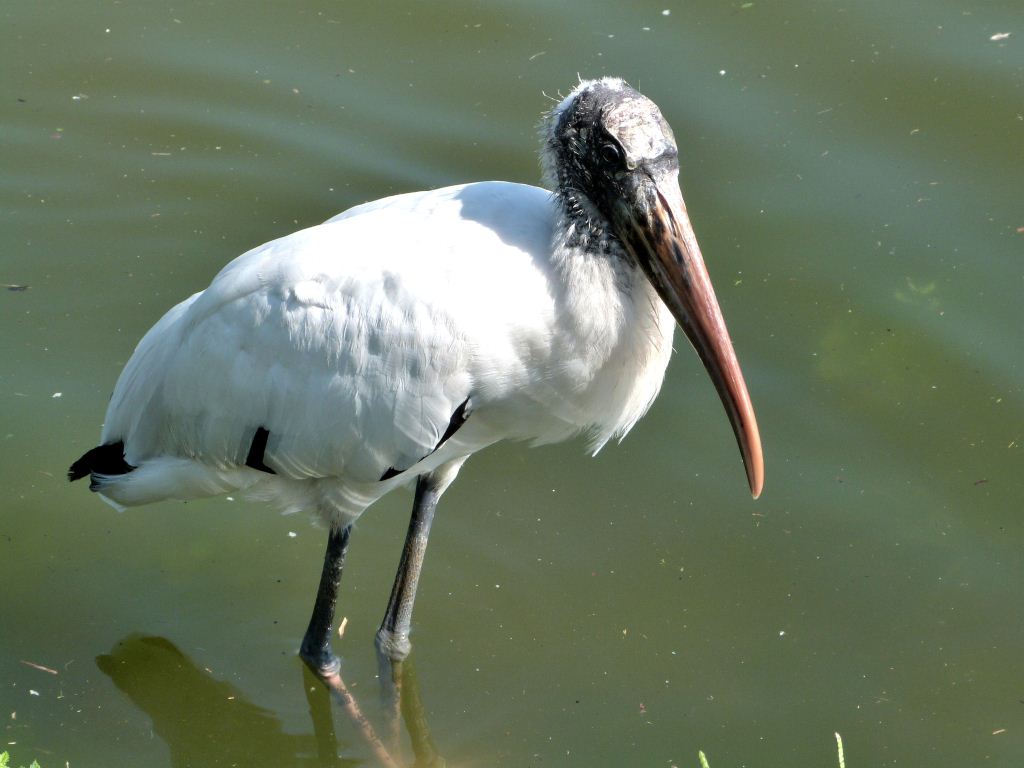
Wood Stork - Lake Morton 6-28-12 by Lee (105)

Wood Stork – Lake Morton 6-28-12 by Lee (105)

Links:

How Birds Stay Safe During Hurricanes

What Happens To Birds When Hurricanes Hit?

Birds Versus Hurricanes – Here

What Happens to Birds in Hurricanes

Seven Things to Know About How Hurricanes Affect Wildlife – NWF

How Do Hurricanes Affect Birds – Audubon

Signs That Animals Show Before a Natural Disaster

Signs That Animals Show Before a Natural Disaster – eHow

Even the birds in the sky know the right time to do things. The storks, doves, swifts, and thrushes know when it is time to fly to a new home. But my people don’t know what the LORD wants them to do. (Jeremiah 8:7 ERV)

*

The Disobedient Woodpecker

Pileated and Red-bellied Woodpecker on same tree by Ray

Pileated and Red-bellied Woodpecker on same tree by Ray

The Disobedient Woodpecker ~ from The Curious Book of Birds

THE DISOBEDIENT WOODPECKER

Cur Book of Birds letter-lONG, long ago, at the beginning of things, they say that the Lord made the world smooth and round like an apple. There were no hills nor mountains: nor were there any hollows or valleys to hold the seas and rivers, fountains and pools, which the world of men would need. It must, indeed, have been a stupid and ugly earth in those days, with no chance for swimming or sailing, rowing or fishing. But as yet there was no one to think anything about it, no one who would long to swim, sail, row, and fish. For this was long before men were created.

The Lord looked about Him at the flocks of newly made birds, who were preening their wings and wondering at their own bright feathers, and said to Himself,—

“I will make these pretty creatures useful, from the very beginning, so that in after time men shall love them dearly. Come, my birds,” He cried, “come hither to me, and with the beaks which I have given you hollow me out here, and here, and here, basins for the lakes and pools which I intend to fill with water for men and for you, their friends. Come, little brothers, busy yourselves as you would wish to be happy hereafter.”

Then there was a twittering and fluttering as the good birds set to work with a will, singing happily over the work which their dear Lord had given them to do. They pecked and they pecked with their sharp little bills; they scratched and they scratched with their sharp little claws, till in the proper places they had hollowed out great basins and valleys and long river beds, and little holes in the ground.

Then the Lord sent great rains upon the earth until the hollows which the birds had made were filled with water, and so became rivers and lakes, little brooks and fountains, just as we see them to-day. Now it was a beautiful, beautiful world, and the good birds sang happily and rejoiced in the work which they had helped, and in the sparkling water which was sweet to their taste.

All were happy except one. The Woodpecker had taken no part with the other busy birds. She was a lazy, disobedient creature, and when she heard the Lord’s commands she had only said, “Tut tut!” and sat still on the branch where she had perched, preening her pretty feathers and admiring her silver stockings. “You can toil if you want to,” she said to the other birds who wondered at her, “but I shall do no such dirty work. My clothes are too fine.”

Now when the world was quite finished and the beautiful water sparkled and glinted here and there, cool and refreshing, the Lord called the birds to Him and thanked them for their help, praising them for their industry and zeal. But to the Woodpecker He said,—

“As for you, O Woodpecker, I observe that your feathers are unruffled by work and that there is no spot of soil upon your beak and claws. How did you manage to keep so neat?”

The Woodpecker looked sulky and stood upon one leg.

“It is a good thing to be neat,” said the Lord, “but not if it comes from shirking a duty. It is good to be dainty, but not from laziness. Have you not worked with your brothers as I commanded you?”

“It was such very dirty work,” piped the Woodpecker crossly; “I was afraid of spoiling my pretty bright coat and my silver shining hose.”

“Oh, vain and lazy bird!” said the Lord sadly. “Have you nothing to do but show off your fine clothes and give yourself airs? You are no more beautiful than many of your brothers, yet they all obeyed me willingly. Look at the snow-white Dove, and the gorgeous Bird of Paradise, and the pretty Grosbeak. They have worked nobly, yet their plumage is not injured. I fear that you must be punished for your disobedience, little Woodpecker. Henceforth you shall wear stockings of sooty black instead of the shining silver ones of which you are so proud. You who were too fine to dig in the earth shall ever be pecking at dusty wood. And as you declined to help in building the water-basins of the world, so you shall never sip from them when you are thirsty. Never shall you thrust beak into lake or river, little rippling brook or cool, sweet fountain. Raindrops falling scantily from the leaves shall be your drink, and your voice shall be heard only when other creatures are hiding themselves from the approaching storm.”

It was a sad punishment for the Woodpecker, but she certainly deserved it. Ever since that time, whenever we hear a little tap-tapping in the tree city, we know that it is the poor Woodpecker digging at the dusty wood, as the Lord said she should do. And when we spy her, a dusty little body with black stockings, clinging upright to the tree trunk, we see that she is creeping, climbing, looking up eagerly toward the sky, longing for the rain to fall into her thirsty beak. She is always hoping for the storm to come, and plaintively pipes, “Plui-plui! Rain, O Rain!” until the drops begin to patter on the leaves.


Rufous-bellied Woodpecker (Dendrocopos hyperythrus) by Nikhil Devasar

Rufous-bellied Woodpecker (Dendrocopos hyperythrus) by Nikhil Devasar

Lee’s Addition:

Children, obey your parents in the Lord: for this is right. Honour thy father and mother; (which is the first commandment with promise;) That it may be well with thee, and thou mayest live long on the earth. (Ephesians 6:1-3 KJV)
Children, obey your parents in all things: for this is well pleasing unto the Lord. (Colossians 3:20 KJV)

Apparently the Woodpecker had not learned to obey. I trust you are obeying your parents. You are also to honor or give respect to your father and mother.

Now don’t think unkindly about the real Woodpeckers, because of course this is only a story. I think Woodpeckers are really neat birds and the Lord has provided them with just the right beak so it can make holes for a nest and for digging out worms.

Links:


  Picidae – Woodpeckers Family


Painted Bunting (Passerina ciris) ©©Flickr


  Bird Tales


Curious Book of Birds - Cover


  The Curious Book of Birds


Spanish Sparrow (Passer Hispaniolensis) female ©WikiC


  Wordless Birds


*

Colorful Gapes…

Yellow Gape of a Starling Fledgeling ©WikiC

Yellow Gape of a Starling Fledgeling ©WikiC

Colorful Gapes…   ~ by a j mithra

Orni-Theology

Orni-Theology

Hey Kids,
Welcome to the colorful world of Bird.
I know you guys and gals love birds
and that too colorful birds..
But, I wonder how many really know
why God gave colorful gapes for chicks?
May be some of you would love to know the reason, right?
Here we go… Check this out..

Merlin (Falco columbarius) chick in nest ©USFWS

Merlin (Falco columbarius) chick with Red Gape ©USFWS

The mother bird understands
whether her chicks need food or not
from the colors of their gapes.
Similarly, the chick recognises its mother in this way
and understands that the food has arrived.
As seen in these examples in nature,
living beings need to know the meaning of colors
in order to survive.
They also need to possess proper systems of perception..
As kids you too should know the meaning of colors..
Whenever you see RED,
think of the blood that Jesus shed for you and me
on the cross of Calvary..
Whenever you see WHITE,
Think of the Holy Spirit who is willing
to intercede for us..
Whenever you see YELLOW,
think of the golden lanes of heaven,
where you and I would walk with our Lord Jesus…
When you see ORANGE,
think of the eternal fire in hell,
that would consume all sinner..

Though ye have lien among the pots, yet shall ye be as the wings of a dove covered with silver, and her feathers with yellow gold (Psalm 68:13)

Yours in YESHUA,
a j mithra

*

More Birdwatching Terms

More Orni-Theology

*