American Woodcock – A Wonderfully Bizarre Bird

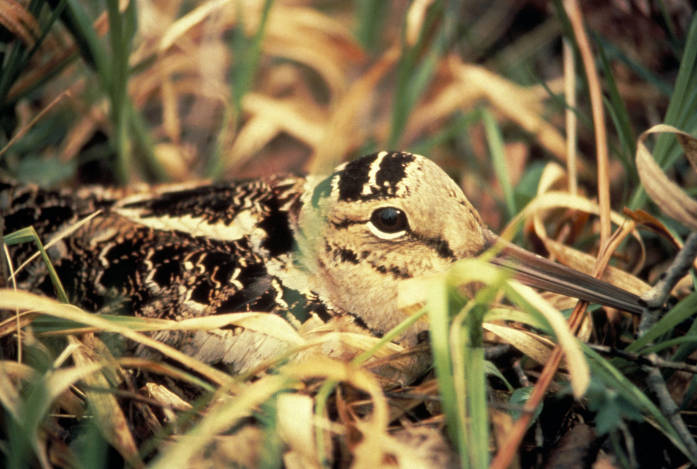
American Woodcock (Scolopax minor) on nest ©USFWS

American Woodcock (Scolopax minor) on nest ©USFWS

A Wonderfully Bizarre Bird by Tom Hennigan © 2013 Answers in Genesis – www.AnswersInGenesis.org.

The drought had been rather severe that summer, and the normally moist woodland was dry and parched. Suddenly, out of the brush, a chunky bird was frantically searching the soil for earthworms. Following behind, and looking as famished as their mama, were four of her wood-brown chicks. And as their mama stopped and probed the arid ground before her, the chicks looked on with eager expectation. But all at once, and without warning, mama bird performed an amazing feat! She lay her body flat along the ground and began drumming the surface with her wings. Minutes later, their hunger satisfied, this American Woodcock family disappeared into the dry undergrowth.

All birds reveal incredible design, but the American Woodcock has an interesting design feature in its behaviour as well.

We have been led to believe by the scientific establishment that birds, like the American Woodcock, are products of time and chance. That through natural processes and eons of time, they are the descendants of a common ancestor that sprang from the reptilian line.

On the other hand, the Word of the Creator states that birds were designed and created by Him, according to their own kind, on the fifth day. As a result, He considered them very good (Genesis 1:31).
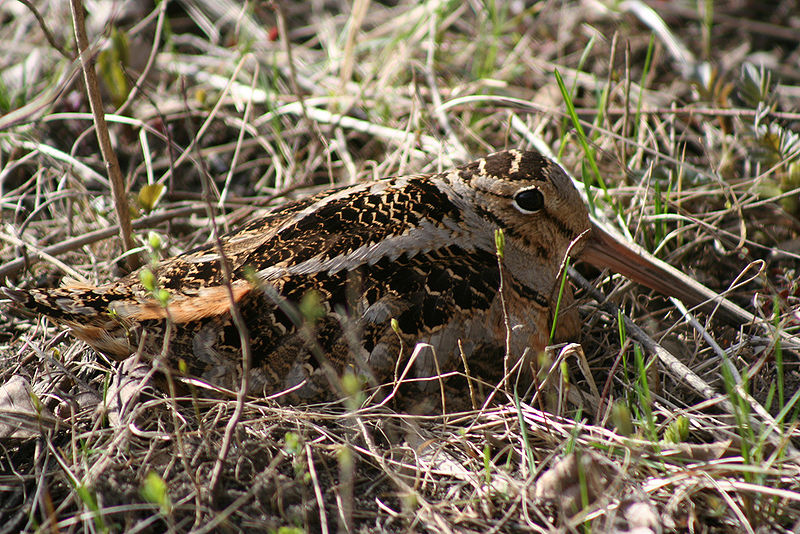
American Woodcock (Scolopax minor) ©WikiC

American Woodcock (Scolopax minor) ©WikiC

Chance vs design. Aimlessness vs plan and purpose. These are two fiercely competitive worldview’s. They are mutually exclusive. And, contrary to popular opinion, the essence of both can be described as the science of one person’s religion vs the science of another’s. Why? Because no one was there at the beginning! Scientifically speaking, the conditions of the early earth are unknown and hence cannot be duplicated. On the other hand, God was there! He is perfectly capable of communicating to His people.

When we look at His world, we find tremendous evidence of His fingerprints, so to speak—design and purpose.

For instance, how did drumming the ground bring the woodcock family from famine to feast? Amazingly enough, mama woodcock was aware of the habits of earthworms. She knew that in dry conditions, they squirm to the lower, moist depths of the soil. However, she was also aware of another quirk in their behaviour! When it rains, worms can sense the ground vibrations caused by raindrops. When this happens, they quickly propel themselves to the soil surface so they won’t drown. Therefore, when the mother beat the ground, she and her family were able to leave the area with their hunger pangs satisfied.

How did she know how to do that? What complicated series of events caused all of this information to come together in one little bird? Was it by chance and natural processes or was it creation with deliberate purpose?

Not only did it know the habits of the earthworms, this bird’s anatomy is highly complex as well. The eyes are located high on its head enabling it to see 360 degrees. Imagine being able to see, with overlapping vision allowing depth perception, both in front of and behind you. The ears are situated between the eyes and its eight-centimetre (three-inch) bill. This highly sophisticated hearing apparatus is better able to detect the sub-soil movement of its prey. Working together with its exquisitely attuned vision and hearing, are its sensitive feet. Designed to feel ground vibration, they help to pinpoint a worm’s location.
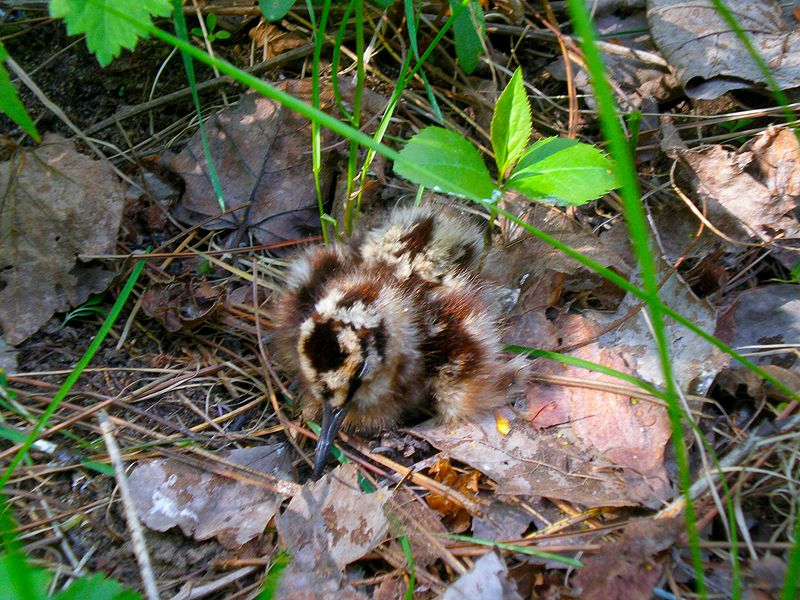
American Woodcock (Scolopax minor) chick ©WikiC

American Woodcock (Scolopax minor) chick ©WikiC

Being fairly certain that the worm is within reach, the bird pushes its bill into the ground. But this isn’t just any old bill! The flexible tip, which allows it to open and close in a tweezer fashion within tiny spaces, has highly sensitive nerve endings. It allows the woodcock to know that it has grasped its meal.
A nocturnal animal, the woodcock is probably best known for its bizarre courtship behaviour. At dusk, the male of the species will circle high in the sky on a spring night making a continual ‘twittering’ noise. At this highest point, he’ll suddenly dive in a zig-zag fashion toward the earth. It’s a most unusual display, completely captivating his mate-to-be. The three outer primary feathers not only make the strange sounds of this courting male, but also contribute greatly to his survival. When the woodcock is in danger of being discovered by a predator, it will explode from its concealment. In so doing, those feathers make such an unexpected and horrible noise, that often the predator is temporarily shocked. This brief moment is all the time the bird needs to make its escape!1

When it is realized how many of these complicated factors must come together, at the same time, just for the bird to survive, that all this could come from gradual, piecemeal evolution defies credibility.

The outdoors is chock full of unique and fascinating organisms, like the American Woodcock, just waiting to be discovered by both children and adults alike. All of creation, though now fallen from its original perfection, holds a wonder and fascination that finds its meaning in the Creator God who put it there! Evidence of His handiwork can be seen and understood. And evidence can be logically discussed in scientific circles, so be bold, be confident and be in awe of His creative abilities!

The world today needs more people who will proclaim the news in every land that Jesus Christ, the awesome Creator, came to us, lived amongst us, died and rose again for us!

‘Be strong and of a good courage; be not afraid, neither be thou dismayed: for the Lord thy God is with thee whithersoever thou goest’ (Joshua 1:9).

by Tom Hennigan September 1, 1997

Tom Hennigan, B.S., M.S.,is an environmental educator with DeRuyter Central Schools, New York. He operates a creation ministry called, ‘Genesis Moment Ministries’.

Permission from © 2013 Answers in Genesis – www.AnswersInGenesis.org.


Lee’s Addition:

The American Woodcock belongs to the Scolopacidae – Sandpipers, Snipes Family which has 96 species, of which 8 are Woodcocks.

“The American Woodcock (Scolopax minor), sometimes colloquially referred to as the Timberdoodle, is a small chunky shorebird species found primarily in the eastern half of North America. Woodcocks spend most of their time on the ground in brushy, young-forest habitats, where the birds’ brown, black, and gray plumage provides excellent camouflage.

Because of the male Woodcock’s unique, beautiful courtship flights, the bird is welcomed as a harbinger of spring in northern areas. It is also a popular game bird, with about 540,000 killed annually by some 133,000 hunters in the U.S. (Ugh!)

The American Woodcock is the only species of Woodcock inhabiting North America. Although classified with the sandpipers and shorebirds in Family Scolopacidae, the American Woodcock lives mainly in upland settings. Its many folk names include timberdoodle, bogsucker, night partridge, brush snipe, hokumpoke, and becasse.

The American Woodcock has a plump body, short legs, a large, rounded head, and a long, straight prehensile bill. Adults are 10 to 12 inches (25 to 30 cm) long and weigh 5 to 8 ounces (140 to 230 g). Females are considerably larger than males.] The bill is 2.5 to 2.75 inches (6.4 to 7.0 cm) long.
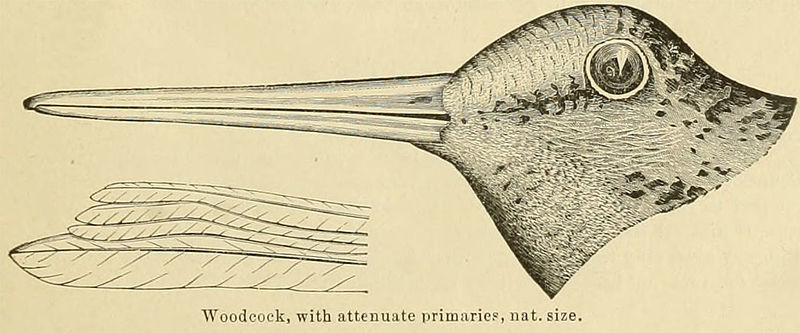
American Woodcock (Scolopax minor) 1891 ©WikiC

American Woodcock (Scolopax minor) 1891 ©WikiC

The plumage is a cryptic mix of different shades of browns, grays, and black. The chest and sides vary from yellowish white to rich tans. The nape of the head is black, with three or four crossbars of deep buff or rufous. The feet and toes, which are small and weak, are brownish gray to reddish brown.[8]

Woodcock have large eyes located high in the head, and their visual field is probably the largest of any bird, 360° in the horizontal plane and 180° in the vertical plane.

The Woodcock uses its long prehensile bill to probe in the soil for food, mainly invertebrates and especially earthworms. A unique bone-and-muscle arrangement lets the bird open and close the tip of its upper bill, or mandible, while it is sunk in the ground. Both the underside of the upper mandible and the long tongue are rough-surfaced for grasping slippery prey.

In Spring, males occupy individual singing grounds, openings near brushy cover from which they call and perform display flights at dawn and dusk, and if the light levels are high enough on moonlit nights. The male’s ground call is a short, buzzy peent. After sounding a series of ground calls, the male takes off and flies from 50 to 100 yards into the air. He descends, zigzagging and banking while singing a liquid, chirping song. This high spiralling flight produces a melodious twittering sound as air rushes through the male’s outer primary wing feathers.” (Wikipedia with editing)

Audios from xeno-canto

Links:

*

How Did Birds Get To Be So Smart? (Excerpt)

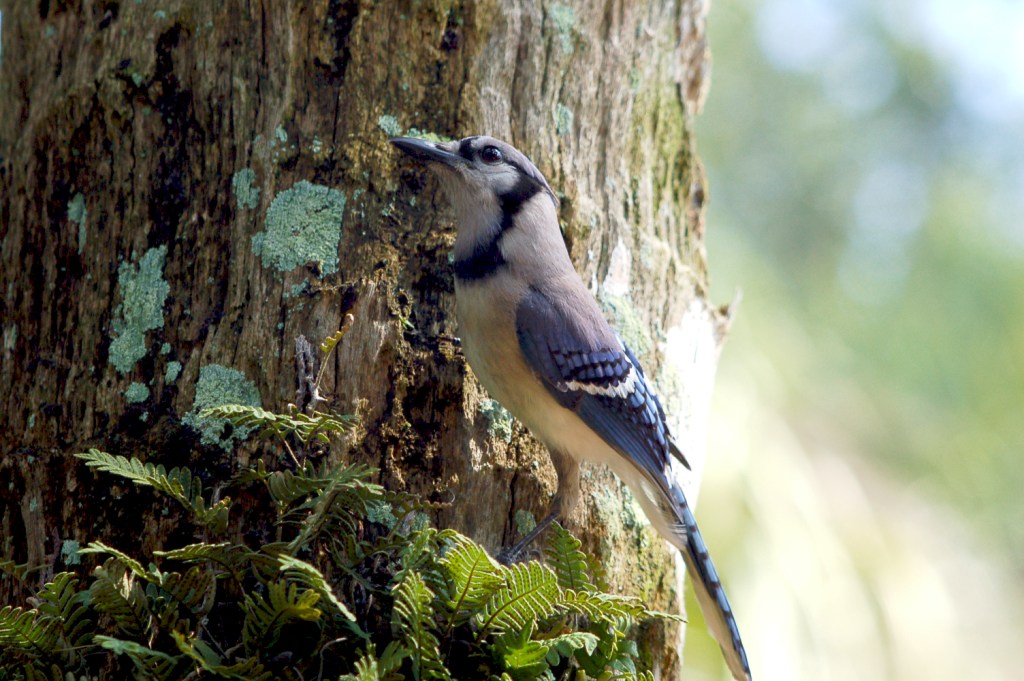
Blue Jay at Bok Tower by Dan's Pix

Blue Jay II at Bok Tower by Dan’s Pix

How Did Birds Get To Be So Smart: Are They “Feathered Apes”?

This is one of the latest articles from Answers in Genesis:

News to Know

by Dr. Elizabeth Mitchell

July 27, 2013

*

“The Term Bird Brain Is Evolving

Some birds—crows, parrots, and jays—possess problem-solving skills that rival those of mammals. Crows demonstrate impressive memory for details, even remembering for years the faces of people who annoy them. Does this represent true cognitive ability? Some birds can improvise tools—by bending a piece of wire, for instance—to get the food they want. Are they actually reasoning or just associating each step with coming closer to the goal? Are birds able to get a picture in their minds of what they want to accomplish and then reason out the steps, or are simpler stepwise “associative learning” processes involved?” … that is the beginning of the article.

Common Ostrich (Struthio camelus) Foot at Riverbanks Zoo SC by Lee

Common Ostrich (Struthio camelus) Foot front at Riverbanks Zoo SC by Lee

The ostrich leaves her eggs on the ground and warms them in the dust, Forgetting that a foot may crush them or that the wild beast may trample them. She is hardened against her young ones, as though they were not hers; her labor is in vain because she has no sense of danger [for her unborn brood], For God has deprived her of wisdom, neither has He imparted to her understanding. (Job 39:14-17 AMP)

Here is one more excerpt from the ending of the article which is very interesting and worth reading:

A Better Explanation

God provides in His Word the historical account of the origin of birds, man, and all things. Furthermore, the Bible informs us that God is the one who supplies or deprives an animal of its intelligence. In particular, God takes the credit for the lack of bird-smarts in the ostrich, telling Job, “God deprived her of wisdom, and did not endow her with understanding” (Job 39:17). God also points out that He is the source of wisdom for the hawk and eagle (Job 39:26–27). Learning what makes a bird tick offers a fascinating bit of insight into the creatures our Creator designed and how their brains work.

See the whole artice – CLICK HERE.

*

Plus

*

The Changing Of Species

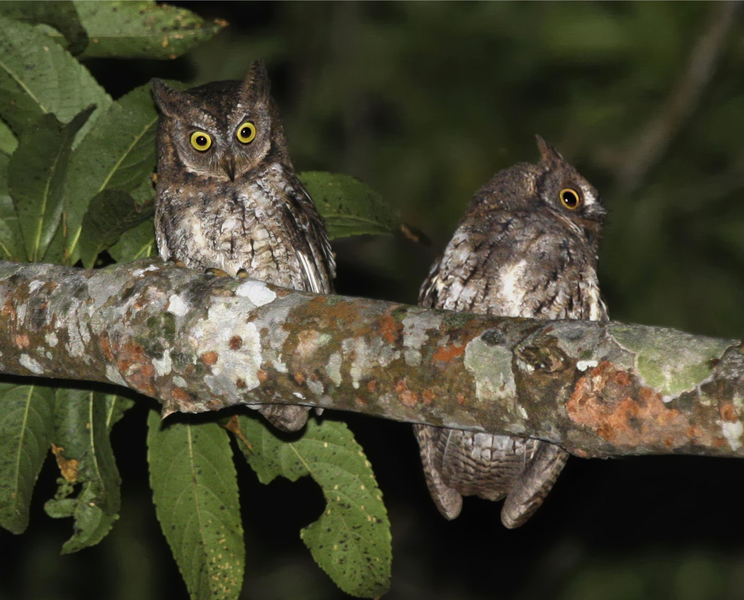
Rinjani Scops Owl (Otus jolandae) ©WikiC

Rinjani Scops Owl (Otus jolandae) ©WikiC

I came across several interesting articles from Answers in Genesis that deal with changes within the species. Having just updated the pages to the I.O.C. 3.4 Version, there were several new species added. Where did they come from? Some of them were subspecies that had been elevated to a species status. At least one, was a newly discovered species. So, how do we look at this as Christians that believe in creation and not evolution?

An article from Answers asks, “Do Species Change?” by Paul Garner. It actually gave Darwin credit for realizing that there was not a fixity or immutability of species.

Before the time of Charles Darwin, a false idea had crept into the church—the belief in the “fixity” or “immutability” of species.1 According to this view, each species was created in precisely the same form that we find it today. In his famous book, On the Origin of Species, first published in 1859, Darwin set out to demolish this widespread view.

The article goes on to show how Darwin went too far. It is a very interesting article worth reading. Do Species Change?

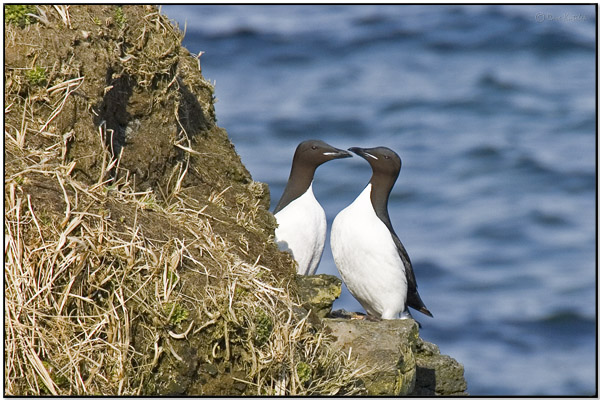
Thick-billed Murre (Uria lomvia) by Daves BirdingPix

Thick-billed Murre (Uria lomvia) by Daves BirdingPix

Seabird Study Said To Solve the Evolutionary Mystery of Flightlessness” by Dr. Elizabeth Mitchell discusses how the Penguin became flightless and use the Thick-billed Murre as a possible example. They compare the amount of energy used to swim and/or fly. “Murres, able to fly and to execute penguin-like wing-propelled dives, were the focus of the study because researchers believe their performance provides a living model of the penguin’s evolutionary past….”  Also, the bone structure is discussed. I like the wrap-up by the article writer, Dr. Elizabeth Mitchell.

Yet this fact just demonstrates a great design—an ideal “form” for a diving, flying seabird—and confirms nothing about the evolutionary path of any bird, let alone the flightless penguin.

God created birds on the fifth day of Creation week about 6,000 years ago. They reproduced “after their kinds” as the Bible describes, only varying within their created kinds. Biology does not demonstrate the evolution of flight or flightlessness or the evolution of any kind of creature into a different kind.

A few more of their writings worth reading are:

Creations Hidden Potential by Tom Hennigan, Georgia Purdom, and Todd Charles Wood

The Discontinuity of Life by Kurt P. Wise

Variation Withing Created Kinds by Dr. Gary Parker

Our Creator used His Omnipotence and His Wisdom to create the fantastic and varied creatures for us to enjoy, especially the birds. They are there in front of us all to see, observe and try to understand more about them and their development. How we look at them is where the differences in how this came about is where the creationist and evolutionist part ways.

In the beginning God created the heavens and the earth. (Genesis 1:1 NKJV)

or

For since the creation of the world His invisible attributes are clearly seen, being understood by the things that are made, even His eternal power and Godhead, so that they are without excuse, because, although they knew God, they did not glorify Him as God, nor were thankful, but became futile in their thoughts, and their foolish hearts were darkened. Professing to be wise, they became fools, and changed the glory of the incorruptible God into an image made like corruptible man—and birds and four-footed animals and creeping things. Therefore God also gave them up to uncleanness, in the lusts of their hearts… who exchanged the truth of God for the lie, and worshiped and served the creature rather than the Creator, who is blessed forever. Amen. For this reason God gave them up to vile passions. … And even as they did not like to retain God in their knowledge, God gave them over to a debased mind… (Romans 1:20-28 NKJV)

Gospel Presentation – Video

(This video is narrated by Pastor Nathan Osborne and the music is played by Sean Fielder.)

*

Swallows Evolving Shorter Wings?

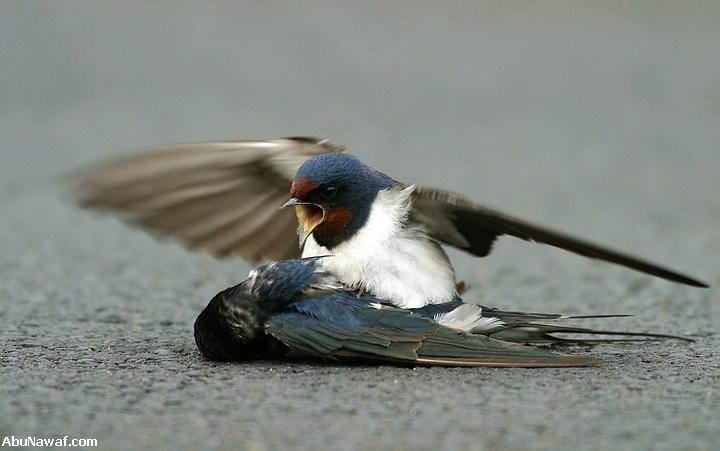
Swallow hit and it's mate

Like a flitting sparrow, like a flying swallow, So a curse without cause shall not alight. (Proverbs 26:2 NKJV)

Wanted to share an article I came across about Swallows.

A recent article from the UK’s Daily Mail declared, “Swallows are evolving shorter wings because they keep getting hit by traffic.” Now, the article explains the results of a recent study from the journal Current Biology. The study examined cliff swallows, both living and dead, that build their mud nests on highway overpasses, to see if there were certain traits in swallows that favored their survival. The researchers argued that natural selection should “favor individuals that either learn to avoid cars or that have other traits making them less likely to collide with vehicles.” The study found that the swallows that survived had shorter wingspans, while the ones that died had longer wings…..”

To see the rest of Ken Ham’s Article. Birds Produce Wings – Evolution?

Also in my Answers magazine, they mentioned

“three enthusiastic brothers, ages 10, 11, and 13, are combining their interest in writing, creationism, and web design to launch the Virtual Creation Zoo. Their goal is to declare the glory of our Creator, and these three boys are doing it! “

Visit their website, Virtual Creation Zoo.

(Answers,Vol.8 No.1 July-Sept 2013)

(Original Article in Daily Mail)

*

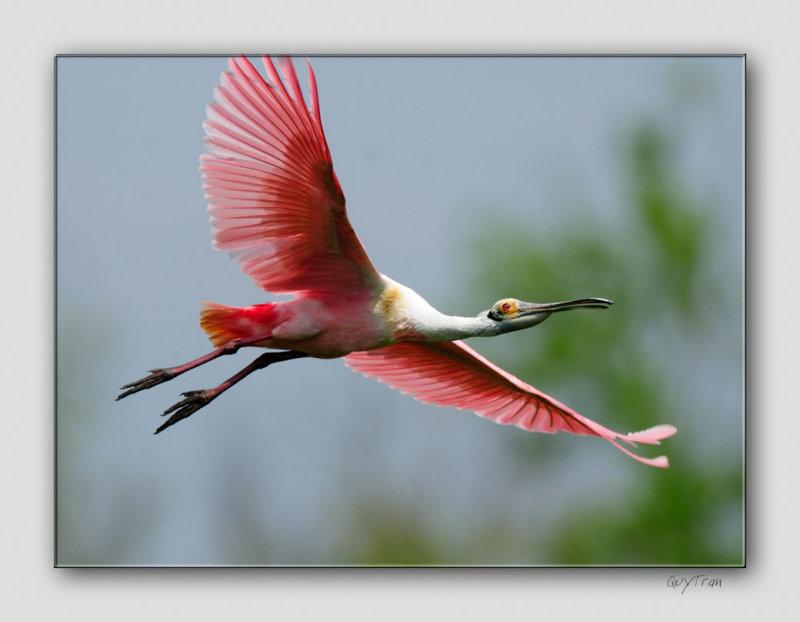
Birds of the Bible – Roseate Spoonbill

Roseate Spoonbill (Platalea ajaja) by Quy Tran

Roseate Spoonbill (Platalea ajaja) by Quy Tran

Birds of the Bible – Roseate Spoonbill

The Roseate Spoonbill is a member of the Threskiornithidae – Ibises, Spoonbills Family. We see them quite often in this area, especially in the Fall and Winter time.  I am always thrilled when we come upon them in our birdwatching adventures. Their cousins, Ibises, are a Bird of the Bible.

Then God said, “Let the waters abound with an abundance of living creatures, and let birds fly above the earth across the face of the firmament of the heavens.” So God created great sea creatures and every living thing that moves, with which the waters abounded, according to their kind, and every winged bird according to its kind. And God saw that it was good. And God blessed them, saying, “Be fruitful and multiply, and fill the waters in the seas, and let birds multiply on the earth.” So the evening and the morning were the fifth day. (Genesis 1:20-23 NKJV)

Since the Lord created all the birds, this is one of His neater creations, at least in my opinion. Their spoon-shaped bill is sort of unique to the birds. There are actually five other Spoonbills besides the Roseate.

The Roseate Spoonbill is 28–34 in (71–86 cm) long, with a  47–52 in (120–133 cm) wingspan and a weigh 2.6–4.0 lb (1.2–1.8 kg). The legs, bill, neck and spatulate bill all appear elongated. Adults have a bare greenish head (“golden buff” when breeding) and a white neck, back, and breast (with a tuft of pink feathers in the center when breeding), and are otherwise a deep pink. The bill is grey. There is no significant sexual dimorphism.

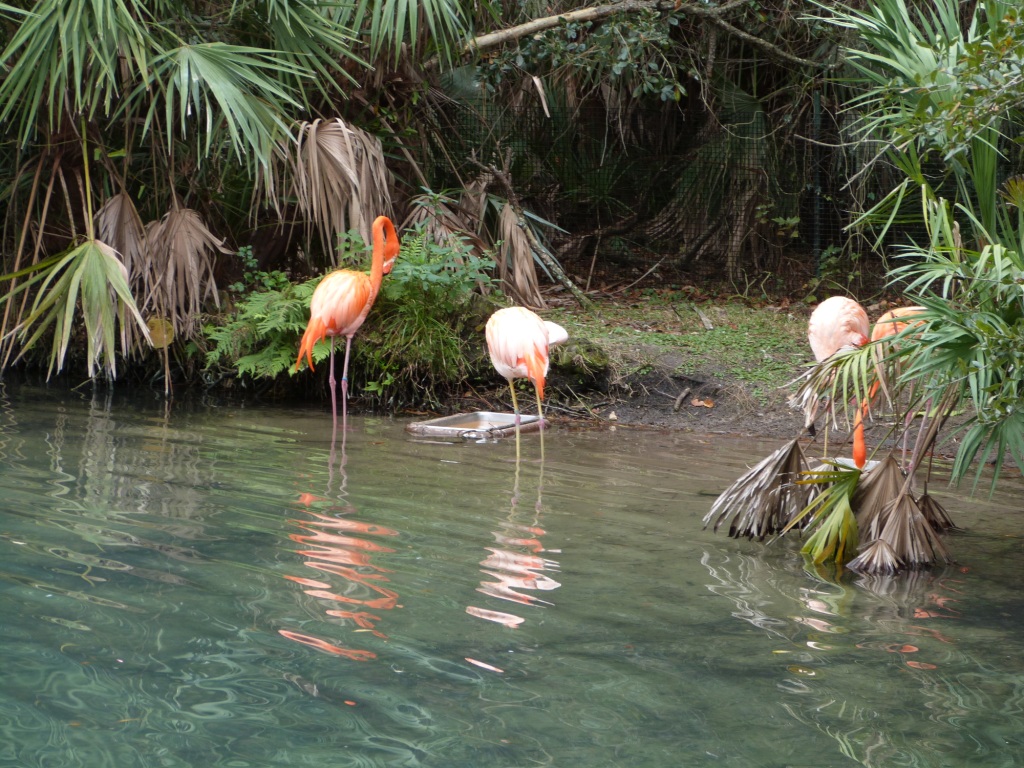
Like the American Flamingo, their pink color is diet-derived, consisting of the carotenoid pigment canthaxanthin. Another carotenoid, astaxanthin, can also be found deposited in flight and body feathers. The colors can range from pale pink to bright magenta, depending on age and location. Captive Spoonbill are fed their normal diets, plus some include juices made from carrots.

Unlike herons, spoonbills fly with their necks outstretched. They alternate groups of stiff, shallow wingbeats with glides.

Spoonbills feeding in a pond by the school. Cloudy day. Not the best, but you can see their eating behavior. Taken by me.

This species feeds in shallow fresh or coastal waters by swinging its bill from side to side as it steadily walks through the water, often in groups. The spoon-shaped bill allows it to sift easily through mud. It feeds on crustaceans, aquatic insects, frogs, newts and very small fish ignored by larger waders. In the United States a popular place to observe Roseate Spoonbills is “Ding” Darling National Wildlife Refuge in Florida. (Also at Circle B Bar Reserve as you can see by the list below of some of my sighting on e-Bird) Roseate Spoonbills must compete for food with Snowy Egrets, Great Egrets, Tricolored Herons, and American White Pelicans.

We came upon a group of them roosting at Ding” Darling National Wildlife Refuge. It was the first time I had seen that many in one place and so close to us.

Enlarge - Count at least 20 Spoonbills

Roseate Spoonbills at Ding Darling NWR – Dan at work.

The Roseate Spoonbill nests in shrubs or trees, often mangroves, laying 2 to 5 eggs, which are whitish with brown markings. Immature birds have white, feathered heads, and the pink of the plumage is paler. The bill is yellowish or pinkish.

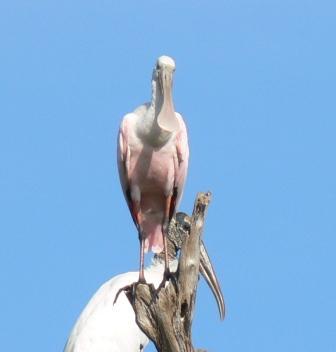
Here is one I caught in a tree at Circle B Bar Reserve:

Roseate Spoonbill and Wood Stork by Lee

Roseate Spoonbill and Wood Stork by Lee

What prompted writing about one of the bird friends I always enjoy seeing, is an article about the Roseate Spoonbill in one of my latest additions of BirdWatching. It’s a great magazine and I am not condemning it. I am used to “reading around the evolutionary influences” in articles about birds. But I was offended by this remark, “It’s hard not to look at the Roseate Spoonbill in the Everglades and think, ‘What happened here:’ Amid the herons and cormorants, the spoonbill seems like an evolutionary hiccup, a failed experiment.

One, the Roseate Spoonbill is far from an “evolutionary hiccup!” It hasn’t evolved, it was created by a loving all knowing Creator, that knew exactly what He was doing. Two, it definitely was not a “failed experiment.” The way the bill is designed and the sensitivity of its touch is amazing. The Lord promised to provide for all His creatures as well as His own people. Nor are we “hiccups.” We are all created by him, but there are differences and varieties in the birds just as there is in our talents and abilities.

I know all the birds of the mountains, And the wild beasts of the field are Mine. (Psalms 50:11 NKJV)

Look at the birds of the air, for they neither sow nor reap nor gather into barns; yet your heavenly Father feeds them. Are you not of more value than they? (Matthew 6:26 NKJV)

All the birds of the heavens made their nests in its boughs; Under its branches all the beasts of the field brought forth their young; And in its shadow all great nations made their home. (Ezekiel 31:6 NKJV)

(Wikipedia and other internet resources consulted)

See:

Birds of the Bible

Birds of the Bible – Ibises

Bible Birds – Ibises

Birds of the Bible – Isaiah 34:11

Birds of the World – Threskiornithidae – Ibises, Spoonbills

World – Life Observations – Roseate Spoonbill

  Location Date
1 Roseate Spoonbill Corpus Christi 8-Nov-01
2 Roseate Spoonbill Circle B Bar Reserve 9-Feb-07
3 Roseate Spoonbill Viera Wetlands 20-Nov-07
4 Roseate Spoonbill Merritt Island NWR–Black Point Wildlife Dr. 22-Nov-07
5 Roseate Spoonbill Circle B Bar Reserve 10-May-08
6 Roseate Spoonbill Lake John Rookery 15-May-08
7 Roseate Spoonbill J. N. Ding Darling NWR 15-Jul-08
8 Roseate Spoonbill Circle B Bar Reserve 1-Nov-08
9 Roseate Spoonbill 6 Circle B Bar Reserve 28-Nov-08
10 Roseate Spoonbill 16 Merritt Island NWR–Black Point Wildlife Dr. 20-Jan-09
11 Roseate Spoonbill 3 Circle B Bar Reserve 24-Feb-09
12 Roseate Spoonbill 4 Circle B Bar Reserve 10-Mar-09
13 Roseate Spoonbill 15 Circle B Bar Reserve 24-Oct-09
14 Roseate Spoonbill 15 Circle B Bar Reserve 23-Dec-09
15 Roseate Spoonbill 5 Hillsborough 4-Feb-10
16 Roseate Spoonbill 1 MacDill AFB 31-Jan-11
17 Roseate Spoonbill 1 Lake Parker Park 7-Jan-12
18 Roseate Spoonbill 3 Circle B Bar Reserve 16-Jan-12
19 Roseate Spoonbill 2 Picnic Island Beach 24-Jan-12
20 Roseate Spoonbill 1 Lake Hollingsworth 26-Jan-12
21 Roseate Spoonbill 3 MacDill AFB 16-Aug-12
22 Roseate Spoonbill 3 Circle B Bar Reserve 10-Nov-12

*

Did Dinosaurs Turn into Birds?: New Answers DVD 1 – Answers in Genesis

Painted Whitestart (Myioborus pictus) ©WikiC

Painted Whitestart (Myioborus pictus) ©WikiC

God created the great sea monsters and every living creature that moves, which the waters brought forth abundantly, according to their kinds, and every winged bird according to its kind. And God saw that it was good (suitable, admirable) and He approved it. (Genesis 1:21 AMP)

Here is an interesting link to Answers in Genesis about the “beginning of birds.” It is a 5 minute video by David Menton, Ph.D.

Did Dinosaurs Turn into Birds?: New Answers DVD 1 – Answers in Genesis.

From the Answers Weekly

*

Why do we study science? – Re-post

Black-and-red Broadbill (Cymbirhynchus macrorhynchos) by Ian

Here is another great article from Creation Science 4 Kids.

“There are many reasons we study how the world works and all the things in it, but is there anything extra for a Christian?  When you watch a nature show or read about animals, space and other things, did you know that there will probably be something big missing?”

Rest of the article is great.

“… so when we see how awesome, jaw-dropping, mind-boggling, weird beyond anything we could dream up the universe is, what shall we do?  Stop and praise the One who thought of all these things, designed how to get them to work and SPOKE them into being.”

Thou art worthy, O Lord, to receive glory and honour and power: for thou hast created all things, and for thy pleasure they are and were created. Revelation 4:11

See the rest of the article HERE.

*

Evolution is full of Surprises! and will Explain Anything (Re-post)

American Flamingo (Phoenicopterus ruber) Brevard Zoo by Lee

American Flamingo (Phoenicopterus ruber) Brevard Zoo by Lee

“During my research I noticed how common it is to run into articles that talk about how “surprising,” “unexpected,” or even “baffling” the results of a study or find is to scientists. Although I know Creation Scientists are probably often surprised as well, I can’t help thinking that scientists would be less surprised if they all had a more accurate worldview.”…

To see the rest of this very interesting article:

Evolution is full of Surprises! and will Explain Anything.

In the beginning was the Word, and the Word was with God, and the Word was God. He was in the beginning with God. All things were made through Him, and without Him nothing was made that was made. In Him was life, and the life was the light of men. And the light shines in the darkness, and the darkness did not comprehend it. (John 1:1-5 NKJV)

This is from CreationScience4Kids

*

Vacation Bible School – 2012

In the beginning God created the heavens and the earth. (Genesis 1:1 NKJV)

The Fountain: Through the Eyes of the Volunteer (by Alona Hradec…:

Vacation Bible School are three words that I have not used, since I attended only once in the second grade.  But this past week has pro…

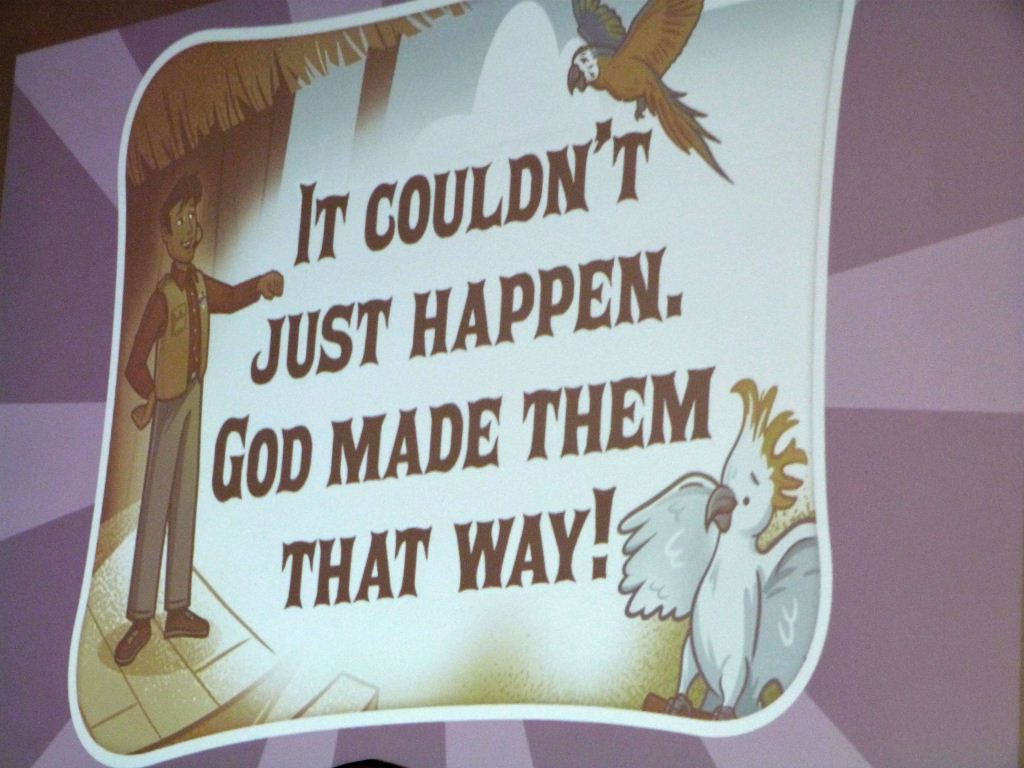
A very interesting article was placed on our church blog, The Fountain. Alona is an intern this summer and is learning many neat things and tasks. She described our VBS very well. Dan and I took photos throughout the week and thought I would share some of them here.

Thursday was “Bird day” and of course I got involved. I made a Powerpoint presentation about Beaks and Feet that worked in with their lesson. It was shown to two groups of the kids and then to the mothers in our MUMs class for the moms of children attending VBS.

I thought the material they used from Answers in Genesis was one of their best so far.

Here are a few of my photos

*

This slideshow requires JavaScript.

*

Microraptor Controversy

Microraptor by durbed

News to Note for March 17, 2012, by Elizabeth Mitchell from Answers in Genesis, has an interesting article called, “Glossy black flirt by any other name is still a bird.” It is about the Microraptor that was discovered in China. It is supposedly a “four-winged” Microraptor from the Liaoning Providence. As usual, the evolutionist are claiming that it is a transitional species that is between the dinosaur and the birds. They have found the bird to have had the “iridescent black feathers of modern birds.”

As Christians that believe the Biblical account of creation, it is impossible that that can be true. God said that the birds were created on day five and than the land animals were created on day six.

Then God said, “Let the waters abound with an abundance of living creatures, and let birds fly above the earth across the face of the firmament of the heavens.” So God created great sea creatures and every living thing that moves, with which the waters abounded, according to their kind, and every winged bird according to its kind. And God saw that it was good. And God blessed them, saying, “Be fruitful and multiply, and fill the waters in the seas, and let birds multiply on the earth.” So the evening and the morning were the fifth day. Then God said, “Let the earth bring forth the living creature according to its kind: cattle and creeping thing and beast of the earth, each according to its kind”; and it was so. And God made the beast of the earth according to its kind, cattle according to its kind, and everything that creeps on the earth according to its kind. And God saw that it was good. … So the evening and the morning were the sixth day.” (Genesis 1:20-25, 31b NKJV)

Four-winged Microraptor

“God created “every winged bird according to its kind” (Genesis 1:21) on the fifth day of Creation week. He said, “Let birds fly above the earth across the face of the firmament of the heavens” (Genesis 1:20). The next day, God made each “beast of the earth, each according to its kind” (Genesis 1:24), including dinosaurs. Birds fully equipped to fly were flying the day before dinosaurs were even created.”

“Dinosaurs did not evolve into birds. Many anatomical differences between them make such a transition impossible. No genetic mechanism enabling an organism to acquire information to evolve into a completely new kind has ever been found. No evidence of feather evolution has been found in the fossil record or in this study. But thanks to this study, artists painting pictures of the world God made about 6,000 years ago can be reasonably confident as they make these birds shine in the sunlight of that first world.”

To see the whole article – Click Here.

*

Study Shows Bird Species Change Fast – Re-post

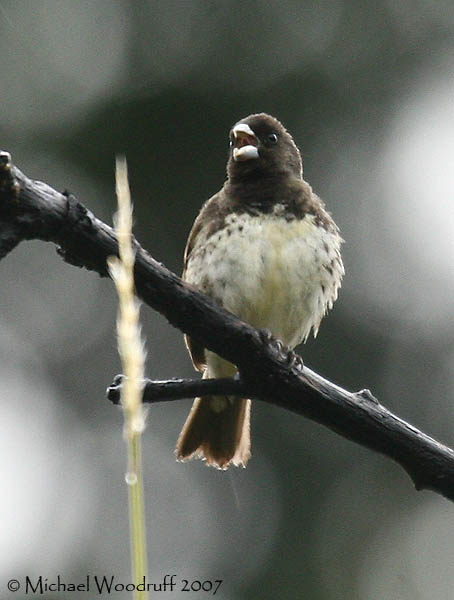
Yellow-bellied Seedeater (Sporophila nigricollis) by Michael Woodruff

Yellow-bellied Seedeater (Sporophila nigricollis) by Michael Woodruff

Study Shows Bird Species Change Fast
by Brian Thomas, M.S. *

“Biologists recently found that feather colors and songs vary among some species within the South American genus Sporophila, also known as seedeater birds. But strangely, they did not find any genetic differences in the form of species-specific DNA markers. Do these variations fit any evolutionary pattern?

The researchers published their species comparisons in the Proceedings of the Royal Society B. In their report, they wrote, “Taken together, we suggest that this is a compelling example of an extremely rapid, recent and ongoing continental radiation, with species diverging in male plumage [feather] coloration patterns and song.”

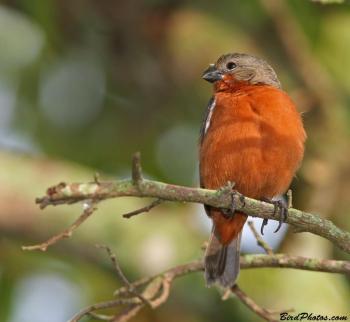
Ruddy-breasted Seedeater (Sporophila minuta) ©BirdPhotos.com

Ruddy-breasted Seedeater (Sporophila minuta) ©BirdPhotos.com

“Lead author of the seedeater study and graduate biology student Leonardo Campagna said in a Queen’s University press release, “One of Darwin’s accomplishments was to show that species could change, that they were not the unaltered, immutable products of creation.”5

But nowhere does the Bible say that species cannot change! Instead, it seems that they would have to change—within the limits of their own interbreeding kind—in order to fulfill God’s command in Genesis 1 for His living creatures to fill the earth and its many changing environments.

And God blessed them, saying, “Be fruitful and multiply, and fill the waters in the seas, and let birds multiply on the earth.” (Genesis 1:22 NKJV)

Darwin insisted that animals slowly change between kinds. In contrast, seedeater birds have shown that they rapidly changed within their kind. Despite Campagna’s touting of Darwin’s “accomplishments,” these birds display programmed variation, not evolution.”

…. See the complete article in Institute of Creation Research” – Study Shows Bird Species Change Fast

*

Birds of the World – Thraupidae – Tanagers and Allies

Wordless Birds

*

That’s a Fact – Evolution In Action & On The Origin of Dogs

Here is an interesting video from the Institute of Creation Research. Thought I’d share it.

*

*

Then God saw everything that He had made, and indeed it was very good. So the evening and the morning were the sixth day. (Genesis 1:31 NKJV)

Also an interesting article about the Origin of Dogs. Love those dogs as well as birds. Here’s an excerpt.

“On the Origin of Dogs
by Brian Thomas, M.S. *

Overall, there are more dogs than children in American and British households.1 Dogs have become a huge part of humans’ lives. How and when did they get here?

Chromosomes show that “the domestic dog, Canislupus familiaris, is a grey wolf.” Additional DNA studies provide “strong evidence” that all dog breeds descended from a wolf population that was domesticated in southern East Asia. Dogs, wolves, coyotes, and foxes can interbreed, so they represent the created dog kind. Over 230 dog breeds have been defined in the 4,300 or so years of post-Flood history.

In his 300 B.C. book Historiae Animalium, Aristotle listed the dog separately from the wolf and fox. But University of Otago archaeologist Helen Leach wrote that “systematic breeding only emerged within the past 300 years.”

Over 200 breeds were produced in only 300 years? That doesn’t fit with evolution’s theory of gradual change, in which new features are supposedly favored by natural selection over vast time periods. A recent experiment proved that dogs most likely changed in just a few generations through pre-designed genetic programming and intentional breeding……

To see the rest of the article – Origin of Dogs

From Acts & Facts – January 2012

Sharing The Gospel

*