***
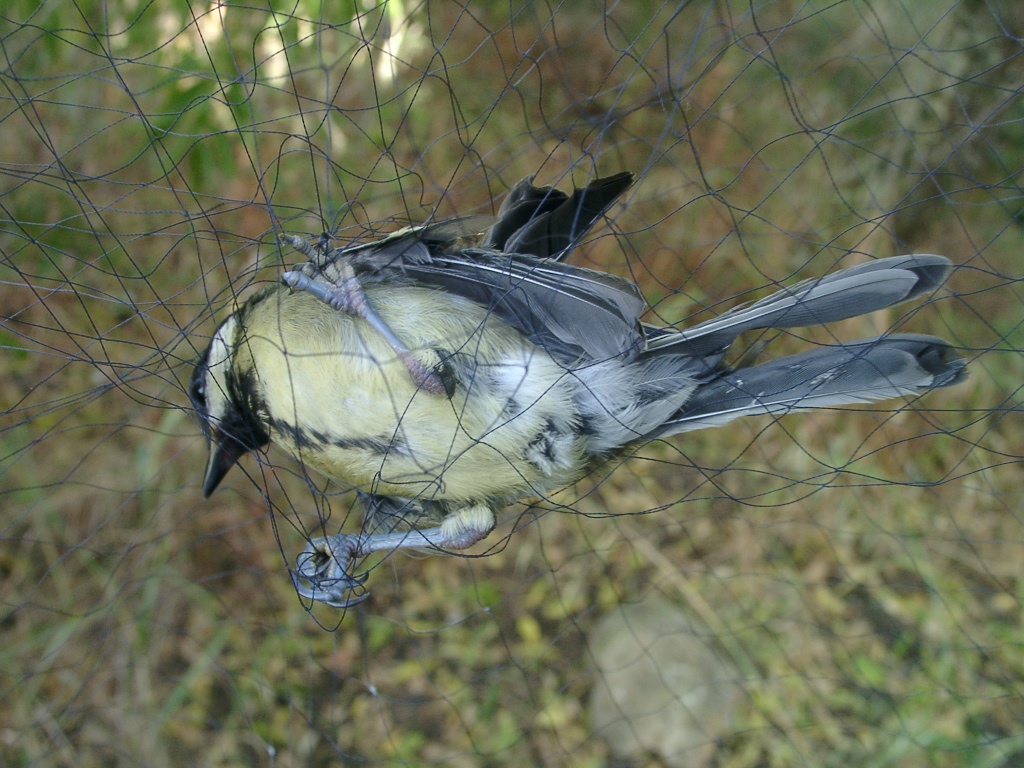
PLUCK MY FEET OUT OF THE NET
***
“Mine eyes are ever toward the LORD; for he shall pluck my feet out of the net.” (Psalms 25:15 KJV)
Bird Caught in a Net ©WikiC
*
*
“Mine eyes are ever toward the LORD; for he shall pluck my feet out of the net.” (Psalms 25:15 KJV)
Bird Caught in a Net ©WikiC
*
*
Here Is A Video For You To Watch – Emotional
Be prepared to shed a tear. [I did.]
“And God saw every thing that he had made, and, behold, it was very good. And the evening and the morning were the sixth day.” (Genesis 1:31 KJV)
These animals show such kindness to other animals. May they remind us to show kindness to those around us; to critters and especially our human acquaintances.
“And to godliness brotherly kindness; and to brotherly kindness charity.” (2 Peter 1:7 KJV)
“For his merciful kindness is great toward us: and the truth of the LORD endureth for ever. Praise ye the LORD.” (Psalms 117:2 KJV)
“Then a spirit passed before my face; the hair of my flesh stood up:” (Job 4:15 KJV)
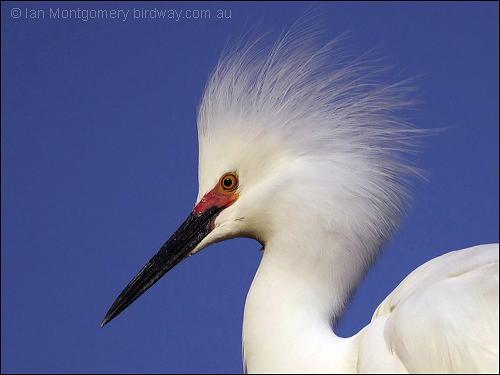
Snowy Egret by Ian
*
*

“And he was sad at that saying, and went away grieved: for he had great possessions.” (Mark 10:22 KJV)
Atlantic Puffin (Fratercula arctica) by Michael Woodruff
*
*
“”Hear my words, you wise men; Give ear to me, you who have knowledge.” (Job 34:2 NKJV)
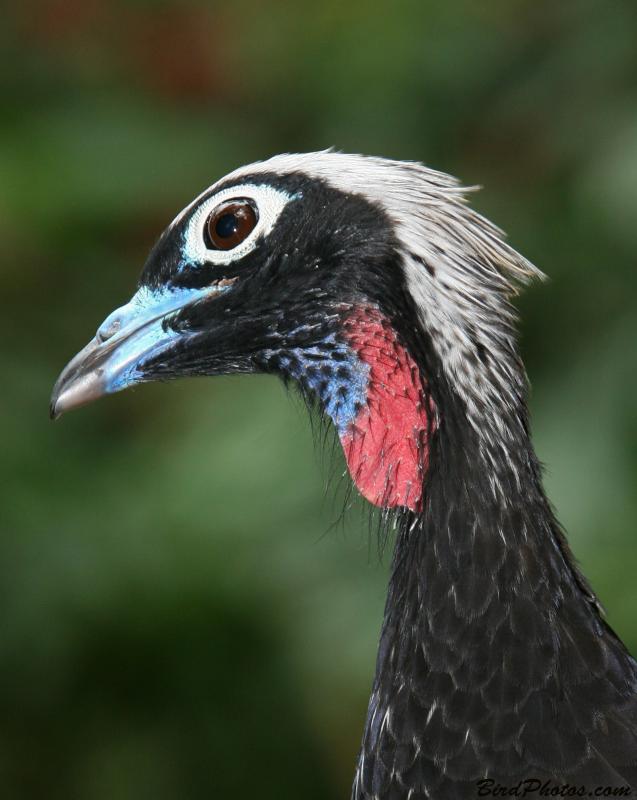
Black-fronted Piping Guan (Pipile jacutinga) ©BirdPhotos.com
*
*
“If a bird’s nest happens to be before you along the way, in any tree or on the ground, with young ones or eggs, with the mother sitting on the young or on the eggs, you shall not take the mother with the young;” (Deuteronomy 22:6 NKJV)
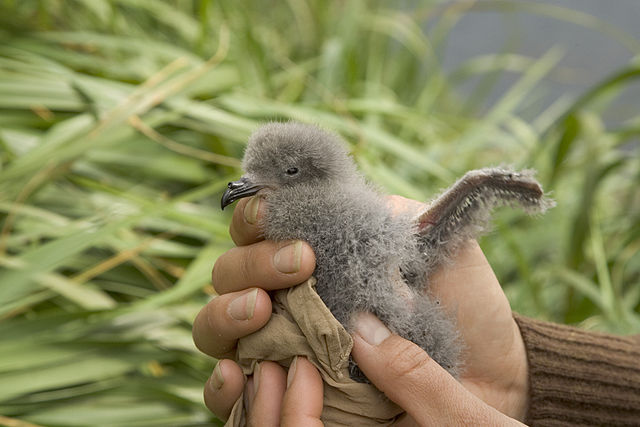
Fork-tailed Storm Petrel (Oceanodroma furcata) Chick ©WikiC
*
*

“and not for that nation only, but also that He would gather together in one the children of God who were scattered abroad.” (John 11:52 NKJV)
Black Storm Petrel (Oceanodroma melania) ©WikiC
*
*
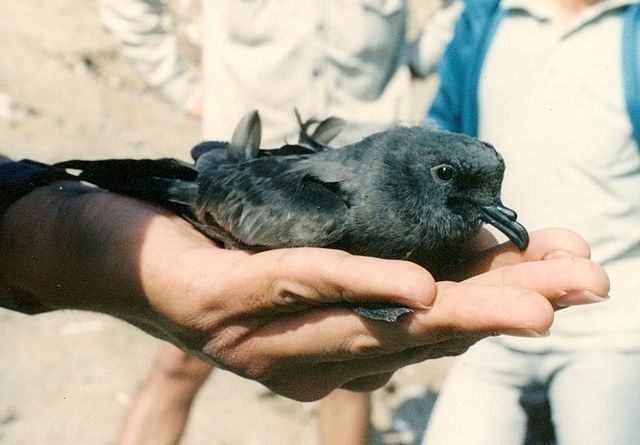
“You have made him to have dominion over the works of Your hands; You have put all things under his feet,” (Psalms 8:6 NKJV)
Markham’s Storm Petrel (Oceanodroma markhami) ©WikiC
*
*
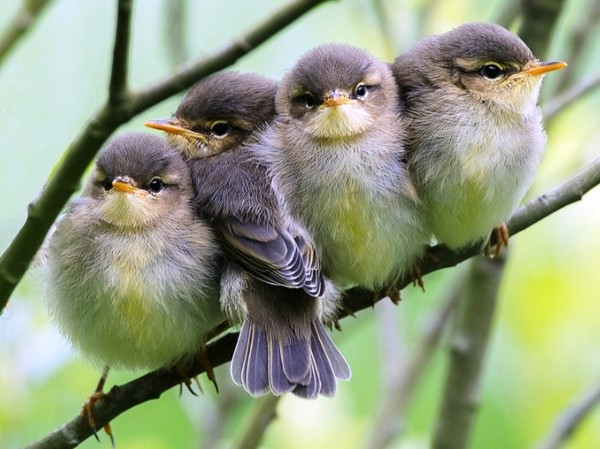
“But each one is tempted when he is drawn away by his own desires and enticed.” (James 1:14 NKJV)
From Pinterest by Henji
*
*
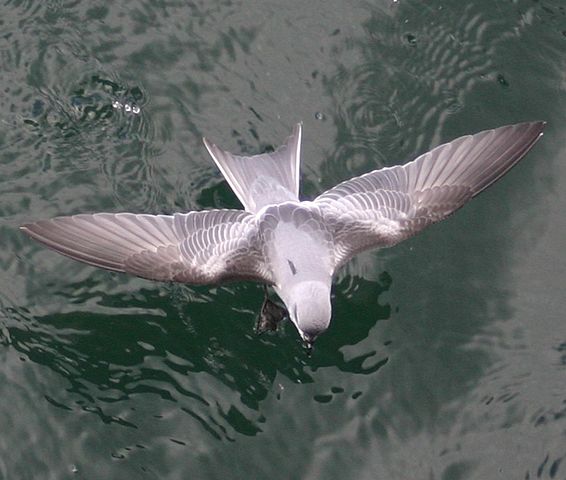
Fork-tailed Storm Petrel (Oceanodroma furcata) ©WikiC
“And God called the dry land Earth; and the gathering together of the waters called he Seas: and God saw that it was good.” (Genesis 1:10 KJV)
The Northern Storm Petrels make up the Hydrobatidae Family. The eighteen (18) species in the family are from two Genera; the Hydrobates (1) and the Oceanodroma (17). They are found in the northern hemisphere although some species around the equator dip into the south.
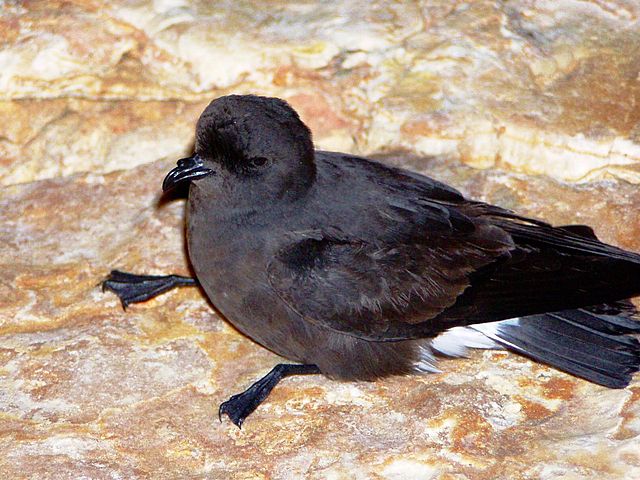
European Storm petrels cannot walk on land, and shuffle on their tarsi.
The European storm petrel, British storm petrel or just storm petrel (Hydrobates pelagicus) is a seabird in the northern storm petrel family, Hydrobatidae. It is the only member of the genus Hydrobates. The small, square-tailed bird is entirely black except for a broad white rump and a white band on the underwings, and it has a fluttering, bat-like flight. The large majority of the population breeds on islands off the coasts of Europe, with the greatest numbers in the Faroe Islands, United Kingdom, Ireland, and Iceland. The Mediterranean population is a separate subspecies, but is inseparable at sea from its Atlantic relatives; its strongholds are Filfla Island (Malta), Sicily and the Balearic Islands.
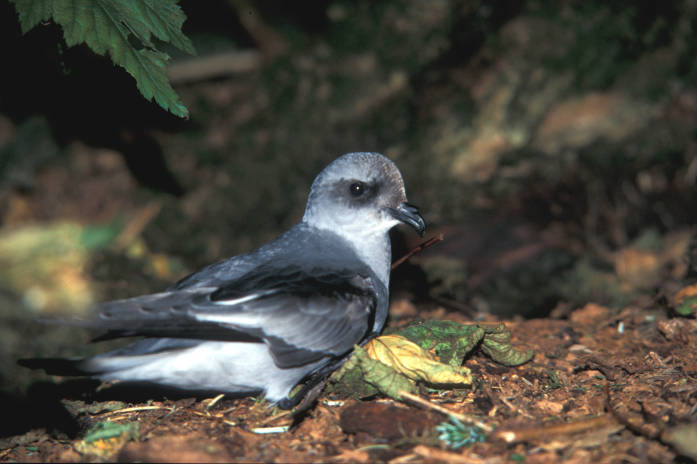
Fork-tailed Storm Petrel (Oceanodroma furcata) ©USFWS
Oceanodroma is a genus of storm petrels. The genus name is from Ancient Greek okeanos, “ocean” and dromos, “runner”.
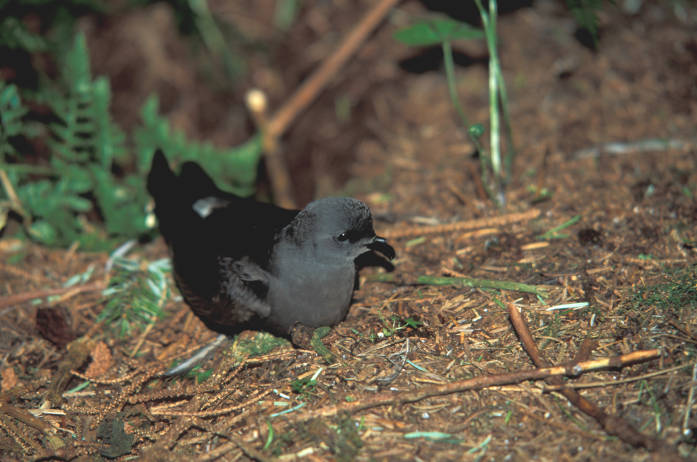
Leach’s Storm Petrel (Oceanodroma leucorhoa) ©USFWS
The Leach’s petrel, known in some rural areas as Carrie chicks, is a small bird at 18–21 cm in length with a 43–48 cm wingspan. Like many other storm petrels, it has all-dark plumage and usually a white rump. However, dark-rumped individuals exist on the west coast of North America; they are very rare north of southern California, but the percentage increases suddenly on the United States-Mexico border where 90-100% of breeding birds are dark-rumped.

Wedge-rumped Storm Petrel (Oceanodroma tethys) ©WikiC
The wedge-rumped storm petrel (Oceanodroma tethys) is a storm petrel. It breeds in the Galápagos Islands and on the coast of Peru.
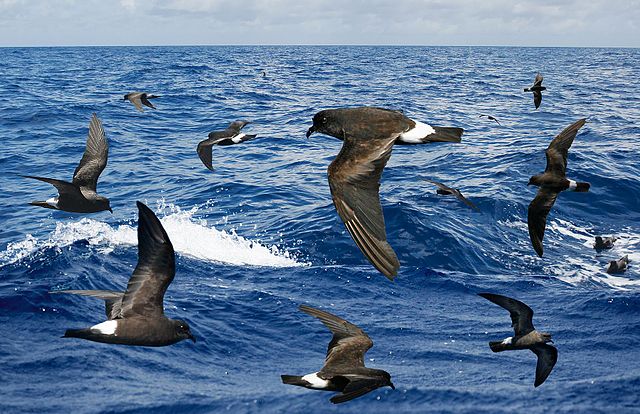
Band-rumped Storm Petrel (Oceanodroma castro) ©Crossley ID Guide Eastern Birds
The band-rumped storm petrel spends the non-breeding period at sea. Individuals feed by picking up prey items (invertebrates, small vertebrates and sometimes carrion) from the water surface. The band-rumped storm petrel is strictly nocturnal at its breeding sites to avoid predation by gulls and diurnal raptors such as peregrines, and will even avoid coming to land on clear moonlit nights. Like most petrels, its walking ability is limited to a short shuffle from/to the burrow.

Cape Verde Storm Petrel (Oceanodroma jabejabe) ©Taenos
The Cape Verde storm petrel (Oceanodroma jabejabe) is an oceangoing bird found in the Atlantic Ocean, especially around the islands of Cape Verde. It was at one time considered to be a subspecies of the band-rumped storm petrel, but is now considered to be a separate species by the British Birding Association, the Dutch Birding Association and other authorities. They breed much of year but most nest in the winter.
Because of being at sea so much of the time, photos and information are not readily available. Hence, the short slideshow today.
The birds of the air, And the fish of the sea That pass through the paths of the seas. O LORD, our Lord, How excellent is Your name in all the earth!
(Psalms 8:8-9 NKJV)
“Bless The Lord Oh My Soul” ~ By Sean Fielder
*
More Sunday Inspirations
Hydrobatidae – Storm Petrels Family
Gideon
*

“looking carefully lest anyone fall short of the grace of God; lest any root of bitterness springing up cause trouble, and by this many become defiled;” (Hebrews 12:15 NKJV)
Grey-backed Storm Petrel (Garrodia nereis) ©WikiC
*
*
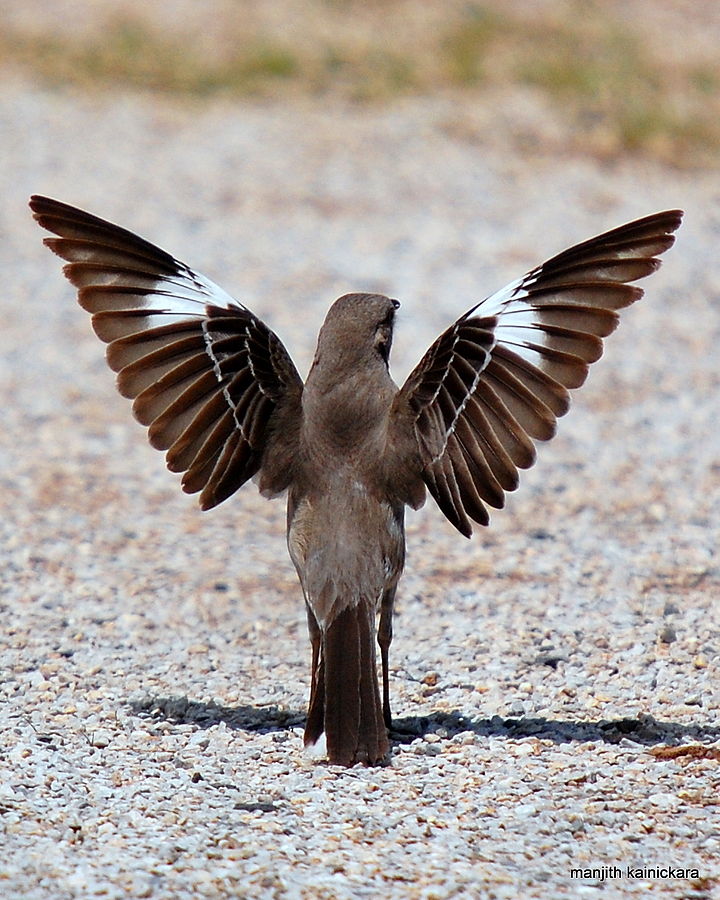
“You have given a banner to those who fear You, That it may be displayed because of the truth. Selah” (Psalms 60:4 NKJV)
Northern Mockingbird (Mimus polyglottos) Displaying ©WikiC
*
*

