***

THEY LOOK AND STARE UPON ME
***
“I may tell all my bones: they look and stare upon me.” (Psalms 22:17 KJV)
White-faced Scops Owl photo ©#owls by royspiccys From Pinterest
*
*
“I may tell all my bones: they look and stare upon me.” (Psalms 22:17 KJV)
White-faced Scops Owl photo ©#owls by royspiccys From Pinterest
*
*

“And wheresoever the children of men dwell, the beasts of the field and the fowls of the heaven hath he given into thine hand, and hath made thee ruler over them all. Thou art this head of gold.” (Daniel 2:38 KJV)
American Wigeon flocks ©©
*
*
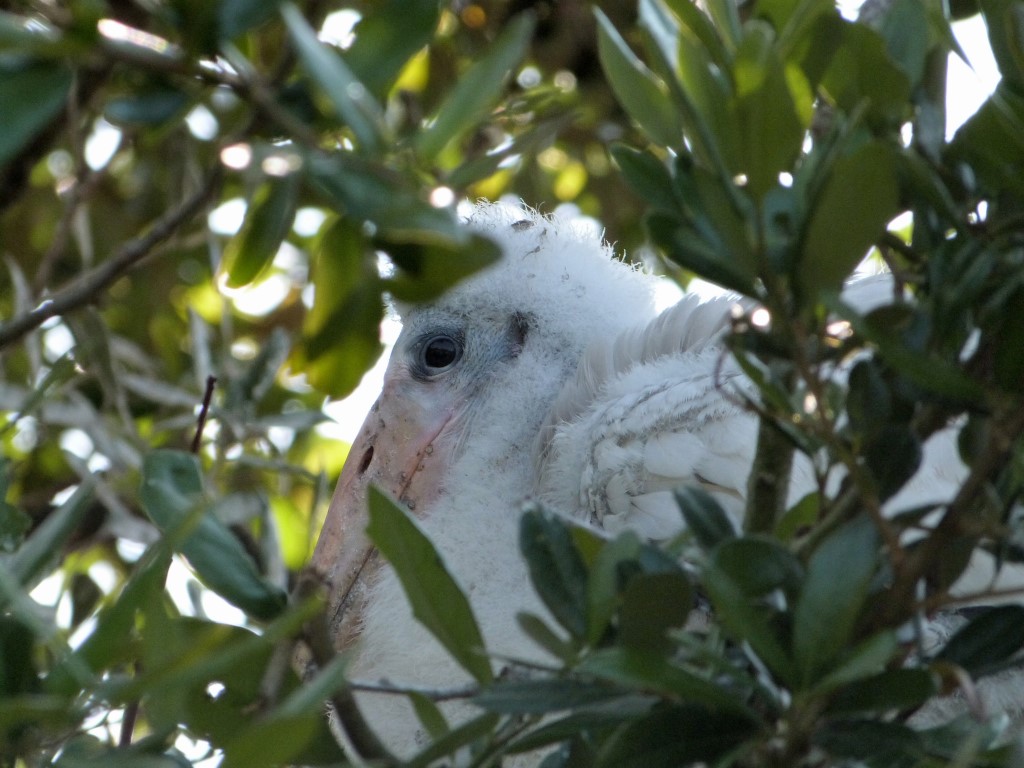
“Where the birds make their nests: as for the stork, the fir trees are her house.” (Psalms 104:17 KJV)
Wood Stork (Mycteria americana) Jacksonville Zoo by Lee
*
*

“How sweet are thy words unto my taste! yea, sweeter than honey to my mouth!” (Psalms 119:103 KJV)
Blue-faced Honeyeater (Entomyzon cyanotis) by Ian at Birdway
*
*

“He stretcheth out the north over the empty place, and hangeth the earth upon nothing.” (Job 26:7 KJV)
Juan Fernandez Firecrown (Sephanoides fernandensis) ©WikiC
*
*

“And the following day they entered Caesarea. Now Cornelius was waiting for them, and had called together his relatives and close friends.” (Acts 10:24 NKJV)
Bee-eaters From Pinterest
*
*
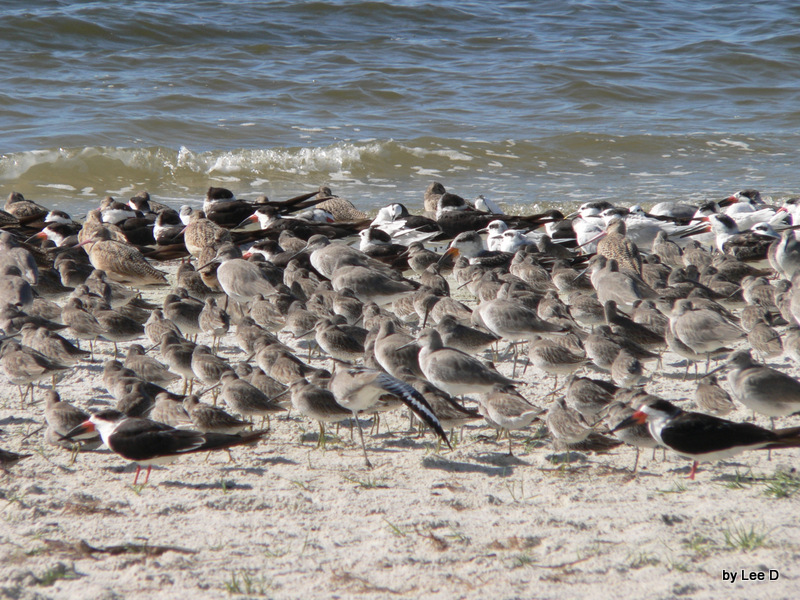
“How precious also are thy thoughts unto me, O God! how great is the sum of them! (Psalms 139:17 KJV)
Watching Birds at MacDill AFB Shore by Lee
*
*

Blackish-blue Seedeater (Amaurospiza moesta) ©WikiC
And when he sowed, some seeds fell by the way side, and the fowls came and devoured them up: (Matthew 13:4 KJV)
Last week, the first half of the Cardinalidae was presented, and now here is the rest of this beautiful family. Today we have Grosbeaks, Seedeaters, Saltators, a Dickcissel, and Buntings. You will see another display of the Lord’s Handiwork as you watch the slideshow.
The beginning genera have only a few species, the latter ones have more species per genus. Enjoy!

Black-headed Saltator (Saltator atriceps) ©WikiC
“Saltator is a genus of songbirds of the Americas. They are traditionally placed in the cardinal family (Cardinalidae) but now seem to be closer to tanagers (Thraupidae). Their English name is also saltator, except for two dark species known by the more general grosbeak.
Saltator is Latin for “leaper” or “dancer”. Louis Vieillot applied it to this genus because of the heavy way the birds hop on the ground.” (Wikipedia)

Dickcissels have a large pale bill, a yellow line over the eye, brownish upperparts with black streaks on the back, dark wings, a rust patch on the shoulder and light underparts. Adult males have a black throat patch, a yellow breast and grey cheeks and crown. This head and breast pattern is especially brilliant in the breeding plumage, making it resemble an eastern meadowlark. Females and juveniles are brownish on the cheeks and crown and are somewhat similar in appearance to house sparrows; they have streaked flanks.
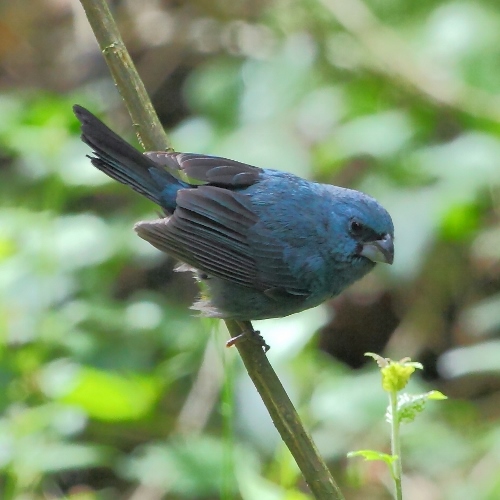
Glaucous-blue Grosbeak (Cyanoloxia glaucocaerulea) ©WikiC
The Glaucous-blue Grosbeak (Cyanoloxia glaucocaerulea), also known as the indigo grosbeak, is a species of bird in the Cardinalidae family. It is the only member of the genus Cyanoloxia. It is found in Argentina, Brazil, and Uruguay. Its natural habitats are subtropical or tropical moist lowland forests, subtropical or tropical moist shrubland, and heavily degraded former forest.

Painted Bunting Subspecies (Passerina ciris ciris) ©WikiC
The genus Passerina is a group of birds in the cardinal family (Cardinalidae). Although not directly related to buntings in the family Emberizidae, they are sometimes known as the North American buntings (the North American Emberizidae are colloquially called “sparrows” although they are also not related to these birds).
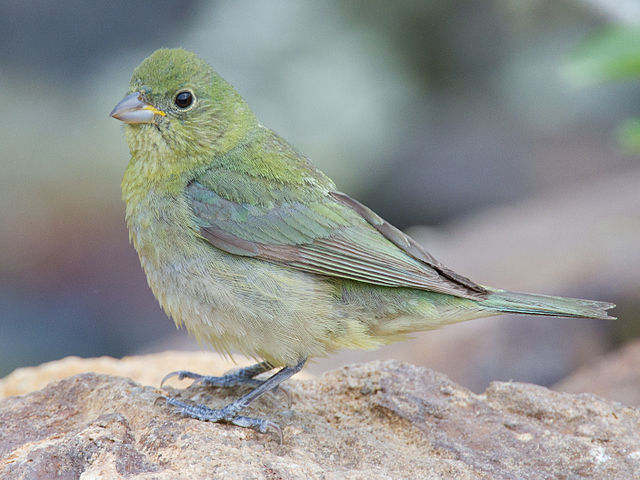
Painted Bunting (Passerina ciris) Female ©WikiC Dan_Pancamo
The males show vivid colors in the breeding season; the plumage of females and immature birds is duller. These birds go through two molts in a year; the males are generally less colorful in winter. They have short tails and short slim legs. They have smaller bills than other Cardinalidae; they mainly eat seeds in winter and insects in summer. (Wikipedia)
With this last group, we have now completed the PASSERIFORMES – Passerines Order. As mentioned last week, there are 131 families of song birds that you have been viewing since February of this year.
And he said unto me, It is done. I am Alpha and Omega, the beginning and the end. I will give unto him that is athirst of the fountain of the water of life freely. (Revelation 21:6 KJV)
“Come Thou Fount of Every Blessing” ~ Choir and Orchestra
*
Sunday Inspiration – Cardinalidae – Family of Cardinals Plus
Cardinalidae – Cardinals, Grosbeaks and allies
*

“And see if there be any wicked way in me, and lead me in the way everlasting.” (Psalms 139:24 KJV)
Mallard Ducks Being Lead ©WikiC
*
*

“Now also when I am old and grayheaded, O God, forsake me not; until I have shewed thy strength unto this generation, and thy power to every one that is to come.” (Psalms 71:18 KJV)
Wood Stork and Lee at Lake Morton by Dan
(P.S. Today is my 73rd Birthday)
*
*
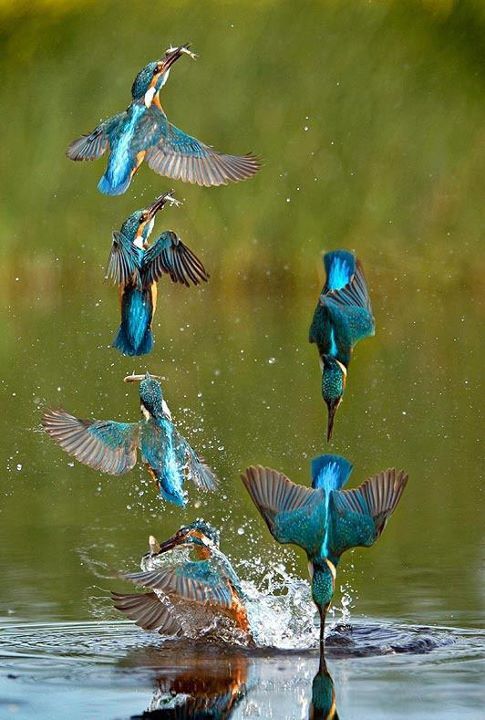
“Simon Peter saith unto them, I go a fishing. They say unto him, We also go with thee. They went forth, and entered into a ship immediately; and that night they caught nothing.” (John 21:3 KJV)
Kingfisher Diving Sequence ©SMedia-Cache
*
*

Grey-crowned Cranes ©©BigHDWalls
“Having many things to write unto you, I would not write with paper and ink: but I trust to come unto you, and speak face to face, that our joy may be full.” (2 John 1:12 KJV)
Grey-crowned Cranes Face to Face ©©BigHDWalls
*
*


