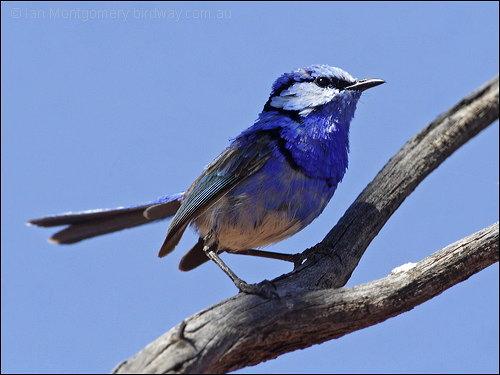
Birdwatching At Lake Morton Finally – Part 2

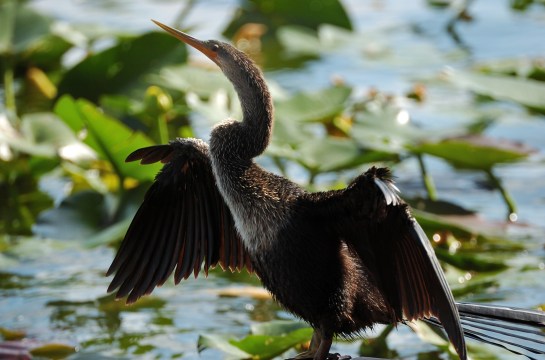
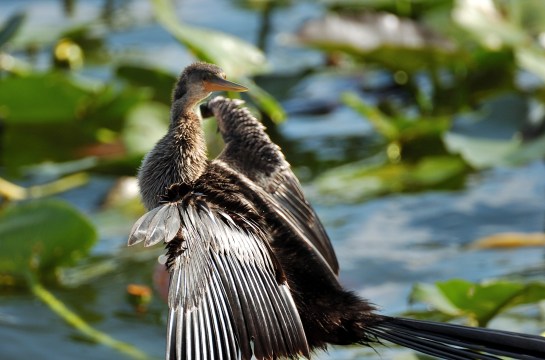
Anhinga Drying at Lake Morton by Dan

Anhinga Drying at Lake Morton by Dan

Out of the ground the LORD God formed every beast of the field and every bird of the air, and brought them to Adam to see what he would call them. And whatever Adam called each living creature, that was its name. (Genesis 2:19 NKJV)

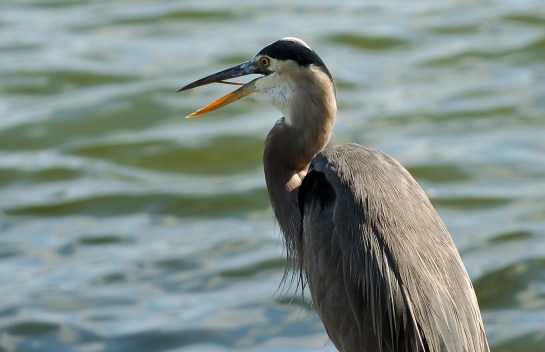
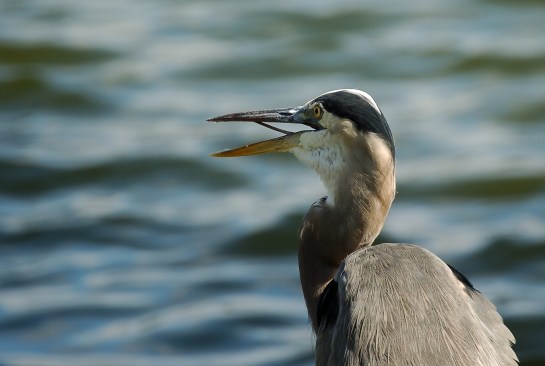
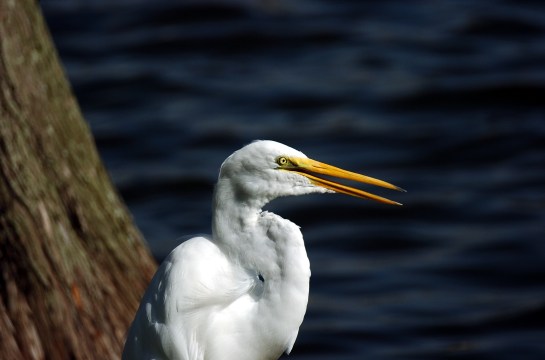
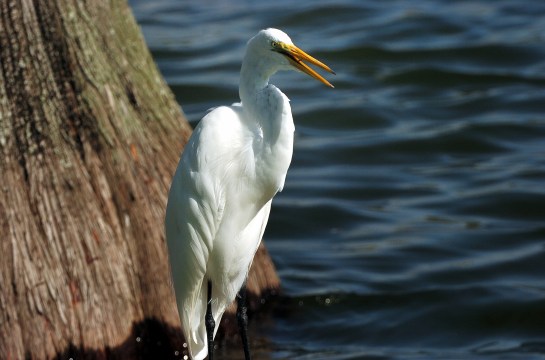
After I finished posting Birdwatching At Lake Morton Finally Part 1, about 15 minutes later, Dan came in and handed me his photos. Okay, so what to do? Add to the one I just posted or do a Part 2? You are reading Part 2. So, I am going to share his better photos for you to enjoy.

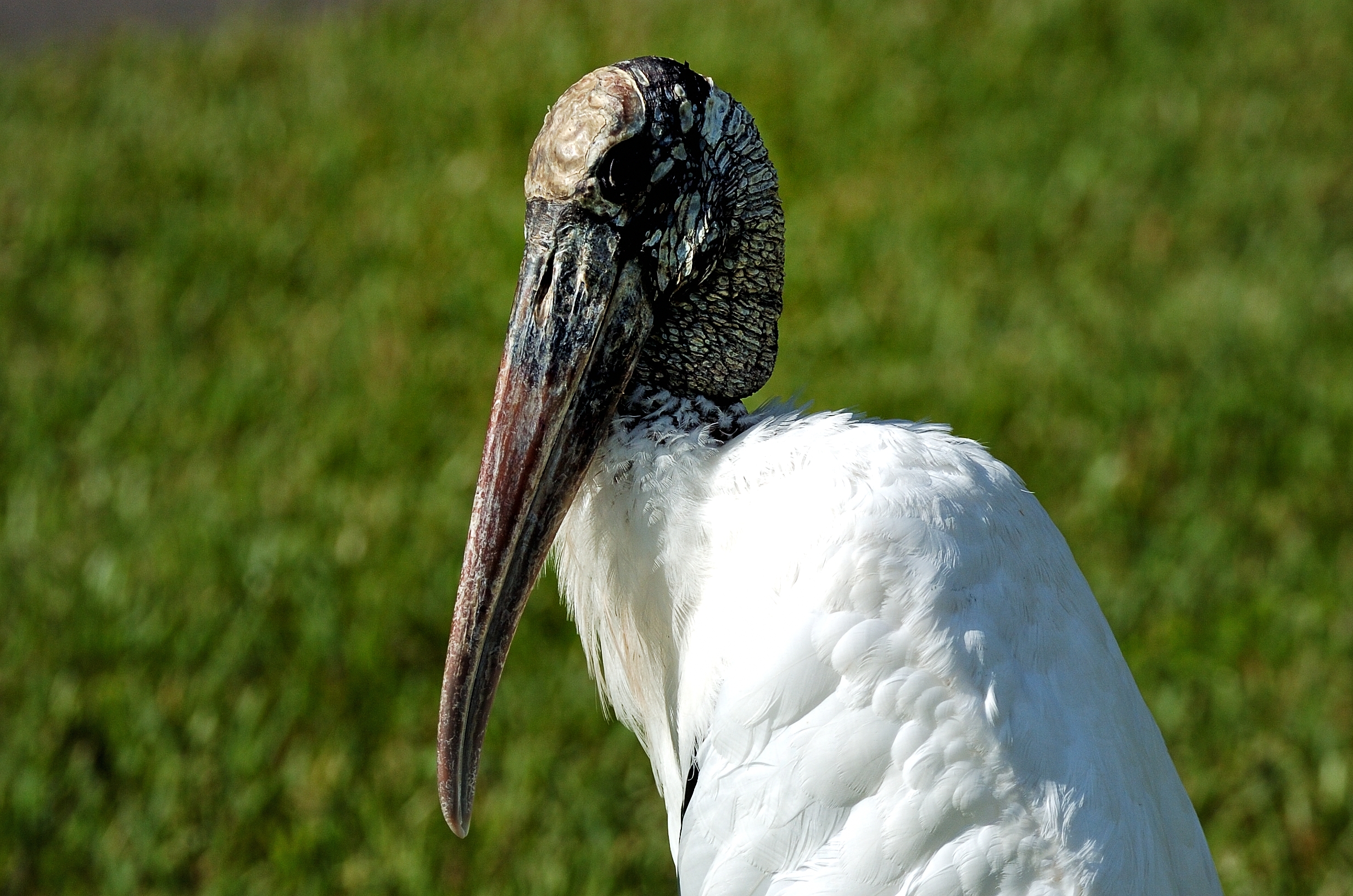
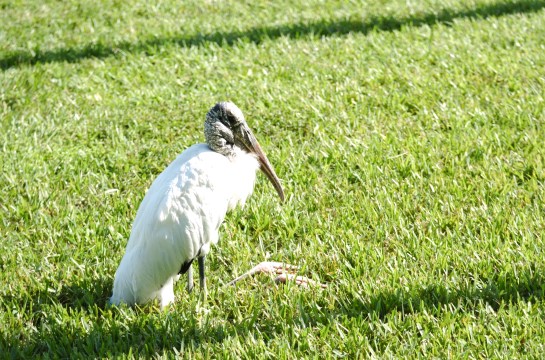
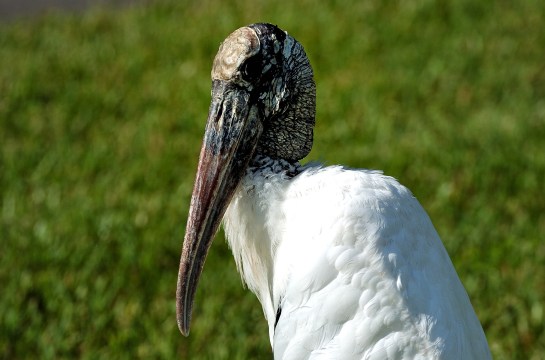
Wood Stork sitting at Lake Morton by Dan

Wood Stork sitting at Lake Morton by Dan

“Even the stork in the heavens Knows her appointed times; And the turtledove, the swift, and the swallow Observe the time of their coming. But My people do not know the judgment of the LORD. (Jeremiah 8:7 NKJV)

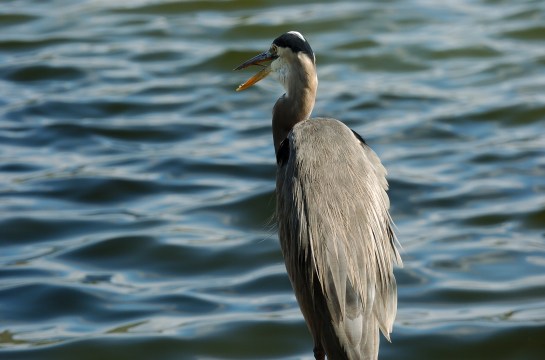
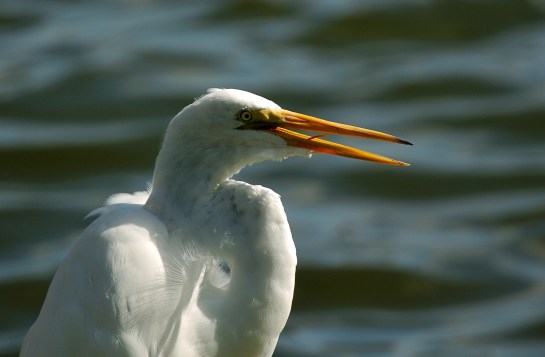
The Wood Storks were there. Maybe five or six and at least one Great Blue Heron and a Great Egret. Like mentioned in the first article, there weren’t that many birds around.

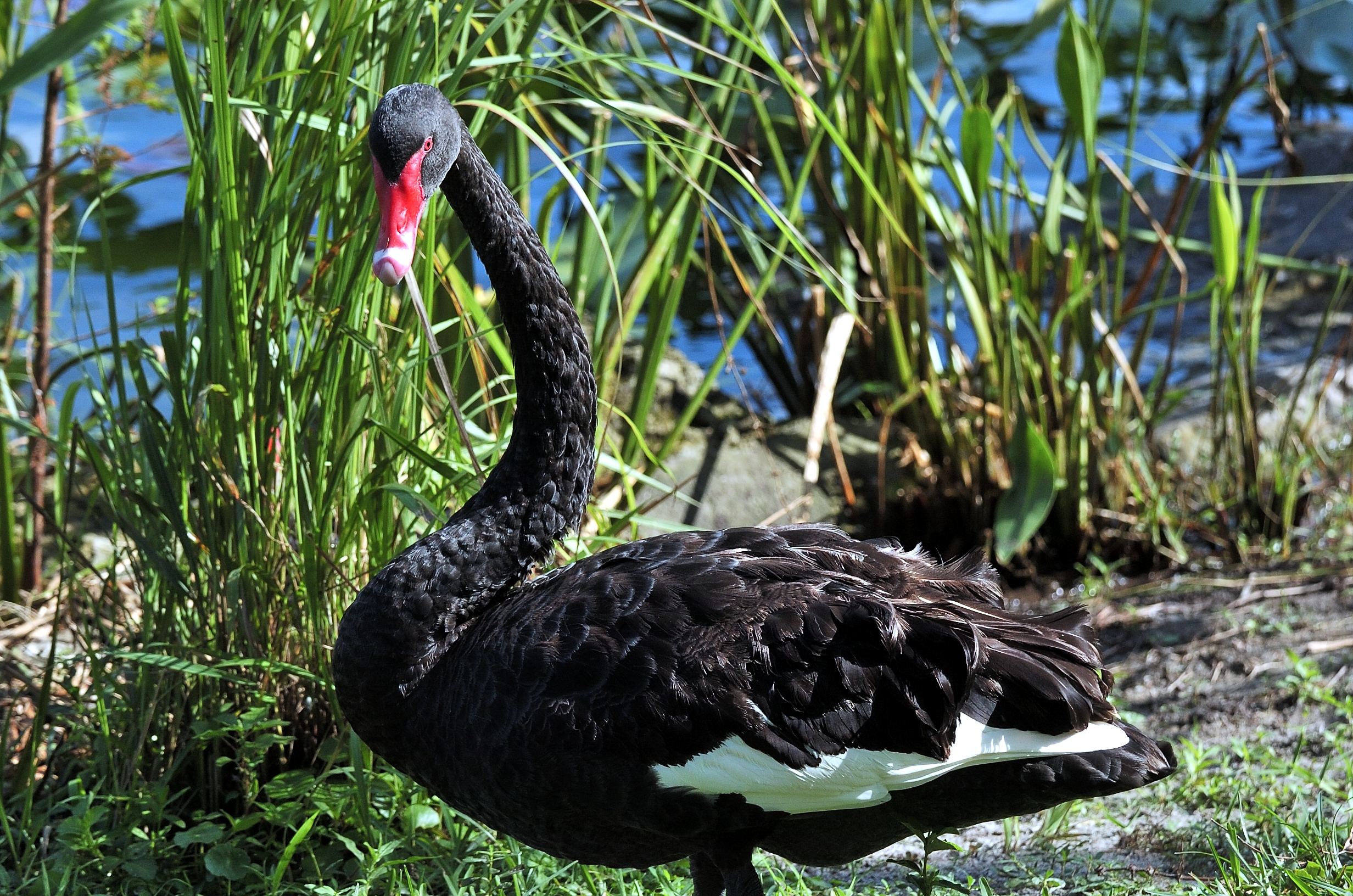
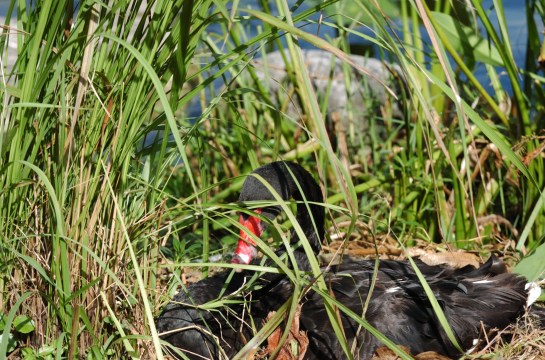
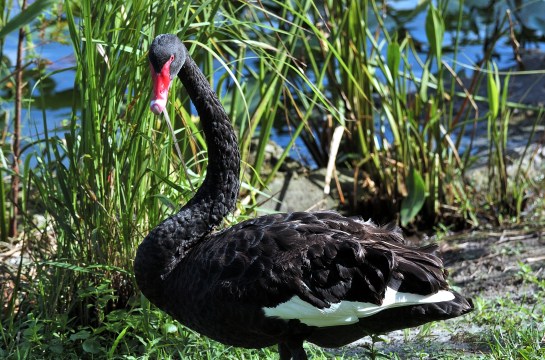
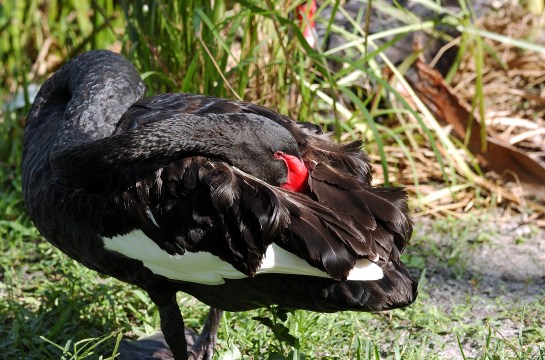
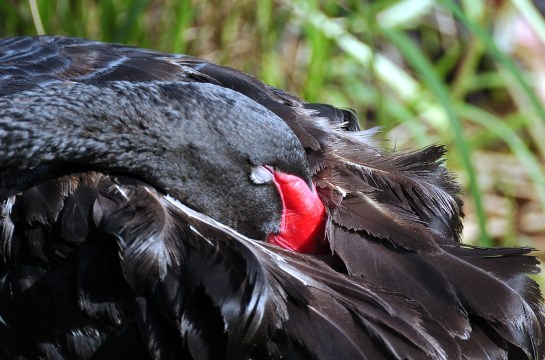
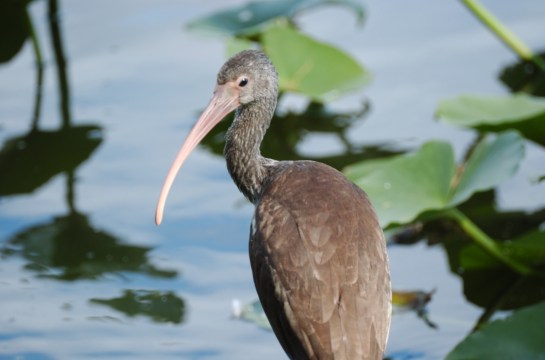
He also took photos of the Black Swan, and our immature Limpkin and White Ibis.

Black Swan by Dan at Morton

Black Swan by Dan at Morton

and the red-bill, and the pelican, and swan, (Leviticus 11:18 Brenton)

The “Aflac” Duck and the Wood Ducks were about it. Maybe next time the birdwatching will improve. Once it turns cold up north, our “winter visitors” will start coming to visit and spend the winter with us. Then, the chance for some different birds to show you. Stay Tuned!

I know and am acquainted with all the birds of the mountains, and the wild animals of the field are Mine and are with Me, in My mind.
(Psalms 50:11 AMP)

*
Visit Dan’s Site – USNDansPix.com

Birdwatching Trips – Lake Morton

Birdwatching Trips

Gideon

*

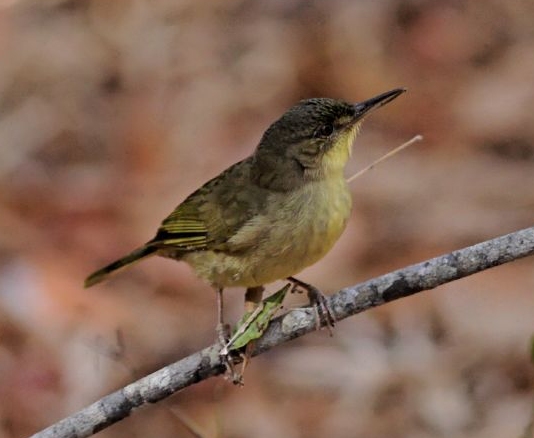
Sunday Inspiration – Fulvettas, Ground Babblers

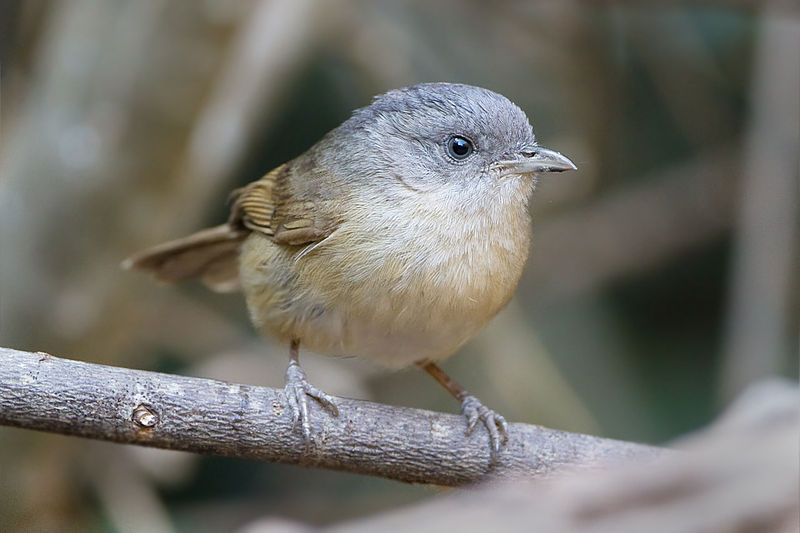
Brown-cheeked Fulvetta (Alcippe poioicephala) ©WikiC

Brown-cheeked Fulvetta (Alcippe poioicephala) ©WikiC

He loves righteousness and justice; The earth is full of the goodness of the LORD. (Psalms 33:5 NKJV)

The Pellorneida is another neatly created family that has 70 members and are a family of mostly Old World passerine birds. They are rather diverse in size and coloration, but are characterised by soft fluffy plumage. These are birds of tropical areas, with the greatest variety in Southeast Asia and the Indian subcontinent. The entire family was previously included in the Timaliidae.

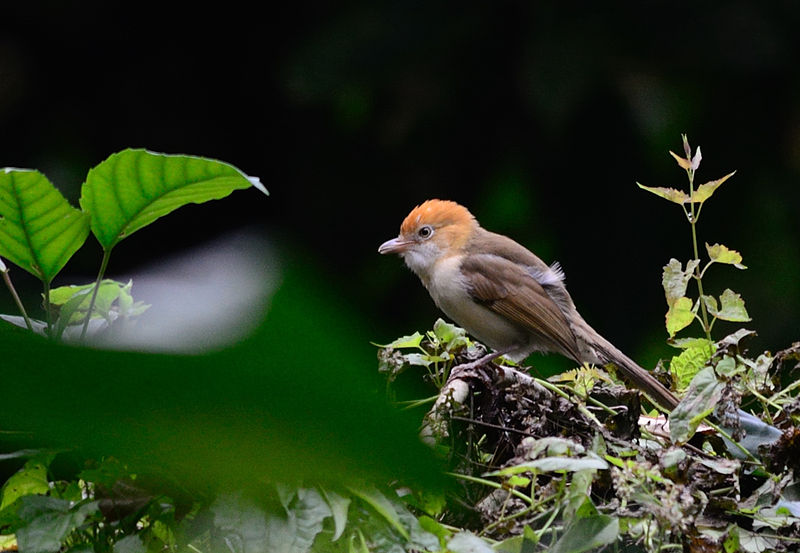
Morphological diversity is rather high; most species resemble “warblers”, jays or thrushes.

White-hooded Babbler (Gampsorhynchus rufulus) ©WikiC

White-hooded Babbler (Gampsorhynchus rufulus) ©WikiC

They are small to medium-sized birds. They have strong legs, and many are quite terrestrial. They typically have generalised bills, similar to those of a thrush or warbler. Most have predominantly brown plumage, with minimal difference between the sexes, but many more brightly coloured species also exist.

This group is not strongly migratory, and most species have short rounded wings, and a weak flight. They live in lightly wooded or scrubland environments, ranging from swamp to near-desert. They are primarily insectivorous, although many will also take berries, and the larger species will even eat small lizards and other vertebrates.(Wikipedia with editing)

This slideshow requires JavaScript.

A soft answer turneth away wrath: but grievous words stir up anger. (Proverbs 15:1 KJV)

“Everything’s Fine” ~ ©Hyssongs

*
More Sunday Inspiration

Fulvettas, Ground Babblers – Pellorneida

The Amazing Butterfly

*

Birdwatching at Lake Morton Finally

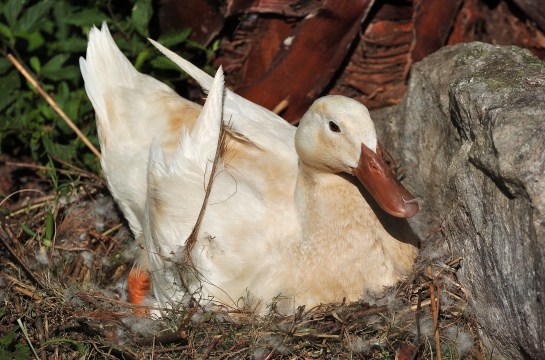
Aflac Momma Duck at Lake Morton by Lee

Aflac Momma Duck at Lake Morton by Lee

Last week Dan and I actually got to do a little birdwatching. My back has been improving, but not healed. After 12 therapy sessions, I felt brave enough to see what was going on at Lake Morton. It is in Lakeland, Florida and you can park across the street from the lake. Easy walk for me.

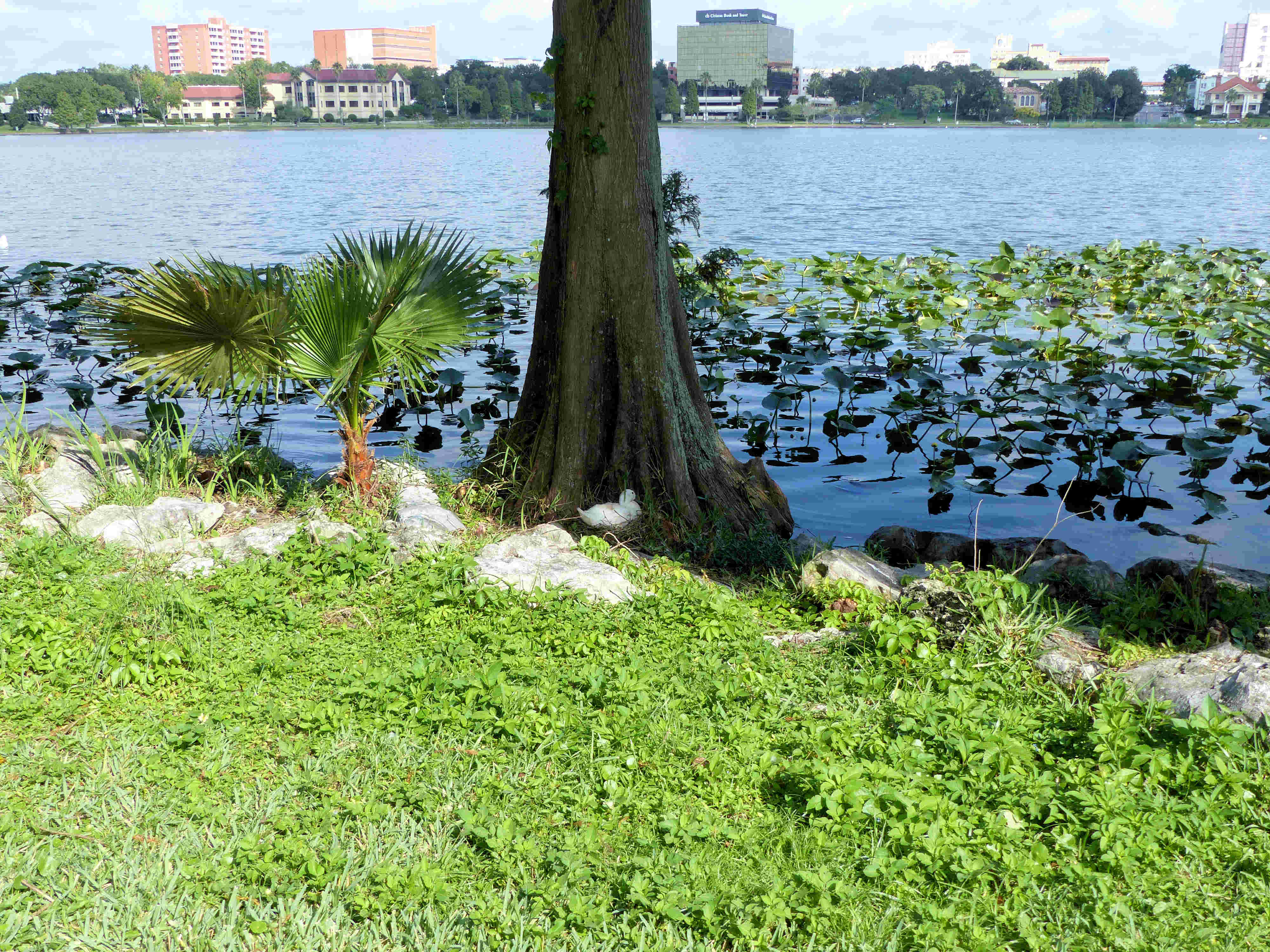
Needless to say, I was excited about getting out birdwatching, but the birds had other ideas. There were very few birds other than the normal residents hanging around for a hand out. Guess the winter birds haven’t arrived yet. That top pictures show the lack of birds on the lake.

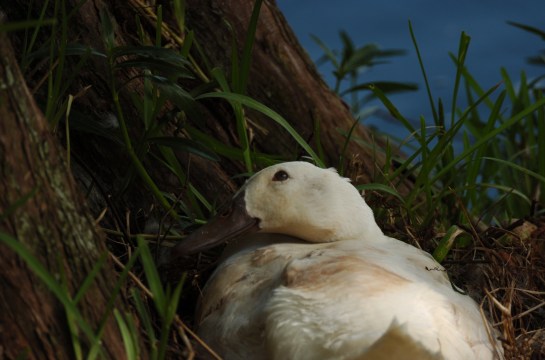
Momma Duck at Lake Morton by Lee Close-up

Momma Duck at Lake Morton by Lee Close-up

“If you happen to come upon a bird’s nest along the way, in any tree or on the ground, with young ones or eggs, and the mother sitting on the young or on the eggs, you shall not take the mother with the young; you shall certainly let the mother go, but the young you may take for yourself, in order that it may be well with you and that you may prolong your days.” (Deuteronomy 22:6-7 NASB)

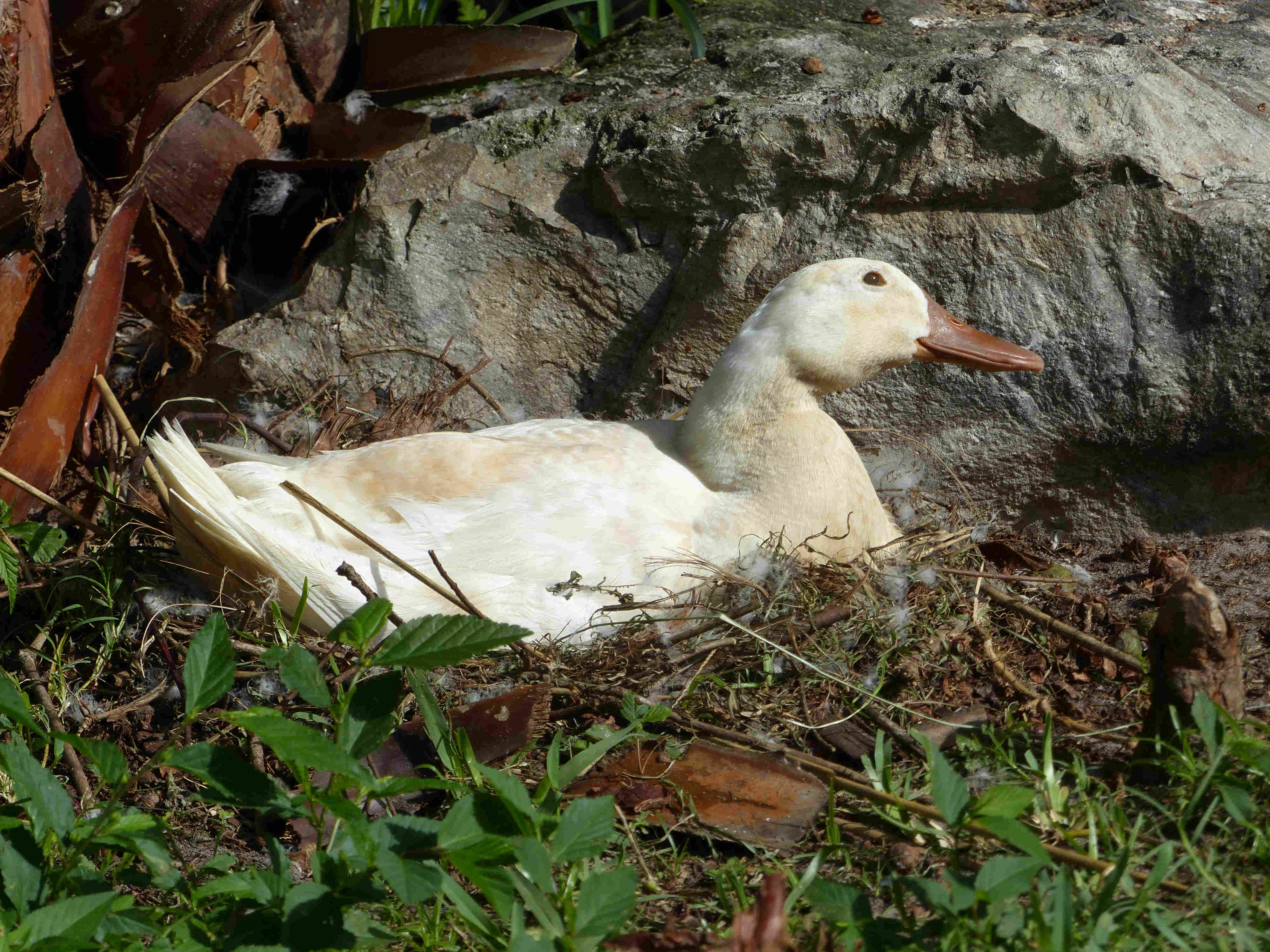
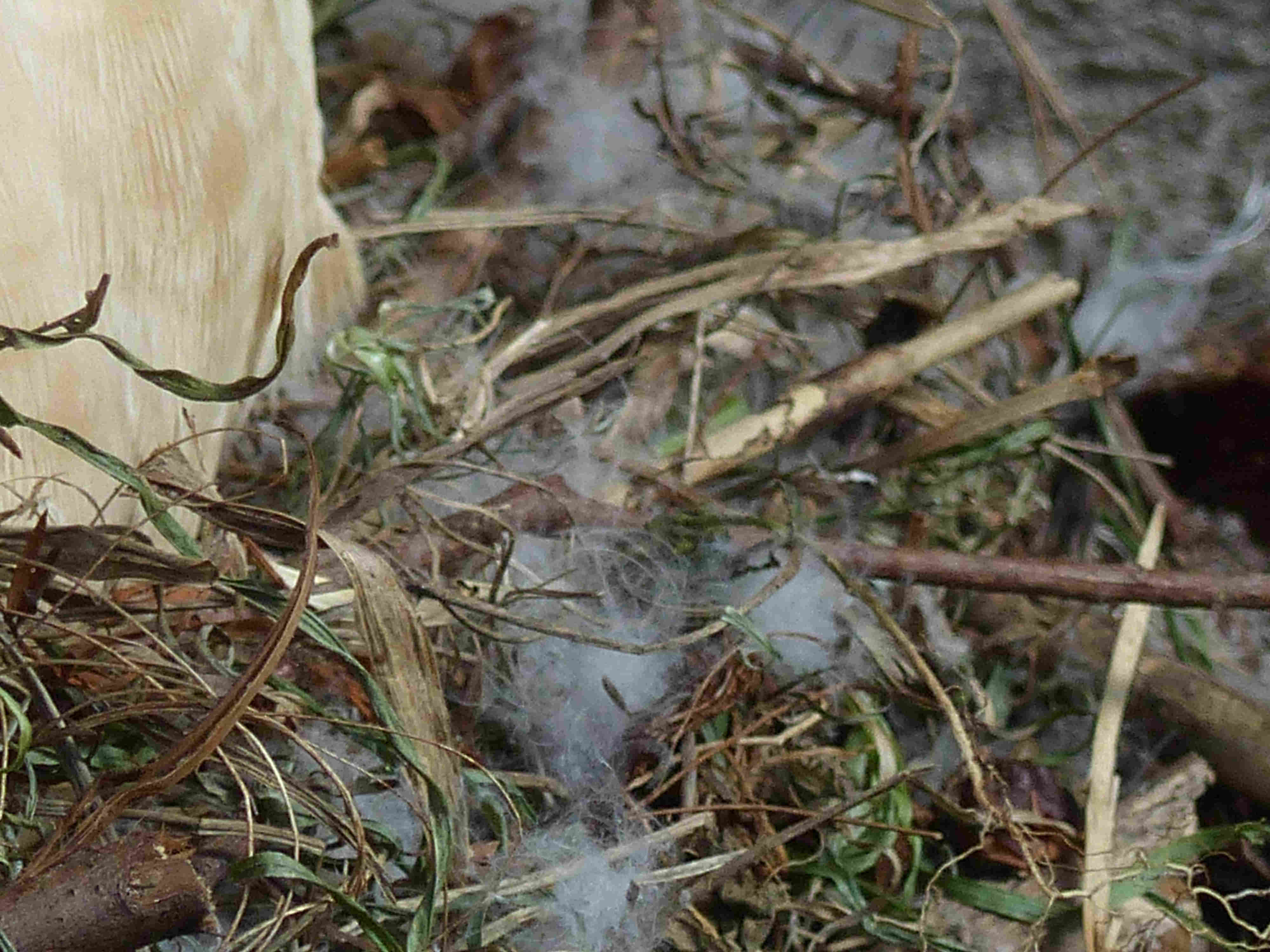
Aflac is not the name of this domestic Peking/Mallard Duck. She is pretty though she is a hybrid. She was busy working on her nest and you can see some of the things she was adding below.

Aflac Momma Duck at Lake Morton by Lee Close-up of nest material

Aflac Momma Duck at Lake Morton by Lee Close-up of nest material

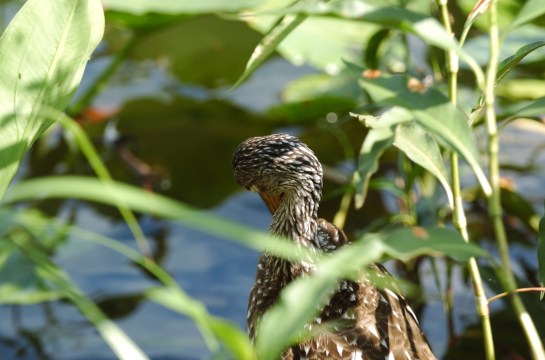
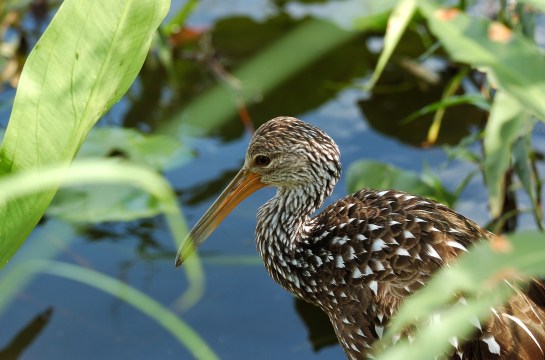
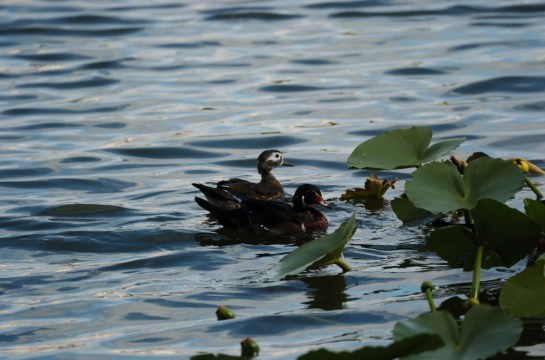
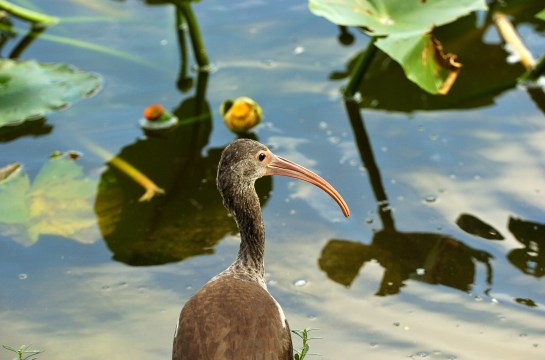
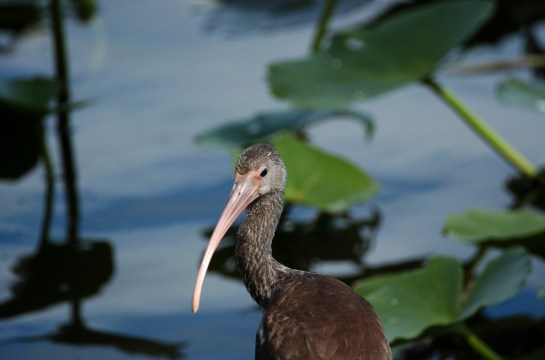
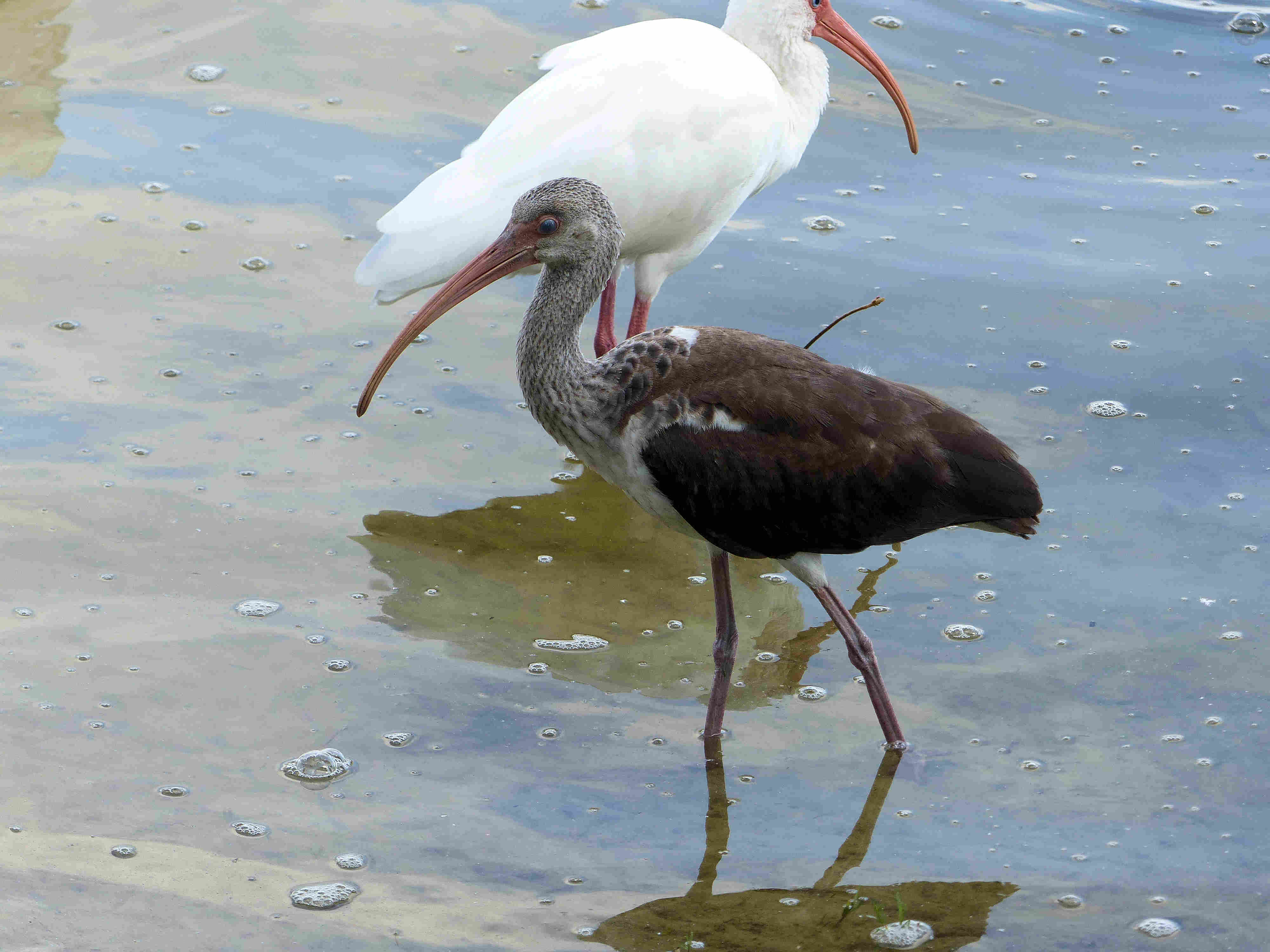
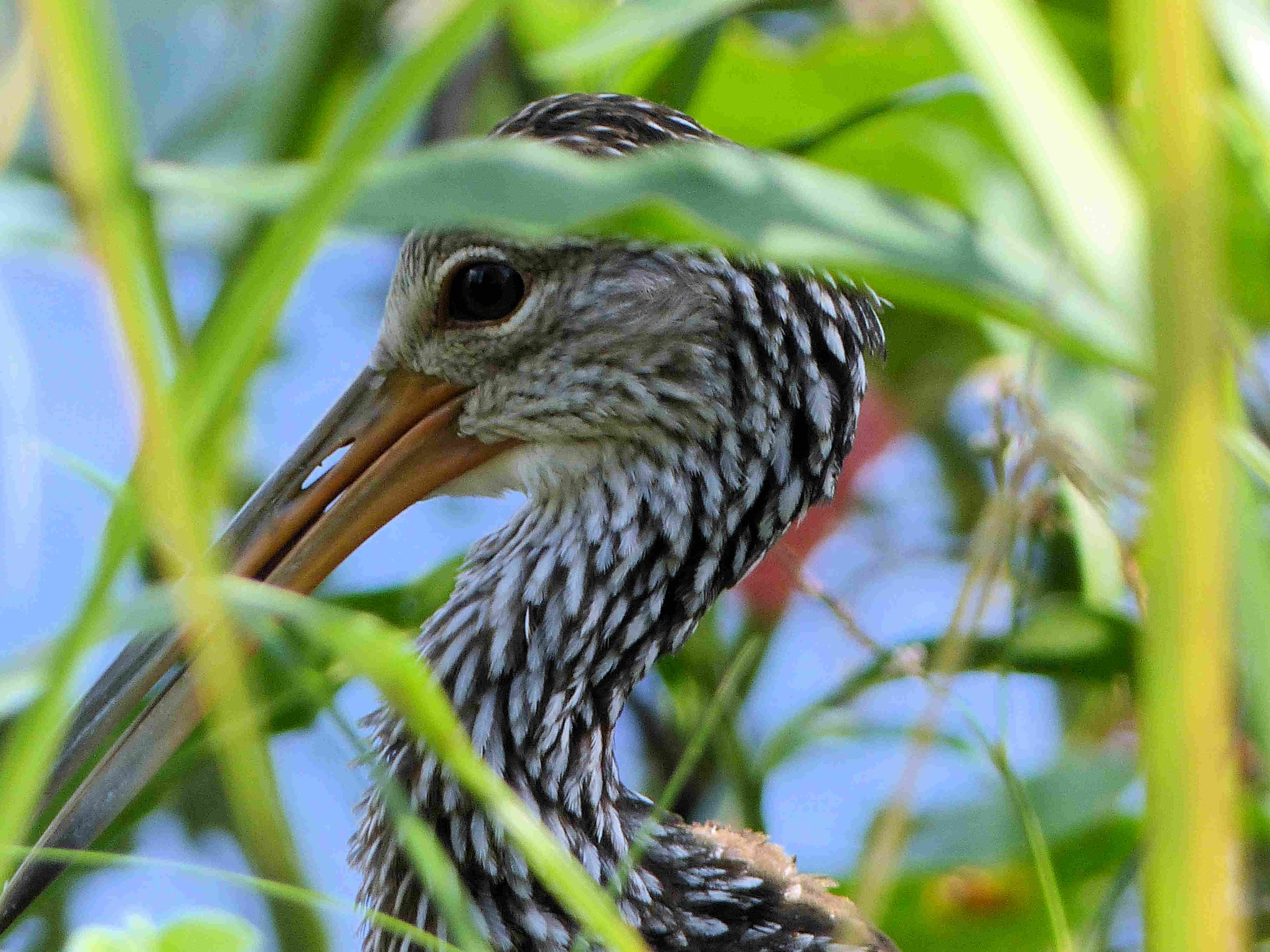
Other interesting birds were some immature White Ibises, an immature Limpkin and some Wood Ducks. Like I said, it was rather quiet.

Immature White Ibis at Lake Morton by Lee

Immature White Ibis at Lake Morton by Lee

Limpkin Juvenile at Lake Morton by Lee

Limpkin Juvenile at Lake Morton by Lee

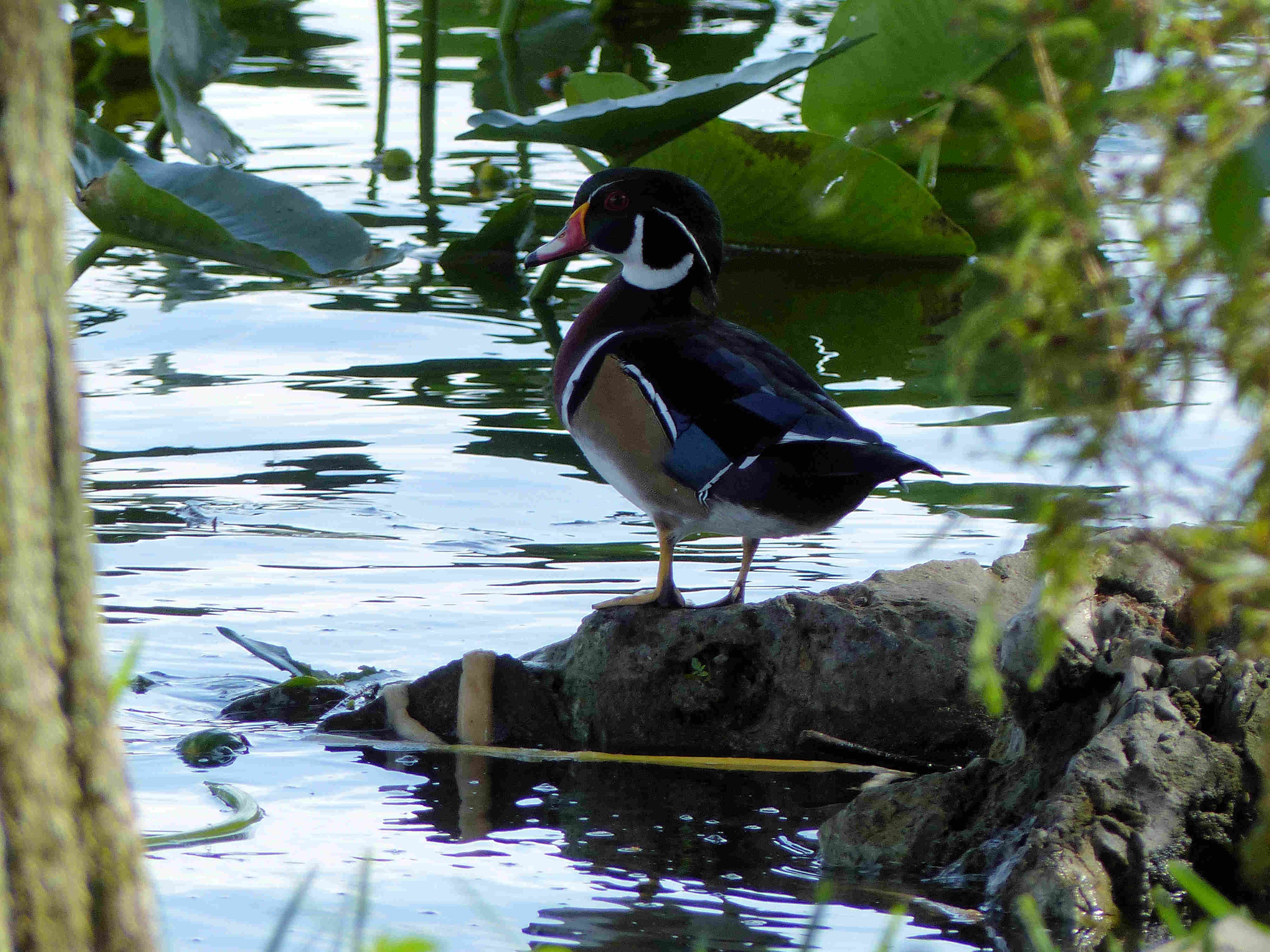
Wood Duck at Lake Morton by Lee

Wood Duck at Lake Morton by Lee

Any day we can go birdwatching is always enjoyable. There is usually something that is there to see. Life is not made up of big events all the time, just the everyday normal sights. When we do get to see special birds or whatever, then that makes them extra nice.

Here is a video of that Wood Duck and his mate bouncing around in the water. Trust you don’t get seasick. They seem to have been created to handle floating and bobbing well.

The water prevailed and increased greatly upon the earth, and the ark floated on the surface of the water. (Genesis 7:18 NASB)

*

History Through the Eyes of Ogden Owl

(Sandra Conner, my Christian friend, that writes great blogs, books and a whole lot more, has taken me up on the challenge to write about the Great Grey Owl.)

Here is her tale about our owl:

“Lee Dusing, over at Lee’s Birdwatching Adventures Plus, has posted the picture on her site of this owl with his eyes bulging as he takes in some scene before him. Lee has asked us to write a caption or a story based on the picture — taken by Peter K. Burian.  So, naturally, I had to take up the challenge — even though I’m not much of an owl person in general. My story is below the picture.

LEE'S OWL PIC -- PETER K. BURIAN

HISTORY THROUGH THE EYES OF OGDEN OWL

Ogden Owl couldn’t believe his eyes. He was sure they must be bulging because he was straining so hard to see what was really going on. He’d lived in these sparse clumps of trees close to the sandy beaches of Kitty Hawk, NC, for almost three years now, and ever since he’d moved here, there had been some strange things going on.

Two human beings had spent months at a time out on the sandy stretches of land between the hills, half rolling – half carrying – some contraption that looked a little like a huge, ugly bird, but that seemed to be bound to move on the ground. Ogden was usually up doing his hunting during the night, and by morning, he was ready to get some rest, so he hadn’t bothered with the humans much, except to shake his head at their ability to waste time and energy out here on this almost barren stretch of land.

But early this morning, when he really should have been considering getting some rest again, he had noticed that the two human beings had an even bigger monster of a machine – even more ugly – and this time it made a horrible noise as they moved it across the ground.  They pushed it onto some kind of inclined track, and the next thing Ogden knew, one of the men seemed to climb right into the middle of the machine.

Ogden could hardly hold his eyes open, but he was determined to find out what was going on practically right under his nose. Suddenly the huge machine began moving along the inclined track, picking up speed, and then, to Ogden’s astonishment – and horror – it lifted up from the ground, all the time making a roaring noise. It seemed to catch the wind with its enormous wings and sailed through the air just like he did when he took off from his tree limb and weaved through the sky looking for food.

It couldn’t be! Surely not! Human beings flying??? His eyes stayed glued to the scene. For long seconds, the huge, ugly contraption floated and soared – and scared the heck out of Ogden.

When the machine came back down to the ground and sat down without breaking apart, Ogden took a deep breath. He hadn’t realized that he had been holding his breath the whole time he watched that ugly, noisy machine fly. He shook his head now and stirred restlessly on the branch where he sat. He sighed and stretched his wings a little, wanting to feel their strength once more before he moved back onto one of the hidden branches of his tree to get some rest. He felt sad – and fearful. He had a feeling that life was never going to be the same again after today.  ~”

~~~

Source: History Through the Eyes of Ogden Owl

Click to find out more about Sandra Conner

I have enjoyed reading several of her online stories, plus I have read her three latest novels:

Set Free To Love – Novel 1, Smokey Mountain Series

‘Cameron’s Rib’ – Sneak a Peek… – Book 2

Sneak a Peak at “Repaired By Love” — Book 3 in ‘Smoky Mountain Series’

Her Short Stories

*

Interesting Things – Echida ~ From Creation Moments

Echidna (Tachyglossus aculeatus setosus) ©WikiC

Echidna (Tachyglossus aculeatus setosus) ©WikiC

WHAT’S PART MAMMAL, MARSUPIAL AND REPTILE?

“He hath made His wonderful works to be remembered: the LORD is gracious and full of compassion.” (Psalm 111:4)

While all living things defy evolution, some do it more clearly than others. The echidna is one example of a creature that obviously challenges evolution. This Australian marvel is often called the spiny anteater. However, it has little resemblance to anteaters in other parts of the world.

Interesting Things from Smiley CentralEchidnas are classified as monotremes, which are egg-laying mammals. While the adults have no teeth, a hatchling echidna escapes from its egg with an egg tooth. Adults have a long snout and an even longer sticky tongue that catches ants. The hatchling is protected and nursed in a marsupial-like pouch. As it grows it develops the long spines of an adult. If the echidna sounds like a strange creature, its mating habits are even stranger. At mating time echidnas form “trains.” A large female leads the train, followed by up to seven males, the smallest being the last car of the train. They walk single file until the female finds a tree she likes. Then the males dig a trench around the tree and seek to drive each other out of the trench. Only the victorious male is allowed to mate with the female.

With its mammalian, reptilian and marsupial features, the echidna challenges evolution. Evolutionists would have a hard time explaining what forces would produce a creature that is apparently related to no other. The best explanation for the echidna is that it is the work of an infinitely creative and powerful Creator.

Prayer:
Dear Father, Your unlimited creativity fills me with joy. Amen.

Notes:
Science Frontiers, p. 129, “Echidna Eccentricities.” Photo: Western long-beaked echidna. Courtesy of Matma Rex. (CC-BY-SA 3.0)  ©Creation Moments 2015 (with permission)


Echidna ©WikiC

Echidna ©WikiC

Lee’s Addition:

Thinking about this photo and how the Lord created this critter to be protected brings several great passages to mind:

And I give them eternal life, and they shall never perish; neither shall anyone snatch them out of My hand. My Father, who has given them to Me, is greater than all; and no one is able to snatch them out of My Father’s hand. I and My Father are one.” (John 10:28-30 NKJV)

For the LORD will be your confidence, And will keep your foot from being caught. (Proverbs 3:26 NKJV)

He will not allow your foot to be moved; He who keeps you will not slumber. (Psalms 121:3 NKJV)

I would love to show you a Puggle, the name for a baby Echida, but I couldn’t find one that gave permission to use. Click this link to see one, Those in Awana, know the name “Puggle”

Lord Bless Your Day!

*

Creation Moments – Echida

Creation Moments

More Interesting Things

*

Sunday Inspiration – Cisticolas and Singing

Golden-headed Cisticola (Cisticola exilis) by Ian

Golden-headed Cisticola (Cisticola exilis) by Ian

The flowers appear on the earth; The time of singing has come, And the voice of the turtledove (Cisticola?) Is heard in our land. (Song of Solomon 2:12 NKJV)

The Cisticolidae – Cisticolas and Allies family has 158 species currently. They are  warblers found mainly in warmer southern regions of the Old World. They are often included within the Old World warbler family Sylviidae. Among the Cisticolida, besides the Cisticola, there are; Jery, Prinia, Warblers, a Longtail, Apalis, Camaroptera, Wren-Warblers, Tailorbirds, Forest Warblers, and Eremomelas.

This family probably originated in Africa, which has the majority of species, but there are representatives of the family across tropical Asia into Australasia, and one species, the zitting cisticola, even breeds in Europe.

Graceful Prinia (Prinia gracilis) by Nikhil Devasar

These are generally very small birds of drab brown or grey appearance found in open country such as grassland or scrub. They are often difficult to see and many species are similar in appearance, so the song is often the best identification guide.

By them the birds of the heavens have their home; They sing among the branches. (Psalms 104:12 NKJV)

These are insectivorous birds which nest low in vegetation.

This slideshow requires JavaScript.

Serve the LORD with gladness; Come before His presence with singing. (Psalms 100:2 NKJV)

“How Can I Keep From Singing?” ~  by the Trio + 1 (Pastor Jerry, Reagan Osborne, Caleb & Jessie Padgett) Faith Baptist

*

More Sunday Inspirations

Cisticolidae – Cisticolas and allies

In Our Place

*

How Well Do We Reflect?

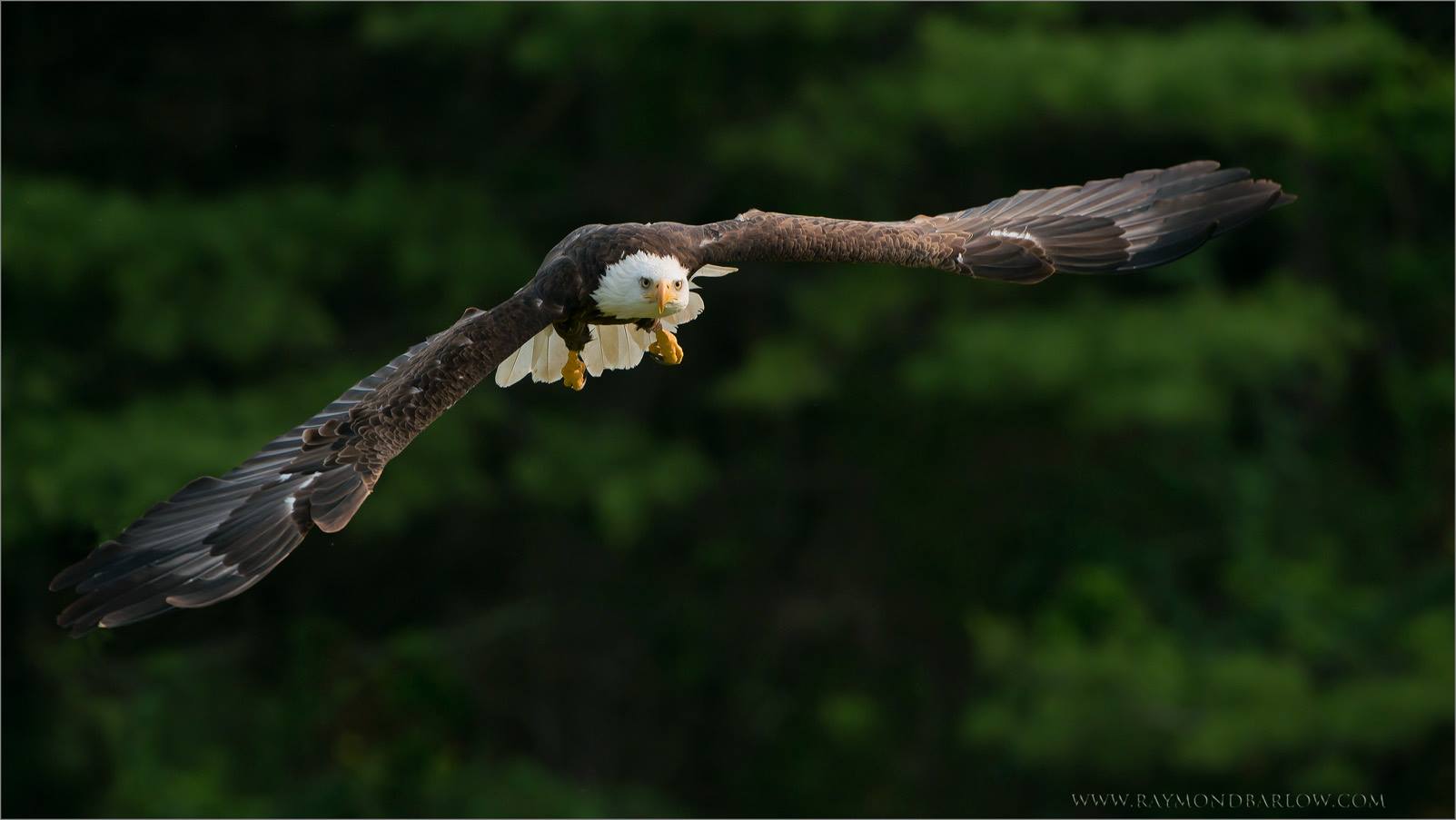
Bald Eagle (Haliaeetus leucocephalus) by Ray Barlow

Bald Eagle (Haliaeetus leucocephalus) by Ray Barlow

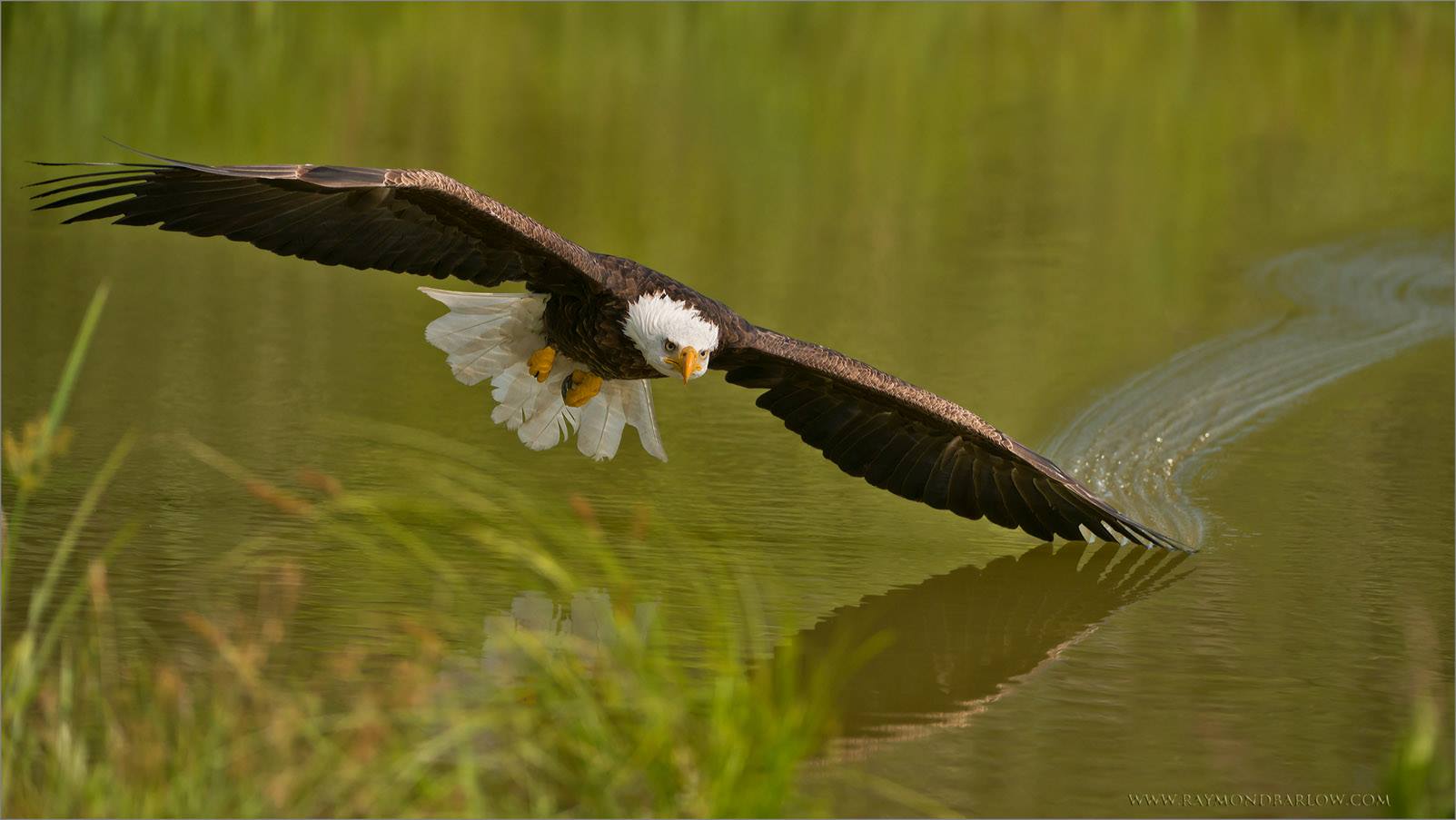
These photos by Ray Barlow have just been running around in my mind. It’s about the same as when you hear a song and then for days you hear it and hum the song.

How close are we walking with the Lord Jesus Christ? Are we near and close enough to touch base once in awhile like the photo below?

Bald Eagle (Haliaeetus leucocephalus) by Ray Barlow

Bald Eagle (Haliaeetus leucocephalus) by Ray Barlow

But be doers of the word, and not hearers only, deceiving yourselves. For if anyone is a hearer of the word and not a doer, he is like a man observing his natural face in a mirror; for he observes himself, goes away, and immediately forgets what kind of man he was. But he who looks into the perfect law of liberty and continues in it, and is not a forgetful hearer but a doer of the work, this one will be blessed in what he does. (James 1:22-25 NKJV)

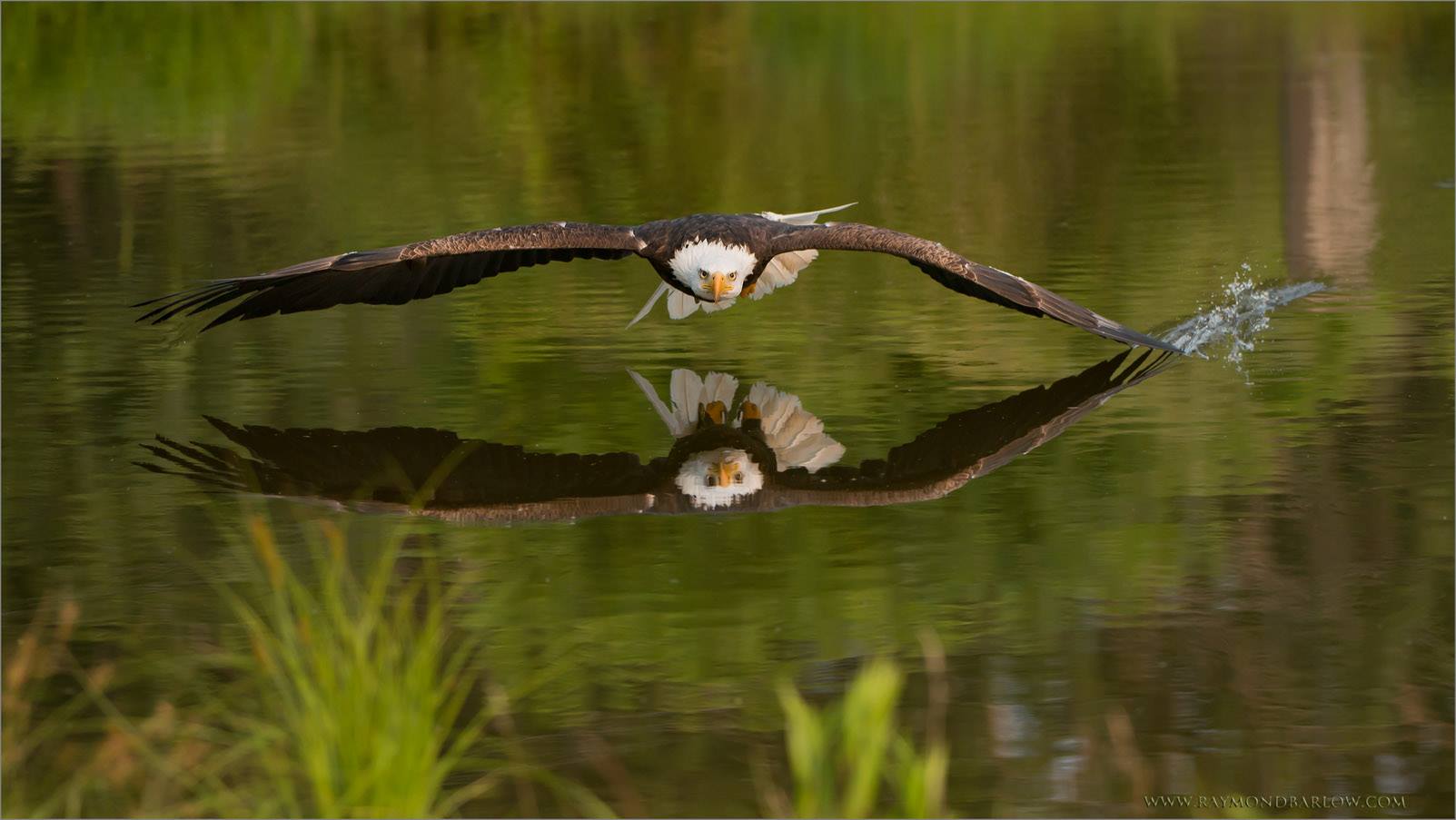
Are we spending more time in reading, praying, attending church, and having fellowship with other believers? Getting closer to the Lord to where we are starting to reflect Him in our lives.

Bald Eagle (Haliaeetus leucocephalus) by Ray Barlow

Bald Eagle (Haliaeetus leucocephalus) by Ray Barlow

As in water face reflects face, So a man’s heart reveals the man. (Proverbs 27:19 NKJV)

Bald Eagle (Haliaeetus leucocephalus) by Ray Barlow

Bald Eagle (Haliaeetus leucocephalus) by Ray Barlow

But we all, with unveiled face, beholding as in a mirror the glory of the Lord, are being transformed into the same image from glory to glory, just as by the Spirit of the Lord. (2 Corinthians 3:18 NKJV)

*

Lord Bless your day as you consider these verses. I trust we all will strive to be more like Jesus and others can see Him in us.

*

Gospel Message
Birds of the Bible – Fly Like An Eagle
Thanks to Raymond Barlow for the permission to use these photos.

*

Ian’s Bird of the Week – Princess Parrot – Reworked

Ian’s Bird of the Week – Princess Parrot ~ by Ian Montgomery
Newsletter ~ 10/1/15

Lee’s Update:  Not sure what happened because I was seeing it okay on PC and smartphone. Anyway, it is now back to the way I normally add the photos back in.

A late bird of the week I regret, but I’ve been planning and designing a major overhaul to the website to the exclusion of almost everything else. The website is showing its age as I designed it in a pre-smart phone and pre-tablet era – seems like a long time ago now – for fixed, landscape screens. About 30% of the birdway website traffic comes from such devices now, so it’s an issue I can no longer ignore. Anyway, I’ll say a bit more about that later and provide an example of the new layout.

The other revision taking place is that until now I’ve only included my own photos, so Birdway has been synonymous with Ian Montgomery. The rationale was that it was a showcase for my work – some would say a monument to my ego, smile. Maybe I’m satisfied at having reached 1500 species globally and 700 Australian ones so it’s time to change. Birdway will now aim to provide the best range of publishable quality bird photos. Initially the emphasis will be on Australian ones, but later I may extend this to Australasian one. For manageability, I’m starting by invitation only but feel free to register your interest by email ian@birdway.com.au.

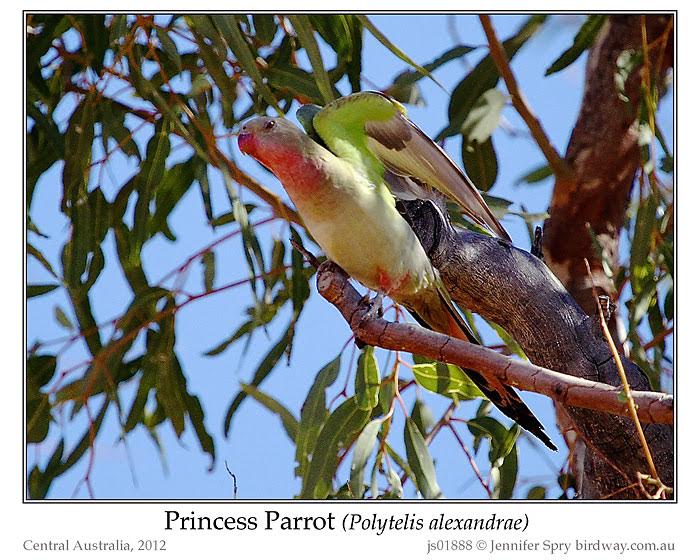
So, here is a landmark bird of the week: these lovely photos of the gorgeous and elusive Princess Parrot were taken by my friend Jenny Spry, a birder and photographer well-known in Australian birding circles. She leaves no stone unturned and no bush or remote island unchecked in a passionate search for the unusual and has one of the longest Australian life lists (aiming for 800!).Princess Parrot (Polytelis alexandrae) by Jenny Spry The Princess Parrot is elusive for at least two reason. The first is that it’s a bird of very remote parts of arid Australia accessible only with considerable difficulty, e.g. the Canning Stock Route. The other is that its population and range varies greatly with rainfall. In poor seasons it is almost impossible to find, but in good season the population irrupts and it can appear in more accessible locations, perhaps I should say slightly less inaccessible ones, in inland eastern Western Australia, the southwestern Northern Territory and northwestern South Australia. The core breeding range is thought to be around Tobin Lake and in the Great Victoria Desert, both in eastern Western Australia.
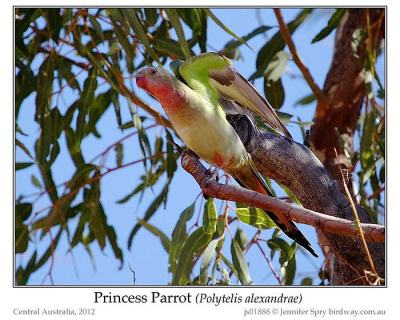
Princess Parrot (Polytelis alexandrae) by Jenny Spry It is one of three beautiful, long-tailed, medium sized (length 34-46cm/13-18in) parrots belonging to the endemic Australian genus. Polytelis. The others are the Superb Parrot of New South Wales and northern Victoria and the Regent Parrot  which occurs in two separate populations, one in southwestern New South Wales, northeastern Victoria and eastern South Australia and the other in southern Western Australia. All three species are uncommon: the Princess is classed as Near-Threatenedand the Superb as Vulnerable, while the Regent is uncommon in the east and declining in the west. Male Princess Parrots, first two photos, have longer tails and brighter colours than females (third photo).
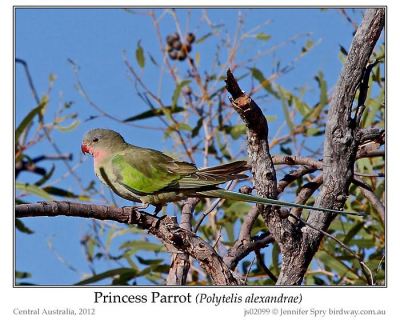
Princess Parrot (Polytelis alexandrae) © Jenny Spry

Princess Parrot (Polytelis alexandrae) © Jenny Spry

Returning to the subject of website design in a mobile world, I’ve used the Princess Parrot as the first species in the new design and it was posted to the birdway website this morning. The changes will be more obvious on smart phones and tablets, but on computers you’ll notice that the thumbnails have moved from a vertical column on the left to a horizontal row on the bottom and the information about the photo has moved from left to right. You’ll also see a button at top right which reveals – and hides – the main navigation menu as vertical column which slides the rest of the page to the right. Previous, this menu didn’t appear on the pages of individual species, only – as a row of horizontal buttons at the top – on the family pages and the ten main topic pages to which these button link.
Princess Parrot (Polytelis alexandrae) by IanThe fourth and fifth images are screen shots from my iPhone. The fourth shows a page in landscape orientation. The image shrinks to fit the screen width and you can see the rest of the page by scrolling up and down. Note that the photo information is still on the left. The fifth, shows the page in vertical orientation with the navigation menu showing as a grey column on the left. The photo information has dropped below the image and both the menu column and the main window are scrollable independently.
Princess Parrot (Polytelis alexandrae) by Ian
These pages are, of course, still prototypes and there will be more changes before I apply it more generally. I’ve tested it only using the Apple browser Safari on a Mac, an iPad and an iPhone. I’d be very grateful if you could try it out on different platforms (Windows and Android particularly) and in different browsers (Safari, Windows Explorer, Chrome, Opera, Firefox and Mozilla are the most important) and report back to me with any problems: http://birdway.com.au/psittacidae/princess_parrot/index.htm.

I’ve needed to use JavaScript to show and hide the side menu, so you won’t be able to see if yet if JavaScript isn’t available. If it isn’t you’ll get a message in orange instead of the script generated ian@birdway.com.au email address to tell you that and to write to ‘ian’ (at symbol) ‘birdway.com.au’ instead. I will be adding code so that the side menu is permanently visible if JavaScript isn’t enabled, but it is something of an internet standard these day and I want to be able to hide it to make more space available on small screens.

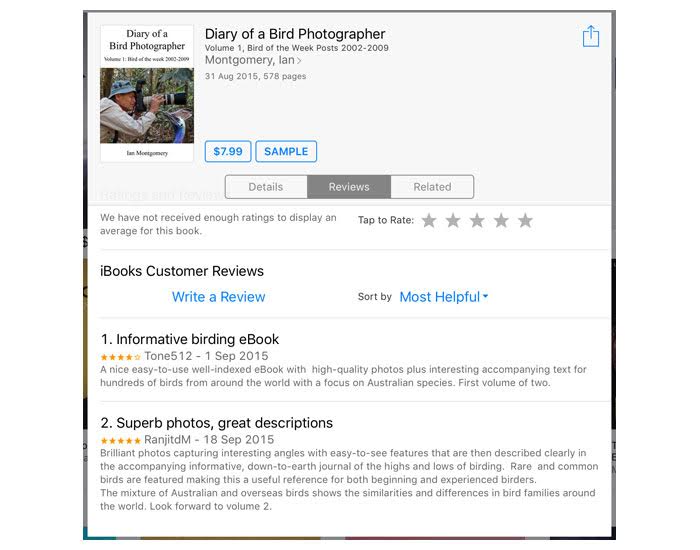
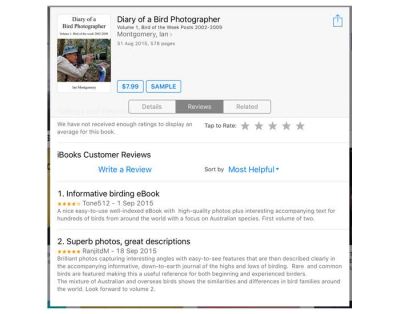
On the subject of books, the Diary of a Bird Photographer has sold about 50 copies in the first month, and review are beginning to appear (below on the Apple store) I’m hugely grateful to those who have done reviews and would love it if some of you would. I think there were problems posting review to the Apple store, but these seem to have been fixed. If that is your experience let me know ian@birdway.com.au and if your very patient, try again. Thank you.
Princess Parrot (Polytelis alexandrae) by Ian
These images should link to the relevant pages on the Birdway site.
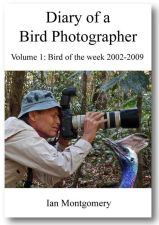
Ian's Book

Ian’s Book

Where To Find Birds - Ian

Greetings
Ian
**************************************************

Ian Montgomery, Birdway Pty Ltd,
454 Forestry Road, Bluewater, Qld 4818
Tel 0411 602 737 ian@birdway.com.au
Bird Photos http://www.birdway.com.au/
Where to Find Birds in Northern Queensland: iTunes; Google Play Kobo Books
Recorder Society http://www.nqrs.org.au
*******************************


Lee’s Addition:

And he said unto them, Come ye yourselves apart into a desert place, and rest a while: for there were many coming and going, and they had no leisure so much as to eat. (Mark 6:31 KJV)

Very interesting Parrot and apparently quite a change to Ian’s Site at Birdway. I’ll be checking on permission for further usage of his guest photographer. For now, I trust using this latest newsletter of his is under his permission to use.

What a beauty this parrot reveals. Subtle in colors, but very attractive.

See:

Ian’s Bird of the Week
Ian’s Birdway Website
His Parrot Family
Psittacidae – African and New World Parrots
Psittaculidae – Old World Parrots

*
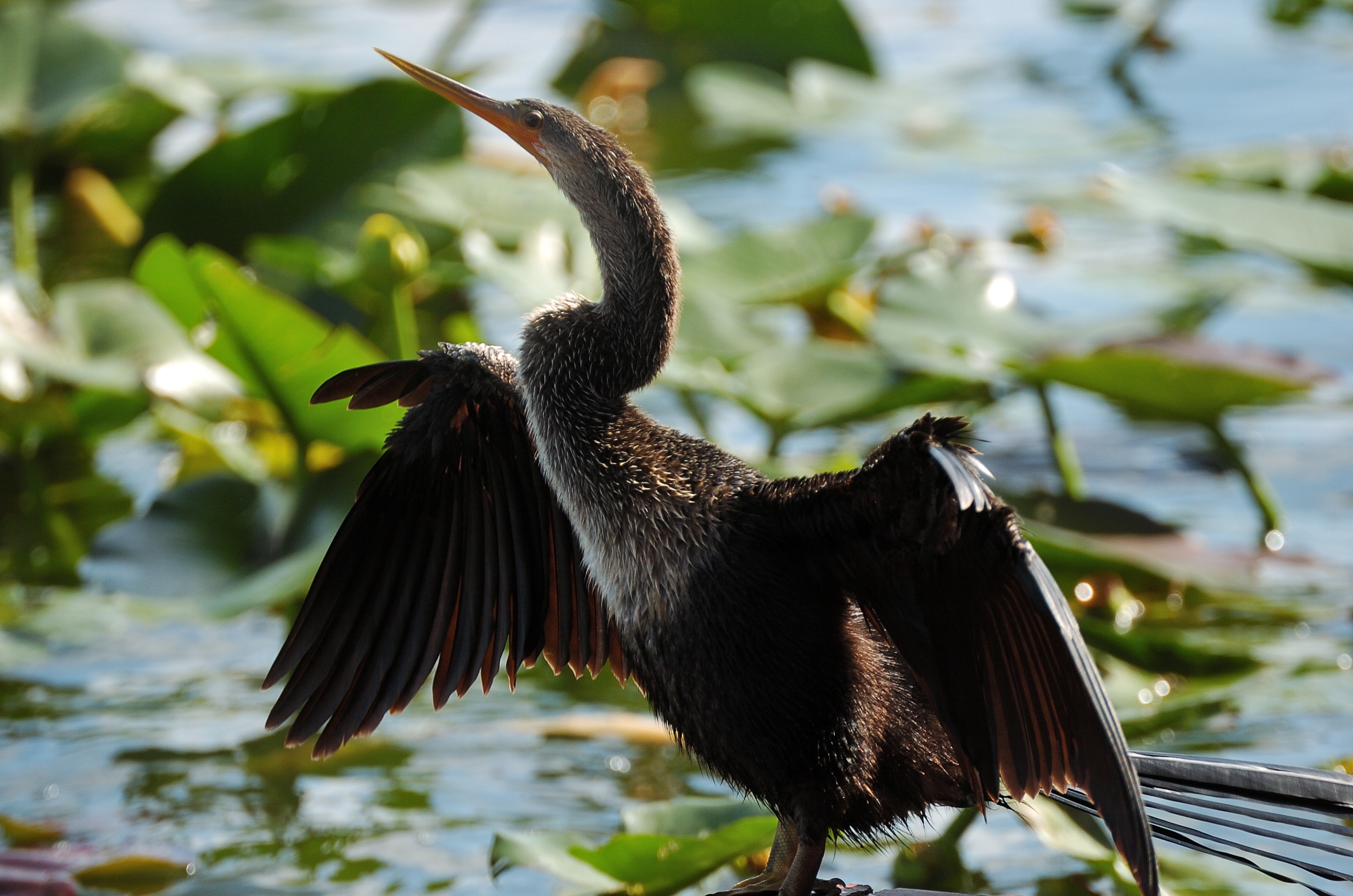
Birds of the Bible – Fly Like An Eagle

Bald Eagle (Haliaeetus leucocephalus) by Ray Barlow

Bald Eagle (Haliaeetus leucocephalus) by Ray Barlow

For thus saith the LORD; Behold, he shall fly as an eagle, and shall spread his wings over Moab. (Jeremiah 48:40 KJV)

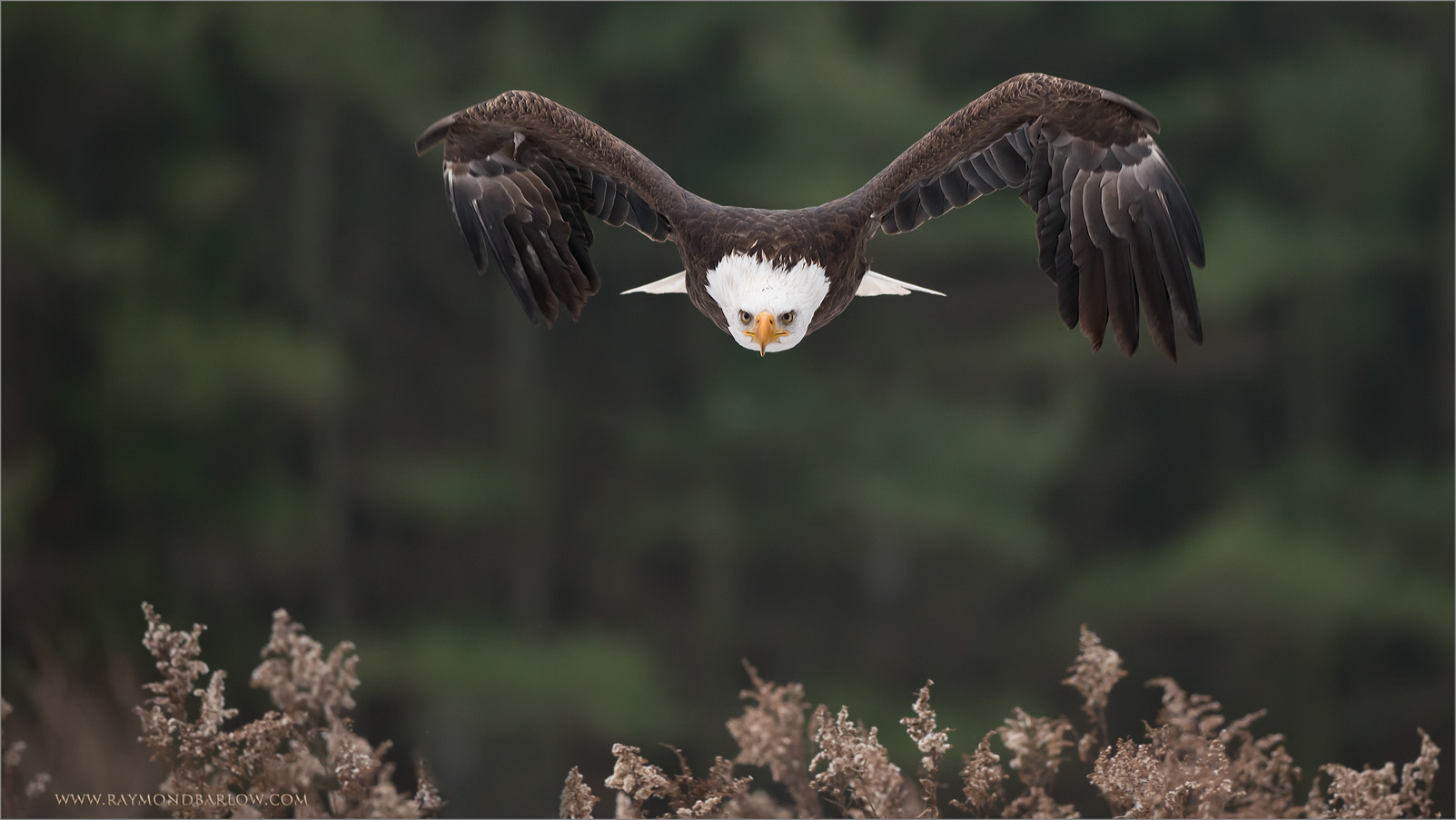
I received an email newsletter from Raymond Barlow today with this photo. Oh, my! What a shot. Ray has been one of the first photographers that gave permission to use his photos on this blog. After sending a quick note up to him (Canada), that permission remains and here are some of his latest Bald Eagle photos.

Bald Eagle (Haliaeetus leucocephalus) by Ray Barlow

Bald Eagle (Haliaeetus leucocephalus) by Ray Barlow

Wilt thou set thine eyes upon that which is not? for riches certainly make themselves wings; they fly away as an eagle toward heaven. (Proverbs 23:5 KJV)

Bald Eagle (Haliaeetus leucocephalus) by Ray Barlow

Bald Eagle (Haliaeetus leucocephalus) by Ray Barlow

Behold, he shall come up and fly as the eagle, and spread his wings over Bozrah: and at that day shall the heart of the mighty men of Edom be as the heart of a woman in her pangs. (Jeremiah 49:22 KJV)


Bald Eagle (Haliaeetus leucocephalus) by Ray Barlow

Bald Eagle (Haliaeetus leucocephalus) by Ray Barlow

And the first beast was like a lion, and the second beast like a calf, and the third beast had a face as a man, and the fourth beast was like a flying eagle.
(Revelation 4:7 KJV)

Bald Eagle (Haliaeetus leucocephalus) by Ray Barlow

Bald Eagle (Haliaeetus leucocephalus) by Ray Barlow

And to the woman were given two wings of a great eagle, that she might fly into the wilderness, into her place, where she is nourished for a time, and times, and half a time, from the face of the serpent. (Revelation 12:14 KJV)

Bald Eagle (Haliaeetus leucocephalus) by Ray Barlow

Bald Eagle (Haliaeetus leucocephalus) by Ray Barlow

If you click on these photos you will see them much larger. Thank you, Ray. Thank you Lord for creating such fantastic birds, especially Eagles.

Blessings,

Lee

*

Birds of the Bible Eagles

Raymond Barlow’s Site

Wordless Birds

*


Birds of the Bible – Lazuli Birds

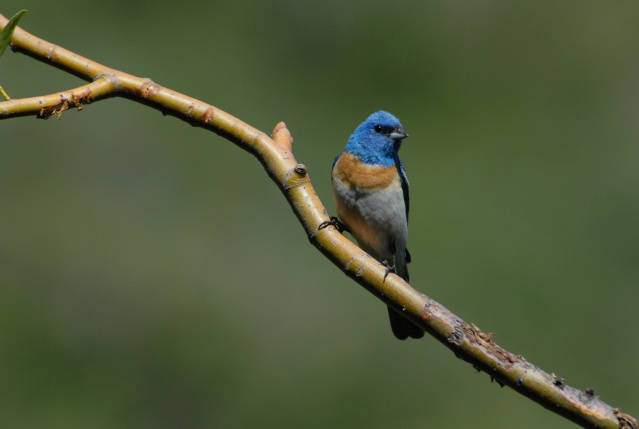
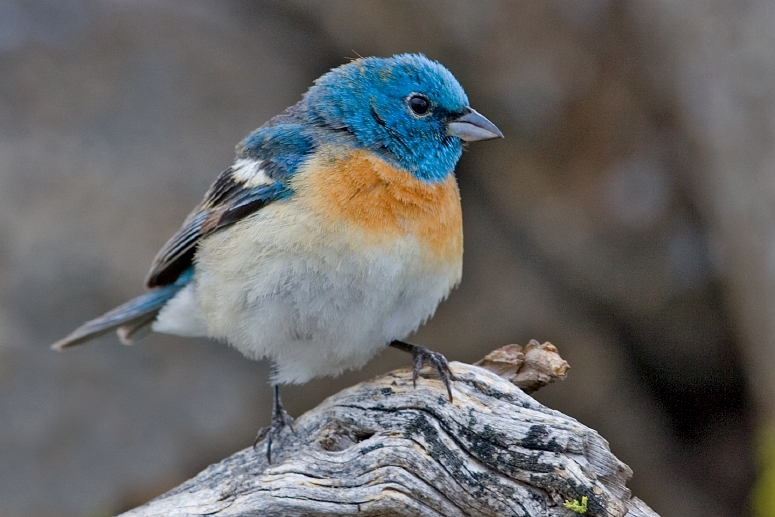
Lazuli Bunting (Passerina amoena) by Michael Woodruff

Lazuli Bunting (Passerina amoena) by Michael Woodruff

While reading through Lamentations, I came across this verse:

Her consecrated ones were purer than snow, They were whiter than milk; They were more ruddy in body than corals, Their polishing was like lapis lazuli. (Lamentations 4:7 NASB)

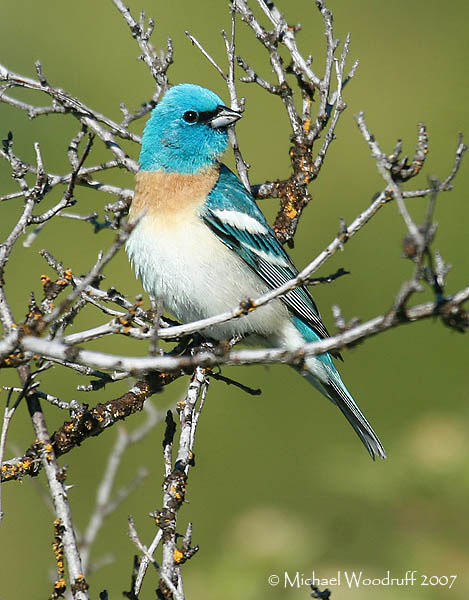
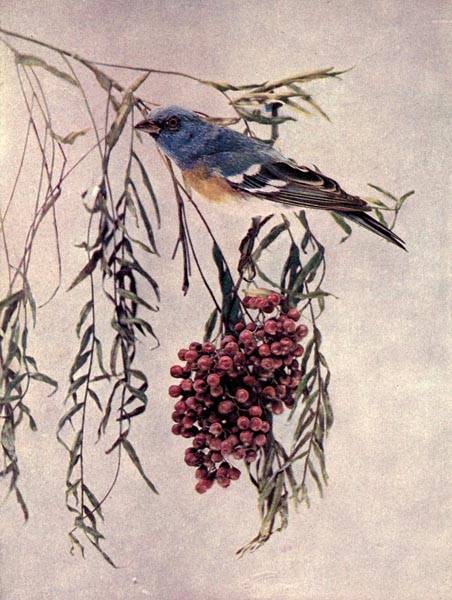
I immediately thought of the bird above – the Lazuli Bunting. Working with the Birds of the World, the name “Lazuli” has been seen before, so this is an attempt to find out what it really means and which birds have that color. Let’s dig around and see what we can find out.

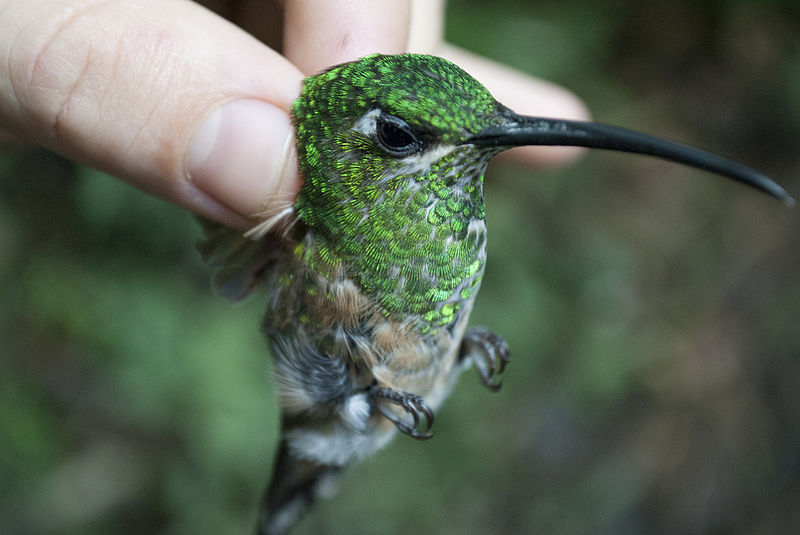
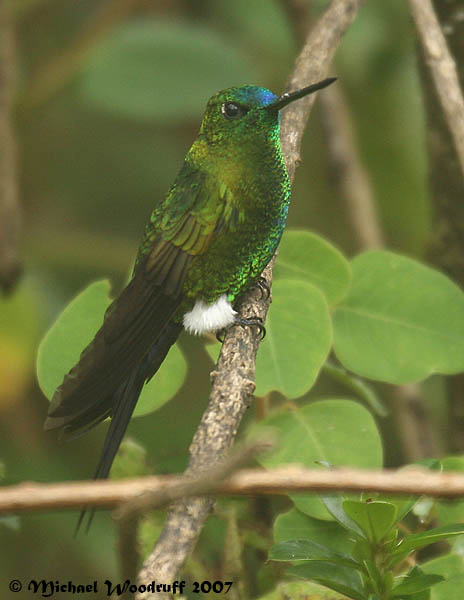
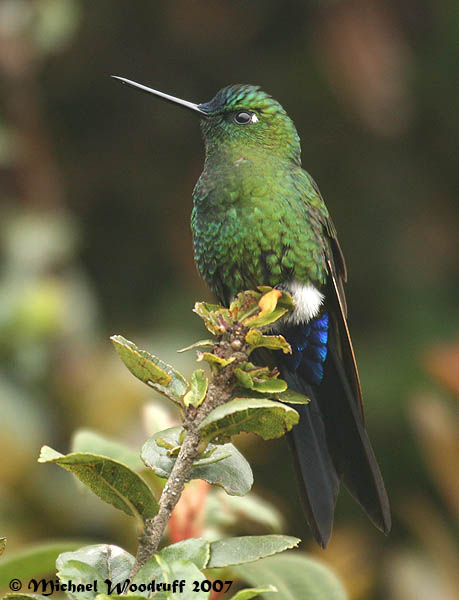
Lazuline Sabrewing (Campylopterus falcatus) ©WikiC

Lazuline Sabrewing (Campylopterus falcatus) ©WikiC

The NASB has two more verses that use “lazuli”: Ezekial 1:26 and 28:13. All three use lapis with the lazuli. Checking with my eSword program in the compare mode most of the translations use “Sapphire.” and some use the lapis lazuli. They all refer to a very well polished and cut stone of the sapphire or lazuli color.

Polished Block of Lapis Lazuli from Afghanistan ©WikiC

Polished Block of Lapis Lazuli from Afghanistan ©WikiC

Lazuli
Lazuline Sabrewing (Campylopterus falcatus)
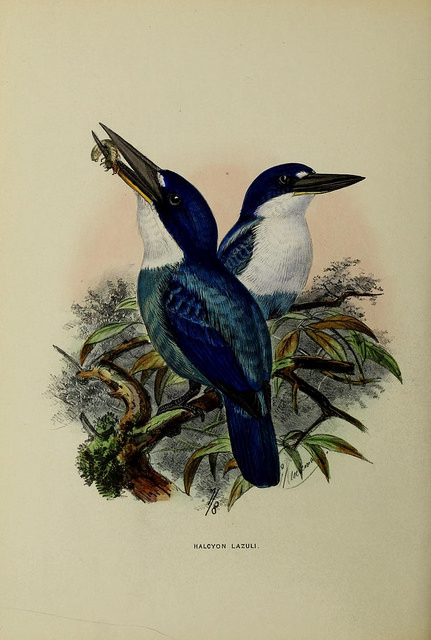
Lazuli Kingfisher (Todiramphus lazuli)
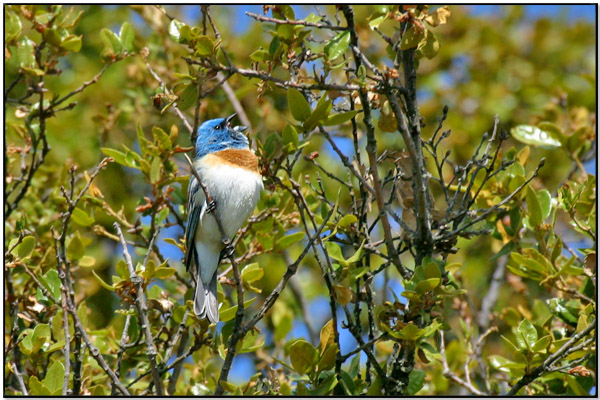
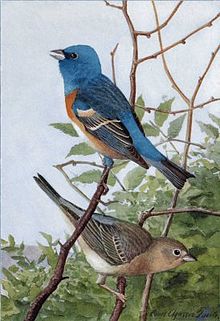
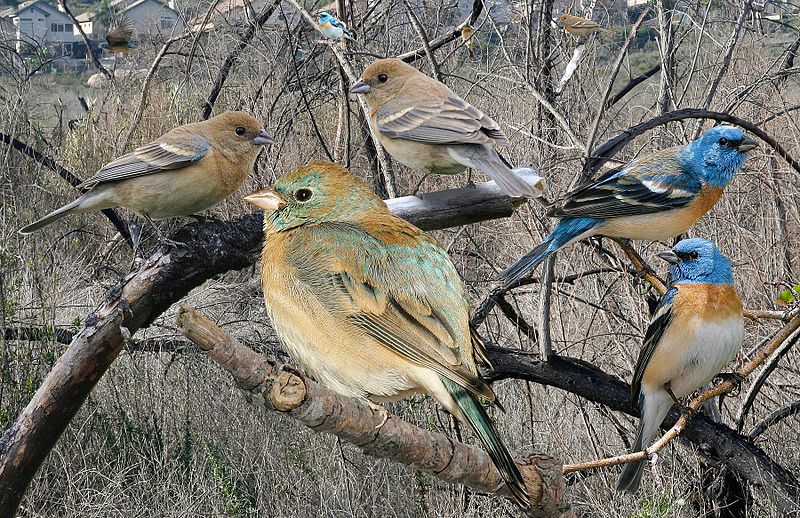
Lazuli Bunting (Passerina amoena)

Sapphire Gem ©WikiC

Sapphire Gem ©WikiC

Sapphire
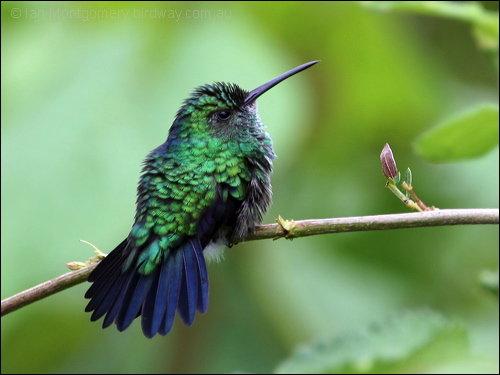
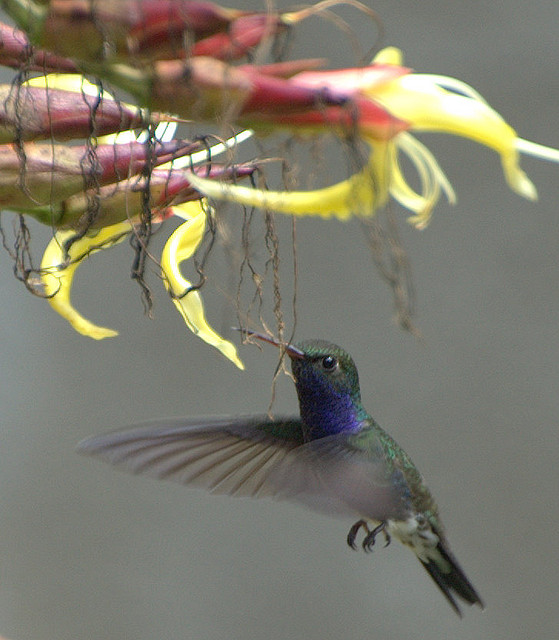
Blue-chinned Sapphire (Chlorestes notata)
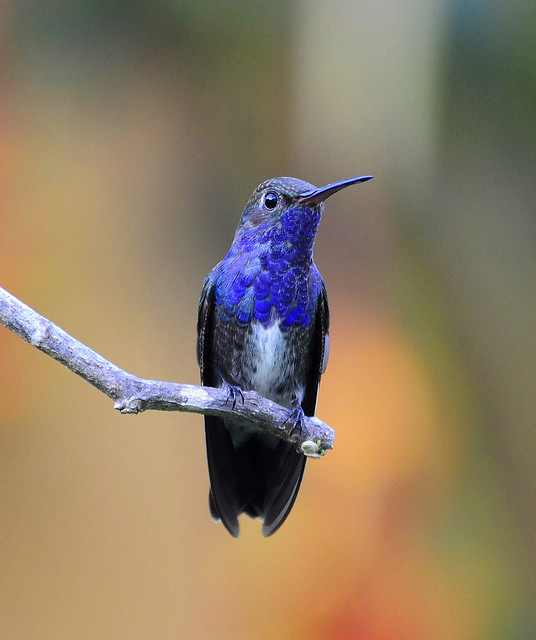
Sapphire-throated Hummingbird (Lepidopyga coeruleogularis)
Sapphire-bellied Hummingbird (Lepidopyga lilliae)
Blue-throated Sapphire (Hylocharis eliciae)
Rufous-throated Sapphire (Hylocharis sapphirina)
White-chinned Sapphire (Hylocharis cyanus)
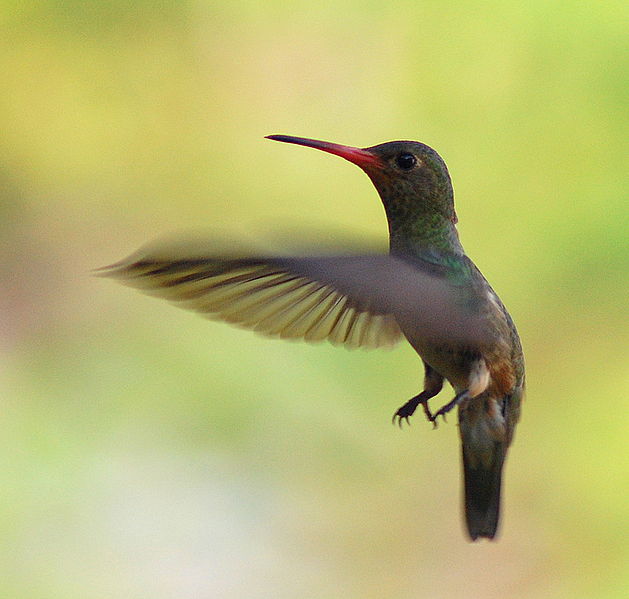
Gilded Sapphire (Hylocharis chrysura)
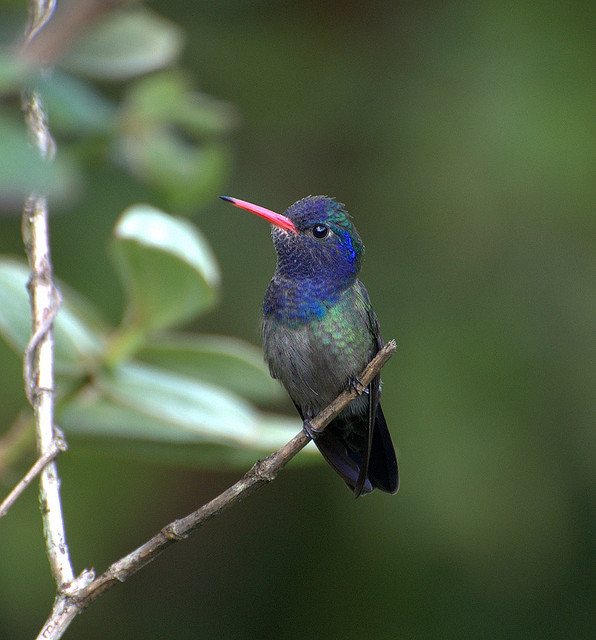
Blue-headed Sapphire (Hylocharis grayi)
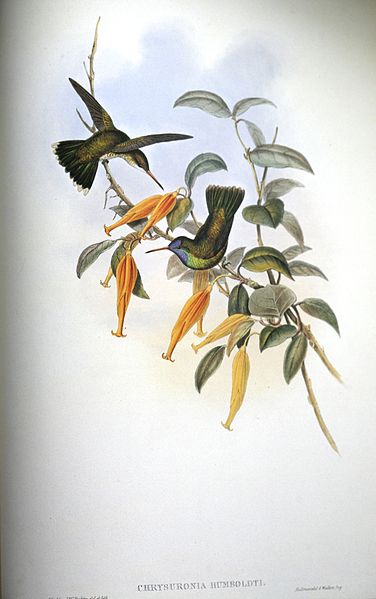
Humboldt’s Sapphire (Hylocharis humboldtii)
Golden-tailed Sapphire (Chrysuronia oenone)
Sapphire-spangled Emerald (Amazilia lactea)
Great Sapphirewing (Pterophanes cyanopterus)
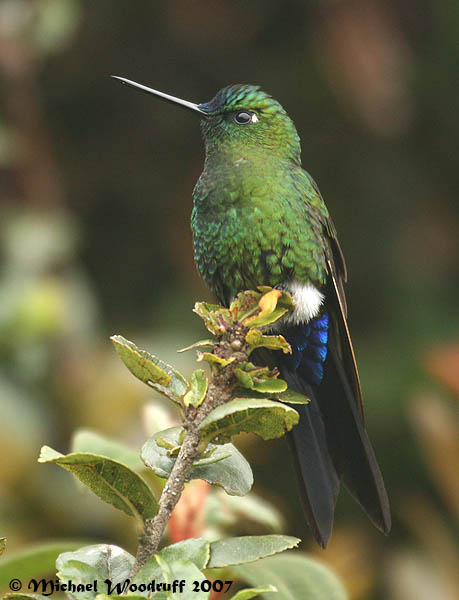
Sapphire-vented Puffleg (Eriocnemis luciani)
Sapphire-rumped Parrotlet (Touit purpuratus)
Sapphire Flycatcher (Ficedula sapphira)
Sapphire Quail-Dove (Geotrygon saphirina)

Sapphire-vented Puffleg (Eriocnemis luciani) by Michael Woodruff

Sapphire-vented Puffleg (Eriocnemis luciani) by Michael Woodruff

What an amazing colection of birds with a beautiful color that the Lord has given us. Not only did we get that fantastic color in stones from the Creator, but He used that color for His avian beauties also.


*
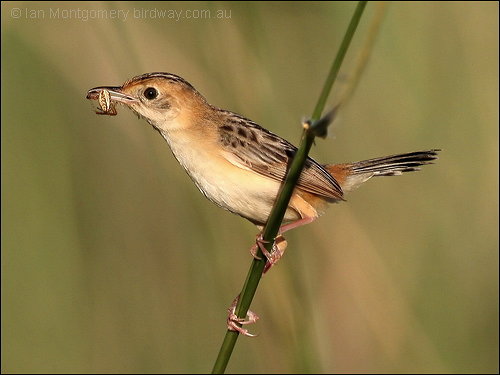
Hope you enjoy seeing these beautiful birds. The Bibles verses didn’t really have anything to do with birds. The verse is actually about the destruction of Jerusalem and how those that had been so well dressed in various colors were now appearing blacker than soot (Lam 4:8) because of their sin which had caused the destruction. Jeremiah, the weeping prophet, was describing what had been and what they were seeing now.

We also will face judgment one day, for either rejection of the Lord Jesus Christ, at the Great White Throne judgment or for those that have accepted Him as Lord and Savior at the Judgment Seat of Christ.

“For God so loved the world, that He gave His only begotten Son, that whoever believes in Him shall not perish, but have eternal life. “For God did not send the Son into the world to judge the world, but that the world might be saved through Him. “He who believes in Him is not judged; he who does not believe has been judged already, because he has not believed in the name of the only begotten Son of God. “This is the judgment, that the Light has come into the world, and men loved the darkness rather than the Light, for their deeds were evil. “For everyone who does evil hates the Light, and does not come to the Light for fear that his deeds will be exposed. “But he who practices the truth comes to the Light, so that his deeds may be manifested as having been wrought in God.” (John 3:16-21 NASB)

Birds of the Bible

Torrey’s Topical Textbook – Precious Stones

The Gospel

*
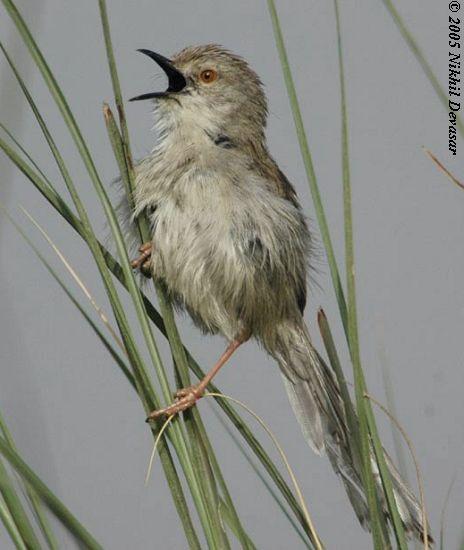
Sunday Inspiration – Worthy The Lamb

Chestnut-backed Scimitar Babbler (Pomatorhinus montanus) ©WikiC

Chestnut-backed Scimitar Babbler (Pomatorhinus montanus) ©WikiC

Wherefore, holy brethren, partakers of the heavenly calling, consider the Apostle and High Priest of our profession, Christ Jesus; Who was faithful to him that appointed him, as also Moses was faithful in all his house. For this man was counted worthy of more glory than Moses, inasmuch as he who hath builded the house hath more honour than the house. For every house is builded by some man; but he that built all things is God. (Hebrews 3:1-4 KJV)

Looks like this week you’ll be introduced to three families of avian wonders. I am skipping over the Cisticolidae – Cisticolas and allies until next week, because it is quite large. This week the Black-capped Donacobius (Donacobiidae), only bird in family; the Malagasy Warblers (Bernienidae) with 11 species; and the Babblers, Scimitar Barbler’s of the Timaliidae Family of 55 should give us enough birds for a slideshow.

Black-capped Donacobius (Donacobius atricapilla) ©©

Black-capped Donacobius (Donacobius atricapilla) ©©

The Black-capped Donacobius (Donacobius atricapilla) is a conspicuous, vocal South American bird. It is found in tropical swamps and wetlands in Argentina, Bolivia, Brazil, Colombia, Ecuador, French Guiana, Guyana, Paraguay, Peru, Suriname, and Venezuela; also Panama of Central America. They are common in a wide range of Amazonian wetlands, including oxbow lakes, riparian zones, and other areas with tall dense aquatic or semi-aquatic vegetation.

Mating for life, pairs of Black-capped Donacobiuses can be seen frequently and throughout the day atop thickets of dense lakeside or streamside vegetation. They often will engage in antiphonic dueting. Adult offspring will remain with their parents and help raise siblings from subsequent nesting periods in a system of cooperative breeding. (Wikipedia)

Long-billed Bernieria (Bernieria madagascariensis) WikiC

Long-billed Bernieria (Bernieria madagascariensis) WikiC

The Malagasy warblers are a newly validated clade of songbirds. They were formally named Bernieridae in 2010. The family consists of 11 species of small forest birds and is endemic to Madagascar. (Wikipedia)

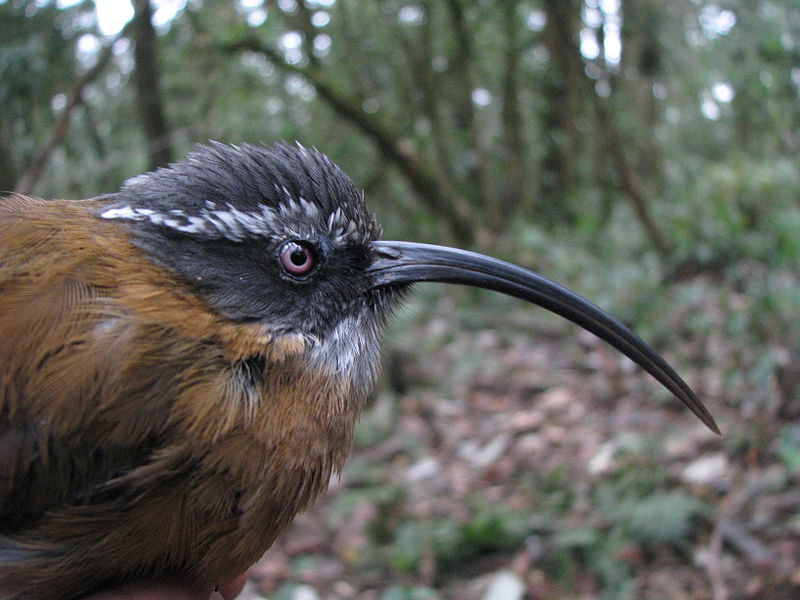
Slender-billed Scimitar Babbler (Pomatorhinus superciliaris) ©WikiC

Slender-billed Scimitar Babbler (Pomatorhinus superciliaris) ©WikiC

Our last family has Scimitar Babblers and some of the various Babblers.

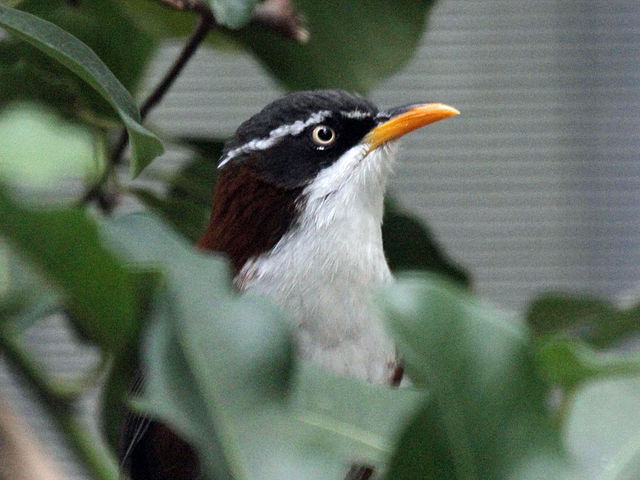
The genus Pomatorhinus of scimitar babblers are jungle birds with long downcurved bills. These are birds of tropical Asia, with the greatest number of species occurring in hills of the Himalayas. They are medium-sized, floppy-tailed landbirds with soft plumage. They are typically long-tailed, dark brown above, and white or orange-brown below. Many have striking head patterns, with a broad black band through the eye, bordered with white above and below.

Spelaeorni genus the typical wren-babblers, is a bird genus in the family Timaliidae. Among this group, the typical wren-babblers are quite closely related to the type species, the chestnut-capped babbler (Timalia pileata). Typical babblers live in communities of around a dozen birds, jointly defending a territory. Many even breed communally, with a dominant pair building a nest, and the remainder helping to defend and rear their young. Young males remain with the group, while females move away to find a new group, and thus avoid inbreeding. They make nests from twigs, and hide them in dense vegetation. (Info from Wikipedia)

This slideshow requires JavaScript.

Saying with a loud voice, Worthy is the Lamb that was slain to receive power, and riches, and wisdom, and strength, and honour, and glory, and blessing. (Revelation 5:12 KJV)

“Worthy The Lamb” ~ Choir at Faith Baptist Church

*

More Sunday Inspirations

Donacobiidae – Black-capped Donacobius

Bernieridae – Malagasy Warblers

Timaliidae – Babblers, Scimitar Babblers

Gospel Presentation

*

“SUPERB,” “SPLENDID” AND “LOVELY” – Re-post Plus

“SUPERB,” “SPLENDID” AND “LOVELY”

“I know all the fowls of the mountains: and the wild beasts of the field are mine.” Psalm 50:11

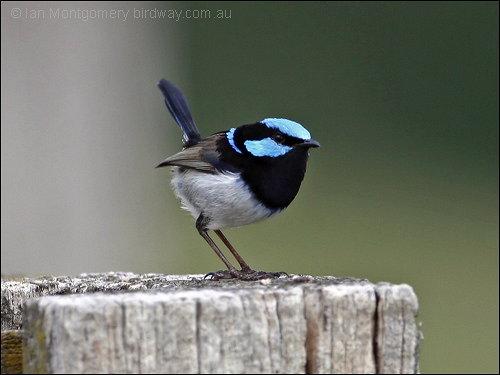
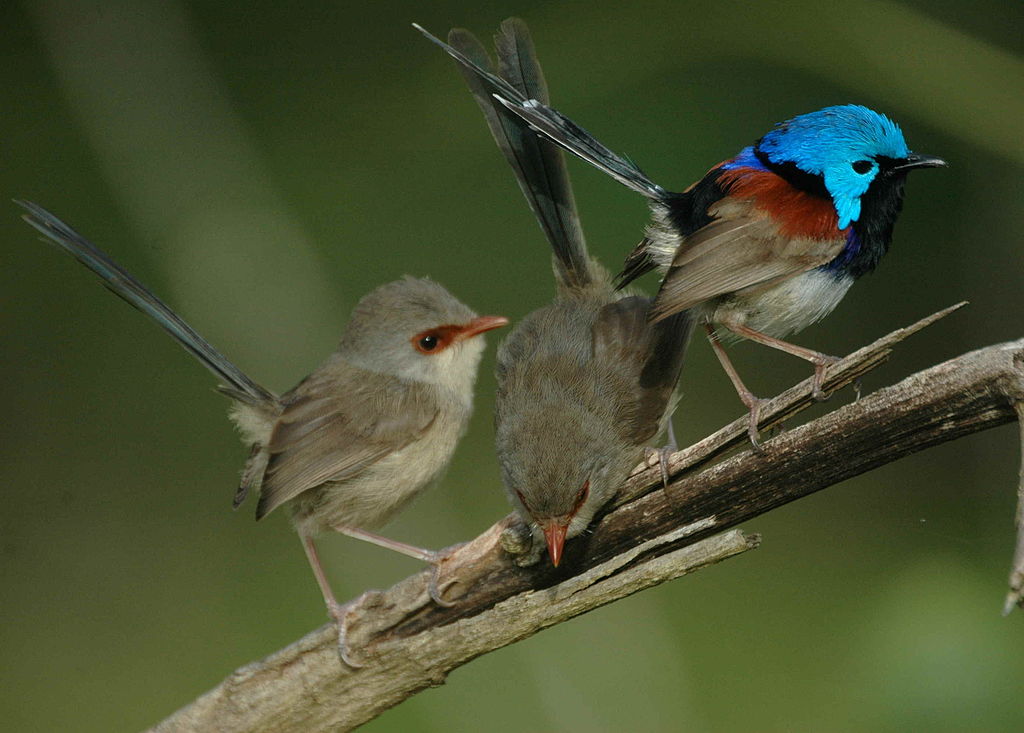
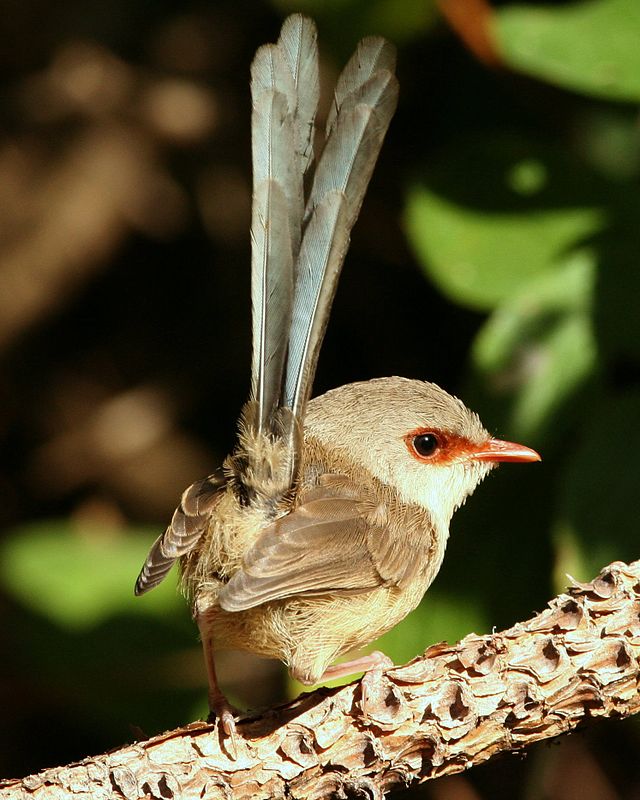
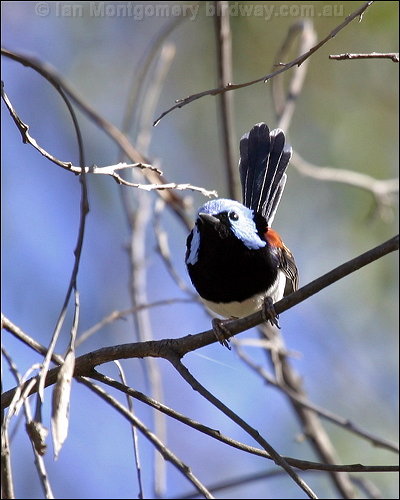
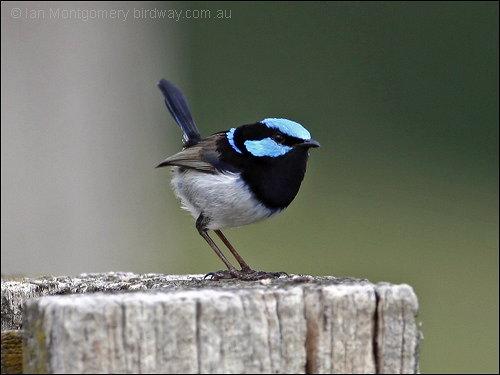
There are 13 species of a brightly plumed little songbird known as the fairy wren. The birds are found in Australia and New Guinea. So colorful are their feathers that the various species go by names like “superb,” “splendid” and “lovely.” However, even more noteworthy is the birds’ unusual behavior.

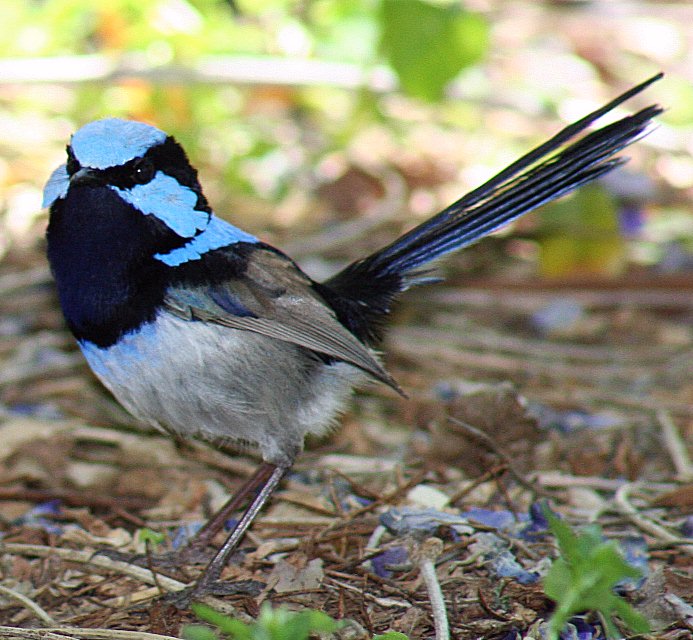
Superb Fairy-wren (Malurus cyaneus) by Ian

Superb Fairywren (Malurus cyaneus) by Ian

A male courting a female will bring her a flower petal. The petal usually matches his color or is a deeply contrasting color. Normally a perky little bird with an upright tail, when courting he lowers his tail and creeps around close to the ground. As he twists his body back and forth, he puffs out his cheek feathers. If the female accepts his courting, she builds their nest alone, lining it with bright parrot feathers. While they mate for life, they are not known for fidelity to their mates.

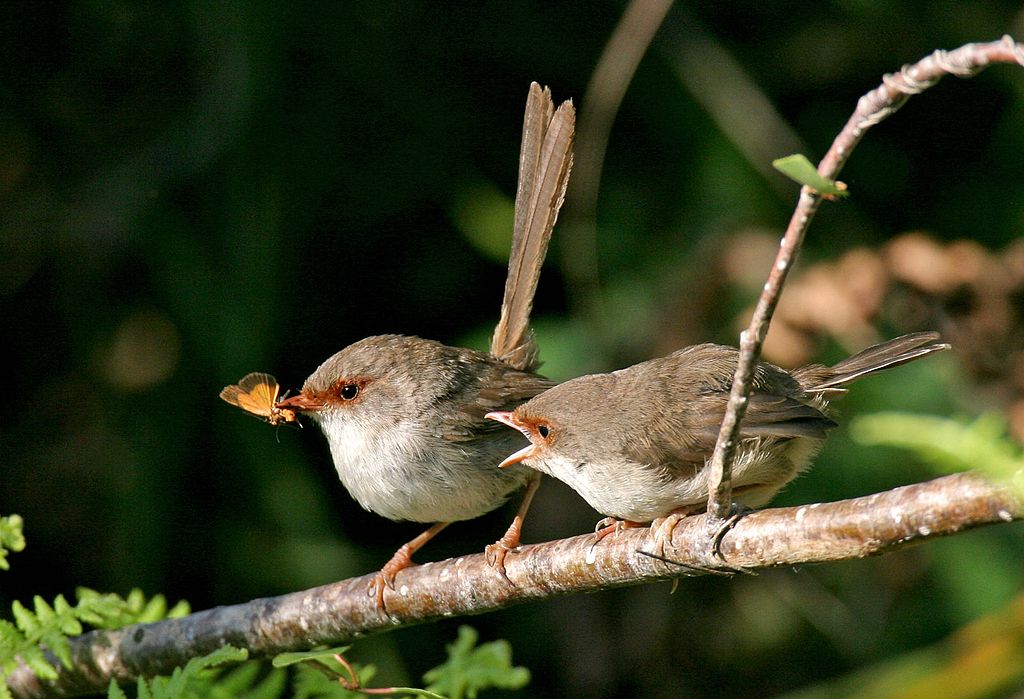
Superb Fairy-wren (Malurus cyaneus) Juvenile and Female ©WikiC

Superb Fairywren (Malurus cyaneus) Juvenile and Female ©WikiC

When mature, females will go off on their own, but males may stay with their parents for a year or more. Their main duty is to guard the family nest. If danger approaches the nest, the guard will puff up his wings, lower his tail and scuttle through dry grass, pretending to be a mouse. The idea is to lure the predator away from the nest.

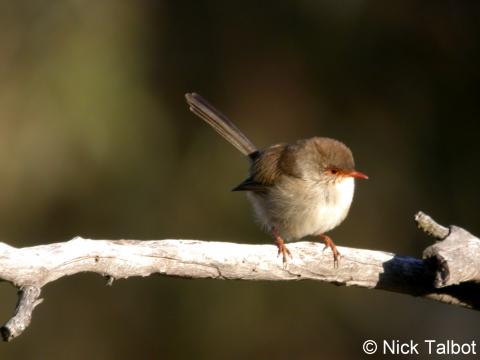
Superb Fairy-wren (Malurus cyaneus) Female by Nick Talbot

Superb Fairywren (Malurus cyaneus) Female by Nick Talbot

The beauty and unusual behavior of these little birds testifies to more than God’s creativity and love for beauty. They remind us of the beauty that was lost to God’s creation when it was tainted by man’s sin. Thankfully, some of that beauty that was lost can return to our lives through the forgiveness of sins that is found in Jesus Christ.

Prayer:
Dear Father, I thank You for the beauty of Your creation and for giving me the forgiveness of sins in Jesus Christ. Amen.

Notes:
Natural History, 11/94, pp. 56 62, “Faithful Philanderers.” Photo: Superb blue fairy-wren. Courtesy of Benjamint444. (CC-BY-SA 3.0)
©Creation Moments 2015 used with Permission


Lee’s Addition:
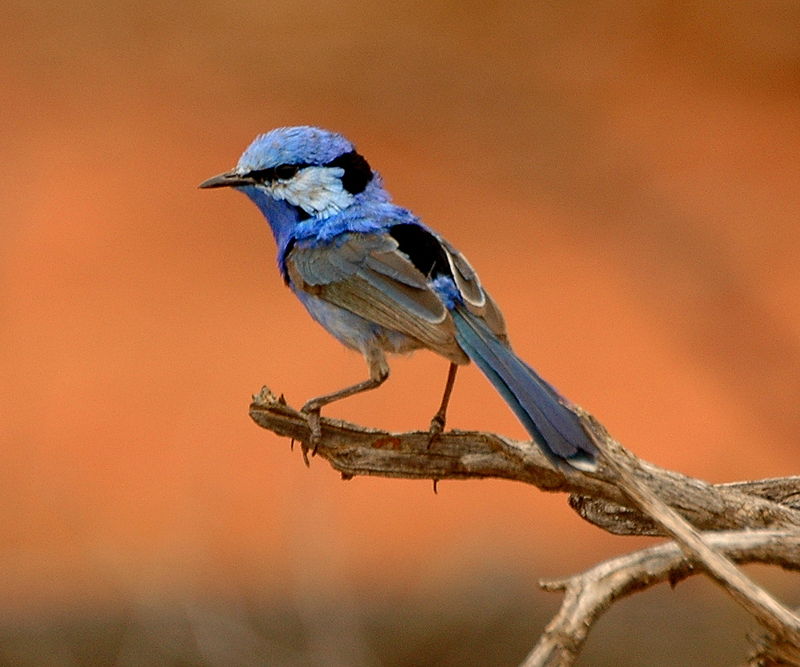
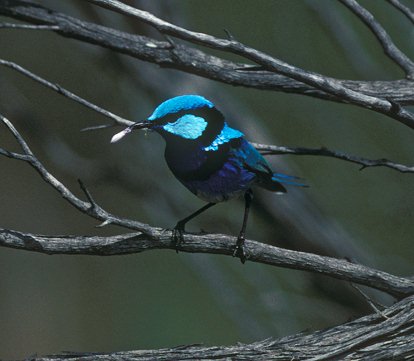
Here are some more photos of the Fairywrens from their Creator:


*
Creation Moments
“Superb, Splendid and Lovely”
Interesting Things
Fairywren Family
Wordless Birds
*