***
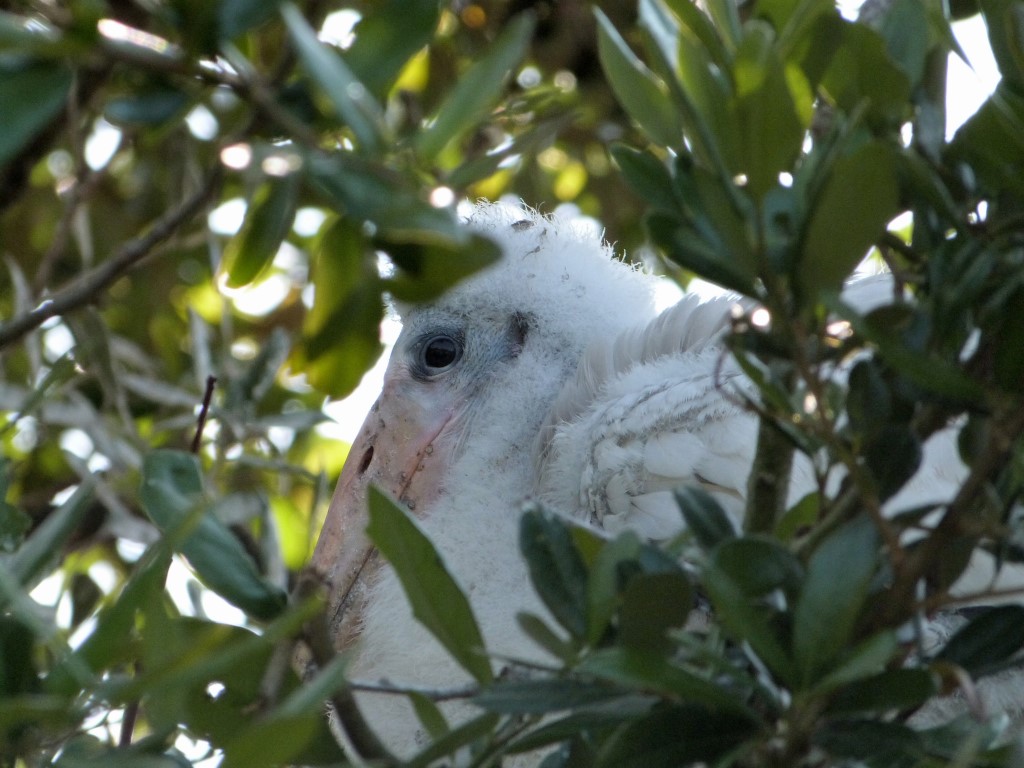
AS FOR THE STORK
***
“Where the birds make their nests: as for the stork, the fir trees are her house.” (Psalms 104:17 KJV)
Wood Stork (Mycteria americana) Jacksonville Zoo by Lee
*
*
“Where the birds make their nests: as for the stork, the fir trees are her house.” (Psalms 104:17 KJV)
Wood Stork (Mycteria americana) Jacksonville Zoo by Lee
*
*

“How sweet are thy words unto my taste! yea, sweeter than honey to my mouth!” (Psalms 119:103 KJV)
Blue-faced Honeyeater (Entomyzon cyanotis) by Ian at Birdway
*
*

Ian’s Bird of the Week – Long-tailed and White-winged Trillers ~ by Ian Montgomery
Newsletter – 9/5/16
Here is a comparison of a New Caledonian species with a related Australian one in order to unsubtly bring to your attention a talk I’m giving on New Caledonian birds to Birding NSW this coming Tuesday 6th September at 7:30pm in Sydney. It’s in the Mitchell Theatre of the Sydney Mechanics School of Arts, Level 1, 280 Pitt Street between Park and Bathurst. The talk is entitled “Birds of New Caledonia: from strangely familiar to very strange” and arises from a visit to New Caledonia last year.
Many of the very strange birds featured as Birds of the Week in the second half of 2015, so here is a species familiar to Australian birders, the White-winged Triller and a rather similar one that occurs in New Caledonia, the Long-tailed Triller. Trillers are small relatives of the Cuckooshrikes and both groups are members of the Oriental-Australasian family the Campephagidae (“caterpillar gluttons”).
The White-winged is the more widespread of the two Australian Trillers, occurring throughout Australia. It is a summer breeding visitor to southern Australia and Tasmania, but present all year in northern Australia. Some of the migrants end up in southern New Guinea in the southern winter and vagrants have turned up in Lord Howe Island and New Zealand. Breeding males are black, grey and white (first photo) with black heads down as far as just below the eye, while females are brown and white with a buff supercilium (eyebrow) as in the second photo.

Non-breeding adult males (third photo) have an ‘eclipse’ plumage which looks more like the brown female including the pale supercilium but retaining the black flight feathers on the wings. Juveniles look fairly like the brown females but young males are intermediate between the juveniles and the eclipse males. This variability is a challenge for taxonomists, particular as there are close related populations in Indonesia and the Philippines which differ mainly in the amount of white on the wings in adult males and may or not be different species (White-shouldered and Pied Trillers respectively).

In New Caledonia, there is one resident and quite common species, the Long-tailed Triller, which also occurs in Vanuatu and the southern Solomons. This species is about the same size as the White-winged Triller (17cm/7in) and the males differ from it in the amount of white on the wings, though individuals are variable. Females are similar, but have slightly brownish upperparts and buff on the white wing patches. I identified the one on the main island (Grande Terre) in the fourth photo as a male and the one on Ouvea in the fifth as a female, but now I’m not sure, particularly as these are of two different races and the field guides and handbooks are not very enlightening.
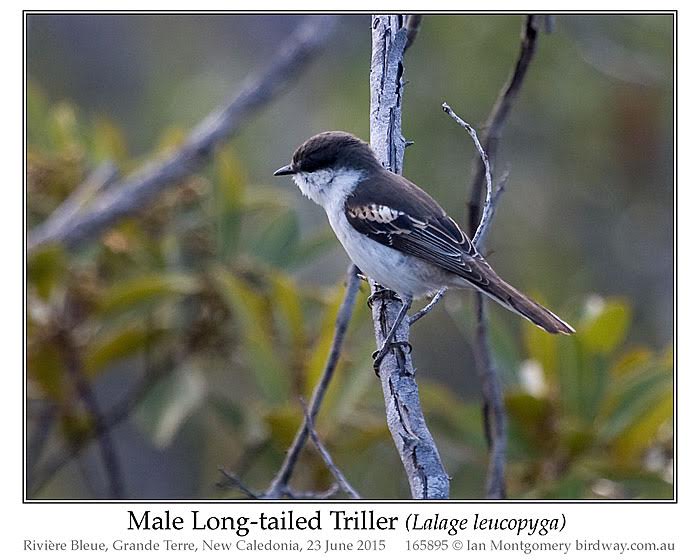
Incidentally, the Long-tailed Triller was first described from Norfolk Island where it, the nominate race, is now extinct. Does that make it an Australian Triller?
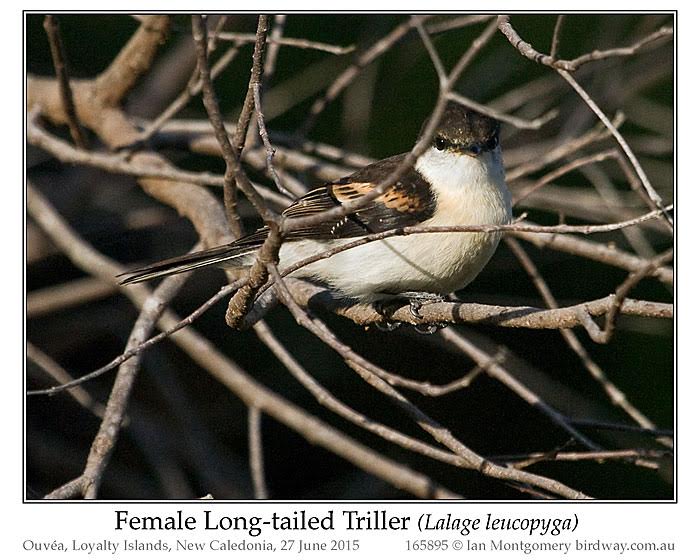
This all got a bit more involved than I’d intended. I had just wanted to illustrate similarities between Australian and New Caledonian birds, something I found very interesting. In case it leaves you cold and I’ve put you off coming to the talk, here is a reminded of the legendary Kagu which was our main target and should be on every birder’s bucket list. This is at the opposite end of the scale of taxonomic divergence, is the sole member of its family and shares its order with only one other species from South and Central America, the Sunbittern. Now that’s a challenge for evolutionary taxonomists and biogeographers!

If you are at the meeting in Sydney next Tuesday, I’ll look forward to meeting you.
Greetings
Ian
**************************************************
Ian Montgomery, Birdway Pty Ltd,
454 Forestry Road, Bluewater, Qld 4818
Tel 0411 602 737 ian@birdway.com.au
Bird Photos http://www.birdway.com.au/
Where to Find Birds in Northern Queensland: iTunes; Google Play Kobo Books
Recorder Society http://www.nqrs.org.au
Lee’s Addition:
Wow! Some more neat birds from their creator for you to show us. Thanks, Ian.
Campephagidae Family Photos by Ian
Campephagidae – Cuckooshrikes Here
*

“He stretcheth out the north over the empty place, and hangeth the earth upon nothing.” (Job 26:7 KJV)
Juan Fernandez Firecrown (Sephanoides fernandensis) ©WikiC
*
*
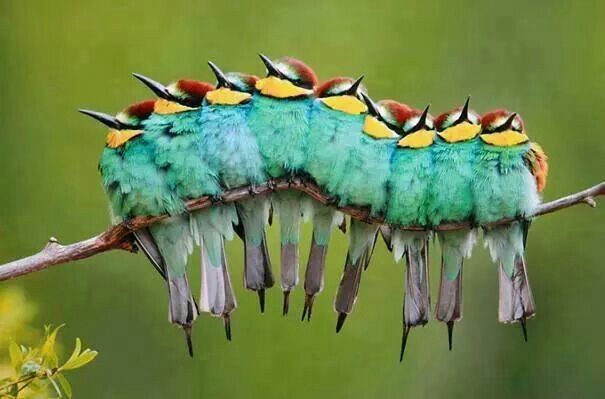
“And the following day they entered Caesarea. Now Cornelius was waiting for them, and had called together his relatives and close friends.” (Acts 10:24 NKJV)
Bee-eaters From Pinterest
*
*
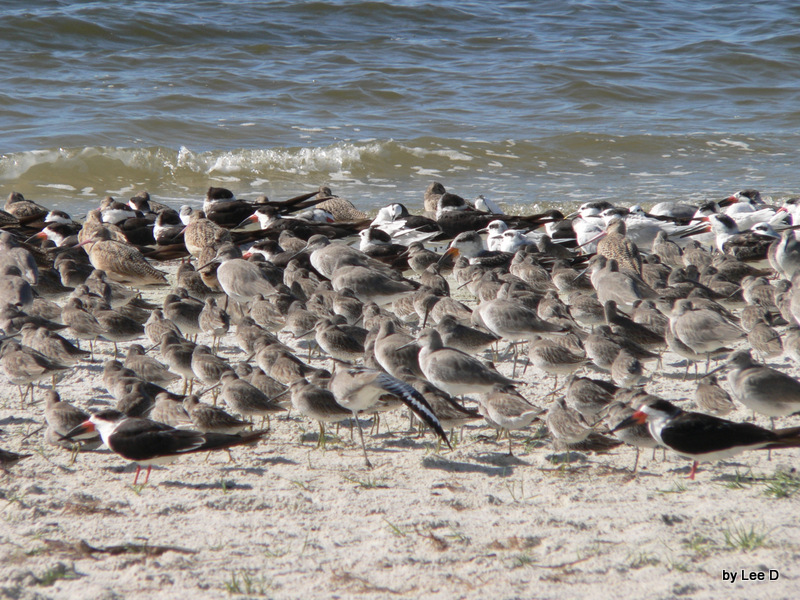
“How precious also are thy thoughts unto me, O God! how great is the sum of them! (Psalms 139:17 KJV)
Watching Birds at MacDill AFB Shore by Lee
*
*

Blackish-blue Seedeater (Amaurospiza moesta) ©WikiC
And when he sowed, some seeds fell by the way side, and the fowls came and devoured them up: (Matthew 13:4 KJV)
Last week, the first half of the Cardinalidae was presented, and now here is the rest of this beautiful family. Today we have Grosbeaks, Seedeaters, Saltators, a Dickcissel, and Buntings. You will see another display of the Lord’s Handiwork as you watch the slideshow.
The beginning genera have only a few species, the latter ones have more species per genus. Enjoy!

Black-headed Saltator (Saltator atriceps) ©WikiC
“Saltator is a genus of songbirds of the Americas. They are traditionally placed in the cardinal family (Cardinalidae) but now seem to be closer to tanagers (Thraupidae). Their English name is also saltator, except for two dark species known by the more general grosbeak.
Saltator is Latin for “leaper” or “dancer”. Louis Vieillot applied it to this genus because of the heavy way the birds hop on the ground.” (Wikipedia)

Dickcissels have a large pale bill, a yellow line over the eye, brownish upperparts with black streaks on the back, dark wings, a rust patch on the shoulder and light underparts. Adult males have a black throat patch, a yellow breast and grey cheeks and crown. This head and breast pattern is especially brilliant in the breeding plumage, making it resemble an eastern meadowlark. Females and juveniles are brownish on the cheeks and crown and are somewhat similar in appearance to house sparrows; they have streaked flanks.
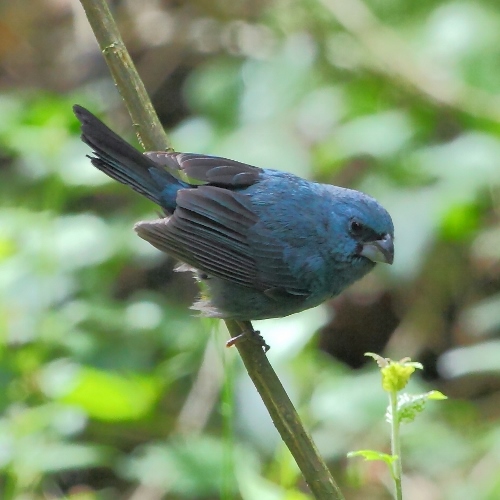
Glaucous-blue Grosbeak (Cyanoloxia glaucocaerulea) ©WikiC
The Glaucous-blue Grosbeak (Cyanoloxia glaucocaerulea), also known as the indigo grosbeak, is a species of bird in the Cardinalidae family. It is the only member of the genus Cyanoloxia. It is found in Argentina, Brazil, and Uruguay. Its natural habitats are subtropical or tropical moist lowland forests, subtropical or tropical moist shrubland, and heavily degraded former forest.

Painted Bunting Subspecies (Passerina ciris ciris) ©WikiC
The genus Passerina is a group of birds in the cardinal family (Cardinalidae). Although not directly related to buntings in the family Emberizidae, they are sometimes known as the North American buntings (the North American Emberizidae are colloquially called “sparrows” although they are also not related to these birds).
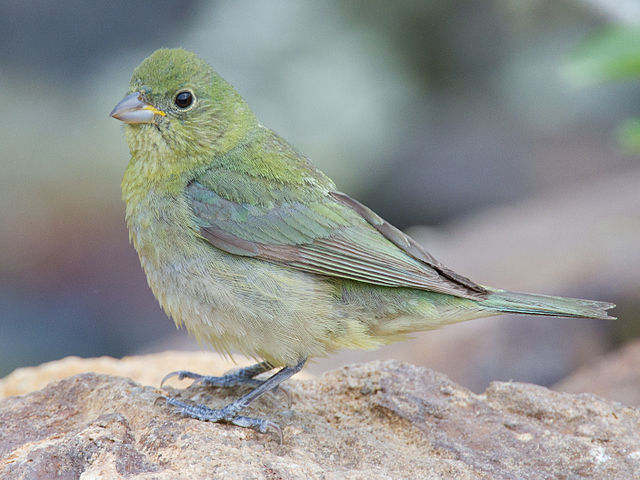
Painted Bunting (Passerina ciris) Female ©WikiC Dan_Pancamo
The males show vivid colors in the breeding season; the plumage of females and immature birds is duller. These birds go through two molts in a year; the males are generally less colorful in winter. They have short tails and short slim legs. They have smaller bills than other Cardinalidae; they mainly eat seeds in winter and insects in summer. (Wikipedia)
With this last group, we have now completed the PASSERIFORMES – Passerines Order. As mentioned last week, there are 131 families of song birds that you have been viewing since February of this year.
And he said unto me, It is done. I am Alpha and Omega, the beginning and the end. I will give unto him that is athirst of the fountain of the water of life freely. (Revelation 21:6 KJV)
“Come Thou Fount of Every Blessing” ~ Choir and Orchestra
*
Sunday Inspiration – Cardinalidae – Family of Cardinals Plus
Cardinalidae – Cardinals, Grosbeaks and allies
*

“And see if there be any wicked way in me, and lead me in the way everlasting.” (Psalms 139:24 KJV)
Mallard Ducks Being Lead ©WikiC
*
*

“Now also when I am old and grayheaded, O God, forsake me not; until I have shewed thy strength unto this generation, and thy power to every one that is to come.” (Psalms 71:18 KJV)
Wood Stork and Lee at Lake Morton by Dan
(P.S. Today is my 73rd Birthday)
*
*
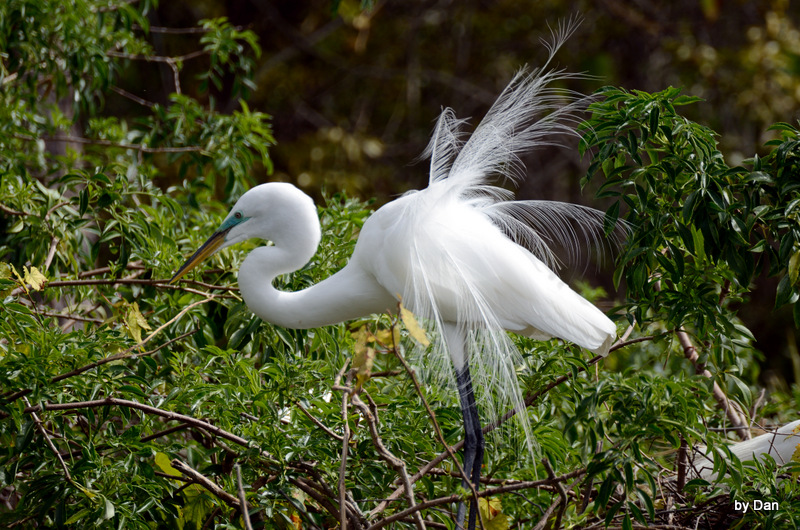
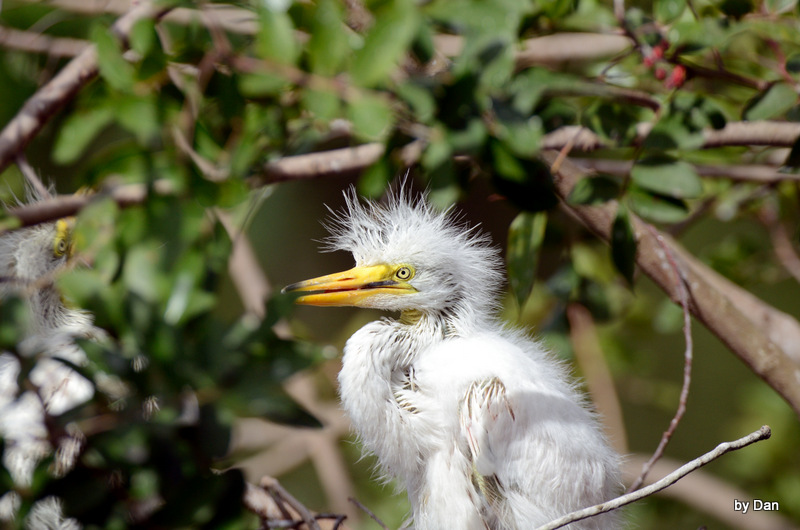
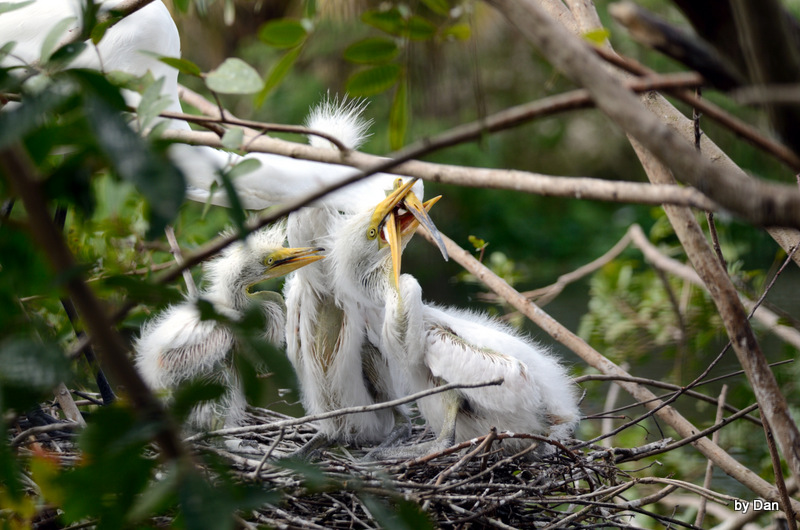
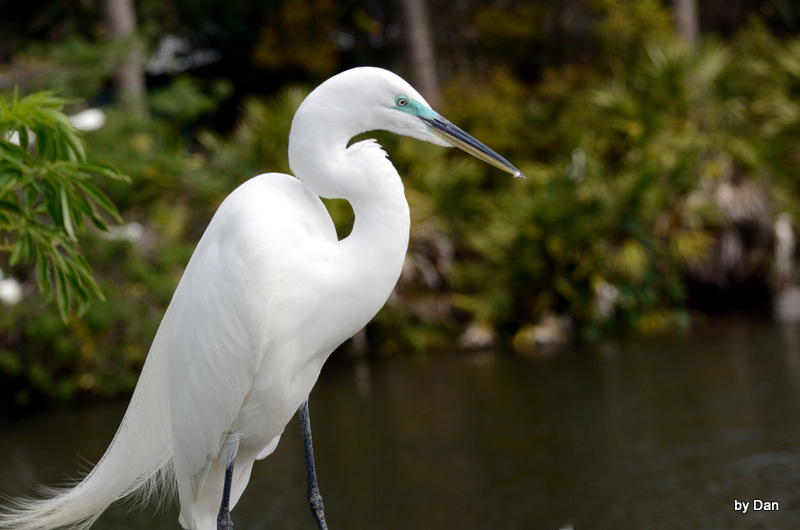
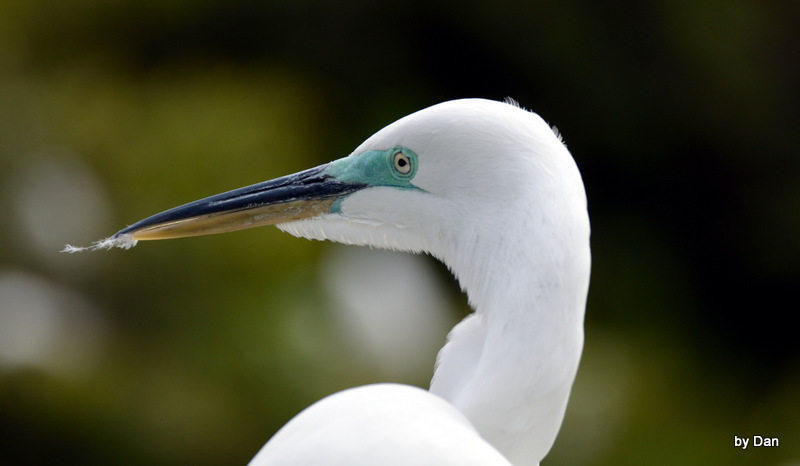
Great Egret by Dan at Gatorland
And the stork, and the heron after her kind, and the lapwing, and the bat. (Deuteronomy 14:18 KJV)
Gatorland in Orlando, Florida is a great place to visit and especially to go birdwatching. We have had several articles about Gatorland (see below) and most of the photos have been by me, Lee. But, my husband, Dan, is THE photographer in our family.
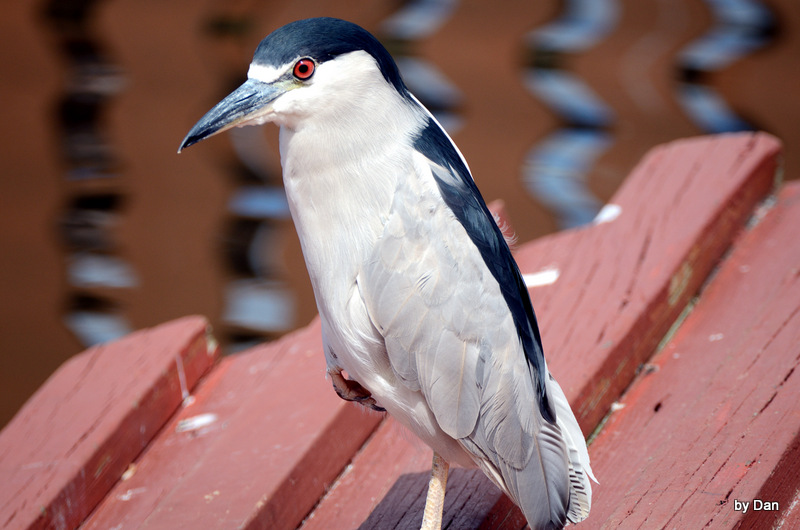
Black-crowned Night Heron by Dan
Dan has a website where he places his photos. His site is Dan’s Pix. I thought you might enjoy seeing his photos from some of our trips there. These pictures were taken from his Gatorland folder.
Here is a slideshow of just the ones from the Heron Family. These have been compressed for this site, but if you swing by his site, you will see the uncompressed versions.
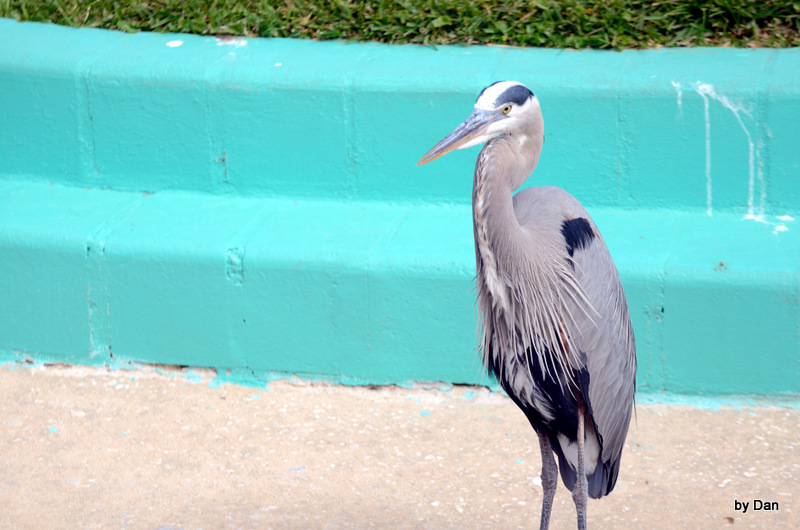
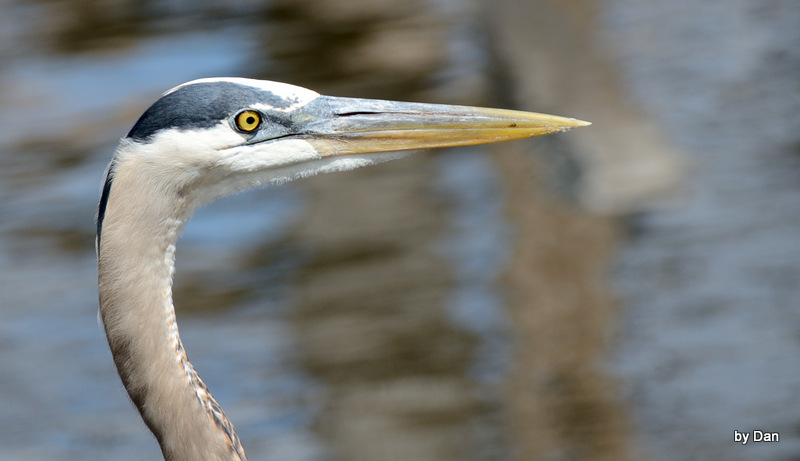
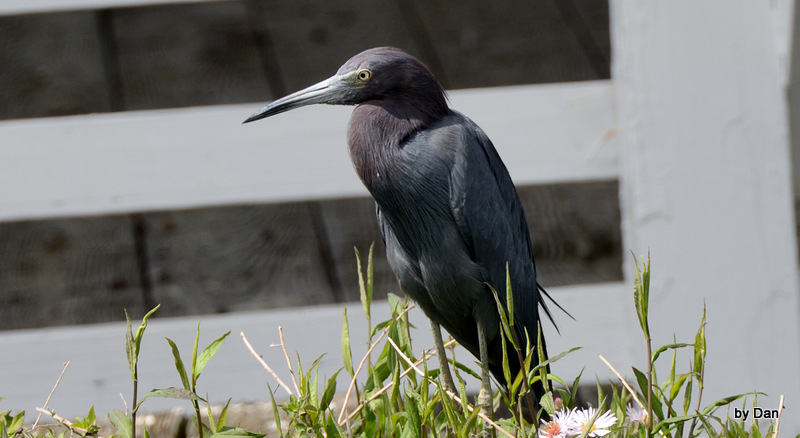
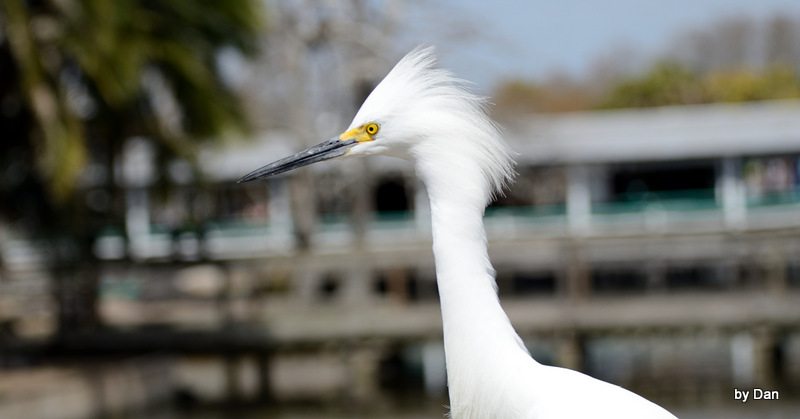
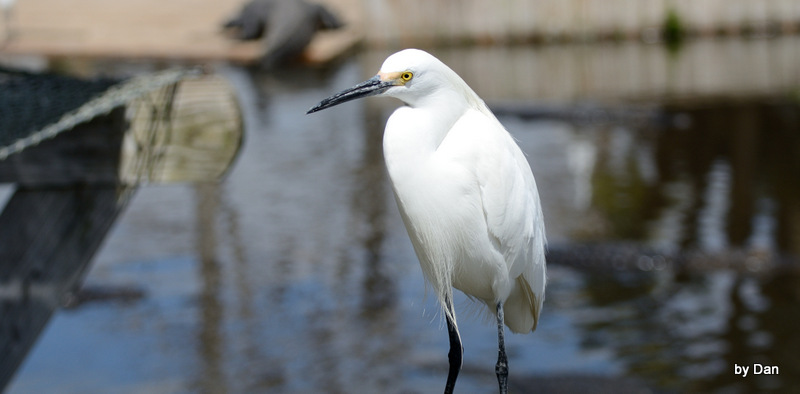
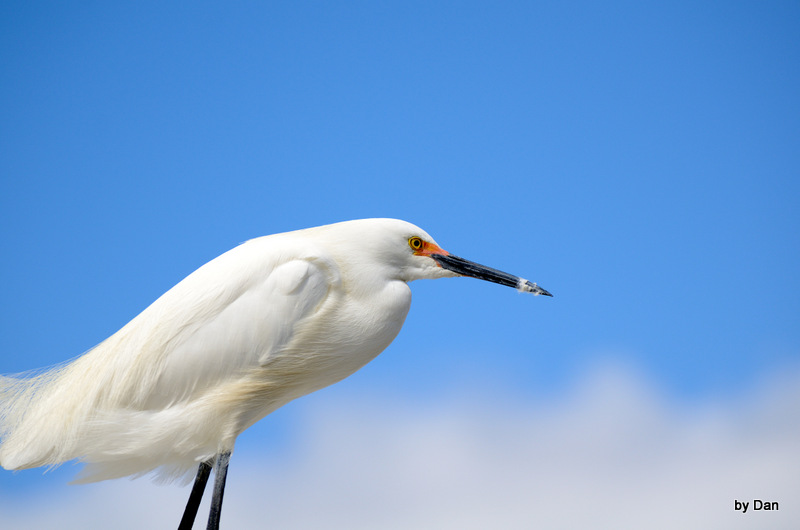
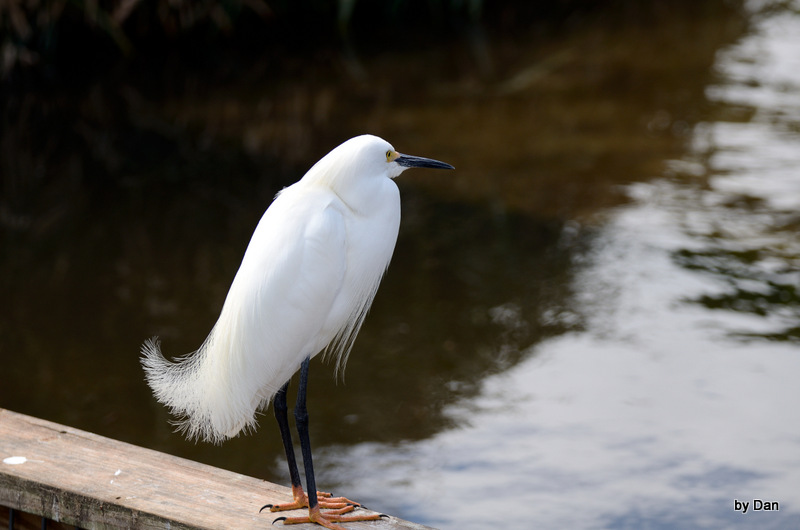
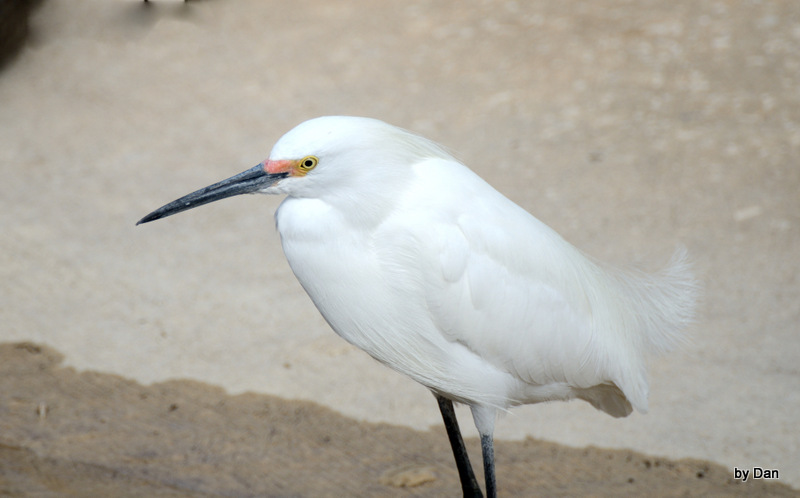
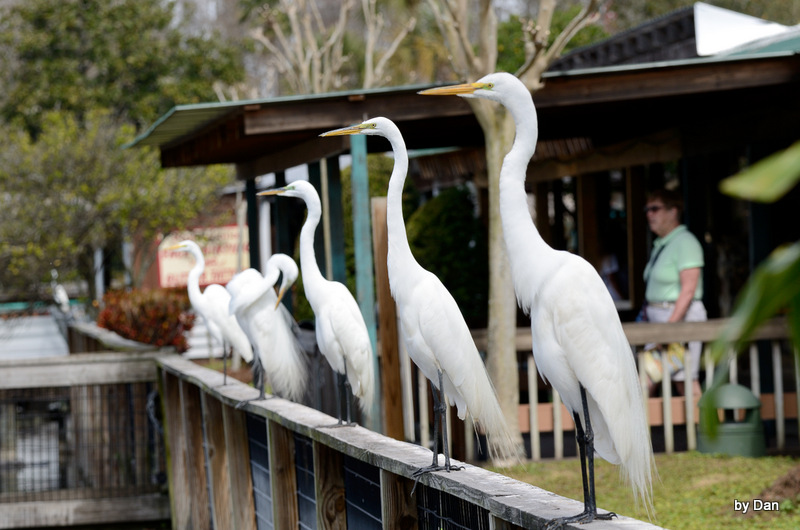
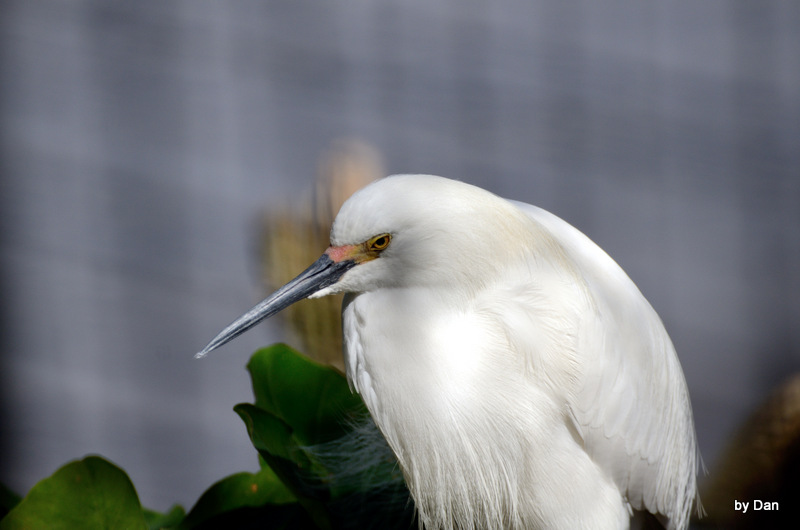
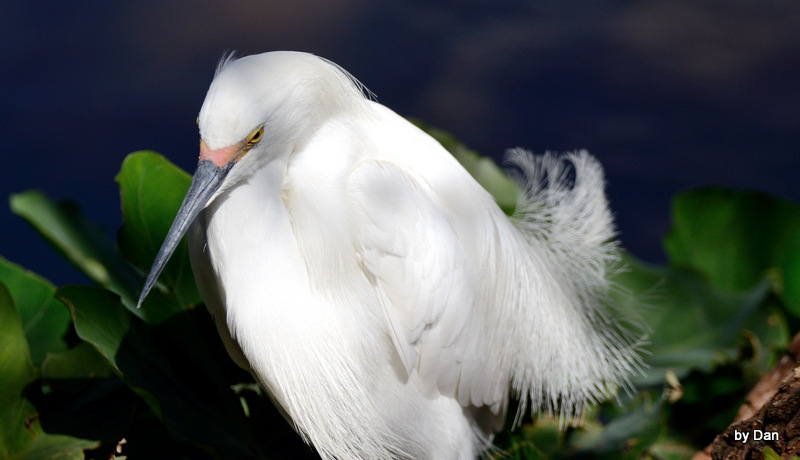
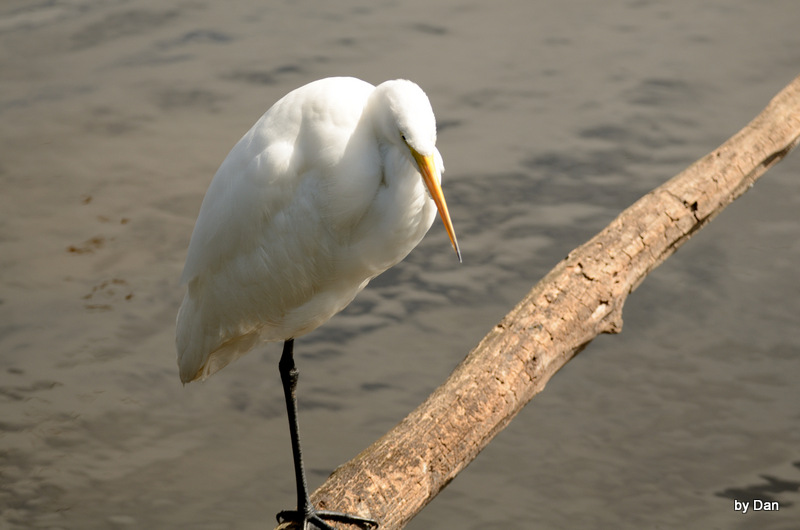
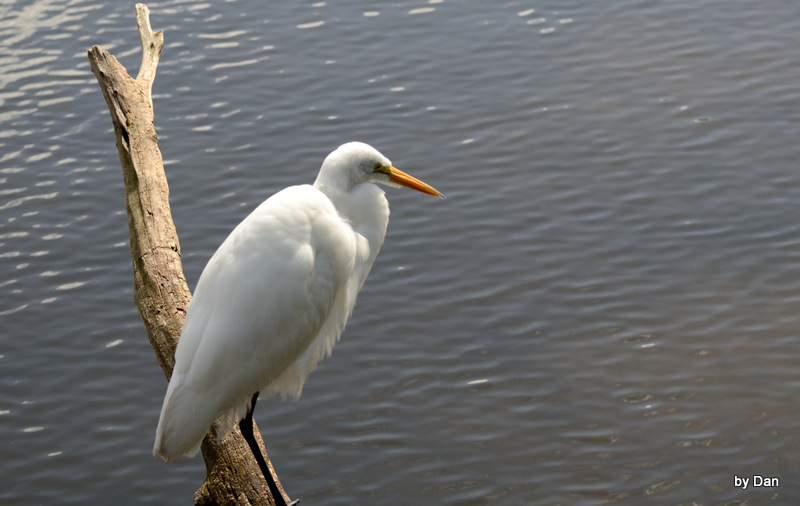
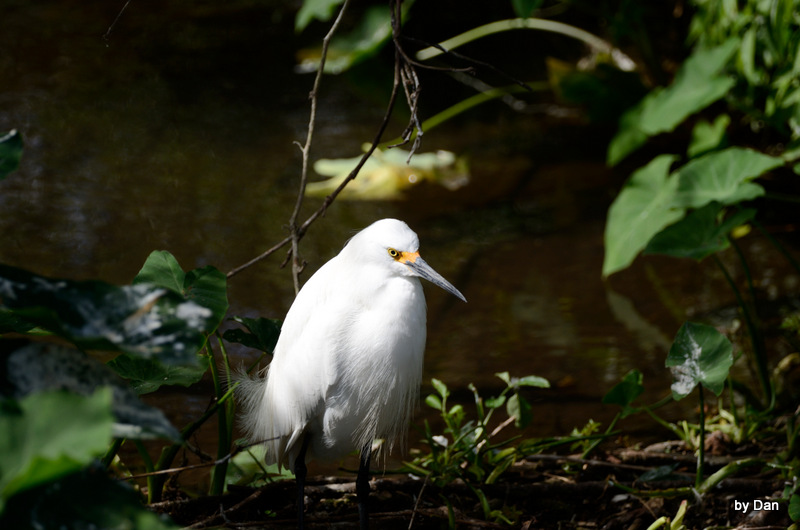
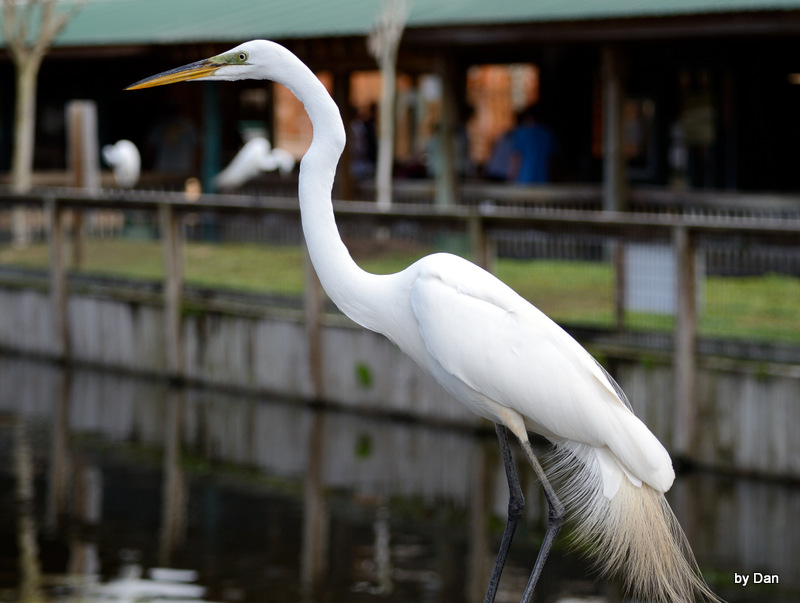
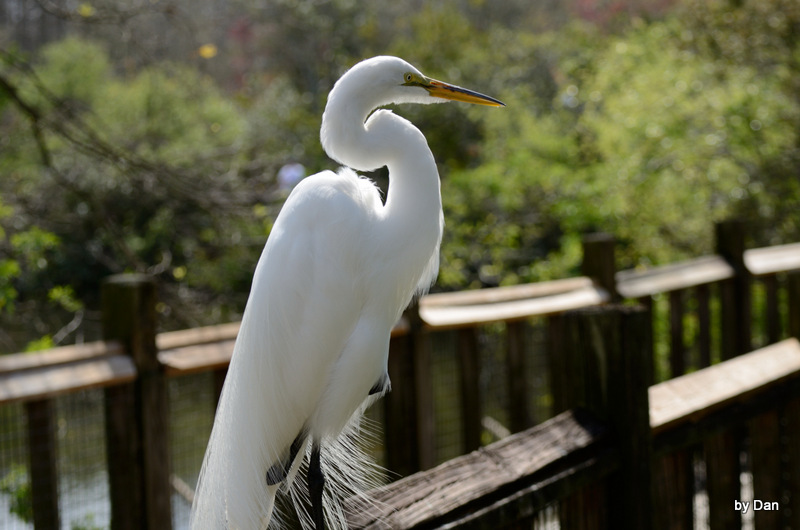
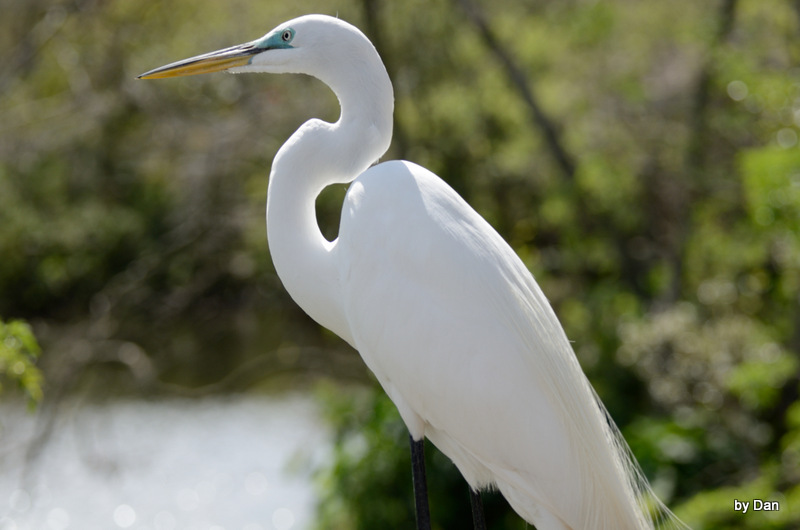

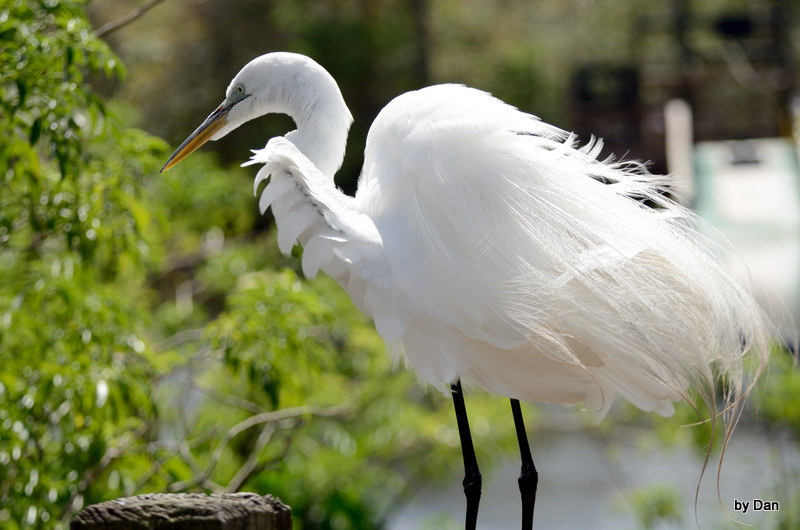
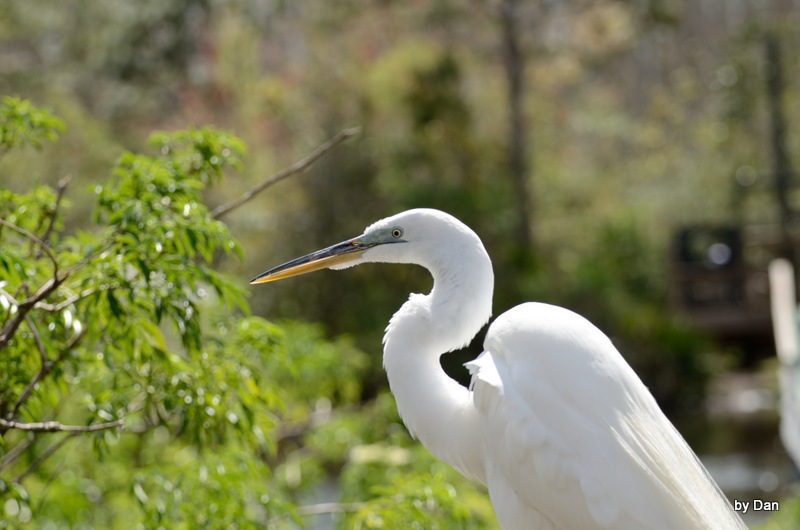
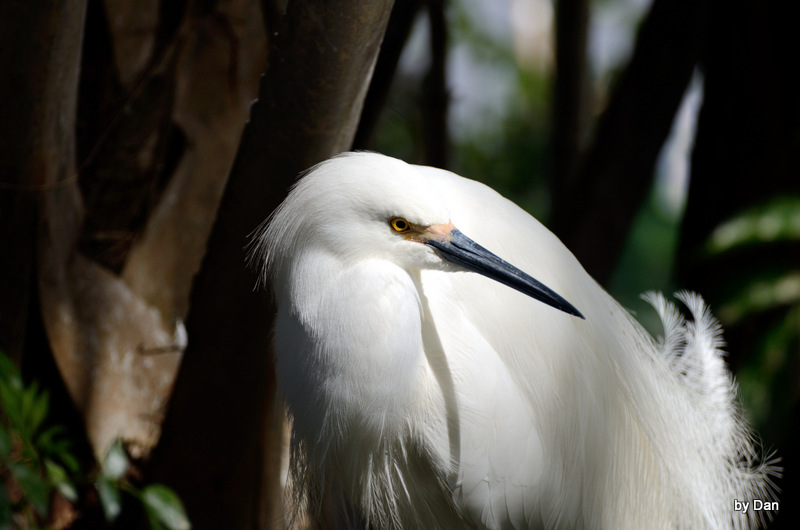
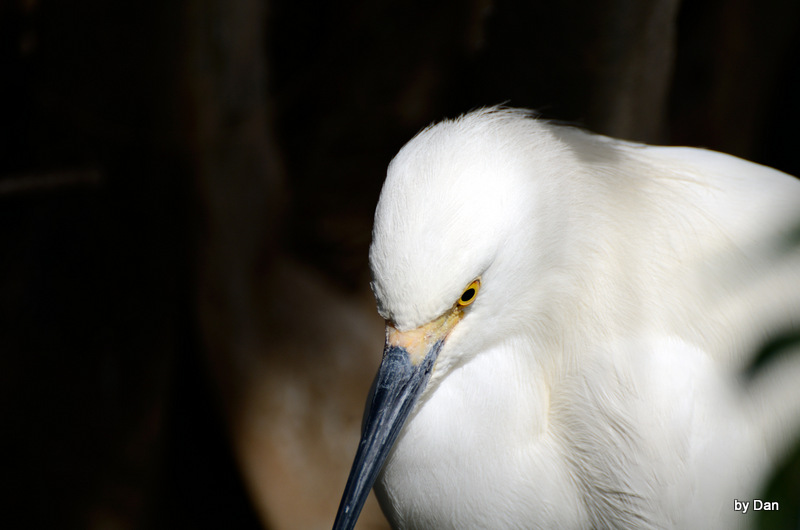
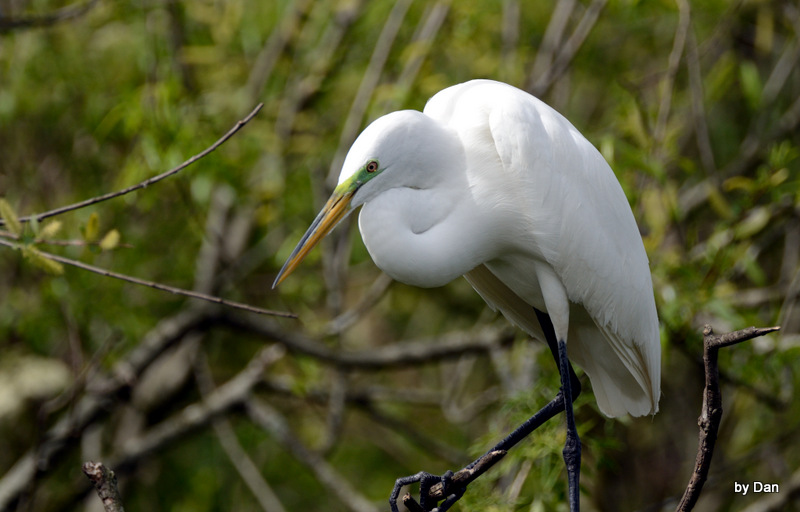
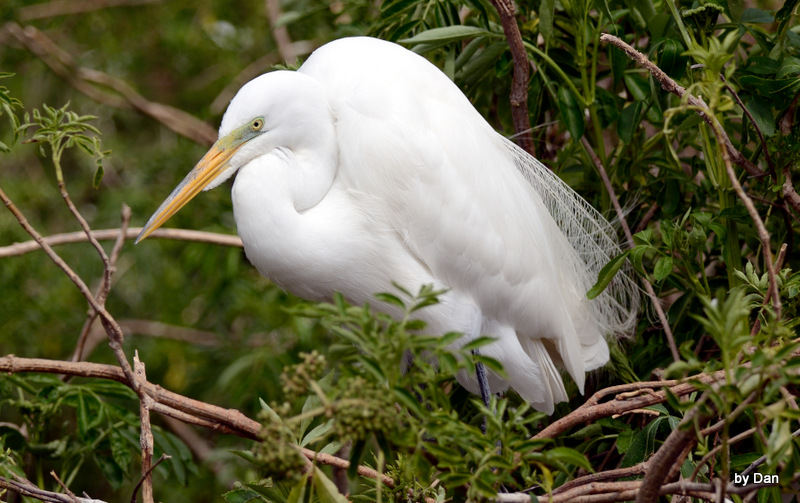




Remember his marvellous works that he hath done; his wonders, and the judgments of his mouth; (Psalms 105:5 KJV)
*
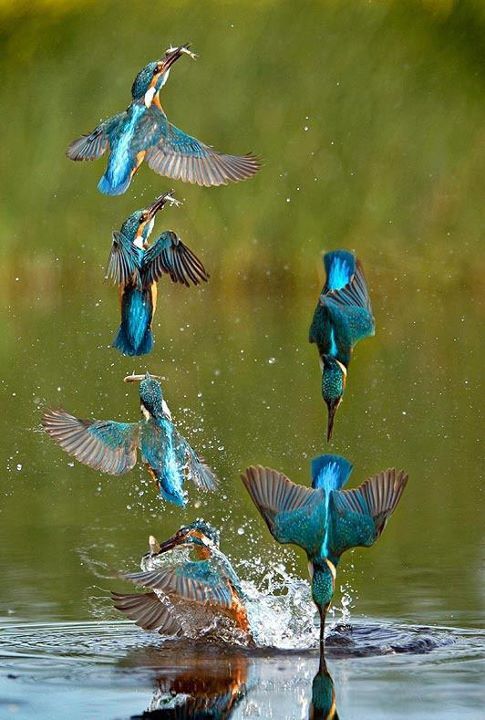
“Simon Peter saith unto them, I go a fishing. They say unto him, We also go with thee. They went forth, and entered into a ship immediately; and that night they caught nothing.” (John 21:3 KJV)
Kingfisher Diving Sequence ©SMedia-Cache
*
*

Grey-crowned Cranes ©©BigHDWalls
“Having many things to write unto you, I would not write with paper and ink: but I trust to come unto you, and speak face to face, that our joy may be full.” (2 John 1:12 KJV)
Grey-crowned Cranes Face to Face ©©BigHDWalls
*
*
 Lee's Birdwatching Adventures Plus
