Birds of the Bible – Gleaning’s Noah and the Birds

Mourning Dove (Zenaida macroura) by Quy Tran

Mourning Dove (Zenaida macroura) by Quy Tran

And of every living thing of all flesh you shall bring two of every sort into the ark, to keep them alive with you; they shall be male and female. (Gen 6:19 NKJV)

After computer problems last week, we are back up and running. I reloaded my e-Sword on to a new SSD drive and decided to see how fast the searches would be. Zip! Searching for the word “bird” in the Reference Library, I came across these interesting thoughts from “Gleanings In Genesis” by Arthur W. Pink

Noah, as a Type of Christ, is being discussed in this section and the reference to caring for the birds and animals of course caught my “birdwatching eye.”

From Gleanings in Genesis, Chapter 12, Noah A Type of Christ (excerpt):

“9. The successful issue of Noah’s work, seen in “the saving of his house” (Hebrews_11:7) reminds us of the language of Hebrews_3:6, “But Christ as a son over his own house” (Hebrews_3:6). But the type goes further: Noah’s work brings blessing to all creation as is seen from the fact that the animals and birds were also preserved in the ark. Observe how beautifully this is brought out in Genesis_8:1 —”And God remembered Noah, and every living thing, and all the cattle that was with him in the ark.” So, too, the work of Christ shall yet bring blessing to the beasts of the field. At His return to the earth “the creation itself also shall be delivered from the bondage of corruption into the glorious liberty of the children of God” (Romans_8:21).

Spotted Nightingale-Thrush (Catharus dryas) ©WikiC

Spotted Nightingale-Thrush (Catharus dryas) ©WikiC

10. In Genesis_6:19 we have a hint of the animal creation being subject to Noah “And of every living thing of all flesh, two of every sort shalt thou bring into the ark, to keep them alive with thee.” We have a passing glimpse of the yet future fulfillment of this part of the type in Mark_1:13 —”And He was there in the wilderness forty days tempted of Satan; and was with the wild beasts.” Noah’s headship over all creatures comes out even more clearly in Genesis_9:2 —”And the fear of you and the dread of you shall be upon every beast of the earth, and upon every fowl of the air, upon all that moveth upon earth, and upon all the fishes of the sea; into your hand are they delivered.” How this reminds us of Psalm 8, which speaks of the future dominion of the Son of Man. “For Thou hast made Him a little lower than the angels, and hast crowned Him with glory and honor. For thou madest Him to have dominion over the works of Thy hands; Thou hast put all things under His feet (compare Hebrews_2:8), “But now we see not yet all things put under Him, all sheep and oxen, yea, and the beasts of the field; the fowl of the air and the fish of the sea!” This same thought is repeated in the Genesis narrative again and again as if with deliberate emphasis. When we read of the animals entering the Ark we are told “They went in unto Noah (not unto Noah and his family) into the Ark,” and then we are told “And the Lord shut him (not ‘them’) in” (Genesis_7:15-16). And again, on leaving the ark we read that God said unto Noah, “Every moving thing that liveth shall be meat for you; even as the green herb have I given you all things” (Genesis_9:3). So Christ is “the Heir of all things” (Hebrews_1:2).

Interesting House Finch at feeder

Interesting House Finch at feeder

11. In Gen_6:21 we find Noah presented as the great food-provider: “And take thou unto thee of all food that is eaten, and thou shalt gather it to thee; and it shall be for food for thee, and for them.” We need hardly say that this finds its complement in Christ the Bread of Life. He is God’s Manna for our souls. He is the Shewbread which was eaten by Aaron and his sons (Leviticus_24:9). He is the Old Corn of the land (Joshua_5:11). In short, it is only as we feed upon Christ as He is presented unto us in the written Word that our spiritual life is quickened and nourished.

He does great things past finding out, Yes, wonders without number. (Job 9:10 NKJV)

We have a wonderful Creator, Sustainer and Saviour in the Lord Jesus Christ. Through the use of “Types,” like Noah, and illustrations with birds and other objects, it helps us better understand many things that are beyond our grasp or understanding at times.

(Spelling of Books and bolding are mine.)

See:

Birds of the Bible

Gospel Presentation

*

Flight: The Genius of Birds Film

Flight DVD face

(Gen 1:21) So God created great sea creatures and every living thing that moves, with which the waters abounded, according to their kind, and every winged bird according to its kind. And God saw that it was good.

I have just had the privilege of “screening” the “FLIGHT: The Genius of Birds” film. After being contacted by its director, Lad, I accepted the offer to watch this amazing film all about the bird’s intelligently designed ability to fly. It is FANTASTIC!

Illustra Media produced this film and I am including their Trailer and three segments; the Embryonic Development, the Skeletal system, and the Hummingbird tongue.

Enjoy watching these. And this is only a part of a tremendously amazing film!

*

Flight: The Genius of Birds – Official Trailer

*

*

Embryonic Development

*

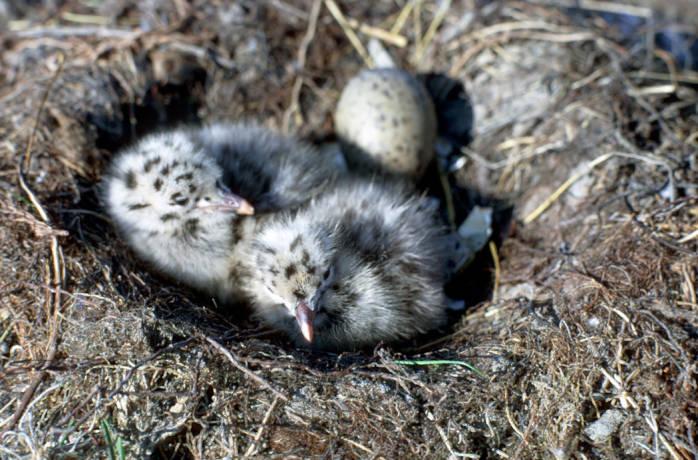
Iceland Gull (Larus glaucoides) chick-egg nest ©USFWS

Iceland Gull (Larus glaucoides) chick-egg nest ©USFWS

Out of the ground the LORD God formed every beast of the field and every bird of the air, and brought them to Adam to see what he would call them. And whatever Adam called each living creature, that was its name. (Gen 2:19)

*

*

Skeletal system

*

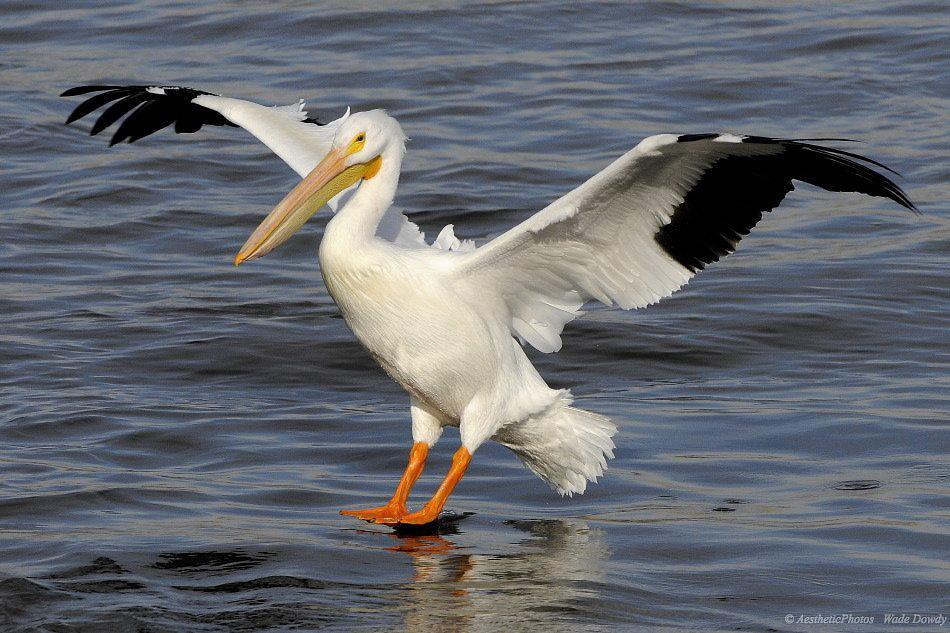
American White Pelican (Pelecanus erythrorhynchos) by AestheticPhotos

American White Pelican (Pelecanus erythrorhynchos) by AestheticPhotos

Many, O LORD my God, are thy wonderful works which thou hast done, and thy thoughts which are to us-ward: they cannot be reckoned up in order unto thee: if I would declare and speak of them, they are more than can be numbered. (Psa 40:5 KJV)

*

This clip tells about the skeletal makeup of the birds. They do a super job showing with their photography and illustrations. It helped me better understand how the bird’s bones and structure work together to enable birds to fly.
*

*

Hummingbird tongue

*

Rufous-tailed Hummingbird (Amazilia tzacatl) by Judd Patterson

Rufous-tailed Hummingbird (Amazilia tzacatl) by Judd Patterson

Such knowledge is too wonderful for me; it is high, I cannot attain unto it. (Psa 139:6 KJV)

*

I never imagined this is how they get the nectar. Wow!

*

I do not sell things here on the blog. My goal is to help promote this very informative video about how an Intelligent designer is behind all of the ingenious aspects of birds and their Flight. We know that the Lord Jesus Christ is that “intelligent designer’ and that He deserves all the credit.

In the beginning was the Word, and the Word was with God, and the Word was God. He was in the beginning with God. All things were made through Him, and without Him nothing was made that was made. (Joh 1:1-3)

Taken from YouTube – TO ORDER DVDs: www.illustramedia.com / FLIGHT: THE GENIUS OF BIRDS is the first episode in Illustra Media’s new series THE DESIGN OF LIFE. This remarkable documentary explores the evidence for intelligent design as revealed through the biological systems and mechanisms that make avian flight possible. Photographed in North America, England, Peru, Greenland, and Antarctica FLIGHT celebrates birds and the miracle of life in the skies.
The DVD is available for purchase now – visit www.illustramedia.com for more information.

*

Wordless Birds

*

Birds Of The Bible – Clinging Birds

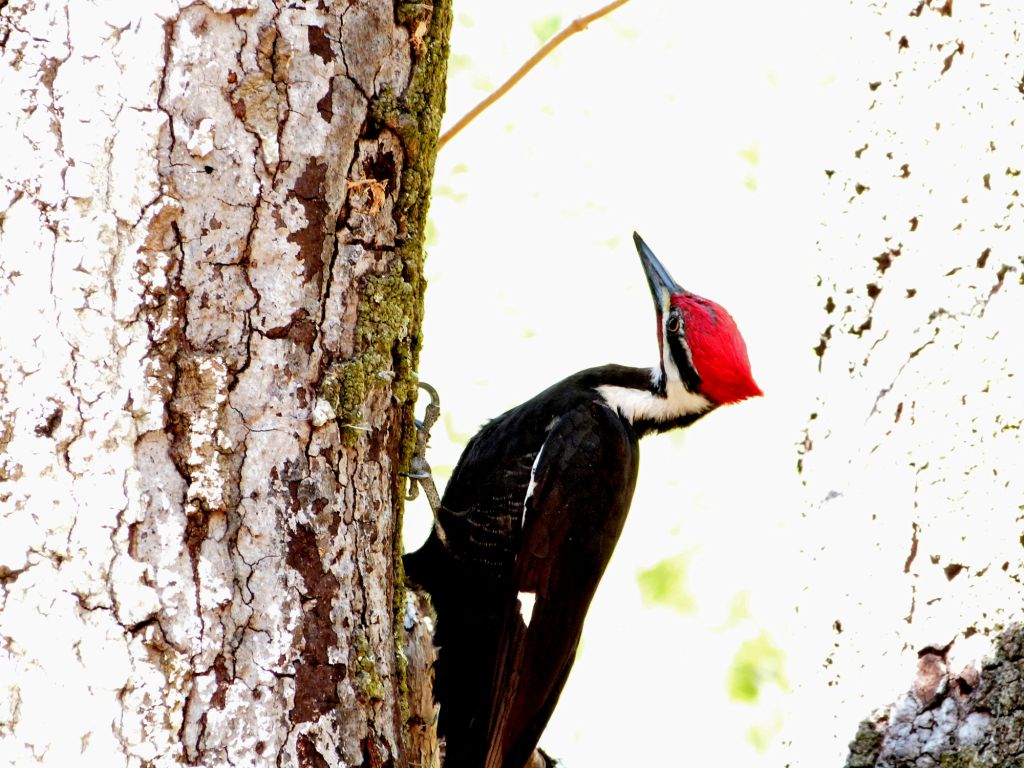
Pileated Woodpecker by Lee

Pileated Woodpecker at Circle B by Lee

But you are to cling to the LORD your God, as you have done to this day. (Joshua 23:8 NASB)

While finishing the last two chapters of Joshua, I came across the verse above. I immediately pictured a Woodpecker “clinging” to a tree. Then the following picture also came to mind. What can we learn about our “clinging birds” and us “clinging to the Lord”?

Brown-headed Barbet (Megalaima zeylanica) by Nikhil Devasar

Brown-headed Barbet (Megalaima zeylanica) by Nikhil Devasar

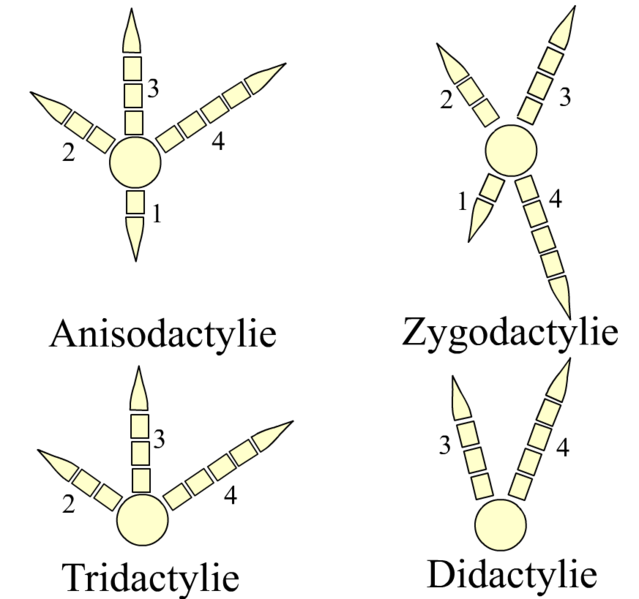
Woodpeckers were created with an ability to cling to trees with the help of the way the toes are arranged on their feet. They also use their stiffened tail feathers to keep them on the tree.”Woodpeckers, piculets and wrynecks all possess zygodactyl feet. Zygodactyl feet consist of four toes, the first (hallux) and the fourth facing backward and the second and third facing forward. This foot arrangement is good for grasping the limbs and trunks of trees. Members of this family can walk vertically up a tree trunk, which is beneficial for activities such as foraging for food or nest excavation. In addition to the strong claws and feet, woodpeckers have short strong legs. This is typical of birds that regularly forage on trunks. The tails of all woodpeckers except the piculets and wrynecks are stiffened, and when the bird perches on vertical surfaces, the tail and feet work together to support it.” (Wikipedia)

Bird Feet ©WikiC

Bird Feet ©WikiC

The following video from explorationfilm has information about the feet and tail of Woodpeckers at the beginning. The rest of the video is very interesting also.

*

*

Other birds also, like the Barbets can do some clinging also. “Nine families of largely arboreal birds make up the order Piciformes, the best-known of them being the Picidae, which includes the woodpeckers and close relatives. The Piciformes contain about 67 living genera with a little over 400 species, of which the Picidae (woodpeckers and relatives) make up about half.

In general, the Piciformes are insectivorous, although the barbets and toucans mostly eat fruit and the honeyguides are unique among birds in being able to digest beeswax (although insects make up the bulk of their diet). Nearly all Piciformes have parrot-like zygodactyl feet—two toes forward and two back, an arrangement that has obvious advantages for birds that spend much of their time on tree trunks. An exception are a few species of three-toed woodpeckers. The jacamars aside, Piciformes do not have down feathers at any age, only true feathers. They range in size from the Rufous Piculet at 8 centimetres in length, and weighing 7 grams, to the Toco Toucan, at 63 centimetres long, and weighing 680 grams. All nest in cavities and have altricial young.” (Wikipedia)

Short-toed Treecreeper (Certhia brachydactyla) ©WikiC

Short-toed Treecreeper (Certhia brachydactyla) ©WikiC

Another group of birds that “cling” are the Tree Creepers. Treecreepers measure from 12 to 18 centimetres in length. Their bills are gently down-curved and rather long, used for probing bark for insects and spiders. They often climb up tree trunks in a helical path, hopping with their feet together; their toes are long and tipped with strongly curved claws for gripping. The longer tails of the Certhia treecreepers are stiffened to use as a prop while climbing, but those of the Spotted Creeper are shorter and not stiffened. Their songs and calls are thin and high-pitched.

Most species of treecreeper occur in the Palearctic and Indomalaya ecozones, from Western Europe to Japan and India. One species occurs in North America from Alaska to Nicaragua and another has a discontinuous distribution in sub-Saharan Africa and India. All species of treecreeper are found in forest and woodland habitats. The more northerly species are partly migratory, and those found in warmer climates are thought to be resident, although information is lacking for many species.

Brown-headed Nuthatch (Sitta pusilla) ©WikiC

Brown-headed Nuthatch (Sitta pusilla) ©WikiC

One more well-known bird that clings to trees is the Nuthatch. Not only does he cling, but goes up and down the trees head first. Nuthatches are compact birds with short legs, compressed wings, and square 12-feathered tails. They have long, sturdy, pointed bills and strong toes with long claws.

We know birds can cling, how about us? When I searched the KJV on my e-Sword, the word “cling” did not show up in any verses. Switching to the NASB, which I had been reading, “cling” was found in fourteen (14) verses. Here are some of them:

You shall fear the LORD your God; you shall serve Him and cling to Him, and you shall swear by His name. “He is your praise and He is your God, who has done these great and awesome things for you which your eyes have seen. (Deuteronomy 10:20-21 NASB)

Blond-crested Woodpecker (Celeus flavescens) ©WikiC

Blond-crested Woodpecker (Celeus flavescens) ©WikiC

You shall follow the LORD your God and fear Him; and you shall keep His commandments, listen to His voice, serve Him, and cling to Him. (Deuteronomy 13:4 NASB)

Northern Flicker (Colaptes auratus) Red-shafted ©WikiC

Northern Flicker (Colaptes auratus) Red-shafted ©WikiC

I have chosen the faithful way; I have placed Your ordinances before me. I cling to Your testimonies; O LORD, do not put me to shame! I shall run the way of Your commandments, For You will enlarge my heart. (Psalms 119:30-32 NASB)

White-barred Piculet (Picumnus cirratus) ©©LeeKip

White-barred Piculet (Picumnus cirratus) ©©LeeKip

Let love be without hypocrisy. Abhor what is evil; cling to what is good. Be devoted to one another in brotherly love; give preference to one another in honor;
(Romans 12:9-10 NASB)

These are all great ways we can CLING to the Lord.

The word cling is translated several ways in our original verse:

But you are to cling to the LORD your God, as you have done to this day. (Joshua 23:8 NASB)

KJV – But cleave unto the LORD your God
AKJV – But hold to the LORD your God
BBE – But be true to the Lord your God
Bishops – But sticke fast vnto the Lorde your God,
CEV – Be as faithful to the LORD
ERV – You must continue to follow the LORD your God
GW – But you must be loyal to the LORD your God
MSG – Hold tight to GOD, your God
NET – But you must be loyal to the LORD your God

KJV+ – But cleave H1692
H1692
דּבק
dâbaq
daw-bak’
A primitive root; properly to impinge, that is, cling or adhere; figuratively to catch by pursuit: – abide, fast, cleave (fast together), follow close (hard, after), be joined (together), keep (fast), overtake, pursue hard, stick, take.

They are all good words and may we learn to “cling” to our Lord, just as the birds “cling” to the trees.

“But ask the animals — they will teach you — and the birds in the air — they will tell you; (Job 12:7 CJB)

O taste and see that the LORD is good: blessed is the man that trusteth in him. (Psalms 34:8 KJV)

*

See also:

Birds of the Bible

PICIFORMES – Woodpeckers and Allies

Picidae (woodpeckers and relatives)

Certhiidae – Treecreepers

Sittidae – Nuthatches

*

Birds In Hymns – My Refuge

Painted Stork (Mycteria leucocephala) w youngby Nikhil Devasar

Painted Stork (Mycteria leucocephala) w youngby Nikhil Devasar

… In the LORD put I my trust: how say ye to my soul, Flee as a bird to your mountain? (Psalms 11:1 KJV)

Words: Al­ice B. Wood, 1901.

Music: Ack­worth, M. B. Will­is

My Refuge

To the rock flies the cony, the stork to her nest,
When tempests are gathering and black is the west;
So swift, by life’s trials o’erwhelmed and oppressed,
I fly to my refuge, Jehovah, my rest!

The nest, whither speedeth the storm beaten bird,
Aloft, on the fir top by tempests is stirred;
But the nest of my refuge no storm wind can smite;
’Tis the breast of Jehovah; I’m safe from afright.

The rock where the cony securely may hide
Is set in the mountain’s cold, pitiless side;
But the rock of my safety, the home of my quest,
’Tis the heart of my Savior: How warm and how blest!

Then blow, thou wild tempest, I fear not thy might,
Tho’ blackly thou lowerest, my prospect is bright;
Jehovah, my Savior, I fly to Thy breast;
Dear rock of my refuge! Dear sheltering nest!


Storks Shadowing Baby in Lakeland by Dan

Storks Shadowing Baby in Lakeland by Dan

In God is my salvation and my glory: the rock of my strength, and my refuge, is in God. (Psalms 62:7 KJV)

He that dwelleth in the secret place of the most High shall abide under the shadow of the Almighty. I will say of the LORD, He is my refuge and my fortress: my God; in him will I trust. (Psalms 91:1-2 KJV)

Alice Boise Wood (?-1919) was the daughter of Pro­fess­or James R. Boise, Wood was the first wo­man to grad­u­ate from Chi­ca­go Un­i­ver­si­ty. She went on to teach Greek there, and was known as a po­et.

*

More Birds in Hymns

See ~ Wordless Birds

*

Bible Birds – Hawk Migration

Sharp-shinned Hawk (Accipiter striatus) ©USFWS

Sharp-shinned Hawk (Accipiter striatus) ©USFWS

Is it by your understanding that the hawk soars and spreads his wings toward the south? (Job 39:26 ESV)

Job was being asked by the Lord if he knew how and why the Hawk knows that it needs to go south for the winter. The Lord is smarter than we are and when He created the birds, He gave them instincts (knowledge) to do certain tasks. He put within the Hawks and other birds that migrate (travel to other areas) the knowledge of when and where to go.

Why do they migrate? There are various reasons why they travel, many great distances, for the winter or summer. The weather turns cold in the northern part of the world (northern hemisphere) in the winter and many birds cannot survive in really cold weather. In the summer, those birds go back north, because it gets cold down where they spent the winter. (The seasons are reversed in the northern and southern hemispheres.) So, some birds just keep going north and south each year so they can live in warm weather.

Other birds move around or migrate because their food supply ends and they go to the next area to be able to feed themselves. The Lord promised the birds and animals to provide for them, but He does not “spoon-feed” them. They have to go where He has provided for them.

And to all the animals on the earth and to every bird of the air and to everything that creeps on the ground–to everything in which there is the breath of life–I have given every green plant for food. And it was so. (Genesis 1:30 AMP)

A tree in Daniel has this promise given about it:

Its leaves were fair and its fruit abundant, and in it was food for all. The living creatures of the field found shade under it, and the birds of the sky dwelt in its branches; and all flesh was fed from it.  (Daniel 4:12 AMP)

Crane Hawk (Geranospiza caerulescens) ©WikiC

Crane Hawk (Geranospiza caerulescens) ©WikiC

Look at the birds of the air; they neither sow nor reap nor gather into barns, and yet your heavenly Father keeps feeding them. Are you not worth much more than they? (Matthew 6:26 AMP)

Those are very good promises by the Lord, the Creator, that He will provide for them. That last verse also gives you and I the promise that He will also provide for us, because we are worth more. He loves us and has given us much more. See The Wordless Birds.

We will tell more things about the Hawks in other Bible Bird – Hawks articles.

See Also:

*

Birds of the Bible – Hawks and Wisdom

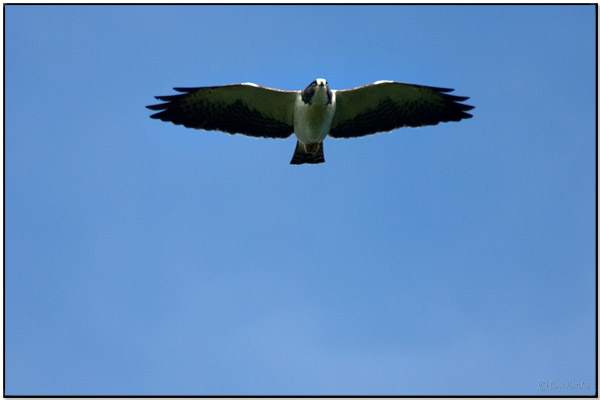
Short-tailed Hawk (Buteo brachyurus) by Daves BirdingPix

Short-tailed Hawk (Buteo brachyurus) by Daves BirdingPix

Is it by your wisdom [Job] that the hawk soars and stretches her wings toward the south [as winter approaches]? (Job 39:26 AMP)

In the Birds of the Bible – Hawk Migration, written in 2008, this verse was introduced. Job was being addressed and the questions started coming:

THEN THE Lord answered Job out of the whirlwind and said, Who is this that darkens counsel by words without knowledge? [Job 35:16.] Gird up now your loins like a man, and I will demand of you, and you declare to Me. (Job 38:1-3 AMP)

Questions of Where…?; Who…?; When…?; Have you commanded…, explored…, entered…?; Can you …?; Do you…? etc. These question run all through Job 38 and 39. That is where we find our question about the hawk.

Sharp-shinned Hawk (Accipiter striatus) ©USFWS

Sharp-shinned Hawk (Accipiter striatus) ©USFWS

Commentary Quotes on Job 39:26 (From my e-Sword)

Barnes – “Doth the hawk fly by thy wisdom – The appeal here is to the hawk, because it is among the most rapid of the birds in its flight. The particuIar thing specified is its flying, and it is supposed that there was something special in that which distinguished it from other birds. Whether it was in regard to its speed, to its manner of flying, or to its habits of flying at periodical seasons, may indeed be made a matter of inquiry, but it is clear that the particular thing in this bird which was adapted to draw the attention, and which evinced especially the wisdom of God, was connected with its flight. The word here rendered “hawk,” (נץ nêts) is probably generic, and includes the various species of the falcon or hawk tribe, as the jet-falcon, the goshawk, the sparrow, hawk, the lanner, the saker, the hobby, the kestril, and the merlin. Not less than one hundred and fifty species of the hawk, it is said, have been described, but of these many are little known, and many of them differ from others only by very slight distinctions.

They are birds of prey, and, as many of them are endowed with remarkable docility, they are trained for the diversions of falconry – which has been quite a science among sportsmen. The falcon, or hawk, is often distinguished for fleetness. One, belonging to a Duke of Cleves, flew out of Westphalia into Prussia in one day; and in the county of Norfolk (England) one was known to make a flight of nearly thirty miles in an hour. A falcon which belonged to Henry IV. of France, having escaped from Fontainebleau, was found twenty-four hours after in Malta, the space traversed being not less than one thousand three hundred and fifty miles; being a velocity of about fifty-seven miles an hour, on the supposition that the bird was on the wing the whole time. It is this remarkable velocity which is here appealed to as a proof of the divine wisdom. God asks Job whether he could have formed these birds for their rapid flight. The wisdom and skill which has done this is evidently far above any that is possessed by man.

And stretch her wings toward the south – Referring to the fact that the bird is migratory at certain seasons of the year. It is not here merely the rapidity of its flight which is referred to, but that remarkable instinct which leads the feathered tribes to seek more congenial climates at the approach of winter. In no way is this to be accounted for, except by the fact that God has so appointed it. This great law of the winged tribes is one of the clearest proofs of divine wisdom and agency.”

Grey Goshawk ( novaehollandiae) by Ian 1

Grey Goshawk ( novaehollandiae) by Ian

Pulpit Commentary – ” Doth the hawk fly (or, soar) by thy wisdom? The hawk”s strength of wing is extraordinary, and one of the greatest of natural marvels. Can Job claim to have contrived it? Many as have been the attempts made, human ingenuity has not yet devised anything that can fly. And stretch her wings toward the south? Migrate, i.e. , when winter approaches, to the warmer southern regions. Few things in nature are more remarkable than the instinct of migratory birds.

Red Sholdered Hawk by Ray

Red Sholdered Hawk by Ray

Matthew Henry – “All these beautiful references to the works of nature, should teach us a right view of the riches of the wisdom of Him who made and sustains all things. The want of right views concerning the wisdom of God, which is ever present in all things, led Job to think and speak unworthily of Providence.

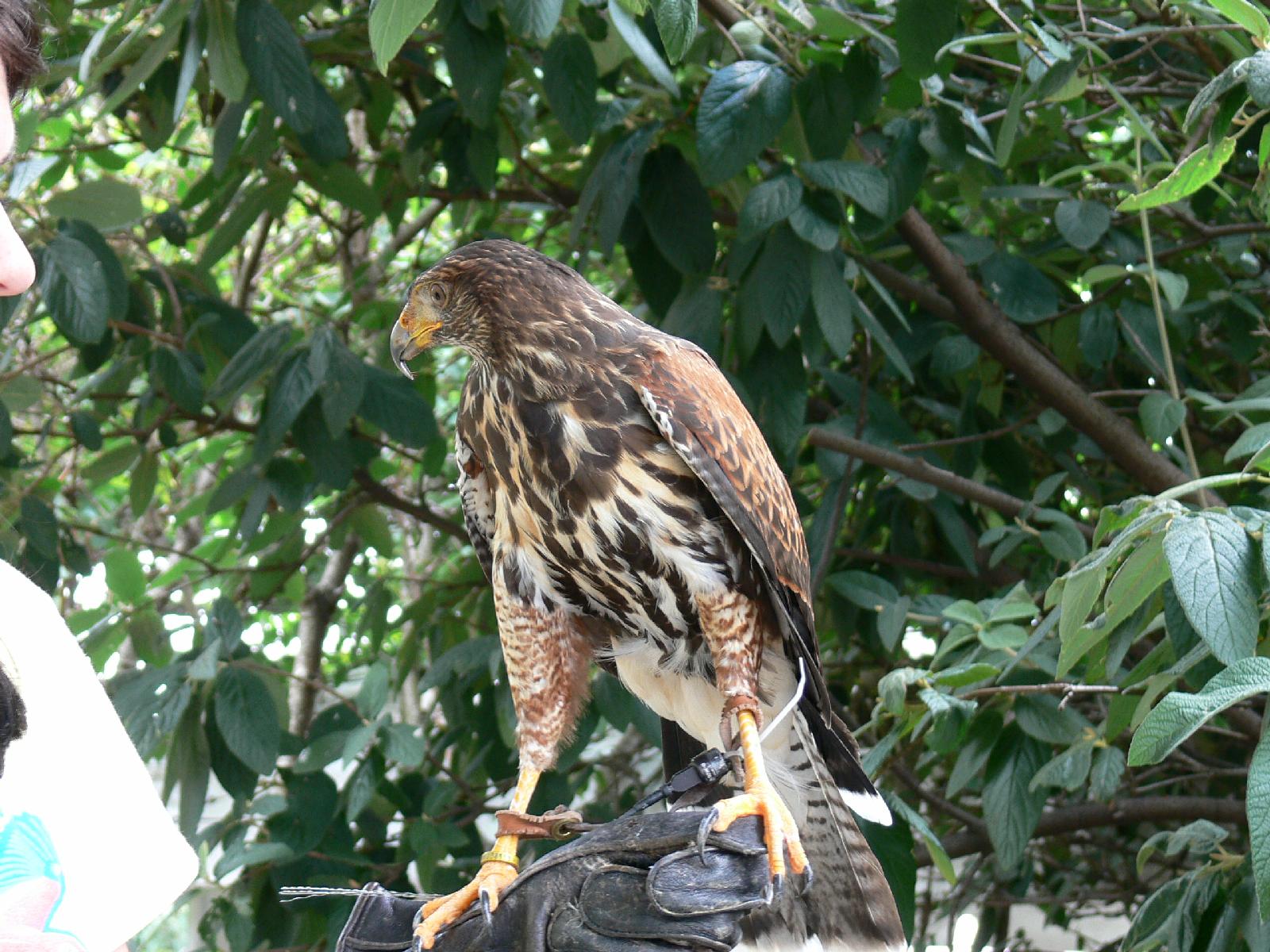
Harris's Hawk at NA by Lee

Harris’s Hawk at National Aviary by Lee

Wesley – Fly – So strongly, constantly, unweariedly, and swiftly. South – At the approach of winter, when wild hawks fly into warmer countries, as being impatient of cold. The birds of the air are proofs of the wonderful providence of God, as well as the beasts of the earth. God instances in two stately ones.

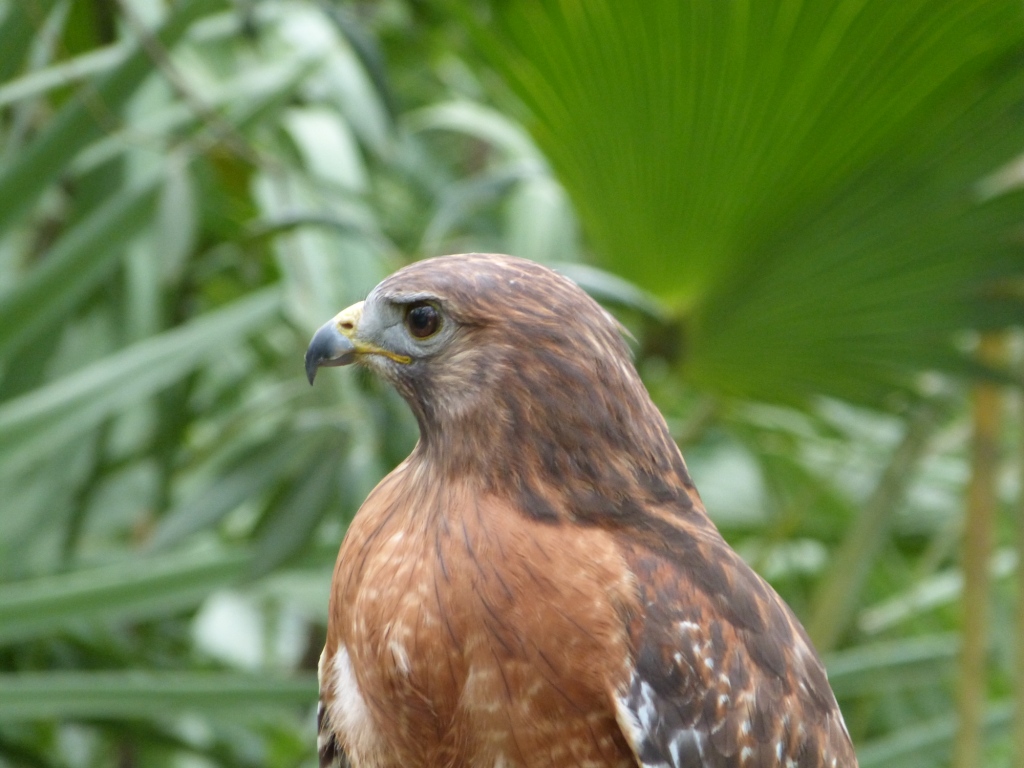
Red-shouldered Hawk (Buteo lineatus) Brevard Zoo by Lee

Red-shouldered Hawk (Buteo lineatus) Brevard Zoo by Lee

Lange – “… If even the book of nature transcends our ability to decipher it fully, how much more incomprehensible and mysterious will the book of Holy Scripture be for us.—von Gerlach: The fundamental thought of these representations which God here puts forth is that only He who can create and govern all things, who superintends everything and adjusts all things in their relation to each other, can also comprehend the connection of human destinies. Inasmuch however as feeble short-sighted man cannot understand and fathom the created things which are daily surrounding him, how can he assume to himself any part of God’s agency in administering the universe?”

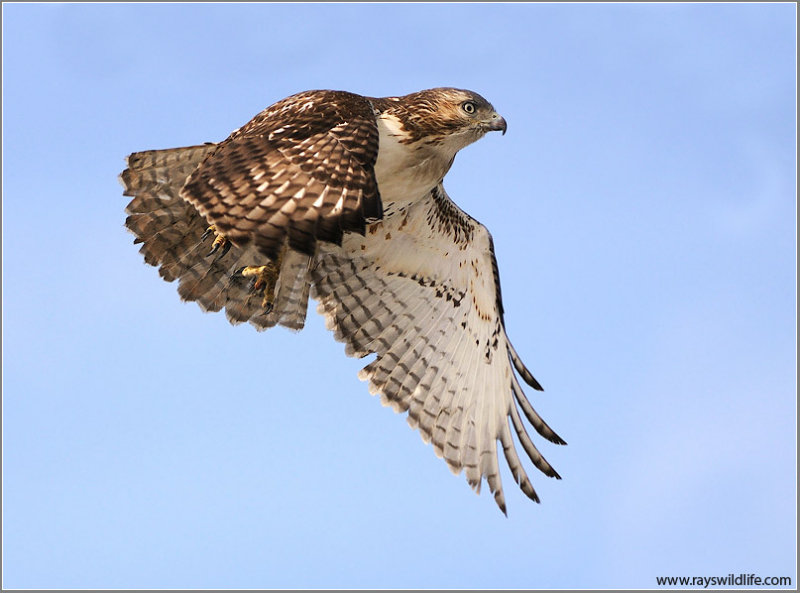
Red-tailed Hawk by Ray

Red-tailed Hawk by Ray

Believers Bible Commentary – “39:26-30 Did Job give wisdom to the hawk to migrate south? And was he the one who taught the eagle to fly, to nest on the high rocky crag, to spy out carrion from a great distance, and to train its young ones to find their food?”

Red-backed Hawk - Argentina

Red-backed Hawk – Argentina

Biblical Illustrator – “The higher teaching of Nature The intent of all these beautiful references to the works of Nature is to teach us, from the wisdom, skill, and curious designs discoverable in the formation and the instincts of various birds and beasts, to impress ourselves with a worthy notion of the “riches of the wisdom” of Him that made and sustaineth all things. These impressions we are to carry with us when we consider the dealings of God in the way of Providence, and in His ordering of all events, as the great Governor of the universe. Can we suppose that there is anything wrong here, or without the design of the most consummate wisdom, when He has put forth so much of His skill and contrivance in the formation and ordering of these inferior animals? May He not be trusted to do all things well, concerning the destiny of man, the greatest of His works? In this higher economy, are we to suppose there is less wisdom and design to be manifested, than in this, which displays itself so visibly in these inferior works of His hand? Thus would our blessed Lord increase the confidence of His disciples in His providential care of them, by observing, “Are not two sparrows sold for a farthing, and not one of them falleth to the ground without your Father?” “Fear not,” “are ye not much better than they?—of more value than many sparrows.” It was the want of such due impressions concerning the designing wisdom of God, ever present, and ever operating in all things, that had led Job to think and speak unworthily of that dispensation of Providence under which he now lived, as being altogether arbitrary, discovering no design and discriminating wisdom, nor manifesting the righteous Governor of all things….”

If any of you lack wisdom, let him ask of God, that giveth to all men liberally, and upbraideth not; and it shall be given him. (James 1:5 KJV)

My the Lord continue his blessings as we observe His Wisdom through the birdwatching of His Hawks.

See also:

*

Updated The Birdwatching Page 8/8/13

The Birdwatching Page was updated to add this video and links to photos of the birds shown. Here is the video and the photo links are on the Birdwatching Page.

And out of the ground the Lord God formed every [wild] beast and living creature of the field and every bird of the air and brought them to Adam to see what he would call them; and whatever Adam called every living creature, that was its name. (Genesis 2:19 AMP)

*

*

Updated: The Bible Birds Cormorant Page

The Bible Birds – Cormorants page has been updated. A Gallery of photos of Cormorants and others in their family was added. The Cormorants belong to the Family – Phalacrocoracidae – Cormorants, shags which has 41 members. Also additional links were added.

This slideshow requires JavaScript.


*

Bible Birds are the Birds of the Bible Birds written with to Younger Folks and those who are “Young at Heart”. As other pages are updated, a post will announce them also.

*

Ian’s Bird of the Week – Southern Giant-Petrel

Southern Giant Petrel (Macronectes giganteus) by Ian

Southern Giant Petrel (Macronectes giganteus) by Ian

Ian’s Bird of the Week – Southern Giant-Petrel ~ by Ian Montgomery

Newsletter ~ 8/7/2013

I’ve been neglecting the bird of the week list lately, so here is a big bird and a big posting to make up. My excuse for the neglect is my recent involvement with organising a recorder workshop and the involvement of the North Queensland Recorder Society in Benjamin Britten’s opera Noye’s Fludde – Noah’s Flood – at the Australian Festival of Chamber Music in Townsville. Anyway, the musical dust is settling now and it’s back to the birds.

A Shearwater and a Petrel have featured as bird of the week recently (Providence PetrelFlesh-footed Shearwater). They’re closely related, belonging to the family Procellariidae, so here’s one to illustrate, perhaps grossly, the difference between them. Shearwaters are slender, more elegant and have finer bills then their dumpier counterparts, the Petrels. The dumpiest of the lot is the Southern Giant-Petrel, comparable in size to the smaller Albatrosses (or Mollymawks) with a length of 85-100cm/33-39in , a wingspan of 150-210cm/59-83in and a weight of 3.8-5.0Kg/8.4-11lbs.

Southern Giant Petrel (Macronectes giganteus) by Ian

Southern Giant Petrel (Macronectes giganteus) by Ian

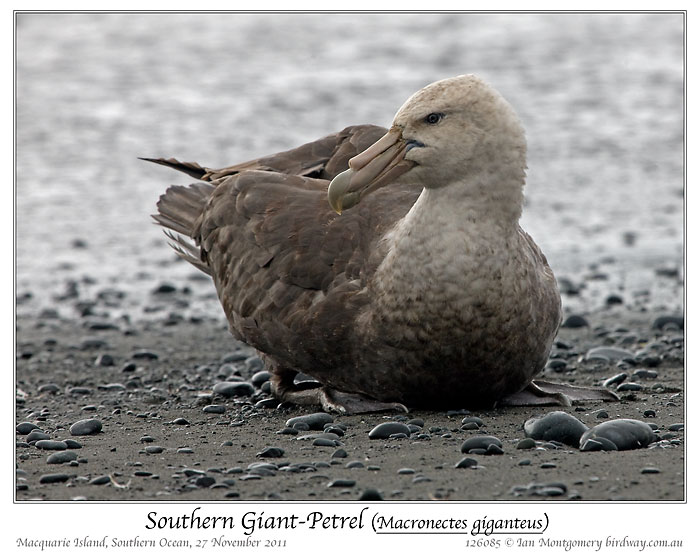
They are the vultures of the Southern Ocean, dealing with the unsavoury task of cleaning up offal in bird and marine mammal colonies, a job they tackle with unsubtle enthusiasm. They’re also not above killing young and or weak chicks of penguins, so it’s not surprising that they are often regarded with some distaste. On land, they appear clumsy like other members of the family, but, as the first photo, can be surprisingly agile. this bird is a young adult with a restricted amount of off-white on the face and neck. Juveniles are brownish-black and the adults get progressively paler on the head and neck as they age. The one in the second photo is an older adult.

Southern Giant Petrel (Macronectes giganteus) by Ian

Southern Giant Petrel (Macronectes giganteus) by Ian

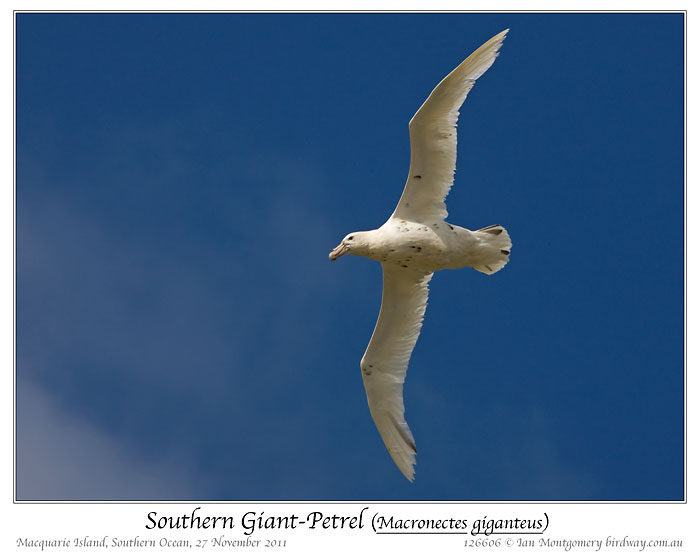
The most important field-mark for distinguishing Southern and Northern Giant-Petrels is the colour of the bulbous tip to the bill: this is greenish in the Southern and pinkish-red in the Northern. This might seem an inconspicuous feature, but the contrast between the otherwise pinkish bill and greenish tip of the Southern species is fairly obvious, even at a distance and the field-mark holds true for juvenile birds as well. The other field-mark is the pale leading edge to the wing of adult Southern Giant-Petrels, visible in the third photo of a bird concentrating very hard on making a gentle landing on the beach at Macquarie Island. This particular bird looked very pleased with itself after landing as you can see by following this link.

Southern Giant Petrel (Macronectes giganteus) by Ian

Southern Giant Petrel (Macronectes giganteus) by Ian

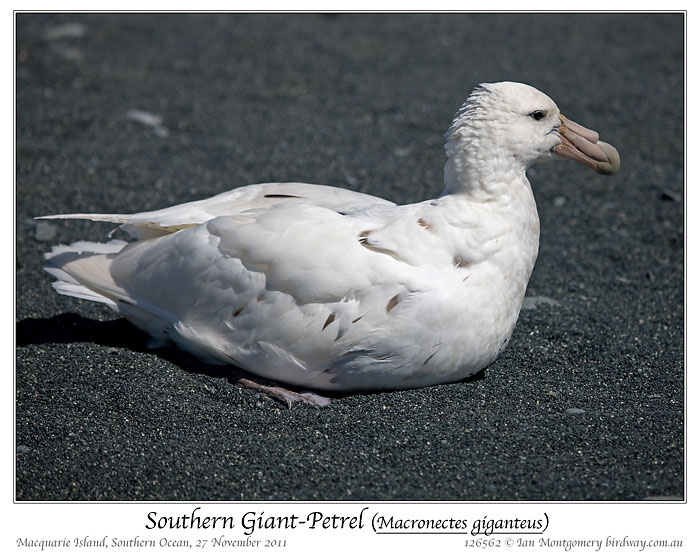
Both species nest on islands all around the Southern Ocean, and their distributions overlap, though only the Southern breeds on the coast of Antarctica and only the Northern breeds on the Sub-Antartic Islands of New Zealand. Both nest on Macquarie Island, so there seems to be no doubt that they are different species despite their similarities, even though there is a population on Gough Island that is intermediate and may be hybrid (Northern plumage with greenish bill-tip). About 10% of the adult Southern population on Macquarie Island belong to a white morph and have almost complete white plumage with a few dark spots, fourth and fifth photos. With a little imagination, this looks like ermine and makes these birds look almost regal compared with their decidedly grungy relatives. Interestingly, about 1% of the juveniles fledged on Macquarie are albino with completely white plumage and pink bill, legs and feet, but they don’t appear to survive to adulthood. The Northern Giant-Petrel doesn’t have a white morph.

Southern Giant Petrel (Macronectes giganteus) by Ian

Southern Giant Petrel (Macronectes giganteus) by Ian

Both species occur in mainland Australian waters but usually offshore and usually as juveniles. The juveniles have silky dark plumage and look quite dapper. The sixth photo shows one of each species off the coast of Victoria, and you can see the difference in bill colour.

Southern Giant Petrel (Macronectes giganteus) and Northern Giant Petrel (Macronectes halli) juv by Ian

Southern Giant Petrel (Macronectes giganteus) and Northern Giant Petrel (Macronectes halli) juv by Ian

The seventh photo shows a juvenile in flight south of New Zealand. The pale leading edge to the wing of the Southern species is absent in juveniles, but this photo illustrates the point I made earlier that the bill colour is visible even in birds at a distance.

Southern Giant Petrel (Macronectes giganteus) by Ian

Southern Giant Petrel (Macronectes giganteus) by Ian

If you’re observant, you may have noticed that I’ve tried changing the font of the species English and scientific names – the seventh photo shows the old font. I chose this originally to copy the style of 19th Century bird artists such as the French-America John James Audubon (below). Recently a member of the list made the point that the scientific name in particular was hard to read in the old font (Edwardian Script). The new one (Apple Chancery) is italic-looking and doesn’t have a separate italic style, so I’ve need to underline the scientific name instead to conform to scientific naming conventions. If you feel strongly about either the old or new fonts, let me know ian@birdway.com.au so I can make a decision whether to make the change permanent.

Audubon's Shearwater (Puffinus lherminieri) Drawing Ian

Audubon’s Shearwater (Puffinus lherminieri) Drawing Ian

The Dusky Shearwater, incidentally, is now known as Audubon’s Shearwater (Puffinus lherminieri) and is part of the Little Shearwater species complex. He encountered it off the coast of Florida: it breeds in the Caribbean and on Cape Verde Is and has been recorded in Australia.

Best wishes
Ian

**************************************************
Ian Montgomery, Birdway Pty Ltd,
454 Forestry Road, Bluewater, Qld 4818
Tel 0411 602 737 ian@birdway.com.au
Bird Photos http://www.birdway.com.au/
Recorder Society http://www.nqrs.org.au


Lee’s Addition:

The birds of the air, and the fish of the sea, and whatever passes along the paths of the seas. (Psalms 8:8 AMP)

Here is a hint for the photo that has the two juveniles in it; the bulbous tip of the front one is green and the back one is pink. Thanks, Ian, for introducing us to more interesting birds. Their beaks are quite interesting. See Formed By Him – Sea Birds That Drink Seawater, for an article for an explanation of that beak.

Wikipedia, with editing, also has this to say about this bird: The Southern Giant Petrel (Macronectes giganteus), also known as the Antarctic Giant PetrelGiant FulmarStinker, and Stinkpot, is a large seabird of the southern oceans. Its distribution overlaps broadly with the similar Northern Giant Petrel, though it overall is centered slightly further south.

It, like all members of the Procellariiformes have certain features that set them apart from other birds. First, they have nasal passages that attach to the upper bill called naricorns. Although the nostrils on the Petrels are on the top of the bill. The bills of all Procellariiformes are also unique in that they are split into between 7 and 9 horny plates. Finally, they produce a stomach oil made up of wax esters and triglycerides that is stored in the proventriculus. This is used against predators as well as an energy rich food source for chicks and for the adults during their long flights. They also have a salt gland that is situated above the nasal passage and helps desalinate their bodies, due to the high amount of ocean water that they imbibe; it excretes a concentrated saline solution from the nostrils.

Southern Giant Petrel (Macronectes giganteus) egg ©WikiC

Southern Giant Petrel (Macronectes giganteus) egg ©WikiC

The Southern Giant Petrel achieves maturity at six or seven years of age; however the average age of first breeding is ten years. Its breeding season begins in October. Its nest is a mound of moss, grass, and stones with a depression in the center and located on bare or grassy ground. They form loose colonies except in the Falkland Islands where the colonies are much larger. One egg is laid and is incubated for 55–66 days. When the white chick is born it is brooded for two to three weeks and it fledges at 104–132 days.

See:

*

Updated: The Bible Bird Owls Page

Just finished the Bible Birds – Owls page. A Photo gallery and some Fun Facts were added.

This slideshow requires JavaScript.


Bible Birds are the Birds of the Bible Birds written with to Younger Folks and those who are “Young at Heart”. As other pages are updated, a post will announce them also.

*