Avian And Attributes – Invisible

Avian And Attributes – Invisible

Invisible Rail (Habroptila wallacii) ©Rob Hutchinson-Birdtour Asia

“For the invisible things of him from the creation of the world are clearly seen, being understood by the things that are made, even his eternal power and Godhead; so that they are without excuse:” (Romans 1:20 KJV)

“Who is the image of the invisible God, the firstborn of every creature: For by him were all things created, that are in heaven, and that are in earth, visible and invisible, whether they be thrones, or dominions, or principalities, or powers: all things were created by him, and for him: And he is before all things, and by him all things consist.” (Colossians 1:15-17 KJV)

“Now unto the King eternal, immortal, invisible, the only wise God, be honour and glory for ever and ever. Amen.” (1 Timothy 1:17 KJV)


Avian and Attributes – Invisible

INVIS’IBLE, a. s as z. [L. invisibilis; in and visibilis, viso, to see.] That cannot be seen; imperceptible by the sight. Millions of stars, invisible to the naked eye, may be seen by the telescope.

He endured, as seeing him who is invisible. Heb 11.

“By faith he forsook Egypt, not fearing the wrath of the king: for he endured, as seeing him who is invisible.” (Hebrews 11:27 KJV)


Invisible Rail (Habroptila wallacii) ©Stamp WikiC

The Invisible Rail, Wallace’s Rail, or Drummer Rail (Habroptila wallacii) is a large flightless rail that is endemic to the island of Halmahera in North Maluku, Indonesia, where it inhabits impenetrable sago swamps adjacent to forests. Its plumage is predominantly dark slate-grey, and the bare skin around its eyes, the long, thick bill, and the legs are all bright red. Its call is a low drumming sound which is accompanied by wing-beating. The difficulty of seeing this shy bird in its dense habitat means that information on its behaviour is limited.

Recorded dietary items include sago shoots and insects, and it also swallows small stones to help break up its food. It is apparently monogamous, but little else is known of its courtship behaviour. The only known nest was a shallow bowl in the top of a rotting tree stump that was lined with wood chips and dry leaves. The two young chicks were entirely covered in black down typical of precocial newly hatched rails. The estimated population of 3,500–15,000 birds and the restricted range mean that the invisible rail is classified as vulnerable

Invisible Rail (Habroptila wallacii) ©Drawing WikiC


More Avian and Attributes

Birds whose first name starts with “I”

Good News

*
[Definitions from Webster’s Dictionary of American English (1828), unless noted. Bird info from Wikipedia plus.]

Woods, Water, and Winged Wonders

Woods, Water, and Winged Wonders

Dr. James J. S. Johnson

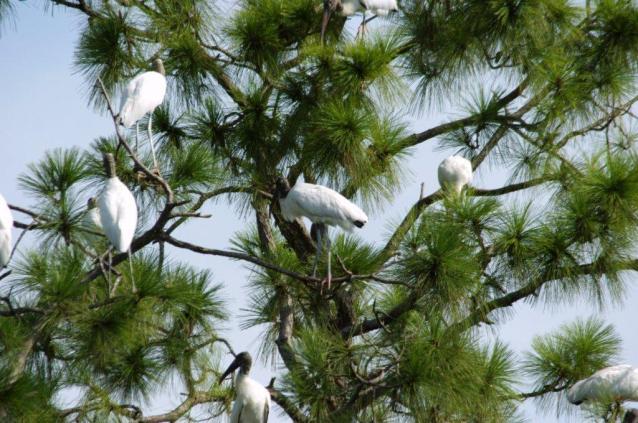
Dan's Wood Stork Tree up close

WOOD STORKS in evergreen tree   (photo by Dan Dusing)

He sends the springs into the valleys;
They flow among the hills.

They give drink to every beast of the field;
The wild donkeys quench their thirst.

By them the birds of the heavens have their home;
They sing among the branches. …

The trees of the Lord are full of sap,
The cedars of Lebanon which He planted,

Where the birds make their nests;
The stork has her home in the fir trees.

(Psalm 104:10-12 & 104:16-17)

Psalm104.17-SlidePlayer.com-storks

WOOD STORKS in tree   ( image credit:  SlidePlayer.com )

Springs and rain fall water the hills.  Wooded hills provide myriads of branches useful for avian nests, providing a hospitable habitat for birds of many kinds.  (Of course, the ecological fact that thriving trees facilitate homes for thriving birds is nothing new — see Daniel 4:11-12).  So, if rainfall is adequate, trees thrive – and where you find trees you also find birds, many birds of many different kinds. Forests are homes for owls, corvids, cardinals, hawks, wood ducks, doves, storks, and miscellaneous passerines galore!


BIRDWATCHING  IN  FOREST  HABITATS

Watch birds as they fly or they walk;

See their plumage and hear them talk!

Look for bird neighborhoods

In green, well-watered woods:

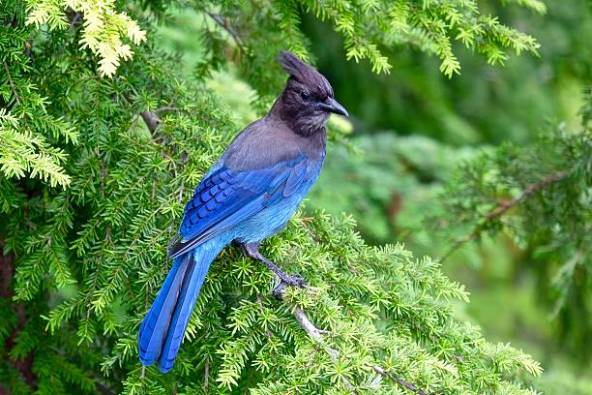
Homes for woodpecker, jay, owl and hawk!

So, take a trek through the woods  –  you should like the hike!   Walk and gawk.  (Is there a fowl on a bough?  Do birds perch on a birch?)  Wherever woods and water abound, look for winged wonders!

StellersJay-evergreen.iStock-Getty

STELLER’S JAY on evergreen tree branch   (iStock / Getty image)


Avian And Attributes – Helper

Avian And Attributes – Helper

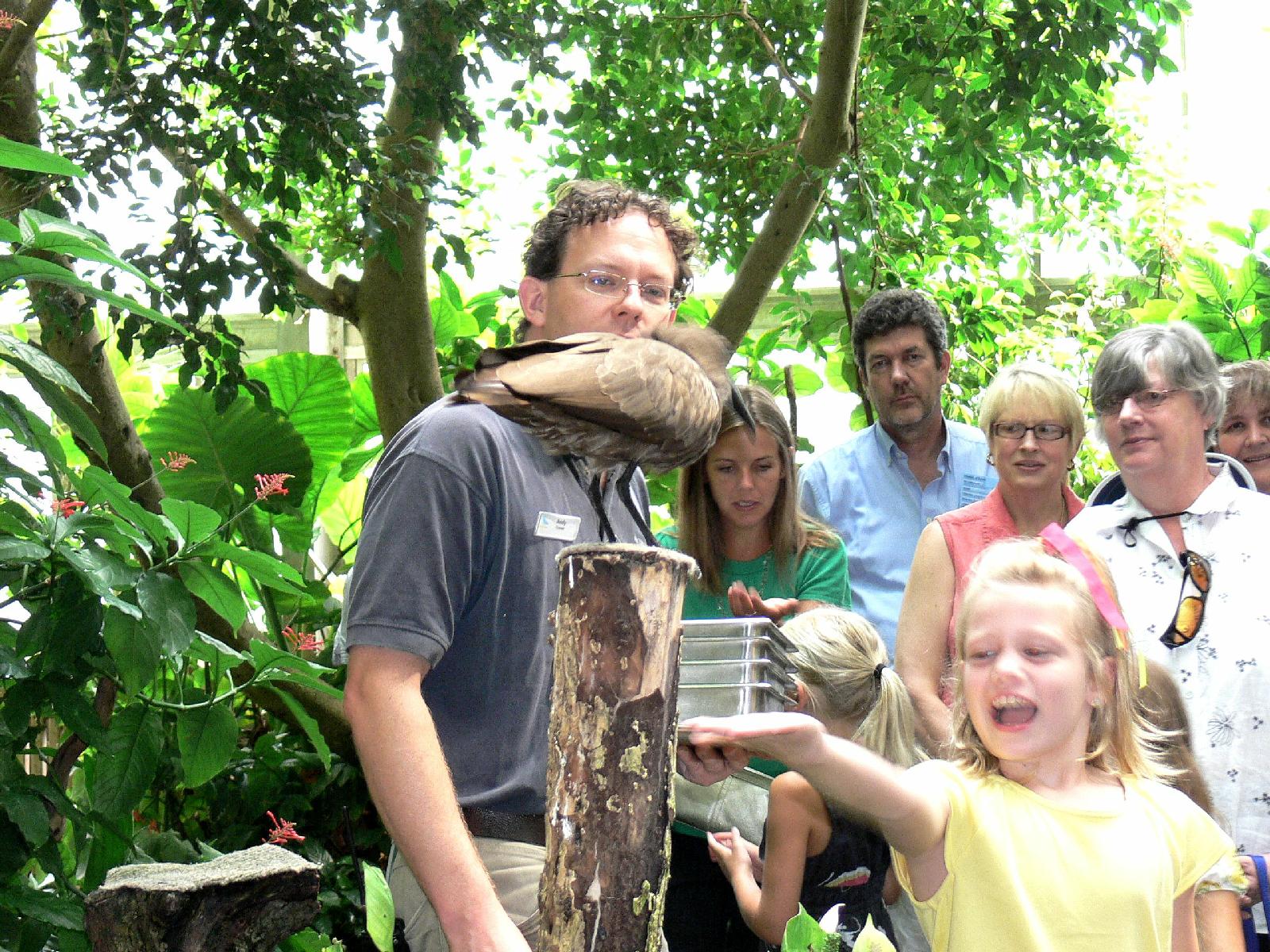
Hamerkop at National Aviary by Dan

“So that we may boldly say, The Lord is my helper, and I will not fear what man shall do unto me.” (Hebrews 13:6 KJV)

“Behold, God is mine helper: the Lord is with them that uphold my soul.” (Psalms 54:4 KJV)


Avian and Attributes – Helper

HELP’ER, n. One that helps, aids or assists; an assistant; an auxiliary.

1. One that furnishes or administers a remedy.
Compassion–is oftentimes a helper of evils.

“For he shall deliver the needy when he crieth; the poor also, and him that hath no helper.” (Psalms 72:12 KJV)

2. One that supplies with any thing wanted; with to.
“Hear, O LORD, and have mercy upon me: LORD, be thou my helper.” (Psalms 30:10 KJV)

3. A supernumerary servant.


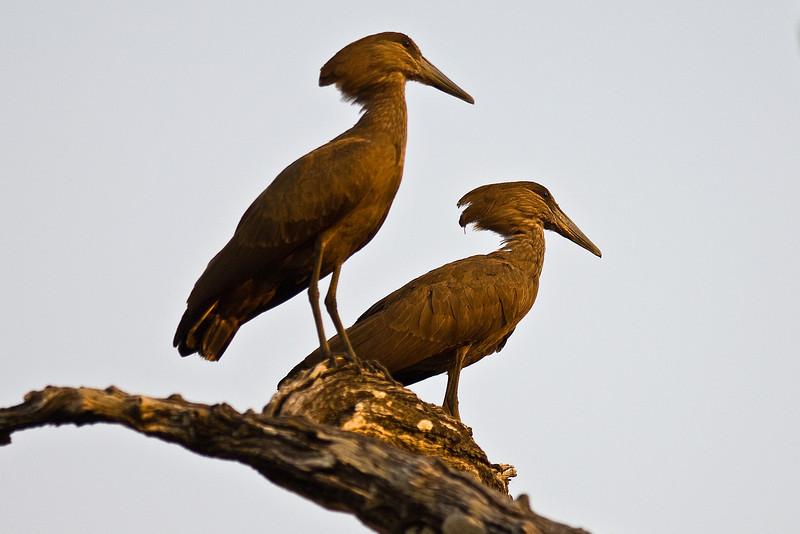
Hamerkop (Scopus umbretta) by Africaddict

Hamerkop (Scopus umbretta)

The Hamerkop (Scopus umbretta), is a medium-sized wading bird. It is the only living species in the genus Scopus and the family Scopidae. The shape of its head with a long bill and crest at the back is reminiscent of a hammer, which has given this species its name. It ranges from Africa, Madagascar to Arabia, in wetlands of a wide variety, including estuaries, lakesides, fish ponds, riverbanks and rocky coasts in Tanzania. The Hamerkop, which is a sedentary bird that often show local movements, is not globally threatened and is locally abundant in Africa and Madagascar. (Scopidae – Hamerkop Family)

Hamerkop (Scopus umbretta) at National Aviary by Lee


More Avian and Attributes

Birds whose first name starts with “H”

Good News

*
[Definitions from Webster’s Dictionary of American English (1828), unless noted. Bird info from Wikipedia plus.]

Avian And Attributes – Gracious

Avian And Attributes – Gracious

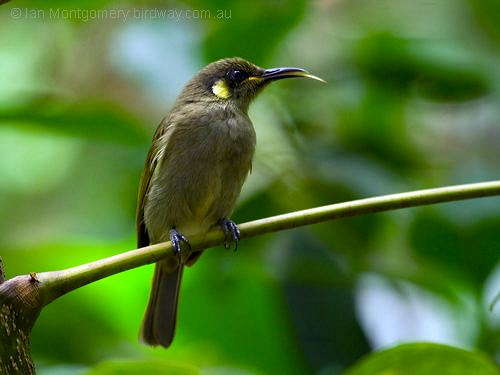
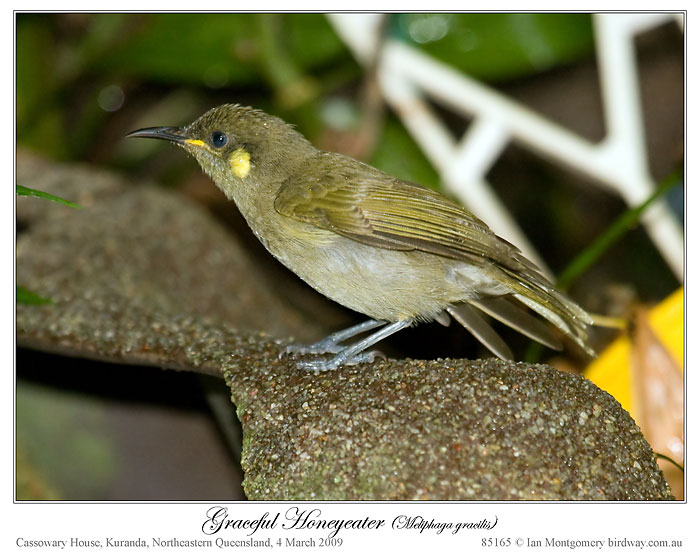
Graceful Honeyeater (Meliphaga gracilis) by Ian at Birdway

Graceful Honeyeater (Meliphaga gracilis) by Ian at Birdway

“And the LORD descended in the cloud, and stood with him there, and proclaimed the name of the LORD. And the LORD passed by before him, and proclaimed, The LORD, The LORD God, merciful and gracious, longsuffering, and abundant in goodness and truth,
(Exodus 34:5-6 KJV)


Avian and Attributes – Gracious

GRA’CIOUS, a. [L. gratiosus.]

1. Favorable; kind; friendly; as, the envoy met with a gracious reception.

2. Favorable; kind; benevolent; merciful; disposed to forgive offenses and impart unmerited blessings.
Thou art a God ready to pardon, gracious and merciful. Neh 9.

“And refused to obey, neither were mindful of thy wonders that thou didst among them; but hardened their necks, and in their rebellion appointed a captain to return to their bondage: but thou art a God ready to pardon, gracious and merciful, slow to anger, and of great kindness, and forsookest them not.” (Nehemiah 9:17 KJV)

3. Favorable; expressing kindness and favor.
All bore him witness, and wondered at the gracious words which proceeded from his mouth. Luke 4.

“And he said, Verily I say unto you, No prophet is accepted in his own country.” (Luke 4:24 KJV)

4. Proceeding from divine grace; as a person in a gracious state.

5. Acceptable; favored.
He made us gracious before the kings of Persia. [Little used.] 1 Esdras.

6. Renewed or implanted by grace; as gracious affections.

7. Virtuous; good.

8. Excellent; graceful; becoming


Graceful Honeyeater (Meliphaga gracilis) by Ian

Graceful Honeyeater

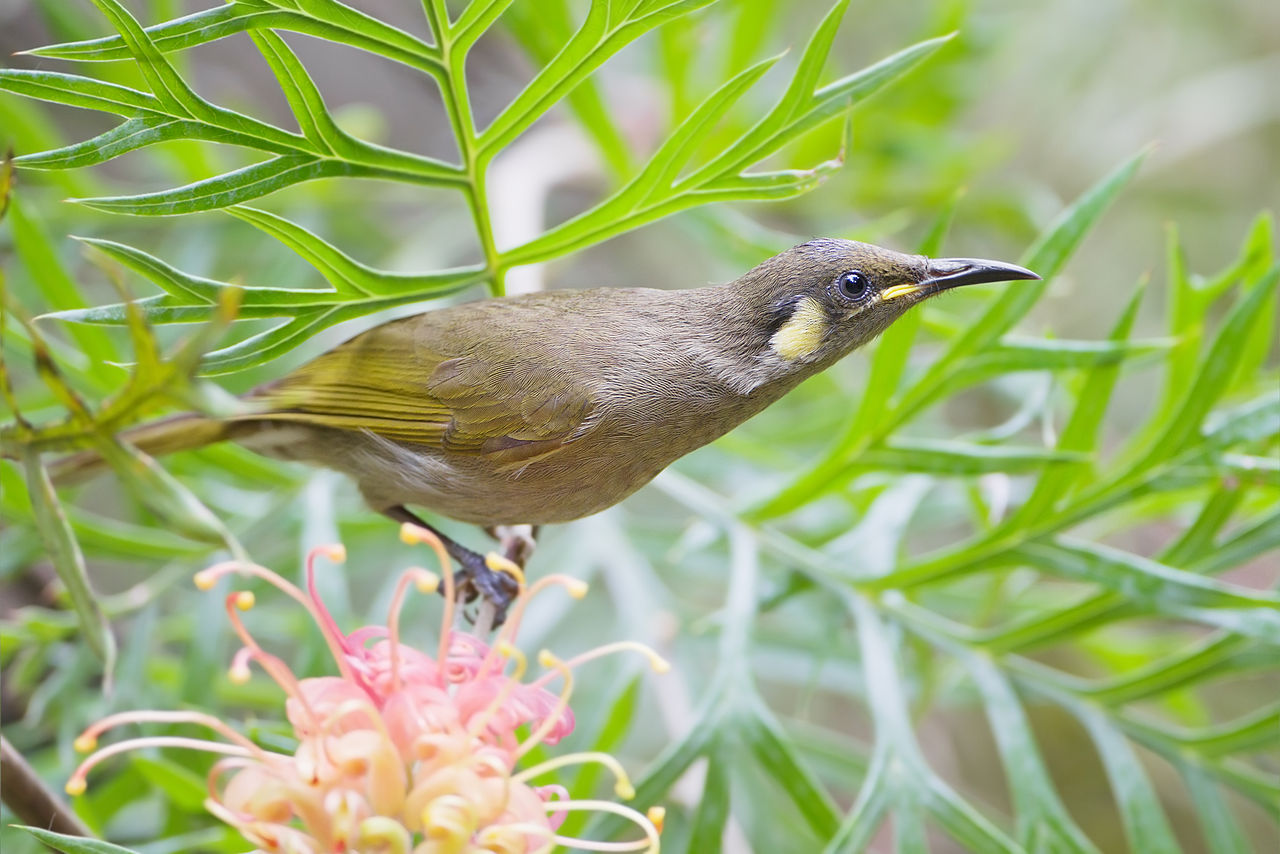
“The Graceful Honeyeater (Meliphaga gracilis) is a species of bird in the family Meliphagidae. It is found in the Aru Islands, southern New Guinea and Cape York Peninsula. Its natural habitats are subtropical or tropical moist lowland forests and subtropical or tropical mangrove forests.” (Wikipedia)

“It feeds on nectar, fruit and insects. Forages in canopy, mid-canopy (including in crowns of substage trees) and understorey shrubs.” (HBW)

(Meliphagidae – Honeyeaters Family)

Graceful Honeyeater (Meliphaga gracilis) ©WikiC


More Avian and Attributes

Birds whose first name starts with “G”

Good News

*
[Definitions from Webster’s Dictionary of American English (1828), unless noted. Bird info from Wikipedia plus.]

Avian And Attributes – Fortress

Avian and Attributes – Fortress

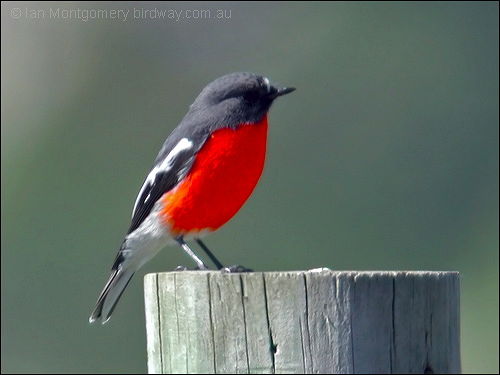
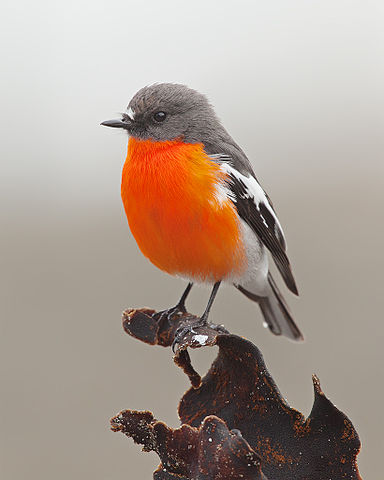
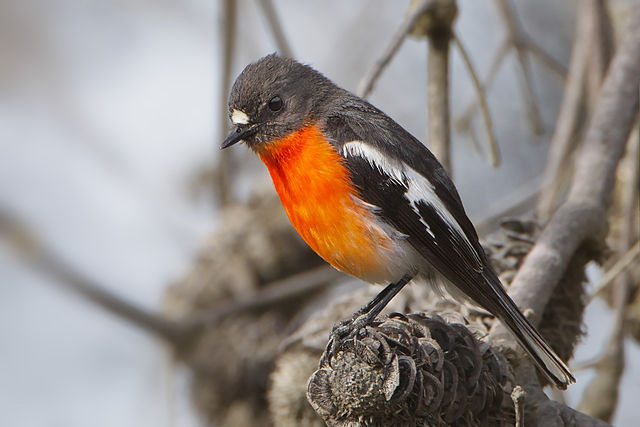
Flame Robin (Petroica phoenicea) by Ian

Flame Robin (Petroica phoenicea) by Ian

“The LORD is my rock, and my fortress, and my deliverer; my God, my strength, in whom I will trust; my buckler, and the horn of my salvation, and my high tower.” (Psalms 18:2 KJV)

“I will say of the LORD, He is my refuge and my fortress: my God; in him will I trust.” (Psalms 91:2 KJV)


Avian and Attributes – Fortress

FOR’TRESS, n.

1. Any fortified place; a fort; a castle; a strong hold; a place of defense or security. The English have a strong fortress on the rock of Gibraltar, or that rock is a fortress.

2. Defense; safety; security;

The Lord is my rock, and my fortress. Psa 18.

FOR’TRESS, v.t. To furnish with fortresses; to guard; to fortify.


Flame Robin (Petroica phoenicea) ©WikiC

Flame Robin

“His eyes were as a flame of fire, and on his head were many crowns; and he had a name written, that no man knew, but he himself.” (Revelation 19:12 KJV)

The Fflame Robin (Petroica phoenicea) is a small passerine bird native to Australia. It is a moderately common resident of the coolest parts of south-eastern Australia, including Tasmania. Like the other two red-breasted Petroica robins—the scarlet robin and the red-capped robin—it is often simply called the robin redbreast. Like many brightly coloured robins of the Petroicidae Family. Measuring 12–14 cm (4.7–5.5 in) long, the flame robin has dark brown eyes and a small thin black bill. The male has a brilliant orange-red chest and throat, and a white patch on the forehead above the bill. Its upper parts are iron-grey with white bars, and its tail black with white tips. The female is a nondescript grey-brown. Its song has been described as the most musical of its genus. (Petroicidae – Australian Robin Family)

Flame Robin (Petroica phoenicea) ©WikiC


More Avian and Attributes

Birds whose first name starts with “F”

Good News

*
[Definitions from Webster’s Dictionary of American English (1828), unless noted. Bird info from Wikipedia plus.]

Avian And Attributes – Ensign (to the Nations)

Emperor Bird-of-paradise (Paradisaea guilielmi) ©WikiC

“And he will lift up an ensign to the nations from far, and will hiss unto them from the end of the earth: and, behold, they shall come with speed swiftly:” (Isaiah 5:26 KJV)

“One thousand shall flee at the rebuke of one; at the rebuke of five shall ye flee: till ye be left as a beacon upon the top of a mountain, and as an ensign on an hill.” (Isaiah 30:17 KJV)

Ensign

EN’SIGN, n. en’sine. [L. insigne, insignia, from signum, a mark impressed, a sign.]

1. The flag or banner of a military band; a banner of colors; a standard; a figured cloth or piece of silk, attached to a staff, and usually with figures, colors or arms thereon, borne by an officer at the head of a company, troop or other band.

2. Any signal to assemble or to give notice.

He will lift up an ensign to the nations. Isa 5.
Ye shall be left as an ensign on a hill. Isa 30.

3. A badge; a mark of distinction, rank or office; as ensigns of power or virtue.

4. The officer who carries the flag or colors, being the lowest commissioned officer in a company of infantry.

5. Naval ensign, is a large banner hoisted on a staff and carried over the poop or stern of a ship; used to distinguish ships of different nations, or to characterize different equadrons of the same navy.


Emperor Bird-of-paradise (Paradisaea guilielmi) ©©World Life Expectancy

Avian and Attributes – Emperor Bird-of-paradise

The Emperor Bird-of-paradise

The Emperor Bird-of-paradise (Paradisaea guilielmi), also known as Emperor of Germany’s bird-of-paradise is a species of bird-of-paradise.

The Emperor bird-of-paradise is endemic to Papua New Guinea. It is distributed in hill forests of the Huon Peninsula. The diet consists mainly of fruits, figs and arthropods.

The name commemorates the last German Emperor and King of Prussia, Wilhelm II of Germany. In January 1888, the emperor bird-of-paradise was the last bird-of-paradise discovered by Carl Hunstein, who also found the blue bird-of-paradise on his journeys. These two species, along with the red bird-of-paradise, are the only Paradisaea that perform inverted display. (Paradisaeidae – Birds-of-paradise Family)


More Avian and Attributes

Birds whose first name starts with “E”

Good News

*
[Definitions from Webster’s Dictionary of American English (1828), unless noted. Bird info from Wikipedia plus.]

Avian And Attributes – Diadem

Diademed Tanager (Stephanophorus diadematus) ©WikiC

“In that day shall the LORD of hosts be for a crown of glory, and for a diadem of beauty, unto the residue of his people,” (Isaiah 28:5 KJV)


Avian and Attributes – Diadem

DIADEM, n. [Gr., to gird; to bind. L.]

1. Anciently, a head-band or fillet worn by kings as a badge or royalty. It was made of silk, linen or wool, and tied round the temples and forehead, the ends being tied behind and let fall on the neck. It was usually white and plain; sometimes embroidered with gold, or set with pearls and precious stones.

2. In modern usage, the mark or badge of royalty, worn on the head; a crown; and figuratively, empire; supreme power.

3. A distinguished or principal ornament.

A diadem of beauty. Isa 28.


Diademed Tanager (Stephanophorus diadematus) ©BirdPhotos.com

Diademed Tanager

Stephanophorus is a monotypic genus of tanager, containing only the Diademed TanagerStephanophorus diadematus .

It is purple-blue with a white crown characterised by a small red patch, and it is found mostly in open areas in southern Brazil, northeast Argentina, and Uruguay. (Thraupidae – Tanagers and Allies Family)

There are actually four birds named Diademed. Here are links to their families.

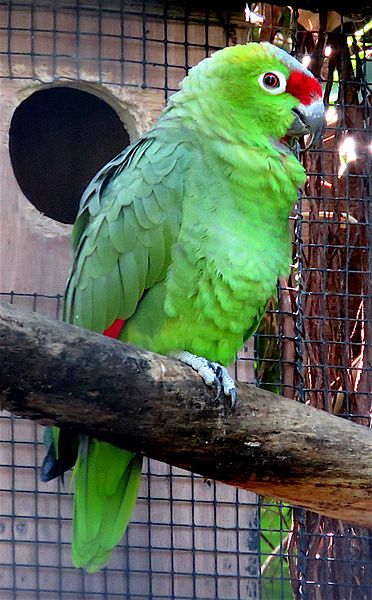
Diademed Amazon (Amazona diadema)
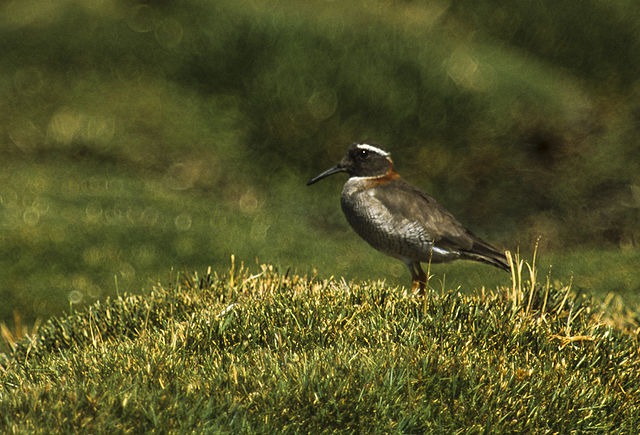
Diademed Sandpiper-Plover (Phegornis mitchellii)
Diademed Tanager (Stephanophorus diadematus)
Diademed Tapaculo (Scytalopus schulenbergi)

Diademed Amazon (Amazona diadema) ©WikiC

Diademed Sandpiper-Plover (Phegornis mitchellii) ©WikiC

Diademed Tapaculo (Scytalopus schulenbergi) ©Pinterest

More Avian and Attributes

Birds whose first name starts with “D”

Good News

*
[Definitions from Webster’s Dictionary of American English (1828), unless noted. Bird info from Wikipedia plus.]


Avian And Attributes – Captain

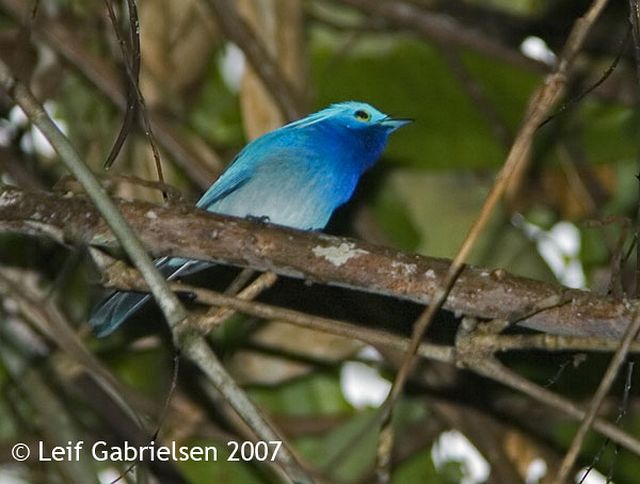
Celestial Monarch (Hypothymis coelestis) ©Leif Gabrielsen

“For it became him, for whom are all things, and by whom are all things, in bringing many sons unto glory, to make the captain of their salvation perfect through sufferings.” (Hebrews 2:10 KJV)

“Neither is there salvation in any other: for there is none other name under heaven given among men, whereby we must be saved.” (Acts 4:12 KJV)


Avian and Attributes – Captain

“We meet this title in one passage of the word of God, and but one, as far as my memory chargeth me, applied to the Lord Jesus Christ; and that is in the second chapter of Hebrews, and the tenth verse. And very sweetly and eminently so, must we consider the name in reference to him. For he it was, most probably, that Joshua saw in vision, long before his incarnation, before the walls of Jericho, as captain of the Lord’s host, and before whom Joshua fell on his face. (Joshua 5:13-15) It is very blessed to see and know the Lord Jesus under this character, and to fight under his banner.” (Poor Man’s Concordance – Robert Hawker)


Celestial Monarch (Hypothymis coelestis)  Male and Female ©Drawing WikiC

Celestial Monarch

The Celestial Monarch (Hypothymis coelestis) is a species of bird in the family Monarchidae, and one of the most attractive of all the monarch flycatchers, with its spectacular blue crest and large yellow eye-ring (neither of which are illustrated in the facing painting). It is endemic to the Philippines. (Wikipedia)

“This striking inhabitant of the forest is unmistakable with its electric-blue plumage. Males are even more arresting in appearance due to the presence of a crest of long, slender feathers on top of the head, which generally droop down and are raised only in excitement. The back, throat and breast are bright cobalt-blue, while the lower back, tail and upperwing are a lighter blue, and the belly is white, washed with light blue . Female celestial monarchs differ slightly in appearance, being generally slightly smaller and slightly duller than males and having a shorter crest. The dark brown eyes are surrounded by a little circle of greenish-yellow skin, and the vivid blue beak is tipped with black (2). Celestial monarchs call with a loud, high-pitched ‘pwee pwee pwee’ ” (ARKive) (Monarchidae – Monarchs Family)


More Avian and Attributes

Birds whose first name starts with “C”

Good News

*
[Definitions from Webster’s Dictionary of American English (1828), unless noted. Bird info from Wikipedia plus.]

Happy Memories, Accented by Black Skimmers at Madeira Beach

BlackSkimmer-Florida-migrant.Wikipedia

BLACK SKIMMER in Florida   (photo credit: Don Faulkner / Wikipedia)

Remember His marvelous works that He hath done, His wonders, and the judgments of His mouth.   (1st Chronicles 16:12)

Madeira Beach, near St. Petersburg (Florida), is a nice place to see white beach-sand, gentle surf tidewaters, and some of the most splendid seagulls, such as gulls, terns, and skimmers.  On Labor Day (earlier this month), I was providentially privileged to visit there with my 2 good friends, Chaplain Bob and Marcia Webel, who have encouraged and strengthened my Christian faith for 40+ years.  (Bob is the best Bible teacher I have ever known.)   During our treks up and down the beach, amidst the happy noise of seagulls at sea and ashore, we saw on the beach a few Black Skimmers.  It had been quite a while — perhaps more than a year or two — since I had seen Black Skimmers, so it reminded me of earlier years, and “auld lang syne” (i.e., old long times ago) — times of friendship and fellowship, accented by birdwatching, a continuing reminder of God’s sovereignty and watch care (Luke 12:4-7).

BlackSkimmer-in-Texas.DanPancamo

BLACK SKIMMER near Freeport, Texas  (photo by Dan Pancamo / Flickr)

Black Skimmers have an easy-to-remember bill; the bottom half (i.e., lower mandible) sticks out farther than the top half (i.e., upper mandible), enabling the tern-like seabird to skim the water’s surface, using its unusually long wings, to catch little fish (like anchovies and silversides) and other prey located at sea, also feeding in tidal pools, in saltmarsh drainage channels, or at seashores.  Apparently more than 90% of a skimmer’s diet is fish.  The skimmer’s prominent red-blending-into-black bill is also used to occasionally catch small shellfish, such as crustaceans (like decapods or amphipods) and mollusks (like cephalopods or gastropods), as well as available insects (mostly coleoptera).  Parent skimmers feed their young by regurgitation.

BlackSkimmer-feeding-youngJimGray-Audubon

BLACK  SKIMMER  feeding  young  (photo by Jim Gray / Audubon)

These seabirds prefer oceanic and estuarial beaches, as well as salt bays, saltmarshes, lagoons, inlets, sandy islands, and other coastal wetlands.

America’s southeast coastlines (especially all of Florida’s coastline) provide year-round habitat for Black Skimmers, from southernmost Texas to midway up the North Carolina coast.  Also, many migrating Black Skimmers winter in the bottom part of Florida’s peninsula, afterwards returning to Mid-Atlantic state coasts (from North Carolina to Connecticut) for summer breeding.  [See, accord, Roger Tory Peterson, EASTERN BIRDS (Houghton Mifflin / Peterson Field Guides, 4th edition, 1980), pages 98-99 & Range Map 87.  See also “Black Skimmer” at http://www.audubon.org/field-guide/bird/black-skimmer .]

BlackSkimmer-on-beach.AndreasTrepte

BLACK SKIMMER on beach   (photo credit:  Andreas Trepte)

Viewing Black Skimmers is fun enough, but it is more fun to view them with friends.

One of the most pleasant forms of outdoor recreation and fellowship, when visiting old or new friends (especially Christian friends), is to take a walk — whether hiking in a forest, or ambling up a mountainside, or trudging through new-fallen snow, or strolling in beach-sand, or splashing in coastal tidewaters — all the while noticing nearby birds who busily fly or swim or strut about, tweeting or chirping out their various songs.

So I recalled the nostalgic old song (usually sung on New Year’s Eve, AULD LANG SYNE, but I changed the lyrics to fit the memories, redubbing it “Auld Lang Birdwatching”.

(Sing to the tune of AULD LANG SYNE.)

Should old birdwatching be forgot

    And lifers go unseen?

The fowl so fair, in air we spot

    Or perching as they preen.

 While drinking coffee, birds we gaze

    On earth, at sea, in sky;

God made them all, us to amaze,

    Birds run and swim and fly!

God has given us many blessings in life, for which we must ever be grateful.  Godly friends are one of the greatest blessings that a man or woman can ever have.

(Having a godly spouse, as one’s best friend, is the ultimate example of such blessing, of course — and I am one of the few men who can honestly say that my wife is my best friend;  and, although I have many faults, I think that I am likewise my wife’s best friend.)

But, furthermore, there is one friend to be loved and treasured, above all human friends, the One of Whom we sing, in the song “WHAT A FRIEND WE HAVE IN JESUS“.

Accordingly, as much as we esteem and treasure our earthly blessings  —  and we should  —  we must always exceed those appreciations with our love for and devotion to God Himself, because a loss of one’s “first love” (for God) constitutes a tragic (and treacherous) loss indeed.

Nevertheless I have somewhat against thee, because thou hast left thy first love.  Remember therefore from whence thou art fallen, and repent….  (Revelation 2:4-5a)

Spiritual decline soon follows whenever one’s devotion to God slips or erodes, unless a clean correction is quickly made.  (The exhortation in Revelation 2:4-5 is for each of us!)

May God help us to appreciate our blessings —  both friendships and fowl-watching opportunities — yet may He nudge us, daily, to remind us that our most precious blessing in life (and thereafter) is God Himself, for He is truly (as Paul says in 1st Corinthians 15:28) our “all in all”, and it is a wonderful privilege to belong to Him (Psalm 100).

BlackSkimmer-with-young.MichaelStubblefield.jpg

BLACK  SKIMMER  with  young   (photo by Michael Stubblefield)


What Is The Fate of the Barbuda Warbler?

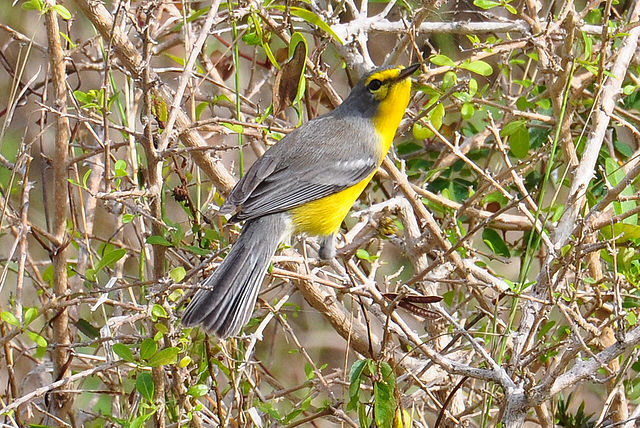
Barbuda Warbler (Setophaga subita) ©WikiC

“The east wind carrieth him away, and he departeth: and as a storm hurleth him out of his place.” (Job 27:21 KJV)

“But the men marvelled, saying, What manner of man is this, that even the winds and the sea obey him!” (Matthew 8:27 KJV)

While working on the last Attributes and Avian article, – Bounty/Bountiful, I was using the “B – First Name of Birds” list to find a bird to use. The Barbuda Warbler (Setophaga subita) caught my attention. Also, one of our readers wrote a comment, wondering what happened to the birds during a hurricane.

The tiny island of Barbuda took a direct hit by Hurricane Irma and basically destroyed at least 95% of all structures. They have now evacuated all residents off of the island. [inhabited for the last 300 years] (BoingBoing article Not One Single Human Left on the Island) “With 95% of the island’s structures completely destroyed, all 1,800 residents have evacuated to nearby Antigua, and now live in shelters or with relatives. The only living creatures left on Barbuda are pets and livestock, which the non-profit group World Animal Protection are trying to feed and rescue.” So, what about the birds?

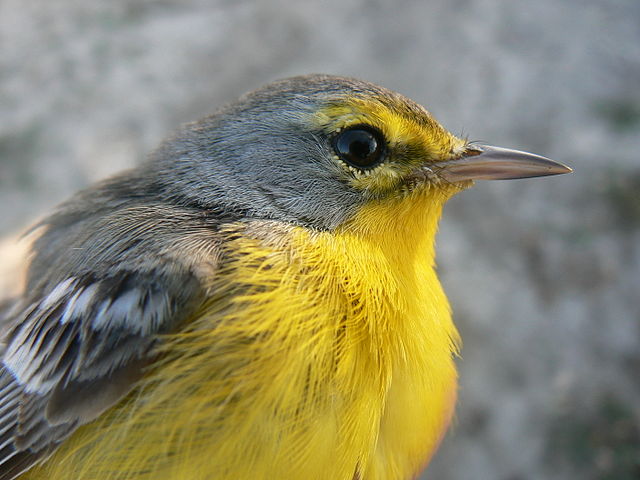
Barbuda Warbler (Setophaga subita) ©WikiC

The Barbuda Warbler is endemic to Barbuda. “In addition to the catastrophic impact on Barbuda’s human residents, concern turned to the storm’s effects on the island’s wildlife. The island’s only endemic bird, the near-threatened Barbuda warbler, numbered less than 2,000 individuals prior to the hurricane. It is unknown if the warbler survived the hurricane or its aftermath. Barbuda’s Codrington Lagoon, home to the largest colony of magnificent frigatebirds in the Caribbean, with an estimated 2,500 nesting pairs, was also inundated by the storm surge.” From Hurricane Irma article on Wikipedia. Also, from Wikipedia, “The Barbuda warbler (Setophaga subita) is a species of bird in the Parulidae family. It is endemic to the island of Barbuda in Antigua and Barbuda. Its natural habitat is tropical dry shrubland near wetland areas. It is threatened by habitat loss. It once was considered a subspecies of the Adelaide’s Warbler.”

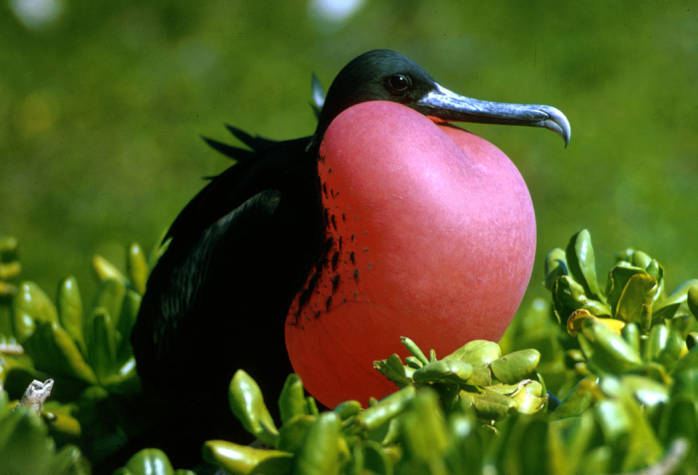
Magnificent Frigatebird (Fregata magnificens) ©USFWS

Magnificent Frigatebird (Fregata magnificens) ©USFWS

Searching the internet, I couldn’t find out too much about the Barbuda Warbler, but here are a few articles about other bird species that you will find interesting.

Hurricane Irma Disaster Response team assess damage to wildlife populations on Barbuda  – The Bananaquit was found

Hurricane Irma hits Caribbean birds hard, forces closure of Everglades and other parks – BirdWatching – Mentions the Barbuda Warbler

“Irma left the island of Barbuda in ruins; about 95 percent of structures were destroyed or damaged, and nearly all residents were evacuated last week as Hurricane Jose threatened to hit. The fate of Barbuda Warbler, an endemic species that likely numbered less than 2,000 birds before Irma, is unknown.

Jeremy Ross, a scientist with the University of Oklahoma, wonders if Irma was an extinction-level event for the warbler.

Barbuda’s Codrington Lagoon, a RAMSAR-designated wetland and national park, was home to the largest colony of Magnificent Frigatebirds in the region (around 2,500 pairs). According to BirdsCaribbean, the lagoon “was breached during the storm and the sea has flowed in.”

“Thousands of birds must have perished,” said Andrew Dobson, president of BirdsCaribbean, in an article posted on Bernews.com.

Hurricane Irma Rare Bird Round-Up

Dan’s American Flamingo Gardens Photos

One article I wish I hadn’t found, tells about the destruction of so many Flamingo. Translated as “Hundreds of flamingos killed in Cayo Coco by Hurricane Irma

Barbuda Warbler by HBW

Our prayers go out to those who have had to be evacuated from Barbuda, but, also, to all those who have been visited by the Hurricanes this year.

” And I say unto you my friends, Be not afraid of them that kill the body, and after that have no more that they can do. But I will forewarn you whom ye shall fear: Fear him, which after he hath killed hath power to cast into hell; yea, I say unto you, Fear him. Are not five sparrows sold for two farthings, and not one of them is forgotten before God? But even the very hairs of your head are all numbered. Fear not therefore: ye are of more value than many sparrows.” (Luke 12:4-7 KJV)

*


Reflecting on Floodwaters (and a Dove): How Do We “Return”?

Returning Earthly Lives to Normalcy, After the Flood:

Yet Whereunto (and How) Do We Return our Souls?

Dr. James J. S. Johnson
Ark-with-returning-Dove.olive-HoshanaRabbah

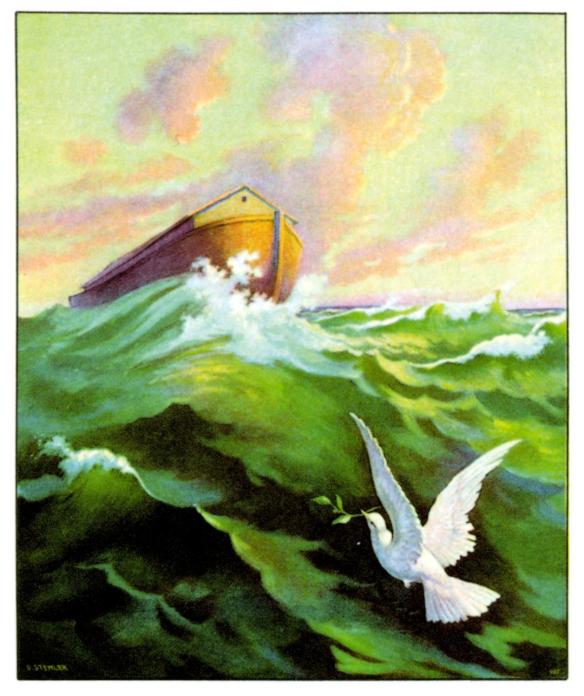
ARK ON WAVES, with returning dove   (credit: public domain / Hoshanah Rabbah)

But the dove [Hebrew: yônah] found no rest for the sole of her foot, and she returned [a form of the verb shûb] unto him [i.e., Noah] into the Ark, for the waters were on the face of the whole earth; then he [i.e., Noah] put forth his hand, and took her [i.e., the female dove], and pulled her unto himself, unto the Ark.  And he waited yet other 7 days; and again he [i.e., Noah] sent forth the dove from the Ark; and the dove came back [a form of the verb shûb] unto him at evening; and, lo! — an olive leaf, plucked off, was in her [i.e., the female dove’s] mouth!  — so that Noah knew the waters were abated from upon the earth.  And he waited yet other 7 days; and sent forth the dove, who returned [a form of the verb shûb] not again unto him anymore.  (Genesis 8:9-12)

Hurricane Harvey and Hurricane Irma, in recent weeks, both visited the southeastern United States (as well as some Caribbean islands nearby) with powerful devastation. Thereafter those hurricanes left flooding and turmoil in their wakes.  The need for restoration and a return to normalcy will continue.

Yet imagine how much more devastation faced the human race when only 8 humans were alive, who themselves, for more than a year, had just survived the only worldwide Flood that ever was – or ever will be. What an aftermath!  And what a need for ecological restoration, to say the least!

In fact, that is part of what we read about within the 8th chapter of Genesis.
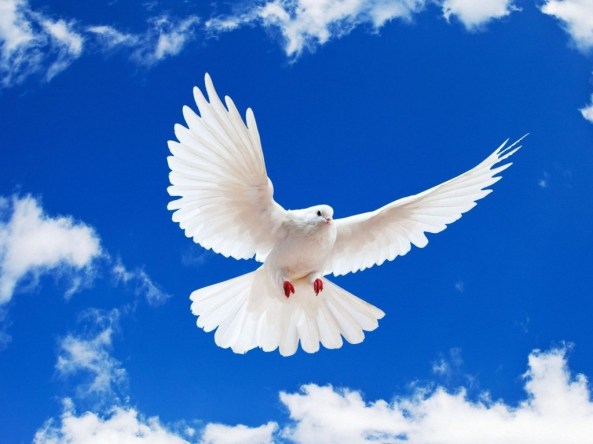
White-Dove-flying.background-clouds

DOVE (credit: Fanpop Wallpaper)

Furthermore, what an amazing report of scientific research is reported in Genesis chapter 8 – Noah used a dove to take, in effect, an ecological snapshot of the Flood’s aftermath, so that Noah could observe – with the help of a dove (who served his need for information, like a passenger pigeon) – when Earth was drained sufficiently to permit recovered/sprouted olive trees to produce some pluckable leaves, an early sign that Earth was regaining a vegetated condition.

Noah-dove-raven-Ark

DOVE RETURNS TO NOAH   (image credit: Pinterest)

Thus Noah, as the greatest empirical scientist then alive (not to mention the greatest zookeeper to ever live!), concluded that the Flood’s wake was subsided sufficiently to permit the first stages of ecological recovery. Meanwhile, Noah (and his family, as well as the other Ark-borne animals) remained aboard the Ark, until God Himself instructed Noah that it was safe for their disembarkation (Genesis 8:15-19).
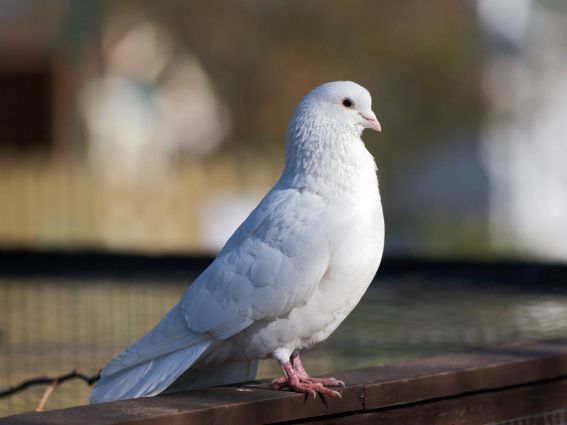
White-Dove.Journal-of-Consumer-Research

WHITE DOVE   (photo

credit; Journal of Consumer Research)

Much more has been said, and should be said, about Noah’s disembarkation after the Flood. (For example, consider the entire book by Britain’s premier historian, Dr. Bill Cooper, titled AFTER THE FLOOD.)

But for now, however, consider just one Hebrew word, the simple verb shûb. It basically means to “return”, to “come back”.  In Genesis 8:9-12 the dove twice returned, after which she did not return on the third occasion.  What a simple action verb, yet how mighty its meaning in Scripture!  Two other usages of this action verb will be noted, below, to illustrate the importance of this simple verb, the root form of which is only 3 letters in Hebrew (shûb).

In Psalm 23:3 we read that the LORD “restores my soul”  —  literally, God “returns” my soul, because of His shepherdly care for me.  Because God created me, as a unique human (Psalm 102:18), my being began with and by His divine command, so He is the author of my creaturely existence.

However, as a sinner, I have strayed from God my Creator (Isaiah 53:6a), so I cannot belong to Him, so how can I be successfully returned unto Him?  Lamentably, as a sinner, I cannot accomplish a satisfactory solution to my personal predicament – my problem of sin-caused alienation (Isaiah 59:2 & 64:6; Romans 3:23).

Wonderfully, however, without compromising His holiness and justice, God has provided a redemptive solution to my sin problem, the gift of substitutionary atonement (John 3:14-16). Christ has voluntarily and magnanimously accepted the punishment due for my sin (and for all of Adam’s race), to justify the gifted exchange of Christ’s own perfect righteousness (Romans 6:23), generously producing the marvelous result that I can be justified and forgiven (because His blood on the cross paid my sin-debt), so long as I happily accept that redemptive gift by believing that God has chosen to give me that redemption (Ephesians 1:3-14; John 14:6)!

What a privilege to be one of the “sheep” of God’s flock (see Psalm 100).  In John chapter 10, we read that Jesus is the Good Shepherd (John 10:11-14), Who knows and cares for His sheep, and Who gives unto us, His “sheep”, everlasting life, as a gracious and redemptive gift of His love (John 10:16-18 & 10:26-28).

In other words, like an errant sheep (Isaiah 53:6), I have (as has every human sinner) wandered away from God, yet God has redemptively sought and retrieved me (Luke 15:4-7) as if I was a sheep separated from 99 other sheep, and Christ deemed me valuable enough to find and to fetch, and to safely secure me within His flock!

Jesus-Shepherd-with-sheep.watercolor

JESUS THE GOOD SHEPHERD  (image credit: Pinterest)

But notice that the gift of redemption in Christ is not automatically applied to the eternal destinies of every human being – there is a choice to be made, a choice with moral (and everlasting) accountability – the choice must be willingly made, to accept (rather than to decline accepting) Christ as one’s personal Redeemer. No one is forcefully drafted into Heaven against his or her will – there are no “robots” in Heaven!

It is “whosoever will” who enters Heaven by God’s grace in Christ, so no truth-opposing (and thus Christ-rejecting) unbelievers enter the ultimate Haven of rest. And that requirement of believing acceptance of God’s grace, a/k/a saving faith, is the choice that is needed, in order to benefit eternally form Christ’s substitutionary death and resurrection (John 1:12 & 3:14-18).

This crucial need to consciously and voluntarily accept, by belief (what is sometimes called a “love of the truth”), God’s promised gift of salvation in Christ, is consistently taught throughout the Holy Bible. Just as the serpent-bitten Israelites needed to believe God’s promise about the only sufficient remedy for deadly snakebites, we must believe God’s promise that looking to the once-for-all crucified Christ is the only sufficient remedy for our own sin problem (John 3:14-16, in light of Numbers 21:7-9).
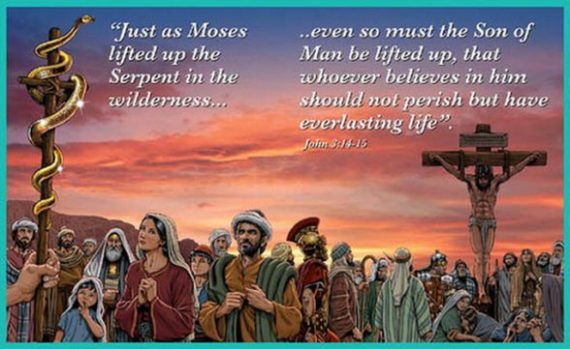
John3.14-15-picture

JOHN 3:14-15 with NUMBERS 21:4-9   (image credit: Godisrevealed.com blog)

That requires us, as individuals, to personally believe the truth of God’s promise of saving grace in Christ (Ephesians 2:8-9; Romans 3:22-26 & 4:20-25 & 10:13).

Notice that this kind of belief is not the same thing as promising to serve God (or “to follow Jesus”), because real saving belief involves expecting God to give us something, freely and graciously, apart from anything we do (or promise to do) for God.

Oddly, this is hard for many to accept —  the idea that eternal life in Christ really is free is rejected by many, despite the Bible’s clear teaching that salvation in Christ is a GIFT (Romans 6:23).   No one merited the right to be conceived in the womb, or to be born.  Yet it is undeniable that our creaturely lives are gifts we did not earn (or work for) — obviously God made us, or else we would not exist!  So, since our very lives are unmerited gifts from God, to us, why should we have difficulty with the idea that God gives us forgiveness and salvation in Christ, as an unmerited gift that we neither earn nor work for?

Thus, it is simply believing God’s Word (like a trusting toddler would believe a loving parent), —  specifically, believing the promises in God’s Word regarding the Lord Jesus Christ as the unique Messianic Savior (1st Corinthians 15:3-4),  — that constitutes saving faith (Ephesians 2:8-9; John 1:12 & 3:14-16).  It is that all-important belief that God uses to return our souls unto Himself, the psalmist (David) says in the 19th Psalm:

The law of the Lord is perfect, converting [a form of the Hebrew verb shûbּ  —  literally “returning”] the soul; the testimony of the Lord is sure, making wise the simple. (Psalm 19:7)

And it is God Himself Who is our ultimate and only “haven of rest”, our souls’ true “home”.  (See “Why We Want to Go Home”, posted at http://www.icr.org/article/why-we-want-go-home .)    In other words, although some would say that “home (on Earth) is where you hang your hat”, our eternal home is where we belong forever – with God Himself (and with His forever family), thanks to our Lord Jesus Christ (Hebrews 13:20-21)!


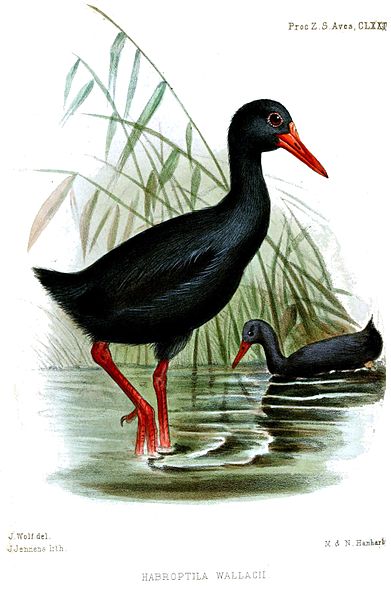
Avian And Attributes – Bountiful/Bountifully

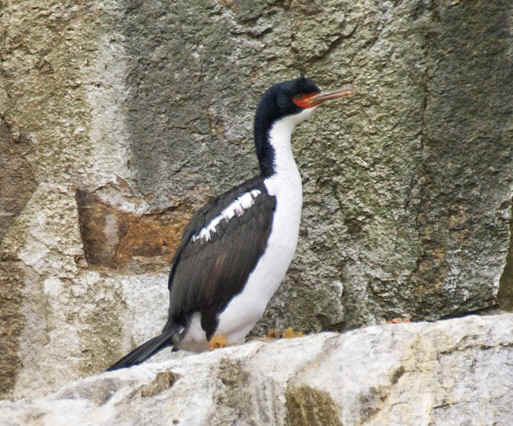
Bounty Shag (Leucocarbo ranfurlyi ) ©WorldBirds

“I will sing unto the LORD, because he hath dealt bountifully with me.” (Psalms 13:6 KJV)

“Return unto thy rest, O my soul; for the LORD hath dealt bountifully with thee.” (Psalms 116:7 KJV)

“GIMEL. Deal bountifully with thy servant, that I may live, and keep thy word.” (Psalms 119:17 KJV)


Avian and Attributes – Bountiful

BOUN’TIFUL, a. [bounty and full.] Free to give; liberal in bestowing gifts and favors; munificent; generous.

God, the bountiful author of our being.

It is followed by of before the thing given, and to before the person receiving.

BOUN’TIFULLY, adv. Liberally; largely; in a bountiful manner.


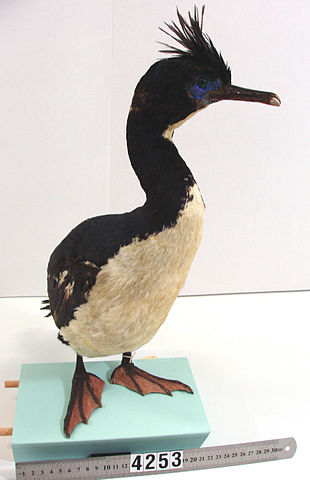
Bounty Shag (Leucocarbo ranfurlyi) Specimen ©WikiC

Bounty Shag

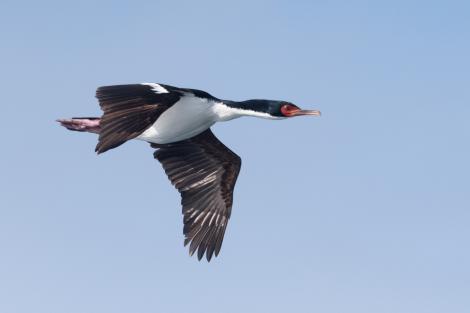
The Bounty Shag (Leucocarbo ranfurlyi), also known as the Bounty Island shag, is a species of cormorant of the Phalacrocoracidae family. They are found only on the tiny and remote Subantarctic Bounty Islands, 670 km south east of New Zealand. Its natural habitats are open seas and rocky shores. In 2005 618 individuals were counted (with roughly 410 mature ones) and the population seems to have remained stable since.

Some taxonomic authorities, including the International Ornithologists’ Union, place this species in the genus Leucocarbo. Others place it in the genus Phalacrocorax.

Size; 71 cm. Large, black-and-white cormorant. Black head, hind neck, lower back, rump, uppertail-coverts, all with metallic blue sheen. White underparts. Pink feet. White patches on wings appear as bar when folded. Caruncles absent. Voice: Male makes call during displays only.

This species as Vulnerable because its very small population and breeding range renders it susceptible to stochastic events and human impacts. The Bounty Islands are a nature reserve and are free of introduced predators. The islands are uninhabited and are seldom visited, so human interference is minimal. (Cormorants, shags – Phalacrocoracidae Family)

Bounty Shag (Leucocarbo ranfurlyi ) ©NZBirdsonline


More Avian and Attributes

Birds whose first name starts with “B “

Good News

*
[Definitions from Webster’s Dictionary of American English (1828), unless noted. Bird info from Wikipedia plus.]