Feathers – From Creation Moments

Genesis 1:20

“And God said, Let the waters bring forth abundantly the moving creature that hath life, and fowl that may fly above the earth in the open firmament of heaven.”

The Encyclopaedia Britannica describes feathers as “the component structure of the outer covering and flight surfaces of all modern birds”, and goes on to say: “Unique to birds, feathers apparently evolved from the scales of birds’ reptilian ancestors”.

Yet, Wikipedia does not believe feathers are unique to birds because they state in many articles that most, if not all, dinosaurs also had feathers, stating dogmatically: “Several non-avian dinosaurs had feathers on their limbs that would not have functioned for flight”. Even the Britannica article goes on to show a picture of a feathered dinosaur.

Perhaps it is easier for evolutionists to believe that dinosaurs evolved into birds if dinosaurs also had feathers. But this merely moves, rather than solves, the problem that evolutionists have in trying to establish how feathers evolved in the first place. Britannica and Wikipedia both suggest that feathers evolved from reptilian scales; yet, Wikipedia reminds us that feathers “are considered the most complex integumentary structures found in vertebrates”.

The barbs on feathers have to fit exactly into the barbules – which would be a remarkable coincidence for a chance random process. Moreover, scales, being simple structures, would have to divide over generations, in many various ways, to produce feathers. The minimum estimate is for eight evolutionary steps, none of which have been found in real life. The point must be understood – it is not that feathers are too complicated to evolve, but rather that the complexity of alleged intermediate forms is impossible to replicate without design.

Prayer: Thank You for the marvelous design we see in structures such as feathers. It is as if they bear Your signature, Lord, and point towards Your creativity of design. Amen.

Ref: Encyclopaedia Britannica, accessed 6/30/2018. Image: Wikimedia Commons, CC-BY-SA 3.0.

Creation Moments ©2019 Used with permission


Lee’s Addition:

Feathers from Britannica

Feathers really are a work of art from The Creator!
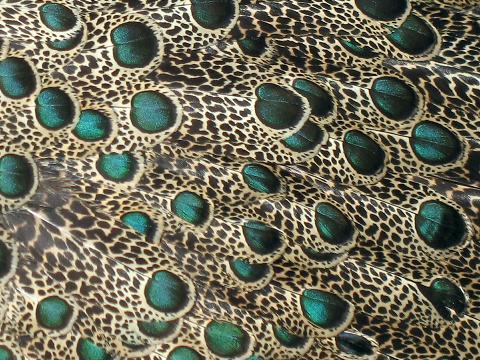
Malayan Peacock-Pheasant (Polyplectron malacense) Feathers ©WikiC
Malayan Peacock-Pheasant (Polyplectron malacense) Feathers ©WikiC

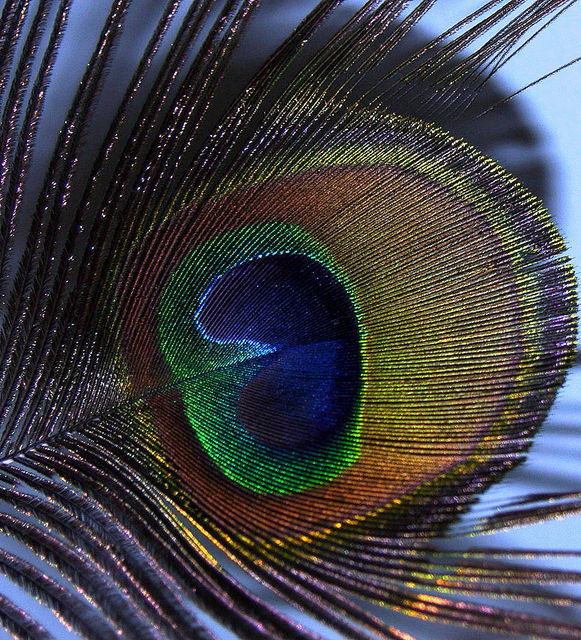
Peacock Feather

Peacock Feather

Scarlet Macaw (Ara macao) Feathers - Brevard Zoo

Scarlet Macaw (Ara macao) Feathers – Brevard Zoo by Lee

“Gavest thou the goodly wings unto the peacocks? or wings and feathers unto the ostrich?” (Job 39:13 KJV)

“He shall cover thee with his feathers, and under his wings shalt thou trust: his truth shall be thy shield and buckler.” (Psalms 91:4 KJV)
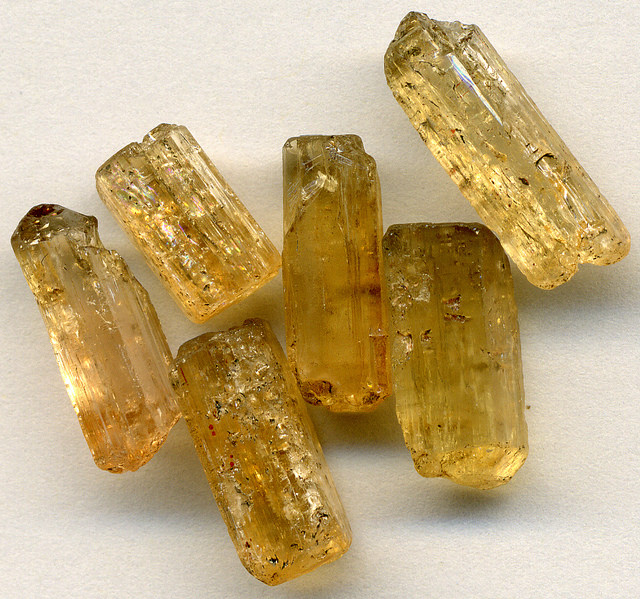
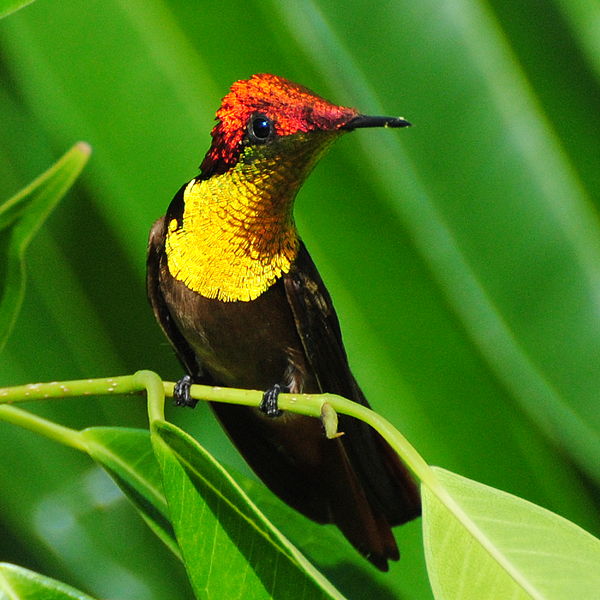
Heaven’s New Jerusalem and Birds – Topaz

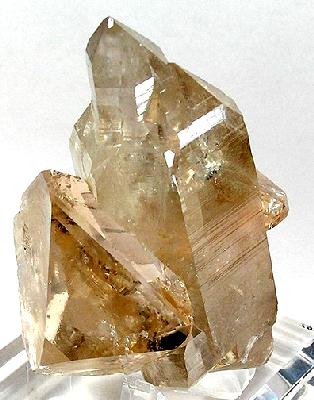
Topaz ©Flickr James St John

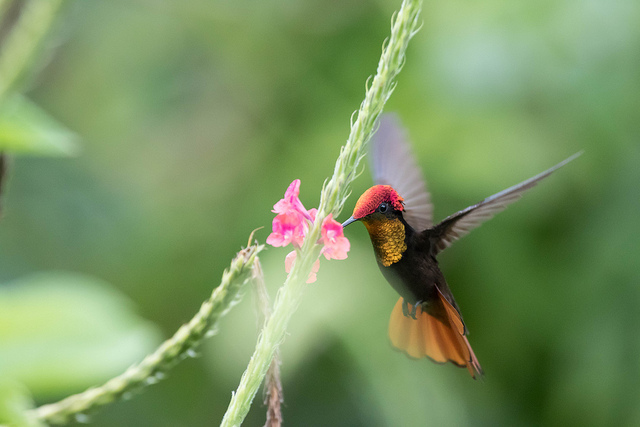
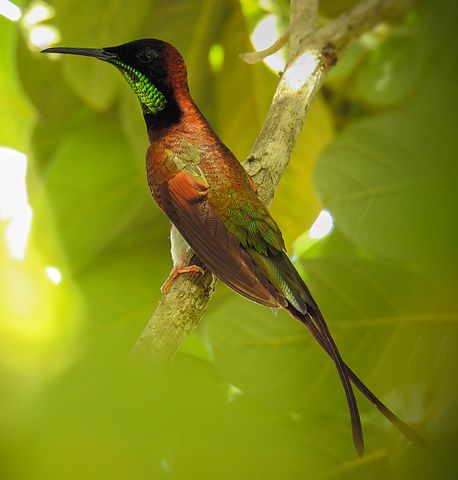
Ruby-topaz Hummingbird (Chrysolampis mosquitus) ©WikiC

“The foundations of the wall of the city were adorned with all kinds of precious stones: the first foundation was jasper, …. the fifth sardonyx, the sixth sardius, the seventh chrysolite, the eighth beryl, the ninth topaz, the tenth chrysoprase, the eleventh jacinth, and the twelfth amethyst.” (Revelation 21:19a-20 NKJV)

Topaz is a bit more common than Sardonyx, Sardius, and Chrysolite. Plus, there are birds with Topaz in their names. So this ninth stone of the foundation of the New Jerusalem should be easier to discover. Topaz is mentioned in five verse in the Bible: Exodus 28,17, 39:10; Job 28:19 [topaz of Ethiopia], Ezekiel 28:13, and our verse above – Revelation 21:20.

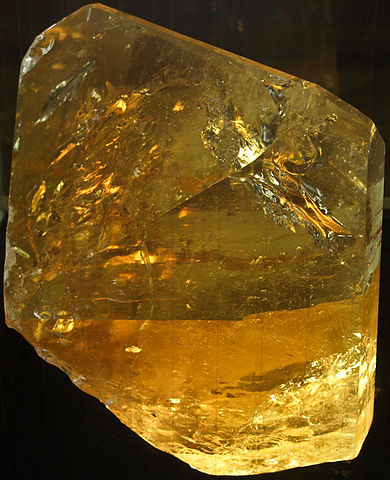
Quartz-Topaz-gem ©WikiC

Topaz – TO’PAZ, n. [Gr.] A mineral, said to be so called from Topazos, a small isle in the Arabic gulf, where the Romans obtained a stone which they called by this name, but which is the chrysolite of the moderns. The topaz is of a yellowish color. It sometimes occurs in masses, but more generally crystallized in rectangular octahedrons. Topaz is valued as a gem or precious stone, and is used in jewelry. It consists of silex, fluoric acid and alumin, in the following proportions; alumin 57 parts, silex 34, and fluoric acid 7 or 8.
Of topaz there are three subspecies, common topaz, shorlite and physalite. [Webster Dictionary 1828]

Ruby-topaz Hummingbird (Chrysolampis mosquitus) Reflection ©Flickr Budgora

Topaz – topazion (G5116) is mentioned in Rev_21:20, as the ninth of the foundation stones of the wall of the heavenly Jerusalem; the stone is of a yellow color (though there are topazes of other colors) and is almost as hard as the diamond. It has the power of double refraction, and when heated or rubbed becomes electric. [Vines New Testament]

Fiery Topaz (Topaza pyra) ©WikiC

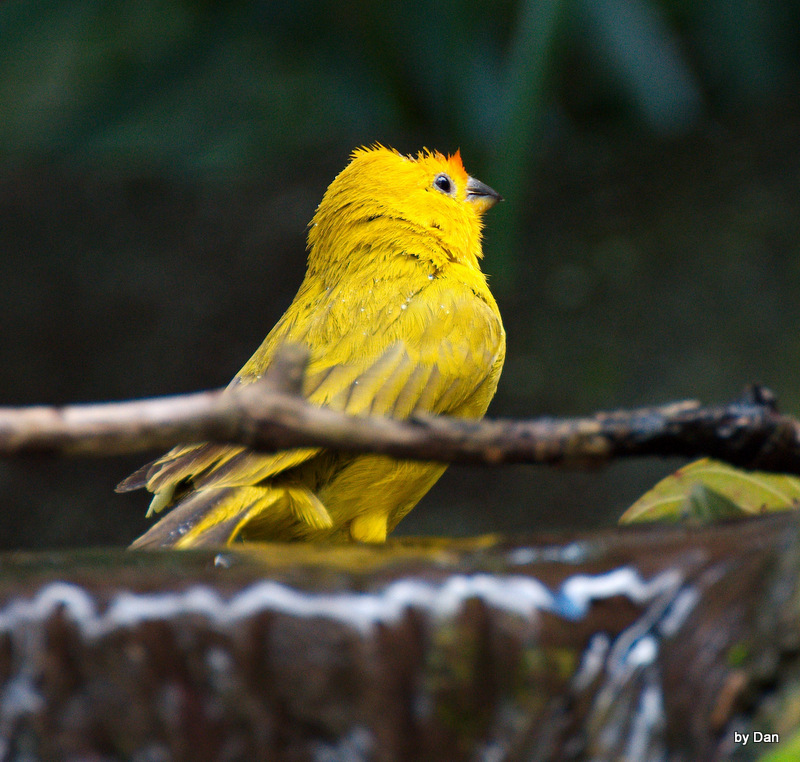
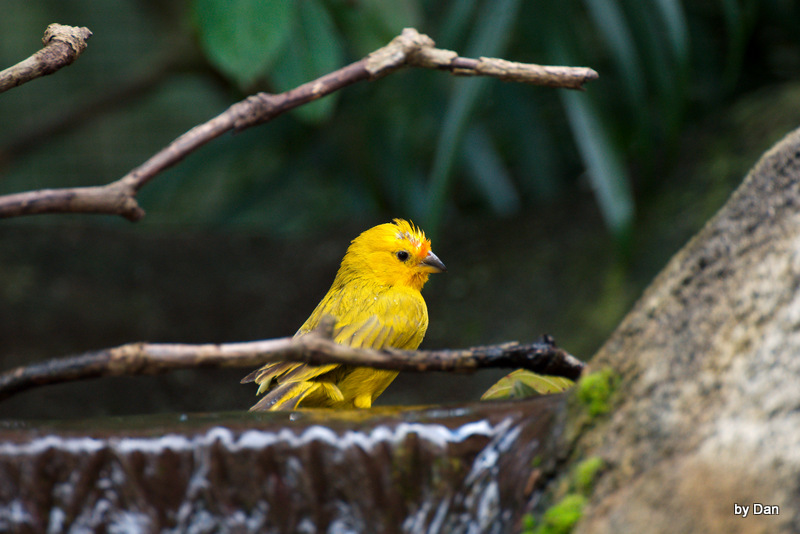
Saffron Finch Zoo Miami by Dan (Cropped by Lee)

Topaz From Brazil-©NaturhistorischesMuseum-WikiC

Saffron Finch Zoo Miami by Dan

Ruby-Topaz Hummingbird (Chrysolampis mosquitus) male ©WikiC

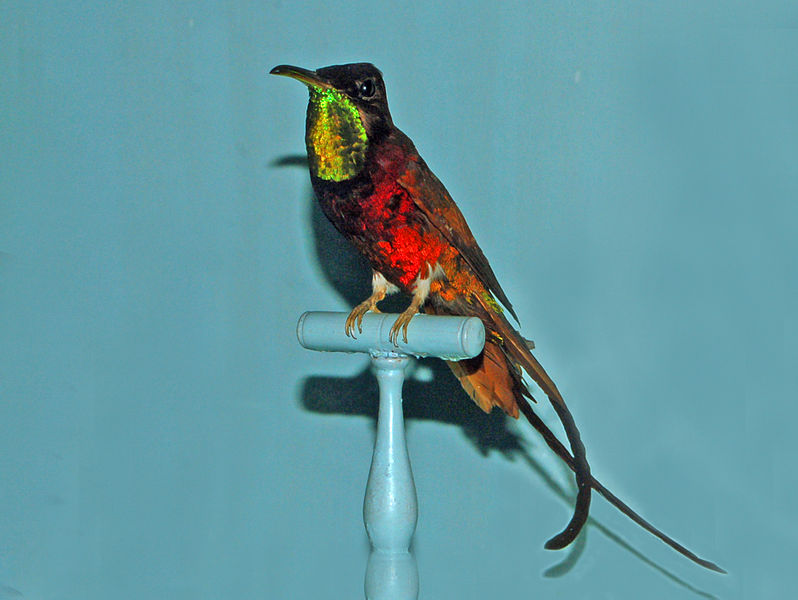
Crimson Topaz (Topaza pella) ©WikiC

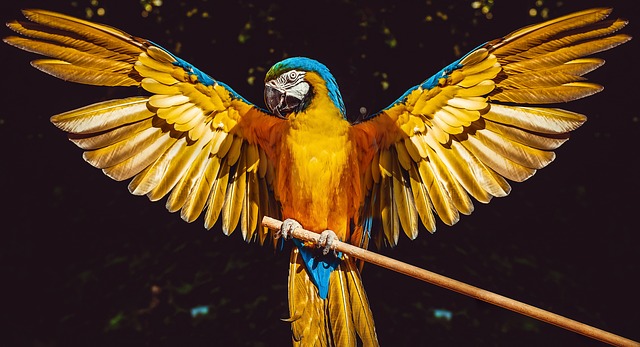
Bird-Wings-Wing-Colored-Ara-Parrot-©Maxpixel

Other Articles In This Series:

What will you do with Jesus?

Did Birds’ Lungs Evolve? – Creation Moments

Red-shouldered Hawk (Buteo lineatus) ©Lucas Texas

Job 39:26-27

“Doth the hawk fly by thy wisdom, and stretch her wings toward the south? Doth the eagle mount up at thy command, and make her nest on high?”

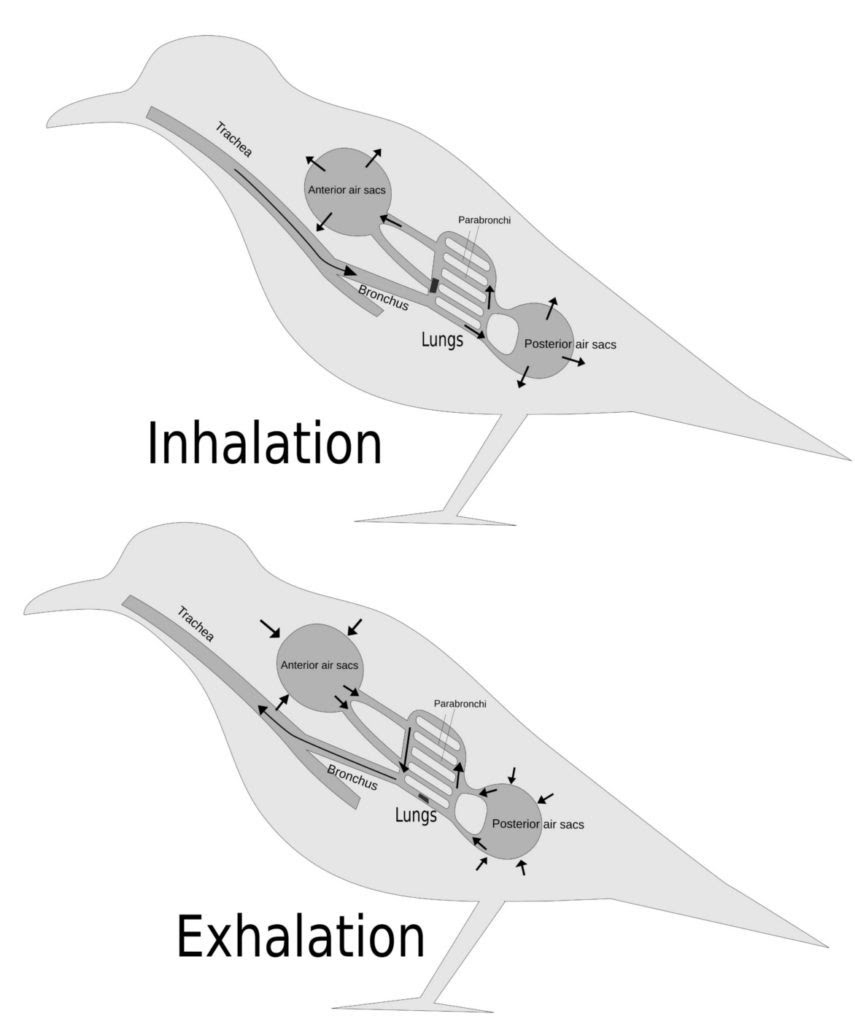
I remember buying a foot pump to inflate the tires on my first car. My choice was between two pumps. On the cheaper model, the foot operated a piston entering a cylinder in which the air would be compressed and forced through a tube into the tire. When the foot was lifted, valves prevented air getting back into the cylinder from the tire, and, instead, dragged air in from the outside. Each depression of the foot repeated this operation. In a sense, the lungs of mammals and reptiles would resemble two such pumps side by side.

The second model featured two pistons and cylinders angled in opposite directions. Pressing with the foot began the first stage of tire compression as before, but on releasing the foot, the second cylinder pushed air into the tire while the first refilled with external air. The next foot depression allowed cylinder 2 to refill while cylinder 1 pumped. Thus, there was air pumped into the tire on both depression and release of the foot. The two cylinders worked in tandem, in opposite directions. This second continuous pump is like the two lungs in a bird.

Birds Lungs ©Creation Moments PD

Even some well-known evolutionary scientists have pointed out how impossible it would be for one mechanism to evolve into the other because the transitional form would not be able to process air for breathing at all, and would suffocate. So bird lungs could not have evolved from dinosaurs, but, instead, are designed by God for exactly their purpose.

 Prayer: Father, when we think about birds, as with all other animals, we acknowledge that You have made them fit for purpose, to be able to live and work the way that You have designed them to do. Amen.

Ref: Quick, D.E and Ruben, J.A., Cardio-Pulmonary Anatomy in Theropod Dinosaurs: Implications From Extant Archosaurs, JOURNAL OF MORPHOLOGY 270:1232–1246 (2009), pp. 1232-1246.  Image: Public Domain.

Source: Did Birds’ Lungs Evolve?

See Interesting Things for more articles like this.

Bad Feather Day

“He causeth the vapours to ascend from the ends of the earth; he maketh lightnings for the rain; he bringeth the wind out of his treasuries.” (Psalms 135:7 KJV)

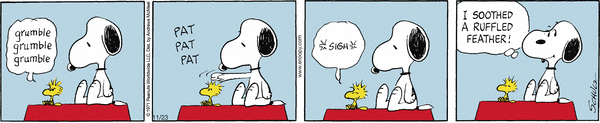
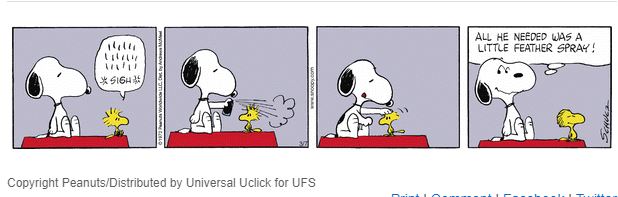
First Woodstock had a Ruffled Feather, now he is grumbling because he is having a Bad Feather Day.

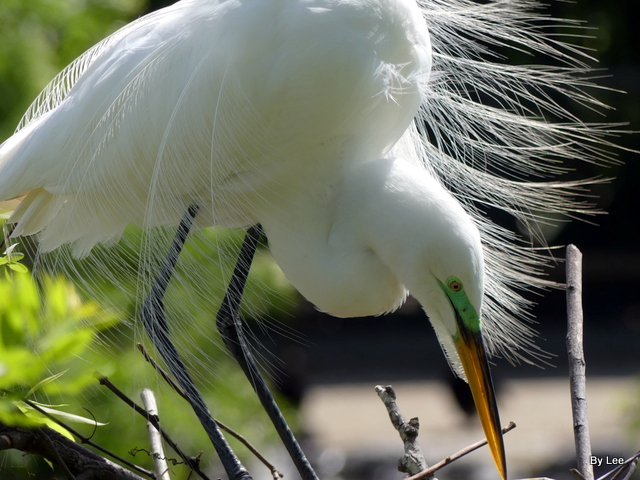
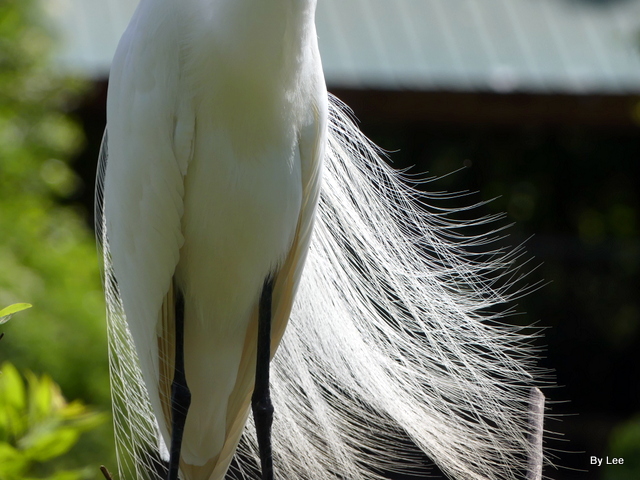
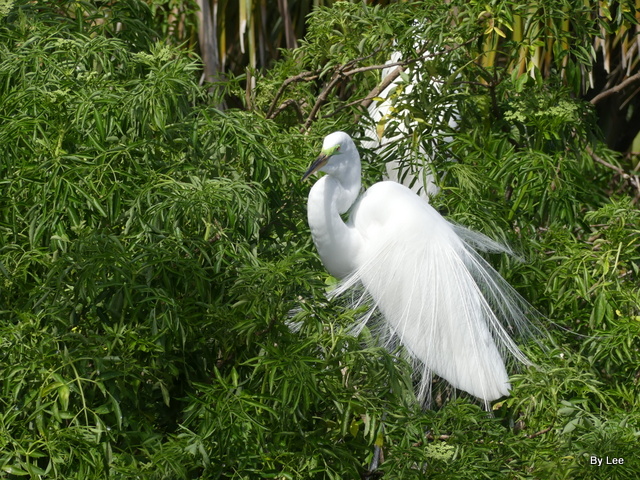
We were at Gatorland on Friday last week and it was quite winding. Some of their feathers were whipping in the breeze also. I did not see Snoopy there with a can of “Feather Spray”. Those bird just had to preen and get thing straighten out.

Great Egret on a windy day at Gatorland by Lee

Great Egret on a windy day at Gatorland

Great Egret on a windy day at Gatorland

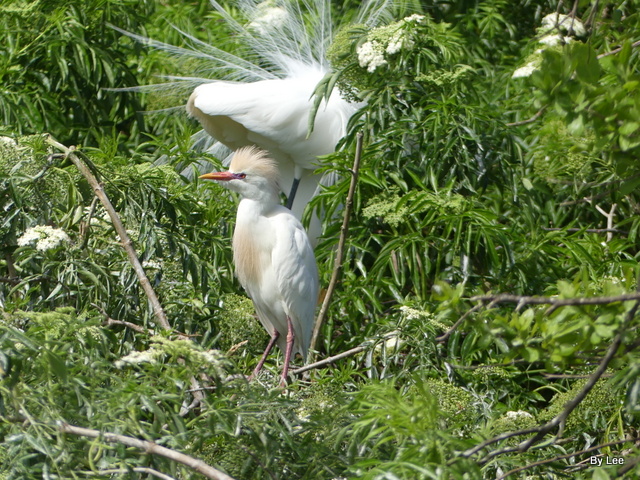
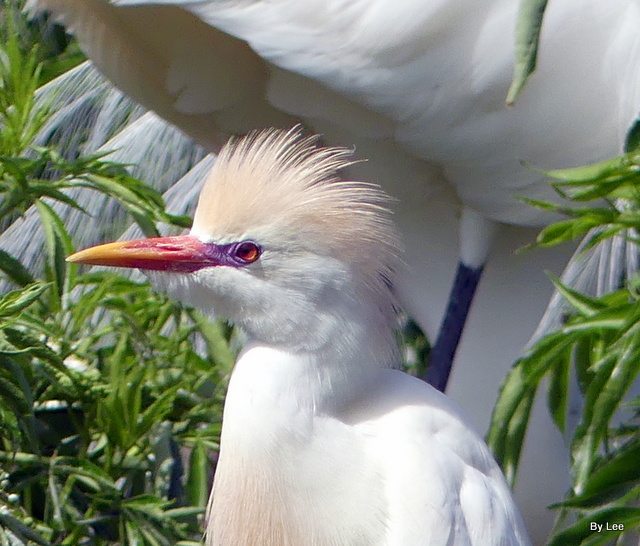
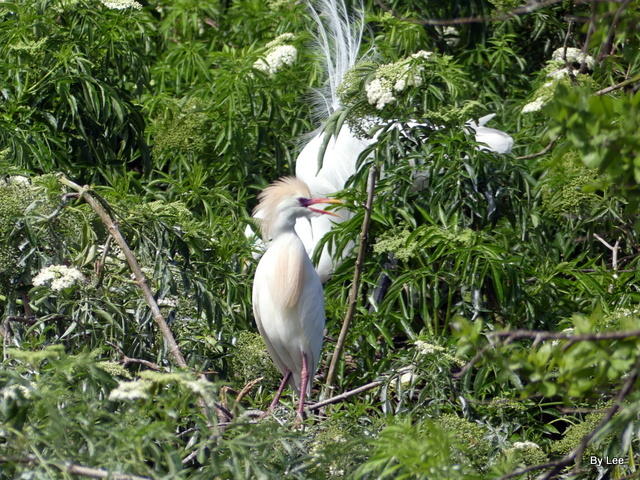
Cattle Egret in Breeding Plumage and Wind

Cattle Egret in Breeding Plumage and Wind

Cattle Egret in Breeding Plumage and Wind and not happy about it. Where’s the Feather Spray?

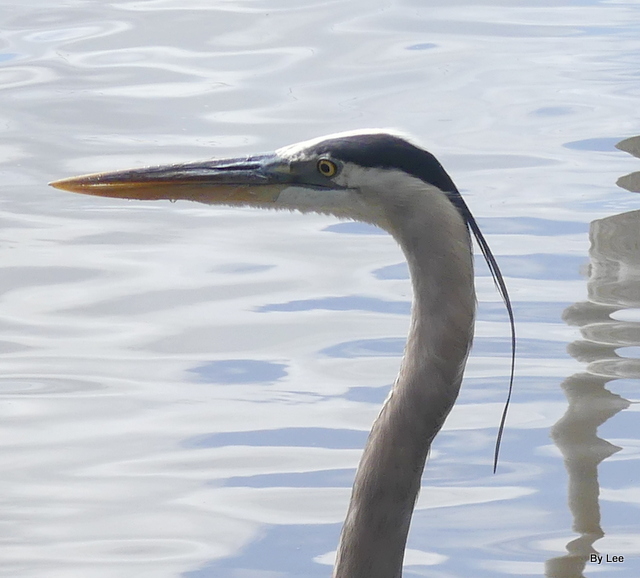
Great Blue Heron before gust on a windy day at Gatorland

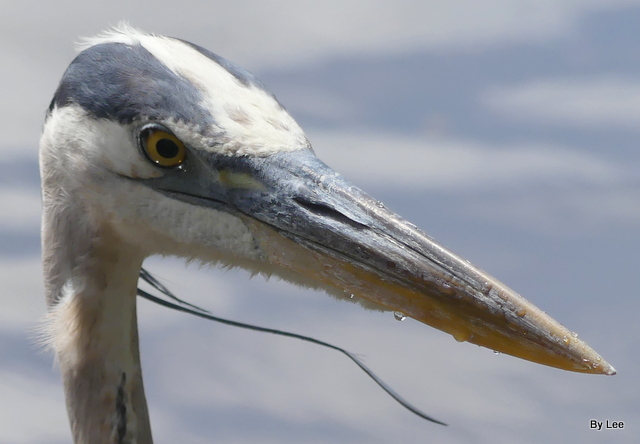
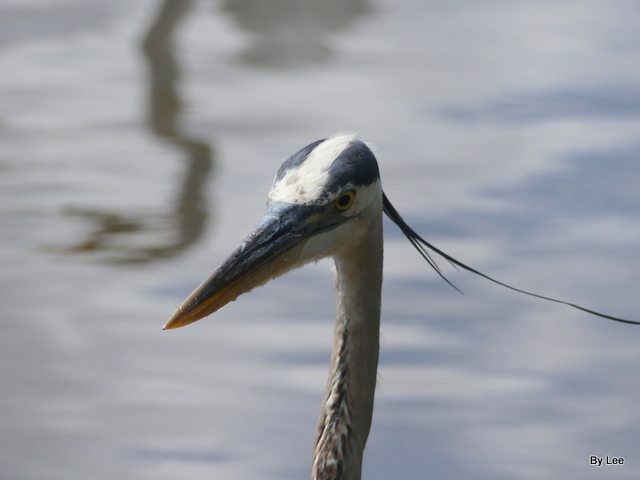
Great Blue Heron with gust on a windy day at Gatorland

Great Blue Heron with gust on a windy day at Gatorland

Wind is mentioned over a hundred times in the Bible. Here are two verse that show who is in control of the wind:

“Blessed is the man that walketh not in the counsel of the ungodly, nor standeth in the way of sinners, nor sitteth in the seat of the scornful. But his delight is in the law of the LORD; and in his law doth he meditate day and night. And he shall be like a tree planted by the rivers of water, that bringeth forth his fruit in his season; his leaf also shall not wither; and whatsoever he doeth shall prosper. The ungodly are not so: but are like the chaff which the wind driveth away.” (Psalms 1:1-4 KJV)

“And he arose, and rebuked the wind, and said unto the sea, Peace, be still. And the wind ceased, and there was a great calm. And he said unto them, Why are ye so fearful? how is it that ye have no faith? And they feared exceedingly, and said one to another, What manner of man is this, that even the wind and the sea obey him?” (Mark 4:39-41 KJV)

Smoothing A Ruffled Feather

All Our Gatorland Birdwatching Trips