Avian And Attributes – Cloud

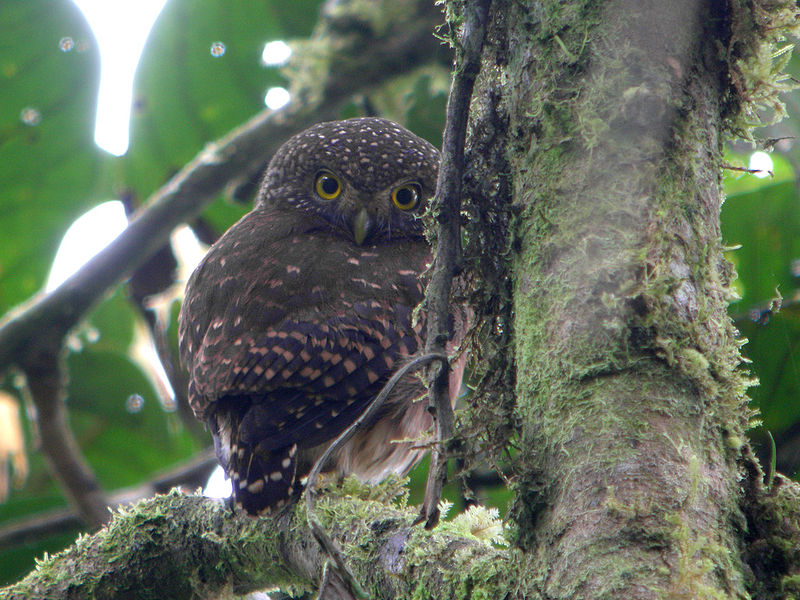
Cloud-forest Pygmy Owl (Glaucidium nubicola) ©WikiC

“And then shall they see the Son of man coming in a cloud with power and great glory. And when these things begin to come to pass, then look up, and lift up your heads; for your redemption draweth nigh.” (Luke 21:27-28 KJV)

“And the cloud of the LORD was upon them by day, when they went out of the camp.” (Numbers 10:34 KJV)

Where wast thou when I laid the foundations of the earth? declare, if thou hast understanding.” When I made the cloud the garment thereof, and thick darkness a swaddlingband for it,” (Job 38:4, 9 KJV)


Avian and Attributes – Cloud

Cloud
(1): (n.) A dark vein or spot on a lighter material, as in marble; hence, a blemish or defect; as, a cloud upon one’s reputation; a cloud on a title.
(2): (v. i.) To grow cloudy; to become obscure with clouds; — often used with up.
(3): (n.) That which has a dark, lowering, or threatening aspect; that which temporarily overshadows, obscures, or depresses; as, a cloud of sorrow; a cloud of war; a cloud upon the intellect.
(6): (v. t.) To overspread or hide with a cloud or clouds; as, the sky is clouded.

“And the LORD went before them by day in a pillar of a cloud, to lead them the way; and by night in a pillar of fire, to give them light; to go by day and night:” (Exodus 13:21 KJV)

(8): (n.) A collection of visible vapor, or watery particles, suspended in the upper atmosphere.
(9): (n.) A mass or volume of smoke, or flying dust, resembling vapor.
(10): (v. t.) To blacken; to sully; to stain; to tarnish; to damage; — esp. used of reputation or character.
(11): (n.) A great crowd or multitude; a vast collection.

“Wherefore seeing we also are compassed about with so great a cloud of witnesses, let us lay aside every weight, and the sin which doth so easily beset us, and let us run with patience the race that is set before us, Looking unto Jesus the author and finisher of our faith; who for the joy that was set before him endured the cross, despising the shame, and is set down at the right hand of the throne of God.” (Hebrews 12:1-2 KJV)


Cloud Birds – Cloud Cisticola, Cloud-forest Pygmy Owl, Cloud-forest Screech Owl
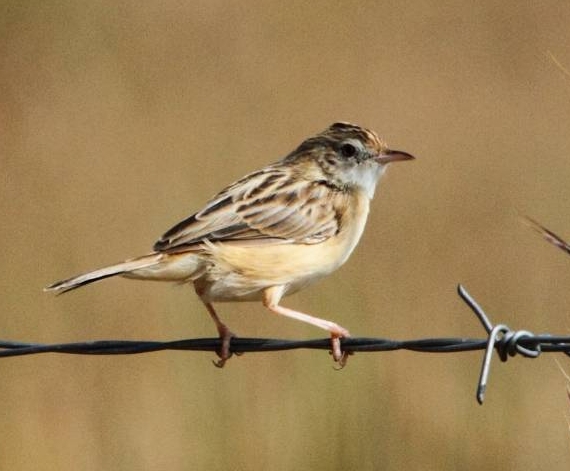
Cloud Cisticola (Cisticola textrix) ©WikiC

The Cloud Cisticola or tink-tink cisticola (Cisticola textrix) is a species of bird in the Cisticolidae – Cisticolas and allies Family. It is found in Angola, Lesotho, Mozambique, South Africa, Swaziland, and Zambia, and its natural habitat is subtropical or tropical dry lowland grassland.

Cloud-forest Pygmy Owl (Glaucidium nubicola) ©WikiC

The Cloud-forest Pygmy Owl (Glaucidium nubicola) is a short, muscular, small-sized species of owl found throughout the Andes of western Colombia and north-western Ecuador, being confined to cloud forests between 900–2000 m a.s.l. Below this altitudinal range the Central American pygmy owl (Glaucidium griseiceps) occurs; above the Andean pygmy owl (Glaucidium jardinii) occurs. It is in the Strigidae – Owls Family.

Its epithet nubicola means in Latin “cloud inhabiting”, because this species is restricted to very humid cloud forests.
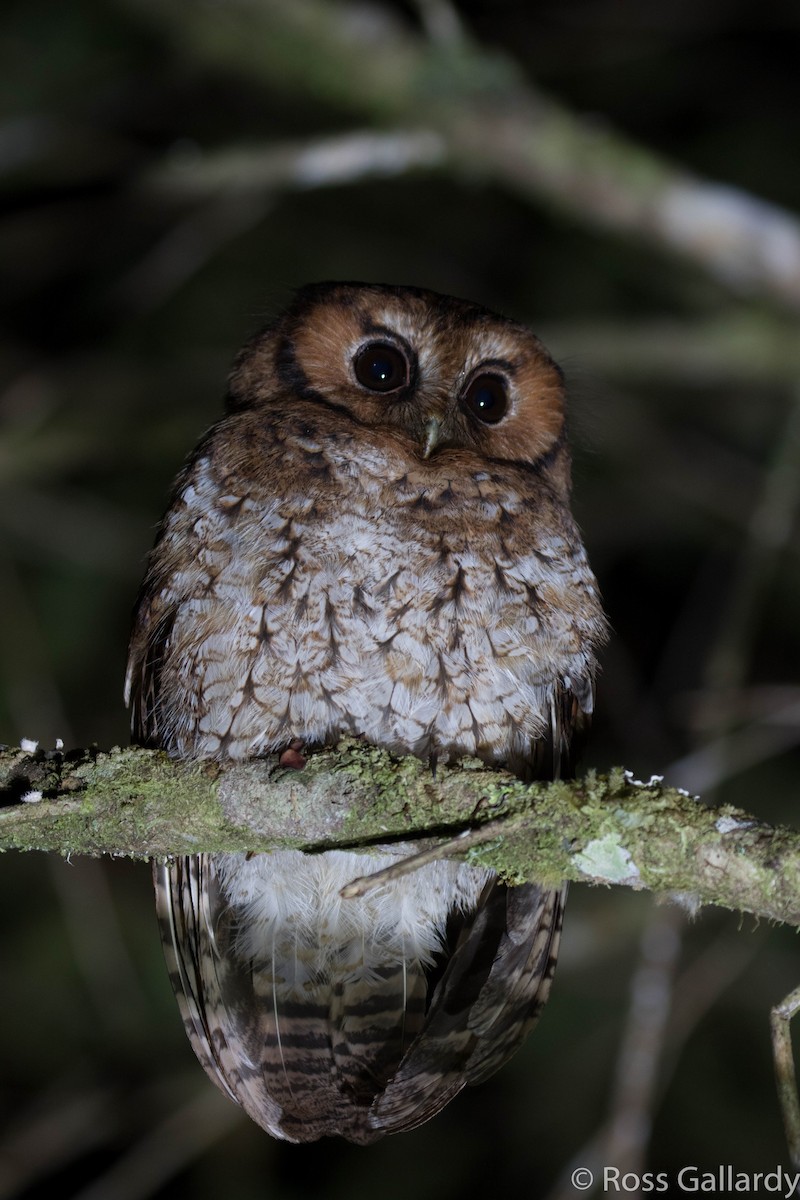
Cloud-forest Screech-Owl (Megascops marshalli)©Neotropical Birds Online

The Cloud-forest Screech Owl (Megascops marshalli) is a species of owl in the Strigidae – Owls Family. It is found in Bolivia and Peru. Its natural habitat is subtropical or tropical moist montane forests. It is threatened by habitat loss.


More Avian and Attributes

Birds whose first or last name start with “C”

Good News

*
[Definitions from Webster’s Dictionary of American English (1828), unless noted. Bird info from Wikipedia plus.]
Avian And Attributes – Clay (Molder or Potter)

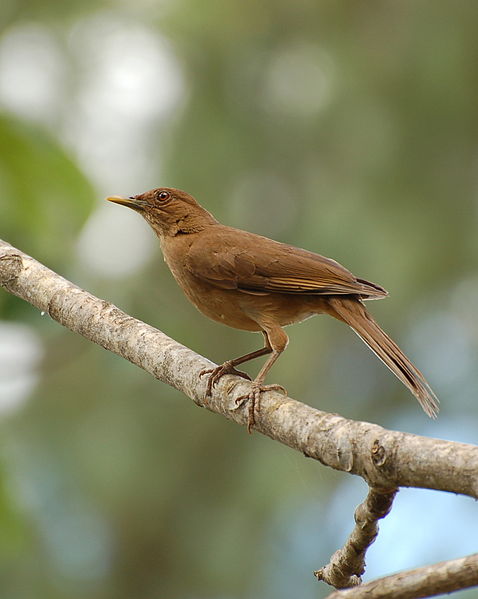
Clay-colored Thrush (Turdus grayi) ©WikiC

“But now, O LORD, thou art our father; we are the clay, and thou our potter; and we all are the work of thy hand.” (Isaiah 64:8 KJV)


Avian and Attributes – Clay (Molder or Potter)

Clay
(1): (n.) A soft earth, which is plastic, or may be molded with the hands, consisting of hydrous silicate of aluminium. It is the result of the wearing down and decomposition, in part, of rocks containing aluminous minerals, as granite. Lime, magnesia, oxide of iron, and other ingredients, are often present as impurities.
(2): (n.) Earth in general, as representing the elementary particles of the human body; hence, the human body as formed from such particles.
(4): (v. t.) To clarify by filtering through clay, as sugar. [edited]

“Then I went down to the potter’s house, and, behold, he wrought a work on the wheels. And the vessel that he made of clay was marred in the hand of the potter: so he made it again another vessel, as seemed good to the potter to make it.” (Jeremiah 18:3-4 KJV)


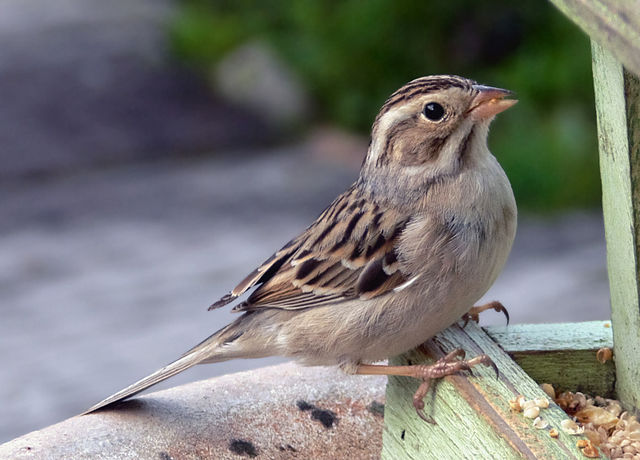
Clay-colored Sparrow (Spizella pallida) ©WikiC

Clay-colored Sparrow (Spizella pallida)  or clay-coloured sparrow (Spizella pallida) is a small sparrow of North America.

Adults have light brown upperparts and pale underparts, with darker streaks on the back. They have a pale crown stripe on a dark brown crown, a white line over the eyes, a dark line through the eyes, a light brown cheek patch and brown wings with wing bars. The short bill is pale with a dark tip and the back of the neck is grey; they have a long tail. Non-breeding adults and immature resemble chipping sparrows and Brewer’s sparrows; they often form flocks with these birds outside the nesting season.

The male sings from an open perch to indicate his ownership of the nesting territory. The song is a Bzzzz bzzzz za za.

**

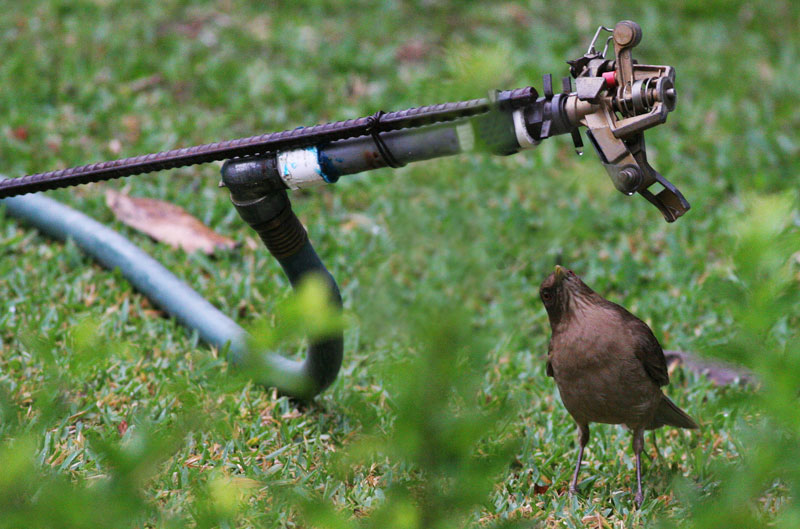
Clay-colored Thrush (Turdus grayi) by Margaret Sloan – Anticipation pose

Clay-colored Thrush (Turdus grayi) is a common Middle American bird of the thrush family (Turdidae). It is the national bird of Costa Rica, where it is well-known as the yigüirro. Other common names include clay-colored robin.

It ranges from South Texas (where it is rapidly expanding its range) to northern Colombia; west and north of the Isthmus of Tehuantepec. It is limited to the Atlantic slope, except for a population around Oaxaca City, Mexico that probably originates from escaped cage birds.

In general appearance and habits it resembles other Turdus thrushes such as the American robin. It is about the same length or slightly smaller. The plumage is brownish, somewhat lighter below than above, lightest on the flanks. Birds from humid regions are darker than those from dry regions. The throat is faintly streaked. Immature birds have faint mottling on the back and underparts. The bill is greenish-yellow with a dark base, the legs are pinkish or flesh-colored, and the irises are reddish—all useful identification points.

The song, rather low-pitched and with a slow steady tempo, consists of many slurred musical phrases which are often repeated irregularly. The tock flight call is like the American robin’s but harsher.

“Thou wilt say then unto me, Why doth he yet find fault? For who hath resisted his will? Nay but, O man, who art thou that repliest against God? Shall the thing formed say to him that formed it, Why hast thou made me thus? Hath not the potter power over the clay, of the same lump to make one vessel unto honour, and another unto dishonour?” (Romans 9:19-21 KJV)


More Avian and Attributes

Birds whose first or last name start with “C”

Good News

*
[Definitions from Webster’s Dictionary of American English (1828), unless noted. Bird info from Wikipedia plus. Both With Editing]

Avian And Attributes – Cheer

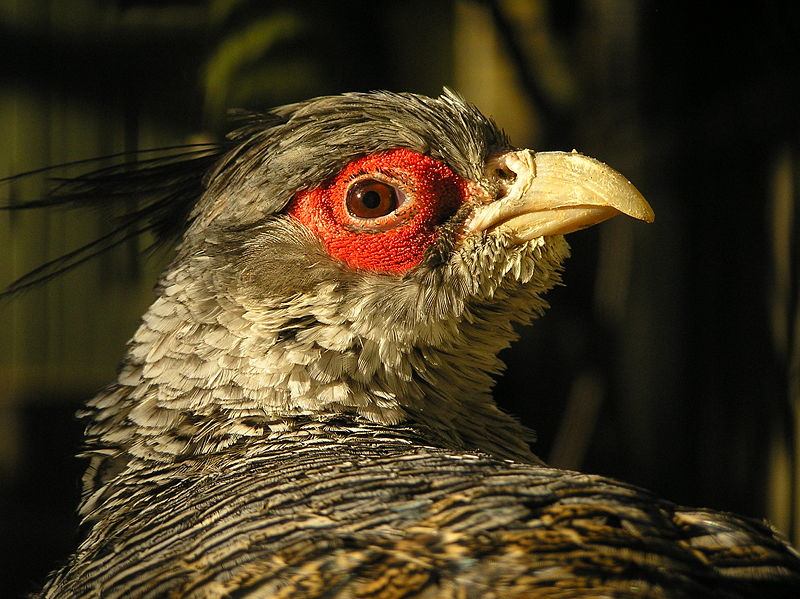
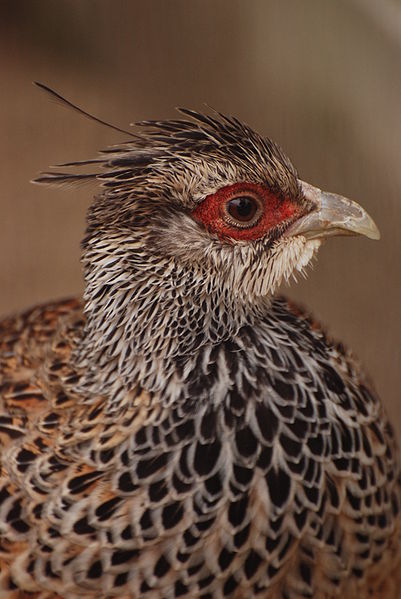
Cheer Pheasant (Catreus wallichii) ©©

Cheer Pheasant (Catreus wallichii) ©©

“And when the disciples saw him walking on the sea, they were troubled, saying, It is a spirit; and they cried out for fear. But straightway Jesus spake unto them, saying, Be of good cheer; it is I; be not afraid.” (Matthew 14:26-27 KJV)


Avian and Attributes – Cheer

CHEER, v.t.
1. To salute with shouts of joy, or cheers.
2. To dispel gloom, sorrow, silence or apathy; to cause to rejoice; to gladden; to make cheerful; as, to cheer a lonely desert; the cheering rays of the sun; good news cheers the heart.
3. To infuse life; spirit, animation; to incite; to encourage; as, to cheer the hounds.
CHEER, v.i. To grow cheerful; to become gladsome, or joyous.

CHEER, n.
1. A shout of joy; as, they gave three cheers.
2. A state of gladness or joy; a state of animation, above gloom and depression of spirits, but below mirth, gayety and jollity.
Son, be of good cheer, thy sins are forgiven thee. Mat 9.

And, behold, they brought to him a man sick of the palsy, lying on a bed: and Jesus seeing their faith said unto the sick of the palsy; Son, be of good cheer; thy sins be forgiven thee.” (Matthew 9:2 KJV)

Then were they all of good cheer, and they also took some meat. Acts 27.
6. Air of countenance, noting a greater or less degree of cheerfulness. [edited]


Cheer Pheasant (Catreus wallichii) ©WikiC

Cheer Pheasant (Catreus wallichii)

The Cheer Pheasant, (Catreus wallichii), also known as Wallich’s pheasant is a vulnerable species of the pheasant family, Phasianidae. It is the only member in monotypic genus Catreus. The scientific name commemorates the Danish botanist Nathaniel Wallich.

These birds lack the color and brilliance of most pheasants, with buffy gray plumage and long gray crests. Its long tail has 18 feathers and the central tail feathers are much longer and the colour is mainly gray and brown. The female is slightly smaller in overall size.

Males are monogamous. They breed on steep cliffs during summer with a clutch of 10 to 11 eggs. The cheer pheasant is distributed in the highlands and scrublands of the Himalayas region of India, Nepal, Kashmir and Pakistan.

Cheer Pheasant (Catreus wallichii) ©WikiC


More Avian and Attributes

Birds whose first or last name starts with “C”

Good News

*
[Definitions from Webster’s Dictionary of American English (1828), unless noted. Bird info from Wikipedia plus.]
Avian And Attributes – Busy

Buzzing Flowerpecker (Dicaeum hypoleucum) ©Drawing WikiC

“My help cometh from the LORD, which made heaven and earth. He will not suffer thy foot to be moved: he that keepeth thee will not slumber. Behold, he that keepeth Israel shall neither slumber nor sleep.” (Psalms 121:2-4 KJV)

“But I am poor and needy; yet the Lord thinketh upon me: thou art my help and my deliverer; make no tarrying, O my God.” (Psalms 40:17 KJV)

“For he shall deliver the needy when he crieth; the poor also, and him that hath no helper.” (Psalms 72:12 KJV)


Avian and Attributes – Busy

BUSY, a. biz’zy.
1. Employed with constant attention; engaged about something that renders interruption inconvenient; as, a man is busy in posting his books.
My mistress is busy and cannot come.
2. Actively employed; occupied without cessation; constantly in motion; as a busy bee.
4. Much occupied with employment; as a busy day.
BUSY, v.t. biz’zy. To employ with constant attention; to keep engaged; to make or keep busy;


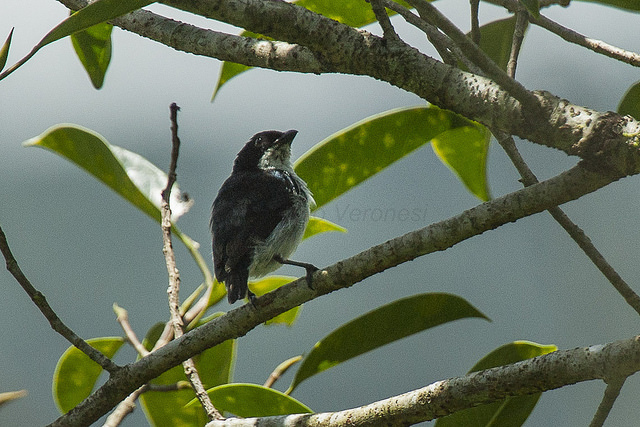
Buzzing Flowerpecker (Dicaeum hypoleucum) by ©Flickr Francesco Veronesi

Buzzing Flowerpecker

The Buzzing Flowerpecker (Dicaeum hypoleucum) or white-bellied flowerpecker is a species of bird in the Dicaeidae – Flowerpeckers family. It is endemic to the Philippines. Its natural habitats are subtropical or tropical moist lowland forests and subtropical or tropical moist montane forests.

[I chose this bird because “Buzzing” could also mean “Busy” as in our Lord God always watching out for our souls.]


More Avian and Attributes

Birds whose first name start with “B”

Good News

*
[Definitions from Webster’s Dictionary of American English (1828), unless noted. Bird info from Wikipedia plus.]
Avian And Attributes – Bush (Hosted God)

Avian And Attributes – Bush (Hosted God)

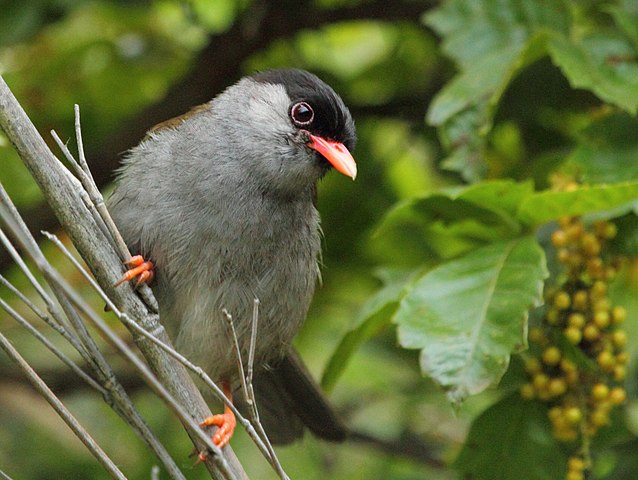
Bush Blackcap (Lioptilus nigricapillus) ©WikiC

“And the angel of the LORD appeared unto him in a flame of fire out of the midst of a bush: and he looked, and, behold, the bush burned with fire, and the bush was not consumed. And Moses said, I will now turn aside, and see this great sight, why the bush is not burnt. And when the LORD saw that he turned aside to see, God called unto him out of the midst of the bush, and said, Moses, Moses. And he said, Here am I.” (Exodus 3:2-4 KJV)


Avian and Attributes – Bush (Hosted God)

Bush

Bush. The Hebrew word, seneh, occurs only in those passages which refer to Jehovah’s appearance to Moses, “in the flame of fire in the bush.” Exo_3:2-4; Exo_33:16. It is quite impossible to say what kind of thorn bush is intended; but it was probably the acacia, a small variety of the shittim tree, found in the Sinai region. (Smith Bible Dictionary)

“And for the precious things of the earth and fulness thereof, and for the good will of him that dwelt in the bush: let the blessing come upon the head of Joseph, and upon the top of the head of him that was separated from his brethren.” (Deuteronomy 33:16 KJV)


Bush Blackcap (Lioptilus nigricapillus) immature ©WikiC

Bush Blackcap (Lioptilus nigricapillus)

The Bush Blackcap (Lioptilus nigricapillus) is a species of bird in the family Sylviidae. It is monotypic within the genus Lioptilus.[2] It is found in South Africa and Swaziland. Its natural habitats are subtropical or tropical moist montane forests and subtropical or tropical high-altitude shrubland. It is threatened by habitat loss. (Bush Blackcap – Wikipedia) (Sylviidae – Sylviid Babblers Family)

Bush Blackcap (Lioptilus nigricapillus) ©WikiC


More Avian and Attributes

Birds whose [first or last] name start with “B”

Good News

*
[Definitions from Webster’s Dictionary of American English (1828), unless noted. Bird info from Wikipedia plus.]

Avian and Attributes – Blood

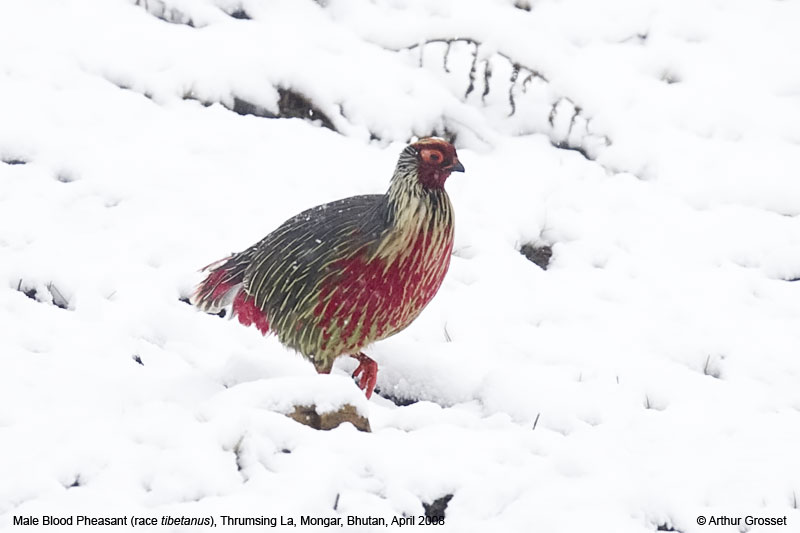
Blood Pheasant (Ithaginis cruentus) ©Arthur Grosset

Blood Pheasant (Ithaginis cruentus) ©Arthur Grosset

“And he said unto them, This is my blood of the new testament, which is shed for many.” (Mark 14:24 KJV)

“Take heed therefore unto yourselves, and to all the flock, over the which the Holy Ghost hath made you overseers, to feed the church of God, which he hath purchased with his own blood.” (Acts 20:28 KJV)


Avian and Attributes – Blood

BLOOD, n.
1. The fluid which circulates through the arteries and veins of the human body, and of other animals, which is essential to the preservation of life. This fluid is generally red. If the blood of an animal is not red, such animal is called exsanguious, or white-blooded; the blood being white, or white tinged with blue.

2. Kindred; relation by natural descent from a common ancestor; consanguinity.
God hath made of one blood, all nations of the earth. Acts 17.

3. Royal lineage; blood royal; as a prince of the blood.

5. Life.

10. A sacramental symbol of the blood of Christ.
For this is my blood of the new testament, which is shed for many for the remission of sins.” (Matthew 26:28 KJV)

11. The death and sufferings of Christ.
“Much more then, being now justified by his blood, we shall be saved from wrath through him.” (Romans 5:9 KJV)


Blood Pheasant (Ithaginis cruentus) ©WikiC

The Blood Pheasant (Ithaginis cruentus) is the only species in genus Ithaginis of the pheasant family. This relatively small, short-tailed pheasant is widespread and fairly common in eastern Himalayas, ranging across India, Nepal, Bhutan and China.

Blood pheasants have the size of a small fowl, about 17 in (43 cm) in length with a short convex, very strong black bill, feathered between bill and eye, and a small crest of various coloured feathers. The colour of the plumage above is dark ash, with white shafts, the coverts of the wings various tinged with green, with broad strokes of white through the length of each feather, the feathers of the chin deep crimson; on the breast, belly and sides feathers are lance-shaped, of various length, the tips green with crimson margins, collectively resembling dashes of blood scattered on the breast and belly. The tail consists of twelve sub-equal feathers, shafts white, rounded, the ends whitish, the coverts a rich crimson red.

Both males and females have red feet and a distinct ring of bare skin around the eye that typically is crimson colored, but is orange in a few subspecies. Member of the Phasianidae – Pheasants, Fowl & Allies Family

Blood-breasted Flowerpecker (Dicaeum sanguinolentum) ©WikiC

Blood-breasted Flowerpecker (Dicaeum sanguinolentum) ©WikiC

Here are links to all the “Blood” avian wonders:

Blond-crested Woodpecker (Celeus flavescens)
Blood Pheasant (Ithaginis cruentus)
Blood-breasted Flowerpecker (Dicaeum sanguinolentum)
Blood-colored Woodpecker (Veniliornis sanguineus)
Blood-eared Parakeet (Pyrrhura hoematotis)


More Avian and Attributes Articles

Birds whose first name start with “A”

Good News

*
[Definitions from Webster’s Dictionary of American English (1828), unless noted. Bird info from Wikipedia plus.]


Avian And Attributes – Bishop

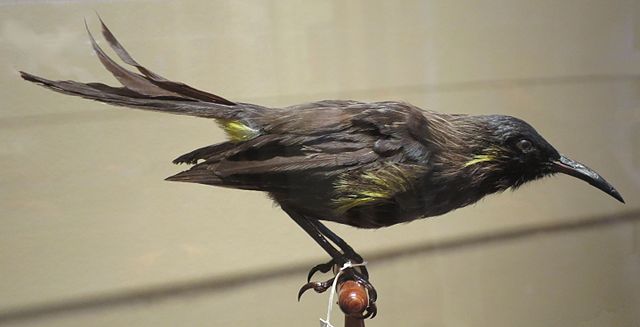
Bishop's Oo (Moho bishopi) WikiC

Bishop’s Oo (Moho bishopi) WikiC

“For ye were as sheep going astray; but are now returned unto the Shepherd and Bishop of your souls.” (1 Peter 2:25 KJV)


Avian and Attributes – Bishop

BISH’OP, n. [L. episcopus; Gr. of, over, and inspector, or visitor; to view, or inspect; whence, to visit; also, to view. This Greek and Latin word accompanied the introduction of christianity into the west and north of Europe.]

1. An overseer; a spiritual superintendent, ruler or director; applied to Christ.
Ye were as sheep going astray, but are now returned to the shepherd and bishop of your souls. 1. Pet.2.

2. In the primitive church, a spiritual overseer; an elder or presbyter; one who had the pastoral care of a church.


Bishop’s Oo (Moho bishopi) Specimen ©WikiC

Bishop’s Oo

The Bishop’s ‘ō‘ō or Molokai ‘ō‘ō (Moho bishopi) is a member of the extinct genus of the ‘ō‘ōs (Moho) within the extinct family Mohoidae. It was previously regarded as member of the Australo-Pacific honeyeaters (Meliphagidae). Lionel Walter Rothschild named it after Charles Reed Bishop, the founder of the Bishop Museum.

It was discovered in 1892 by Henry C. Palmer, a bird collector for Lord Rothschild. Its length was about 29 centimeters. The tail had reached a length of 10 centimeters. The plumage was general glossy black with yellow feather tufts on the maxillaries, beneath the wings and the undertail coverts. Their songs were simple two notes, took-took, which could be heard for miles.

Member of the Mohoidae – Oos Family


More Avian and Attributes

Birds whose first name start with “B”

Good News

*
[Definitions from Webster’s Dictionary of American English (1828), unless noted. Bird info from Wikipedia plus.]

Avian and Attributes – Apostle’s Teacher

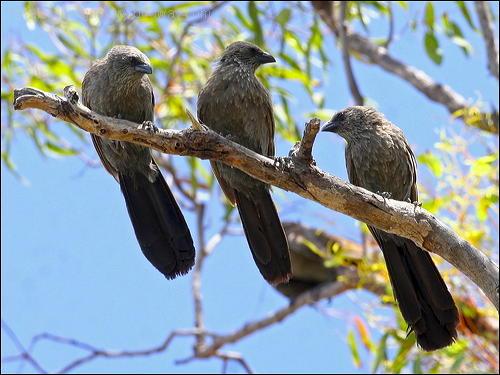
Apostlebird (Struthidea cinerea) by Ian

“And the apostles said unto the Lord, Increase our faith. And the Lord said, If ye had faith as a grain of mustard seed, ye might say unto this sycamine tree, Be thou plucked up by the root, and be thou planted in the sea; and it should obey you.” (Luke 17:5-6 KJV)


Avian and Attributes – Apostle’s Teacher

APOS’TLE, n. [L. apostalus; Gr. to send away, to sent.]

A person deputed to execute some important business; but appropriately, a disciple of Christ commissioned to preach the gospel. Twelve persons were selected by Christ for this purpose; and Judas, one of the number, proving an apostate, his place was supplied by Matthias. Acts 1.

The title of apostle is applied to Christ himself, Heb 3. In the primitive ages of the church, other ministers were called apostles, Rom 16; as were persons sent to carry alms from one church to another, Phil 2. This title was also given to persons who first planted the Christian faith. Thus Dionysius of Corinth is called the apostle of France; and the Jesuit Missionaries are called apostles.

“Wherefore, holy brethren, partakers of the heavenly calling, consider the Apostle and High Priest of our profession, Christ Jesus;” (Hebrews 3:1 KJV)


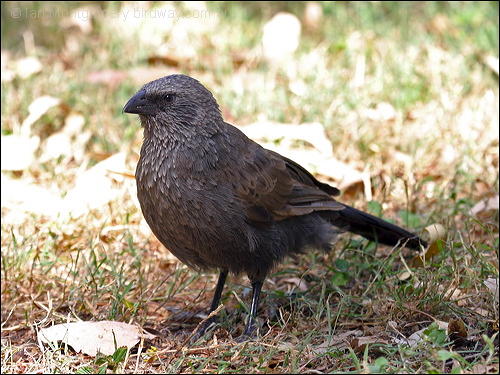
Apostlebird (Struthidea cinerea) by Ian

Apostlebird (Struthidea cinerea) by Ian

Apostlebird

The Apostlebird (Struthidea cinerea), also known as the grey jumperlousy jack or cwa bird is a quick-moving, gray or black bird about 13 inches (33 centimetres) long. It is a native to Australia where it roams woodlands, eating insects and seeds at, or near, ground level. Apostlebirds often travel in groups of about 12; for this reason they were named after the Biblical apostles, the twelve chief followers of Jesus Christ.

Measuring around 33 cm (13 in) in length, the apostlebird is a predominantly dark grey bird with a long black tail tinted greenish in sunlight. The grey feathers on the head, neck and breast are brushed with paler grey-white and the wings are brownish. The legs and bill are black and the eyes brown or white. They are members of the Corcoracidae – Australian Mudnesters Family.

“Until the day in which he was taken up, after that he through the Holy Ghost had given commandments unto the apostles whom he had chosen: To whom also he shewed himself alive after his passion by many infallible proofs, being seen of them forty days, and speaking of the things pertaining to the kingdom of God: And, being assembled together with them, commanded them that they should not depart from Jerusalem, but wait for the promise of the Father, which, saith he, ye have heard of me.” (Acts 1:2-4 KJV)


More Avian and Attributes

Birds whose first name start with “A”

Good News

*
[Definitions from Webster’s Dictionary of American English (1828), unless noted. Bird info from Wikipedia plus.]
Avian and Attributes – Admirable

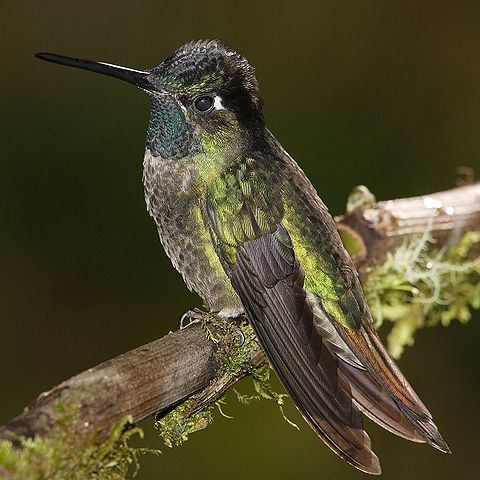
Admirable Hummingbird (Eugenes spectabilis) ©WikiC

“Touching the Almighty, we cannot find him out: he is excellent in power, and in judgment, and in plenty of justice: he will not afflict.” (Job 37:23 KJV)

“Remember his marvellous works that he hath done, his wonders, and the judgments of his mouth;” (1 Chronicles 16:12 KJV)


Avian and Attributes – Admirable

Admirable
(1): (a.) Fitted to excite wonder; wonderful; marvelous.
(2): (a.) Having qualities to excite wonder united with approbation; deserving the highest praise; most excellent; — used of persons or things.

“And the Jews marvelled, saying, How knoweth this man letters, having never learned? Jesus answered them, and said, My doctrine is not mine, but his that sent me.” (John 7:15-16 KJV)


Admirable Hummingbird (Eugenes spectabilis) ©WikiC

Admirable Hummingbird (Eugenes spectabilis)

The Admirable Hummingbird or Talamanca hummingbird (Eugenes spectabilis) is a large hummingbird. Some taxonomic authorities, such as the International Ornithological Committee, split the magnificent hummingbird into two species, in which case the nominate fulgens is renamed Rivoli’s hummingbird, and spectabilis is named the admirable hummingbird. Other taxonomic authorities have not recognized the split. The admirable hummingbird’s range is Costa Rica to Panama. Member of the Trochilidae – Hummingbirds Family.


More Avian and Attributes Articles

Birds whose first name start with “A”

Good News

*
[Definitions from Webster’s Dictionary of American English (1828), unless noted. Bird info from Wikipedia plus.]

Avian and Attributes – Ancient (of Days)

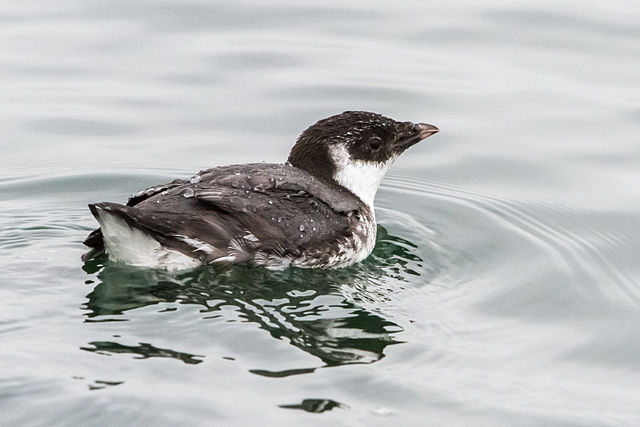
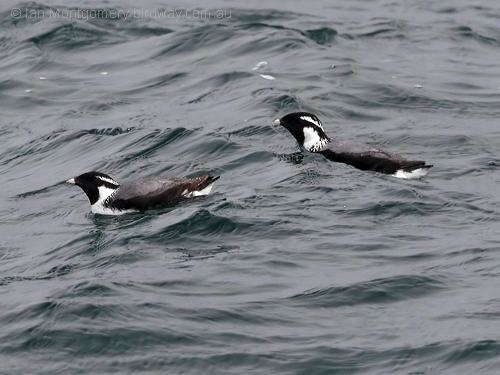
Ancient Murrelet (Synthliboramphus antiquus) ©WikiC

“I beheld till the thrones were cast down, and the Ancient of days did sit, whose garment was white as snow, and the hair of his head like the pure wool: his throne was like the fiery flame, and his wheels as burning fire.” (Daniel 7:9 KJV)

“Until the Ancient of days came, and judgment was given to the saints of the most High; and the time came that the saints possessed the kingdom.” (Daniel 7:22 KJV)


Avian and Attributes – Ancient

AN’CIENT, a.
1. Old; that happened or existed in former times, usually at a great distance of time; as, ancient authors, ancient days. Old, says Johnson, relates to the duration of the thing itself, as an old coat; and ancient to time in general, as an ancient dress. But this distinction is not always observed. We say, in old times, as well as ancient times; old customs, &c. In general, however, ancient is opposed to modern, and old to new, fresh or recent. When we speak of a thing that existed formerly, which as ceased to exist, we commonly use ancient, as ancient republics’ ancient heroes, and not old republics, old heroes. But when the thing which began or existed in former times, is still in existence, we use either ancient or old; as, ancient statues or paintings, or old statues or paintings; ancient authors, or old authors, meaning books. But in these examples ancient seems the most correct, or best authorized. Some persons apply ancient to men advanced in years still living; but this use is not common in modern practice, though found in scripture.
With the ancient is wisdom. Job.

“With the ancient is wisdom; and in length of days understanding.” (Job 12:12 KJV)

AN’CIENT, n. Generally used in the plural, ancients. Those who lived in former ages, opposed to moderns.
1. In scripture, very old men. Also, governors, rulers, political and ecclesiastical.
The Lord will enter into judgment with the ancients of his people. Isa 3. Jer 19.
God is called the Ancient of days from his eternal existence. Dan 7.


Ancient Murrelet (Synthliboramphus antiquus) by Ian

Ancient Murrelet

The Ancient Murrelet (Synthliboramphus antiquus) is a bird in the auk family. The genus name Synthliboramphus is from Ancient Greek sunthlibo, “to compress”, and rhamphos, “bill”, and antiquus is Latin for ancient. The English term “murrelet” is a diminutive of “murre”, a word of uncertain origins, but which may imitate the call of the common guillemot. Ancient murrelets are called “ancient” because they have grey on the back like a shawl, as worn by the elderly.

This small auk species is black on the head, throat and rear neck, grey-backed, and has white underparts. The yellow bill is short and stubby. It has a small rounded black tail. The summer adults have white head streaks giving an aged look and leading to the English name. Other plumages are similar, but lack the crown streaks and black on the throat.

Ancient murrelets tend to bank from side to side in flight to a greater extent than other small auks. They fly with fast wing beats due to their short wings.

It breeds from the Yellow Sea (islands off China), through the Russian Pacific coast and the Aleutian Islands to the Haida Gwaii archipelago of British Columbia, where about half of the world population breeds.

Alcidae – Auks Family

There is also an Ancient Antwren (Herpsilochmus gentryi), that is a species of bird in the family Thamnophilidae. It is found in northern Peru and southeastern Ecuador. Its natural habitat is subtropical or tropical moist lowland forests. It is threatened by habitat loss. [No photos available.]


More Avian and Attributes Articles

Birds whose first name start with “A”

Good News

*
[Definitions from Webster’s Dictionary of American English (1828), unless noted. Bird info from Wikipedia plus.]

Avian And Attributes – Zoologist

Avian And Attributes – Zoologist

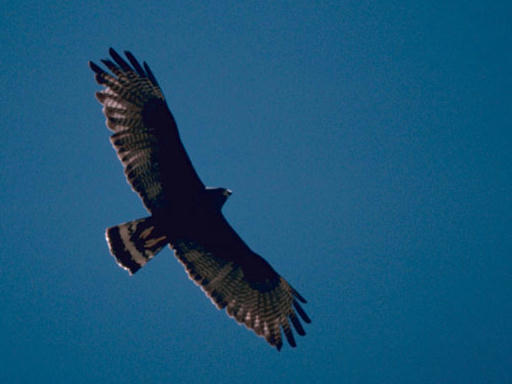
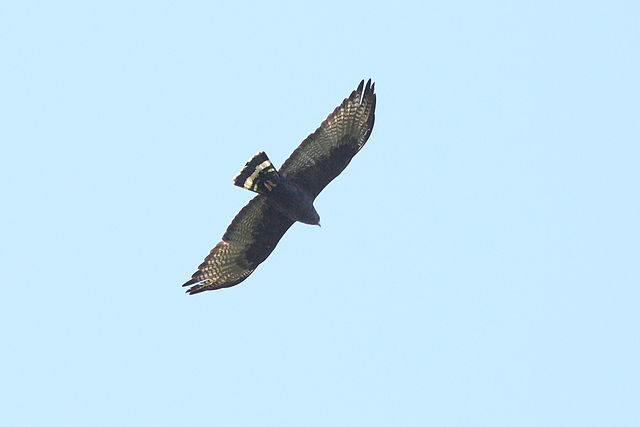
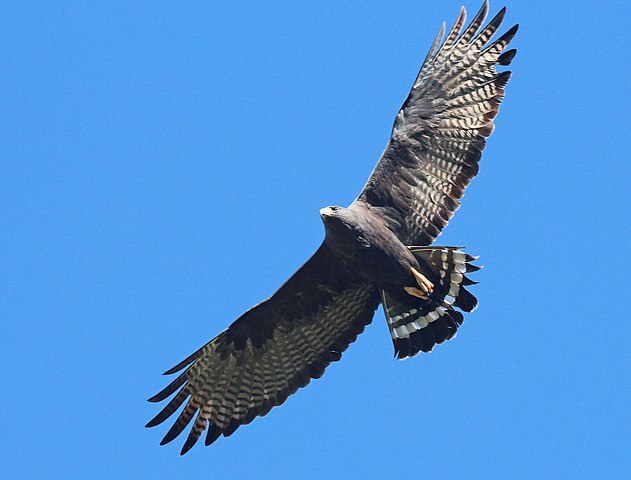
Zone-tailed Hawk (Buteo albonotatus) ©WikiC

Zone-tailed Hawk (Buteo albonotatus) ©WikiC

“In the beginning was the Word, and the Word was with God, and the Word was God. The same was in the beginning with God. All things were made by him; and without him was not any thing made that was made.” (John 1:1-3 KJV)


Avian and Attributes – Zoologist

Zoologist
ZOOLOGIST, n. [from zoology.] One who is well versed in the natural history of animals, or who describes animals.

[Webster’s Dictionary of American English (1828)]

The Lord Jesus Christ, the Creator of all that is in the world, truly was the first Zoologist. The Lord was definitely well versed in the animals, especially the birds. He knows every part of them and has an understanding of every function that He created in them. Most of all, He cares about each of them, as He does us. [Lee]

“Are not two sparrows sold for a farthing? and one of them shall not fall on the ground without your Father.” (Matthew 10:29 KJV)


Zone-tailed Hawk (Buteo albonotatus) ©WikiC

Zone-tailed Hawk

The Zone-tailed Hawk (Buteo albonotatus) is a medium-sized hawk of warm, dry parts of the Americas. It is somewhat similar in plumage and flight style to a common scavenger, the turkey vulture, and may benefit from being able to blend into groups of vultures. It feeds on small vertebrates of all kinds (other than fish), including various small mammals and birds.

Zone-tailed hawks range from parts of southern Arizona, New Mexico, and western Texas almost throughout inland Mexico and the central portions of Central America down into eastern Colombia, Ecuador and, more sporadically, into Peru, southern Brazil, Paraguay, Bolivia, and northern Argentina.

Zone-tailed hawks can adapt to various habitats across their broad range, including both closed and open ones and wet and dry ones. Often, the largest numbers are found in rocky areas with access to water. They often reside in coniferous or pine-oak forests as well as timbered canyonland, hilly riverine woods, dry open boscage and scrub, humid forests and overgrown marshes. They may forage over ranches and even semi-desert, but always need at least scattered tree thickets for nesting. They may be distributed in elevation from sea-level to 3,000 m (9,800 ft), though are mainly found below 1,500 m (4,900 ft) in the north and below 500 m (1,600 ft) in the southern reaches of the breeding range.

Zone-tailed Hawk (Buteo albonotatus) ©WikiC


*** This is the second time through some alphabetical Attributes of God. First time through I tried to use the last name of a bird alphabetically, and then this second time through, the first name of the bird was used. We trust you enjoyed this series. For now, another plan is in the works. Stay Tuned!!***

More Avian and Attributes

Birds whose first name starts with “Z”

Good News

*
[Definitions from Webster’s Dictionary of American English (1828), unless noted. Bird info from Wikipedia plus.]
Avian And Attributes – Yoke

Avian And Attributes – Yoke

Yellow-crowned Bishop (Euplectes afer) ©WikiC

“Come unto me, all ye that labour and are heavy laden, and I will give you rest. Take my yoke upon you, and learn of me; for I am meek and lowly in heart: and ye shall find rest unto your souls. For my yoke is easy, and my burden is light.” (Matthew 11:28-30 KJV)


Avian and Attributes – Yoke

YOKE, n. [G., L., Gr.]
1. A piece of timber, hollowed or made curving near each end, and fitted with bows for receiving the necks of oxen; by which means two are connected for drawing. From a ring or hook in the bow, a chain extends to the thing to be drawn, or to the yoke of another pair of oxen behind.
2. A mark of servitude; slavery; bondage.
Our country sinks beneath the yoke.
3. A chain; a link; a bond of connection; as the yoke of marriage.
4. A couple; a pair; as a yoke of oxen.
5. Service.
My yoke is easy. Mat 11.

YOKE, v.t.
1. To put a yoke on; to join in a yoke; as, to yoke oxen, or a pair of oxen.
2. To couple; to join with another.
[Edited]


Yellow-crowned Bishop (Euplectes afer) Breeding Male ©WikiC

Yellow-crowned Bishop (Euplectes afer)

The yellow-crowned bishop (Euplectes afer) is a species of passerine bird in the family Ploceidae native to Africa south of the Sahara.[2] It is highly sexually dimorphic in its breeding season, during which the male adopts a distinctive yellow and black plumage, contrasting with the female’s predominantly brown coloration. Three subspecies are recognised.

Yellow-crowned Bishop (Euplectes afer) ©Flickr Ian White

The yellow-crowned bishop is native to the African countries of: Angola, Benin, Botswana, Burkina Faso, Cameroon, Central African Republic, Chad, Republic of the Congo, Democratic Republic of the Congo, Ivory Coast, Ethiopia, Gabon, Gambia, Ghana, Guinea, Guinea-Bissau, Kenya, Lesotho, Liberia, Mali, Mauritania, Mozambique, Namibia, Niger, Nigeria, Senegal, Sierra Leone, South Africa, Sudan, Tanzania, Togo, Uganda, Zambia, and Zimbabwe. It has been introduced in the following countries: Jamaica, Japan, Portugal, Spain, Puerto Rico, and Venezuela.[1][6] It prefers habitats such as grasslands, vleis, and pans. It likes wheat and sorghum fields, and weedy vegetation along wetlands.

Yellow-crowned Bishop (Euplectes afer) Breeding Male ©WikiC

The yellow-crowned bishop eats insects, grain, and seeds. It lives in flocks with both males and females. In non-breeding seasons the flocks may contain weavers and sparrows. The call is a “high-pitched, rasping, buzzing swizzling, somewhat insect-like: zzzzzzz, zzit, zzit, zzzz”.


More Avian and Attributes

Birds whose first name starts with “Y”

Good News

*
[Definitions from Webster’s Dictionary of American English (1828), unless noted. Bird info from Wikipedia plus.]