According to Birds and Bloom magazine site, there are Birds of the Month.
“You’ve probably heard of birth month gemstones and birth month flowers, but have you heard of birth month birds? It might come as a surprise to learn every month of the year has not only a representative jewel and flower, but also a bird. From owls to ravens, here are the birds that represent everyone’s birthdays.”
More from Birds and Bloom:
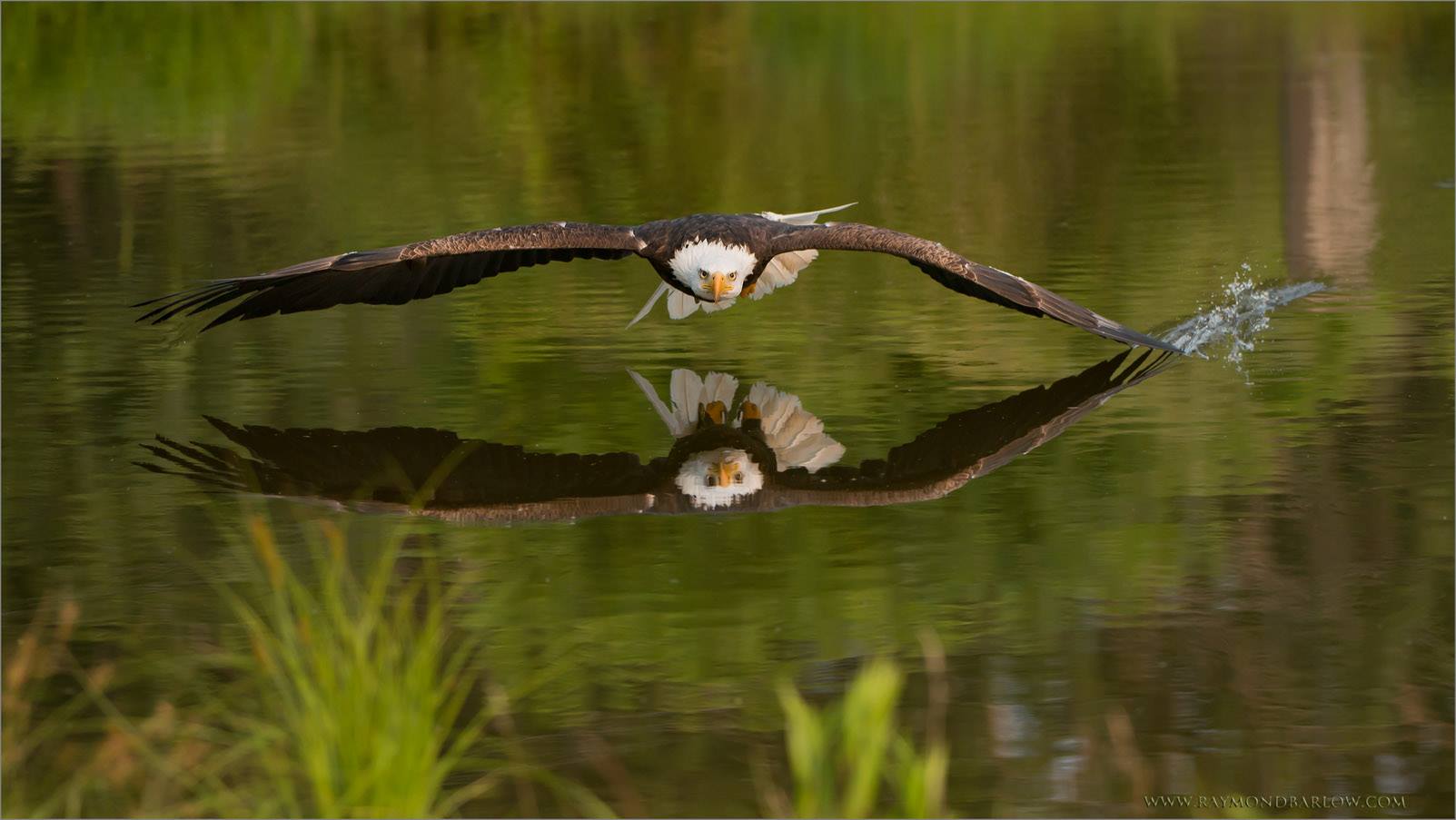
Bald Eagle (Haliaeetus leucocephalus) by Ray Barlow
July: Eagle
Eagles are regal birds. They’re fierce in flight and stunning to see, with hooked beaks and wide wingspans. In the United States especially, a bald eagle is a prized sight. Watch for white feathers on the head and brown plumage on the rest of the body, as well as yellow talons.
“It was a drizzly fall day on the Potomac Eagle train ride in Romney, West Virginia. I didn’t have high hopes for good photos, but I got lucky,” says Robin Bell.
Mourning Dove (Zenaida macroura) by Daves BirdingPix
“And I said, Oh that I had wings like a dove! for then would I fly away, and be at rest.” (Psalm 55:6)
According to Birds and Bloom magazine site, there are Birds of the Month.
“You’ve probably heard of birth month gemstones and birth month flowers, but have you heard of birth month birds? It might come as a surprise to learn every month of the year has not only a representative jewel and flower, but also a bird. From owls to ravens, here are the birds that represent everyone’s birthdays.”
More from Birds and Bloom:
Mourning Dove by Reinier Munguia
June: Dove
Symbols of peace and tranquility, birders everywhere love doves—and in North America, especially the mourning dove. They’re not the most graceful fliers, but they make up for it in song. Listen for their calming call, which comprises a set of cooing notes. You’ll usually find them feeding on the ground, or at a ground or platform feeder.
“This mourning dove let me get close to it in my backyard in Michigan. This bird was certainly comfortable and content. It kept preening and ruffling its feathers even as I kept getting closer and closer,” says Martin Torres.
We’ve written quite a few posts about the Dove family which is mentioned quite a few times in the God’s Word. Here are some links to many of them for you to checkout:
There are over 350 articles that have been published here on Lee’s Birdwatching Adventures over the years. Just thought I would share some of those posts. The main theme when we started posting, was to introduce the different Birds of the Bible. So, let’s look back and see some of those. (And maybe update them some)
My goal in starting this blog was to introduce the birds that are mentioned in the Bible. It has grown from there and now there are many posts to review and different writers to check out.
The very first birds mentioned by name were just “every winged bird” or “every winged fowl.” God blessed them and told them to be fruitful and multiply. That was on the fifth day of creation.
“So God created great sea creatures and every living thing that moves, with which the waters abounded, according to their kind, and every winged bird according to its kind. And God saw that it was good. And God blessed them, saying, “Be fruitful and multiply, and fill the waters in the seas, and let birds multiply on the earth.” So the evening and the morning were the fifth day.”
(Genesis 1:21-23 NKJV)
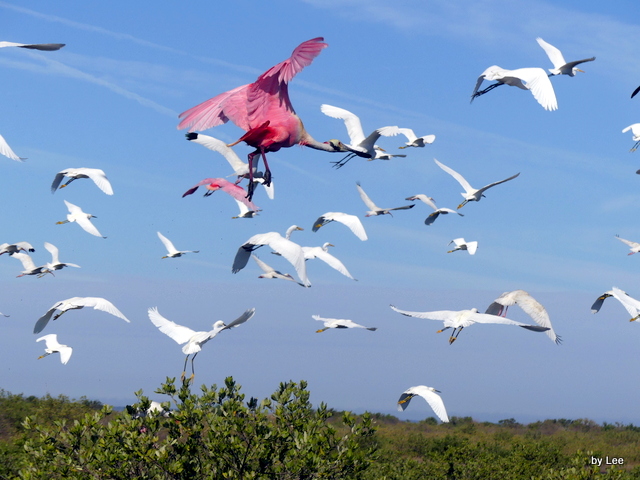
Mixed Flock Flyiing 122717 Merritt Is NWR by Lee
Then in Genesis 2:19 the Lord God brought the birds to Adam and let him name them:
So God created great sea creatures and every living thing that moves, with which the waters abounded, according to their kind, and every winged bird according to its kind. And God saw that it was good. And God blessed them, saying, “Be fruitful and multiply, and fill the waters in the seas, and let birds multiply on the earth.” So the evening and the morning were the fifth day.” (Genesis 1:21-23 NKJV)
All the different kinds of the birds were placed on the ark to be kept alive. Then after the Flood, the birds were released and told to repopulate the earth. They did and today we have an array of beautiful avian wonders to watch and enjoy.
Today, I would like to show one of the very first blogs when we began:
According to Birds and Bloom magazine site, there are Birds of the Month.
“You’ve probably heard of birth month gemstones and birth month flowers, but have you heard of birth month birds? It might come as a surprise to learn every month of the year has not only a representative jewel and flower, but also a bird. From owls to ravens, here are the birds that represent everyone’s birthdays.”
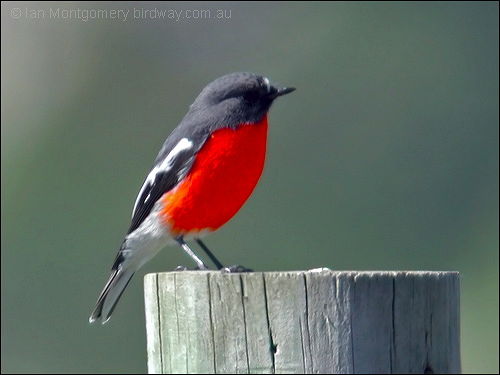
Flame Robin (Petroica phoenicea) by Ian
More from Birds and Bloom:
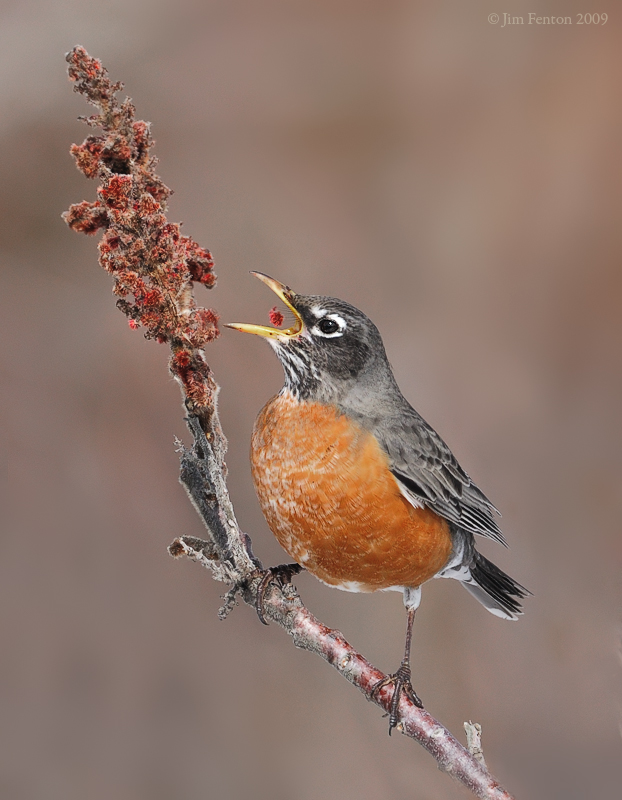
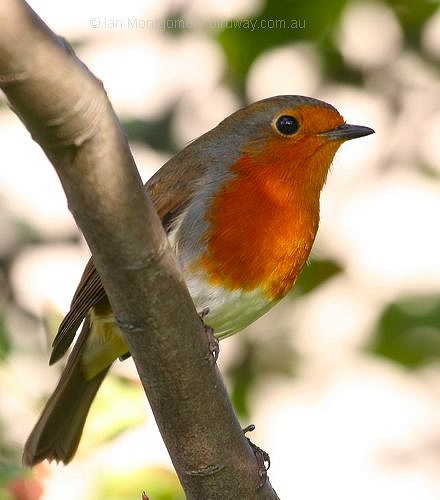
March: Robin
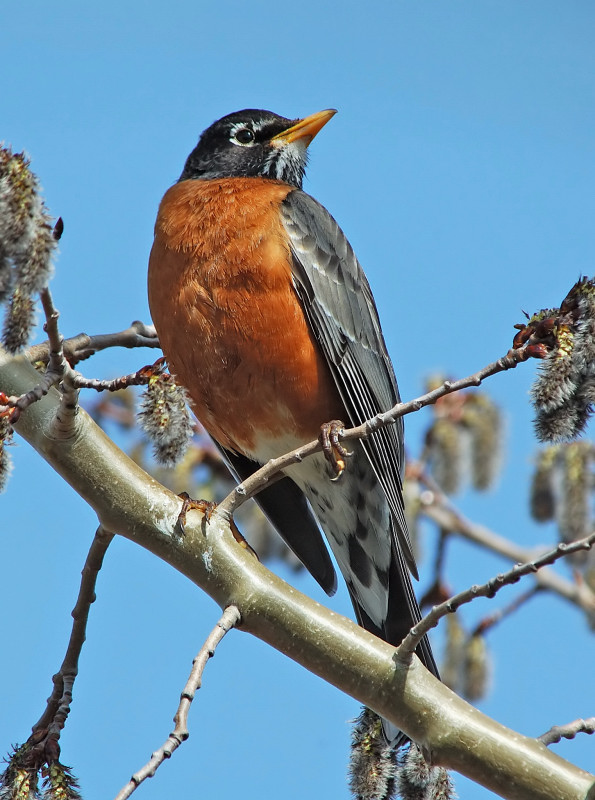
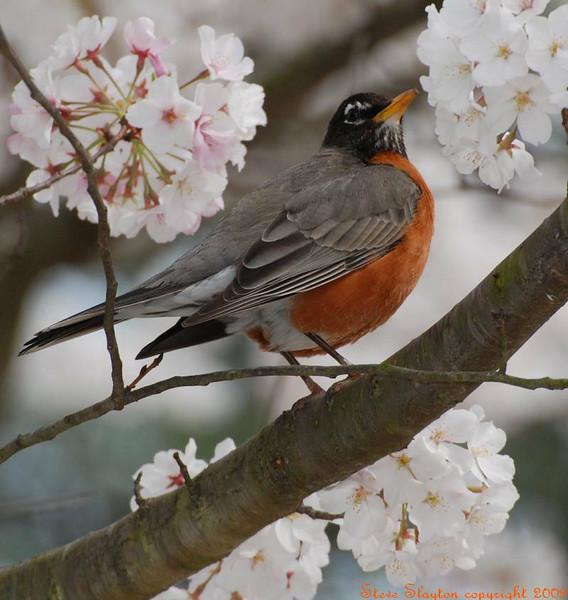
Fans of warm weather, brightly colored flowers and returning migrating birds adore the American robin. After all, many view it as the first sign of spring. To identify the March birth month bird, look for a medium-sized songbird with a red breast, gray upperparts and a yellow beak. Their sweet cheerily, cheer-up, cheerio song rings out on spring mornings.
“My husband and I were walking through the Tanger Family Bicentennial Garden in Greensboro, North Carolina, in June. I saw this little birdbath with what I thought was a fake bird… but then I heard it singing! I love the colors of this American robin, and I absolutely love photographing these beautiful birds!” says Teri Quintal.
Consider the ravens [κορακας], for they neither sow nor reap; which neither have storehouse nor barn; and God feedeth them: how much more are ye better than the fowls? (Luke 12:24)
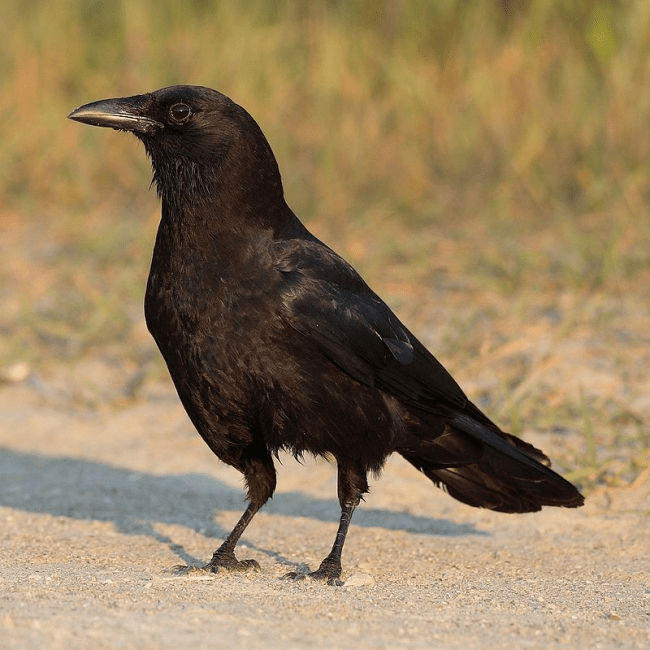
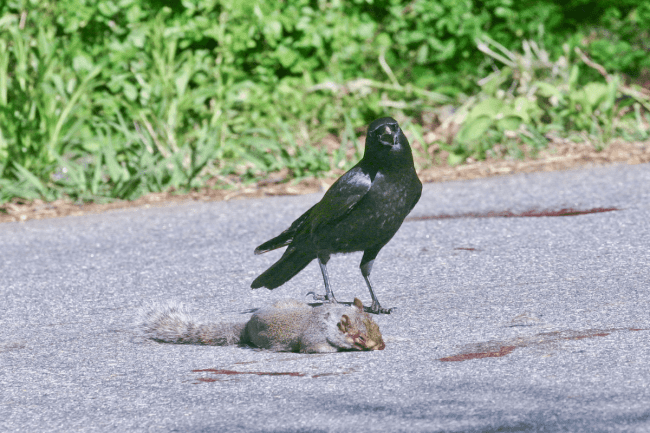
AMERICAN CROW (Wikipedia photo credit)
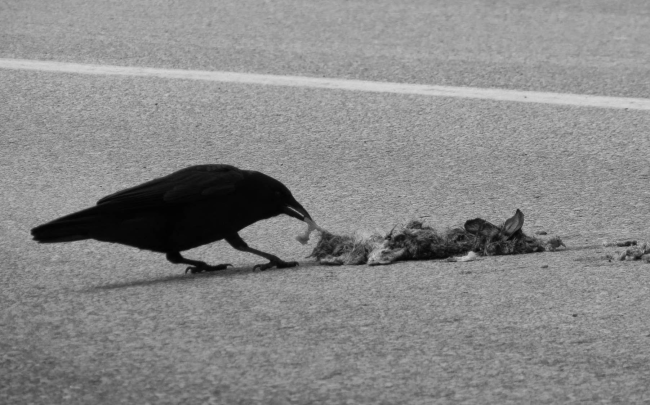
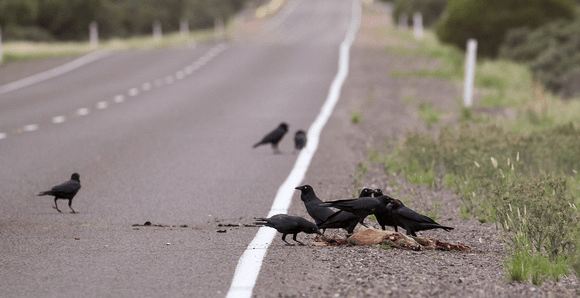
Ever seen a crow [Corvus brachyrhynchos] on a road, struggling to consume roadkill? Yesterday I approached a crow in the road, as I was commuting—the crow was struggling to pull edible portions of meat from roadkill—it looked like a squirrel.
Like the Holy Land’s ravens [Corvus corax] who are mentioned by the Lord Jesus Christ Himself (in Luke 12:24), crows are famously opportunistic eaters – and their potential food sources include the cadavers of dead rodents, such as squirrels who (sadly) become roadkill in tree-populated suburban streets.
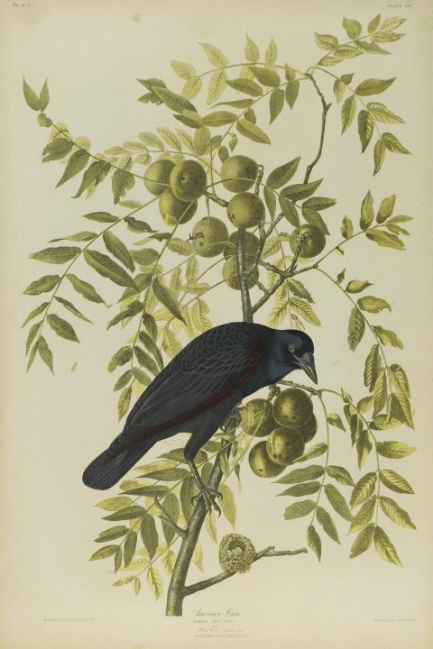
AMERICAN CROW (J. J. Audubon painting / public domain)
The crow that I saw, yesterday morning, was struggling so, to get some edible parts of the roadkill, that he (or she) did not see my car approaching—which could result in the roadkill-eating crow himself (or herself) soon becoming another example of roadkill!
So, of course, I tooted my car’s horn, with the jolting noise scaring the crow – so the crow quickly (and safely) flew away, thus escaping a roadkill fate. After my car passed through that part of the boulevard, happily, the hungry (and still living) crow returned to its roadkill meal.
Sometimes a little “beep, beep” is all that is needed to “save the day” (for a crow)!
Yea, the stork in the heaven knows her appointed times; and the turtledove and the crane and the swallow observe the time of their return; but My people know not the judgment of the LORD. (Jeremiah 8:7)
The Bible mentions migratory birds – for examples, storks, turtledoves, cranes, and swallows are mentioned as faithfully migratory birds in Jeremiah 8:7. (See JJSJ’s “A Lesson from the Stork”, at http://www.icr.org/article/lesson-from-stork .)
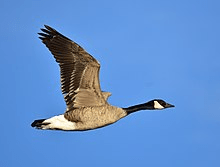
CANADA GOOSE in flight (Wikipedia photo credit)
Avian migrations are truly a wonderful recurrence in God’s phenological providences.
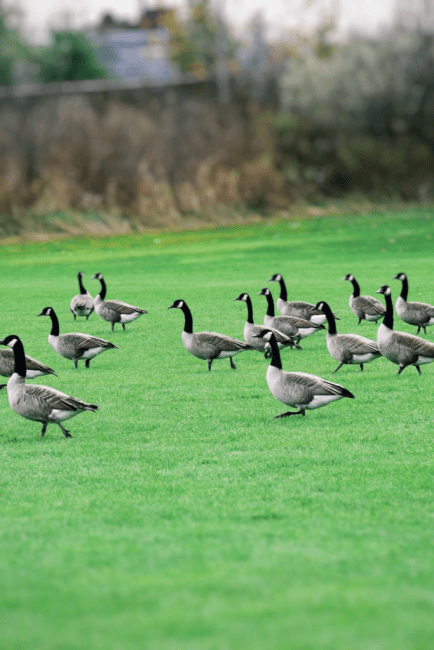
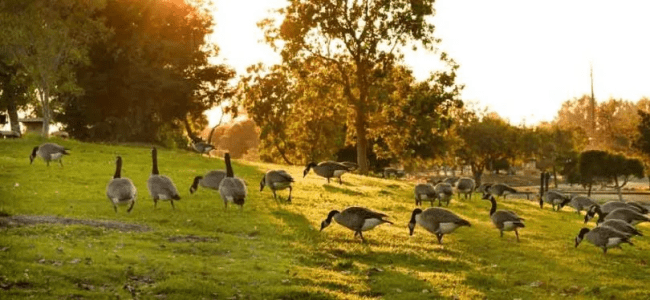
With that in mind, I observed a flock of Canada geese (Branta canadensis) in my neighborhood, not far from my mailbox—they were grazing among the grasses by my rain-runoff drainage ditch.
CANADA GEESE IN GRASS (HumaneActionPittsburgh.org photo credit)
But not long afterwards they were off again, in the air, southbound, toward wherever they go for winter. Today’s limerick follows.
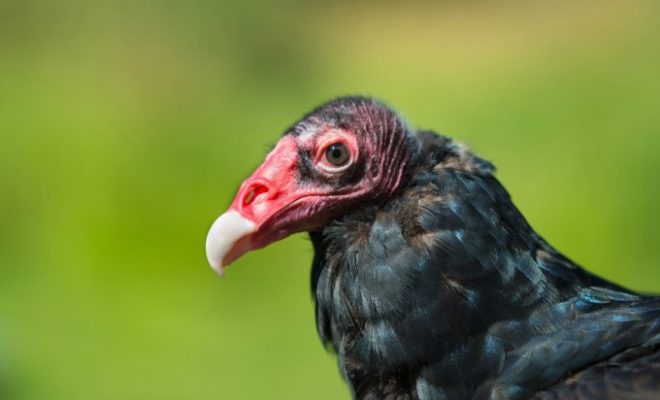
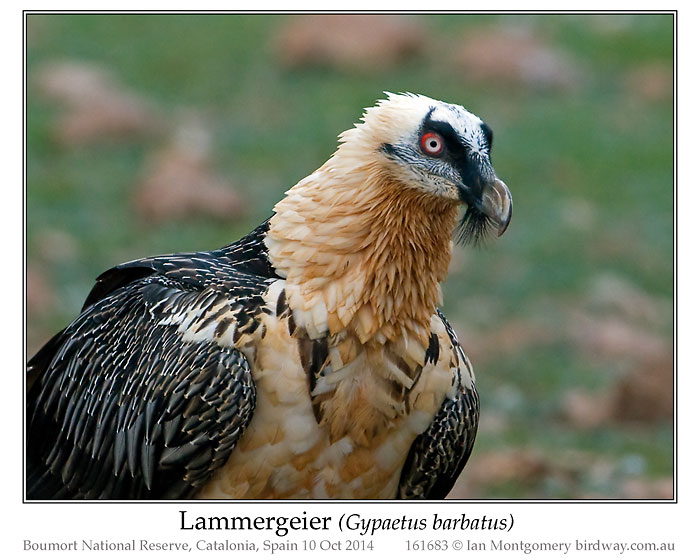
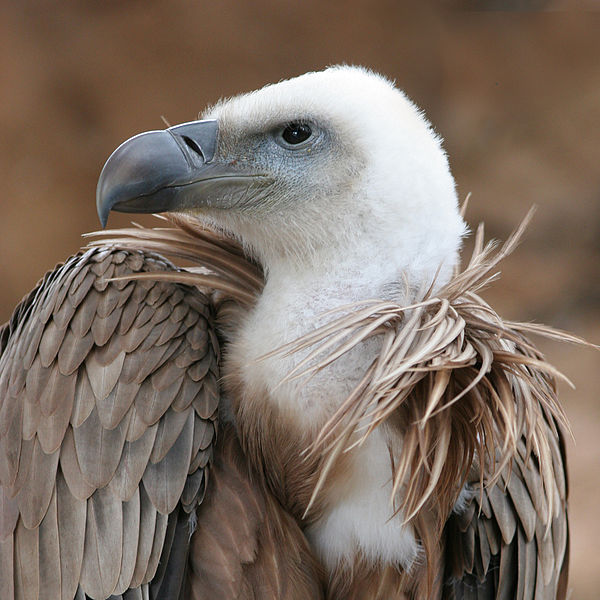
Ever since I posted the Lee’s Four Word Thursday – Vulture’s Eye, I have been curious about their eyes. Do they really have great vision? Is this verse in Job 28:7 the only reference to their eyes? The search began with that verse. Only the KJV, DRB versions use the word Vulture. (My E-sword versions). The other translations use Falcon, Hawk, and Kite. Apparently, all of the birds have great vision and are great hunters.
“There is a path which no fowl knoweth, and which the vulture’s eye hath not seen:” Job 28:7 KJV
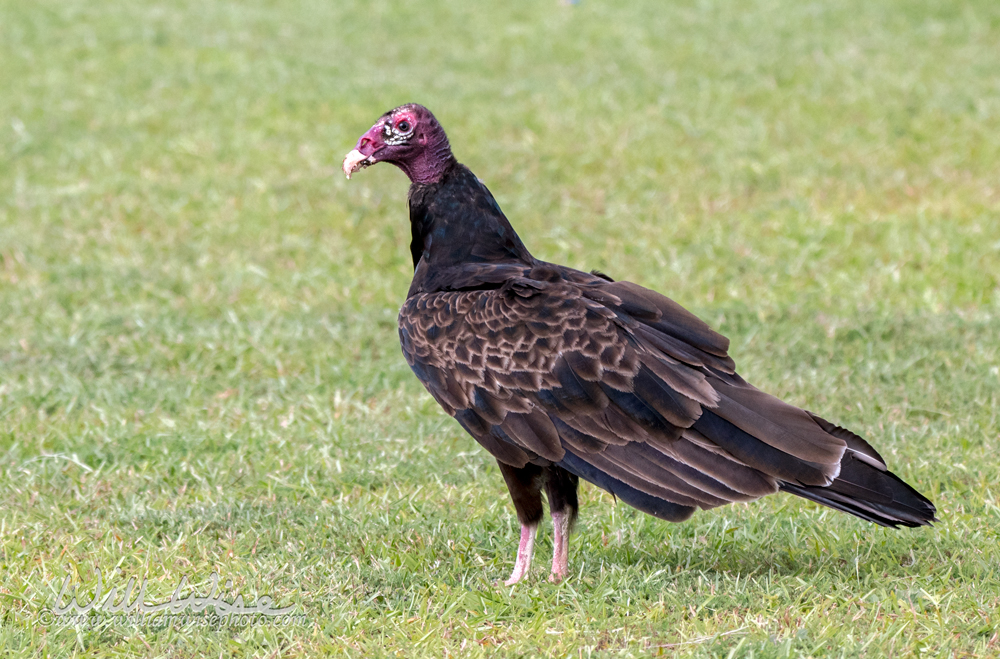
Turkey Vulture; Walton County, Georgia by William Wise
The Lord has provided these Vultures with great vision to enable them to find food, and actually help clean the landscape. If He can provide for the Birds of the Air, I know He can provide for us.
“I will instruct thee and teach thee in the way which thou shalt go: I will guide thee with mine eye.” (Psalms 32:8 KJV)
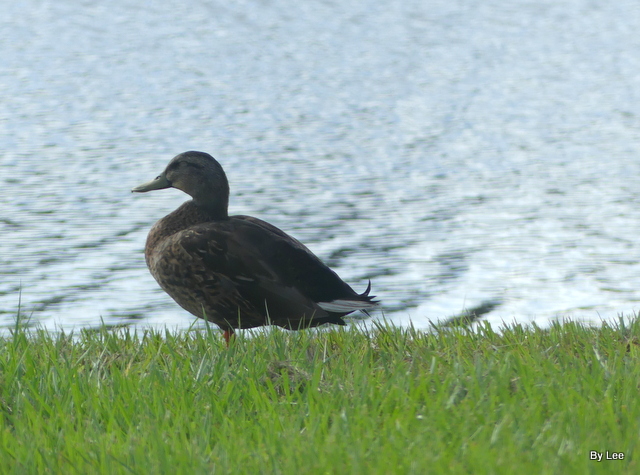
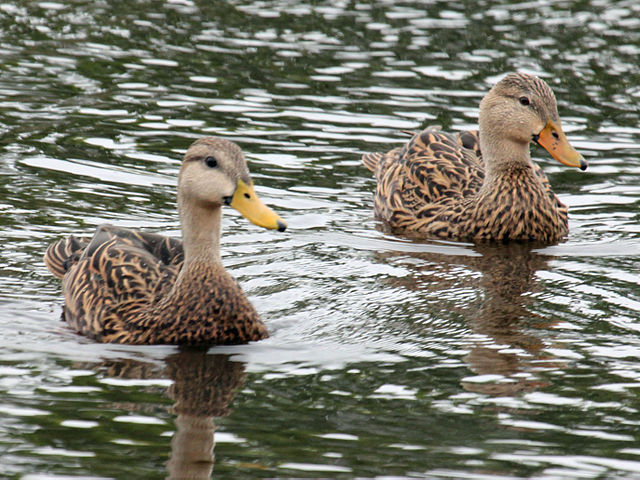
While eating supper, a couple of Mottled Ducks came up in the yard looking for food. Normal situation as many ducks and other birds come to the feeders. Yet, this is the first Mottled Duck this fall. They migrate down for the winter and we were surprised to see them already.
Working on the Birdwatching Thru the Bible series for posts gave me an idea. Wonder if I could start with a known bird, a.k.a. Mottled Duck, and find a reference to them in the Bible? Sort of reverse Birds of the Bible.
After searching for “Duck” and other birds of that sort, Quess what? NO RESULTS! Then I went to All About Birds – Mottled Duck to check its scientific name.
Not to be detoured, I went back to the scriptures, and sure enough, they are in there.
“So God created great sea creatures and every living thing that moves, with which the waters abounded, according to their kind, AND EVERY WINGED BIRD ACCORDING TO ITS KIND. And God saw that it was good. And God blessed them, saying, “Be fruitful and multiply, and fill the waters in the seas, and let birds multiply on the earth.” So the evening and the morning were the fifth day.” (Genesis 1:21-23 NKJV)
Notice it said they were to “Be fruitful and multiply.” Come this winter when the “snowbirds” or “winter visiting birds” come down, we will notice their fruitfulness.
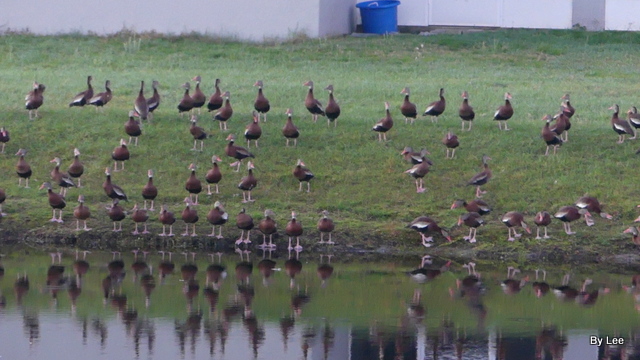
Black-bellied Whistling Ducks across the pond in winter.
Is there a “correct” way to go birdwatching in the Bible? I doubt it. You can start with a verse in the Bible that talks about a specific bird or see a bird and try to find it mentioned in the Bible. Either way, you will discover the Great Creator of birds and His many promises to them and to us.
Merlin, the Squealing-Laughter Falcon of Saskatchewan
Dr. James J. S. Johnson
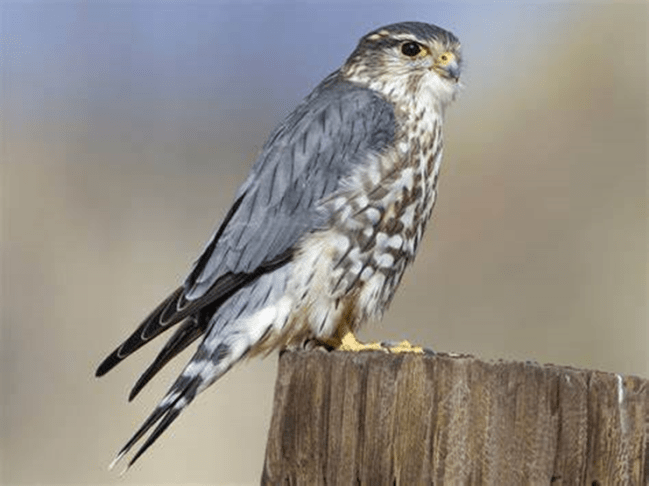
MERLIN perching (Animalia-life.club photo credit)
These things be of (the) fowls which ye shall not eat, and shall be eschewed of you (and shall be shunned by you); an eagle, and a gripe [i.e., gryphon], [and] an aliet [or “merlyon”, as in some early Wycliffite Bible copies of the late AD1380s]… (Leviticus 11:13)
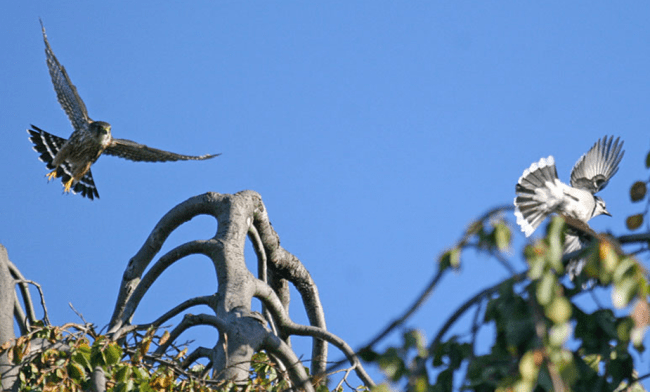
Merlin chasing Blue Jay (Wikipedia/John Harrison photo credit)
Saskatchewan (an interior province of Canada) is mostly a grassland, prairies (dominated by agriculture) with occasional hills and trees, here and there punctuated by lakes, ponds, and rivers – a wonderful habitat for birds — such as falcons.
Earlier this month (August 2-7th AD2024), by God’s grace, my wife and I attended a Christian family camp in Saskatchewan (near Fort Qu’Appelle), and the most memorable bird that I observed (on the 6th of August, AD2024), there, was a Merlin (Falco columbarius), a resident falcon also known as the Pigeon Hawk, who was circuitously flying near the lakeshore; it eventually landed upon a shoreline tree’s branch, conveniently perching there for me to see it, almost as if it was politely and patiently posing for me (as I compared its shape and plumage to my Saskatchewan bird chart).
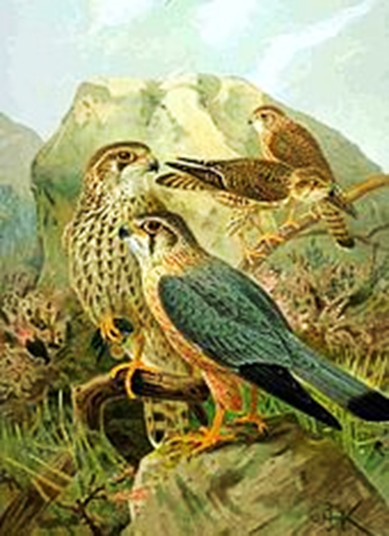
MERLINS portrayed in the wild (public domain image)
The merlin’s squeaking laughter-like call, which I heard on multiple days at that family camp property in Saskatchewan, reminded me of seagull laughter, although the Merlin’s calls seemed more repetitive – a staccato laughter — almost like rhythmic squealing.
The fancy scientific name for the Merlin is Falco columbarius, meaning “dove falcon” – perhaps because the Merlin is a falcon shaped (and colored) somewhat like an over-sized mourning dove or pigeon. The males have wingspans almost 2 feet wide; the females are slightly larger.
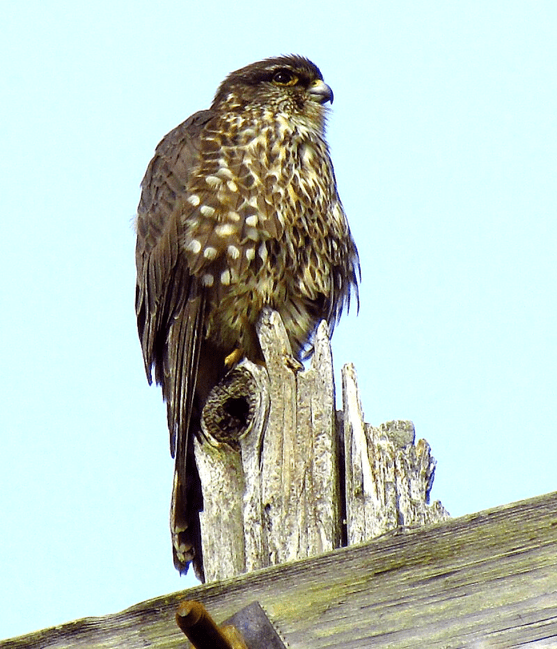
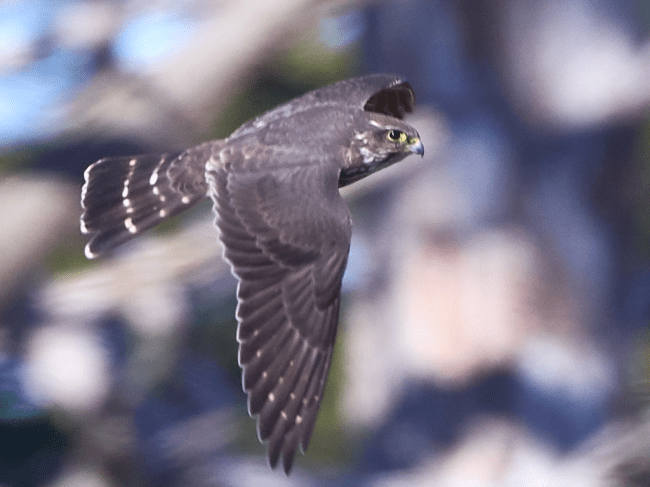
MERLIN juvenile (Wikipedia image credit)
But, from the perspective of prey seized by this falcon’s sickle-shaped talons, the Merlin is no laughing matter.
Merlins — like other falcons (e.g., peregrines), hawks, and kites — are feathered predators, zooming down upon their next meal with sudden bursts of aerial speed. Like “sparrow-hawks” (i.e., kestrels, which are also a type of falcon), merlins ambush and seize smaller birds, for food, some as little as sparrows and others as large as grouse. In the same cluster of trees, by the lakeside where the Merlin was perching, I repeatedly saw an American Robin, as well as several gulls (perhaps they were Ring-billed Gulls?). Hopefully that robin escaped the merlin’s hungry hunting.
Merlins are flexible in adapting to various ranges, with different biome habitats.
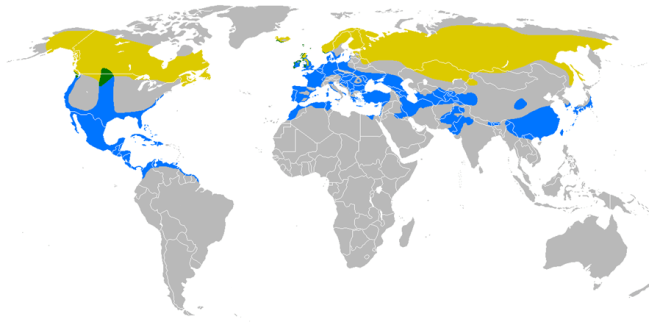
Merlins are often found in northern forests and grasslands, including birch scrubland country (e.g., in Saskatchewan’s birch-studded prairies) and willow-prominent wet woods, from sea level to timberline. Many of their summer breeding ranges are in North America’s boreal forests and prairies, as well as in Eurasia’s taiga forests and steppes. Most merlins migrate, seasonally, with warm winter ranges in mild grasslands, woodlands, and coastlands.
SUMMER & WINTER RANGES of Merlin migrants.
Laughter makes life more livable. And seeing a squealing-laughter-calling Merlin, as a “lifer”, while attending a precious Christian family camp in rural Saskatchewan, was an unexpected blessing, to say the least. (So was visiting the fish hatchery that serves Fort Qu’Appelle – but I digress.)
The Lord has many beautiful places on earth, plus many beautiful birds therein – and Saskatchewan’s Merlin illustrates that beauty. No surprise, because the ultimate source of all beauty is God Himself (Psalm 27:4).
MERLIN in flight (U.S. National Park Service photo credit)
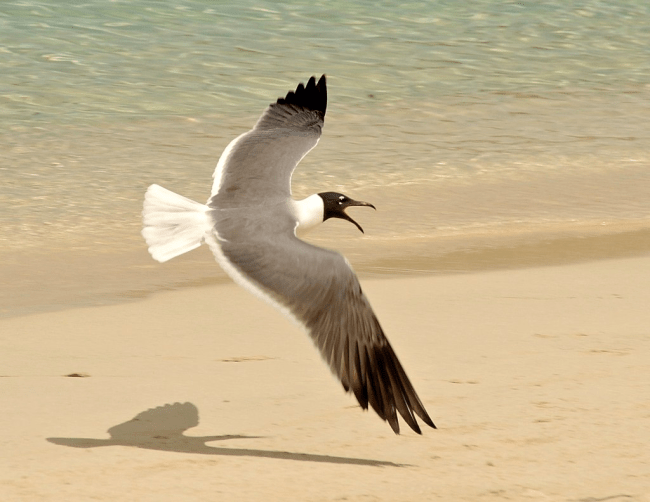
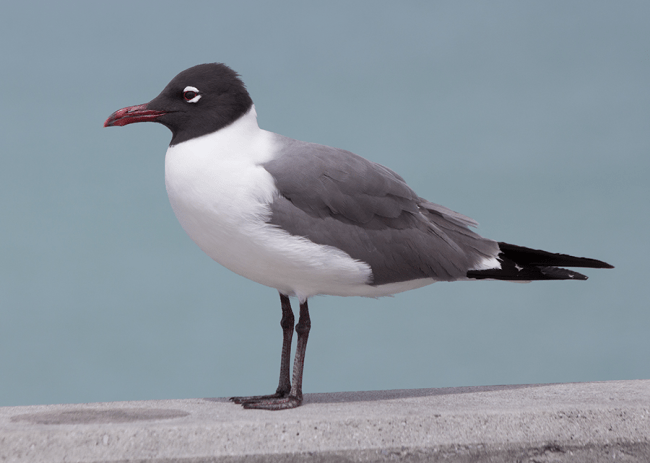
LAUGHING GULL at tidewater shore, Virgin Islands (Wikipedia image)
To everything there is a season, and a time for every purpose under the heaven … a time to weep and a time to laugh….
(Ecclesiastes 3:1 & 3:4a)
When you think about seagull conservation, you might feel like laughing.
Years ago, in AD2015, I wrote about an avian conservation success, the comeback of the Trumpeter Swan—specifically, increasing the American population of Trumpeter Swans from less than 70 to well beyond 46,000! (See “Trumpeter Swans: Trumpeting a Wildlife Conservation Comeback”, posted at https://leesbird.com/2015/08/21/trumpeting-a-wildlife-conservation-comeback/ .)
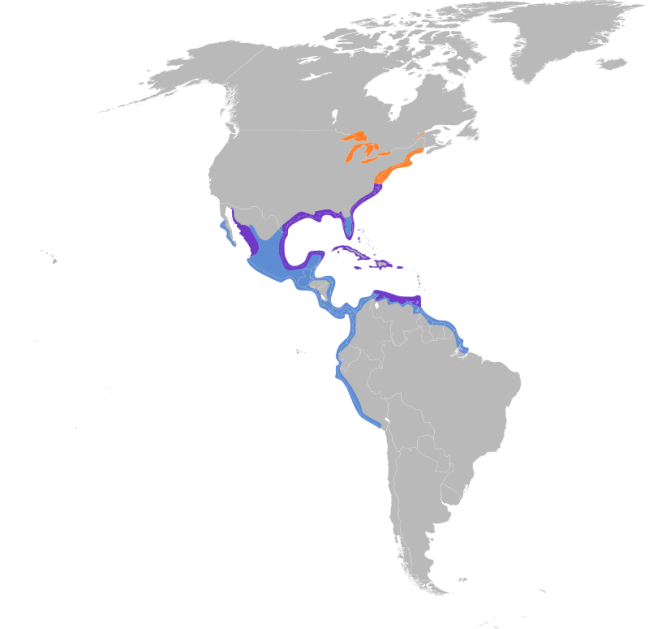
Today, however, we can also appreciate another such avian conservation success, the Laughing Gull (Leucophaeus atricilla), now well-populated in coastlands of both North and South America. This seagull is recognized by its laughter-like call, as well as (during summer) by its black-hooded head and its white eye-liner-like crescents (above and below its eyes); otherwise, this gull’s plumage is mostly white below and mostly grey above.
RANGE of LAUGHING GULL (Wikipedia image credit)
Alonso Abugattas, writing for the CHESAPEAKE BAY JOURNAL [volume, 34, issue 5, page 39 (July-August 2024)], notes this Laughing Gull population rebound:
By the late 1800s and very early 1900s, the coast-hugging laughing gull (Leucophaeus atricilla) had been all but wiped out by hunters and poachers who profited from their feathers and eggs. At the beginning of the new [20th] century, a series of federal laws—the 1900 Lacy Act, followed in 1913 by the Weeks-McLean Act and finally the Migratory Bird Treaty Act of 1918—afforded enough protection to laughing gulls that they gradually recovered. Fast forward to this [21st] century, and the [Laughing Gulls] are no longer threatened but have become the most abundant seabirds breeding in the eastern U.S., with 528,000—538,000 breeding pairs, according to the North American Waterbird Conservation Plan. . . .
Laughing gulls have recovered extremely well. They are quite adaptable, can feed on so many things besides fish or mollusks, and have no trouble living near people. Indeed, for many of us, they are the soundtrack of a day at the beach. [Quoting Alonso Abugattas, cited above]
Population recovery success, and then some!
And that fetches happy memories of dozens of times at the beach, in Florida, near St. Petersburg (where Laughing Gulls reside, year-round), when I would visit those white-sandy beaches with Chaplain Bob and Marcia Webel, who now reside in Missouri. Happy memories!
As the Irish say, you need to laugh to keep from crying. That’s often true; yet it’s also true that it’s good to laugh at other times (Proverbs 17:22; Psalm 126:2), even if you don’t feel like weeping. As Solomon observed, in Ecclesiastes 3:4a (quoted above), sometimes it’s just a good time to laugh.
LAUGHING GULL in summer plumage (Ben Keen photograph, via Wikipedia)
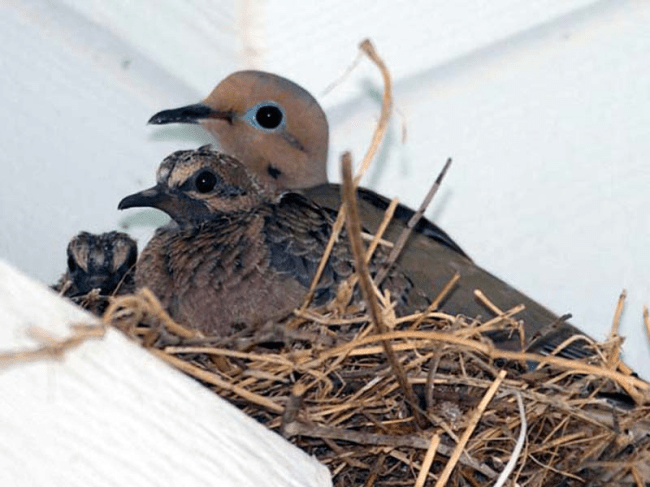
MOURNING DOVES in nest (Photo credit: DFWurbanWildlife.com)
And I said, Oh that I had wings like a dove! for then would I fly away, and be at rest.
(Psalm 55:6)
Doves are known for their fluttering flight (Psalm 55:6a), and their peaceful disposition (Matthew 10:16); yet they are also known for resting upon their nests (Psalm 55:6b & Jeremiah 48:28).
As recently noted (see my previous Leesbird.com blogpost, “Bird Nests are Important — the Bible Says So”, posted https://leesbird.com/2023/09/15/bird-nests-are-important-the-bible-says-so/ ), bird nests are very important–to nesting birds, and even to God Himself, because God chose to refer to bird nests several times in Scripture.
And, to human birdwatchers–such as Dr. Bill Boothe–nesting birds are worth watching, and nesting birds are worth photographing, too, so that other birdwatchers can appreciate these precious winged wonders that God chose to create.
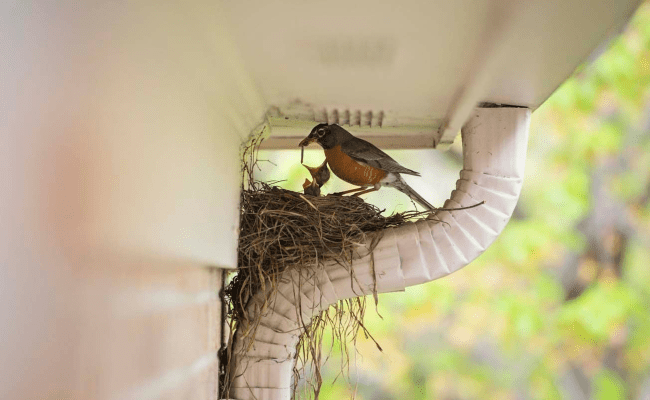
For a recent example, see the nesting Mourning Doves at the residence of Dr. William (“Bill”) Boothe. Now that’s a precious Mourning Dove family! (No “gutter-man” jokes here.)
MOURNING DOVE family in nest on gutter (photograph by Dr. Bill Boothe, used by permission)
Dr. Boothe reports that his Mourning Dove family now includes 2 babies—-how wonderful! Hidden in plain view are so many of God’s “wonders without number” (Job 9:10).
Mourning Doves have a habit of building their nests in sheltered areas, according to nest-building wisdom that God has programmed into them (see Jeremiah 48:28).
Of course, even when Mourning Doves are not seen, by humans, their mourning voices are often heard, which is how they got to be called “mourning” doves. Regarding how doves “mourn” (or “moan”), see Isaiah 38:14 & 59:11 (as well as Nahum 2:7 & Ezekiel 7:16). Providentially speaking, the doves’ mourning noises somewhat resemble the low hooting of owls, i.e., owls that prey on rodents—-rodents who are potential predators of doves—-so owl-like noises are an advantage to doves who benefit from scaring away hungry rodents. (See JJSJ, “The Ghost Army”, posted at http://www.icr.org/article/ghost-army .)
So, there you have it, hidden in plain view: Mourning Doves, in their own peaceful ways, just by being themselves, honor the Lord Jesus Christ, their Creator.
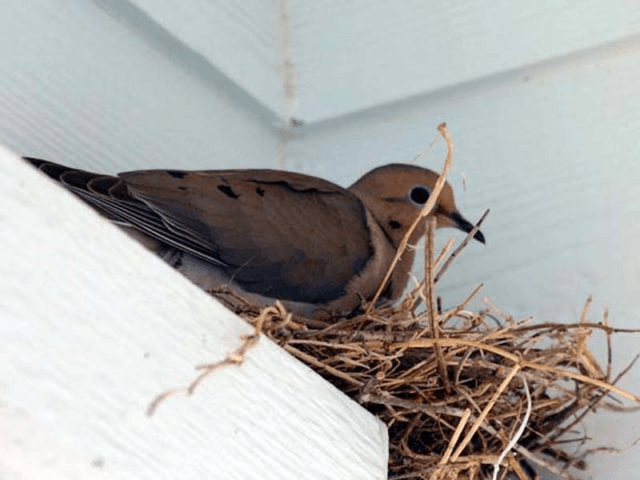
MOURNING DOVE on nest (photo credit: DFWurbanWildlife.com)
And Jesus said unto him, Foxes have holes, and birds of the air have nests; but the Son of man hath not where to lay his head. (Luke 9:58)
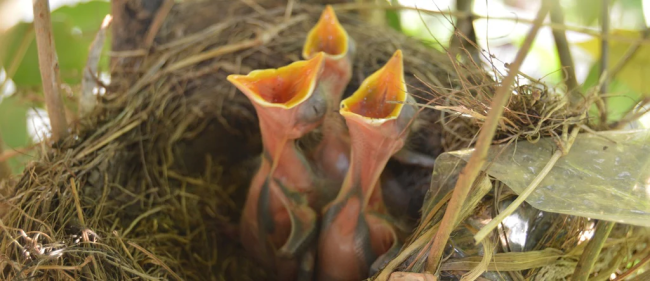
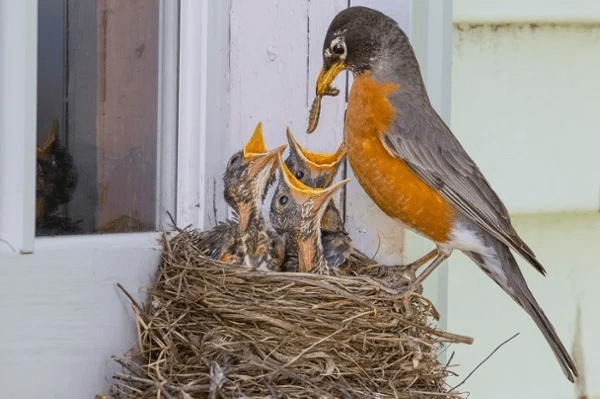
Hungry nestlings! (WhirlyBird photo credit)
NEST – this simple word “nest” represents an enormously important part of a bird’s life.
Do you recall the first times you ever saw a bird nest, close up? Did you realize, then, that the nest was “home” to the birds who resided therein?
A baby bird’s beginning is experienced inside a nest. From embryonic egg to hatchling, from hatchling to fledgling, a baby bird’s life adventures are “hatched” inside a nest of some kind. Consequently, nests are the childhood homes to young nestling birds, plus parent birds repeat their multi-generational nest life as they reproduce and nurture their own next generation of their kind.
For most birds, springtime means mating, and mating time means nesting. As soon as nesting begins in earnest, everything changes. The earth becomes quieter, the sight of a bird [displaying to attract a prospective mate] rarer. Despite the seeming tranquility, there’s much ado and excitement among the birds. The joy of expressing the springtime, of finding or reclaiming a mate, has been exchanged for the silence and secrecy of very private moments as birds begin the work of creating their homes.
And what a variety of nests there are, because God has programmed different birds to build and indwell different types of nests.
Some nests are mere scrapes upon a strategic patch of ground. Other nests are burrowed underground. Many are designed to be camouflaged or otherwise hidden. Some nests are tree-nestled demitasses. Some nests are holes on the sides fo trees or cacti. Some nests are mostly reshaped mud. Some nests are located on shorelines of freshwater, brackish water, or oceanic seashores. Some nests are in rocks, often at high altitudes.
Many bird nests go unnoticed by human eyes, yet our Heavenly Father always notices and cares about bird nests, everywhere and at all times.
Are not two sparrows sold for a farthing? And one of them shall not fall on the ground without your Father. (Matthew 10:29)
The diversity of avian nesting habits displays God’s love for variety, as one would expect, since we see countless proofs of God’s love of variety in how animals (including birds of all kinds) are fruitful, multiply, and fill niches all over the earth. [See JJSJ, “Valuing God’s Variety”, posted at www.icr.org/article/valuing-gods-variety — see also JJSJ, “God Fitted Habitats for Biodiversity”, posted at www.icr.org/article/god-fitted-habitats-for-biodiversity .]
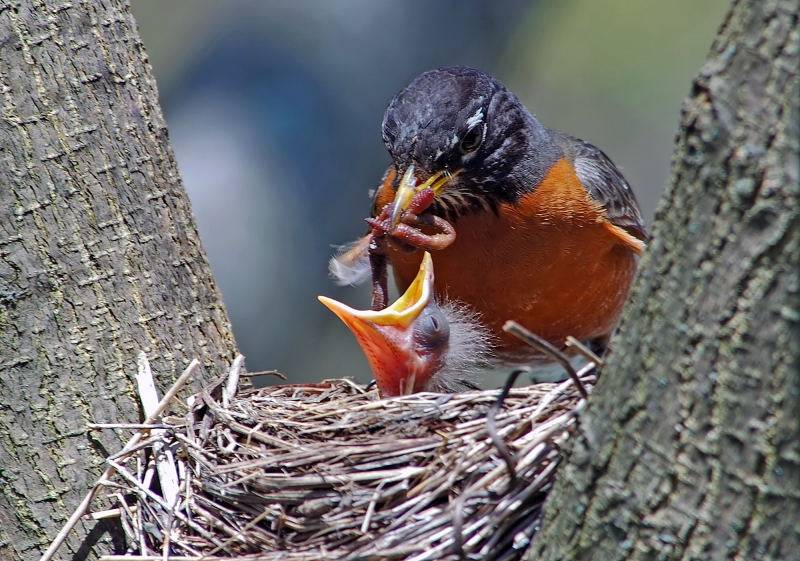
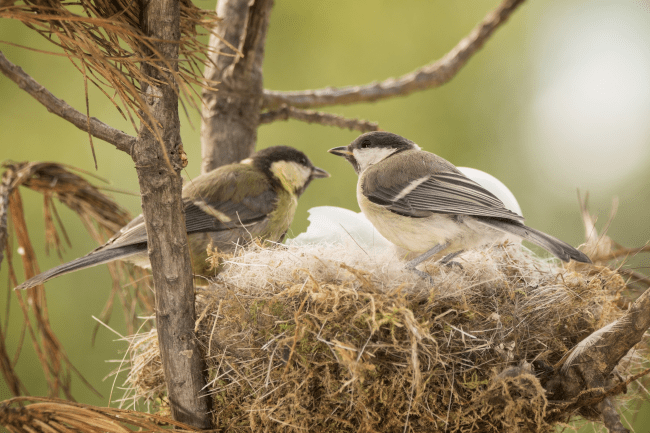
ROBIN NEST (Bird Barrier photo credit)
Accordingly, expect to find variety in bird nests.
A hummingbird hovers over a spider’s web, spending several seconds latching onto a thread of silk [to be incorporated as stabilizing material for the hummer’s coin-sized nest]. A woodpecker suspends his tree-drumming and instead works on excavating a nest hole with his mate. A shorebird slinks into a quiet area unnoticed and lays her single egg on [a strategically selected patch of] bare sand. In the privacy of their own world[s], often far beyond human ken, birds settle down to build their nests and breed young. After mating takes place, attracting attention is no longer a priority. Instead it is protecting the nest and incubating eggs that matter. All living beings are driven to reproduce, and most lay eggs. What makes birds different form other egg-laying creatures is that the embryo inside each egg is as warm-blooded as a human, and like a human, requires the warmth provided by its parent, or by an adequate substitute, to develop and to thrive. Because it is so fragile, the egg must be coddled in a secure place until its occupant is ready to leave and face the rigors of the outside world. Encased in its [calcium carbonate-structured] shell, the tiny chick’s only hope is that its parents [or foster-parents] do know what is best. The nest the adult birds provide furnishes the warmth and protection necessary for the chicks’ survival.
Nest are so important – because God made them to have value — that we should expect them to be mentioned within the HOLY BIBLE’s pages.
Sure enough, the holy Scriptures refer to bird nests, repeatedly. A few such examples follow.
Before reviewing those examples, however, it is worth noticing that the usual Hebrew noun translated “nest” is qên, which first appears in Genesis 6:14 (referring to “homes” aboard Noah’s Ark), where the King James Version of the English Bible translates it as “rooms”. Yet, even in that Ark housing context, a qên was one of many temporal “homes” (i.e., onboard chambers, like “cabins” or “staterooms” within an ocean-faring cruise ship), used for security and protection from hostile external conditions. Based upon etymologically related Hebrew words it appears that the underlying connotation is the idea of specifically claimed property (i.e., acquired and possessed as “private” property) that belongs to a specific individual, or to a specific group (such as a specific family).
Location, location, location — where you nest matters!
Where a bird nest is positioned is important. Maybe the best place for a nest—such as an Osprey nest—is high upon a relatively inaccessible rocky clifftop, or within the higher branches of a tall tree. [See Donald Stokes & Lillian Stokes, A GUIDE TO BIRD BEHAVIOR, Volume III (Little Brown & Co., 1989), page 163.]
And he looked on the Kenites, and took up his parable, and said, ‘Strong is thy dwelling-place, and thou puttest [i.e., you position] thy nest in a rock.’ (Numbers 24:21, with “nest” [qên] as noun)
And for many large birds of prey, such as eagles, nesting in high places is the way to go. (Perhaps such birds feel “high and mighty”!)
Thy terribleness hath deceived thee, and the pride of thine heart, O thou that dwellest in the clefts of the rock, that holdest the height of the hill: though thou shouldest make thy nest as high as the eagle, I will bring thee down from thence, saith the Lord. (Jeremiah 49:16, with “nest” [qên] as noun)
Though thou exalt thyself as the eagle, and though thou set thy nest among the stars, thence will I bring thee down, saith the Lord. (Obadiah 1:4)
Woe to him that covets an evil covetousness to his house, that he may set his nest on high, that he may be delivered from the power of evil! (Habakkuk 2:9, with “nest” [qên] as noun)
No need for humans to feel “high and mighty” – God resists the proud but he upholds the humble-hearted. (And pride routinely “goeth” before a fall.)
2. Multi-generational reproductive success is priority!
Birds of prey include hawks, eagles, owls, and more. Yet birds themselves are often prey to predators of many kinds, including humans who eat birds, both domesticated and wild—such as chicken, turkey, goose, and the eggs fo many kinds of birds. But if one generation of predators greedily consumes all of a prey population, the next generation of those predators would be deprived of a food source, which would be harmful to both the predator population and the prey population. Accordingly, it is good for a generation of predators to only eat a limited amount of a prey population, so that future generations of both predators and prey can benefit (form continued reproductive success of the prey population. That stewardship principle—applying restraint in lieu of greedy wastefulness—is what Moses commanded the Israelites as a conservation law for their future entry into and settlement in the Promised Land of Canaan.
If a bird’s nest chance to be before thee in the way in any tree, or on the ground, whether they be young ones, or eggs, and the mother sitting upon the young, or upon the eggs, thou shalt not take the mother with the young; but thou shalt in any wise let the mother go, and take the young to thee; that it may be well with thee, and that thou mayest prolong days. (Deuteronomy 22:6-7, with “nest” [qên] as noun)
3. Nests are where good parenting is needed!
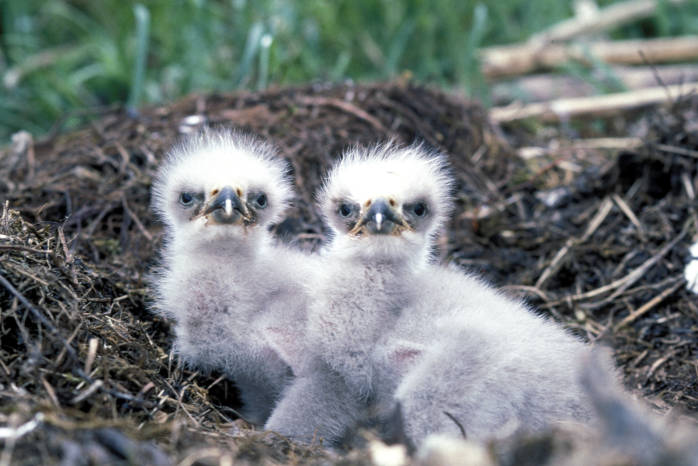
How eagle parents treat their young has been a subject of some confusion over the years, due to a less-than-clear-and-accurate translation of Deuteronomy 32:11. That confusion has already been addressed in “Clarifying Confusion about Eagles’ Wings”, posted at https://leesbird.com/2022/09/27/clarifying-confusion-about-eagles-wings/ — so that discussion will not be repeated here. Suffice it to say, here, that eagle parents care for their young! Like many—but not all—animal parents, eagle parents go to great efforts to raise their nestling children, training them for life as fledglings.
As an eagle, he [i.e., God, in relation to His people Israel] stirs up his [i.e., God’s] nest, he {i.e., God] flutters over his [i.e., God’s] young, he [I.e., God] spreads abroad his [i.e., God’s] wings, he [i.e., God] taketh them, he [i.e., God] bears them [i.e., the Israelites as God’s people] on his [i.e., God’s] wings…. (Deuteronomy 32:11, literal translation, with editorial clarifications, with “nest” [qên] as a metaphoric noun)
This is comparable to how the Lord Jesus Christ compared His willingness to protect Jews to a mother hen’s protectiveness, as demonstrated in her welcoming and refuge-providing wingspread, noted in Matthew 23:37 and also in Luke 13:34.
4. Nests should be places of domestic security: “home sweet home”.
Then I said, I shall die in my nest, and I shall multiply my days as the sand. (Job 29:18, with “nest” [qên] as noun)
The patriarch Job, unto his “friendly” counsellors, once lamented his former life of blessing, before his torturous trials were suddenly dumped upon his head. Job related how he expected to live a long life of uninterrupted blessing, ultimately dying at peace in his own “nest” (i.e., “home sweet home”). But, God had other plans—ultimately better (albeit bumpier) plans for Job’s earthly pilgrimage.
5. The ability, of birds to make nests, is God-given, i.e., God-programmed.
Doth the eagle mount up at thy command, and make her nest on high? (Job 39:27, with “nest” [qên] as noun)
The eagle has designed (i.e., pre-programmed) abilities and inclinations to make its nest in high places, and to mount up into the air suing thermal air currents. The eagle did not invent these designed traits – God designed the eagle’s physical traits and pre-programmed abilities, including the know-how (and the how-to) needed for successfully building eyries atop high montane places or in trees. [For more on this Scripture about eagle behavior, see “JOB Chapter 39: God’s Wisdom and Providence, Exhibited in Wildlife Pair””, posted at ttps://rockdoveblog.wordpress.com/?s=Job+39%3A27 .]
6. Nests are for raising children, i.e., the next generation.
Yea, the sparrow hath found a house, and the swallow a nest for herself, where she may lay her young, even thine altars, O Lord of hosts, my King, and my God. (Psalm 84:3, with “nest” [qên] as noun)
Notice that the sparrow’s “house” is parallel in meaning to the “nest’ of the swallow. In other words, a “nest” is a “house” for dwelling in, and especially for raising young in.
7. Particular types of nests are selected according who will be living therein.
Where the birds make their nests: as for the stork, the fir trees are her house. (Psalm 104:17, with “nest” [qânan] as verb)
In the above-quoted psalm we are reminded that storks are known to make their homes within the branches of fir trees. (Storks are also known as predictable migrants—see Jeremiah 8:7, described in “A Lesson from the Stork”, posted at www.icr.org/article/lesson-from-stork .)
8. Wandering from the security of the nest can lead to many dangers.
As a bird that wanders from her nest, so is a man that wanders from his place. (Proverbs 27:8, with “nest” [qên] as noun)
For it shall be, that, as a wandering bird cast out of the nest, so the daughters of Moab shall be at the fords of Arnon. (Isaiah 16:2, with “nest” [qên] as noun)
One of the advantages of many bird nests is camouflage—being hidden form the sight of hungry predators. There is a security that comes with staying inside one’s proper home. Not that any home (or nest) is “bulletproof” from danger, but there are often many more dangers lurking about, the farther that one wanders away from home. (The same is true for young who are expelled from home.) Consequently, the high mortality rate is why birds routinely try to raise more hatchlings than themselves. In other words, two parent birds need to strive for replacing themselves with more than just two children, in order to mitigate the risks that their progeny will become prey (literally “dead meat”) before they progeny can successfully reproduce the next generation.
9. Bird eggs are a valuable source of good (i.e., nutritionally rich) food.
And my hand hath found as a nest the riches of the people: and as one gathers eggs that are left, have I gathered all the earth; and there was none that moved the wing, or opened the mouth, or peeped. (Isaiah 10:14, with “nest” [qên] as noun)
Isaiah stated the obvious—eggs are valuable; in fact, they are like a store of “riches”, nutritionally speaking. This nutrition fact concurs with the mention of eggs as a “good” food, in contrast to bad food. See Luke 11:11-13, where giving eggs to eat is recognized (by Christ Himself, the Creator of all food) as “good gifts to your children”.
10. Places are recognized as “wild places”, if dominated by many predators.
There shall the great owl make her nest, and lay, and hatch, and gather under her shadow; there shall the vultures also be gathered, everyone with her mate. (Isaiah 34:15, with “nest” [qânan] as verb)
The context of this somber prophecy, of Isaiah, is God judging (i.e., punishing) the Edomites, because of the Edomites’ wicked mistreatment of Israelites (see Isaiah 34:6-8), with the resultant desolation of the Edomites’ land—which punitive desolation to include Edomite lands becoming overtaken by birds of prey (se Isaiah 34:10-16). Thus, if Edomite lands are, in the prophesied future, dominated by the nests of predatory animals—including predatory birds—such lands are to be recognized as “wild places” (wildernesses), not fit for human habitation.
11. Flexibility increases opportunities to “fit” and “fill” different situations
O ye that dwell in Moab, leave the cities, and dwell in the rock, and be like the dove that makes her nest in the sides of the hole’s mouth. (Jeremiah 48:28, with “nest” [qânan] as verb)
Doves, which include pigeons, are famous for adjusting themselves to the most diverse of habitats. Years ago, this writer (with family) was exploring an underground “lava tube” cave at Craters of the Moon park, in Idaho. Inside this most inhospitable venue, perched within a crack in the cavernous ceiling, there was a nest with two pigeons therein! Doves can live successfully almost anywhere – they are peaceful, yet flexible and opportunistic.
12. Tree branches are often a hospitable home for nesting birds.
All the fowls of heaven made their nests in his boughs, and under his branches did all the beasts of the field bring forth their young, and under his shadow dwelt all great nations. (Ezekiel 31:6, with “nest” [qânan] as verb)
The tree that thou sawest, which grew, and was strong, whose height reached unto the heaven, and the sight thereof to all the earth, whose leaves were fair, and the fruit thereof much, and in it was meat for all; under which the beasts of the field dwelt, and upon whose branches the fowls of the heaven had their habitation. (Daniel 4:20-21)
Even in Nebuchadnezzar’s dream he recognized that tree branches (a/k/a boughs) are good sites for bird nests!
Saving the best for last: Christ prepared for bird homes via nesting habitats and nesting skills.
And Jesus saith unto him, The foxes have holes, and the birds of the air have nests; but the Son of man hath not where to lay his head. (Matthew 8:20, with “nests” [κατασκηνωσεις] as noun)
And Jesus said unto him, Foxes have holes, and birds of the air have nests; but the Son of man hath not where to lay his head. (Luke 9:58, with “nest” [κατασκηνωσεις] as noun)
Behold the kindness of our Lord Jesus Christ: He did not insist on having a “home” when He came to Earth to be our Savior. However, as our kind Creator He even prepared fitting homes fo His animal creatures, such as foxes and “birds of the air”.
Speaking of “home”, it is the very Creator-Redeemer, our Lord Jesus Christ, Who is our true home.
Accordingly, settling (domesticating) specific niches in the earth—even migratory stopover homes—and utilizing home bases for family life activities is needful to fill the multitude of Earth’s multifarious habitats. To achieve this goal, God has providentially equipped creatures with physical bodies (with helpful anatomies and physiologies) and programmed bio-informational instructions (coding and equipping for habitat-interactive behaviors) that are fitted to the dynamic challenges of physical environments (and biotic communities) all over the globe. As earthbound pilgrims, we pass through this mortal life (Hebrews 11:13; 1 Peter 2:11), interfacing with an all-too-often hostile culture (Hebrews 11:36-38). We long for a truly secure home—where we really belong.
But, as Christians, what is our true home? It is not residential real estate housing (Philippians 3:20; Hebrews 11:8-14). Our true homes are not even the earthly bodies that we temporally inhabit, although they are the “tents” we know best (2 Corinthians 5:1-4; 2 Peter 1:13). For Christians, ultimately, our real eternal home is God Himself (Psalm 90:1; 2 Corinthians 5:6; John 14:2-6). As our Creator, He started us. As our Redeemer, we finish with Him. What a homecoming we wait for!
Maybe there are more examples, of bird nests being mentioned in Scripture. But, at least, the examples listed above show that bird nests are important, so important (to God) that they merit repeated mention, in the only book that God Himself wrote.





 Lee's Birdwatching Adventures Plus