What is that Sound?

American Yellow Warbler (Setophaga aestiva) singing by J Fenton

American Yellow Warbler (Setophaga aestiva) singing by J Fenton

“LORD, thou hast heard the desire of the humble: thou wilt prepare their heart, thou wilt cause thine ear to hear:” (Psalms 10:17 KJV)

I am still in the process of fixing broken links, missing bird photos, etc. I am actually enjoying digging around in the older post. Had forgotten all about this series, and thought you might enjoy a challenge to your birdwatching.

In May of 2007, Start Birdwatching Today: What is that Sound? was published. Thought you might enjoy re-visiting this page. [After fixing a broken link on it.]

Birds are very vocal at times and they give us a great clue as to what bird it is. Eventually, as you become better in your birdwatching adventures, it will help to learn some of their sounds and noises.

As you are observing birds that are singing or calling, you can learn to associate that sound to that bird. That is the beginning and it is almost automatic. When you hear a bird, but do not see it, then you will either recall one you have seen and be able to ID it, or you can start studying the sounds so the next time you can know what the unseen bird is.

There are several methods that birders use. Audio CDs and computer programs have Bird sounds along with photos of the bird to assist your learning.

The Internet has places like the WhatBird, All About Birds, Birding by Ear Basics,

Here is an interesting video about blind people birding by ear. Very interesting.

Here are some of the birds you may already know. These are local birds here, but also seen around other parts of the country. Also a very nice verse to remember while “birding by sound.” I used this verse when taking my General Amateur License test that was all Morse Code. It helped calm my heart even though it refers to the Lord hearing us, but it helped me to hear those dots and dashes. (Only 8 of 115 of us passed the test that day.)

LORD, thou hast heard the desire of the humble: thou wilt prepare their heart, thou wilt cause thine ear to hear: (Psalms 10:17 KJV)

All of these sounds are coming from the Xeno-canto.org website.
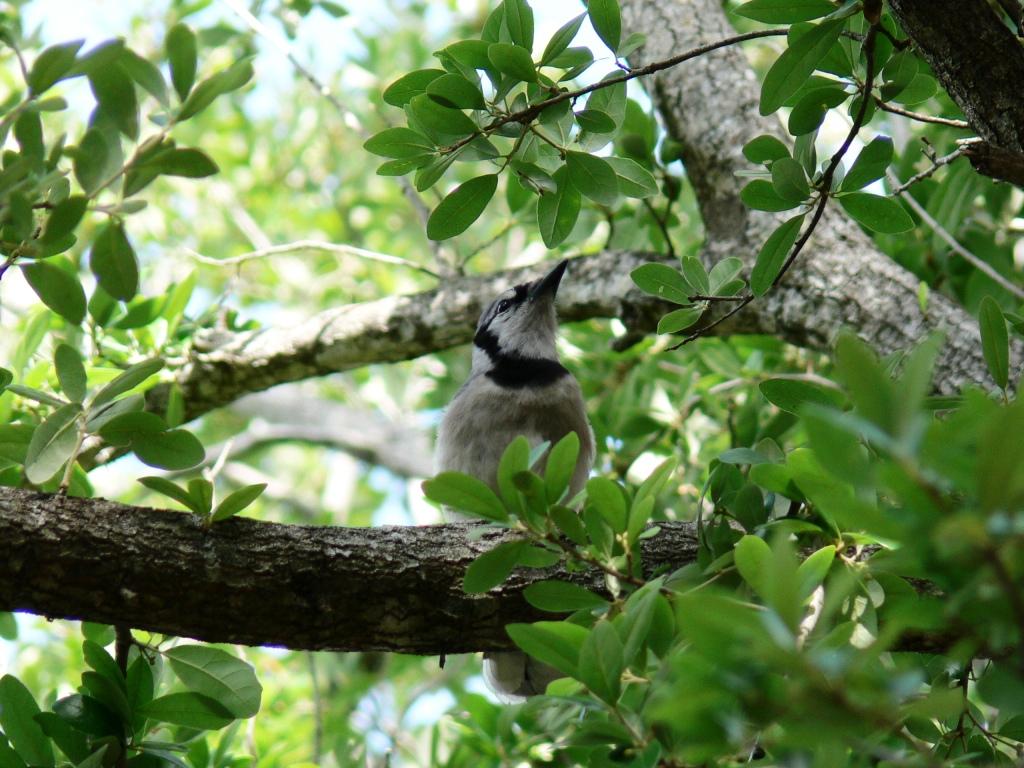
Blue Jay in tree at Hampton Pines

Blue Jay in tree at Hampton Pines
Blue Jay

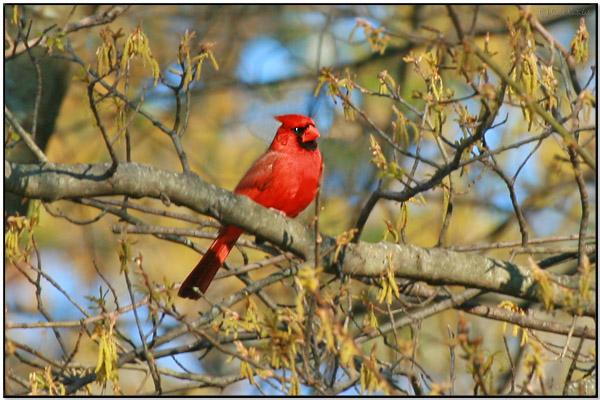
Northern Cardinal (Cardinalis cardinalis) by Daves BirdingPix

Northern Cardinal

Boat-tailed Grackle (Quiscalus major) at Lake Howard, Winter Haven, Florida By Dan’sPix

Boat-tailed Grackle
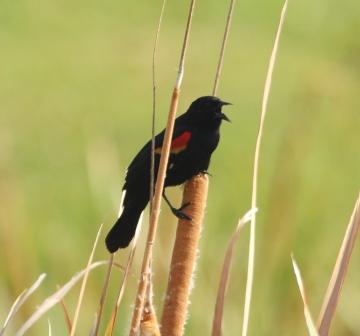
Red-winged Blackbird at Bok Sanctuary

Red-winged Blackbird at Bok Sanctuary
Red-winged Blackbird

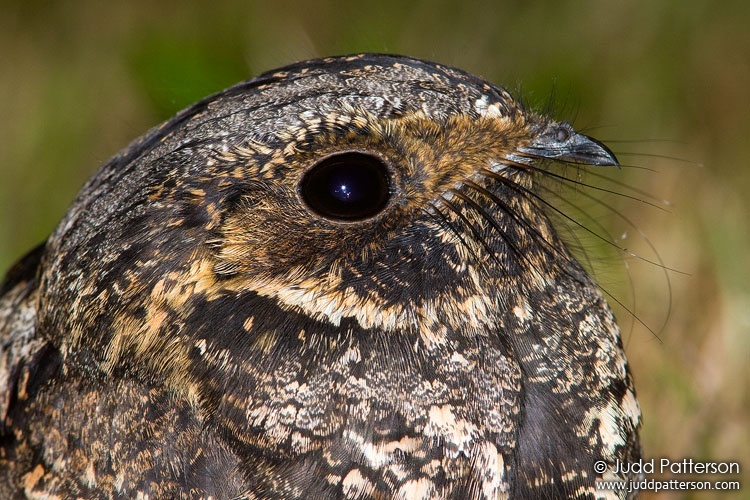
Whip-poor-will (Caprimulgus vociferus) by BirdsInFocus

Whip-poor-will (Caprimulgus vociferus) by BirdsInFocus

Eastern Whip-poor-will
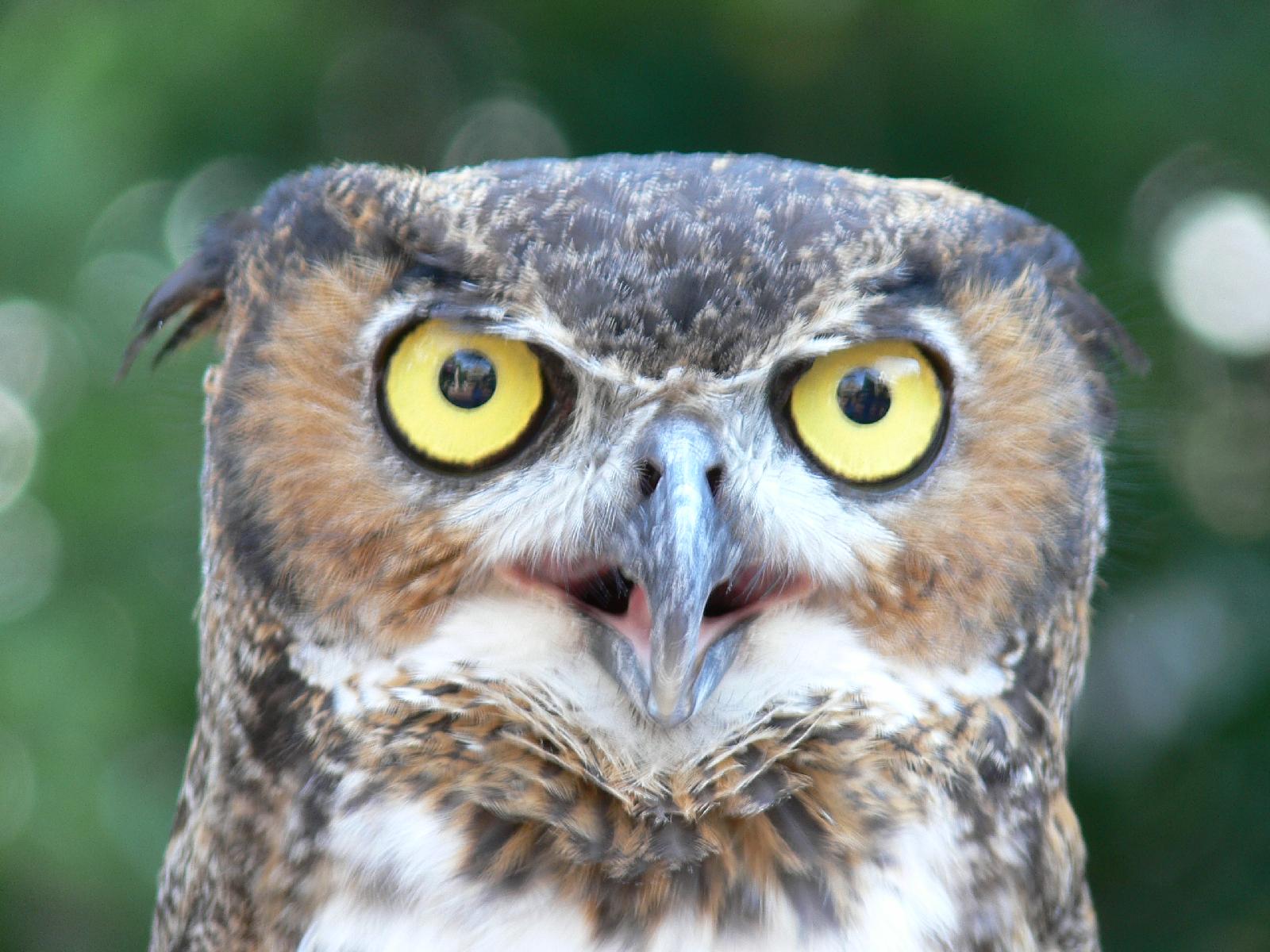
Great Horned Owl – Lowry Pk Zoo by Lee

Great Horned Owl

How many did you all ready know?
**
Some like to put words to their sounds like these from Birding By Ear — Bird Song Identification
Listen here to a few bird songs and calls that have good mnemonic phrases:
Eastern Towhee — “Drink your tea-ea-ea”

Whip-poor-will — The name says it all.

Black-capped chickadee — Some music and talk first, then the “Chick-a-dee-dee-dee”

White-throated sparrow — “Poor Sam Peabody, Peabody, Peabody

Black-throated green warbler — “Zee zee zee zoo zee”

Barred Owl — “Who cooks for you, who cooks for you all

Links:
WhatBird
All About Birds
Birding by Ear Basics
*

Start Birdwatching Today Series

*

Avian And Attributes – Busy

Buzzing Flowerpecker (Dicaeum hypoleucum) ©Drawing WikiC

“My help cometh from the LORD, which made heaven and earth. He will not suffer thy foot to be moved: he that keepeth thee will not slumber. Behold, he that keepeth Israel shall neither slumber nor sleep.” (Psalms 121:2-4 KJV)

“But I am poor and needy; yet the Lord thinketh upon me: thou art my help and my deliverer; make no tarrying, O my God.” (Psalms 40:17 KJV)

“For he shall deliver the needy when he crieth; the poor also, and him that hath no helper.” (Psalms 72:12 KJV)


Avian and Attributes – Busy

BUSY, a. biz’zy.
1. Employed with constant attention; engaged about something that renders interruption inconvenient; as, a man is busy in posting his books.
My mistress is busy and cannot come.
2. Actively employed; occupied without cessation; constantly in motion; as a busy bee.
4. Much occupied with employment; as a busy day.
BUSY, v.t. biz’zy. To employ with constant attention; to keep engaged; to make or keep busy;


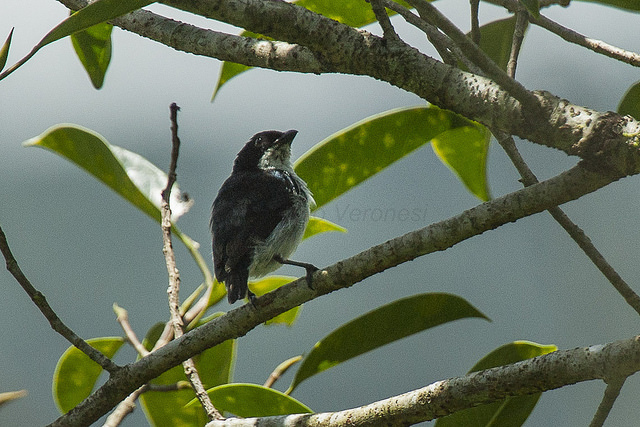
Buzzing Flowerpecker (Dicaeum hypoleucum) by ©Flickr Francesco Veronesi

Buzzing Flowerpecker

The Buzzing Flowerpecker (Dicaeum hypoleucum) or white-bellied flowerpecker is a species of bird in the Dicaeidae – Flowerpeckers family. It is endemic to the Philippines. Its natural habitats are subtropical or tropical moist lowland forests and subtropical or tropical moist montane forests.

[I chose this bird because “Buzzing” could also mean “Busy” as in our Lord God always watching out for our souls.]


More Avian and Attributes

Birds whose first name start with “B”

Good News

*
[Definitions from Webster’s Dictionary of American English (1828), unless noted. Bird info from Wikipedia plus.]

Avian And Attributes – Bush (Hosted God)

Avian And Attributes – Bush (Hosted God)

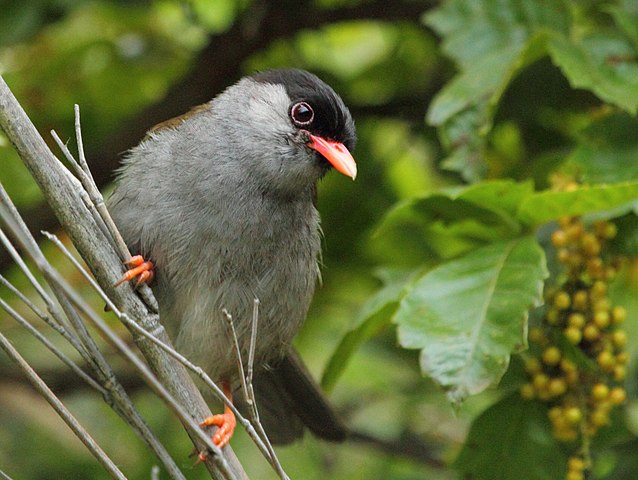
Bush Blackcap (Lioptilus nigricapillus) ©WikiC

“And the angel of the LORD appeared unto him in a flame of fire out of the midst of a bush: and he looked, and, behold, the bush burned with fire, and the bush was not consumed. And Moses said, I will now turn aside, and see this great sight, why the bush is not burnt. And when the LORD saw that he turned aside to see, God called unto him out of the midst of the bush, and said, Moses, Moses. And he said, Here am I.” (Exodus 3:2-4 KJV)


Avian and Attributes – Bush (Hosted God)

Bush

Bush. The Hebrew word, seneh, occurs only in those passages which refer to Jehovah’s appearance to Moses, “in the flame of fire in the bush.” Exo_3:2-4; Exo_33:16. It is quite impossible to say what kind of thorn bush is intended; but it was probably the acacia, a small variety of the shittim tree, found in the Sinai region. (Smith Bible Dictionary)

“And for the precious things of the earth and fulness thereof, and for the good will of him that dwelt in the bush: let the blessing come upon the head of Joseph, and upon the top of the head of him that was separated from his brethren.” (Deuteronomy 33:16 KJV)


Bush Blackcap (Lioptilus nigricapillus) immature ©WikiC

Bush Blackcap (Lioptilus nigricapillus)

The Bush Blackcap (Lioptilus nigricapillus) is a species of bird in the family Sylviidae. It is monotypic within the genus Lioptilus.[2] It is found in South Africa and Swaziland. Its natural habitats are subtropical or tropical moist montane forests and subtropical or tropical high-altitude shrubland. It is threatened by habitat loss. (Bush Blackcap – Wikipedia) (Sylviidae – Sylviid Babblers Family)

Bush Blackcap (Lioptilus nigricapillus) ©WikiC


More Avian and Attributes

Birds whose [first or last] name start with “B”

Good News

*
[Definitions from Webster’s Dictionary of American English (1828), unless noted. Bird info from Wikipedia plus.]

Avian and Attributes – Blood

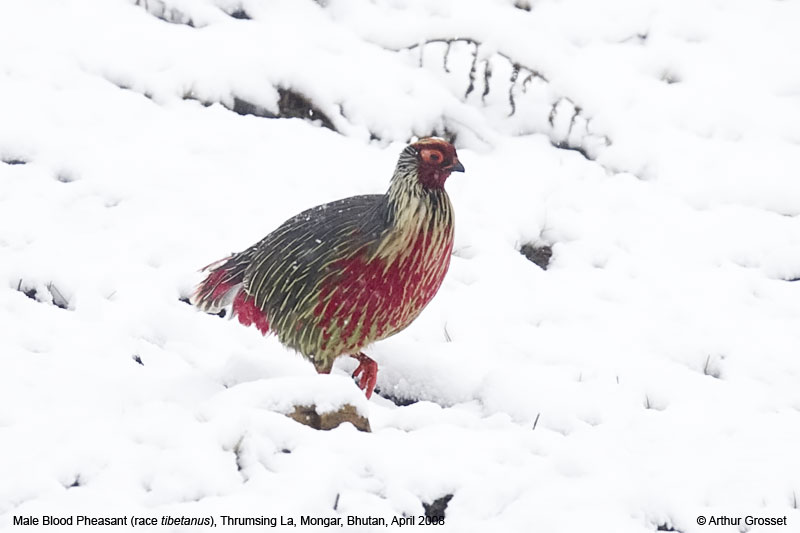
Blood Pheasant (Ithaginis cruentus) ©Arthur Grosset

Blood Pheasant (Ithaginis cruentus) ©Arthur Grosset

“And he said unto them, This is my blood of the new testament, which is shed for many.” (Mark 14:24 KJV)

“Take heed therefore unto yourselves, and to all the flock, over the which the Holy Ghost hath made you overseers, to feed the church of God, which he hath purchased with his own blood.” (Acts 20:28 KJV)


Avian and Attributes – Blood

BLOOD, n.
1. The fluid which circulates through the arteries and veins of the human body, and of other animals, which is essential to the preservation of life. This fluid is generally red. If the blood of an animal is not red, such animal is called exsanguious, or white-blooded; the blood being white, or white tinged with blue.

2. Kindred; relation by natural descent from a common ancestor; consanguinity.
God hath made of one blood, all nations of the earth. Acts 17.

3. Royal lineage; blood royal; as a prince of the blood.

5. Life.

10. A sacramental symbol of the blood of Christ.
For this is my blood of the new testament, which is shed for many for the remission of sins.” (Matthew 26:28 KJV)

11. The death and sufferings of Christ.
“Much more then, being now justified by his blood, we shall be saved from wrath through him.” (Romans 5:9 KJV)


Blood Pheasant (Ithaginis cruentus) ©WikiC

The Blood Pheasant (Ithaginis cruentus) is the only species in genus Ithaginis of the pheasant family. This relatively small, short-tailed pheasant is widespread and fairly common in eastern Himalayas, ranging across India, Nepal, Bhutan and China.

Blood pheasants have the size of a small fowl, about 17 in (43 cm) in length with a short convex, very strong black bill, feathered between bill and eye, and a small crest of various coloured feathers. The colour of the plumage above is dark ash, with white shafts, the coverts of the wings various tinged with green, with broad strokes of white through the length of each feather, the feathers of the chin deep crimson; on the breast, belly and sides feathers are lance-shaped, of various length, the tips green with crimson margins, collectively resembling dashes of blood scattered on the breast and belly. The tail consists of twelve sub-equal feathers, shafts white, rounded, the ends whitish, the coverts a rich crimson red.

Both males and females have red feet and a distinct ring of bare skin around the eye that typically is crimson colored, but is orange in a few subspecies. Member of the Phasianidae – Pheasants, Fowl & Allies Family

Blood-breasted Flowerpecker (Dicaeum sanguinolentum) ©WikiC

Blood-breasted Flowerpecker (Dicaeum sanguinolentum) ©WikiC

Here are links to all the “Blood” avian wonders:

Blond-crested Woodpecker (Celeus flavescens)
Blood Pheasant (Ithaginis cruentus)
Blood-breasted Flowerpecker (Dicaeum sanguinolentum)
Blood-colored Woodpecker (Veniliornis sanguineus)
Blood-eared Parakeet (Pyrrhura hoematotis)


More Avian and Attributes Articles

Birds whose first name start with “A”

Good News

*
[Definitions from Webster’s Dictionary of American English (1828), unless noted. Bird info from Wikipedia plus.]


Avian And Attributes – Bishop

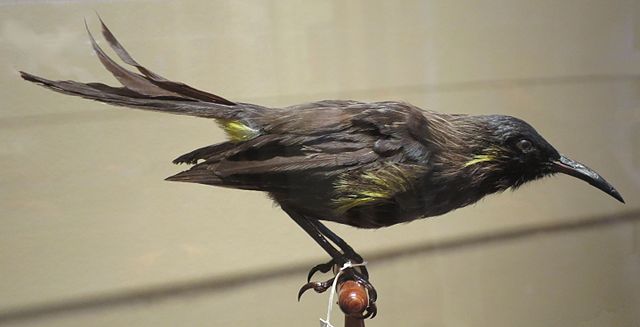
Bishop's Oo (Moho bishopi) WikiC

Bishop’s Oo (Moho bishopi) WikiC

“For ye were as sheep going astray; but are now returned unto the Shepherd and Bishop of your souls.” (1 Peter 2:25 KJV)


Avian and Attributes – Bishop

BISH’OP, n. [L. episcopus; Gr. of, over, and inspector, or visitor; to view, or inspect; whence, to visit; also, to view. This Greek and Latin word accompanied the introduction of christianity into the west and north of Europe.]

1. An overseer; a spiritual superintendent, ruler or director; applied to Christ.
Ye were as sheep going astray, but are now returned to the shepherd and bishop of your souls. 1. Pet.2.

2. In the primitive church, a spiritual overseer; an elder or presbyter; one who had the pastoral care of a church.


Bishop’s Oo (Moho bishopi) Specimen ©WikiC

Bishop’s Oo

The Bishop’s ‘ō‘ō or Molokai ‘ō‘ō (Moho bishopi) is a member of the extinct genus of the ‘ō‘ōs (Moho) within the extinct family Mohoidae. It was previously regarded as member of the Australo-Pacific honeyeaters (Meliphagidae). Lionel Walter Rothschild named it after Charles Reed Bishop, the founder of the Bishop Museum.

It was discovered in 1892 by Henry C. Palmer, a bird collector for Lord Rothschild. Its length was about 29 centimeters. The tail had reached a length of 10 centimeters. The plumage was general glossy black with yellow feather tufts on the maxillaries, beneath the wings and the undertail coverts. Their songs were simple two notes, took-took, which could be heard for miles.

Member of the Mohoidae – Oos Family


More Avian and Attributes

Birds whose first name start with “B”

Good News

*
[Definitions from Webster’s Dictionary of American English (1828), unless noted. Bird info from Wikipedia plus.]

Avian and Attributes – Apostle’s Teacher

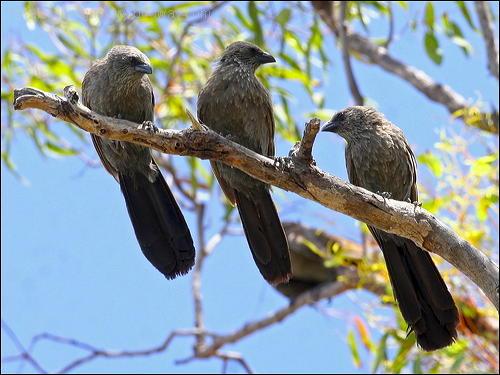
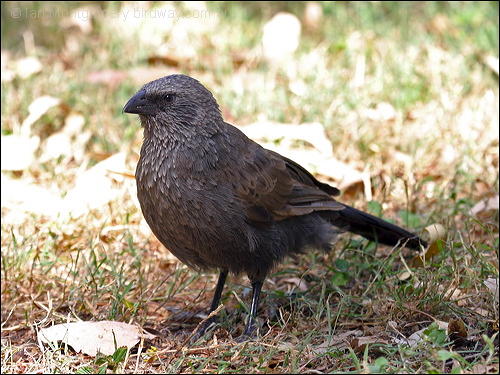
Apostlebird (Struthidea cinerea) by Ian

“And the apostles said unto the Lord, Increase our faith. And the Lord said, If ye had faith as a grain of mustard seed, ye might say unto this sycamine tree, Be thou plucked up by the root, and be thou planted in the sea; and it should obey you.” (Luke 17:5-6 KJV)


Avian and Attributes – Apostle’s Teacher

APOS’TLE, n. [L. apostalus; Gr. to send away, to sent.]

A person deputed to execute some important business; but appropriately, a disciple of Christ commissioned to preach the gospel. Twelve persons were selected by Christ for this purpose; and Judas, one of the number, proving an apostate, his place was supplied by Matthias. Acts 1.

The title of apostle is applied to Christ himself, Heb 3. In the primitive ages of the church, other ministers were called apostles, Rom 16; as were persons sent to carry alms from one church to another, Phil 2. This title was also given to persons who first planted the Christian faith. Thus Dionysius of Corinth is called the apostle of France; and the Jesuit Missionaries are called apostles.

“Wherefore, holy brethren, partakers of the heavenly calling, consider the Apostle and High Priest of our profession, Christ Jesus;” (Hebrews 3:1 KJV)


Apostlebird (Struthidea cinerea) by Ian

Apostlebird (Struthidea cinerea) by Ian

Apostlebird

The Apostlebird (Struthidea cinerea), also known as the grey jumperlousy jack or cwa bird is a quick-moving, gray or black bird about 13 inches (33 centimetres) long. It is a native to Australia where it roams woodlands, eating insects and seeds at, or near, ground level. Apostlebirds often travel in groups of about 12; for this reason they were named after the Biblical apostles, the twelve chief followers of Jesus Christ.

Measuring around 33 cm (13 in) in length, the apostlebird is a predominantly dark grey bird with a long black tail tinted greenish in sunlight. The grey feathers on the head, neck and breast are brushed with paler grey-white and the wings are brownish. The legs and bill are black and the eyes brown or white. They are members of the Corcoracidae – Australian Mudnesters Family.

“Until the day in which he was taken up, after that he through the Holy Ghost had given commandments unto the apostles whom he had chosen: To whom also he shewed himself alive after his passion by many infallible proofs, being seen of them forty days, and speaking of the things pertaining to the kingdom of God: And, being assembled together with them, commanded them that they should not depart from Jerusalem, but wait for the promise of the Father, which, saith he, ye have heard of me.” (Acts 1:2-4 KJV)


More Avian and Attributes

Birds whose first name start with “A”

Good News

*
[Definitions from Webster’s Dictionary of American English (1828), unless noted. Bird info from Wikipedia plus.]

Avian and Attributes – Admirable

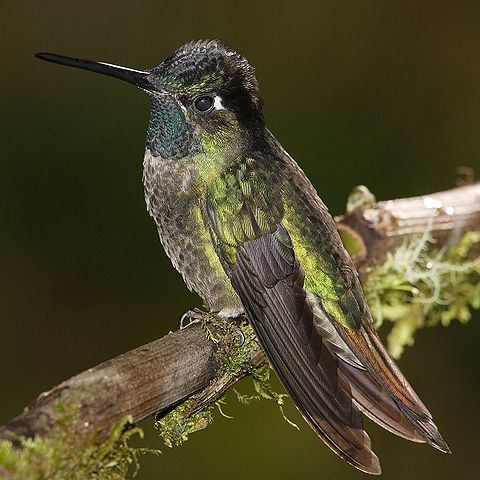
Admirable Hummingbird (Eugenes spectabilis) ©WikiC

“Touching the Almighty, we cannot find him out: he is excellent in power, and in judgment, and in plenty of justice: he will not afflict.” (Job 37:23 KJV)

“Remember his marvellous works that he hath done, his wonders, and the judgments of his mouth;” (1 Chronicles 16:12 KJV)


Avian and Attributes – Admirable

Admirable
(1): (a.) Fitted to excite wonder; wonderful; marvelous.
(2): (a.) Having qualities to excite wonder united with approbation; deserving the highest praise; most excellent; — used of persons or things.

“And the Jews marvelled, saying, How knoweth this man letters, having never learned? Jesus answered them, and said, My doctrine is not mine, but his that sent me.” (John 7:15-16 KJV)


Admirable Hummingbird (Eugenes spectabilis) ©WikiC

Admirable Hummingbird (Eugenes spectabilis)

The Admirable Hummingbird or Talamanca hummingbird (Eugenes spectabilis) is a large hummingbird. Some taxonomic authorities, such as the International Ornithological Committee, split the magnificent hummingbird into two species, in which case the nominate fulgens is renamed Rivoli’s hummingbird, and spectabilis is named the admirable hummingbird. Other taxonomic authorities have not recognized the split. The admirable hummingbird’s range is Costa Rica to Panama. Member of the Trochilidae – Hummingbirds Family.


More Avian and Attributes Articles

Birds whose first name start with “A”

Good News

*
[Definitions from Webster’s Dictionary of American English (1828), unless noted. Bird info from Wikipedia plus.]

Avian and Attributes – Ancient (of Days)

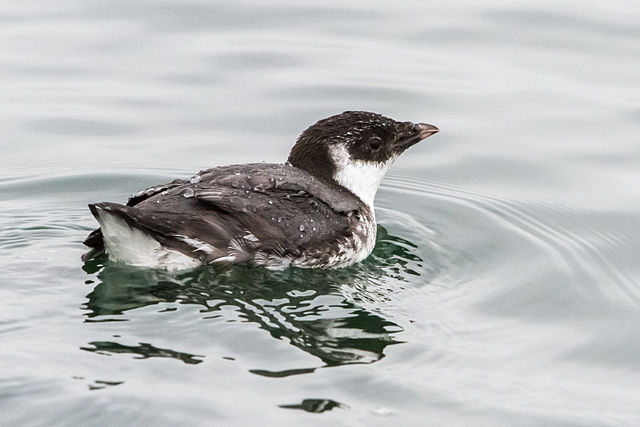
Ancient Murrelet (Synthliboramphus antiquus) ©WikiC

“I beheld till the thrones were cast down, and the Ancient of days did sit, whose garment was white as snow, and the hair of his head like the pure wool: his throne was like the fiery flame, and his wheels as burning fire.” (Daniel 7:9 KJV)

“Until the Ancient of days came, and judgment was given to the saints of the most High; and the time came that the saints possessed the kingdom.” (Daniel 7:22 KJV)


Avian and Attributes – Ancient

AN’CIENT, a.
1. Old; that happened or existed in former times, usually at a great distance of time; as, ancient authors, ancient days. Old, says Johnson, relates to the duration of the thing itself, as an old coat; and ancient to time in general, as an ancient dress. But this distinction is not always observed. We say, in old times, as well as ancient times; old customs, &c. In general, however, ancient is opposed to modern, and old to new, fresh or recent. When we speak of a thing that existed formerly, which as ceased to exist, we commonly use ancient, as ancient republics’ ancient heroes, and not old republics, old heroes. But when the thing which began or existed in former times, is still in existence, we use either ancient or old; as, ancient statues or paintings, or old statues or paintings; ancient authors, or old authors, meaning books. But in these examples ancient seems the most correct, or best authorized. Some persons apply ancient to men advanced in years still living; but this use is not common in modern practice, though found in scripture.
With the ancient is wisdom. Job.

“With the ancient is wisdom; and in length of days understanding.” (Job 12:12 KJV)

AN’CIENT, n. Generally used in the plural, ancients. Those who lived in former ages, opposed to moderns.
1. In scripture, very old men. Also, governors, rulers, political and ecclesiastical.
The Lord will enter into judgment with the ancients of his people. Isa 3. Jer 19.
God is called the Ancient of days from his eternal existence. Dan 7.


Ancient Murrelet (Synthliboramphus antiquus) by Ian

Ancient Murrelet

The Ancient Murrelet (Synthliboramphus antiquus) is a bird in the auk family. The genus name Synthliboramphus is from Ancient Greek sunthlibo, “to compress”, and rhamphos, “bill”, and antiquus is Latin for ancient. The English term “murrelet” is a diminutive of “murre”, a word of uncertain origins, but which may imitate the call of the common guillemot. Ancient murrelets are called “ancient” because they have grey on the back like a shawl, as worn by the elderly.

This small auk species is black on the head, throat and rear neck, grey-backed, and has white underparts. The yellow bill is short and stubby. It has a small rounded black tail. The summer adults have white head streaks giving an aged look and leading to the English name. Other plumages are similar, but lack the crown streaks and black on the throat.

Ancient murrelets tend to bank from side to side in flight to a greater extent than other small auks. They fly with fast wing beats due to their short wings.

It breeds from the Yellow Sea (islands off China), through the Russian Pacific coast and the Aleutian Islands to the Haida Gwaii archipelago of British Columbia, where about half of the world population breeds.

Alcidae – Auks Family

There is also an Ancient Antwren (Herpsilochmus gentryi), that is a species of bird in the family Thamnophilidae. It is found in northern Peru and southeastern Ecuador. Its natural habitat is subtropical or tropical moist lowland forests. It is threatened by habitat loss. [No photos available.]


More Avian and Attributes Articles

Birds whose first name start with “A”

Good News

*
[Definitions from Webster’s Dictionary of American English (1828), unless noted. Bird info from Wikipedia plus.]

A Merry Heart Is Like Medicine

To Do List – Bird Seeds

“A merry heart maketh a cheerful countenance: but by sorrow of the heart the spirit is broken.” (Proverbs 15:13 KJV)

A friend of mine posted this to my Facebook account. Needless to say, it made my day. Working on these broken links can be frustrating at times and when humor comes along, it lightens the day. We all need a good laugh now and then. The Bible mentions a merry heart several times, plus other terms like Joy.

“All the days of the afflicted are evil: but he that is of a merry heart hath a continual feast.” (Proverbs 15:15 KJV)

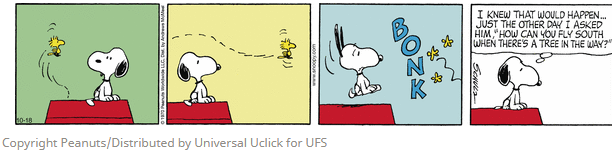
Most birders are aware that as the seasons change, many Avian Wonders, from their Creator, start their migration south, or north. Some even travel east or west. Many birds make very long migrations, and some make shorter journeys that involve an altitude change only.

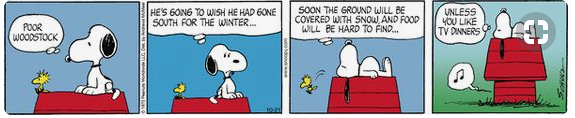
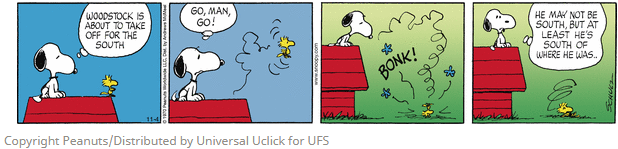
I do not normally read the comics, but lately, I subscribed to some daily comics from Arcamax.com. and have been following Peanuts ©  There has been a series of them since fall started, that has the bird, Woodstock, making an effort to fly south. Decided to share them.

*

Snoopy and Woodstock – Peanuts Oct 18,2017 [Encountering a tree in the way]

*

Snoopy and Woodstock -Peanuts ?  [Finds out Woodstock’s name]

*

*

*

Snoopy and Woodstock -Peanuts Nov 6,2017 [Not sure which was is south]

*

Charles Schulz has been producing Peanuts for years. Snoopy has always been a favorite of mine, and now, I am beginning to feel kindly of Woodstock. Though, I do trust that the “real” birds have a better way of finding their way to their destinations. The Lord has given us assurances that He guides them in the way they should go.

“Is it by your understanding that the hawk soars and spreads his wings toward the south?” (Job 39:26 ESV)

“Even the stork in the sky Knows her seasons; And the turtledove and the swift and the thrush Observe the time of their migration; But My people do not know The ordinance of the LORD.” (Jeremiah 8:7 NASB)

More normal migration articles:

Birds of the Bible – Hawk Migration

Birds of the Bible – Migration September 2009

Interesting – Migration and Mechanics of Flight

*

The Disappearing Limpkin

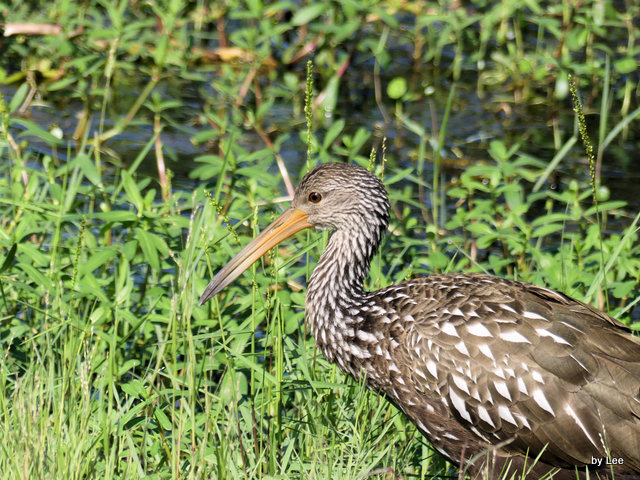
GRU-Aram Limpkin (Aramus guarauna)

Limpkin (Aramus guarauna) by Lee

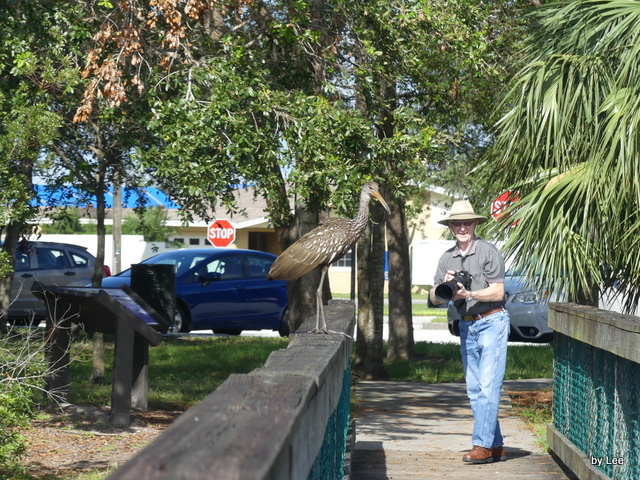
One of the few birdwatching adventures that Dan and I have had, since my surgery, was to South Lake Howard Nature Park. Earlier in the day, we had gone to two other favorite birding spots, but various activities there prevented us from checking out those birds. Later that day, we decided to try one more time. Grabbed our cameras and went to the little Nature Park. [Winter Haven, FL] There was not much going on there, yet, we were able to watch a Limpkin as he searched for his dinner.

The Limpkin (Aramus guarauna), also called carrao, courlan, and crying bird, is a bird that looks like a large rail but is skeletally closer to cranes. It is the only extant species in the genus Aramus and the Aramidae Family. It is found mostly in wetlands in warm parts of the Americas, from Florida to northern Argentina. It feeds on molluscs, with the diet dominated by apple snails of the genus Pomacea. Its name derives from its seeming limp when it walks. We have written about the Limpkins before, and information can be found the Aramidae – Limpkin Family page. This page also has many other Limpkin photos we have taken.

Limpkin and Dan at South Lake Howard Reserve

Limpkins are active during the day but will also forage at night. Where they are not persecuted they are also very tame and approachable. Even so, they are usually found near cover.  They are not aggressive for the most part, being unconcerned by other species and rarely fighting with members of their own species.

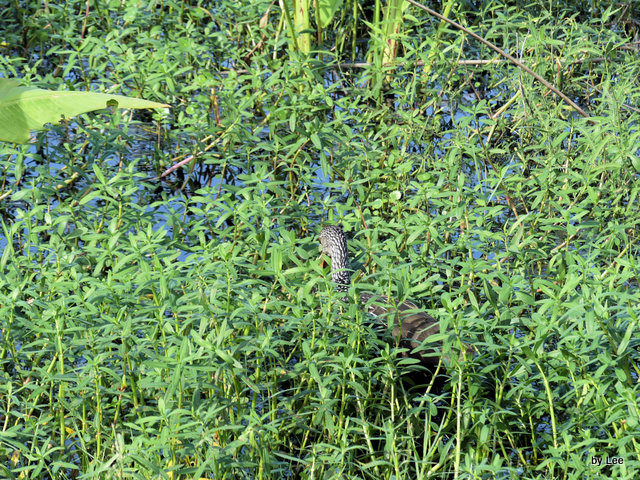
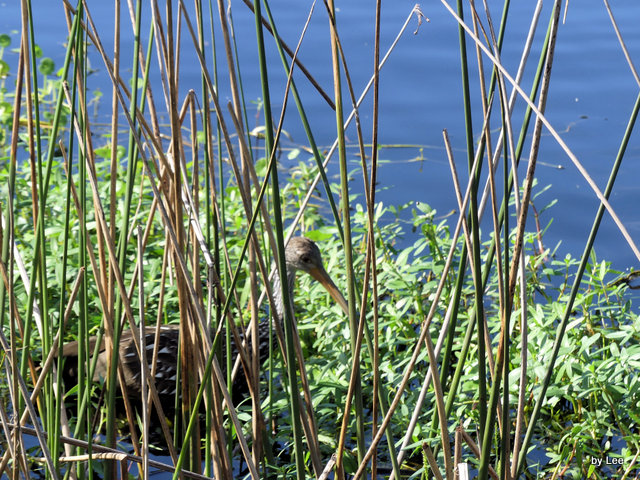
The Lord created the Limpkins with some bold makings, yet, when they are busy searching, they can almost totally disappear from our view. The next few photos show a Limpkin searching and then disappearing. Yes, he IS in those last photos.

As I thought about the Limpkin’s ability to seem to disappear, at first I considered the way the Creator provided a way for it to be camouflaged. Also, there is another analogy that comes to mind.

“He will bless them that fear the LORD, both small and great.” (Psalms 115:13 KJV)

As Christians, we are all given something to do for Our Savior. Many serve in tasks that place them in the open like Preachers, Leaders, Teachers, Ushers, Choir members, etc. There are also many that are behind the scenes serving the Lord through their task. It might be tending to the toddlers and babies, audio and sound helpers, ladies folding letters, and on and on. When these servants are visible, they are very handsome or as pretty as the Limpkins, yet when they are busy, they just seem to disappear. The Lord sees all of our works, no matter where we serve Him.

“And whatsoever ye do in word or deed, do all in the name of the Lord Jesus, giving thanks to God and the Father by him.” (Colossians 3:17 KJV)

Wordless Birds

The Eagles and Allies Have Landed

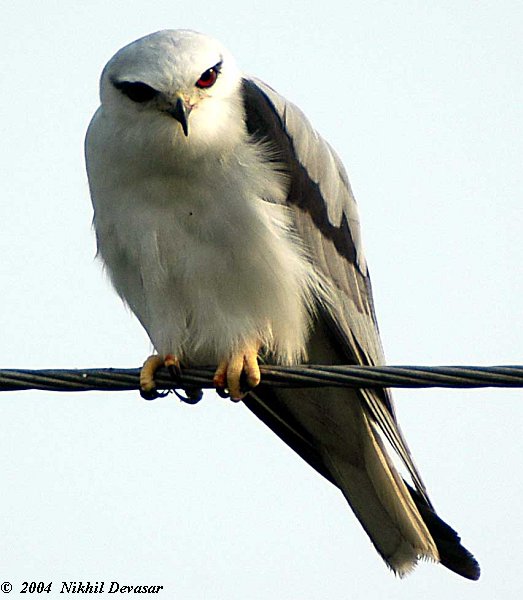
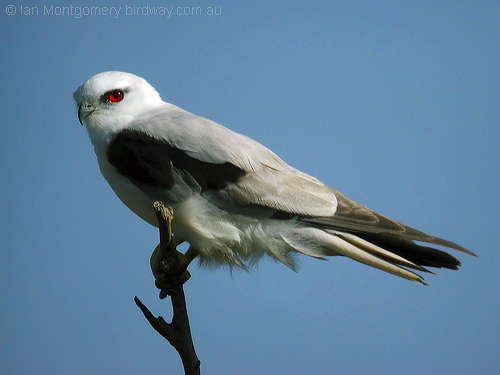
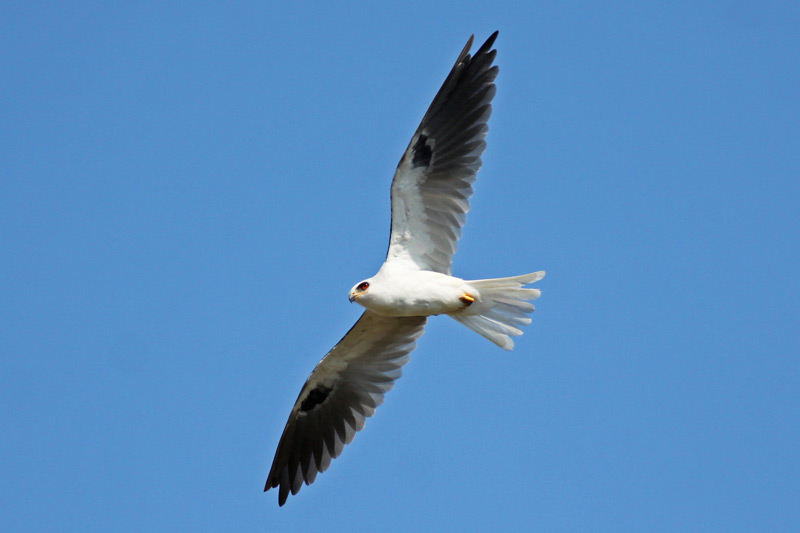
White-tailed Kite (Elanus leucurus) by Margaret Sloan

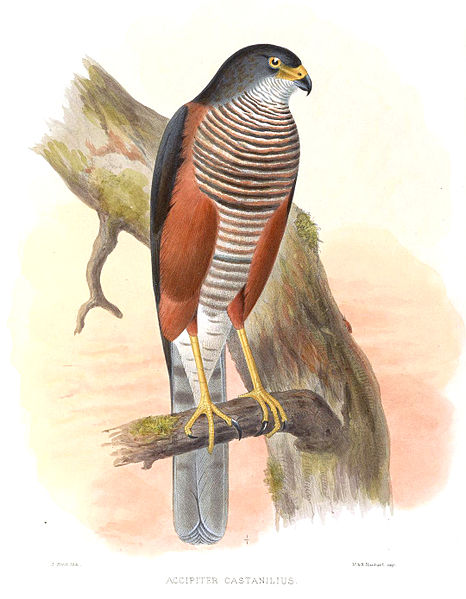
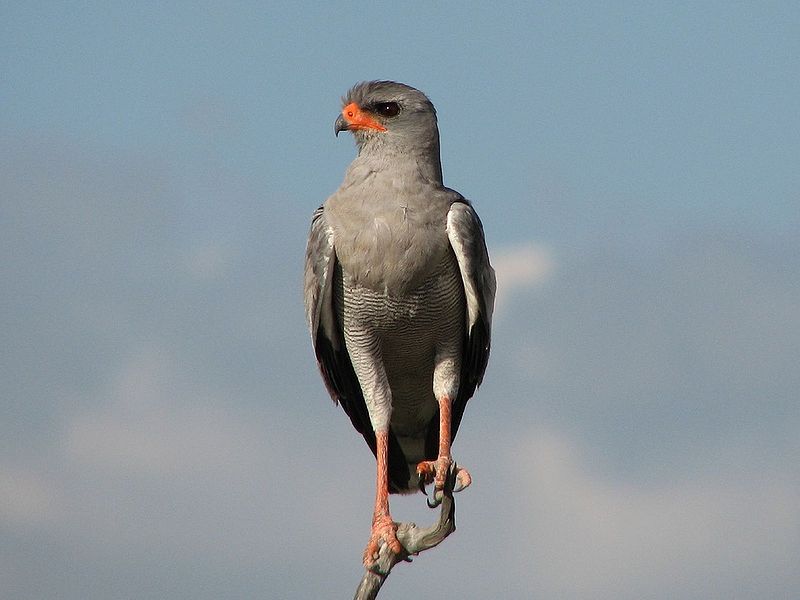
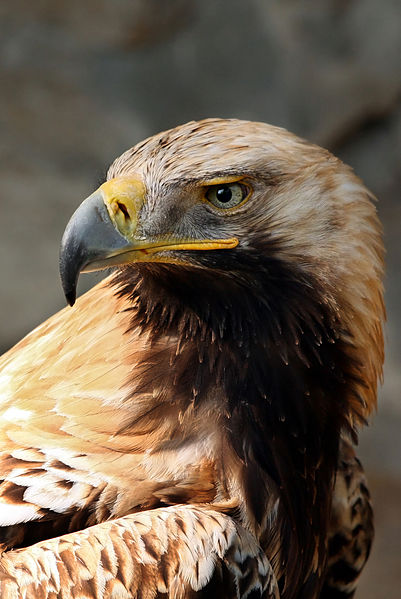
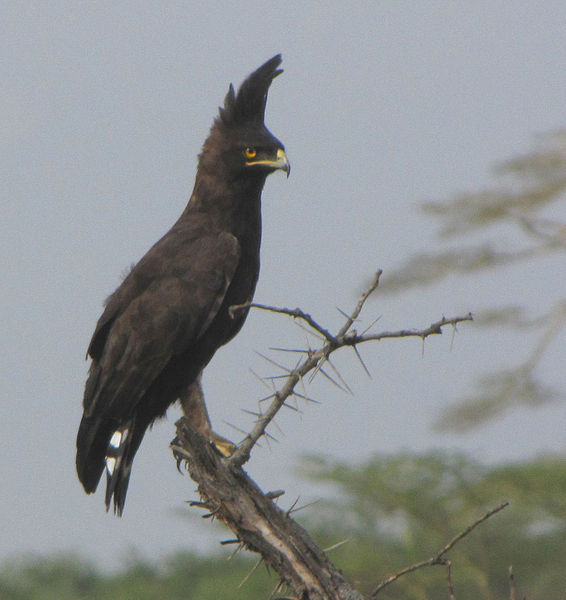
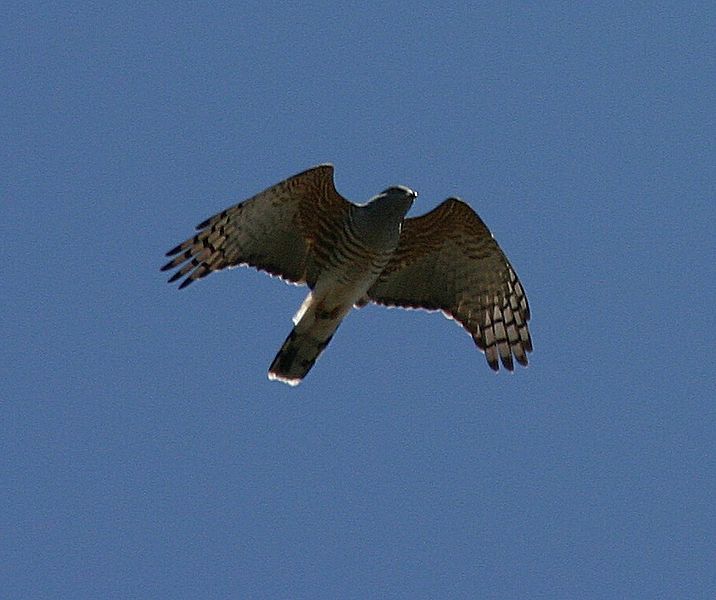
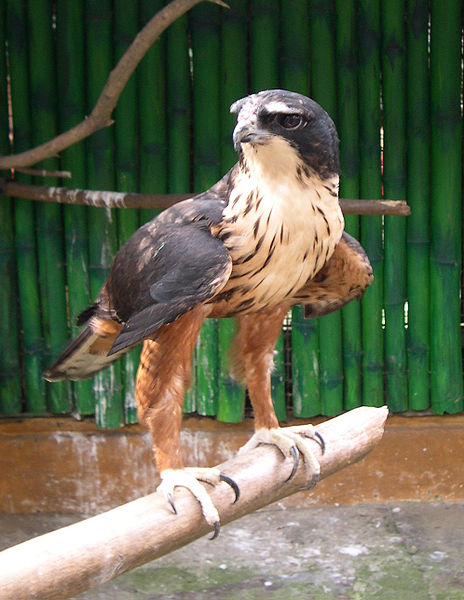
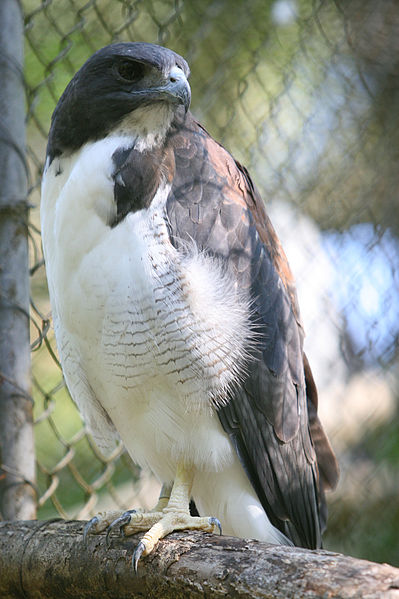
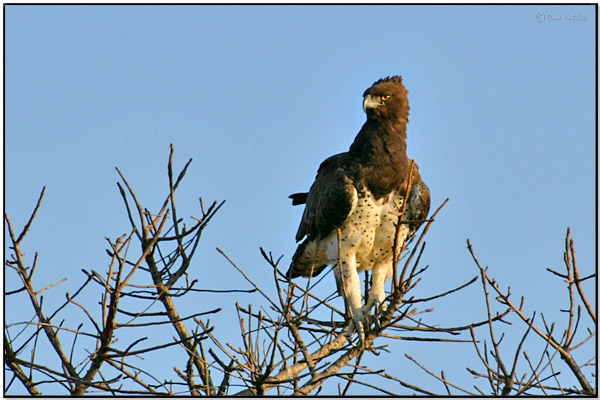
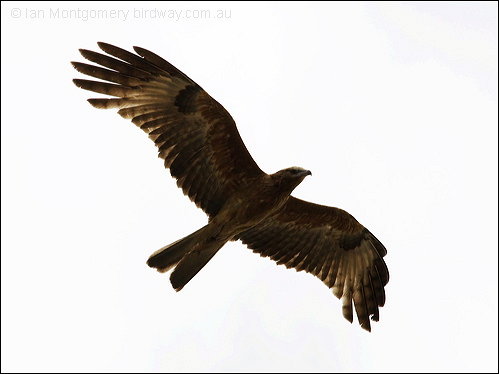
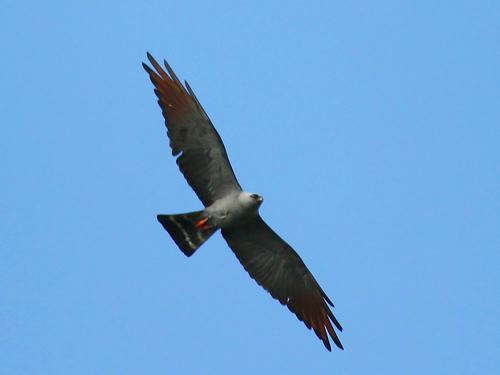
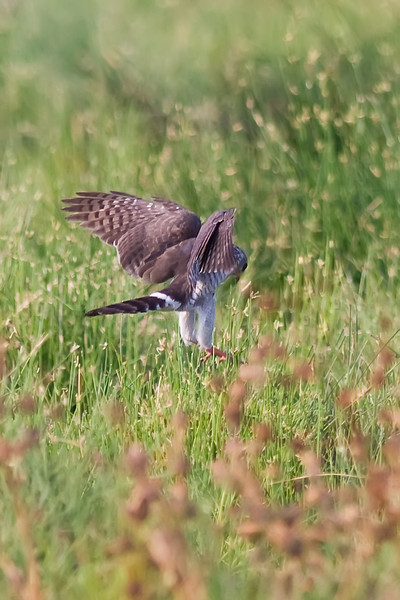
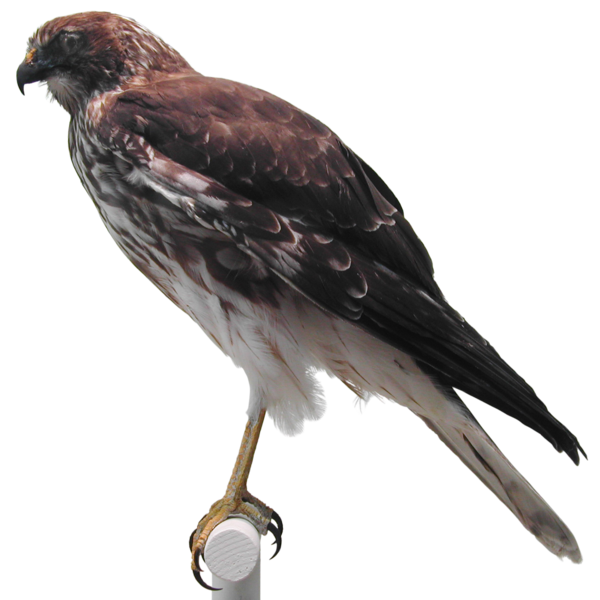
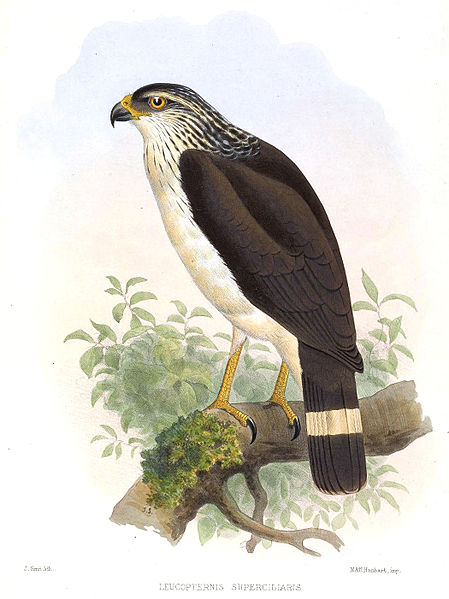
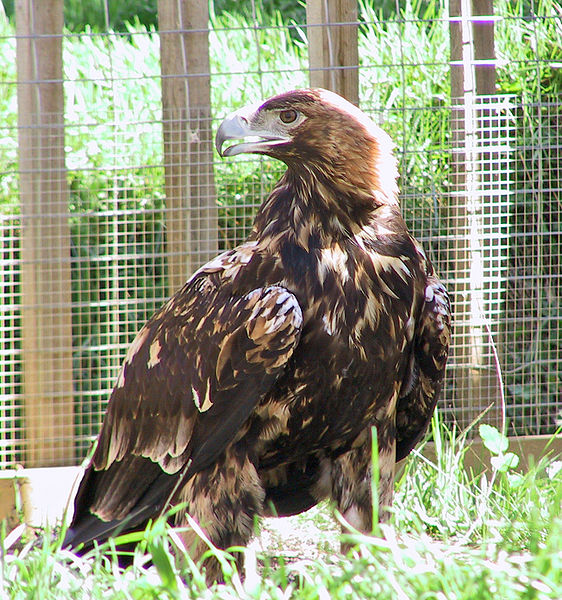
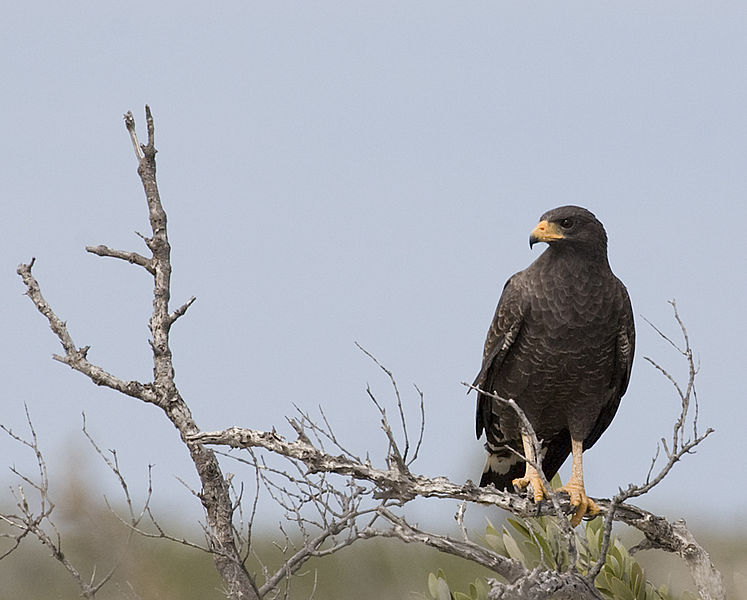
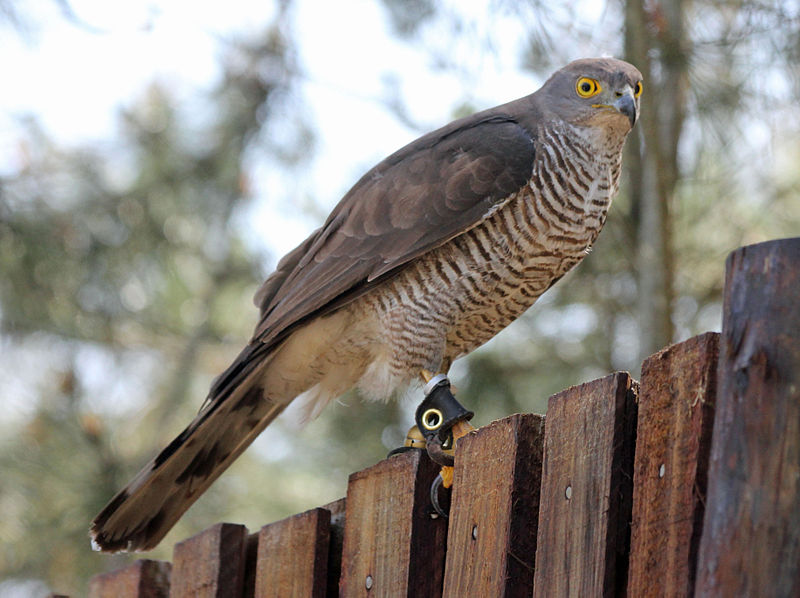
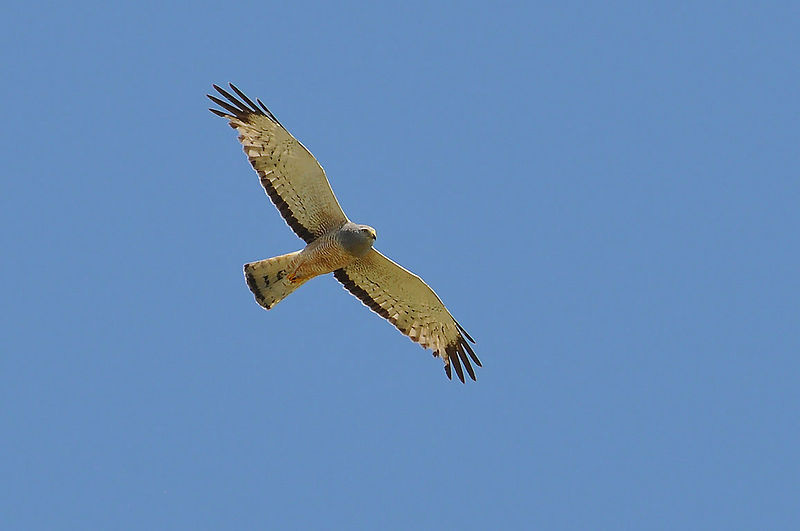
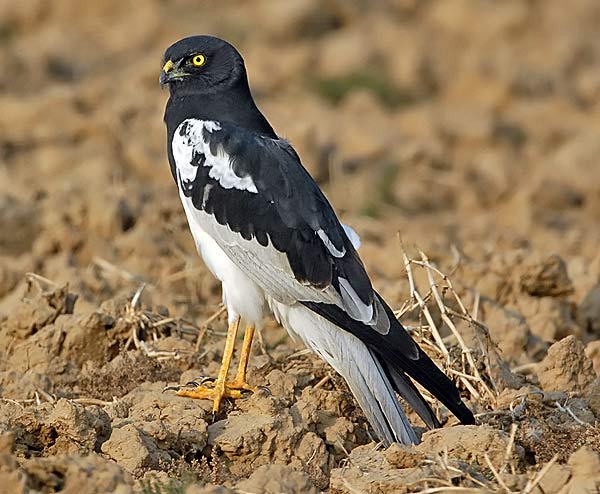
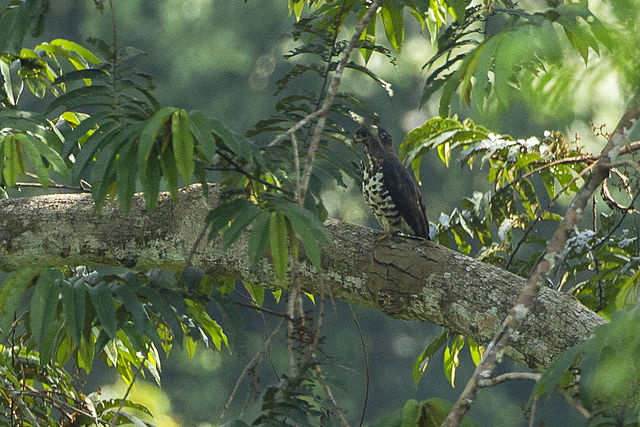
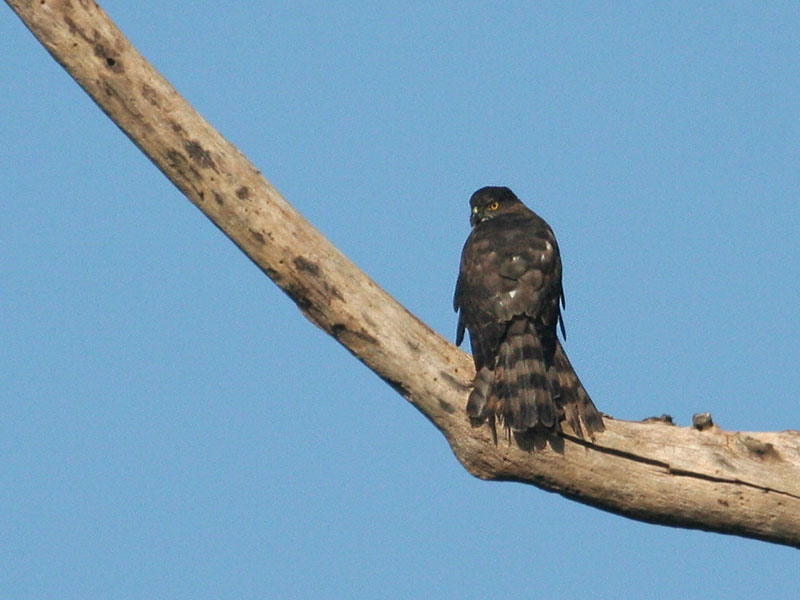
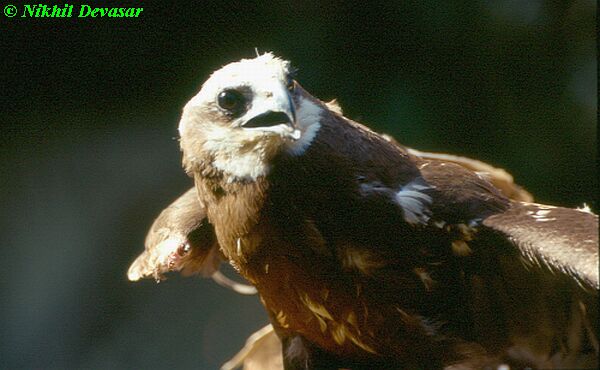
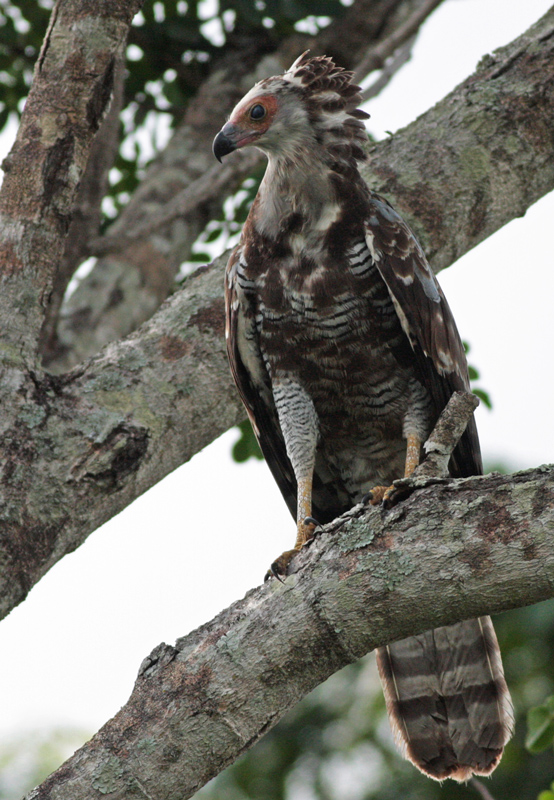
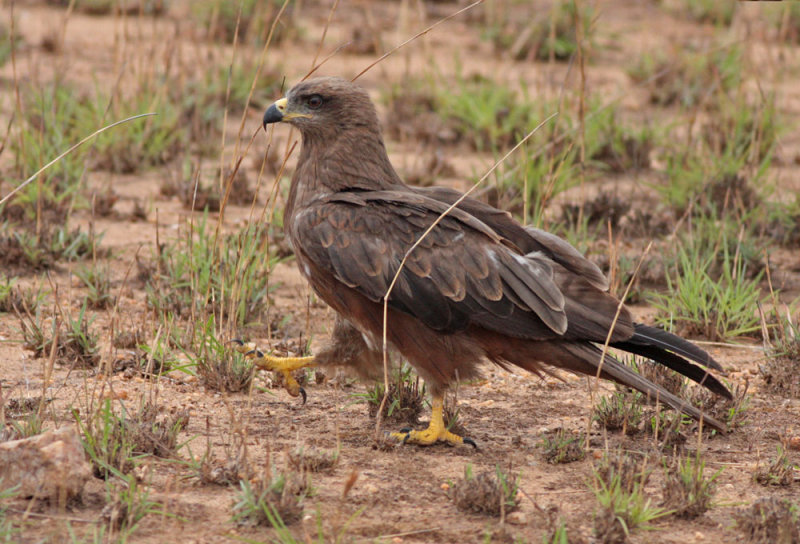
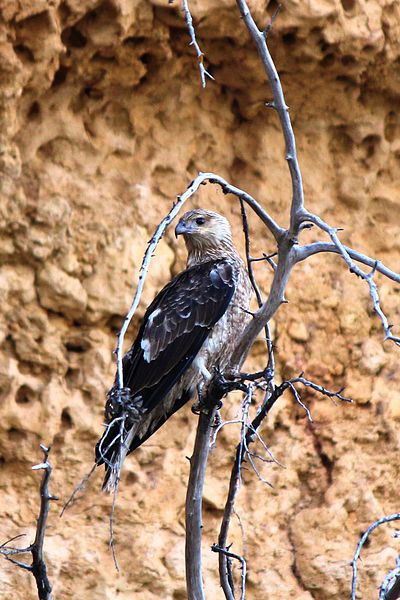
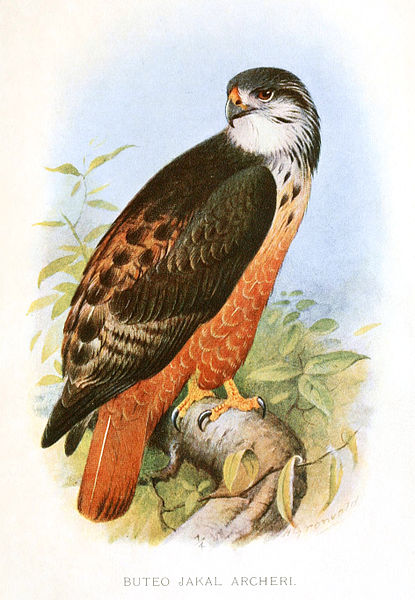
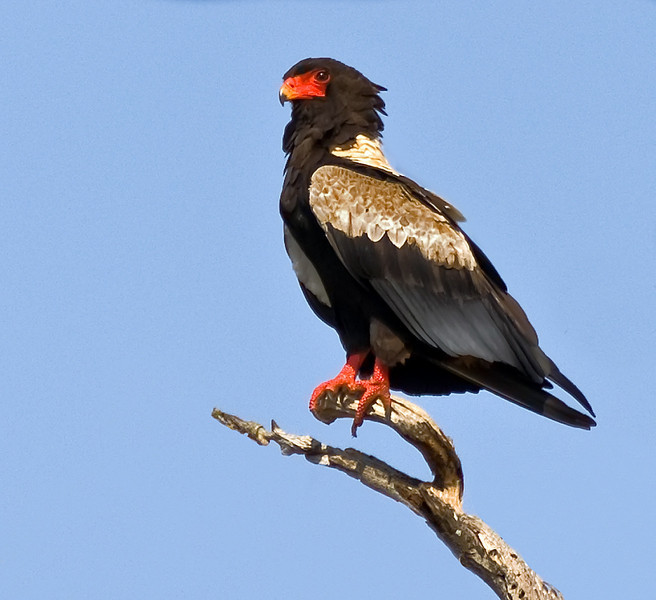
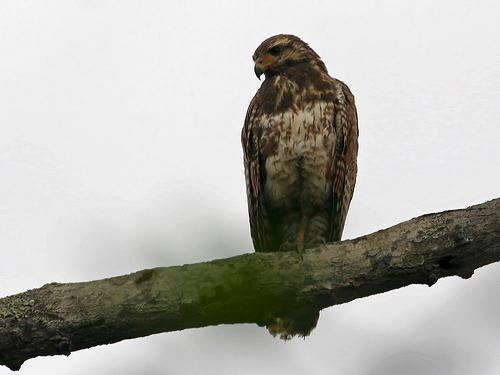
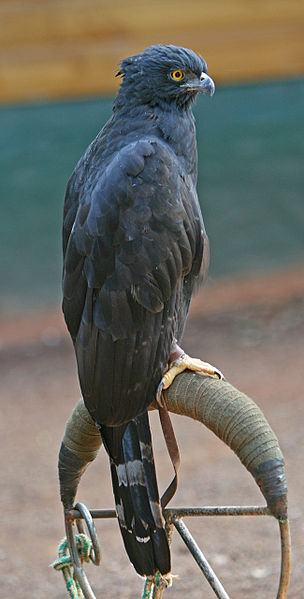
Finally, the Eagles and Allies have arrived and landed back on their Family Page. The Accipitridae – Kites, Hawks and Eagles family album has been giving me a fit. As you know from the last two post, An Apology, Plus Much Work At Hand and Rounding Up Those Eagles and Allies, I have been trying to fix 111 broken links on the page that lists the whole Accipitridae family.

WordPress is a great Blogging provider, yet, there are times a blogger feels like pulling their feathers (hair) out. After searching the forums and the internet for possible answers, there doesn’t seem to be a clear answer as to how 111 photos disappeared from the Media area. Many were downloaded back in 2011 through 2016, and have been working fine.

Life is like this at times. Problems arise out of nowhere, yet, how we handle them, is a test of our character. Thankfully, we have the Lord to lean on when we need wisdom. “The fear of the LORD is the beginning of knowledge: but fools despise wisdom and instruction.” (Proverbs 1:7 KJV)

Black Eagle (Ictinaetus malayensis) ©WikiC

Not so sure my “faith” is being tested, but the following verses are always a comfort when I am faced with challenges. Also, maybe, I am being challenged to review and rework parts of Lee’s Birdwatching Adventures. It is coming upon 10 years old after the New Year, and often items need to be repaired and painted. Even the birds go through a renewing of their feathers. Praying for the Lord’s wisdom on this issue.

“Knowing this, that the trying of your faith worketh patience. But let patience have her perfect work, that ye may be perfect and entire, wanting nothing. If any of you lack wisdom, let him ask of God, that giveth to all men liberally, and upbraideth not; and it shall be given him.” (James 1:3-5 KJV)

What else is there to show you today, but some of the rest of the birds that returned. Thankfully, most of the Family pages do not have such enormous clans of relatives.

Rounding Up Those Eagles and Allies

Verreaux’s Eagle (Aquila verreauxii) ©WikiC

“For thus saith the LORD; Behold, he shall fly as an eagle, and shall spread his wings….” (Jeremiah 48:40 KJV)

Yesterday, you were informed of 111 broken links on the Accipitridae – Kites, Hawks & Eagles page. Today there was a little bit of time to start rounding up those flying rascals. Now, there are only 60 birds still soaring around. Trust that they can be corralled soon.

In Lakeland, Florida, they round up the Swans on Lake Morton this time of the year. They are in the process of doing again now. See Lake Morton Swan Roundup – 2016. That is what I feel like I am doing with these broken links. So far some of the problems have been my fault, some have been photos moved around on other sites, etc. Stay tuned, I’m on the trail of these Accipitridae beauties.

“Doth the hawk fly by thy wisdom, and stretch her wings toward the south?” (Job 39:26 KJV)

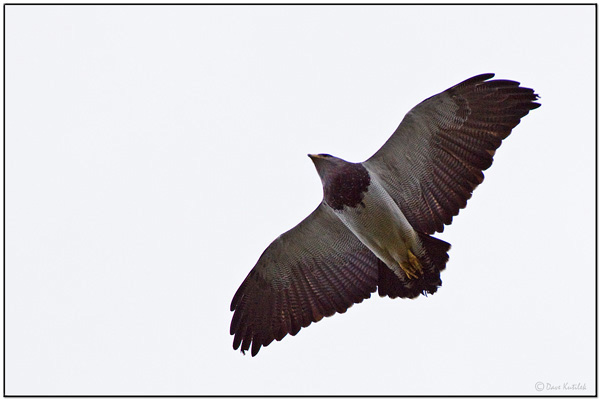
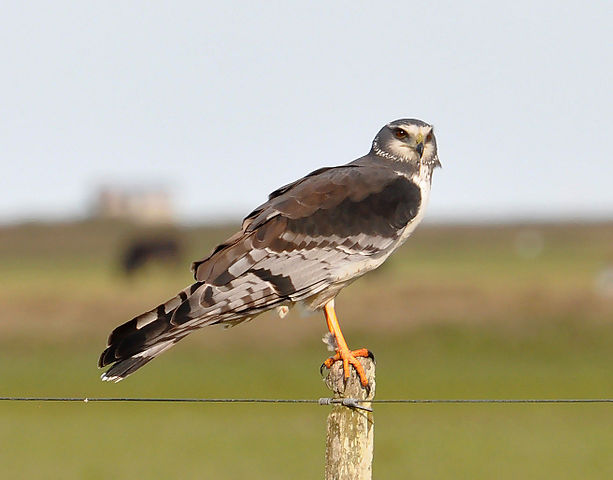
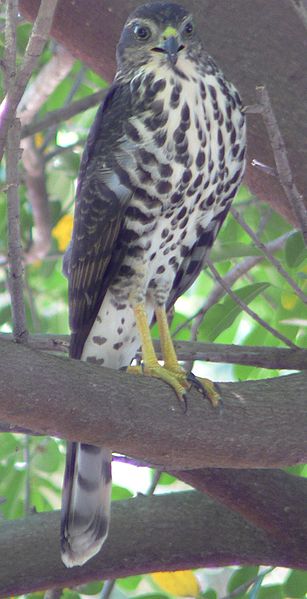
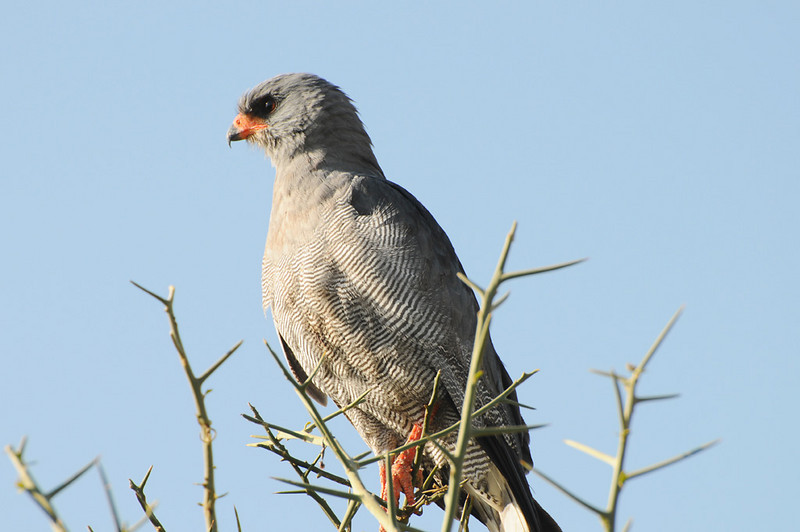
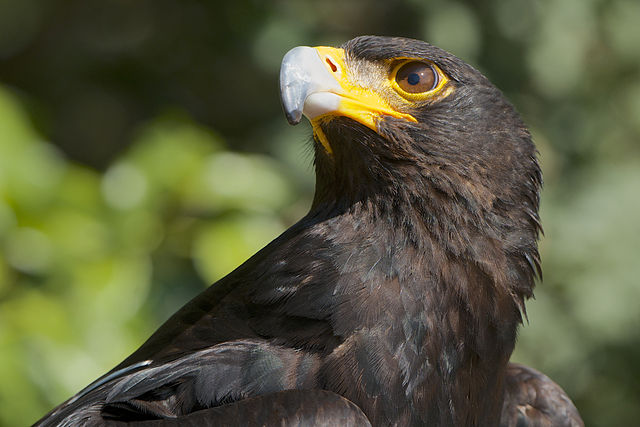
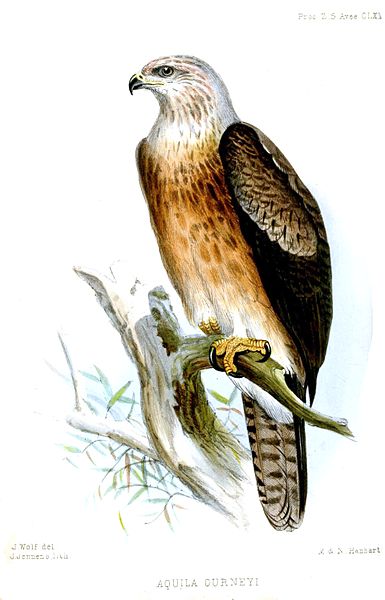
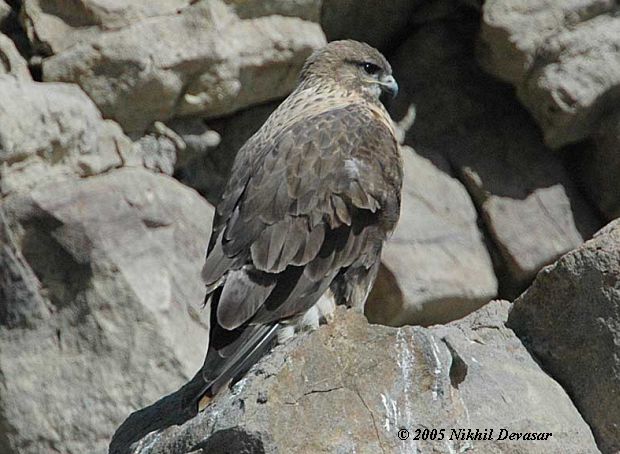
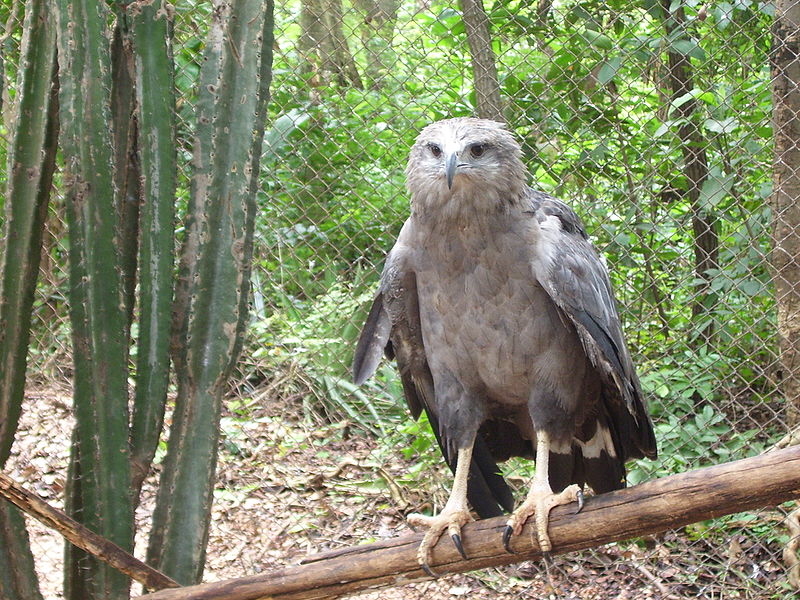
I’ll be happy when these birds quit stretching their wings and stay in the media cache of this blog. Here are some of the ones that have returned to help fix their links: