“Simon Peter saith unto them, I go a fishing. They say unto him, We also go with thee. They went forth, and entered into a ship immediately; and that night they caught nothing.” (John 21:3 KJV)
“Having many things to write unto you, I would not write with paper and ink: but I trust to come unto you, and speak face to face, that our joy may be full.” (2 John 1:12 KJV)
But ask now the beasts, and they shall teach thee; and the fowls of the air, and they shall tell thee: (Job 12:7 KJV)
Patty Becomes a Teacher ~ by Emma Foster
Once there was a finch named Patty who lived in a large oak tree by an elementary school. She had built her nest up in one of the highest branches of the old oak tree so she could watch all of the students in the elementary school go out and play for recess and come back inside for class.
One day Patty decided that she would teach her own children different subjects just like the teachers in the school. In order to accomplish this, Patty watched the teachers every day through the window just to see what they taught. However, most of the subjects the teachers taught didn’t apply to her. For example, a bird wouldn’t have any reason to learn math.
Patty decided that her children should be taught subjects that birds would learn as they grew up. By now, they both already knew how to fly, but Patty knew her children would have to learn other things as well.
Patty began to teach her two children, Maggie and Robert, on Monday because Patty noticed how school always began on Mondays. Her first class was Advanced Nest Building, as Patty called it, which taught Maggie and Robert how to build extravagant nests that could span an entire tree branch. Patty had Maggie and Robert follow her around and explained to them what type of sticks and moss to pick up to make their nests large and sturdy so that they didn’t break apart in the rain.
The next class Patty taught Maggie and Robert was what Patty titled Advanced Worm Catching. Maggie and Robert watched their mother sit on top of a tree branch before swooping down to catch a large round worm. Throughout the week, Patty taught them how to catch worms at the right time and place and added that the best time to catch them was after it rained.
The third class Patty taught them was Self Defense, in case something ever attacked the nest. One day, a squirrel crawled up the tree in search of some acorns and Maggie and Robert watched as Patty batted the squirrel away with her wings. They were sure their mother must have done a good job because a teacher from inside the school opened up the window to see what was making all of the racket outside.
Patty was sure to teach Maggie and Robert these subjects every day just like the teachers did with the students at school. When Maggie and Robert grew up they built their own nests just like Patty taught them in Advanced Nest Building. And when Maggie and Robert had children of their own they taught them the same things that Patty had taught long before so that they knew how to catch good worms, build large nests, and keep their young protected.
The teachers at the school never understood where the loud squawking was coming from inside the large oak tree, but Patty knew it was her grandchildren practicing in case a squirrel ever climbed the tree. Patty felt very proud that her children and grandchildren thought that she had done a good job as a teacher.
I will instruct thee and teach thee in the way which thou shalt go: I will guide thee with mine eye. (Psalms 32:8 KJV)
Lee’s Addition:
Wow, Emma! Your stories just keep getting better all the time. Lord bless you as journey through your Senior year in High School. May you continue to develop your writing abilities the Lord has given you.
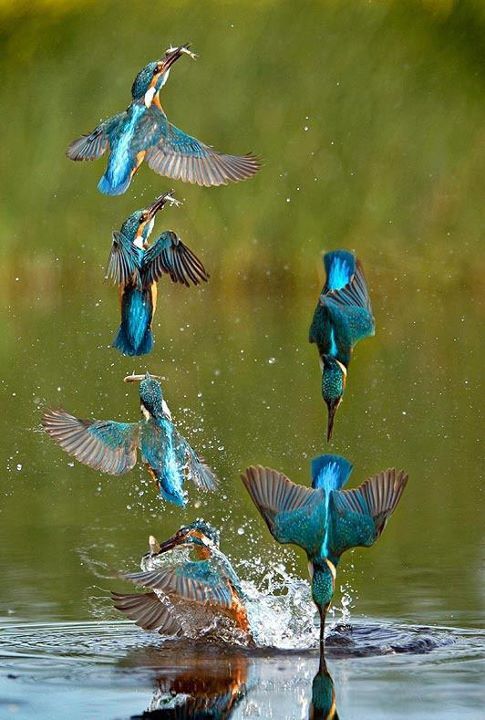
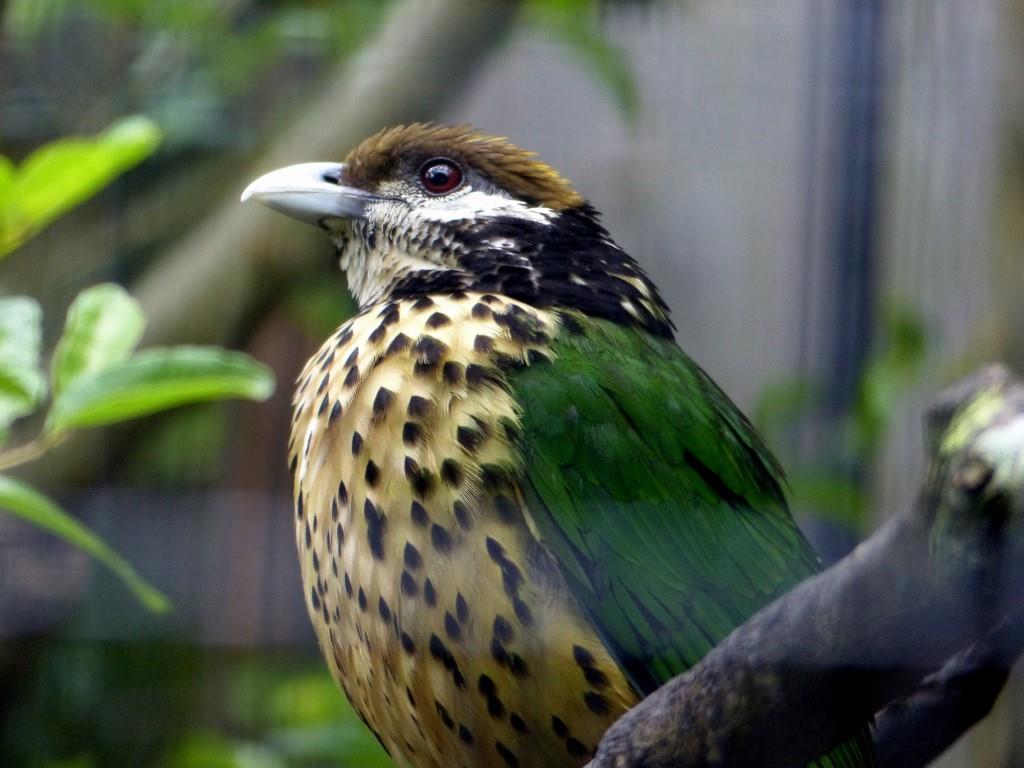
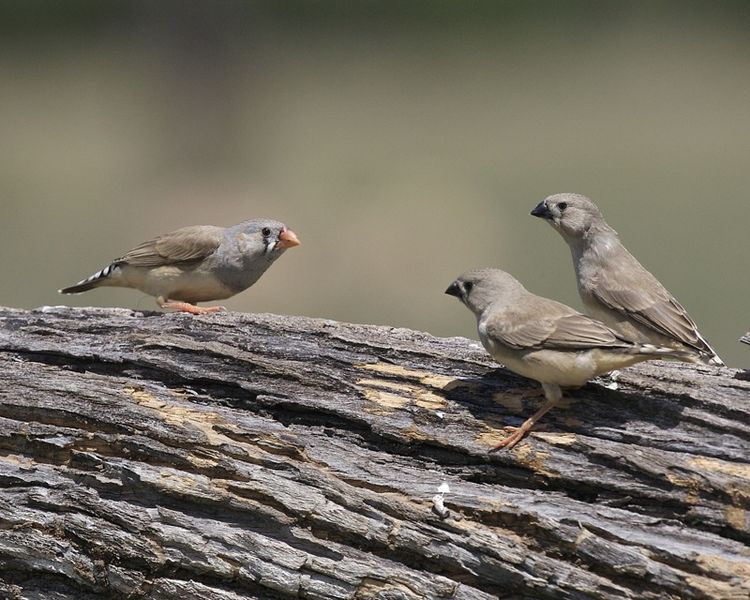
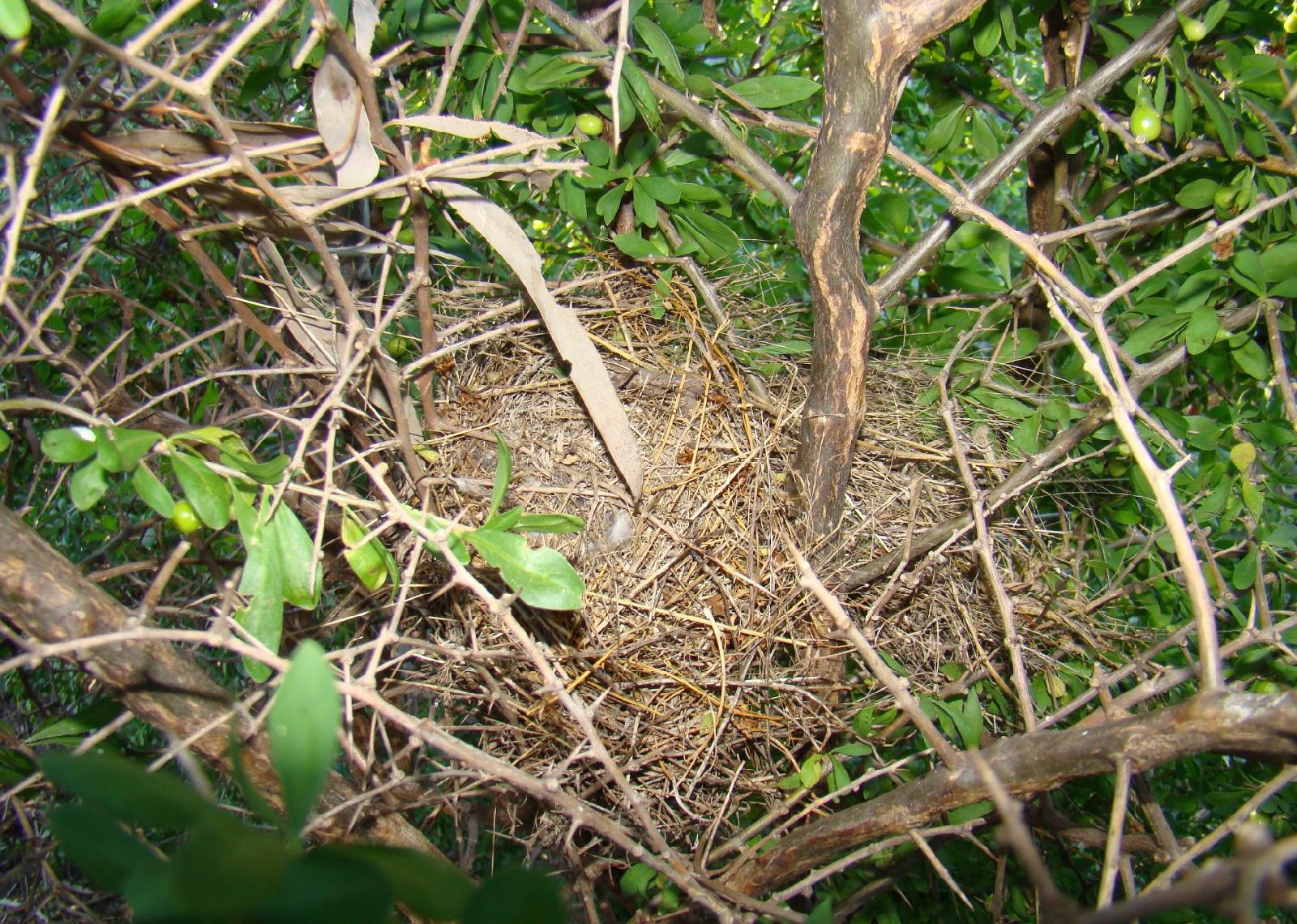
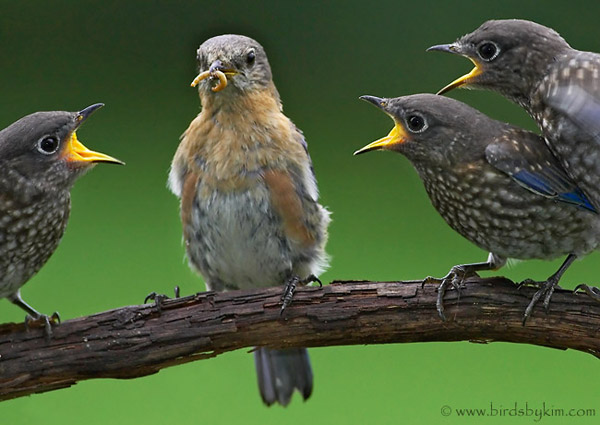
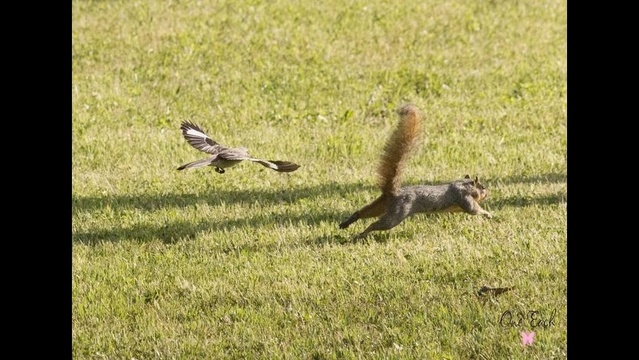
(Photos and verses added by Lee [that is why the pictures don’t exactly match the birds in the story])
“How think ye? if a man have an hundred sheep, and one of them be gone astray, doth he not leave the ninety and nine, and goeth into the mountains, and seeketh that which is gone astray?” (Matthew 18:12 KJV)
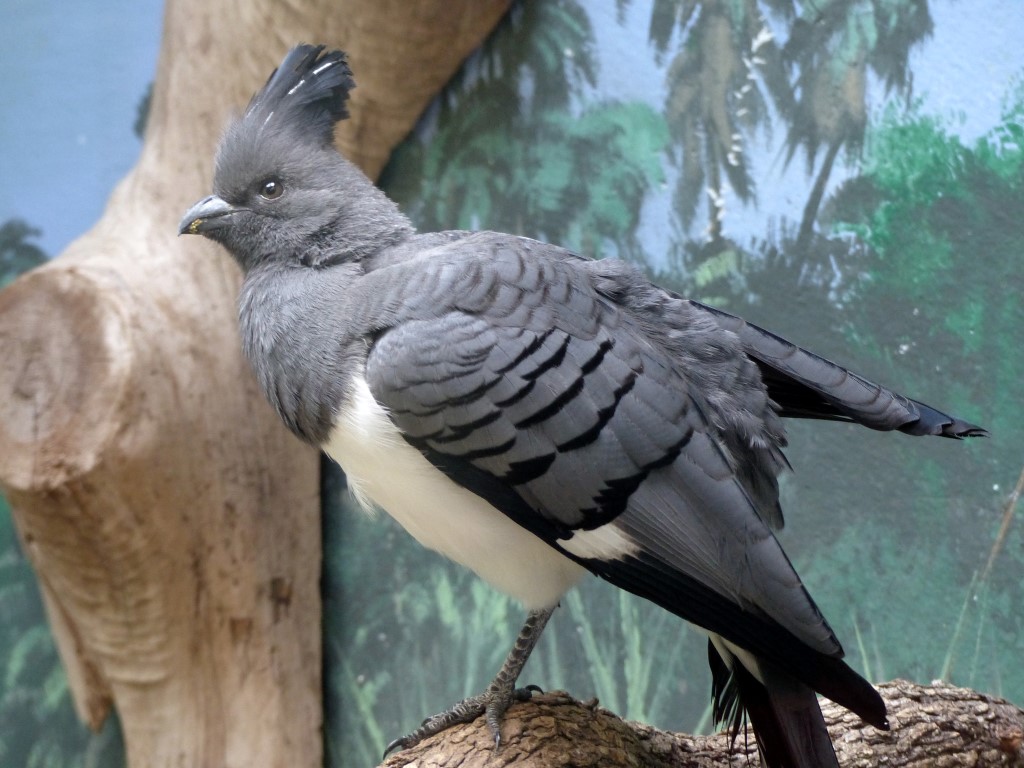
White-bellied Go-away-bird (Corythaixoides leucogaster) Houston Zoo by Lee
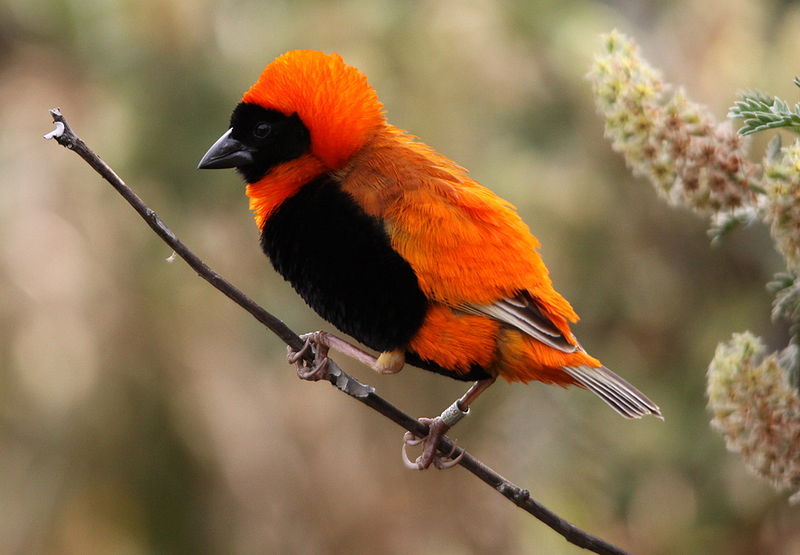
Wherefore art thou red in thine apparel, and thy garments like him that treadeth in the winefat? (Isaiah 63:2 KJV)
Today, you are being introduced to the Cardinalidae Family, which is the last family, in taxonomy order, of the Passeriformes Order. Since February 1, 2016, we began the journey with the first four families in More Amazing Birds. Now we have arrived at the last of the 131 families of this order. I trust you have enjoyed the journey through these many Sundays. Hopefully you have been blessed by the great variety of Avian Wonders from our Lord, their Creator. The Passeriformes Order contains well over half of all the birds in the world; around 6,000 plus of the 10,659 species on the latest update. (6.3)
The Cardinalidae – Cardinals, Grosbeaks and allies has 69 species in the family. Because of that number, this family will be presented in two segments. Growing up in Indiana, the Northern Cardinal was a favorite of most of us. It is the “State Bird” of Indiana along with six other states. [Illinois, Kentucky, North Carolina, Ohio, Virginia, West Virginia] The family members are found in North and South America. The South America Cardinals of the genus Paroaria are placed in another family, the Thraupidae (previously placed in Emberizidae). Even though the family name is Cardinalidae, there are only two “cardinals” among the members.
Also known as cardinal-grosbeaks and cardinal-buntings, this family’s members “are robust, seed-eating birds with strong bills. The family ranges in size from the 12-cm (4.7-in), 11.5-g (0.40-oz) and up orange-breasted bunting to the 25-cm (9.8-in), 85-g (2.99-oz) black-headed saltator. They are typically associated with open woodland. The sexes usually have distinctive appearances. The northern cardinal type species was named by colonists for the male’s red crest, reminiscent of a Catholic cardinal’s biretta.
The ‘North American buntings’ are known as such to distinguish them from buntings. The name ‘cardinal-grosbeak’ can also apply to this family as a whole.”(Wikipedia)
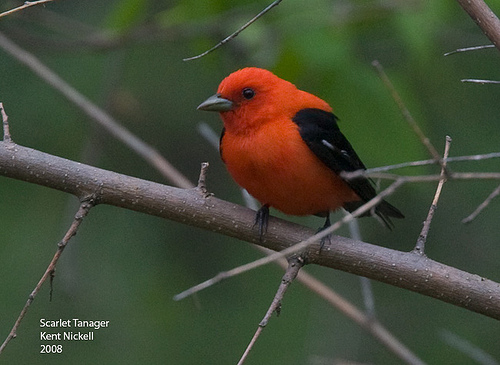
Scarlet Tanager (Piranga olivacea) by Kent Nickell
The family starts off with 11 Tanagers in the Piranga genus, which used to be in with the tanagers, but were relocated here recently. “They are essentially red, orange or yellow all over, except the tail and wings and in some species also the back. Such extensive lipochrome coloration (except on the belly) is very rare in true tanagers, but is widespread among the Cardinalidae in the Piranga genus.
These songbirds are found high in tree canopies, and are not very gregarious in their breeding areas. Piranga species pick insects from leaves, or sometimes in flight. They will also take some fruit. Several species are migratory, breeding in North America and wintering in the tropics.”
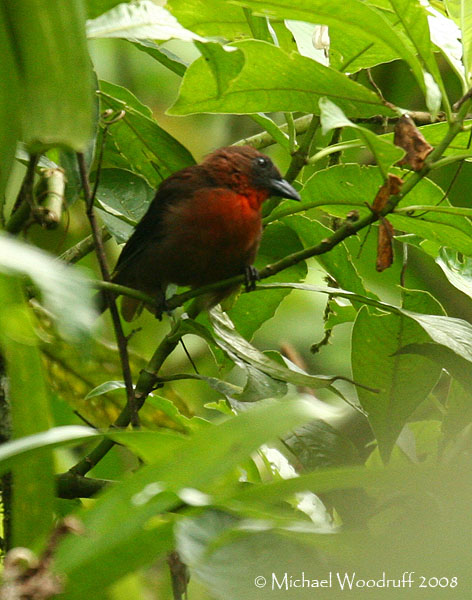
Red-throated Ant Tanager (Habia fuscicauda) by Michael Woodruff
Next are the Ant Tanagers in the Habia genus. “These are long-tailed and strong billed birds. The males have a red crest and plumage containing red, brown or sooty hues. Females may resemble the males or be largely yellowish or brown in colour.” Following these are four more tanagers in the Chlorothraupis genus. These are the last of the tanagers that were moved to this family.
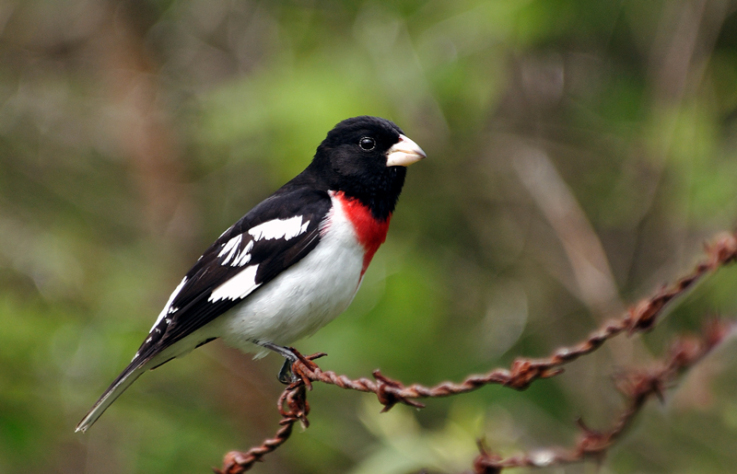
Rose-breasted Grosbeak (Pheucticus ludovicianus) by Rob Fry
The next genus, Pheucitcus has six Grosbeaks. Typical of the genus, they lay two to five pale bluish to greenish eggs with heavy brown and gray speckling. The cup nest is built at medium height in a bush or small tree.” (Wikipedia)
There are three Chats in the Granatellus genus; Red-breasted Chat, Grey-throated Chat, and the Rose-breasted Chat. They range from North America through Central America into northern South America. Their natural habitat is subtropical or tropical dry forests.
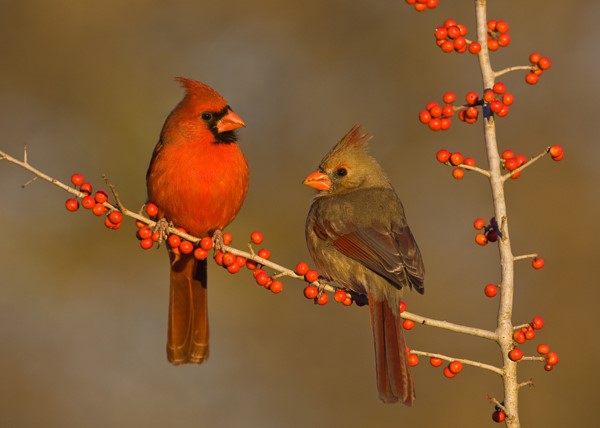
We will finish this first half of the family with three of my favorites, the Cardinalis genus. Our Northern and Vermilion Cardinals and the Pyrrholixia (which I saw for the first time last year) are hard to miss with their bright set of feathers the Lord provided for them. These range across North America and into northern South America.
“He answered and said unto them, When it is evening, ye say, It will be fair weather: for the sky is red.” (Matthew 16:2 KJV)
This slideshow requires JavaScript.
“Come now, and let us reason together, saith the LORD: though your sins be as scarlet, they shall be as white as snow; though they be red like crimson, they shall be as wool.” (Isaiah 1:18 KJV)
“Written in Red” – Faith Baptist Choir and Orchestra
For God so loved the world, that he gave his only begotten Son, that whosoever believeth in him should not perish, but have everlasting life. For God sent not his Son into the world to condemn the world; but that the world through him might be saved. He that believeth on him is not condemned: but he that believeth not is condemned already, because he hath not believed in the name of the only begotten Son of God. And this is the condemnation, that light is come into the world, and men loved darkness rather than light, because their deeds were evil. (John 3:16-19 KJV)
“O LORD, thou art my God; I will exalt thee, I will praise thy name; for thou hast done wonderful things; thy counsels of old are faithfulness and truth.” (Isaiah 25:1 KJV)
Creation Moments Had This To Say About The Age Old Question?
CHICKEN OR EGG – WHICH CAME FIRST?
“And God blessed them, saying, Be fruitful, and multiply, and fill the waters in the seas, and let fowl multiply in the earth.” (Genesis 1:22)
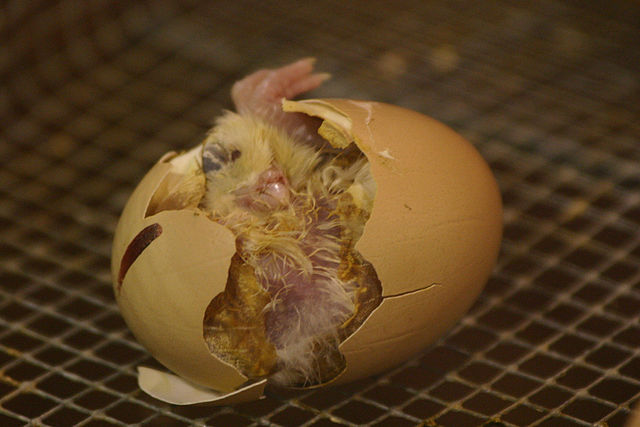
Which came first – the chicken or the egg? Well, I’m happy to report that this age-old dilemma has finally been solved. It was the chicken that came first – something that creationists have known all along. After all, the Bible tells us that God created every winged fowl and gave them the ability to reproduce after their kind.
Though atheistic evolutionists don’t look for answers in the Bible, they have now come to the same conclusion as those of us who do take the Bible seriously. According to a news item in the U.K.’s DailyMail, “Researchers found that the formation of egg shells relies on a protein found only in a chicken’s ovaries. Therefore, an egg can exist only if it has been inside a chicken.”
The article adds that the OC-17 protein acts as a catalyst to speed up the development of the shell. This hard shell is essential to house the yolk and its protective fluids while the chick develops inside.
Professor John Harding, an evolutionist from Sheffield University’s Department of Engineering Materials, predictably left God out of the picture when he said, “Nature has found innovative solutions that work for all kinds of problems in materials science and technology – we can learn a lot from them.”
Professor Harding, the only reason why we find innovative solutions in nature for all kinds of problems is because nature itself reflects the creative genius of its Creator!
Prayer: Heavenly Father, I pray that You will remind me of today’s Creation Moment whenever the conversation I’m having turns to the question of which came first – the chicken or the egg? In Jesus’ Name. Amen.
This was today’s Creation Moment article. Oh, my! Took the scientist long enough to figure out the truth.
Because that which may be known of God is manifest in them; for God hath shewed it unto them. For the invisible things of him from the creation of the world are clearly seen, being understood by the things that are made, even his eternal power and Godhead; so that they are without excuse: Because that, when they knew God, they glorified him not as God, neither were thankful; but became vain in their imaginations, and their foolish heart was darkened. Professing themselves to be wise, they became fools, (Romans 1:19-22 KJV)






 Lee's Birdwatching Adventures Plus