***

THINE EYE BE SINGLE
***
“The light of the body is the eye: if therefore thine eye be single, thy whole body shall be full of light.” (Matthew 6:22 KJV)
Blue-necked Tanager (Tangara cyanicollis) ©Flickr Andres Cuervo
*
*
“The light of the body is the eye: if therefore thine eye be single, thy whole body shall be full of light.” (Matthew 6:22 KJV)
Blue-necked Tanager (Tangara cyanicollis) ©Flickr Andres Cuervo
*
*

Magellanic Penguin (Spheniscus magellanicus) ©Globo TV
Dr. Jim sent this article to me today and I thought we would work it up. After checking online, there were quite a few news articles about Dindim the Magellanic Penguin and his rescuer. Here is the article:
 Today’s most heartwarming story is brought to you from a beach in Brazil.
It’s the story of a South American Magellanic penguin who swims 5,000 miles each year to be reunited with the man who saved his life.
Retired bricklayer and part time fisherman Joao Pereira de Souza, 71, who lives in an island village just outside Rio de Janeiro, Brazil, found the tiny penguin, covered in oil and close to death,
lying on rocks on his local beach in 2011. Joao cleaned the oil off the penguin’s feathers and fed him a daily diet of fish to build his strength. He named him Dindim.
After a week, he tried to release the penguin back into the sea. But, the bird wouldn’t leave. ‘He stayed with me for 11 months and then, just after he changed his coat with new feathers, he disappeared,’ Joao recalls.
And, just a few months later, Dindim was back. He spotted the fisherman on the beach one day and followed him home.

The prodigal penguin returns. Magellanic Penguin (Spheniscus magellanicus) ©Globo TV
Look who’s back
For the past five years, Dindim has spent eight months of the year with Joao and is believed to spend the rest of the time breeding off the coast of Argentina and Chile. It’s thought he swims up to 5,000 miles each year to be reunited with the man who saved his life.

Dindim the Magellanic Penguin ©Globo TV
‘I love the penguin like it’s my own child and I believe the penguin loves me,’ Joao told Globo TV. ‘No one else is allowed to touch him. He pecks them if they do. He lays on my lap, lets me give him showers, and allows me to feed him sardines and to pick him up. It’s thought Dindim believes the fisherman is also a penguin ‘Everyone said he wouldn’t return but he has been coming back to visit me for the past four years. He arrives in June and leaves to go home in February and every year he becomes more affectionate as he appears even happier to see me.’
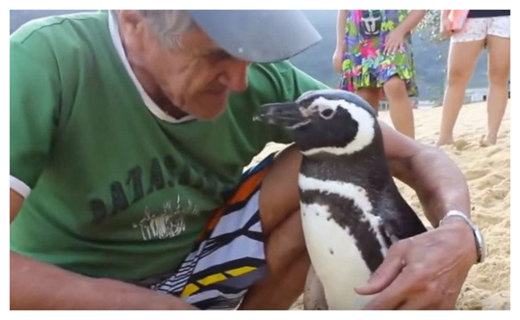
Magellanic Penguin (Spheniscus magellanicus) ©Globo TV
But I trust I shall shortly see thee, and we shall speak face to face. Peace be to thee. Our friends salute thee. Greet the friends by name. (3 John 1:14 KJV)
Biologist Professor Krajewski, who interviewed the fisherman for Globo TV, told The Independent: ‘I have never seen anything like this before. I think the penguin believes Joao is part of his family and probably a penguin as well. ‘When he sees him he wags his tail like a dog and honks with delight. And, just like that, the world seems a kinder place again.
*
You might want to check out these articles as some of them have videos of these two.
Penguins belong to the SPHENISCIFORMES Order, the Penguins – Spheniscidae Family.
*

“And it came to pass in the six hundredth and first year, in the first month, the first day of the month, the waters were dried up from off the earth: and Noah removed the covering of the ark, and looked, and, behold, the face of the ground was dry.” (Genesis 8:13 KJV)
Philippine Hawk-Eagle (Nisaetus philippensis) ©Flickr Billy Lopue
*
*
“And Cornelius said, Four days ago I was fasting until this hour; and at the ninth hour I prayed in my house, and, behold, a man stood before me in bright clothing,” (Acts 10:30 KJV)
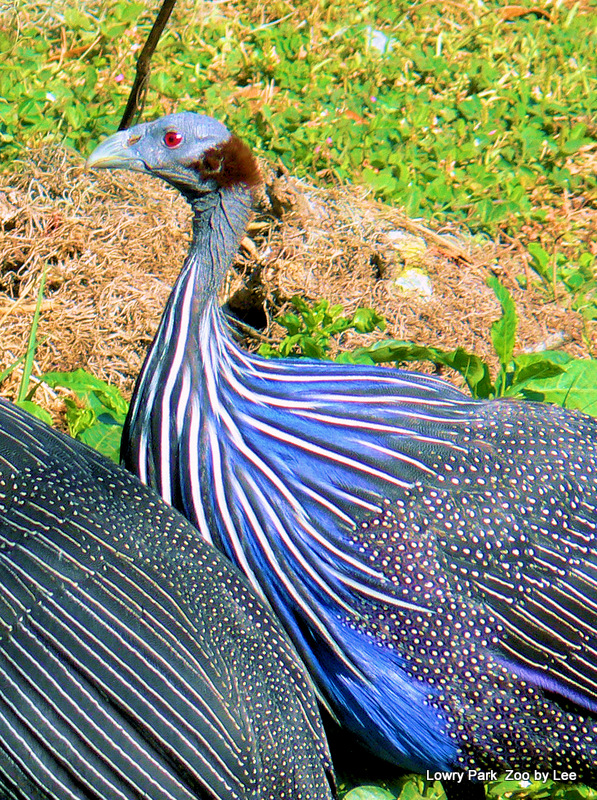
Vulturine Guineafowl (Acryllium vulturinum) by Lee
*
*

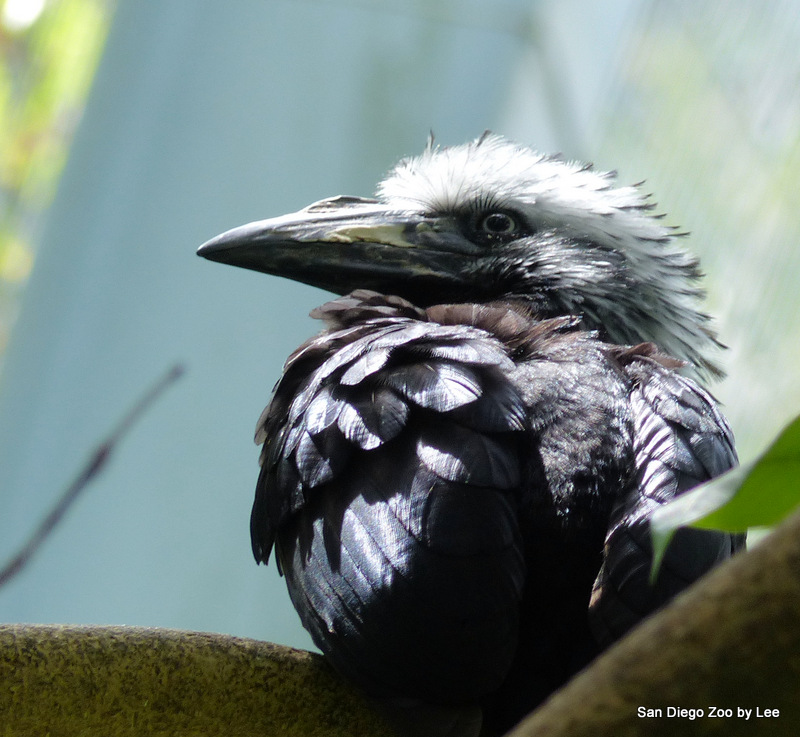
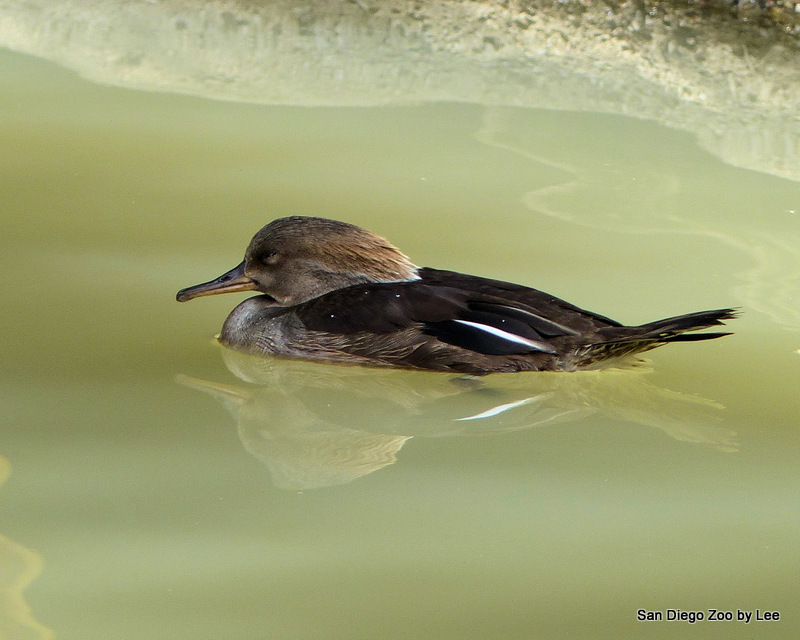
White-crested Hornbill (Horizocerus albocristatus albocristatus ) SD Zoo
The LORD is my rock, and my fortress, and my deliverer; my God, my strength, in whom I will trust; my buckler, and the horn of my salvation, and my high tower. (Psalms 18:2 KJV)
Last year Dan and I made our coast to coast trip. Our five-week trip enabled us to go to the San Diego Zoo for two days. That was definitely on my “Bucket List” for that trip. Since we haven’t been able to do much birdwatching this year, I thought I would finally get around to doing some more articles about that fantastic trip.
Actually, I got discouraged with my pictures and sort of “gave up.” It wasn’t the pictures fault, it was mine. I had recently updated my photography software to an improved one. (Dan’s hand me down copy) As I have stated many times before, I am a birdwatcher, not a photographer. Dan is our great photographer with the nice camera and fancy lenses. Me, I shoot in “program” mode, but, I shoot 5-10 times more photos than Dan. Dan waits for the perfect shot or the right angle. Me? If it’s a bird, I shoot it before it can get away. Anyway, the software frustrated me and at the same time, a program I have been using for years to “shrink” my photos for the blog, was no longer available.
Thus, these photos have been sitting on my hard drive waiting for me to do something with them. Now that I understand the software better, and I now know how to “shrink” them, it’s time to bring them out of hiding.

White-crested Hornbill (Horizocerus albocristatus albocristatus) SD Zoo Day 1
Another big encouragement I received lately was a series of tips from a photographer whose site I follow. He is at Victor Rakmil Photography. My favorite one, that encouraged me, was the one about a squirrel. It had to do with “cropping.” I always cropped my photos at the end, but he said to start there first. Simple, but it made sense. The photos in this article were cropped and then fixed up a bit.
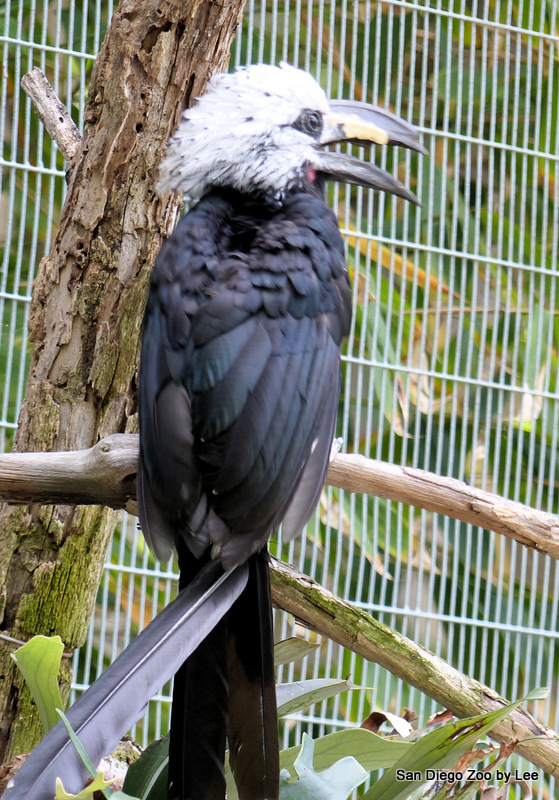
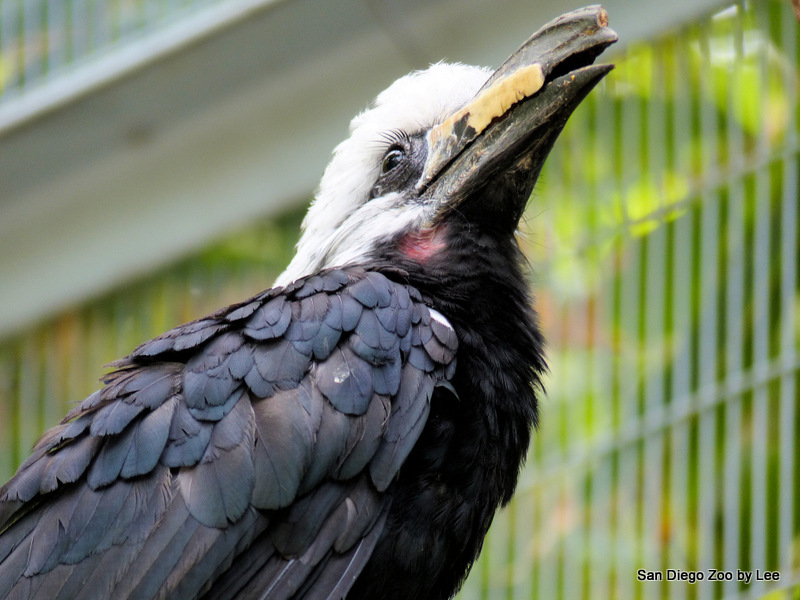
Buco White-crested Hornbill (Horizocerus albocristatus albocristatus) SD Zoo
The White-crested Hornbill was my first attempt at this and I threw a few other photos in. Trust you enjoy them.
Back to this West African Long-tailed Hornbill. This is what the San Diego Zoo calls it, but it is actually a White-crested Hornbill subspecies (Tropicranus albocristatus albocristatus). They are from Guinea to the Ivory Coast. Length “70cm. Elongate, slender hornbill with a very long graduated tail. Predominately black but with bushy white crest extending from forecrown to nape, and white face. The relatively slender black bill with cream upper mandible has a casque that extends for most of its length.” (Birdlife.org) To see a really great photo of this bird, CLICK HERE. They live primarily in forest with dense tangles. Also in tall gallery and secondary forest.
Here is a recording of a White-crested Hornbill by xeno-canto.org
White-crested Hornbill (Tropicranus albocristatus albocristatus) is from the Bucerotidae (The Hornbill kind) See Avian Kinds on the Ark – What Is A Kind?
“Feeds mainly on insects but takes also spiders, slugs, lizards, snakes, nestlings and shrews and also fruit which is taken from the ground. Often follows driver-ants, bird groups or monkeys to hawk for insects disturbed by them. Little known about breeding. The nest is placed in a natural cavity in a tree or palm stump. The female seals the entrance with its own droppings. Lays 2 eggs.” (BirdForum.net)
He hath dispersed, he hath given to the poor; his righteousness endureth for ever; his horn shall be exalted with honour. (Psalms 112:9 KJV)





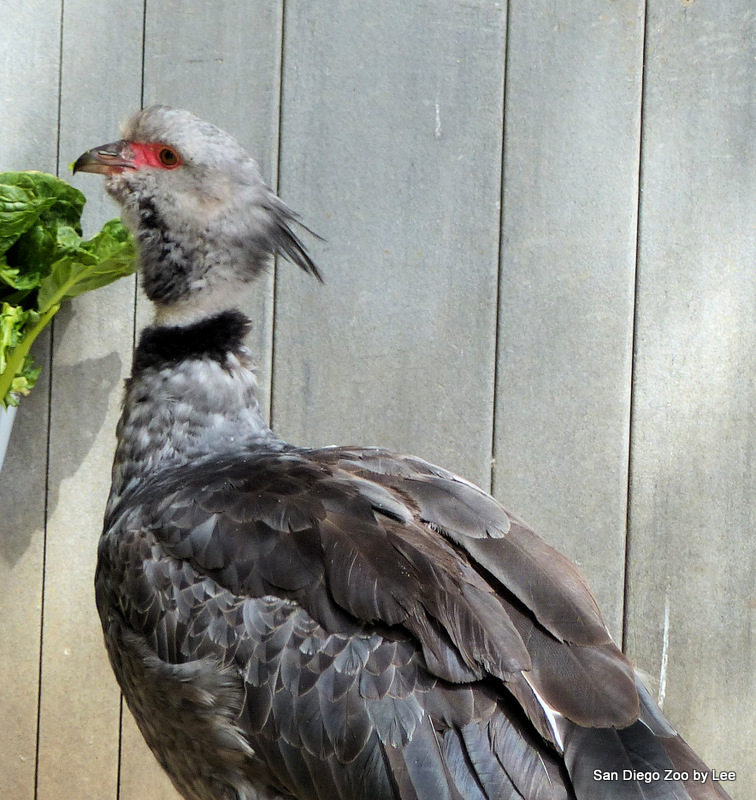

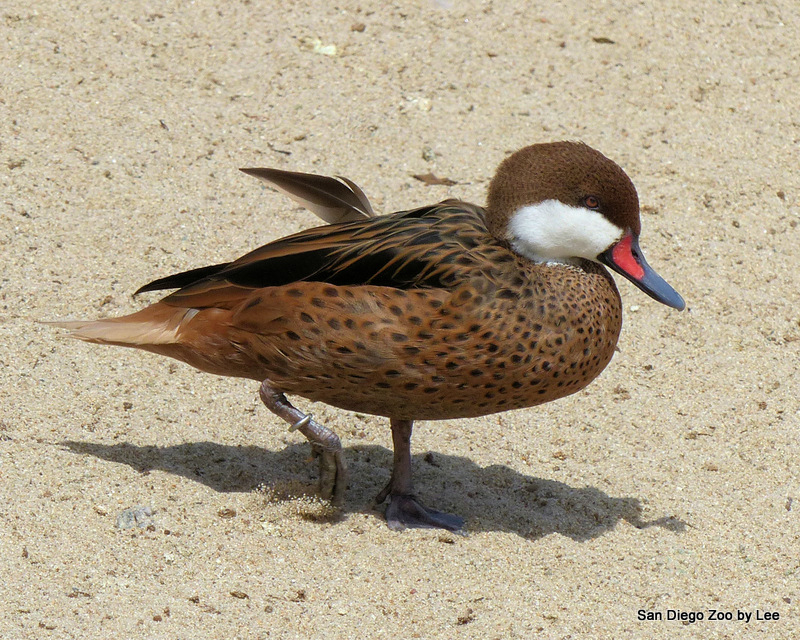
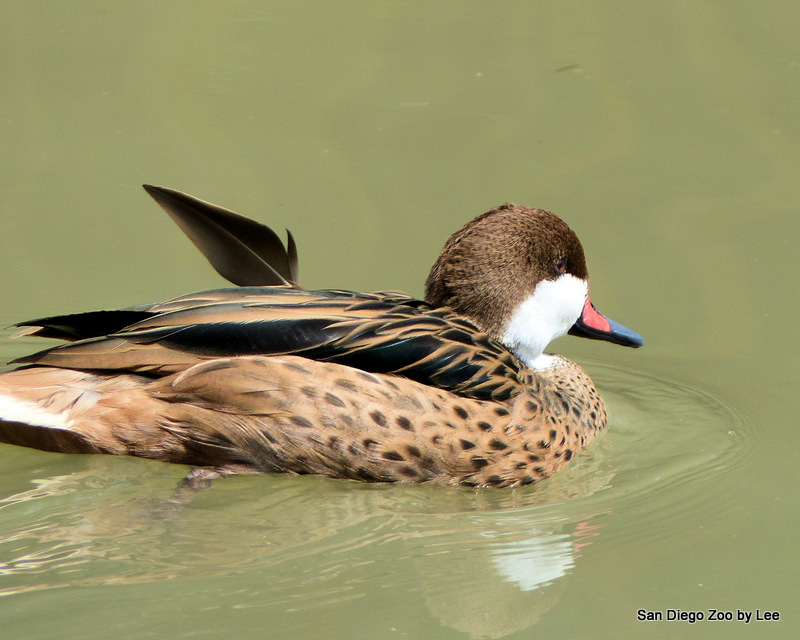
*
“And it is a rare thing that the king requireth, and there is none other that can shew it before the king, except the gods, whose dwelling is not with flesh.” (Daniel 2:11 KJV)
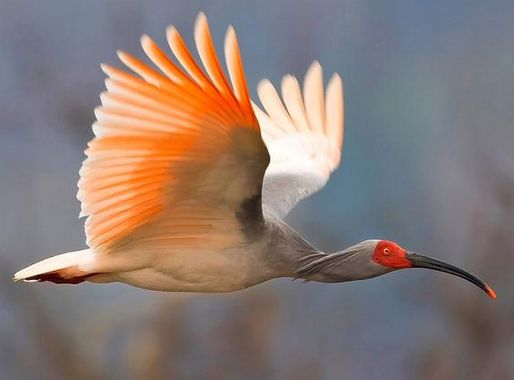
Crested Ibis (Asian) (Nipponia nippon) One of Rarest Birds ©©Pinterest
*
*
Newsletter – 7/09/16
More like bird of the month at the moment, I regret. Slovakia is famous for its raptors so they, along with owls and woodpeckers, were my primary target there with my sister Gillian in June. We did get to see the most interesting ones: Eastern Imperial Eagle, Golden Eagle, Lesser Spotted Eagle, and Saker and Peregrine Falcon, but they were very shy and I had little success with their photography. I suspect it was because deer hunting is popular there – we saw many hides used by hunters – but perhaps also because it was the breeding season.
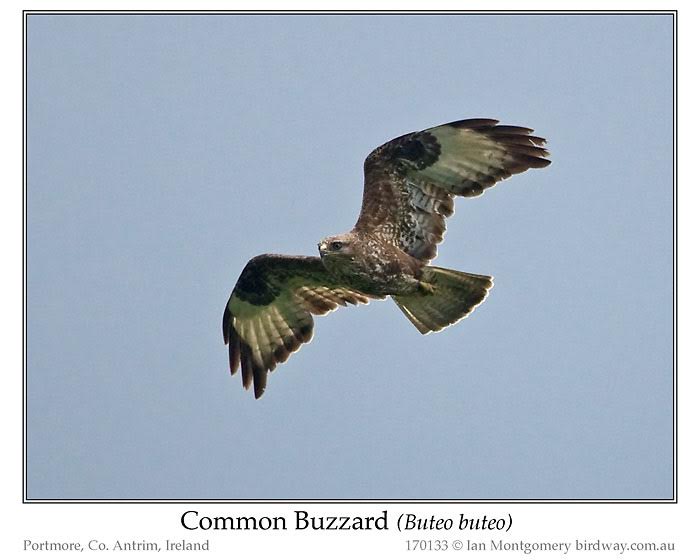
Ironically, I had more luck with raptors when we returned to Ireland. When I was a teenager there in the 1960s, Ireland was probably one of the worst countries in the world for raptors. All the larger and mid-size ones (Eagles, Buzzards, Harriers, etc) had been exterminated in the 19th and early 20th century, and some of the smaller ones like Peregrines and Sparrowhawks were rare as result of widespread use of pesticides such as DDT, the Silent Spring phenomenon. So the Common Kestrel was the only species that one saw regularly.
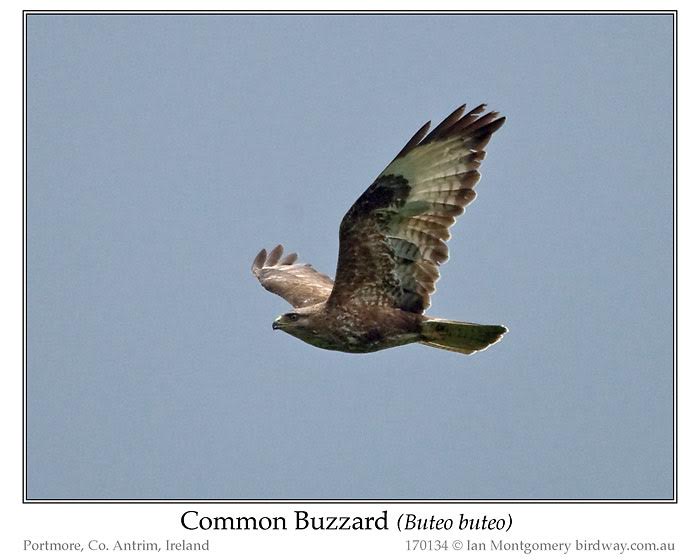
Things have improved since as a result of the banning of the most persistent pesticides, the re-introduction of some species and natural recolonisation by one species. I’ll deal with a re-introduction next time, but here is the recoloniser, the Common Buzzard which became extinct in Ireland in 1891. It recolonised Rathlin Island on the far north coast of Ireland twice, once in the 1930s and again after it became extinct a second time as the result of the myxomitosis rabbit-killing epidemic in the 1950s. Rathlin Island is a mere 30km/20miles from the Mull of Kintyre in Scotland, no distance for able-bodied young Buzzards in search of a territory.
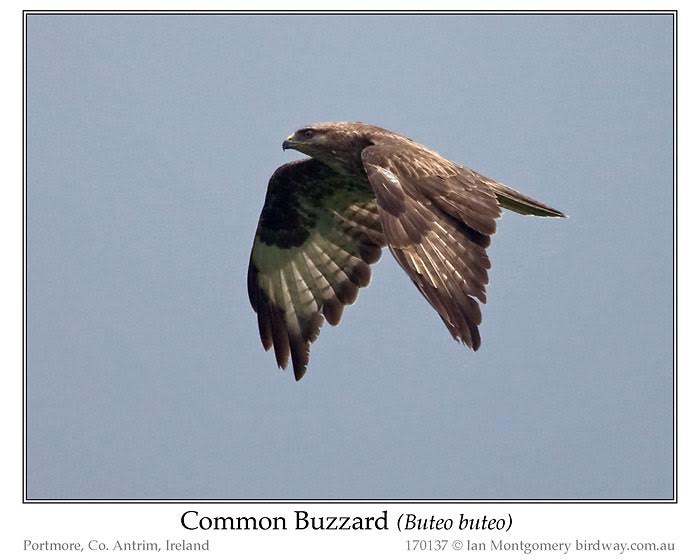
Rathlin Island is also about as far as you can get in Northern Ireland from the Irish Republic, where strychnine was legally used to poison ‘pests’ by sheep farmers until it was outlawed in 1991. Far be it from me to jump to conclusions, but it seems a huge coincidence that the subsequent spread of the Common Buzzard to almost the whole of Ireland didn’t start until the 1990s and continues to this day. I saw my first Irish one in 1994 in Co. Louth just south of the border with Northern Ireland. Since then, its range extension has been spectacular. It is now, if not the commonest, certainly the easiest raptor to see in Ireland either soaring over fields or perched on light poles near Motorways. In 2015 it bred in at least 18 of the 32 counties. It is still uncommon in the west of Ireland, west of a line from about Sligo to Cork, though I did see one in Bantry, West Cork on this trip.
The bird in the photos did, unlike its Slovakian counterparts, an obliging fly-past when we visited the RSPB reserve at Portmore Lough. This was on the day after our return to Ireland, when we were staying with cousins at nearby rural Ballinderry in Northern Ireland. Portmore Lough, better known for its wildfowl and nesting Common Terns and Black-headed Gulls (they nest on the floating platform provided for their benefit, just visible behind the reeds in the photo), is an interesting place in its own right. It’s a shallow, almost circular lake perhaps 2km across and about the same distance from Lough Neagh, the largest lake in Ireland. Rumour has it that it was formed by an air-burst meteor or a meteorite about 1500 years ago.

Actually, the real reason for my trip to Europe was not raptors or Slovakia but the marriage of my sister Gillian’s son Ian at Huntington Castle in Co. Carlow to his fiancée Sinéad. Huntington Castle was ‘rebuilt’ in 1625, captured by Oliver Cromwell in 1650. It is, presumably, the subject of an ancient tune by the same name (I have a copy of a Scottish version dating from 1795) that I knew already from as a duet that we play on recorders in Townsville. The photo shows me playing it on a tenor recorder during the signing of the register and being watched very intently by my one year old great-nephew Loïc sitting on the lap of his mother Jeannine, one of nephew Ian’s two sisters. His other sister Elyena took the photo and my sister Gillian is holding the sheet music in the form of my iPad, a great family occasion.
What has Huntington Castle to do with Buzzards? Well, just as the celebrant was starting the ceremony and saying that the wedding date was the sixth anniversary of the couple’s meeting, a pair of Common Buzzards circled very deliberately just overhead. I, naturally, took that as a sign of a natural blessing on the wedding and like to think of the pair of birds as a totem of the married couple. Birds are frequently totems in Aboriginal Culture and, as I write, it is currently NAIDOC week in Australia, a time to celebrate Aboriginal and Torres Strait Islander history, culture and achievements.
Greetings (from back home in North Queensland)
Ian
Lee’s Addition”
“And these you shall regard as an abomination among the birds; they shall not be eaten, they are an abomination: the eagle, the vulture, the buzzard,” (Leviticus 11:13 NKJV)
Not exactly sure why Ian added the third picture twice in his newsletter, but I deleted it. If he later updates it, I’ll correct this one. Anyway, seems as if Ian has been having too much fun lately. As he said, his Bird of the “Week” is turning into the Bird of the “Month.” I totally understand, so, he is off the hook, as far as I’m concerned.
Nice article and glad you got to attend the wedding. Thanks for the photo of you playing your recorder. The Common Buzzards were of course great as usual.
Ian’s Bird of the Week Newsletters
“And withal they learn to be idle, wandering about from house to house; and not only idle, but tattlers also and busybodies, speaking things which they ought not.” (1 Timothy 5:13 KJV)
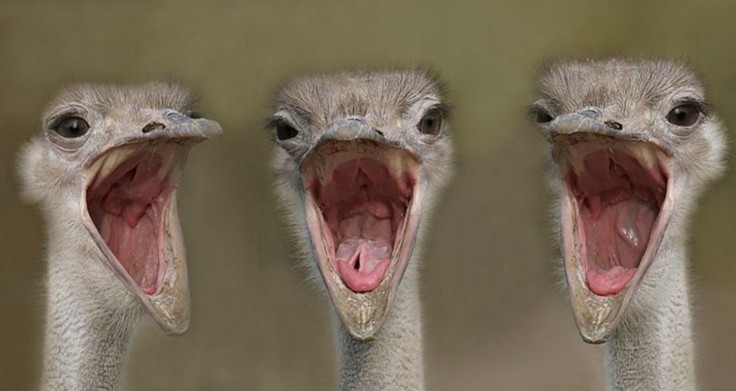
Baby Ostritches ©AnimalWallXYZ
*
*
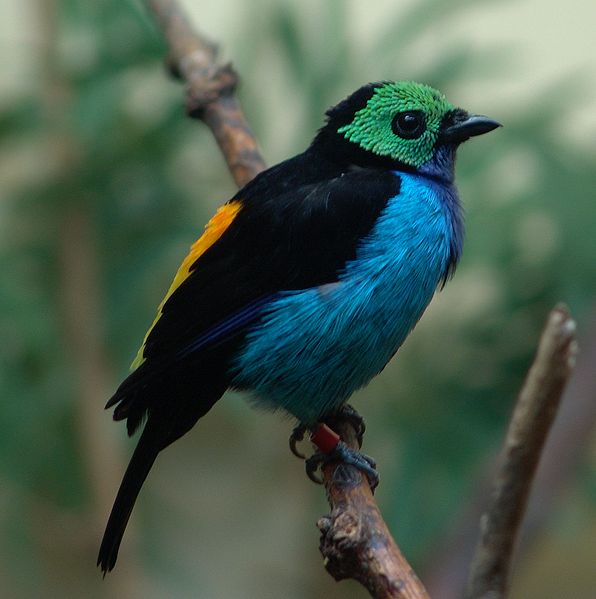
Paradise Tanager (Tangara_chilensis) -DenverZoo-WikiC
And Jesus said unto him, Verily I say unto thee, To day shalt thou be with me in paradise. (Luke 23:43 KJV)
This week, you are only going to meet those Tanagers that belong to one Genus. Why? Because there are around 50 of them and they are beautiful. The Lord created these beauties, and through their breeding, many varieties are available for us to enjoy. The genus featured today are those with Tangara as the first part of their scientific name. One of my favorites is the one above (actually all of them are). You might think an artist worked on these birds. Well, actually, He Did! “I know all the fowls of the mountains: and the wild beasts of the field are mine.” (Psalms 50:11 KJV)
Well, let’s get started looking at and learning about these lovely avian wonders.
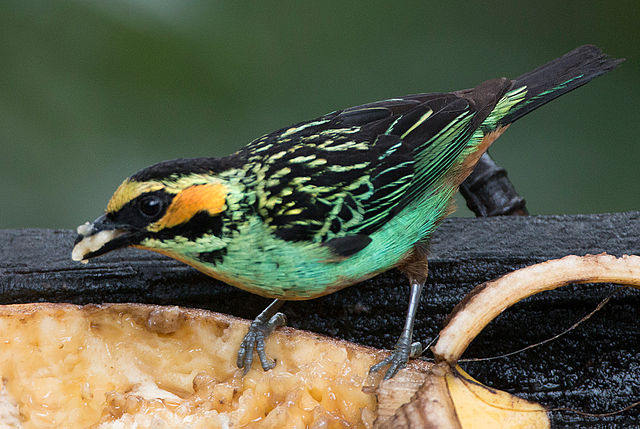
Golden-eared Tanager (Tangara chrysotis) ©WikiC
Tangara is a large genus of birds of the tanager family. It includes about 50 species, but as currently defined the genus is polyphyletic. All are from the Neotropics, and while most are fairly widespread, some have small distributions and are threatened. They are fairly small, ranging in size from 11.5–15 centimetres (4.5–5.9 in). This genus includes some of the most spectacularly colored birds of the world.
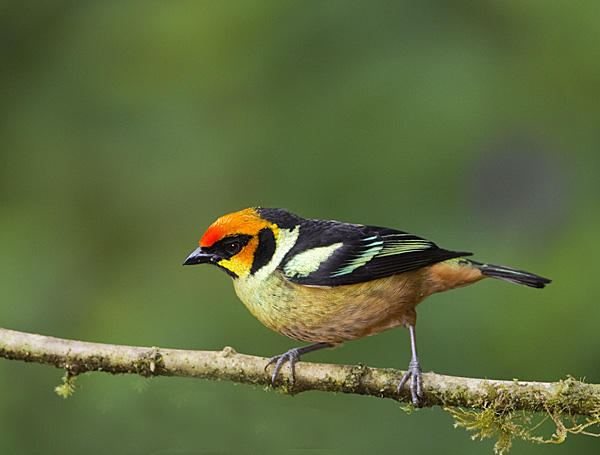
Flame-faced Tanager (Tangara parzudakii) ©WikiC
These tanagers are mainly found high in forest canopies, but some occupy more open habitat. They are found at all elevations below tree line but are most diverse in the Andean subtropical and foothill forests of Colombia, Ecuador and Peru.
The female builds a usually well concealed cup nest and lays two brown- or lilac-speckled white eggs. These hatch in 13–14 days and the chicks fledge in a further 15–16 days. The male and female feed the nestlings on insects and fruit, and may be assisted by helpers.
Tangara tanagers pick insects from leaves, or sometimes in flight, but fruit is a major dietary item, accounting for 53-86% of food items in those species which have been studied. (Information from Wikipedia Tangara)
And they sing the song of Moses the servant of God, and the song of the Lamb, saying, Great and marvellous are thy works, Lord God Almighty; just and true are thy ways, thou King of saints. (Revelation 15:3 KJV)
“El Shaddai” ~ by Nell Reese
*
Sunday Inspiration – Thraupidae – Tanagers and Allies I
Sunday Inspiration – Thraupidae – Tanagers and Allies II
Sunday Inspiration – Thraupidae – Tanagers and Allies III
Traupidae Family – Tanagers and Allies
*
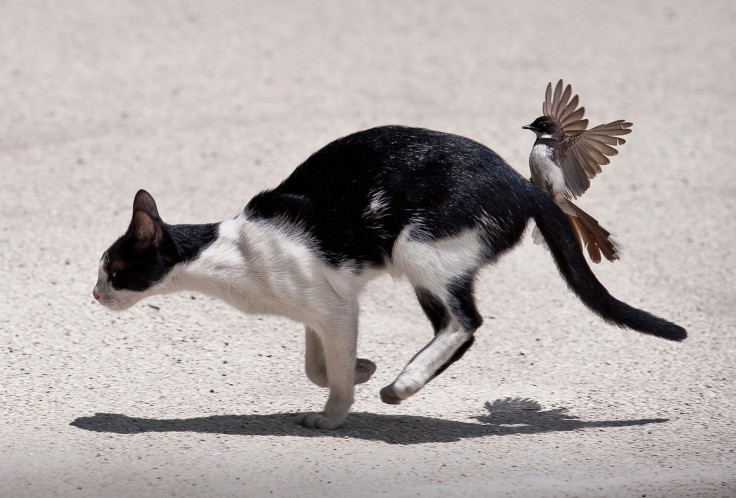
“And ye shall chase your enemies, and they shall fall before you by the sword.” (Leviticus 26:7 KJV)
Cat’s Angry Bird ©Animalwall.XYZ
*
*

They Came By Pairs – Green-winged Teal (Anas carolinensis) ©WikiC
And of every living thing of all flesh, two of every sort shalt thou bring into the ark, to keep them alive with thee; they shall be male and female. Of fowls after their kind, and of cattle after their kind, of every creeping thing of the earth after his kind, two of every sort shall come unto thee, to keep them alive. And take thou unto thee of all food that is eaten, and thou shalt gather it to thee; and it shall be for food for thee, and for them. Thus did Noah; according to all that God commanded him, so did he. (Genesis 6:19-22 KJV)
When Noah was preparing the Ark, he was informed that the animals and birds (fowls) after their kinds would come to him to keep them alive. Again, notice in Genesis 7:1-3 that the clean beast and the birds (fowls) all come by sevens (pairs) also. Clean or unclean, the birds came by seven pairs. There is no distinction made with them.
And the LORD said unto Noah, Come thou and all thy house into the ark; for thee have I seen righteous before me in this generation. Of every clean beast thou shalt take to thee by sevens, the male and his female: and of beasts that are not clean by two, the male and his female. Of fowls also of the air by sevens, the male and the female; to keep seed alive upon the face of all the earth. (Genesis 7:1-3 KJV)
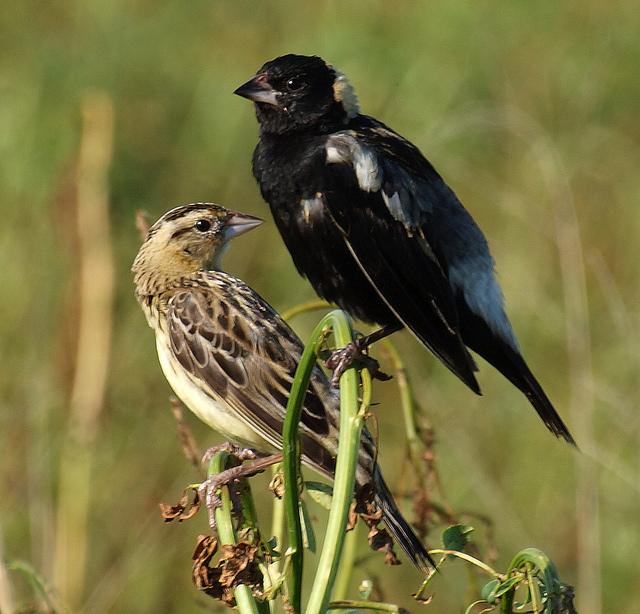
Bobolink (Dolichonyx oryzivorus) ©© Pair ramendan
In Birds of the Bible – Foundation #3 Updated, I made this remark “Noah did not have to round up the animals, they came to him. Because not every animal we see today came on board but the main kinds (for instance the “bird kinds” may have had a “warbler kind” but not have black and white warblers, yellow-rumped warblers, hooded warbler, etc.), which ever ones they were, there was plenty of room for them. I have an idea that because the LORD sent the animals, birds, and critters, that their DNA’s were of the highest quality. (That is my opinion)”
At the time that comment was made, I was not aware of this article from Dr. Jean Lightner, about the Avian Ark Kinds. This series is based on her’s and other’s research into the Avian Kinds that came on board the ark.
“Kinds” or created kinds are called “baramins” and they used different methods to try to find the original kinds. This part of her article is rather technical, and honestly, I don’t understand some of the terms and methods discussed. Yet, the findings, is what I would like to share with you. Those, we can understand. (You can read her article HERE)
Most of us are aware that the many variety of dogs we see today came from an original “dog kind.” No matter how much interbreeding they do, the results are still dog kinds. Cats and dogs don’t interbreed, so no evolution is involved. Variation within the dog kind has occurred, just as it has in the “bird kinds”. In the Bird Kinds, they have come up with approximately 196 putative bird kinds and most of those break down to our modern-day Families in our taxonomy. Yet, in the I.O.C. their are 239 families and two Incertae Sedis families which make 241 families. The next articles will show how those Families compare to today’s families.
By the way, my math was off in that first article. I forgot the two Incertae Sedis Families. That makes for 45 extra families to account for.

Mountain Bluebird, male (R)- female (L) ©Mickey Barnes / from Birds & Blooms
Two quotes from Dr. Lighner’s article: “There is tremendous variety seen today in animal life as creatures have multiplied and filled the earth since the Flood (Genesis 8:17). In order to identify which modern species are related, being descendants of a single kind, interspecific hybrid data is utilized. When hybrid data is lacking, a cognitum approach is preferred; this identifies natural groupings based on human cognitive senses. Generally the cognitum at the family level (which is usually fairly strong) is preferred when hybrid data is lacking, though obvious cognita surrounding this level are noted.” (emphasis mine)
“As in mammals and amphibians, the state of avian taxonomy is in flux. Despite the ideal of neatly nested hierarchies in taxonomy, it seems groups of birds are repeatedly “changing nests.” This is partially because where an animal is placed depends on which characteristics one chooses to consider. While many had thought that molecular data would resolve these issues, in some cases it has exacerbated them.”
One thing we can see from all this. We will never know exactly who, what, or which one belongs to this family or that order or kind until we reach heaven and ask their Creator.
Let them praise the name of the LORD: for he commanded, and they were created. (Psalms 148:5 KJV)
*
Avian Kinds on the Ark – Introduction
Birds of the Bible – Foundation – The Ark
Birds of the Bible – Foundation #3 Updated
An Initial Estimate of Avian Ark Kinds,
*
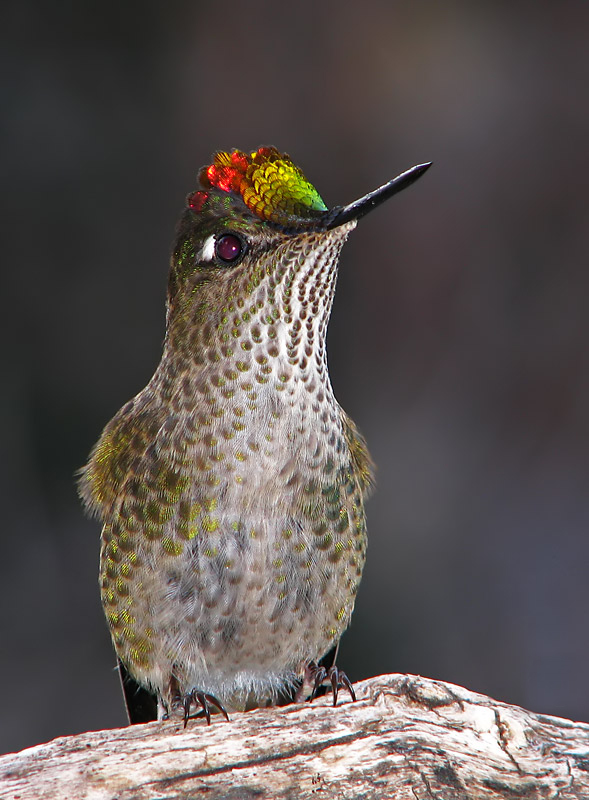
Green-backed Firecrown (Sephanoides sephaniodes) ©WikiC
For You meet him with the blessings of goodness; You set a crown of pure gold upon his head. (Psalms 21:3 NKJV)
A few days ago, I used this photo for one of our Daily Devotionals, Lee’s Two Word Tuesday. It is such a beautiful creation from the Lord, that I wondered what I could find out about it and where it is from. So, here is what I discovered:
The firecrowns are the genus Sephanoides of the hummingbirds. There are two species. They are members of the Trochilidae – Hummingbird Family.
Green-backed firecrown, Sephanoides sephaniodes
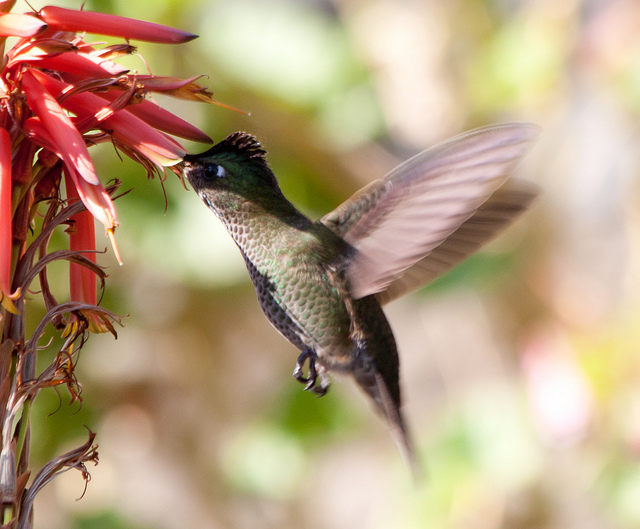
Green-backed Firecrown (Sephanoides sephaniodes) ©Flickr Flavio Camus
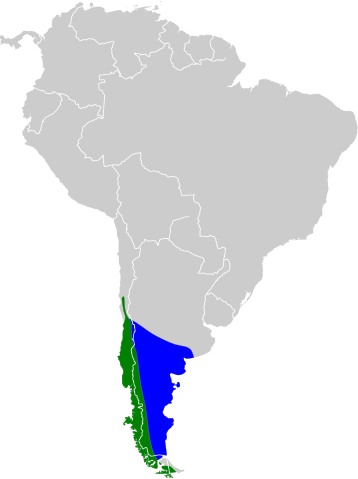
The Green-backed Firecrown (Sephanoides sephaniodes) occurs widely in Argentina and Chile and Isla Róbinson Crusoe, one of a three-island archipelago belonging to Chile. This Firecrown seasonally migrates to the mainland. Both species will hang from flower petals or leaves with their feet. They feed on nectar and insects.
“This compact bird has a short bill and tail, overall dark green plumage with whitish-gray underparts, and males possess a namesake glowing orange-red crown patch. These birds are highly territorial and often badger wayward trespassing birds as large as caracaras.” (Neotropical Birds)
Juan Fernández firecrown, Sephanoides fernandensis
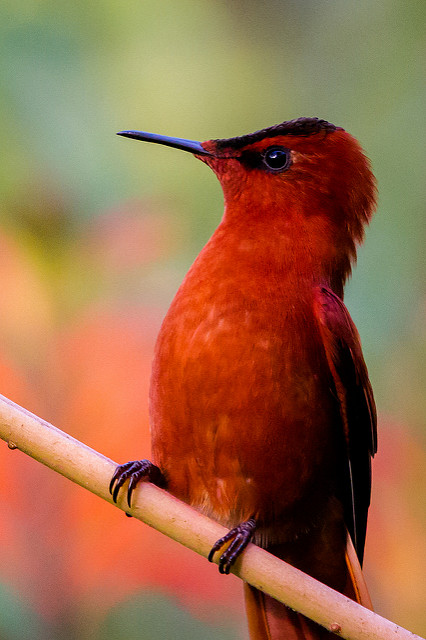
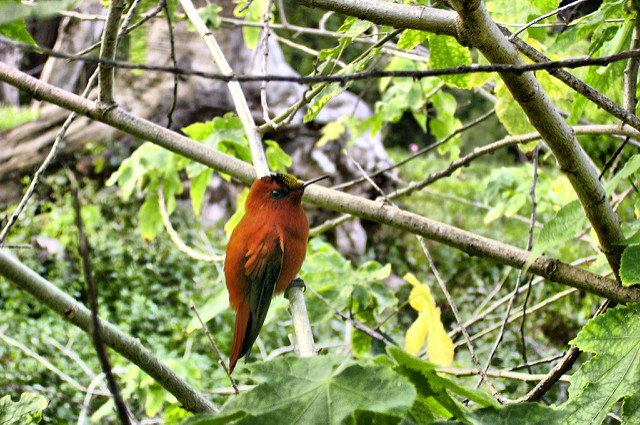
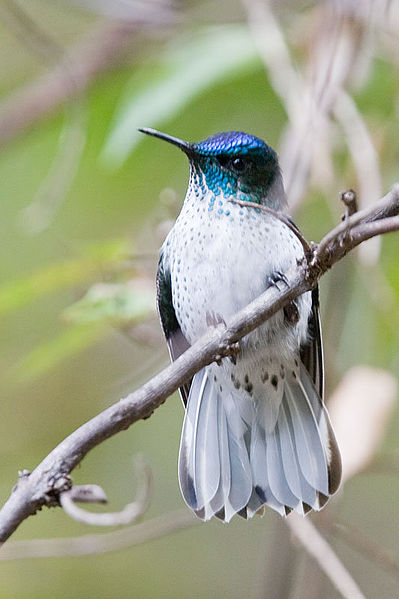
Juan Fernández Firecrown (Sephanoides fernandensis hembra) Subspecies ©Flickr Island Conservation
For what is our hope, or joy, or crown of rejoicing? Are not even ye in the presence of our Lord Jesus Christ at his coming? (1 Thessalonians 2:19 KJV)
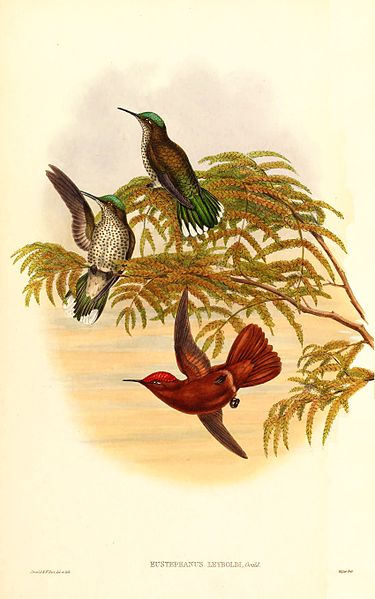
The Juan Fernández Firecrown (Sephanoides fernandensis) is a hummingbird that is found solely on Isla Róbinson Crusoe, one of a three-island archipelago belonging to Chile. It is 350 miles off the coast. It is non-migratory and shares the island with its smaller relative the Green-backed Firecrown.
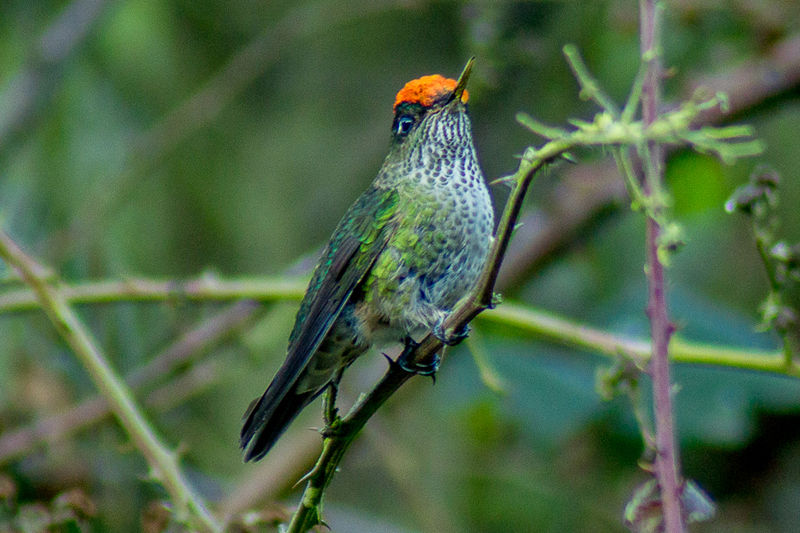
The Juan Fernández Firecrown arguably shows the greatest degree of sexual dimorphism found among hummingbirds. Unlike in most hummingbirds, where females simply lack the ornamental plumage of the males, in S. fernandensis they are also brilliantly-colored, but differ so much from males that in the 19th century they were thought to be different species until a nest was discovered with one of each sex.

Juan Fernandez Firecrown (Sephanoides fernandensis) ©WikiC
The male is 11.5–12 cm long and weighs 10.9 g. Its color is mostly cinnamon orange, excepting dark grey wings, black bill, and iridescent gold crown.

Juan Fernandez Firecrown (Sephanoides fernandensis) ©Flickr Island Conservation
The female is 10 cm long and weighs 6.8 g. Its underparts are white with a dappling of very small green and black areas; the crown is iridescent blue, and upperparts are blue-green.
(Information from Wikipedia)
*







Trochilidae – Hummingbird Family
Lee’s Two Word Tuesday – 7/5/16
Green-backed Firecrown – Wikipedia
Juan Fernández Firecrown – Wikipedia
 Lee's Birdwatching Adventures Plus