Bird of the Bible – Great Grey Owl

“Finally, brethren, whatsoever things are true, whatsoever things are honest, whatsoever things are just, whatsoever things are pure, whatsoever things are lovely, whatsoever things are of good report; if there be any virtue, and if there be any praise, think on these things.” (Philippians 4:8 KJV)

This video is great. If you do not chuckle, then you should.

“A merry heart doeth good like a medicine: but a broken spirit drieth the bones.” (Proverbs 17:22 KJV)

“The little owl, and the great owl, and the swan,” (Deuteronomy 14:16 KJV)

This Great Grey Owl is a “great owl” for sure. Love those eyes. “The Great Grey Owl or Great Gray Owl (Strix nebulosa) is a very large owl, documented as the world’s largest species of owl by length. It is distributed across the Northern Hemisphere, and it is the only species in the Strix genus found in both Eastern and Western Hemispheres. In some areas it is also called Phantom of the North, cinereous owl, spectral owl, Lapland owl, spruce owl, bearded owl, and sooty owl.’

“Adults have a large rounded head with a grey face and yellow eyes with darker circles around them. The underparts are light with dark streaks; the upper parts are grey with pale bars. This owl does not have ear tufts and has the largest facial disc of any raptor. There is a white collar or “bow tie” just below the beak. The long tail tapers to a rounded end.”

Great Grey Owl (Strix nebulosa) WikiC

Great Grey Owl (Strix nebulosa) WikiC

“In terms of length, the great grey owl is believed to exceed the Eurasian eagle-owl and the Blakiston’s fish owl as the world’s largest owl. The great grey is outweighed by those two species as well as several others, including most of the Bubo genus. Much of its size is deceptive, since this species’ fluffy feathers, large head and the longest tail of any extant owl obscure a body lighter than that of most other large owls. The length ranges from 61 to 84 cm (24 to 33 in), averaging 72 cm (28 in) for females and 67 cm (26 in) for males. The wingspan can exceed 152 cm (5 ft 0 in), but averages 142 cm (4 ft 8 in) for females and 140 cm (4 ft 7 in) for males. The adult weight ranges from 580 to 1,900 g (1.28 to 4.19 lb), averaging 1,290 g (2.84 lb) for females and 1,000 g (2.2 lb) for males. The males are usually smaller than females, as with most owl species.”

“They breed in North America from as far east as Quebec to the Pacific coast and Alaska, and from Finland and Estonia across northern Asia. They are permanent residents, although northerly populations may move south and southeast when food is scarce. In Europe, they are found breeding in Norway and Sweden and more numerously through Finland and Russia. Even though the species occurs in Europe, the first great grey owl recognized by science was found in Canada in the late 18th century.”

Information from Wikipedia with editing. See more about them: Great Grey Owl – Wikipedia

The Video was from Paul Dinning Wildlife.

The Owl is a bird that is mentioned in the Bible 10 times. [Leviticus 11:16, 17; Deuteronomy 14:15, 16; Psalm 102:6; Isaiah 34:11, 14, 15]

See:

Gideon

*

Birds Illustrated by Color Photography Move Finished

Snowy Egret in Breeding Plumage at Gatorland by Dan

Both Volume I and Volume II are completely moved to the Birds of the Bible for Kids blog. As best I could, all the links to photos, information and articles should be working properly. I am encouraging you to stop by and check out this latest volume.

Here is the rest of the latest blog over there:

I trust you will enjoy reading the articles. If you are not familiar with the Birds Illustrated by Color Photography, at the beginning of the index, they mention that the articles are written for the younger reader. Then, more information is given about the bird on a normal reading level. After that, I updated with current photos and information. Even though the original articles were produced in a magazine in 1897, they are worth repeating here.

Birds Illustrated by Color Photography Vol #1 – Complete covered the first Volume. Here is a list of the articles for Volume II. Please enjoy discovering interesting avian wonders from their Creator.

Volume 2, Number 1, July 1897

Wood Duck by Dan at Lake Hollingsworth

Wood Duck by Dan at Lake Hollingsworth [Real-not a painting]

Bird Song – July
The Bald-Headed Eagle
The Semi-Palmated Ring Plover
The Mallard Duck
The American Avocet
The Canvas-Back Duck
The Wood Duck
The Anhinga Or Snake Bird
The American Woodcock
The American Scoter
Old Abe
The Snowy Heron

Volume 2, Number 2, August 1897

Evening Grosbeak (Hesperiphona vespertina) male by Raymond Barlow

Evening Grosbeak (Hesperiphona vespertina) male by Raymond Barlow

Bird Song
The American Osprey
The Sora Rail
The Kentucky Warbler
The Red Breasted Merganser
The Yellow Legs
The Skylark
Wilson’s Phalarope
The Evening Grosbeak
The Turkey Vulture
To A Water-Fowl
Gambel’s Partridge

Volume 2, Number 3, September 1897

Ruby-crowned Kinglet (Regulus calendula) by BirdingPix

Ruby-crowned Kinglet (Regulus calendula) by BirdingPix

Bird Song – September
The Yellow Warbler
The Hermit Thrush
The Song Sparrow
The Cuckoo
The Ruby-Throated Humming Bird
The House Wren
The Phoebe
The Ruby-Crowned Kinglet
The Mourning Dove
How The Birds Secured Their Rights
The Captive’s Escape
The White-Breasted Nuthatch

Volume 2, Number 4, October 1897

Warbling Vireo (Vireo gilvus swainsoni) by Ian

Warbling Vireo (Vireo gilvus swainsoni) by Ian

The Blackburnian Warbler
The Lost Mate
The American Goldfinch
The Chimney Swift
Shore Lark
The Yellow-Bellied Sapsucker
The Warbling Vireo
The Wood Pewee
The Snowflake
The Slate-Colored Junco
The Kingbird

Volume 2, Number 5, November 1897

Lazuli Bunting (Passerina amoena) by Daves BirdingPix

Lazuli Bunting (Passerina amoena) by Daves BirdingPix

John James Audubon
The Summer Tanager
The American White-Fronted Goose
The Turnstone
The Belted Piping Plover
The Wild Turkey
The Cerulean Warbler
The Yellow-Billed Tropic Bird
The European Kingfisher
The Vermilion Fly-Catcher     Version II
The Lazuli Bunting
Bird Miscellany Plus

Volume 2, Number 6, December 1897

American Flamingo Beak at Gatorland by Lee

American Flamingo Beak at Gatorland by Lee

The Ornithological Congress
The Mountain Bluebird
The English Sparrow
Allen’s Humming Bird
The Green-Winged Teal
The Black Grouse
The American Flamingo
The Verdin
The Bronzed Grackle
The Ring-Necked Pheasant
More Bird Miscellany
The Yellow-Breasted Chat

Birds Vol 2 #6 – The Volume II. July to December 1897 – Index

*
Wordless Birds

Avian And Attributes – Mute

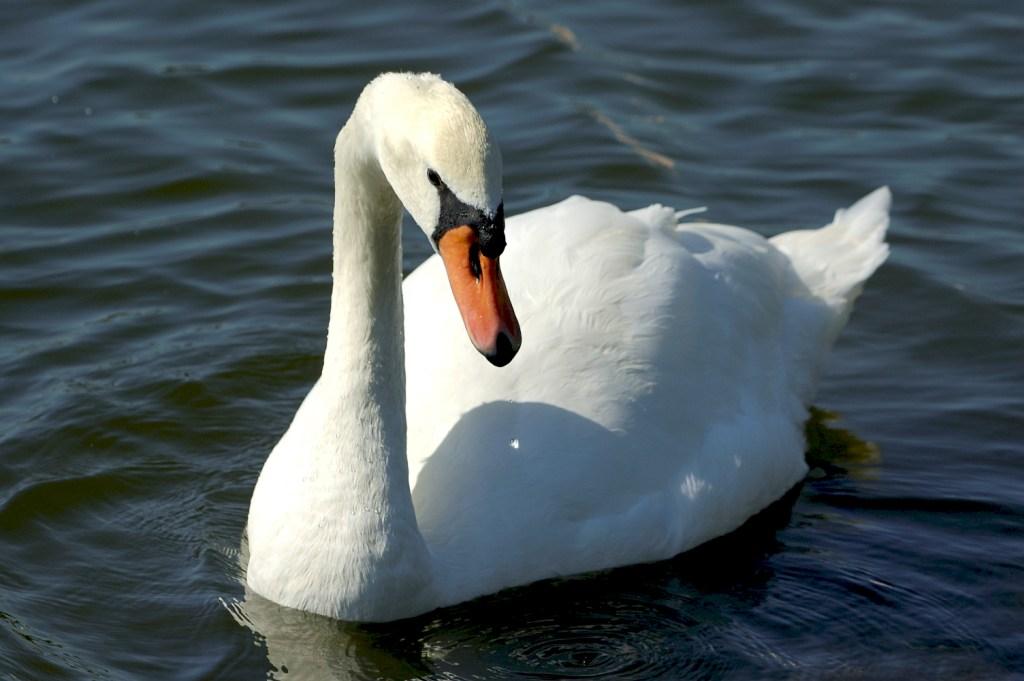
Mute Mute Swan (Cygnus olor) at Lake Morton By Dan’sPix

So the LORD said to him, “Who has made man’s mouth? Or who makes the mute, the deaf, the seeing, or the blind? Have not I, the LORD?” (Exodus 4:11 NKJV)
“I was mute, I did not open my mouth, Because it was You who did it.” (Psalms 39:9 NKJV)
“Then great multitudes came to Him, having with them the lame, blind, mute, maimed, and many others; and they laid them down at Jesus’ feet, and He healed them.” (Matthew 15:30 NKJV)
“Then one was brought to Him who was demon-possessed, blind and mute; and He healed him, so that the blind and mute man both spoke and saw.” (Matthew 12:22 NKJV)


Avian and Attributes – Mute

MUTE, a. [L. mutus.]
1. Silent; not speaking; not uttering words, or not having the power of utterance; dumb. Mute may express temporary silence, or permanent inability to speak.
To the mute my speech is lost.
In this phrase, it denotes unable to utter words. More generally, it denotes temporarily silent; as, all sat mute.
All the heavenly choir stood mute.
2. Uttering no sound; as mute sorrow.
3. Silent; not pronounced; as a mute letter.
MUTE, n. In law, a person that stands speechless when he ought to answer or plead.
1. In grammar,a letter that represents no sound; a close articulation which intercepts the voice. Mutes are of two kinds, pure and impure. The pure mutes instantly and entirely intercept the voice, as k, p and t, in the syllables ek,ep, et. The impure mutes intercept the voice less suddenly, as the articulations are less close. Such are b,d and g, as in the syllables eb, ed,eg.
2. In music, a little utensil of wood or brass, used on a violin to deaden or soften the sounds.
MUTE, v.i. To eject the contents of the bowels, a birds.
MUTE, n. The dung of fowls.


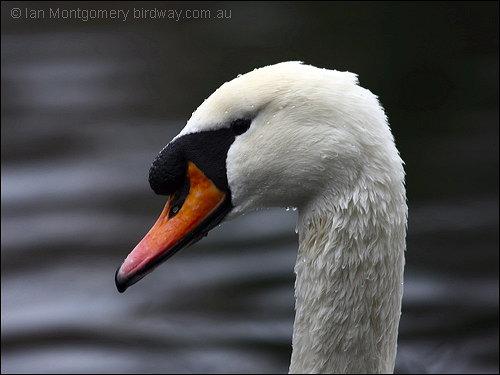
The Mute Swan (Cygnus olor) is a species of swan and a member of the waterfowl family Anatidae. It is native to much of Eurasia, and (as a rare winter visitor) the far north of Africa. It is an introduced species in North America, Australasia and southern Africa. The name ‘mute’ derives from it being less vocal than other swan species. Measuring 125 to 170 cm (49 to 67 in) in length, this large swan is wholly white in plumage with an orange beak bordered with black. It is recognisable by its pronounced knob atop the beak, which is larger in males.

Mute Swan (Cygnus olor) by Ian

The mute swan is one of the heaviest flying birds. In several studies from Great Britain, males (known as cobs) were found to average from about 10.6 to 11.87 kg (23.4 to 26.2 lb), with a weight range of 9.2–14.3 kg (20–32 lb) while the slightly smaller females (known as pens) averaged about 8.5 to 9.67 kg (18.7 to 21.3 lb), with a weight range of 7.6–10.6 kg (17–23 lb). While the top normal weight for a big cob is roughly 15 kg (33 lb), one unusually big Polish cob weighed almost 23 kg (51 lb) and this counts as the largest weight ever verified for a flying bird, although it has been questioned whether this heavyweight could still take flight.

Young birds, called cygnets, are not the bright white of mature adults, and their bill is dull greyish-black, not orange, for the first year. The down may range from pure white to grey to buff, with grey/buff the most common. Cygnets grow quickly, reaching a size close to their adult size in approximately three months after hatching. Cygnets typically retain their grey feathers until they are at least one year old, with the down on their wings having been replaced by Flight feathers earlier that year.

Mute Swan on Nest at Lake Morton

Mute Swan on Nest at Lake Morton by Dan

Mute swans nest on large mounds that they build with waterside vegetation in shallow water on islands in the middle or at the very edge of a lake. They are monogamous and often reuse the same nest each year, restoring or rebuilding it as needed. Male and female swans share the care of the nest, and once the cygnets are fledged it is not uncommon to see whole families looking for food.


More Avian and Attributes

Birds whose first name starts with “M”

Good News

*
[Definitions from Webster’s Dictionary of American English (1828), unless noted. Bird info from Wikipedia plus.]
Avian And Attributes – Mountain

Mountain Wagtail (Motacilla clara) ©WikiC

“A Song and Psalm for the sons of Korah. Great is the LORD, and greatly to be praised in the city of our God, in the mountain of his holiness.” (Psalms 48:1 KJV)

“And it shall come to pass in the last days, that the mountain of the LORD’S house shall be established in the top of the mountains, and shall be exalted above the hills; and all nations shall flow unto it.” (Isaiah 2:2 KJV)


Avian and Attributes – Mountain

MOUNT’AIN, n. [L. adjective, montanus.] A large mass of earth and rock, rising above the common level of the earth or adjacent land, but of no definite altitude. We apply mountain to the largest eminences on the globe; but sometimes the word is used for a large hill. In general, mountain denotes an elevation higher and larger than a hill; as the Altaic mountains in Asia, the Alps in Switzerland, the Andes in South America,the Allegheny mountains in Virginia, the Catskill in New York, the White mountains in New Hampshire, and the Green mountains in Vermont. The word is applied to a single elevation, or to an extended range.

“And after six days Jesus taketh Peter, James, and John his brother, and bringeth them up into an high mountain apart, And was transfigured before them: and his face did shine as the sun, and his raiment was white as the light. And, behold, there appeared unto them Moses and Elias talking with him.” (Matthew 17:1-3 KJV)


There are numerous birds whose first name starts with Mountain. The links below will take you to their family pages. Below I am adding photos for many of them.

Mountain Avocetbill (Opisthoprora euryptera)
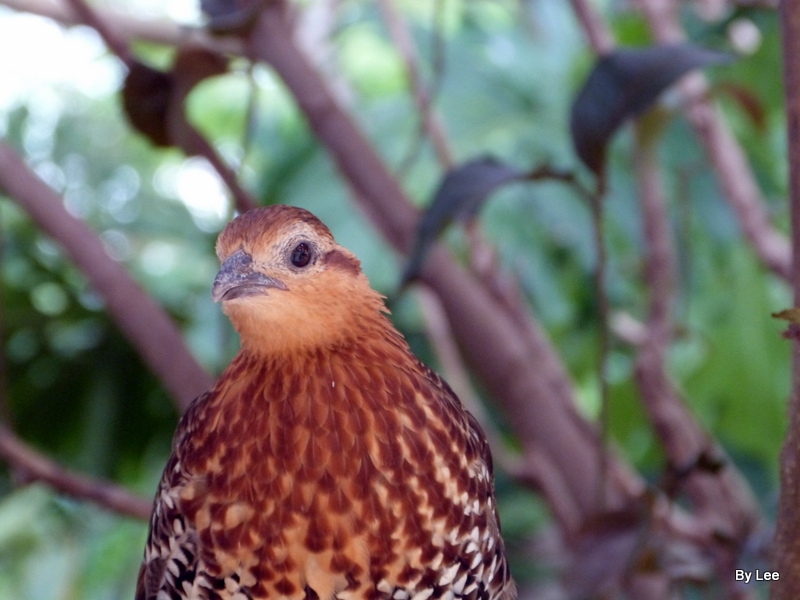
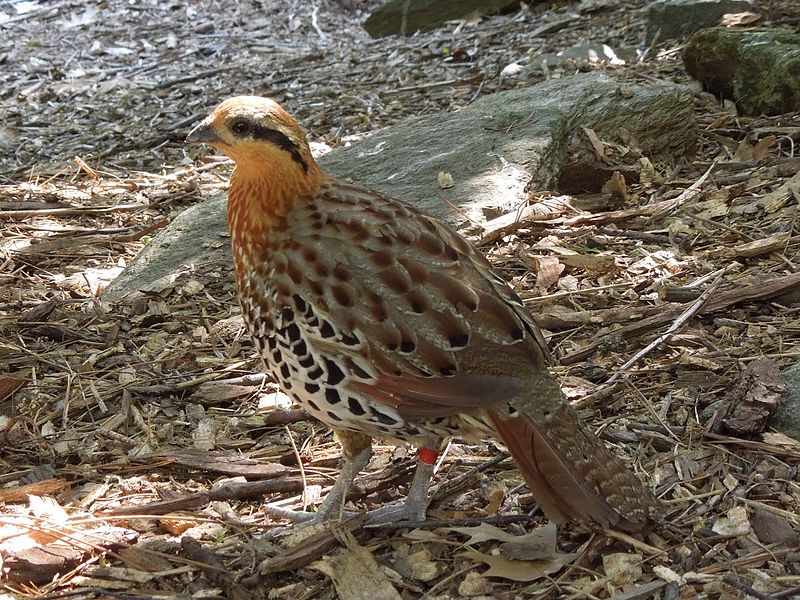
Mountain Bamboo Partridge (Bambusicola fytchii)
Mountain Barbet (Psilopogon monticola)
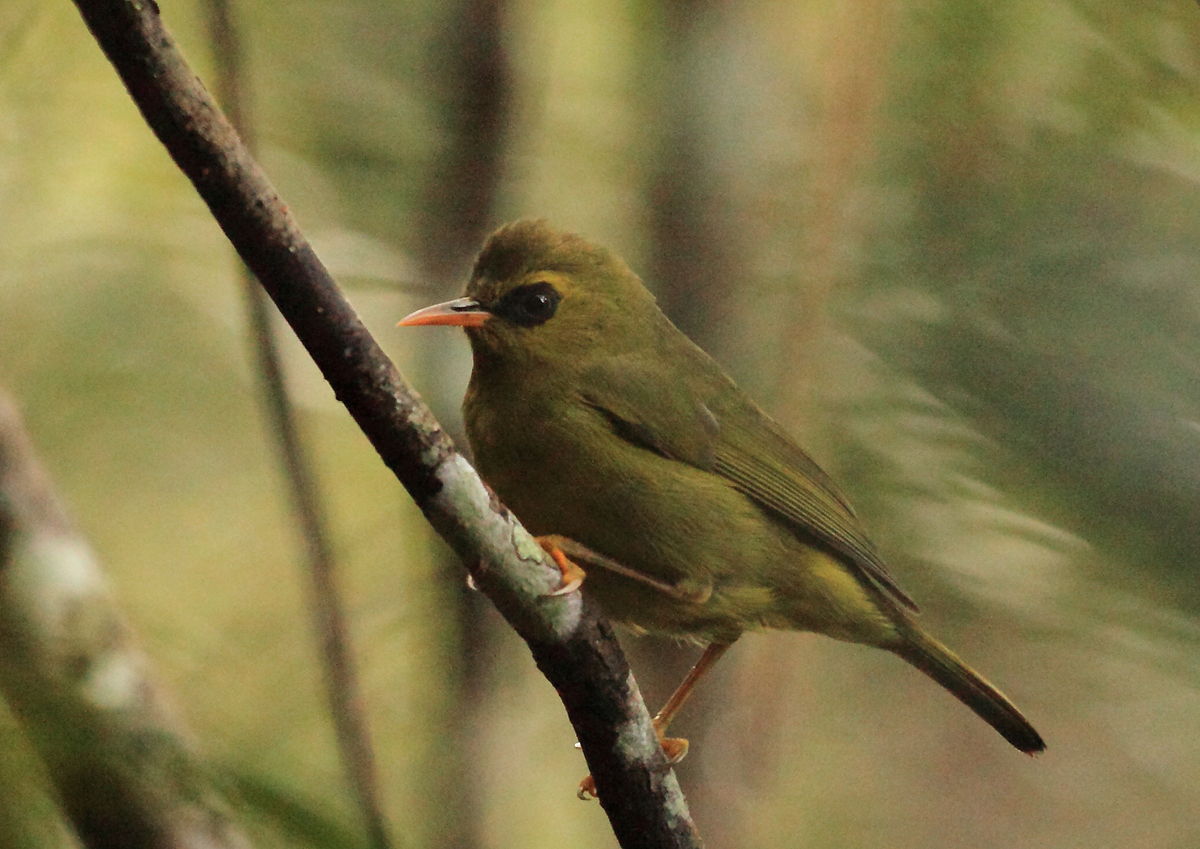
Mountain Blackeye (Chlorocharis emiliae)
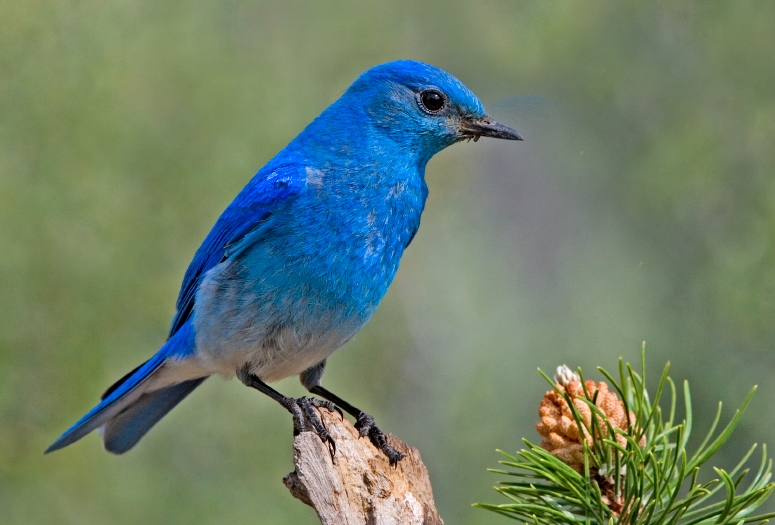
Mountain Bluebird (Sialia currucoides)
Mountain Bulbul (Ixos mcclellandii)
Mountain Buzzard (Buteo oreophilus)
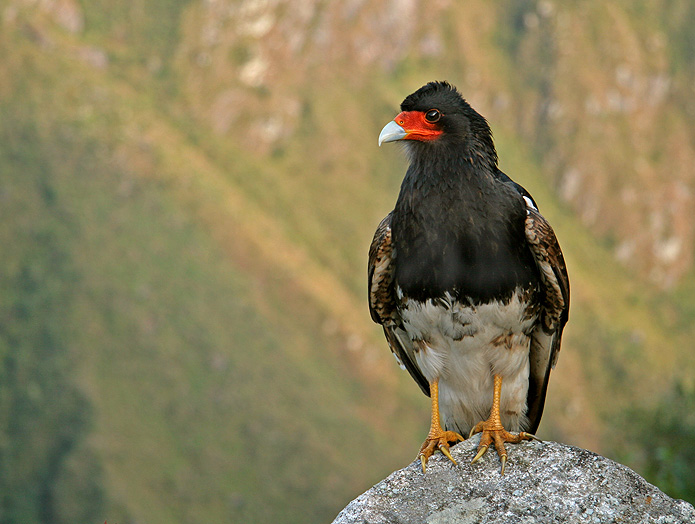
Mountain Caracara (Phalcoboenus megalopterus)
Mountain Chickadee (Poecile gambeli)
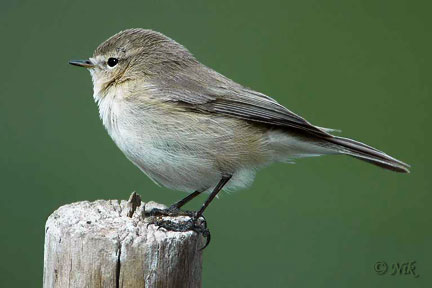
Mountain Chiffchaff (Phylloscopus sindianus)
Mountain Elaenia (Elaenia frantzii)
Mountain Firetail (Oreostruthus fuliginosus)
Mountain Fulvetta (Alcippe peracensis)
Mountain Greenbul (Arizelocichla nigriceps)
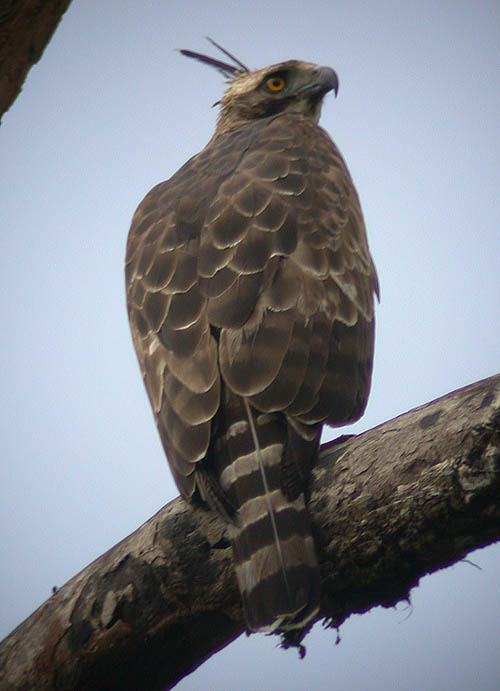
Mountain Hawk-Eagle (Nisaetus nipalensis)
Mountain Honeyeater (Meliphaga orientalis)
Mountain Illadopsis (Illadopsis pyrrhoptera)
Mountain Imperial Pigeon (Ducula badia)
Mountain Kingfisher (Syma megarhyncha)
Mountain Leaf Warbler (Phylloscopus trivirgatus)
Mountain Masked Apalis (Apalis personata)
Mountain Mouse-warbler (Crateroscelis robusta)
Mountain Myzomela (Myzomela adolphinae)
Mountain Oriole (Oriolus percivali)
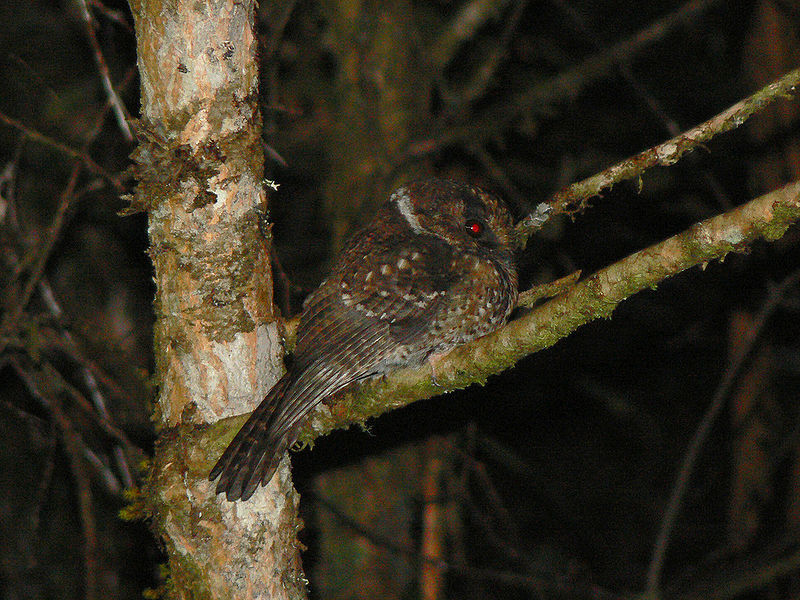
Mountain Owlet-nightjar (Aegotheles albertisi)
Mountain Parakeet (Psilopsiagon aurifrons)
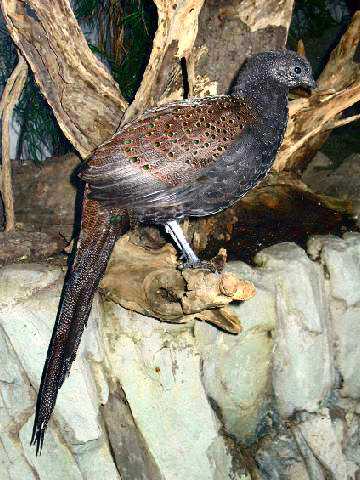
Mountain Peacock-Pheasant (Polyplectron inopinatum)
Mountain Peltops (Peltops montanus)
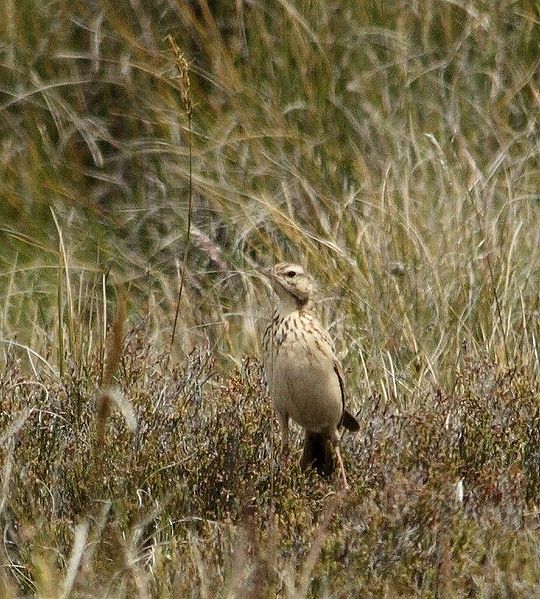
Mountain Pipit (Anthus hoeschi)
Mountain Plover (Charadrius montanus)
Mountain Pygmy Owl (Glaucidium gnoma)
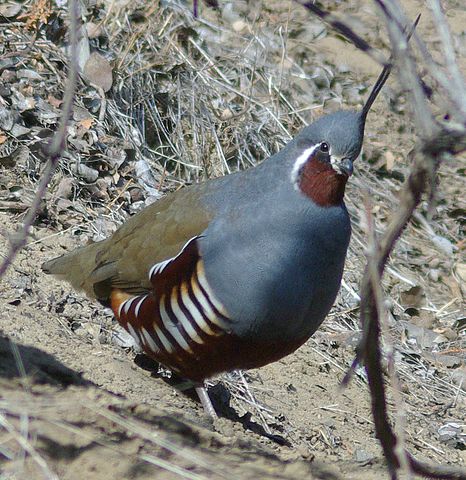
Mountain Quail (Oreortyx pictus)
Mountain Robin (Petroica bivittata)
Mountain Robin-Chat (Cossypha isabellae)
Mountain Saw-wing (Psalidoprocne fuliginosa)
Mountain Scops Owl (Otus spilocephalus)
Mountain Serin (Chrysocorythus estherae)
Mountain Serpent Eagle (Spilornis kinabaluensis)
Mountain Shrike (Lanius validirostris)
Mountain Sooty Boubou (Laniarius poensis)
Mountain Starling (Aplonis santovestris)
Mountain Swiftlet (Aerodramus hirundinaceus)
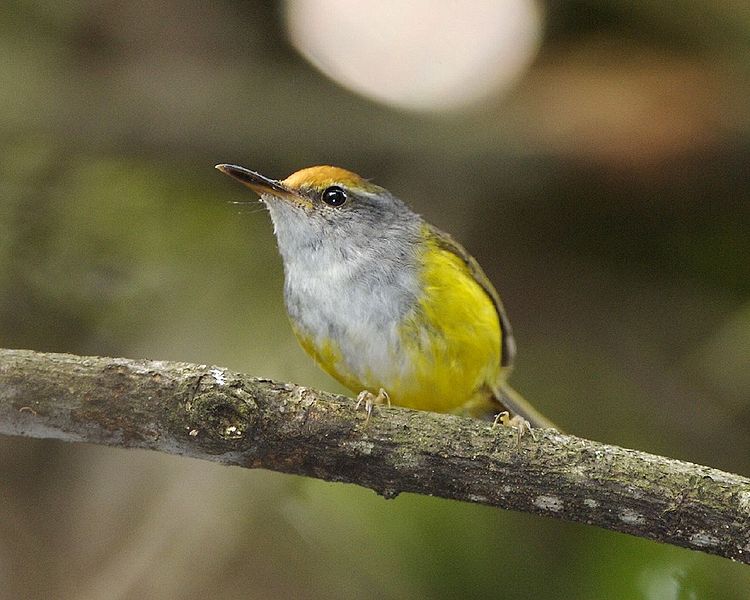
Mountain Tailorbird (Phyllergates cucullatus)
Mountain Thornbill (Acanthiza katherina)
Mountain Thrush (Turdus plebejus)
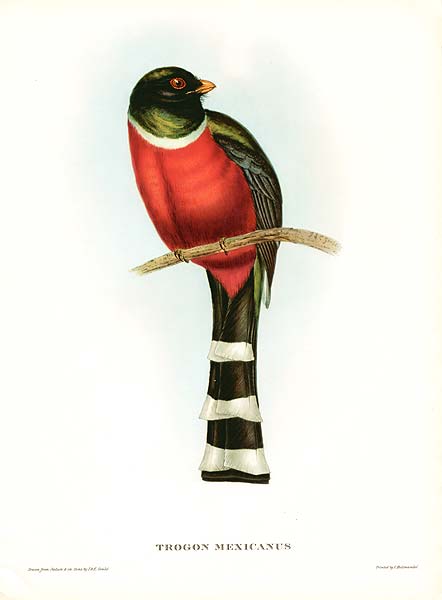
Mountain Trogon (Trogon mexicanus)
Mountain Velvetbreast (Lafresnaya lafresnayi)
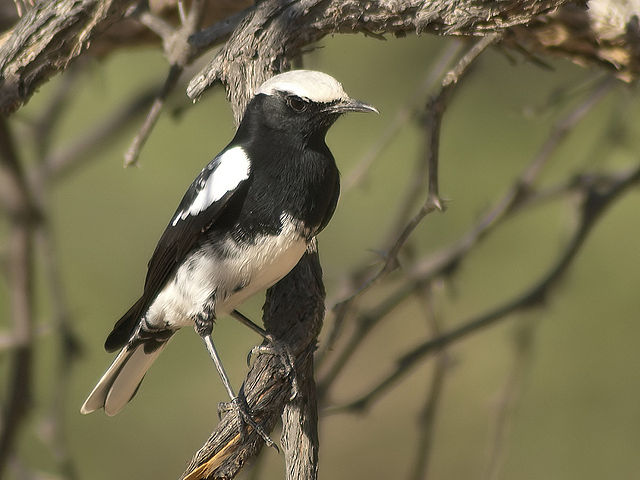
Mountain Wagtail (Motacilla clara)
Mountain Wheatear (Myrmecocichla monticola)
Mountain White-eye (Zosterops montanus)
Mountain Wren (Troglodytes solstitialis)
Mountain Wren-Babbler (Napothera crassa)
Mountain Yellow Warbler (Iduna similis)


More Avian and Attributes

Birds whose first name starts with “M”

Good News

*
[Definitions from Webster’s Dictionary of American English (1828), unless noted. Bird info from Wikipedia plus.]

“That if thou shalt confess with thy mouth the Lord Jesus, and shalt believe in thine heart that God hath raised him from the dead, thou shalt be saved.” (Romans 10:9 KJV)

Happy Green Day

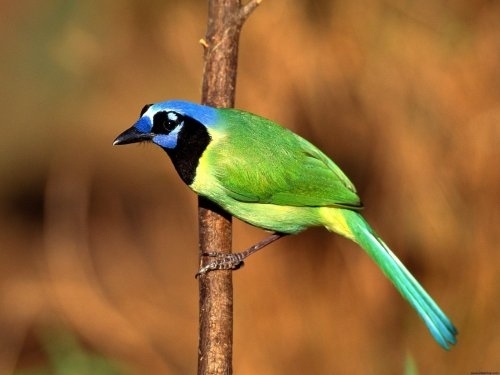
5. Green Jay

Green Jay

It may be Saint Patty’s Day, but the birds decided that they didn’t want to be left out. Enjoy the birds that I could get to show off their greenery. Enjoy the slideshow!

“And to every beast of the earth, and to every fowl of the air, and to every thing that creepeth upon the earth, wherein there is life, I have given every green herb for meat: and it was so. And God saw every thing that he had made, and, behold, it was very good. And the evening and the morning were the sixth day.” (Genesis 1:30-31 KJV)

This slideshow requires JavaScript.

“A Psalm of David. The LORD is my shepherd; I shall not want. He maketh me to lie down in green pastures: he leadeth me beside the still waters. He restoreth my soul: he leadeth me in the paths of righteousness for his name’s sake. Yea, though I walk through the valley of the shadow of death, I will fear no evil: for thou art with me; thy rod and thy staff they comfort me. Thou preparest a table before me in the presence of mine enemies: thou anointest my head with oil; my cup runneth over. Surely goodness and mercy shall follow me all the days of my life: and I will dwell in the house of the LORD for ever.” (Psalms 23:1-6 KJV)

Also see: Green Birds of March

Gatorland’s Taxi Service

Great Egret on Alligator at Gatorland 3-8-16 by Lee

You have seen these photos before, but don’t remember sharing the videos of the Great Egret and Great Blue Heron using

Gatorland’s Taxi Service.

To say they are somewhat nuts is mild. It is amazing how some mixed critters seem to get along, though.

We always enjoy our trips over to Orlando to see the activity. Sometimes weird and other times fine. The first video shows the Egret trying to let the gator to start moving.  :)

“By this I know that thou favourest me, because mine enemy doth not triumph over me. And as for me, thou upholdest me in mine integrity, and settest me before thy face for ever.” (Psalms 41:11-12 KJV)

Gatorland Birdwatching Trips


Birds of the Bible – Face of An Eagle

“As for the likeness of their faces, they four had the face of a man, and the face of a lion, on the right side: and they four had the face of an ox on the left side; they four also had the face of an eagle.” (Ezekiel 1:10 KJV)

Thought you might enjoy watching and listening to Bellamoonnature’s Bald Eagle video.

Snoopy’s Assistance

Cormorant Tree at Gatorland by Lee

It’s getting time for the birds to think about heading north and start their nests. I couldn’t help but chuckle over Snoopy helping out.

 Peanuts for 3/11/2018

Peanuts for 3/11/2018 – Copyright Peanuts/Distributed by Universal Uclick for UFS

Snowy and Great Egret Nests at Gatorland.

Egret and Heron nests at Gatorland by Lee 3-6-18

When we were at Gatorland recently, in central Florida, and the nests were everywhere. One even had a one-day old Great Egret in it. It really wasn’t so “Great” at this stage of its life.

Great Egret 1-day old chick at Gatorland

I doubt Snoopy helped supply the twigs for these nest, especially with all the Alligators laying around underneath them.

Gators waiting under the nest – Gatorland by Lee 3-6-18

Have a great day!

If a bird’s nest chance to be before thee in the way in any tree, or on the ground, whether they be young ones, or eggs, and the dam sitting upon the young, or upon the eggs, thou shalt not take the dam with the young: (Deuteronomy 22:6 KJV)

Lee’s Eight Words – The Fowls Of The Heaven Have Their Habitation

***


THE FOWLS OF THE HEAVEN

HAVE THEIR HABITATION

***


“By them shall the fowls of the heaven have their habitation, which sing among the branches. Psalm 104:12

Singing-birds – ©Beliefnet.com

*

More Daily Devotionals

Did Dinosaurs Turn into Birds? – Answers Chapter 24

Changyuraptor yangi (aka feathered dinosaur) ©WikiC

Wow! Answers in Genesis placed the whole Chapter 24 of the New Answers Book 1 online. This chapter discusses the question:

Did Dinosaurs Turn into Birds?

Introduction

According to many evolutionists today, dinosaurs are really not extinct but rather are feeding at our bird feeders even as we speakFor many evolutionists, it would seem, birds simply are dinosaursWith this sort of bias, it is quite easy for evolutionists to find supposed evidence to support the notion that birds evolved from dinosaurs.

But what does the Bible tell us about the origin of birds, and just how good is the scientific evidence that some dinosaurs evolved into birds?…..

To see the whole article – Click Here

Lee’s Seven Words – Satisfied With The Fruit Of Thy Works

***

Green-crowned Brilliant (Heliodoxa jacula) Females Feeding by Raymond Barlow

SATISFIED WITH THE FRUIT

OF THY WORKS

***


“He watereth the hills from his chambers: the earth is satisfied with the fruit of Thy works.” Psalm 104:13

*

Green-crowned Brilliant (Heliodoxa jacula) Females Feeding by Raymond Barlow

*

More Daily Devotionals

Do Birds Truly Make Music? – Creation Moments

Do Birds Truly Make Music? From Creation Moments

“The flowers appear on the earth; the time of singing has come, and the voice of the turtledove is heard in our land.” Song of Solomon 2:12

American Yellow Warbler (Setophaga aestiva) singing by J Fenton

American Yellow Warbler (Setophaga aestiva) singing by J Fenton

The Bible speaks of bird calls as songs, as most of us do. However, evolutionary theory has led some scientists to say that we are merely assigning human meanings to the calls of birds. They say that the bird calls have nothing to do with real music.

Ornithologists have known for some time that bird songs use the same musical scales as our music. Decades ago it was noted that some of Beethoven’s work could be heard from the European blackbird. The music was the same as the opening rondo of Beethoven’s “Violin Concerto in D, Opus 61.” Since these birds pass their songs from generation to generation, Beethoven could have gotten the lilting music from the forefathers of today’s European blackbird! The songs of some species, like the song sparrow, follow the form of a sonata, beginning with a strong theme, then the theme is musically played with, and for a finish, the original theme is then repeated. Mozart had a starling as a pet. Once, having heard Mozart play his “Piano Concerto in C Major,” the starling not only imitated it, but changed the sharps to flats! Mozart exclaimed, “That was beautiful!” When the starling died, Mozart held an elaborate funeral for it. Eight days later he wrote “A Musical Joke,” which contains the same elaborate structure found in starling song.

Common Blackbird (Turdus merula) Flickr Francisco Montero

Do birds make true music, as the Bible says? Contrary to what some evolutionists say, Beethoven and Mozart certainly thought they did.

Prayer:
Lord, I thank You for the gift of music, and I await the music of heaven. Amen.
Notes:
Notes: Science News, 4/15/00, pp. 252-254, “Music without Borders.”
*