
House Sparrows at National Aviary by Lee
“Oh, that men would give thanks to the LORD for His goodness, And for His wonderful works to the children of men!” (Psalms 107:8 NKJV)
House Sparrows at National Aviary by Lee
“Oh, that men would give thanks to the LORD for His goodness, And for His wonderful works to the children of men!” (Psalms 107:8 NKJV)

Black Crowned Crane (Balearica pavonina pavonina) (West African) Brevard Zoo by Lee
“Praise the LORD! Oh, give thanks to the LORD, for He is good! For His mercy endures forever.” (Psalms 106:1 NKJV)
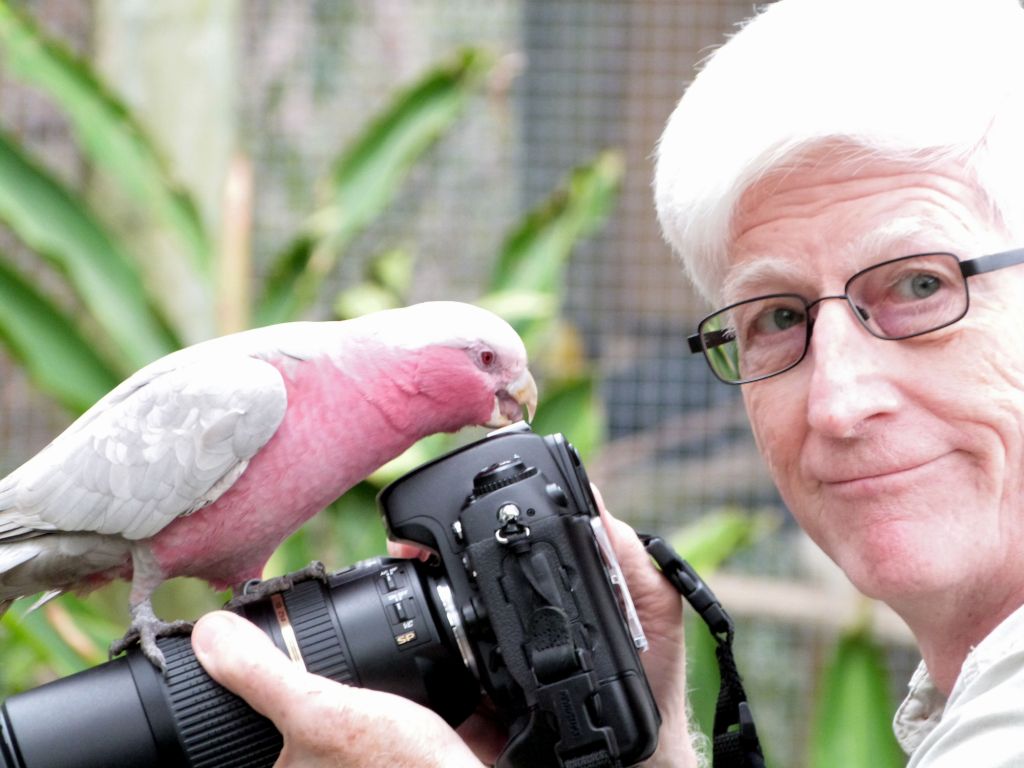
Galah (Eolophus roseicapilla) and Dan at Brevard Zoo by Lee
“… It is good to give thanks to the LORD, And to sing praises to Your name, O Most High;” (Psalms 92:1 NKJV)
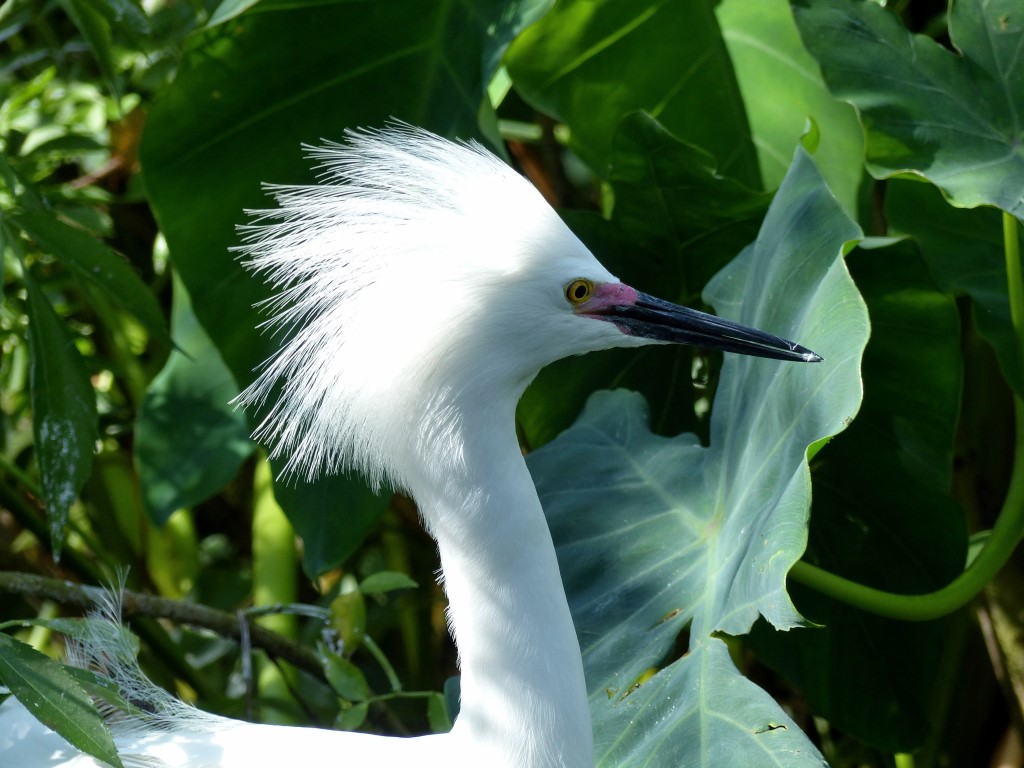
Snowy Egret – Gatorland 4-2-15 by Lee
“And whatever you do in word or deed, do all in the name of the Lord Jesus, giving thanks to God the Father through Him.” (Colossians 3:17 NKJV)

Wild Turkey (Meleagris gallopavo) by Daves BirdingPix
Reginald the Turkey Commander: The Corn Field [Part 4]
by Emma Foster
Here are the Thanksgiving, Reginald, the Turkey Commander Tales
Reginald, Turkey Commander [2014]
Reginald, The Turkey Commander – Part 2 [2016]
Reginald, The Turkey Commander: The Great Snowstorm [2017]
And Now – Reginald, the Turkey Commander: The Corn Field [Part 4]
The turkeys were looking forward to another Thanksgiving at their fort as they made their way through the forest. Reginald had them march to the fort early that year just in case there were any hunters getting ready to hunt. The fort that the turkeys had built helped protect them from the hunters every Thanksgiving and Christmas. Reginald led the way through the forest until he came to the farmer’s old house they had visited a year before. This time, however, a large corn field was in their way.

Corn Maze © Pixabay
The turkeys inadvertently wandered into the field and became confused. Everything began to look the same. Reginald eventually made all of the turkeys stop, and he declared that they all needed to turn around and walk back to where they had come from in order to get out of the field. The turkeys turned around and followed Reginald as he led them out of the corn field. Suddenly, Reginald realized that Oliver was missing.
Shaking his head, Reginald led the turkeys back to the forest. As soon as he returned the turkeys to the forest, he set out to find Oliver.
Reginald searched the field, making sure that no one would hear him. He hoped that there were no hunters nearby in case anyone heard Oliver. Reginald spotted Oliver, who was wandering through the field, loudly gobbling and stomping through the stalks of corn in order to find the other turkeys.
Reginald dragged Oliver back toward the forest. Halfway there, a large scarecrow toppled over as Reginald and Oliver made their way through the corn field. Oliver bolted away, gobbling loudly as Reginald ran after him.

Scarecrow beginning to fall over ©foodista-com
Oliver continued running as fast as he could, terrified because he thought that the scarecrow was going to eat him. Eventually, Oliver tripped and landed head-first in a tumbled-over wheelbarrow. Shaking his head, Reginald resignedly picked up the wheelbarrow by the handles and carried Oliver back to where the other turkeys were hiding.
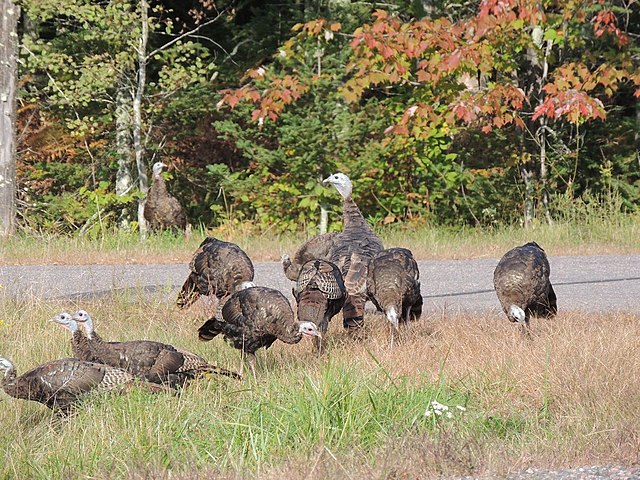
Wild Turkeys ©WikiC
Dumping Oliver in front of the other turkeys, Reginald proceeded to lead them through the forest. When they were close, one of the turkeys pointed out that they had less food than they expected. Some of the turkeys began to believe that there might not be enough for the winter.
Oliver had an idea. He remembered all of the corn he had seen in the field, and he told Reginald that they could take the corn to the fort with them.

Corn for the Winter ©rode diaz. unsplash.com
After taking the rest of the turkeys to the fort, Reginald and Oliver returned to the corn field, though Oliver was a little afraid that the scarecrow might jump out of the field and attack. They took a wheelbarrow full of corn and brought it back to the fort. The turkeys now had plenty of food to last them through the winter and Thanksgiving, which was now approaching. The farmer eventually harvested all of the corn in the field, but not before Reginald returned the wheelbarrow. The turkeys were safe in the fort, and once again the hunters would not have turkey for their Thanksgiving dinner.
***
Lee’s Addition:
Oliver should have remembered these verses:
“Be not afraid of sudden fear, neither of the desolation of the wicked, when it cometh. For the LORD shall be thy confidence, and shall keep thy foot from being taken.” (Proverbs 3:25-26 KJV)
“Have I not commanded you? Be strong and courageous! Do not tremble or be dismayed, for the LORD your God is with you wherever you go.” (Joshua 1:9 NASB)
*
Emma, you continue to entertain us with your Turkey Commander, Reginald. It wouldn’t be Thanksgiving this year without another of these tales. Thanks for taking the time out from your studies to provide us with some wholesome adventures.
Thanksgiving – Reginald, the Turkey Commander Tales
Reginald, Turkey Commander [2014]
Reginald, The Turkey Commander – Part 2 [2016]
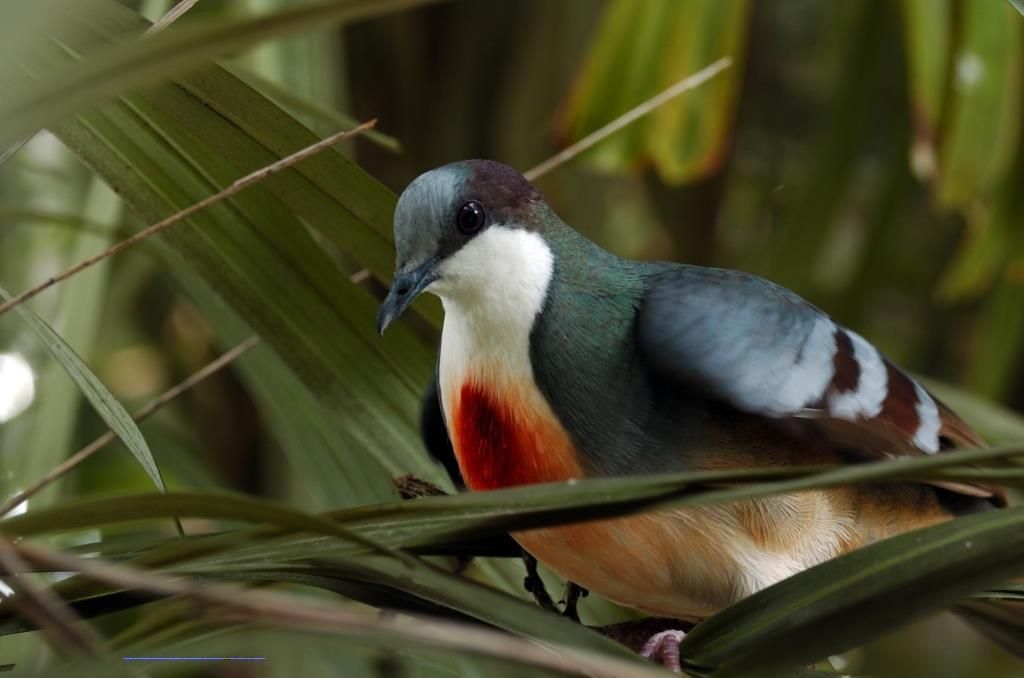
Luzon Bleeding-heart Dove by Dan at Zoo Miami
“Sing praise to the LORD, you saints of His, And give thanks at the remembrance of His holy name.” (Psalms 30:4 NKJV)
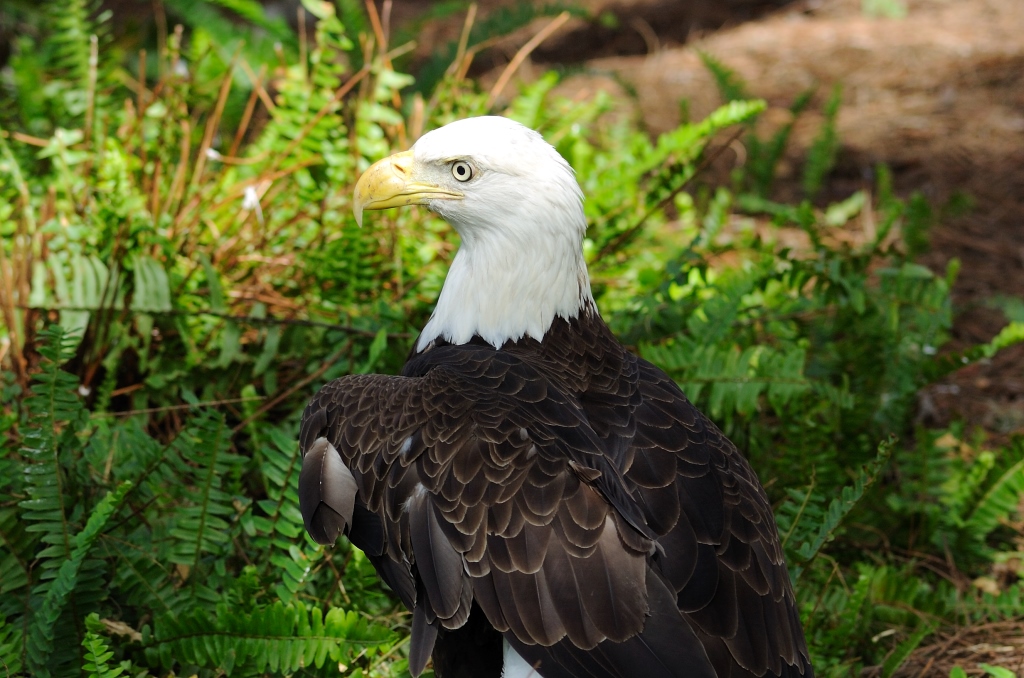
Bald Eagle (close up) Lowry Park Zoo by Dan
“Oh, give thanks to the LORD, for He is good! For His mercy endures forever.” (1 Chronicles 16:34 NKJV)
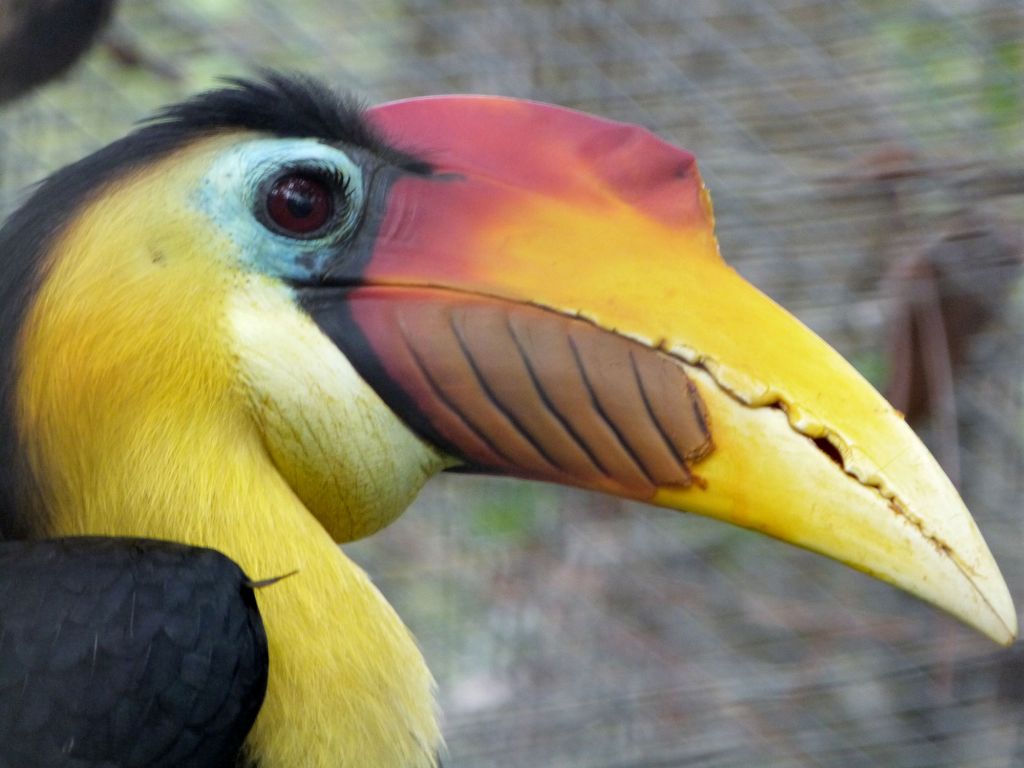
Wrinkled Hornbill (Aceros corrugatus) Brevard Zoo by Lee
“Oh, give thanks to the LORD! Call upon His name; Make known His deeds among the peoples!” (1 Chronicles 16:8 NKJV)
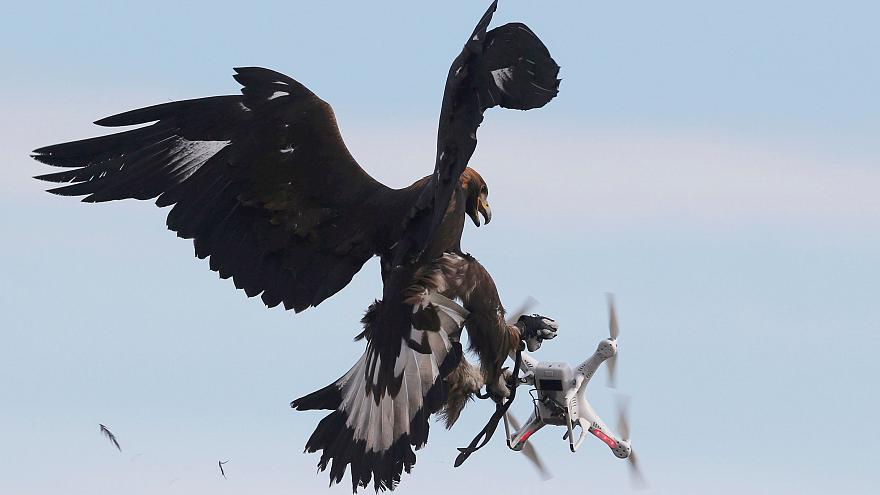
Eagle Taking On a Drone ©Euronews
“Like an eagle swooping on its prey.” (Job 9:26b NKJV)
After receiving an email about the French Military training Golden Eagles to capture Drones, my curiosity kicked in. Below are links to articles and video of this training.
“The French military is literally going where eagles dare in an effort to combat the increasing use of drones by criminals and terrorists.
Following incidents of drones flying over the presidential palace and restricted military sites – along with the deadly 2015 Paris terror attacks – the French air force has trained four golden eagles to intercept and destroy the rogue aircraft.” Where Eagles Dare
“Faced with the specter of a terrorist threat from rogue drones, the French are recruiting an avian ally. At a base in the southwest of the country, a special army unit has for months been training four golden eagles to spot drones and perform mid-air takedowns.” Drones-Eagles-France
NTD has a great video of how they train baby Golden Eagles as babies, and then as adults.
“Though you ascend as high as the eagle, And though you set your nest among the stars, From there I will bring you down,” says the LORD.” (Obadiah 1:4 NKJV) [I took some liberty with this verse.]
Checking YouTube, there are several video of how bird attack drones.
Here is just one example. This drone is downed by a Hawk.

BJU Bird Collection 2018-Display Case 3 – Woodpeckers and Shorebirds
“If a bird’s nest happens to be before you along the way, in any tree or on the ground, with young ones or eggs, with the mother sitting on the young or on the eggs, you shall not take the mother with the young;” (Deuteronomy 22:6 NKJV)
The next Display case of the Waterman Bird Collection contains Woodpeckers from the Picidae family and some shorebirds from the Scolopacidae Family. [Next post]

BJU Bird Collection 2018
– Woodpeckers
This post is about the five Woodpeckers; Pileated Woodpecker (Dryocopus pileatus), Black-backed Three-toed Woodpecker [now the Black-backed Woodpecker (Picoides arcticus)], Downy Woodpecker (Dryobates pubescens), Yellow-bellied Sapsucker (Sphyrapicus varius) and a Common Flicker [now the Northern Flicker (Colaptes auratus).
Pileated Woodpecker (Dryocopus pileatus)

BJU Bird Collection 2018 Pileated Woodpecker (Dryocopus pileatus)
Pileated Woodpecker (Dryocopus pileatus) “The Pileated Woodpecker is one of the biggest, most striking forest birds on the continent. It’s nearly the size of a crow, black with bold white stripes down the neck and a flaming-red crest. Look (and listen) for Pileated Woodpeckers whacking at dead trees and fallen logs in search of their main prey, carpenter ants, leaving unique rectangular holes in the wood. The nest holes these birds make offer crucial shelter to many species including swifts, owls, ducks, bats, and pine martens.”
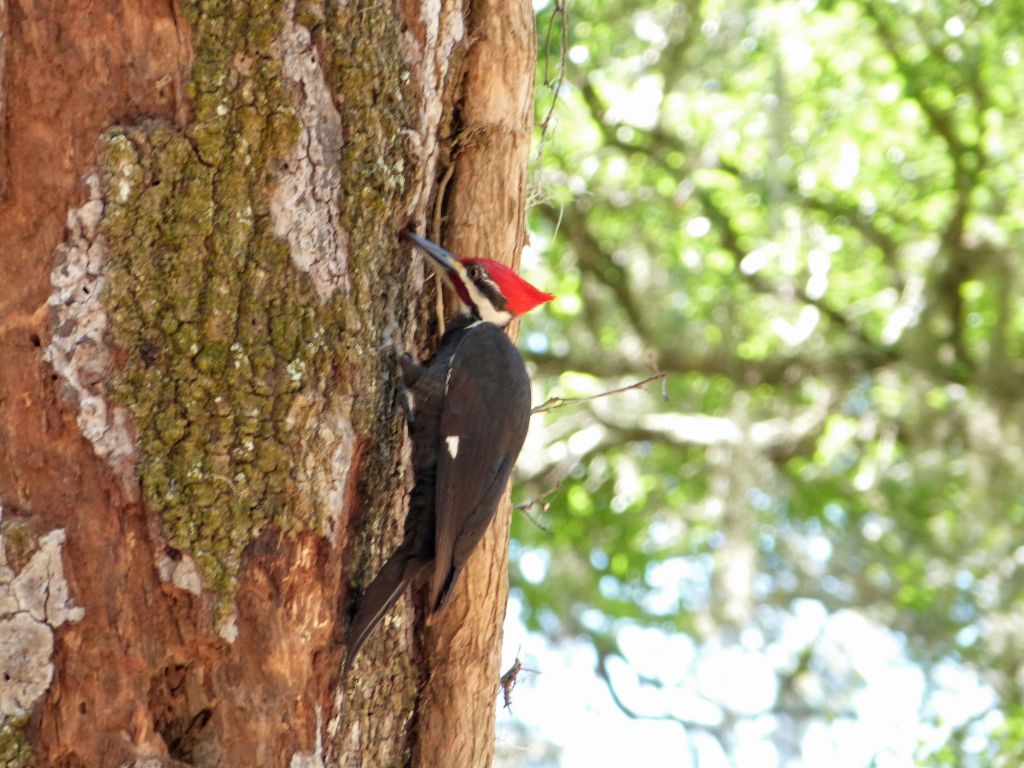
Pileated Woodpecker by Lee at Circle B
Cool Facts – “The Pileated Woodpecker digs characteristically rectangular holes in trees to find ants. These excavations can be so broad and deep that they can cause small trees to break in half.” [Pileated Woodpecker – All About Birds]
American Three-toed Woodpecker (Picoides dorsalis)

BJU Bird Collection 2018 BJU Bird Collection Black-backed Woodpecker (Picoides arcticus)
American Three-toed Woodpecker (Picoides dorsalis) – “Found in boreal forests and montane coniferous forests across North America. Because of its choice of habitat, it is infrequently seen by most people.” “The “Three-toed Woodpecker” was split in 2003 into the American Three-toed and Eurasian Three-toed woodpeckers. The two species are nearly identical in appearance, but differ in mitochondrial DNA sequences and in voice.”
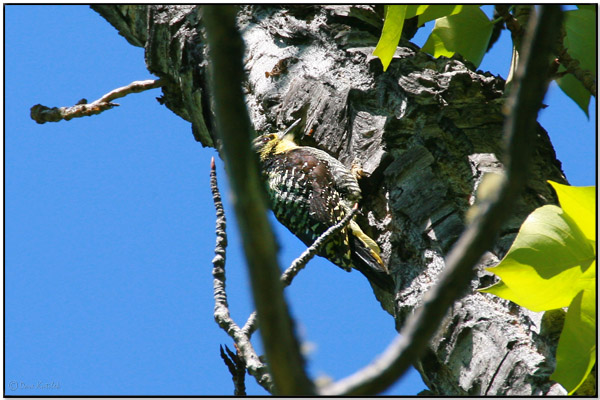
American Three-toed Woodpecker (Picoides dorsalis) by Daves BirdingPix
Cool Fact “Most woodpeckers have four toes on each foot. The three-toed and Black-backed woodpeckers have only three. The loss of the fourth toe may help deliver stronger blows, but at the expense of climbing ability.” [American Three-toed_Woodpecker – All About Birds]
Downy Woodpecker (Dryobates pubescens)

Downy Woodpecker (Picoides pubescens) Male – Waterman Bird Collection BJU
Downy Woodpecker (Dryobates pubescens) – “The active little Downy Woodpecker is a familiar sight at backyard feeders and in parks and woodlots, where it joins flocks of chickadees and nuthatches, barely outsizing them. An often acrobatic forager, this black-and-white woodpecker is at home on tiny branches or balancing on slender plant galls, sycamore seed balls, and suet feeders. Downies and their larger lookalike, the Hairy Woodpecker, are one of the first identification challenges that beginning bird watchers master.”

Downy Woodpecker (Picoides pubescens) Brevard Zoo by Dan
Cool Facts – “In winter Downy Woodpeckers are frequent members of mixed species flocks. Advantages of flocking include having to spend less time watching out for predators and better luck finding food from having other birds around.” [Downy Woodpecker – All About Birds]
Yellow-bellied Sapsucker (Sphyrapicus varius)

BJU Bird Collection 2018 Yellow-bellied Sapsucker (Sphyrapicus varius)
Yellow-bellied Sapsucker (Sphyrapicus varius) – “On a walk through the forest you might spot rows of shallow holes in tree bark. In the East, this is the work of the Yellow-bellied Sapsucker, an enterprising woodpecker that laps up the leaking sap and any trapped insects with its specialized, brush-tipped tongue. Attired sharply in barred black-and-white, with a red cap and (in males) throat, they sit still on tree trunks for long intervals while feeding. To find one, listen for their loud mewing calls or stuttered drumming.”
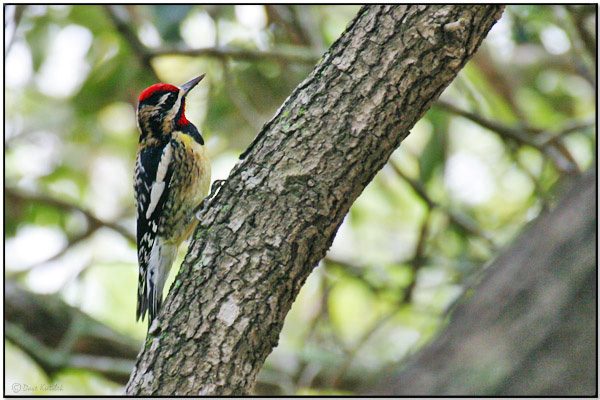
Yellow-bellied Sapsucker (Sphyrapicus varius) by Daves BirdingPix
Cool Facts – “Yellow-bellied Sapsuckers have been found drilling sapwells in more than 1,000 species of trees and woody plants, though they have a strong preference for birches and maples.”[Yellow-bellied Sapsucker – All About Birds]
Northern Flicker (Colaptes auratus)

BJU Bird Collection 2018 Northern Flicker (Colaptes auratus)
Northern Flicker (Colaptes auratus) – “Northern Flickers are large, brown woodpeckers with a gentle expression and handsome black-scalloped plumage. On walks, don’t be surprised if you scare one up from the ground. It’s not where you’d expect to find a woodpecker, but flickers eat mainly ants and beetles, digging for them with their unusual, slightly curved bill. When they fly you’ll see a flash of color in the wings – yellow if you’re in the East, red if you’re in the West – and a bright white flash on the rump.”
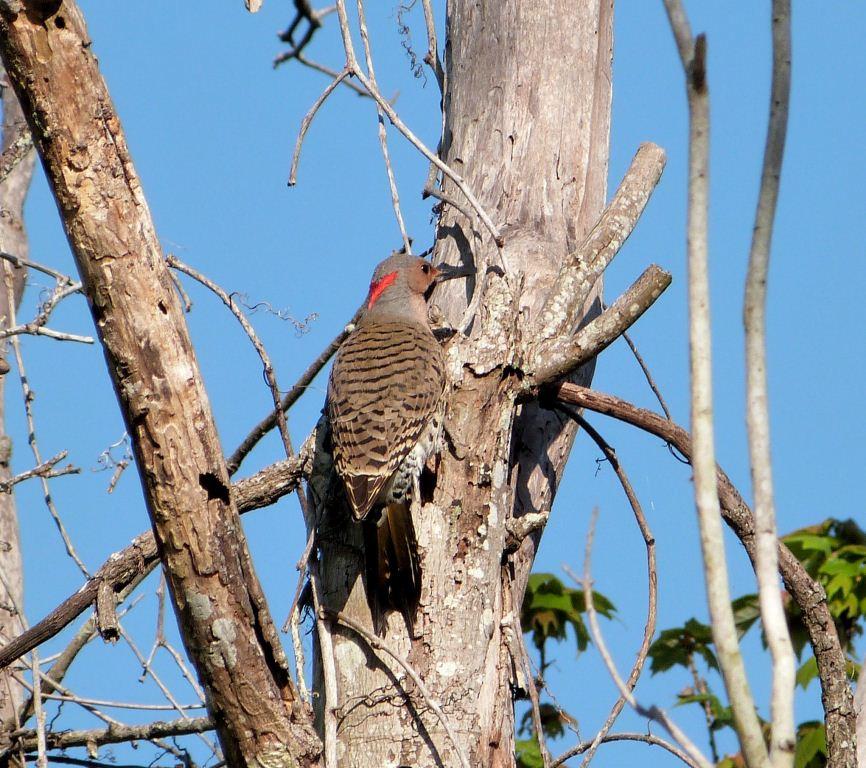
Northern Flicker cropped by Lee at S. Lake Howard Nature Pk
Cool Fact – “Although it can climb up the trunks of trees and hammer on wood like other woodpeckers, the Northern Flicker prefers to find food on the ground. Ants are its main food, and the flicker digs in the dirt to find them. It uses its long barbed tongue to lap up the ants.” [Northern Flicker – All About Birds]
*
Some of the Previous Woodpecker Posts:
Wordless Woodpecker – Yellow-Fronted
Who doesn’t love the beautiful hummingbird? You’ll love them even more after viewing our “Double Life of the Hummingbird” video! That’s because you’ll learn about the unique abilities their Designer has given them. Truly, hummingbirds bear evidence of God’s creative hand!
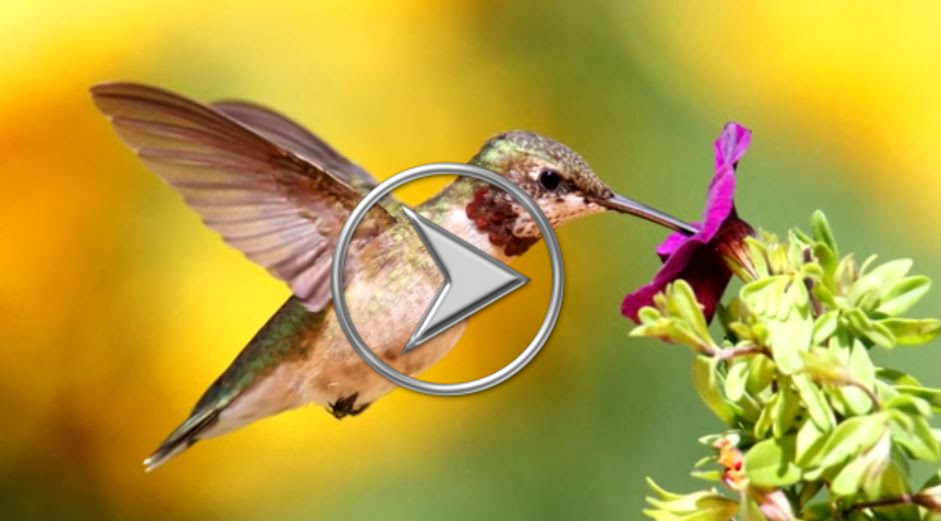
This Week’s Creation Action Moment:
1. Watch our “Double Life of the Hummingbird” video by clicking here or on the picture above.
[Used with permission of Creation Moments]
Of fowls after their kind, and of cattle after their kind, of every creeping thing of the earth after his kind, two of every sort shall come unto thee, to keep them alive. (Genesis 6:20)

Caveat, Taxonomists: Jaybirds Mix It Up in Colorado!
In Western pines, before my eyes
A jaybird perched, to my surprise
Yet its front, wings, head, and back
Were feathered blue, not much black
Wow! Western jaybirds hybridize!
(Birder’s take-away lesson: don’t take terms like “species” and “speciation” too seriously.)
See recent blogposts: “Ravin’ about Corvid Hybrids: Something to Crow About”, posted at https://leesbird.com/2018/11/07/ravin-about-corvid-hybrids-something-to-crow-about/ .
 Lee's Birdwatching Adventures Plus