“The same hour was the thing fulfilled upon Nebuchadnezzar: and he was driven from men, and did eat grass as oxen, and his body was wet with the dew of heaven, till his hairs were grown like eagles’ feathers, and his nails like birds’ claws.” (Daniel 4:33 KJV)
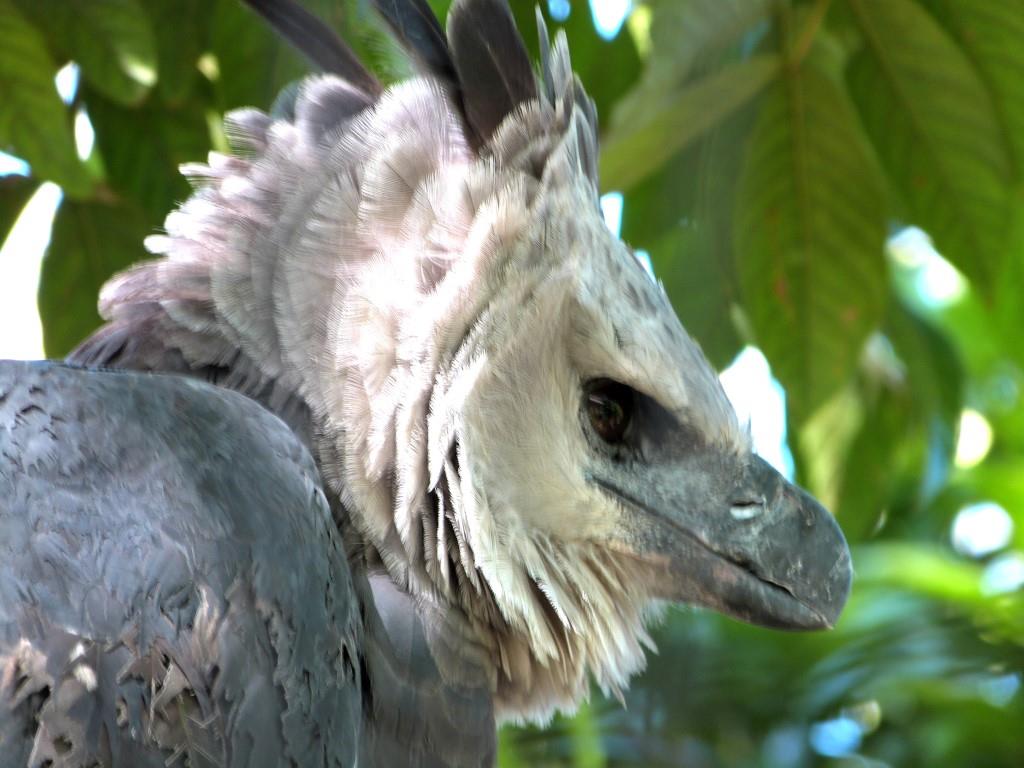
Harpy Eagle (Harpia harpyja) by Lee at Zoo Miami 2014
“And he commanded the multitude to sit down on the grass, and took the five loaves, and the two fishes, and looking up to heaven, he blessed, and brake, and gave the loaves to his disciples, and the disciples to the multitude.” (Matthew 14:19 KJV)
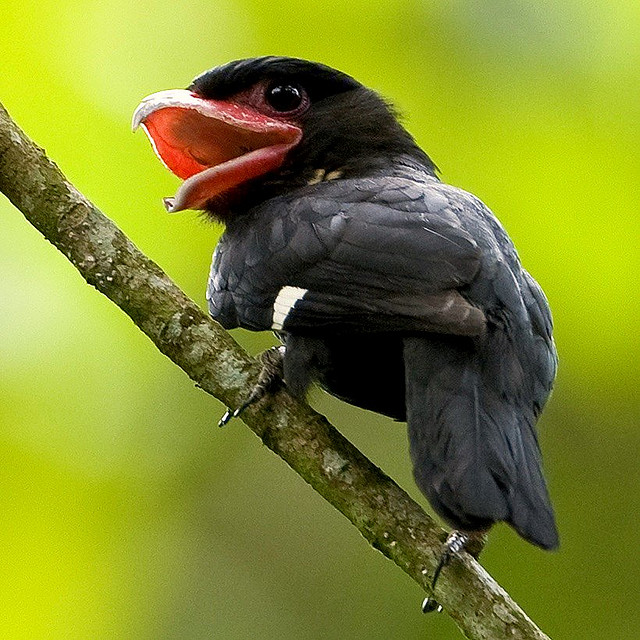
Fire-tufted Barbet (Psilopogon pyrolophus) by Dan at Wings of Asia
And God created great whales, and every living creature that moveth, which the waters brought forth abundantly, after their kind, and every winged fowl after his kind: and God saw that it was good. And God blessed them, saying, Be fruitful, and multiply, and fill the waters in the seas, and let fowl multiply in the earth. (Gen 1:21-22 KJV)
Today we only have 22 more Anatidae family members to show you, but it will take 14 different genera to present them. The largest and the first genus, with 7 species, is the Shelducks.
Raja Shelduck (Tadorna radjah) at Wing of Asia by Dan
Shelducks are large birds in the Tadorna genus. Many consider them as intermediate between geese and ducks in size. The sexes are colored slightly differently in most species, and all have a characteristic upperwing coloration in flight: the tertiary remiges form a green speculum, the secondaries and primaries are black, and the coverts (forewing) are white. Their diet consists of small shore animals (winkles, crabs etc.) as well as grasses and other plants.
The genus name comes from the French name Tadorne for the common shelduck. It may originally derive from Celtic roots meaning “pied waterfowl”, essentially the same as the English “shelduck”
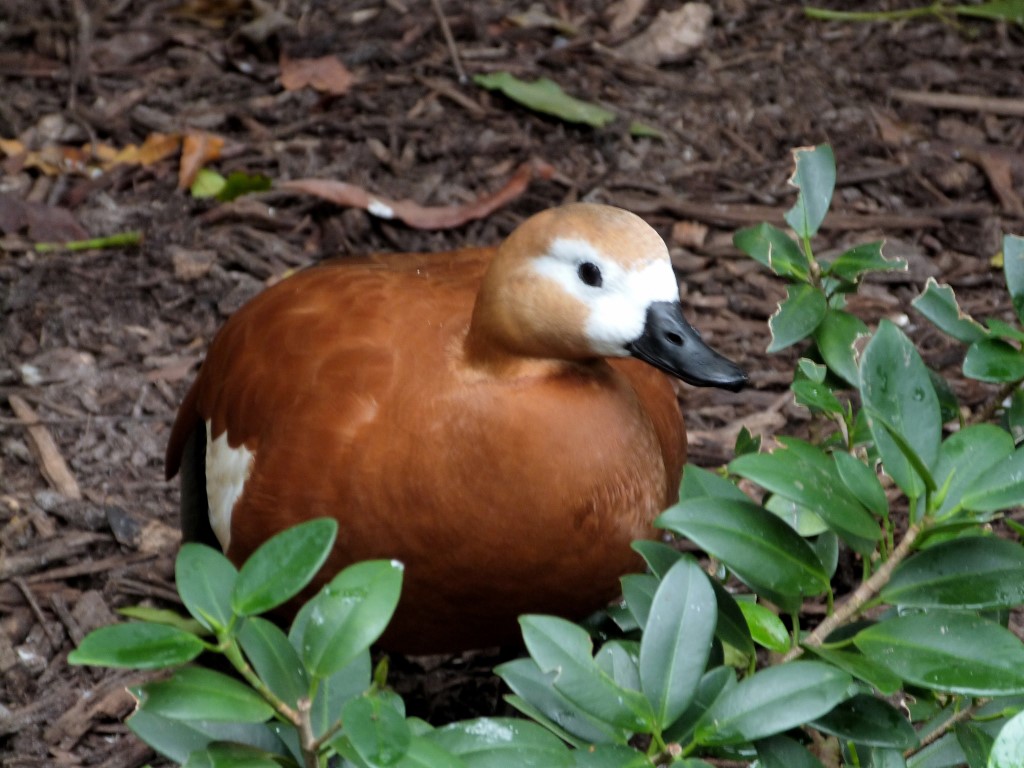
Ruddy Shelduck (Tadorna ferruginea) at Wings of Asia by Lee
Common Shelduck (Tadorna tadorna)
Raja Shelduck (Tadorna radjah)
Ruddy Shelduck (Tadorna ferruginea)
South African Shelduck (Tadorna cana)
Australian Shelduck (Tadorna tadornoides)
Paradise Shelduck (Tadorna variegata)
Paradise Shelducks of New Zealand often have one mating partner for life.
Crested Shelduck (Tadorna cristata)
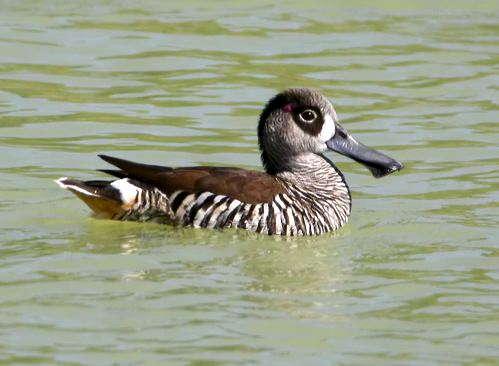
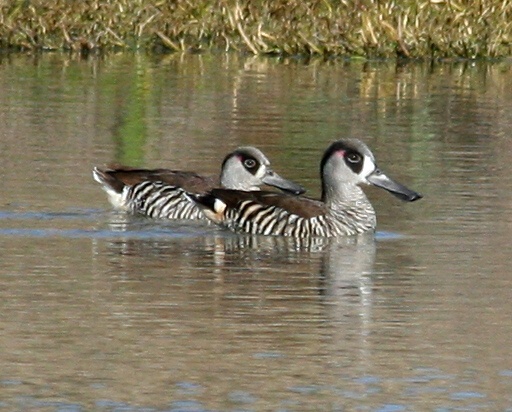
Pink-eared Duck (Malacorhynchus membranaceus) by Ian
Each of the next 5 Ducks and Teals are the only ones in their genus.
Ducks have been domesticated as pets and farm animals for more than 500 years, and all domestic ducks are descended from either the mallard or the Muscovy duck. Mallards, especially, are easy to crossbreed with other types of ducks, and mallards often hybridize with all types of ducks at local ponds.
White-winged Duck (Asarcornis scutulata) by Nikhil
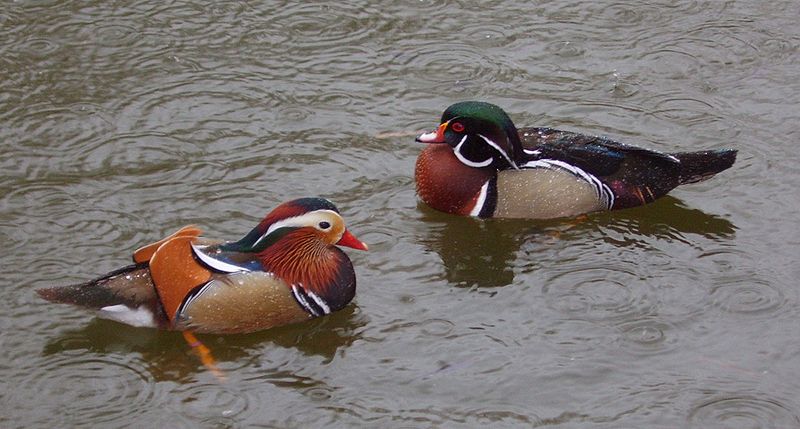
Two of my favorite Ducks, which we get to see often, are the Wood and Mandarin Ducks in the Aix genus. The Wood Ducks are local to us and are a treat to see their evidence of the Master’s Hand. Their cousin, the Mandarin Ducks are in many zoos and Lakeland, FL (right near here) placed some in one of their lakes.
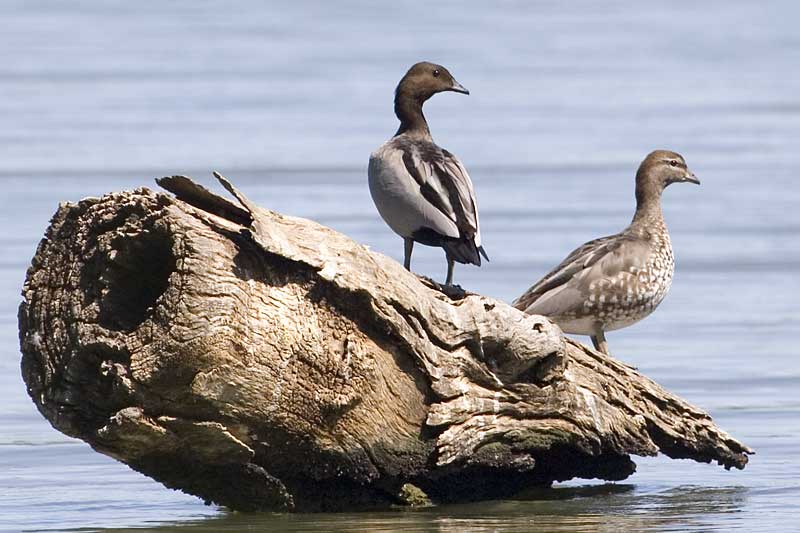
The Maned Duck is again an only species in its genus, the Chenonetta.
Maned Duck (Chenonetta jubata)
Cotton Pygmy Goose (Nettapus coromandelianus) by Lee
The Pygmy Geese are only three, but are in two different genera. The Nerthus and the Nettapus.
African Pygmy Goose (Nerthus auritus)
Cotton Pygmy Goose (Nettapus coromandelianus)
Green Pygmy Goose (Nettapus pulchellus)
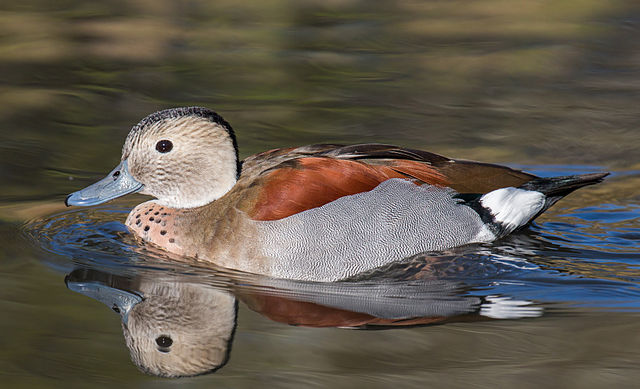
The last four for today are in four genera, and include two Teals and two Ducks.
One of the comments made last week mentioned that they didn’t realize how many Ducks and family members there are. Here are a couple of “Duck Facts”:
The duck is a number of species in the Anatidae family of birds. They are related to swans and geese.
Ducks are mostly aquatic birds living in both fresh water and sea water and found on every continent except for Antarctica.
A male duck is called a drake, a female duck a hen, and a baby duck a duckling.
Ducks are omnivores. They feed on aquatic plants, small fish, insects, worms, grubs and more. People often feed domesticated ducks bread.
Diving ducks and sea ducks search for food fairly deep underwater. To be able to stay underwater more easily, diving ducks are quite heavy.
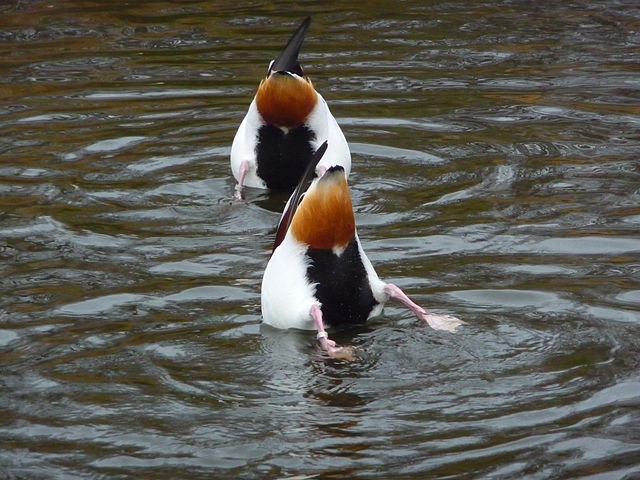
Dabbling ducks feed on the surface of water, on land, or by ducking their head underwater. Along the edge of their beak is a comb-like structure called a pecten, that enables them to hold slippery food and filter nutrients out of the water.
“My son, keep thy father’s commandment, and forsake not the law of thy mother: Bind them continually upon thine heart, and tie them about thy neck.” (Pro 6:20-21 KJV)
Finally sat down and started naming my photos from our latest trip to Zoo Miami’s Wings of Asia Aviary. Since we spent the whole day, just in that Aviary, except for lunch, the photos are not in any order. Ducks especially have a way of swimming by and then another, then back they come again. Most of you photographers know how it is. And as I’ve always stated, I wish the Lord had hung name tags on birds so we could more easily identify them. :o)
I was fortunate to receive a list of the current birds from the workers, which has been a huge help. With at least 500 birds and 88 species in one aviary, it can get complicated putting names on the right birds.
I had gone through these photos before I came to the one above:
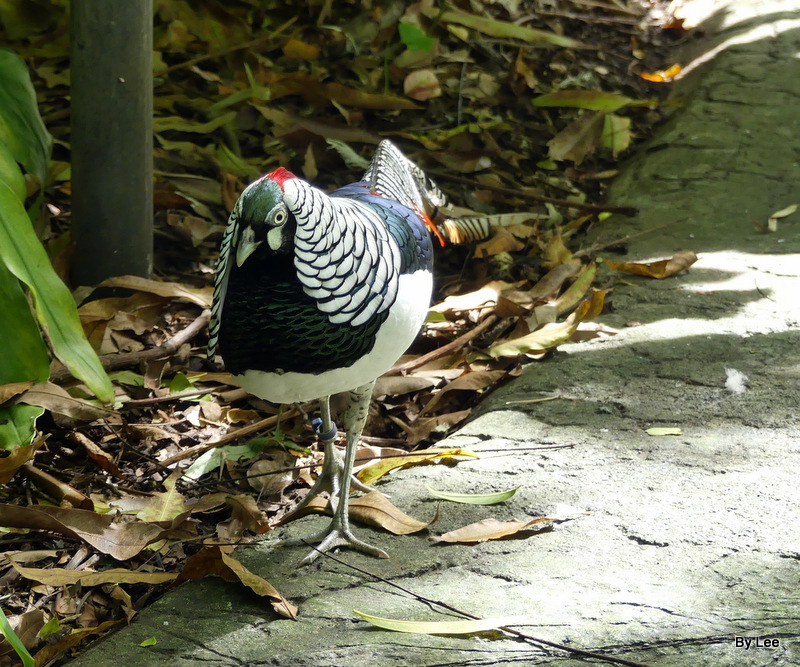
Lady Amherst’s Pheasant (Chrysolophus amherstiae) Zoo Miami by Lee
Now there is a beautifully designed avian wonder from the Creator. More about this bird later.
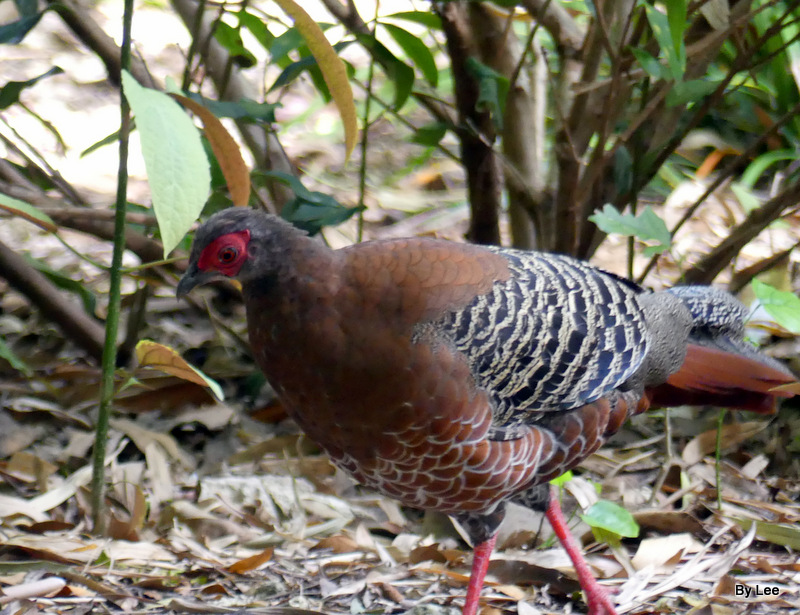
The Siamese Fireback is also in the Pheasant family.
Siamese Fireback (Lophura diardi) Zoo Miami by Lee
So, when our mystery bird showed up, which family do you think I kept looking through? The Pheasants and allies – Phasianidae Family. I searched high and low.
Guess what this bird is!
Can you guess what this bird is?
Mystery Bird and a Red-vented Bulbul at the Zoo
I about fell out of my computer chair when I found out.
Maybe a close up of the face will help. Zoo Miami by Lee
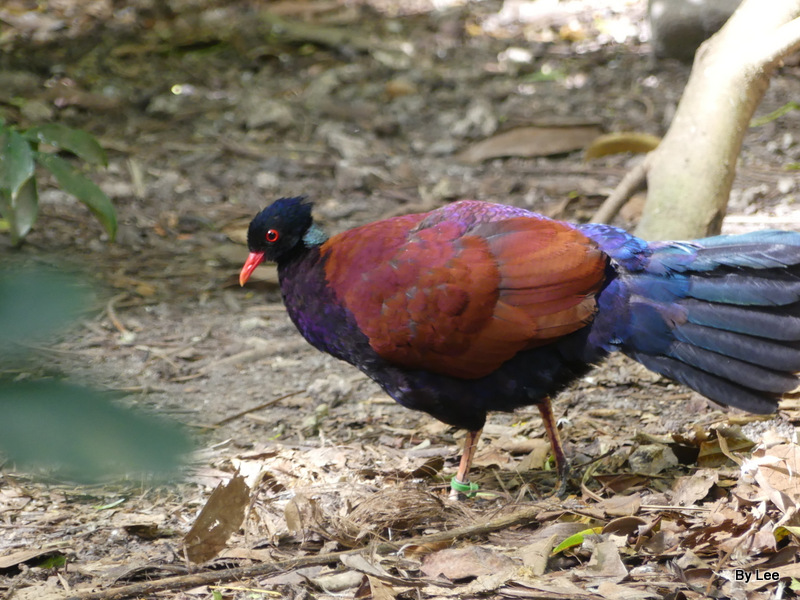
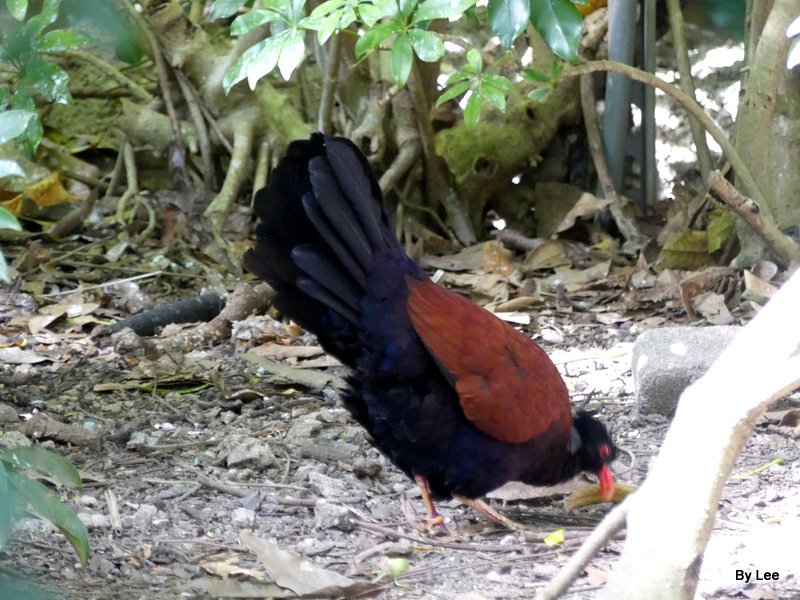
Our Mystery Bird turns out to actually be a Pigeon!!!. This is a Pheasant Pigeon (Otidiphaps nobilis) [Green-naped Pheasant Pigeon] as Zoo Miami calls it.
Pheasant Pigeon (Otidiphaps nobilis) (Green-naped) Zoo Miami by Lee
I Just Couldn’t Believe THIS IS A PIGEON!!!!!
“The pheasant pigeon (Otidiphaps nobilis) is a genus of large terrestrial pigeon found in the primary rainforests of New Guinea and nearby islands. It ranges primarily over hilly and lower mountain areas, but can also be found in lowlands.
There are four species, [actually subspecies] which differ primarily in the presence or absence of a small crest and in the colour of the nape. The two best known are the western nominate (O. nobilis) with a greenish nape and O. n. aruensis from the Aru Islands with a white nape. [We saw this at the Cincinnati Zoo] The two remaining species, O. n. cervicalis from the eastern part of its range and O. n. insularis from Fergusson Island, have a grey nape and a black nape (concolour with the remaining black neck) respectively.” [Wikipedia with editing]
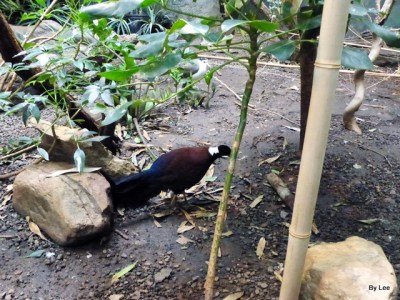
Pheasant Pigeon [White-naped] (Otidiphaps nobilis) Cincinnati Zoo 2016 – Lee
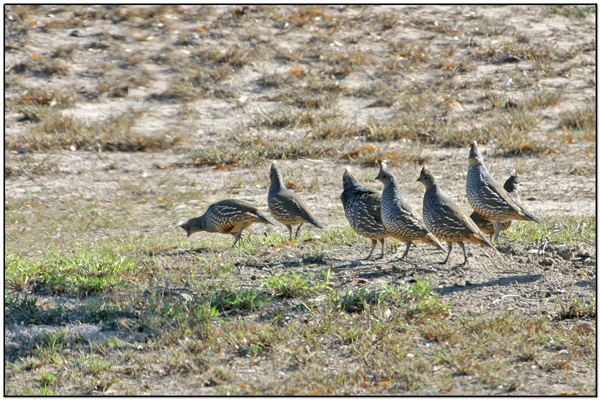
“And there went forth a wind from the LORD, and brought quails from the sea, and let them fall by the camp, as it were a day’s journey on this side, and as it were a day’s journey on the other side, round about the camp, and as it were two cubits high upon the face of the earth.” (Numbers 11:31 KJV)
Scaled Quail (Callipepla squamata) by DavesBirdingPix













 Lee's Birdwatching Adventures Plus