Scripture Alphabet of Animals: The Lion

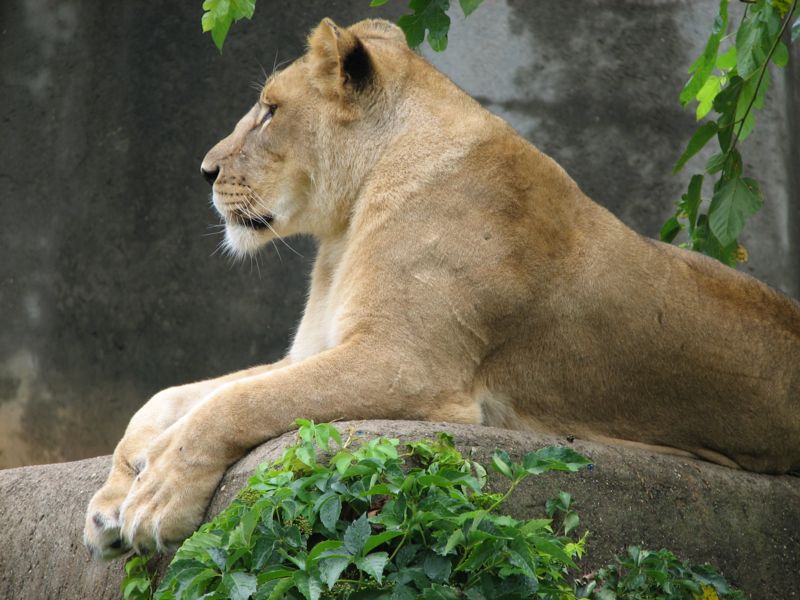
Lioness at Louisville Zoo ©WikiC

Scripture Alphabet of Animals: The Lion

By Harriet N. Cook (1814-1843)

You have seen pictures of the lion a hundred times, I suppose, and perhaps you have seen it alive; would you not like to know what the Bible says about it? You have heard it called the “king of beasts,” because it is so strong and so bold; it is afraid of no other animal, and it is strong enough to carry away a horse or a buffalo. In the 30th verse of the 30th chapter of Proverbs, we read about

the lion which is strongest among beasts, and turneth not away for any.

When king David was mourning for the death of Saul and Jonathan, he said,

They were swifter than eagles, they were stronger than lions.

How strong Samson must have been to take hold of a young lion and tear it in pieces with his hands! Did you ever read a riddle in one of the chapters of Judges? This is it,

Out of the eater came forth meat, and out of the strong came forth sweetness;

Lions ©WikiC

Lions ©WikiC

and it was made by Samson after he had found the honey in the skeleton of the lion,-as I told you when speaking of the bee. He promised some of his friends that he would give them thirty sheets and thirty changes of raiment, if they would find it out in seven days; but they would not have been able to do it, if Samson’s wife had not told them what he meant. Then they came to him and said,

What is sweeter than honey, and what is stronger than a lion?

The boldness of the lion is noticed in a verse in Isaiah:

Like as the lion and the young lion roaring on his prey, when a multitude of shepherds is called forth against him, he will not be afraid of their voice, nor abase himself for the noise of them.

In Proverbs, 28 : 1, you will read,

The wicked flee when no man pursueth; but the righteous is as bold as a lion.

This is true, dear child; and if you will love God and trust the kind Savior, there is nothing in all the wide world of which you need be afraid. God can take care of you as he did of Daniel, even if you were shut up in a dark cave with cruel and hungry lions around you.
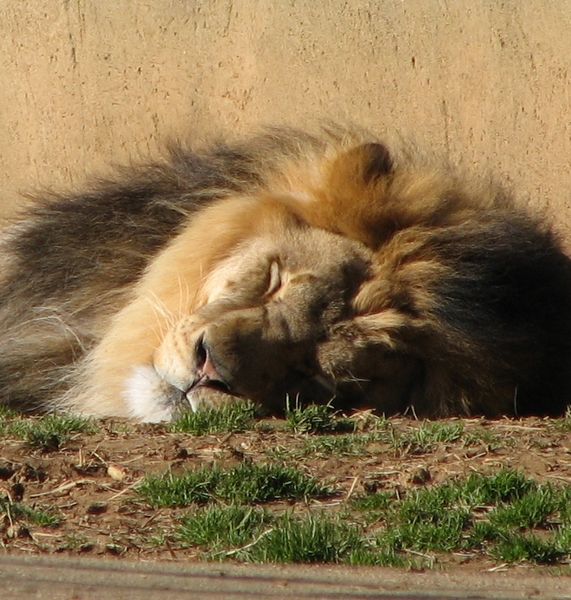
Lion - Asleep at the Louisville Zoo ©WikiC

Lion – Asleep at the Louisville Zoo ©WikiC

The lion lies in his den and sleeps in the daytime, but at night he goes out to find his food. His eyes are a little like those of a cat, and he can see in the night better than we can. The Bible says,

Thou makest darkness and it is night; wherein all the beasts of the forest do creep forth. The young lions roar after their prey, and seek their meat from God. The sun ariseth, they gather themselves together, and lay them down in their dens.

It has soft feet, like a cat, so that it can creep quietly along and not frighten the animals that it means to kill, till it comes very near them. Sometimes the lion lies in his den, very still, until some animal comes by; then he gives a sudden spring, and seizes it just as a cat seizes a mouse. The Bible says, when speaking of a wicked man,

He lieth in wait secretly, as a lion in his den; he lieth in wait to catch the poor; he doth catch the poor, when he draweth him into his net.

The lion has very strong claws hidden in the soft cushion of his paws, and when he has caught his prey he uses them to tear it in pieces. His tongue is like that of a cat, only a great deal more rough, and with this he can strip the flesh off from the bones. David in one of the Psalms prays that God will save him from an enemy,

Lest,” he says, “he tear my soul like a lion, rending it in pieces when there is none to deliver.
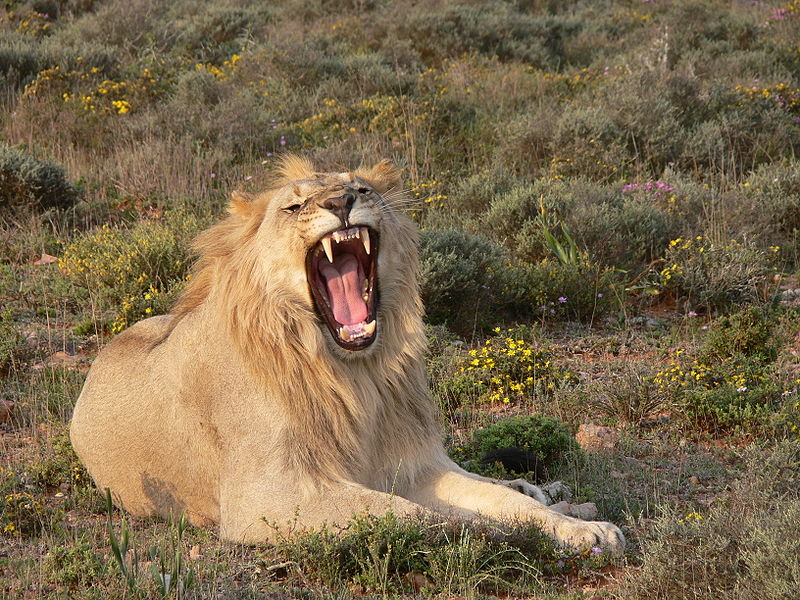
Roaring Lion ©WikiC

Roaring Lion ©WikiC

The roaring of the lion is very terrible, especially at night. He seems to delight to be wandering around for his prey when it is dark and stormy; then when he puts his mouth near the ground, his roaring sounds like thunder, and all the animals that hear it are full of fear. You have read of Satan, that most wicked being, who would be glad to make us as wicked as he is; the Bible says he is like

a roaring lion, walking about, seeking whom he may devour.

Let us pray God to keep us safe from this roaring lion.

Christ is sometimes called

the Lion of the tribe of Judah.

He is always gentle and kind to those who love him; but if we will not receive him as our Savior, the day is coming when he will meet us in judgment; then where can his enemies hide themselves.

___
See:

Harriet Newell Cook – Scripture Alphabet of Animals

Nave’s Topical Bible – Lion

Torrey’s Topical Textbook – Lion

(Photos ©WikiC)

*

Scripture Alphabet of Animals: The Hart and Hind

Hinds at Killarney National Park©WikiC

Scripture Alphabet of Animals: The Hart and Hind

By Harriet N. Cook (1814-1843)

Several animals of the deer kind are mentioned in the Bible under the names of Fallow-deer, Hart, Hind, and Roe-buck. They were all numbered among the clean animals, or those which the Israelites were allowed to eat; as we see in Deut. 14:4, 5,

These are the beasts which ye shall eat; the ox, the sheep, the goat, the hart, the roe-buck and the fallow-deer.

In 1st Kings, 4:23, we read of the daily provision which was made for king Solomon’s table, and among the rest were

ten fat oxen, and twenty oxen out of the pastures, and a hundred sheep, besides harts, and roe-bucks, and fallow-deer.

Fawn ©WikiC
Fawn ©WikiC

These animals are all harmless, gentle, timid, loving and beautiful; noted for their branching horns, for the elegance of their form, and for their surprisingly swift and graceful motion. It has long been a favorite amusement in eastern countries to pursue them in the chase; and as the swiftest greyhound can scarcely overtake them, it is usual to train hawks or falcons to attack them, and so delay them till the dogs come up. They bound along over the plains, “fleet as the wind,” seeming scarcely to touch the ground: no motion can be more beautiful. In the last verse of Solomon’s Song we read,

Make haste, my beloved, and be thou like to a roe, or to a young hart on the mountains of spices.

The 35th chapter of Isaiah contains a beautiful description of the peaceful kingdom which Christ will one day establish in the earth; and among other things it is said,

Then the eyes of the blind shall be opened, and the ears of the deaf shall be unstopped; then shall the lame man leap as an hart, and the tongue of the dumb shall sing.

The hart or hind is remarkably sure-footed as well as swift: this may explain one or two verses in the Bible. David says, 2d Sam. 22:33, 34,

God is my strength and power, and he maketh my way perfect. He maketh my feet like hinds’ feet, and setteth me upon my high places.

In the last verse of Habakkuk we read,

The Lord is my strength, and he will make my feet like hinds’ feet.

The male deer is called a hart, the female a hind; and their affection for each other is beautiful. Solomon says in the Proverbs,

Rejoice with the wife of thy youth; let her be as the loving hind and pleasant roe.

The hart often suffers from thirst in the dry and sandy countries where it lives-especially when pursued by the hunters; it then longs for water, and plunges with the greatest eagerness into the cooling stream. David says in the 42d Psalm,

As the hart panteth after the water brooks, so panteth my soul after thee, O God. My soul thirsteth for God, for the living God; when shall I come and appear before God?

Nothing could more strongly express his love to God, or his ardent desire for communion with him. Happy is the child who has in his heart such feelings towards God, and who finds pleasure in praying to him, from day to day; he has been taught by the Holy Spirit, and is preparing to meet God in peace. (See Roe.)

___
See:

Harriet Newell Cook – Scripture Alphabet of Animals

Nave’s Topical Bible – Hart

Nave’s Topical Bible – Hind

Torrey’s Topical Textbook – Hart

(Photos ©WikiC)

Scripture Alphabet of Animals: The Goat

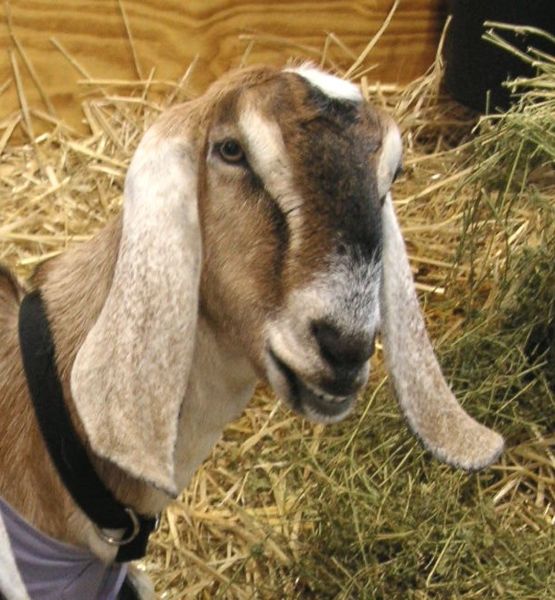
Nubian Goat with long ears ©WikiC

Scripture Alphabet of Animals: The Goat

By Harriet N. Cook (1814-1843)

There are two kinds of goat in the countries where the Bible was written; one very much like those that we sometimes see; the other differing from it in several respects, especially in the greater length of its ears. It is supposed that the prophet Amos speaks of the latter kind when he says,

As the shepherd taketh out of the mouth of the lion, two legs or a piece of an ear.

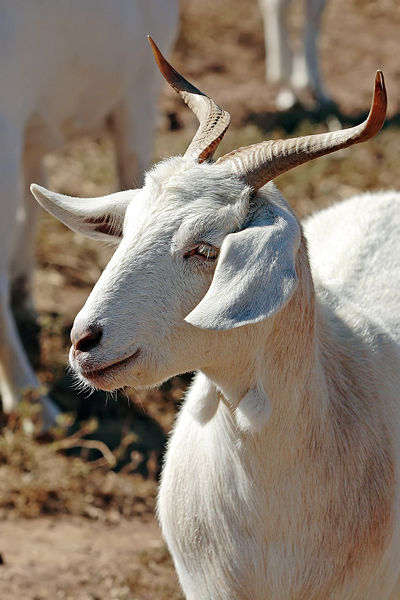
Goat with unusual horns ©WikiC

Goat with unusual horns

The ear of this kind of goat is so long that a large piece might easily be bitten off; it sometimes measures more than a foot.

Solomon says, in the Proverbs, when speaking to a man who is diligent in his work,

Thou shalt have goats’ milk enough for thy food, for the food of thy household, and for the maintenance of thy maidens.

This seems strange to us, because we are not much used to it; but in those countries the milk of the goat is very sweet and good, and is often made into cheese.

The people there often have a great number of goats. Jacob sent a present of two hundred and twenty to his brother Esau; and a great king, mentioned in the Bible, once received seven thousand seven hundred as a gift. A man is mentioned in the first book of Samuel who owned a thousand goats: perhaps you can find the place; and if you do, you will see in the next verse what his name was, and also the name of his wife.

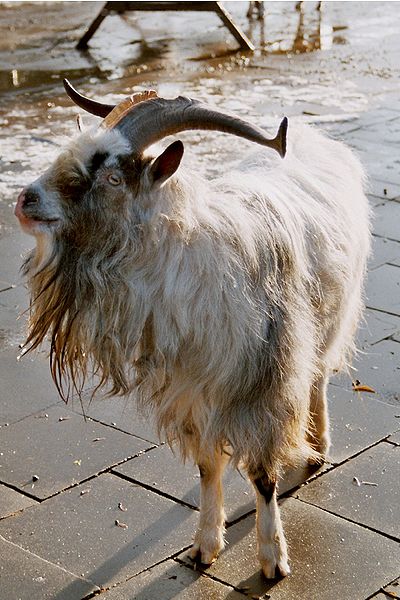
Long-haired Goat ©WikiC

Long-haired Goat ©WikiC

There are two kinds of hair upon the goat; one is long and coarse, the other soft and fine. Of the first kind the people make a kind of rough, coarse cloth; the other is made into very fine cloth, almost as soft as silk. A part of the curtains for the tabernacle were made of goats’ hair.

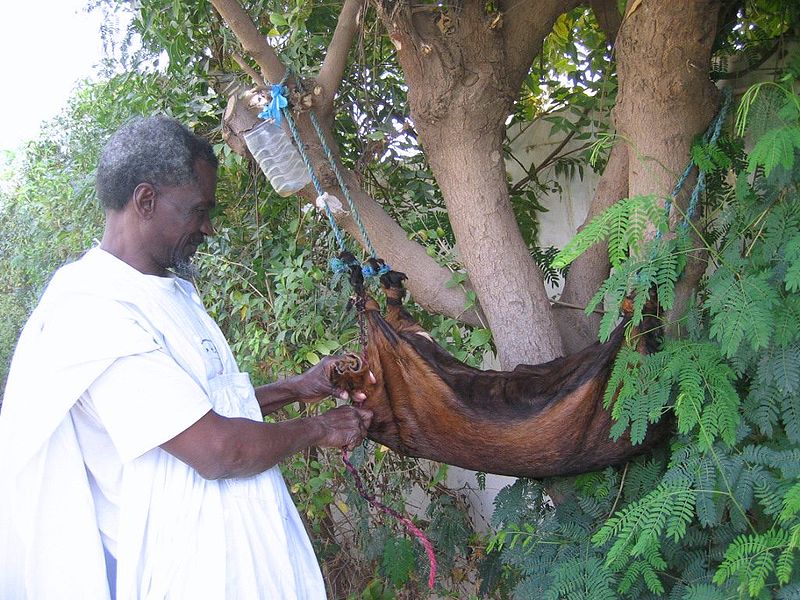
The bottles mentioned in the Bible were usually made of goat-skins: the people in those days had not learned to make glass. When they had been used a long time, they became worn, so that they would not hold what was put in them. Our Savior once said,

Neither do men put new wine into old bottles;

this was because the new wine would ferment and the leathern bottles would burst. There is a story in the Old Testament about some men who wished to deceive Joshua, and lead him to think that they lived at a very great distance from him, when they really lived very near. So it is said, (Josh. 9:4, 5)

They took old sacks upon their asses, and wine-bottles, old and rent, and bound up; and old shoes and clouted upon their feet, and old garments upon them; and all the bread of their provision was dry and mouldy

Mauritanian making a bota bag©WikiC

Mauritanian making a bota bag©WikiC

Then they said to Joshua, (verses 12 and 13)

This our bread we took hot for our provision out of our houses on the day we came forth to go unto you; but now, behold it is dry, and it is mouldy. And these bottles of wine which we filled were new, and behold they be rent; and these our garments and our shoes are become old by reason of the very long journey.

The Israelites had a singular custom in ancient times, about which you may read in the sixteenth chapter of Leviticus. It was commanded by God, and was to be observed once in every year. On the morning of the day appointed for it, the high-priest was to wash in pure water, and clothe himself in a dress of clean white linen. Then two fair and handsome young goats were brought to him, one of which was to be killed. The priest was to cast lots, that he might know which of them it should be; then he was to kill him, sprinkle his blood upon the altar seven times, and burn the flesh. Afterwards he was to take the live goat, lay both hands upon his head, and confess over him the sins of the Israelites,

putting them upon the head of the goat.

Then the animal was given into the care of a man who led him away and let him go in the wilderness,

bearing upon him all the iniquities

of the people. This goat was a type of our Savior; that is, it represented what he afterwards did, when he came into the world and “bore our sins.”
___
See:

Harriet Newell Cook – Scripture Alphabet of Animals

Nave’s Topical Bible – Goat

Torrey’s Topical Textbook – Goat

(Photos ©WikiC)

*

Scripture Alphabet of Animals: The Fox or Jackal

Fox - Blandford's Fox

Scripture Alphabet of Animals: The Fox or Jackal

By Harriet N. Cook (1814-1843)

It is not quite certain whether the fox mentioned in the Bible is the same animal that we now call by that name. It probably means what we now call the jackal. This animal is about as large as a common sized dog, and its color is yellow, or reddish brown. It never goes out alone to seek its food, but always in companies of forty or fifty together. Then they make strange noises, which sound very much like the crying of children.

They do not go out for their food in the daytime, but wait till it begins to be dark; and then they kill all the animals they can find that are not too strong for them. Sometimes a large animal like the lion will hear the cries that they make when they are hunting, and will come and snatch away from them whatever they have found. These foxes or jackals have been known to scratch away the earth from graves that have been lately made, and then devour the bodies of the dead. This explains a verse in the sixty-second Psalm, where David says of those who

seek his soul to destroy it,”-“They shall fall by the sword; they shall be a portion for foxes.

They eat plants of different kinds; sometimes roots, and sometimes fruits. This is one of the verses in Solomon’s Song,

Take us the foxes, the little foxes which spoil the vines; for our vines have tender grapes.

These animals are often found in great numbers around the walls and ruins of old cities; they live in holes or burrows which they dig in the ground. Our Savior says,

The foxes have holes and the birds of the air have nests; but the Son of man hath not where to lay his head.

Fox - (Vulpes macrotis mutica) with pups

Fox – (Vulpes macrotis mutica) with pups

We have read this verse so many times that we scarcely think how much it means; but was it not a wonderful thing that when Christ came from his bright throne in heaven to this poor earth, he should not find even a home here? Every animal on all the hills has its shelter and hiding-place; every little bird in all the forest has its comfortable nest; but our Savior “had not where to lay his head.” During all his life he was

a man of sorrows and acquainted with grief.

For whom did he suffer all this?-and when his sorrowful life was ended, for whom did he die? I need not tell you this, dear child, but I may ask you,

“Is there nothing we can do

“To prove our grateful love?”

___

See:

Harriet Newell Cook – Scripture Alphabet of Animals

Nave’s Topical Bible – Fox

Torrey’s Topical Textbook – Fox

(Photos ©WikiC)

*

Scripture Alphabet of Animals: The Eagle

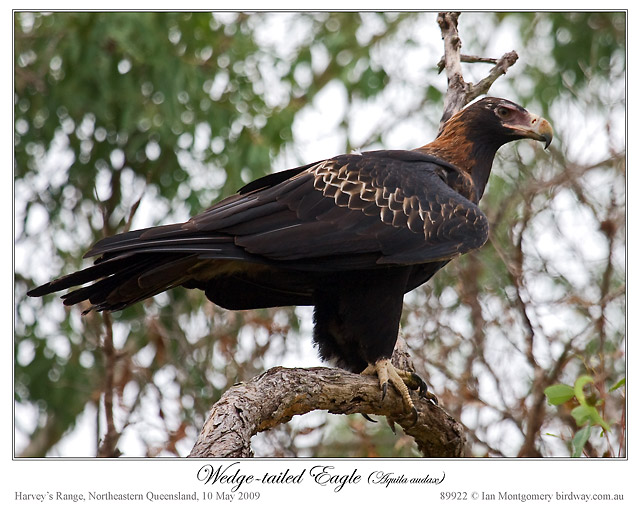
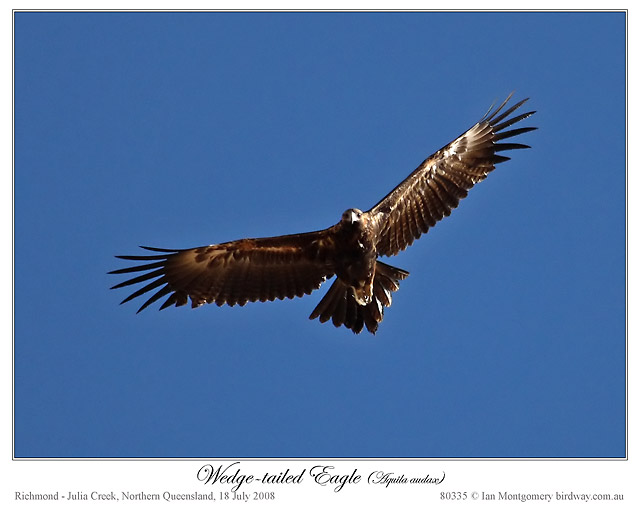
Wedge-tailed Eagles (Aquila audax) by Ian

Wedge-tailed Eagles (Aquila audax) by Ian

Scripture Alphabet of Animals: The Eagle

By Harriet N. Cook (1814-1843)

Bald Eagle (Haliaeetus leucocephalus) by AestheticPhotos

Did you ever see an eagle? There were once a great many among the rocks and mountains of our own country, but they will not stay where there are many people; so they are seldom seen here now. They like to make their nests in high and rocky places, where nobody can find them; as a verse in the Bible says,

“Though thou shouldest make thy nest on high as the eagle, yet will I bring thee down from thence.”

Their nests are not usually made in trees like those of many other birds, neither are they shaped in the same way: they are nothing but a layer of sticks spread flat upon the rock, and covered with some hay or straw. The care of the eagle for her young is spoken of in Deut. 32:11.

“As an eagle stirreth up her nest, fluttereth over her young, spreadeth abroad her wings, taketh them, beareth them on her wings; so the Lord alone did lead him.”

This beautifully describes God’s care over the children of Israel while they were passing through the wilderness; does it not also well express his kindness to us?

These birds fly very swiftly, and you will find verses in the Bible that speak of this. One is the forty-ninth verse of the twenty-eighth chapter of Deuteronomy. “The Lord shall bring a nation against thee from far, as swift as the eagle flieth.” In another place it is said, “His horses are swifter than eagles.” Job says,

“My days are swifter than a post, (or post-rider;) they are passed away as the swift ships, as an eagle that hasteth to the prey.”

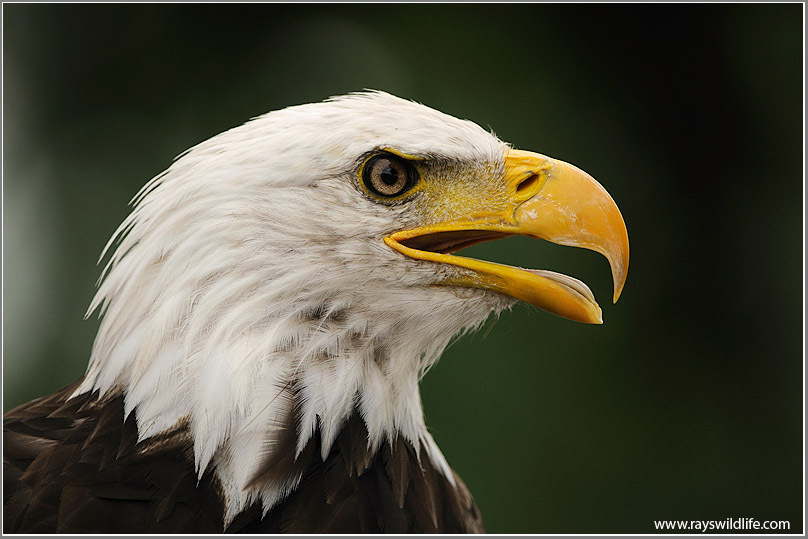
Bald Eagle by Raymond J Barlow

Bald Eagle by Ray

The eye of the eagle is very curious. It has something like an inner eyelid, only it is very thin; and the eagle can draw this over its eye, like a curtain, whenever there is too much light. You have heard perhaps that it can look directly at the bright sun; and this is the reason. It can see a great deal farther than we can; and when it is very high in the air, so that it would look to you but little larger than a speck, it often sees some small animal on the ground and flies down to catch it.

See how well this bird was described a great many years ago: these are the last verses of the thirty-ninth chapter of Job:

“Doth the eagle mount up at thy command and make her nest on high? She dwelleth and abideth upon the rock, upon the crag of the rock, and the strong place. From thence she seeketh the prey, and her eyes behold afar off. Her young ones also suck up blood; and where the slain are, there is she.”

Wedge-tailed Eagles (Aquila audax) by Ian

Wedge-tailed Eagles (Aquila audax) by Ian

The eagle lives a great many years; sometimes more than seventy, I believe. It sheds its feathers every spring, and new ones come out; then it looks like a young bird. This is why David says in the Psalms,

“Who satisfieth thy mouth with good things, so that thy youth is renewed, (or comes again,) like the eagle’s.”

There is this beautiful verse in Isaiah,

“They that wait upon the Lord shall renew their strength; they shall mount up on wings as eagles; they shall run and not be weary, they shall walk and not faint.”

How blessed and happy a thing it is to be a Christian indeed! to “wait upon the Lord” every day for the strength we need; and to be always preparing for that world where the inhabitants are for ever young, for ever active, for ever holy, for ever happy.

(Blog formatted by Lee)

See:

Harriet Newell Cook -Scripture Alphabet of Animals

Birds of the Bible

Eagles

Accipitridae Family – Kites, Hawks & Eagles

Nave’s Topical Bible – Eagle

Torrey’s Topical Textbook – Eagle

*

Scripture Alphabet of Animals: The Dog

Sleeping Pubs ©WikiC

Scripture Alphabet of Animals: The Dog

By Harriet N. Cook (1814-1843)

There are many dogs in the countries where the Bible was written, but the people do not like them as well as we do, and do not let them live about their yards and houses. So the dogs go wandering about without any master, and live on whatever they can find in the streets or around the markets. In the fifty-ninth Psalm you will find the verse:

They return at evening; they make a noise like a dog, and go round about the city,

-and a little farther on you will see,

Let them wander up and down for meat, and grudge if they be not satisfied.

Military Dog©WikiC

Military Dog©WikiC

These verses show that the dogs wandered about in those days just as they do now. Sometimes when they do not find enough to eat, they become very fierce and cruel, so that you would be afraid to meet one of them.

There is a sad story in some of the chapters of the two books of Kings, in which you will find these dogs mentioned. There was a very proud and wicked queen, named Jezebel, and she tried to make her husband, king Ahab, do all the evil she could. Once Ahab wanted a piece of ground that was near his palace, so that he might have it made into a garden, and he asked the owner of it, whose name was Naboth, to sell it to him. But Naboth was not willing, because he used it for his vineyard, and because his father had given it to him before he died. Then Ahab was very angry about it, and acted just as I have seen some foolish children do when they were not pleased. He went into his great splendid house, and laid himself down on the bed; then he turned his face towards the wall, and when it was dinner time he would not get up or eat any thing. So his wife Jezebel asked him what was the matter; and when she found out, she told him that he need not be troubled, for she could get that vineyard for him. Then she contrived to have Naboth killed by stoning, and when he was dead king Ahab took the vineyard.

Now you may be sure God was displeased with such wickedness as this, and you will think it was very right that he should punish the cruel Jezebel. Do you think her husband Ahab ought to be punished too? I do; because he knew that his wife was going to kill Naboth, and yet he did not try to keep her from doing it. I think he was as wicked as she. After Ahab had taken the vineyard, God sent to him the prophet Elijah to say to him these words,

Thus saith the Lord, In the place where dogs licked the blood of Naboth, shall dogs lick thy blood, even thine.” And of Jezebel he said, “The dogs shall eat Jezebel by the wall of Jezreel.

Now see how the word of God was fulfilled, just as he had said. Pretty soon after this, king Ahab went out to fight with his enemies, and as he was riding along in his carriage a man drew his great, strong bow, and shot an arrow which pierced the king and almost killed him. He lived a few hours, until nearly night, and then he died. The blood had run down from his wound into the carriage, and after the king was dead they took it to the pool of Samaria to wash it: there the dogs came and licked up the blood of Ahab.

Mutt and Jeff ©WikiC

Mutt and Jeff ©WikiC

The wicked Jezebel lived some years after this, and one of her sons became king; but God raised up another king, named Jehu, who slew this son, and then went to Jezreel, the city where Jezebel lived. She heard he was coming, and feared that he meant to put her to death; but she determined that, instead of begging him to spare her life, she would act as though she was still a queen, and then perhaps he would not dare to injure her. So she put ornaments on her head, and painted her face, and then sat down by an upper window in all the splendor of a queen. When Jehu came near, she called out to him in great anger and scorn, to reproach him for having put her son to death. When Jehu heard her voice and saw her sitting at the window, he cried out,

Who is on my side?

and two or three of the queen’s officers looked out at the windows. Then he said to them,

Throw her down.

They were very glad to get rid of the proud and cruel queen, and so they threw her down, as he had said. It was so far to the ground that she was killed immediately, and her blood was sprinkled upon the walls. But Jehu did not care for this; he went into the house to eat and drink. After he had taken his dinner, he thought of Jezebel, and told some of his servants that they must go and bury her: but in the mean time a terrible thing had happened. The dogs had seized and devoured the body, and nothing was left of it but the feet, and the palms of the hands, and part of the bones of the head. So God’s word came to pass,

The dogs shall eat Jezebel.

___

See:

Harriet Newell Cook – Scripture Alphabet of Animals

Nave’s Topical Bible – Dog

Torrey’s Topical Textbook – Dog

(Photos ©WikiC)

*

Scripture Alphabet of Animals: The Camel

Camel Side Head Neck

Camel Side Head Neck

Scripture Alphabet of Animals: The Camel

By Harriet N. Cook (1814-1843)

There are two or three varieties of the camel, but they do not differ from each other much more than our horses, some of which, the stout and strong, we use to draw heavy loads; others, more slender and graceful, we use for riding. The swift camel is called a Dromedary; it will carry its rider a hundred miles a day. Dromedaries are mentioned in the book of Esther, where messages were to be sent in haste to all parts of a vast kingdom; the messengers rode

on mules, and camels, and young dromedaries.

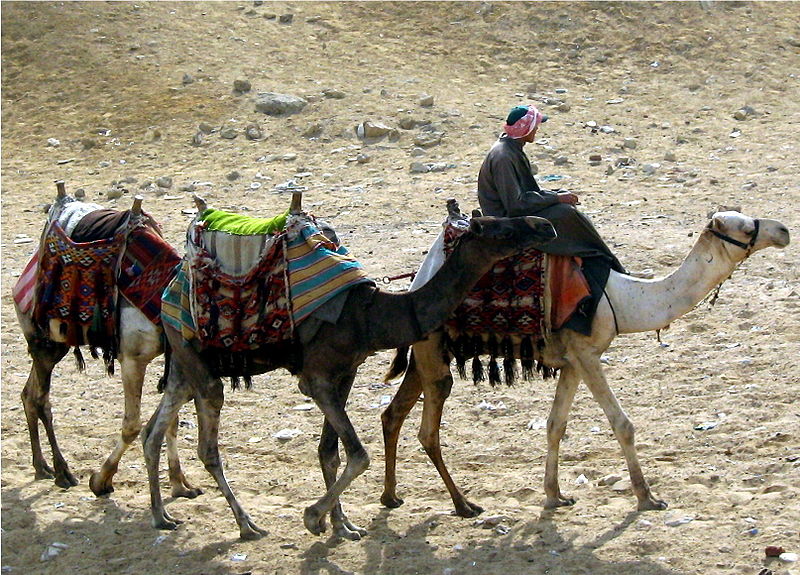
Camels at Giza

Camels at Giza

This is a very large animal and is mentioned a great many times in the Bible. I think you will like to find all these places, and see what is said about the camel. It seems as though God made it to live in just such countries as it does, for it can go a great many days without drinking any water; and if it were not for this, it would die of thirst, because the wells and springs are so far apart. If the people of those countries had not the camel they could not travel; so you see how kind God is to them.

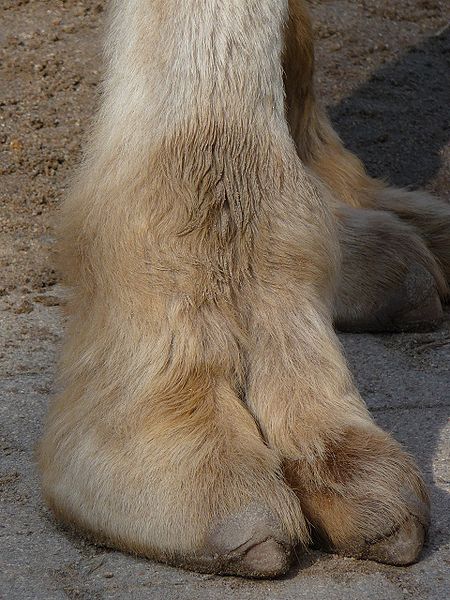
Camel - Foot

Camel – Foot

The foot of the camel is curious. It is very broad, having two divisions with a horny tip at the end of each; and underneath is a sort of elastic cushion, like a sponge, on which the animal treads. It is very strange to see a dozen or twenty large and heavy camels pass along almost without any noise; so still that you would hardly know they were coming if you did not look up.

There is a very beautiful story in the twenty-fourth chapter of Genesis, in which there is something about camels. I will tell you part of it. In the country where it happened a man does not generally choose a wife for himself, but his father or some other friend chooses for him. You have heard about Abraham, and know that he was a good man and a friend of God. When his son Isaac was forty years old, Abraham wished to find a wife for him, but he was not willing to take one from among the people where he lived, because they were very wicked. So he called a good old servant that he had-a gray-headed man-and told him that he wished him to go to a distant country and bring a wife for Isaac from there. Then Eliezer, the servant, took several other servants, and ten of his master’s camels, and many presents, and started on his journey. After they had travelled a great many days, they came near to the city where Abraham had told them to go. It was just before night, and that was the time when the young women used to go out of the city to draw water. I have told you that there are not many wells in that country, so that a great many persons draw water at one place. It is the custom for females to go for it, and they usually carry it in pitchers on their heads.

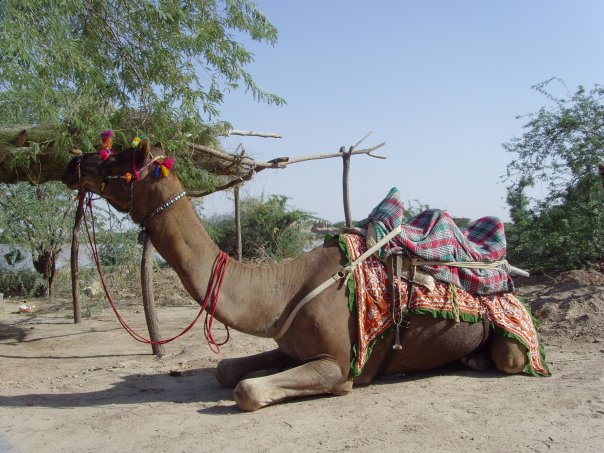
Camel Resting in the Cholistan Desert

Camel Resting in the Cholistan Desert

Eliezer made his camels lie down by this well, because they had come to the end of their journey and were very tired. But how was he to know who would be a good wife for Isaac, among all the women of this large city? He did not know; but he was a good man, and he prayed to God to choose one for him, and let him know which she was. And he asked God to let him know in this way which I will tell you. When the young women came out to the well, he was going to ask them for some water, and he prayed that the one who answered him kindly, and gave him drink, might be the right one for Isaac’s wife. Pretty soon he saw a young woman coming with her pitcher on her head, and she was very fair and handsome; but this alone did not satisfy Eliezer. He waited till she had drawn some water and placed it upon her head. Then he said to her,

I pray thee let me drink a little water from they pitcher;”-and she took it down and resting it on her hand, answered very pleasantly and kindly, “Drink, my lord.”

While he was drinking, she saw that he looked like a stranger, and that his camels seemed tired with the journey, and she was sorry from them. So she said,

I will draw water for the camels too;

– and she did draw enough for all the ten camels, though she must have been pretty tired when it was done, for these animals drink a great deal. From all these circumstances Eliezer felt sure that God had heard his prayer; and it gave him pleasure to think that if this young woman was willing to take so much trouble for a traveller whom she did not know, she would be a very kind and good wife.

I cannot tell you all; but Eliezer found that the young woman, whose name was Rebekah, was willing to go with him to be Isaac’s wife. When all was ready for the journey she was seated upon one of the ten camels, and her nurse upon another, and some of her female servants upon others. After they had been riding some days, they came, just at evening, near the place where Isaac lived, and saw him walking in the field. He came to meet Rebekah, and was very glad to see her, and when she became his wife he loved her very much.
___

See:

Harriet Newell Cook – Scripture Alphabet of Animals

Nave’s Topical Bible – Camel

Torrey’s Topical Textbook – Camel

(Photos ©WikiC)

*

Scripture Alphabet of Animals: The Bee

Bee - Apoidea on Trifolium

Bee – Apoidea on Trifolium

Scripture Alphabet of Animals: The Bee

By Harriet N. Cook (1814-1843)

Although the bee is so small an animal, it is very well known; and many learned men have spent a great deal of time in observing it, and have written many very curious things about it. They tell us that there is in every hive a queen, larger than the rest, whom they all follow and obey; and that if she dies or is carried away, they all leave their work and unless the queen is restored or another one provided, they refuse to eat, and soon die. Only one queen is allowed in a hive at a time. She does not go out to gather honey, but those who attend upon her bring to her cell as much as she wants.

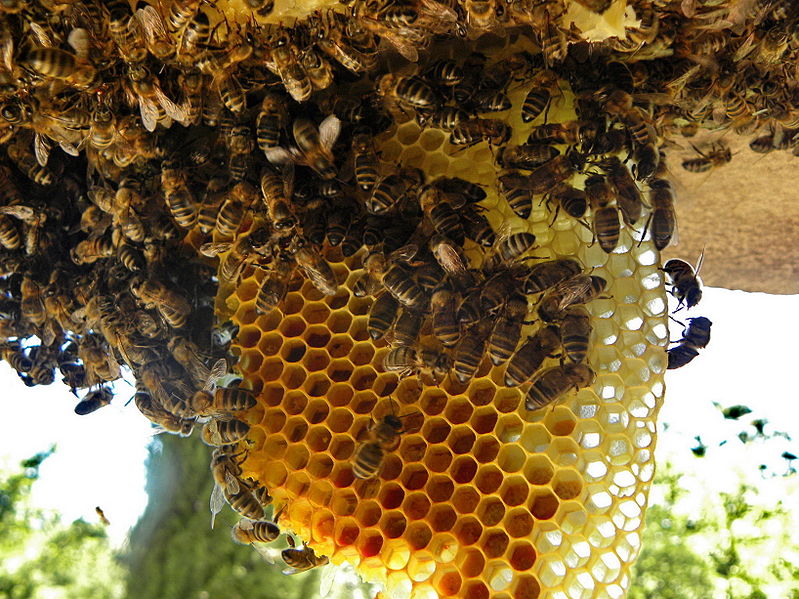
Bees on Comb©WikiC

Bees on Comb©WikiC

It is very pleasant to watch the bees at their work, for they are quite as busy as the ants, and as they are so much larger, it is more easy to see what they are doing. Every thing about them seems curious and beautiful; their waxen cells, their manner of gathering honey and storing it up, their neatness and order, all are admirable. They are perfectly harmless when left to themselves; but if they are attacked, they fly around the person who disturbs them, in great numbers, and sometimes sting him very severely. David once said of his enemies,

They compassed me about like bees.

Honey is often spoken of in the Bible. When Jacob wished his sons to go down into Egypt a second time to buy food, he said to them,

Take of the best fruits of the land in your vessels, and carry down the man (Joseph) a present; a little balm and a little honey, spices and myrrh, nuts and almonds.

God told the children of Israel that he would give them

a land flowing with milk and honey,

meaning one that was beautiful and fertile, producing abundantly every thing that would be needed for their comfort. When David had been obliged to flee from Jerusalem to escape his wicked son Absalom, he was in great want of provisions for himself and his followers. After a long and fatiguing march he reached a certain city; and there three rich men who were friendly to him, sent

wheat, and barley, and flour, and parched corn, and beans, and honey, and butter, and sheep, and cheese,”besides beds for them to rest on; “for they said, The people is hungry, and wary, and thirsty in the wilderness.”

Perhaps no man ever loved the commandments of God more truly than king David. He says in the Psalms,

How sweet are thy words unto my taste! yea, sweeter than honey to my mouth!

and again he says of God’s judgments,

More are they to be desired than gold, yea, than much fine gold; sweeter also than honey and the honey-comb.

Bees cluster©WikiC

Bee cluster©WikiC

Besides the bees that live in hives, there are many called wild bees, which live in the woods, and put their honey in the clefts of rocks, or in old trees and other similar places. In the fourteenth chapter of Judges you will find this story: There was a very strong man named Samson, and once when he was travelling by himself in a lonely place, a young lion came roaring along in the very path where he was going. Would you not have been afraid? I suppose Samson was, at first, for the lion was very strong and very hungry, and Samson had nothing in his hand to kill him with. But God gave him strength, and when the lion came up, Samson caught hold of him and tore him in pieces, as you would tear a piece of cloth. Then he left him dead on the ground. Sometime after he came back the same way, and thought he would look after the lion that he had killed. He soon found the skeleton, that is, the dry bones without any flesh on them; and when he looked at the parts of the dead lion he found that a swarm of bees had been there, and laid up a great plenty of honey. So he took some of it in his hands to eat as he went along.

You can learn of the little bee to try to be useful, and to resolve in the words of the hymn which I dare say you have learned:

“In works of labor or of skill
“I would be busy too;
“For Satan finds some mischief still
“For idle hands to do.

“In books, or work, or healthful play,
“Let my first years be past;
“That I may give for every day
“Some good account at last.”
___

See:

Harriet Newell Cook – Scripture Alphabet of Animals

Nave’s Topical Bible – Bee

Nave’s Topical Bible – Honey

Torrey’s Topical Textbook – Honey

(Photos ©WikiC)

Scripture Alphabet of Animals: The Bear

Brown Bear ©WikiC

Scripture Alphabet of Animals: The Bear

By Harriet N. Cook (1814-1843)

Did you ever hear children say, “He is as cross as a bear? I hope it will never be said of you, for nobody loves a child who is selfish and unkind, or who speaks cross and angry words. The bear is certainly a very cross animal; the name that was given to it in Bible times means a grumbler or growler. It does not even like other bears, excepting its own young ones, but chooses to live by itself in the gloomiest woods- often in a dark cave, or in the hollow part of some great old tree. When winter begins, it lies down to sleep, and does not wake up till warm weather comes again; then it creeps out of its retreat, lean and hungry enough-and cross enough, too. It is not a handsome animal; its hair is rough and almost as close as wool, and its limbs are thick and clumsy. It eats nuts, juicy leaves, and such fruits and berries as grow in the woods; it is fond of honey, and will climb the highest trees to reach it; and when it is very hungry, it will kill any animal that comes in its way and is not too strong for it to conquer.

Bear Mom and two Cubs by Bob-Nan

Bear Mom and two Cubs by Bob-Nan

The bear loves its young ones more than almost any other animal does, as this little story will show you. A bear with two cubs or young ones once came over the ice near to a ship where the sailors had just killed a large animal. The bears were very hungry, and the sailors threw over some pieces of flesh for them; the old bear would tear them up, giving most of the meat to the cubs, and keeping but little for herself. Presently some one in the ship cruelly shot both the young ones-then their mother was full of sorrow. She had been hurt herself by the guns, but she crawled along to her cubs, put her paw upon them, and tried to have them get up; and when she found that they did not move, she went a few steps off, and then looked back with a sad, moaning noise, as though she expected them to get up and follow her. When she saw that all her efforts were useless, she walked around them several times, turned towards the vessel with a terrible growl-for she was angry enough to tear in pieces the men who had killed her young-and then lay down between her cubs and died. Does not his help you to understand this verse in the 17th chapter of 2d Samuel?

For thou knowest thy father and his men, that they are mighty men, and they are chafed in their minds, as a bear robbed of her whelps (or cubs) in the field;

-and this also, Hosea 13:8,

I will meet them as a bear bereaved of her whelps.

Such verses as these show that the writers of the Bible were acquainted with the habits of different animals: we never find any mistakes in what they say about them. Solomon says in his Proverbs,

As a roaring lion and a ranging bear, so is a wicked ruler over the poor people.

American Black Bear, Ursus americanus ©WikiC

American Black Bear, Ursus americanus ©WikiC

You have often read or heard the sad story in the 2d of Kings, how forty -two children were killed at one time by two bears out of the wood. Do you understand why God allowed this? Elijah, a holy servant of God, had just been taken up to heaven in a bright chariot with horses of fire; and these rude and wicked children called out to Elisha,

Go up, thou bald head!”-that is, “Go up, as Elijah did, to heaven.

This mockery would have been very wrong, even if Elisha had not been a holy prophet, for God has said,

Thou shalt rise up before the hoary head, and Honour the face of the old man

but the children were really dishonoring God in their treatment of his servant, and it was for this reason that He was so displeased with them.

Do you remember what David said when he was trying to persuade king Saul to let him go and fight with the great giant Goliath? Saul thought he was too young, and by no means strong enough; but David said,

Thy servant was keeping his father’s sheep, and there came a lion and a bear, and took a lamb out of the flock, and thy servant slew both the lion and the bear.” He said also, “The Lord that delivered me out of the paw of the lion and out of the paw of the bear, he will deliver me out of the hand of this Philistine

You see why David was not afraid to meet the giant. It was not because he felt strong of himself, but he believed that God would be near to help him; and it was the same feeling that led him to say afterwards,

Though I walk through the valley of the shadow of death, I will fear no evil; for Thou art with me.

Happy will it be for you, dear child, if you can say the same words, with peace in your heart, when you lie down to die.

Harriet Newell Cook – Scripture Alphabet of Animals

Nave’s Topical Bible – Bear

Torrey’s Topical Textbook – Bear

Two Suppers – By William Wise

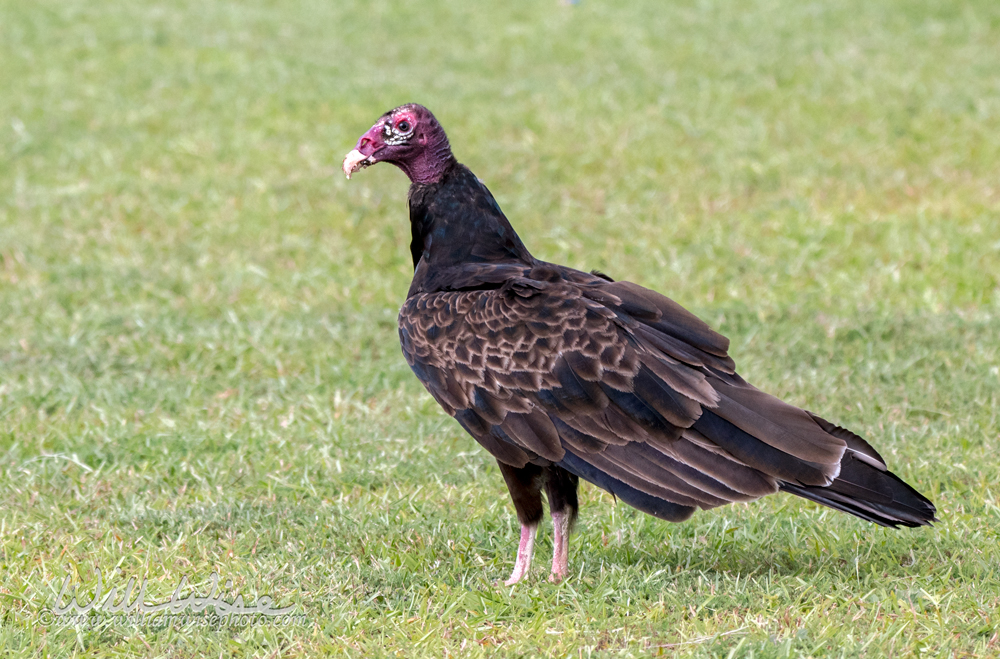
Turkey Vulture; Walton County, Georgia by William Wise

Turkey Vulture; Walton County, Georgia by William Wise

Two Suppers

By William Wise of www.williamwisephoto.com

Revelation 19:17-18  And I saw an angel standing in the sun; and he cried with a loud voice, saying to all the fowls that fly in the midst of heaven, Come and gather yourselves together unto the supper of the great God;  18 That ye may eat the flesh of kings, and the flesh of captains, and the flesh of mighty men, and the flesh of horses, and of them that sit on them, and the flesh of all men, both free and bond, both small and great.

While running a 10K race with my 69-year-old father, I laughed as he looked up and shouted at a group of circling vultures and said, “Go away! I’m not dead yet!” Although they were waiting to dine on him, he wasn’t quite ready to be their supper.

King James Authorized 1611 Pulpit Folio

The Bible tells us (and yes, I believe it) that one day in the future, God is going to host two great suppers, or feasts. The first is the party of the century… no, the party of the millennia… no, the party of the ages! It is called the Marriage Supper of the Lamb. And all the followers of Jesus Christ will be given clean, white garments and enjoy the greatest wedding reception of all time.

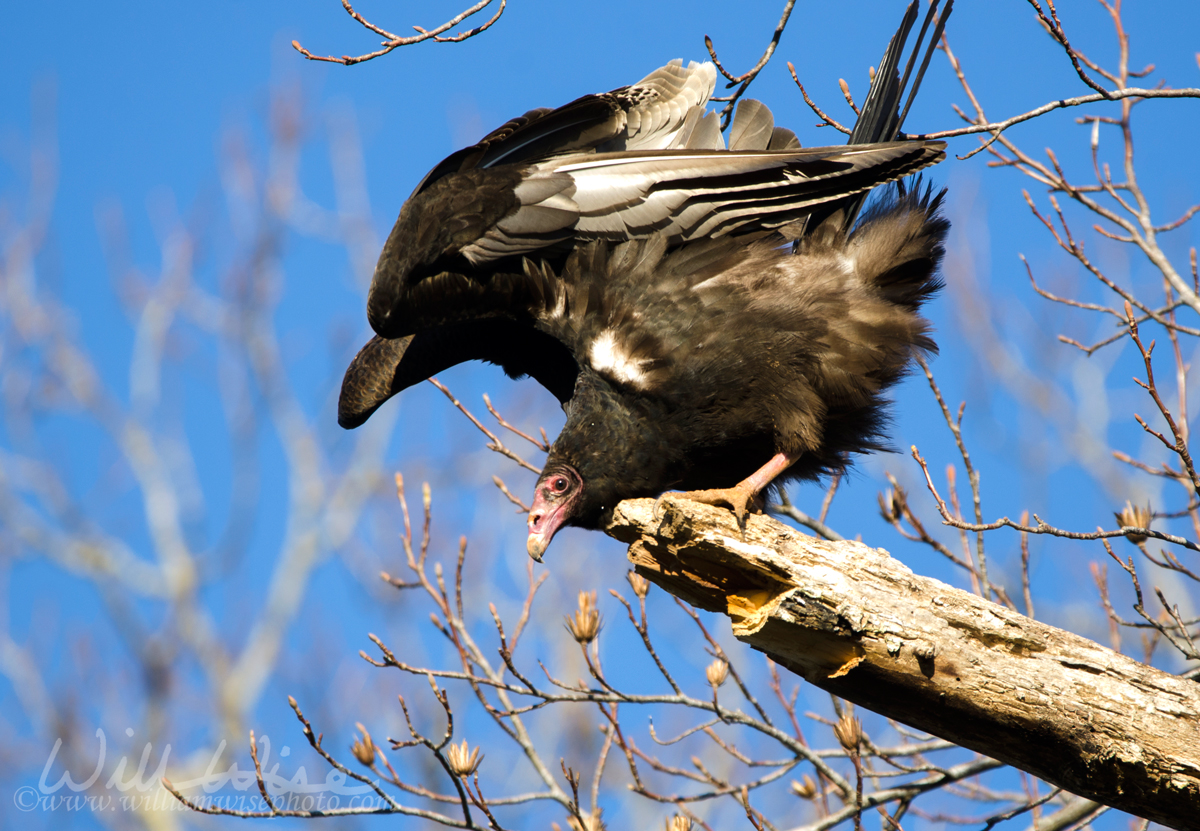
Georgia Vultures by William Wise

Georgia Vultures by William Wise

But simultaneously, there is another feast. It is called the Supper of the Great God. Those who did not RSVP for the Marriage Supper of the Lamb, but lived for themselves, will be attendees at this gathering. For it is a gathering of fowls; of carrion crows and vultures to feed upon the slain who turned in battle against returning Messiah. But you need not attend that feast.

Turkey Vulture; Clarke County, Georgia by William Wise

Turkey Vulture; Clarke County, Georgia by William Wise

When you pass a roadside party of vultures dining on last night’s unlucky road crossing, just remind yourself, “I’d rather feast at the Marriage Supper of the Lamb than be feasted upon at the Supper of the Great God.”


We are excited to introduce a new Photographer/Writer to the Lee’s Birdwatching Adventures blog. Not only is he a great Christian photographer, but a blogger who writes about Creation topics also. Welcome, William!

Check out his website at: http://www.williamwisephoto.com/index.html

Ted and Red – By Emma Foster

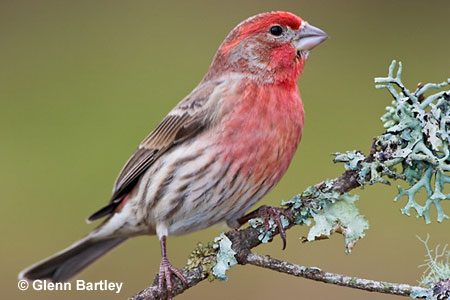
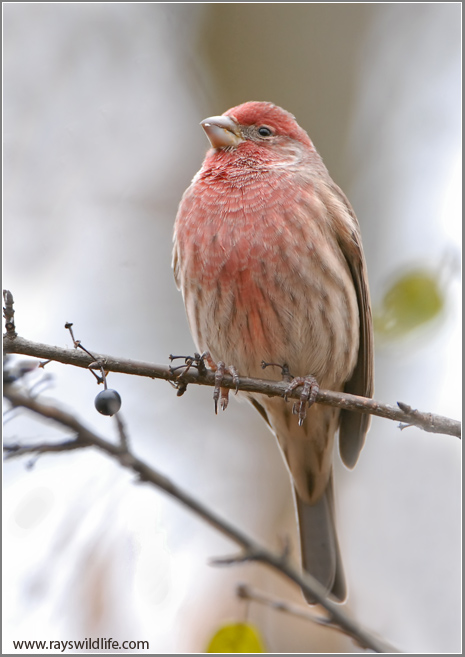
House Finch male ©Glenn Bartley-Wichita StateU

Ted and Red

by Emma Foster

Once there were two finches named Ted and Red who were brothers. They lived in two trees that had been planted next to each other. Their trees were in a courtyard by a museum, which provided them with plenty of shade because Florida was almost always hot. Both birds had many friends in the courtyard.

The birds spent most of their time flying around the beaches and hectic streets searching for food or just having fun watching the different tourists around the coast. Many times, people on the dock would feed them breadcrumbs.

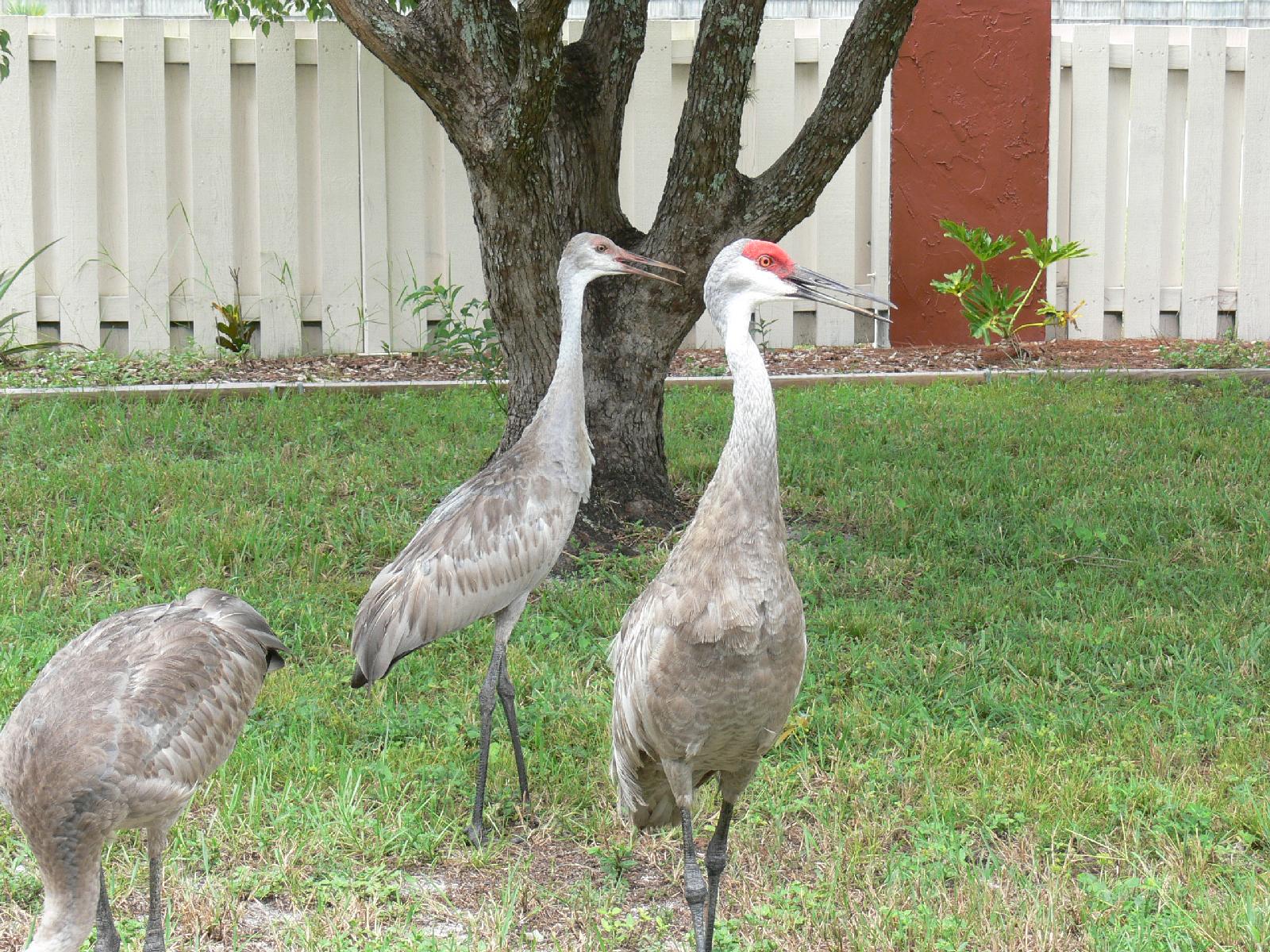
Sandhill Cranes

Sandhill Cranes

But as summer came, the days grew hotter and longer, and there were many rainy days. Ted and Red stayed in their nests most of the time under the protection of their large shady trees. Their friends stayed in their little homes too: the fish remained comfortable in their pond, the two cranes who lived nearby nestled in their nests in the bushes, and the black snake stayed in his small hole in the grass.

House Finch Resting

One day when there wasn’t much rain, Red went out to search for some food. While he was gone, the clouds grew black, and Red knew he needed to hurry home. However, when he reached the courtyard, the rain poured down harder, and Red couldn’t see very well. He flew toward a light that he saw up ahead and accidentally flew into the museum, sliding across the slippery floor. Red knocked against a small object, sending it crashing to the ground. An alarm went off somewhere, and Red quickly flew back outside and into his nest, where he told Ted what had happened. The rain slowly lessened, and the alarm stopped. Several museum employees had to clean up the mess. Red felt terrible for breaking the vase, but Ted and their friends told him it was an accident and it wasn’t his fault.

House Finch (Carpodacus mexicanus) by Raymond Barlow

Just then, another alarm went off, and someone ran out of one of the entrances, holding a large vase. Ted, Red, and their friends thought fast. The fish quickly pointed to the machine that visitors inserted quarters into to obtain fish food to throw to the fish. Ted and Red flew against it and beat on it with their feet as hard as they could, while the two cranes beat their wings against it. The black snake followed behind the man in case he turned around, hoping that the man would be too scared to step over him. The fish food spilled across the walkway, and the man stealing the vase fell over, while the security guards ran after him and caught him. The security guards were afraid to step over the black snake too. Ted and Red flew back into their nests. Red felt much better afterwards, knowing that he made up for his earlier mistake.

House Finch (Haemorhous mexicanus) by Ian

House Finch (Haemorhous mexicanus) by Ian

Ted and Red spent the rest of their summer with their friends in the courtyard. From then on, whenever it rained Ted and Red were careful to stay in their comfortable nests. To their friends, they were now considered honorary security guards.


What an interesting story, Emma. I trust our readers enjoy it as much as I do. The teamwork of this mixture of critters reminds us of how, as Christians, we work together, even though we have different gifts. The seems to blend us together to accomplish His Will.

“Now there are varieties of gifts, but the same Spirit; and there are varieties of service, but the same Lord; and there are varieties of activities, but it is the same God who empowers them all in everyone. To each is given the manifestation of the Spirit for the common good.” (1 Corinthians 12:4-7 ESV)

See More of Emma’s Stories

The Locket in the Woods by Emma Foster

The Locket in the Woods

By Emma Foster

Greater Necklaced Laughingthrush (Garrulax pectoralis) ©WikiC

Nora lived in the middle of a sunny wood beside a river that flowed under a small bridge. She spent most of her time building her nest, searching for food, and watching people walk across the bridge. Because Nora lived on a forest preserve, she didn’t have to worry about having to find a new home in case people chopped down her tree. Throughout the day, Nora watched groups of people walk along the many trails that were strewn along the forest preserve.

One day Nora was busy collecting some worms near the river as it rushed by. She looked up at the bridge to see a group of girls walking across and taking pictures of the trees. Nora hopped closer and watched them pass by, but when they left, she spotted something shiny in the bushes near her.

Nora rifled through the bushes and eventually found a small necklace with a heart-shaped locket on the end. Picking it up in her beak, Nora immediately started searching for the group of girls.

Locket

Unfortunately, Nora couldn’t find them anywhere. She followed the path, but it became a fork in the road, and she wasn’t sure which way she should go. It would be difficult to fly ahead because so many trees blocked her view. Nora finally decided to go left, hoping she would eventually find them.

Along the path she found an elderly couple who were biking along the trail and a couple of alligators sleeping in the water, but she didn’t find the girls. Nora decided to cut through the trees and head out to the other path.

After flying for a few minutes with the heavy locket in her beak, Nora rested on a tree in the middle of the woods. A small creek flowed near the tree she sat on. The sun shone down on Nora, making her very hot. Because of the heat and the weight, Nora accidentally dropped the locket into the small creek!

Nora raced after the locket, but the locket tumbled away down the river. Eventually, the bushes surrounding the creek became too thick for her to fly through them. Just as she was about to give up, however, a fish swam upstream with the locket in his mouth, and when Nora told him who the locket was for, he explained that he had seen the girls pass by on the other path. Nora thanked him then flew away with the locket.

When Nora finally caught up with the girls, she placed the locket on the path where they could easily see it. The girl who had lost it was glad to have found it, though she had no idea how it had gotten there. Nora, happy that she had accomplished her mission, flew back to her nest and took a well-deserved nap in the shade of her tree by the river.


“For He will deliver the needy when he cries, The poor also, and him who has no helper.” (Psalms 72:12 NKJV)

“…For your Father knows the things you have need of before you ask Him.” (Matthew 6:8b NKJV)

Lee’s Addition:

Since Emma didn’t indicate what type of bird the story is about, I am using my imagination. Besides, this bird wears a Necklace. :)

Greater Necklaced Laughingthrush (Garrulax pectoralis) ©WikiC

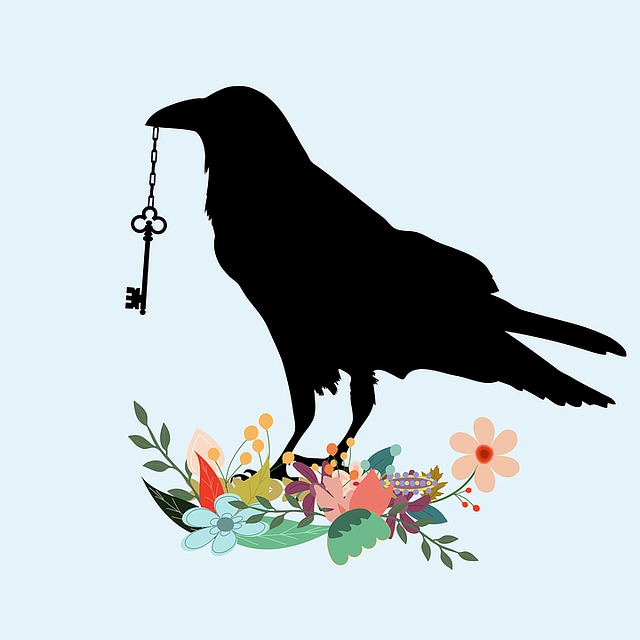
Or, it could be a Raven. They like to collect things.

Raven holding key on chain ©Pixabay

Thanks, Emma, for another interesting tale about the birds. Now, we even have a talking fish. I love your stories. Keep on writing them for us.


More of Emma Foster’s Stories

Wordless Birds