A Heart Message

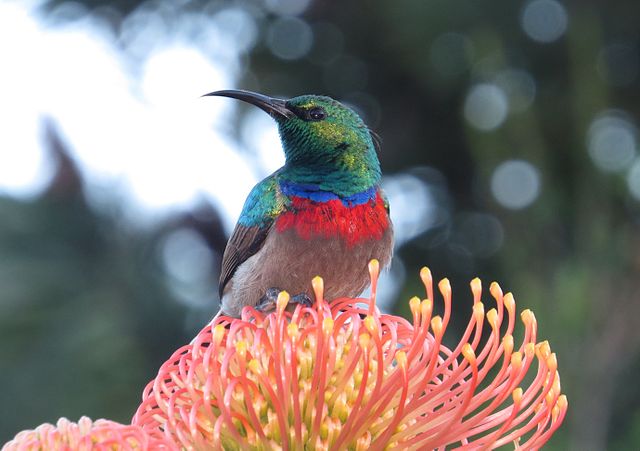
Southern Double-collared Sunbird (Cinnyris chalybeus) ©WikiC

“For if thou altogether holdest thy peace at this time, … and who knoweth whether thou art come to the kingdom for such a time as this?” (Esther 4:14 KJV)

Last weekend we had a great Missions Conference. All the missionaries that spoke were real “heroes of the faith.” Of all the Conferences at Faith Baptist Church, here in Florida, this was the best since we have been here. The Theme was For Such A Time As This! My heart was stirred as we listened to the heartbeat of these Christians who have dedicated their lives to go and reach others for Christ. Sometimes I grumble inwardly about having to fix problems on this blog, yet they have so many issues to deal with. They keep looking to the Lord to help them through. All the stories of problems and blessings from the Lord help us to remember that God is in control. Keep On, Keeping On!

On Sunday night, the final speaker was Mrs. Grace Fabian who was with Wycliffe Bible Translators in Papua New Guinea. She has written a book about all that happened to them while they were there. Her husband was murdered, yet she stayed on to help translate the Bible into the language of that tribe. I found two YouTube videos online that tell much of what she told us.

Check out: Part 1 – https://youtu.be/k5_5UHqwiv4 and Part 2 – https://youtu.be/6wI-FUjtwdg

So, what does all of this have to do with birds? One of the missionaries serves in Togo, West Africa. The Lethers family had on their display table a book of birds from Togo. It was opened to a photo of a Sunbird. Thanks to the Birds of the World blogs that have been here, I was able to immediately put a name on it. [The name was covered]

I was birdwatching at the conference. Most birders, after a while, notice photos or birds no matter where they are. Hopefully, you have become more aware of the birds around you. Whether they are in the wild, a zoo, or even in a book, your eyes will drift that way. Mine do.

Checking the Wikipedia list of birds in Togo, West Africa, there is a huge number of avian wonder in Togo. Here are just a few of them:

Many More Birds Have Arrived!

Birds of the Bible for Kids is Under Construction
Keep Checking

The dust is thinning out a bit.

Here is the Latest list of pages and articles that have flown over to the Birds of the Bible for Kids site. The ones in blue are the newest arrivals. Wow! I had forgotten about so many of these articles. They are being re-published to current dates.

I trust you will check some of these out. If you have youngsters and/or teenagers, or, grandchildren, you may want to share these with them.

The Bible Bird indexes that are now open are GROWING:

“I will meditate also of all thy work, and talk of thy doings.” (Psalms 77:12 KJV)

Bible Birds

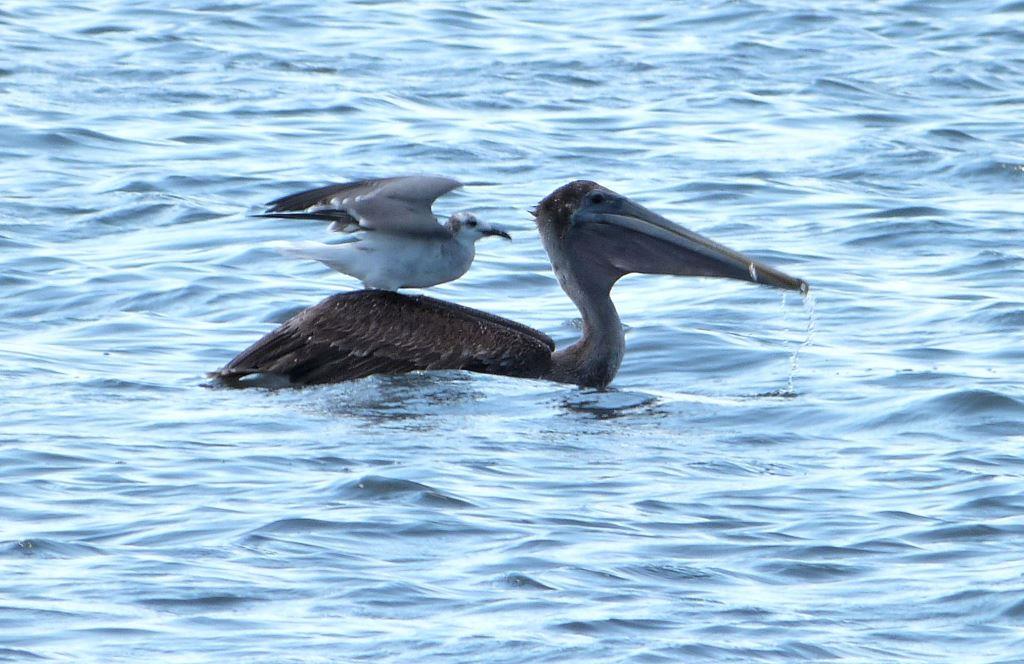
Brown Pelican and Laughing Gull - Waiting

Waiting

Here are some of the articles that are active again: (reverse order as they were released)

STAY TUNED!!

I Sing Th’ Almighty Power Of God – Isaac Watts

On Sunday, one of our congregational songs was: I Sing Th’ Almighty Power Of God by Isaac Watts. When we sang the second verse, I couldn’t help but think about the creation of the birds. What a great song, what a Great Creator!

“And the evening and the morning were the fourth day. And God said, Let the waters bring forth abundantly the moving creature that hath life, and fowl that may fly above the earth in the open firmament of heaven. And God created great whales, and every living creature that moveth, which the waters brought forth abundantly, after their kind, and every winged fowl after his kind: and God saw that it was good. And God blessed them, saying, Be fruitful, and multiply, and fill the waters in the seas, and let fowl multiply in the earth. And the evening and the morning were the fifth day. And God said, Let the earth bring forth the living creature after his kind, cattle, and creeping thing, and beast of the earth after his kind: and it was so. And God made the beast of the earth after his kind, and cattle after their kind, and every thing that creepeth upon the earth after his kind: and God saw that it was good.” (Genesis 1:19-25 KJV)

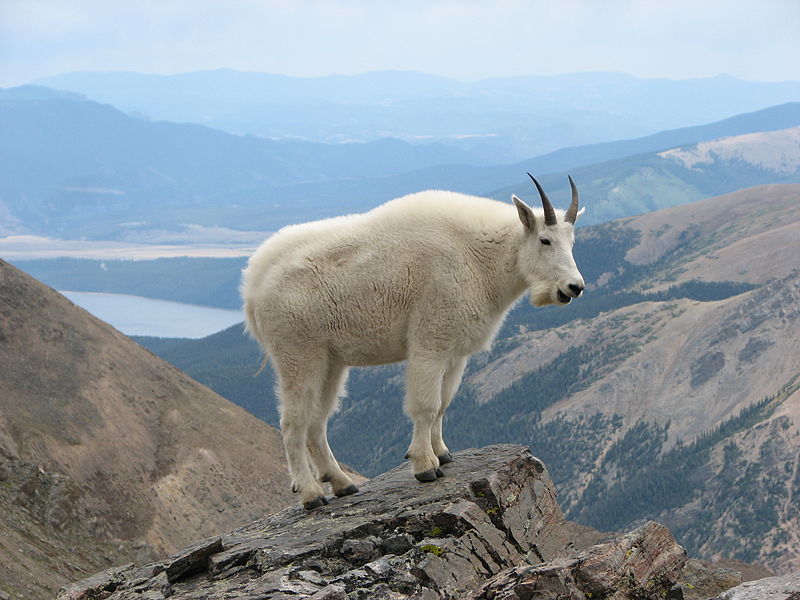
Mountain Goat at Mount Massive ©WikiC

Mountain Goat at Mount Massive ©WikiC

We sing the mighty power of God
that made the mountains rise,
that spread the flowing seas abroad
and built the lofty skies.
We sing the wisdom that ordained
the sun to rule the day;
the moon shines full at his command,
and all the stars obey.

Mountain Bluebird (Sialia currucoides) for ajmithra's article

Mountain Bluebird (Sialia currucoides)

We sing the goodness of the Lord
that filled the earth with food;
he formed the creatures with his word 
and then pronounced them good. 
Lord, how your wonders are displayed, 
where’er we turn our eyes, 
if we survey the ground we tread 
or gaze upon the skies. 

Landscape at Parrot Mountain

There’s not a plant or flower below
but makes your glories known,
and clouds arise and tempests blow
by order from your throne;
while all that borrows life from you
is ever in your care,
and everywhere that we can be,
you, God, are present there.

From the Psalter Hymnal, 1987

Happy New Year 2018

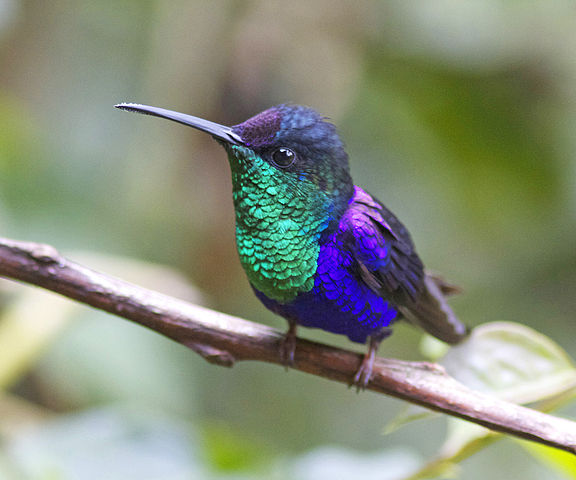
Violet-) Crowned Woodnymph (Thalurania colombica) ©WikiC

“Thou crownest the year with thy goodness; and thy paths drop fatness. They drop upon the pastures of the wilderness: and the little hills rejoice on every side. The pastures are clothed with flocks; the valleys also are covered over with corn; they shout for joy, they also sing.” (Psalms 65:11-13 KJV)

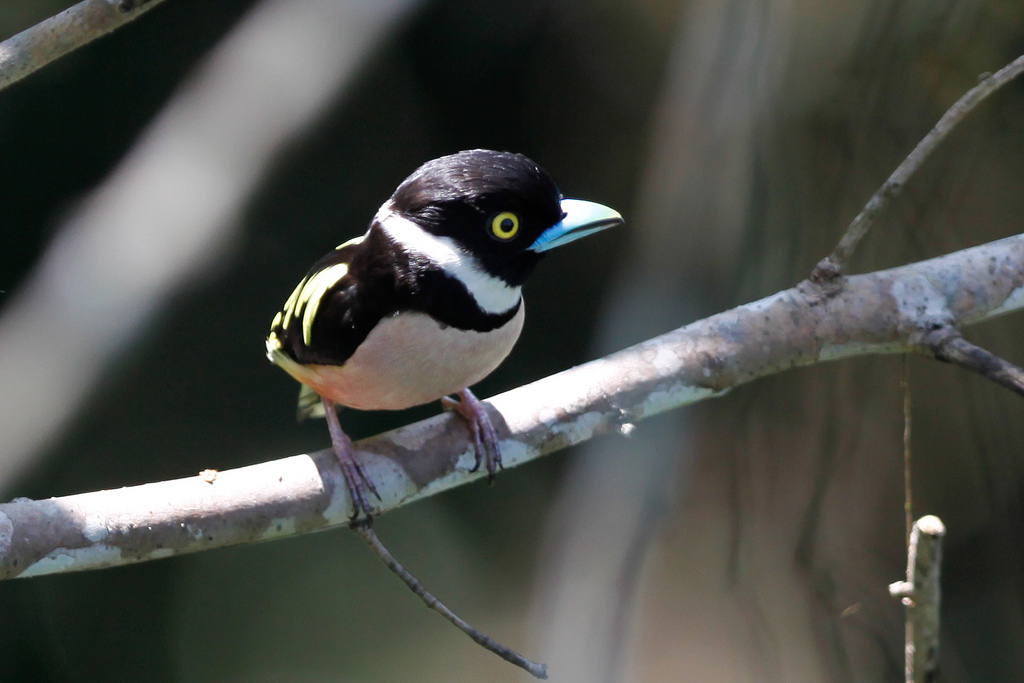
Black-and-yellow Broadbill (Eurylaimus ochromalus) ©©Flickr Holyoak

“The fear of the LORD is the beginning of wisdom: and the knowledge of the holy is understanding. For by me thy days shall be multiplied, and the years of thy life shall be increased.” (Proverbs 9:10-11 KJV)

Great Blue Heron Viera Wetlands - Bad Hair Day

Great Blue Heron Viera Wetlands – Bad Hair Day

“For all our days are passed away in thy wrath: we spend our years as a tale that is told. The days of our years are threescore years and ten; and if by reason of strength they be fourscore years, yet is their strength labour and sorrow; for it is soon cut off, and we fly away.” (Psalms 90:9-10 KJV)

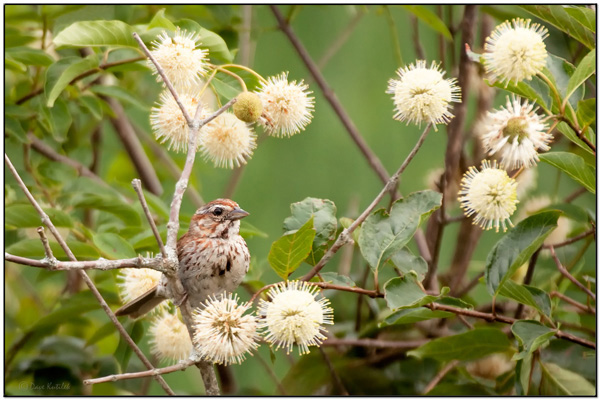
Song Sparrow in white flowers by Daves BirdingPix

Song Sparrow in white flowers by Daves BirdingPix

“I have considered the days of old, the years of ancient times. I call to remembrance my song in the night: I commune with mine own heart: and my spirit made diligent search.” (Psalms 77:5-6 KJV)

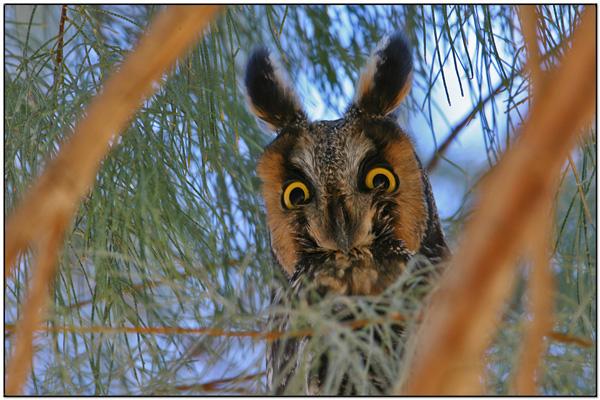
Northern Long-eared Owl

“But, beloved, be not ignorant of this one thing, that one day is with the Lord as a thousand years, and a thousand years as one day. The Lord is not slack concerning his promise, as some men count slackness; but is longsuffering to us-ward, not willing that any should perish, but that all should come to repentance.” (2 Peter 3:8-9 KJV)

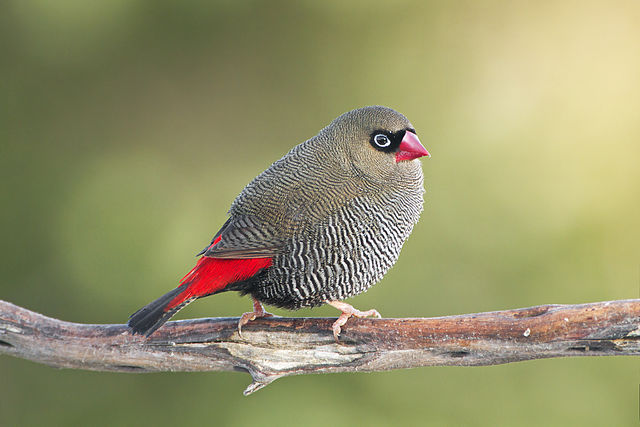
Beautiful Firetail (Stagonopleura bella) M ©WikiC

And let the beauty of the LORD our God be upon us: and establish thou the work of our hands upon us; yea, the work of our hands establish thou it.” (Psalms 90:17 KJV)

Lord willing, we shall all have a blessed and prosperous year. Happy New Year from all of us.

** Keep an eye out for your first bird spotted/heard in 2018 **

Avian And Attributes – Cook

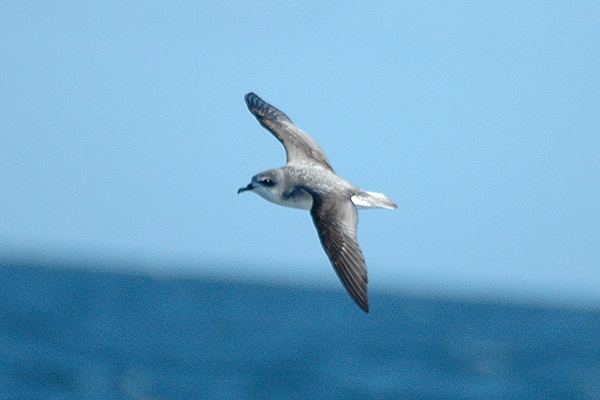
Cook’s Petrel (Pterodroma cookii) ©WikiC

“As soon then as they were come to land, they saw a fire of coals there, and fish laid thereon, and bread. (John 21:9 KJV)

“Jesus saith unto them, Come and dine. And none of the disciples durst ask him, Who art thou? knowing that it was the Lord. Jesus then cometh, and taketh bread, and giveth them, and fish likewise. This is now the third time that Jesus shewed himself to his disciples, after that he was risen from the dead.” (John 21:12-14 KJV)


Avian and Attributes – Cook

From the above verses, it appears our Lord was also a good Cook.

Cook
(1): (v. i.) To prepare food for the table.
(3): (v. t.) To prepare, as food, by boiling, roasting, baking, broiling, etc.; to make suitable for eating, by the agency of fire or heat.
(6): (n.) One whose occupation is to prepare food for the table; one who dresses or cooks meat or vegetables for eating.
(7): (v. t.) To throw.


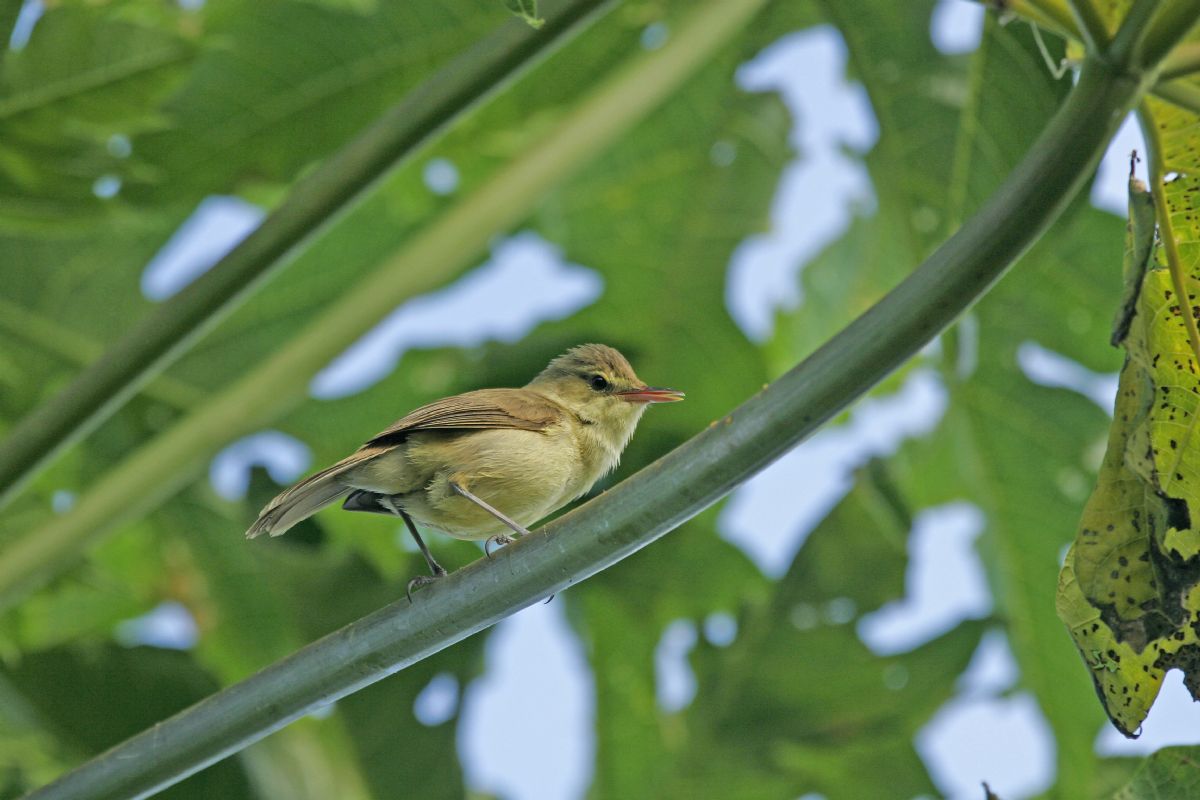
Cook Reed Warbler (Acrocephalus kerearako) ©IGoTerra

Cook Reed Warbler (Acrocephalus kerearako)

The Cook Reed Warbler or Cook Islands reed warbler (Acrocephalus kerearako) is a species of Old World warbler in the Acrocephalidae Family. It is found only in the Cook Islands. Its natural habitats are subtropical or tropical dry forests, swamps, and rural gardens. It is threatened by habitat loss.

Cook’s Petrel (Pterodroma cookii) ©Flickr Duncan

Cook’s Petrel (Pterodroma cookii)

The Cook’s petrel (blue-footed petrel) (Pterodroma cookii), is a Procellariform seabird. It is a member of the gadfly petrels and part of the subgroup known as Cookilaria petrels, which includes the very similar Stejneger’s petrel. One of the smallest petrels, Cook’s petrel is typically 25–30 cm (9.8–11.8 in) in length with a 65–66 cm (26–26 in) wingspan and a weight of around 200 g (7.1 oz). Its colouration is typical of gadfly petrels: pale grey upperparts with a dark grey “M” on the wings and white underparts.

The bill is long and black with tubular nostrils on both sides. As in all members of the order Procellariiformes, this nostril configuration enables an exceptionally acute sense of smell, which the birds use to locate food and nest sites in the dark. In the  Procellariidae – Petrels, Shearwaters Family.

Cook’s petrel breeds only in New Zealand on three small islands: Little Barrier Island, Great Barrier Island, and Codfish Island. The breeding season is the southern summer, October–May. It nests in burrows and rock crevices, preferring sites on thickly forested ridges.

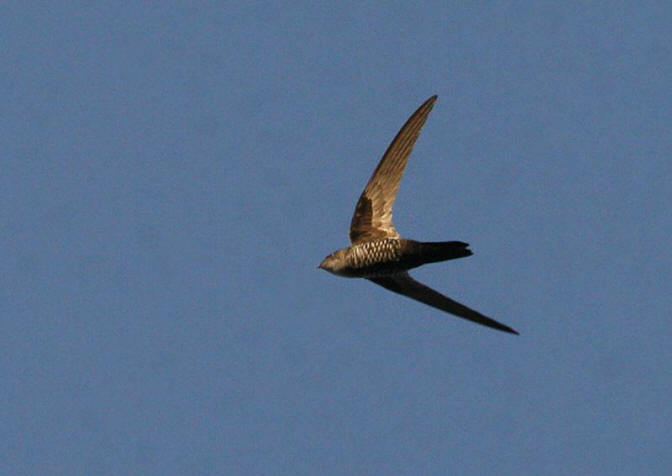
Cook’s Swift (Apus cooki) ©Peter Ericsson

Cook’s Swift (Apus cooki)

The Cook’s Swift (Apus cooki), is a small bird, superficially similar to a house martin. It is, however, completely unrelated to those passerine species, since swifts are in the order Apodiformes. These birds have very short legs which they use only for clinging to vertical surfaces. The scientific name comes from the Greek απους, apous, meaning “without feet”. They never settle voluntarily on the ground. Blyth’s swifts spend most of their lives in the air, living on the insects they catch in their beaks.

Cook’s swifts breed in limestone caves of Thailand, Myanmar and Indochina. The species has a green iridescence, a shallow tail fork and is a short distance migrant. In the Apodidae – Swift Family


More Avian and Attributes

Birds whose first or last name start with “C”

Good News

*
[Definitions from Webster’s Dictionary of American English (1828), unless noted. Bird info from Wikipedia plus. With Editing]

Birds of the Bible – Eagle in Hosea 8

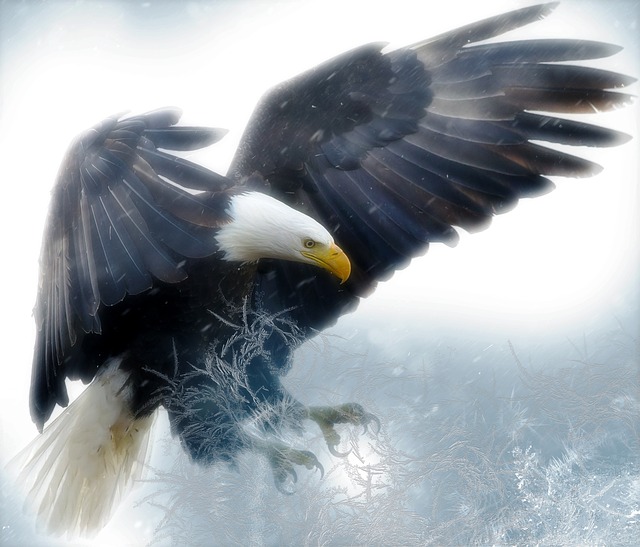
Bald Eagle landing ©CC0 Pixabay

“Set the trumpet to thy mouth. He shall come as an eagle against the house of the LORD, because they have transgressed my covenant, and trespassed against my law.” (Hosea 8:1 KJV)

In my Bible reading today, an Eagle was mentioned in Hosea 8:1. My current version of the Bible is the Defender’s Study Bible and the notes for that verses are from the New Defender’s Study Bible Notes on Hosea 8 says:

8:1 as an eagle. Literally, “like a vulture,” the Assyrians were about to swoop down on Israel to devour her spiritually dead body. She would cry out to God for deliverance (Hosea 8:2), but still depended on her idols. [NDSB Notes]

So why would an illustration of an eagle be used against the house of the Lord? The people had turned their backs on the Lord and were adopting the “things” of the heathens. They turned more and more away from the truths of the Scriptures and were adopting the attitudes, amoral acceptance, and sins of the people. [sounds like what is happening today]

God brings judgment on sin, and as an eagle attacks its prey, sometimes by surprise, the time of judgment would arrive. Verse 8:7 tells part of their problem. “For they have sown the wind, and they shall reap the whirlwind: it hath no stalk: the bud shall yield no meal: if so be it yield, the strangers shall swallow it up.” (KJV)

8:7 reap the whirlwind. Reaping follows sowing. “He that soweth to his flesh shall of the flesh reap corruption” (Galatians 6:8). This principle was applied with great fury to ancient Israel, and a similar time of reaping awaits other nations that forget God (Psalm 9:17). [NDSB Notes]

Our sins can start out small, but over time, they can multiply beyond measure. Just watching the news these days can show that principle is alive and well, unfortunately.

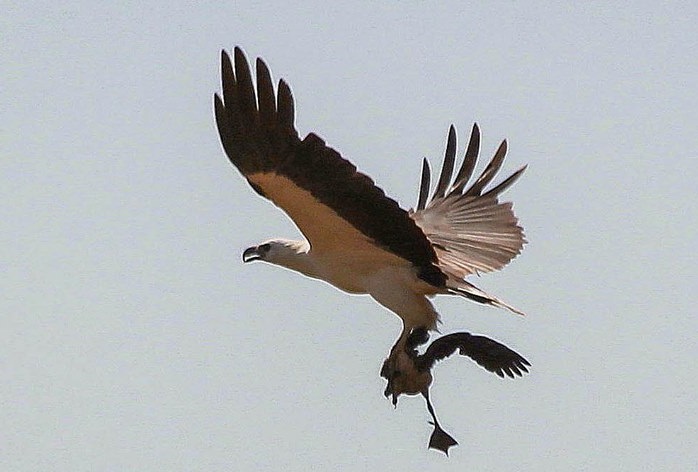
White-bellied Sea Eagle captured a Lesser Whistling Duck ©WikiC

Even trying to talk about God’s Creation, His Love, His Sacrifice on the Cross for our sins, and His free gift of Salvation through faith are like Hosea 8:1:

“I have written to him the great things of my law, but they were counted as a strange thing.” (Hosea 8:12 KJV)

Again, the comment in the notes says much that should give us a warning:

8:12 a strange thing. God judged Israel for rejecting the great things of His law. How great must be his anger at those modern “Christian” nations that not only count His law “strange,” but also the whole Bible and God’s great work of creation and redemption! [NDSB Notes]

As a critter does not want to not fall prey to an Eagle, Lord help us to live our lives that will bring blessings and not judgment.


More Birds of the Bible

Gideon

*

Avian And Attributes – Busy

Buzzing Flowerpecker (Dicaeum hypoleucum) ©Drawing WikiC

“My help cometh from the LORD, which made heaven and earth. He will not suffer thy foot to be moved: he that keepeth thee will not slumber. Behold, he that keepeth Israel shall neither slumber nor sleep.” (Psalms 121:2-4 KJV)

“But I am poor and needy; yet the Lord thinketh upon me: thou art my help and my deliverer; make no tarrying, O my God.” (Psalms 40:17 KJV)

“For he shall deliver the needy when he crieth; the poor also, and him that hath no helper.” (Psalms 72:12 KJV)


Avian and Attributes – Busy

BUSY, a. biz’zy.
1. Employed with constant attention; engaged about something that renders interruption inconvenient; as, a man is busy in posting his books.
My mistress is busy and cannot come.
2. Actively employed; occupied without cessation; constantly in motion; as a busy bee.
4. Much occupied with employment; as a busy day.
BUSY, v.t. biz’zy. To employ with constant attention; to keep engaged; to make or keep busy;


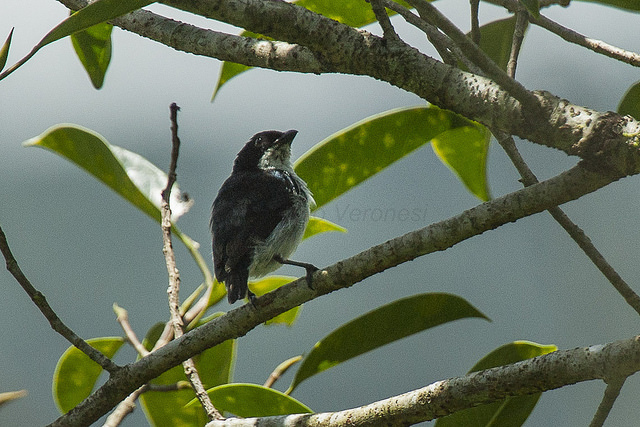
Buzzing Flowerpecker (Dicaeum hypoleucum) by ©Flickr Francesco Veronesi

Buzzing Flowerpecker

The Buzzing Flowerpecker (Dicaeum hypoleucum) or white-bellied flowerpecker is a species of bird in the Dicaeidae – Flowerpeckers family. It is endemic to the Philippines. Its natural habitats are subtropical or tropical moist lowland forests and subtropical or tropical moist montane forests.

[I chose this bird because “Buzzing” could also mean “Busy” as in our Lord God always watching out for our souls.]


More Avian and Attributes

Birds whose first name start with “B”

Good News

*
[Definitions from Webster’s Dictionary of American English (1828), unless noted. Bird info from Wikipedia plus.]

Avian And Attributes – Bush (Hosted God)

Avian And Attributes – Bush (Hosted God)

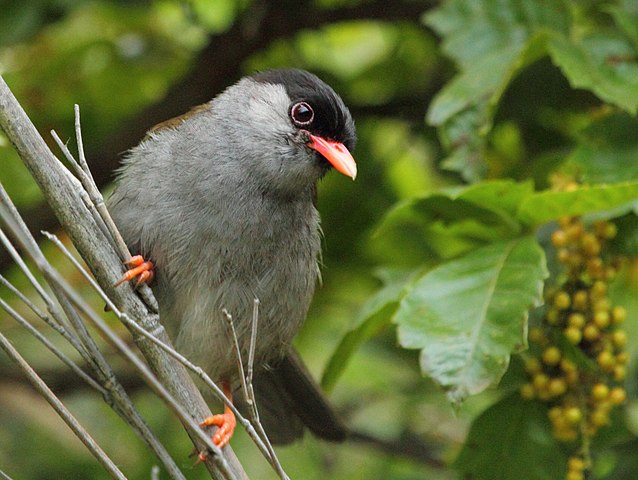
Bush Blackcap (Lioptilus nigricapillus) ©WikiC

“And the angel of the LORD appeared unto him in a flame of fire out of the midst of a bush: and he looked, and, behold, the bush burned with fire, and the bush was not consumed. And Moses said, I will now turn aside, and see this great sight, why the bush is not burnt. And when the LORD saw that he turned aside to see, God called unto him out of the midst of the bush, and said, Moses, Moses. And he said, Here am I.” (Exodus 3:2-4 KJV)


Avian and Attributes – Bush (Hosted God)

Bush

Bush. The Hebrew word, seneh, occurs only in those passages which refer to Jehovah’s appearance to Moses, “in the flame of fire in the bush.” Exo_3:2-4; Exo_33:16. It is quite impossible to say what kind of thorn bush is intended; but it was probably the acacia, a small variety of the shittim tree, found in the Sinai region. (Smith Bible Dictionary)

“And for the precious things of the earth and fulness thereof, and for the good will of him that dwelt in the bush: let the blessing come upon the head of Joseph, and upon the top of the head of him that was separated from his brethren.” (Deuteronomy 33:16 KJV)


Bush Blackcap (Lioptilus nigricapillus) immature ©WikiC

Bush Blackcap (Lioptilus nigricapillus)

The Bush Blackcap (Lioptilus nigricapillus) is a species of bird in the family Sylviidae. It is monotypic within the genus Lioptilus.[2] It is found in South Africa and Swaziland. Its natural habitats are subtropical or tropical moist montane forests and subtropical or tropical high-altitude shrubland. It is threatened by habitat loss. (Bush Blackcap – Wikipedia) (Sylviidae – Sylviid Babblers Family)

Bush Blackcap (Lioptilus nigricapillus) ©WikiC


More Avian and Attributes

Birds whose [first or last] name start with “B”

Good News

*
[Definitions from Webster’s Dictionary of American English (1828), unless noted. Bird info from Wikipedia plus.]

Avian and Attributes – Blood

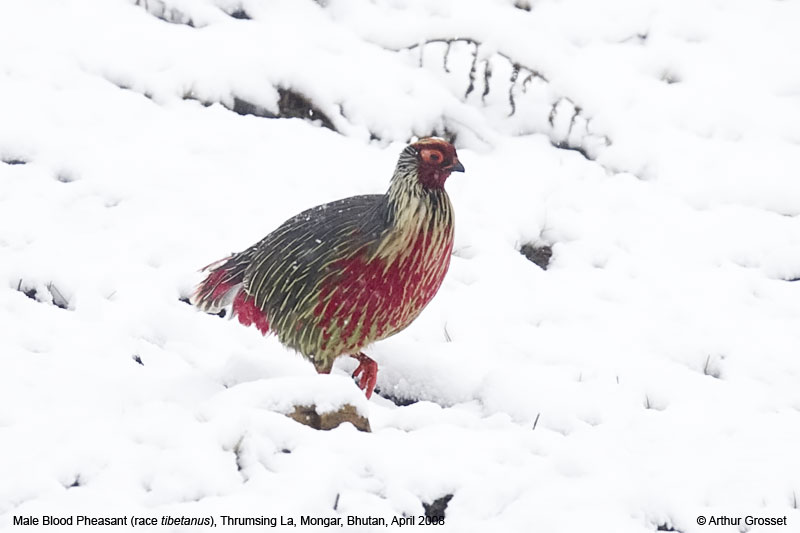
Blood Pheasant (Ithaginis cruentus) ©Arthur Grosset

Blood Pheasant (Ithaginis cruentus) ©Arthur Grosset

“And he said unto them, This is my blood of the new testament, which is shed for many.” (Mark 14:24 KJV)

“Take heed therefore unto yourselves, and to all the flock, over the which the Holy Ghost hath made you overseers, to feed the church of God, which he hath purchased with his own blood.” (Acts 20:28 KJV)


Avian and Attributes – Blood

BLOOD, n.
1. The fluid which circulates through the arteries and veins of the human body, and of other animals, which is essential to the preservation of life. This fluid is generally red. If the blood of an animal is not red, such animal is called exsanguious, or white-blooded; the blood being white, or white tinged with blue.

2. Kindred; relation by natural descent from a common ancestor; consanguinity.
God hath made of one blood, all nations of the earth. Acts 17.

3. Royal lineage; blood royal; as a prince of the blood.

5. Life.

10. A sacramental symbol of the blood of Christ.
For this is my blood of the new testament, which is shed for many for the remission of sins.” (Matthew 26:28 KJV)

11. The death and sufferings of Christ.
“Much more then, being now justified by his blood, we shall be saved from wrath through him.” (Romans 5:9 KJV)


Blood Pheasant (Ithaginis cruentus) ©WikiC

The Blood Pheasant (Ithaginis cruentus) is the only species in genus Ithaginis of the pheasant family. This relatively small, short-tailed pheasant is widespread and fairly common in eastern Himalayas, ranging across India, Nepal, Bhutan and China.

Blood pheasants have the size of a small fowl, about 17 in (43 cm) in length with a short convex, very strong black bill, feathered between bill and eye, and a small crest of various coloured feathers. The colour of the plumage above is dark ash, with white shafts, the coverts of the wings various tinged with green, with broad strokes of white through the length of each feather, the feathers of the chin deep crimson; on the breast, belly and sides feathers are lance-shaped, of various length, the tips green with crimson margins, collectively resembling dashes of blood scattered on the breast and belly. The tail consists of twelve sub-equal feathers, shafts white, rounded, the ends whitish, the coverts a rich crimson red.

Both males and females have red feet and a distinct ring of bare skin around the eye that typically is crimson colored, but is orange in a few subspecies. Member of the Phasianidae – Pheasants, Fowl & Allies Family

Blood-breasted Flowerpecker (Dicaeum sanguinolentum) ©WikiC

Blood-breasted Flowerpecker (Dicaeum sanguinolentum) ©WikiC

Here are links to all the “Blood” avian wonders:

Blond-crested Woodpecker (Celeus flavescens)
Blood Pheasant (Ithaginis cruentus)
Blood-breasted Flowerpecker (Dicaeum sanguinolentum)
Blood-colored Woodpecker (Veniliornis sanguineus)
Blood-eared Parakeet (Pyrrhura hoematotis)


More Avian and Attributes Articles

Birds whose first name start with “A”

Good News

*
[Definitions from Webster’s Dictionary of American English (1828), unless noted. Bird info from Wikipedia plus.]


Avian and Attributes – Apostle’s Teacher

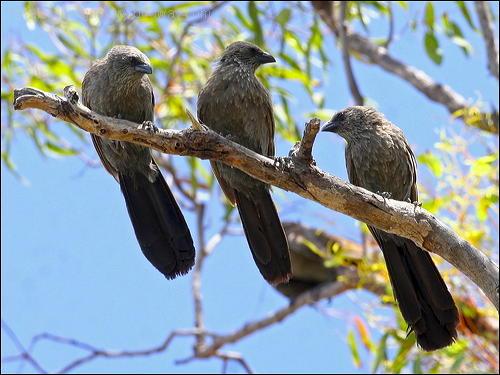
Apostlebird (Struthidea cinerea) by Ian

“And the apostles said unto the Lord, Increase our faith. And the Lord said, If ye had faith as a grain of mustard seed, ye might say unto this sycamine tree, Be thou plucked up by the root, and be thou planted in the sea; and it should obey you.” (Luke 17:5-6 KJV)


Avian and Attributes – Apostle’s Teacher

APOS’TLE, n. [L. apostalus; Gr. to send away, to sent.]

A person deputed to execute some important business; but appropriately, a disciple of Christ commissioned to preach the gospel. Twelve persons were selected by Christ for this purpose; and Judas, one of the number, proving an apostate, his place was supplied by Matthias. Acts 1.

The title of apostle is applied to Christ himself, Heb 3. In the primitive ages of the church, other ministers were called apostles, Rom 16; as were persons sent to carry alms from one church to another, Phil 2. This title was also given to persons who first planted the Christian faith. Thus Dionysius of Corinth is called the apostle of France; and the Jesuit Missionaries are called apostles.

“Wherefore, holy brethren, partakers of the heavenly calling, consider the Apostle and High Priest of our profession, Christ Jesus;” (Hebrews 3:1 KJV)


Apostlebird (Struthidea cinerea) by Ian

Apostlebird (Struthidea cinerea) by Ian

Apostlebird

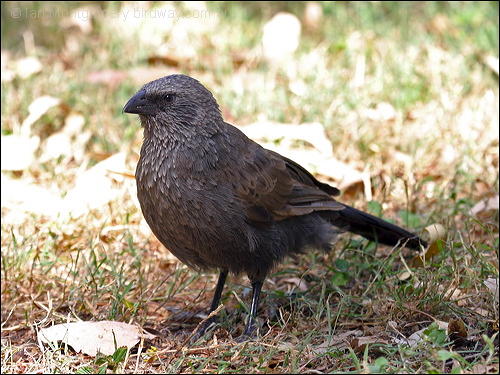
The Apostlebird (Struthidea cinerea), also known as the grey jumperlousy jack or cwa bird is a quick-moving, gray or black bird about 13 inches (33 centimetres) long. It is a native to Australia where it roams woodlands, eating insects and seeds at, or near, ground level. Apostlebirds often travel in groups of about 12; for this reason they were named after the Biblical apostles, the twelve chief followers of Jesus Christ.

Measuring around 33 cm (13 in) in length, the apostlebird is a predominantly dark grey bird with a long black tail tinted greenish in sunlight. The grey feathers on the head, neck and breast are brushed with paler grey-white and the wings are brownish. The legs and bill are black and the eyes brown or white. They are members of the Corcoracidae – Australian Mudnesters Family.

“Until the day in which he was taken up, after that he through the Holy Ghost had given commandments unto the apostles whom he had chosen: To whom also he shewed himself alive after his passion by many infallible proofs, being seen of them forty days, and speaking of the things pertaining to the kingdom of God: And, being assembled together with them, commanded them that they should not depart from Jerusalem, but wait for the promise of the Father, which, saith he, ye have heard of me.” (Acts 1:2-4 KJV)


More Avian and Attributes

Birds whose first name start with “A”

Good News

*
[Definitions from Webster’s Dictionary of American English (1828), unless noted. Bird info from Wikipedia plus.]

Avian And Attributes – Willing

Avian And Attributes – Willing

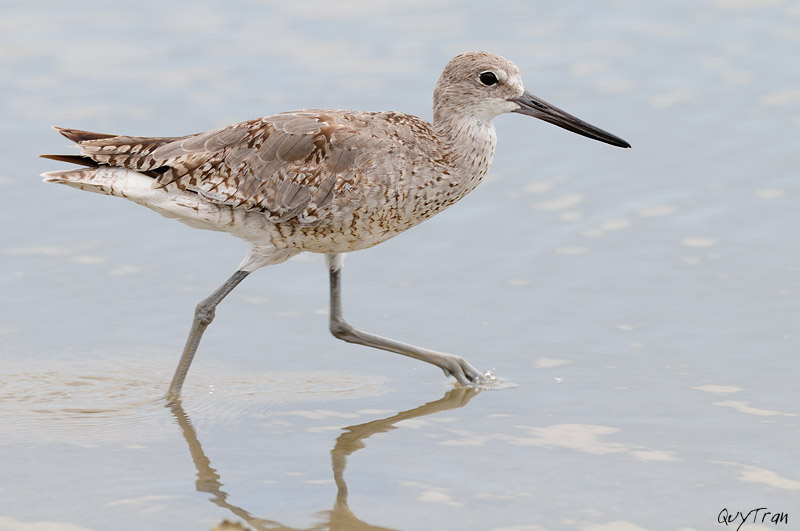
Willet (Tringa semipalmata) by Quy Tran

“Wherein God, willing more abundantly to shew unto the heirs of promise the immutability of his counsel, confirmed it by an oath:” (Hebrews 6:17 KJV)

The Lord is not slack concerning his promise, as some men count slackness; but is longsuffering to us-ward, not willing that any should perish, but that all should come to repentance.
(2 Peter 3:9 KJV)


Avian and Attributes – Willing

WILLING, ppr.
1. Determining; resolving; desiring.
2. Disposing of by will.
WILLING, a.

1. Free to do or grant; having the mind inclined; disposed; not averse. Let every man give, who is able and willing.
2. Pleased; desirous.
Felix, willing to show the Jews a pleasure. Acts 24.
3. Ready; prompt.
He stoopd with weary wings and willing feet.
4. Chosen; received of choice or without reluctance; as, to be held in willing chains.
5. Spontaneous.
6. Consenting.


Eastern Willet by Jim Fenton

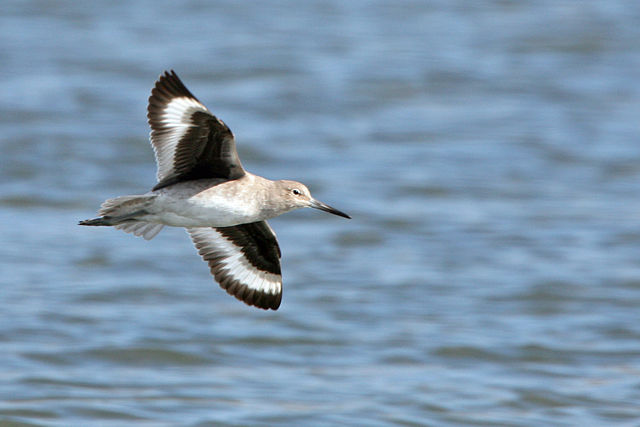
Willet (Tringa semipalmata)

The Willet (Tringa semipalmata), formerly in the monotypic genus Catoptrophorus as Catoptrophorus semipalmatus, is a large shorebird in the sandpiper family. It is a relatively large and robust member sandpiper, and is the largest of the species called “shanks” in the genus Tringa. Its closest relative is the lesser yellowlegs, a much smaller bird with a very different appearance apart from the fine, clear, and dense pattern of the neck, which both species show in breeding plumage. It breeds in North America and the West Indies and winters in southern North America, Central America, the West Indies and South America.

The Willet’s name is onomatopoeic and refers to it loud peircing “pill-will-willet” territorial song., which is higherpicjed and repeated at a faster rate in Eastern willets than in Western birds. Other calls include a predator response call given by breeding birds which is a repeated, staccato “kleep“, while non breeding birds alarms include a high, pitched anxious “kip-kip=viek” call and a “kreei” call. They also have a distinctive call when crossing another willet’s territory and this “klay-dir” call is also used as a contact call when willets are migrating

Willet (Tringa semipalmata) ©WikiC

(Scolopacidae – Sandpipers, Snipes Family) (Willet – Wikipedia)


More Avian and Attributes

Birds whose first name starts with “W”

Good News

*
[Definitions from Webster’s Dictionary of American English (1828), unless noted. Bird info from Wikipedia plus.]

From The Archives – Birds of the Bible – Eagle’s Renewal

Birds of the Bible – Eagle’s Renewal

Bless the LORD, O my soul, And forget not all His benefits: Who forgives all your iniquities, Who heals all your diseases, Who redeems your life from destruction, Who crowns you with lovingkindness and tender mercies, Who satisfies your mouth with good things, So that your youth is renewed like the eagle’s. (Psalms 103:2-5 NKJV)

Bald Eagle (Haliaeetus leucocephalus) by AestheticPhotos

The Eagle is an interesting bird and I have written about them before. In the King James Version of the Bible, an eagle is mentioned in 34 verses. So, there will be future articles about the eagle also.

The interest of this article is the renewing of the eagle. In Psalms 103:5 (quoted above), your youth is renewed like the eagle’s. What exactly does that mean? Also, in Isaiah 40:31, strength is renewed and “shall mount up with wings as eagles.”

But they that wait upon the LORD shall renew their strength; they shall mount up with wings as eagles; they shall run, and not be weary; and they shall walk, and not faint. (Isaiah 40:31 KJV)

Many articles can be found on the internet about an eagle going off and plucking its feathers and not being able to fly for about five months. The image has even been added that the beak and claws are knocked off and then grow back during that time, giving them another 10 or so more years to their life. I have been trying to find proof of that, and am not finding it. Most Eagle authorities state that that would not happen, because the bird would die during that time with no flight feathers or beak or claws.

Bald Eagle (Haliaeetus leucocephalus)Grandfather Eagle by PastorBBC

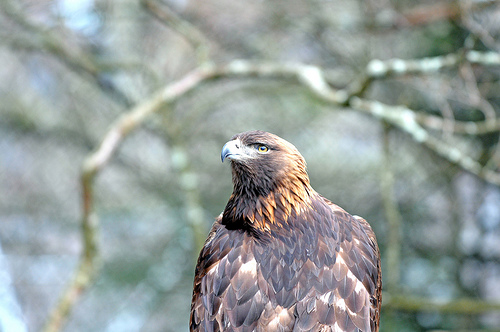
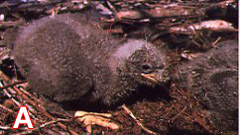
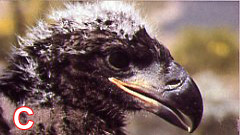
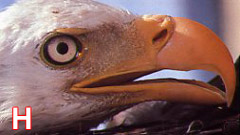
If those facts are true, then what is meant by God’s Word about the eagle? I believe God’s Word is true, so there has to be an explanation of it. From the Southwestern Bald Eagle Management I found an interesting chart that shows the different stages of plumage (feathers) as an eagle ages.  They said, “In their five year development to adulthood, bald eagles go through one of the most varied plumage changes of any North American bird. During its first four weeks of life, an eaglet’s fluffy white down changes to a gray wooly down. At about five weeks, brown and black feathers begin to grow. It becomes fully feathered at 10 weeks of age. In its first year, the mostly dark-colored juvenile can often be mistaken as a golden eagle. However, the bald eagle progressively changes until it reaches adult plumage at five years. Notice in the pictures how its dark eye lightens throughout its first four years of life until it becomes yellow. Also, see how its beak changes form gray-black to a vibrant yellow.

ald Eagle (Haliaeetus leucocephalus) by AestheticPhotos

It is believed that the darker, more mottled plumage of a young eagle serves as camouflage, while the white head and tail announce that it is of breeding age.”

That to me sounds a lot like, “So that your youth is renewed like the eagle’s.” As the eagle goes through the different stages of its life, the new feathers are graciously provided by a Creator that sees to the needs of His creation by having designed those features to renew as it matures.

The Lord provides for renewal for His children as they mature. The following verses tell of a renewed right spirit, mind, spirit of your mind, and knowledge:

Create in me a clean heart, O God; and renew a right spirit within me. (Psalms 51:10 KJV)
And be not conformed to this world: but be ye transformed by the renewing of your mind, that ye may prove what is that good, and acceptable, and perfect, will of God. (Romans 12:2 KJV)
And be renewed in the spirit of your mind; (Ephesians 4:23 KJV)
And have put on the new man, which is renewed in knowledge after the image of him that created him: (Colossians 3:10 KJV)

(Update 11/2/11) Here is another possible explaination about this topic. It might be a vulture instead of an eagle. See: http://www.thewonderofbirds.com/griffon-vulture/bible.htm)
*


*** From the Archives ***

This is the first of “From the Archives.” We have decided to look back over the years and bring back some of the most popular articles. This post has had 114 remarks so far and was originally posted on 

[We have advanced in our layout of the blog over the year. The Birds of the Bible articles were the original reason for Lee’s Birdwatching Adventures being launched.