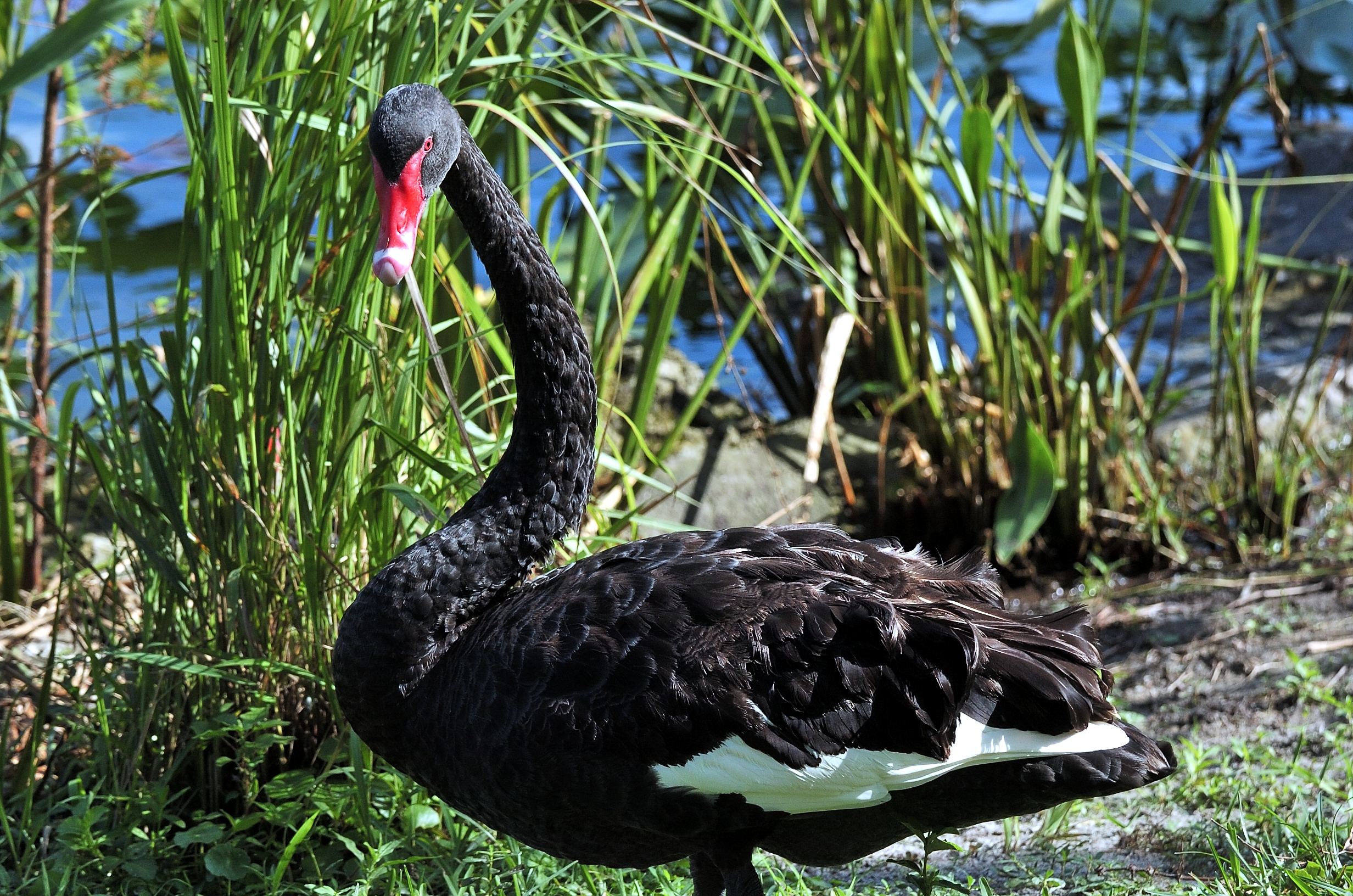
October’s Bird of the Month – Swan

Black Swan by Dan at Lake Morton

According to Birds and Bloom magazine site, there are Birds of the Month.

“You’ve probably heard of birth month gemstones and birth month flowers, but have you heard of birth month birds? It might come as a surprise to learn every month of the year has not only a representative jewel and flower, but also a bird. From owls to ravens, here are the birds that represent everyone’s birthdays.”
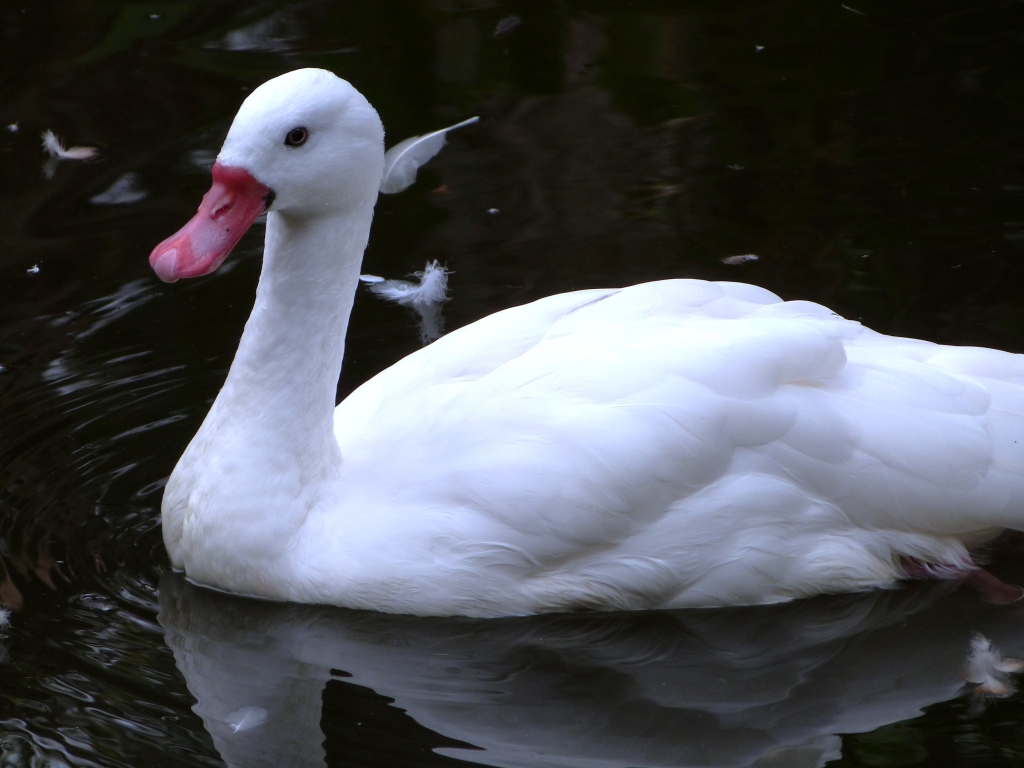
Coscoroba Swan (Coscoroba coscoroba) at Brevard Zoo by Lee

Coscoroba Swan (Coscoroba coscoroba) at Brevard Zoo by Lee

More from Birds and Bloom:

October: Swan

Long seen as symbols of romance and grace, swans are beautiful birds. Swans mate for life and only seek a new one if their previous mate dies. These October birth month birds also have a fiercely protective streak; they’ve been known to attack anyone who gets too close to their nest! Three types of swans live in the United States; the trumpeter swan, the tundra swan and the (non-native) mute swan.

“This beautiful swan was stretching its wings out. The thing that stands out to me in the photo is how beautifully and elegantly the swan was posing,”  ….
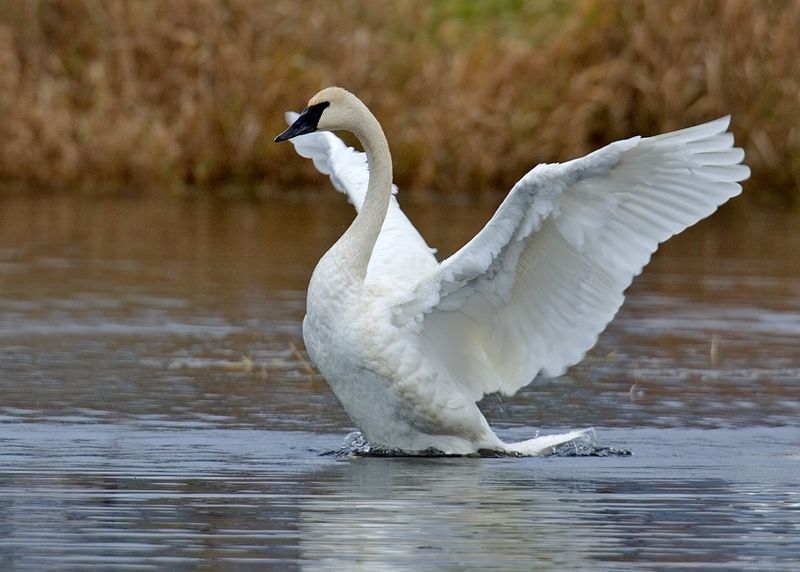
Trumpeter Swan (Cygnus buccinator) ©WikiC naturespicsonline

Quite a few of my friends have had birthdays in October, and if you did, now you know your Bird of the Month. Sorry was a bit late getting posted, but it IS STILL October. Trust you had a great birthday.

Depending on what version of the Bible used, the Swan may or not be a Bird of the Bible, but I counted it in when I did the Birds of the Bible – Swan posts.

The little owl, and the great owl, and the swan, (Deuteronomy 14:16 KJV)

the little owl, the screech owl, the white owl, (Deuteronomy 14:16 NKJV)

the little owl, and the great owl, and the swan, (Deuteronomy 14:16 YLT)

The little owl, the great owl, the horned owl, (Deuteronomy 14:16 AMPC)

The little owl and the great owl and the water-hen; (Deuteronomy 14:16 BBE)

little owls, great owls, white owls, (Deuteronomy 14:16 ERV)

All these verses are from the list of Birds Not To Eat for the Israelites. Personally, I have never seen any of these on the menu at my favorite restaurant and don’t plan on eating one of them.
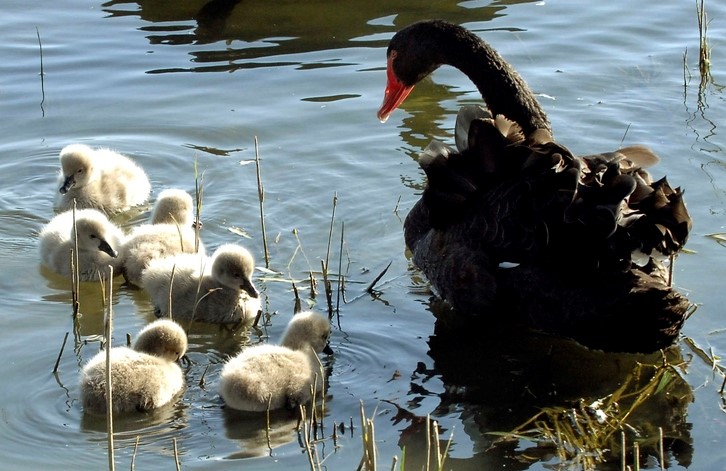
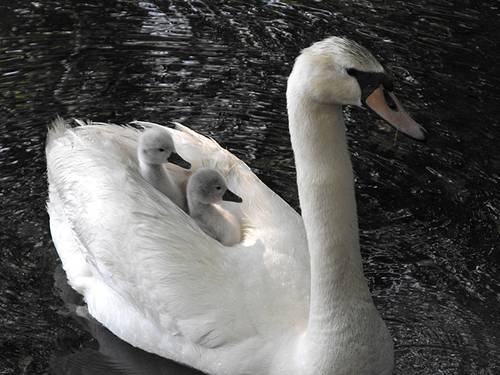
Black Swan (Cygnus atratus) with Cygnets ©WashPost
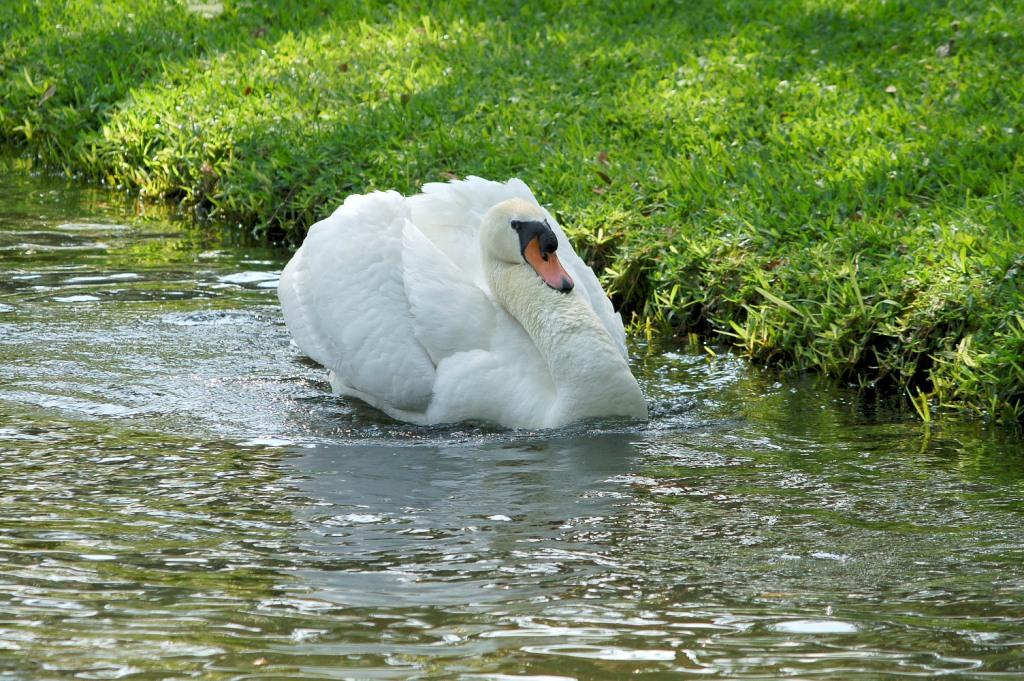
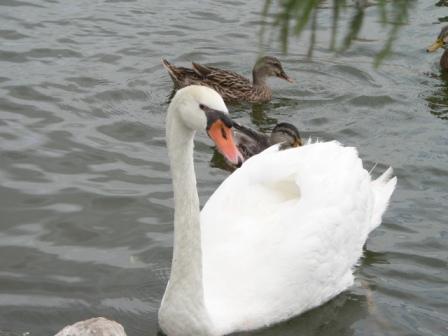
Mute Swan (Cygnus olor) at Bok Sanctuary By Dan’sPix
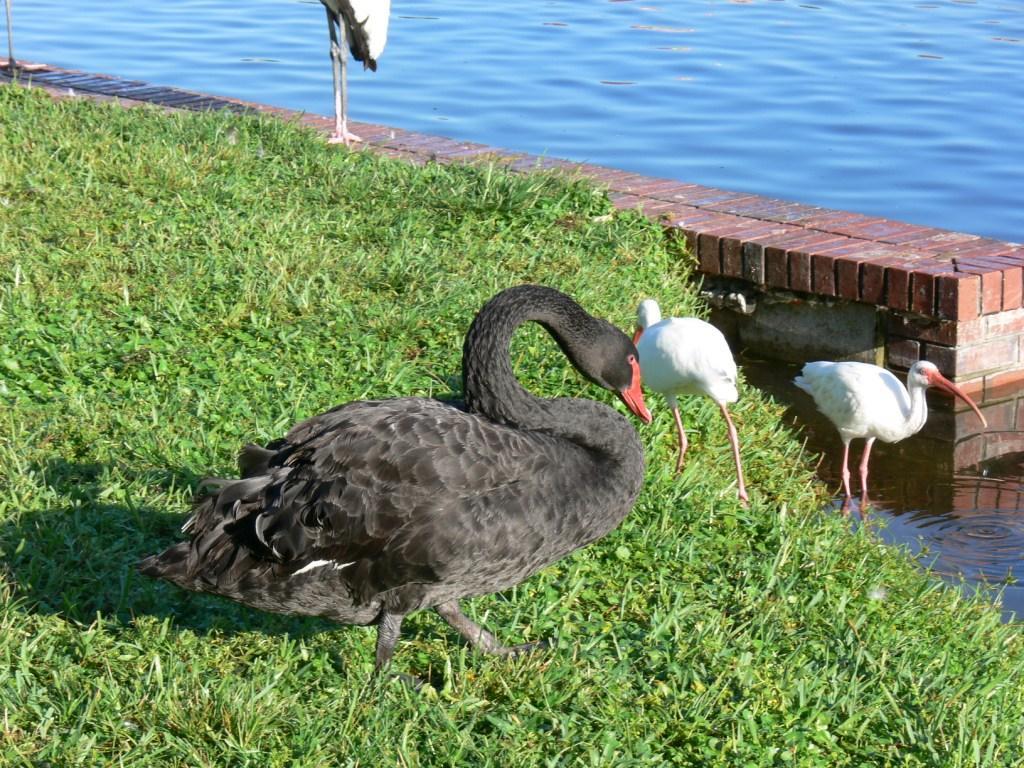
Black Swan by Lee
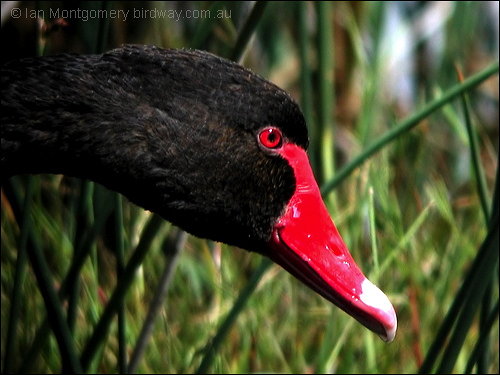
Black Swan (Cygnus atratus) by Ian
Black Swan (Cygnus atratus) by Ian

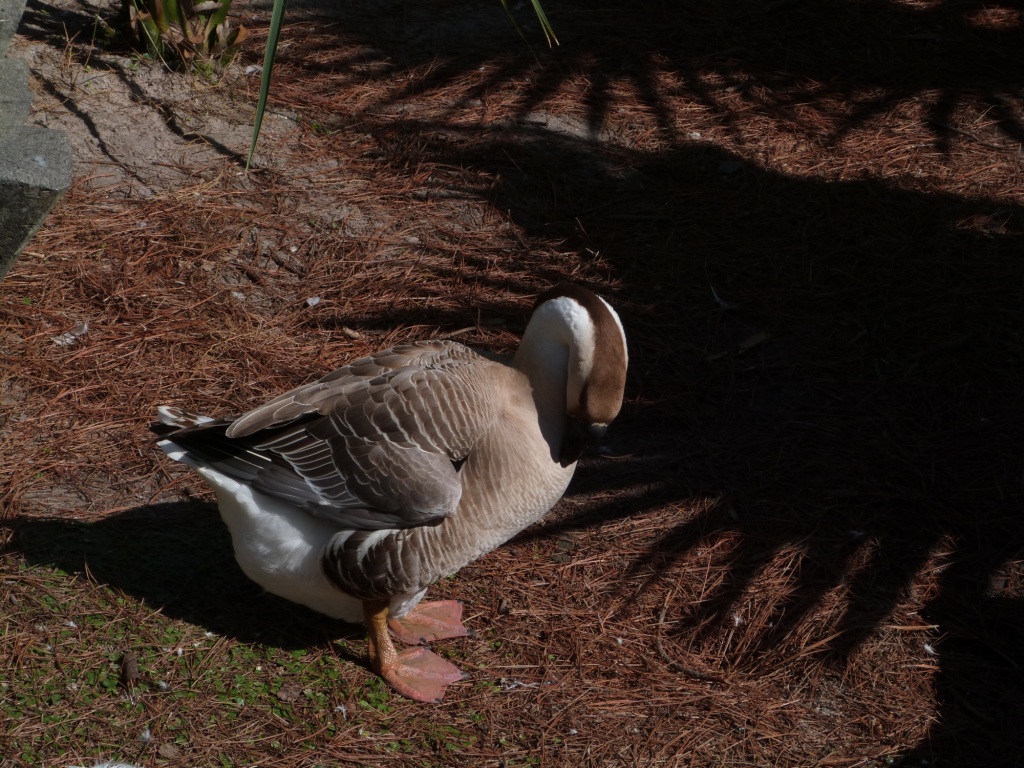
Swan Goose Lowry Park Zoo

Birds and Blooms Bird of the Month Article Birds and Blooms Bird of the Month

See:

Birds of the Bible – Swans

Anatidae – Ducks, Geese, Swans
Good News


Birdwatching Thru the Bible – Vulture’s Eyes

Vulture-turkey.Texas Hill Country

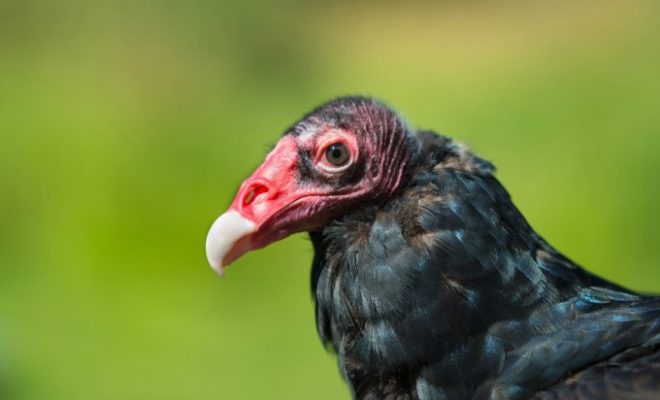
Ever since I posted the Lee’s Four Word Thursday – Vulture’s Eye, I have been curious about their eyes. Do they really have great vision? Is this verse in Job 28:7 the only reference to their eyes? The search began with that verse. Only the KJV, DRB versions use the word Vulture. (My E-sword versions). The other translations use Falcon, Hawk, and Kite. Apparently, all of the birds have great vision and are great hunters.

“There is a path which no fowl knoweth, and which the vulture’s eye hath not seen:” Job 28:7 KJV

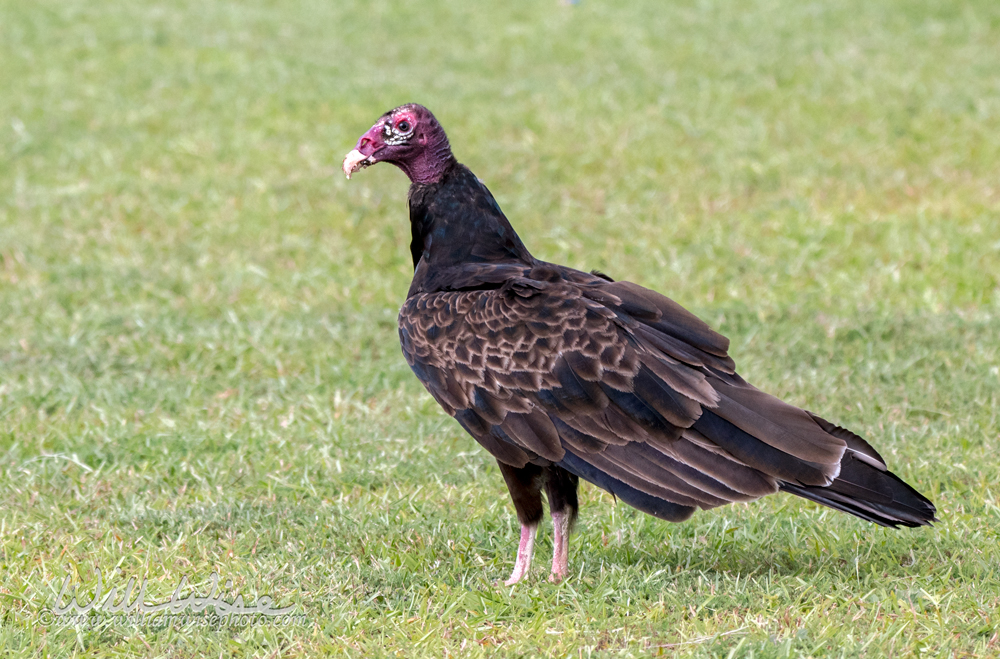
Turkey Vulture; Walton County, Georgia by William Wise

Turkey Vulture; Walton County, Georgia by William Wise

Here is an interesting article about Vultures: 50 Interesting Facts About Vultures

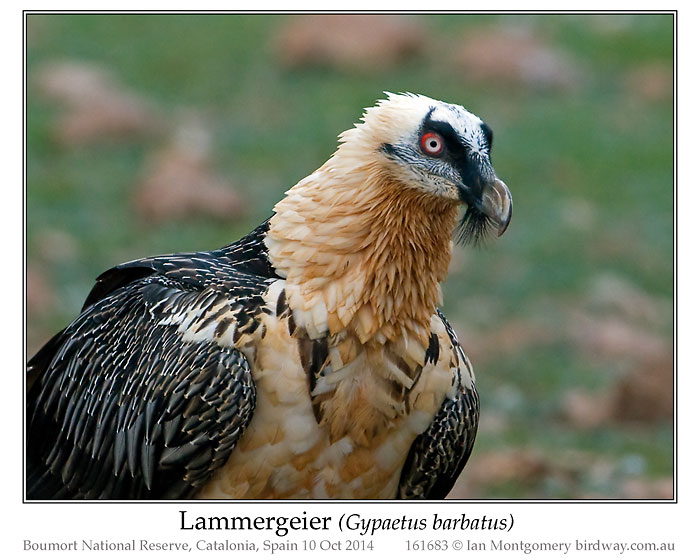
Bearded Vulture (Gypaetus barbatus) or Lammergeier by Ian

Bearded Vulture (Gypaetus barbatus) or Lammergeier by Ian

We have posted quite a few articles about the Vultures and here are just a few:

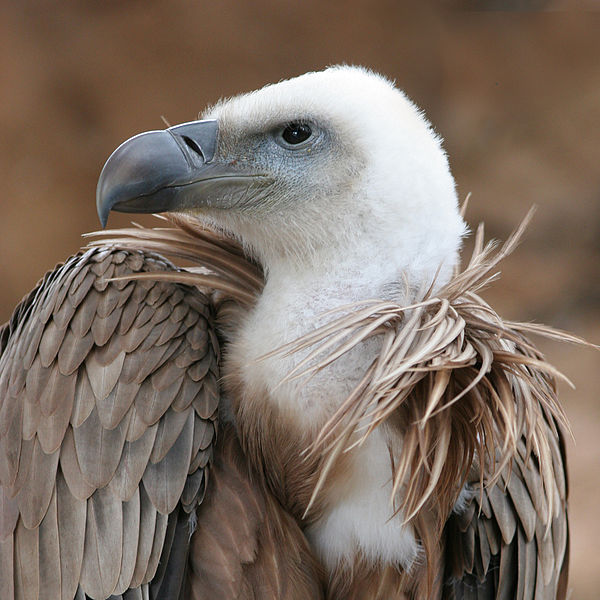
Griffon Vulture (Gyps fulvus) ©WikiC

Here are two more links (of which one was about the Vulture’s Eye):

Here’s another article that our Dr. Jim (JJSJ) gave us:

Christ’s Creativity in Canyon Critters

The Lord has provided these Vultures with great vision to enable them to find food, and actually help clean the landscape. If He can provide for the Birds of the Air, I know He can provide for us.

“I will instruct thee and teach thee in the way which thou shalt go: I will guide thee with mine eye.” (Psalms 32:8 KJV)

Good News

Sandra’s Challenge Reviewed

For the last 7 days I have reposted the very first attempts at Sandra Connor’s challenge back in 2016. I trust you enjoyed viewing (or re-viewing them).

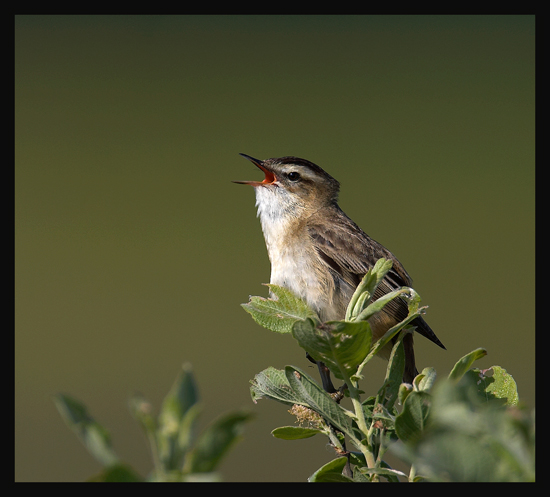
Sedge Warbler (Acrocephalus schoenobaenus) by Robert Scanlon

Lee’s One-Word Monday – Sing!

Lee’s Two-Word Tuesday – Birds Fly

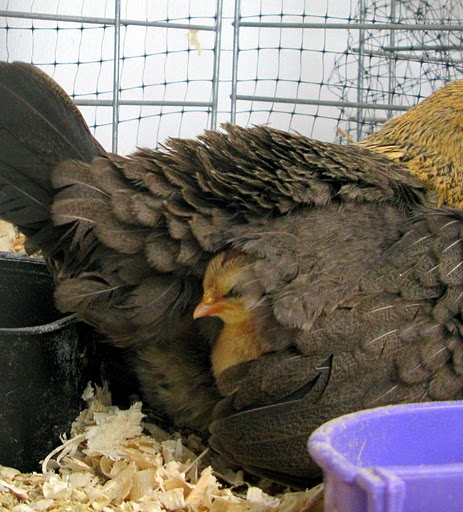
Baby Chick Peeping Out From Under His Mom's Wing - CC

Baby Chick Peeping Out From Under His Mom’s Wing – CC

Lee’s Three-Word Wednesday – Under His Wings

Dusky Broadbill (Corydon sumatranus) ©WikiC Mike5 - edited

Dusky Broadbill (Corydon sumatranus) ©WikiC Mike5

Four Word Thursday – His Mouth Was Opened

Lee’s Five-Word Friday – Wonders Which You Have Done

Bald Eagle – San Diego Zoo

Lee’s Six Word Saturday – Mount Up With Wings Like Eagles

Lee’s Seven-Word Sunday – 1/24/16 (Repost)

***

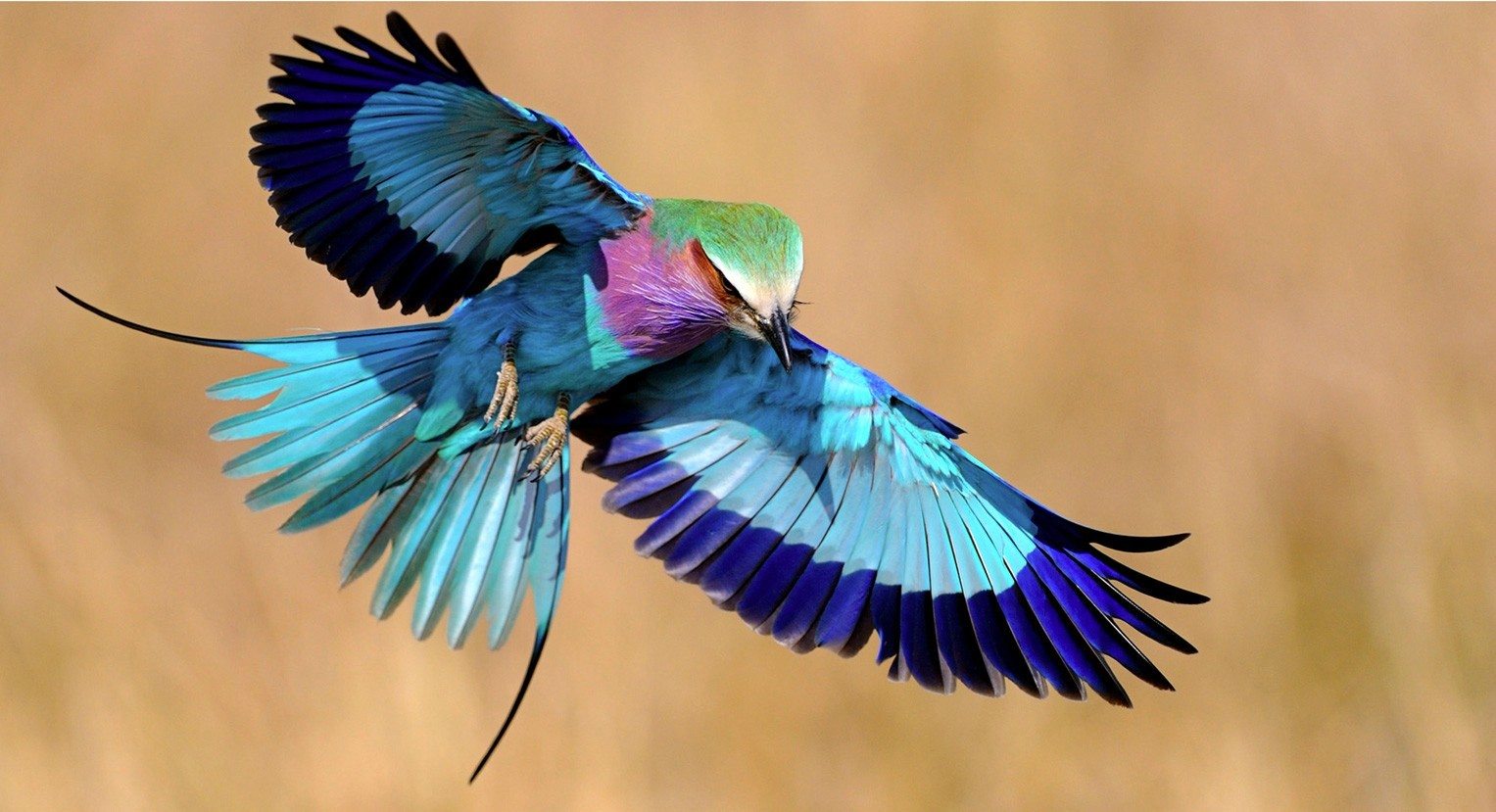
Lilac-breasted Roller @Answersafrica

Lilac-breasted Roller @Answersafrica

Sandra’s Challenge was for three weeks, and we completed that. If you remember the Looking Back and Looking Ahead post in August, my birdwatcher adventures have slowed down, but the desire to continue the blog is still active. After reviewing these first 7 post, I thought I’d do some more new ones. Quess What? I realized that there have been a whole lot of these posted since that challenge. There went that Idea!! :)

But continue thou in the things which thou hast learned and hast been assured of, knowing of whom thou hast learned them; And that from a child thou hast known the holy scriptures, which are able to make thee wise unto salvation through faith which is in Christ Jesus. All scripture is given by inspiration of God, and is profitable for doctrine, for reproof, for correction, for instruction in righteousness: That the man of God may be perfect, throughly furnished unto all good works. (2 Timothy 3:14-17 KJV)

With prayer and review of past posts, there will be a “new/old” set of articles coming out. While I’m working on that, thought you might enjoy seeing more of the previous one word – seven word posts. Stay tuned!

ABC’s of the Gospel

(I used the Lilac-breasted Roller to show there are so many more of the Lord’s Avian Wonders to learn about)

Heaven’s New Jerusalem and Birds – Sapphire II

This is a repost of Heaven’s New Jerusalem and Birds – Sapphire. This series originally appeared in 2019. (With a little dusting and updating they will all be reposted in the coming days. Stay tuned.)

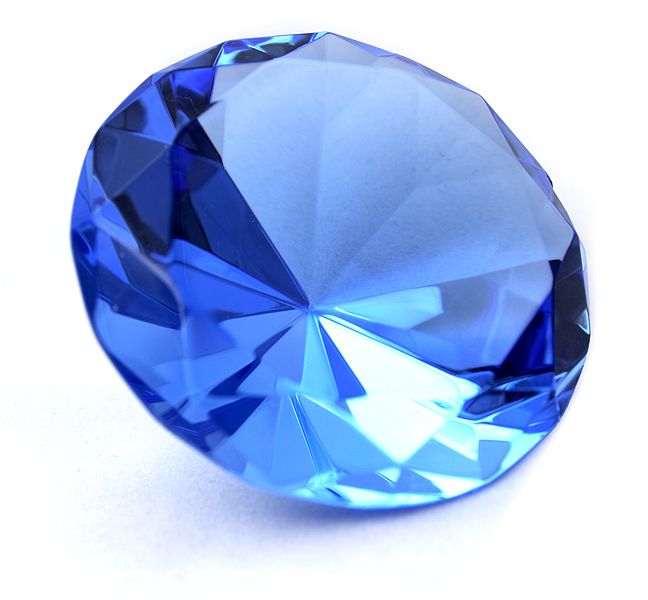
Sapphire Gem ©WikiC

“And the foundations of the wall of the city were garnished with all manner of precious stones. The first foundation was jasper; the second, sapphire; the third, a chalcedony; the fourth, an emerald;” (Revelation 21:19 KJV)

For now, the first stone – “Jasper,” is being skipped. I am still researching what is the color or colors of the Jasper stone. Some have it all over the color spectrum. Also, there is no bird with the name “Jasper” in it. (Heaven’s New Jerusalem and Birds – Jasper II)

The Sapphire is beautiful and is typically blue but varies. Sapphire is also the stone used to represent those born in September. Yeah, my birth month. “Sapphire is the birthstone for September and the gem of the 45th anniversary. A sapphire jubilee occurs after 65 years.” [Wikipedia]

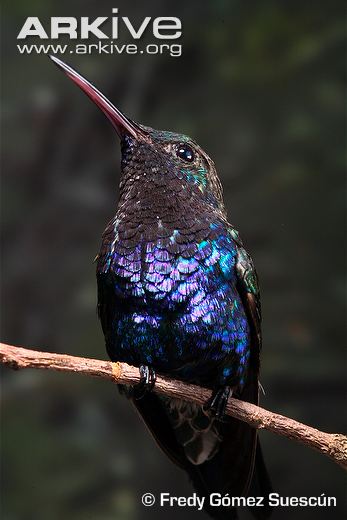
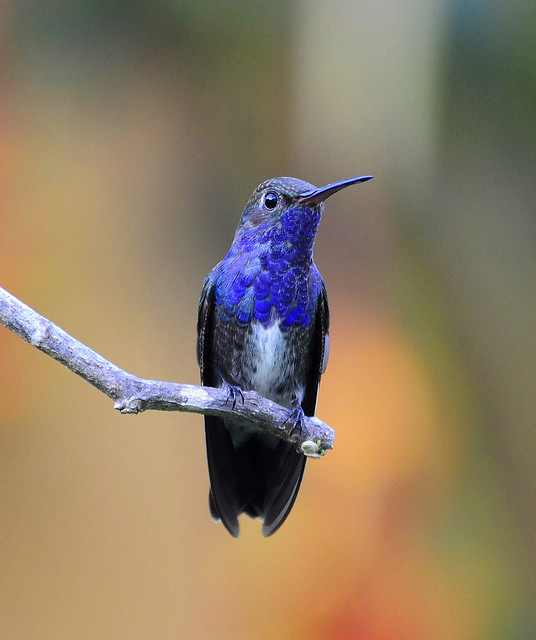
Sapphire-bellied-hummingbird-perched-on-branch ©ARKive

A rare variety of natural sapphire, known as color-change sapphire, exhibits different colors in different light. Color change sapphires are blue in outdoor light and purple under incandescent indoor light, or green to gray-green in daylight and pink to reddish-violet in incandescent light. Color change sapphires come from a variety of locations, including Thailand and Tanzania. The color-change effect is caused by the interaction of the sapphire, which absorbs specific wavelengths of light, and the light-source, whose spectral output varies depending upon the illuminant. Transition-metal impurities in the sapphire, such as chromium and vanadium, are responsible for the color change. [Wikipedia]

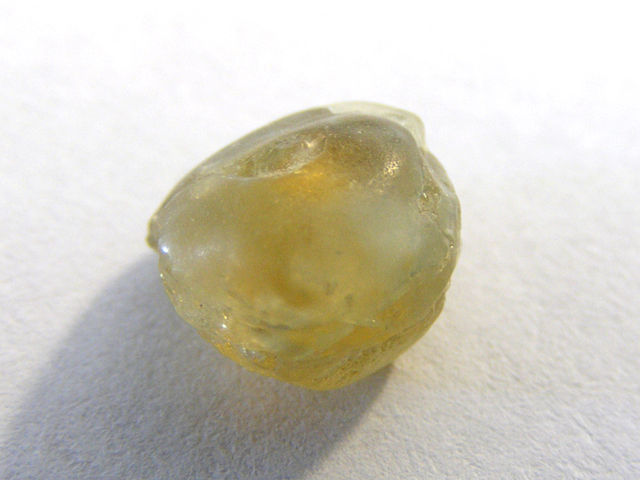
Uncut Yellow Sapphire ©Wikipedia

The sapphire is mentioned in nine verses in the King James version of the Bible.

“And they saw the God of Israel: and there was under his feet as it were a paved work of a sapphire stone, and as it were the body of heaven in his clearness.” (Exodus 24:10 KJV)

Sapphire Flycatcher (Ficedula sapphira) ©WikiC

“And the second row shall be an emerald, a sapphire, and a diamond.” [The breastplate of judgment] (Exodus 28:18 and 39:11 KJV)

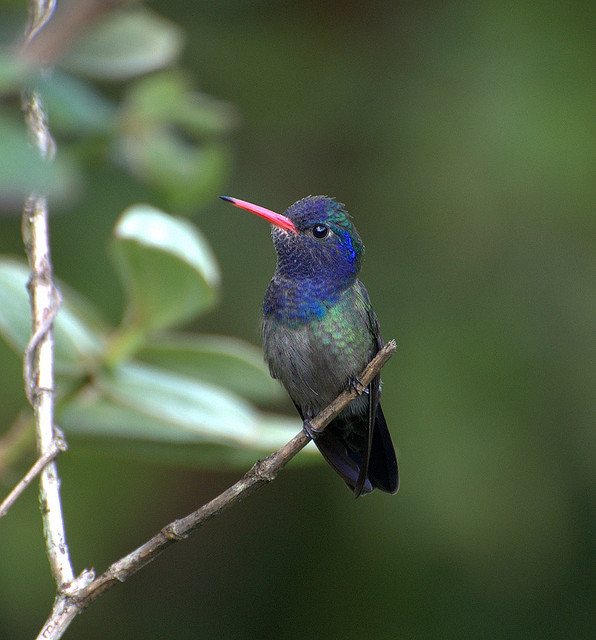
White-chinned Sapphire (Hylocharis cyanus) by Dario Sanches

“But where shall wisdom be found? and where is the place of understanding? Man knoweth not the price thereof; neither is it found in the land of the living. The depth saith, It is not in me: and the sea saith, It is not with me. It cannot be gotten for gold, neither shall silver be weighed for the price thereof. It cannot be valued with the gold of Ophir, with the precious onyx, or the sapphire.” (Job 28:12-16 KJV)
Unchanged:

Sapphire-spangled Emerald (Amazilia lactea) by Dario Sanches

“And above the firmament that was over their heads was the likeness of a throne, as the appearance of a sapphire stone: and upon the likeness of the throne was the likeness as the appearance of a man above upon it.” (Ezekiel 1:26 KJV)

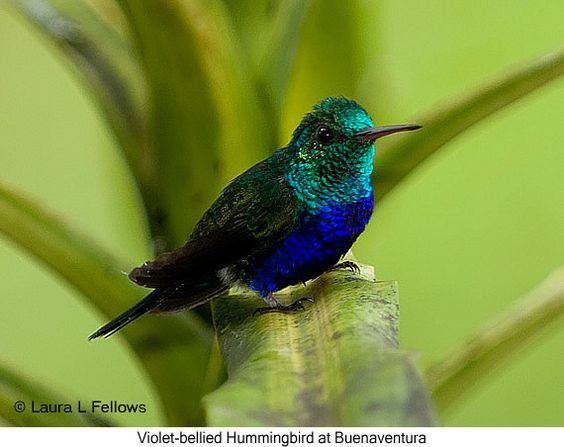
Sapphire-bellied Hummingbird ©LauraLFel

“Then I looked, and, behold, in the firmament that was above the head of the cherubims there appeared over them as it were a sapphire stone, as the appearance of the likeness of a throne.” (Ezekiel 10:1 KJV)

Blue-chinned Sapphire (Chlorestes notata) ©WikiC

“Thou hast been in Eden the garden of God; every precious stone was thy covering, the sardius, topaz, and the diamond, the beryl, the onyx, and the jasper, the sapphire, the emerald, and the carbuncle, and gold: the workmanship of thy tabrets and of thy pipes was prepared in thee in the day that thou wast created.” (Ezekiel 28:13 KJV)

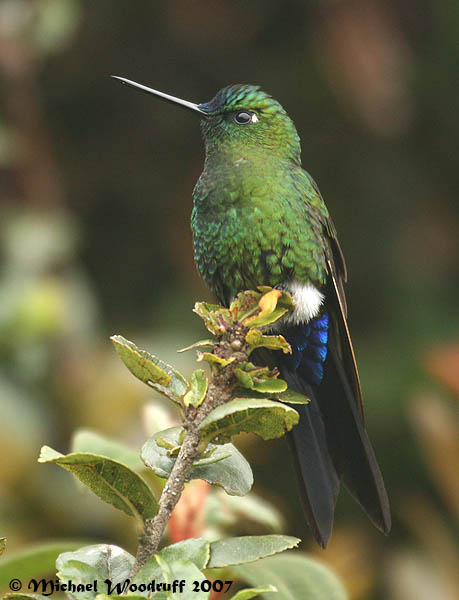
Sapphire-vented Puffleg (Eriocnemis luciani) by Michael Woodruff

Sapphire-vented Puffleg (Eriocnemis luciani) by Michael Woodruff

I trust you enjoyed seeing some of the birds with Sapphire in their name as the various verses about sapphires were given.

Previous Blogs that used Verses with Sapphires in them:

*** Articles in this Repost Series II so far:

Wordless Birds – With Hummingbirds

Heaven’s New Jerusalem and Birds – Jasper II

This is a repost of Heaven’s New Jerusalem and Birds – Jasper. This series originally appeared in 2019. (With a little dusting and updating they will all be reposted in the coming days. Stay tuned.)

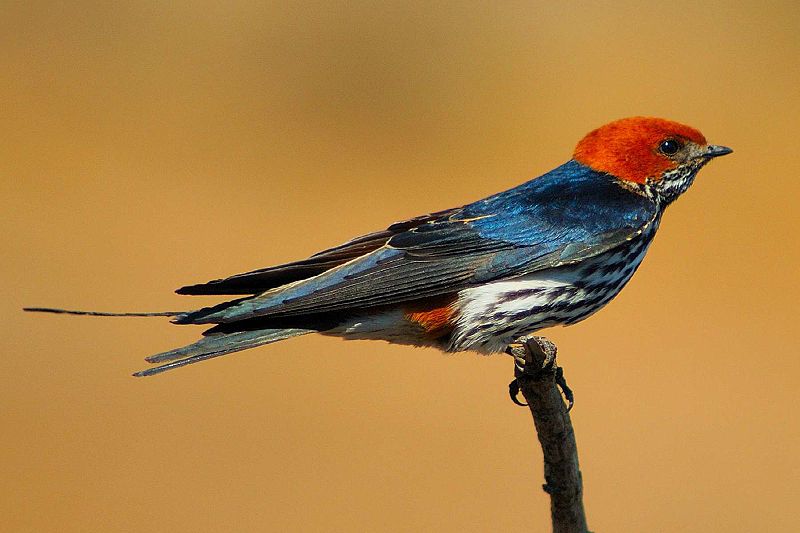
Lesser Striped Swallow (Cecropis abyssinica) ©WikiC

Lesser Striped Swallow (Cecropis abyssinica) ©WikiC

“And the foundations of the wall of the city were garnished with all manner of precious stones. The first foundation was jasper; the second, sapphire; the third, a chalcedony; the fourth, an emerald;” (KJV)

Hit a problem already. No Jasper named birds; first or last name. Now what? Most all the translations of Revelation 21:19 say that the first foundation was jasper or similar.

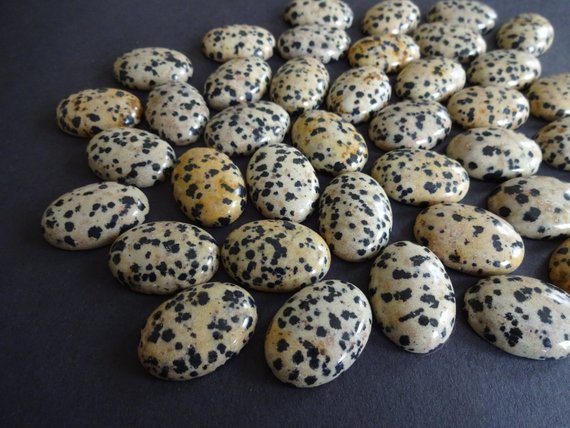
Tan and Cream Jasper – ©MineralNet

Here are a few exceptions from Bible Gateway’s list of versions:
the first foundation stone was diamond – CJB (Complete Jewish Bible)
“The first foundation was gray quartz” – GW, NOG (God’s Word & Names of God)
“The first stone was red jasper” – WE (Worldwide English)

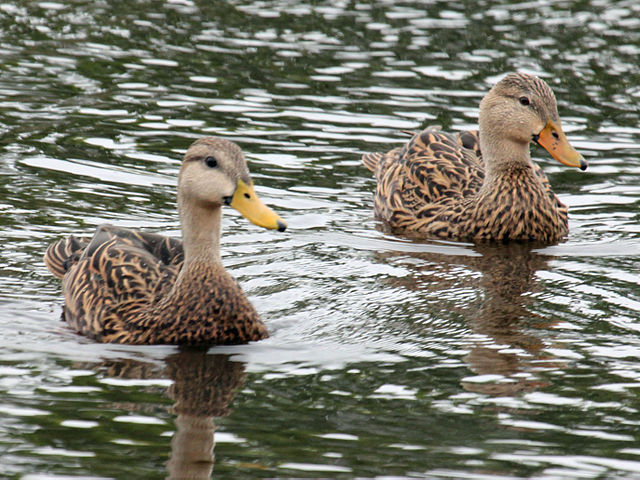
Mottled Duck (Anas fulvigula) Male and Female ©WikiC

From my e-Sword Program, here are more different translations:

(clVulgate)  Et fundamenta muri civitatis omni lapide pretioso ornata. Fundamentum primum, jaspis: secundum, sapphirus: tertium, calcedonius: quartum, smaragdus:

Vulgate fundamentum primum iaspis

KJV+ uses jasper; G2393

Translit+ uses iaspis G2393

G2393 is iaspiv iaspis

Rev_4:3 Rev_21:11 Rev_21:18-19

Spotted Jasper

Great Spotted Woodpecker (Dendrocopos major) ©WikiC

Looking at the Dictionaries, these clues from them:

Thayer gives G2393 this:

ἴασπις
iaspis
Thayer Definition:
1) jasper, a precious stone of various colours (for some are purple, others blue, others green, and others the colour of brass)
Part of Speech: noun feminine

NASEC [New American Exhaustive Commentary]

G2393
ἴασπις
iaspis; of Semitic or.; jasper (a translucent stone): – jasper (4).

Strong LXX

G2393
ἴασπις
iaspis
ee’-as-pis
Probably of foreign origin (see [H3471]); “jasper”, a gem: – jasper.

H3471
ישׁפה
yâshphêh
yaw-shef-ay’
From an unused root meaning to polish; a gem supposed to be jasper (from the resemblance in name): – jasper.

The best clues from all of these seems to be from Thayer and NASEC. “It appears to be: a translucent stone”, and “a precious stone of various colours (for some are purple, others blue, others green, and others the colour of brass).” That could describe thousands of birds.

“Having the glory of God: and her light was like unto a stone most precious, even like a jasper stone, clear as crystal;” (Revelation 21:11 KJV)

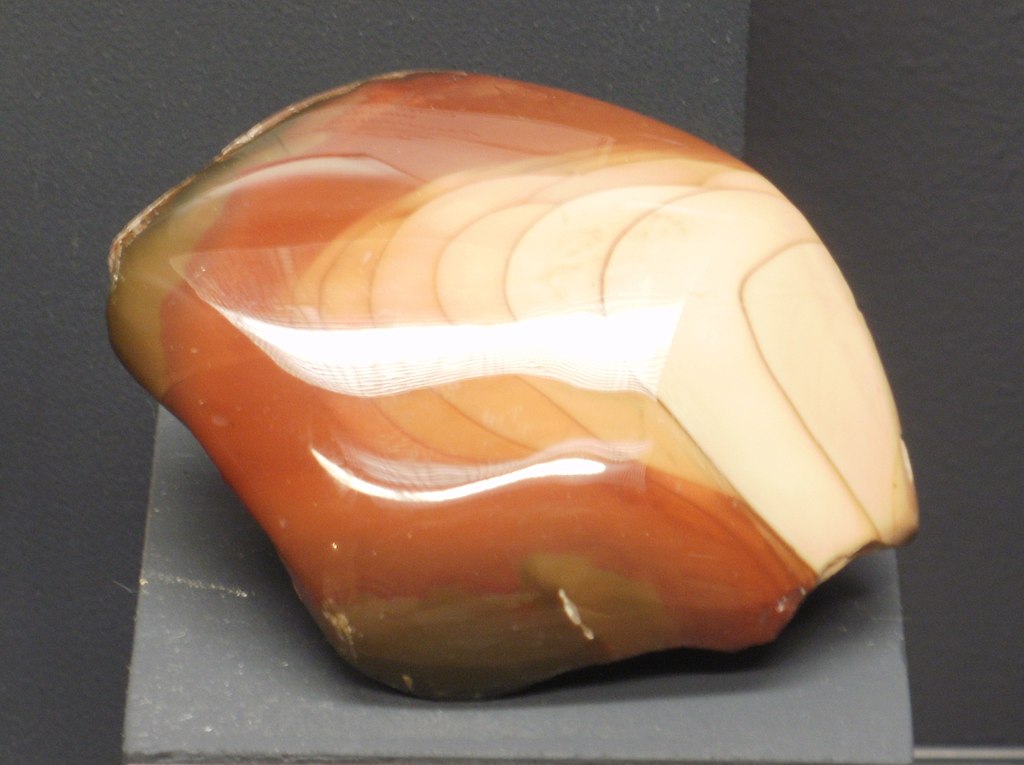
Kaleidoscope Jasper from Oregon ©WikiC

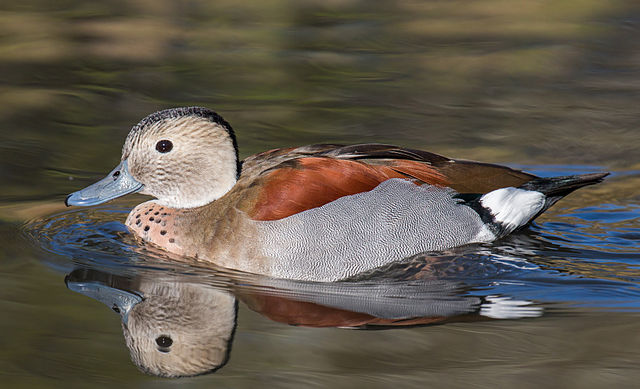
Ringed Teal (Callonetta leucophrys) ©WikiC

Which birds do I show? See the Dilemma? Could use just about any multicolored bird.

Looking on the internet, I found this: “THE GEMSTONE JASPER – Jasper is an opaque variety of Chalcedony, and is usually associated with brown, yellow, or reddish colors, but may be used to describe other opaque colors of Chalcedony such as dark or mottled green, orange, and black. Jasper is almost always multicolored, with unique color patterns and habits.

Bruneau Jasper Stone ©WikiC

The appeal of Jasper is its interesting color patterns and formations. Though it can be a solid color, it is most often mottled, spotted, ringed, or striped. Each Jasper has a unique color or pattern, lending this gemstone much variety. Jasper is an ancient gemstone, and is mentioned in the bible and other classical sources. Though fairly common and affordable today, Jasper in antiquity was regarded as a valuable stone. “[Minerals Net]

That quote makes one think of how we are to the Lord. We are often “mottled, spotted, ringed, or striped.” We are in need of the Savior because we are sinners, but each of us are valuable to the Lord. He gave His life for us on the cross. “For God so loved the world, that he gave his only begotten Son, that whosoever believeth in him should not perish, but have everlasting life. For God sent not his Son into the world to condemn the world; but that the world through him might be saved. He that believeth on him is not condemned: but he that believeth not is condemned already, because he hath not believed in the name of the only begotten Son of God. And this is the condemnation, that light is come into the world, and men loved darkness rather than light, because their deeds were evil.” (John 3:16-19 KJV)

*** Articles in this Repost Series 2024 so far:

  1. Heaven’s New Jerusalem and Birds – Introduction II
  2. Heaven’s New Jerusalem and Birds – Foundation Stones II

Previous Post About Precious Stones

Wordless Birds

Birds and Flowers Helping Christians
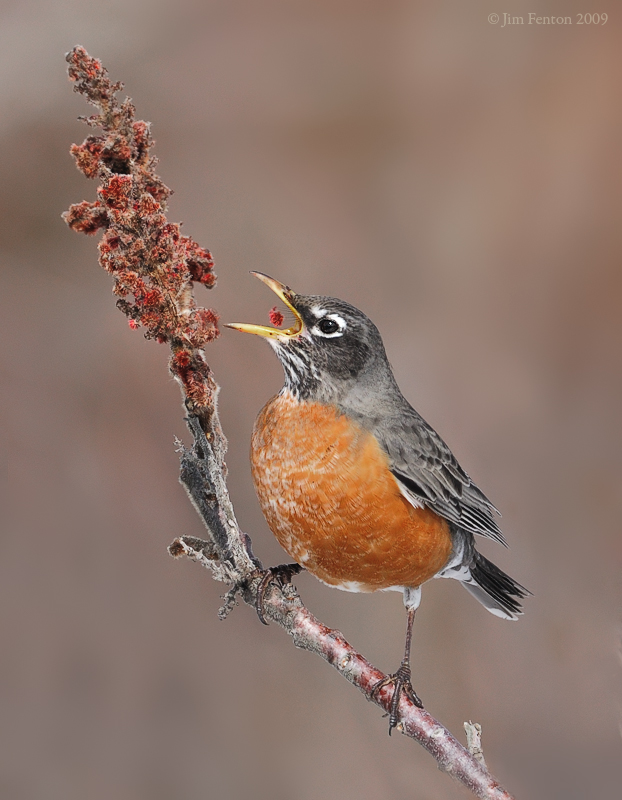
Robin Eating by Jim Fenton

Robin Eating by Jim Fenton

Stephen Nielsen writes a blog called Prayer A to Z or just Stephen Nielsen. This is an excerpt from his How Birds and Flowers Can Help a Christian article. I am sure you will enjoy reading the whole post:

Birds

Jesus said, “Look at the birds of the air [Look at and think about them].”

  1. They don’t sow or reap or gather.
  2. Yet God our Father feeds them.
  3. And we are better (closer to God) than they are; we are His children. So, He definitely will care for us.
  4. Also, what good will it do anyway to worry about these things. Will worrying change anything? Will it extend your life?

Let’s look at the birds and all humans, how God provides for them.”……

Stephen has based this post on Matthew 6:25-30. What a great promise for us today. Thanks, Stephen, for another great lesson from the Lord and His Avian Wonders.

Matthew 6:25-30

“Therefore I tell you, do not worry about your life, what you will eat or drink; or about your body, what you will wear. Is not life more important than food, and the body more important than clothes? 26 Look at the birds of the air; they do not sow or reap or store away in barns, and yet your heavenly Father feeds them. Are you not much more valuable than they? 27 Who of you by worrying can add a single hour to his life?

28 “And why do you worry about clothes? See how the lilies of the field grow. They do not labor or spin. 29 Yet I tell you that not even Solomon in all his splendor was dressed like one of these. 30 If that is how God clothes the grass of the field, which is here today and tomorrow is thrown into the fire, will he not much more clothe you, O you of little faith?”

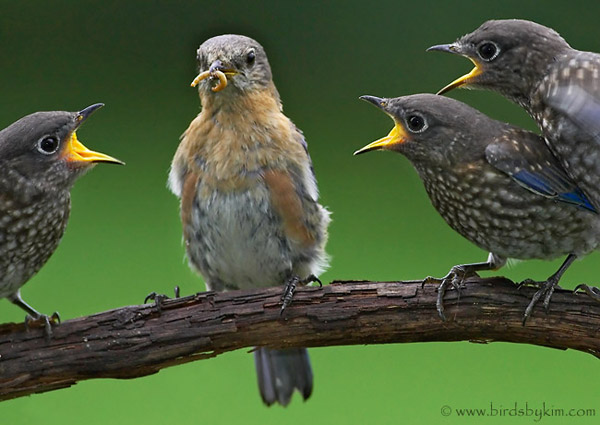
Birds Learning About Worms ©BirdsOutsideMyWindow

How Birds and Flowers Can Help a Christian

Prayer A to Z

Stephen Nielsen

Good News

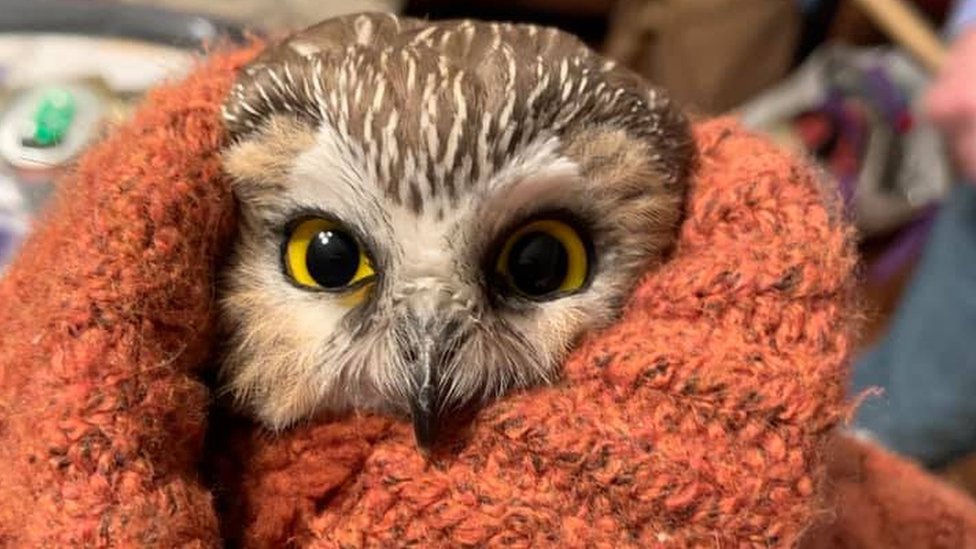
Rockefeller the Saw-Whet Owl in Christmas Tree

Rockefeller the Saw-Whet Owl ©BBC

Here’s an interesting story about a Saw-Whet Owl which showed up in the Rockefeller Christmas tree being delivered.

Northern Saw-Whet Owls are like other Owls. They appear on the “Do Not Eat” list. Too cute to eat this Little Owl.

“And the owl, and the night hawk, and the cuckow, and the hawk after his kind, And the little owl, and the cormorant, and the great owl,” (Leviticus 11:16-17 KJV)

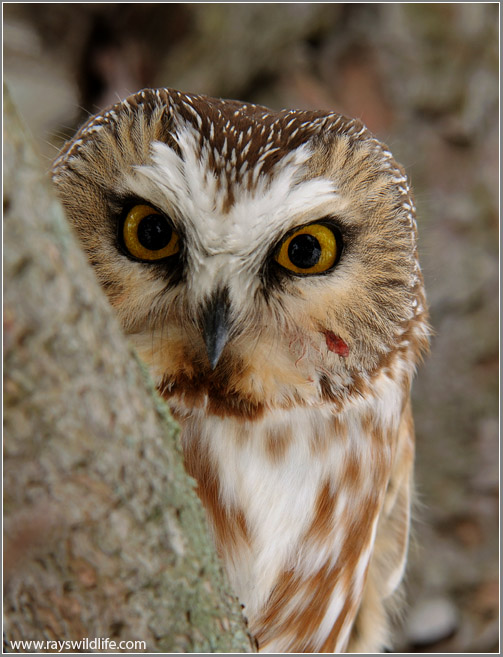
Saw-whet Owl by Ray

Saw-whet Owl by Ray

Birds of the Bible – Owls

Bible Birds – Owls

Northern Saw-Whet Owls – All About Birds

Northern Saw-Whet Owls – Wikipedia

What is that Sound?

American Yellow Warbler (Setophaga aestiva) singing by J Fenton

American Yellow Warbler (Setophaga aestiva) singing by J Fenton

“LORD, thou hast heard the desire of the humble: thou wilt prepare their heart, thou wilt cause thine ear to hear:” (Psalms 10:17 KJV)

I am still in the process of fixing broken links, missing bird photos, etc. I am actually enjoying digging around in the older post. Had forgotten all about this series, and thought you might enjoy a challenge to your birdwatching.

In May of 2007, Start Birdwatching Today: What is that Sound? was published. Thought you might enjoy re-visiting this page. [After fixing a broken link on it.]

Birds are very vocal at times and they give us a great clue as to what bird it is. Eventually, as you become better in your birdwatching adventures, it will help to learn some of their sounds and noises.

As you are observing birds that are singing or calling, you can learn to associate that sound to that bird. That is the beginning and it is almost automatic. When you hear a bird, but do not see it, then you will either recall one you have seen and be able to ID it, or you can start studying the sounds so the next time you can know what the unseen bird is.

There are several methods that birders use. Audio CDs and computer programs have Bird sounds along with photos of the bird to assist your learning.

The Internet has places like the WhatBird, All About Birds, Birding by Ear Basics,

Here is an interesting video about blind people birding by ear. Very interesting.

Here are some of the birds you may already know. These are local birds here, but also seen around other parts of the country. Also a very nice verse to remember while “birding by sound.” I used this verse when taking my General Amateur License test that was all Morse Code. It helped calm my heart even though it refers to the Lord hearing us, but it helped me to hear those dots and dashes. (Only 8 of 115 of us passed the test that day.)

LORD, thou hast heard the desire of the humble: thou wilt prepare their heart, thou wilt cause thine ear to hear: (Psalms 10:17 KJV)

All of these sounds are coming from the Xeno-canto.org website.

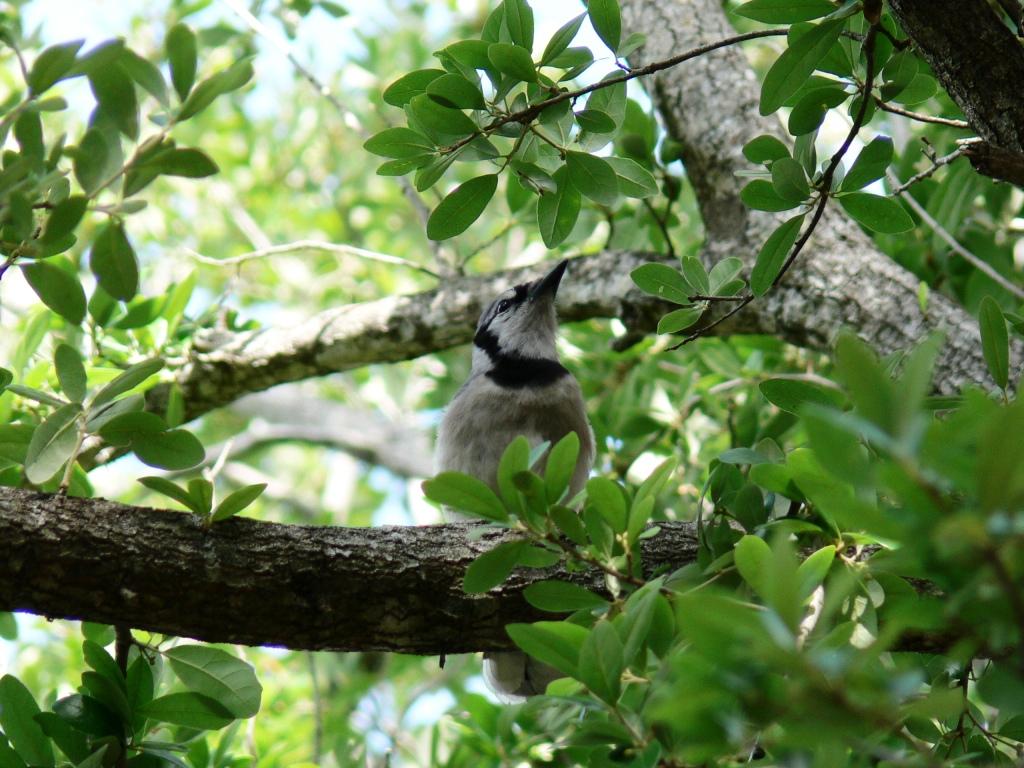
Blue Jay in tree at Hampton Pines

Blue Jay in tree at Hampton Pines

Blue Jay

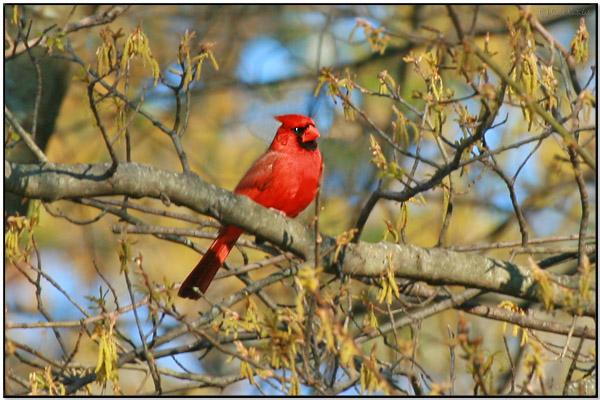
Northern Cardinal (Cardinalis cardinalis) by Daves BirdingPix

Northern Cardinal

Boat-tailed Grackle (Quiscalus major) at Lake Howard, Winter Haven, Florida By Dan’sPix

Boat-tailed Grackle

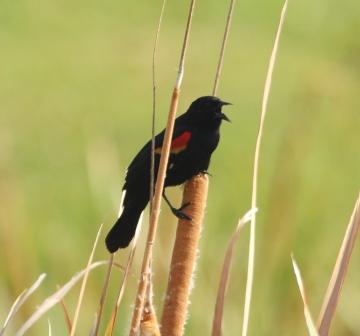
Red-winged Blackbird at Bok Sanctuary

Red-winged Blackbird at Bok Sanctuary

Red-winged Blackbird

Whip-poor-will (Caprimulgus vociferus) by BirdsInFocus

Whip-poor-will (Caprimulgus vociferus) by BirdsInFocus

Eastern Whip-poor-will

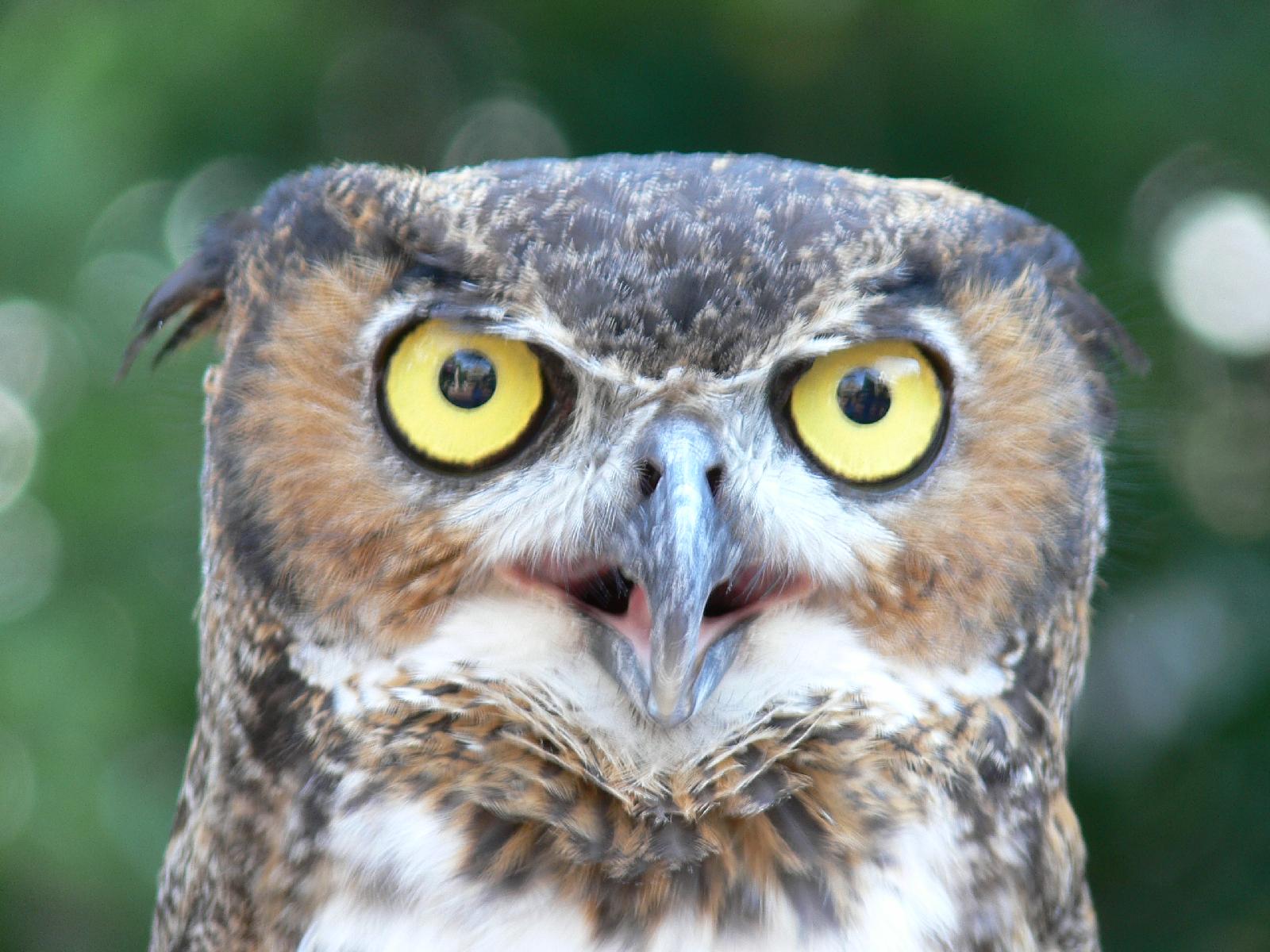
Great Horned Owl – Lowry Pk Zoo by Lee

Great Horned Owl

How many did you all ready know?
**
Some like to put words to their sounds like these from Birding By Ear — Bird Song Identification
Listen here to a few bird songs and calls that have good mnemonic phrases:
Eastern Towhee — “Drink your tea-ea-ea”

Whip-poor-will — The name says it all.

Black-capped chickadee — Some music and talk first, then the “Chick-a-dee-dee-dee”

White-throated sparrow — “Poor Sam Peabody, Peabody, Peabody

Black-throated green warbler — “Zee zee zee zoo zee”

Barred Owl — “Who cooks for you, who cooks for you all

Links:
WhatBird
All About Birds
Birding by Ear Basics
*

Start Birdwatching Today Series

*

Avian and Attributes – Shepherd

Mute Swan

Mute Swan with Young

“A Psalm of David. The LORD is my shepherd; I shall not want.” (Psalms 23:1 KJV)

“Then saith Jesus unto them, All ye shall be offended because of me this night: for it is written, I will smite the shepherd, and the sheep of the flock shall be scattered abroad.” (Matthew 26:31 KJV)

“I am the good shepherd, and know my sheep, and am known of mine.” (John 10:14 KJV)

Now the God of peace, that brought again from the dead our Lord Jesus, that great shepherd of the sheep, through the blood of the everlasting covenant,” (Hebrews 13:20 KJV)


Avian and Attributes – Shepherd

SHEP’HERD, n.

1. A man employed in tending, feeding and guarding sheep in the pasture.
2. A swain; a rural lover.
3. The pastor of a parish, church or congregation; a minister of the gospel who superintends a church or parish, and gives (gived) instruction in spiritual things. God and Christ are in Scripture denominated (dinominated) Shepherds, as they lead, protect and govern their people, and provide for their welfare. (edited)


Mute Swan by Lee at Lake Morton

Mute Swan

The Mute Swan (Cygnus olor) is a species of swan and a member of the waterfowl family Anatidae. It is native to much of Eurasia, and (as a rare winter visitor) the far north of Africa. It is an introduced species in North America, Australasia, and southern Africa. The name ‘mute’ derives from it being less vocal than other swan species.[2][3][4] Measuring 125 to 170 cm (49 to 67 in) in length, this large swan is wholly white in plumage with an orange beak bordered with black. It is recognizable by its pronounced knob atop the beak, which is larger in males.

The mute swan is less vocal than the noisy whooper and Bewick’s swans; they do, however, make a variety of grunting, hoarse whistling, and snorting noises, especially in communicating with their cygnets, and usually hiss at competitors or intruders trying to enter their territory.

(Anatidae – Ducks, Swan – Family)


More Avian and Attributes

Birds whose last name start with “S”

Birds of the Bible – Swan

Anatidae – Wikipedia

Good News

*
[Definitions from Webster’s Dictionary of American English (1828), unless noted. Bird info from Wikipedia plus.]
Sunday Inspiration – Pheasants and Allies II

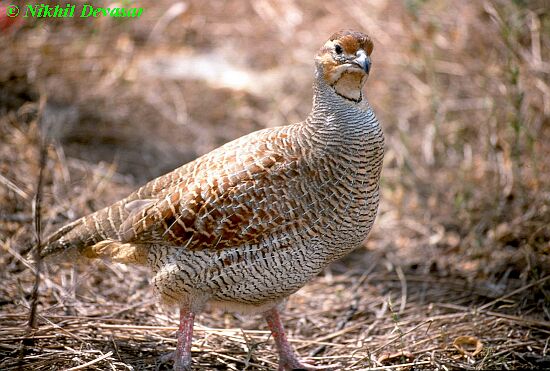
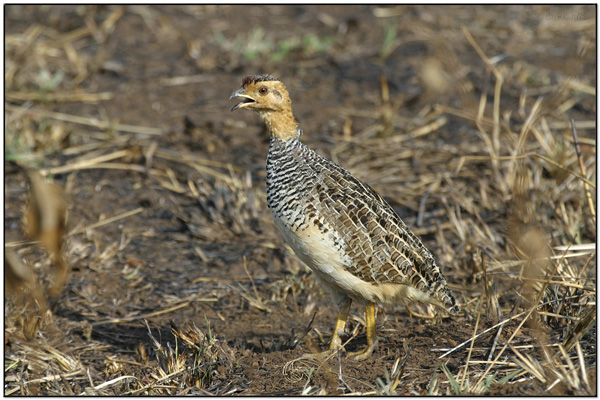
Grey Francolin (Francolinus pondicerianus) by Nikhil Devasar

Grey Francolin (Francolinus pondicerianus) by Nikhil Devasar

“Now therefore, let not my blood fall to the earth before the face of the LORD: for the king of Israel is come out to seek a flea, as when one doth hunt a partridge in the mountains.” (1 Samuel 26:20 KJV)

Last week the introduction to the avian wonders of the Phasianidae – Pheasants and Allies Family I began. The first twenty-one (21) species were presented. With a 183 in this family, we will stay with this family for a few Sundays.

Today there are 2 Monal-Partridge (Tetraophasis) , 5 Snowcock (Tetraogallus), 10 Partridges in 3 genera (Lerwa) (Alectoris) and (Ammoperdix), and 17 Francolin in 4 genera (Francolinus), (Peliperdix), (Scleroptila) and (Dendroperdix). The Pternistis genus will be covered next time. It consistes of Francolins and Spurfowls.

Verreaux’s Monal-Partridge (Tetraophasis obscurus) ©gbwf.org

(Tetraophasis obscurus) is a species of bird in the Phasianidae family. It is found only in central China. Its natural habitat is boreal forests. The common name commemorates the French naturalist Jules Verreaux. The Szechenyi’s Monal-Partridge or buff-throated partridge (Tetraophasis szechenyii) is a species of bird in the family Phasianidae. It is found in China and India. Its natural habitat is boreal forests.

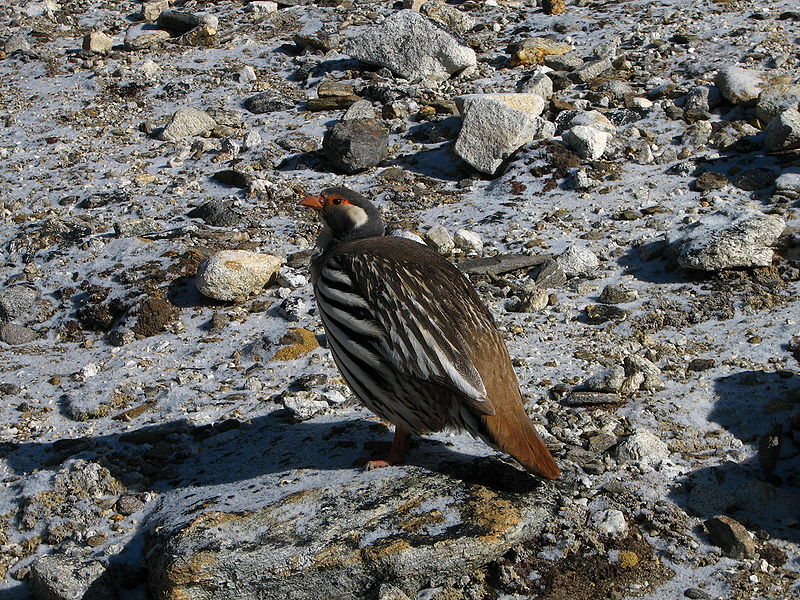
Tibetan Snowcock (Tetraogallus tibetanus) ©WikiC

Tibetan Snowcock (Tetraogallus tibetanus) ©WikiC

The Snowcocks are a group of bird species in the genus Tetraogallus of the pheasant family, Phasianidae. They are ground-nesting birds that breed in the mountain ranges of southern Eurasia from the Caucasus to the Himalayas and western China. Some of the species have been introduced into the United States. Snowcocks feed mainly on plant material. Snowcocks are bulky, long-necked, long-bodied partridge-like birds. Males and females are generally similar in appearance but females tend to be slightly smaller and rather duller in colouration than males. Their plumage is thick with a downy base to the feathers which helps them to withstand severe winter temperatures that may fall to −40 °C (−40 °F).

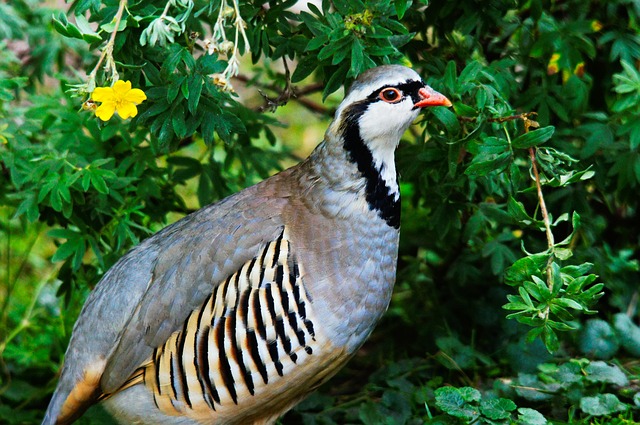
Rock Partridge (Alectoris graeca) ©Pixabay

Rock Partridge (Alectoris graeca) ©Pixabay

The genus Alectoris is a well-defined group of partridge species allied with coturnix and snowcocks and also related to partridge-francolins (Pternistes) and junglebush quail (Perdicula ). They are known collectively as rock partridges. The genus name is from Ancient Greek alektoris a farmyard chicken.

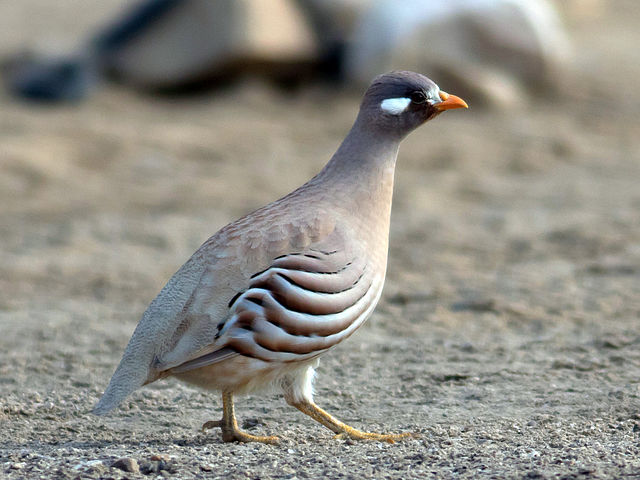
GAL-Phas Sand Partridge (Ammoperdix heyi) ©WikiC

Sand Partridge (Ammoperdix heyi) ©WikiC

The See-see partridge occurs in southwest Asia, and the Sand partridge in Egypt and the Middle East. Both are resident breeders in dry, open country, often in hill areas. Both partridges in this genus are 22–25 cm long, rotund birds. They are mainly sandy brown, with wavy white and brown stripes on their flanks.

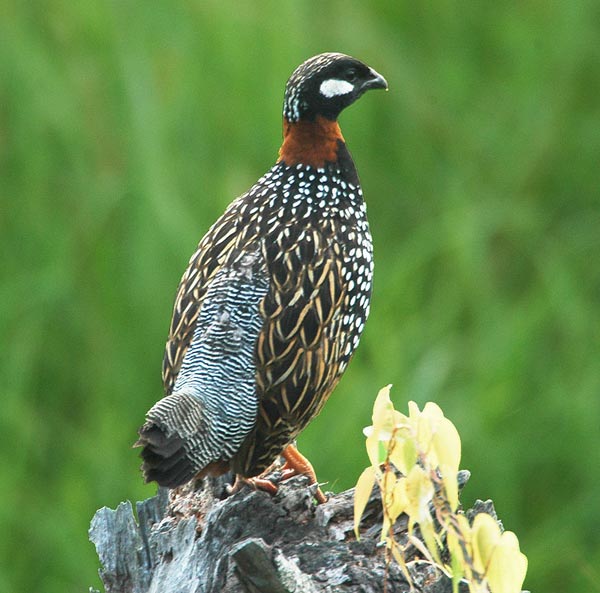
Black Francolin (Francolinus francolinus) by Nikhil Devasar

Black Francolin (Francolinus francolinus) by Nikhil Devasar

Francolinus is a genus of birds in the francolin group of the partridge subfamily of the pheasant family. Its five species range from western and central Asia through to southern and south-eastern Asia.

Coqui Francolin(Peliperdix coqui) by Dave's BirdingPix

Coqui Francolin(Peliperdix coqui) by Dave’s BirdingPix

Peliperdix – Its four species range through tropical Sub-Saharan Africa.

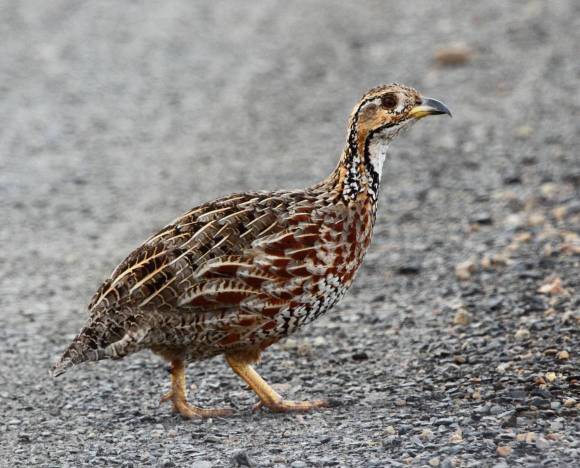
Shelley’s Francolin (Scleroptila shelleyi) ©WikiC

Shelley’s Francolin (Scleroptila shelleyi) ©WikiC

Scleroptila – Its seven species range through Sub-Saharan Africa.

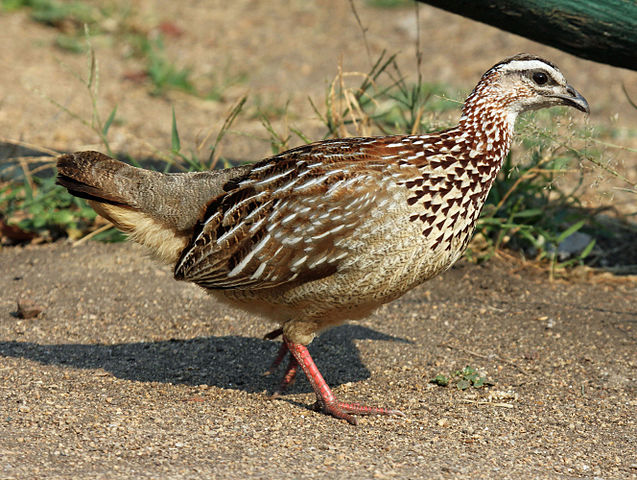
Crested Francolin (Dendroperdix sephaena) ©WikiC

Crested Francolin (Dendroperdix sephaena) ©WikiC

The Crested Francolin (Dendroperdix sephaena) – It is found in Angola, Botswana, Democratic Republic of the Congo, Ethiopia, Kenya, Malawi, Mozambique, Namibia, Somalia, South Africa, South Sudan, Swaziland, Tanzania, Uganda, Zambia, and Zimbabwe.

(Wikipedia, with editing)

This slideshow requires JavaScript.

“As the partridge sitteth on eggs, and hatcheth them not; so he that getteth riches, and not by right, shall leave them in the midst of his days, and at his end shall be a fool.” (Jeremiah 17:11 KJV)

“In the Garden” ~ Flute Solo Lauren D – Orchestra Concert

*

Sunday Inspirations

Pheasants and allies – Phasianidae

Birds of the Bible – Partridge

Sharing The Gospel

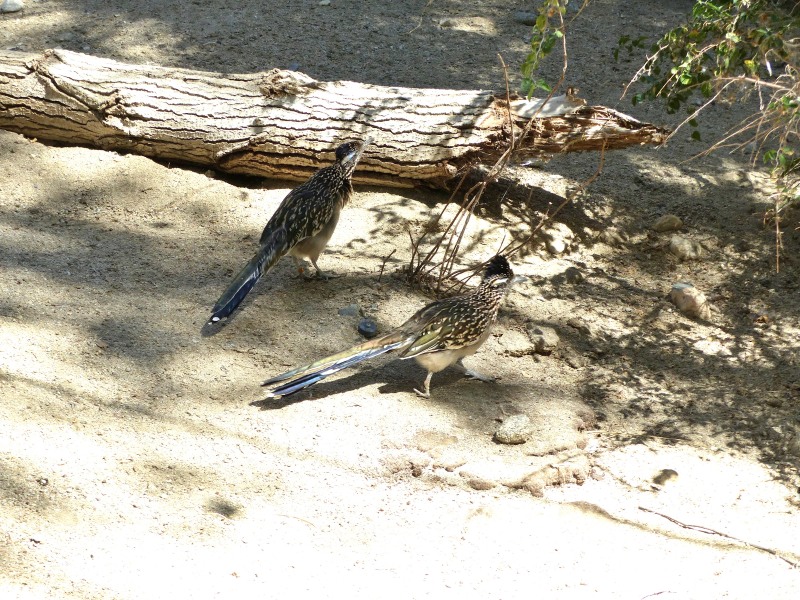
My Western Greater Roadrunners

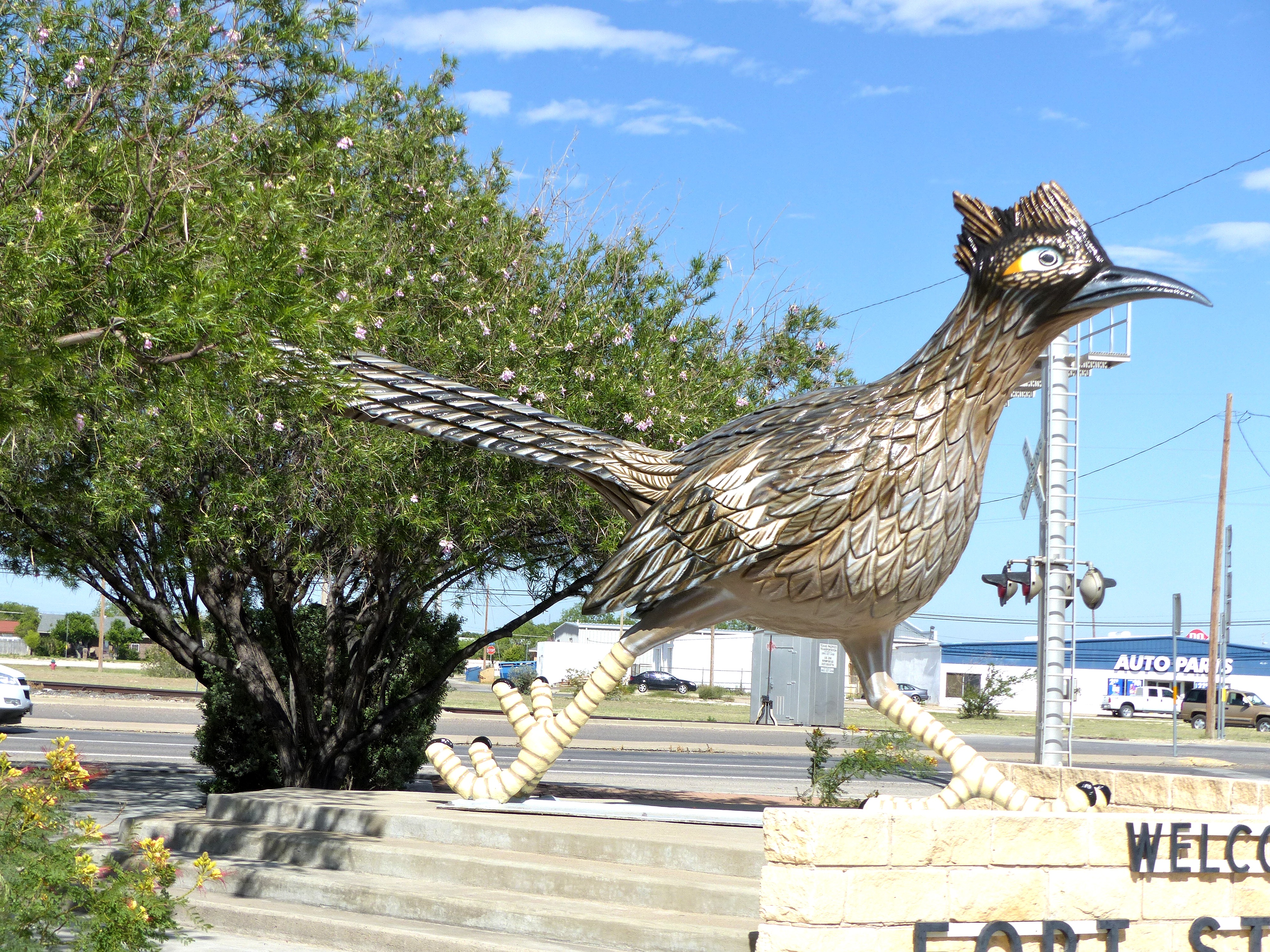
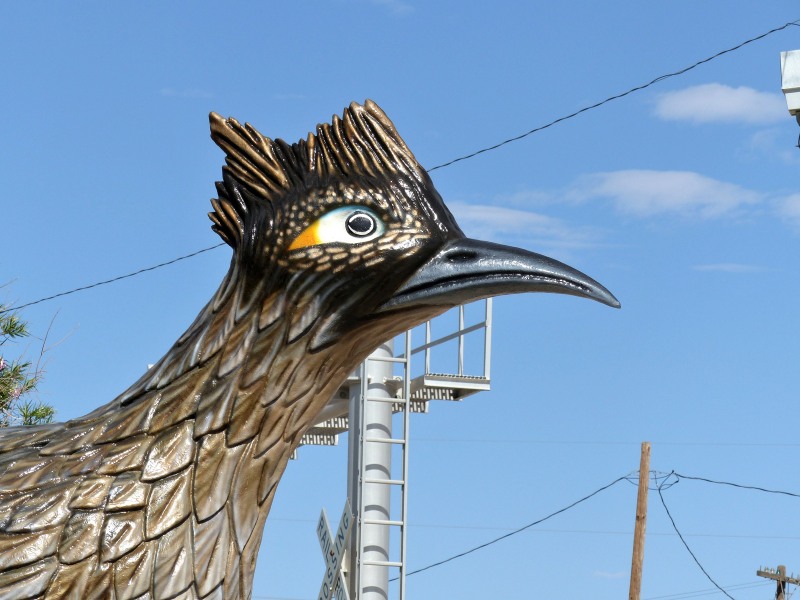
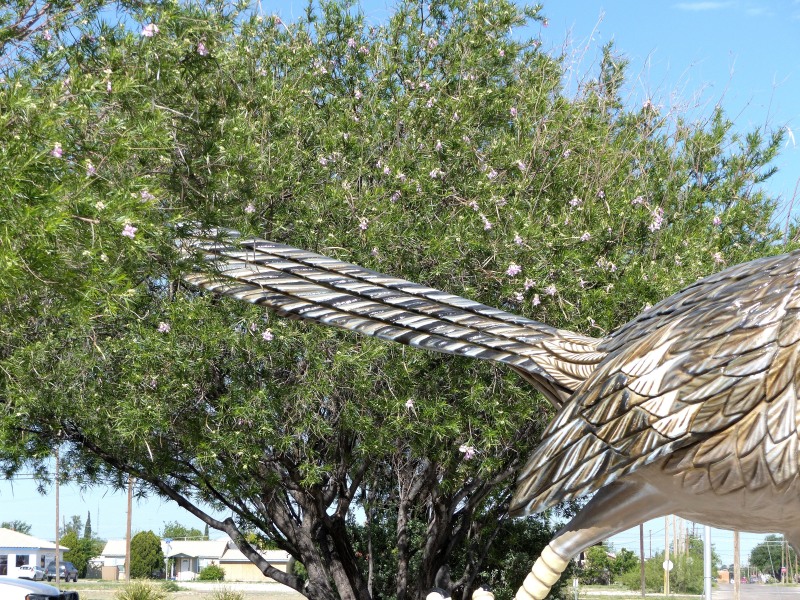
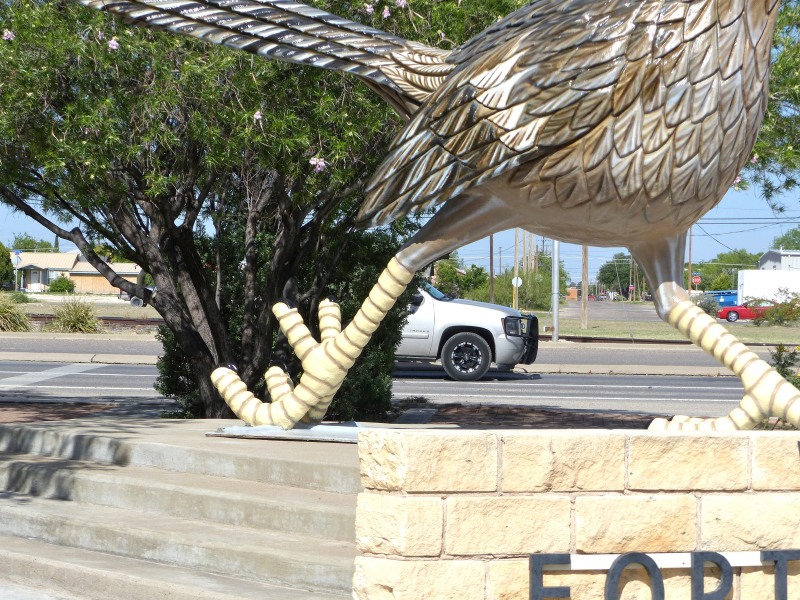
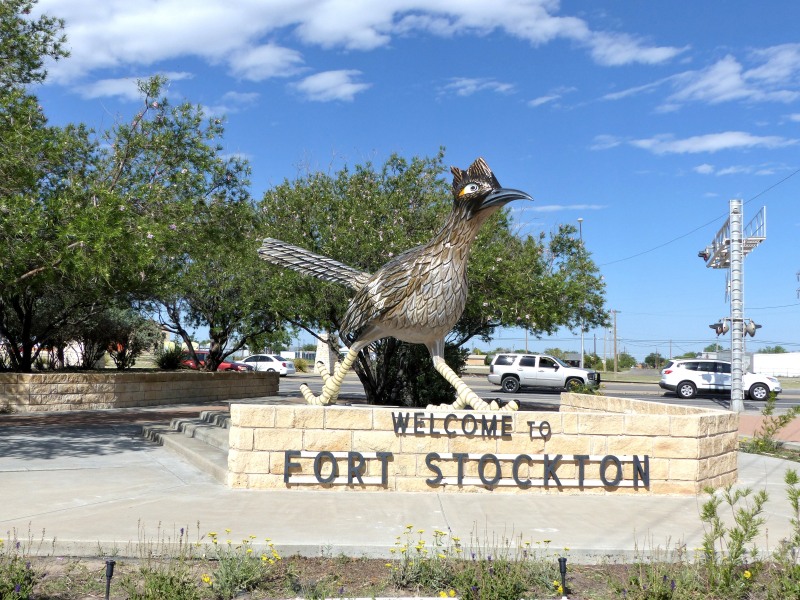
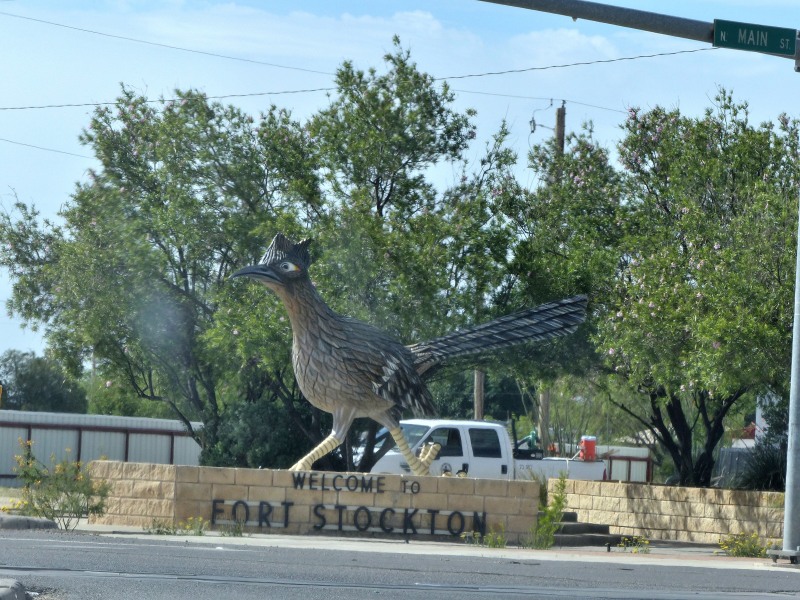
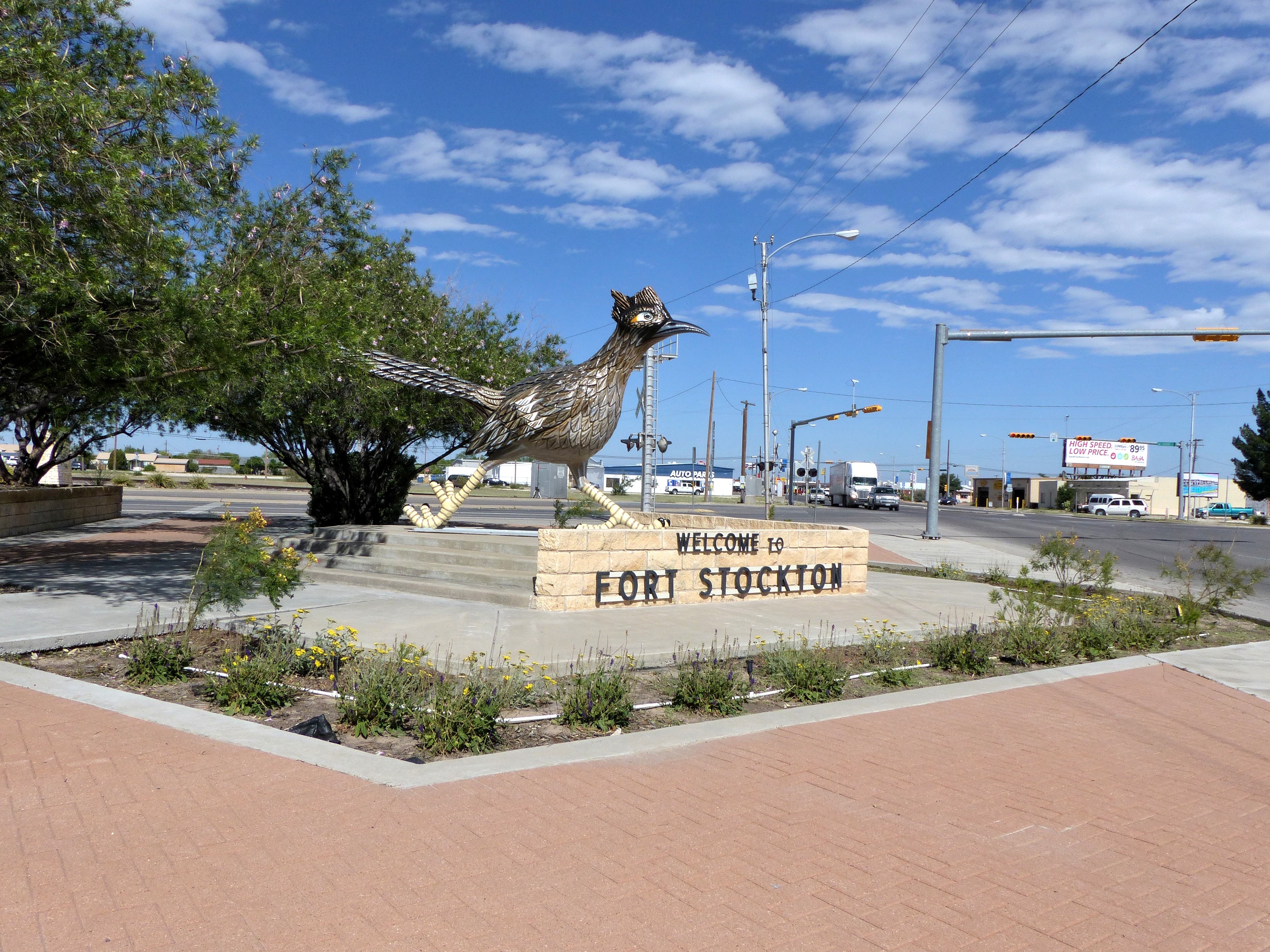
Roadrunner in Ft Stockton TX by Lee

Roadrunner in Ft Stockton TX by Lee

And the owl, and the night hawk, and the cuckoo, and the hawk after his kind, (Lev 11:16)

While on our vacation to the West (USA) I wanted to see the Greater Runner. It was one of the top birds on my “to see” list. Disappointed by not finding one in the wild, we were not totally disappointed. Surprised, but not disappointed. I actually saw some years ago, but wanted to photograph a wild one.

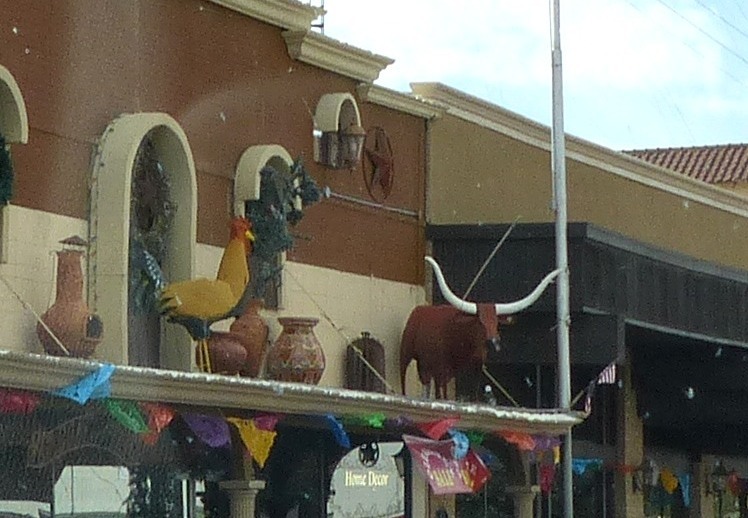
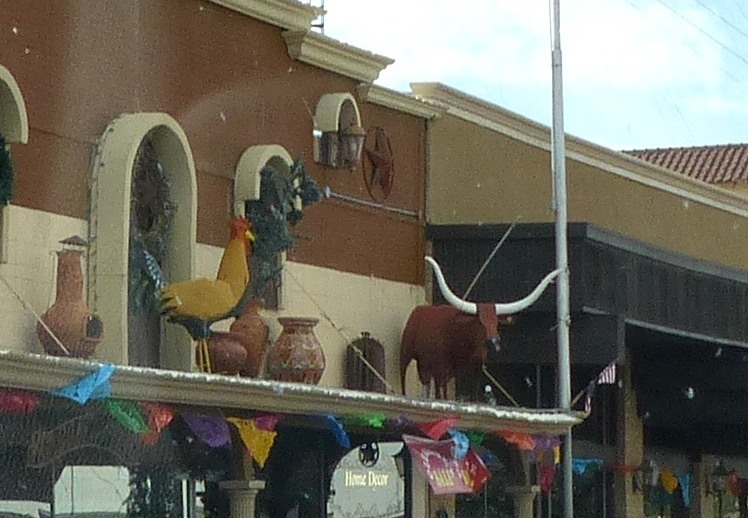
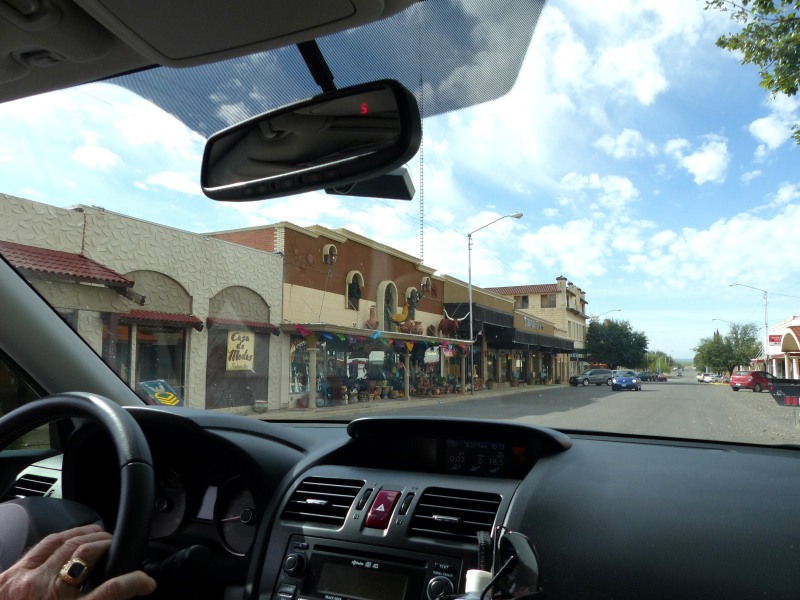
When we stopped in Fort Stockton, Texas, we visited the original Camp Stockton and then went to see the “22 foot” Roadrunner. No kidding, it is 22 feet long and 11 feet tall. Of course it was not a live roadrunner. I have since learned that his name is “Paisano Pete.”

(Bonus) Apparently Fort Stockton likes “big birds” because we found a large chicken also.

Large Chicken in Ft Stockton TX by Lee

Large Chicken in Ft Stockton TX by Lee

An actual “roadrunner, also known as a chaparral bird and a chaparral cock, is a fast-running ground cuckoo that has a long tail and a crest. It is found in the southwestern United States and Mexico, usually in the desert. Some have been clocked at 20 miles per hour (32 km/h).”

“The subfamily Neomorphinae, the New World ground cuckoos, includes eleven species of birds, while the genus Geococcyx has just two, the greater roadrunner and the lesser roadrunner. The Greater Roadrunner, (Geococcyx californianus), inhabits Mexico and the southwestern United States. The Lesser Roadrunner, (Geococcyx velox), inhabits Mexico and Central America.” (Wikipedia)

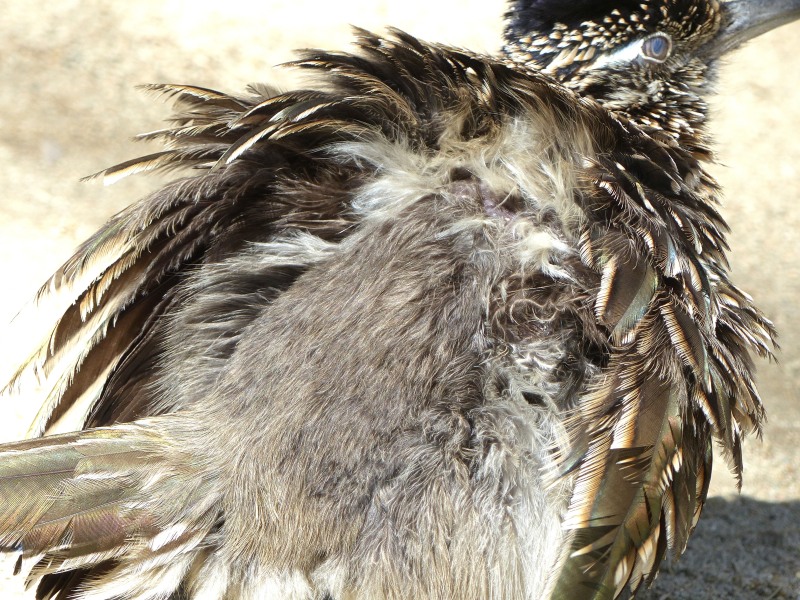
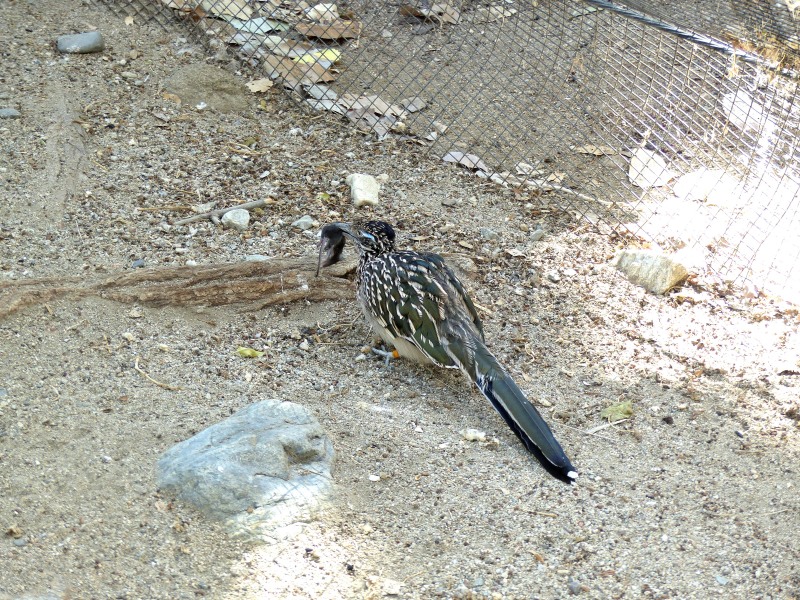
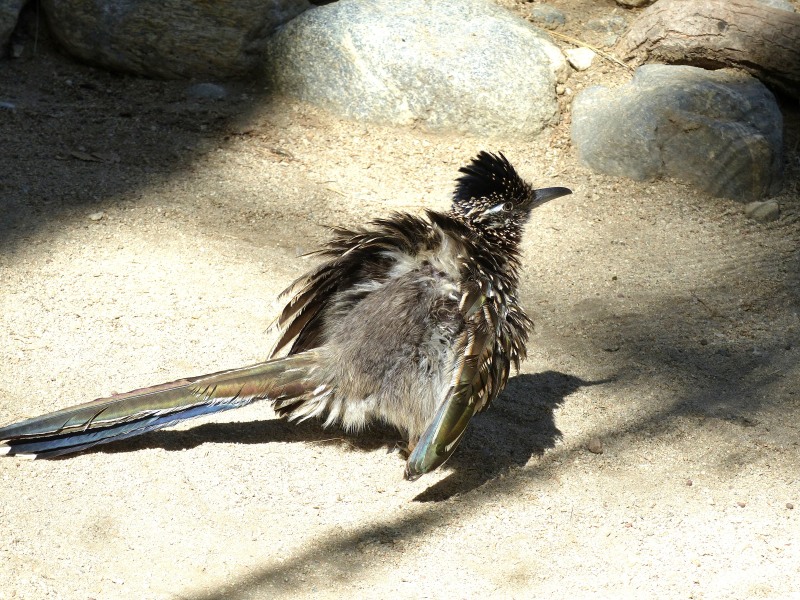
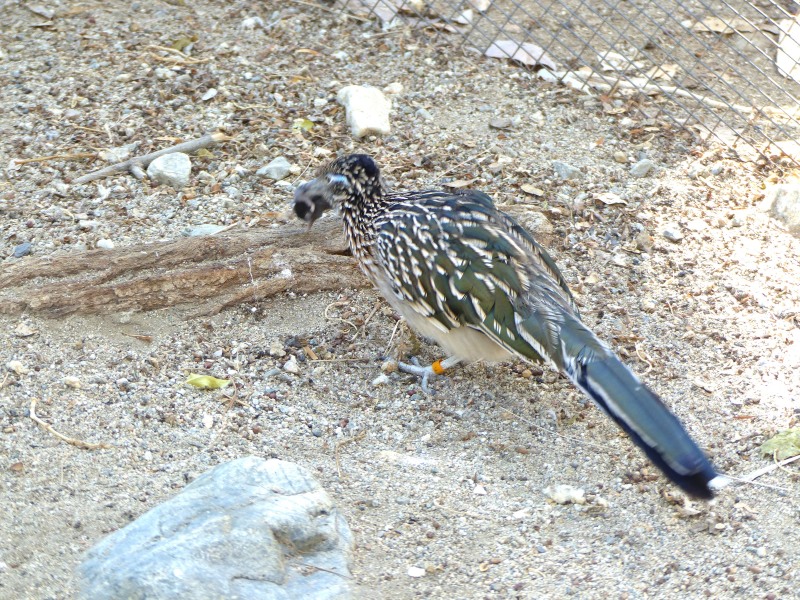
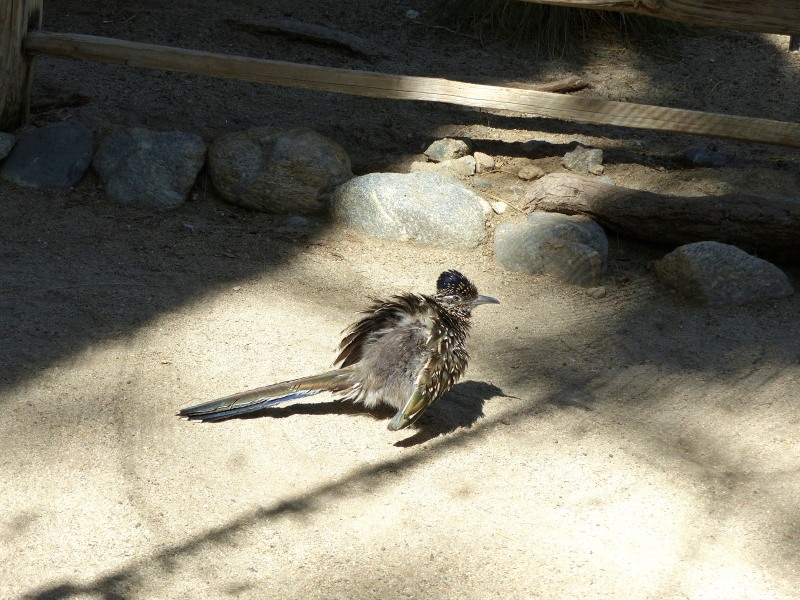
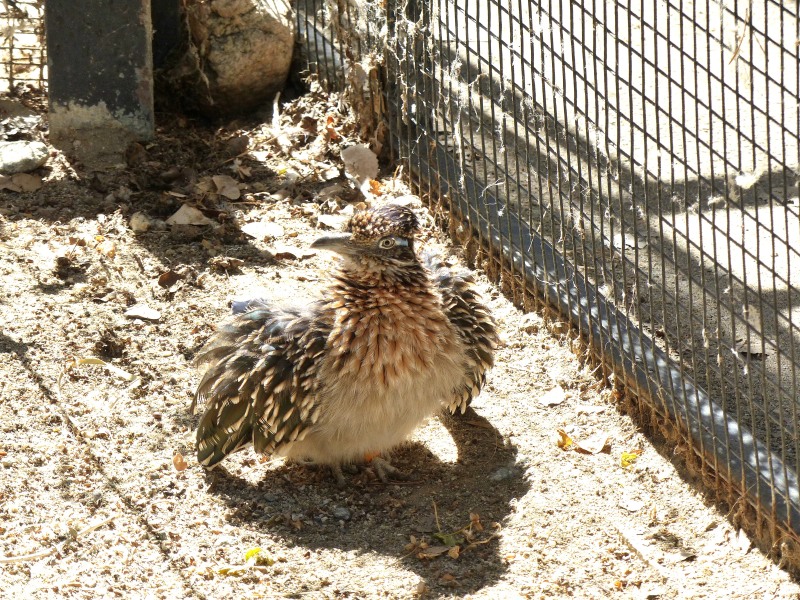
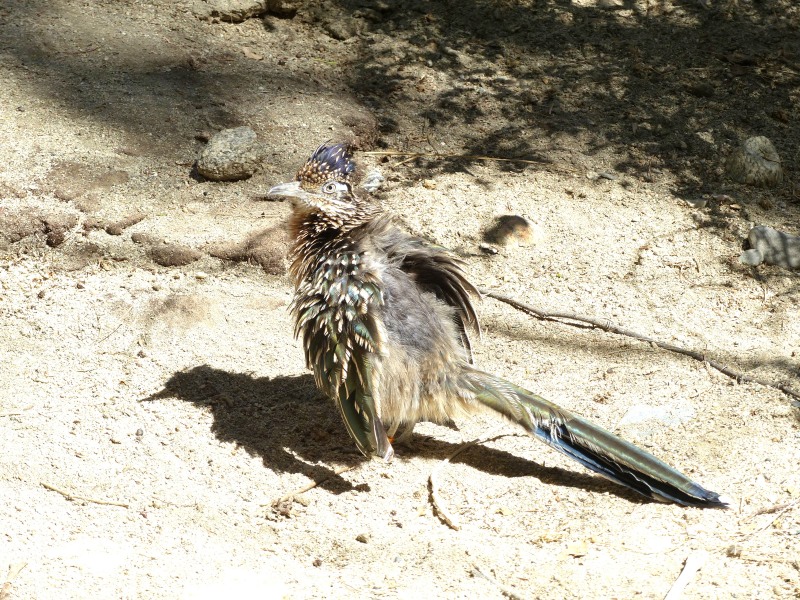
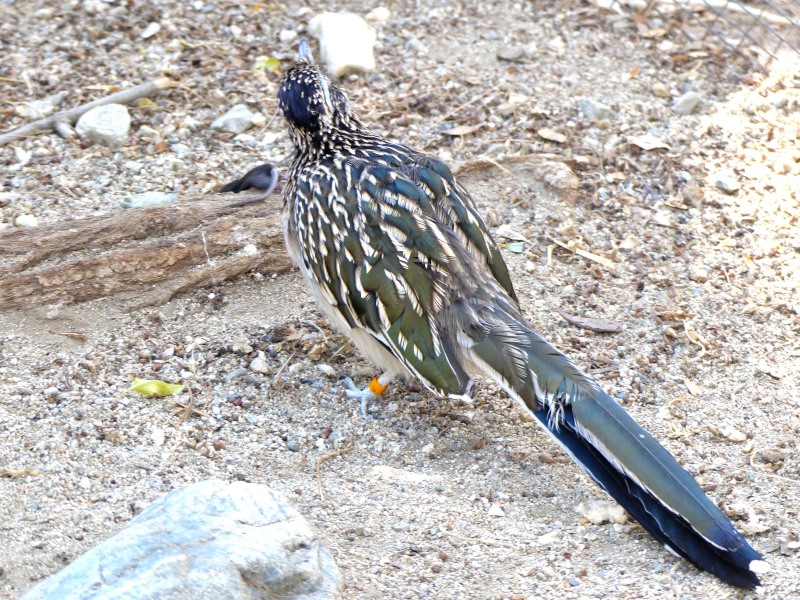
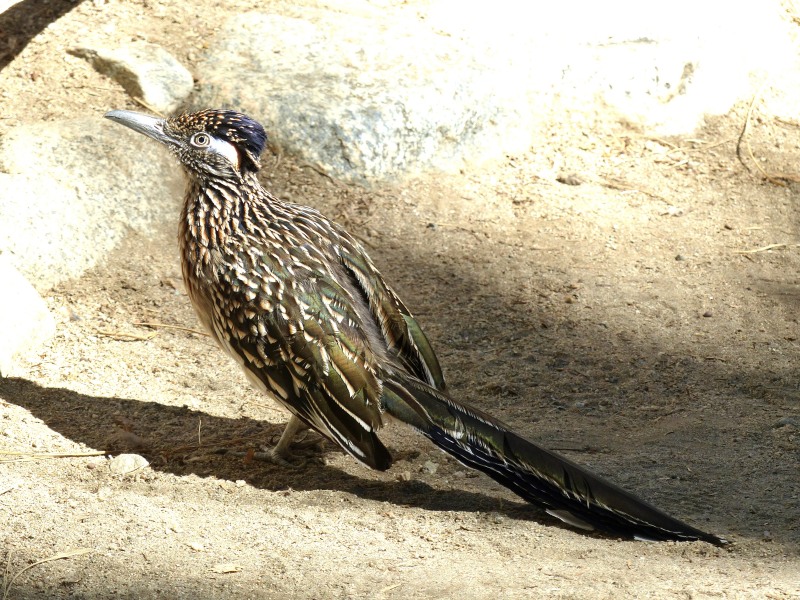
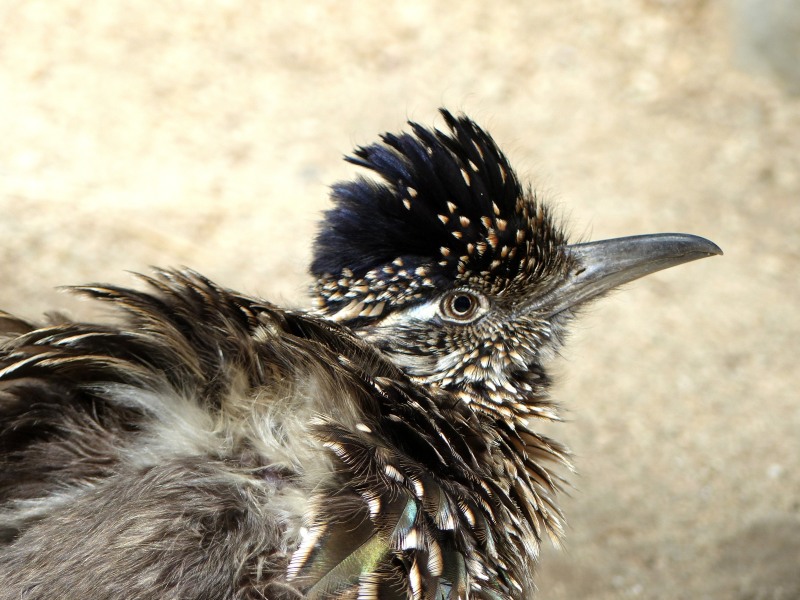
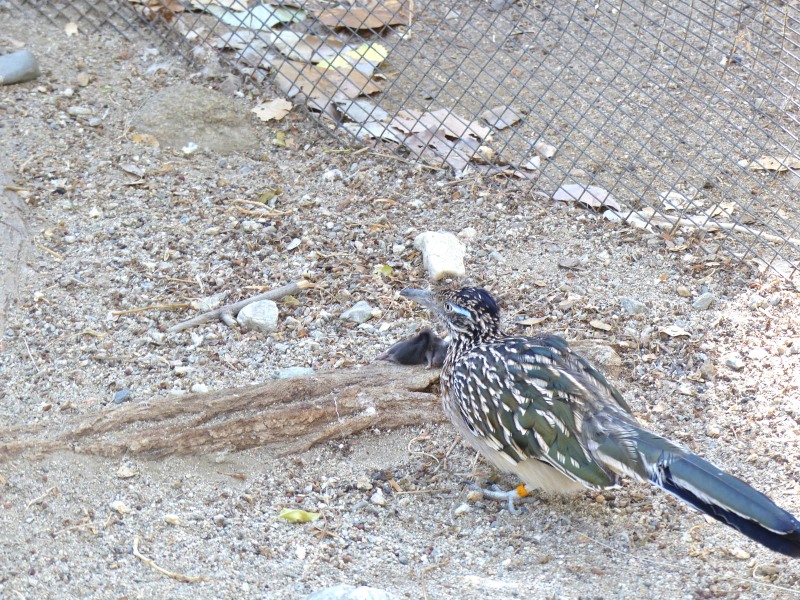
Well, “Paisano Pete” definitely would not count as a real bird, so I had to keep looking. We saw some in a Zoo or two, but when we got to the Living Desert Zoo in California, we were able to really see two of them. They were in an aviary where we saw them up close and not through a cage wire. These are the Greater Roadrunner (Geococcyx californianus). One was warming itself by exposing its feathers on the back and the other was trying to kill a dead mouse and chase a Turkey Vulture around. Got within two feet of one of them.

Roadrunner Warming up at Living Desert Zoo CA

Roadrunner Warming up at Living Desert Zoo CA


Roadrunner with mouse at Living Desert Zoo CA by Lee

Roadrunner with mouse at Living Desert Zoo CA by Lee


*

Fort Stockton, Texas: Paisano Pete: Giant Roadrunner

Paisano Pete

Living Desert Zoo and Garden

Fort Stockton, Texas – Wikipedia

Greater Roadrunner – Wikipedia

Birds of the Bible – Cuckoo

Cuckoos – Cuculidae Family

*

Birds of the Bible – Not Seeing Or Hearing

While reading in Isaiah lately, I came across this verse:

“Seeing many things, but you do not observe; Opening the ears, but he does not hear.” (Isaiah 42:20 NKJV)

When Dan and I visit aviaries, we spend quite a bit of time in them. Yes, we are birdwatchers and do photography, but it still amazes me the ones who come in, look around as they walk through, and then leave. They may be in there five minutes. We are there for 30, 45, 60 minutes or longer, depending on the size of the aviary.

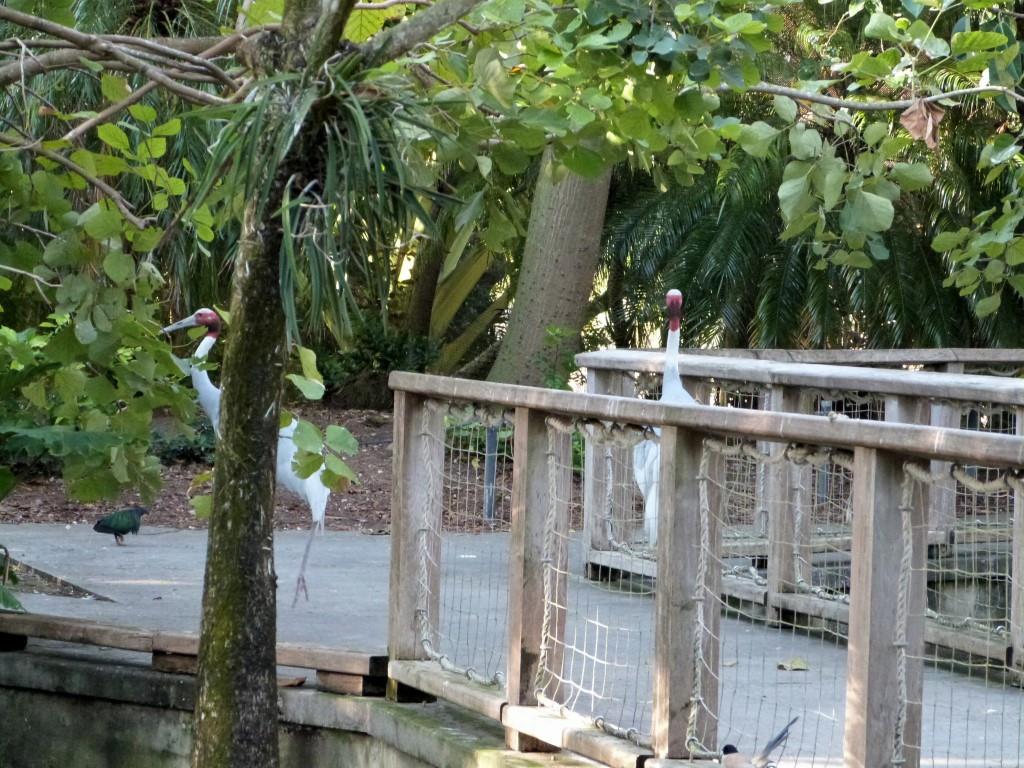
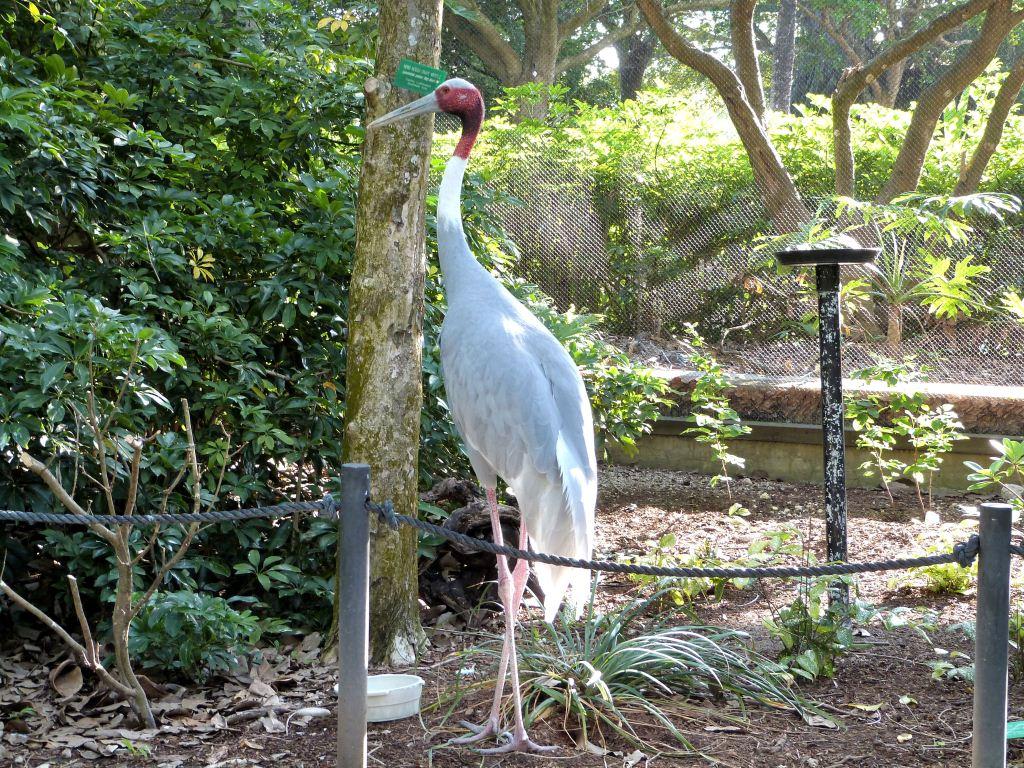
Me and my big mouth causes me to speak up and point out birds they just walked by and never saw. Most times it is appreciated, but there are times when the kids (especially) only want to see the “big” animals. Well, a 6 foot Sarus Crane is “big.”

Sarus Crane (Grus antigone) by Lee at Wings of Asia

Sarus Crane (Grus antigone) by Lee at Wings of Asia

Sarus Crane (Grus antigone) by Lee at Wings of Asia

Sarus Crane (Grus antigone) by Lee at Wings of Asia

Also, some people don’t even hear the birds chirping and singing. Sometimes we all get so wrapped up in what we are thinking or doing, we forget to look, see, and hear what the Lord has created for us to enjoy. I am so glad for creationist scientist and organizations which study birds and animals. They see so many marvelous things in the way the Lord made the animals and birds, Even fish, other critters and especially the human body.

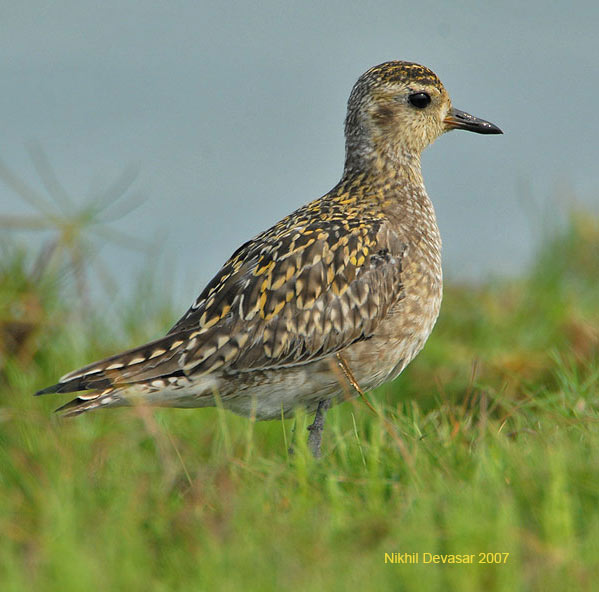
Pacific Golden Plover (Pluvialis fulva) by Nikhil Devasar

Pacific Golden Plover by Nikhil Devasar Flies to Hawaii from Alaska without the help of its parents.

Back to the verse, Isaiah 42:20. I like this from John Gill’s Exposition of the Entire Bible:

Isaiah 42:20
Seeing many things, but thou observest not,…. The Scribes and Pharisees, saw Christ in the flesh; they saw the miracles he did; they saw the blind receive their sight, the lame walk, the lepers cleansed, the deaf hear, and the dead raised; yet they did not give note to these things, and keep them in their minds, and regard them as clear proofs of his being the Messiah:

opening the ears, but he heareth not; they heard John Baptist preach, the forerunner of Christ, and the testimony he bore of him; they heard Christ himself and his apostles; they sometimes opened their ears, and seemed to listen and hear with attention, and wonder at what they heard; and some would own, that never man spake like Jesus; and yet understood not his speech, and hardened their hearts against him; they saw many things with their bodily eyes, but perceived them not with the eyes of their understandings; they heard with their ears, but understood not in their hearts; for their eyes were shut and their ears heavy, Isa_6:9.

May we, that know the Lord as our Savior, keep our eyes and ears open to God’s Word. May we see His creation and realize, what was spoken in Isaiah 46:9-10:

Remember the former things of old: for I am God, and there is none else; I am God, and there is none like me, Declaring the end from the beginning, and from ancient times the things that are not yet done, saying, My counsel shall stand, and I will do all my pleasure: (Isaiah 46:9-10 KJV)

God created it all and He has prophesied things that would transpire, which many have already come true, like the prophesies of the Lord Jesus Christ coming and dying as our Savior. Plus many, many more fulfilled prophecies.

Are we seeing and hearing?

*

Birds of the Bible

Ian’s Bird of the Week – Sarus Crane

Pacific Golden

Incredible Pacific Golden Plover

Gospel Message

*