Golden Eagle – Eagle’s Eyesight

Golden Eagle – Eagles Eyesight

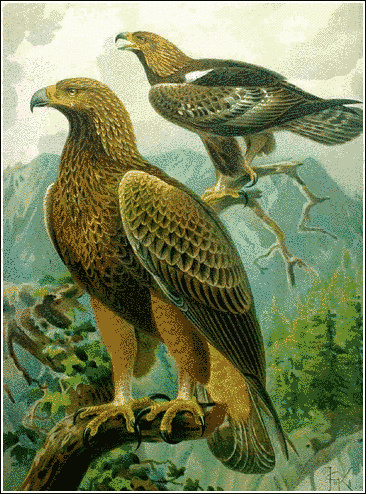
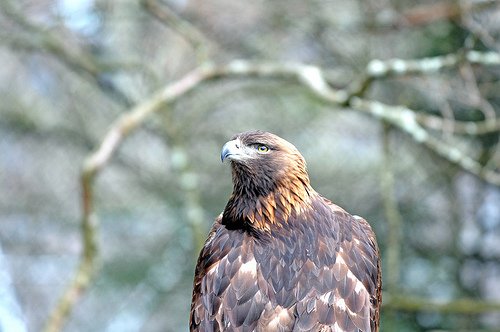
Golden Eagle (Aquila chrysaetos) - Grandfather Eagle by PastorBBC

Golden Eagle (Aquila chrysaetos) – Grandfather Eagle by PastorBBC

Hello boys and girls again! This is the Golden Eagle!

Did you know that eagles have very keen (excellent) eyesight ? We can see prey at great distances! I would say that we are one of the TOP birds!

Listen to this Bible verse:

And the first beast was like a lion, and the second beast like a calf, and the third beast had a face as a man, and the fourth beast was like a flying eagle. (Revelation 4:7)

Golden Eagle ©PD

Golden Eagle ©PD

The word “beast” comes from a Greek word, zoon, and it means living creatures.

You are familiar with the word zoo, zoology-the study of animals.

  • The lion is the king of the beast! Jesus is called the Lion of the tribe of Judah! The lion represents the beasts of the earth.
  • The calf or ox represents the cattle!
  • The eagle represents the fowl or birds of the air!
  • And man is God’s greatest creation created on day number six of creation week!

The Bible is full of amazing truths! These living creatures are part of the angelic creation! They live in the very presence of God and they are full of life!

In fact, God through His Son Jesus Christ has given us everything necessary for life. Life does not end at death. Even science teaches us today that matter and energy go through changes, but they do not disappear!

Well, your soul and spirit are eternal, you will live forever somewhere! The very best place to go is God’s Heaven! Make sure that you are saved! If you do not understand what salvation is all about, begin to read the Gospel of John in the New Testament! It was written so that you would believe that Jesus is the Son of God, and in so doing that you would trust Jesus to save your soul!

God created this vast, material Universe and He has a plan for ALL of it, even the material stuff! One day we will fly higher than any eagle has ever flown! I hope that you enjoy being alive! If you are having a difficult time with life contact us and we will try to help and encourage you by sharing God’s Word with you and pointing you to the Lord Jesus Christ!

By for now!

The Golden Eagle

*

Golden Eagle

Wordless Book

*

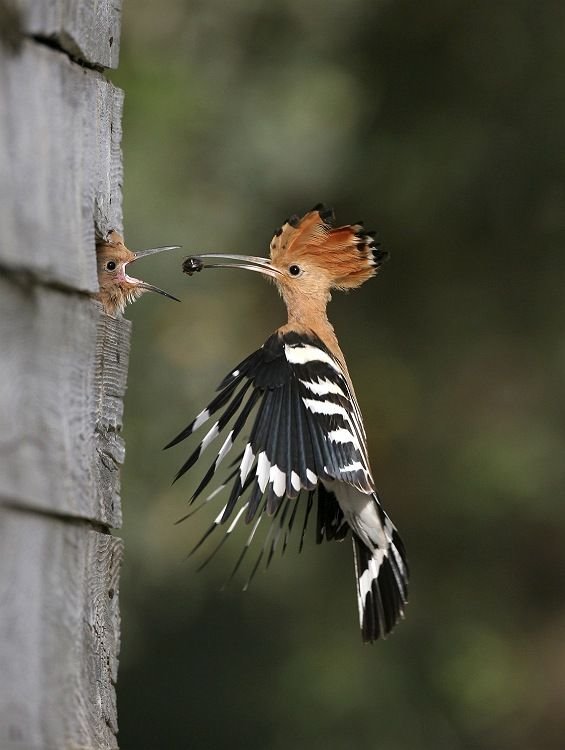
Birds of the Bible – Feeding

Hoopoe Feeding Young ©©Dvir Lotan from Israel

Hoopoe Feeding Young ©©Dvir Lotan from Israel


Also, to every beast of the earth, to every bird of the air, and to everything that creeps on the earth, in which there is life, I have given every green herb for food“; and it was so. Then God saw everything that He had made, and indeed it was very good. So the evening and the morning were the sixth day. (Genesis 1:30-31 NKJV)

Look at the birds of the air, for they neither sow nor reap nor gather into barns; yet your heavenly Father feeds them. Are you not of more value than they? (Mat 6:26 )

These verses have been shared before, but the quote below, that I received from an e-mail, provides another angle.

God Gives every bird its food,

but He does not throw it into its nest.

That quote cause a chuckle at first, but then you begin to really think about it.

Fan-tailed Raven (Corvus rhipidurus) ©WikiC

Fan-tailed Raven (Corvus rhipidurus) ©WikiC

 Who provides food for the raven, When its young ones cry to God, And wander about for lack of food? (Job 38:41 NKJV)

He gives to the beast its food, And to the young ravens that cry. (Psalms 147:9 NKJV)

Consider the ravens, for they neither sow nor reap, which have neither storehouse nor barn; and God feeds them. Of how much more value are you than the birds? (Luke 12:24 NKJV)

We know that the Lord provides for the birds, but they have to go out an gather it up. Some have it easy, other birds have to work at finding and then opening up the seeds, snails, nuts or what ever they have. The Lord, through His Creative Hand has given the various birds, the “tools” they need. Special beaks, feet, swift wings, keen eyes, etc.

And God said, “See, I have given you every herb that yields seed which is on the face of all the earth, and every tree whose fruit yields seed; to you it shall be for food. (Genesis 1:29 NKJV)

You cause the grass to grow for the livestock and plants for man to cultivate, that he may bring forth food from the earth (Psalms 104:14 ESV)

Those verse let us know that the Lord has also provided for us. Yet we have to gather it and again, the Lord has given us the skills and tools to feed ourselves. Can we not learn for the birds?

But now ask the beasts, and they will teach you; And the birds of the air, and they will tell you; (Job 12:7 NKJV)

Cedar Waxwing Eating by Steve Slayton

Cedar Waxwing Eating by Steve Slayton

She rises while it is yet night and provides food for her household and portions for her maidens. (Proverbs 31:15 ESV)

Give us this day our daily bread. (Matthew 6:11 NKJV)

Six days you shall labor and do all your work, (Exodus 20:9 NKJV)

Bearded Barbet (Lybius dubius) ©© Passing food

Bearded Barbet (Lybius dubius) ©© Passing food

I have shown you in every way, by laboring like this, that you must support the weak. And remember the words of the Lord Jesus, that He said, ‘It is more blessed to give than to receive.’ ” (Acts 20:35 NKJV)

Let him who stole steal no longer, but rather let him labor, working with his hands what is good, that he may have something to give him who has need. (Ephesians 4:28 NKJV)

The soul of a lazy man desires, and has nothing; But the soul of the diligent shall be made rich. (Proverbs 13:4 NKJV)

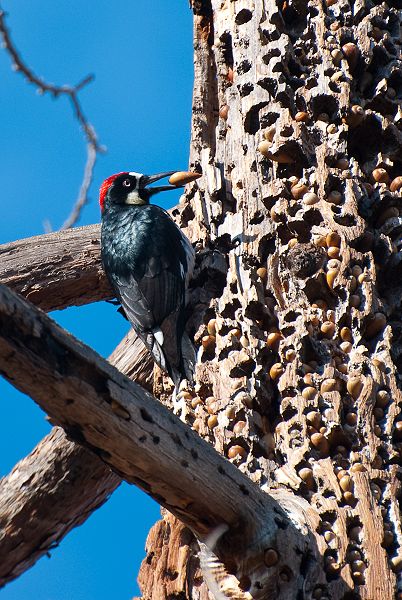
Acorn Woodpecker (Melanerpes formicivorus) with Hoard or Grainary WikiC

Acorn Woodpecker (Melanerpes formicivorus) with Hoard or Grainary WikiC

The lazy man will not plow because of winter; He will beg during harvest and have nothing. (Proverbs 20:4 NKJV)

The soul of a lazy man desires, and has nothing; But the soul of the diligent shall be made rich. (Proverbs 13:4 NKJV)

The lazy man will not plow because of winter; He will beg during harvest and have nothing. (Proverbs 20:4 NKJV)

Osprey with Fish by Jim Fenton

Osprey with Fish by Jim Fenton

For even when we were with you, we commanded you this: If anyone will not work, neither shall he eat. (2 Thessalonians 3:10 NKJV)

See:

Birds of the Bible

Gideon

*

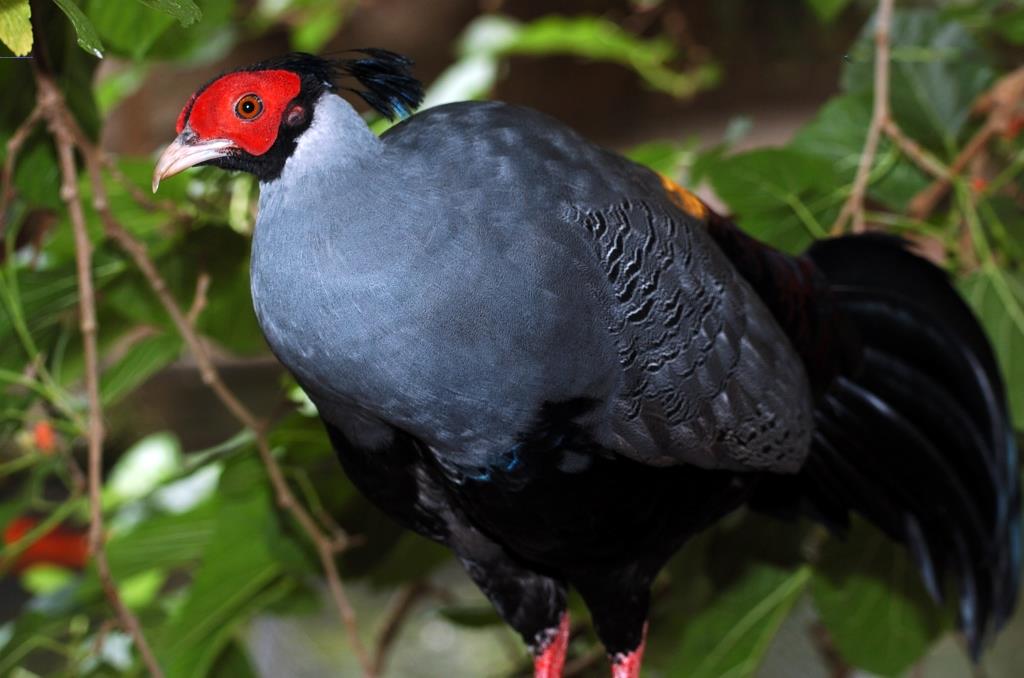
Siamese Fireback by Dan

Siamese Fireback by Dan's Pix

Siamese Fireback by Dan’s Pix at Zoo Miami

As the partridge sitteth on eggs, and hatcheth them not; so he that getteth riches, and not by right, shall leave them in the midst of his days, and at his end shall be a fool. (Jeremiah 17:11 KJV)

I was browsing through some of Dan’s photos on his Dan’s Pix site and came across the Siamese Fireback. We saw this bird in the Wings of Asia Aviary at Zoo Miami. This is another of the Lord’s interesting creations.

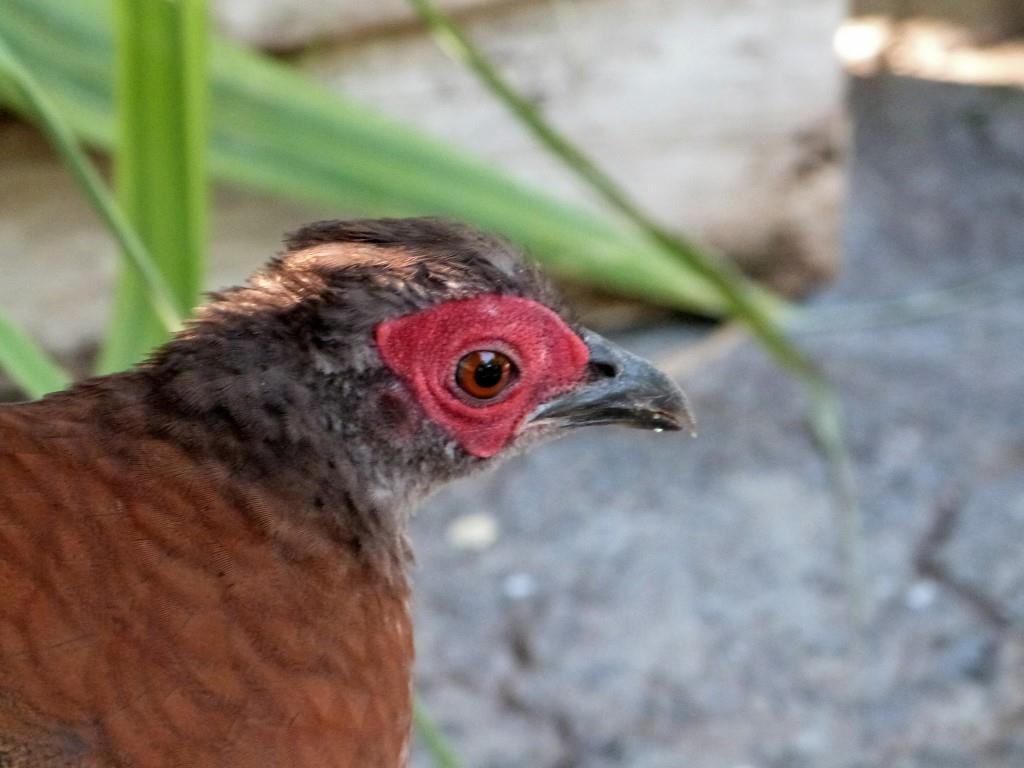
The Siamese Fireback (Lophura diardi) also known as Diard’s Fireback is a fairly large, approximately 31.5 in (80 cm) long, pheasant. The male has a grey plumage with an extensive red facial skin, crimson legs and feet, ornamental black crest feathers, reddish brown iris and long curved blackish tail. The female is a brown bird with blackish wing and tail feathers.

The Siamese Fireback is distributed to the lowland and evergreen forests of Cambodia, Laos, Thailand and Vietnam in Southeast Asia. Very dense forests, bamboo and evergreen from sea-level to 2,000 feet. This species is also designated as the national bird of Thailand.

Siamese Fireback (Lophura diardi) ©WikiC

Siamese Fireback (Lophura diardi) ©WikiC (You can see the yellow on its back)

The female usually lays between four to eight rosy eggs. They have a more subtle coloration that helps them blend into the area while nesting.

Siamese Fireback (Lophura diardi) female by Lee ZM

Siamese Fireback (Lophura diardi) female by Lee ZM

Where there is no wood, the fire goes out; And where there is no talebearer, strife ceases. (Proverbs 26:20 NKJV)

Siamese Fireback (Lophura diardi) female by Lee ZM

Siamese Fireback (Lophura diardi) female by Lee ZM

The scientific name commemorates the French naturalist Pierre-Médard Diard. (Information from various internet sources.)

The three Firebacks are part of the Phasianidae – Pheasants, Fowl & Allies Family. Partridges, Pheasants, Grouse, Quail, Francolin, Peafowl, Peacocks and others make up this family.

Crestless Fireback (Lophura erythrophthalma) IBC

Crested Fireback (Lophura ignita)

Siamese Fireback (Lophura diardi) by Dan’s Pix

Also:

*

Ian’s Bird of the Week – Black-winged Stilt

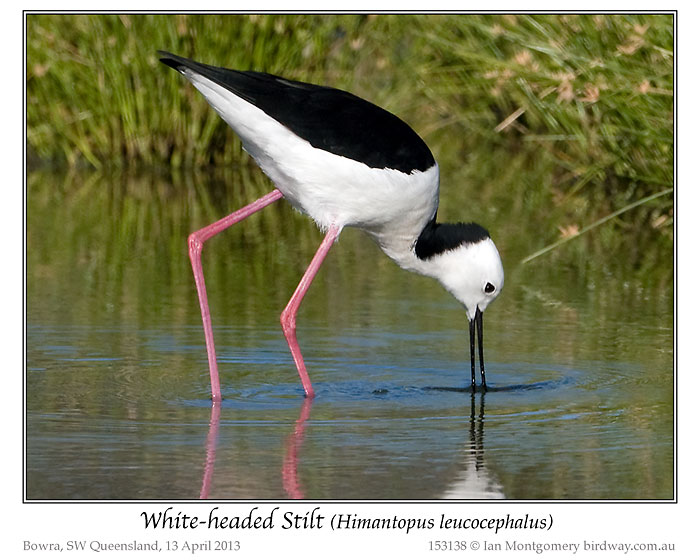
White-headed Stilt (Himantopus leucocephalus) by Ian

Ian’s Bird of the Week – Black-winged Stilt ~ by Ian Montgomery

Newsletter ~ 3/30/14

*
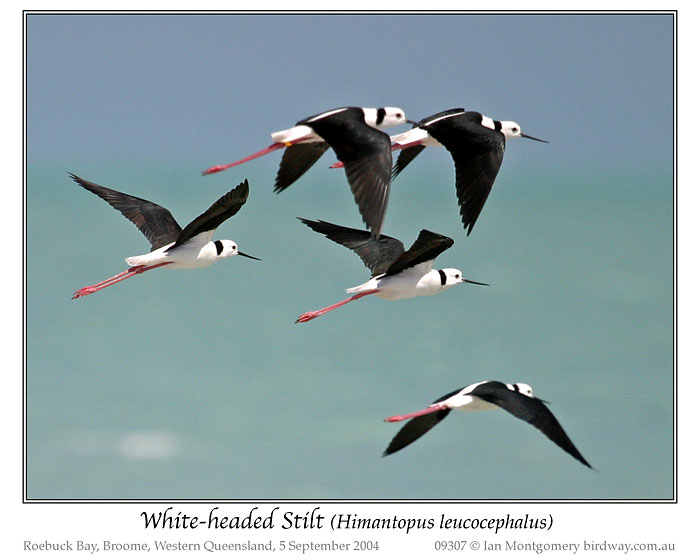
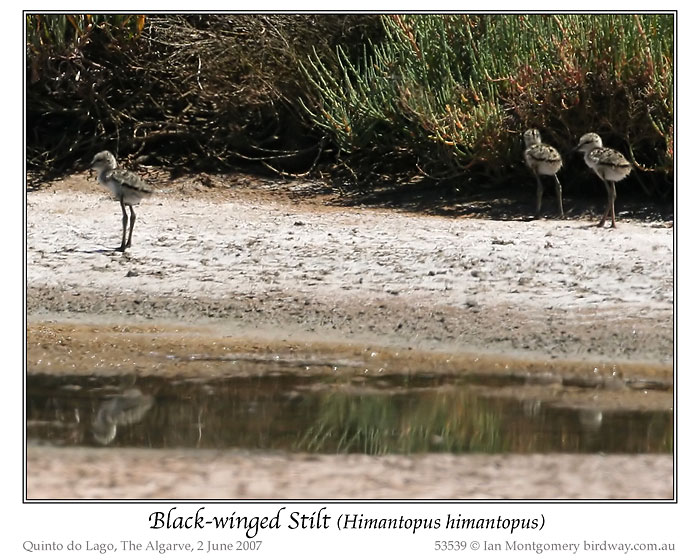
A few weeks ago, I included a photo of the Black Stilt of New Zealand in a piece on Black-fronted Tern, so I was surprised to find out that no other stilt has ever featured as bird of the week. That’s a serious omission given the spectacular appearance of all the members of this family, the Avocets and Stilts, Recurvirostridae, so here are three variants of the almost global Black-winged Stilt, starting with the one we get in Australasia, often called the White-headed Stilt.

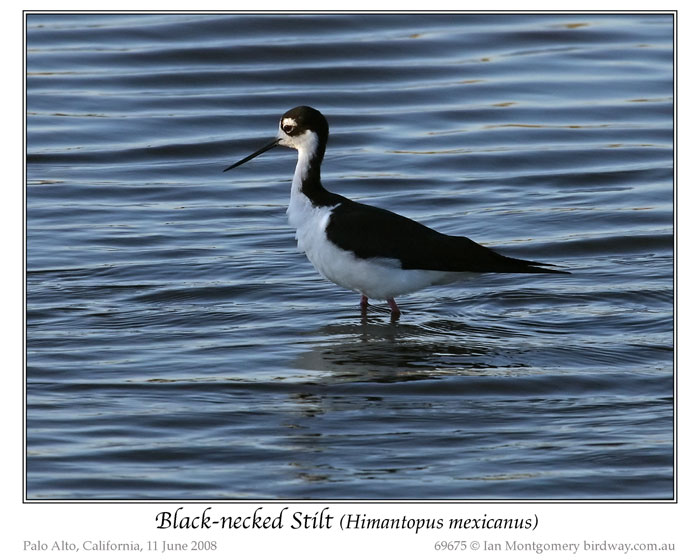
There is disagreement over whether the various version of the Black-winged Stilt are species or merely sub-species. Some taxonomists, none naturally from New Zealand, have even dared to suggest that the Black Stilt is a mere subspecies too, as it sometimes hybridises with the White-headed which colonised New Zealand in the 19th century. The tendency now is to settle on four closely related species, the Black Stilt (Himantopus novaezelandiae) the nominate Eurasian and African Black-winged (H. himantopus), the Australasian White-headed (H. leucocephalus) the American (North and South) Black-necked (H. mexicanus). As we’ll see shortly, the English names are almost as confusing as the taxonomy as they all have black wings, two have white faces and two have black necks.

White-headed Stilt (Himantopus leucocephalus) by Ian

As a teenager in Ireland in the 1960s, browsing my Peterson Field Guide to the Birds of Britain and Europe – which I have in front of me at the moment – birds like Avocets and Stilts seemed unbelievably exotic. The iconic Pied Avocet was, and still is, the poster child of the Royal Society for the Protection of Birds following its successful reestablishment as a breeding species in Britain. I saw Pied Avocets in the RSPB Reserve at Minsmere in Suffolk in 1965 and American Avocets in Wyoming in 1970, but it wasn’t until I arrived in Sydney in 1971 that I saw my first Stilt and was amazed to find how widespread and abundant the White-headed is. Almost too much, as these are noisy birds and almost as much of a nuisance as Common Redshanks are in Ireland when you’re trying to stalk shy waders.

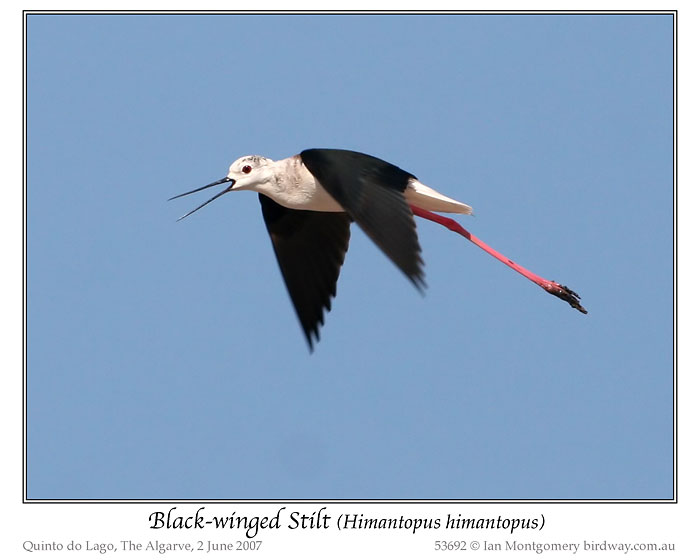
Black-winged Stilt (Himantopus himantopus) by Ian

I eventually encountered the nominate Black-winged in Zimbabwe in 1992 and again in Portugal in 2007. The female (very little black on the head) one in the third photo is being very vocal and making it quite clear that I am very unwelcome. This time at least she had very good reason for being aggressive as it had four newly-hatched chicks close by, wandering around looking rather bewildered, fourth photo (the fourth chick was farther to the left). Male nominate race birds have more but varying degrees of black on the head and neck, adding to the general confusion.

Black-winged Stilt (Himantopus himantopus) by Ian

Finally, fifth photo, here is the American version, the Black-necked. It has a black cap joined fore and aft by a curved band through the eye leaving a white spot above the eye, creating a bullseye effect. It’s showing us why stilts have such long legs and that needle-sharp bill is perfect for delicately snatching small items of prey from the surface of the water.

Black-necked Stilt (Himantopus mexicanus mexicanus) by Ian

There are photos of all the Stilts and Avocet, except the poorly known Andean Avocet, here: http://www.birdway.com.au/recurvirostridae/index.htm.

This is a slightly hurried bird of the week, as I’m leaving for Cairns later today. We’ve had a late end to the wet season after a dry false alarm earlier in the month and I want to take more location photos for the book Where to find Birds in Northeast Queensland now that the weather has improved.

Greetings
Ian

**************************************************
Ian Montgomery, Birdway Pty Ltd,
454 Forestry Road, Bluewater, Qld 4818
Tel 0411 602 737 ian@birdway.com.au
Bird Photos http://www.birdway.com.au/
Recorder Society http://www.nqrs.org.au


Lee’s Addition:

And God said, Let the waters bring forth abundantly and swarm with living creatures, and let birds fly over the earth in the open expanse of the heavens. (Genesis 1:20 AMP)

All three of these “black-winged” Stilts are very pretty. I like the clean lines on them. Thanks, Ian, for sharing these with us.

Our American Black-necked Stilt, which I have had the privilege of seeing several times, has a neat white eye-brow. You can tell they all belong to the same family – the Recurvirostridae – Stilts, Avocets. This family has 10 in it and Ian has 8 species photographed on his site.

I am still amazed at the variety of birds the Lord has created.

*

Ian’s Recurvirostridae – Stilts, Avocets Family

Recurvirostridae – Stilts, Avocets Family

Recurvirostridae – Wikipedia (They show only 9, but the White-backed Stilt is now a species)

*


Sunday Inspiration – Tanagers

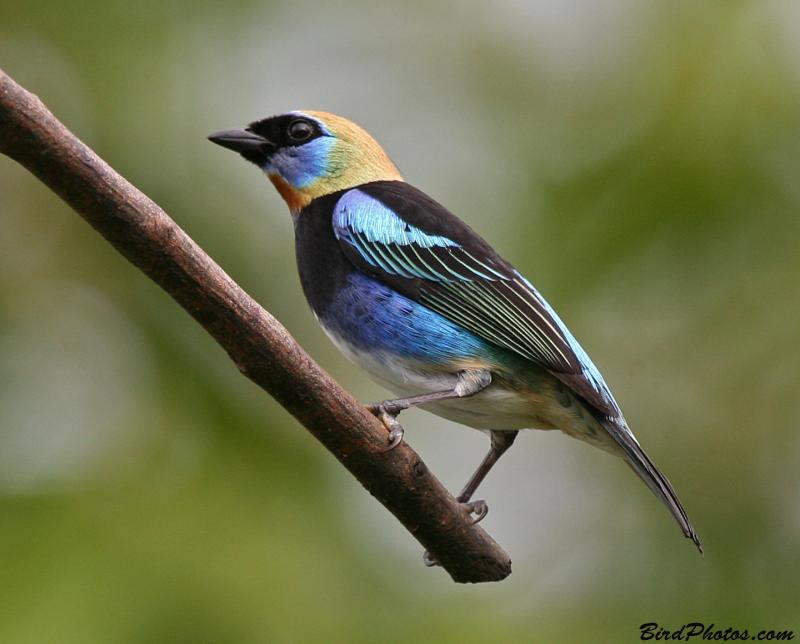
Golden-hooded Tanager (Tangara larvata centralis) ©BirdPhotos.com

Golden-hooded Tanager (Tangara larvata centralis) ©BirdPhotos.com


(26) Look at the birds of the air; they neither sow nor reap nor gather into barns, and yet your heavenly Father keeps feeding them. Are you not worth much more than they?
(27) And who of you by worrying and being anxious can add one unit of measure (cubit) to his stature or to the span of his life?
(28) And why should you be anxious about clothes? Consider the lilies of the field and learn thoroughly how they grow; they neither toil nor spin.
(29) Yet I tell you, even Solomon in all his magnificence (excellence, dignity, and grace) was not arrayed like one of these.
(30) But if God so clothes the grass of the field, which today is alive and green and tomorrow is tossed into the furnace, will He not much more surely clothe you, O you of little faith?
(31) Therefore do not worry and be anxious, saying, What are we going to have to eat? or, What are we going to have to drink? or, What are we going to have to wear?
(32) For the Gentiles (heathen) wish for and crave and diligently seek all these things, and your heavenly Father knows well that you need them all.
(33) But seek (aim at and strive after) first of all His kingdom and His righteousness (His way of doing and being right), and then all these things taken together will be given you besides.
(34) So do not worry or be anxious about tomorrow, for tomorrow will have worries and anxieties of its own. Sufficient for each day is its own trouble.  (Matthew 6:26-34 AMP)


This slideshow requires JavaScript.

*

“Your Grace is Sufficient” by Courtney Love

Tanagers are found in three different families:

More Sunday Inspiration

Changed From the Inside Out

*

Birds of the Bible – Alpine Swifts

Alpine Swift (Tachymarptis melba) by Ian

Alpine Swift (Tachymarptis melba) by Ian

Even the stork in the heavens Knows her appointed times; And the turtledove, the swift, and the swallow Observe the time of their coming. But My people do not know the judgment of the LORD. (Jeremiah 8:7 NKJV)

While reading my latest issue of the Birdwatchers Digest, I came across and interesting note about a recent study of the behavior Alpine Swifts that was published in 2013. It was published in the Nature Communications.

“Although observers have claimed that some swifts may stay on the wing for almost their entire lives—except for breeding—there was no solid evidence of this. Then, a team of researchers caught six alpine swifts in Switzerland, tagged them with data loggers (to record the birds’ acceleration and location), and were able to recapture three of them the next year, upon their return from Africa.” (BWD)

After analyzing data, they found that “the swifts appear to fly nonstop when they aren’t breeding. (The swifts eat insects in mid-air, of course, so they don’t starve.) The actual time totals up to a phenomenal 200 days aloft.” (BWD) This posses another question. Do the Swifts actually sleep on the wing? There were indications that this was happening.

The articles go on, but I find this truly amazing. Our Creator used such Wisdom when He made these Swifts. Not only are they able to eat on the wing, but also catch a nap. Wow!

*

Alpine Swift (Tachymarptis melba) by Ian

Alpine Swift (Tachymarptis melba) by Ian

Day unto day uttereth speech, and night unto night sheweth knowledge. (Psalms 19:2 KJV)

Half of brain asleep article – Interesting Things – Not So Bird-Brained

*

*

Bible Birds – Solomon’s Wisdom About Birds I

Australian Raven (Corvus coronoides) by Ian

Australian Raven (Corvus coronoides) by Ian

Also he spoke of trees, from the cedar tree of Lebanon even to the hyssop that springs out of the wall; he spoke also of animals, of birds, of creeping things, and of fish. (1 Kings 4:33 NKJV)

In my daily reading from Scripture recently, I came across I Kings 4:33 again. The article Birds of the Bible – Solomon’s Birds, discusses how some of the lessons Solomon had learned were applied. Now let’s look at how Solomon might have attained those illustrations and how we can apply them.

More questions come to my mind, in no set order, like:

  • What kind of birds did he have to observe?
  • What did he learn about the birds?
  • Did he write any of his bird observations out?
  • The Lord gave him the wisdom, so how did he apply it?
  • What can we learn from Solomon about birds?

We know from the Bible that Solomon asked for wisdom to be able to know right and wrong and how to rule the people. God granted Solomon his request and gave him more besides. See I Kings 3.

Checking with my e-Sword commentaries and helps, here are some interesting thoughts. (Italics are mine)
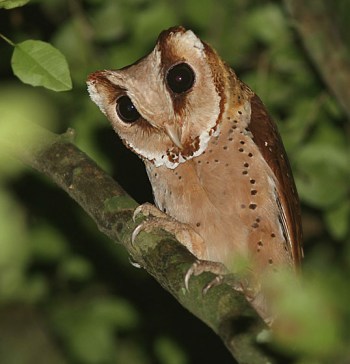
Oriental Bay Owl (Phodilus badius) by Peter Ericisson

Oriental Bay Owl (Phodilus badius) by Peter Ericisson

Matthew Henry’s Concise Commentary

Solomon’s wisdom was more his glory than his wealth. He had what is here called largeness of heart, for the heart is often put for the powers of the mind. He had the gift of talk, as well as wisdom. It is very desirable, that those who have large gifts of any kind, should have large hearts to use them for the good of others. What treasures of wisdom and knowledge are lost! But every sort of knowledge that is needful for salvation is to be found in the holy Scriptures. There came persons from all parts, who were more eager after knowledge than their neighbours, to hear the wisdom of Solomon. Solomon was herein a type of Christ, in whom are hid all treasures of wisdom and knowledge; and hid for us, for he is made of God to us, wisdom. Christ’s fame shall spread through all the earth, and men of all nations shall come to him, learn of him, and take upon them his easy yoke, and find rest for their souls.

Indian Peafowl (Pavo cristatus) by Nikhil Devasar

Indian Peafowl (Pavo cristatus) by Nikhil Devasar

Gill

he spake also of beasts, and of fowls, and of creeping things, and of fishes; he understood the nature of all sorts of animals in the earth, air, and sea, and discoursed of their names, kinds, qualities, and use, with the greatest ease and perspicuity; the Jews fancy that Aristotle’s History of Animals is his, which that philosopher came upon, and published it in his own name. …

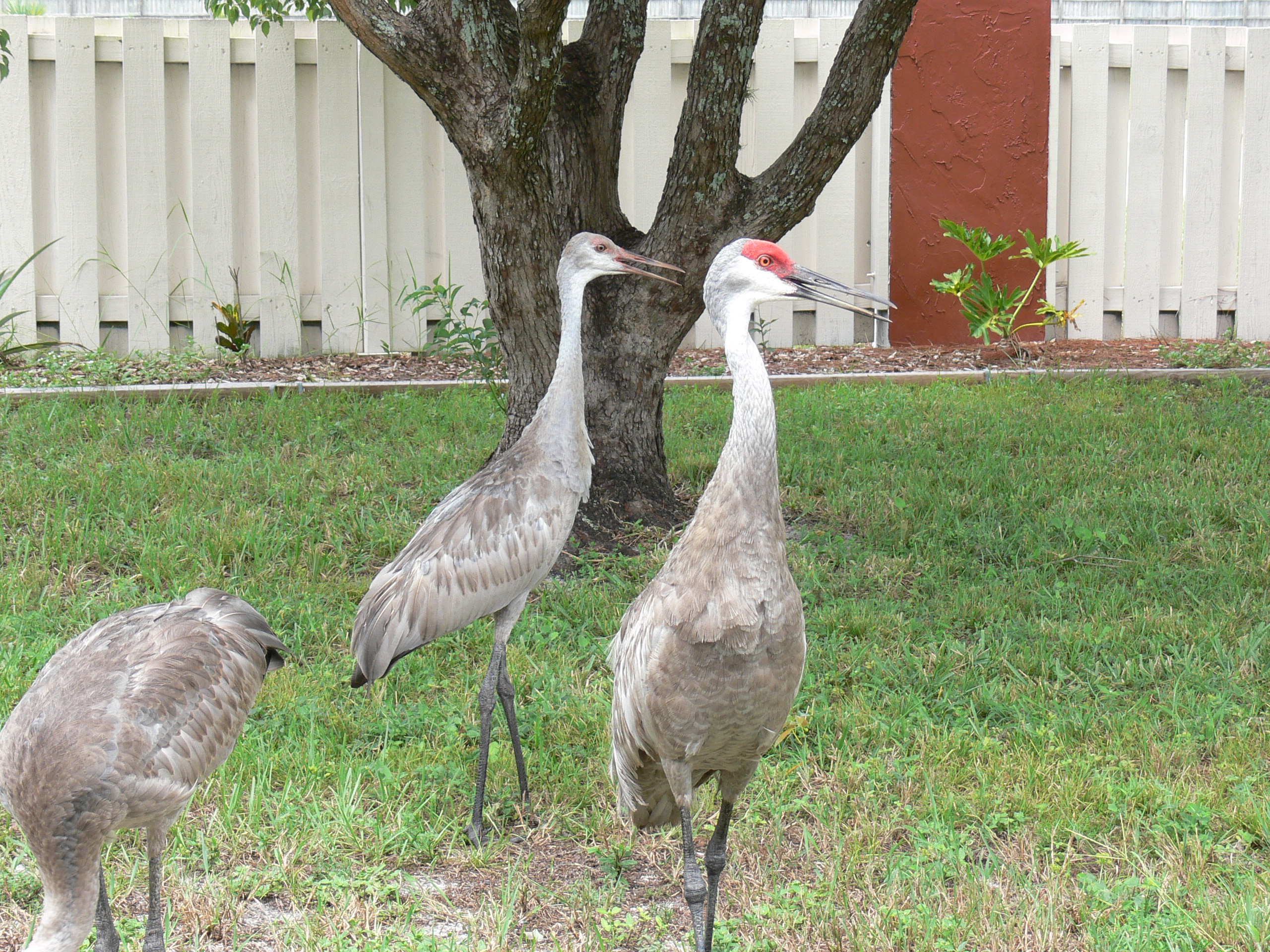
Sandhill Cranes - Adult and Juvenile in yard 8/27/10

Sandhill Cranes – Adult and Juvenile in yard 8/27/10

*

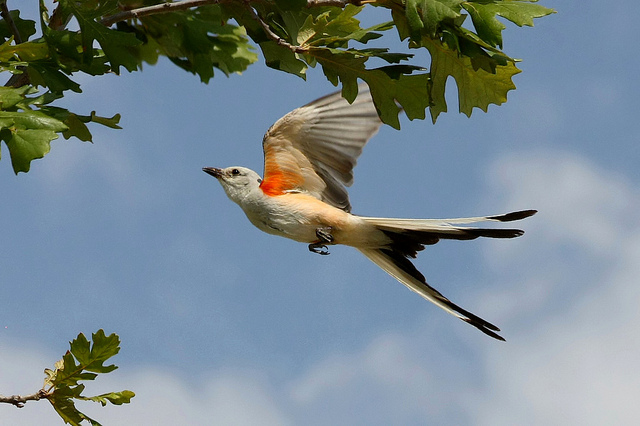
Scissor-tailed Flycatcher (Tyrannus forficatus) ©TexasEagle

Scissor-tailed Flycatcher (Tyrannus forficatus) ©TexasEagle

Barnes

Of beasts, and of fowls, and of creeping things, and of fishes – This is the usual Biblical division of the animal kingdom Gen_1:26; Gen_9:2; Psa_148:10.

Believer’s Bible Commentary

Verse 33 means that his wide knowledge of many sciences enabled him to use object lessons from nature in expounding his wisdom. People traveled from afar to hear him.
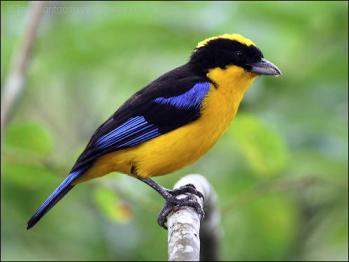
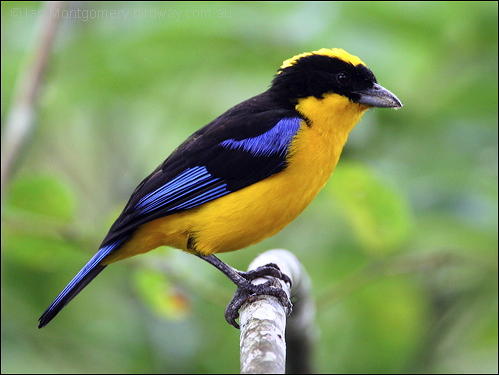
Blue-winged Mountain Tanager (Anisognathus somptuosus) by Ian

Blue-winged Mountain Tanager (Anisognathus somptuosus) by Ian

Bible Knowledge Commentary

1 Kings 4:32-34

Several hundred of Solomon’s 3,000 proverbs have been preserved in the Book of Proverbs as well as a few in Ecclesiastes. One of his 1,005 songs is the Song of Songs. Solomon’s literary output was extremely prolific (bountiful). He became an authority in botany and zoology too. … He was recognized as the wisest man of his day as God had promised he would be.

Under His Wings - (Dove - photographer unknown)

Under His Wings – (Dove – photographer unknown)

Biblical Illustrator

The study of Nature
It is said of Wordsworth that a stranger having on one occasion asked to see his study, the maid said, “This is master’s room, but he studies in the fields.” In doing so the poet followed a venerable example. We read that Isaac went out to meditate in the field at eventide, where in the margin “to pray” is put for “to meditate.” Nor could there be a better place either for prayer or for study than the fields. The Word of God is written very clearly for His seers in the green book of Nature. Wordsworth’s study is one that we can all use, however small our house may be. (Quiver.)

The world is worth seeing
Men must not live under a bushel. A gentleman once met a French priest on board an Atlantic liner. They entered into conversation, and the priest said that months ago he had a dream. He dreamt that he was dead, and that God asked him how much of the world he had seem His answer was that he had seen only a very little of it, for he had been so long in preparing for death, and in helping other people to die, that he had no time to see the world. He saw that God was displeased, and on awakening he resolved to see as much of this beautiful world as he could. It was a wise resolve. The earth is the Lord’s and not the devil’s, and we have no right to ignore it. Nature is a temple of God, and we must ever walk through it in a sacramental mood. (Sunday Circle.).
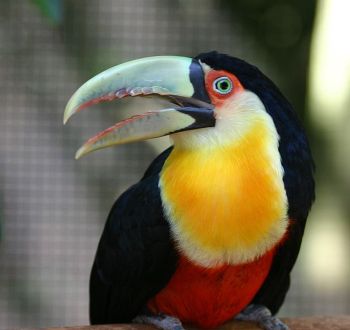
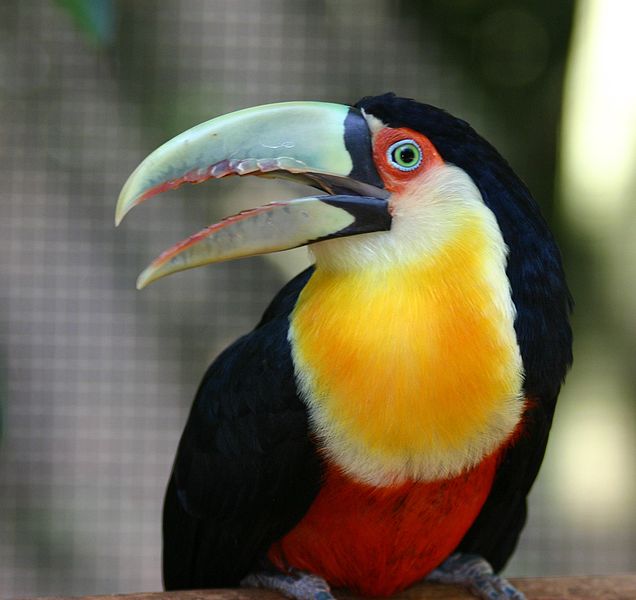
Green-billed Toucan (Ramphastos dicolorus) ©WikiC

Green-billed Toucan (Ramphastos dicolorus) ©WikiC

K & D

“And of beasts and birds, of creeping things and fishes;” the four principal classes into which the Hebrews divided the animal kingdom. Speaking of plants and animals presupposes observations and researches in natural science, or botanical and zoological studies.
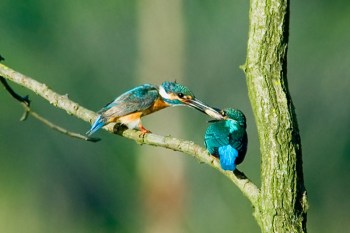
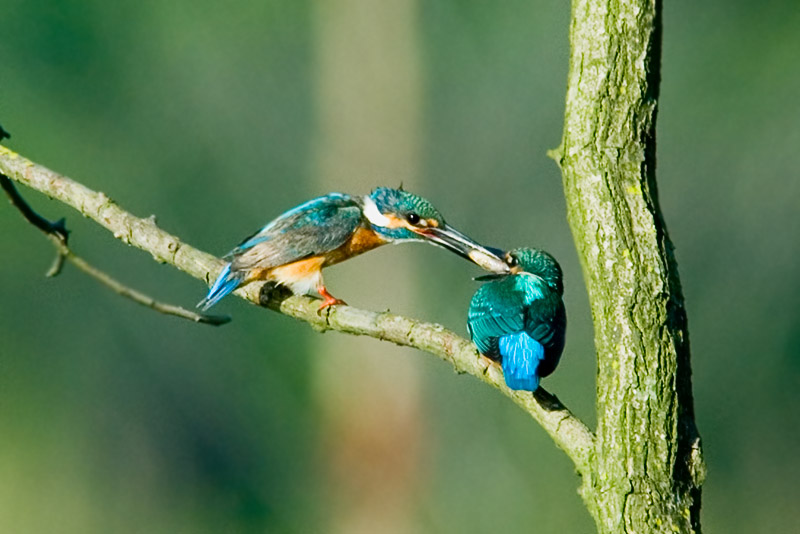
Kingfisher Feeding Young by Phil Kwong

Kingfisher Feeding Young by Phil Kwong

McGee

We are told that Solomon spoke three thousand proverbs. We have only a few hundred recorded in the Bible. His songs were a thousand and five. Believe me, he was a song writer. We have only one of his songs, The Song of Solomon. Solomon was a dendrologist—”He spake of trees, from the cedar tree that is in Lebanon even unto the hyssop that springeth out of the wall.” The hyssop is a humble little plant that grows on rocks. Solomon was also a zoologist—”he spake also of beasts”—and an ornithologist since he spoke of birds. He was an entomologist: he spoke of creeping things, or insects. He was an ichthyologist: he spoke of fishes. He spoke of these things because he had studied them and was an authority in these particular realms. This, apparently, is the beginning of the sciences. Solomon was interested in these things.

Some Answers

I have another Commentary to share thoughts from, but will save it for Part II. For now, let’s see if any of the first questions were answered.

The first two questions are unanswered for now. We will dig into that later. The next three seem to have some answers.

  • What kind of birds did he have to observe?
  • What did he learn about the birds?
  • Did he write any of his bird observations out?
  • The Lord gave him the wisdom, so how did he apply it?
  • What can we learn from Solomon about birds?

Solomon observed the birds and seems to have learned lessons and applications from them which are seen in Proverbs, Song of Solomon and some Psalms. So he recorded his findings. He gained his knowledge from the Lord, but he used his senses and observational skills to gain more knowledge. That is something we can do also with the Lord’s help. If we don’t apply ourselves to a topic, the knowledge is not going to just “pop” into our heads.

See:

*
Sunday Inspiration – Sparrows

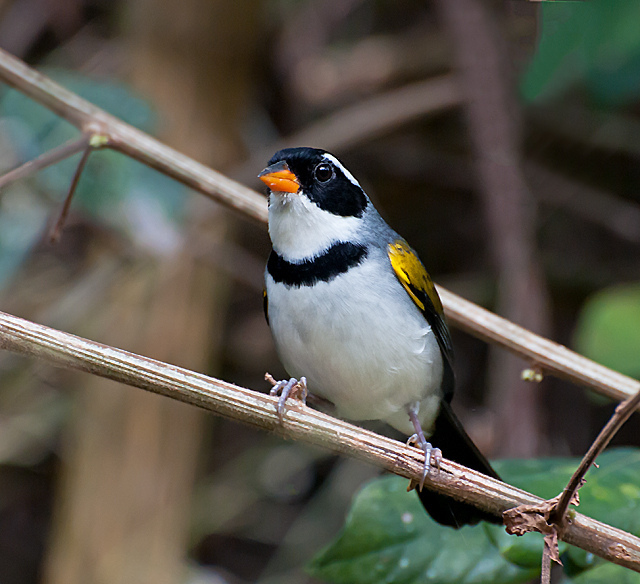
Saffron-billed Sparrow (Arremon flavirostris) by Dario Sanches

Saffron-billed Sparrow (Arremon flavirostris) by Dario Sanches

Are not two little sparrows sold for a penny? And yet not one of them will fall to the ground without your Father’s leave (consent) and notice….Fear not, then; you are of more value than many sparrows. (Matthew 10:29, 31 AMP)

In honor of World Sparrow Day, which was March 20th, today we can enjoy the Lord’s creation of His Sparrows.

Sparrows belong to two families; the Passeridae – Old World Sparrows, Snowfinches and the Emberizidae – Buntings, New World Sparrows & Allies. The photos in the slideshow is from both of these families. Scripture doesn’t divide them and neither are we.

The Lord has promised that even though they (sparrows) are common or little thought of by some, in His Eyes, they are seen and not forgotten. That is such a blessing for us, especially those of us who have accepted Him as Savior.

Are not five sparrows sold for two pennies? And not one of them is forgotten before God. Why, even the hairs of your head are all numbered. Fear not; you are of more value than many sparrows. “And I tell you, everyone who acknowledges me before men, the Son of Man also will acknowledge before the angels of God, (Luke 12:6-8 ESV)

This slideshow requires JavaScript.

*

*

*

Ian’s Bird of the Week – Coal Tit

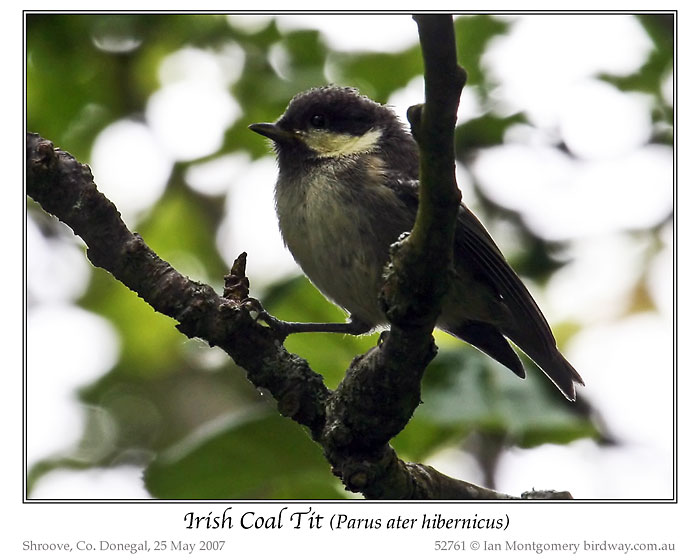
Coal Tit (Periparus ater hibernicus) (Irish) by Ian


Ian’s Bird of the Week – Coal Tit ~ Ian Montgomery

Newsletter ~ 3/17/14

Here is a St Patrick’s Day special: one of only four avian species that are deemed to have Irish races, the Coal Tit. The Irish race, Parus ater hibernicus, has yellower cheeks and underparts and more cinammon flanks than its British counterpart britannicus.

The other three Irish sub-species are the Irish Dipper (darker breast), the Irish Jay (darker overall) and the Irish Red Grouse (paler overall). Because of sea-level fluctuations with ice ages, Ireland has been isolated from Britain for a mere 8,000 years. The current distances vary from a mere 19km/12 miles between Scotland and Co. Antrim to about 100km/60 miles between Ireland and Wales (Pembrokeshire to Co. Wexford and Holyhead to Dublin). so only the most sedentary or least adventurous species have any to chance of diverging.

Coal Tit (Periparus ater hibernicus) (Irish) by IanThe first photo shows an adult bird, while the second one is a juvenile with drabber colours and juvenile Coal Tits tend to have yellower cheeks anyway. Incidentally, there are 21 subspecies of Coal Tit currently recognised, from the Irish one in the west to Taiwanese and Japanese ones in the east. Some authorities dispute the validity of these subspecies because of local variation.

Interestingly the birds in Northeastern Ireland show more in common with Scottish birds, and some would argue that Scottish Coal Tits are different from English ones. We could be getting onto politically thin ice here so, given the unifying spirit of St Patrick’s Day, I don’t think we’ll pursue this topic :-)

Happy St Patrick’s Day!
Ian

**************************************************
Ian Montgomery, Birdway Pty Ltd,
454 Forestry Road, Bluewater, Qld 4818
Tel 0411 602 737 ian@birdway.com.au
Bird Photos http://www.birdway.com.au/
Recorder Society http://www.nqrs.org.au


Lee’s Addition:

It is the smallest of all seeds, but when it has grown it is larger than all the garden plants and becomes a tree, so that the birds of the air come and make nests in its branches.” (Matthew 13:32 ESV)

A pleasant surprise getting a St Patrick’s Day bird to enjoy. The Coal Tits belong to the Paridae – Tits, Chickadees Family. I am more familiar with the Chickadees, but it is easy to see the family resemblance.

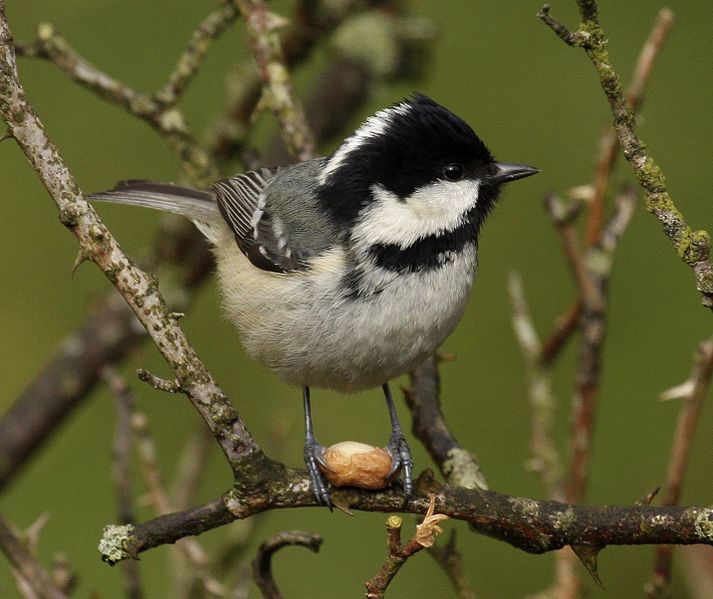
The Coal Tit (Periparus ater) is a passerine bird in the tit family Paridae. It is a widespread and common resident breeder throughout temperate to subtropical Eurasia and northern Africa. The Black-crested Tit is now usually included in this species. (Wikipedia)

Here is a photo of the main Coal Tit species.

Coal Tit (Periparus ater) ©WikiC

Coal Tit (Periparus ater) ©WikiC

*
See:


*
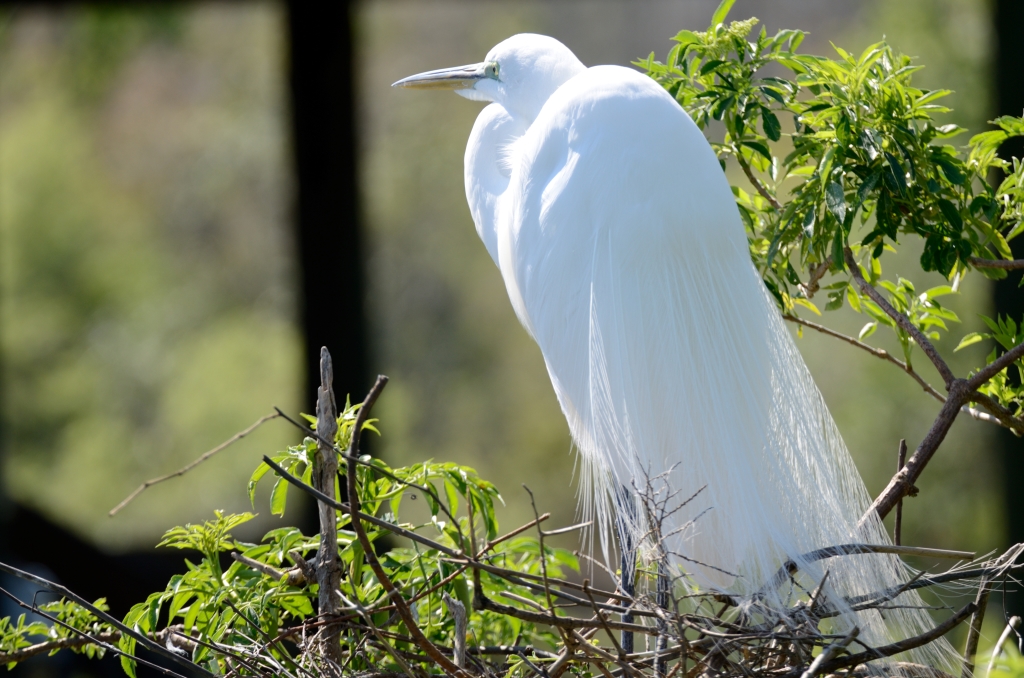
Sunday Inspiration – Great Egrets in Breeding Plumage

Great Egret at Gatorland by Dan

Great Egret at Gatorland by Dan

Go out of the ark, you and your wife, and your sons and your sons’ wives with you. Bring out with you every living thing of all flesh that is with you: birds and cattle and every creeping thing that creeps on the earth, so that they may abound on the earth, and be fruitful and multiply on the earth. (Genesis 8:16-17 NKJV)

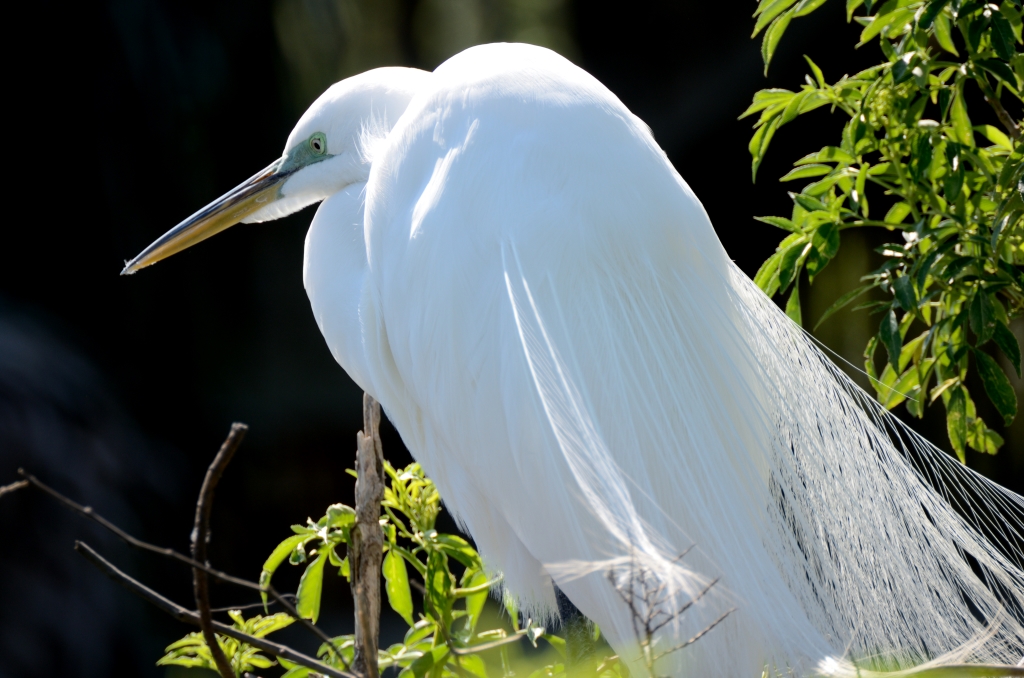
Some of those birds that left the ark were from the Heron – Egret family. They are still multiplying. They are assisted in their courting by growing beautiful white feathers. Here are the Great Egrets that we saw at Gatorland last week. What an amazing display they make because the Creator has given them this ability.

Great Egret at Gatorland by Dan

Great Egret at Gatorland by Dan

*
You will notice lots of preening and as a result, feathers on the tips of some of the Egrets. The photos are by both Dan and I. His are all marked, the rest are mine.

This slideshow requires JavaScript.

*
“I’ve Got Joy” – Faith Baptist Orchestra

For you, O LORD, have made me glad by your work; at the works of your hands I sing for joy. (Psalms 92:4 ESV)

*

*

Ian’s Bird of the Week – Red-capped Parrot

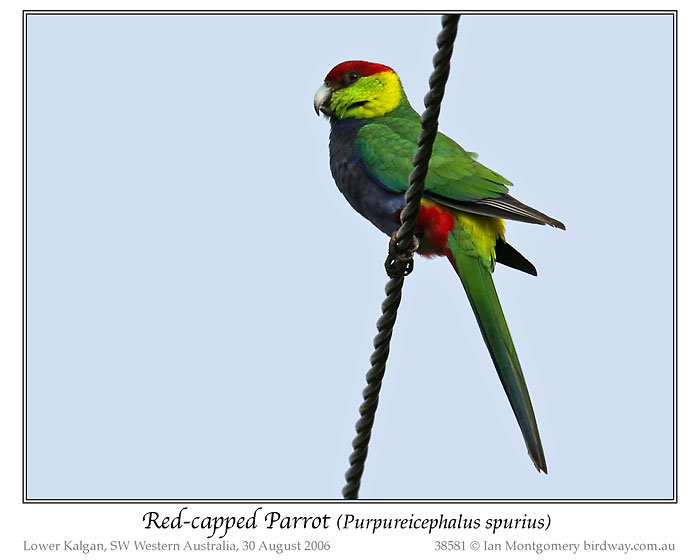
Red-capped Parrot (Purpureicephalus spurius) by Ian

Ian’s Bird of the Week – Red-capped Parrot ~ by Ian Montgomery

Newsletter ~ 3/15/14

I’ve had a request for a Western Australian endemic from an American friend who is visiting WA this coming September. So here, Laurie, is the Red-capped Parrot which you should see there. The first photo shows a male of this fairly large (length to 38cm/15in), brightly coloured – some would say gaudy – parrot, which is reasonably common in suitable habitat in a relatively small area of southwestern Australia, mainly south of Perth, west of Esperance and within 100km of the coast.

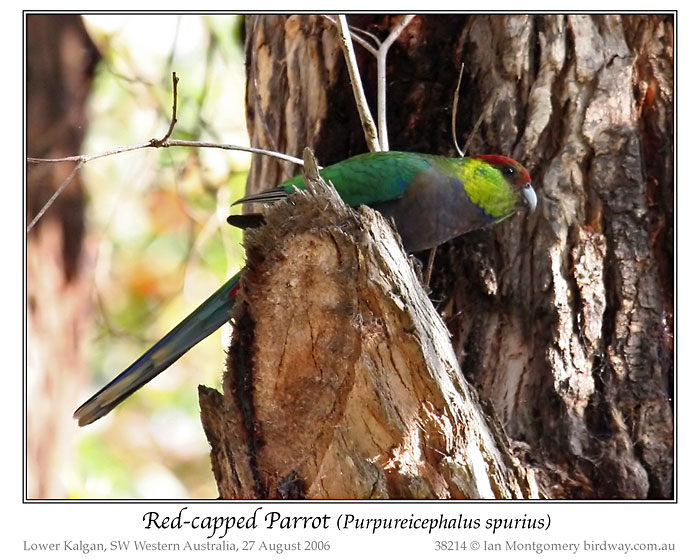
The second photo shows a female, similar to but more subdued in colour than the male, with greenish patches in the red cap and under-tail coverts and less intense violet breast.

Red-capped Parrot (Purpureicephalus spurius) by Ian female

The female is perched in a Marri tree, a Western Australian bloodwood, Corymbia, formerly Eucapyptus, calphylla. This is the main food plant of the parrot and their ranges mostly coincide. Marri has tough woody globular nuts and the long pointed bill of the Red-capped Parrot is adapted to exploiting the one weakness in the nut defences – the valve through which the seed is shed. The parrots can prise out the seed without having to gnaw through the woody wall.

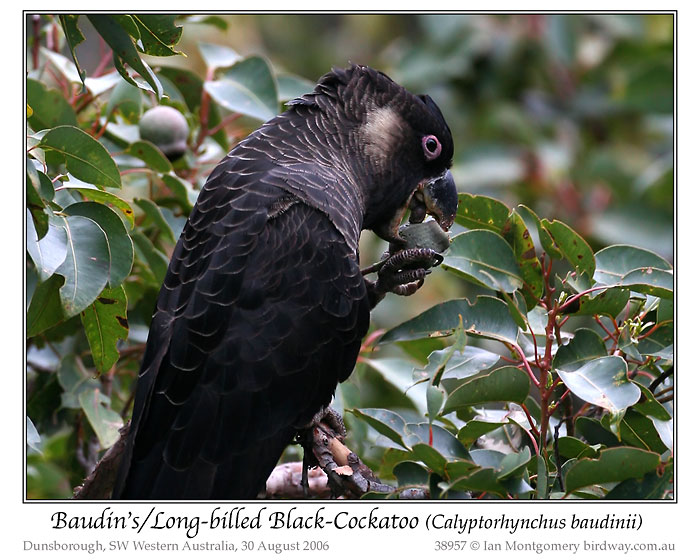
It’s clearly a fine source of bird food, as another Western Australian endemic Baudin’s or the Long-billed Cockatoo has evolved along identical lines for the same reason -an elegant example of parallel evolution. The male cockatoo in the third photo is showing us exactly how it’s done: piece of cake really, given the right equipment. Not surprisingly the range of this cockatoo is similar to that of the parrot.

Long-billed Black Cockatoo (Calyptorhynchus baudinii) by Ian

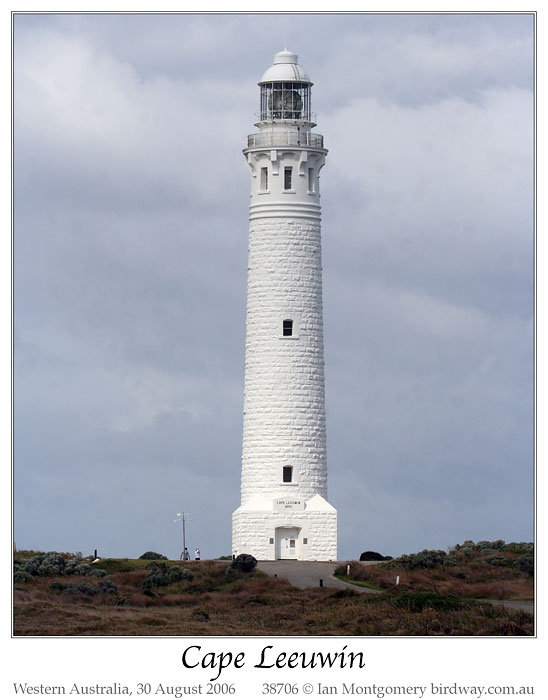
Actually, this bird featured as bird of the week in November 2006, but this is, if a repeat, at least a different photo. The first and third photos were taken on the same day. Kalgan is east of Albany on the way to the famous-for-birding Two Peoples Bay and Dunsborough is west of Bussleton near Cape Leeuwin. Cape Leeuwin has this splendid lighthouse built in 1895 and marks the point where the Indian Ocean meets the Southern Ocean.

Cape Leeuwin by Ian

I did take this one photo of the lighthouse on the same day, but my clearest memory is of a Rock Parrot feeding on the ground near it, but that bird featured as bird of the week in October 2006: http://www.birdway.com.au/psittacidae/rock_parrot/index.htm: a good day for unusual parrots.

Greetings
Ian

**************************************************
Ian Montgomery, Birdway Pty Ltd,
454 Forestry Road, Bluewater, Qld 4818
Tel 0411 602 737 ian@birdway.com.au
Bird Photos http://www.birdway.com.au/
Recorder Society http://www.nqrs.org.au


Lee’s Addition:

And God blessed them, saying, “Be fruitful and multiply, and fill the waters in the seas, and let birds multiply on the earth.” (Genesis 1:22 NKJV)

What a beautifully created Parrot. As you may know, Ian allows me to reproduce his newsletter. I use these to introduce us to the fantastic birds around the world. He has great photos on his site.

(This blog is birdwatching from a Christian perspective and therefore I do not believe in evolution, but realize birds have reproduced, producing different variations withing the families and orders. They are all still birds though.)

See:

Ian’s Bird of the Week

Parrot Family – Ian’s

Psittacidae – Parrots Family

Cockatoo Family – Ian’s

Cacatuidae – Cockatoos Family

*

Ian’s Bird of the Week – Black-fronted Tern

Black-fronted Tern (Chlidonias albostriatus) by Ian

Ian’s Bird of the Week – Black-fronted Tern ~ by Ian Montgomery

Newsletter ~ 3/10-14

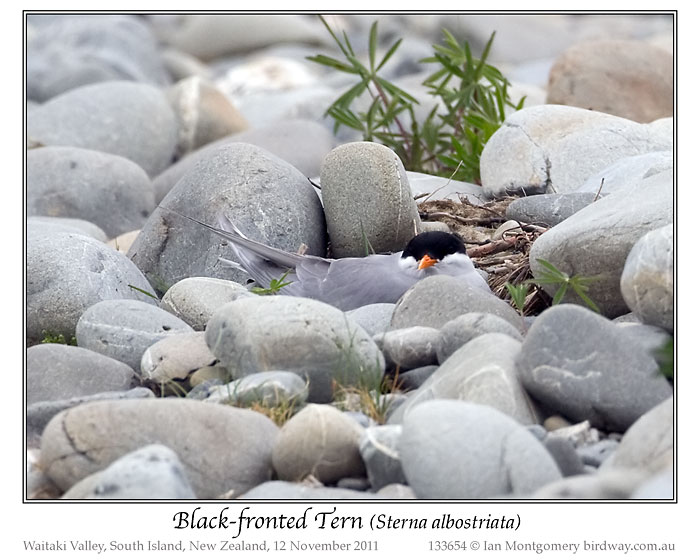
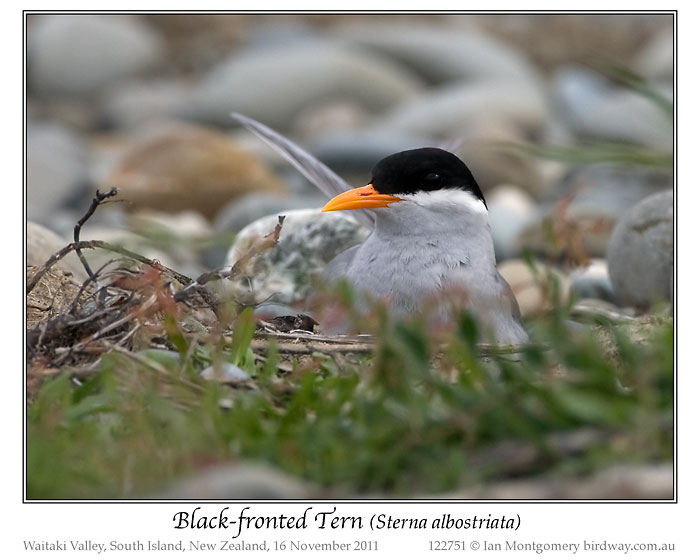
To mark the 500th bird of the week, here is a rather special tern from New Zealand, the Black-fronted Tern, which I photographed while on the quest for the very special Black Stilt. The tern is special, as it’s a New Zealand endemic, attractive and, unfortunately, endangered. The first photo shows a bird incubating at a typical nesting site on the gravelly bank of one of the branching – ‘braided’ – rivers in the Waitaki Valley on the South Island.

The second photo shows another incubating bird at the same colony four days earlier, when I found the sole Black Stilt. The plant with the palmate leaves is feral Lupin, one of the threats that this species faces, in this case by encroaching on the nesting sites.

Black-fronted Tern (Chlidonias albostriatus) by Ian

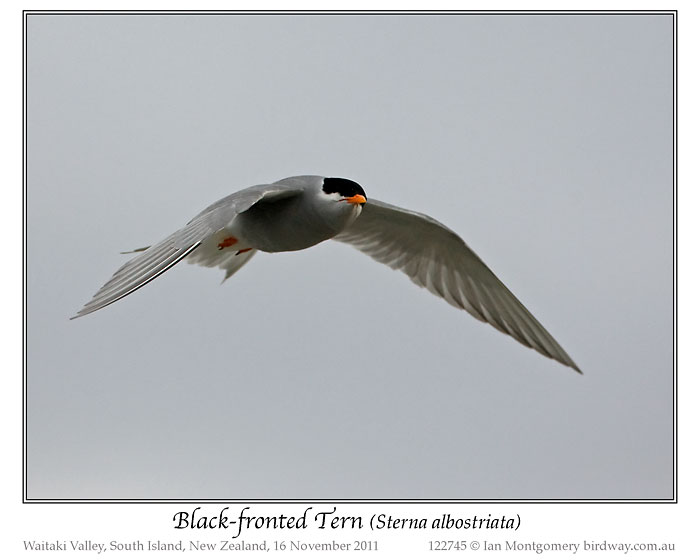
I took these photos from a sufficient distance with a 500mm lens so as not to disturb incubating birds, but like many terns they are quite aggressive and other non-incubating individuals like those in the third and fourth photos showed me how unwelcome I was by flying intimidatingly close to me and calling harshly.

Black-fronted Tern (Chlidonias albostriatus) by Ian

They look very smart in breeding plumage with sharp black caps, bright orange bills and legs, and white cheek stripe and rump contrasting with otherwise grey plumage. They’re quite small, 30cm/12in in length, with, by tern standards, quite short tail streamers. In non-breeding plumage, the cap is grey, streaky and less extensive and the orange of the bill and legs is paler. In the breeding season, this is an inland species, nesting only along the rivers of the South Island, though it used to breed on the North Island. Outside the breeding season, the birds disperse to coastal waters with some reaching Stewart Island in the south and North Island but don’t travel far and have never been recorded in Australia. They feed on small fish invertebrates mostly snatched in flight either from the water surface or the ground – they will follow ploughs – and will also plunge into water to catch fish.

Black-fronted Tern (Chlidonias albostriatus) by Ian

The population is estimated at about 5,000 individuals and declining, hence its endangered status. Main threats to the population are predation by introduced mammals particular stoats and weasels, feral weeds, disturbance by people and stock and hydroelectric schemes. Breeding success appears to be low, but colonies do respond well to conservation measures such as protection of nesting sites, removal of weeds by spraying and provision of artificial nesting sites such as rafts. The Black-fronted is one of two endemic New Zealand terns, the other being the marine White-fronted. It’s considered a close relative of the Roseate Tern is quite abundant and many migrate to southeastern Australia in winter.

Website links:
Black-fronted Tern 
White-fronted Tern 
Roseate Tern 
Black Stilt 

Greetings

Ian

**************************************************
Ian Montgomery, Birdway Pty Ltd,
454 Forestry Road, Bluewater, Qld 4818
Tel 0411 602 737 ian@birdway.com.au
Bird Photos http://www.birdway.com.au/
Recorder Society http://www.nqrs.org.au


Lee’s Addition:

the ostrich, the short-eared owl, the sea gull, and the hawk after their kinds; (Deuteronomy 14:15 NKJV)

Ian has again introduced us to another neat creation, the Black-fronted Tern. In that second photo, notice how well it blends in with the terrain. What a graceful looking bird.

Terns and Sea Gulls both belong to the Laridae – Gulls, Terns & Skimmers Family. Ian mentioned three of the Terns on his website, but he has plenty more photos fo that family.

Check out his Laridae Family which he breaks up into Laridae – Tribe: Sternini & Rynchopini (Terns and Noddies) and Laridae – Tribe: Larini (Gulls and Kittywakes).

*

*