Houston Zoo’s Four-eyed Fish

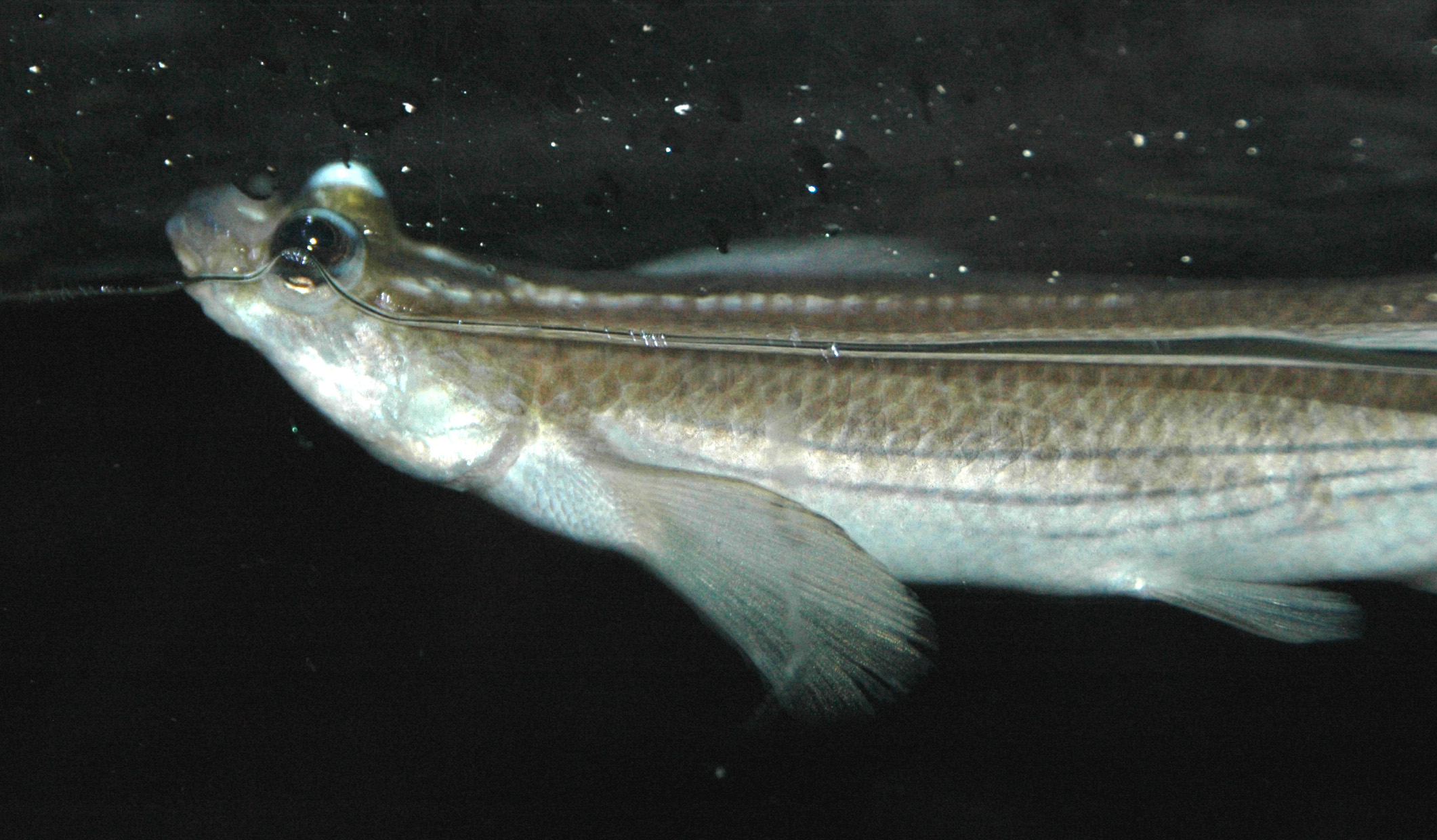
Four-eyed Fish Houston Zoo 5-6-15 by Lee

Then God said, “Let the waters abound with an abundance of living creatures, and let birds fly above the earth across the face of the firmament of the heavens.” (Genesis 1:20 NKJV)

I tried so hard to get a decent photo of the most amazing fish that I’ve ever heard of. Talk about a fantastic Creator. These fish have Four Eyes (actually pupils), thus they are called the Four-eyed Fish or Cuatro Ojos. They were at the Houston Zoo. (again a chain-link fence was in the way)

The best article found about these comes from Creation Ministries. “One of the strangest fish in the world is Anableps anableps,commonly called the ‘four-eyed fish’ because of the unique configuration of its eyes. These are large and bulging, like those of a frog, and are located on the top of its head so that it swims with its eyes half in and half out of the water.”

Four-eyed Fish ©WikiC

These eyes allow the fish to see insects and danger above the water, but also, they can watch below for food or danger. What a design!

Wikipedia has this diagram and explanation:

Four-eyed Fish diagram ©WikiC

Four-eyed Fish diagram ©WikiC

The Four-eyed fish eye. 1.Underwater retina 2.Lens 3. Air pupil 4. Tissue band 5. Iris 6. Underwater pupil 7. Air retina 8. Optic nerve

“Four-eyed fish have only two eyes, but the eyes are specially adapted for their surface-dwelling lifestyle. The eyes are positioned on the top of the head, and the fish floats at the water surface with only the lower half of each eye underwater. The two halves are divided by a band of tissue and the eye has two pupils, connected by part of the iris. The upper half of the eye is adapted for vision in air, the lower half for vision in water.  The lens of the eye also changes in thickness top to bottom to account for the difference in the refractive indices of air versus water.”

Just had to share these amazing fish. Trust you find these informative also.

Have you not known? Have you not heard? The everlasting God, the LORD, The Creator of the ends of the earth, Neither faints nor is weary. His understanding is unsearchable. (Isaiah 40:28 NKJV)

*

*

Houston Zoo – Vacation – Part 2-B

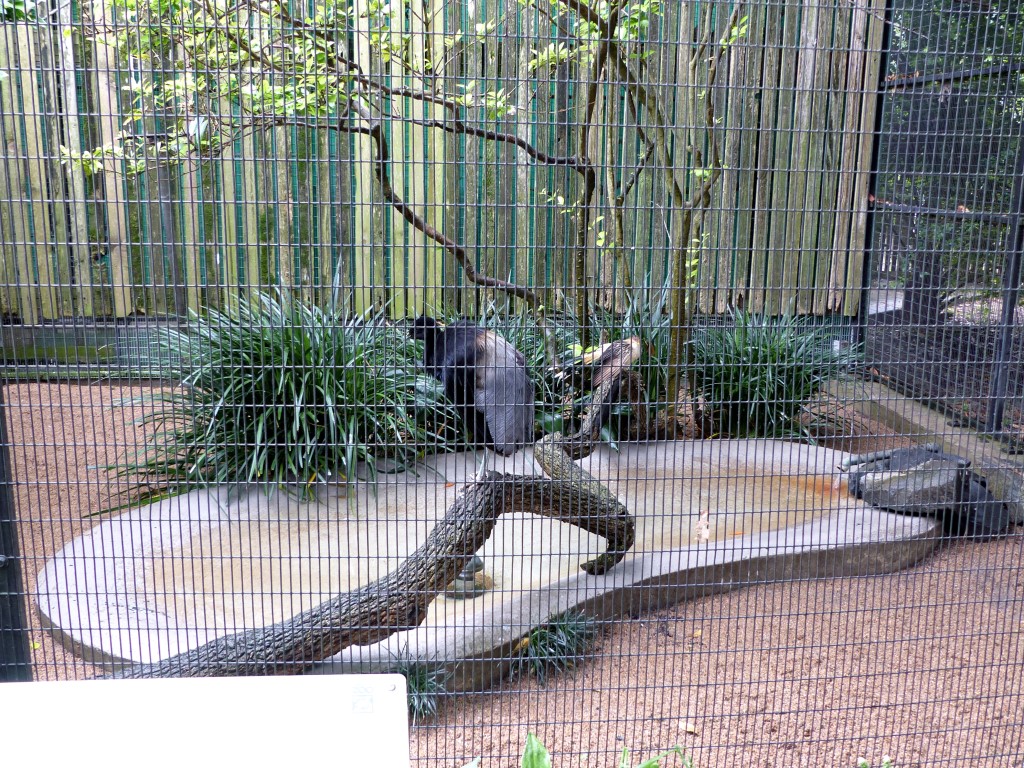
You were shown the Blue-chinned Macaws and five different Turacos in Houston Zoo – Vacation – Part 2. Now to show you some more of the neat birds from the Lord’s Creative Hand.

The next set of birds were outside and most were still damp from the rain.

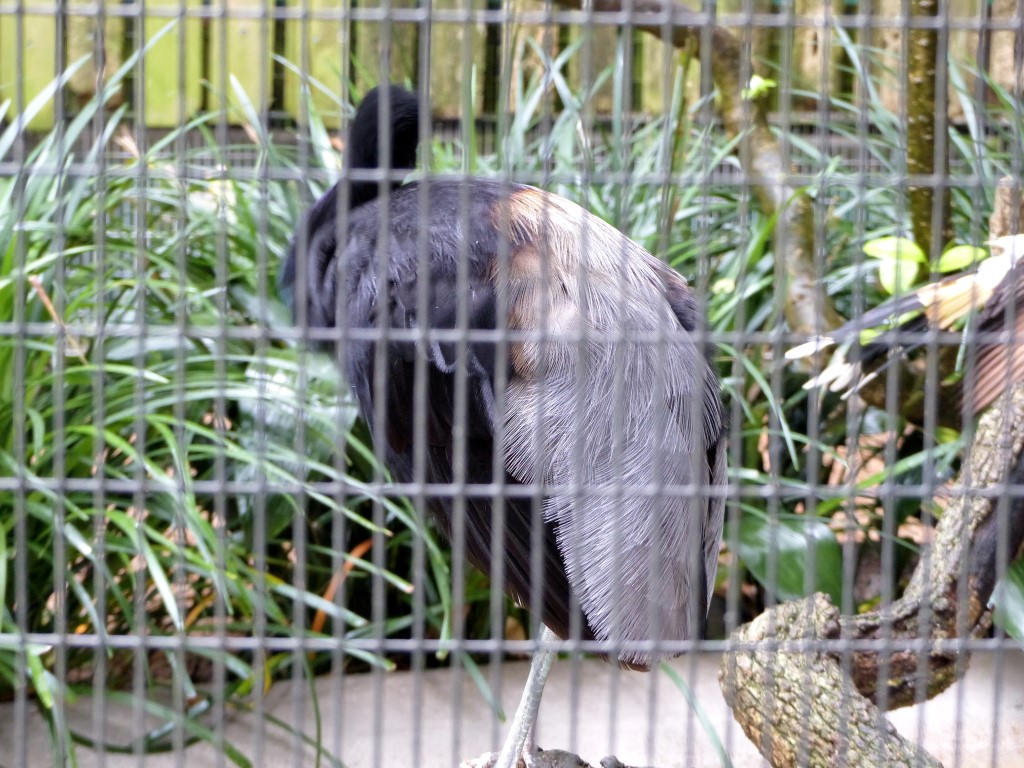
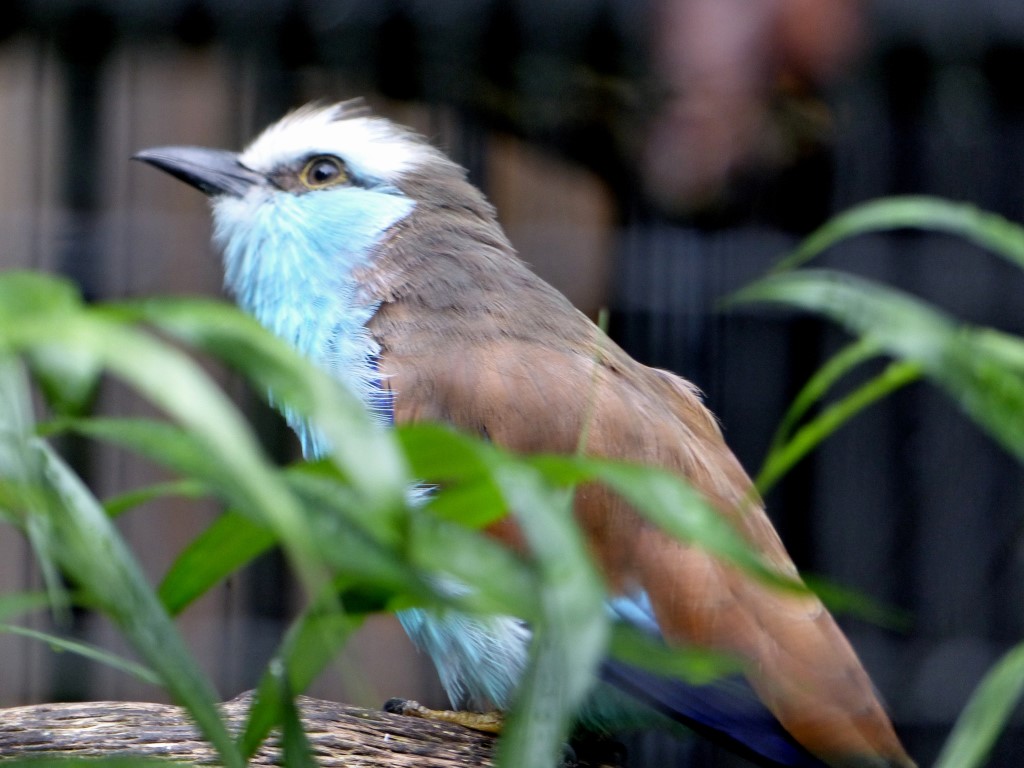
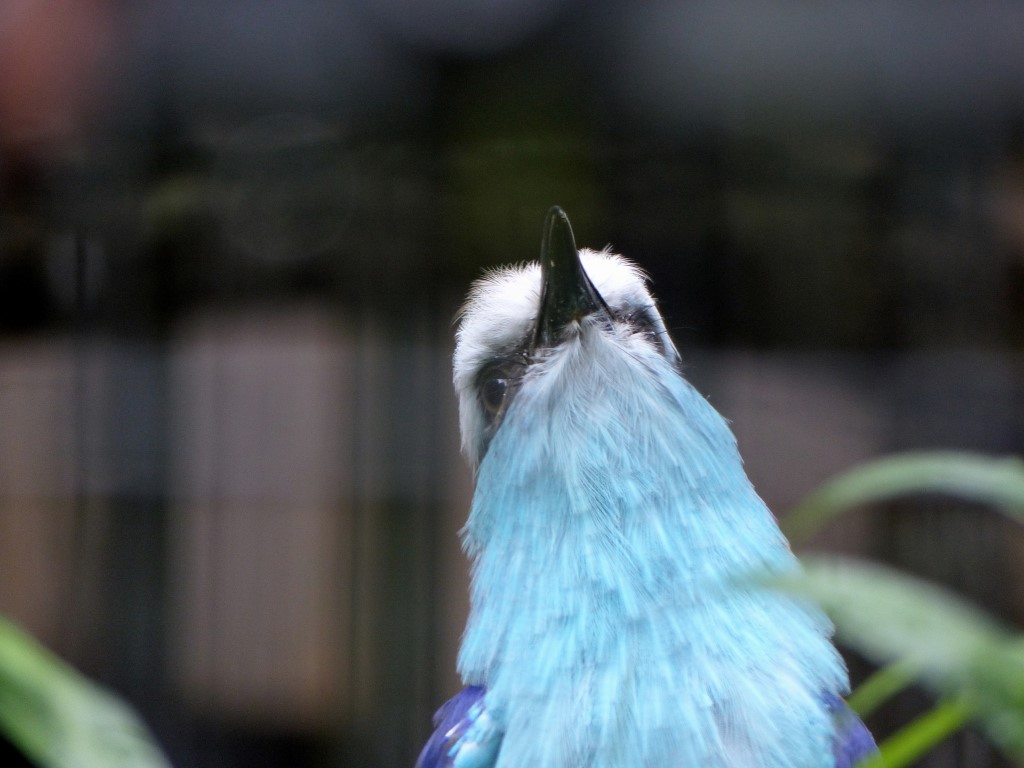
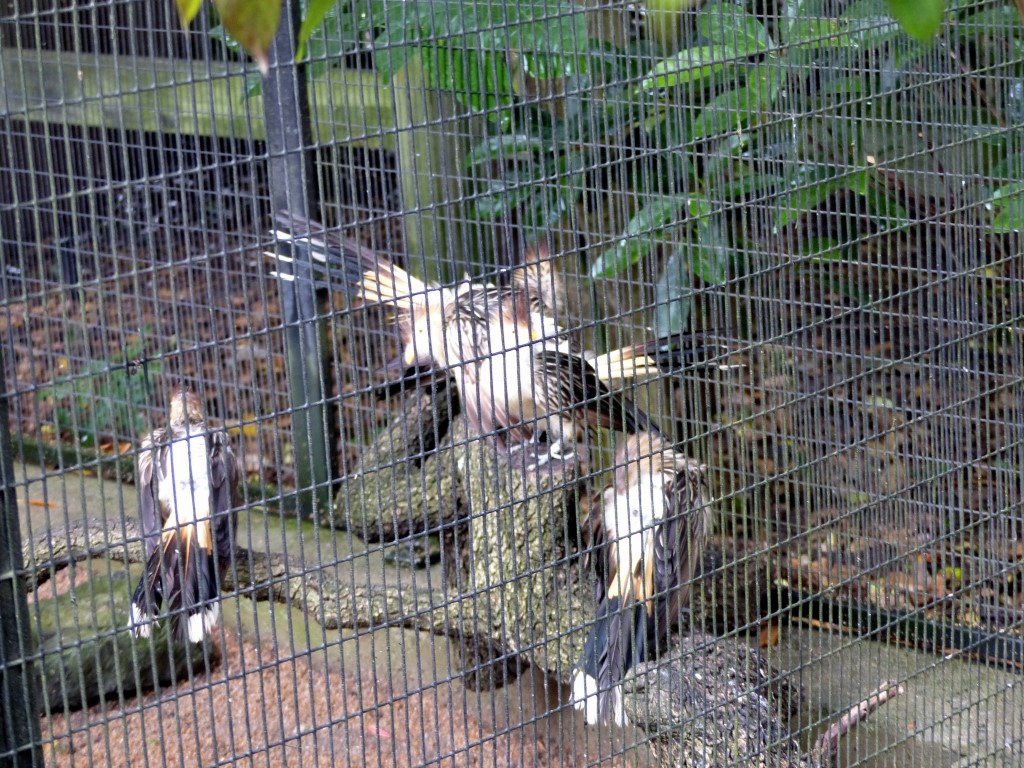
Grey-winged Trumpeter and Racquet-tailed Rollers Exhibit

*

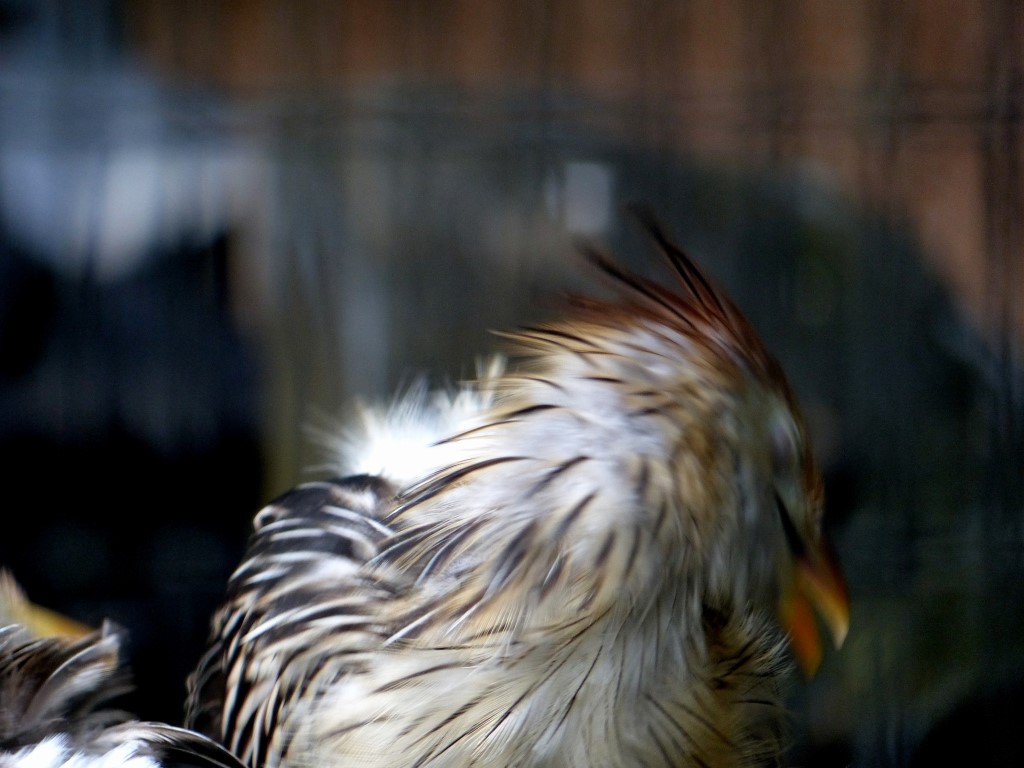
Grey-winged Trumpeter’s Beautiful Feathers Houston Zoo by Lee

*

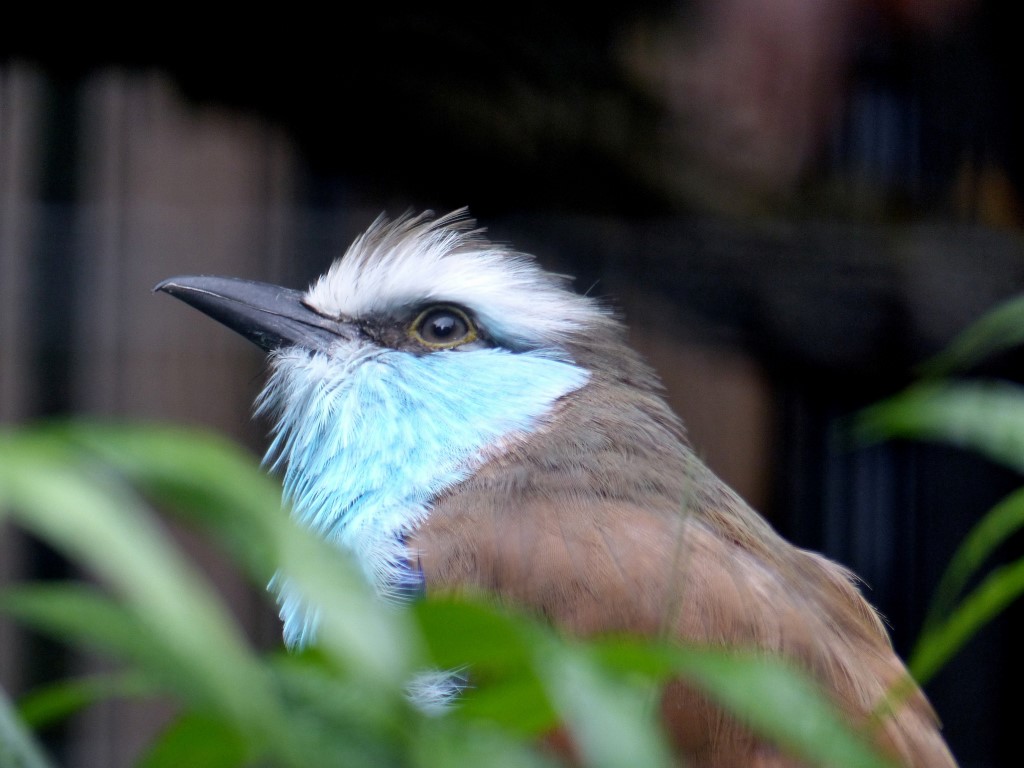
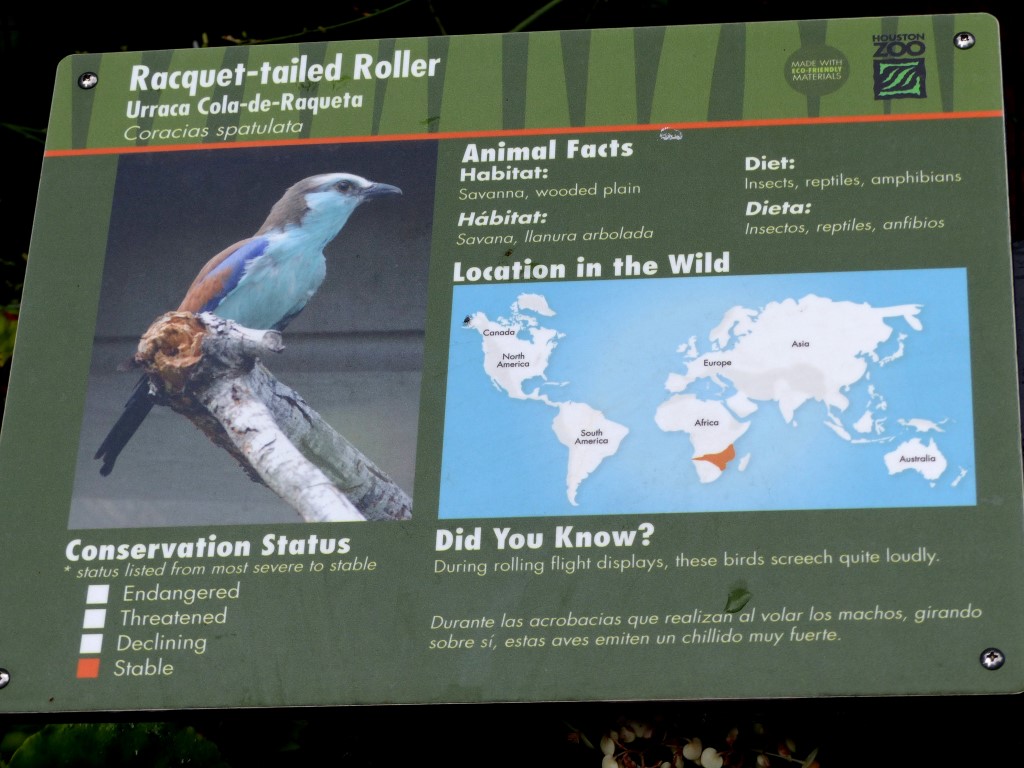
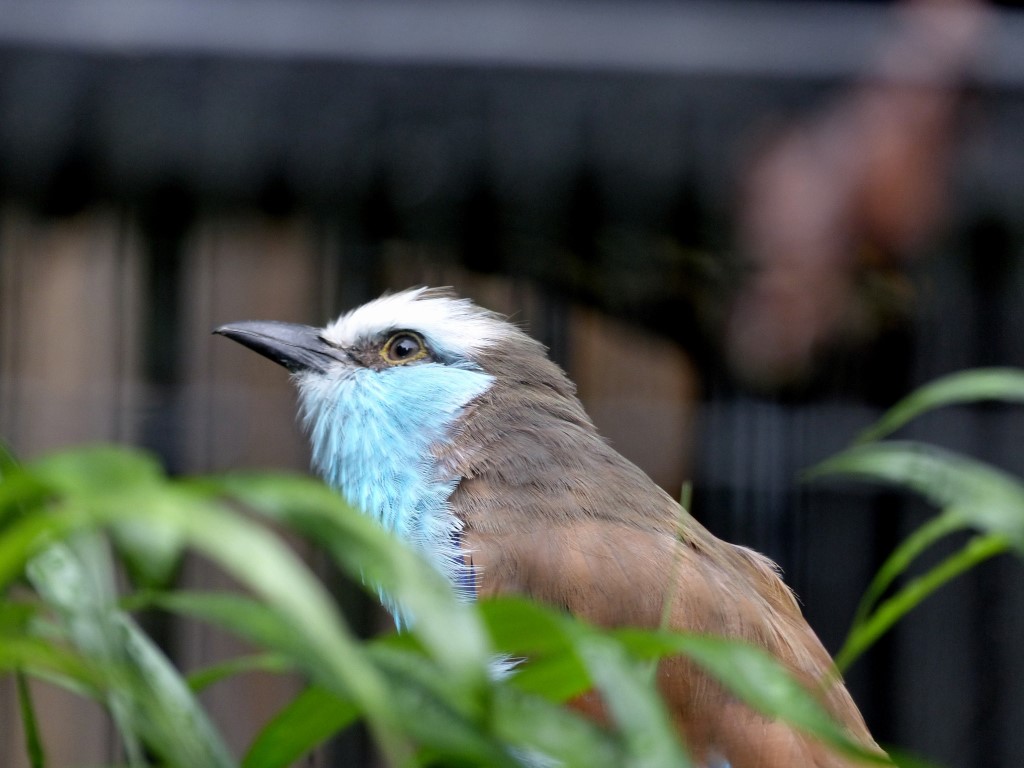
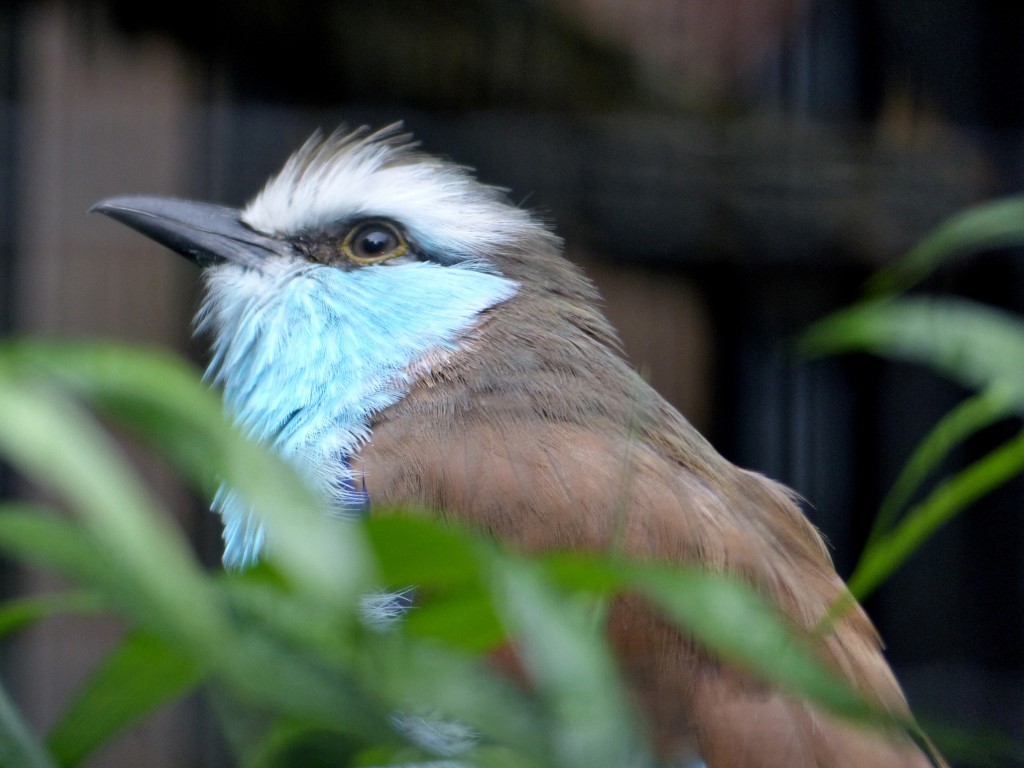
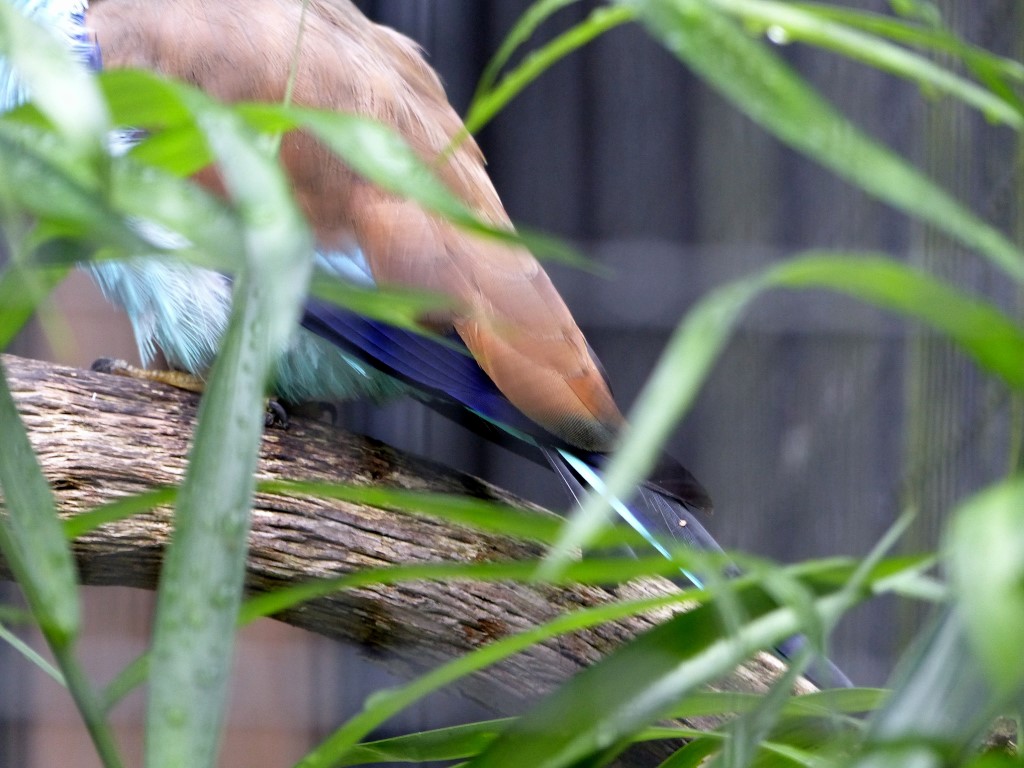
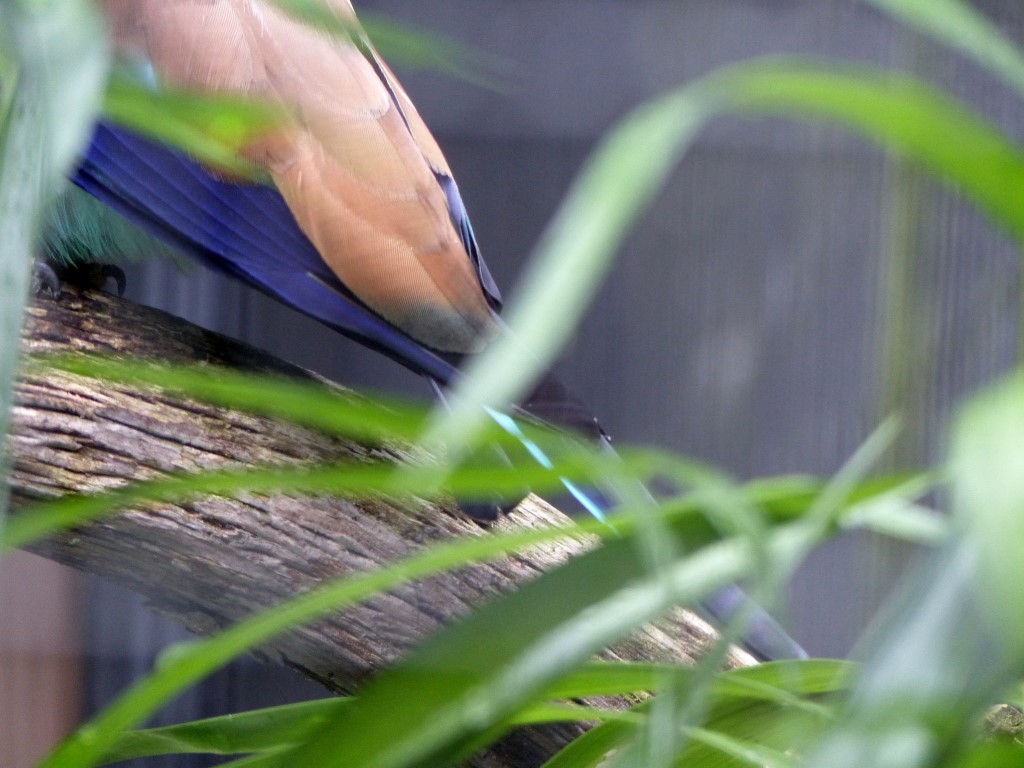
Racket-tailed Roller (Coracias spatulatus) Houston Zoo 5-6-15 by Lee

Racket-tailed Roller (Coracias spatulatus) Houston Zoo by Lee

*
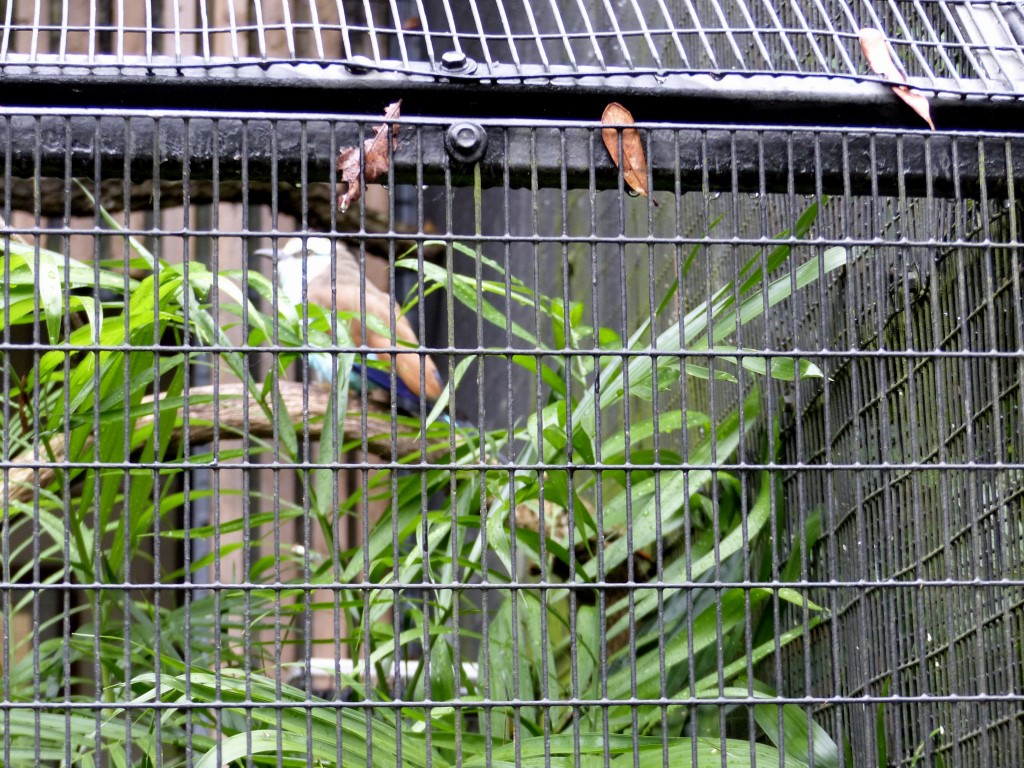
I kept trying to get a photo of the “racket-tail”, but he never really got in the right position. This was a new species to see for me.

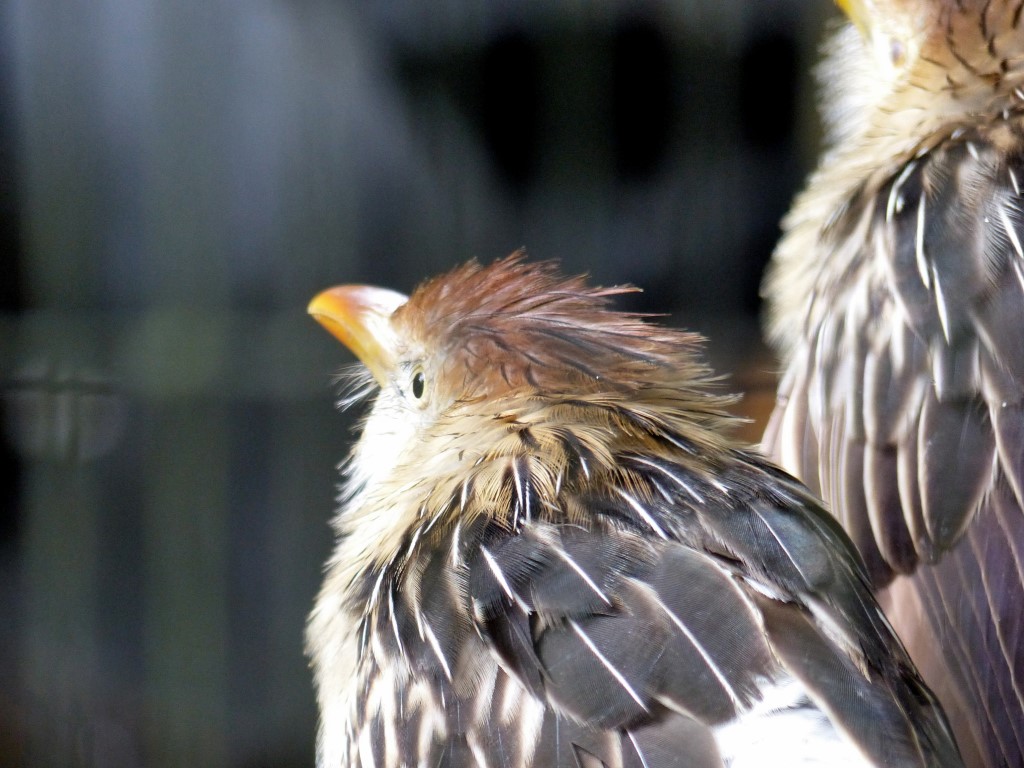
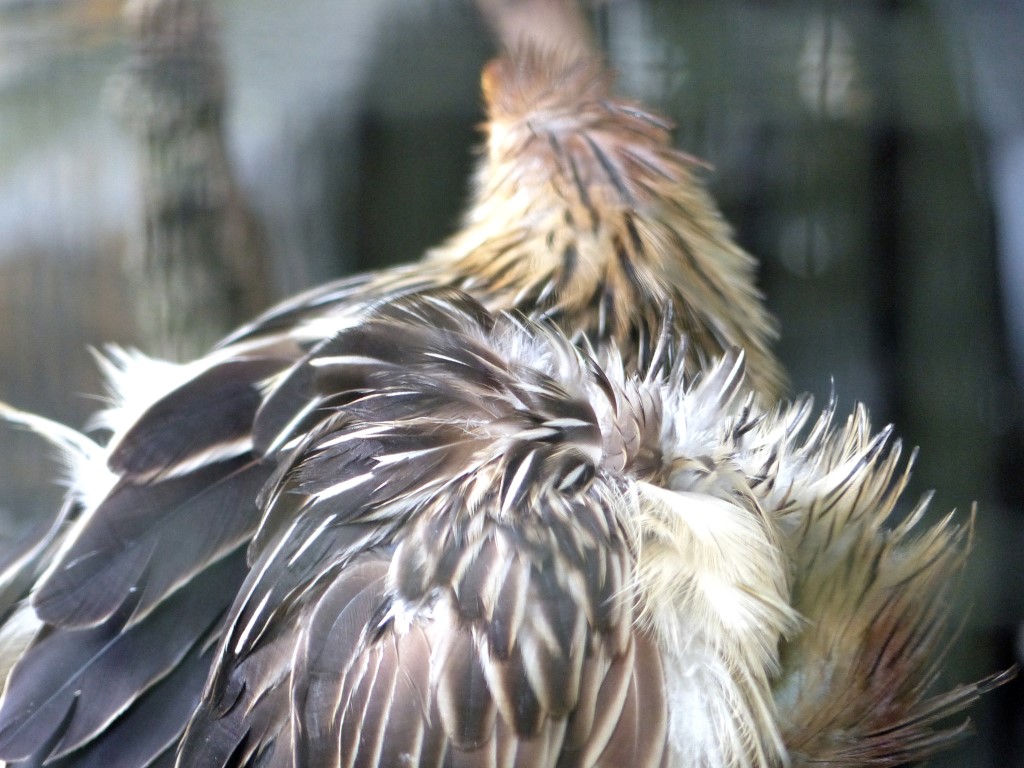
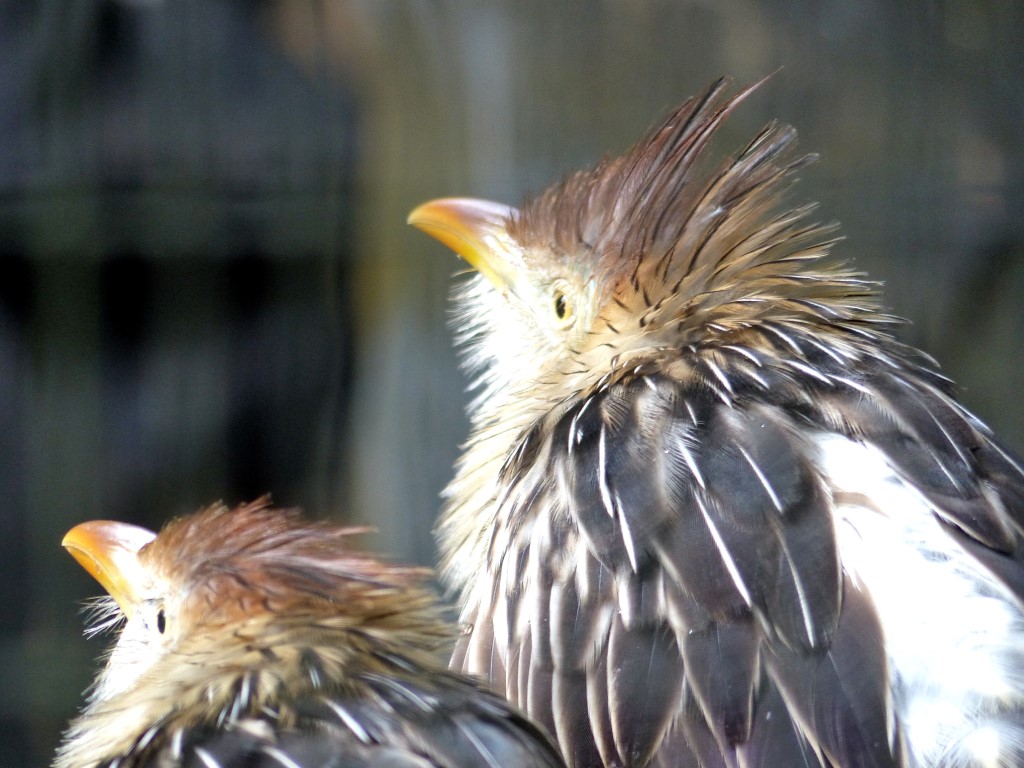
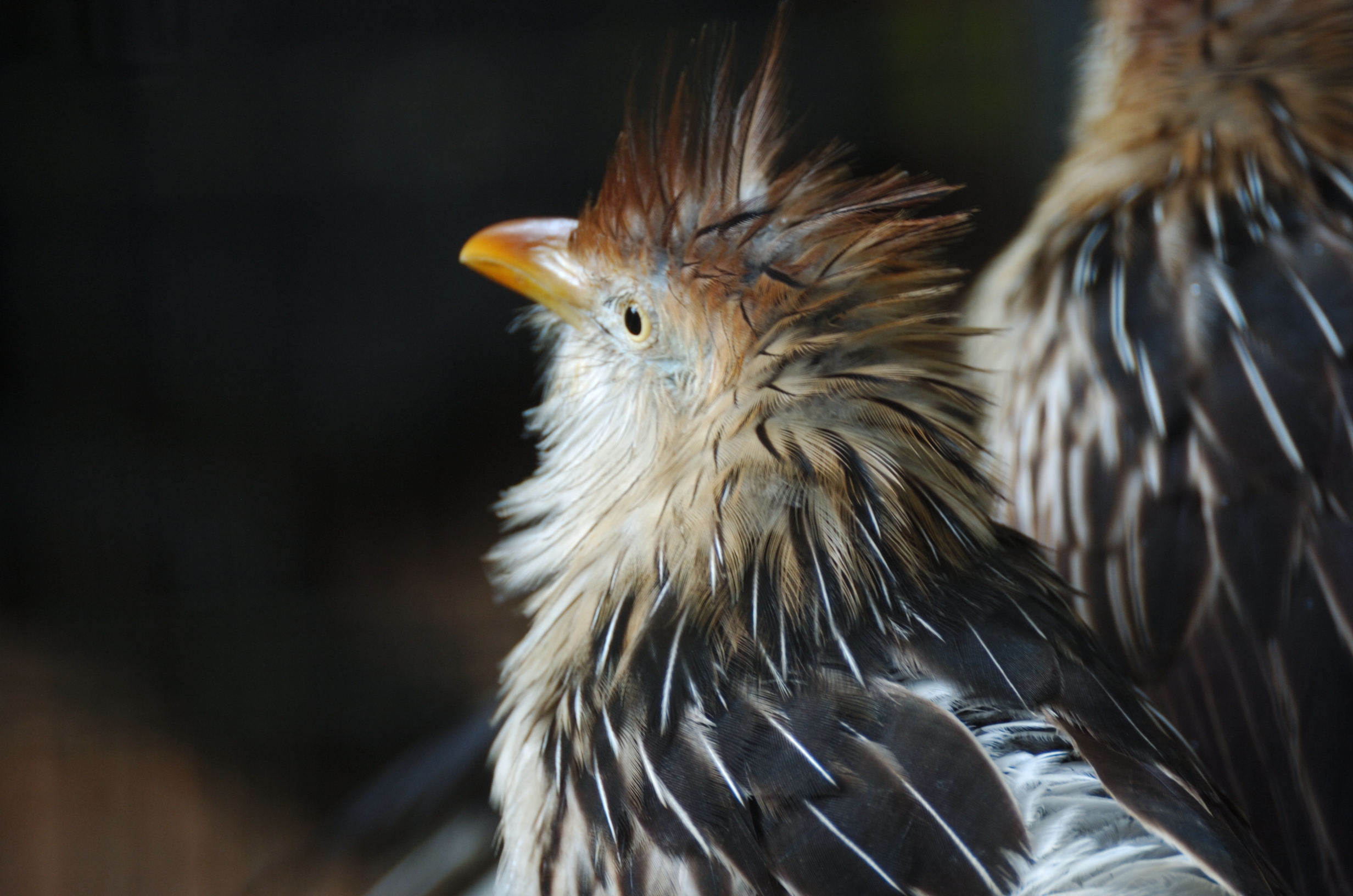
Guira Cuckoo (Guira guira) Houston Zoo 5-6-15 by Lee

Guira Cuckoo (Guira guira) Houston Zoo 5-6-15 by Lee

*

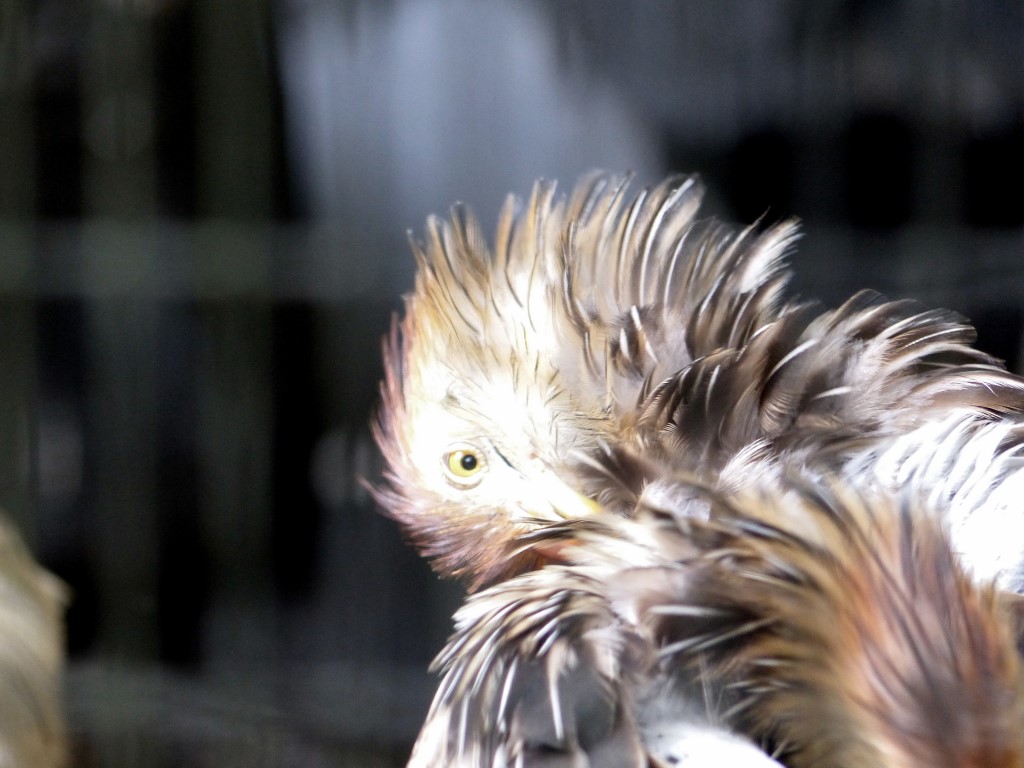
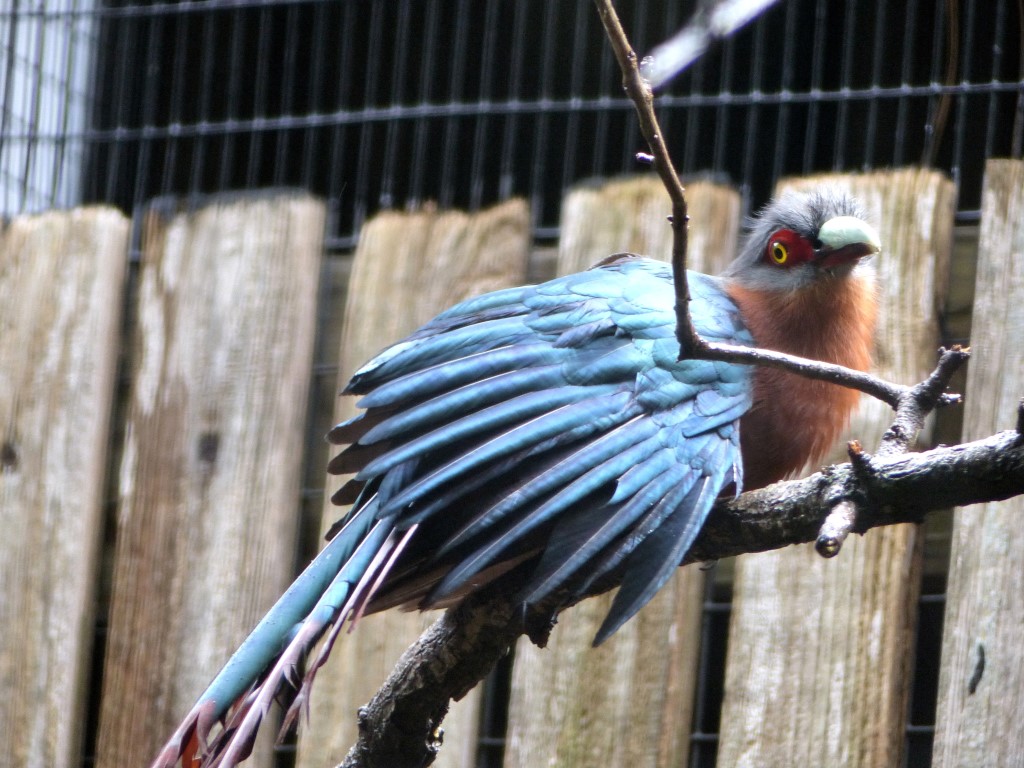
Chestnut-breasted Malkoha (Phaenicophaeus curvirostris) Houston Zoo 5-6-15 by Lee

Chestnut-breasted Malkoha (Phaenicophaeus curvirostris) Houston Zoo 5-6-15 by Lee

We have seen both the Cuckoos and the Malkohas before, but the Cuckoos were closer to us this time.

*

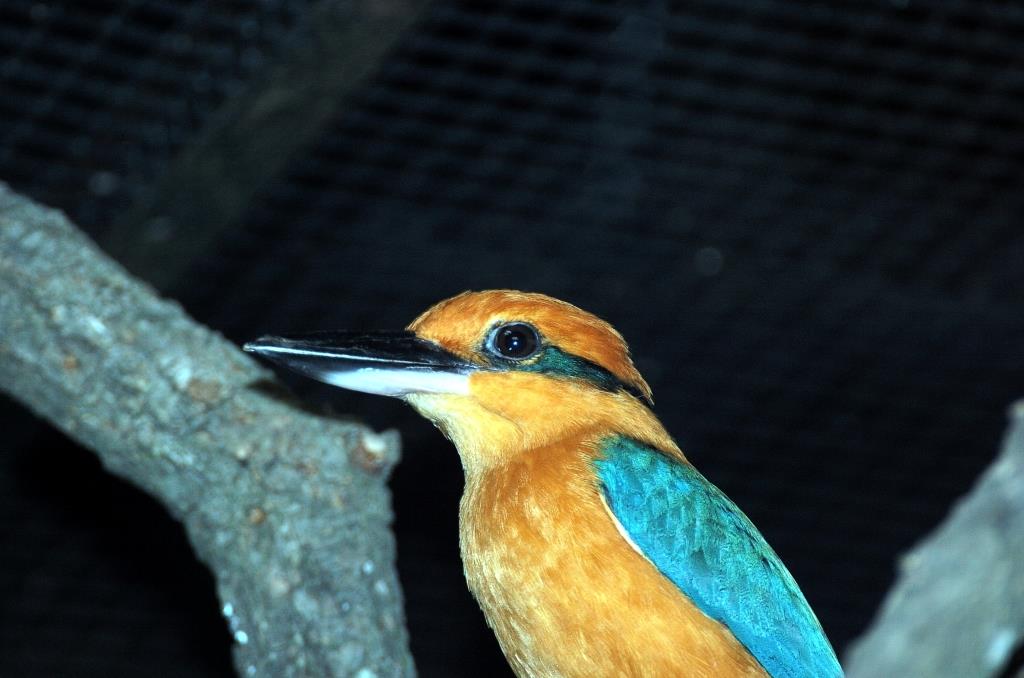
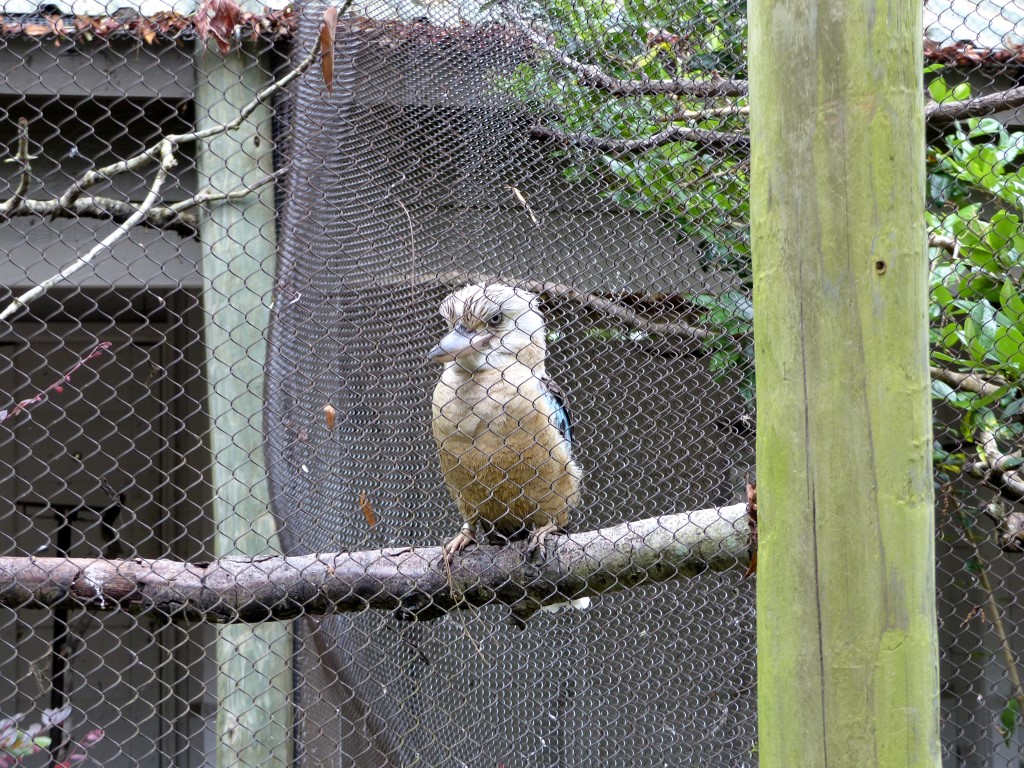
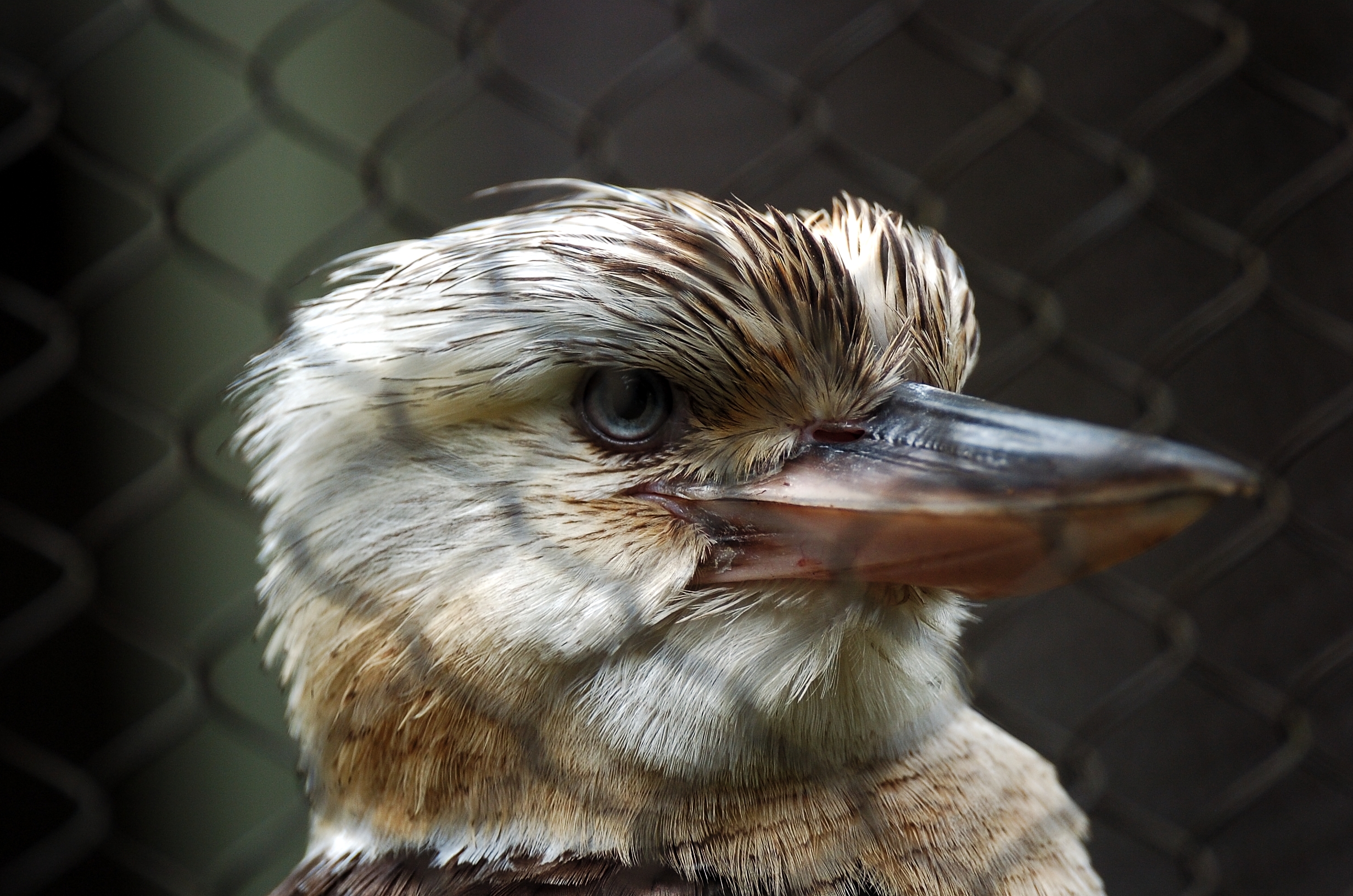
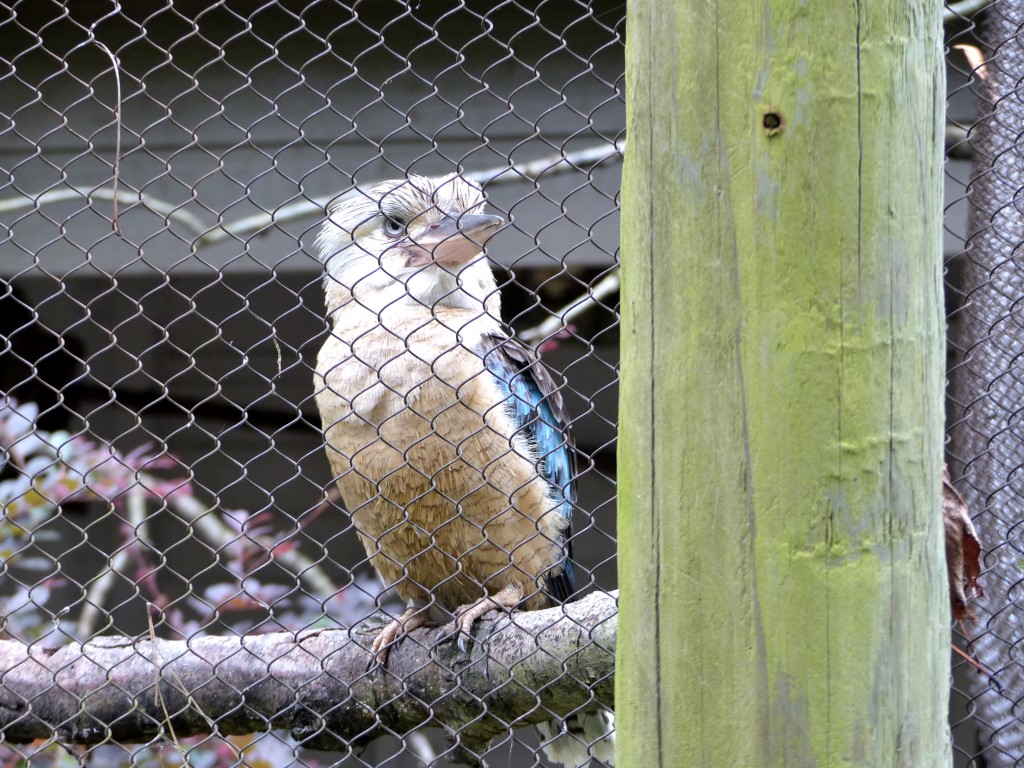
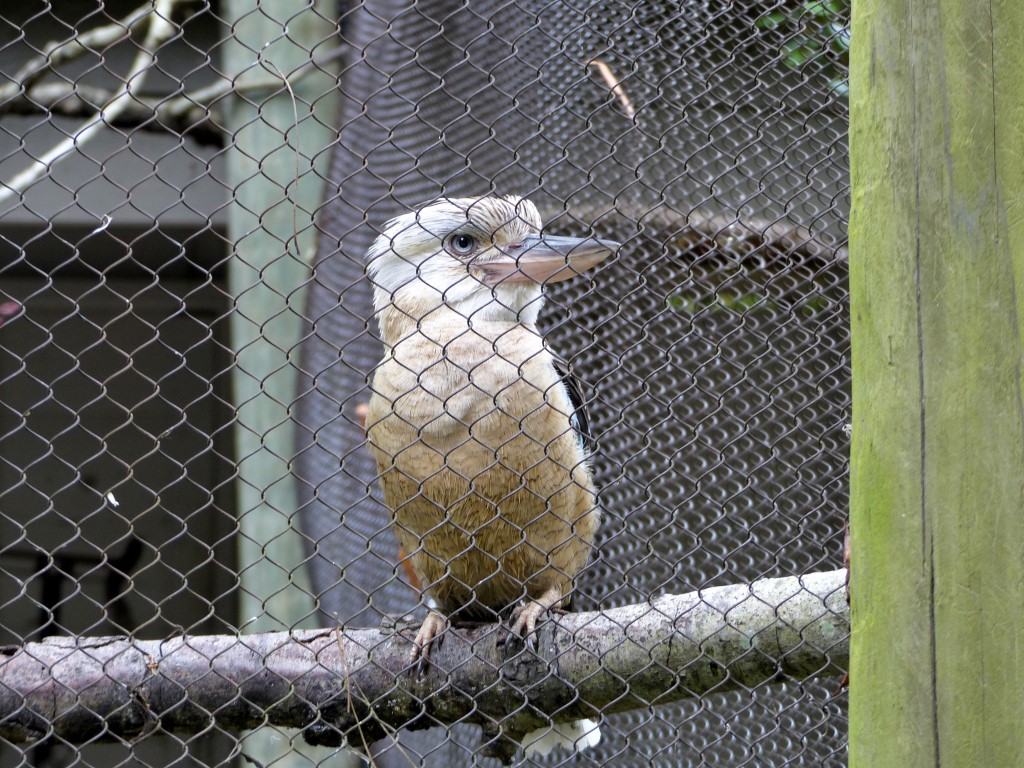
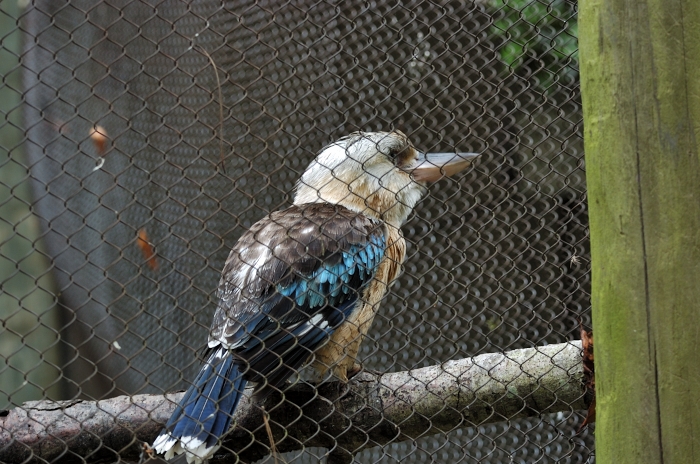
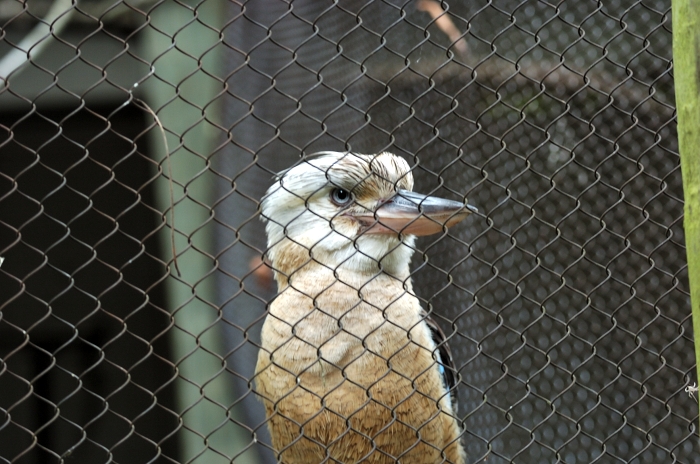
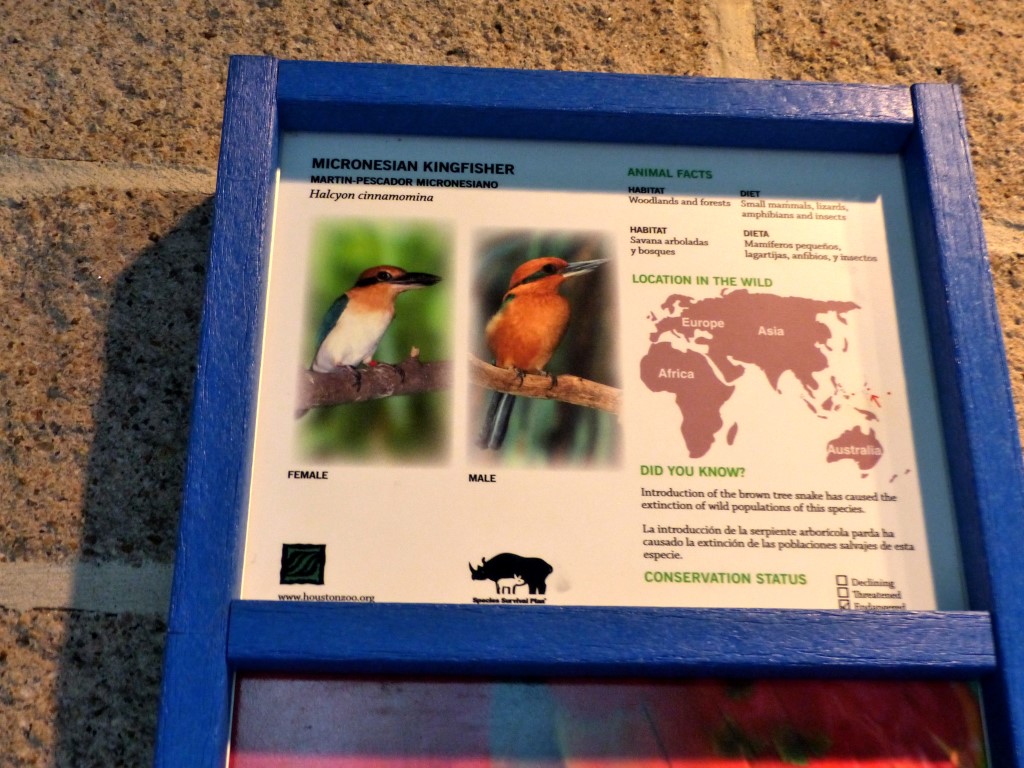
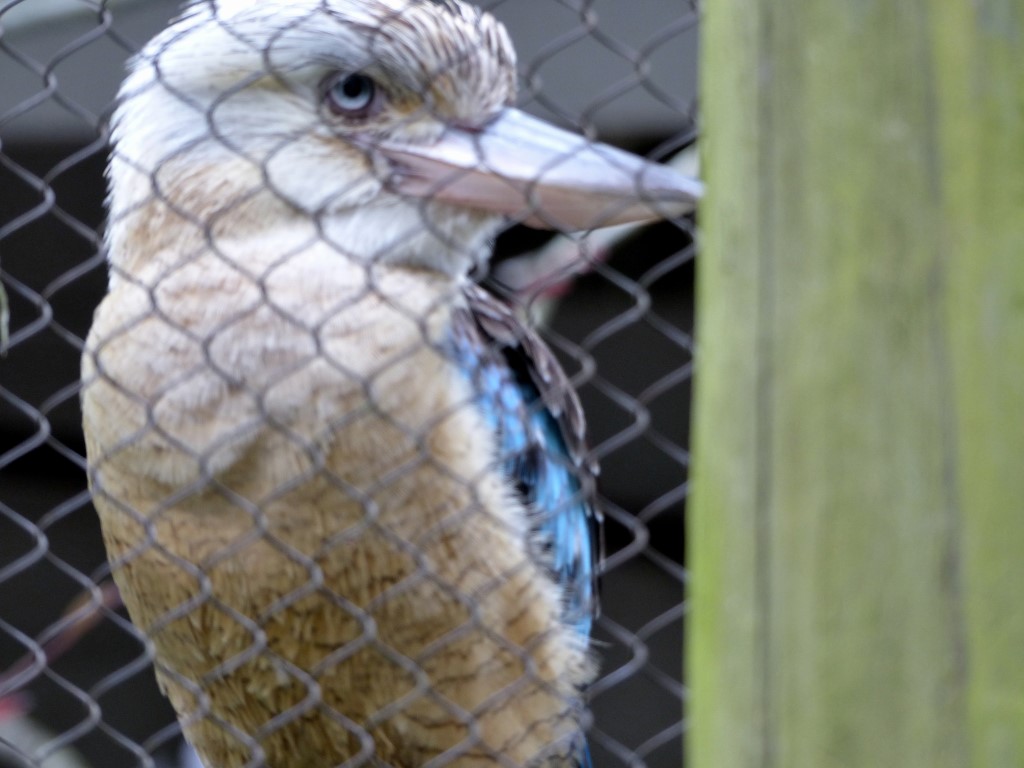
Then a couple of favorites, the Kookabura, except this time it was a Blue-winged Kookabura, and a Micronesian Kingfisher.

Micronesian Kingfisher by Dan

Micronesian Kingfisher by Dan

*

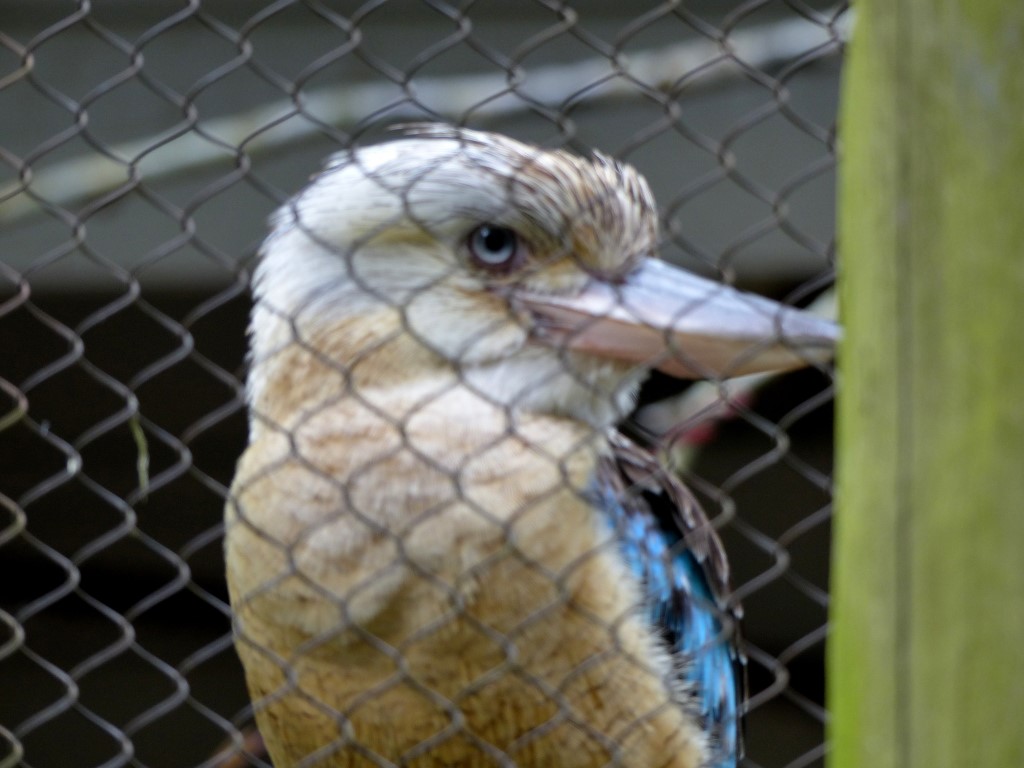
Blue-winged Kookaburra – What you looking at?  by Lee

Blue-winged Kookaburra (Dacelo leachii) Houston Zoo 5-6-15 by Dan

Blue-winged Kookaburra (Dacelo leachii) Houston Zoo 5-6-15 by Dan

*

** Updated 6/27/15 **

Forgot about this video:

*

*

Birdwatching Along The Way – Vacation – Part 1

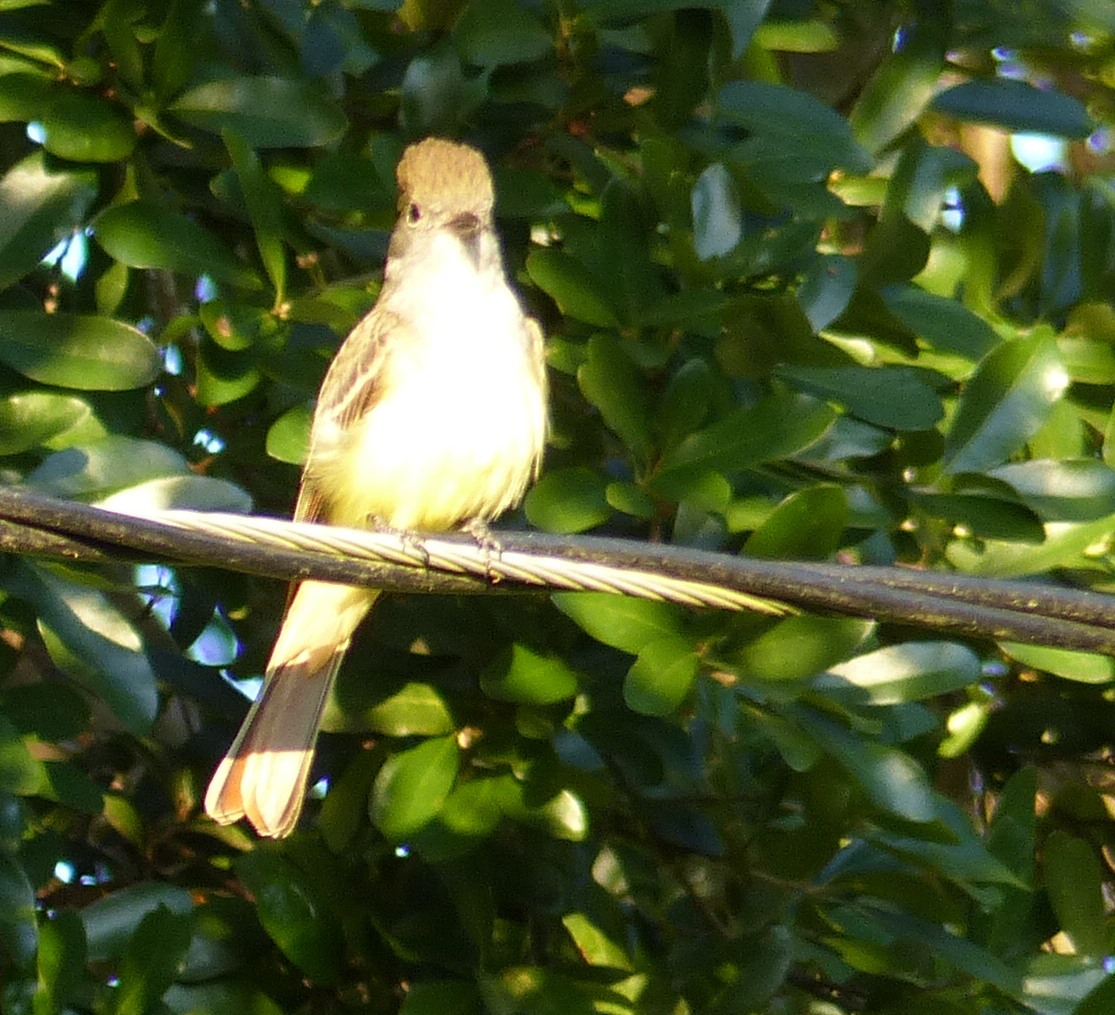
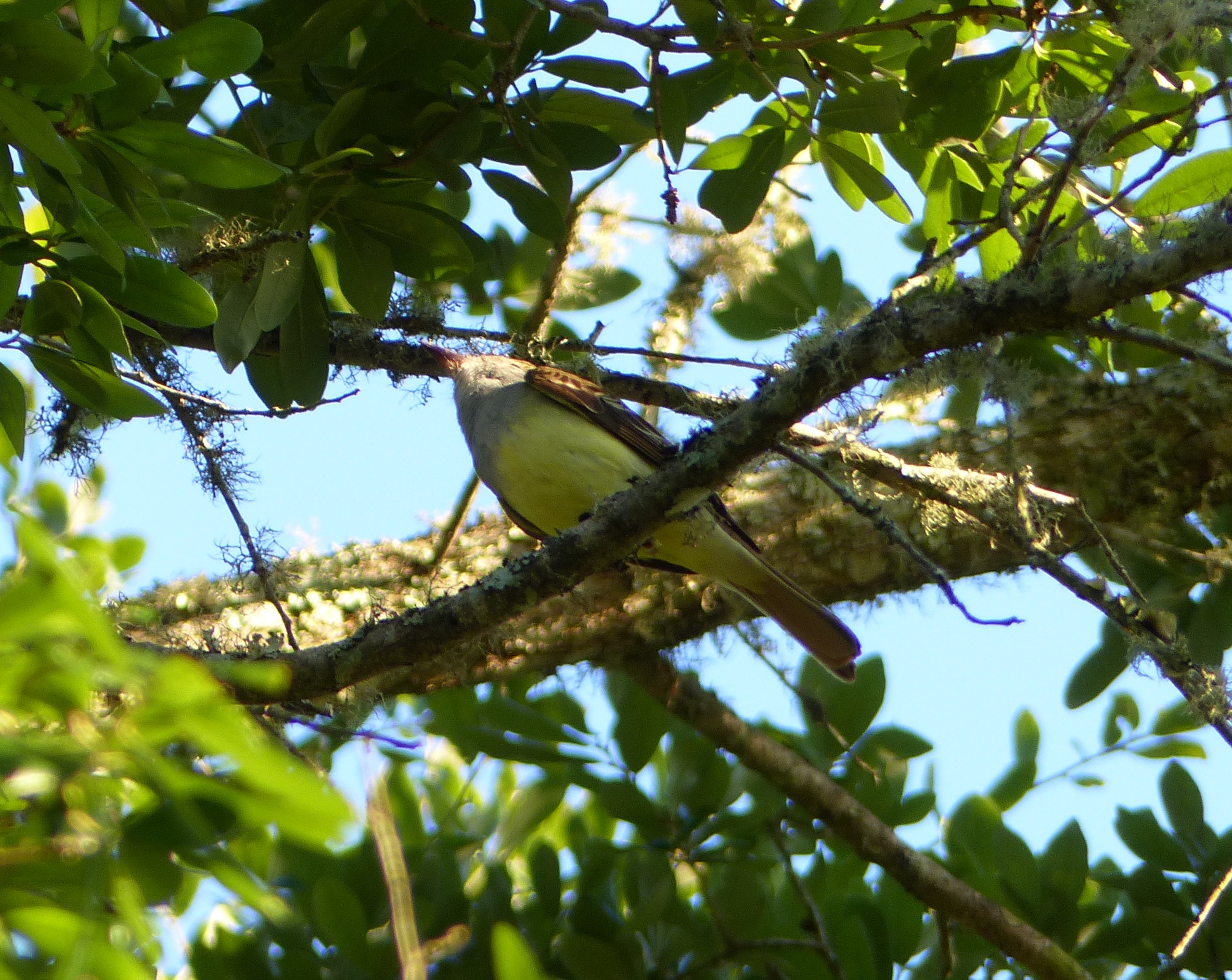
Great Crested Flycatcher outside motel in Tallahassee

Great Crested Flycatcher outside motel in Tallahassee

We left home on Sunday afternoon, May 3rd and drove to Tallahassee, Florida. As I normally do, I kept a list of birds as were riding and I turned these into eBird. While traveling 70 mph, I usually don’t see anything except the larger birds, so the numbers are not spectacular.

Here is a summary of that day:

White Ibis 6, Black Vulture 2, Turkey Vulture 4, Red-tailed Hawk 2, Sandhill Crane 1, American Crow 4, Common Grackle 1, Boat-tailed Grackle 2. When we stopped for the night, we spotted a Northern Mockingbird, Northern Cardinal, a Brown Thrasher and Great Crested Flycatcher which I was able to get a photo of. (12 species)

Great Crested Flycatcher outside motel in Tallahassee

Great Crested Flycatcher outside motel in Tallahassee

It took the second photo to finally put the ID together. Flycatchers can be a challenge (to me), but the underside helped me ID this bird.

Not bad for a first day. The second day, we drove to Baton Rouge, Louisiana, which was one of our longest driving days. Our first goal of the vacation was to be in Houston, Texas by Tuesday, May 5th, which is 1,000 miles from home.

I listed these birds with eBird for the 2nd day, May 4th. A total of 14 species – Great Blue Heron 1, Great Egret 1, Cattle Egret 2,Turkey Vulture 6, Osprey 1, Bald Eagle 1, Great Crested Flycatcher 1, American Crow 2, Fish Crow 1, Tree Swallow 1, Barn Swallow 1, Brown Thrasher 1, Common Grackle 2 and 2 Boat-tailed Grackles. Not much for 500 miles of riding.  Most of the interesting birds that day were the ones at the Welcome Center which I wrote about.

See the Birds at the Mississippi Welcome Center

On Tuesday, we had an easier day and decided to stop by the Battleship Texas. It is located in the San Jacinto Battleground State Historic Site. Dan was in the Navy and if there is a Ship Museum we usually visit it. While we were looking around it, as normal for me, if there is a bird nearby, my attention gets diverted. “Birdwatching Adventure” kicks in and I’m off to capture the birds with the camera. The ship will still be there, but birds have a way of moving on.

Here is a list of the birds seen while visiting the Battleship Texas on May 5th. (eBird report): Neotropic Cormorant  2, Brown Pelican  1, Great Egret  1, Black Vulture, Bonaparte’s Gull  1, Laughing Gull  2, Rock Pigeon (Feral Pigeon)  3, Cliff Swallow  10, Northern Mockingbird  1, European Starling  4, House Sparrow  2.

Here are some of those photos of the ship and the birds I tried to photograph.

This slideshow requires JavaScript.

We were close to Houston and arrived safely at my niece’s house later that day. Vacation Goal #1 – Met.

I will both lie down in peace, and sleep; For You alone, O LORD, make me dwell in safety. (Psalms 4:8 NKJV)

*

Some of the other articles that mention our vacation:

*

Sunday Inspiration – Monarchs

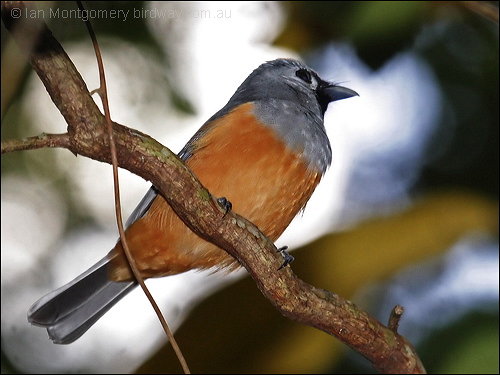
Black-faced Monarch (Monarcha melanopsis) by Ian

Black-faced Monarch (Monarcha melanopsis) by Ian

This Sunday we introduce you to the Monarchidae – Monarchs Family. This family of Passerines (songbirds) has 99 members that inhabit forest or woodland across sub-Saharan Africa, south-east Asia, Australasia and a number of Pacific islands. Only a few species migrate. Many species decorate their cup-shaped nests with lichen. Monarchids are small insectivorous songbirds with long tails.

The family is about equally divided between Monarchs and Flycatchers with a few other birds sprinkled in. Those other birds are Elepaio, Shrikebill, Magpie-lark and Torrent-lark. There are not many photos available to use, but if you click the different links on the Monarchidae – Monarchs Family page, you will taken to other sites to view those birds.

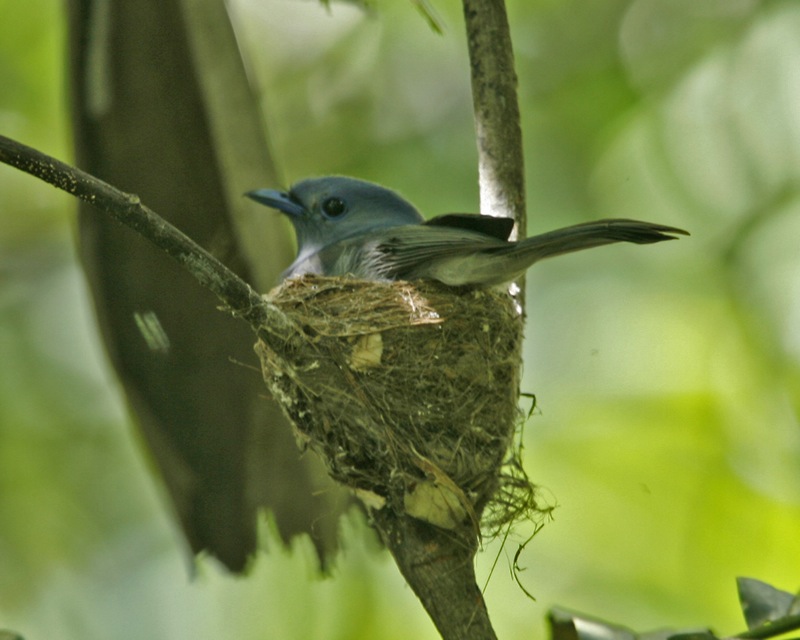
Pale-blue Monarch (Hypothymis puella) Female on nest ©WikiC

Pale-blue Monarch (Hypothymis puella) Female on nest ©WikiC

The monarch flycatchers are generally monogamous, with the pair bonds ranging from just a single season (as in the African paradise flycatcher) to life (the Elepaio). Only three species are known to engage in cooperative breeding; but many species are as yet unstudied. They are generally territorial, defending territories that are around 2 ha in size, but a few species may cluster their nesting sites closely together. The nests are in turn often aggressively defended by monarch flycatchers. In all species the nest is an open cup on a branch, fork or twig. In some species the nests can be highly conspicuous.

This slideshow requires JavaScript.

Looking unto Jesus the author and finisher of our faith; who for the joy that was set before him endured the cross, despising the shame, and is set down at the right hand of the throne of God. (Hebrews 12:2 KJV)


“He’s Looking on You” ~ by Dr. Richard Gregory

Jesus more than qualifies to be The Monarch and is Rightfully sitting on the Throne of God. There He is “looking on us.”

A monarch is the sovereign head of state in a monarchy. A monarch may exercise the most and highest authority in the state or others may wield that power on behalf of the monarch. Typically a monarch either personally inherits the lawful right to exercise the state’s sovereign rights (often referred to as the throne or the crown) or is selected by an established process from a family or cohort eligible to provide the nation’s monarch. (Wikipedia)

*

*

White-breasted Cormorant Update

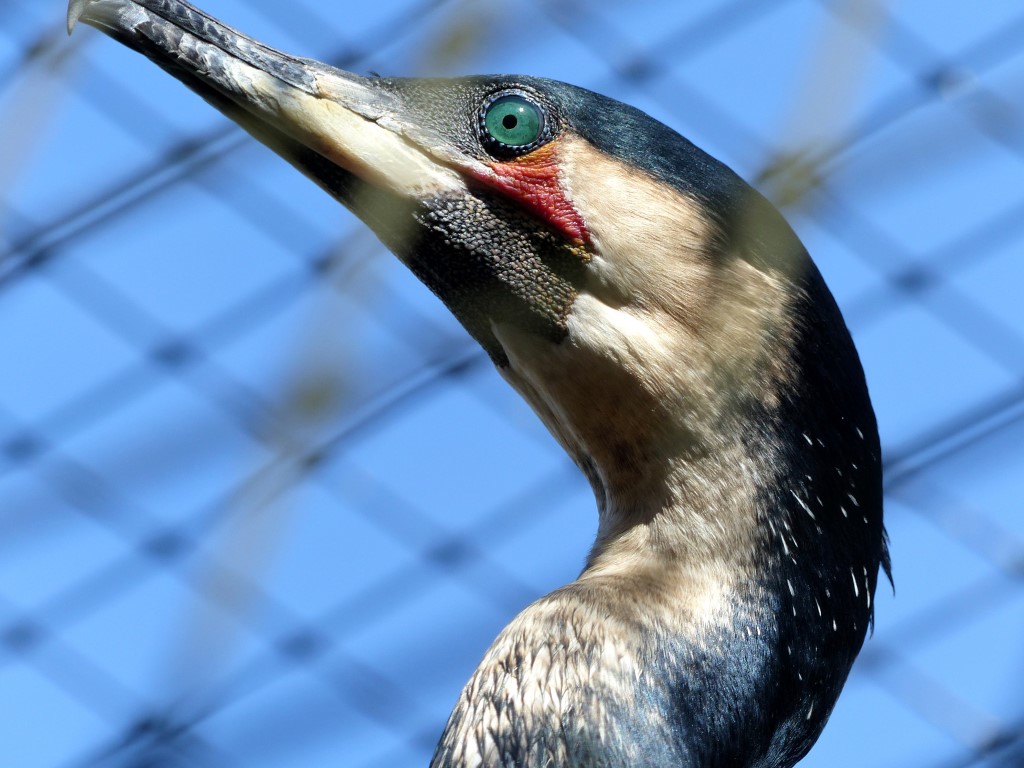
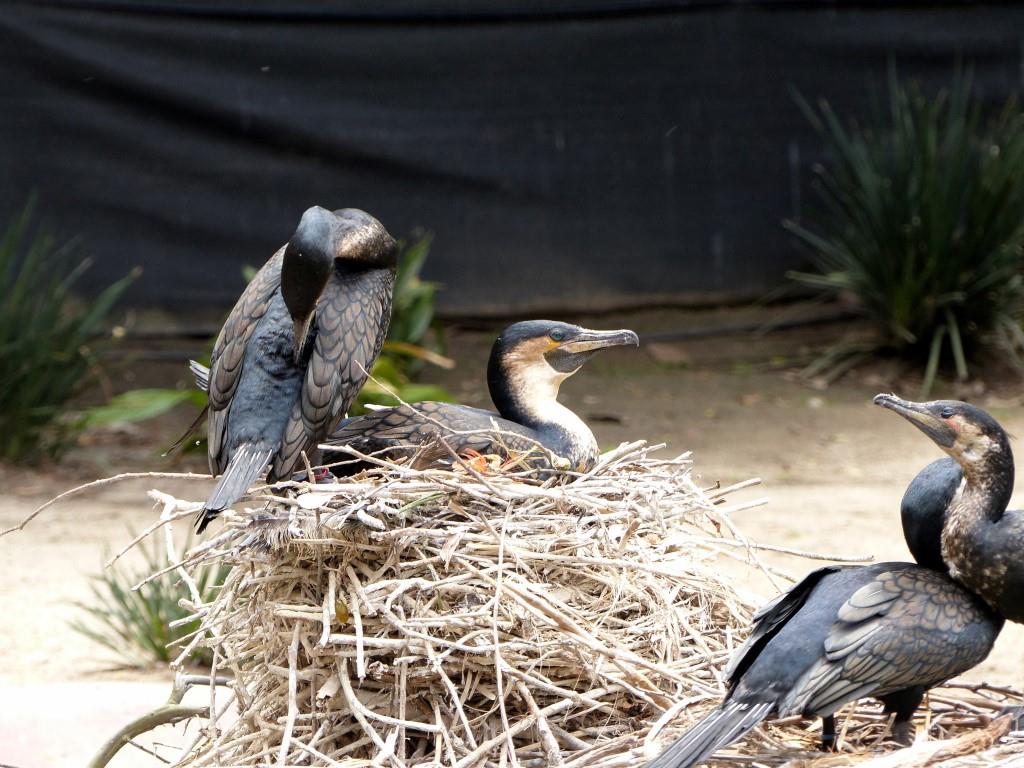
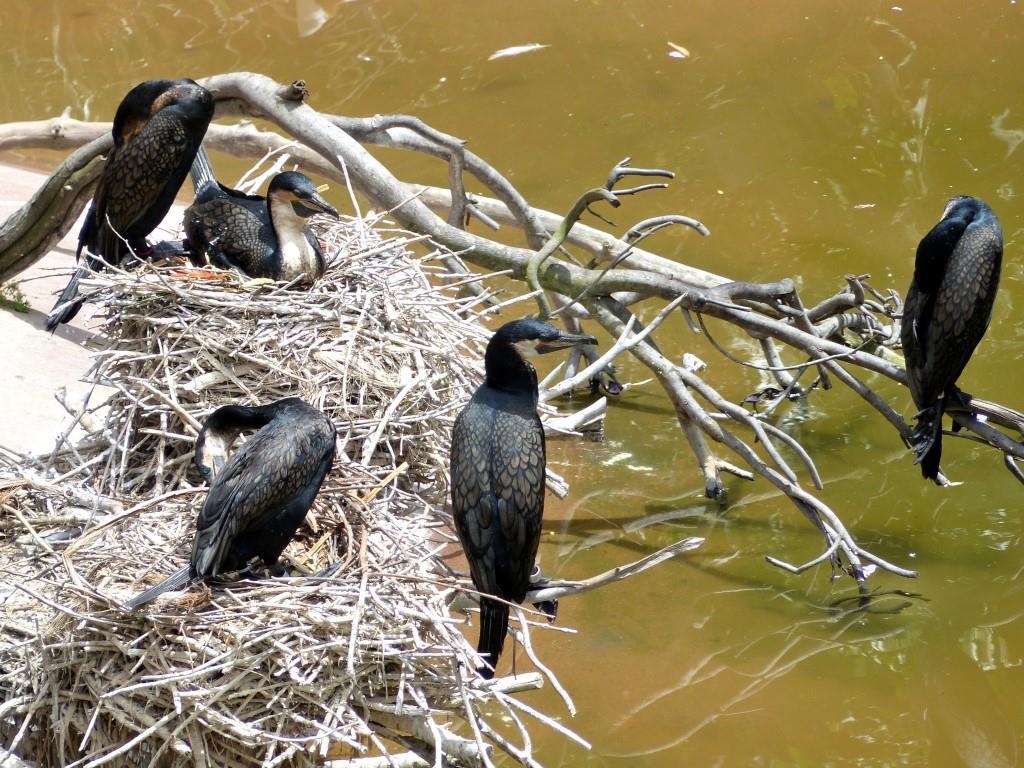
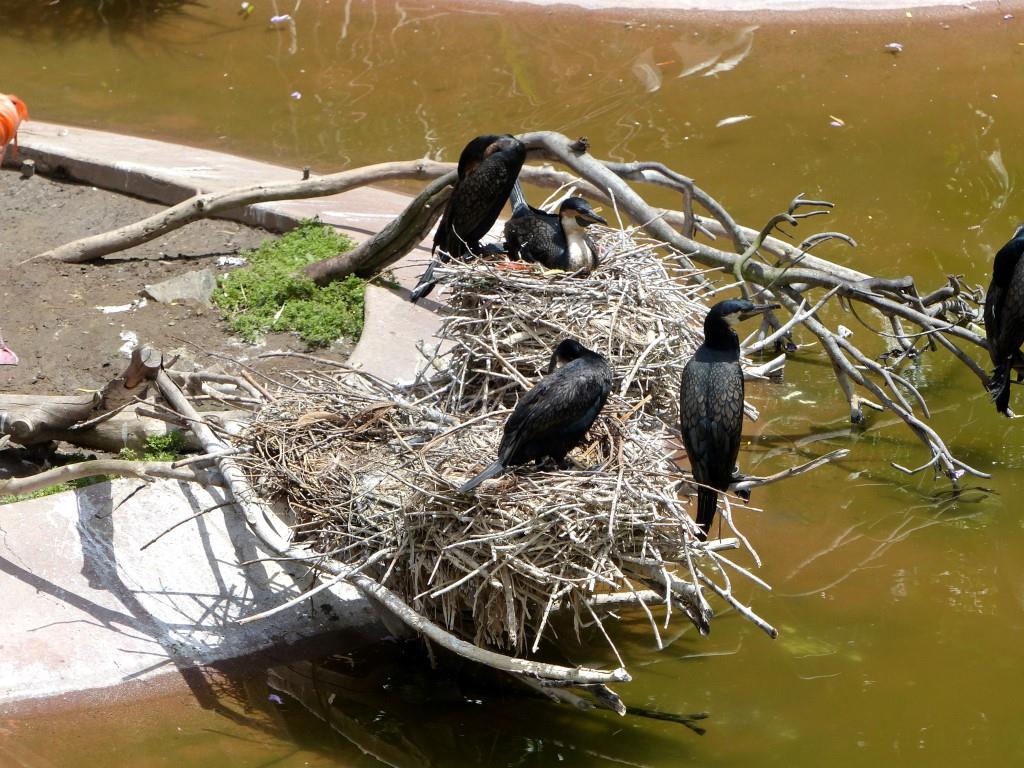
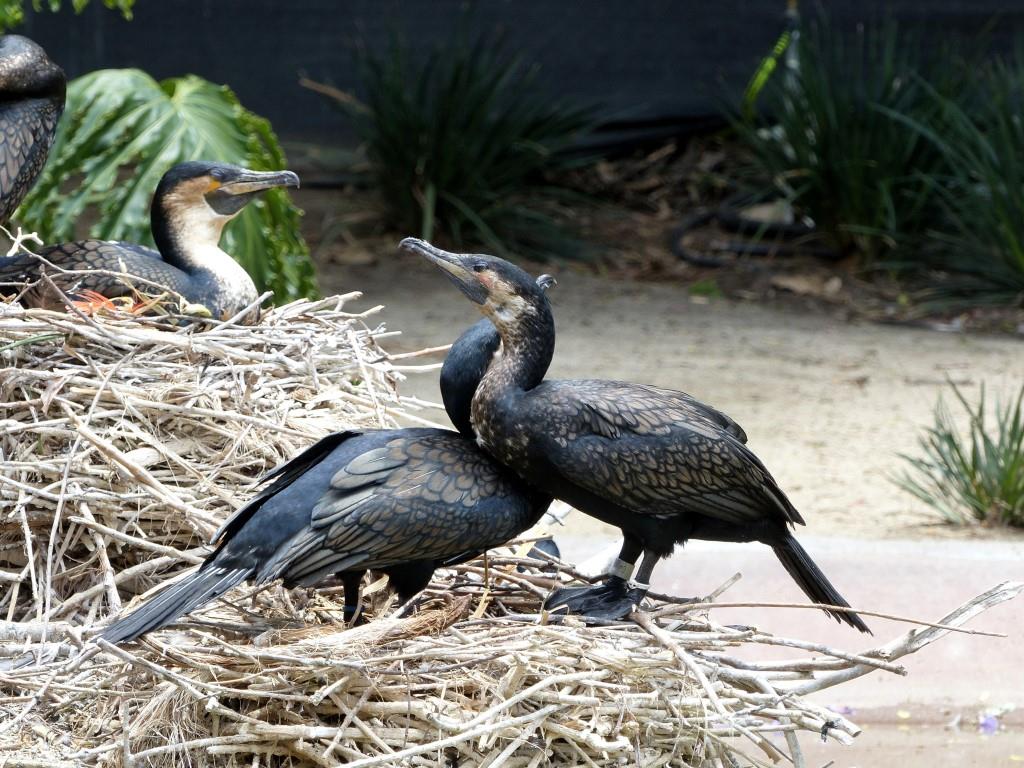
White-breasted Cormorant (Phalacrocorax lucidus) SD Zoo by Lee

White-breasted Cormorant (Phalacrocorax lucidus) SD Zoo by Lee

In yesterday’s article, White-breasted Cormorants at San Diego Zoo I mentioned that we had never seen these before. When it posted, at the bottom of the article, it loaded the Latest Challenge of Zoo Photography which was taken at Lowry Park Zoo. I have added an Update to yesterday’s article.

But now that I look at the two of them together, it does make me wonder if they are the same species.???

I got through the netting.

I got through the netting.

They both have that beautiful green eye, but their little patch of color below the eye is different. Huh?

Interesting. They may come from different parts of Africa or it could be their ages or sex. If you know, drop a comment.

As James tells us, we are to admit when we mess up. It was unintentional.

Confess your faults one to another, and pray one for another, that ye may be healed. The effectual fervent prayer of a righteous man availeth much. (James 5:16 KJV)

At least it gave me something to write about today! :)
(By the way, if you wonder why I don’t have the smiley faces turned on, it is because I use so many “(” and “)” that they get turned into faces. I need the quotes for the names of the birds more than I need smileys. :)

White-breasted Cormorants at San Diego Zoo

White-breasted Cormorant (Phalacrocorax lucidus) SD Zoo by Lee

White-breasted Cormorant (Phalacrocorax lucidus) SD Zoo by Lee

Update: I have seen these before at Lowry Park Zoo – My mistake :(

We see Double-crested Cormorants very frequently here in Florida. At the San Diego Zoo, we were able to see the White-breasted Cormorants. These are another one of the Lord’s neat creations which He has given them just what they need for catching their prey. They belong to the Phalacrocoracidae – Cormorant, Shag family of which has 41 species.

Cormorants and shags are medium-to-large birds, with body weight in the range of 0.35–5 kilograms (0.77–11.02 lb) and wing span of 45–100 centimetres (18–39 in). The majority of species have dark feather. The bill is long, thin and hooked. Their feet have webbing between all four toes. All species are fish-eaters, catching the prey by diving from the surface. They are excellent divers, and under water they propel themselves with their feet with help from their wings; some cormorant species have been found to dive as deep as 45 metres.

The White-breasted Cormorant (Phalacrocorax lucidus) is much like the widespread great cormorant and if not a regional variant of the same species, is at least very closely related. It is distinguished from other forms of the great cormorant by its white breast and by the fact that subpopulations are freshwater birds. Phalacrocorax lucidus is not to be confused with the smaller and very different endemic South Australian black-faced cormorant, which also is sometimes called the white-breasted cormorant. (Wikipedia)

White-breasted Cormorant (Phalacrocorax lucidus) SD Zoo by Lee

White-breasted Cormorant (Phalacrocorax lucidus) Sign SD Zoo by Lee

The sign at the San Diego Zoo shows this bird as a sub-species of the Great Cormorant (Phalacrocorax carbo), but the I.O.C. lists it as the White-breasted Cormorant (Phalacrocorax lucidus). “The white-breasted cormorant (Phalacrocorax lucidus) is a member of the cormorant family Phalacrocoracidae. Its taxonomic status has been under discussion for some decades and several questions still have not been definitively settled. Phalacrocorax lucidus sometimes is treated as a subspecies of the great cormorant, Phalacrocorax carbo lucidus. ” (Wikipedia) That helps explain the discrepancy.

White-breasted Cormorant (Phalacrocorax lucidus) SD Zoo by Lee

White-breasted Cormorant (Phalacrocorax lucidus) SD Zoo by Lee

I especially liked the chin on this cormorant. Thought is was interesting and different from our usual Cormorants. Also, this was a first time we have seen this White-breasted Cormorant in any of the zoos we have visited. So it gets added to the Life List of All Birds We Have Seen

White-breasted Cormorant (Phalacrocorax lucidus) SD Zoo by Lee

White-breasted Cormorant (Phalacrocorax lucidus) SD Zoo by Lee

“As its name suggests, the 80–100 cm long white-breasted cormorant has a white neck and breast when adult, and the white area tends to increase as the bird becomes more mature. In other respects it is a large cormorant generally resembling the great cormorant.”

Here are the few photos that I took of these birds.

*

But the cormorant and the bittern shall possess it; the owl also and the raven shall dwell in it: and he shall stretch out upon it the line of confusion, and the stones of emptiness. (Isa 34:11)

And the pelican, and the gier eagle, and the cormorant, (Deuteronomy 14:17 KJV)

Cormorants are one the birds mentioned in the Bible. See Birds of the Bible – Cormorant

I see that both my Life List of All Birds We Have Seen and my Birdwatching Trips need some work. That ought to keep my busy this summer while most of the birds took off to their northern nesting grounds, that and trying to work on vacation photos.

*

*

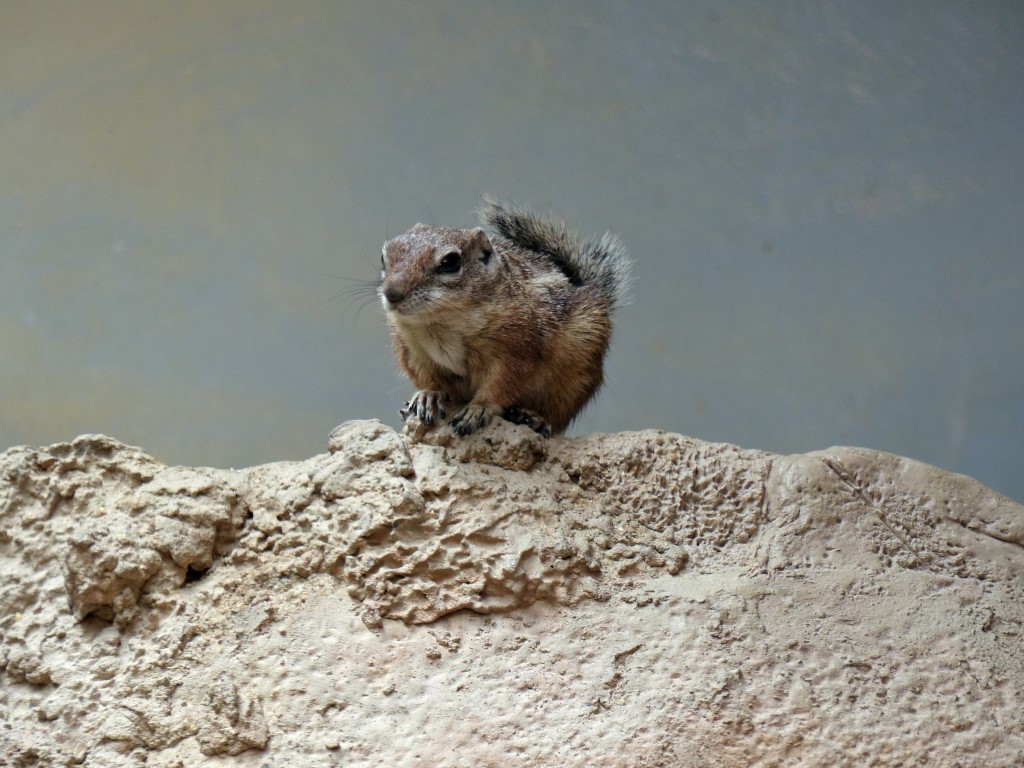
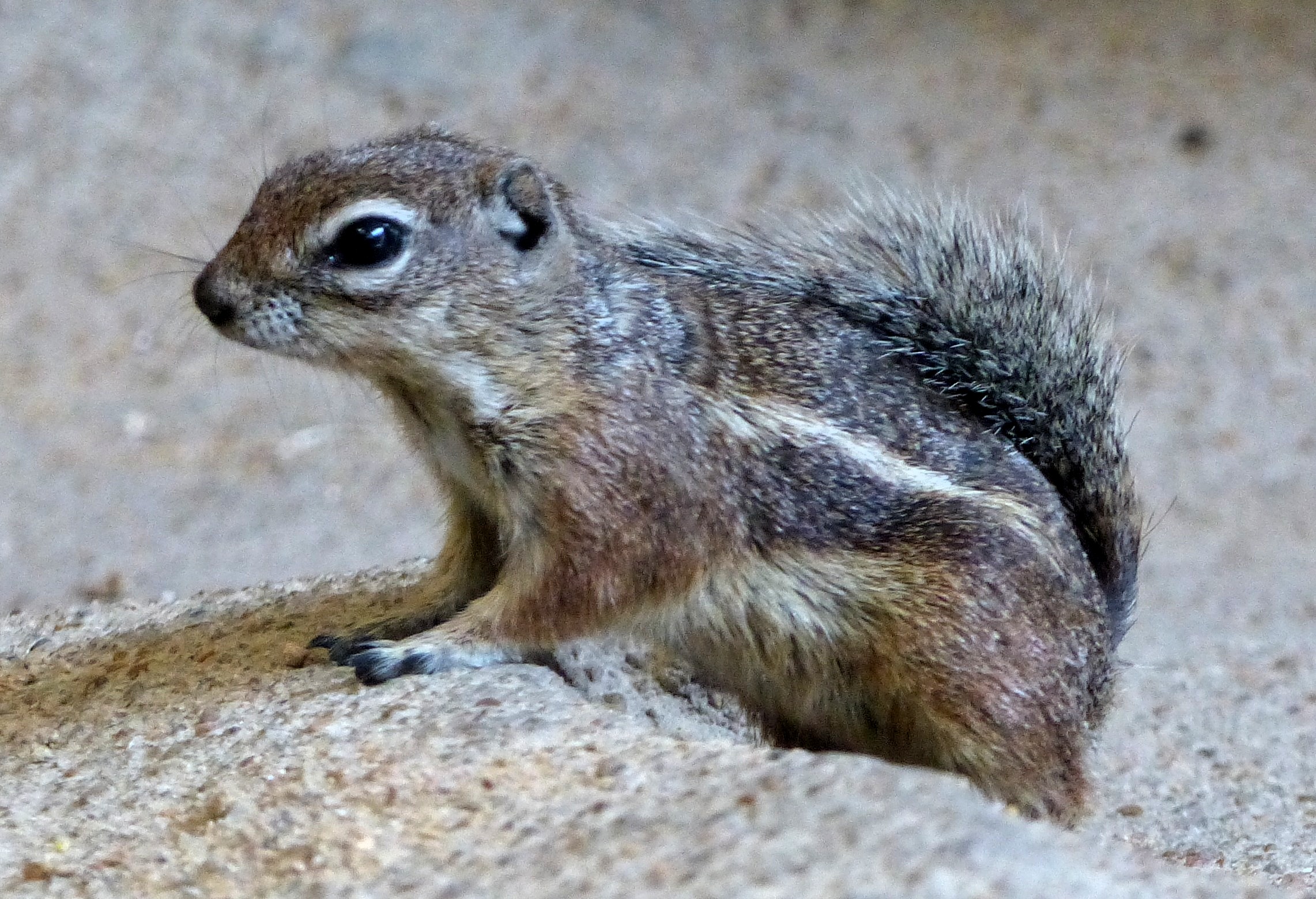
Antelope Ground Squirrels at Houston Zoo

Antelope Ground Squirrel at Houston Zoo 5-6-15 by Lee

Antelope Ground Squirrel at Houston Zoo 5-6-15 by Lee

These Antelope Ground Squirrels at the Houston Zoo were just adorable. Never heard of them before, let alone seen any. They were in a building that had birds in it, of course, and they caught my attention. They landscape their displays and enclosures at the Houston Zoo very well. The squirrels had plenty of room to roam around in and they seemed quite content. Could it be because they didn’t need to worry about predators

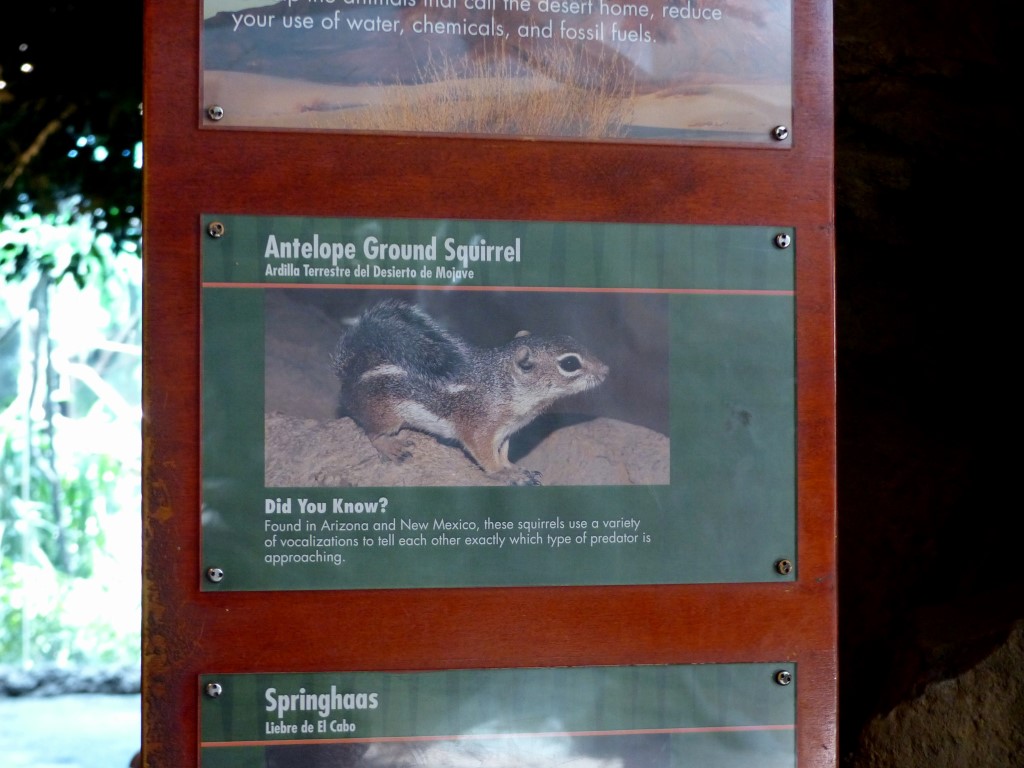
Antelope Ground Squirrel Sign Houston Zoo 5-6-15 by LeeAccording to this sign, Antelope Ground Squirrel is found in Arizona and New Mexico and use a variety of vocalizations to tell each other which type of predator is approaching. Isn’t their Creator amazing to give them this ability? Let’s go see what else we can find out about these cute little critters:

They need to scratch,

They need to scratch,

Sorry, that was a small joke, but he did scratch just as I took his/her picture.  :)

Antelope Ground Squirrel Houston Zoo 5-6-15 by Lee (1)

About half of their place at the zoo.

They had lots of room to roam.

“Antelope squirrels or antelope ground squirrels of the genus Ammospermophilus are sciurids found in the desert and dry scrub areas of south-western United States and northern Mexico. They are a type of ground squirrel and are able to resist hyperthermia and can survive body temperatures over 40 °C (104 °F).
There are currently four recognised species in the world, with one subspecies:

  • Harris’s antelope squirrel, A. harrisii, found in Arizona, New Mexico, and Sonora in Mexico.
  • The San Joaquin antelope squirrel or Nelson’s antelope squirrel, A. nelsoni, found in the San Joaquin Valley, California.
  • Texas antelope squirrel, A. interpres, found in Texas, New Mexico, and Mexico.
  • The white-tailed antelope squirrel, A. leucurus, found in the southwestern United States and the Baja California peninsula.
  • The subspecies of the Espíritu Santo antelope squirrel, A. insularis, found on Isla Espíritu Santo.

All are somewhat similar in appearance and behavior. They are around 14–17 centimetres (5.5–6.7 in) long with a 6–10 centimetres (2.4–3.9 in) tail, and weigh 110–150 grams (3.9–5.3 oz). The tail is somewhat flattened. They have a single white stripe on both flanks and none on the face. They live in burrows, which they dig for themselves. They are diurnal, and do not hibernate (though they become less active during the winter), so they are fairly easily seen.” (Wikipedia)

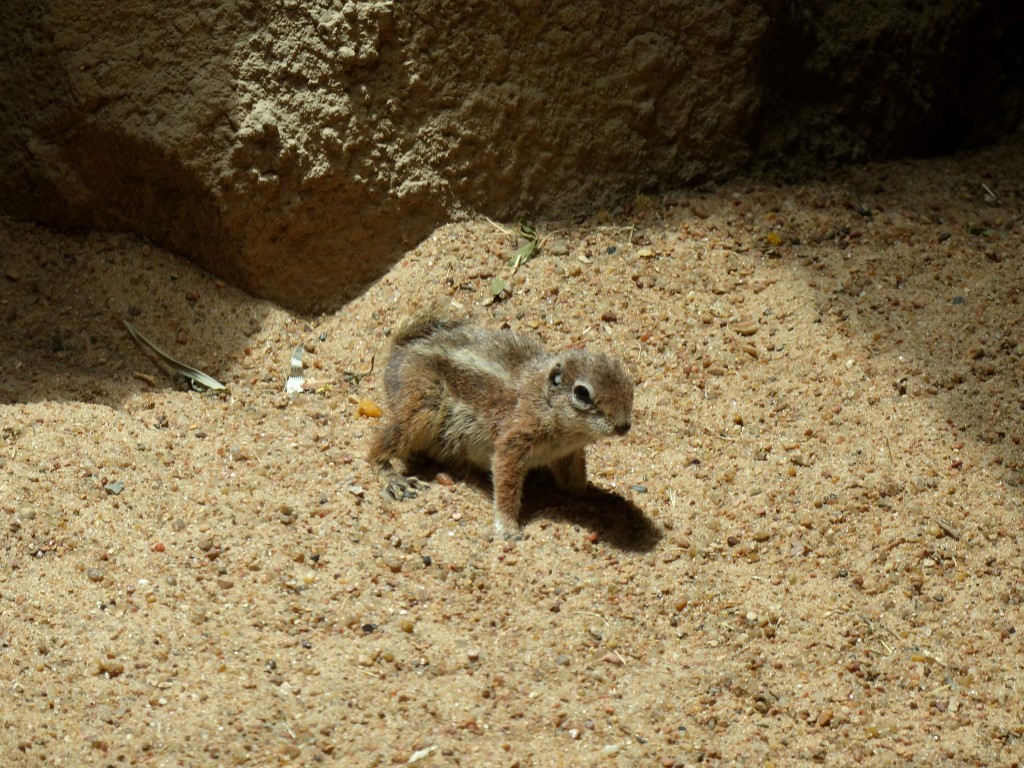
Antelope Ground Squirrel Houston Zoo 5-6-15 by Lee (2)

This one looks like a youngster, so they are following the Lord’s command to fill the earth:

Bring forth with thee every living thing that is with thee, of all flesh, both of fowl, and of cattle, and of every creeping thing that creepeth upon the earth; that they may breed abundantly in the earth, and be fruitful, and multiply upon the earth. (Genesis 8:17 KJV)

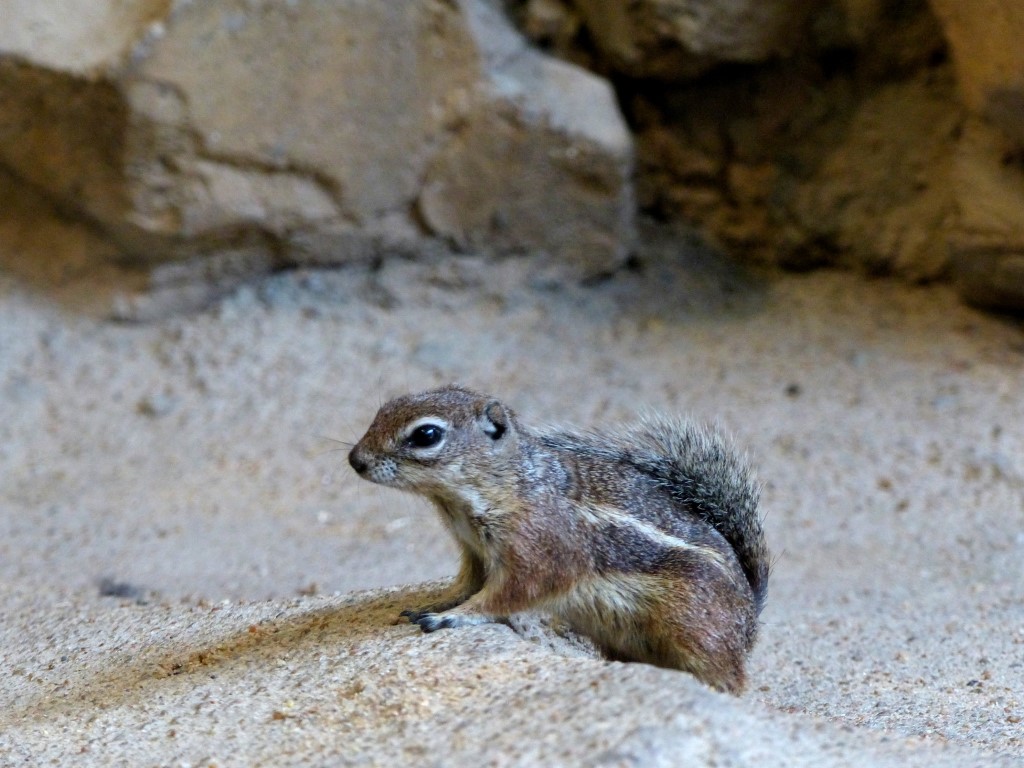
Antelope Ground Squirrel by Lee

Antelope Ground Squirrel by Lee

“Antelope squirrels are commonly found in dry, shrubby areas of the southern United States into Mexico. These areas are sandy with rocky areas that provide soil that can be burrowed into for shelter and to escape the heat of the day. The temperatures in these regions can exceed 37.8 °C (100.0 °F) during the day and require special adaptations by the ground squirrels to survive. During the night, temperatures in these desert and dry areas may dip below freezing which again requires adaptations to survive. There is very limited free-standing water supply. These regions often suffer from long bouts of drought.” (Wikipedia) Could it just be that again their Creator created them for this big swing in temperature?

Here are all the photos taken of this adorable cute little critters:

I know these aren’t birds, but I am sure there are some birds out there that know all about them.
*


Beauty of Pollination Video

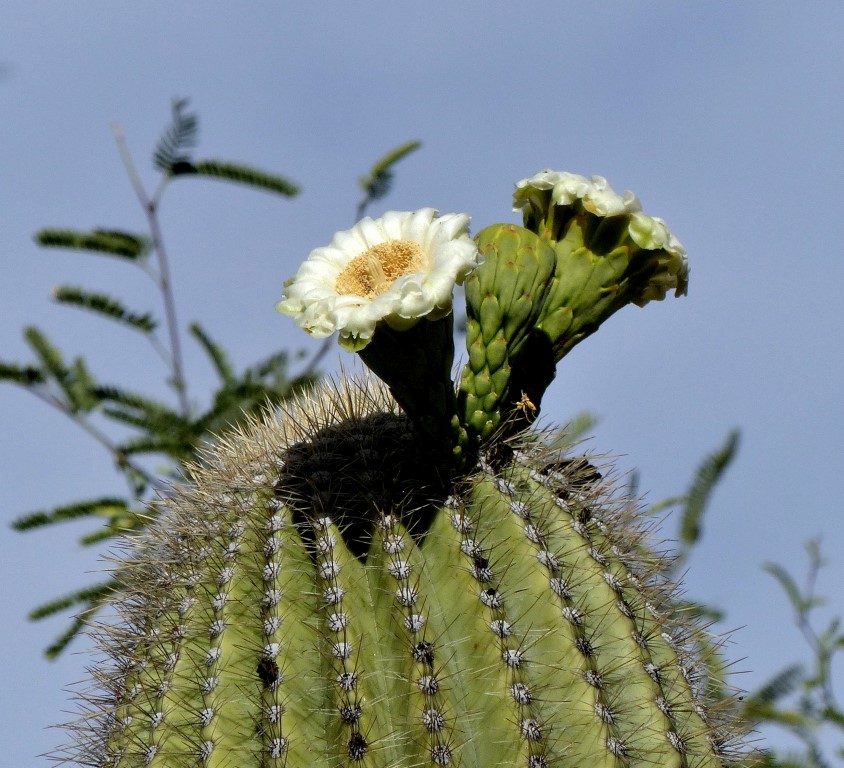
Another friend sent this video. It is worth watching. Amazing photography. The cactus flower part was very interesting considering we saw so many of them on our recent trip.

Cactus Flower - Arizona Living Desert Museum by Lee

Cactus Flower – Arizona Living Desert Museum by Lee

From the e-mail:

Take just 4 1/2 minutes of your time to WATCH this…..It is worth every moment…..
Then ask yourself “How do atheists explain these wonderful happenings ? “
Be sure to watch this on the largest computer screen you have (HD if possible)
And have your sound turned on.
The hummingbird doing rolls chasing a bee is not to be missed.
Be sure and watch closely (around 2 min 40 sec) and check out the baby bat under its mother. Unreal.
If you never knew what goes on in the garden when you aren’t paying attention, watch this – some of the finest photography you will ever see.

*
Wordless Birds
*

Sunday Inspiration – Fantails

Rufous Fantail (Rhipidura rufifrons) by Ian

Rufous Fantail by Ian

Thou shalt fan them, and the wind shall carry them away, and the whirlwind shall scatter them: and thou shalt rejoice in the LORD, and shalt glory in the Holy One of Israel. (Isaiah 41:16 KJV)

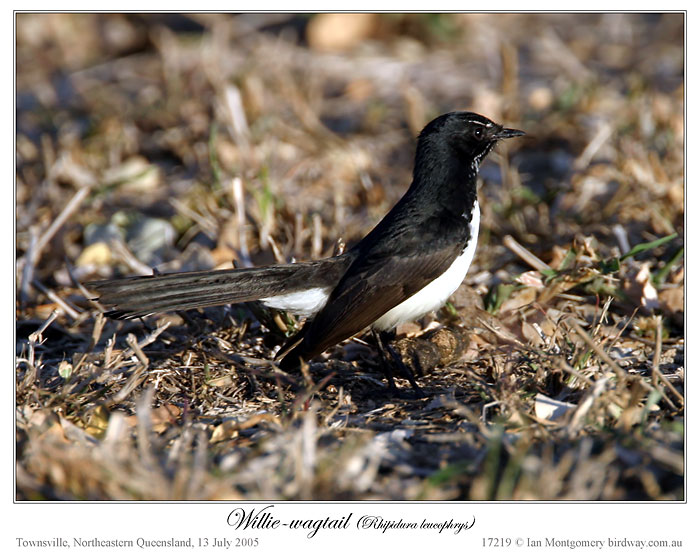
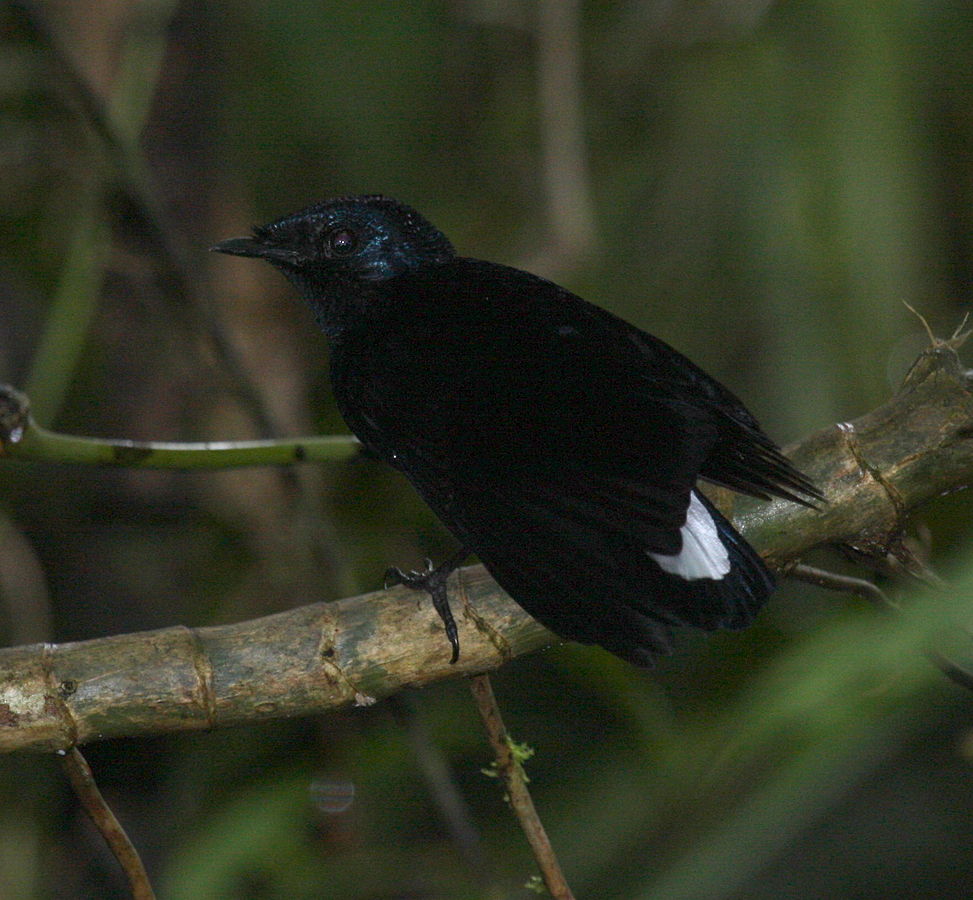
This week’s Inspiration comes from the Rhipiduridae – Fantails Family. You can see by Ian Montgomery’s photo above where their name came from. This family of birds has 50 species. All but three are Fantails. The other three are the Willie Wagtail, Silktail, and the Pygmy Drongo.

Fantails are small insectivorous birds of Australasia, Southeast Asia and the Indian subcontinent belonging to the genus Rhipidura in the family Rhipiduridae. Most of the species are about 15 to 18 cm long, specialist aerial feeders, and named as “fantails”, but the Australian willie wagtail, is a little larger, and though still an expert hunter of insects on the wing, concentrates equally on terrestrial prey.

Willie Wagtail (Rhipidura leucophrys) on Wallaby by Ian Montgomery

Willie Wagtail (Rhipidura leucophrys) on Wallaby by Ian

The willie (or willy) wagtail (Rhipidura leucophrys) is a passerine bird native to Australia, New Guinea, the Solomon Islands, the Bismarck Archipelago, and Eastern Indonesia. It is a common and familiar bird throughout much of its range, living in most habitats apart from thick forest. Measuring 19–21.5 cm (7 128 12 in) in length, the willie wagtail is contrastingly coloured with almost entirely black upperparts and white underparts; the male and female have similar plumage.

Silktail (Lamprolia victoriae) ©WikiC

Silktail (Lamprolia victoriae) ©WikiC

The silktail (Lamprolia victoriae) is a species of bird endemic to Fiji. It is the only member of the genus Lamprolia. This beautiful bird looks superficially like a diminutive bird of paradise but it is actually closely related to the fantails.

The pygmy drongo or Papuan drongo (Chaetorhynchus papuensis) is a species of bird endemic to the island of New Guinea. It is the only species in the genus Chaetorhynchus. The species was long placed within the drongo family Dicruridae, but it differs from others in that family in having twelve rectrices instead of ten. Molecular analysis also supports moving the species out from the drongo family, instead placing it as a sister species to the Silktail of Fiji, and both those species in the fantail family Rhipiduridae. Some authorities reference the bird as the pygmy drongo-fantail. (Information from Wikipedia)

This slideshow requires JavaScript.

For which cause I remind you to fan into flame the gift of God which is in you through the laying on of my hands. (2 Timothy 1:6 LITV)

“So Send I You” – Men’s Quartet – Faith Baptist

*

*

A FLY WITH ANTS ON ITS WINGS – (Re-post)

Fruit Fly with wings of beauty ©©

Fruit Fly with wings of beauty ©©

A FLY WITH ANTS ON ITS WINGS

“For the invisible things of him from the creation of the world are clearly seen, being understood by the things that are made, even his eternal power and Godhead; so that they are without excuse.” (Romans 1:20)

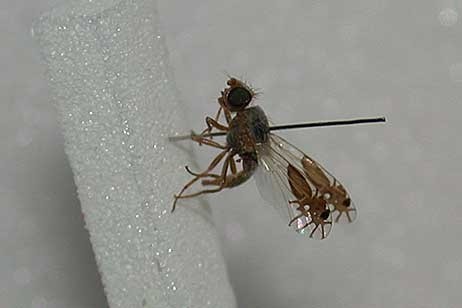
When most people look at a photo of the Goniurellia tridens fruit fly, they think it must have been created by a talented Photoshop artist. No, this fly with images of ant-like insects on its wings is no accident of nature. The images were put there by a Master Designer.

This is the photo that appeared with the story in The National. Dr. Brigitte Howarth, the fly specialist at Zayed University in the UAE who first discovered G tridens, said that the image on the wing is absolutely perfect. She adds that a closer examination of the transparent wings of Goniurellia tridens reveals a piece of evolutionary art. Each wing carries a precisely detailed image of an ant-like insect, complete with six legs, two antennae, a head, thorax and tapered abdomen. When threatened, the fly flashes its wings to give the appearance of ants walking back and forth. This confuses the predator, allowing the fly to escape.

As expected, the story and pictures of G tridens were soon flying all over the Internet. Evolutionists rejoiced, claiming that the fruit fly was a beautiful example of natural selection. But we have to point out that there is no evidence whatsoever to support that claim. As usual, evolutionists simply assume that evolution is true. What they fail to do is show how those images of ants got on the fly’s wings.

Creationists don’t need to provide a step-by-step explanation of how these extraordinary wings developed. The fact is, the design is in their genes! God designed them that way!

Prayer:
Heavenly Father, when I look at the things You have created, I see what unbelievers are unable to see. Open their eyes so they might see that You are the designer who alone has the power to save them from their sins. Amen.

Notes:
Fruit fly with the wings of beauty“, A. Zacharias, The National, 6/28/13. Photo: This is the photo that appeared with the story in The National.

©Creation Moments 2015

What an amazing design from the Lord. One article even show some with spider-like images on their wings. In that case, they cause the attacking spider to stop and start displaying. This gives the spider’s location away, allowing the Fruit Fly to escape. The Lord even protects the littlest of things. What a Creator.

*

*


Appreciating Baltimore Orioles and My First Bird Book

“Behold the fowls of the air: for they sow not, neither do they reap, nor gather into barns; yet your heavenly Father feedeth them. Are ye not much better than they?”  Matthew 6:26
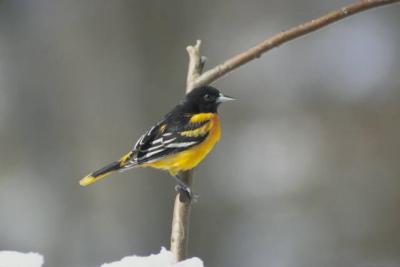
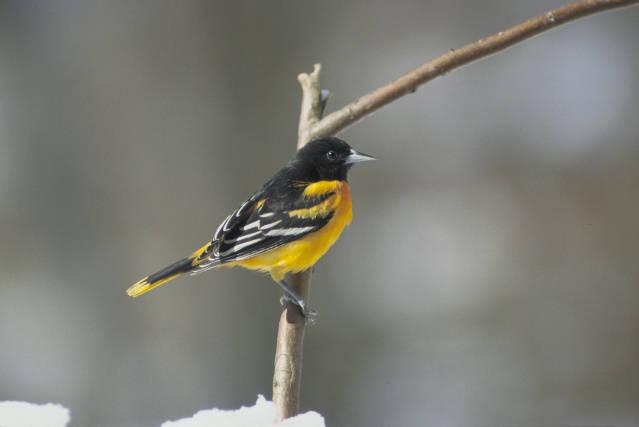
Baltimore Oriole (Icterus galbula) ©USFWS

Baltimore Oriole (Icterus galbula) ©USFWS

As beautiful and valuable as the Baltimore Oriole is—especially to Marylanders—God has made us children of Adam, even in our fallen (and redeemable) condition, “much better than they”. God truly cares for us and for our needs, including our need for truth and our need to belong to Him, through the saving merits of our Redeemer, the Lord Jesus.
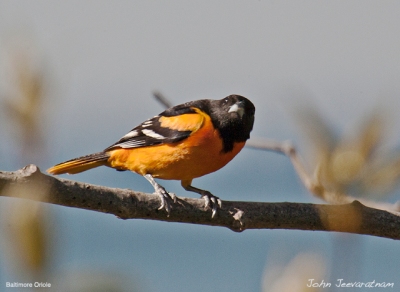
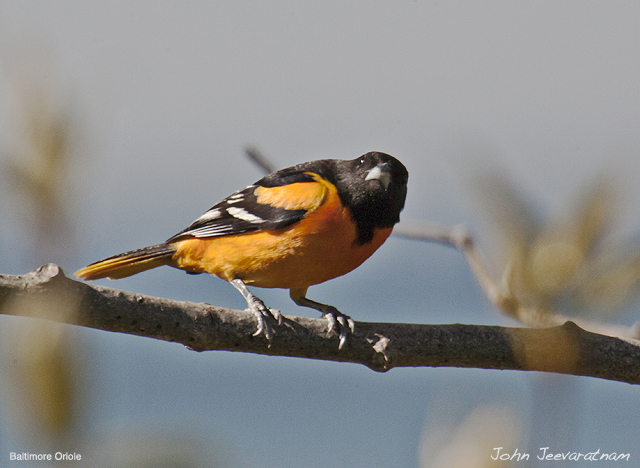
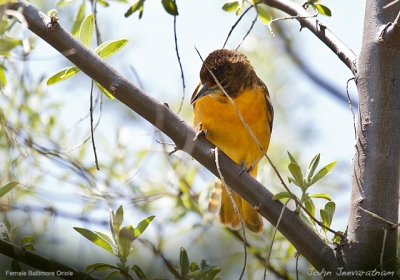
Baltimore Oriole (Icterus galbula) Male by Nature's Hues

Baltimore Oriole (Icterus galbula) Male by Nature’s Hues

The Baltimore Oriole (Icterus galbula), a small migratory icterid (i.e., member of the blackbird family) is the state bird of Maryland. Adults grow to about 7 or 8 inches long. Migrating south for the winter, the Baltimore Orioles summer in most of America’s “lower 48” states, except not in the coastal southeast (from Texas’s Gulf coast up to Virginia’s coast). But the only orioles I saw were the pictures on baseball caps (and usually that came from looking at baseball cards)! As a small boy my family often listened to radio broadcasts of Baltimore Oriole baseball games.


597px-Orioles_new Baltimore Orioles Flickr Charlie Lyons-Pardue

Even the coloring of the Baltimore Oriole is appropriate, to represent the state of Maryland, because the state flag of Maryland has a combination of gold (or golden yellow), black, white, and red.

Flag of Maryland

Flag of Maryland

The Baltimore Oriole has three of those four colors—but no red. Although I was physically born outside of Maryland (at a very young age!), all of my boyhood and youth (20 years) were spent somewhere within the “Old Line State”. And, as described below, it was in Maryland where I received my first bird book, as well as where I first believed in the Creator of all birds: the Lord Jesus Christ, Who is both my Creator and my Savior. In the next few paragraphs I will briefly mention my introduction to the “creation controversy”, and how that topic was linked to my first bird book.

Creation can be controversial! Learning to appreciate Genesis, and its foundational truths, has been an ongoing adventure for me. As a pre-school child I was generally taught, by my parents, that the Holy Bible was God’s Word, and that God made everything, including me. Not until kindergarten, however, would I learn that some people disagreed about God being the Creator. There was no public kindergarten (in Waldorf, Maryland) when I was old enough to attend one, so my parents enrolled me in a private kindergarten taught by a Mrs. Wheeler, a local Baptist lady who taught in her home. (Mrs. Wheeler’s faith was “different” from that of my parents, but “not in a bad way … you’ll do fine at her school”.) Mrs. Wheeler always prayed reverently and thankfully when we had snacks. Mrs. Wheeler also taught that the Bible was God’s Word.

Magnet with clips stuck to it

Magnet with clips stuck to it

As a kindergartener I enjoyed learning to match words (specifically, nouns of concrete things) to alphabet letters, finding at least two words for each alphabet letter (when our class was assigned the task of finding one each!), until the letter X stumped me—x-ray was the only words that I know of, that started with an X. One day Mrs. Wheeler taught us to touch a magnet to various physical objects. Some were instantly attracted but others were not. Mrs. Wheeler’s college-attending daughter was there, that day, being home “on break”, so she was helping her mother with us kindergarteners. Probably not noticing that I was listening, the daughter asked (something like), “Why are you trying to teach them about magnets? Science like that is way over their heads. They won’t understand.” Mrs. Wheeler’s reply I will never forget: “Soon these kids will be taught that ‘science’, without God, explains life, and they will wonder if intelligent people should believe in God and the Bible. I want them to have a memory, from kindergarten, that the first person to teach them any ‘science’ was someone who believed in Jesus and the Bible, and who prayed with them.” Wow! That astounded me! When I went to “big school”, like my older brother, I would be taught to learn “science” but no Bible!—nothing about God. Why would “big school” be like that? So Mrs. Wheeler, with her daughter’s help, had just warned me that a godless version of “science” awaited me. In second grade, at Damascus (Maryland), I would learn more about this controversy.
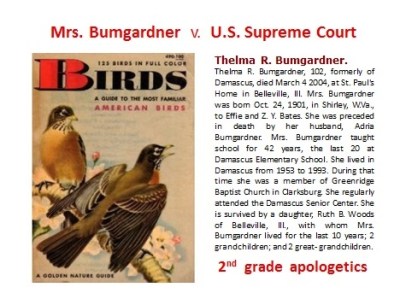
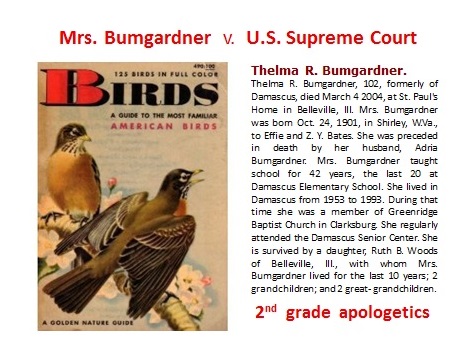
At the end of second grade, while being given my first bird book, I learned more Genesis apologetics, from Mrs. Thelma Bumgardner (see picture of the bird book, BIRDS, A GUIDE TO THE MOST FAMILIAR AMERICAN BIRDS [NY: Golden Press/Golden Nature Guide, 1964; co-authored by Herbert S. Zim & Ira N. Gabrielson; illustrated by James Gordon Irving; 160 pages].
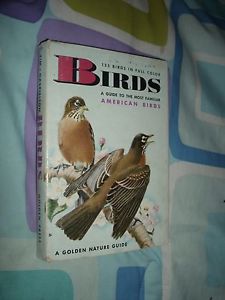
Guide to Most Familiar Birds

Guide to Most Familiar Birds

The bird book I still have, to this day (shown above, next to her obituary notice). How did it happen? Why was it so important that I remember it now, more than a half-century later? It was Mrs. Bumgardner’s custom to give a bird book to one boy and to one girl, at the end of the school year. The privileged girl was Mary Kellogg; the privileged boy was me. When explaining the gift to me Mrs. Bumgardner said that the pictures would help me to learn about many beautiful birds that God made, and that He made them to live in different kinds of places and eat different kinds of foods. Then she turned to pages 12-13, which presented an official-looking Family Tree of Birds”, beginning with this sentence: “Birds developed from reptile ancestors millions of years ago, as internal structures and scaly legs still show.” Mrs. Bumgardner said that the chart was not true, that some people who didn’t like to admit that God made birds (like the Bible said He did) invented the chart to pretend that birds accidentally become what they are by something called “evolution”. “It’s all just a lie, so they won’t have to think about Who God is”, Mrs. Bumgardner warned me, “but don’t worry about the false ideas on those two pages—just enjoy the rest of the book, because the rest of the book teaches a lot of true facts about God’s birds.” Wow! Again I was surprised—who would think that liars would put pictures in a book so they could try to forget Who God is? The bird book is a treasure I never forgot—and I love it to this day.

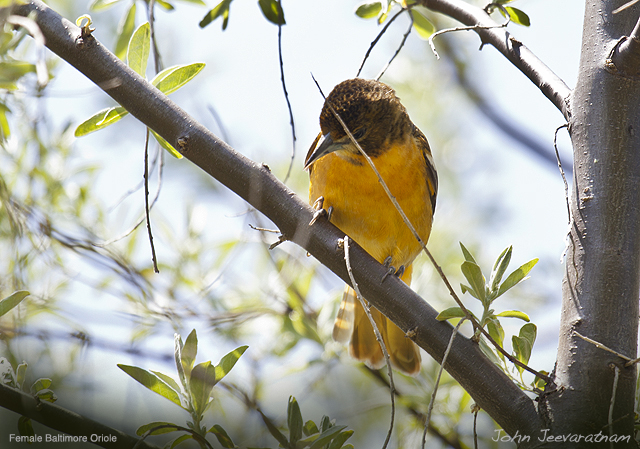
Perhaps you are wondering if my bird book included mention of the Baltimore Oriole. It did! On page 108, with a picture and range map, it says: “The brilliant male is a showy bird . The female is a dull orange-yellow with two pale wing bars. Bullock’s Oriole (8 in.) of the West is like the Baltimore but has orange on sides of head and over eye. The Orchard Oriole (6½ in.), east of the Rockies, is also similar, but with chestnut, not orange. The female Orchard Oriole resembles the female Baltimore but is greenish-yellow instead of orange-yellow.”

Speaking of orange, providing oranges (i.e., the citrus fruit), halved, is known to attract orioles—they love to eat fruits, such as oranges, berries, or even grape jelly. Leafy deciduous trees or thick shrub foliage might attract them to your backyard, especially if your backyard provides a “total package” of food, water, sheltering foliage, and trees suitable for their deep bag-like hanging nests. They immigrate north during in spring (late March or early April) and emigrate south in autumn.
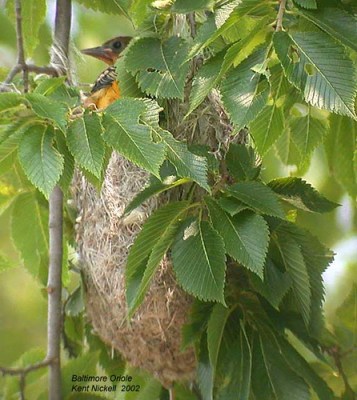
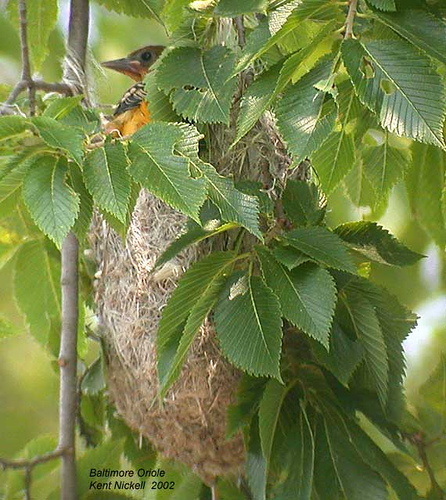
Baltimore Oriole (Icterus galbula) on nest by Kent Nickell

Baltimore Oriole (Icterus galbula) on nest by Kent Nickell

Mrs. Bumgardner also taught us about John 3:16, which I would rely upon in a very personal away 3½ years later; she also would pray for us, telling us that she knew that the Supreme Court wouldn’t like that, but that the prophet Daniel was told not to pray and he did anyway—and God took care of Daniel, so He would take care of her. Still I remember knowing that Mrs. Bumgardner loved us second-graders, and she cared that we would learn to appreciate God, and it was obvious that she herself loved God and His Word. It was during the first half of my sixth grade year, however, before I would confirm my own personal belief in the Lord Jesus, as my personal Savior and Shepherd, but God foreknew that day was coming—and one day I will thank both Mrs. Wheeler and Mrs. Bumgardner, face-to-face, for caring enough to creatively teach me the truth about my Creator-God.

Meanwhile, ever since the end of second grade I have been enjoying my bird book (and many more that I have acquired since then), knowing how God cares about those beautiful birds—who have such variety. Yet He cares so much more for me (as John 3:16 proves).

What a wonderful start I was given to a happy habit of birdwatching (decades before I would ever teach ornithology at Dallas Christian College), — and Mrs. Bumgardner’s bird book disclaimer, by God’s providence, foreshadowed my later years as a teacher of Genesis-based creation studies!
Baltimore Oriole (Icterus galbula) Female by Nature's Hues

Baltimore Oriole (Icterus galbula) Female by Nature’s Hues

My Western Greater Roadrunners

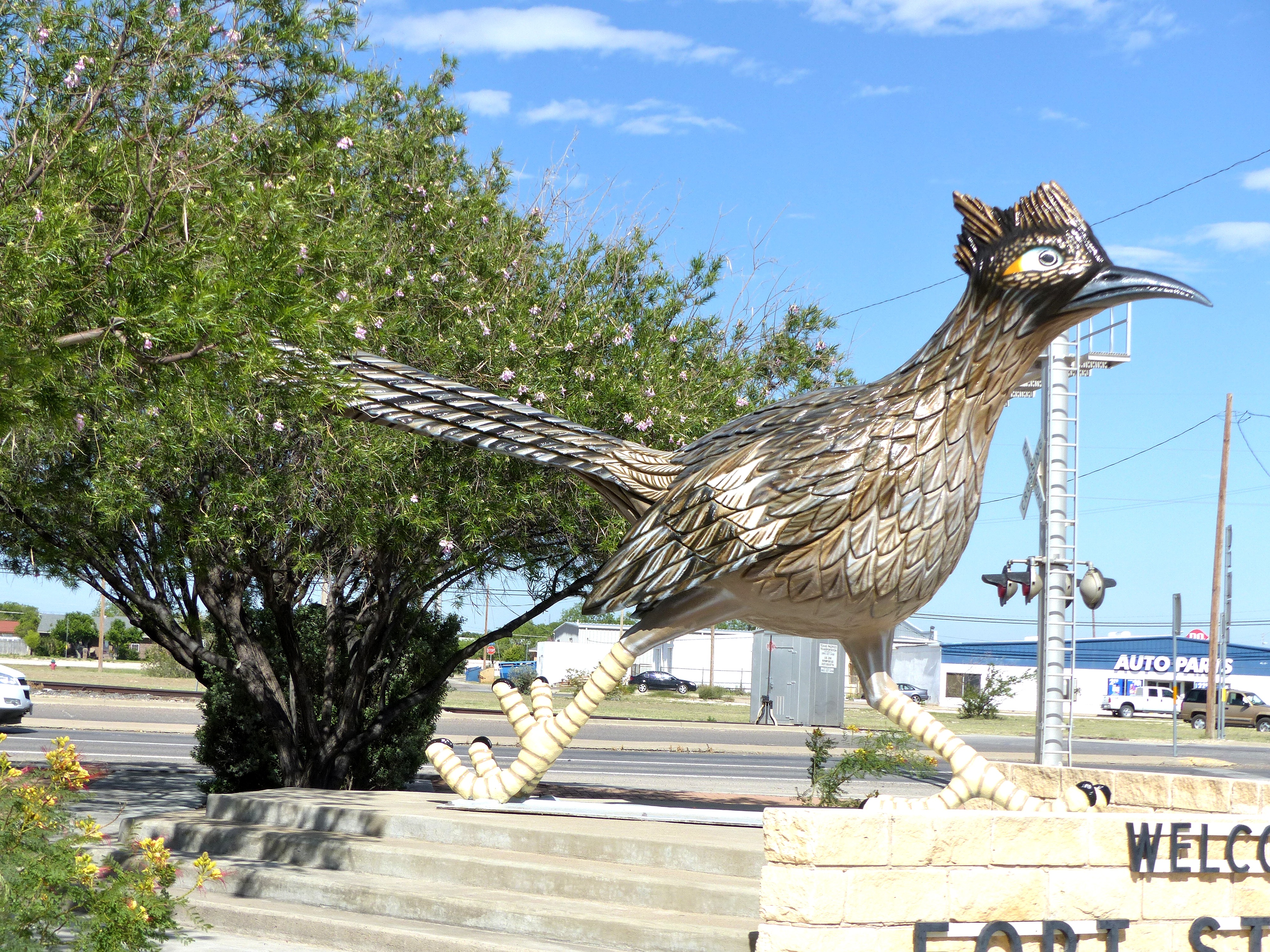
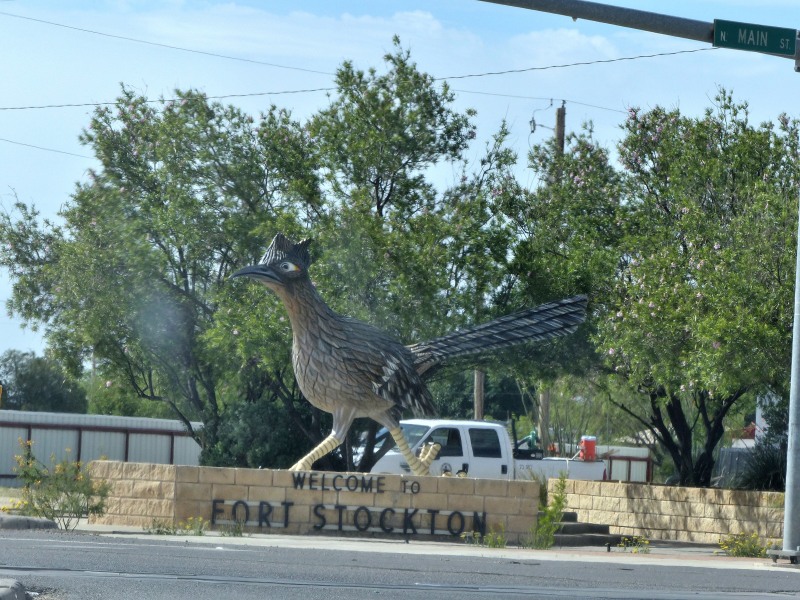
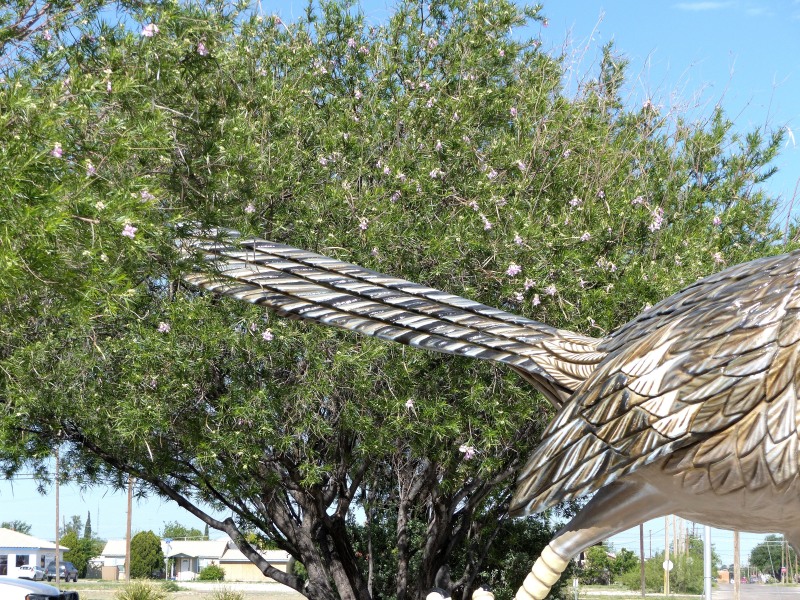
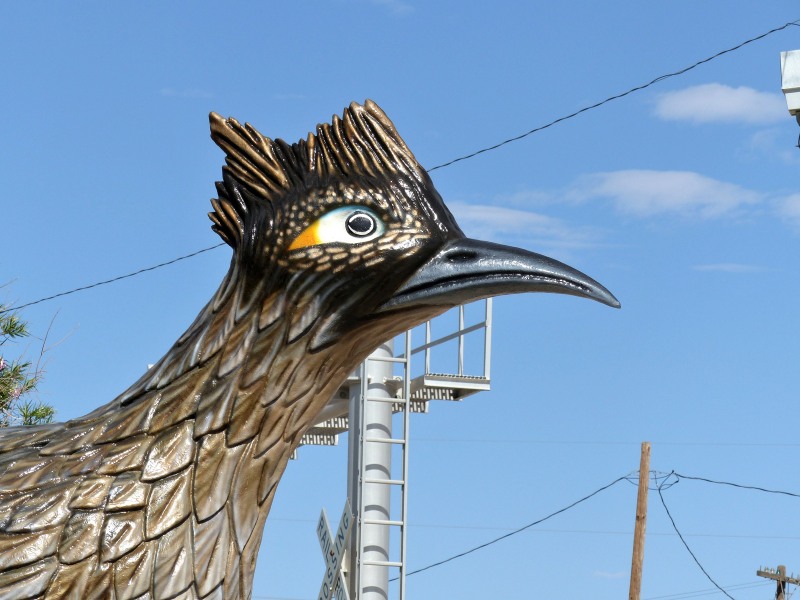
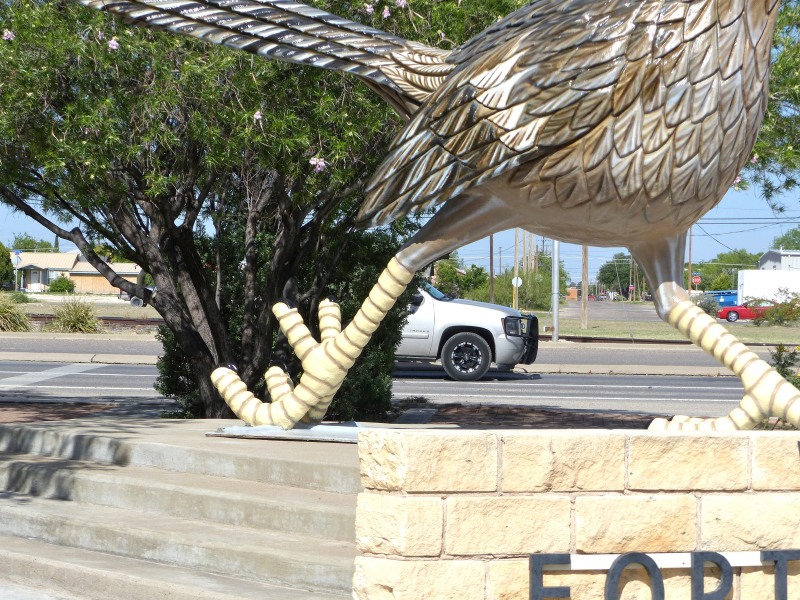
Roadrunner in Ft Stockton TX by Lee

Roadrunner in Ft Stockton TX by Lee

And the owl, and the night hawk, and the cuckoo, and the hawk after his kind, (Lev 11:16)

While on our vacation to the West (USA) I wanted to see the Greater Runner. It was one of the top birds on my “to see” list. Disappointed by not finding one in the wild, we were not totally disappointed. Surprised, but not disappointed. I actually saw some years ago, but wanted to photograph a wild one.

When we stopped in Fort Stockton, Texas, we visited the original Camp Stockton and then went to see the “22 foot” Roadrunner. No kidding, it is 22 feet long and 11 feet tall. Of course it was not a live roadrunner. I have since learned that his name is “Paisano Pete.”

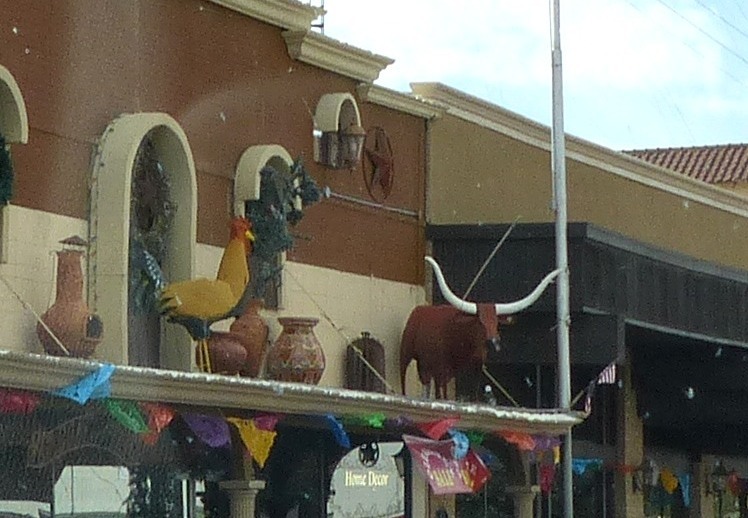
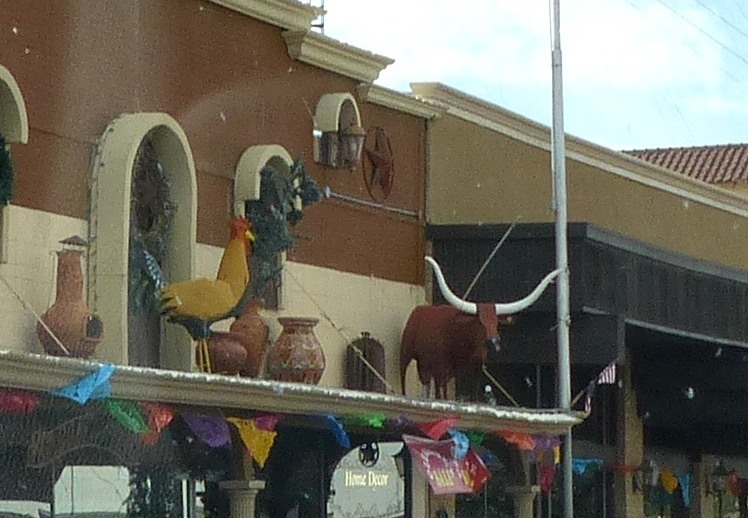
(Bonus) Apparently Fort Stockton likes “big birds” because we found a large chicken also.
Large Chicken in Ft Stockton TX by Lee

Large Chicken in Ft Stockton TX by Lee

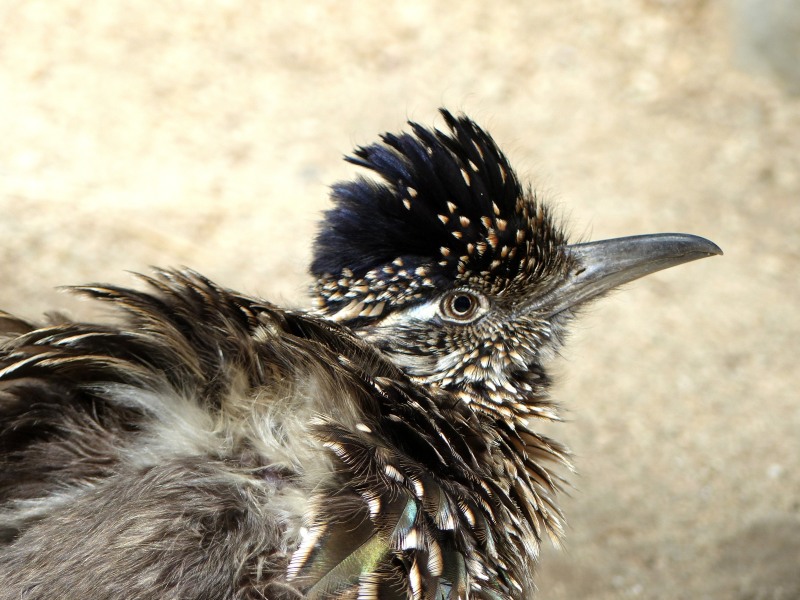
An actual “roadrunner, also known as a chaparral bird and a chaparral cock, is a fast-running ground cuckoo that has a long tail and a crest. It is found in the southwestern United States and Mexico, usually in the desert. Some have been clocked at 20 miles per hour (32 km/h).”
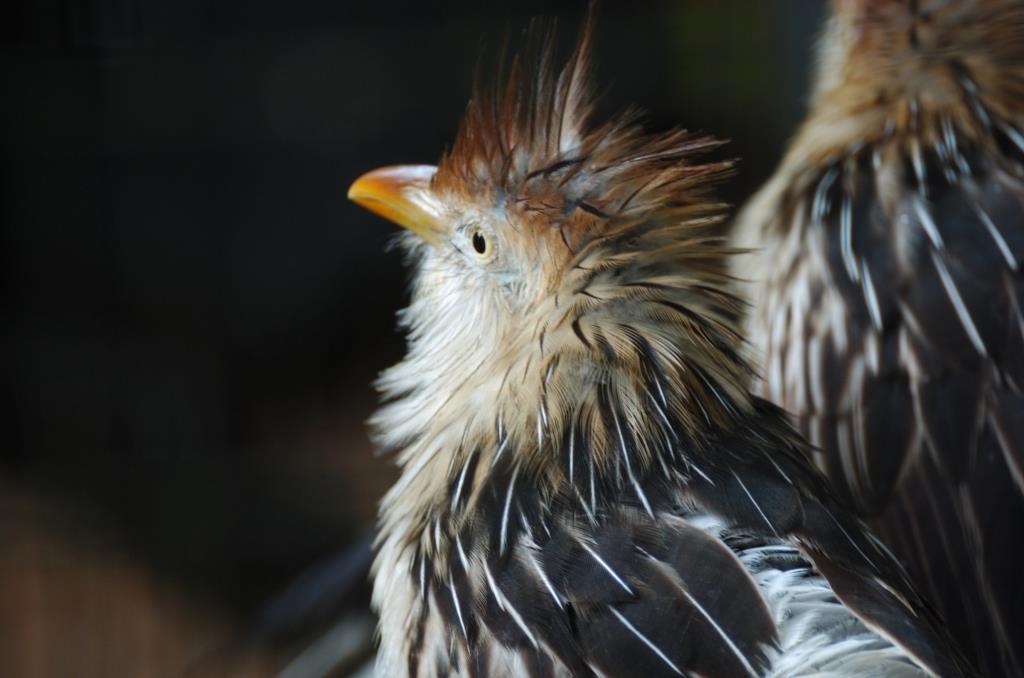
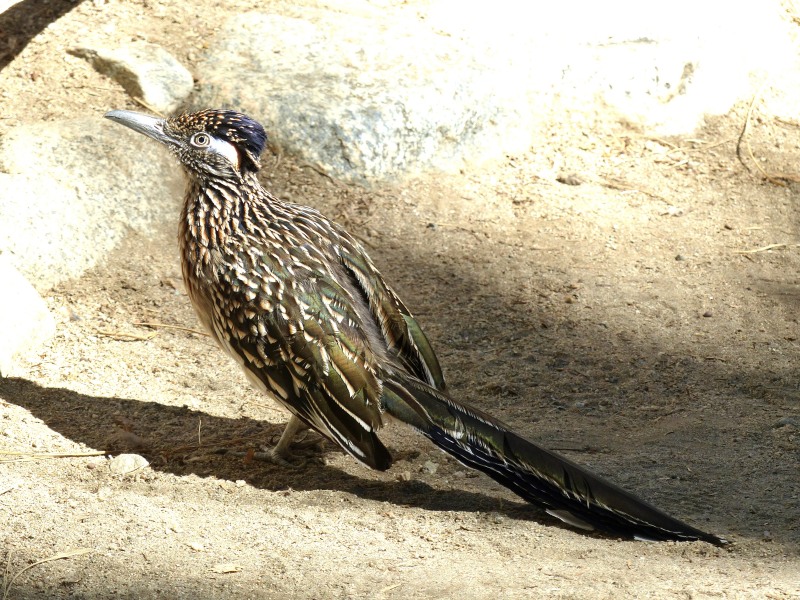
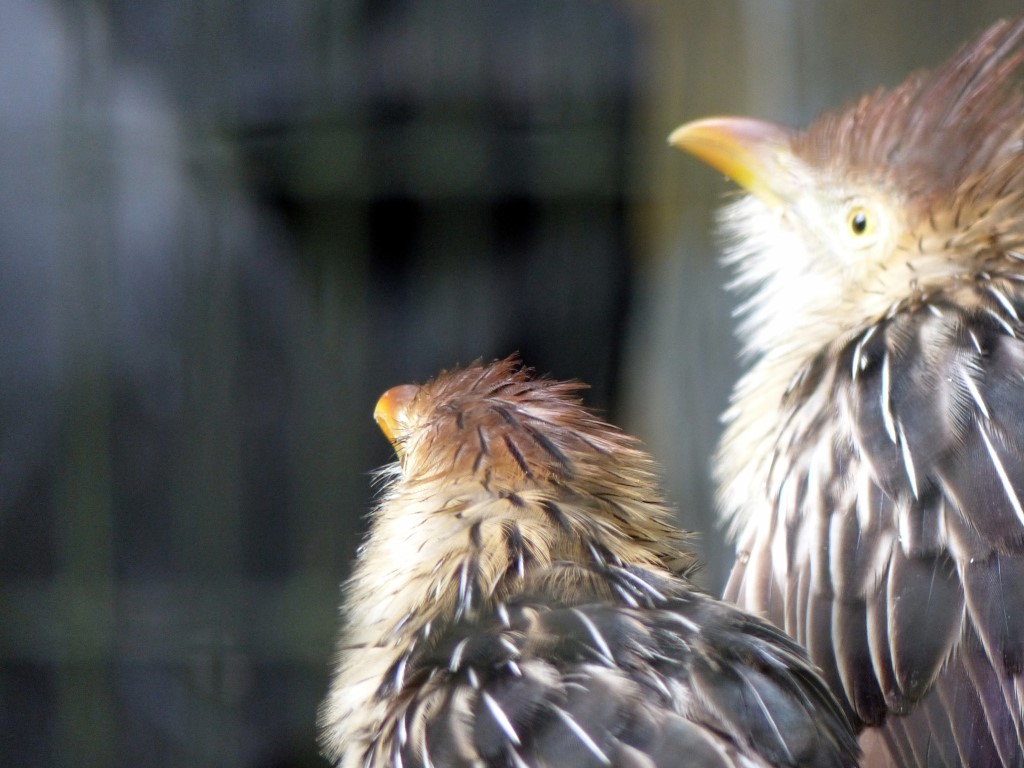
“The subfamily Neomorphinae, the New World ground cuckoos, includes eleven species of birds, while the genus Geococcyx has just two, the greater roadrunner and the lesser roadrunner. The Greater Roadrunner, (Geococcyx californianus), inhabits Mexico and the southwestern United States. The Lesser Roadrunner, (Geococcyx velox), inhabits Mexico and Central America.” (Wikipedia)

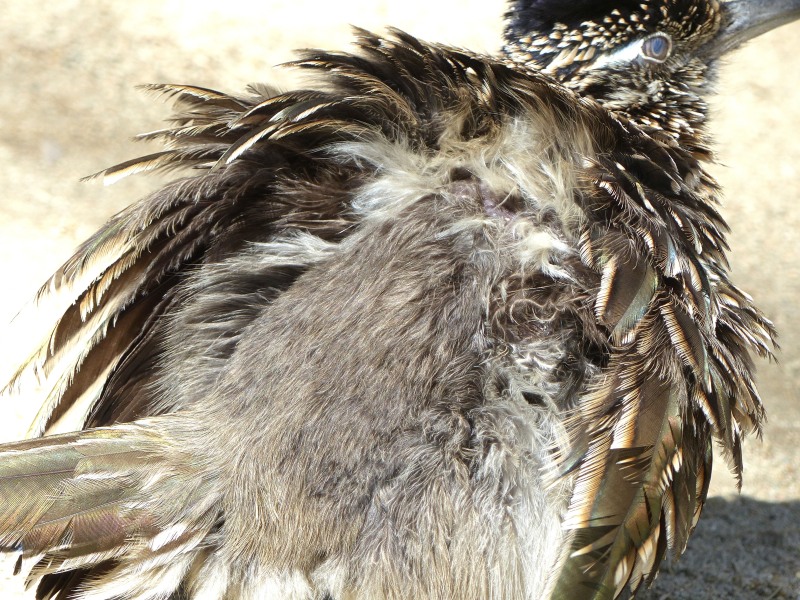
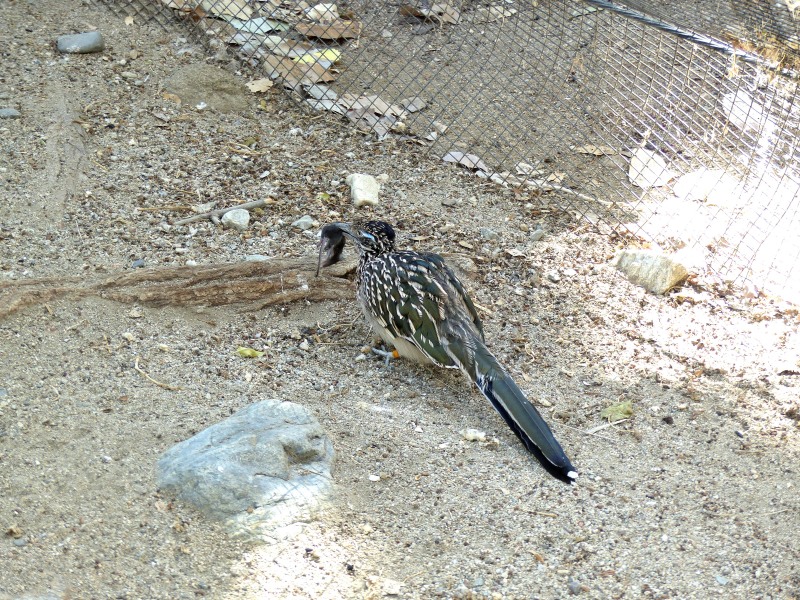
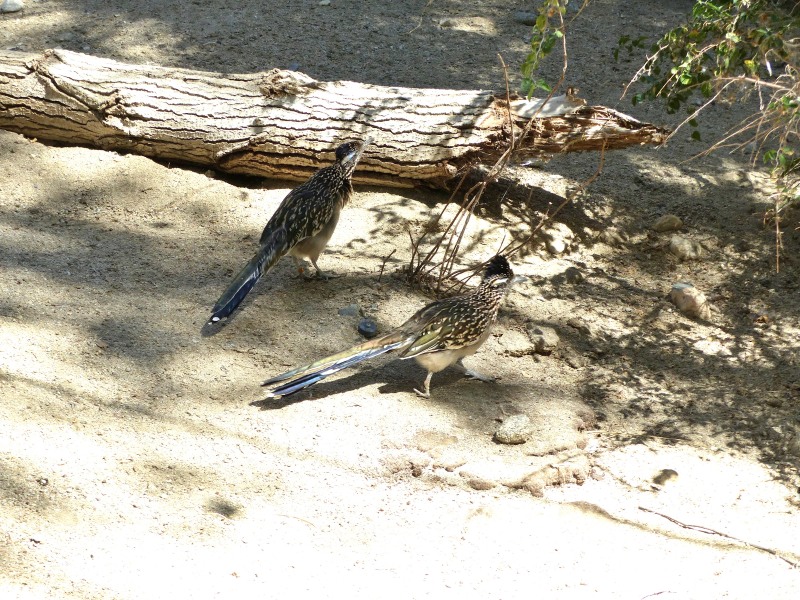
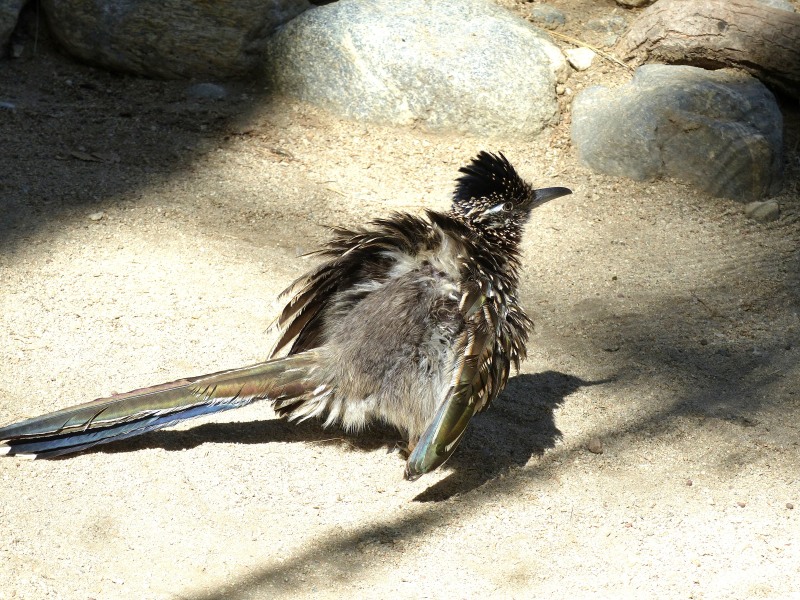
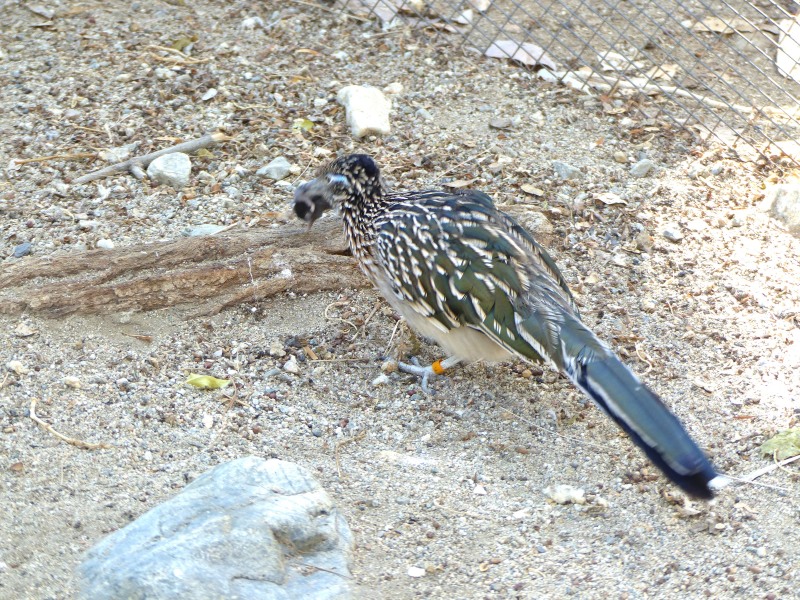
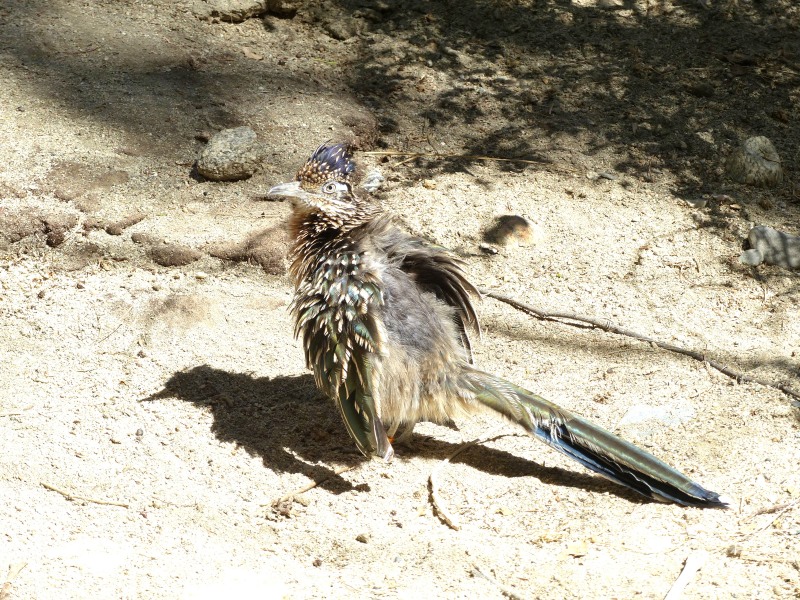
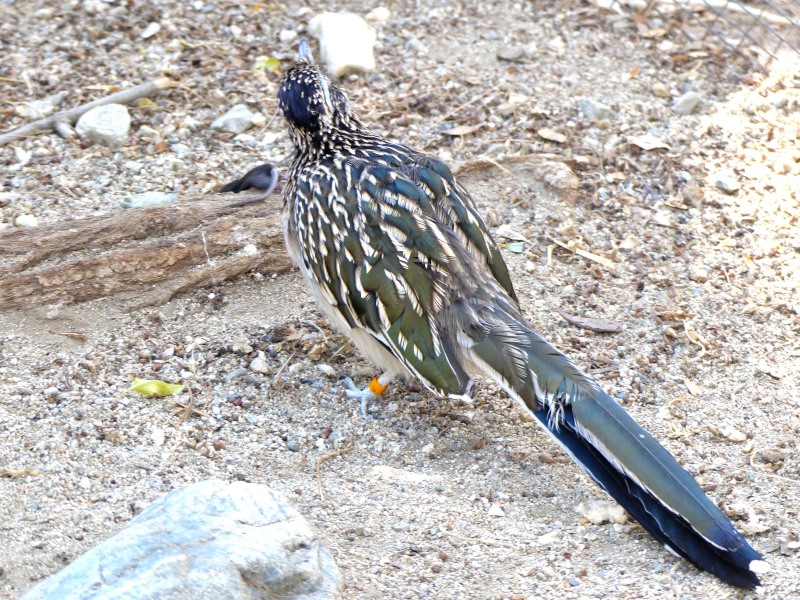
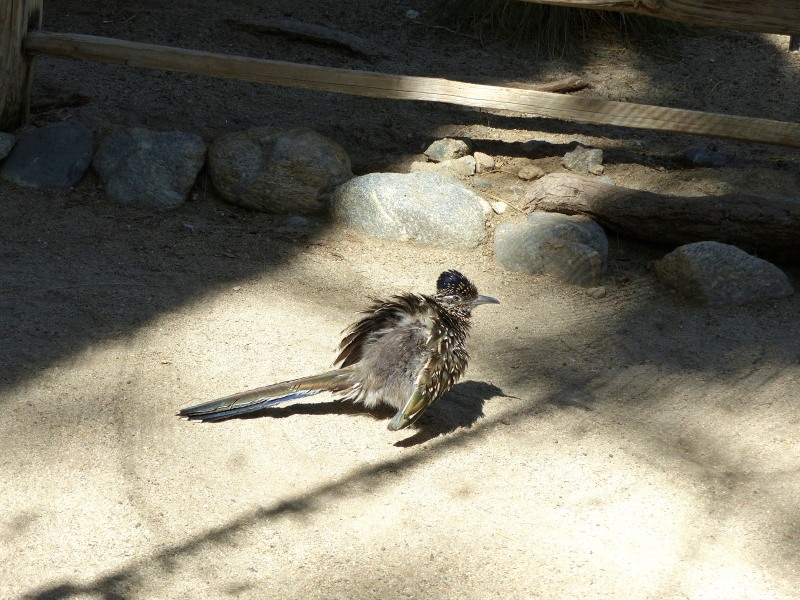
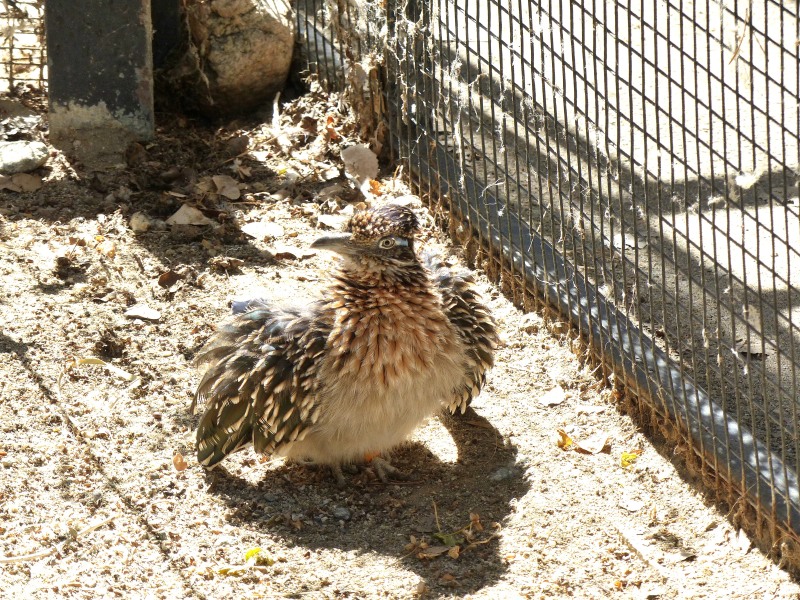
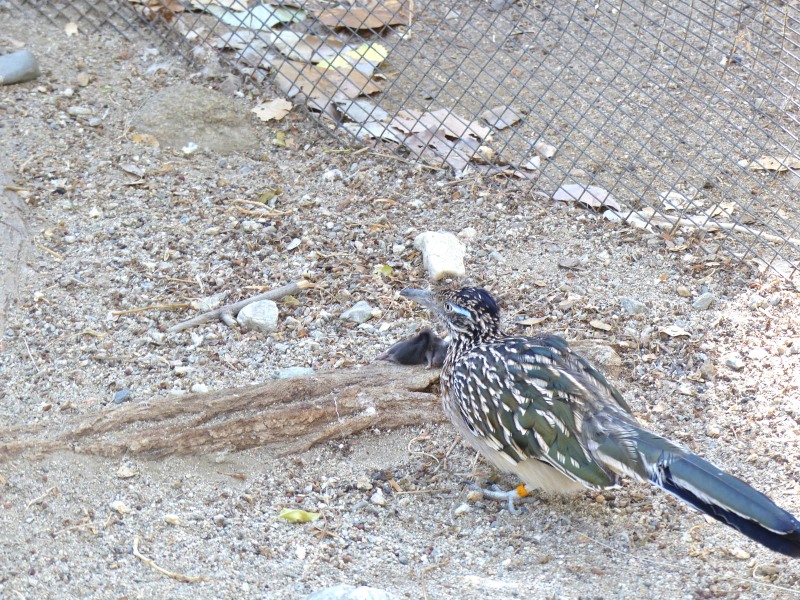
Well, “Paisano Pete” definitely would not count as a real bird, so I had to keep looking. We saw some in a Zoo or two, but when we got to the Living Desert Zoo in California, we were able to really see two of them. They were in an aviary where we saw them up close and not through a cage wire. These are the Greater Roadrunner (Geococcyx californianus). One was warming itself by exposing its feathers on the back and the other was trying to kill a dead mouse and chase a Turkey Vulture around. Got within two feet of one of them.

Roadrunner Warming up at Living Desert Zoo CA

Roadrunner Warming up at Living Desert Zoo CA


Roadrunner with mouse at Living Desert Zoo CA by Lee

Roadrunner with mouse at Living Desert Zoo CA by Lee


*

Fort Stockton, Texas: Paisano Pete: Giant Roadrunner

Paisano Pete

Living Desert Zoo and Garden

Fort Stockton, Texas – Wikipedia

Greater Roadrunner – Wikipedia

Birds of the Bible – Cuckoo

Cuckoos – Cuculidae Family

*