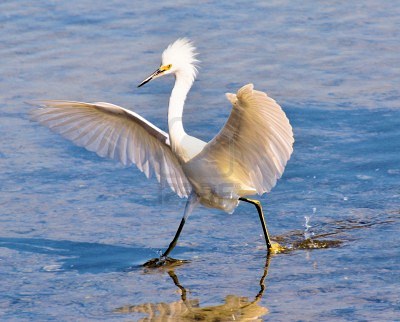
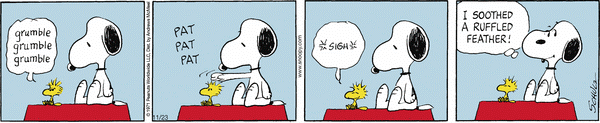
Smoothing A Ruffled Feather

Copyright Peanuts/Distributed by Universal Uclick for UFS

Snoopy has provided another service for Woodstock

I always enjoy the reactions between these two. But, OH! the ruffled feathers that we have seen on birds. Maybe they should stop by Snoopy for some help.

“Everyone helped his neighbor, And said to his brother, “Be of good courage!” (Isaiah 41:6 NKJV)


Give Thanks – Sparrows

House Sparrows watching Parrot show at National Aviary by Lee

House Sparrows at National Aviary by Lee

“Oh, that men would give thanks to the LORD for His goodness, And for His wonderful works to the children of men!” (Psalms 107:8 NKJV)

Give Thanks – Crane

Black Crowned Crane (Balearica pavonina pavonina) (West African) Brevard Zoo by Lee

“Praise the LORD! Oh, give thanks to the LORD, for He is good! For His mercy endures forever.” (Psalms 106:1 NKJV)

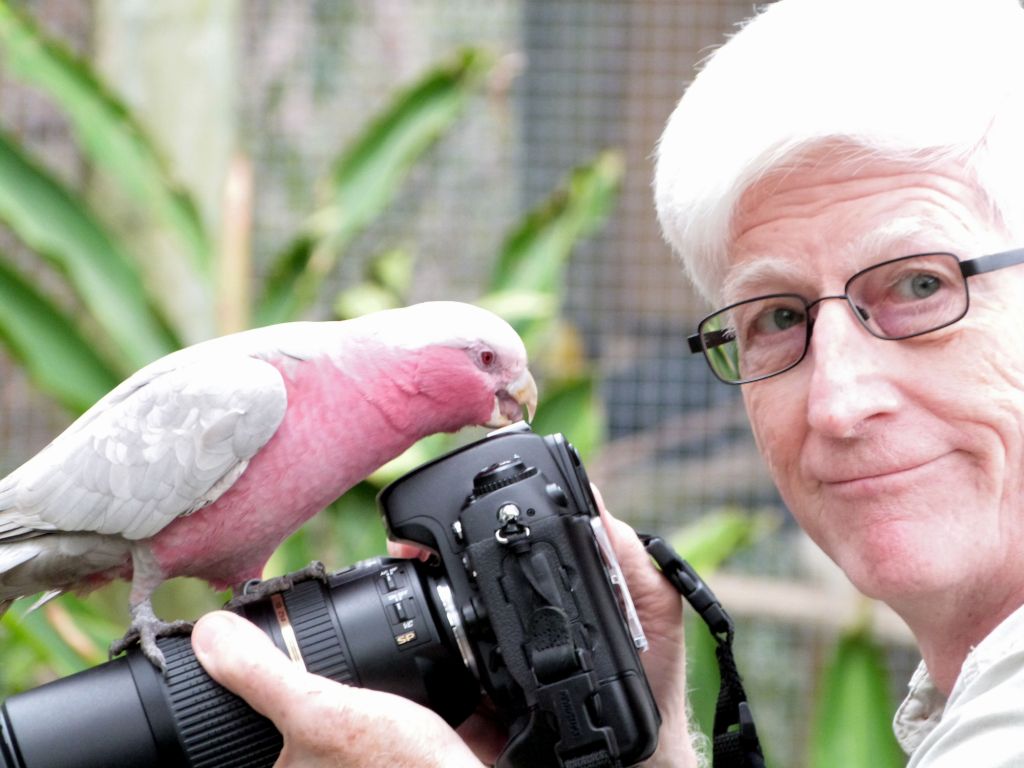
Give Thanks – Galah and Dan

Galah (Eolophus roseicapilla) and Dan

Galah (Eolophus roseicapilla) and Dan at Brevard Zoo by Lee

“… It is good to give thanks to the LORD, And to sing praises to Your name, O Most High;” (Psalms 92:1 NKJV)

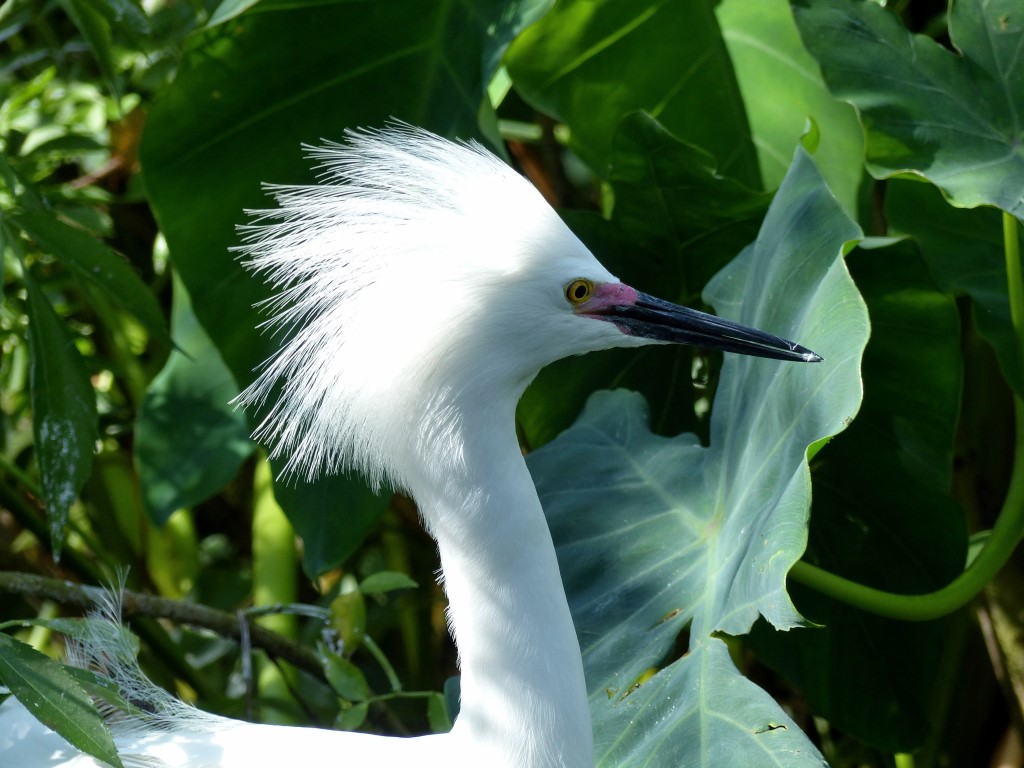
Give Thanks – Egret

Snowy Egret – Gatorland 4-2-15 by Lee

“And whatever you do in word or deed, do all in the name of the Lord Jesus, giving thanks to God the Father through Him.” (Colossians 3:17 NKJV)

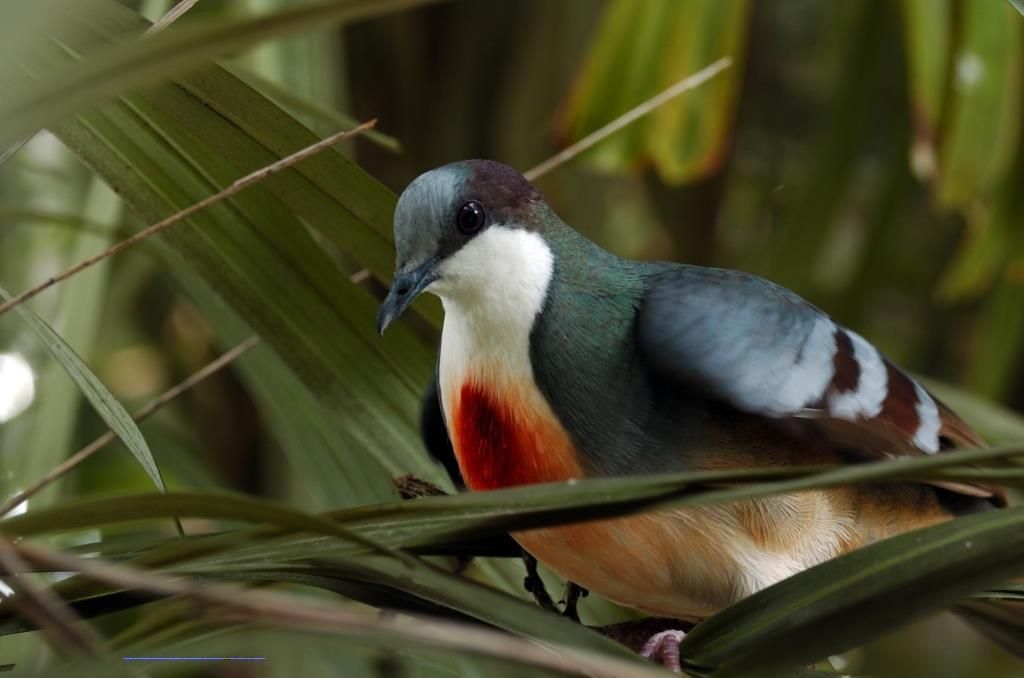
Give Thanks – Bleeding-heart Dove

Luzon Bleeding-heart Dove by Dan at Zoo Miami

“Sing praise to the LORD, you saints of His, And give thanks at the remembrance of His holy name.” (Psalms 30:4 NKJV)

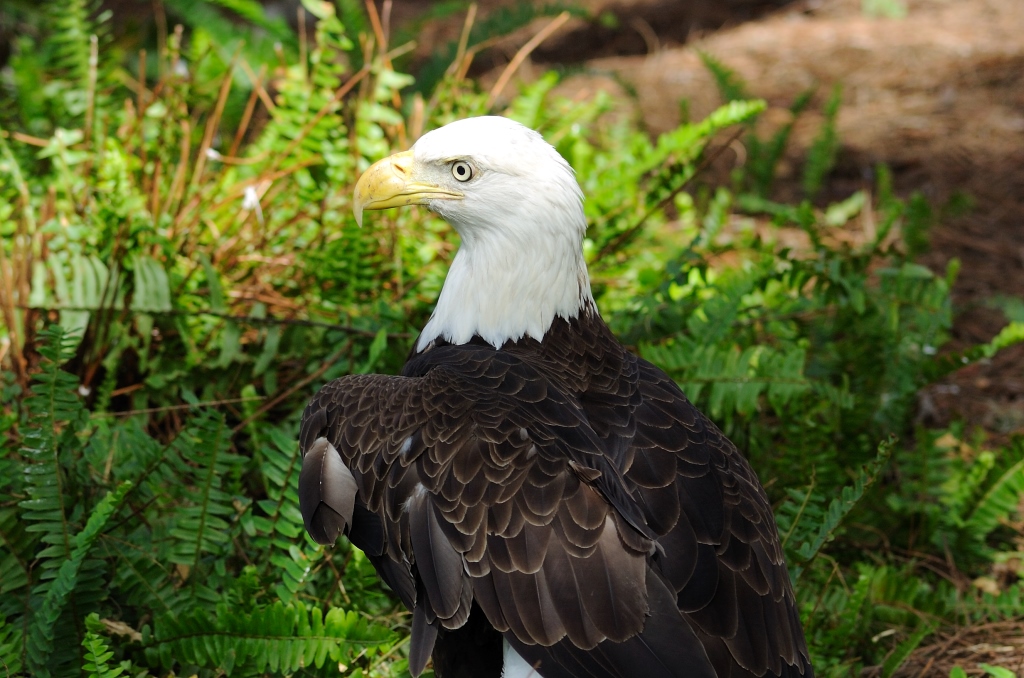
Give Thanks – Eagle

Bald Eagle (close up) Lowry Park Zoo by Dan

“Oh, give thanks to the LORD, for He is good! For His mercy endures forever.” (1 Chronicles 16:34 NKJV)

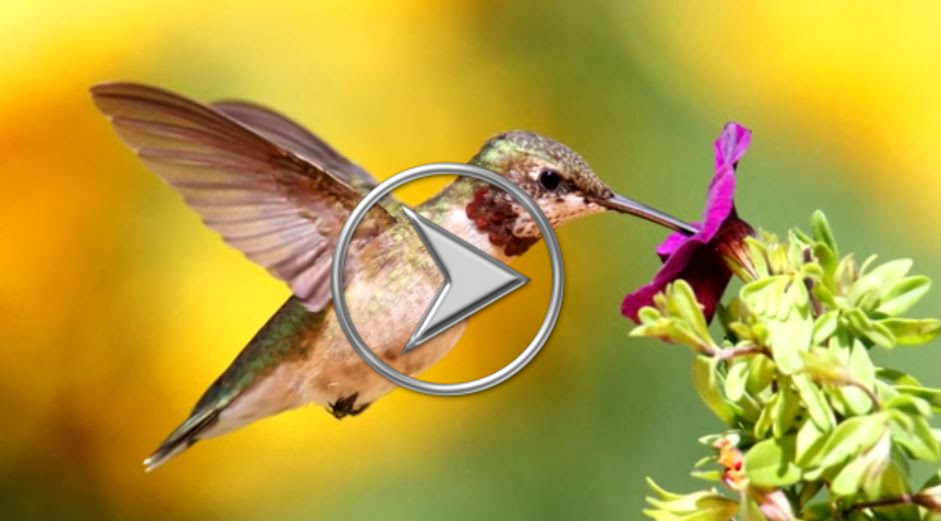
Double Life of a Hummingbird – Creation Moments

Learn more about one of God’s most
unusual creatures by watching our video
“Double Life of the Hummingbird”

Who doesn’t love the beautiful hummingbird? You’ll love them even more after viewing our “Double Life of the Hummingbird” video! That’s because you’ll learn about the unique abilities their Designer has given them. Truly, hummingbirds bear evidence of God’s creative hand!

This Week’s Creation Action Moment:

1. Watch our “Double Life of the Hummingbird” video by clicking here or on the picture above.

[Used with permission of Creation Moments]

Weavers At Work

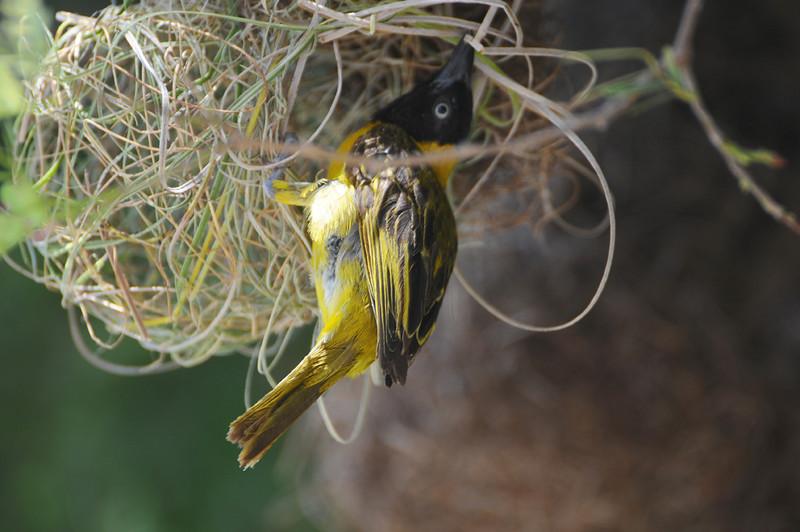
Lesser Masked Weaver (Ploceus intermedius) by Bob-Nan

My days are swifter than a weaver’s shuttle,… (Job 7:6a KJV)

“Them hath he filled with wisdom of heart, to work all manner of work, of the engraver, and of the cunning workman, and of the embroiderer, in blue, and in purple, in scarlet, and in fine linen, and of the weaver, even of them that do any work, and of those that devise cunning work.” (Exodus 35:35 KJV) [This has to do with the Tabernacle bulders, but the wisdom of heart applies here also.]

A friend shared a video with me of the Weaver Birds on Facebook while we were traveling. I thought I would share some of the fantastic weaving ability given these birds by their Creator.

These are just a few of the videos of Weavers at Work

Here’s another video on YouTube taken at the San Diego Zoo

*

*

*

Previous Articles about the Weaver Birds:

Sunday Inspiration – Weavers and Allies
Wonga Dove and Taveta Weavers at Houston Zoo
Nuggets Plus – The Weaver, The Caller (Ready)
Interesting Things – The Weaver Bird
Baya Weaver – The Model Church

Who Paints The Leaves?

  •  

Avian And Attributes – Sharp Part II

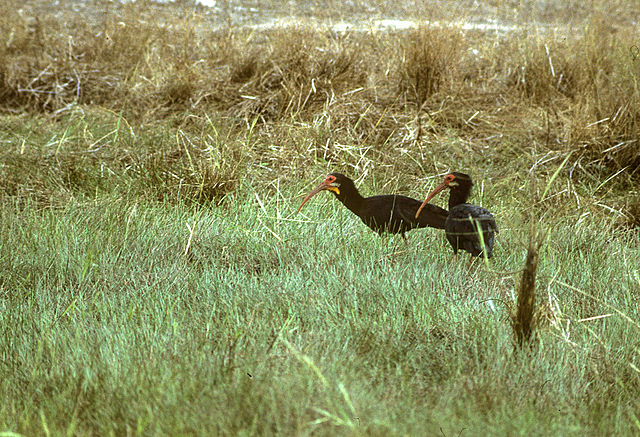
Sharp-tailed Ibis (Cercibis oxycerca) ©WikiC

“Like a club and a sword and a sharp arrow Is a man who bears false witness against his neighbor.” (Proverbs 25:18 NASB)

“Thy tongue deviseth mischiefs; like a sharp razor, working deceitfully.” (Psalms 52:2 KJV)


Avian and Attributes – Sharp Part II

The rest of the SHARP definitions. See Part I

SH’ARP, n.
1. In music, an acute sound.
2. A note artificially raised a semitone; or,
3. The character which directs the note to be thus elevated; opposed to a flat, which depresses a note a semitone.
4. A pointed weapon. [Not in use.]
SH’ARP, v.t.
1. To make keen or acute.
2. To render quick.
3. To mark with a sharp, in musical composition; or to raise a not a semitone.
SH’ARP, v.i. To play tricks in bargaining; to act the sharper.


Sharp-tailed Birds

There are seven Sharp-tailed birds:
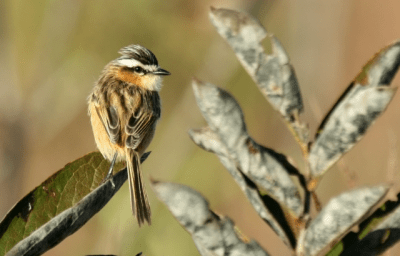
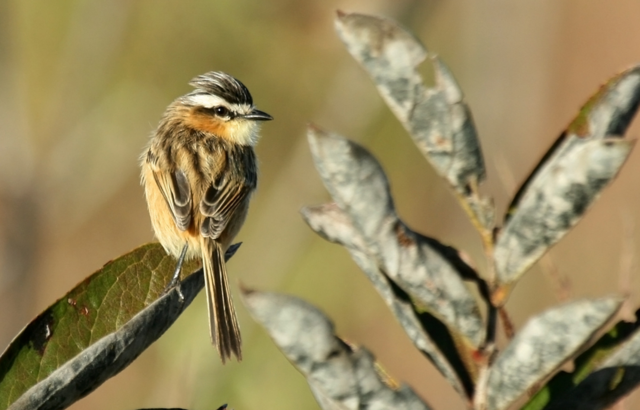
Sharp-tailed Grass Tyrant (Culicivora caudacuta) ©WikiC

Sharp-tailed Grass Tyrant (Culicivora caudacuta) is a species of bird in the family Tyrannidae, the only one in the genus Culicivora. It is found in Argentina, Bolivia, Brazil, Paraguay, and Uruguay. Its natural habitats are dry savanna and subtropical or tropical seasonally wet or flooded lowland grassland. It is threatened by habitat loss.

Sharp-tailed Grouse (Tympanuchus phasianellus) ©WikiC

Sharp-tailed Grouse (Tympanuchus phasianellus) (previously: Tetrao phasianellus) is a medium-sized prairie grouse. It is also known as the sharptail, and is known as fire grouse or fire bird by Native American Indians[clarification needed] due to their reliance on brush fires to keep their habitat open. The Sharp-Tailed Grouse is the provincial bird of Saskatchewan.
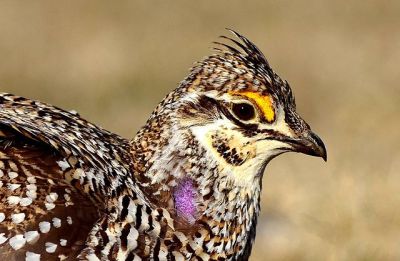
Sharp-tailed Grouse (Tympanuchus phasianellus) ©WikiC

Adults have a relatively short tail with the two central (deck) feathers being square-tipped and somewhat longer than their lighter, outer tail feathers giving the bird its distinctive name. The plumage is mottled dark and light browns against a white background, they are lighter on the underparts with a white belly uniformly covered in faint “V”-shaped markings. These markings distinguish sharp-tailed grouse from lesser and greater prairie chickens which are heavily barred on their underparts(Connelly et al. 1998). Adult males have a yellow comb over their eyes and a violet display patch on their neck. This display patch is another distinguishing characteristic from prairie chickens as male prairie chickens have yellow or orange colored air sacs
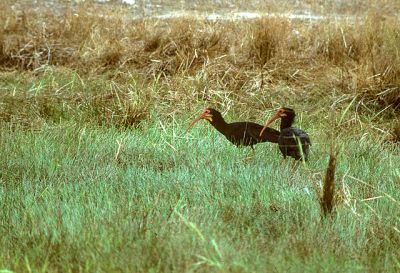
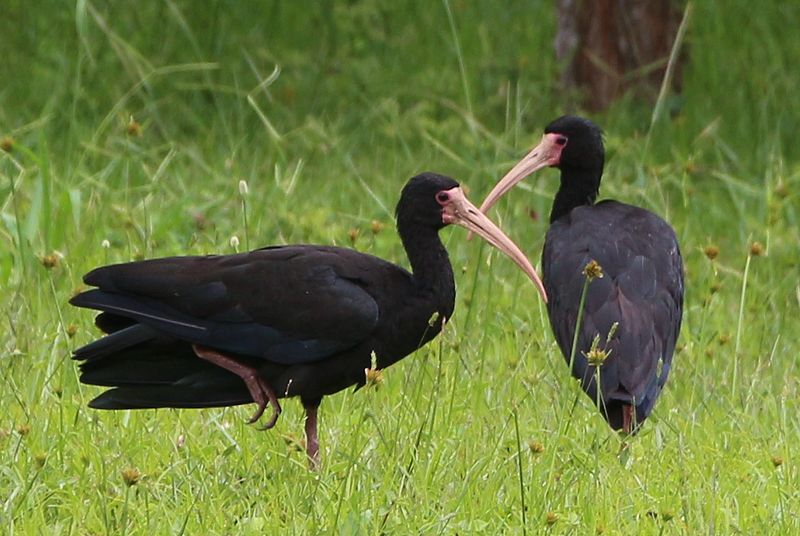
Sharp-tailed Ibis (Cercibis oxycerca) ©WikiC

Sharp-tailed Ibis (Cercibis oxycerca) is a species of ibis native to open wet savannas in parts of northern South America. This ibis is distinguished by its notably long tail, which is the longest among all extant ibis species; measuring 250-301mm in males and 256-272mm in females. The tail projects beyond the tips of the folded wings when the ibis stands; and beyond the trailing legs in flight. The plumage is predominantly black with greenish glossing; and with purplish tinges on the upper back, hind neck, wings and tail. The forehead and cheek region are occasionally greyish brown. Juveniles appear similar to adults, but their plumage lacks a metallic sheen.

Sharp-tailed Sandpiper (Calidris acuminata) ©WikiC

Sharp-tailed Sandpiper (Calidris acuminata) – breeding adults are a rich brown with darker feather centres above, and white underneath apart from a buff breast. They have a light superciliary line above the eye and a chestnut crown. In winter, sharp-tailed sandpipers are grey above. The juveniles are brightly patterned above with rufous coloration and white mantle stripes.

This bird looks a lot like the pectoral sandpiper, within whose Asian range it breeds. It differs from that species in its breast pattern, stronger supercilium and more rufous crown. It has some similarities to the long-toed stint, but is much larger than the stint.

Sharp-tailed Starling (Lamprotornis acuticaudus) ©WikiC

Sharp-tailed Starling (Lamprotornis acuticaudus), also known as the sharp-tailed glossy-starling, is a species of starling in the family Sturnidae. It inhabits open woodland (namely miombo) in Angola, northern Botswana, the southern DRC, northern Namibia, western Tanzania, and Zambia.

Sharp-tailed Streamcreeper (Lochmias nematura) by Dario Sanches

Sharp-tailed Streamcreeper (Lochmias nematura) is a passerine bird of South America belonging to the family Furnariidae, the ovenbirds. It is the only member of the genus Lochmias. The species is also known as the streamside streamcreeper.

This bird is about 6 in (15 cm) long, with a short tail and a long, thin, slightly curved bill. The plumage is dark brown, densely spotted white on the underparts. There is a white stripe over the eye and the tail is blackish. The song is an accelerating trill, lasting for about five seconds.


Avian and Attributes – Sharp Part I

More Avian and Attributes

Birds whose first or last name starts with “S”

Good News

*
[Definitions from Webster’s Dictionary of American English (1828), unless noted. Bird info from Wikipedia plus.]
Avian And Attributes – Sharp Part I

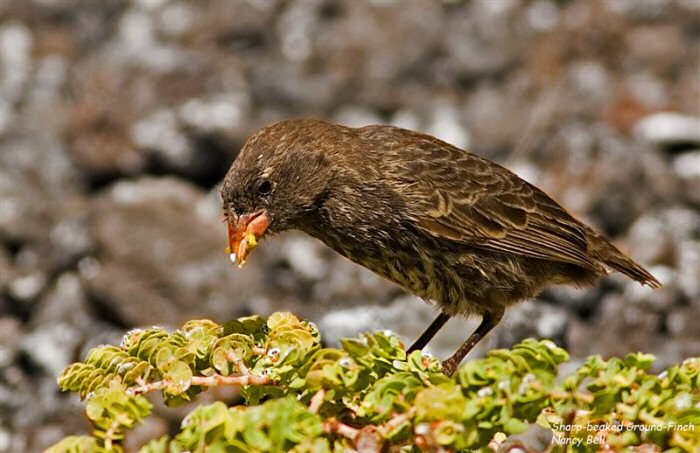
Sharp-beaked Ground Finch (Geospiza difficilis) Female ©WikiC

“For the word of God is quick, and powerful, and sharper than any twoedged sword, piercing even to the dividing asunder of soul and spirit, and of the joints and marrow, and is a discerner of the thoughts and intents of the heart. Neither is there any creature that is not manifest in his sight: but all things are naked and opened unto the eyes of him with whom we have to do.” (Hebrews 4:12-13 KJV)


Avian and Attributes – Sharp

SH’ARP, a.
1. Having a very thin edge or a fine point; keen; acute; not blunt. Thus we may say, a sharp knife, or a sharp needle. A sharp edge easily severs a substance; a sharp point is easily made to penetrate,it.
2. Terminating in a point or edge; not obtuse; as, a hills terminates in a sharp peak, or a sharp ridge.
3. Forming an acute or too small angle at the ridge; as a sharp roof.
4. Acute of mind; quick to discern or distinguish; penetrating; ready at invention; witty; ingenious.

“Thy tongue deviseth mischiefs; like a sharp razor, working deceitfully.” (Psalms 52:2 KJV)


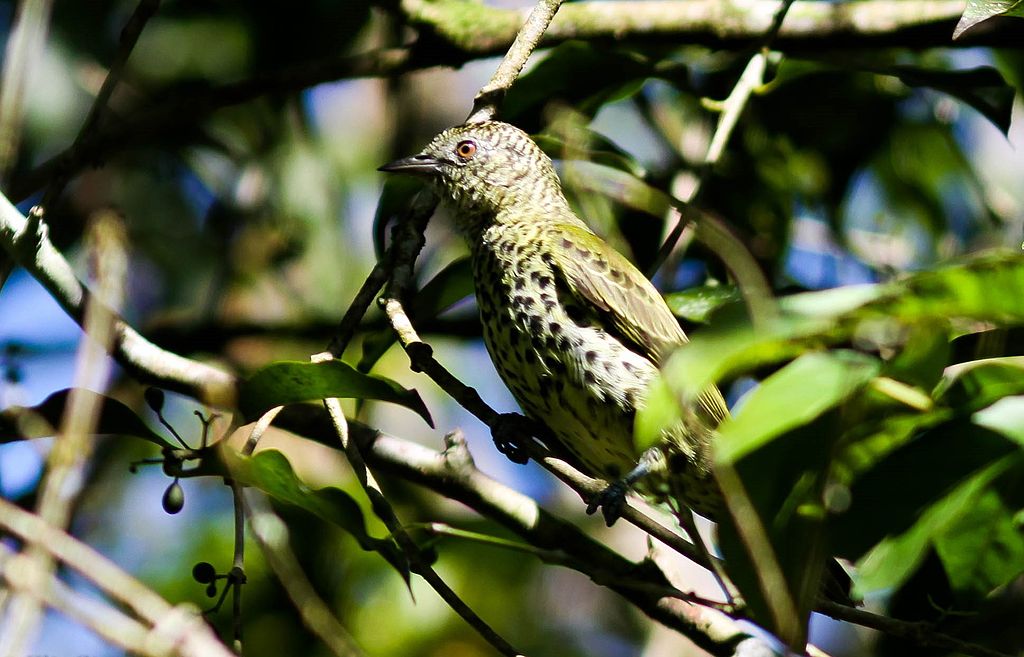
Sharpbill (Oxyruncus cristatus) ©WikiC

There are many “Sharp” named birds, but for this post, we will mention two of them. The Sharp-beaked Ground Finch and the Sharpbill. There will be more in a second article.

Sharp-beaked Ground Finch (Geospiza difficilis) ©Nancy Bell Mangoverde

The Sharp-beaked Ground Finch (Geospiza difficilis) is a species of bird in the Tanager family Thraupidae. It is classified as a least-concern species by the International Union for Conservation of Nature and it is native to the Galápagos Islands in Ecuador. It has a mass of around 20 grams (0.71 oz) and the males have black plumage, while females have streaked brown plumage. This finch was described by Richard Bowdler Sharpe in 1888.

This relatively small, slender-billed finch is endemic to the Galápagos Islands, where it is found on Fernandina, Santiago, Pinta, Genovesa, Darwin, and Wolf Islands. On the first three islands, it breeds in the humid highlands and disperses afterwards, but on the remaining smaller and lower islands the sharp-beaked ground finch is found in the arid zone year-round. Due to habitat destruction its range has decreased. It was formerly also present in the highlands of several other islands, and it is possible it still occurs on Isabela.

Sharpbill (Oxyruncus cristatus) ©WikiC

The Sharpbill (Oxyruncus cristatus) is a small passerine bird in the family Tityridae. Its range is from the mountainous areas of tropical South America and southern Central America (Panama and Costa Rica).

It inhabits the canopy of wet forest and feeds on fruit and some invertebrates. It has an orange erectile crest, black-spotted yellowish underparts and scaling on the head and neck. As its name implies, it has a straight, pointed beak, which gives its common name.

Sharpbills are most commonly found in tall dense forests but occasionally venture to the forest edge. Their diet consists of primarily of fruit, but they will also take insects, hanging upside down in from twigs to obtain insect larvae.


Sharp-Beaked Ground Finch – The Bloodsucker..

More Avian and Attributes

Birds whose first or last name starts with “S”

Good News

*
[Definitions from Webster’s Dictionary of American English (1828), unless noted. Bird info from Wikipedia plus.]

Many Thanks!

Yellow-throated Vireo (Vireo flavifrons) singing ©Brindusa Art

As many of the readers of this blog know, I had back surgery on August 3rd. Before I mention the results of the surgery, I want to give some thanks.

#1  I want to thank the Lord for His Watching over all that has happened during this. Thanks and praise to a wonderful Savior who cares so much about us.

“O give thanks unto the LORD; call upon his name: make known his deeds among the people.” (Psalms 105:1 KJV)

#2  I want to thank all of you for your prayers and well wishes. Also, for continuing to keep up with the blog. I cannot thank you enough for that. Thank you.

“For the eyes of the Lord are over the righteous, and his ears are open unto their prayers: ” (1 Peter 3:12a KJV)

American Oystercatchers (American Bird Conservancy photo)

#3  I want to especially thank Dr. James J. S. Johnson, who has been practically carrying on this blog, by providing almost an article a day. The articles have been very interesting and entertaining, as I detect by the remarks that have been posted. He posts occasional posts here, but Dr. Jim, as I call him, has written the last 11 posts. Thank you, Dr. Jim.

“We therefore ought to receive such, that we might be fellowhelpers to the truth.” (3 John 1:8 KJV)

My forty-five (45) minute surgery and an overnight stay in the hospital ended up being a two and a half hour surgery and five nights in the hospital. Then we I returned home on Tuesday (100 mile ride), I ended up in the Emergency Room the next day, here in town. It is taking me a while to get back up to strength.

I just found out yesterday why the longer surgery. While they were placing the wedge/cage by my vertebra, the vertebrae fractured due to soft bone. I started bleeding immediately and they had to stop to get that stopped. Then they had to figure out what to do with the vertebra. [How many times I have prayed for other’s surgeries that the Lord would guide their hands, and their thinking.] Thank you for praying.

As a result of that, I ended up with fluid in the sac by the lung. That had to be drained a few days after the surgery. I believe I am now on the mend. I am still weak and on medicine that has slowed me down from even thinking about blogging. See why I am so thankful for the last 11 articles by Dr. Johnson. Needless to say, I have not done any birdwatching. :)

SNOWY EGRET wading & shading (Mrs. Bursk Science Class blog)

Thanks again to all of you for your thoughts and prayers, and especially for the Lord who knew all about this before, during, and after the surgery, and never left me.

***

If you missed the latest 11 articles by Dr. Jim:

Shake a Leg (or 2 or 3 or 4), Crab-Eater! – Aug 7

Crazy as a Coot! – Aug 8

Pinyon Jay, Grand Canyon’s Forester – Aug 9

Killdeer atop Killdeer: Appreciating Help from Others – Aug 10

Loggerhead Shrike: Converting Thorns into Meat-hooks – Aug 11

Oystercatchers Must be Gentiles – Aug 12

Eggs Taste Better if Salted – Aug 13

Penguin Eggs Tragedy – Aug 14

Shades of Snowies – Aug 15

Peregrine Falcon – Proactive Hunter – Aug 16

Egret Feathers Worth More Than Gold – Aug 17