Christmas Birds – Gold 2013

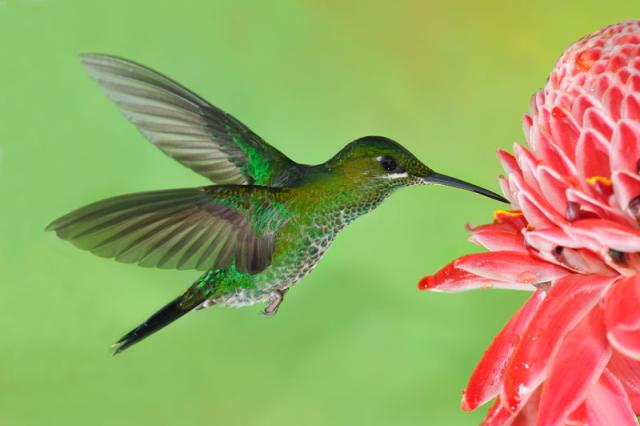
Golden Tanager (Tangara arthus goodsoni) ©BirdPhotos.com

Golden Tanager (Tangara arthus goodsoni) ©BirdPhotos.com

Hope you have been enjoying the updated Christmas Birds. This is another new one to the series. Gold is in the names of birds and their goldish-yellow colors are plentiful.

When they had heard the king, they departed; and, lo, the star, which they saw in the east, went before them, till it came and stood over where the young child was. When they saw the star, they rejoiced with exceeding great joy. And when they were come into the house, they saw the young child with Mary his mother, and fell down, and worshipped him: and when they had opened their treasures, they presented unto him gifts; gold, and frankincense, and myrrh. (Matthew 2:9-11 KJV)

*

This slideshow requires JavaScript.

*

Then entered in those Wise Men three,
Full reverently upon the knee,
And offered there, in His presence,
Their gold and myrrh and frankincense.

Noel, Noel, Noel, Noel,
Born is the King of Israel.

The Christmas Birds 2013 so far:

*

Wordless Birds

*

Christmas Birds – Red and Green 2013

Red-winged Parrot (Aprosmictus erythropterus) by Ian

Red-winged Parrot (Aprosmictus erythropterus) by Ian

Here is the third Christmas Birds slideshow. While searching the photos for the Red Birds and the Green Birds, I kept coming across birds that were Red and Green. Here are some more of the neat birds that the Creator gave us to enjoy. Trust you are enjoying seeing the birds by their colors. It has been enjoyable for me to look through all the great photos the photographers we use here have provided. I have one more Christmas Birds to show you, but you will have to wait until tomorrow.

And suddenly there was with the angel a multitude of the heavenly host praising God, and saying, Glory to God in the highest, and on earth peace, good will toward men. (Luke 2:13-14 KJV)

*

This slideshow requires JavaScript.

*

Music to listen to while viewing the photos from Birds In Christmas Hymns – Hail to the Lord’s Anointed

See the Original Christmas Birds – Red and Green

The Christmas Birds 2013 so far:

*

Christmas Birds – Green 2013

Green-crowned Brilliant (Heliodoxa jacula) Reinier Munguia

Green-crowned Brilliant (Heliodoxa jacula) Reinier Munguia

This is the second set of Christmas Birds. This time the Green Birds are featured. Hope you enjoyed the Christmas Birds – Red.

Again the Lord created these birds and colored them for their protection and to show off to their mates. There are many more that could be shown, but you may want to find some yourself.

Have you not known? Have you not heard? The everlasting God, the LORD, The Creator of the ends of the earth, Neither faints nor is weary. His understanding is unsearchable. (Isaiah 40:28 NKJV)

*

This slideshow requires JavaScript.

*

Here is the Music as Choir Entered for the Cantata (looped)

*

See the original Christmas Birds – Green

The Christmas Birds 2013 so far:

*

*

Christmas Birds – Red 2013

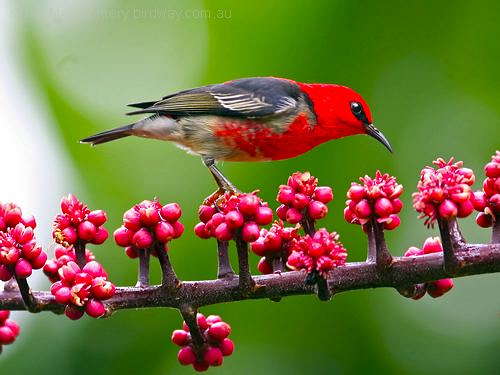
Scarlet Myzomela (Myzomela sanguinolenta) by Ian

Scarlet Myzomela (Myzomela sanguinolenta) by Ian

Now that Christmas is just over a week away, it’s time to see some of the birds that have “traditional” Christmas colors. Today’s color will be birds that have some sort of red on them. Other colors will be shown during the week. I have added new photos this year and some new colors later in the week.

When the Lord created the birds (fowls), He used many different colors, most for the protection of the bird (to blend in) or for display to attract a mate (to stand out).

We trust you enjoy the photos and that you are blessed as you consider the bird’s Creator, Who came to earth as a babe in a manger, so that He might redeem us from our sin. “All things were made through him, and without him was not any thing made that was made. (John 1:3)

But made himself of no reputation, and took upon him the form of a servant, and was made in the likeness of men: And being found in fashion as a man, he humbled himself, and became obedient unto death, even the death of the cross. (Philippians 2:7-8 KJV)

*

This slideshow requires JavaScript.

Come now, and let us reason together, saith the LORD: though your sins be as scarlet, they shall be as white as snow; though they be red like crimson, they shall be as wool. (Isaiah 1:18 KJV)

Music to listen to while viewing the photos from Birds In Christmas Hymns – Thou Didst Leave Thy Throne

*

See the original Christmas Birds – Red

The Christmas Birds 2013 so far:

*

Smiling Penguins

Chinstrap Penguin direct look

Chinstrap Penguin direct look

When I smiled at them, they scarcely believed it; the light of my face was precious to them. (Job 29:24 NIV)

I know Our Lord has such kind and loving attributes. Also, I believe He has a sense of humor. Having just written about the “peach fuzz” penguin, I came across this Penguin family member. The Chinstraps.

 Chinstrap Penguins (Orne Island)

Chinstrap Penguins (Orne Island)

Be glad in the LORD and rejoice, you righteous ones; And shout for joy, all you who are upright in heart. (Psalms 32:11 NASB)

Chinstrap Penguin (Pygoscelis antarcticus) by Bob-Nan

Chinstrap Penguin (Pygoscelis antarcticus) by Bob-Nan

Strength and dignity are her clothing, And she smiles at the future. (Proverbs 31:25 NASB – virtuous woman)

Chinstrap Penguin (Pygoscelis antarcticus) ©WikiC

Chinstrap Penguin (Pygoscelis antarcticus) ©WikiC

But the fruit of the Spirit is love, joy, peace, longsuffering, kindness, goodness, faithfulness, gentleness, self-control. Against such there is no law. (Galatians 5:22-23 NKJV)


Smile And Sing

When the heart is heavy and the days are long,
Let each passing moment echo with a song.
Fill some life with courage, comfort now the sad—
Many lives are lonely, you can make them glad.

Refrain

Smile and sing, some happy, happy song,
Days of sadness will not tarry long;
Smile and sing, ’twill drive the clouds away—
Smile and sing thro’ every passing day.

Someone needs the comfort that a song can bring,
If thy heart is happy let it gaily sing.
Someone’s pathway brighten, lift some load of care—
Seek some heart to brighten, and its burden share.

Refrain

Smile and sing, some happy, happy song,
Days of sadness will not tarry long;
Smile and sing, ’twill drive the clouds away—
Smile and sing thro’ every passing day.

Many are in sorrow and the clouds hang low,
You can cheer and comfort as you onward go.
Win some soul for Jesus, from the path of shame
Giving all the glory to His precious Name.

Refrain

Smile and sing, some happy, happy song,
Days of sadness will not tarry long;
Smile and sing, ’twill drive the clouds away—
Smile and sing thro’ every passing day.

(Words & Music: Grant C. Tull­ar, 1899)

See:

*

Thanksgiving For Young People

Yellow-throated Warbler (Dendroica dominica) by Bob-Nan

Yellow-throated Warbler (Dendroica dominica) by Bob-Nan

Are you thankful for all that the Lord does?

Both young men and maidens; Old men and children. Let them praise the name of the LORD, For His name alone is exalted; His glory is above the earth and heaven.
(Psalms 148:12-13 NKJV)

Common Starling (Sturnus vulgaris) at Nest by Anthony747

Common Starling (Sturnus vulgaris) at Nest by Anthony747

Are you thankful for parents or guardians that care enough to correct you?

Children with good sense accept correction from their parents, but stubborn children ignore it completely. (Proverbs 13:1 CEV)

Even a child is known by his deeds, Whether what he does is pure and right. (Proverbs 20:11 NKJV)

My Mom and Me 37

Are you thankful for the training you are getting, even when you don’t get your way?

Train up a child in the way he should go, And when he is old he will not depart from it. (Proverbs 22:6 NKJV)

A poor yet wise lad is better than an old and foolish king who no longer knows how to receive instruction. (Ecclesiastes 4:13 NASB)

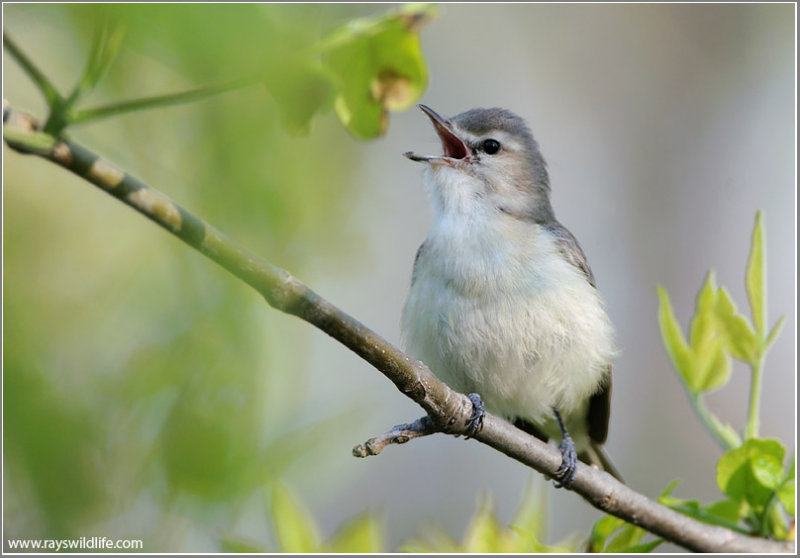
Warbling Vireo (Vireo gilvus) by Raymond Barlow

Warbling Vireo (Vireo gilvus) by Raymond Barlow

Are you thankful for all that the Lord, your Creator, has made?

Remember now your Creator in the days of your youth, Before the difficult days come, And the years draw near when you say, “I have no pleasure in them”: (Ecclesiastes 12:1 NKJV)

King Shag (Leucocarbo albiventer) - head close-up Saunders Island

King Shag (Leucocarbo albiventer) – head close-up Saunders Island

Are you thankful to the Lord for His blessings to you even when some around you make fun of you?

But when the chief priests and the scribes saw the wonderful things that he did, and the children crying out in the temple, “Hosanna to the Son of David!” they were indignant, and they said to him, “Do you hear what these are saying?” And Jesus said to them, “Yes; have you never read, “‘Out of the mouth of infants and nursing babies you have prepared praise’?”  (Matthew 21:15-16 ESV)

Savannah Sparrow Fifty Point-Canada by Ray Barlow

Savannah Sparrow Fifty Point-Canada by Ray Barlow

Are you thankful that the Lord helps you to obey?

Children, obey your parents in all things, for this is well pleasing to the Lord. (Colossians 3:20 NKJV)

Pelican

Pelican

Are you thankful for the Bible (Holy Scriptures) for telling you how to have faith in the Lord Jesus Christ?

and that from childhood you have known the Holy Scriptures, which are able to make you wise for salvation through faith which is in Christ Jesus. (2 Timothy 3:15 NKJV)

May the Lord give you a very Happy Thanksgiving!

Thanksgiving ©Blanca Mejia

*

This was posted on the Birds of the Bible For Kids blog. Sharing it here.)

*

Birdwatching – Anting

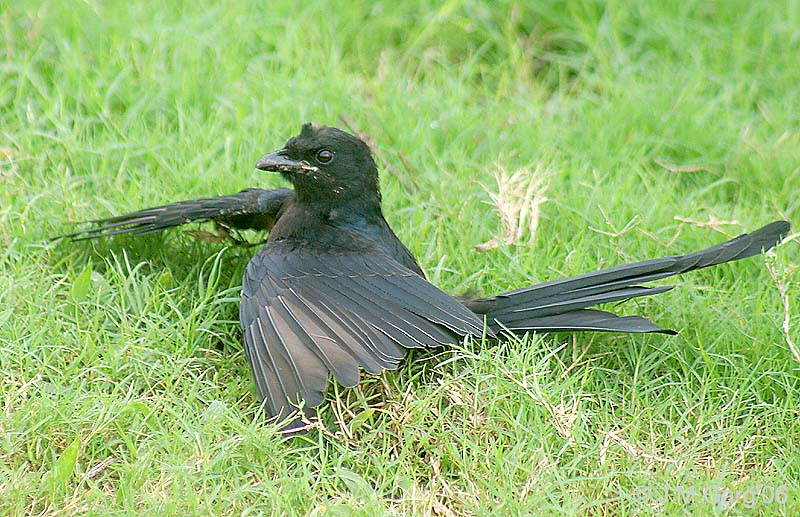
Black Drongo (Dicrurus macrocercus) Anting ©WikiC

Black Drongo (Dicrurus macrocercus) Anting ©WikiC

Consider the ravens, for they neither sow nor reap, which have neither storehouse nor barn; and God feeds them. Of how much more value are you than the birds? (Luk 12:24 NKJV)

“For animals in the wild, the medicine cabinet seems at first glance to be pretty bare, and you might think they’re just left out in the cold when it comes to finding remedies. But even with the fallen nature of our world, the Creator hasn’t left untamed creatures, like the ravens that neither sow nor reap (Luke 12:24), defenseless against all the things that ail them. In fact, He’s stocked their “closets” with a cornucopia of cures.” (From Jungle Doctors)

One of those cures is the birds “Anting” behaviour.

Anting (Excerpts from The Birder’s Handbook, p.487)

“Many different songbird species have been observed picking up single ants or small groups and rubbing them on their feathers. Less commonly, other songbirds “ant” by spreading their wings and lying on an anthill, and squirming or otherwise stimulating the ants to swarm up among their feathers.

Because the seasonal timing of anting and molting (spring and summer) often correspond, some have suggested that anting may soothe the skin during feather replacement. It seems more likely that the seasonal relationship simply reflects the greater activity of ants during those periods.”

Anting (Excerpts from Wikipedia)

In the behavior called anting, birds rub insects on their feathers, usually ants, which secrete liquids containing chemicals such as formic acid, that can act as an insecticide, miticide, fungicide, bactericide, or to make them edible by removing the distasteful acid. It possibly also supplements the bird’s own preen oil. Instead of ants, birds can also use millipedes. Over 250 species of bird have been known to ant. Most of those are Passerines.

Many theories exits as to why the birds “ant.”

It has been suggested that anting acts as way of reducing feather parasites such as mites or in controlling fungi or bacteria, although there has been little convincing support for any of the theories. It is possible that the use of certain kinds of ants indicates the importance of the chemicals they release. Some cases of anting involved the use of millipedes or caterpillars, and these too are known to release powerful defensive chemicals.

Another suggested function, based on observation of Blue Jays, is that the bird makes the insects edible, by discharging the harmful acid onto their feathers. The birds were found to show anting behaviour only if the ants had a full acid sac, and with subjects whose acid sacs had been experimentally removed, the behaviour was absent.

Finally, it has also been suggested that anting is related to feather moulting. However, the correlation may also be attributed to the greater activity of ants in summer.

Dusting with soil from ant-hills has been considered by some as equivalent to anting.

Some birds like Antbirds and Flickers not only ant, but also consume the ants as an important part of their diet. Other opportunist ant-eating birds include Sparrows, Wrens, Grouse and Starlings.

*

*

Anting (Excerpts from Audubon Society Encyclopedia of North American Birds, pps 19-20)

“John James Audubon published the first known reference to this habit in his Ornithological Biography (1831), in which he wrote of watching wild turkeys roll in ants’ nests ‘to clear their growing feathers of loose scales, and prevent ticks and other vermin from attacking them, these insects being unable to bear the odor of the earth in which ants have been.’ ”

Here are some of the birds listed in this section:

The turkeys mentioned, plus “crows; starlings and Indian mynas, magpie lark, gray thrush, Pekin robin, house sparrow, manakin and apostlebird in Australia; a Magpie in Britain; Grackles, Blue Jay, pekin robin, gray catbird, American robin, wood thrush, hermit thrush, veery, cedar waxwing, bobolink, Baltimore oriole, cardinal, rose-breasted grosbeak, black-headed grosbeak, indigo bunting, dark-eyed junco, Harris’ sparrow, white-crowned sparrow, fox sparrow, and song sparrow in America”;

“Others seen in the wild anting are: scarlet tanagers, summer tanagers, towhees…, others.” (Lack off capitalization is from the book)

Lee’s Additon:

But now ask the beasts, and they will teach you; And the birds of the air, and they will tell you; (Job 12:7 NKJV)

It appears that the birds were given instincts or knowledge, by their Creator, to protect themselves from pests and irritation. That would be a possible answer they might give us, if we were to question them. If these birds evolved, then it appears that they had to develop this habit in each country and area where the birds “ant.” Huh? As for me, I opt for a Creator giving them that knowledge rather than a chance behaviour happening in so many places.

*

*

See:

Anting – Wikipedia

Jungle Doctors (Scroll down to “Rubbing It In”) – Answers in Genesis

Birdwatching

Birds of the Bible

*

Birds of the Bible – Details

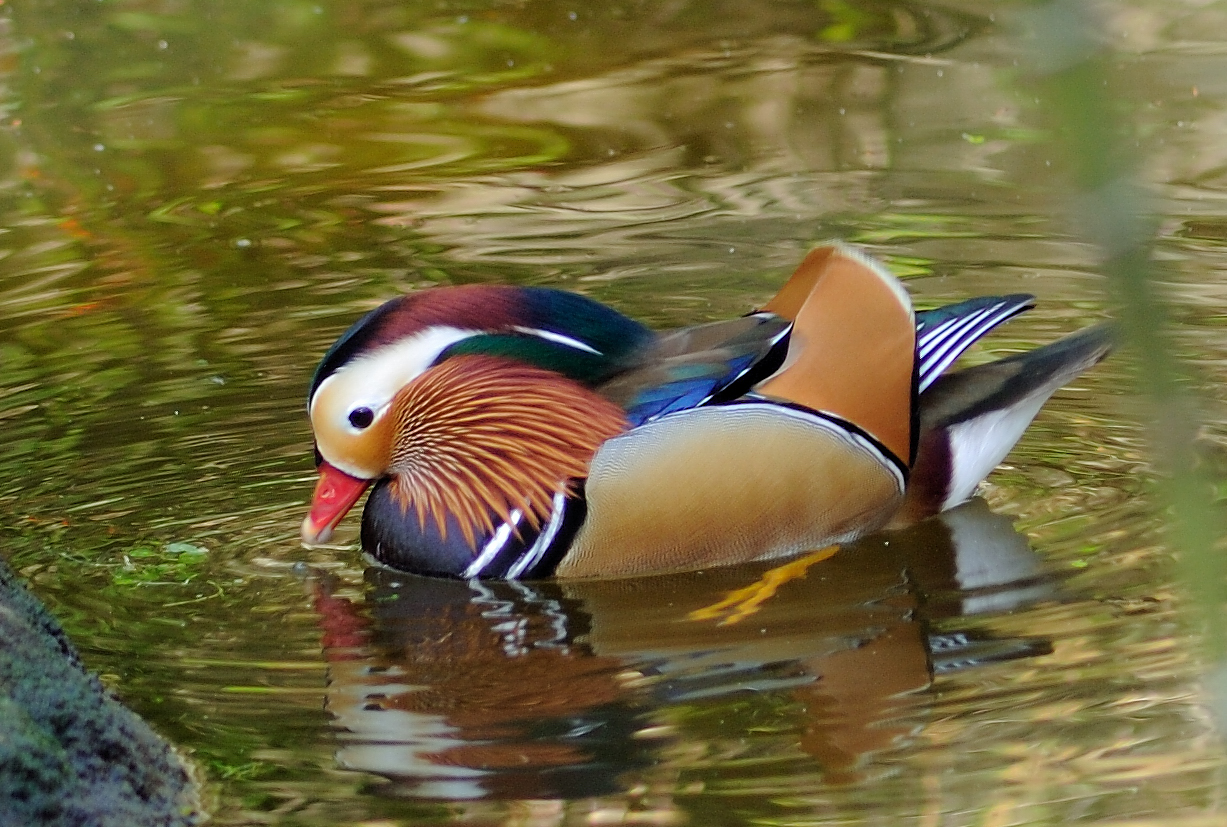
Mandarin Duck (Aix galericulata) by Dan

Mandarin Duck (Aix galericulata) by Dan

Currently, I am reading through Leviticus. When I cam to the Tabernacle, my first thoughts were, “Here we go again” with all the details about how to make it. The LORD gave Moses the details and then he shared those details with all the workers and skilled craftsmen as to how it was supposed to be prepared. It includes down to the number of rings to hold the curtains, like 50 on this side and 50 on that side, etc. The colors Gold, Blue, Purple and Scarlet are constantly mentioned.

Details, details, details. I stopped grumbling when I thought about how the LORD in His creative acts was so, “detailed.” Much of the Bible gives us details about God, the Lord, and the Holy Spirit.It is one of God’s attributes that He is so omnipotent, omniscient, understanding, etc. because He does know all the “details.”

For since the creation of the world His invisible attributes are clearly seen, being understood by the things that are made, even His eternal power and Godhead, so that they are without excuse, (Romans 1:20 NKJV)

We are told to look around us to observe creation and we can see His attributes. Think of just the birds. Are they not each different and made with so much detail. So, here is my attempt to share with you some of the neatly “detailed” birds in a slideshow. My first thoughts were of the Mandarin Duck with its lines and marks. Looks like a paintbrush was used by the Hand of our Creator. I have been trying to think of a bird that is gold, blue, purple and scarlet, but so far, it allude me. (The Mandarin Duck is close)

This slideshow is only featuring the colors and feather designs, but how about all the bills, feet, and other aspects of the birds? Enjoy these beautiful birds. (Thanks to all those who took the photos also.)

This slideshow requires JavaScript.

*

(I hardly got to the Passerines. Sorry)

See:

Birds of the Bible

Falling Plates

*

Interesting Things – The Amazing Camel and It’s Creator

What an amazing animal! God did some very special engineering from the git-go! None of this “grocery store” new and improved nonsense. He got it entirely right the first time.

The Amazing Camel and It’s Creator

(From Moody Press)

If you ever doubted that God exists, Meet the Very Technical, Highly Engineered Dromedary Camel.

When I’m hungry, I’ll eat almost anything-A leather bridle, a piece of rope, my master’s tent, Or a pair of shoes.

My mouth is so tough a thorny cactus doesn’t bother it. I love to chow down grass and other plants That grow here on the Arabian desert.

I’m a dromedary camel, the one-hump kind That lives on hot deserts in the Middle East.

My hump, all eighty pounds of it, Is filled with fat-my body fuel-not water as some people believe. My Mighty Maker gave it to me because He knew I wouldn’t always be able to find food As I travel across the hot sands. When I don’t find any chow, my body automatically Takes fat from the hump, feeds my system, And keeps me going strong. This is my emergency food supply.

If I can’t find any plants to munch, my body uses up my hump. When the hump gets smaller, it starts to tip to one side. But when I get to a nice oasis and begin to eat again, My hump soon builds back to normal.

I’ve been known to drink twenty-seven gallons of water in ten minutes. My Master Designer made me in such a fantastic way that In a matter of minutes all the water I’ve swallowed Travels to the billions of microscopic cells that make up my flesh.

Naturally, the water I swallow first goes into my stomach. There thirsty blood vessels absorb and carry it to every part of my body. Scientists have tested my stomach and found it empty Ten minutes after I’ve drunk twenty gallons.

In an eight hour day I can carry a four hundred pound load A hundred miles across a hot, dry desert And not stop once for a drink or something to eat. In fact, I’ve been known to go eight days without a drink, But then I look a wreck. I lose 227 pounds, my ribs show through my skin, And I look terribly skinny. But I feel great! I look thin because the billions of cells lose their water. They’re no longer fat. They’re flat.

Normally my blood contains 94 percent water, just like yours. But when I can’t find any water to drink, The heat of the sun gradually robs a little water out of my blood. Scientists have found that my blood can lose up to 40 percent of its water, and I’m still healthy.

Doctor’s say human blood has to stay very close to 94 percent water. If you lose 5 percent of it, you can’t see anymore; 10 percent, you can’t Hear and you go insane; 12 percent, your blood is as thick as molasses And your heart can’t pump the thick stuff. It stops, and you’re dead.

But that’s not true with me. Why? Scientists say my blood is different. My red cells are elongated. Yours are round. Maybe that’s what makes the difference.

This proves I’m designed for the desert, Or the desert is designed for me. Did you ever hear of a design without a Designer?

After I find a water hole, I’ll drink for about ten minutes And my skinny body starts to change almost immediately. In that short time my body fills out nicely, I don’t look skinny anymore, And I gain back the 227 pounds I lost.

Even though I lose a lot of water on the desert, My body conserves it too. Way in the beginning when my intelligent Engineer made me, He gave me a specially designed nose that saves water. When I exhale, I don’t lose much. My nose traps that warm, moist air from my lungs And absorbs it in my nasal membranes.

Tiny blood vessels in those membranes take that back into my blood. How’s that for a recycling system? Pretty cool, isn’t it. It works because my nose is cool. My cool nose changes that warm moisture in the air From my lungs into water.

But how does my nose get cool? I breath in hot dry desert air, And it goes through my wet nasal passages. This produces a cooling effect, and my nose stays as much as 18 degrees cooler than the rest of my body.

I love to travel the beautiful sand dunes. It’s really quite easy, because My Creator gave me specially engineered sand shoes for feet. My hooves are wide, and they get even wider when I step on them. Each foot has two long, bony toes with tough, leathery skin between my soles, are a little like webbed feet.

They won’t let me sink into the soft, drifting sand. This is good, because often my master wants me to carry him one hundred miles across the desert in just one day. (I troop about ten miles per hour.)

Sometimes a big windstorm comes out of nowhere, bringing flying sand with it. My Master Designer put special muscles in my nostrils that close the openings, keeping sand out of my nose but still allowing me enough air to breathe.

My eyelashes arch down over my eyes like screens, keeping the sand and sun out but still letting me see clearly. If a grain of sand slips through and gets in my eye, the Creator took care of that too. He gave me an inner eyelid that automatically wipes the sand off my eyeball just like a windshield wiper.

Some people think I’m conceited because I always walk around with my head held high and my nose in the air.

But that’s just because of the way I’m made. My eyebrows are so thick and bushy I have to hold my head high to peek out from underneath them. I’m glad I have them though. They shade my eyes from the bright sun.

Desert people depend on me for many things. Not only am I their best form of transportation, but I’m also their grocery store. Mrs. Camel gives very rich milk that people make into butter and cheese. I shed my thick fur coat once a year, and that can be woven into cloth. A few young camels are used for beef, but I don’t like to talk about that.

For a long time we camels have been called the “ships of the desert” because of the way we sway from side to side when we trot. Some of our riders get seasick.

I sway from side to side because of the way my legs work. Both legs on one side move forward at the same time, elevating that side. My “left, right left, right” motion makes my rider feel like he is in a rocking chair going sideways.

When I was six months old, special knee pads started to grow on my front legs. The intelligent Creator knew I had to have them. They help me lower my 1000 pounds to the ground.

If I didn’t have them, my knees would soon become sore and infected, and I could never lie down. I’d die of exhaustion.

By the way, I don’t get thick knee pads because I fall on my knees. I fall on my knees because I already have these tough pads. Someone very great thought of me and knew I needed them. He designed them into my genes.

It’s real difficult for me to understand how some people say I evolved into what I now am. I’m very technical, highly engineered dromedary camel. Things like me don’t just happen.

They’re planned on a drawing board by Someone very brilliant, Someone very logical.

John 1:1 says,
“In the beginning was the Word.
And the Word was with God,
and the Word was God.”
The Word means “logical, intelligent One.”

(Received in an e-Mail, but found it on the Lakeside Church of Christ website. Not sure who to give the credit to. Could not find it on the Moody site. We do know the ultimate credit goes to – The Creator.)

Start Birdwatching Today: Enjoy The Lord’s Paintbrush – U.S.

Wood Duck by Dan at Lake Hollingsworth

Wood Duck by Dan at Lake Hollingsworth

I trust you are enjoying our “Start Birdwatching Today!” series. We have been trying to motivate you to go out and observe the many birds around you.

Seeing as our subtitle is “Birdwatching from a Christian Perspective,” I want to do a few articles that you won’t see in most birding books. We believe that the world and all that its critters were created by the Lord and not evolved.

For thus says the Lord–Who created the heavens, God Himself, Who formed the earth and made it, Who established it and did not create it to be a worthless waste; He formed it to be inhabited–I am the Lord, and there is no one else. (Isaiah 45:18 AMP)
O LORD, how manifold are Your works! In wisdom You have made them all. The earth is full of Your possessions—
(Psalms 104:24 NKJV)
Have you not known? Have you not heard? The everlasting God, the LORD, The Creator of the ends of the earth, Neither faints nor is weary. His understanding is unsearchable. (Isaiah 40:28 NKJV)

While creating the birds, the Lord has used a fantastic array of colors and designs. I can imagine Him using a fine brush when some of my favorite birds here in America were being dressed for “His pleasure.”

Look at this Blue Jay, seen in most parts of our country or his cousins out west. Can’t you just imagine a painter or artist putting the colors and marks on him?

Blue Jay (Cyanocitta cristata) by Daves BirdingPix

Blue Jay (Cyanocitta cristata) by Daves BirdingPix

His cousin the Green Jay from down in the valley of Texas.

Green Jay (Cyanocorax luxuosus) by S Slayton

Green Jay (Cyanocorax luxuosus) by S Slayton

Or, how about a Painted Bunting that looks like He just took a little dab of this and a little dab of that?

Painted Bunting (Passerina ciris) ©©Flickr

Painted Bunting (Passerina ciris) ©©Flickr

The Northern Flicker

Northern Flicker (Colaptes auratus) Red-shafted ©WikiC

Northern Flicker (Colaptes auratus) Red-shafted ©WikiC

and its cousin the Acorn Woodpecker.

Acorn Woodpecker (Melanerpes formicivorus) (3) by Raymond Barlow

Acorn Woodpecker (Melanerpes formicivorus) (3) by Raymond Barlow

Tiny birds that have iridescent colors like our Hummingbirds just glisten when the light shines on them the right way. Our eastern Ruby-throated Hummingbird

Ruby-throated Hummingbird by Ray's Wildlife

Ruby-throated Hummingbird by Ray’s Wildlife

and the western Magnificent Hummingbird.

Magnificent Hummingbird (Eugenes fulgens) by Judd Patterson

Magnificent Hummingbird (Eugenes fulgens) by Judd Patterson

Do you see a designer and a painter at work? My favorite one of all is the Wood Duck at the top. Dan took that at Lake Morton in Lakeland. (It really is a live duck, not a painting.)  Those fine lines are just awesome to me. They actually have a cousin that hangs out more on the western side of America. It is the Harlequin Duck.

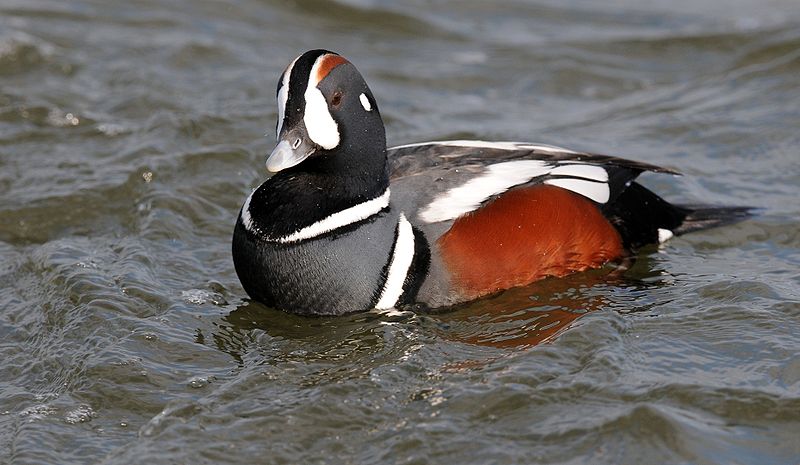
Harlequin Duck (Histrionicus histrionicus) ©WikiC

Harlequin Duck (Histrionicus histrionicus) ©WikiC

There are many more that could be shown, but if you”Start Birdwatching Today” they may just pass by for you to take a look. Then thank the Lord for His many blessings to us.

Oh, the depth of the riches both of the wisdom and knowledge of God! How unsearchable are His judgments and His ways past finding out! (Romans 11:33 NKJV)

See the whole “Start Birdwatching Today” series

*

Birds in Hymns – Bring, O Morn, Thy Music

Warbling Vireo (Vireo gilvus) by Raymond Barlow

Warbling Vireo (Vireo gilvus) by Raymond Barlow

I am Alpha and Omega, the beginning and the ending, saith the Lord, which is, and which was, and which is to come, the Almighty. (Revelation 1:8 KJV)

Words: Will­iam C. Gan­nett, in A Chor­us of Faith, 1893.

Music: Nicaea, John B. Dykes, in Hymns An­cient and Mo­dern, 1861

Bring, O Morn, Thy Music

Bring, O morn, thy music! Night, thy starlit silence!
Oceans, laugh the rapture to the storm winds coursing free!
Suns and planets chorus, Thou art our Creator,
Who wert, and art, and evermore shalt be!

Life and death, Thy creatures, praise Thee, mighty Giver!
Praise and prayer are rising in Thy beast and bird and tree:
Lo! they praise and vanish, vanish at Thy bidding,
Who wert, and art, and evermore shalt be!

Light us! lead us! love us! cry Thy groping nations,
Pleading in the thousand tongues, but naming only Thee,
Weaving blindly out Thy holy, happy purpose,
Who wert, and art, and evermore shalt be!

Life nor death can part us, O Thou Love eternal,
Shepherd of the wandering star and souls that wayward flee!
Homeward draws the spirit to Thy Spirit yearning,
Who wert, and art, and evermore shalt be!

Most information from The Cyber Hymnal

*

YouTube by First Presbyterian Church of Berkeley, CA – Their Chancel Choir & Young Adult Choir

*

See more – Birds in Hymns

Wordless Birds

*

Working Behind the Scene – Tanagers

Grass-green Tanager (Chlorornis riefferii) by Michael Woodruff

Grass-green Tanager (Chlorornis riefferii) by Michael Woodruff

But now ask the beasts, and they will teach you; And the birds of the air, and they will tell you; (Job 12:7 NKJV)

I have been busy trying to find photos for the Thraupidae – Tanagers and Allies Family page. The Tanagers are one of Passeriformes (Song Bird) Order. Working on this page and an upcoming series has kept me from writing as many articles.

But, Wow! Tanagers are some very neat birds that are found throughout the Americas; North, Central, and South (60% of them). Some are plain, but many are very colorful. At the present time with the IOC’s Version 2.10 of the Birds of the World list, there are 388 species in the Traupidae family. Needless to say, that is taking me some time to find the photos and then to load them to the site or provide links for the ones that I do not have permission for. I have gotten down to the Diglossa genus of Flowerpiercers. (which is a little past half way)  I am trying to find as many of the supspecies also and that is where a lot of time is getting spent.

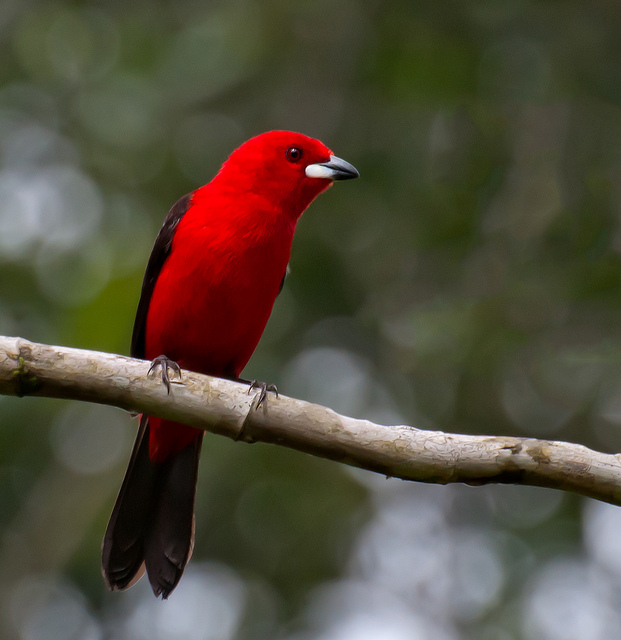
Brazilian Tanager (Ramphocelus bresilius) by Dario Sanches

Brazilian Tanager (Ramphocelus bresilius) by Dario Sanches

The Internet Bird Collection has one of the best collections that list the supspecies. It is a tremendous site that I use quite frequently. As of today, 12/6/2011, they have 56,387 videos, 51,697 photos and 6859 sounds of birds. That represents about 88.67% of all species. When I have problems finding a photo, this place will have it most likely.

Blue-and-yellow Tanager (Thraupis bonariensis bonariensis) ©BirdPhotos.com

Blue-and-yellow Tanager (Thraupis bonariensis bonariensis) ©BirdPhotos.com

Known to God from eternity are all His works. (Acts 15:18 NKJV)

Back to the tanagers. The family is in flux and some members have been moved to other families, but most are still in the Thraupidae family which has not only Tanagers, but also Hemispingus, Shrike-Tanagers, Mountain Tanagers, Dacnis, Honeycreepers, Conebills, Flowerpiercers, Bush Tanagers, Finches, Reed Finch, Island Finch, Diuca Finch, Inca Finch, Warbling Finch, Grassquit and Orangequits, Seedeaters, Seed Finch, Bullfinch, Ground Finch, Ant Tanagers, Chat-Tanagers, Spindalis and a Plushcap.

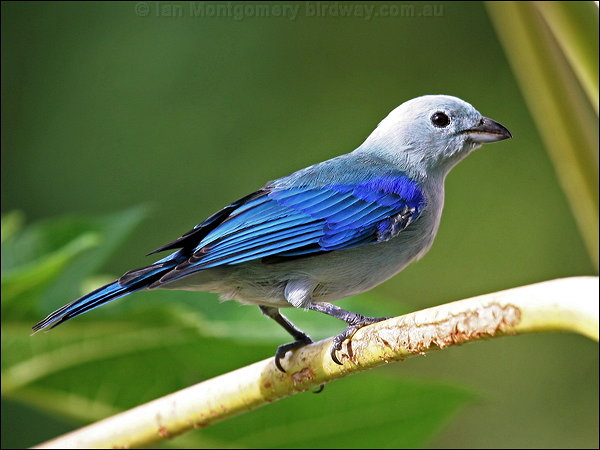
Blue-grey Tanager (Thraupis episcopus) by Ian

Blue-grey Tanager (Thraupis episcopus) by Ian

Tanagers are small to medium-sized birds. The shortest-bodied species, the White-eared Conebill, is 9 cm (3.8 in) long and weighs 7 grams, barely smaller than the Short-billed Honeycreeper. The longest, the Magpie Tanager is 28 cm (11 in) and weighs 76 grams (2.7 oz). The heaviest is the White-capped Tanager which weighs 114 grams (4 oz) and measures about 24 cm (9.5 in). Both sexes are usually the same size and weight. Tanagers are often brightly colored, but some species are black and white. Birds in their first year are often duller or a different color altogether. Males are typically more brightly coloured than females.

Most tanagers have short, rounded wings. The shape of the bill seems to be linked to the species’ foraging habits, which shows forethought and design by their Creator.

Golden-hooded Tanager (Tangara larvata centralis) ©BirdPhotos.com

Golden-hooded Tanager (Tangara larvata centralis) ©BirdPhotos.com

Most tanagers live in pairs or in small groups of 3-5 individuals. These groups may consist simply of parents and their offspring. Birds may also be seen in single species or mixed flocks. Many tanagers are thought to have dull songs, though some are elaborate.

Tanagers are omnivorous, and their diet varies from genus to genus. They have been seen eating fruits, seeds, nectar, flower parts and insects. Many pick insects off branches. Other species look for insects on the underside of leaves. Yet others wait on branches until they see a flying insect and catch it in the air. Many of these particular species inhabit the same areas, but these specializations alleviate competition.

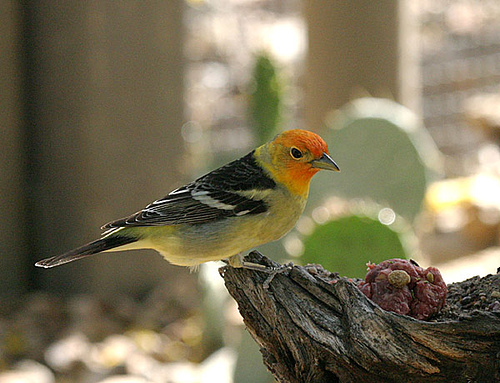
Western Tanager (Piranga ludoviciana) by Kent Nickell

Western Tanager (Piranga ludoviciana) by Kent Nickell

The breeding season begin in March through until June in temperate areas and in September through October in South America. Some species are territorial while others build their nests closer together. There is little information on tanager breeding behavior or whether they are monogamous or polygamous. Males show off their brightest feathers to potential mates and rival males. Some species’ courtship rituals involve bowing and tail lifting.

Most tanagers build cup nests on branches in trees. Some nests are almost globular. Entrances are usually built on the side of the nest. The nests can be shallow or deep. The species of the tree they choose to build their nest in and the nest’s position varies among genera. Most species nest in an area hidden by very dense vegetation. There is still no information on the nests of some species.

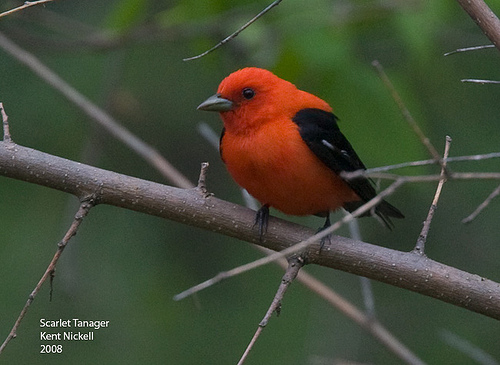
Scarlet Tanager (Piranga olivacea) by Kent Nickell

Scarlet Tanager (Piranga olivacea) by Kent Nickell

The clutch size is 3–5 eggs. The female incubates the eggs and builds the nest, but the male may feed the female while she incubates. Both sexes feed the young. Five species have helpers assist in feeding the young. These helpers are thought to be the previous year’s nestlings.

The Genus I am working on right now is the Diglossa. The Flowerpiercers, The common name refers to their habit of piercing the base of flowers to access nectar that otherwise would be out of reach. This is done with their highly designed bills, although this is greatly reduced in the Bluish Flowerpiercer, which has an almost “normal” bill. Most flowerpiercers are restricted to highlands, especially the Andes, in South America, but two species occur in Central America. See the article – Formed By Him – “Sword and Piercer” Birds

O the depth of the riches both of the wisdom and knowledge of God! how unsearchable are his judgments, and his ways past finding out! (Romans 11:33 KJV)

Well, guess I better get back to work behind the scenes again. Keep checking the page as I work to the bottom. Not sure how many more beautiful birds I’ll find, but it is fun to birdwatch through the cameras of others who go places I’ll never get to. I stay amazed at the paint brush and designs from our Creator.

The Gospel Message

*

(Above mostly from Wikipedia)

*