“O Timothy! Guard what was committed to your trust, avoiding the profane and idle babblings and contradictions of what is falsely called knowledge—” (1 Timothy 6:20 NKJV)
“Upon the first day of the week let every one of you lay by him in store, as God hath prospered him, that there be no gatherings when I come.” (1 Corinthians 16:2 KJV)
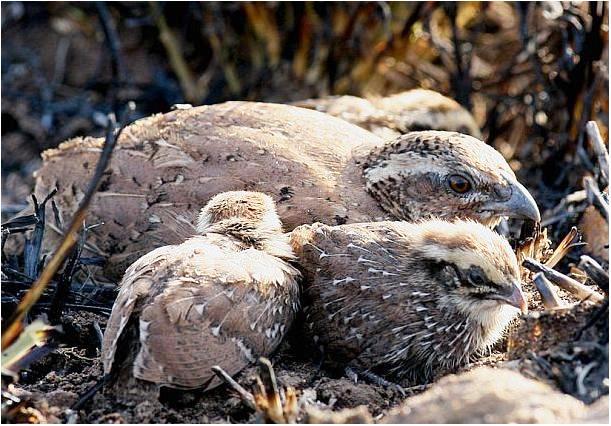
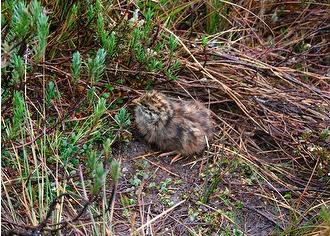
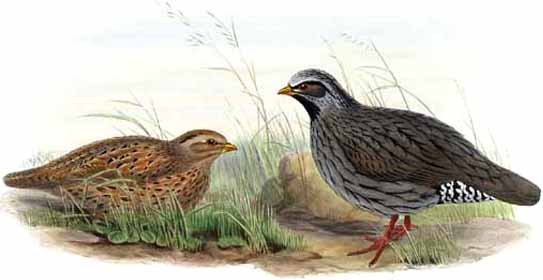
The Perdix genus has the Grey Partridge, Daurian Partridge, and the Tibetan Partridges. Perdix is a genus of Galliform gamebirds known collectively as the ‘true partridges’. The genus name is the Latin for “partridge”, and is itself derived from Ancient Greek perdix. These birds are unrelated to the subtropical species that have been named after the partridge due to similar size and morphology. There are representatives of Perdix in most of temperate Europe and Asia. One member of the genus, the grey partridge, has been introduced to the United States and Canada for the purpose of hunting. They are closely related to grouse, koklass, quail and pheasants.
Long-billed Partridge and Hose’s Partridge belong to the Rhizothera genus. Rhizothera is a genus of bird native to Malaysia. Established by George Robert Gray in 1841.
Madagascan Partridge (Margaroperdix madagarensis) found only in Madagascar. Its natural habitats are subtropical or tropical moist lowland forests and subtropical or tropical moist montane forests.
Black Partridge are in genus Melanoperdix. The black partridge occurs in lowland rainforests of Peninsular Malaysia, Borneo and Sumatra in southeast Asia. It was formerly found but is long extinct on Singapore. The female usually lays five to six white eggs.
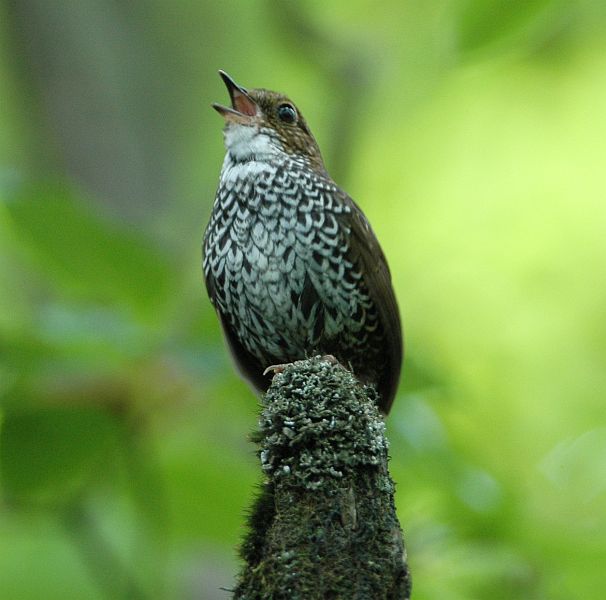
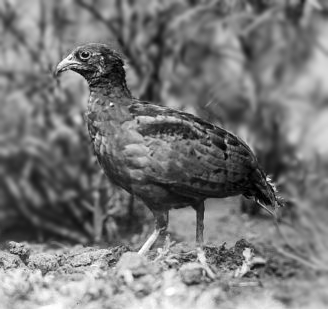
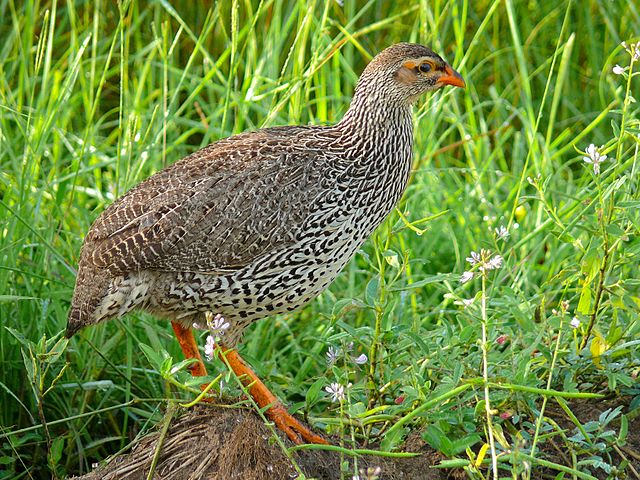
The two Forest Partridges are the Udzungwa Forest Partridge and the Rubeho Forest Partridge (Xenoperdix). Both species have boldly barred plumage and a red bill. Xenoperdix are found only in forests of the Udzungwa Mountains and the Rubeho Highlands of Tanzania.
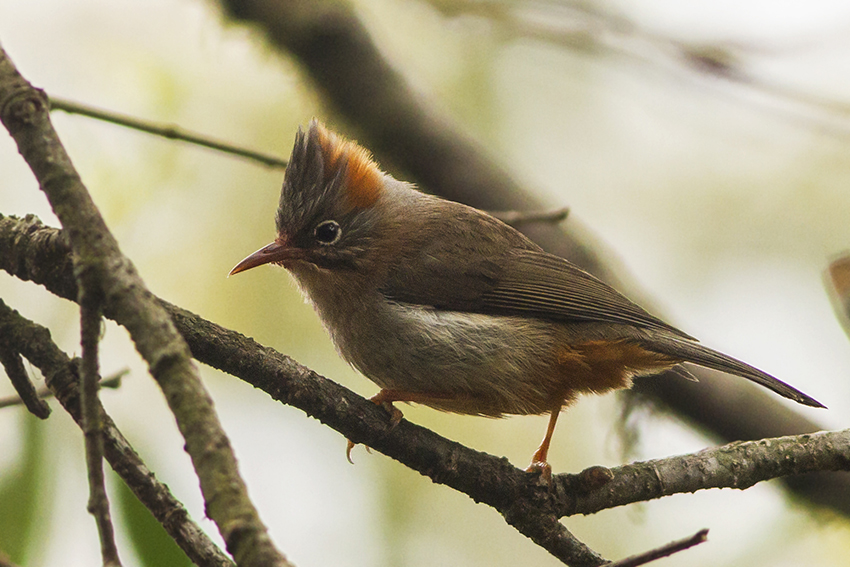
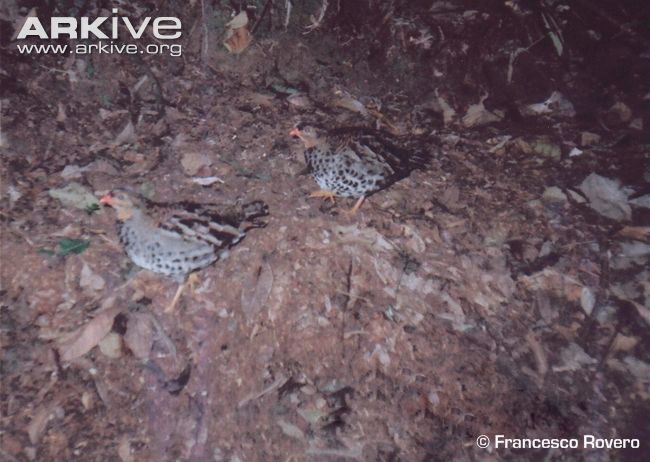
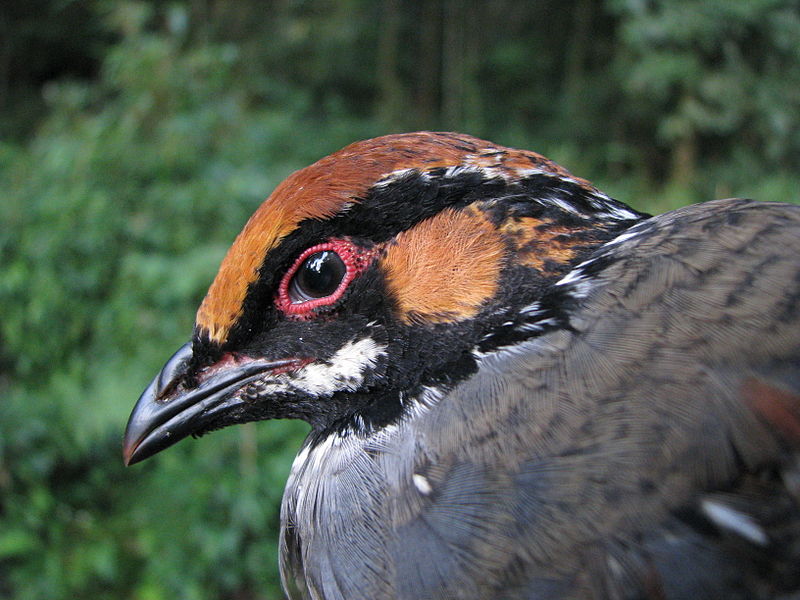
The largest genus today are Partridges in the Arborophila group. They are the Hill, Rufous-throated, White-cheeked, Taiwan Partridge, Chestnut-breasted, Bar-backed, Sichuan, White-necklaced, Orange-necked, Chestnut-headed, Siamese, Malaysian, Roll’s, Sumatran, Grey-breasted, Chestnut-bellied, Red-billed, Red-breasted, Hainan Partridge, Chestnut-necklaced , and the Green-legged Partridge. The genus has the second most members within the Galliformes after Francolinus although Arborophila species vary very little in bodily proportions with different species varying only in colouration/patterning and overall size. These are fairly small, often brightly marked partridges found in forests of eastern and southern Asia
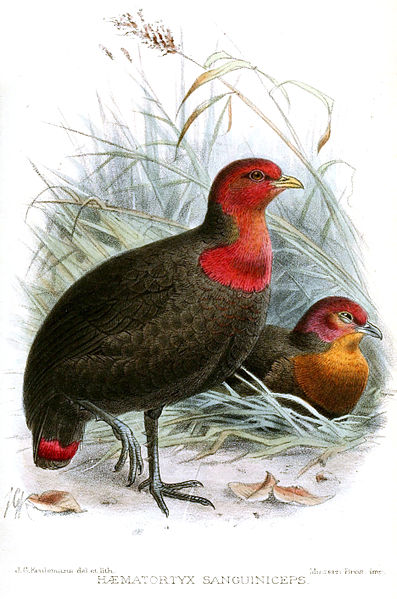
There are three more genera with only one bird; Ferruginous Partridge (Caloperdix oculeus), Crimson-headed Partridge (Haematortyx sanguiniceps), and the Crested Partridge (Rollulus rouloul.
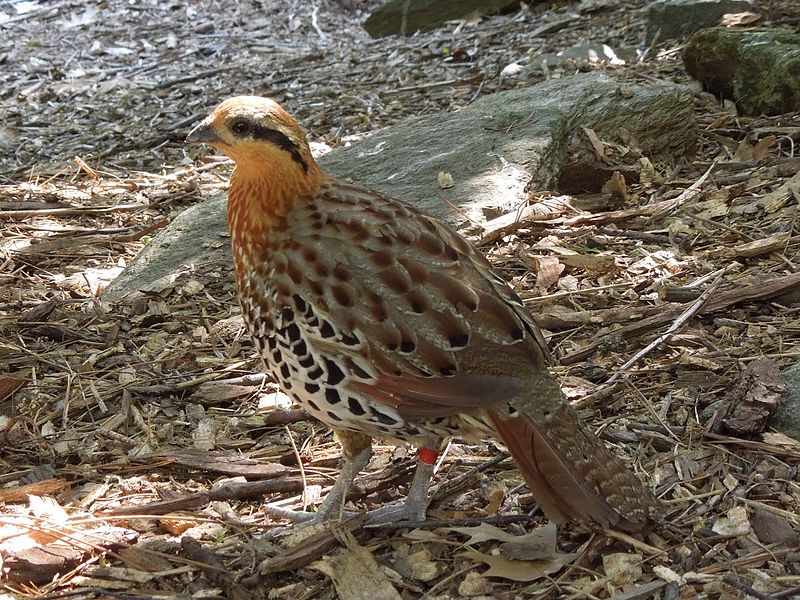
We finish off this week’s Avian Wonders from the Lord with the Bambusicola genus with the Mountain Bamboo Partridge, Chinese Bamboo Partridge, and the Taiwan Bamboo Partridge.
This slideshow requires JavaScript.
*
“And, Thou, Lord, in the beginning hast laid the foundation of the earth; and the heavens are the works of thine hands:” (Hebrews 1:10 KJV)
“Whose fan is in his hand, and he will throughly purge his floor, and gather his wheat into the garner; but he will burn up the chaff with unquenchable fire.
(Matthew 3:12 KJV)
“Yea, the sparrow hath found an house, and the swallow a nest for herself, where she may lay her young, even thine altars, O LORD of hosts, my King, and my God.” (Psalms 84:3 KJV)