“For from you the word of the Lord has sounded forth, not only in Macedonia and Achaia, but also in every place. Your faith toward God has gone out, so that we do not need to say anything.” (1 Thessalonians 1:8 NKJV)
His head is like the finest gold; His locks are wavy, And black as a raven. (Song of Solomon 5:11 NKJV)
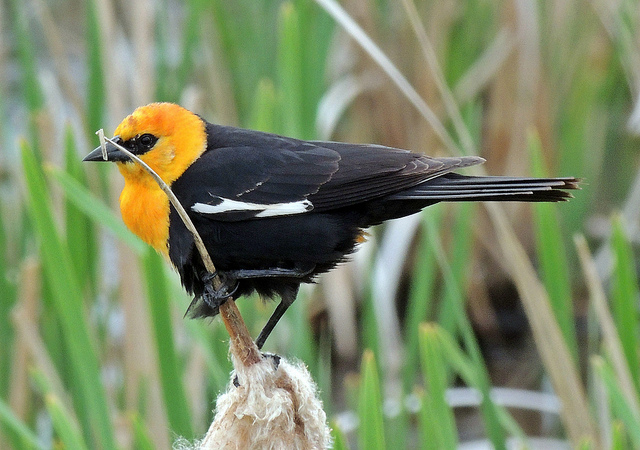
Most casual birdwatchers do not now the name of Icteridae, but if I were to mention Blackbirds, Bobolink, Meadowlarks, Cacique, Orpendendolas, Orioles, Toupials, Grackles, Cowbirds, Baywings, and Marshbirds, you would have heard of them. Many in this Icteridae Family are very commonly seen. That is, if you live in the “New World” or Western Hemisphere, specifically the Americas (including nearby islands such as those of the Caribbean and Bermuda).
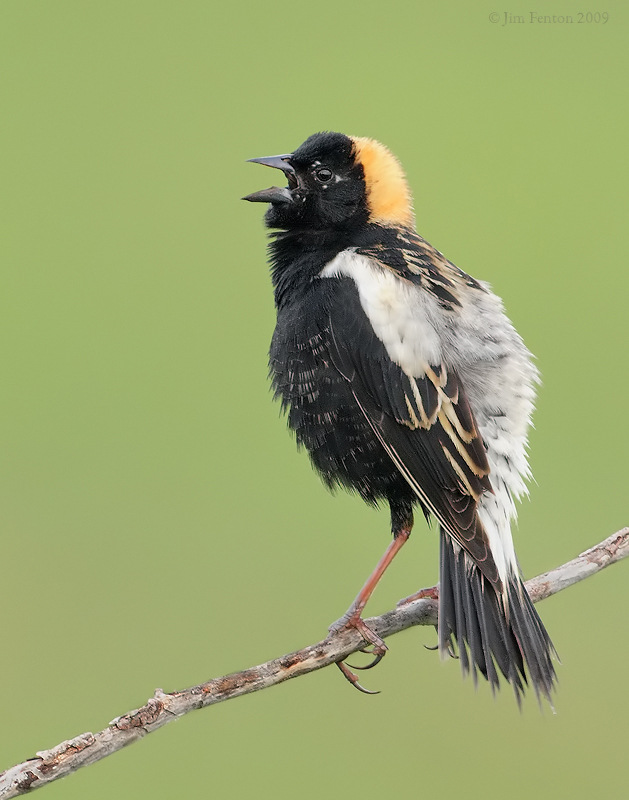
Bobolink (Dolichonyx oryzivorus) by J Fenton
This family has 109 members presently (6.1 Version of I.O.C). Wikipedia says, “Icterids make up a family (Icteridae) of small to medium-sized, often colorful passerine birds restricted to the New World. Most species have black as a predominant plumage color, often enlivened by yellow, orange or red. The family is extremely varied in size, shape, behavior and coloration. The name, meaning “jaundiced ones” (from the prominent yellow feathers of many species) comes from the Ancient Greek ikteros, through the Latin ictericus.”
“Despite the similar names, the first groups are only distantly related to the Old World common blackbird (a thrush) or the Old World orioles.”
“Icterids have adapted to taking a wide range of foods. Oropendolas and caciques use their gaping motion to open the skins of fruit to obtain the soft insides, and have long bills adapted to the process. Others such as cowbirds and the bobolink have shorter stubbier bills for crushing seeds. The Jamaican blackbird uses its bill to pry amongst tree bark and epiphytes. Orioles will drink nectar.” (Wikipedia, with editing)
This slideshow requires JavaScript.
For from you the word of the Lord has sounded forth, not only in Macedonia and Achaia, but also in every place. Your faith toward God has gone out, so that we do not need to say anything. (1 Thessalonians 1:8 NKJV)
“Then saith Jesus unto them, All ye shall be offended because of me this night: for it is written, I will smite the shepherd, and the sheep of the flock shall be scattered abroad.” (Matthew 26:31)
“All the men of thy confederacy have brought thee even to the border: the men that were at peace with thee have deceived thee, and prevailed against thee; they that eat thy bread have laid a wound under thee: there is none understanding in him. (Obadiah 1:7)
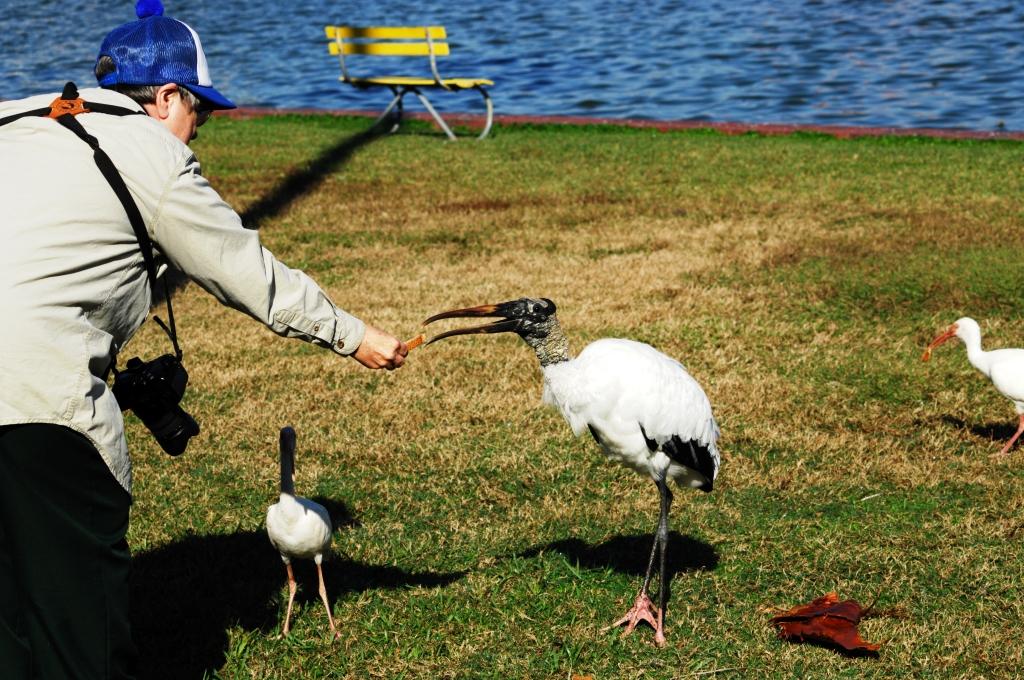
Lee feeding Wood Stork at Lake Morton by Dan Jan 2011
“And before I had done speaking in mine heart, behold, Rebekah came forth with her pitcher on her shoulder; and she went down unto the well, and drew water: and I said unto her, Let me drink, I pray thee.” (Genesis 24:45)
Make ye mention to the nations; behold, publish against Jerusalem, that watchers come from a far country, and give out their voice against the cities of Judah. Jeremiah 4:16
“But the fruit of the Spirit is love, joy, peace, longsuffering, gentleness, goodness, faith, Meekness, temperance: against such there is no law.” (Galatians 5:22-23 KJV)
I know all the birds of the mountains, And the wild beasts of the field are Mine. (Psalms 50:11 NKJV)
After all these months of doing the Sunday Inspirations that have featured the Passerformes Order of birds, we are getting near the end of the list. Known as Passerines or Song Birds, there has been 125 families to tell about and show their pictures. There are seven families left, of which, three of them are small in number, so they are being grouped together in this Sunday Inspiration.
First we have group of birds in an Incertae Sedis or Uncertain Family. “Incertae sedis (Latin for ‘of uncertain placement’) is a term used for a taxonomic group where its broader relationships are unknown or undefined.” (Wikipedia) That means they don’t know into which families to place these birds.
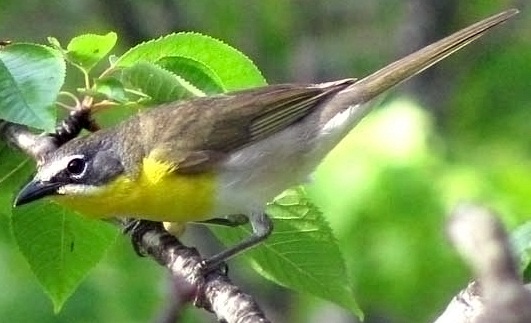
The six birds in this family currently are the Green-tailed Warbler, Yellow-headed Warbler, Oriente Warbler, Wrenthrush, Yellow-breasted Chat, and the White-winged Warbler.
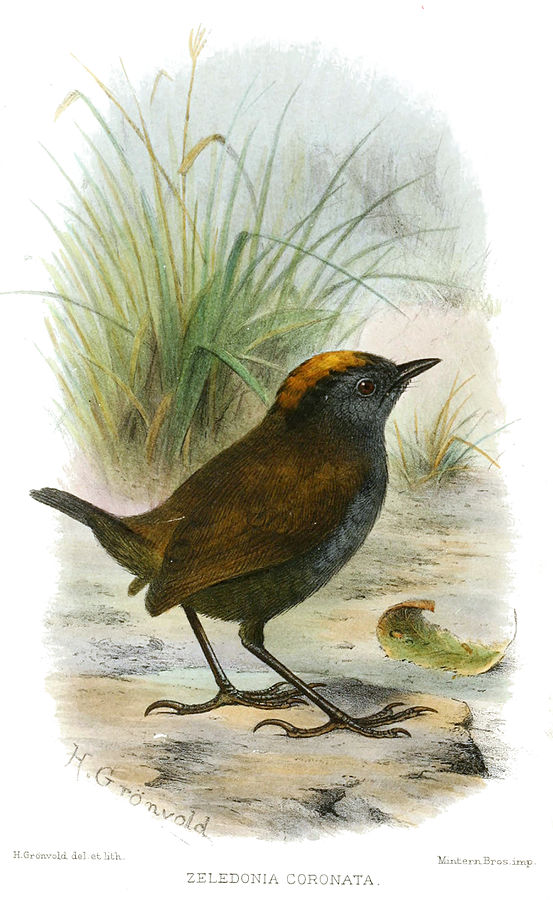
For instance the Wrenthrush (Zeledonia coronata) is neither a wren or a thrush (and unrelated to both). No copyright free photos are available to use other than this drawing. You can see a few photos here.
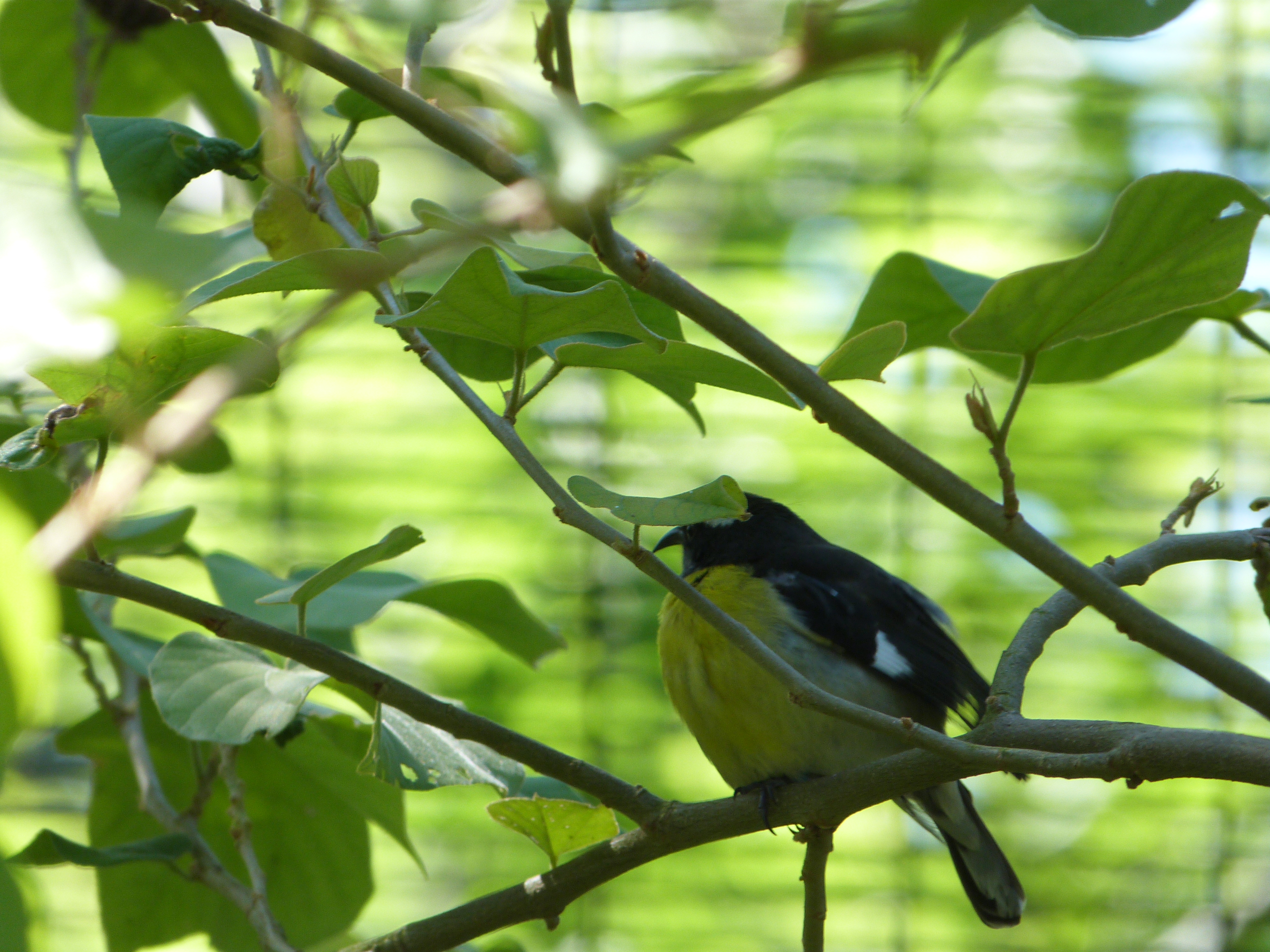
Bananaquit (Coereba flaveola) Cloud Forest by Lee
The Bananaquit belongs to the Coerebidae family. It is the only member, but there are numerous subspecies. I suspect one day they will split some of them off into separate species in the family. In fact they are suggesting three species already. We saw one down at Zoo Miami’s Cloud Forest.
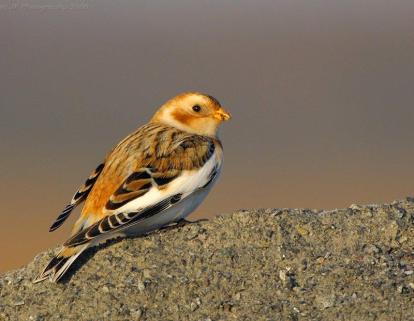
Snow Bunting (Plectrophenax nivalis) by J Fenton
Our last small family this week is the Calcariidae. There are six members here also. The four Longspurs; Mccown’s, Lapland, Smith’s and Chestnut-collared; and two Buntings, the Snow and McKay’s Bunting.
These are chunky ground-feeding birds with long wings which are usually seen in open areas. Males declare ownership of a territory by singing during short flights over it. The male’s breeding plumage is much brighter than his winter plumage. These birds gather in large flocks in winter. The longspurs are all found in North America; the Lapland Longspur, or Lapland Bunting, is also found in Europe and Asia. (Wikipedia)
This slideshow requires JavaScript.
And the scripture was fulfilled which saith, Abraham believed God, and it was imputed unto him for righteousness: and he was called the Friend of God.” (James 2:23 KJV)
“I’ll Be A Friend To Jesus” – Faith Baptist Quartet
“I have heard a rumor from the Lord, and an ambassador is sent unto the heathen, saying, Gather ye together, and come against her, and rise up to the battle.” {Jeremiah 49:14)