Reflections and A House Ornament

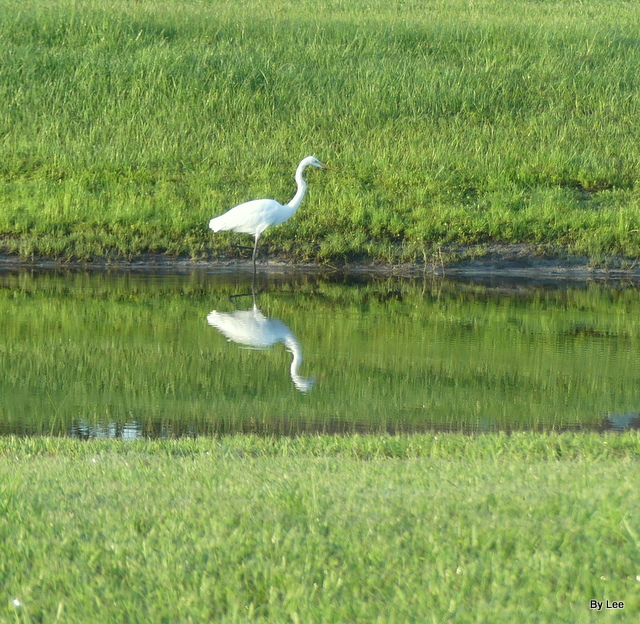
Great Egret Reflecting off the pond by Lee

Great Egret Reflecting off the pond by Lee

“Iron sharpens iron, So one man sharpens another. He who tends the fig tree will eat its fruit, And he who cares for his master will be honored. As in water face reflects face, So the heart of man reflects man.” (Proverbs 27:17-19 NASB)

“When I saw, I reflected upon it; I looked, and received instruction.” (Proverbs 24:32 NASB)

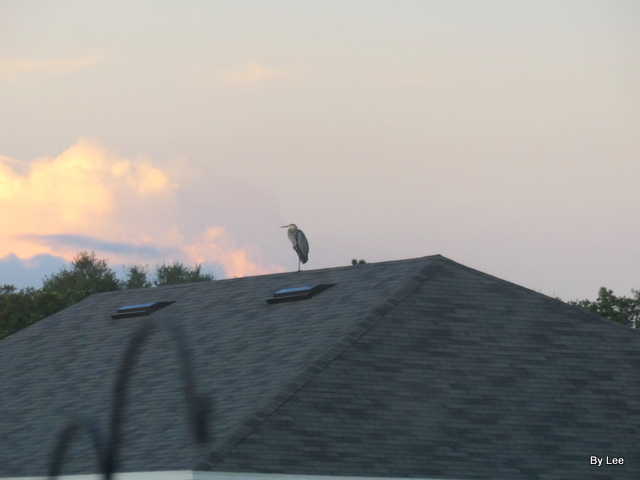
As you know, we have not been birding, or really going anywhere much lately. So, breakfast birding is becoming our birding adventures. Lately, when we go in and out of our housing addition, we have noticed quite frequently, a Great Blue Heron sitting on some houses. Of course, I have never had a camera ready or even in the car.

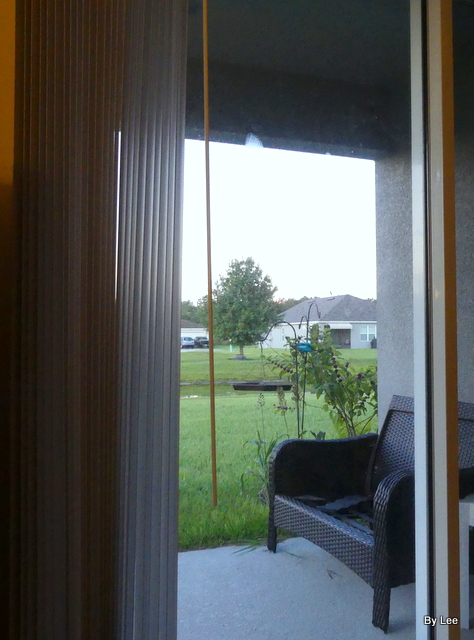
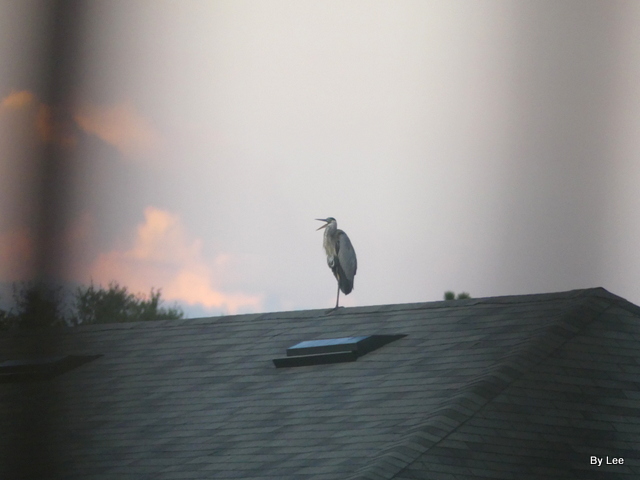
BUT, when we looked out, from the breakfast table, the other morning, this is what I saw. I grabbed the camera and took these photos:

Great Blue Heron on Housetop by Lee

Great Blue Heron on Housetop from breakfast table by Lee

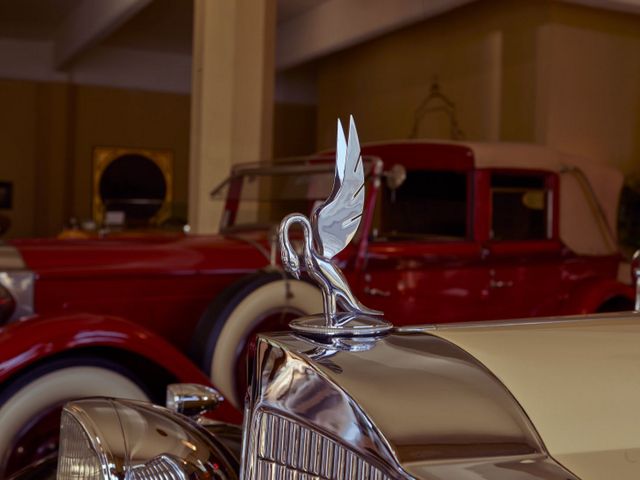
I zoomed in closer, and sure enough, there the Great Blue Heron was on my neighbors house. Back in the “old days” we used to have hood ornaments on car hoods.

Hood Ornament on a Packard (Library of Congress PD)

Hood Ornament on a Packard (Library of Congress PD)

This Heron is making a great “House Ornament.”

Great Blue Heron on Housetop by Lee

Great Blue Heron on Housetop by Lee

Great Blue Heron of Housetop by Lee

Great Blue Heron of Housetop by Lee

“For there is nothing covered, that shall not be revealed; neither hid, that shall not be known. Therefore whatsoever ye have spoken in darkness shall be heard in the light; and that which ye have spoken in the ear in closets shall be proclaimed upon the housetops.” (Luke 12:2-3 KJV)

Well, it’s back to relaxing until the next Breakfast bird/birds show up to entertain us. In the mean time, I have been working on my Geneology.

LEE’S ANCESTRY ADVENTURES

Wordless Birds – With Hummingbirds

Ian’s Bird of the Moment – Christmas Island Birds

Ian’s Bird of the Incident he’s called it this time in his newsletter. By Ian Montgomery
Well, I’ve finally emerged from various Christmas Island induced rabbit holes and we can have our virtual trip to look at some of the special birds of this remote island. There aren’t any feral rabbits on Christmas Island, so Red Crab burrows might be a better metaphor.
Christmas Island is both remote and very old, making it an interesting place in terms of both biogeography and avian evolution. It is about 350km/220 miles south of the western tip of Java and 1,550km/960 miles northwest of Exmouth in Western Australia. There are no nearby islands – the Cocos Keeling Islands are 980km/610 miles to its west. It first appeared about 60 million years ago as a 5,000m/ high volcanic seamount which then underwent several geological uplifts over the following 10 million years giving it a layered structure with cliffs, both coastal and farther inland, formed by coastal erosion. Coral reefs deposited limestone over the basalt core.
christmas_island_map.jpg
60 million years ago was shortly, geologically speaking, after the extinction event, thought to be a global collision with a large object, about 66 million years ago that marked the end of the Cretaceous period. This caused the extinction of many plants and animals, notably the dinosaurs, and resulted in rapid adaptive radiation of many surviving groups, particularly birds and mammals. At the time Australia was still attached to Antarctica and the other tectonic plates of the former Gondwana were still drifting to their current locations and resulting land masses: South America, Africa, Madagascar and India.
The island has an area of 135 sq km/52 sq mi and the coast is an almost continuous cliff with few bays or beaches, as shown in the photo of the east coast. Although known to European sailors from the 17th century, the cliffs made landing, exploration and settlement difficult and it remained uninhabited and consequently undisturbed until the late 19th Century. The largest bay is Flyingfish Cove near the north of the island where the Settlement is located. The photo below shows a typical stretch of coast looking south from Margaret’s Knoll on the eastern side of the island.
margarets_knoll-ps.jpg
You’ll probably know from previous posts that I’m particularly interested in the evolution and ecology of birds, and by extension their taxonomy and biogeography. Isolated islands both provide fascinating insights into and pose intriguing questions about both evolution and biogeography and I’m going to look at the species on Christmas Island from these angles. We’ll start with the taxonomically most unusual, Abbott’s Booby, which belongs to a monotypic endemic genus, then look at other interesting seabirds and finish with land birds.
abbotts_booby_40307_pp.jpg
Three of the seven global species of Booby breed on Christmas Island: Abbott’s, Brown and Red-footed. Both the Brown and Red-footed are widespread, found throughout tropical waters around the world and members of the genus Sula which comprises all the species of Booby except Abbott’s.  Abbott’s, however, breeds only on Christmas Island and is the only member of the genus Papasula. It was originally included in Sula but structural differences between it and both Gannets and other Boobies led Olson and Warheit 1988 to move it to a new more primitive genus of its own. Subsequent DNA studies have confirmed this and Papasula is thought to have branched off the early Gannet-Booby lineage about 22 million years ago.
abbotts_boby_39566_pp.jpg
We can’t, however, conclude that it evolved in isolation on Christmas Island. The species was first described from a specimen collected by the American naturalist William Louis Abbott in 1892 on an island near Madagascar in the western Indian Ocean, either Assumption Island or the nearby Glorioso Island. Fossil evidence indicates that it was quite widespread in the Indian and Pacific Oceans and there are eyewitness reports of it breeding in the Mascarene Islands near Mauritius (as described in Wikipedia). So its endemic status on Christmas Island is a result of its extinction elsewhere. On Christmas Island the population, currently estimated at about 2,000 pairs, has declined owing to habitat clearance and the species is classified as endangered.
red_footed_booby_40375_pp.jpg
Here, by way of comparison, is the white morph of the Red-footed Booby. There is also a widespread brown morph of this species but all, or almost all of the ones on Christmas Island are of the white morph. You can see photos of the brown or dark morph here: Birdway Red-footed Booby.
Frigatebirds are very well represented on Christmas Island. Three of the five global species nest on the island: Lesser, Great and the endemic Christmas (Island) Frigatebird. The other two species are the Magnificent (Birdway: Magnificent Frigatebird) of Atlantic and eastern Pacific Oceans and the Ascension, endemic to Ascension Island in the Atlantic. The Lesser (Birdway: Lesser Frigatebird) has colonised Christmas Island in small numbers relatively recently while the Great (Birdway: Great Frigatebird) is an endemic subspecies (listeri) with a population of about 3,300 pairs.. The Christmas Frigatebird is globally the rarest with a population of about 1,200 pairs. The population has declined since human settlement and the species is now classified as critically endangered, both because of its small, declining population and the fact that its breeding range is limited to a single location.
Unlike Abbott’s Booby, it’s probably fairly safe to assume that it evolved on the island and differs from the other species of Frigatebird mainly in the patterning of the plumage. The male has a diagnostic white belly, while the female has a white breast and belly extending further down the belly than in other species.
chris_is_frigatebird_40587_pp.jpg
Frigatebirds feed both by snatching prey such as squid and flying fish from on or near the surface of the water and by harrying Boobies, Tropicbirds and Terns until they drop their food. In the photo above, this female has just regurgitated a no doubt tasty mixture for its chick including a flying fish, the “wings” of which you can see sticking out on both sides of the chick’s mouth.
While we’re on the subject of tropical seabirds, Christmas Island has two of the three global species of Tropicbirds: the White-tailed and Red-tailed Tropicbird. Most of the local White-tailed Tropicbird population has black and apricot rather than the typical black and white plumage and has been ascribed to a separate subspecies fulvus. It is known locally as the Golden Bosunbird. However, 7% of the local population has the normal black and white plumage and apricot coloured birds occur in small numbers elsewhere, so it may be better to consider the differences just as colour morphs.
whitetail_tropicbird_39817_pp.jpg
For me, the Golden Bosunbird was the most beautiful bird on the island and I spent hours watching them in flight from this lookout near the settlement overlooking Tai Jin House, below, the former resident of the governor in more colonial times.
tai_jin_house-ps.jpg
The Red-tailed Tropicbird, or locally Silver Bosunbird, is quite beautiful too. In pristine condition, the birds have long red tail streamers, but these frequently get broken off when the birds are nesting. They do a spectacular fluttering display flight travelling downwards and often slightly backwards near the cliffs where they nest.
redtailed_tropicbird_40016_pp.jpg
Both of these Tropicbirds are quite widespread. The White-tailed occurs in tropical parts of the Indian, Pacific and Atlantic Oceans while the Red-tailed ranges from the western Indian Ocean to the central Pacific.
Special birds on Christmas Island are not restricted to sea birds: it has some unusual land birds as well. Here is the splendid and abundant Christmas Island Imperial Pigeon.
xmas_is_imp_pigeon_40723_pp.jpg
The dorsal plumage is this lustrous green which reminds me of Connemara marble. The breast is plum-coloured, the vent rufous and the eyes are a spectacular golden. It’s endemic to the island and its closest relative is the Pink-headed Imperial Pigeon (D. rosacea), widespread in the Indonesian islands of the Java Sea.
xmas_is_imp_pigeon_40171_pp.jpg
A much more elusive member of this family is endemic race natalis of the Common or Asian Emerald Dove. This used to be treated as the same species as the Emerald Dove that occurs in Australia but the latter has been split into two species: the Common or Asian and the Pacific. As a result, Christmas Island is the only place in Australia where the Common or Asian species occurs.
common_emerald_dove_40178_pp.jpg
Also elusive is the only resident owl, the endemic Christmas Island Boobook. With a length of 26-29cm/10-11.4in, it is generally smaller than the rather variable Australian Bookbook of the mainland: 27-36cm/10.6-13.8in. We went out one night near the golf course with David James, one of the leaders of the first Christmas Island Bird Week, who was armed with a recording of the call. The recording was of poor quality but to our delight and surprise we got a response and a family of three appeared at close quarters. The species is regarded as vulnerable with a population of maybe 500 pairs and there are concerns that the introduction of yellow crazy ants is affecting the availability of the invertebrate prey that is its main source of food.
christmas_boobook_39728_pp.jpg
Christmas Island also has an endemic diurnal predator, the Christmas Island Goshawk. Its taxonomy has proved a challenge for various taxonomists and it has generally been treated as a race of the Brown Goshawk (Accipiter fasciatus). In fact there are significant differences in structure, appearance and behaviour, so there is probably justification for treating it as a separate species. It is the rarest of the endemic birds with a population of probably less than 250 individuals. Unlike the Brown Goshawk, the birds are relatively tame and approachable.
variable_goshawk_39610_pp.jpg
Christmas Island has only two endemic Passerines, the endemic race of the Island Thrush that was the subject of the last Irregular Bird and the Christmas Island White-eye. White-eyes are famous for finding their way to and settling on remote islands so there are nearly one hundred species ranging from Africa through the warmer parts of Asia to Australasia and the islands of the Pacific. This one is posing on a coral tree near Tai Jin House.
xmas_is_white_eye_39318_pp.jpg
So, there you are. Plenty of rabbit or red crab burrows to be explored by budding taxonomists and biogeographers. Talking about Red Crabs, itt wasn’t the right time of the year for the Red Crab spawning event and I don’t remember seeing any as they keep out of sight at other times of the year. We did encounter some Robber or Coconut Crabs, however. This species  is the largest terrestrial arthropod, weighing up to 4kg/8.8lbs and measuring up to 1m/39in in span from leg tip to leg tip. Their range comprises islands of the Indian Ocean and parts of the Pacific.
robber_crab_39595_pp.jpg
Greetings and stay safe,
Ian

Lee’s Addition:

“Thus the heavens and the earth were completed, and all their hosts. By the seventh day God completed His work which He had done, and He rested on the seventh day from all His work which He had done.” (Genesis 2:1-2 NASB)

Very interesting how these birds have developed and interbred over the centuries. With isolation, much interbreeding within the species has helped influence these varieties within the families and orders.

See More of Ian’s posts at:

Ian’s Bird of the Week

Who Paints the Leaves?
Denny and Charles’s Museum by Emma Foster

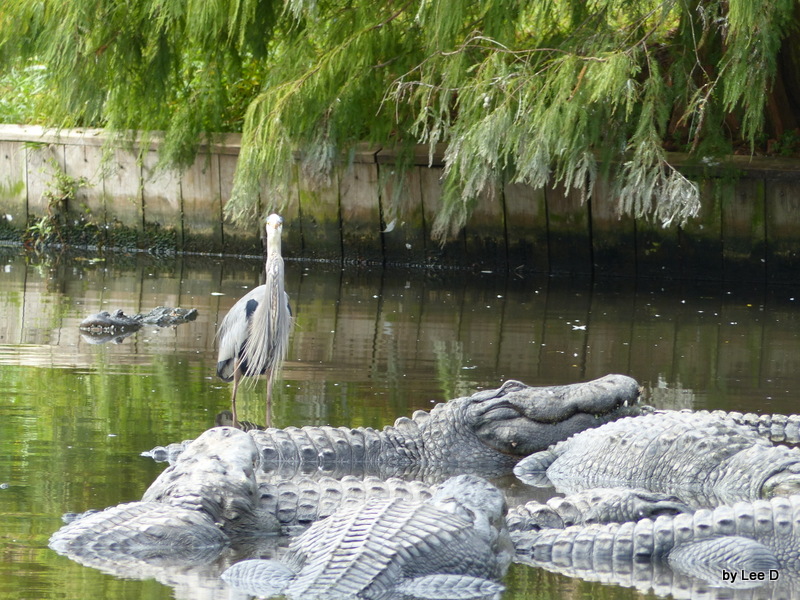
G. Blue Heron on Gator’s back at Gatorland, by Lee

Denny and Charles’s Museum

Emma Foster

Denny the blue heron was the smallest out of all the blue herons that lived in the Florida reserve, but no one ever made fun of him for it because his best friend was the largest alligator in the reserve, Charles. Denny and Charles spent most of their time crossing the various swamps, with Charles slinking through the mud and weeds and Denny sitting on his back.

Usually, whenever Denny and Charles set out together, they would follow the trails marked in the reserve, so that they were always near the banks. The people who visited the reserve enjoyed seeing them wander down the swamp trails, especially since Denny sat on Charles’s back while Charles swam through the weeds.

One day, while Denny and Charles were traveling through the water, Denny spotted something unusual in the water. It was bright red, and it shone brightly when the sun reflected on it. Denny stuck his beak inside it to pick it up. He lifted the can and placed it onto Charles’s back. Denny wasn’t quite sure what it was, and Charles couldn’t see it because it was on his back. Denny decided to keep it.

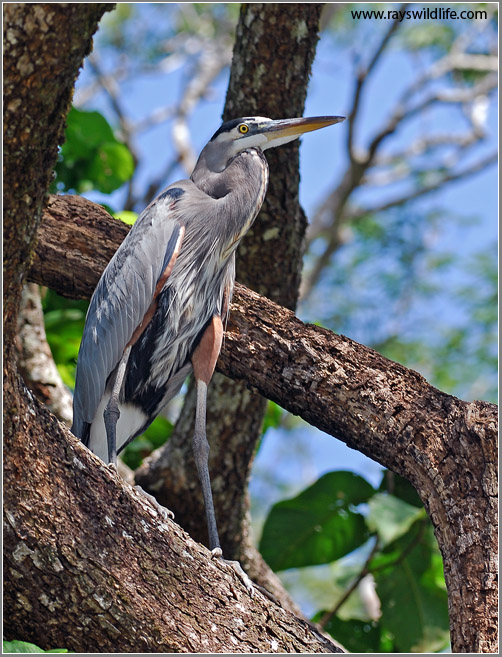
Great Blue Heron (Ardea herodias) by Raymond Barlow

Farther along down the reserve trail, Denny spotted another interesting object. He wasn’t sure what this was either, but it was bright yellow and small. Denny added it to his growing collection.

Eventually, Denny had several small objects piled on Charles’s back. He placed everything he had found on the bank so Charles could have a look at it. They both thought about what to do with what Denny found. After thinking for a long time, Denny proposed an idea. He thought it would be a great idea to set all of the objects they found in an area where all the other animals in the swamp could see them.

Denny promptly flew off to find a large open area for them to place their things. Charles slowly nudged the objects into his mouth and followed Denny to where he was calling. Charles dumped the objects onto the grass, glad to be of help.

Every day, Denny and Charles added more to their collection. They found two old water bottles, a small pipe, and several pieces of different materials that were several different colors like pink, red, blue, and yellow. Denny kept the can placed in a special spot for everyone to see, since he had found it first.

The birds, insects, and other animals enjoyed seeing all the things Denny and Charles had put out. Some of them thought it was odd that they collected that stuff, since it seemed to serve no purpose.

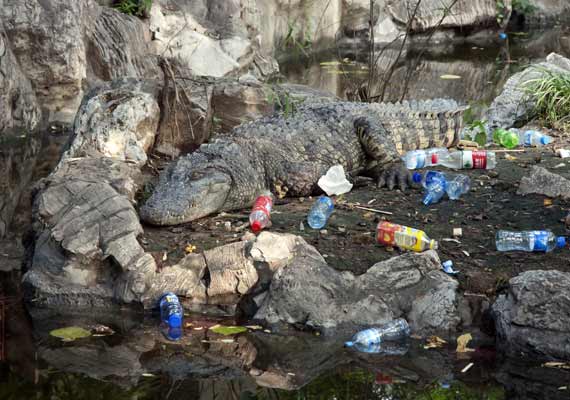
Gator and Litter @indiatvnews

As summer drew near, it began raining more and more. Most of the animals had a comfortable place to spend every night. Charles was happy to sit in the swamp in the rain, and Denny sat in the trees, keeping a close eye on his collection. However, as he was watching it one evening he saw a little gray mouse pass him nearby. It was so small it could dodge the raindrops, but it still looked very wet and cold. It hid under the leaves in the bushes, but it couldn’t seem to find a warm, dry place for the night. Denny suddenly thought of the things he had found, but he couldn’t think of anything that would make a good house. Then he thought of the can.

Denny called Charles over. He told him about giving the can to the mouse, though he was reluctant to give it away. Charles thought it was a great idea, and he immediately crashed through the bushes to put the can in his mouth. Denny flew after the mouse, told her his name, and explained what they wanted to give her. At that moment, Charles waddled through the bushes and dropped the can beside the mouse. The mouse, Charlotte, was very grateful for what they had done. She rolled the can under the leaves, turned it to the side, and carefully squeezed through the opening to sit down inside.

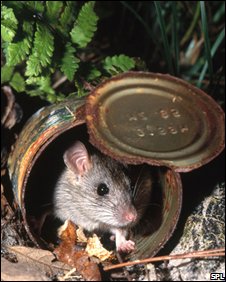
Mouse in Can (BBC)

Denny and Charles continued growing their collection. The other animals in the reserve enjoyed seeing what they added to the museum, and they sometimes even brought some of their own things that they had found. Charlotte the mouse stayed in her little can house, beside Denny and Charles’s museum, and told them every day how happy she was in her new home.


“A man that hath friends must shew himself friendly: and there is a friend that sticketh closer than a brother.” (Proverbs 18:24 KJV)

Lee’s Addition:

What an interesting story. Birds riding on gator’s backs isn’t as far-fetched as it might seem.

Thanks, Emma, for another delightful adventure. You continue to find heart-felt stories for us to enjoy. We will be looking forward your next one.

“Nevertheless, you have done well to share with me in my affliction.” (Philippians 4:14 NASB)

See more of Emma’s Stories

From The Breakfast Table – 7/24/20

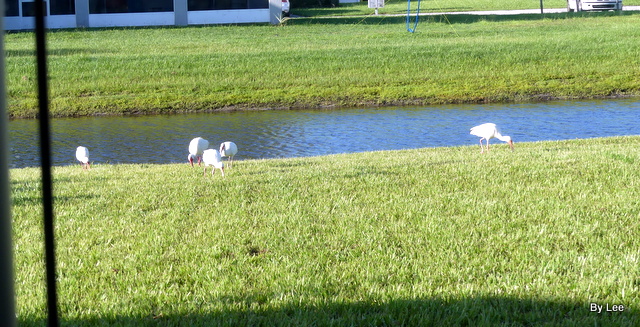
White Ibis checking out our yard.

White Ibises checking out our yard.

Well, while eating our breakfast today, we had another birdwatching adventure. Since I have been staying in more again because of this Covid-19 pandemic, there have been no trips to watch birds. No birds, no posts. Thankfully, Dr. Johnson (JJSJ) and William Wise have been adding post here.

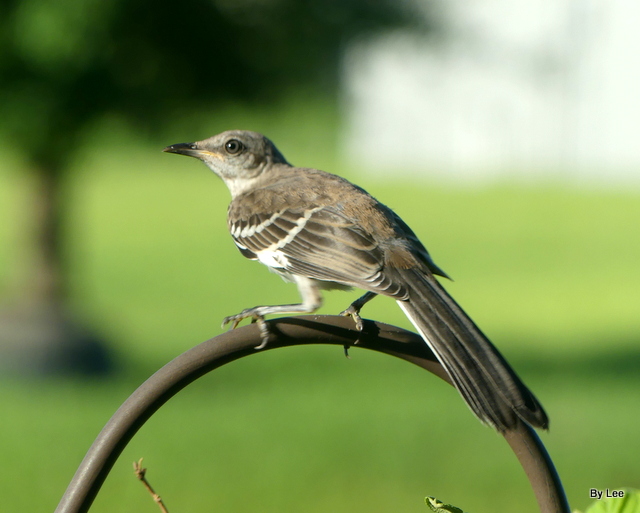
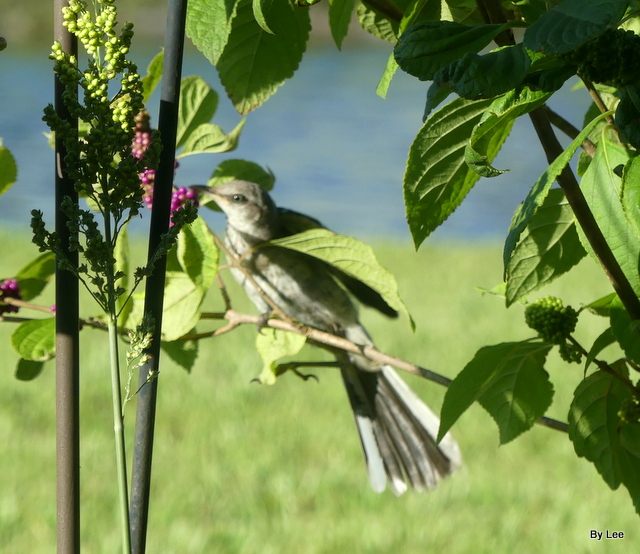
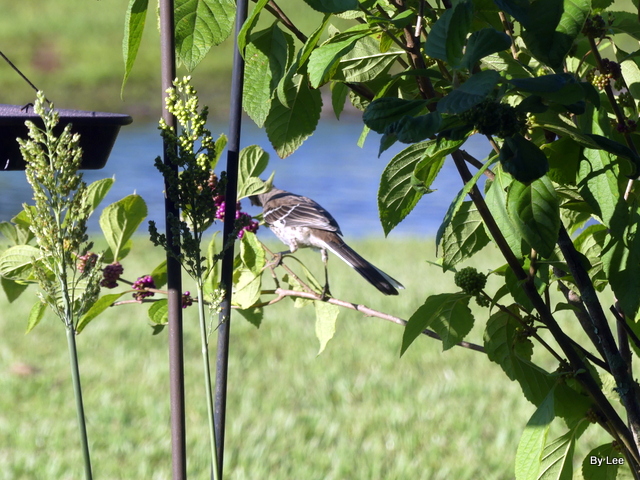
With the heat of summer, the birds are less frequent this time of year. Many migrate north, but they will return this fall. Also thankfully, there are those who are resident birds and hang around. Today was a show of Northern Mockingbirds. When we moved here recently, I brought a Beautyberry shrub with me. My neighbor helped me prune it, and it is the best it has ever been. I have been watching the little berries develop, and now, some of them are ripening up.

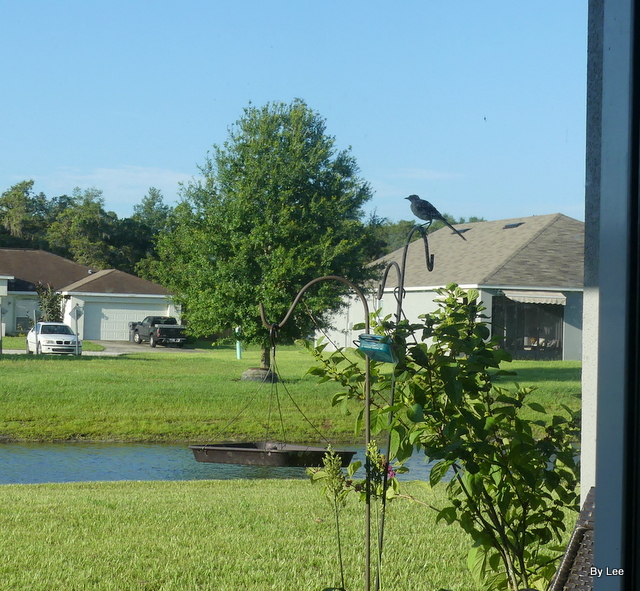
Northern Mockingbird on Hook 2

Northern Mockingbird on Hook

“For at the window of my house I looked out through my lattice,” [double sliding door] (Proverbs 7:6 NASB)

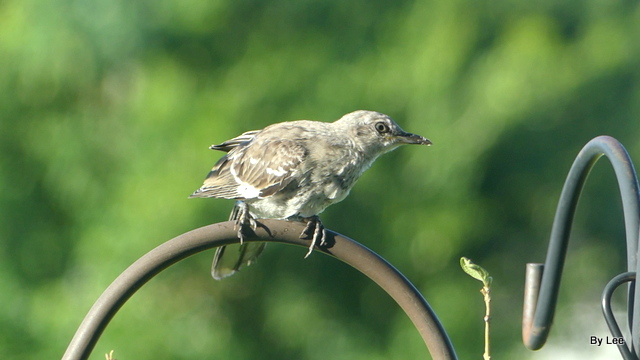
First a few White Ibises walked through the yard, and then the Mockingbirds started to appear. I have only seen one most of the time. Must be something about those berries that brought the whole family in. Before breakfast was over, five had come in at once. Three of them seem like juveniles or almost mature, the other two, I assume are the adults.

Here are some of the photos I took while sitting at the breakfast table:

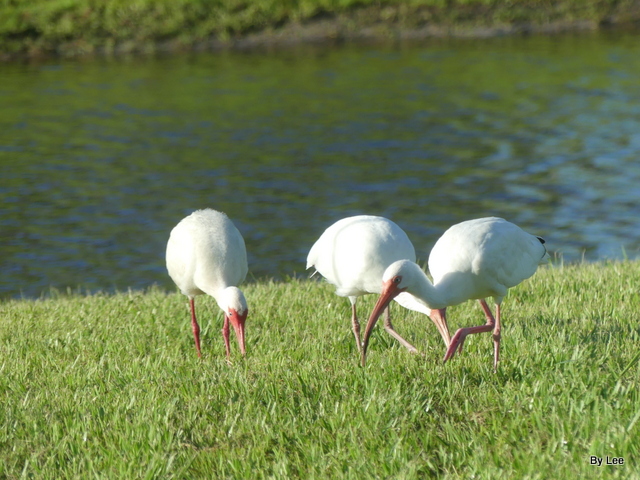
American White Ibises checking for whatever:

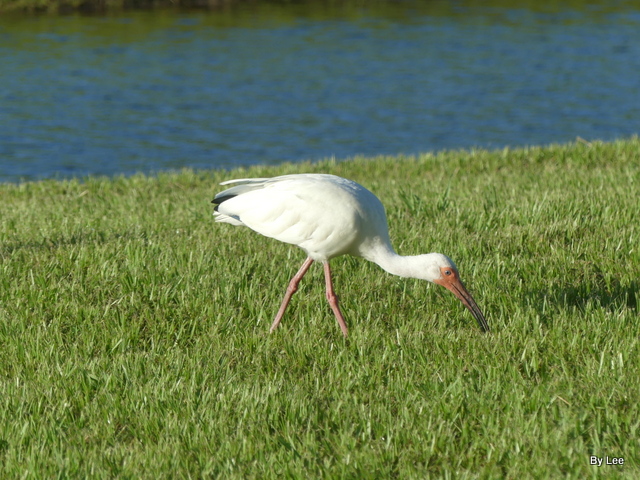
White Ibis checking out our yard.

White Ibis checking out our yard.

Northern Mockingbirds on the hook and the Beautyberry plant:

Northern Mockingbird on Hook

2 Northern Mockingbirds on Hook

Young Northern Mockingbird on Hook

Eating berries

“Look at the birds of the air, that they do not sow, nor reap nor gather into barns, and yet your heavenly Father feeds them. Are you not worth much more than they?” (Matthew 6:26 NASB)

All these visitors made for an entertaining and blessed start to our day. Here is a video of some of this activity. All from my chair at breakfast.

Video of Mockingbirds:

And video of Juvenile Mockingbird

Good News

Creation Moment’s – Tool Users That Are Something To Crow About

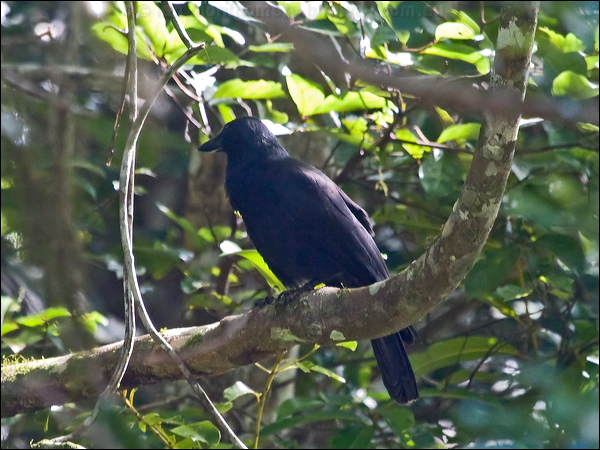
New Caledonian Crow (Corvus moneduloides) by Ian Montgomery

Genesis 4:22

And Zillah, she also bare Tubal-cain, an instructor of every artificer in brass and iron: and the sister of Tubal-cain was Naamah.”

Many creatures have been found that use sticks, leaves and other items as tools. Chimpanzee parents teach their youngsters to poke sticks in termite holes to get termites. However, no animal has shown an instinctive tendency to make and use tools, until now.
Caledonian crows are among the known tool-users. A pair of captive New Caledonian crows were having trouble incubating their four eggs. So researchers decided to incubate and raise the young crows themselves. Upon hatching, the young crows were separated into two pairs. One pair received lessons on how to use twigs to poke food out of slots. The other pair received no lessons, nor were they allowed to see their siblings using tools. When they were given sticks and leaves, they spontaneously began using the twigs to poke food out of a slot. One of them also tore a leaf into a food poker. After evaluating all the behavioral data, researchers concluded that while crows have a natural tendency to make and use tools, they also learn how to make improved tools from their elders.

Tool making is not what separates man from animals, although we can make tools far superior to those made by animals. The Bible tells us that the earliest man was made in the image of God and that the earliest generations of man were already making iron tools.

Prayer: Father, thank You for making me for a relationship with You and making a relationship possible through Christ. Amen.

Author: Paul A. Bartz

Ref: Science News, 1/15/05, p. 38, S. Milius, “Crow Tools.” Image: New Caledonian crow (PD)

© 2020 Creation Moments. (Used with permission)


Lee’s Addition:

We have had several previous articles about the tool usage of birds:

Birds of the Bible – Uniquely Created Tools

Interesting Things – Fleas, Birds and Tools

The Best Toolmakers in the World by Emma Foster

The Crow and the Screwdriver – by Emma Foster

*

Hope for Hard Times


Bobble-Body or Gaze Stablization

A friend placed this video on my Facebook. Another friend commented that instead of a bobble-head, it seems to have a bobble-body. That appears to be a very appropriate name for this Kingfisher’s actions.

Kingfisher, which aired on the BBC’s Winterwatch

Audubon’s comments had this remark about this birds video:

“Here’s an experiment: While reading this sentence, shake your head back and forth, and then nod up and down. Notice how the words on your screen remain in focus? Congratulations, you just experienced “gaze stabilization.

It’s this natural ability that allows us to maintain a clear line of vision even when our bodies are in motion.”

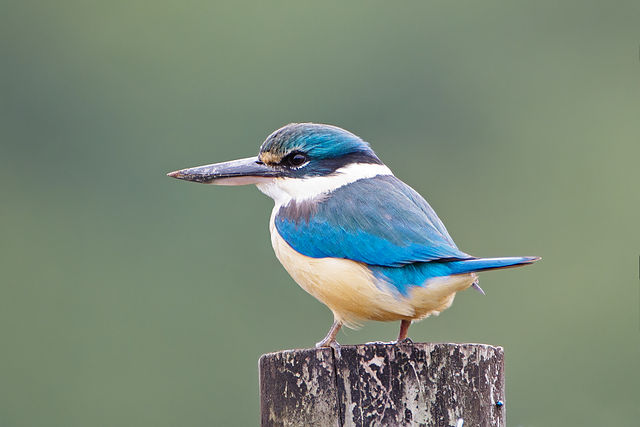
Sacred Kingfisher (Todiramphus sanctus) ©WikiC

“Gaze stabilization found in nature has inspired modern technologies, such as those used to stabilize images in cameras and drones. “Any cameras that films movies have image stabilization,” Dickman says.” Read this whole artcle at For Birds, a Steady Head Is the Key to Incredible Focus

Gazing, or keeping our eyes focused on things, is mention frequently in Scripture.

“Look up at the heavens and see; gaze at the clouds so high above you.” (Job 35:5 NIV)

Stephen Gazed: “But he, being full of the Holy Spirit, gazed into heaven and saw the glory of God, and Jesus standing at the right hand of God, and said, “Look! I see the heavens opened and the Son of Man standing at the right hand of God!” (Acts 7:55-56 NKJV)

Common Kingfisher (Alcedo atthis) by Ian

“He has regarded the prayer of the destitute And has not despised their prayer. This will be written for the generation to come, That a people yet to be created may praise the LORD. For He looked down from His holy height; From heaven the LORD gazed upon the earth, To hear the groaning of the prisoner, To set free those who were doomed to death,” (Psalms 102:17-20 NASB)

“At Lystra a man was sitting who had no strength in his feet, lame from his mother’s womb, who had never walked. This man was listening to Paul as he spoke, who, when he had fixed his gaze on him and had seen that he had faith to be made well, said with a loud voice, “Stand upright on your feet.” And he leaped up and began to walk.” (Acts 14:8-10 NASB)

Where are we gazing?

“Therefore, since we have so great a cloud of witnesses surrounding us, let us also lay aside every encumbrance and the sin which so easily entangles us, and let us run with endurance the race that is set before us, fixing our eyes on Jesus, the author and perfecter of faith, who for the joy set before Him endured the cross, despising the shame, and has sat down at the right hand of the throne of God.” (Hebrews 12:1-2 NASB)

What will you do with Jesus?

Which One Do I Feed First?

I have been a subscriber to Alois Absenger. He is a great photographer in Southeast Styria, I believe. I could not resist sharing his latest photo.

Which One Do I Feed First?

11 Mouths to feed ©Alois Absenger

11 Mouths to feed ©Alois Absenger

“For this reason I say to you, do not be worried about your life, as to what you will eat or what you will drink; nor for your body, as to what you will put on. Is not life more than food, and the body more than clothing? “Look at the birds of the air, that they do not sow, nor reap nor gather into barns, and yet your heavenly Father feeds them. Are you not worth much more than they?” (Matthew 6:25-26 NASB)

Check out his site at: https://aloisabsenger.wordpress.com/2020/06/19/11-hungrige-kohlmeisen/

Bird Song Hero: Learning Game

Bird Song Hero: Learning Game is from Cornell Lab of Ornithology

“Oh give thanks to the LORD, call upon His name; Make known His deeds among the peoples. Sing to Him, sing praises to Him; Speak of all His wonders.” (1 Chronicles 16:8-9 NASB)

For the full challenge, including the Bird Song Hero Ultimate round and free bird song downloads, visit: http://biology.allaboutbirds.org/bird….

Thought you might enjoy this challenge.

Various Birds From Creation Moments

Creation Moments has articles frequently about birds. I seem to get behind in checking my mail, so they sort of “pile up.” Today’s post is excerpts, with links to some of those posts.

Dueling Bird Songs

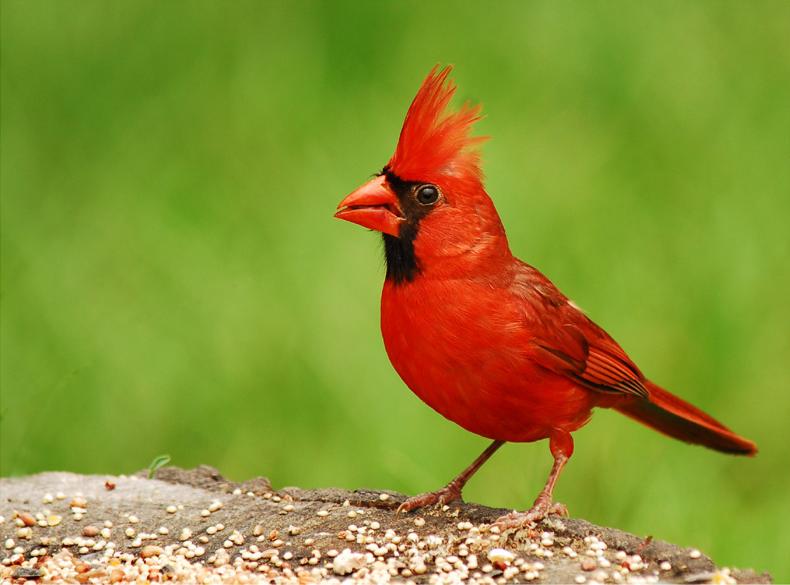
Northern Cardinal (Cardinalis cardinalis) - ©WikiC

Northern Cardinal (Cardinalis cardinalis) – ©WikiC

The flowers appear on the earth; the time of the singing of birds is come, and the voice of the turtle is heard in our land;…” Song of Solomon 2:12

“There is a lot more to bird song than meets the ear. Digital recording and computer technology have enabled researchers to study, in detail, various song-birds’ reactions to neighboring birds’ songs.

“In most species, singing is the male’s job. There is much more going on when he sings than simply establishing territory or attracting a mate. Researchers refer to one characteristic of bird song as “song matching.” While a male bird doesn’t like another male in his territory, he is more tolerant of a related male in a neighboring territory than of a complete stranger. A male will challenge a stranger by repeating the stranger’s song……”

Continued at Dueling Bird Songs


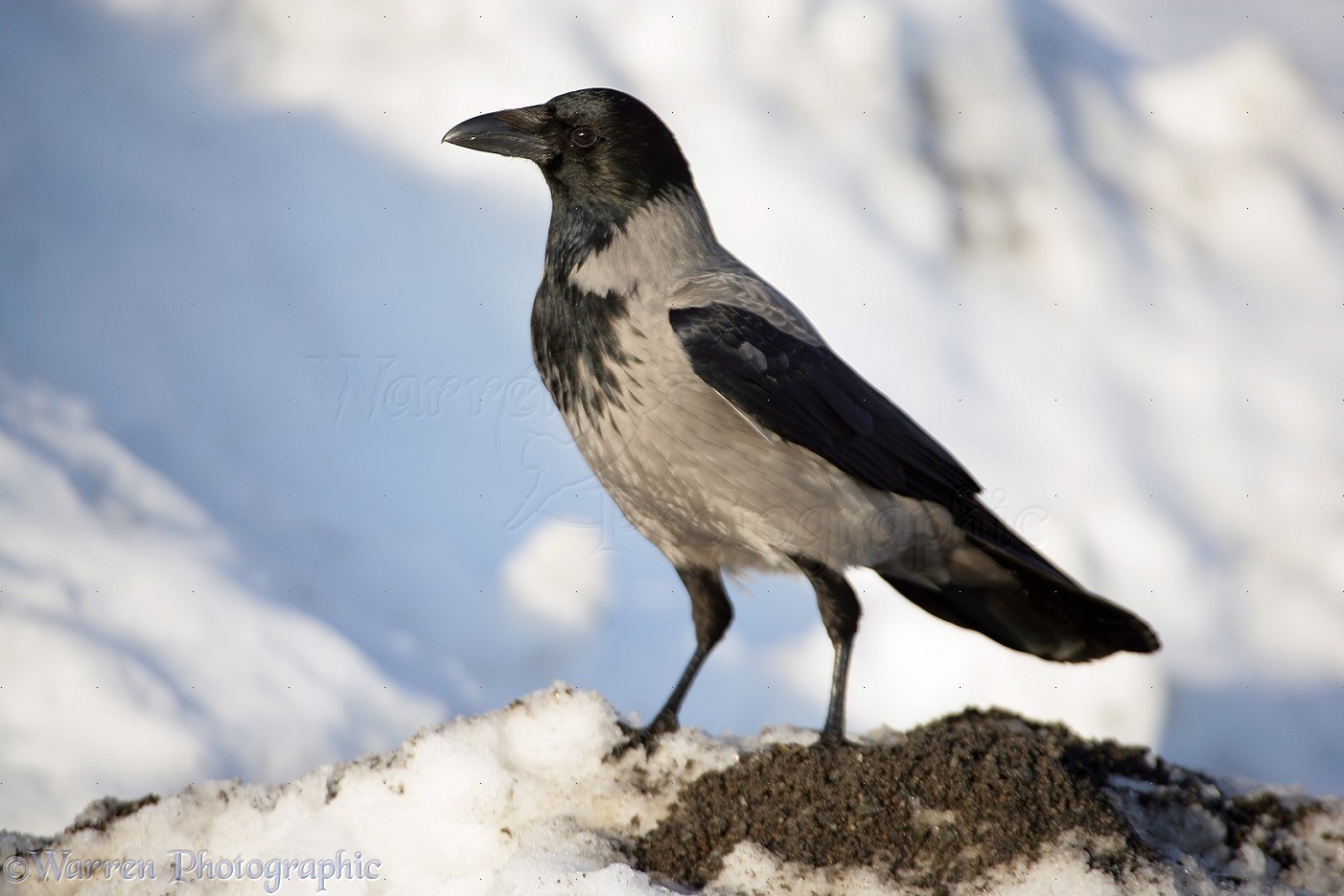
Hooded Crow. Warren Photographic

Are European Crows Evolving?

“And God created … every winged fowl after his kind…” Genesis 1:21

“A recent report on the Science Alert website discussed the evolution of two species of crow in Europe. The two species concerned are the carrion crow, which is black, and the grey-hooded crow. These crows are very different in appearance. They both populate continental Europe, with the grey-hoods in the East and the carrion crows in the West. Their boundary appears to be approximately where Germany’s Elbe River is. At this overlap point, it is possible for birds of the two species to interbreed. The hybrid birds are themselves fertile, which, while unusual for hybrids, is by no means unknown…..”

Continued at Are European Crows Evolving?


An Old Dead Bird And An Egg

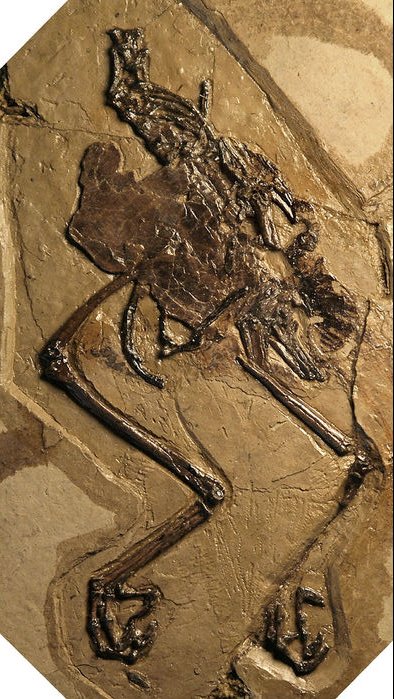
Fossil-Avimaia Schweitzerae With Unlaid Egg ©WikiC

Fossil-Avimaia Schweitzerae With Unlaid Egg ©WikiC

“And God blessed them, saying, Be fruitful, and multiply, and fill the waters in the seas, and let fowl multiply in the earth.” Genesis 1:22

“I like to keep ducks because I love their eggs. Last summer, one of my ducks became ill, with eggs trapped inside her. Despite my best efforts, she died. Scientists believe the same thing may have happened to a specimen of Avimaia. This fossil, dated by evolutionists at 110 million years old, had evidence of an unlaid egg inside it.” ..

“These deep-time ages do not make sense in the light of the creatures’ appearances. For example, the fact that the avimaia fossil has this unlaid egg within it suggests that the process of egg laying has not changed for these birds, which even evolutionists are having to admit must have co-existed with the very type of dinosaurs which supposedly evolved into them……”

Continued at AN OLD DEAD BIRD AND AN EGG

You can find more of these type articles in the Interesting Things and When I Consider

Who Paints The Leaves?

Hoatzin Bird: Evidence Against Evolutionary Ideas – Answers

Hoatzin(Opisthocomushoazin) by Kent Nickel

Hoatzin(Opisthocomushoazin) by Kent Nickel

Hoatzin Bird: Evidence Against Evolutionary Ideas from Answers in Genesis, by Harry F. Sanders, III

Answers in Genesis has a very interesting article about the Hoatzin Bird on line. See Hoatzin Bird: Evidence Against Evolutionary Ideas, by Harry F. Sanders, III.

I would like to share a few quotes from the article, trusting that you will follow the link to read the full article. The Hoatzin is one of those birds that the evolutionist can’t figure out what to do with. It is not a typical bird that can be neatly tucked into a family or an order. Evolutionist try so hard to convince us that dinosaurs evolved into birds, that they are really puzzled about this unique Avian Wonder from Our Creator.

“The hoatzin is a very unique bird, something of a conglomeration of traits typical of birds, reptiles, and even mammals. As a bird, it shares characteristics typical of birds such as being warm-blooded, having feathers, and so on. It is roughly the size of a turkey, with a colorful, crested head and long tail feathers. However, its most interesting and unique features are distinctly un-birdlike.”

The Hoatzin history is traced through Africa mainly, and then found in France, Brazil, and Columbia. Yet, all they find is a single bone or two in each place, and come up with their conclusions.

“The enigmatic Opisthocomus (hoatzin) still cannot be confidently placed, but some putative sister relationships can be rejected.”10 The hoatzins unique traits and obvious discontinuity from other birds have completely impeded any evolutionary attempt to classify it. Evolutionary scientists have no explanation for the origin of the hoatzin, despite numerous attempts to create a phylogenetic tree that will fit them.”

Hoatzin ( Opisthocomus hoazin) by Ian

“Let them praise the name of the LORD: for he commanded, and they were created.” (Psalms 148:5 KJV)

One of the paragraph headings tells the whole story, at least as I see it. “Designed to Do What It Does Do” It eats leaves only, has a claw on wing when born, has a unique stomach and digestive system,

“Even ignoring the devastating blow hoatzin deals to Archaeopteryx as a transitional form, it causes evolutionists other significant problems, as evidenced by the trouble it gives to their cladistic models. They simply cannot determine what its ancestor was. However, if they would pause long enough to consider Genesis 1, they might recognize that hoatzin likely is its own created kind and thus its ancestor was a hoatzin.29

[Above quotes from the article Hoatzin Bird: Evidence Against Evolutionary Ideas]

From Wikipedia: “The hoatzin (Opisthocomus hoazin), also known as the reptile birdskunk birdstinkbird, or Canje pheasant, is a species of tropical bird found in swamps, riparian forests, and mangroves of the Amazon and the Orinoco basins in South America. It is notable for having chicks that have claws on two of their wing digits.

It is the only member of the genus Opisthocomus (Ancient Greek: “long hair behind”, referring to its large crest). This is the only extant genus in the family Opisthocomidae. The taxonomic position of this family has been greatly debated by specialists, and is still far from clear.”

Hoatzin

Interesting Birds – Hoatzin

Hoatzin – The Stinker

Opisthocomidae – Hoatzin

Evolution of Feathers – Creation Moments

Evolution of Feathers

Genesis 1:22-23

“And God blessed them, saying, Be fruitful, and multiply, and fill the waters in the seas, and let fowl multiply in the earth. And the evening and the morning were the fifth day.”

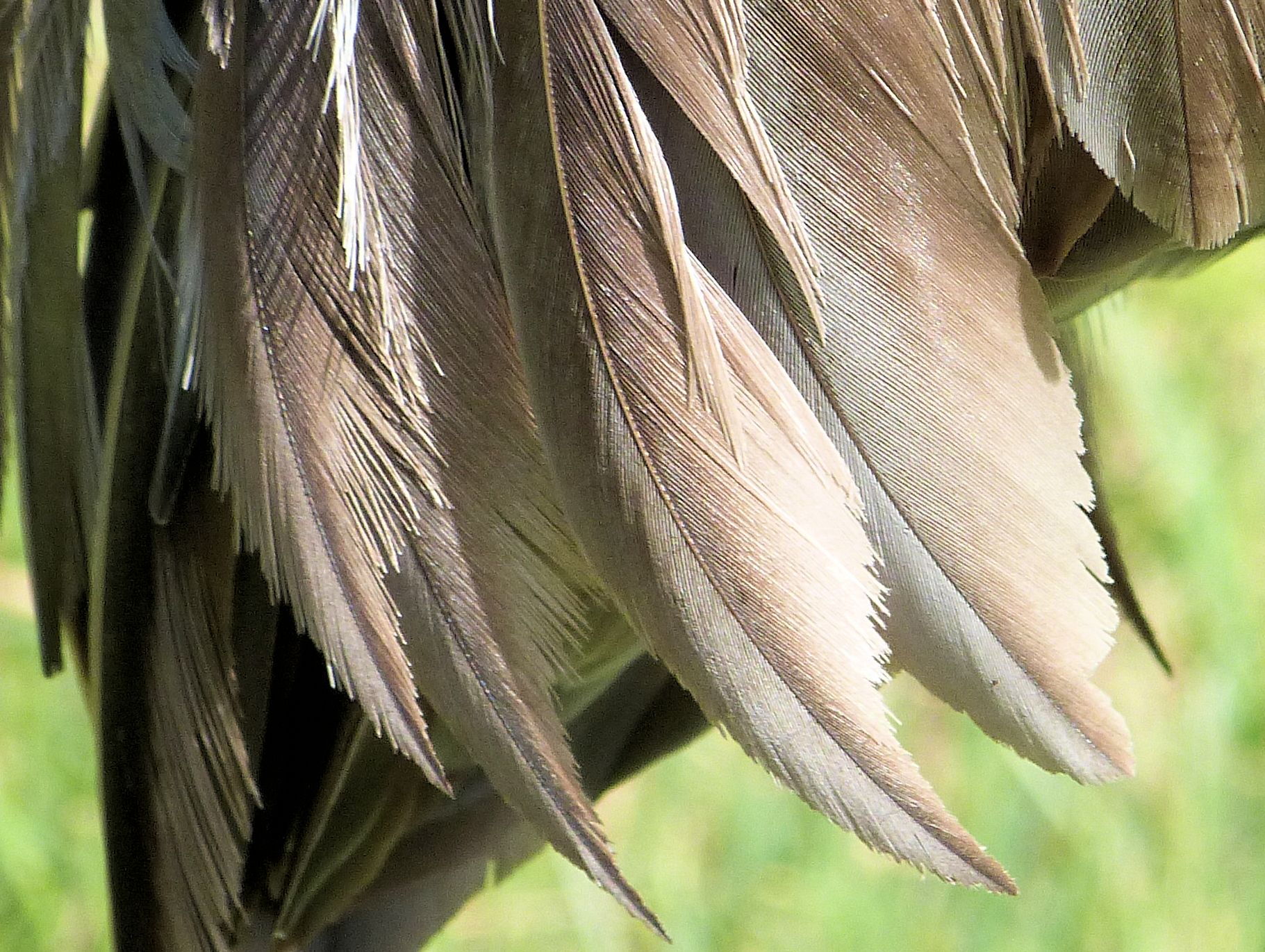
One of the most obvious objections to the alleged evolution of birds from therapod dinosaurs is the evolution of feathers themselves. In order to change a therapod dinosaur, which would appear to have bare reptilian scales, into a bird with feathers, it is supposed that the scales must fray into pieces to make the distinguished feathery structure.
Many evolutionists have noticed the difficulty in suggesting so many changes, and it is partly for this reason that therapod dinosaurs themselves are often depicted covered with feathers. However, by doing this, evolutionists have merely moved the problem, and not solved it.

Part of the issue is that key parts of the feather have to be very exact in their construction in order to work. For example, the ‘hooks and eyes’ on the feathers (known as barbules and hamuli) must be exactly the right size to fit together. If they were a little short or a little long, then there would not be an  airtight fit for flight, or a watertight fit for waterfowl. The only response that evolutionists can have is that this exactness is not necessary for their feathered dinosaurs, so they are allowing that the evolution of exact barbules might be later than that of original feathers. But this explanation is weak and does not pass the Occam Razor test of simplicity, whereas the careful, accurate design of feathers, independent of scales, clearly does.

Prayer: Thank You, Lord, for the beauty and simplicity, yet intricacy, that we see in the designs that You have made. We stand in awe and praise Your Name. Amen.

Author: Paul F. Taylor

Ref: Bergman, J., The evolution of feathers: a major problem for Darwinism, Journal of Creation (formerly TJ) 17(1):33–41, April 2003. Image: Public Domain.

Copyright © 2020 Creation Moments, Inc. All Rights Reserved [Used With Permission]

Good News

Fishing With Bread II

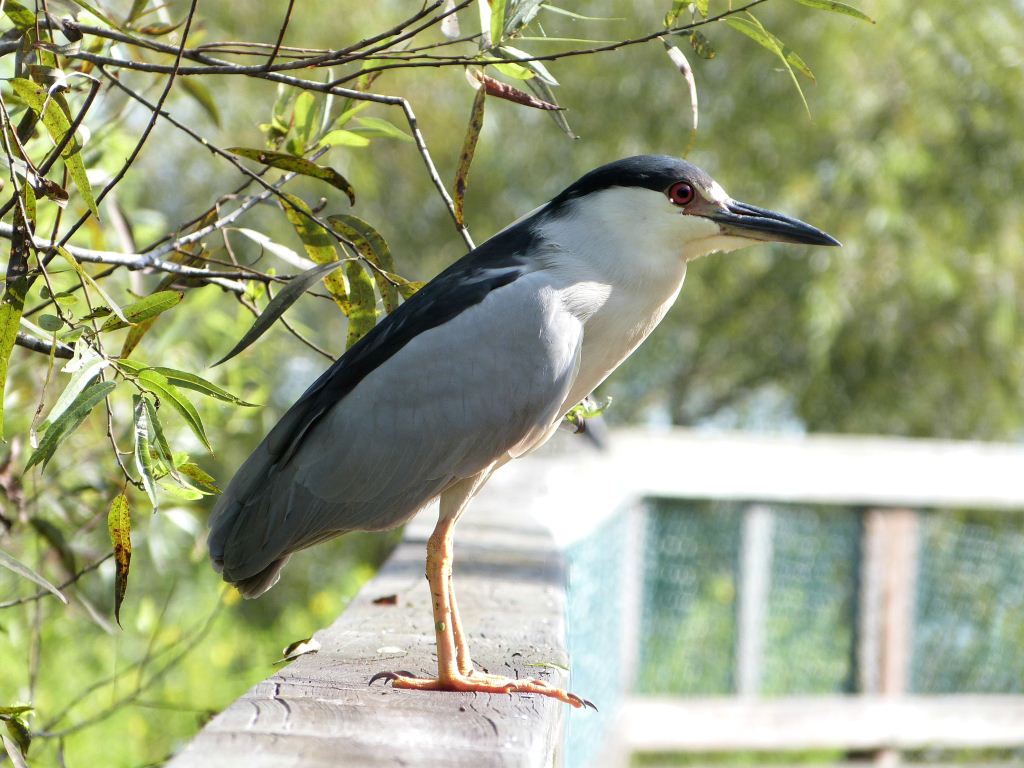
Black-Crowned Night Heron at S Lk Howard

Black-Crowned Night Heron at South Lake Howard by Lee

Thought you would enjoy another bird using bread to fish:

This one is having better fortune than Simon Peter and fellow fishermen. They fished all night with no catches.

“Simon Peter saith unto them, I go a fishing. They say unto him, We also go with thee. They went forth, and entered into a ship immediately; and that night they caught nothing. But when the morning was now come, Jesus stood on the shore: but the disciples knew not that it was Jesus. Then Jesus saith unto them, Children, have ye any meat? They answered him, No.” (John 21:3-5 KJV)

Backyard Birding – Green Heron

Good News