Creation Moments’ – Designed For Flight

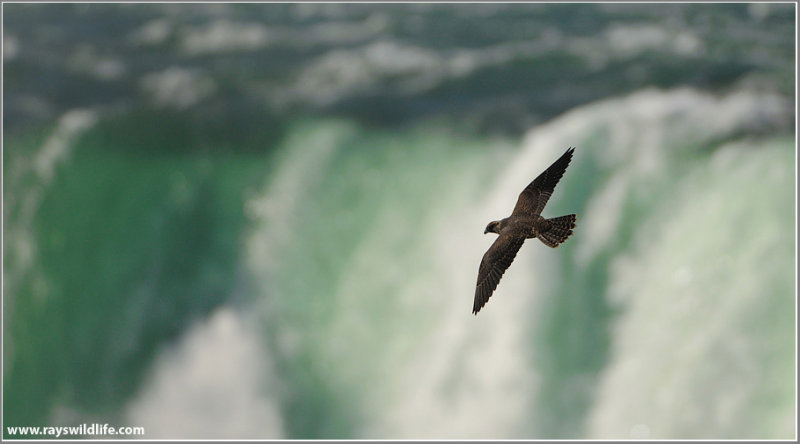
Peregrine Falcon Flying Over Niagara Falls

Doth the hawk fly by thy wisdom, [and] stretch her wings toward the south? Job 39:26

Many textbooks tell young people today that birds are modified reptiles. Suppose, they say, that millions of years ago the scales on some reptiles began to fray along the edges. In time, they say, the frayed scales turned into feathers and birds were born.

Designed for Flight The elegance and beauty of the feather make this story hard to believe. Can sticking a feather on a lizard produce a peacock? The bird’s feather is only a small part of the complete flying system of the bird. Even with very careful planning and redesigning, a reptile doesn’t have what it takes.

A bird needs massive breast muscles for flight. In some birds, 30 percent of the body weight of the bird is breast muscle. By comparison, in humans, breast muscles are only about 1 percent of body weight. A bird also needs an extremely high metabolism and blood pressure to deliver the energy those muscles need for flight. Birds have a higher metabolism than any other creature; they also have the necessary high blood pressure. Finally, as is well known, birds need light skeletons. The man-o’-war has a wingspan of seven feet. But its entire skeleton weighs only a few ounces – less than its feathers!

Even the most clever rebuilding of a reptile cannot produce a bird. In fact, birds have very little in common with reptiles. The entire being of the bird, from body to brain, has been specially designed for flight by a Creator who clearly knows everything there is to know about flight.

Prayer:
Father in heaven, the beauty, grace and huge variety of birds You have created are some of the most beautiful creatures on earth. As I thank You for them, fill me with new wonder over the wonderful work of Your hands. Amen.

Notes:
Vandeman, George. 1991. “The miracle of flight.” Signs of the Times, May. p. 25.

Designed For Flight ©Creation Moments 2014

Interesting Things

*
Interesting Things – The Master Artist

Deep Sea Fish - Watercress darter - Creation Moments

Deep Sea Fish – Watercress darter – Creation Moments

THE MASTER ARTIST
in
God’s Design

And out of the ground made the LORD God to grow every tree that is pleasant to the sight, and good for food; the tree of life also in the midst of the garden, and the tree of knowledge of good and evil. (Genesis 2:9 KJV)

SmileyCentral.com

For example, the Earth could get along with a lot less color. All those beautiful sunsets and sunrises actually serve no purpose, and neither does each one have to be different from every other. Many flowers have Watercress dartercolors that attract their pollinators, but few flowers actually need color for this purpose. But then, flowers in black and white certainly would be dull. There are many beautiful deep-sea fish that don’t need their bright and beautiful colors at all. Some of these fish live so far below the surface of the water that only a small amount of blue light reaches those depths. Where these fish live, everything always looks a very dim blue. Yet, some of these fish have incredibly bright coloration that they and their friends never see.

Here we have to ask the evolutionist what value could it have been for this fish to develop all these bright colors when they can serve no purpose for survival? In Genesis 2:9 we read that when God created the fruit trees for food, He also made them “pleasant to the sight.” They didn’t need to be. Clearly, God does indeed appreciate beauty and has created works that human artists can only try to copy.

Prayer:
Dear Lord, I thank You for all the beauty You have created in the world. I ask that You would help us to gain a better appreciation for it, and find better ways to preserve it. In Jesus Name. Amen.
Notes:
Gary Parker, Ed.D., “Nature’s Challenges to Evolutionary Theory,” Institute of Creation Research, Impact Series, October, 1978, No. 64. Photo: Watercress darter.

(Permission by Creation Moments ©2014)


Magnificent Hummingbird (Eugenes fulgens) by Judd Patterson

Magnificent Hummingbird (Eugenes fulgens) by Judd Patterson

Lee’s Addition:

This article goes along with the many things written here about our beautifully created birds.

I am so thankful that the Lord likes color and beauty. When heaven is described, it usually tells of the various “precious stones, “streets of gold,” and other wonderful sights that we cannot comprehend.

Surely the Creator has given us these brilliantly colored birds, fish, flowers, butterflies, trees in the Fall, and numerous other things, to give us a “glimpse” and “taste” of what heaven will look like, color wise.

*
Creation Moments – Master Artist

“Nature’s Challenge to Evolutionary Theory” – Institute of Creation Research

Watercress Darter – Wikipedia

More Interesting Things

*
 

Panda – Plus

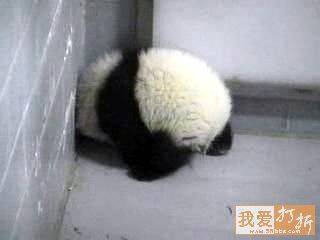
Shhhh! I'm reviewing...

Shhhh! I’m reviewing…

A merry heart doeth good like a medicine: but a broken spirit drieth the bones. (Proverbs 17:22 KJV)

This Email was called Panda Therapy. Not sure who the therapy was for. Made me put a smile on, so guess that is therapy.

(The captions are very clever, though I modified a few of them.)

*
Is it any wonder the world has fallen in love with these animals?

*

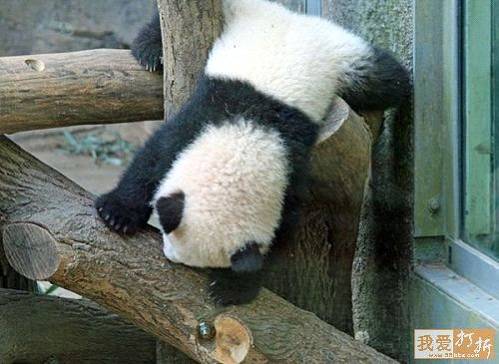
Mom?  Can you come and get me down -  now?

Mom?
Can you come and get me down –
now?

*

You go. I'll just stay here and rest my head a little bit.

You go. I’ll just stay here and rest my head a little bit.

*

Shhhh! I'm reviewing...

Shhhh! I’m reviewing…

*

Pardon me but do you have a napkin?

Pardon me but do you have a napkin?

*

Pandas looking for lost earrings....

Pandas looking for lost earrings….

*

Oops!  Slight miscalculation.

Oops!
Slight miscalculation.

*

On the count of three---Lift!

On the count of three—Lift!

*

Mom?  Can you come and get me down -  now?

Mom?
Can you come and get me down –
now?

*

Kung Fu Panda...bring it on!

Kung Fu Panda…bring it on!

*

It wasn't me! I didn't steal this bamboo shoot! It was just sitting here - I promise it!

It wasn’t me! I didn’t steal this bamboo shoot! It was just sitting here – I promise it!

*

I'm sure there's a way out somewhere - I saw an ant go this way yesterday

I’m sure there’s a way out somewhere – I saw an ant go this way yesterday

*

I'm not coming out. You'll have to come in and and get me

I’m not coming out.
You’ll have to come in and and get me

*

I'll give you 2 seconds to get off me or I'm calling Mom.

I’ll give you 2 seconds to get off me or I’m calling Mom.

I cannot believe that I'm stuck in this tree again.  What is the matter with me?

I cannot believe that I’m stuck in this tree again.
What is the matter with me?

*

Dear Martha Stewart...  I have this brown stain on my nice, white, fluffy seat

Dear Martha Stewart…
I have this brown stain on my nice, white, fluffy seat

*

Does this log make my seat look fat?

Does this log make my seat look fat?

*

Forgive me Father, for I have sinned...

Forgive me Father, for I have sinned…

*

Paparazzi!  Could we have a little privacy please?

Paparazzi!
Could we have a little privacy please?

*

Betcha can't see me.....

Betcha can’t see me…..

*

Absolutely nothing accomplished.  The perfect day for a panda

Absolutely nothing accomplished.
The perfect day for a panda


Lee’s Addition:

O taste and see that the LORD is good: blessed is the man that trusteth in him. (Psalms 34:8 KJV)

The Lord created some of the most adorable and neat animals. I realize they are wild and need to be treated that way, but still He placed them here for us to find enjoyment from their antics. I am sure some other neat captions could be made for these photos. Enjoy!

*

See Other Plus articles:

*

Sunday Inspiration – Sparrows

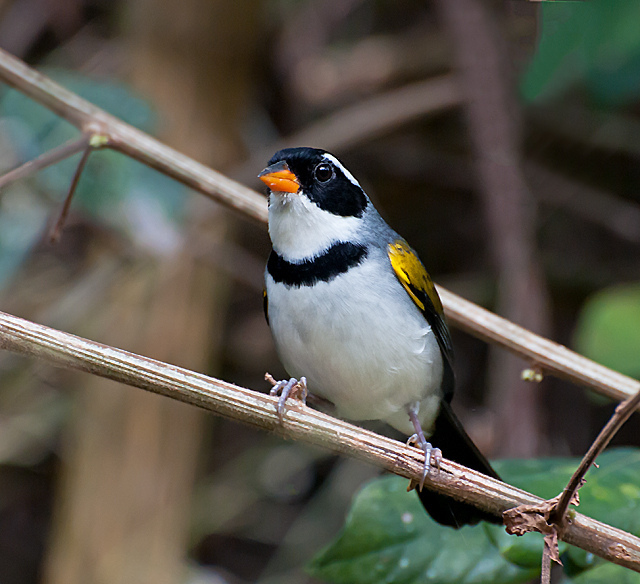
Saffron-billed Sparrow (Arremon flavirostris) by Dario Sanches

Saffron-billed Sparrow (Arremon flavirostris) by Dario Sanches

Are not two little sparrows sold for a penny? And yet not one of them will fall to the ground without your Father’s leave (consent) and notice….Fear not, then; you are of more value than many sparrows. (Matthew 10:29, 31 AMP)

In honor of World Sparrow Day, which was March 20th, today we can enjoy the Lord’s creation of His Sparrows.

Sparrows belong to two families; the Passeridae – Old World Sparrows, Snowfinches and the Emberizidae – Buntings, New World Sparrows & Allies. The photos in the slideshow is from both of these families. Scripture doesn’t divide them and neither are we.

The Lord has promised that even though they (sparrows) are common or little thought of by some, in His Eyes, they are seen and not forgotten. That is such a blessing for us, especially those of us who have accepted Him as Savior.

Are not five sparrows sold for two pennies? And not one of them is forgotten before God. Why, even the hairs of your head are all numbered. Fear not; you are of more value than many sparrows. “And I tell you, everyone who acknowledges me before men, the Son of Man also will acknowledge before the angels of God, (Luke 12:6-8 ESV)

This slideshow requires JavaScript.

*

*

*

Wood Storks at Gatorland

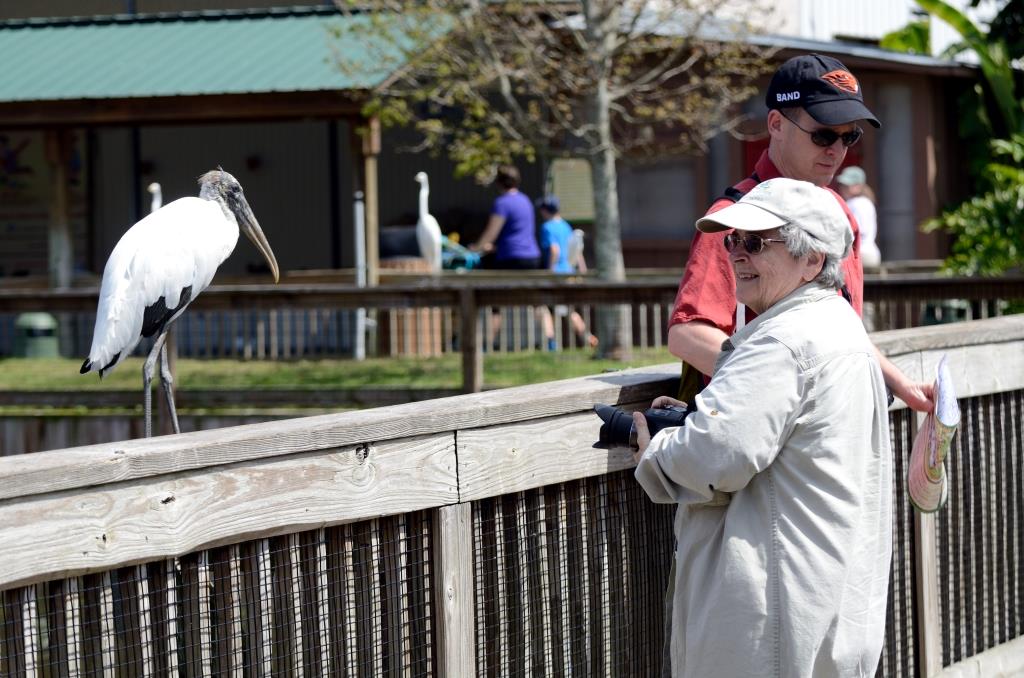
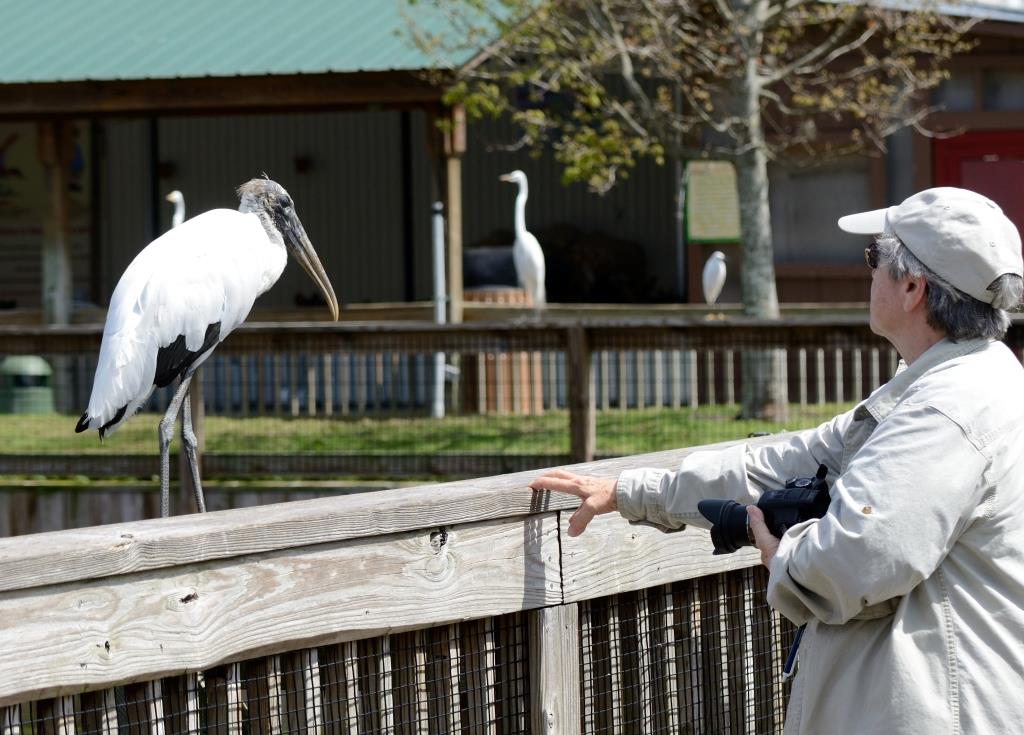
Lee with Wood Stork at Gatorland by Dan

Lee with Wood Stork at Gatorland by Dan

Where the birds make their nests: as for the stork, the fir trees are her house. (Psalms 104:17 KJV)

As you can see, these birds at Gatorland can get quite personal. I had been photographing this Wood Stork when Dan took my picture. My hand was about a foot from his beak. On the rail behind us there is a Great Egret and a Snowy.

Lee with Wood Stork at Gatorland by Dan

Lee with Wood Stork at Gatorland by Dan

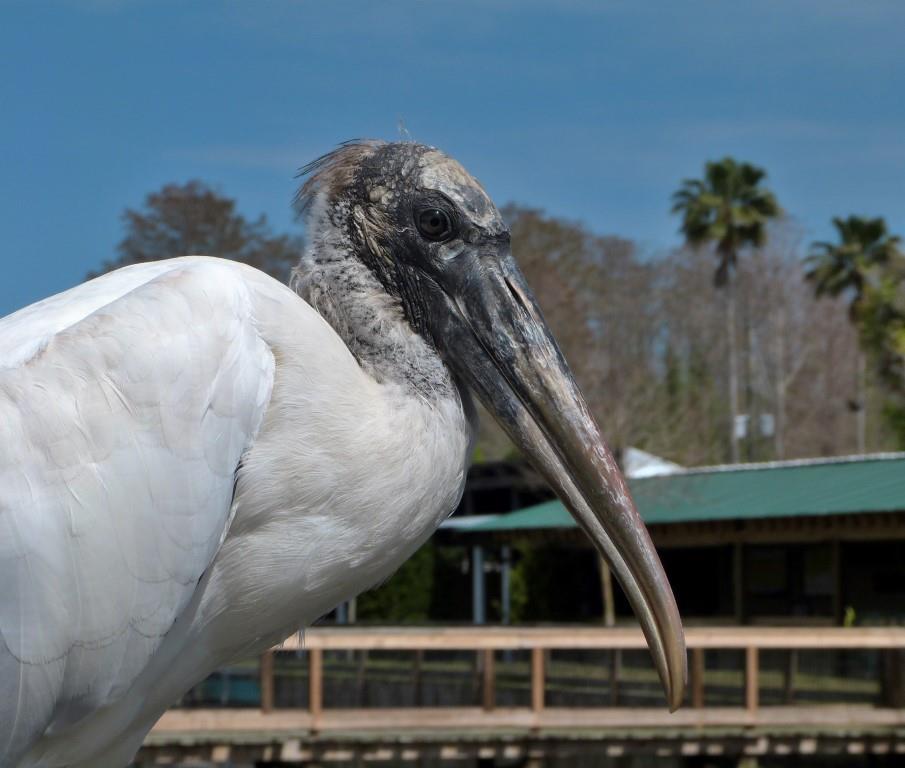
Thought maybe you might like to see what photos I had been taking of that Wood Stork. They were really close-up needless to say. I have been known to be closer. (Me Feeding a Stork)

Wood Stork Close-up by Lee

Wood Stork Close-up by Lee

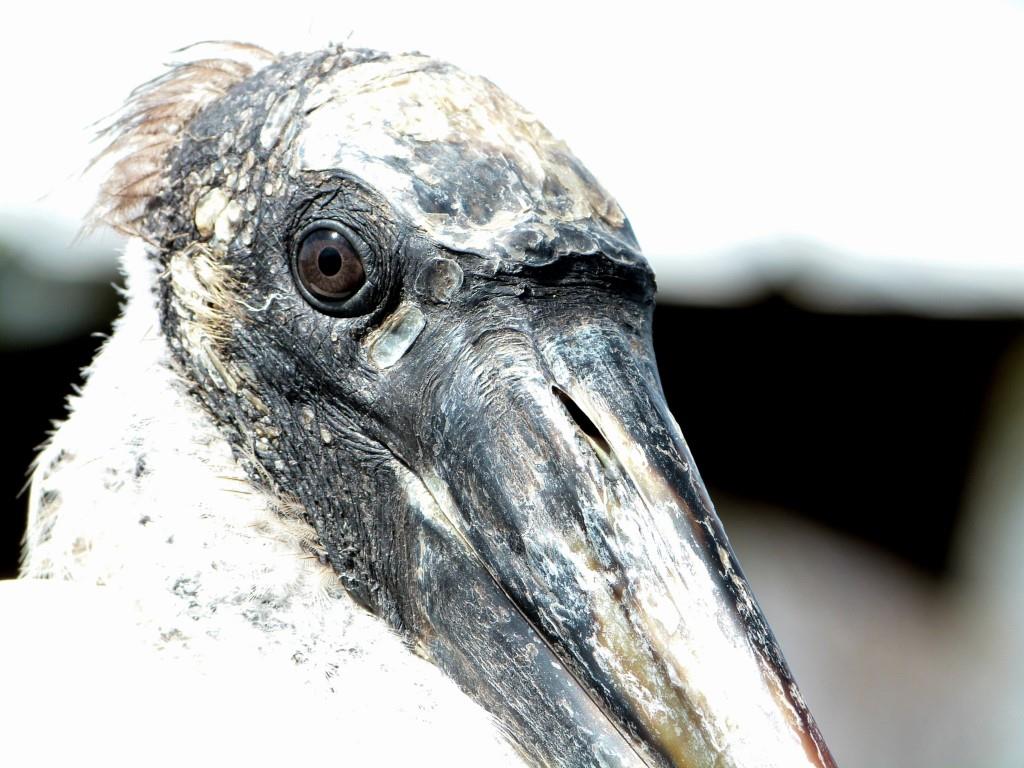
How about a little closer – zoomed in:

Wood Stork Face Close-up by Lee

Wood Stork Face Close-up by Lee

*

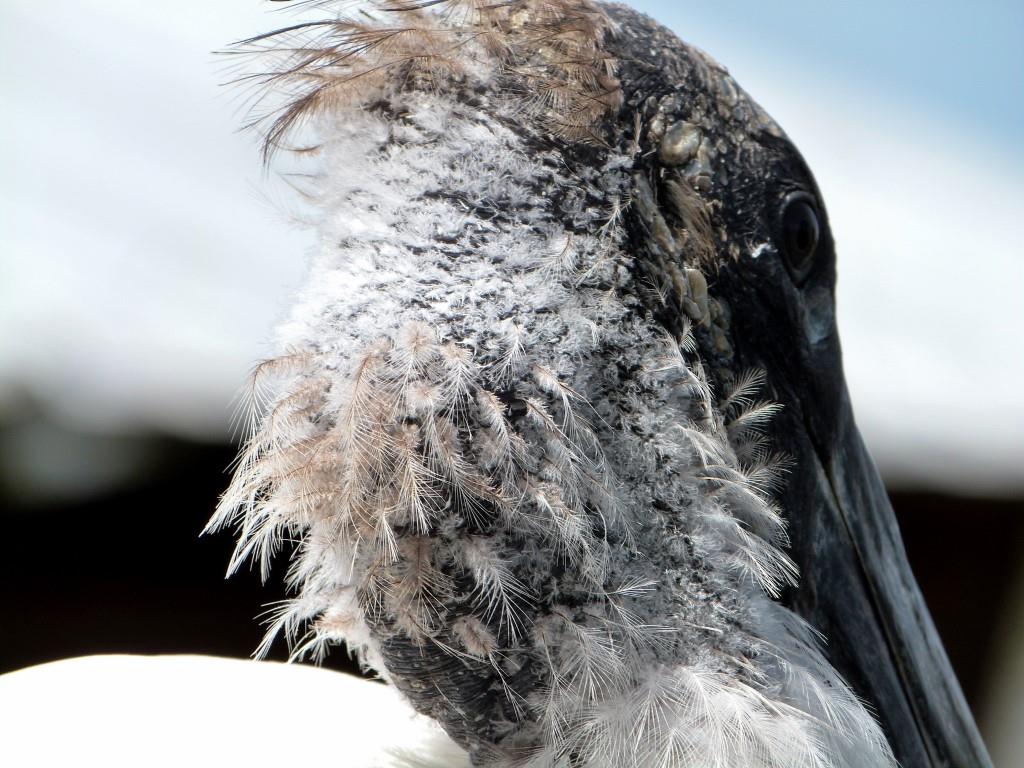
Wood Stork Close-up by Lee

Wood Stork Neck Close-up by Lee

*

Wood Stork Close-up by Lee

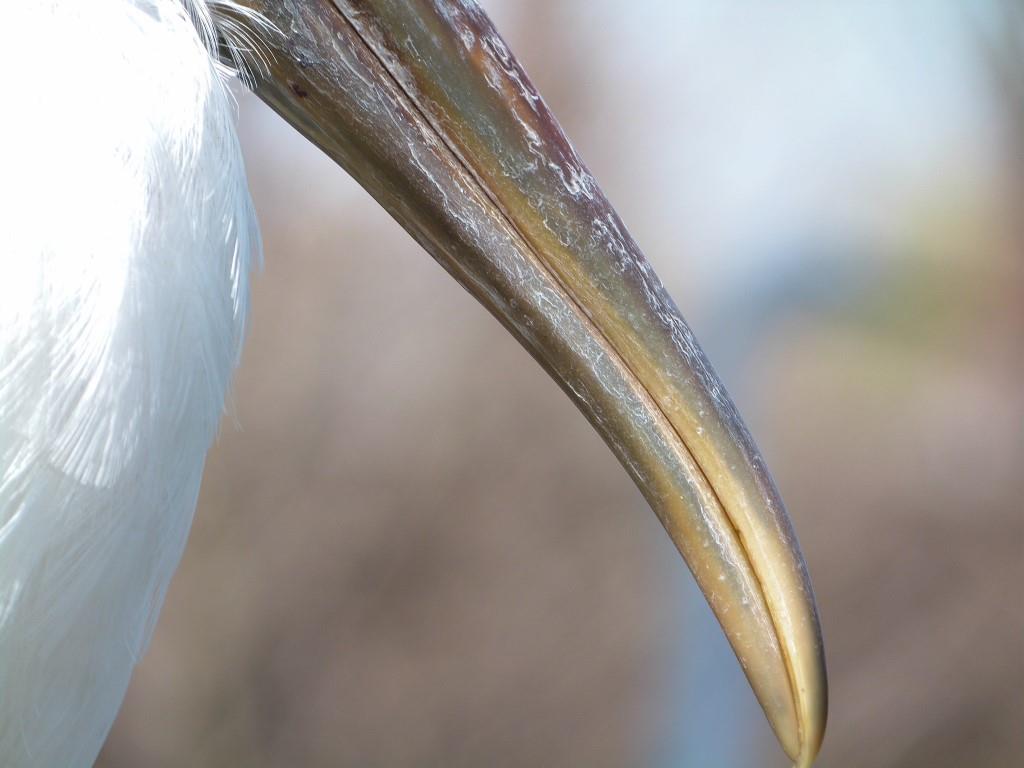
Wood Stork Beak Close-up by Lee

*

What always amazed about the Wood Storks is that to me they are “ugly”, but when they fly, they are so graceful. Isn’t that the way with us. The Lord made us all, birds and humans, but when we look at someone, there is always somethig that we can find to compliment them on.

Wood Storks belong to the Ciconiidae – Storks Family.

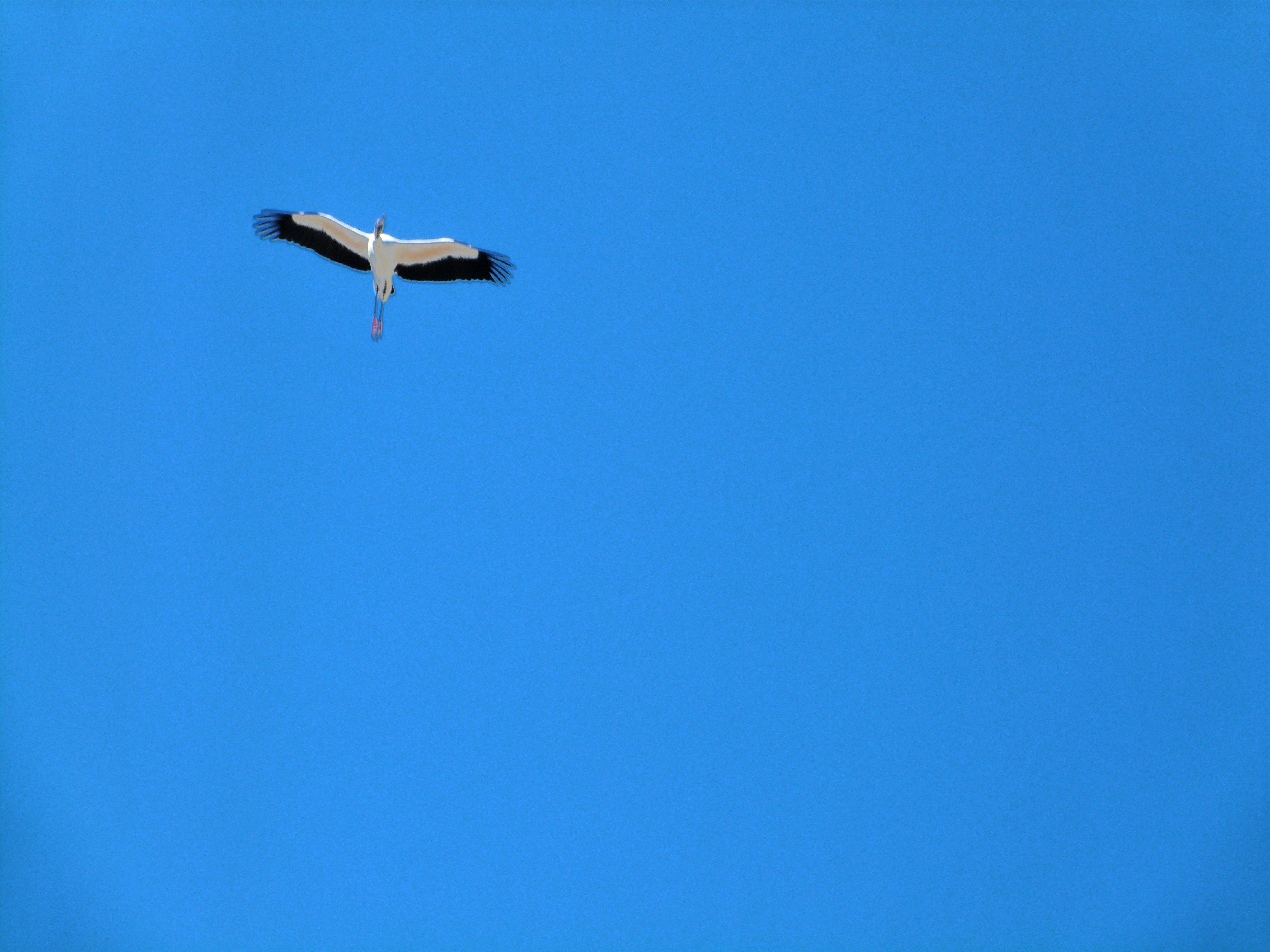
This photo was just caught as one flew over, not in focus, but you can see their beauty.

Wood Stork overhead at Gatorland

Wood Stork overhead at Gatorland

Yea, the stork in the heaven knoweth her appointed times; and the turtle and the crane and the swallow observe the time of their coming; but my people know not the judgment of the LORD. (Jeremiah 8:7 KJV)

Below are the photos taken of the Wood Storks around Gatorland. The ones in the distant were zoomed in from across the pond (see that photo). Later, we walked around on the other side of the pond and got them closer.

(Disclaimer, I am not a photographer, but a birdwatcher. So, don’t expect super shots, but just trying to show different parts of the Wood Storks.)

*

This slideshow requires JavaScript.


*
See:

*

Gatorland II – Great Egret Chick

Great Egret at Gatorland by Dan

Great Egret at Gatorland by Dan

I know all the birds of the mountains, And the wild beasts of the field are Mine. (Psalms 50:11 NKJV)

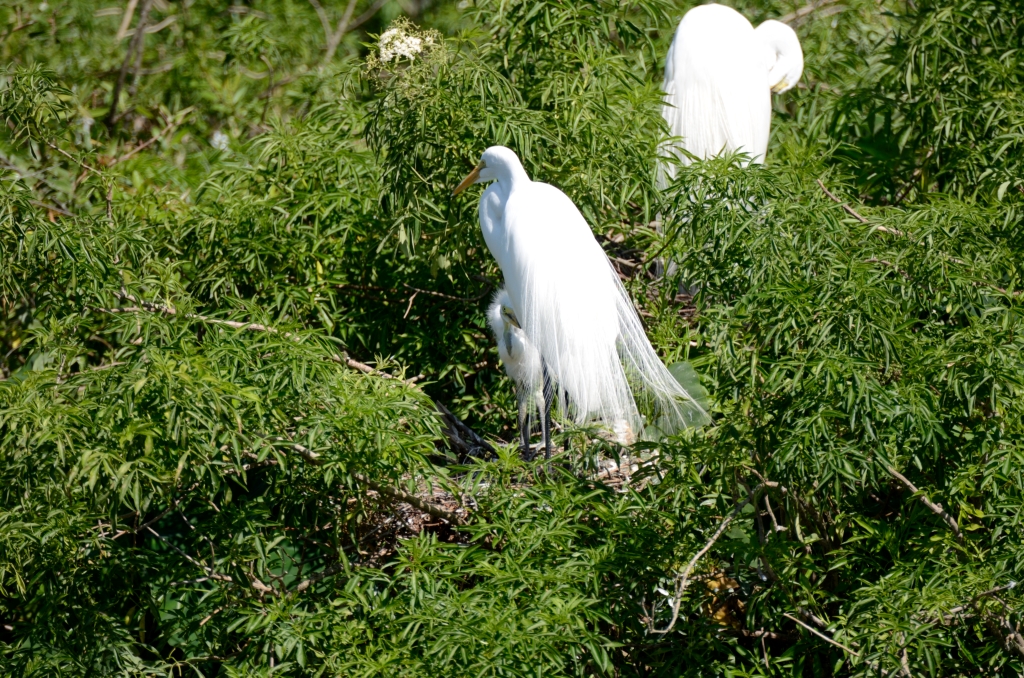
As you may be able to tell by Dan’s photo, that the parent was protecting the youngster. We were told that this was the first Great Egret chick born this year. From the other articles, you saw lots of them sitting on nests. A few others have been born since this one, but we weren’t able to see them.

Great Egret at Nest with Chick at Gatorland by Lee cropped more

Great Egret at Nest with Chick at Gatorland by Lee cropped more

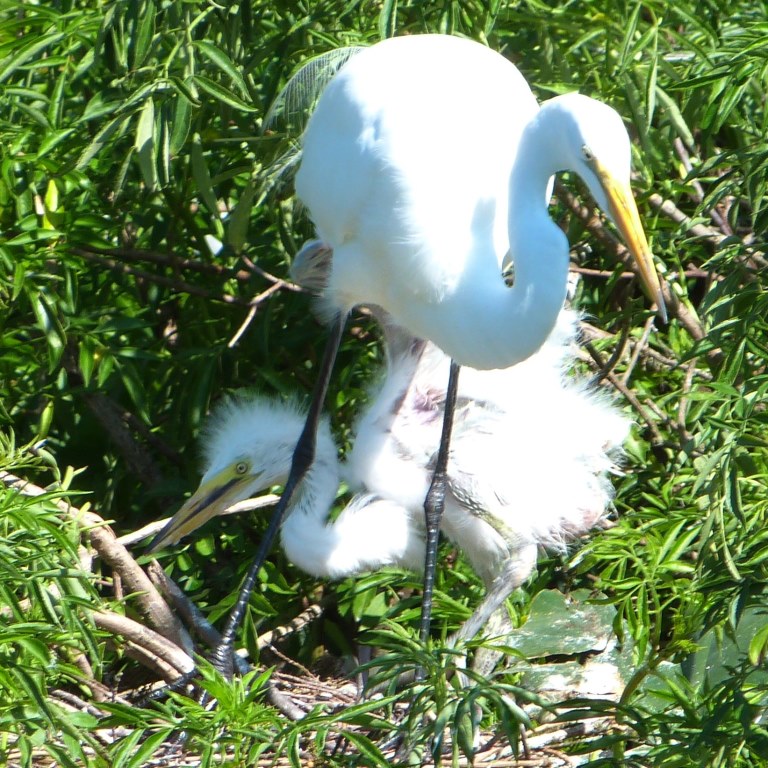
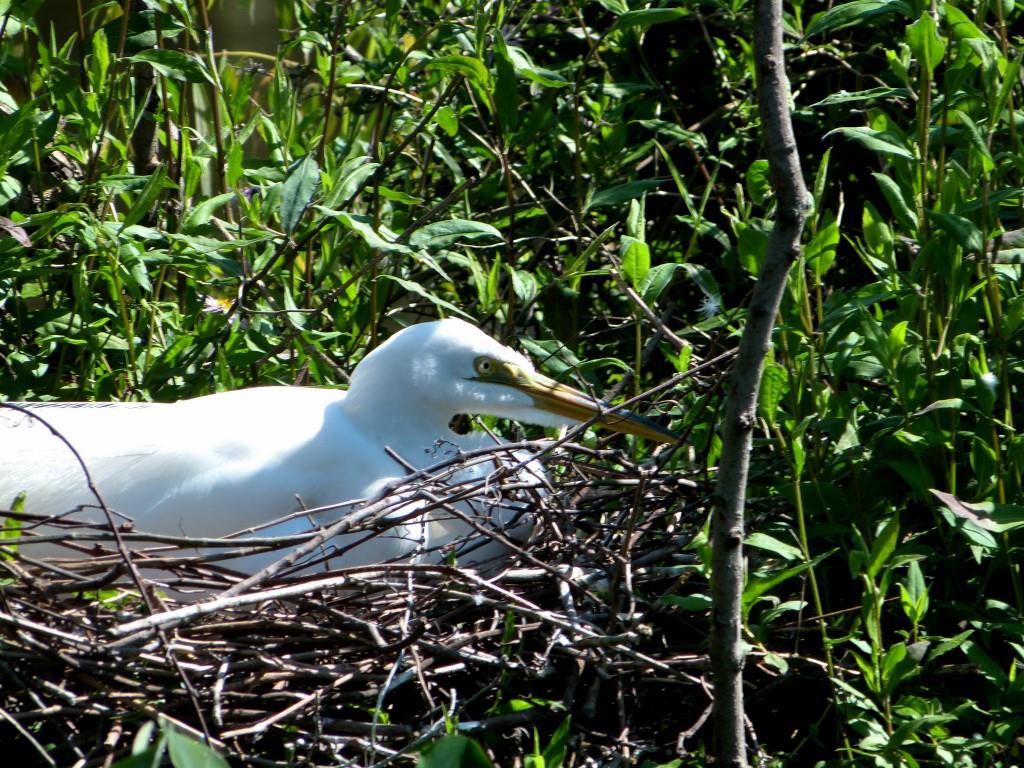
After all the fancy display of feathers and courting, nest building and mating, the Egrets get to work incubating and then raise their young. This one was being watched for very well. The normal clutch size is 1-6 eggs. This one seems to be the only one for this pair.

Great Egret at Nest with Chick at Gatorland by Lee

Great Egret at Nest with Chick at Gatorland by Lee

Come, you children, listen to me; I will teach you the fear of the LORD. (Psalms 34:11 NKJV)

“The Great Egret feeds in shallow water or drier habitats, feeding mainly on fish, frogs, small mammals, and occasionally small reptiles and insects, spearing them with its long, sharp bill most of the time by standing still and allowing the prey to come within its striking distance of its bill which it uses as a spear. It will often wait motionless for prey, or slowly stalk its victim.” (Wikipedia) From this remark and the photos we have shown, they are in a habitat that allows them to feed their young.

See 

Here are photos of this Great Egret chick taken at Gatorland. As you can tell, the little one has a way to go. Its feathers on the wings, its skin, legs, etc. all need to grow.

*

*

*

Ian’s Bird of the Week – Coal Tit

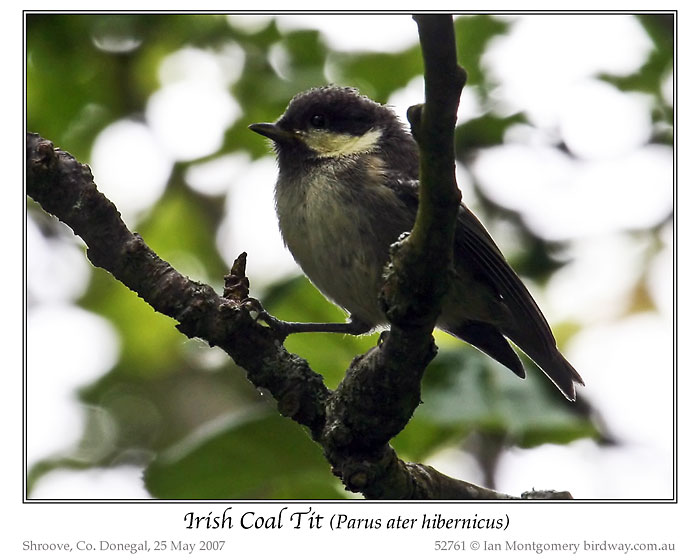
Coal Tit (Periparus ater hibernicus) (Irish) by Ian


Ian’s Bird of the Week – Coal Tit ~ Ian Montgomery

Newsletter ~ 3/17/14

Here is a St Patrick’s Day special: one of only four avian species that are deemed to have Irish races, the Coal Tit. The Irish race, Parus ater hibernicus, has yellower cheeks and underparts and more cinammon flanks than its British counterpart britannicus.

The other three Irish sub-species are the Irish Dipper (darker breast), the Irish Jay (darker overall) and the Irish Red Grouse (paler overall). Because of sea-level fluctuations with ice ages, Ireland has been isolated from Britain for a mere 8,000 years. The current distances vary from a mere 19km/12 miles between Scotland and Co. Antrim to about 100km/60 miles between Ireland and Wales (Pembrokeshire to Co. Wexford and Holyhead to Dublin). so only the most sedentary or least adventurous species have any to chance of diverging.

Coal Tit (Periparus ater hibernicus) (Irish) by IanThe first photo shows an adult bird, while the second one is a juvenile with drabber colours and juvenile Coal Tits tend to have yellower cheeks anyway. Incidentally, there are 21 subspecies of Coal Tit currently recognised, from the Irish one in the west to Taiwanese and Japanese ones in the east. Some authorities dispute the validity of these subspecies because of local variation.

Interestingly the birds in Northeastern Ireland show more in common with Scottish birds, and some would argue that Scottish Coal Tits are different from English ones. We could be getting onto politically thin ice here so, given the unifying spirit of St Patrick’s Day, I don’t think we’ll pursue this topic :-)

Happy St Patrick’s Day!
Ian

**************************************************
Ian Montgomery, Birdway Pty Ltd,
454 Forestry Road, Bluewater, Qld 4818
Tel 0411 602 737 ian@birdway.com.au
Bird Photos http://www.birdway.com.au/
Recorder Society http://www.nqrs.org.au


Lee’s Addition:

It is the smallest of all seeds, but when it has grown it is larger than all the garden plants and becomes a tree, so that the birds of the air come and make nests in its branches.” (Matthew 13:32 ESV)

A pleasant surprise getting a St Patrick’s Day bird to enjoy. The Coal Tits belong to the Paridae – Tits, Chickadees Family. I am more familiar with the Chickadees, but it is easy to see the family resemblance.

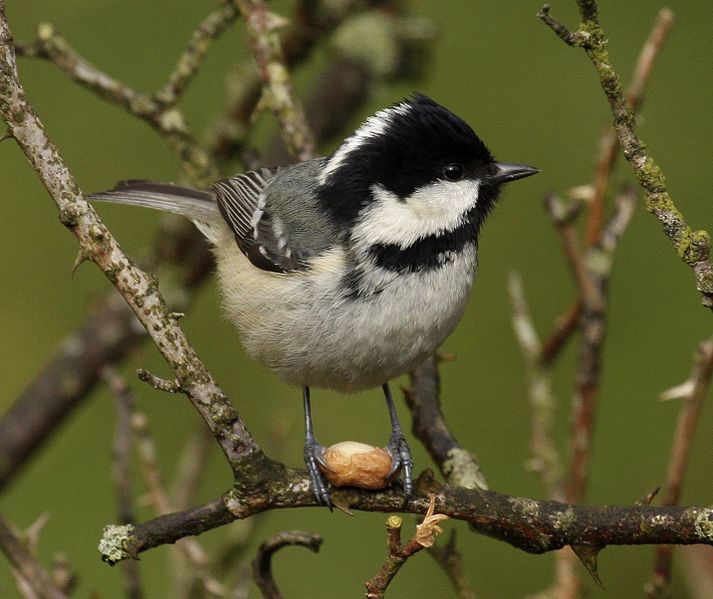
The Coal Tit (Periparus ater) is a passerine bird in the tit family Paridae. It is a widespread and common resident breeder throughout temperate to subtropical Eurasia and northern Africa. The Black-crested Tit is now usually included in this species. (Wikipedia)

Here is a photo of the main Coal Tit species.

Coal Tit (Periparus ater) ©WikiC

Coal Tit (Periparus ater) ©WikiC

*
See:


*

Sunday Inspiration – Great Egrets in Breeding Plumage

Great Egret at Gatorland by Dan

Great Egret at Gatorland by Dan

Go out of the ark, you and your wife, and your sons and your sons’ wives with you. Bring out with you every living thing of all flesh that is with you: birds and cattle and every creeping thing that creeps on the earth, so that they may abound on the earth, and be fruitful and multiply on the earth. (Genesis 8:16-17 NKJV)

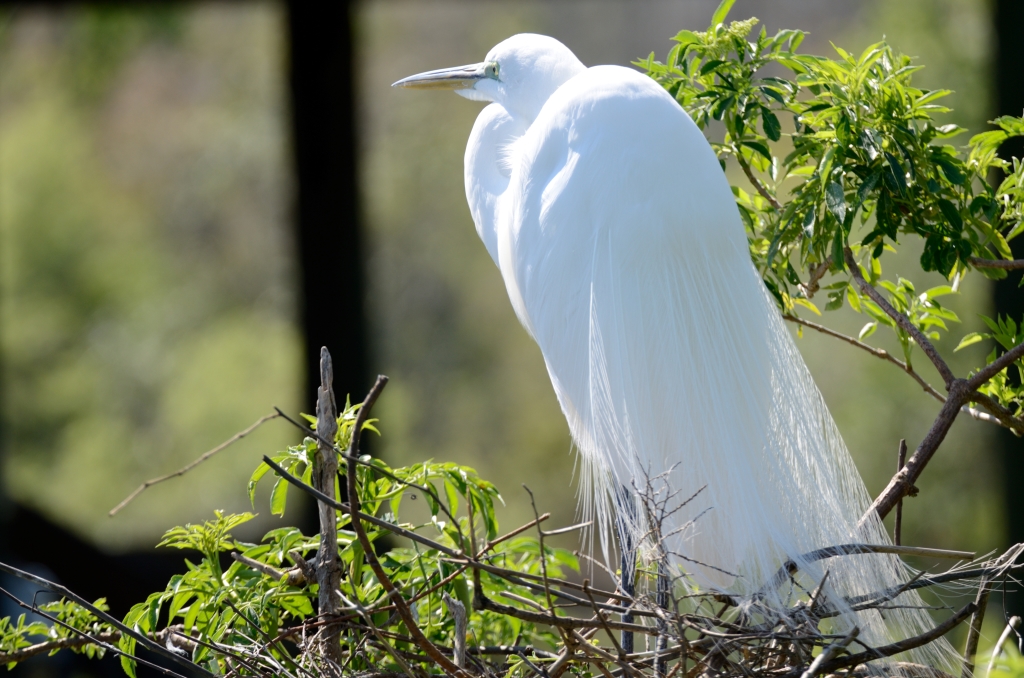
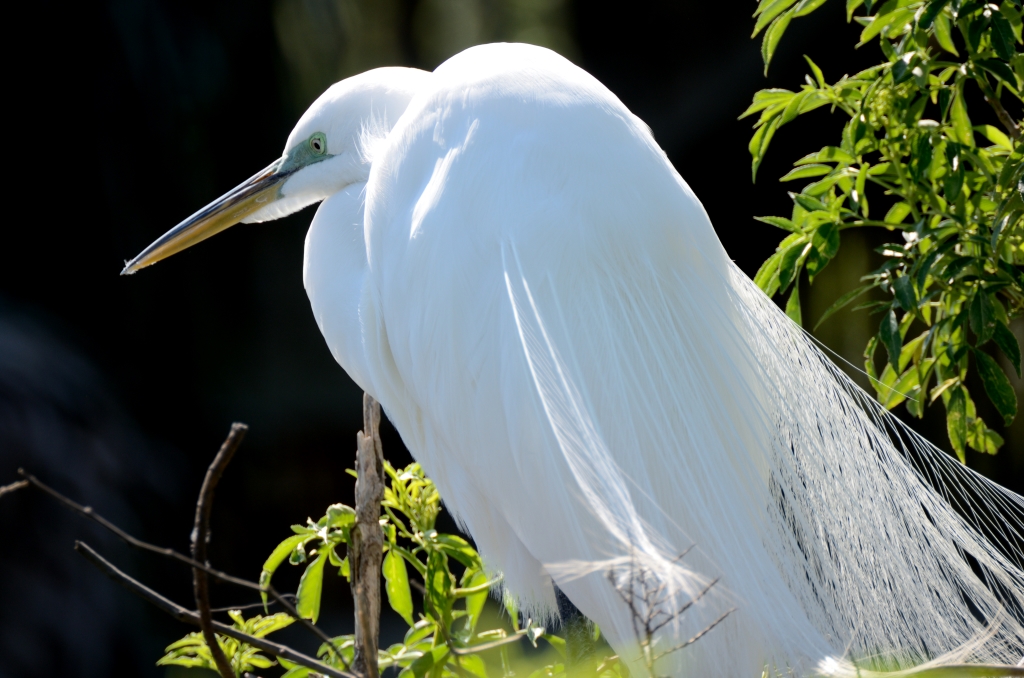
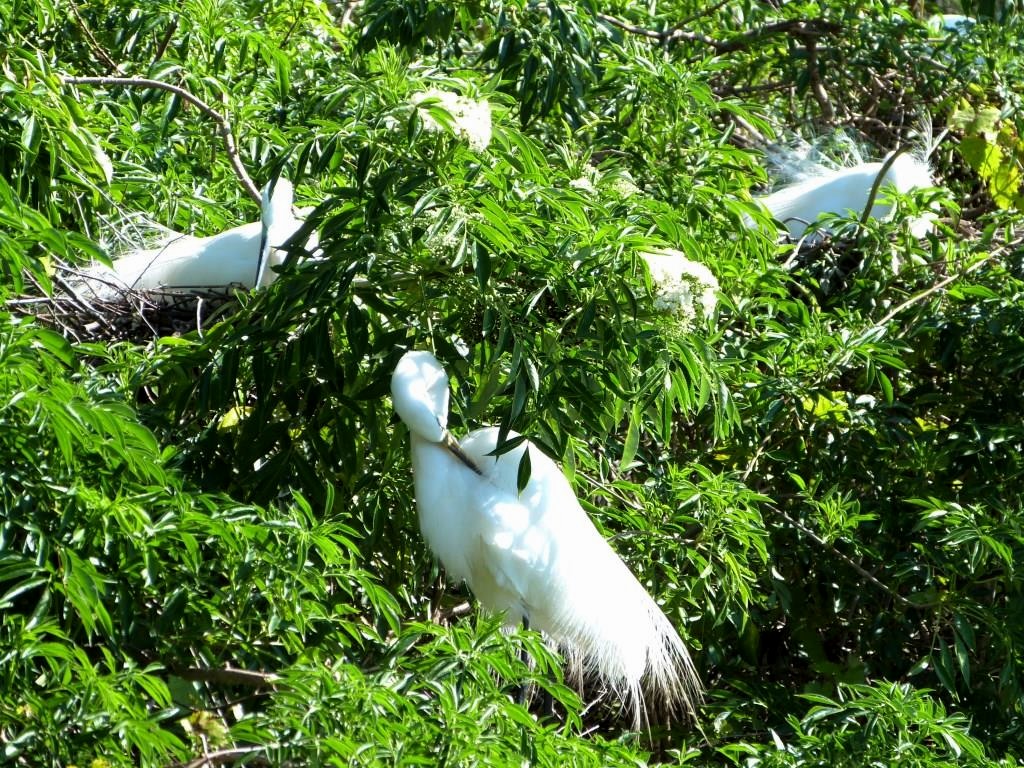
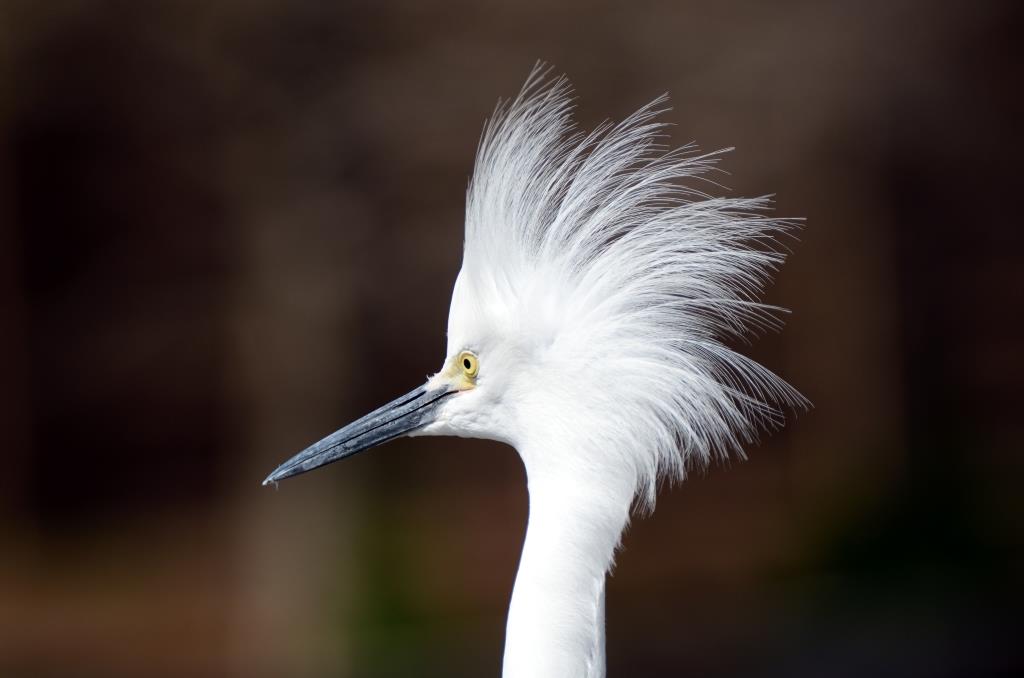
Some of those birds that left the ark were from the Heron – Egret family. They are still multiplying. They are assisted in their courting by growing beautiful white feathers. Here are the Great Egrets that we saw at Gatorland last week. What an amazing display they make because the Creator has given them this ability.

Great Egret at Gatorland by Dan

Great Egret at Gatorland by Dan

*

You will notice lots of preening and as a result, feathers on the tips of some of the Egrets. The photos are by both Dan and I. His are all marked, the rest are mine.

This slideshow requires JavaScript.

*

“I’ve Got Joy” – Faith Baptist Orchestra

For you, O LORD, have made me glad by your work; at the works of your hands I sing for joy. (Psalms 92:4 ESV)

*

*

Ian’s Bird of the Week – Red-capped Parrot

Red-capped Parrot (Purpureicephalus spurius) by Ian

Ian’s Bird of the Week – Red-capped Parrot ~ by Ian Montgomery

Newsletter ~ 3/15/14

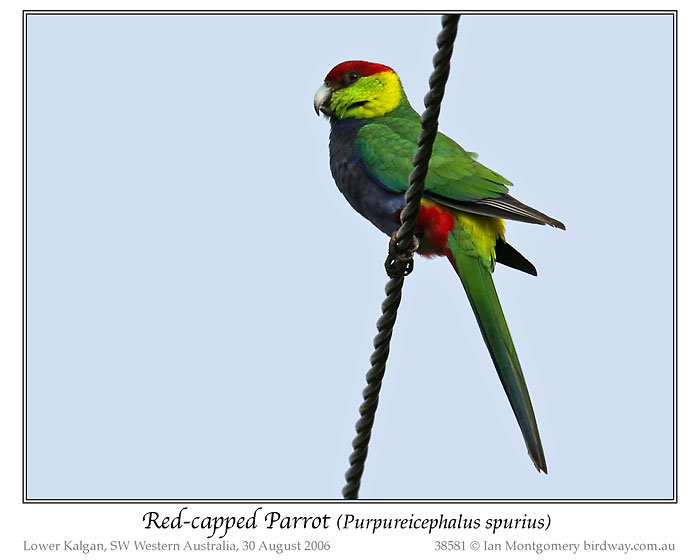
I’ve had a request for a Western Australian endemic from an American friend who is visiting WA this coming September. So here, Laurie, is the Red-capped Parrot which you should see there. The first photo shows a male of this fairly large (length to 38cm/15in), brightly coloured – some would say gaudy – parrot, which is reasonably common in suitable habitat in a relatively small area of southwestern Australia, mainly south of Perth, west of Esperance and within 100km of the coast.

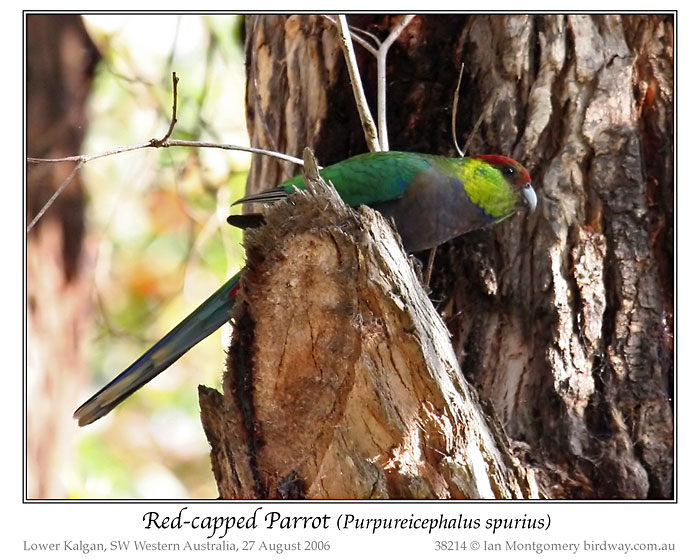
The second photo shows a female, similar to but more subdued in colour than the male, with greenish patches in the red cap and under-tail coverts and less intense violet breast.

Red-capped Parrot (Purpureicephalus spurius) by Ian female

The female is perched in a Marri tree, a Western Australian bloodwood, Corymbia, formerly Eucapyptus, calphylla. This is the main food plant of the parrot and their ranges mostly coincide. Marri has tough woody globular nuts and the long pointed bill of the Red-capped Parrot is adapted to exploiting the one weakness in the nut defences – the valve through which the seed is shed. The parrots can prise out the seed without having to gnaw through the woody wall.

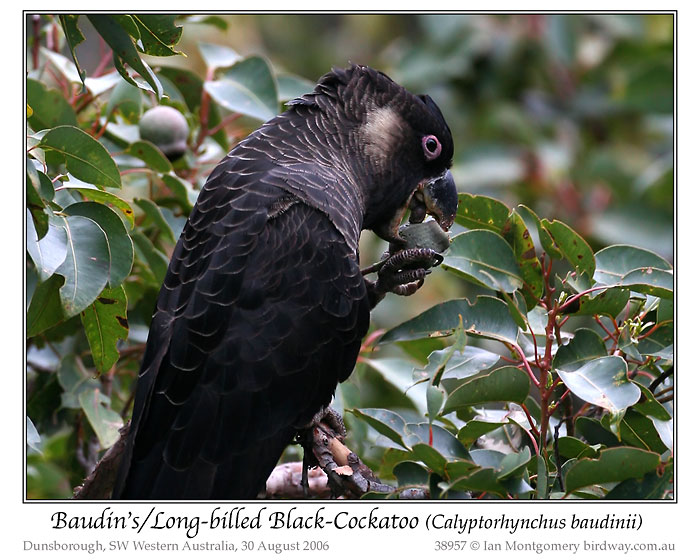
It’s clearly a fine source of bird food, as another Western Australian endemic Baudin’s or the Long-billed Cockatoo has evolved along identical lines for the same reason -an elegant example of parallel evolution. The male cockatoo in the third photo is showing us exactly how it’s done: piece of cake really, given the right equipment. Not surprisingly the range of this cockatoo is similar to that of the parrot.

Long-billed Black Cockatoo (Calyptorhynchus baudinii) by Ian

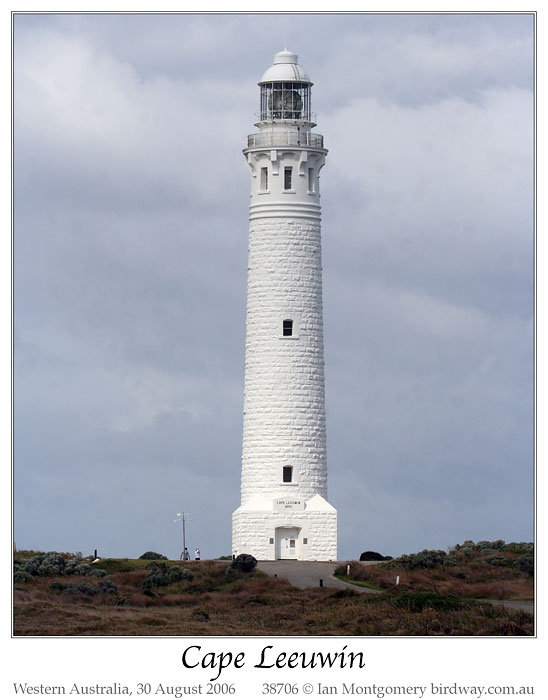
Actually, this bird featured as bird of the week in November 2006, but this is, if a repeat, at least a different photo. The first and third photos were taken on the same day. Kalgan is east of Albany on the way to the famous-for-birding Two Peoples Bay and Dunsborough is west of Bussleton near Cape Leeuwin. Cape Leeuwin has this splendid lighthouse built in 1895 and marks the point where the Indian Ocean meets the Southern Ocean.

Cape Leeuwin by Ian

I did take this one photo of the lighthouse on the same day, but my clearest memory is of a Rock Parrot feeding on the ground near it, but that bird featured as bird of the week in October 2006: http://www.birdway.com.au/psittacidae/rock_parrot/index.htm: a good day for unusual parrots.

Greetings
Ian

**************************************************
Ian Montgomery, Birdway Pty Ltd,
454 Forestry Road, Bluewater, Qld 4818
Tel 0411 602 737 ian@birdway.com.au
Bird Photos http://www.birdway.com.au/
Recorder Society http://www.nqrs.org.au


Lee’s Addition:

And God blessed them, saying, “Be fruitful and multiply, and fill the waters in the seas, and let birds multiply on the earth.” (Genesis 1:22 NKJV)

What a beautifully created Parrot. As you may know, Ian allows me to reproduce his newsletter. I use these to introduce us to the fantastic birds around the world. He has great photos on his site.

(This blog is birdwatching from a Christian perspective and therefore I do not believe in evolution, but realize birds have reproduced, producing different variations withing the families and orders. They are all still birds though.)

See:

Ian’s Bird of the Week

Parrot Family – Ian’s

Psittacidae – Parrots Family

Cockatoo Family – Ian’s

Cacatuidae – Cockatoos Family

*

Gatorland II – Great Egrets at the Nest

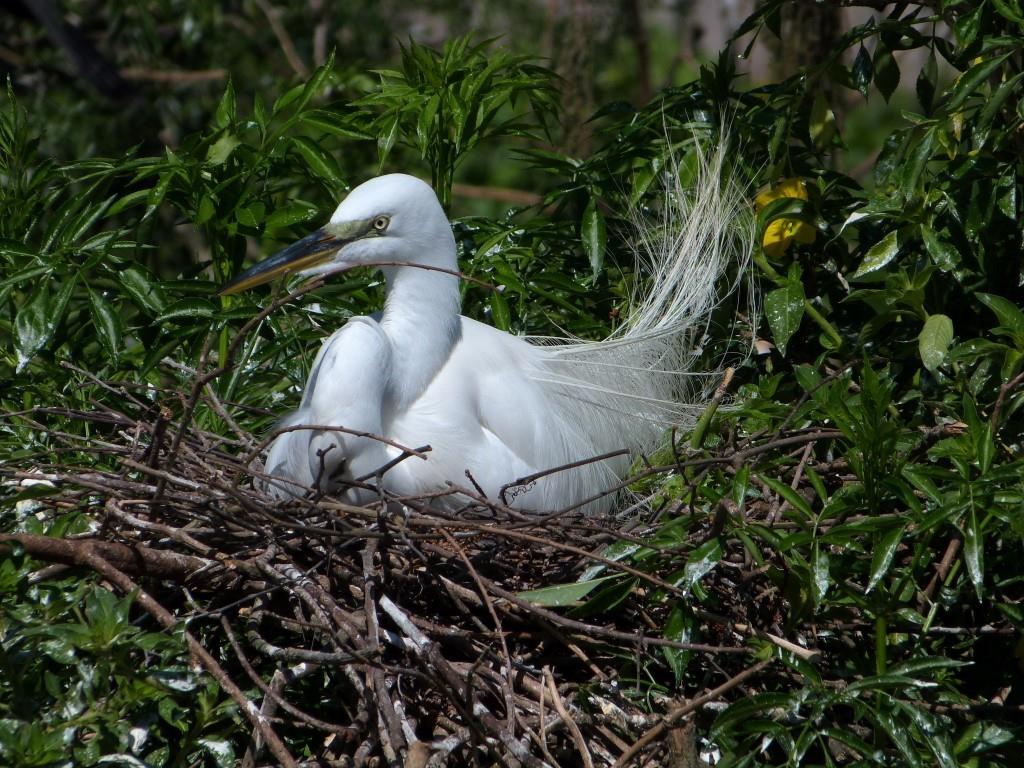
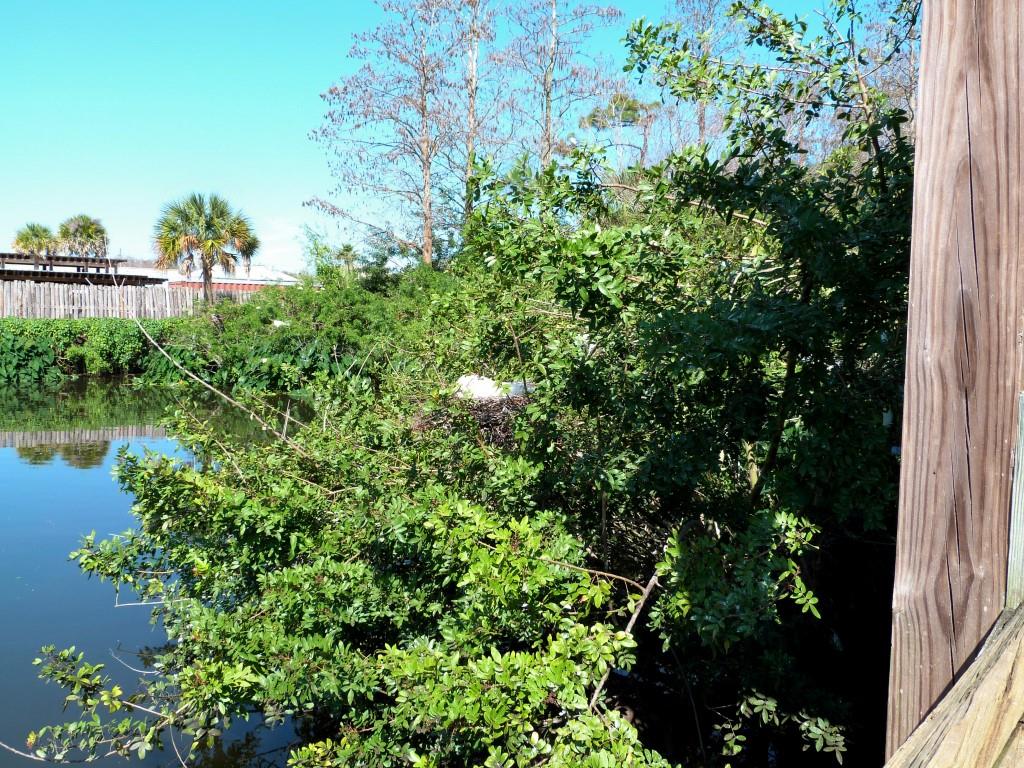
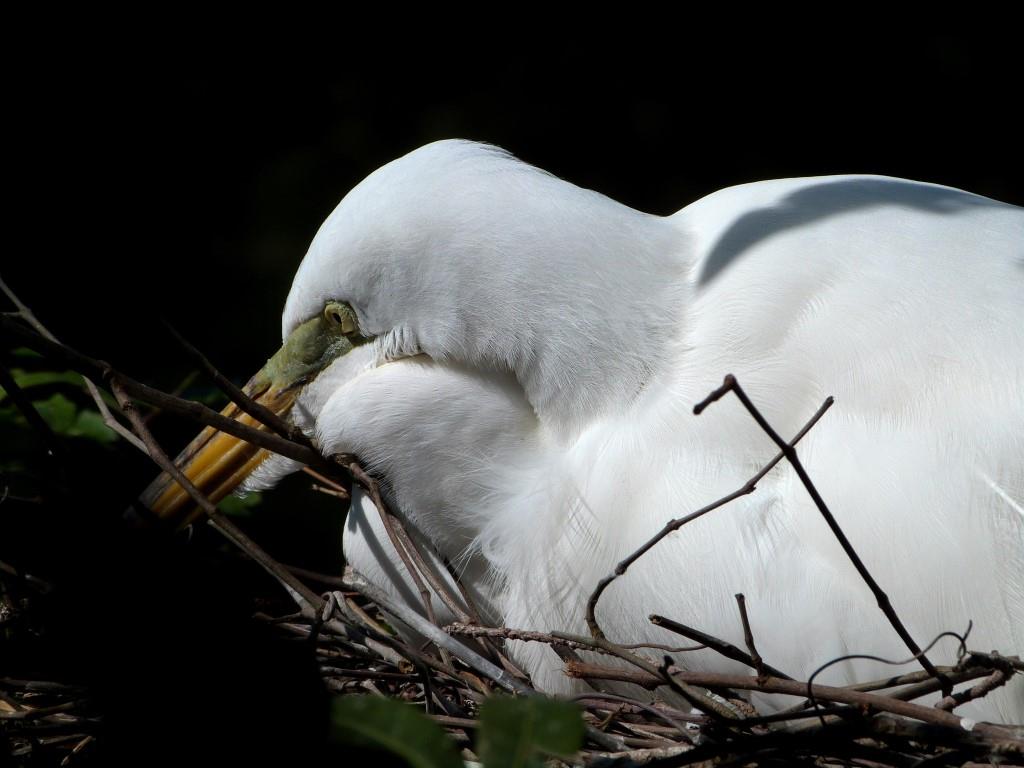
Great Egret on Nest at Gatorland

Great Egret on Nest at Gatorland

If a bird’s nest happens to be before you along the way, in any tree or on the ground, with young ones or eggs, with the mother sitting on the young or on the eggs, you shall not take the mother with the young; (Deuteronomy 22:6 NKJV)

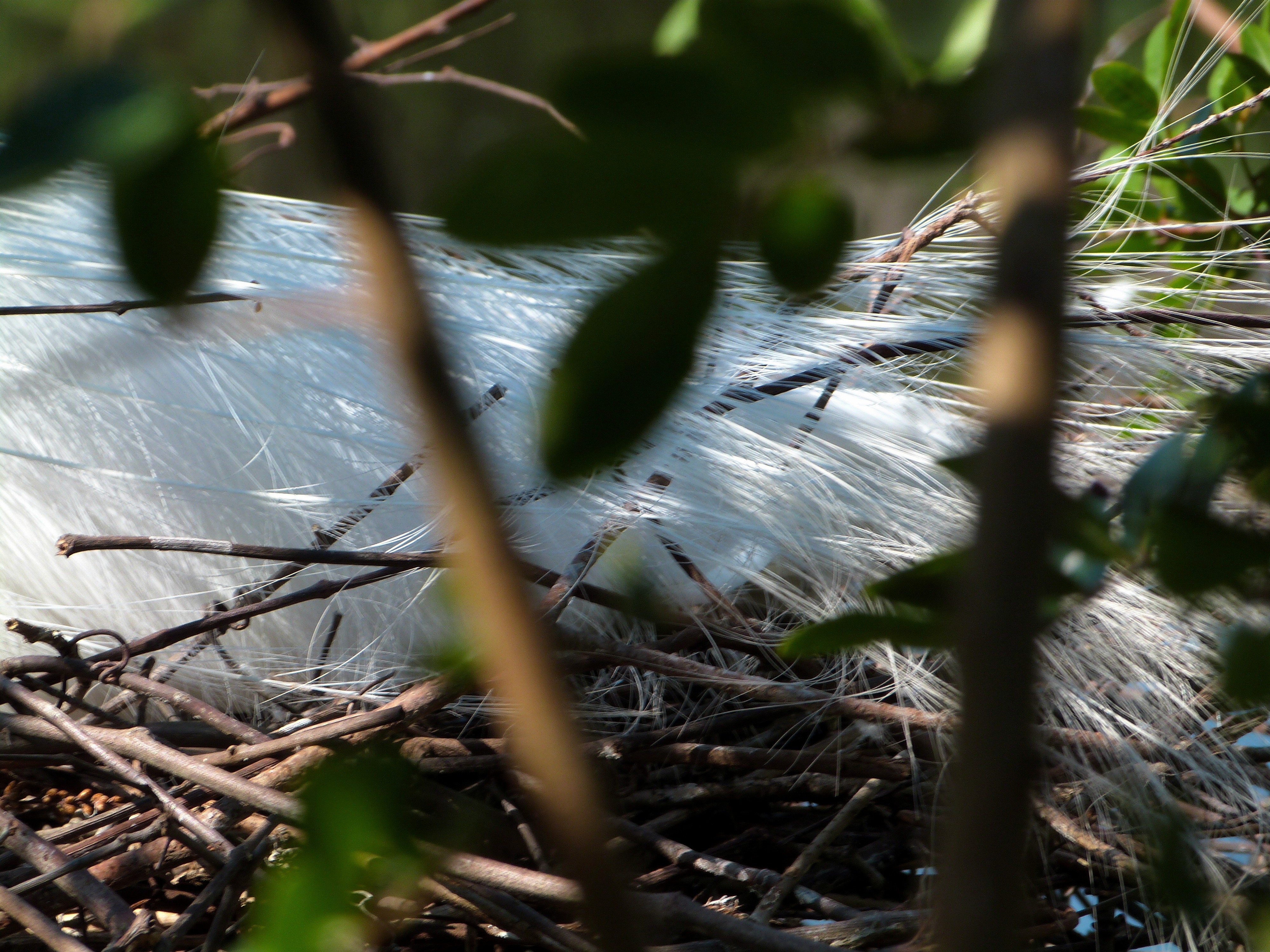
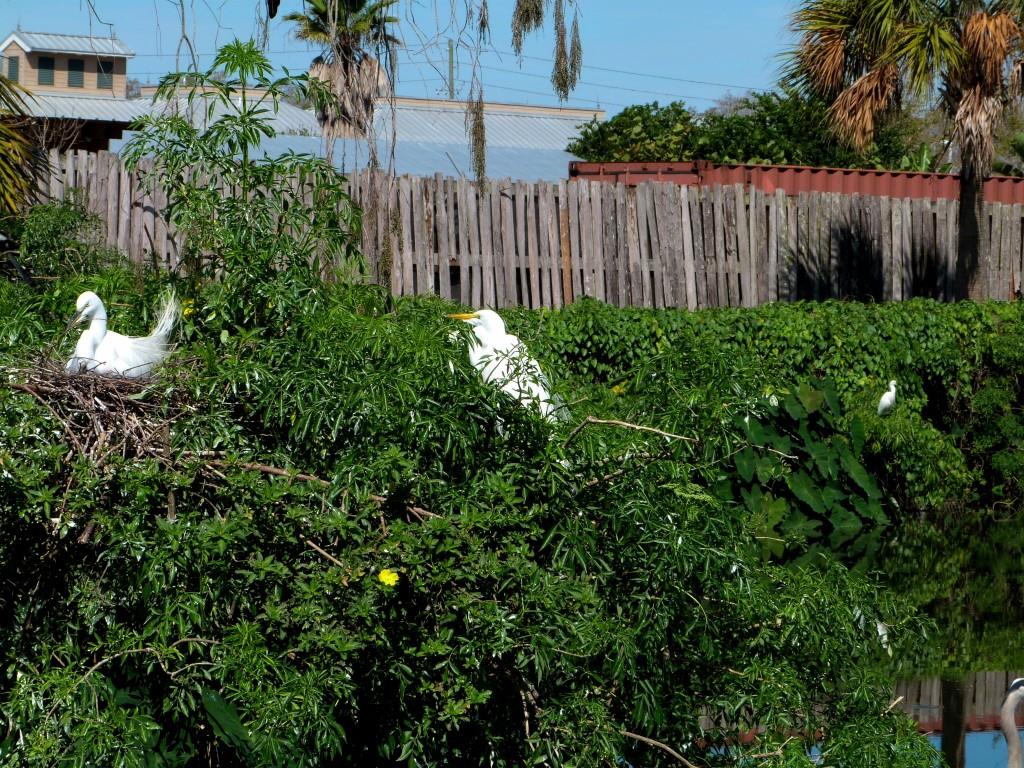
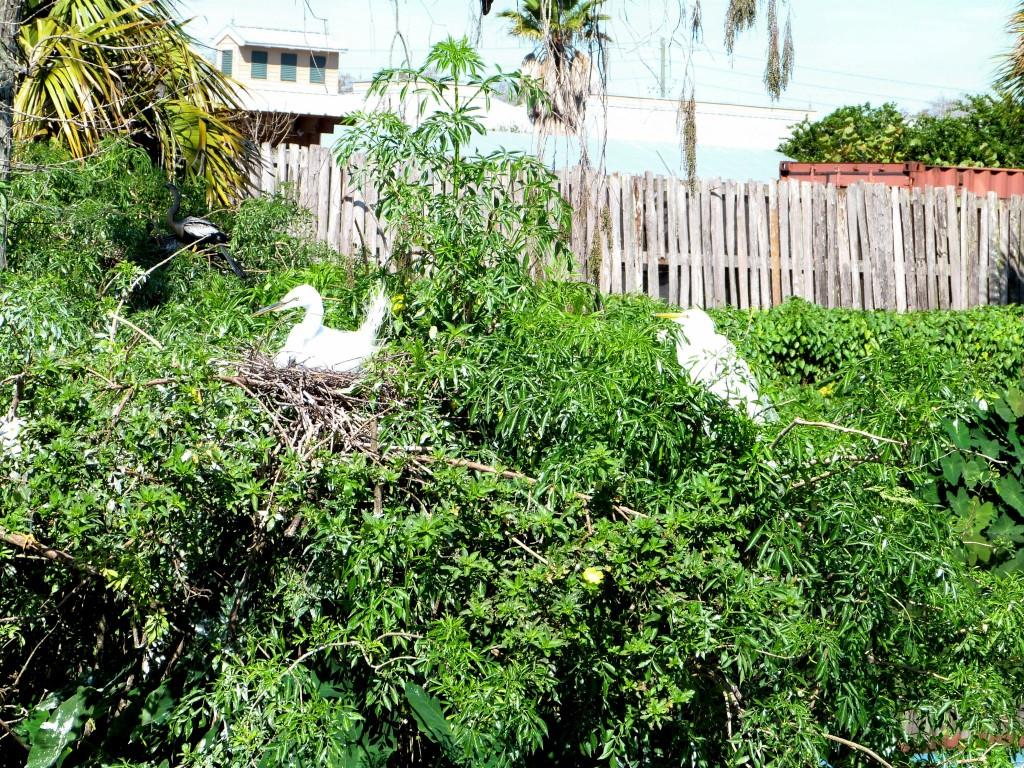
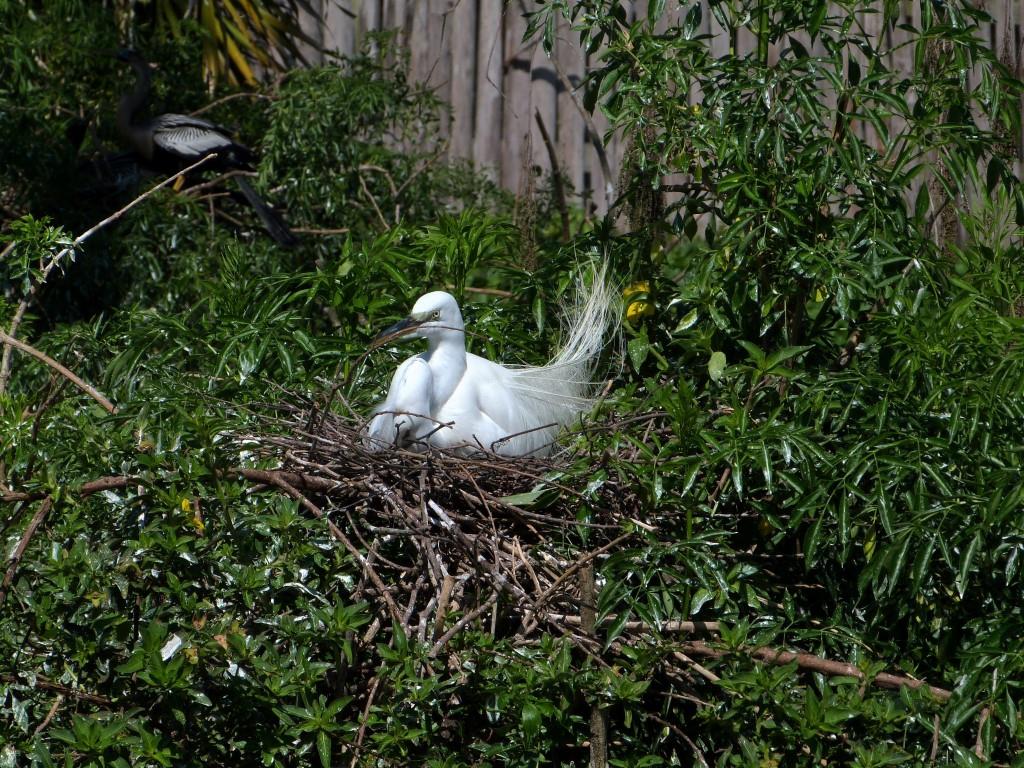
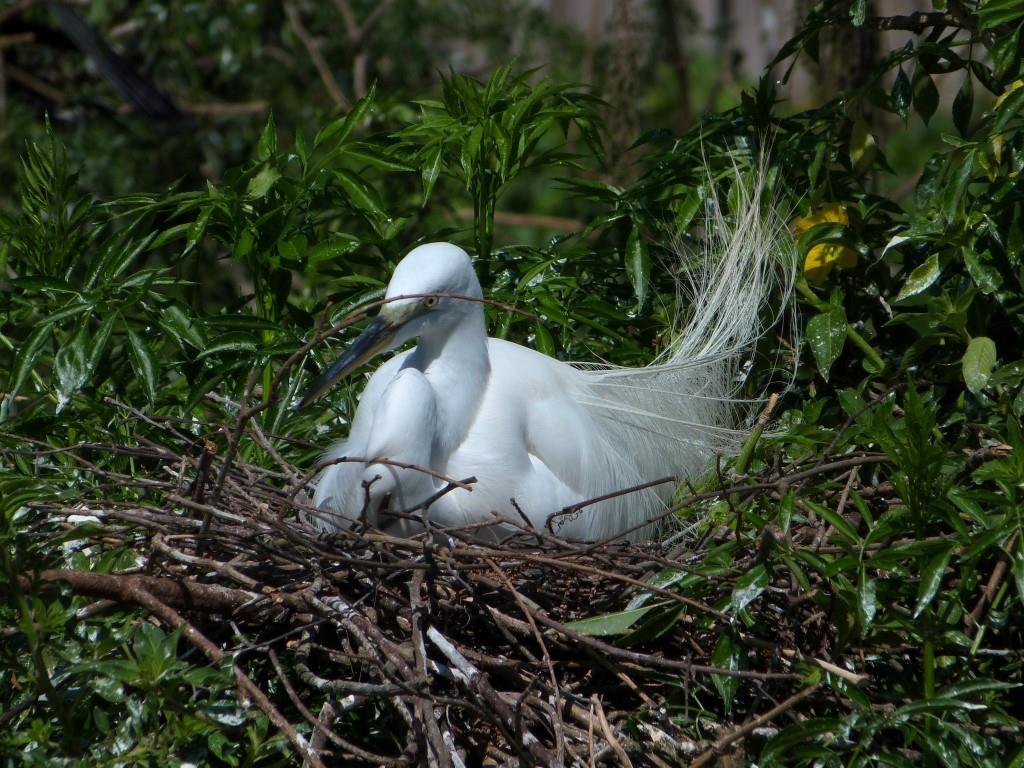
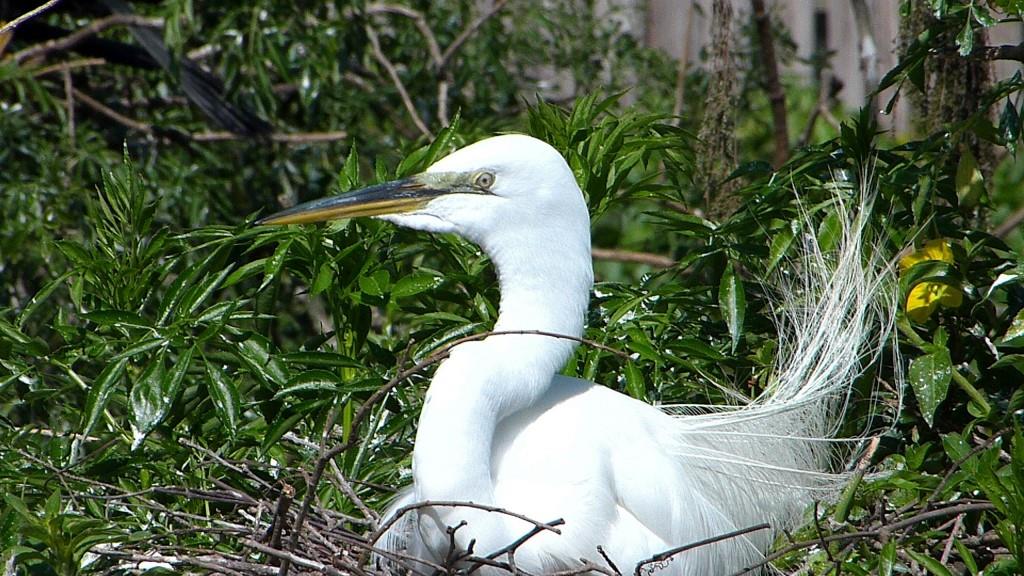
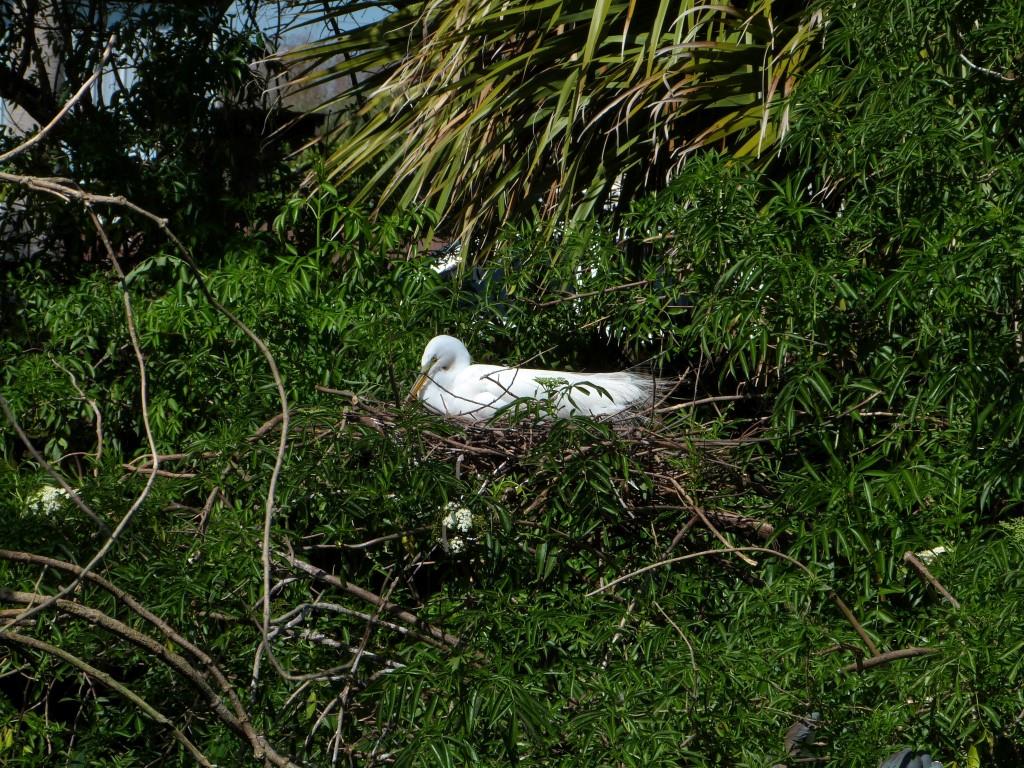
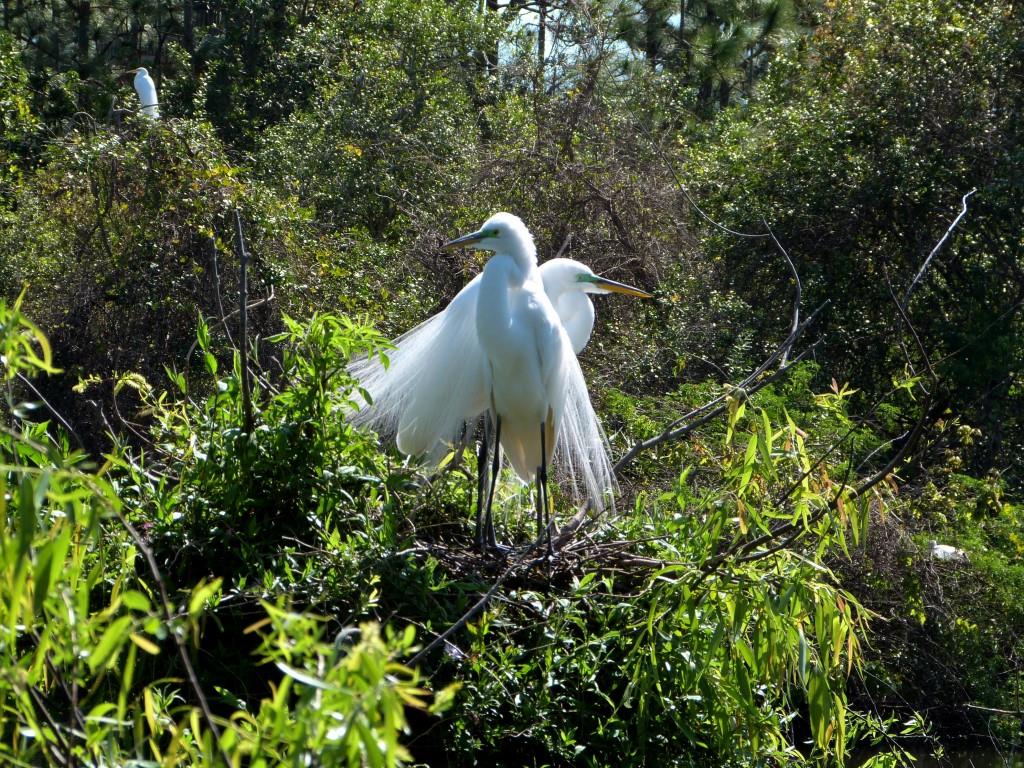
I have been saving the Great Egrets because they were so numerous. They were absolutely spectacular in the breeding plumage. This first article is about the Great Egrets on the nest. They were either sitting, building, improving or exchanging mates sitting on the eggs. Later I will show the one that has already been born and then on Sunday, plans are to show the beautiful plumage as a Sunday Inspiration.

Great Egret on Nest at Gatorland

Great Egrets in Breeding Plumage on Nest at Gatorland

There were not that many species represented at Gatorland (which are not captives), but what was there has left me awed by the way Our Creator has provided for the birds. He commanded them to reproduce and these birds put on quite a show to impress their mates. Their Maker has given them the ability to grow extra feathers, change the colors on their beaks and feet, and some birds have eyes that change color. Wow! Praise the Lord for His love and care for them. How much more love has He shown to us.

Great Egret on Nest at Gatorland

Great Egret on Nest at Gatorland

Another parable He put forth to them, saying: “The kingdom of heaven is like a mustard seed, which a man took and sowed in his field, which indeed is the least of all the seeds; but when it is grown it is greater than the herbs and becomes a tree, so that the birds of the air come and nest in its branches.” (Matthew 13:31-32 NKJV)

Enjoy these photos of Great Egrets on their nest and then a video of “the changing of the guard” at one of the nest I was able to witness. (Click on a thumbnail to see photos full screen)

*

*

*

See the Gatorland Birdwatching Page

Gatorland in Orlando

Falling Plates

*

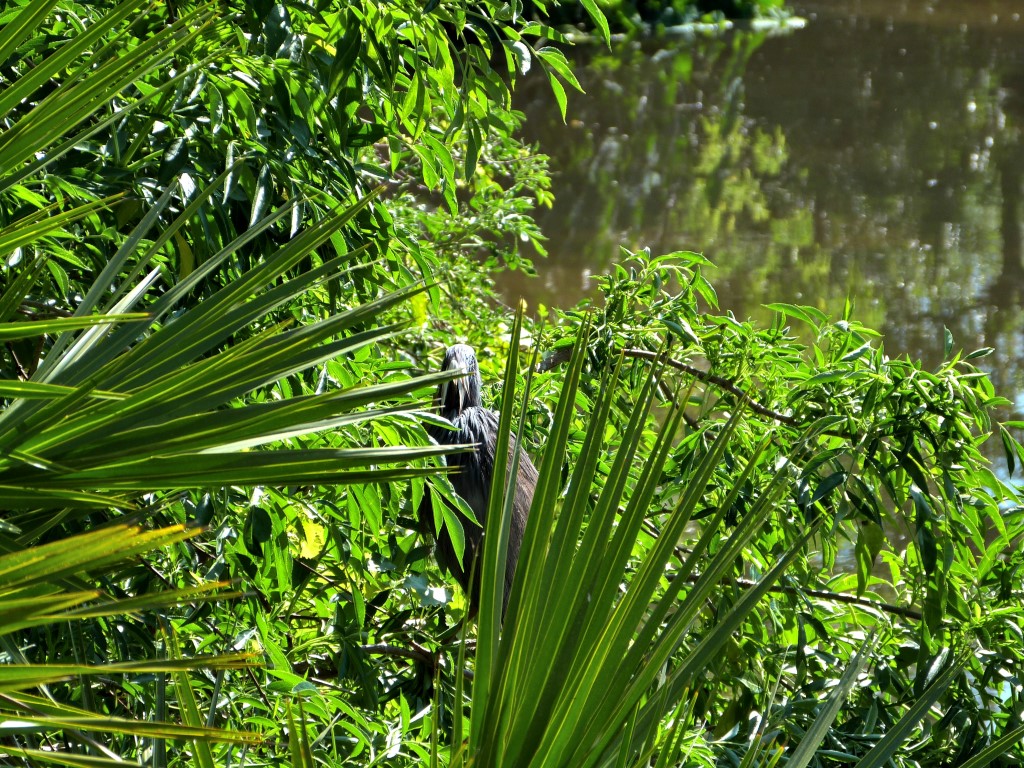
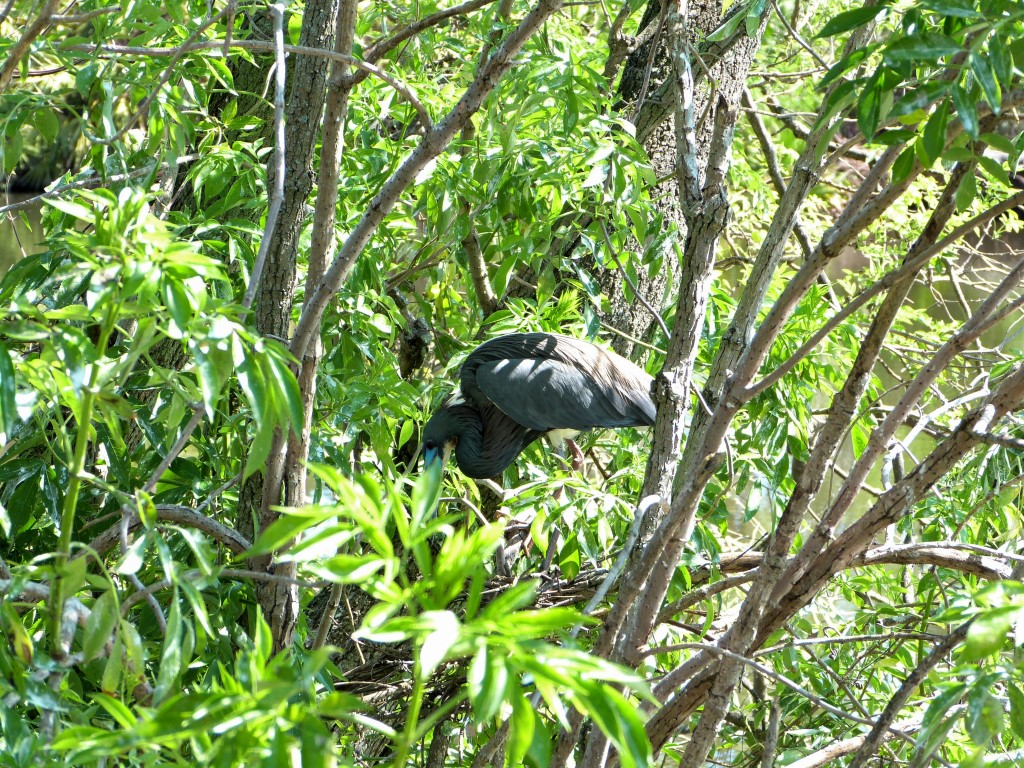
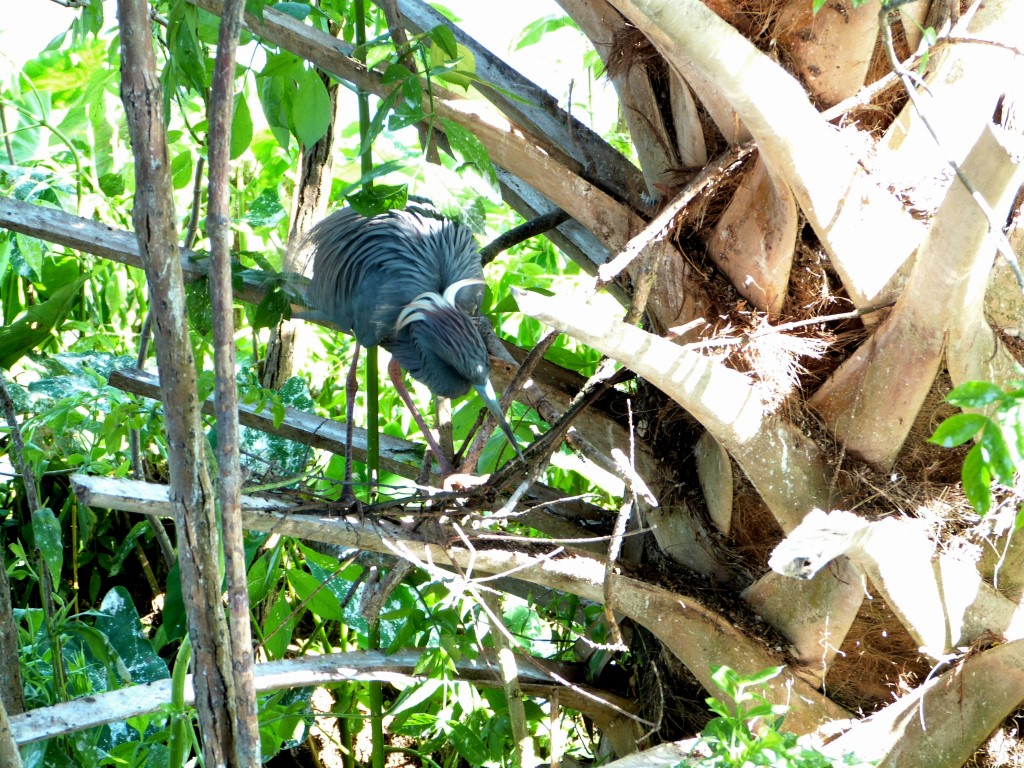
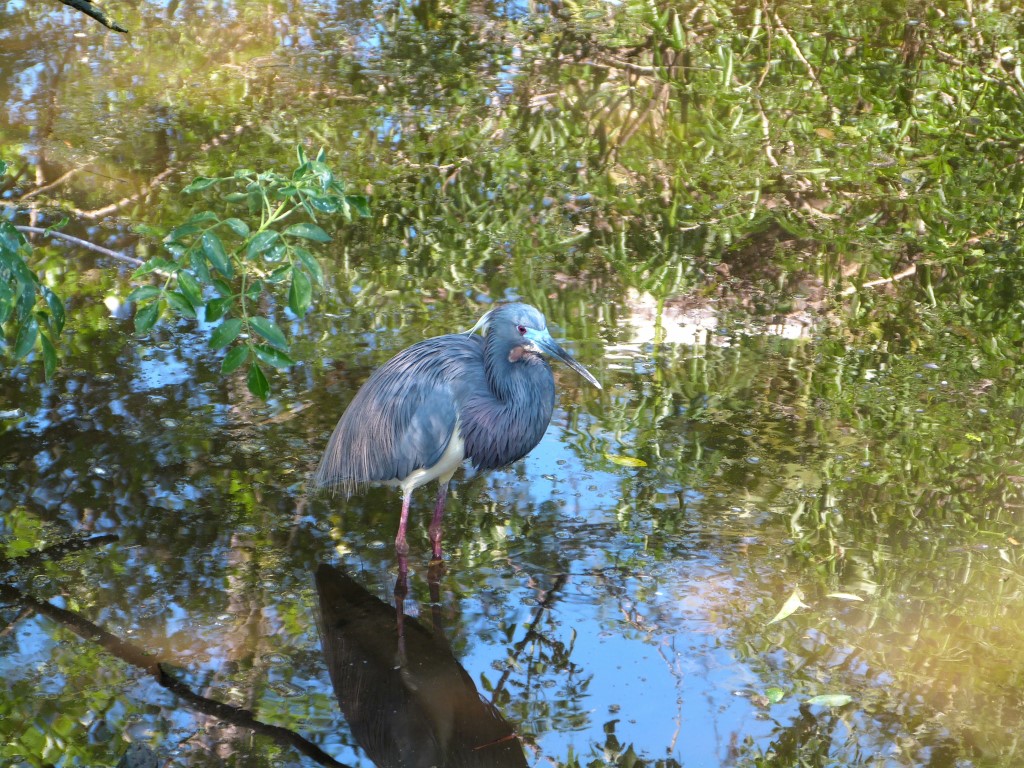
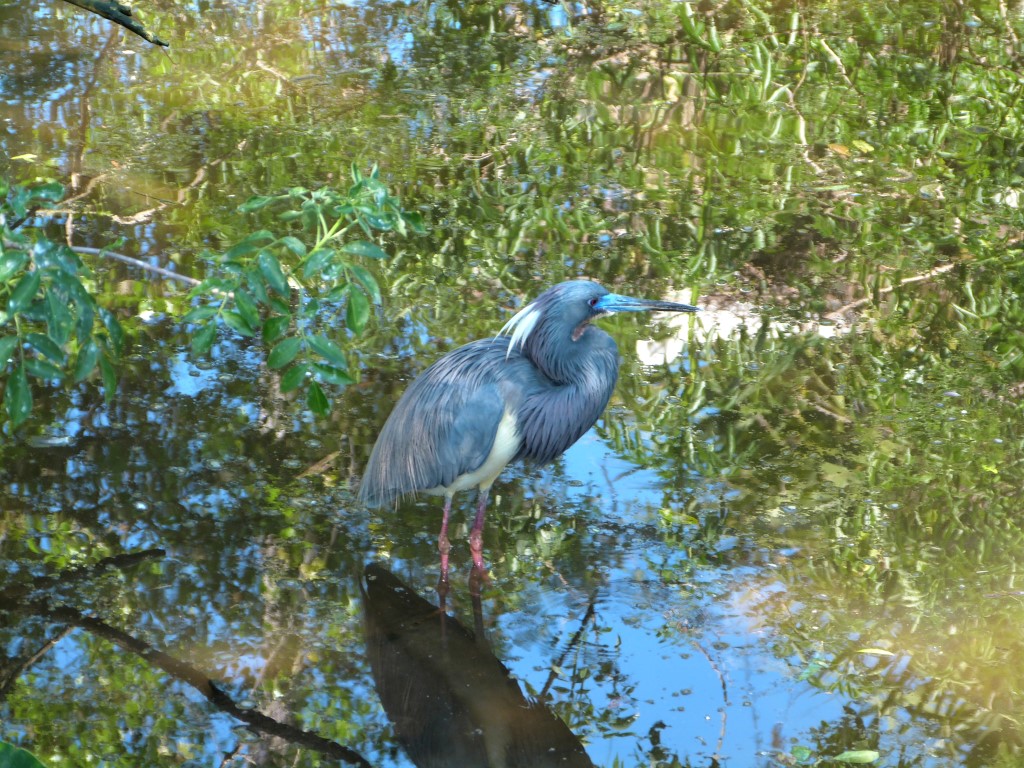
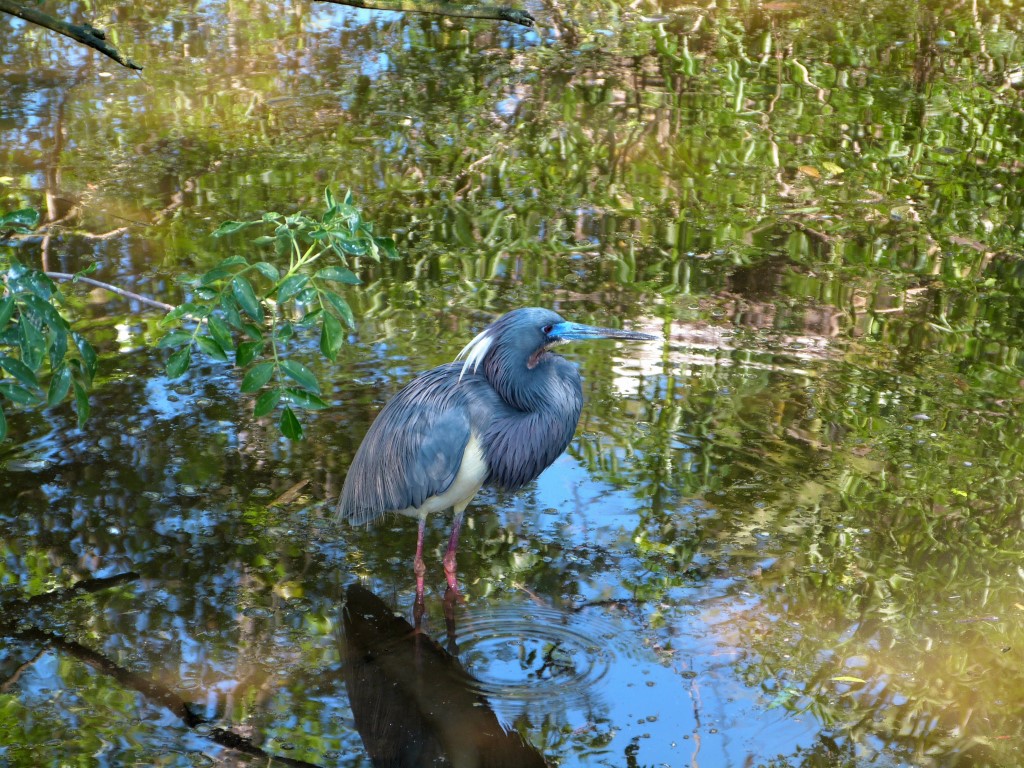
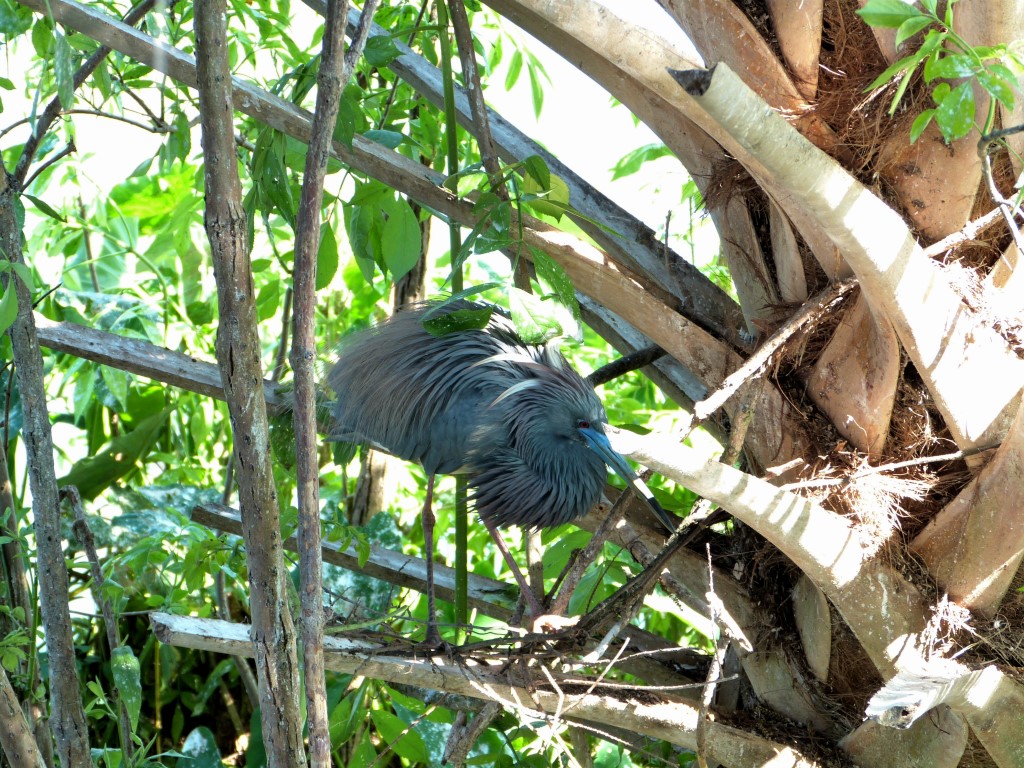
Tricolored Herons at Gatorland

Tricolored Heron at Gatorland

Tricolored Heron at Gatorland

the stork, the heron after its kind, the hoopoe…. (Leviticus 11:19 NKJV)

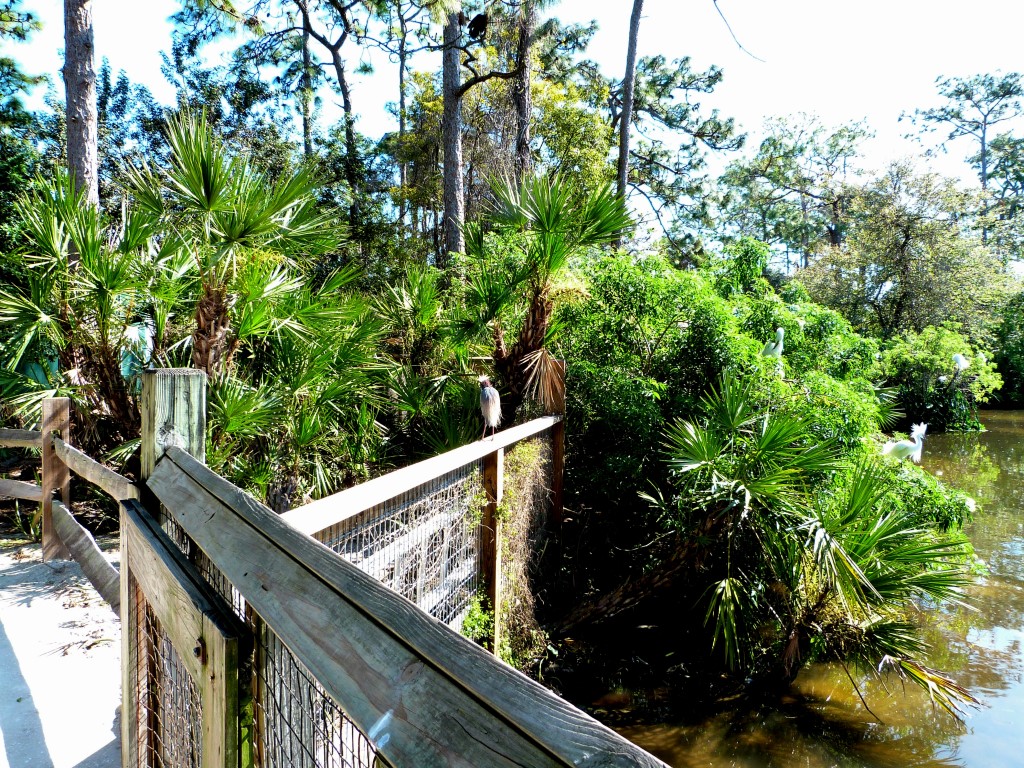
Here is the next beautifully created bird seen on our trip to Gatorland this week. See the other articles listed below.

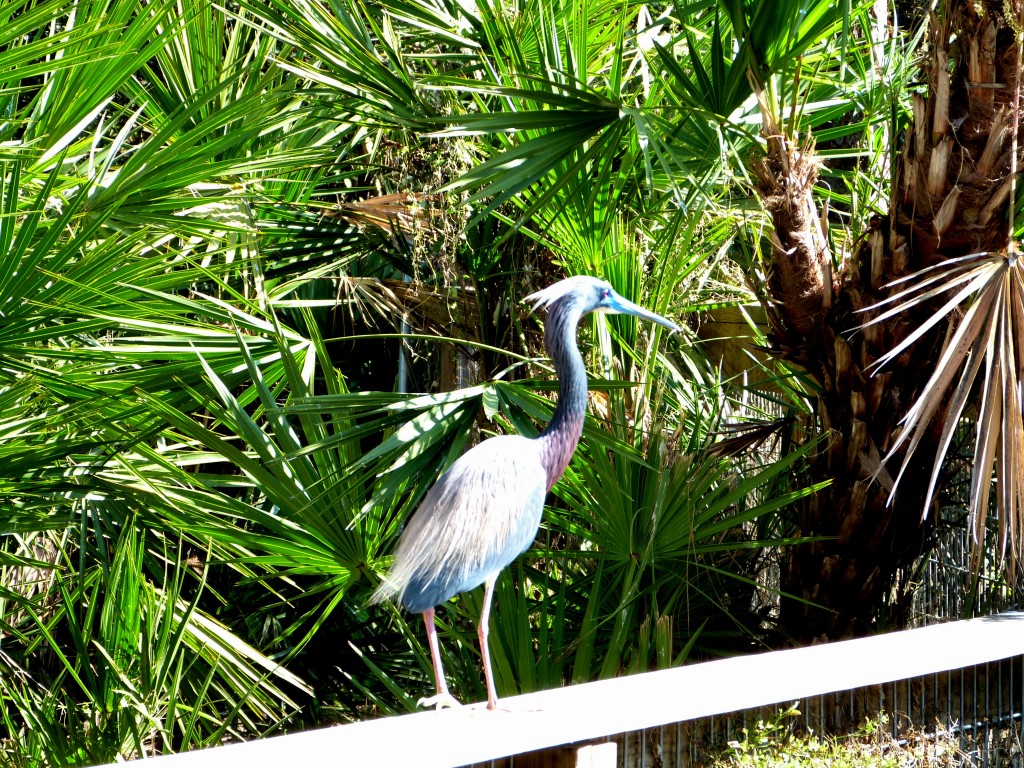
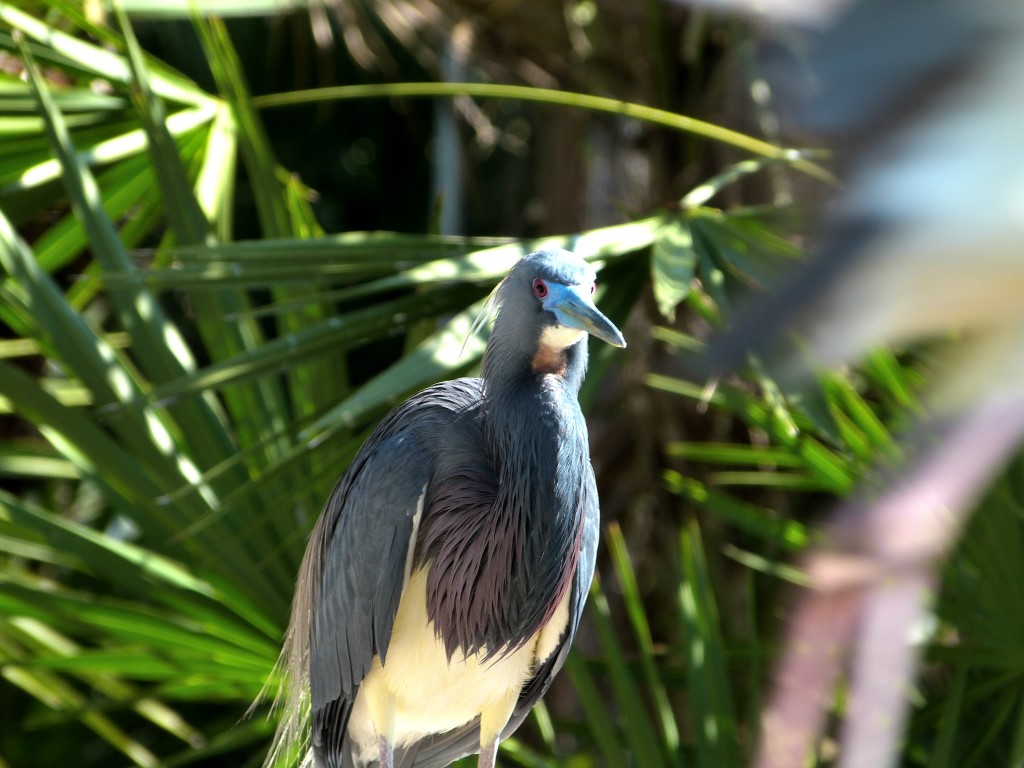
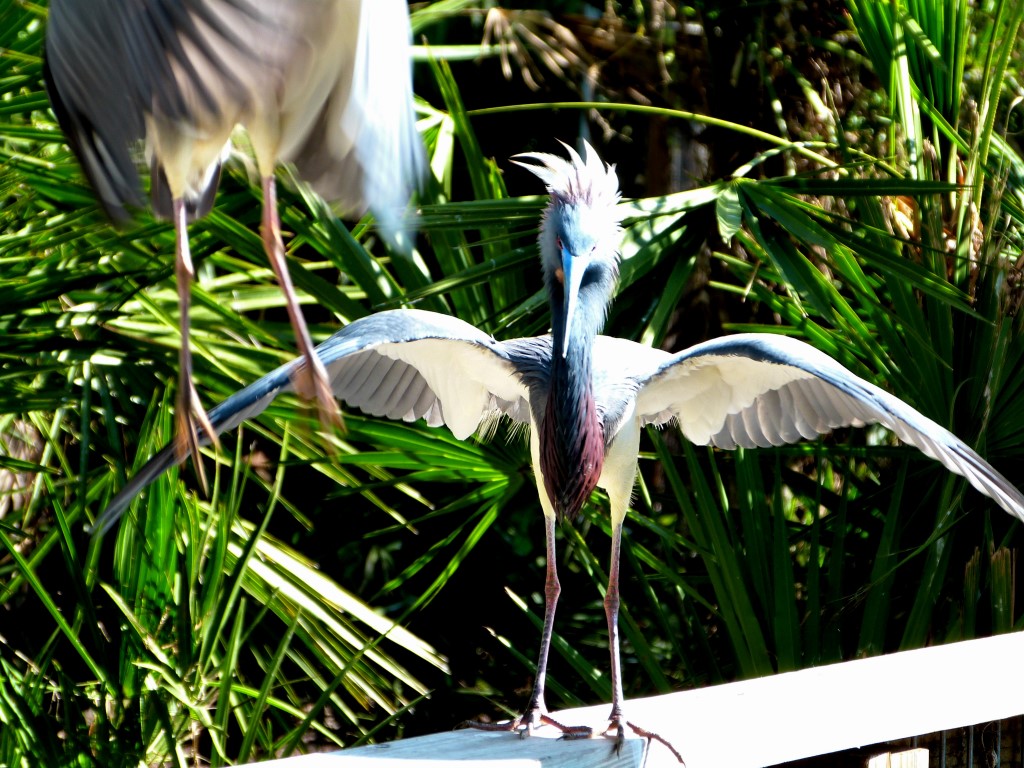
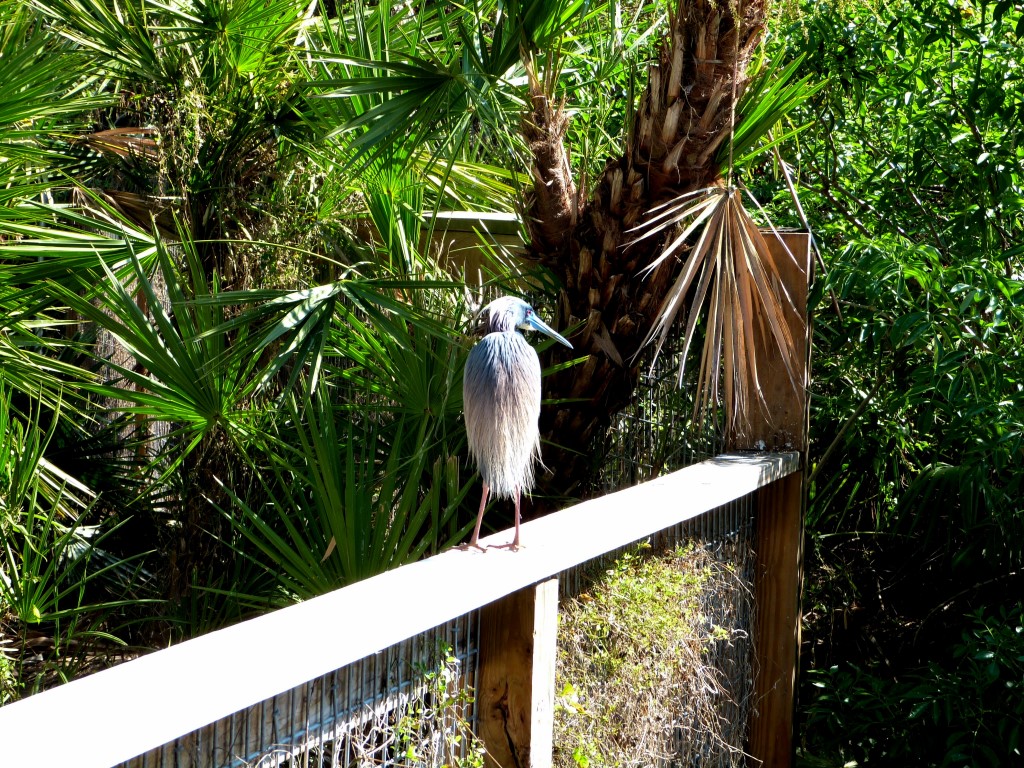
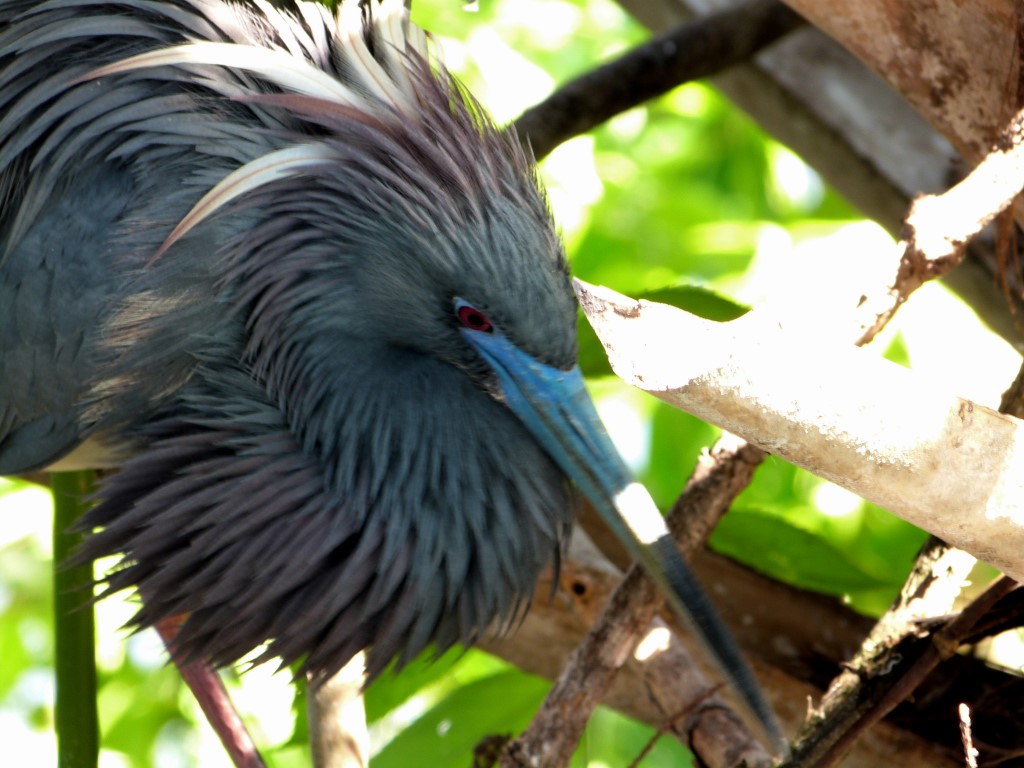
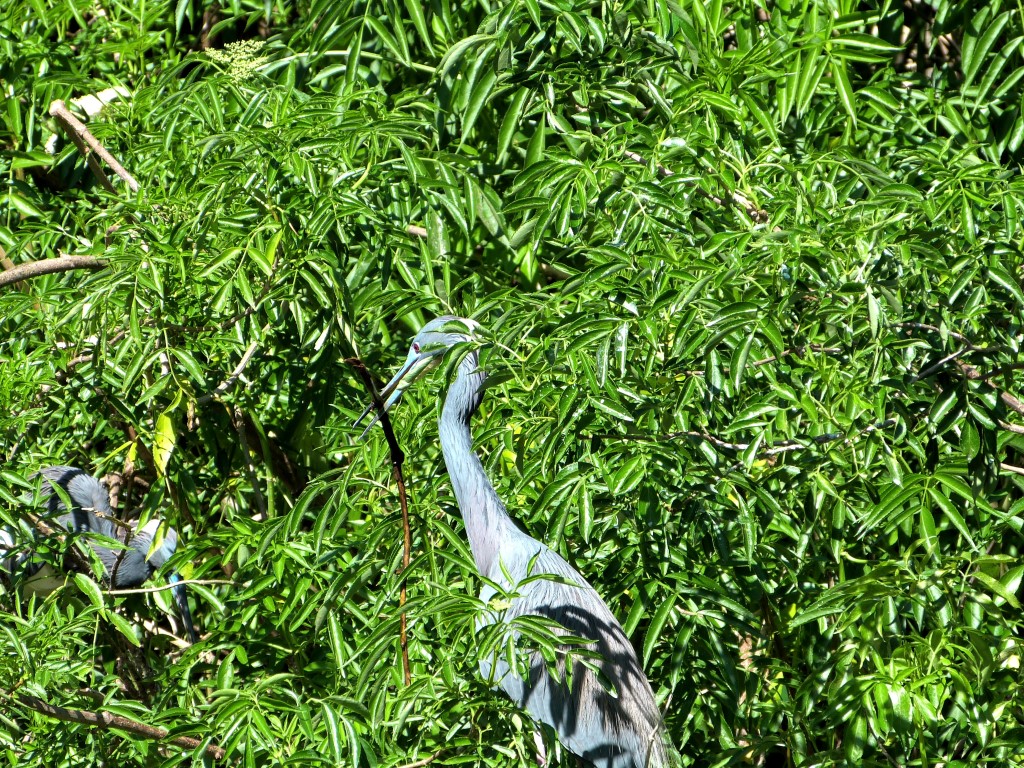
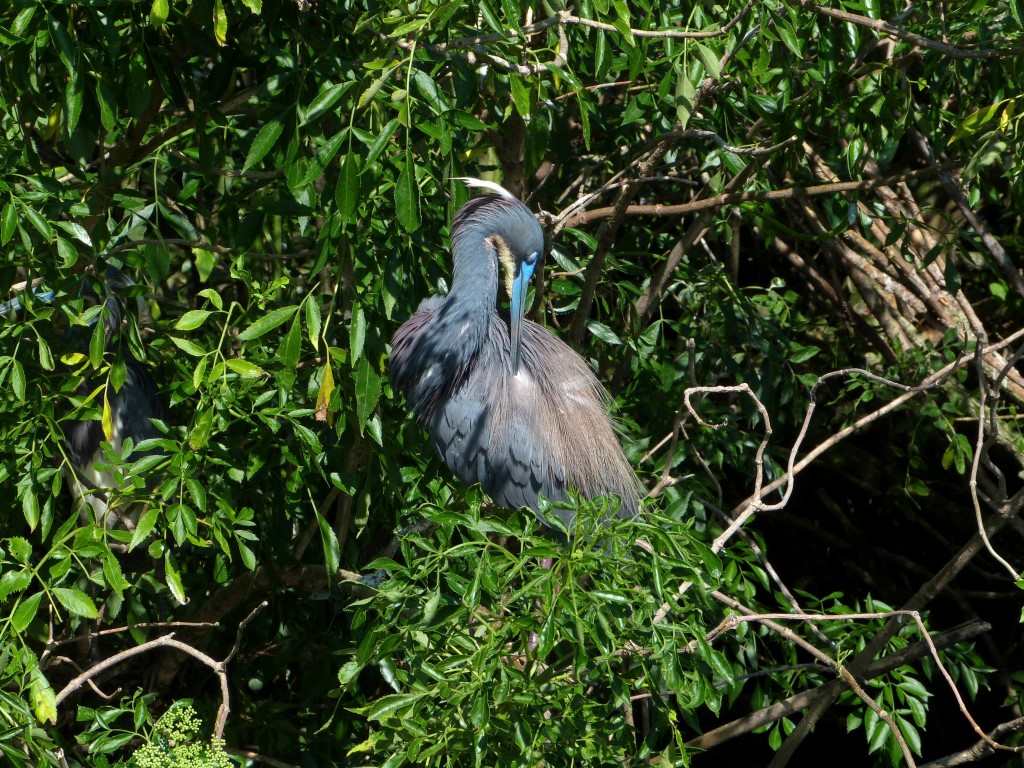
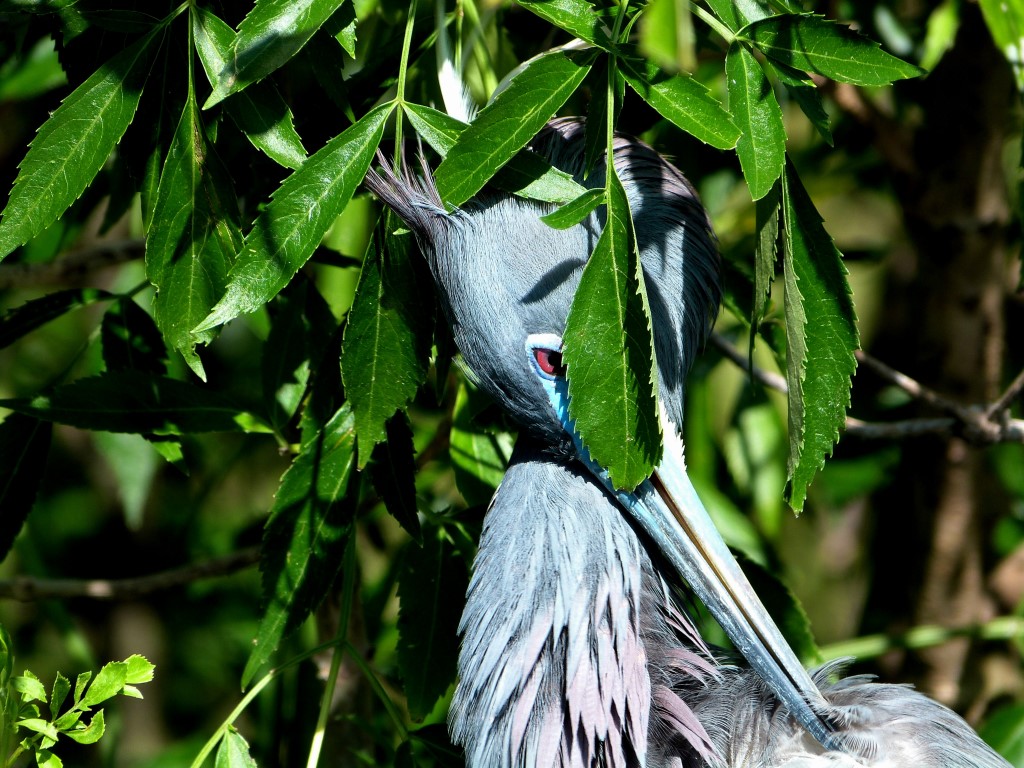
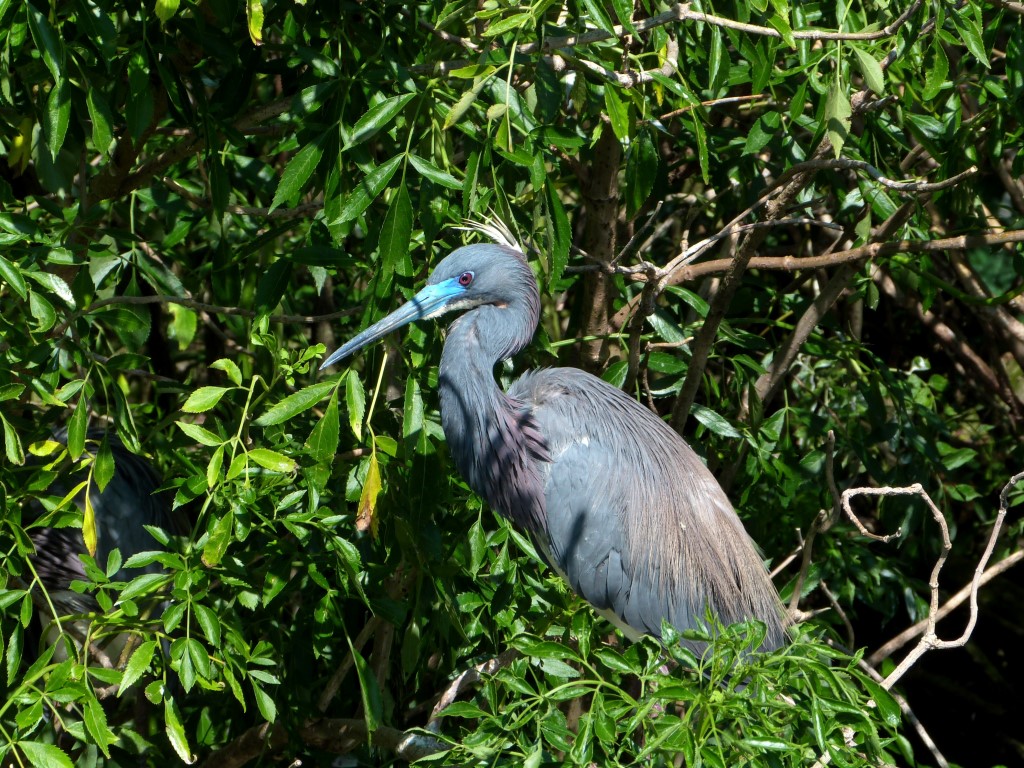
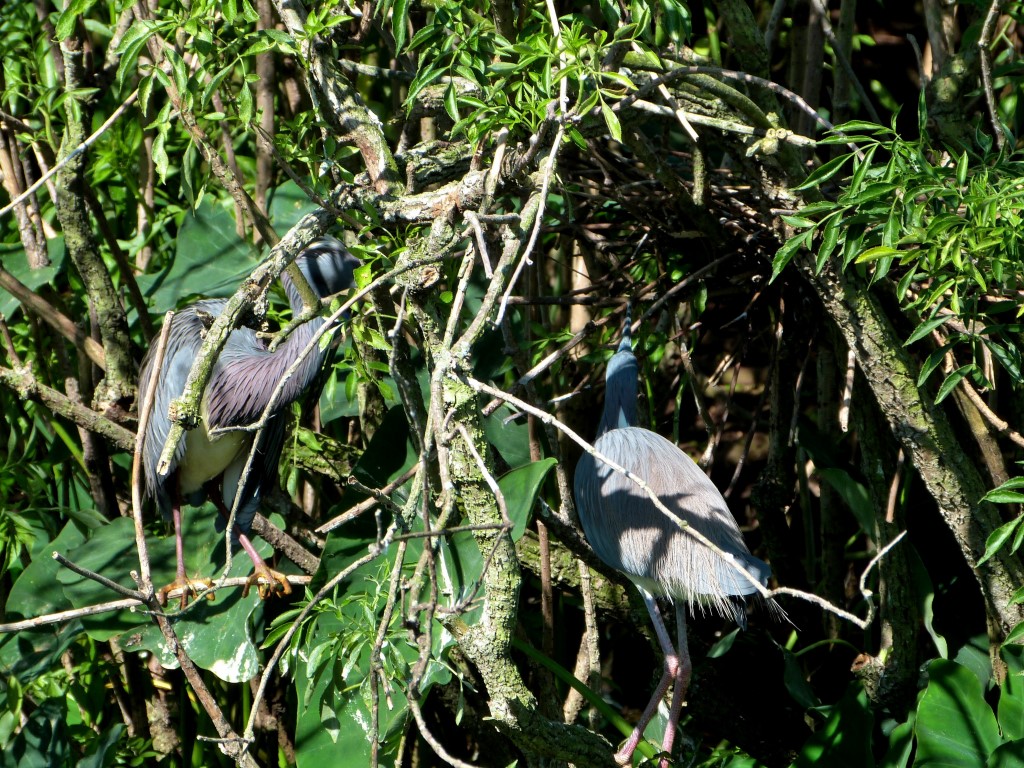
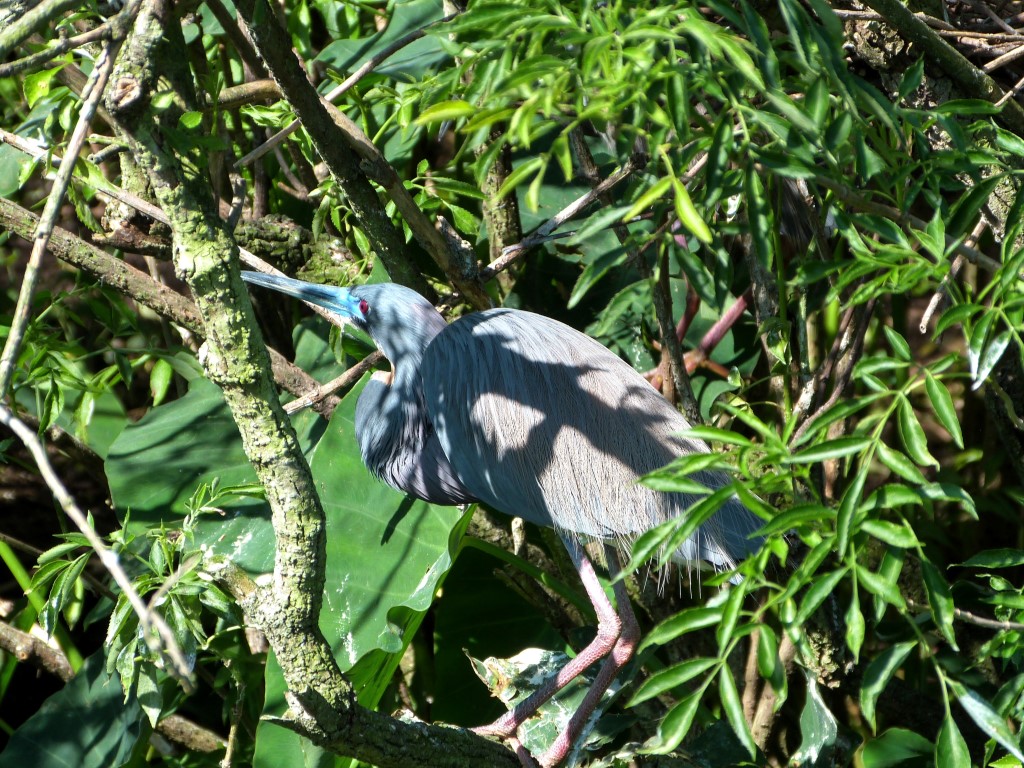
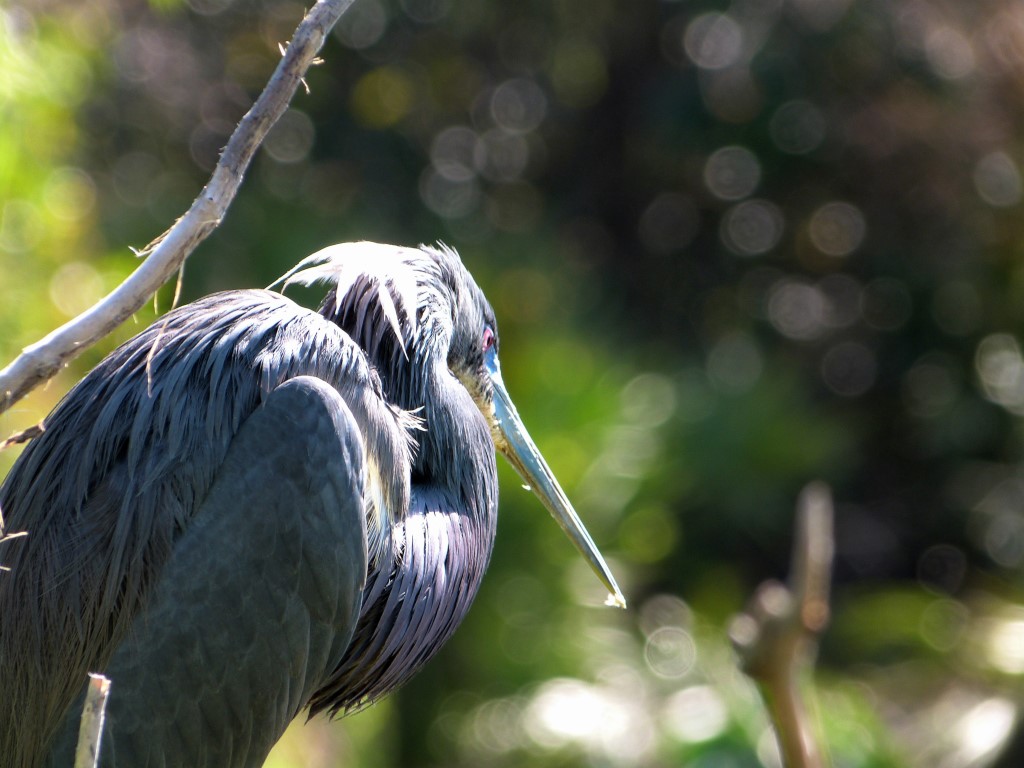
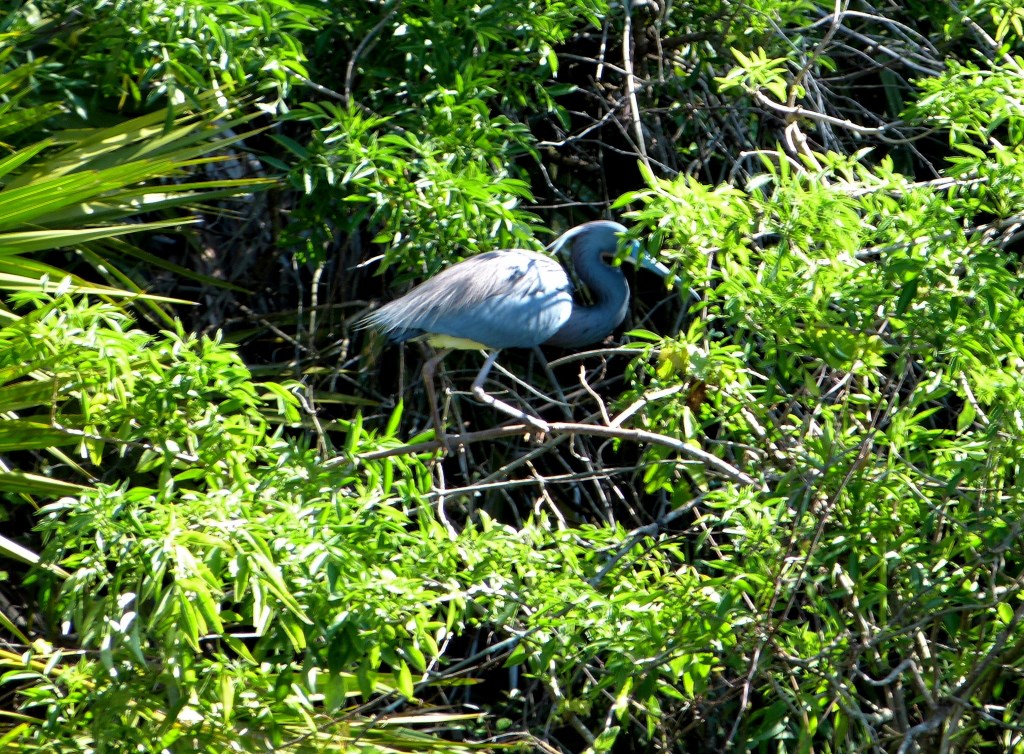
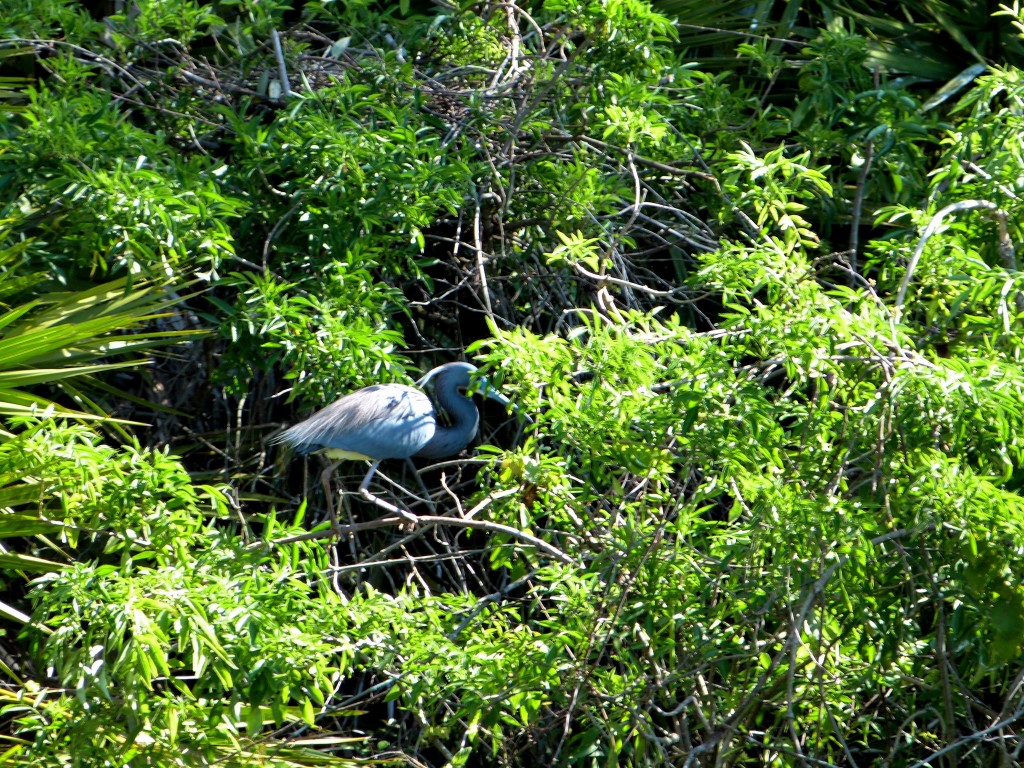
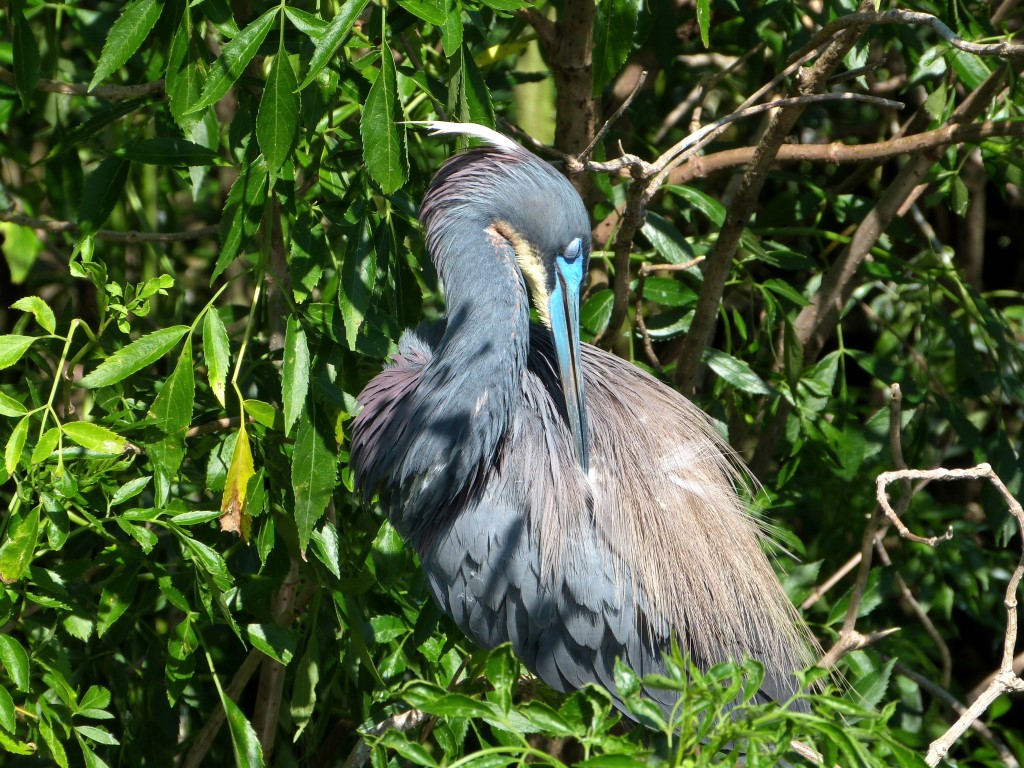
Today, I want to share the Tricolored Herons (Egretta tricolor) which were in their breeding plumage busy courting and building nest.

“During breeding season, the Tricolored Heron sports a short white head plume, a buffy throat and fore-neck, a blue face, and a blue bill, tipped with black. The eyes are reddish, and the legs pinkish. Nonbreeding adults have a yellow face, bill, and legs; the throat and fore-neck are white.” (Audubon)

Tricolored Heron at Gatorland

Tricolored Heron at Gatorland

The Tricolored Heron (Egretta tricolor) formerly known in North America as the Louisiana Heron, is a small heron. They are in the Ardeidae- Herons, Bitterns Family. It is a resident breeder from the Gulf states of the USA and northern Mexico south through Central America and the Caribbean to central Brazil and Peru. There is some post-breeding dispersal to well north of the nesting range.

Tricolored Heron’s breeding habitat is sub-tropical swamps. It nests in colonies, often with other herons, usually on platforms of sticks in trees or shrubs. In each clutch, 3–7 eggs are typically laid.

Tricolored Heron at Gatorland

Tricolored Heron at Gatorland

This species measures from 56 to 76 cm (22 to 30 in) long, and has a wingspan of 96 cm (38 in). The slightly larger male heron weighs 415 g (14.6 oz) on average, while the female averages 334 g (11.8 oz). It is a medium-large, long-legged, long-necked heron with a long pointed yellowish or greyish bill with a black tip. The legs and feet are dark.

Adults have a blue-grey head, neck, back and upperwings, with a white line along the neck. The belly is white.
Tricolored Heron stalks its prey in shallow or deeper water, often running as it does so. It eats fish, crustaceans, reptiles, and insects. (Wikipedia)

Trying this method of showing the photos. By clicking on a photo, it will bring it up full screen and then you can browse through them. Leave a comment as to which method you prefer.

*

*

Video of Tricoloreds Preening and Building Nest

*

*

Gatorland’s Snowy Egrets

Snowy Egret in Breeding Plumage at Gatorland by Dan

Snowy Egret in Breeding Plumage at Gatorland by Dan

Bring out with you every living thing of all flesh that is with you: birds and cattle and every creeping thing that creeps on the earth, so that they may abound on the earth, and be fruitful and multiply on the earth. (Genesis 8:17 NKJV)

In yesterday’s blog, I told about the alligators at Gatorland. Today, we continue with the Snowy Egrets which are there in the rookery. The “rookery” or a place where lots of birds gather to build nest, court, mate and raise their young at Gatorland is protected by the gators. Birds like to find small islands or areas that are protected from animals or snakes that eat the young. When the rookery is surrounded by gators, they have much protection. The alligators get their “pay” by catching the young that accidentally fall from the nest. It is not perfect for the birds, but it does allow them to raise most of their young.

Snowy Egret - Noticd the Red when breeding by Lee

Snowy Egret – Noticd the Red when breeding by Lee

All the birds in the nesting area are wild birds and not captives. They are free to come and go as they please. Right now, they please to be there to raise their young. This is prime time breeding season at Gatorland.

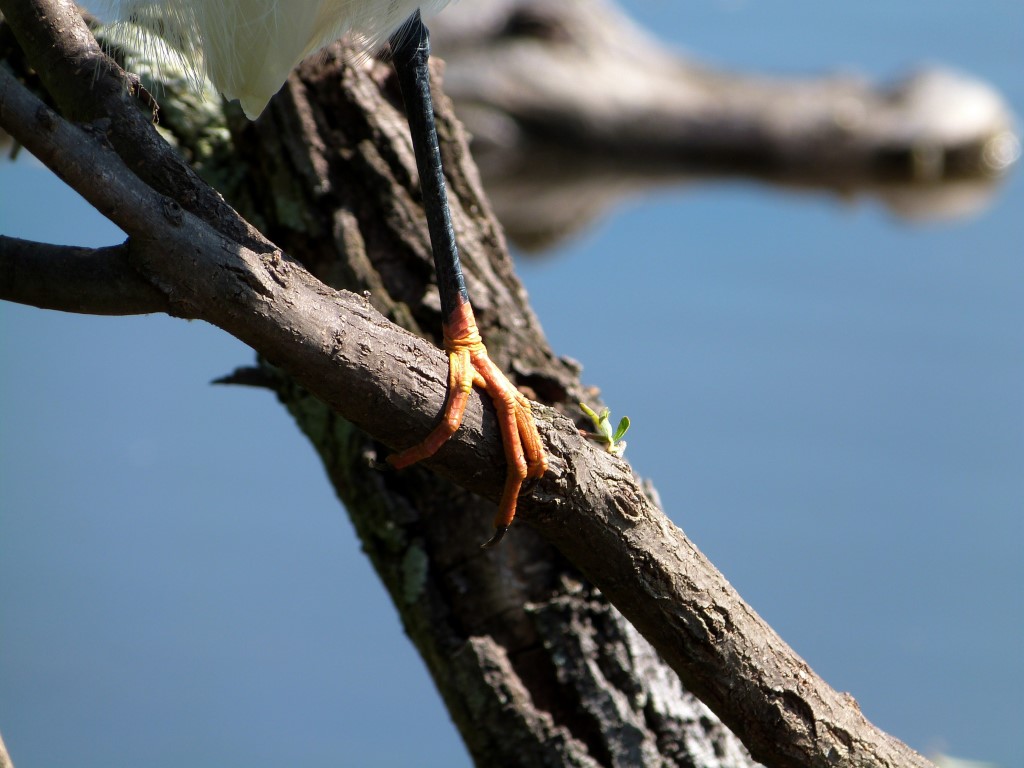
Even Feet Get Reddish Tint - Snowy Egret at Gatorland by Lee

Even Feet Get Reddish Tint – Snowy Egret at Gatorland by Lee

Here are some of the photos of the Snowy Egrets from yesterday. The top one was a great catch by Dan. Isn’t the Lord amazing in how He created these birds. Their feathers are so beautiful and it is neat how some of their parts change color.

*

This slideshow requires JavaScript.

*

See:

*