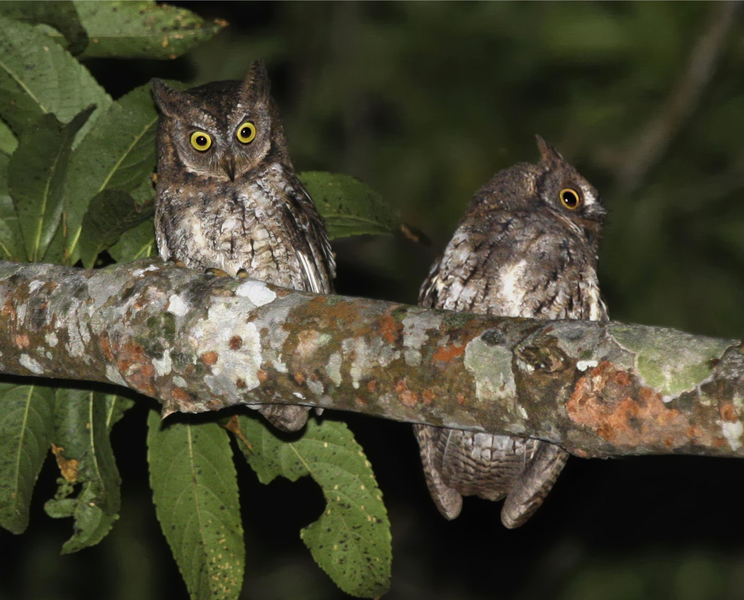
Just finished the Bible Birds – Owls page. A Photo gallery and some Fun Facts were added.
This slideshow requires JavaScript.
Bible Birds are the Birds of the Bible Birds written with to Younger Folks and those who are “Young at Heart”. As other pages are updated, a post will announce them also.
and the red kite, the falcon, and the kite in their kinds, (Deuteronomy 14:13 NASB)
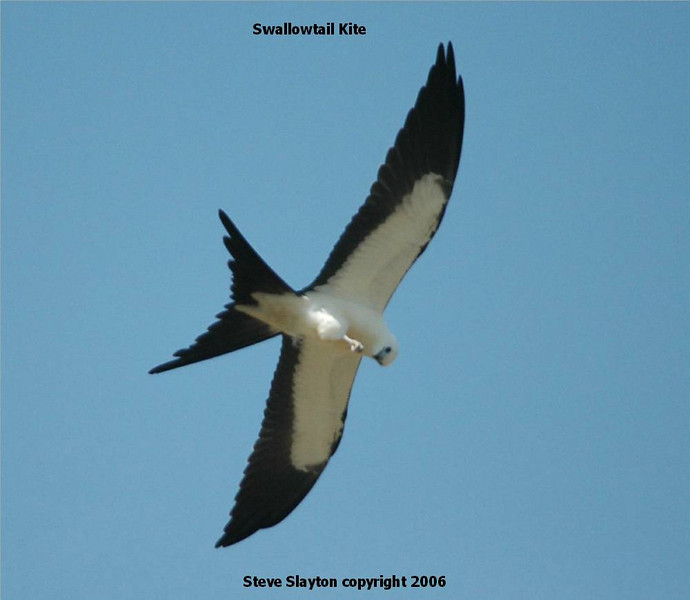
In the Birds of the Bible – Hidden Covenant Part 3, I mistakenly placed this photo of a Swallow-tailed Kite instead of a Swallow. I have since fixed my mistake. A J was talking about the Swallows observing the time of their coming and he used Jeremiah 8:7.
Even the stork in the heavens Knows her appointed times; And the turtledove, the swift, and the swallow Observe the time of their coming. But My people do not know the judgment of the LORD. (Jeremiah 8:7 NKJV)
The reason I mixed them up is because right now, in this area, the Swallow-tailed Kites are being spotted. I have seen a single one three times and just the other day, Dan and I had two of them skim over the top of trees, right in front of us. They have been in the area for a month or so, and soon they will move on again. They “Observe the time of their coming.” Thus the mistake on my part.
They may be one of the Birds of Prey, but they were beautifully created by the Lord. They are so graceful and enjoyable to watch. I am always amazed at the Creator’s use of such variety in the birds and in all the other neat things around us.
Who is like You, O LORD, among the gods? Who is like You, glorious in holiness, Fearful in praises, doing wonders? (Exodus 15:11 NKJV)
According to the Audubon WatchList, “Two subspecies found in the Americas. Northern subspecies (Elanoides forficatus forficatus) breeds in small sections of seven southeastern U.S. states and in southern Mexico. Members of this group migrate to South America in the late summer. Southern subspecies (Elanoides forficatus yetapa) found through much of South America. The estimated U.S. population of approximately 10,000 birds now breeds in fragmented populations from South Carolina south to Florida and west to Louisiana/Texas border with largest known populations in northern Florida. Formerly bred north to Minnesota and west through Texas to Mexico. Significant populations remain in Florida and along the Pascagoula River in Mississippi.”
I really enjoy seeing these Kites because you just have to be looking in the right direction at the right time. Every time they have been spotted by us, they just sort of “appear” over the tops of the trees. They skim so low, that when they come over you, you either see them or you don’t.
Kites are of course one of our Birds of the Bible – (Glede and Kites). They are mentioned twice in Scripture in the list of “unclean” birds in Leviticus 11:14 and Deuteronomy 14:13. Each time “after its kind” is given. So, our Swallow-tailed Kite is one of those kinds and would like to introduce you to this amazing bird that is so neat to watch flying. When they spread that tail of theirs, it is just super neat.
The Swallow-tailed Kite is a member of the Accipitridae Family (Kites, Hawks & Eagles) Family in the Order Accipitriformes. They are considered Abundance Common according the Thayer Birding software.
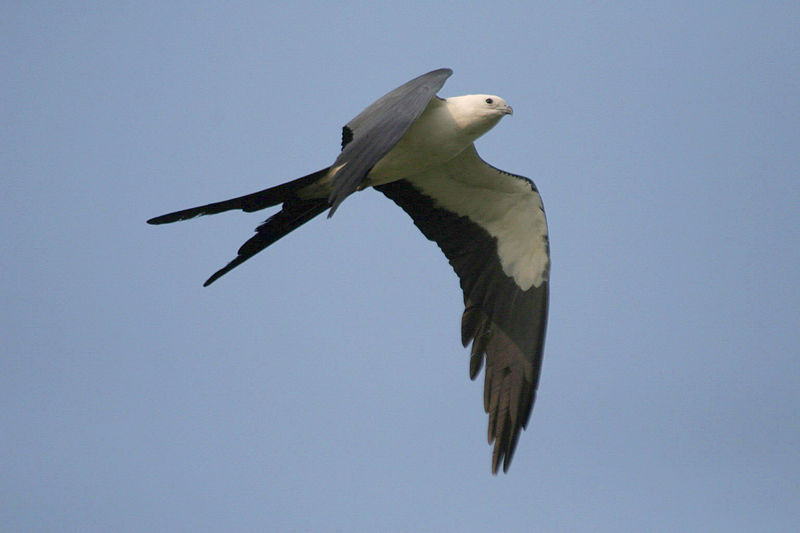
They are 24 inches (60 cm) with a very long black forked tail, white head, chest, belly and leading portion of underwing. Their flight feathers are black and their back is also black.
They are a medium-sized, graceful, long-winged, long-tailed hawk with pointed wings, a short, dark, hooked bill. The males and females are similar.
Adults have a long, deeply forked tail. white head, neck, chest, underwing coverts, belly, and undertail coverts, a slate gray back and upperwings, black tail and flight feathers. Whereas the immature is duller than adult with fine streaks on head and breast and has a shorter, less deeply-forked tail than adult.
Thayer also says of their habitat and behavior – ” Wet open woodlands, bottomlands, wooded river swamps, marshes, wetlands, and along rivers, ponds and lakes. Agile and graceful in flight. Eats in flight by bending head and neck under body to eat prey held in talon. Will drink in flight, much like a swallow. Gregarious. Will sweep low over open fields and grasslands to catch food or soar very high for flying insects.”
Swallow-tailed Kite (Elanoides forficatus) by Africaddict
The Swallow-tails like to breed in “Lowland forest, especially swampy areas extending into open woodland. 1 brood. Mating system is monogamous. Displays are In flight: easy sailing, curving chase often over water. On perch: mutual approach on horizontal limb, face-off, female quickly turns or backs under limb. They also do courtship feeding.
The nest is usually in treetop concealed by thick foliage and they place it on a foundation of preceding year’s nest. It consist of sticks, twigs, moss, pine needles, leaves, lichen. Lined with fine materials, few feathers. Both sexes help with nest construction.
The eggs are white, marked with browns, occasionally lavender, often concentrated at end. 1.8” (47 mm). Both sexes incubate. with Incubation taking 28 days. Development is semialtricial (immobile, downy, eyes open, fed). Young are able to fly after 36-42 days. Both sexes tend young.
The spend their winters from Colombia and Venezuela S. Marsh drainage, deforestation, and shooting are responsible for reduction in population and range.
Miscellaneous notes; Occasionally nest in loose colonies of a few pairs. Bathe and drink by skimming water surface like swallow. Occasionally soar at great heights. Up to 200 pieces used in nest, carried individually, may require up to 800 miles of flight. Formerly known as American Swallow-tailed Kite; changed by AOU in 1996.
From Thayer Birding Software, The Birder’s Handbook, Wikipedia, and other internet sources.
I came across several interesting articles from Answers in Genesis that deal with changes within the species. Having just updated the pages to the I.O.C. 3.4 Version, there were several new species added. Where did they come from? Some of them were subspecies that had been elevated to a species status. At least one, was a newly discovered species. So, how do we look at this as Christians that believe in creation and not evolution?
An article from Answers asks, “Do Species Change?” by Paul Garner. It actually gave Darwin credit for realizing that there was not a fixity or immutability of species.
Before the time of Charles Darwin, a false idea had crept into the church—the belief in the “fixity” or “immutability” of species.1 According to this view, each species was created in precisely the same form that we find it today. In his famous book, On the Origin of Species, first published in 1859, Darwin set out to demolish this widespread view.
The article goes on to show how Darwin went too far. It is a very interesting article worth reading. Do Species Change?
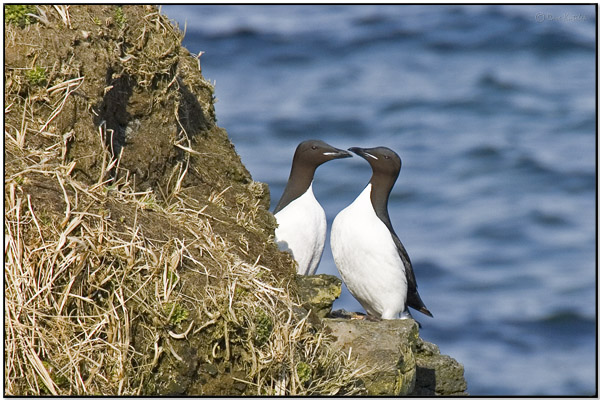
Thick-billed Murre (Uria lomvia) by Daves BirdingPix
“Seabird Study Said To Solve the Evolutionary Mystery of Flightlessness” by Dr. Elizabeth Mitchell discusses how the Penguin became flightless and use the Thick-billed Murre as a possible example. They compare the amount of energy used to swim and/or fly. “Murres, able to fly and to execute penguin-like wing-propelled dives, were the focus of the study because researchers believe their performance provides a living model of the penguin’s evolutionary past….” Also, the bone structure is discussed. I like the wrap-up by the article writer, Dr. Elizabeth Mitchell.
Yet this fact just demonstrates a great design—an ideal “form” for a diving, flying seabird—and confirms nothing about the evolutionary path of any bird, let alone the flightless penguin.
God created birds on the fifth day of Creation week about 6,000 years ago. They reproduced “after their kinds” as the Bible describes, only varying within their created kinds. Biology does not demonstrate the evolution of flight or flightlessness or the evolution of any kind of creature into a different kind.
Our Creator used His Omnipotence and His Wisdom to create the fantastic and varied creatures for us to enjoy, especially the birds. They are there in front of us all to see, observe and try to understand more about them and their development. How we look at them is where the differences in how this came about is where the creationist and evolutionist part ways.
In the beginning God created the heavens and the earth. (Genesis 1:1 NKJV)
or
For since the creation of the world His invisible attributes are clearly seen, being understood by the things that are made, even His eternal power and Godhead, so that they are without excuse, because, although they knew God, they did not glorify Him as God, nor were thankful, but became futile in their thoughts, and their foolish hearts were darkened. Professing to be wise, they became fools, and changed the glory of the incorruptible God into an image made like corruptible man—and birds and four-footed animals and creeping things. Therefore God also gave them up to uncleanness, in the lusts of their hearts… who exchanged the truth of God for the lie, and worshiped and served the creature rather than the Creator, who is blessed forever. Amen. For this reason God gave them up to vile passions. … And even as they did not like to retain God in their knowledge, God gave them over to a debased mind… (Romans 1:20-28 NKJV)
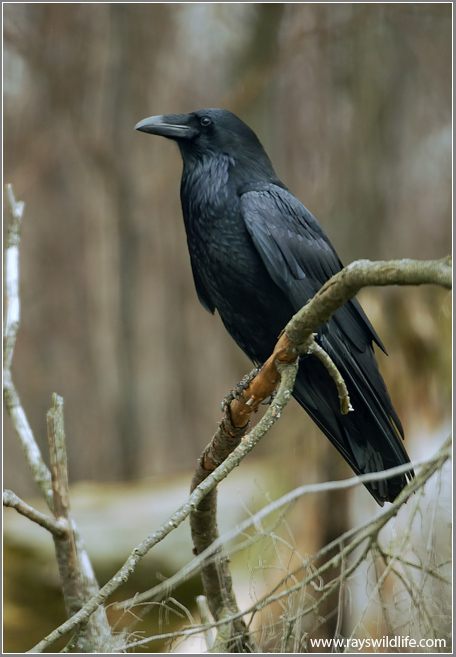
It has been several years since the Raven was featured in the Birds of the Bible. Let’s review the Raven’s part in the Scripture and see if we can add more details about this fantastic bird and his family members.
Ravens are mentioned eleven times in the Bible:
Then he sent out a raven, which kept going to and fro until the waters had dried up from the earth. (Genesis 8:7)
every raven after its kind, (Leviticus 11:15)
every raven after its kind; (Deuteronomy 14:14)
You shall drink from the brook, and I have commanded the ravens to feed you there.” 1Kings 17:4)
And the ravens brought him bread and meat in the morning, and bread and meat in the evening, and he drank from the brook. (1Kings 17:6)
Who provides food for the raven, When its young ones cry to God, And wander about for lack of food? (Job 38:41)
He gives to the beasts their food, and to the young ravens that cry. (Psalms 147:9)
The eye that mocks a father and scorns to obey a mother will be picked out by the ravens of the valley and eaten by the vultures. (Proverbs 30:17)
His head is like the finest gold; His locks are wavy, And black as a raven. (Song of Solomon 5:11)
But the pelican and the porcupine shall possess it, Also the owl and the raven shall dwell in it. And He shall stretch out over it The line of confusion and the stones of emptiness. (Isaiah 34:11) Consider the ravens: they neither sow nor reap, they have neither storehouse nor barn, and yet God feeds them. Of how much more value are you than the birds! (Luke 12:24)
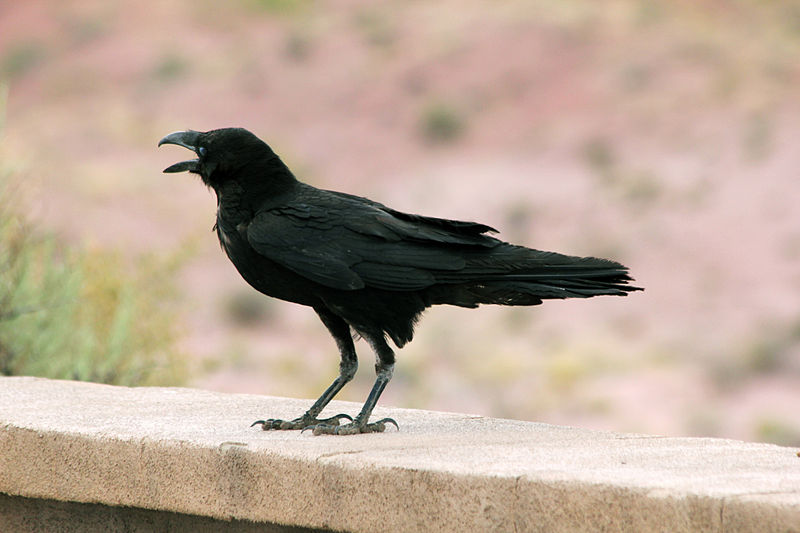
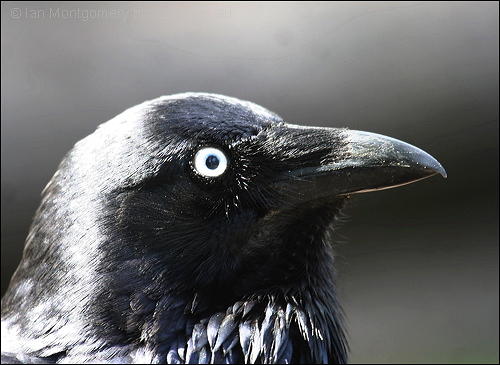
As you can see, the Raven is one of the more mentioned birds in God’s Word, therefore it deserves to be studied again. The Corvidae – Crows, Jays, Ravens Family is where you will find the Raven and their kind, such as Ravens, Crows, Jackdaw, Magpies, Jays, Magpie-Jays and Ground-Jays, Treepies, Choughs and Nutcrackers. At present, there are 130 species in the family. The Raven is one of several larger-bodied members of the genus Corvus—but in Europe and North America the Northern (Common) Raven is normally implied. They have black plumage and large beaks. They are considered the most intelligent of the birds, and among the most intelligent of all animals. It appears that the Lord used the intelligence He created in the Raven to help find the food that was needed to feed Elijah, the prophet, and also to help Noah discern when the waters had dried up.
And Elijah the Tishbite, of the inhabitants of Gilead, said to Ahab, “As the LORD God of Israel lives, before whom I stand, there shall not be dew nor rain these years, except at my word.” Then the word of the LORD came to him, saying, “Get away from here and turn eastward, and hide by the Brook Cherith, which flows into the Jordan. And it will be that you shall drink from the brook, and I have commanded the ravens to feed you there.” So he went and did according to the word of the LORD, for he went and stayed by the Brook Cherith, which flows into the Jordan. The ravens brought him bread and meat in the morning, and bread and meat in the evening; and he drank from the brook. (1 Kings 17:1-6 NKJV)
Today there are thirteen (11) Ravens plus several subspecies. (IOC 3.4) There are also two extinct; the Chatham and New Zealand Ravens.
The Northern (Common) Raven, which is North America’s main Raven, began in the Old World and crossed the Bering land bridge into North America. Recent genetic studies, which examined the DNA of Northern Ravens from across the world, have determined that the birds fall into at least two clades: a California clade, found only in the southwestern United States, and a Holarctic clade, found across the rest of the northern hemisphere. Birds from both clades look alike, but the groups are genetically distinct and began to diverge.
The findings indicate that based on mitochondrial DNA, Northern Ravens from the rest of the United States are more closely related to those in Europe and Asia than to those in the California clade, and that Northern Ravens in the California clade are more closely related to the Chihuahuan Raven (C. cryptoleucus) than to those in the Holarctic clade. Ravens in the Holarctic clade are more closely related to the Pied Crow (C. albus) than they are to the California clade. Thus, the Northern Raven species as traditionally delimited is considered to be paraphyletic.
One explanation for these surprising genetic findings is that Northern Ravens settled in California and became separated from their relatives in Europe and Asia during an ice age. A group from the California clade became into a new species, the Chihuahuan Raven. Other members of the Holarctic clade arrived later in a separate migration from Asia.
A recent study of raven mitochondrial DNA showed that the isolated population from the Canary Islands is distinct from other populations. The study did not include any individuals from the North African population, and its position is therefore unclear, though its morphology is very close to the population of the Canaries (to the extent that the two are often considered part of a single subspecies). (Wikipedia with editing)
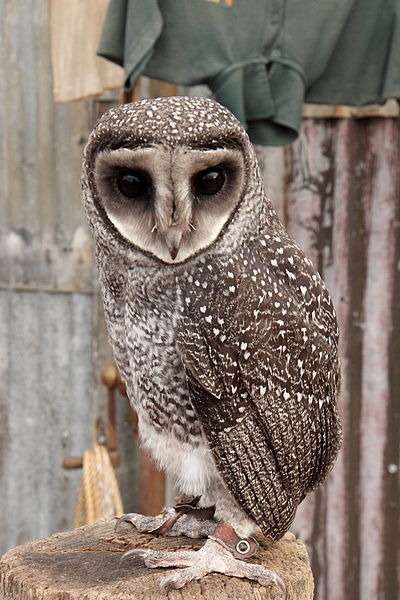
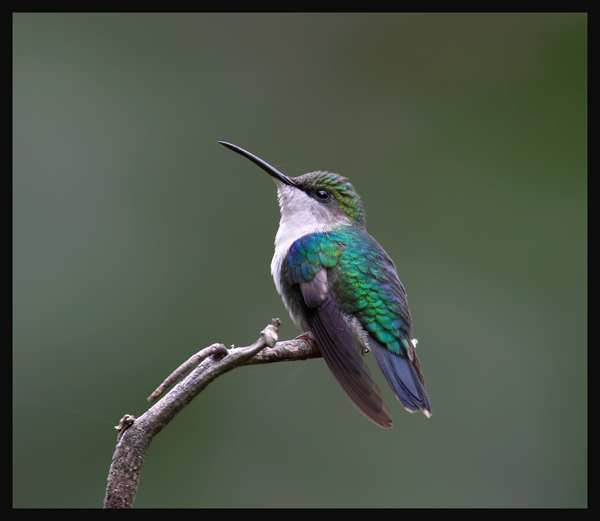
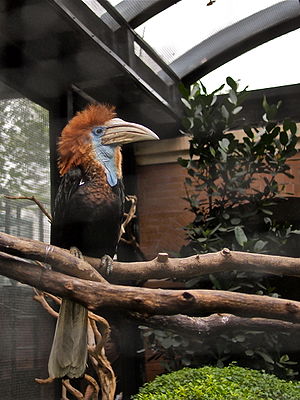
The I.O.C released their 3.4 Version of the lists of the Birds of the World and I have been busy behind the scenes again bring Lee’s Birds of the World up to date. Other than needing to change the names of a few photos and finding photos for the new birds now listed with the I.O.C., the pages are finished.
There are now 10,488 extant species and 149 extinct species of birds of the world (Version 3.4), with subspecies (20,984). These birds are Classified into 40 Orders, 231 Families (plus 6 “Incertae sedis” groups – Holding places for birds they are not sure which family to place them in).
Some of the new birds listed are: Pincoya Storm Petrel, Rinjani Scops Owl, Antioquia Wren and they deleted the Green-crowned Woodnymph and the Plain-breasted Earthcreeper. It appears the deletions happen when the birds are placed into a subspecies category.
Violet-crowned Woodnymph now the Crowned Woodnymph (Thalurania colombica) by RScanlon
There were some name changes like
Sooty Owl (Tyto tenebricosa) – now – Greater Sooty Owl
Violet-crowned Woodnymph (Thalurania colombica) – now – Crowned Woodnymph
Black-casqued Wattled Hornbill (Ceratogymna atrata) – now – Black-casqued Hornbill
Yellow-casqued Wattled Hornbill (Ceratogymna elata) – now – Yellow-casqued Hornbill
Western Slaty Antshrike (Thamnophilus atrinucha) – now – Black-crowned Antshrike
Variable Pitohui (Pitohui kirhocephalus) – now – Northern Variable Pitohui
Dark-capped Yellow Warbler (Iduna natalensis) – now – African Yellow Warbler
Red-tailed Rufous Thrush (Neocossyphus rufus) – now – Red-tailed Ant Thrush
White-tailed Rufous Thrush (Neocossyphus poensis) – now – White-tailed Ant Thrush
Sage Sparrow (Artemisiospiza belli) – now – Bell’s Sparrow
The birds are still doing their thing by multiplying and filling the earth as they were commanded to do by God. Most seem to adapt to some area and if not, they move on. Other, who can’t adapt, or have disasters or events occur that may make them go extinct. With over 10,400 plus birds to find on your birdwatching adventures, surely one is out there waiting for you to find it and enjoy the uniqueness of it. Enjoy your next adventure out and about searching for the Lord’s fantastic birds.
Bring out with you every living thing of all flesh that is with you: birds and cattle and every creeping thing that creeps on the earth, so that they may abound on the earth, and be fruitful and multiply on the earth.”
(Genesis 8:17 NKJV)
The biggest challenge was the Taxonomic Update. The Meliphagidae – Honeyeaters Family was shuffled all around. Not only were they changed around, but they also changed the genus names for some birds, especially those in the Lichenostomus genus. As the ornithologist do more and more DNA testing, they are finding that some are not related or come from a different line with in the family. Keeps me busy.
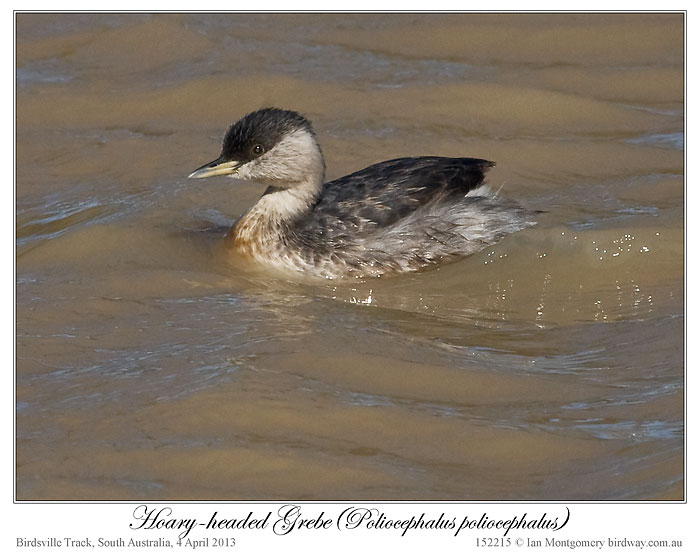
Ian’s Bird of the Week – Hoary-headed Grebe ~ by Ian Montgomery
Newsletter – 6/17/13
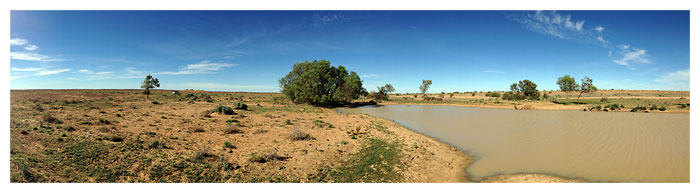
The Birdsville Track isn’t famous for its waterbirds but when we drove along it in April there had been recent rains and we were in for a few surprises. Not, happily, of the getting bogged variety, but birding ones at several spots including this one where we camped more or less in the middle of nowhere beside a small dam. That speck on the left hand side near the lone tree is my car.
As well as some Pink-eared Ducks, there were several Hoary-headed Grebes. The ones in the first and second Grebe photos are in non-breeding or immature plumage and, although they are larger than Australasian (Little) Grebes (30cm/12in versus 25cm/10in in length) you need to use subtle field marks to distinguish them in these plumages.
Hoary-headed Grebe (Poliocephalus poliocephalus) by Ian 1
The main field marks are: the Hoary-Headed has greyish rather than rufous-tinged flanks and whiter breast (though the bird in the first Grebe photo shows that you need to be careful with stained plumage); the border between the dark cap and pale cheeks goes below rather than through the eye in the Hoary-headed Grebe and the eyes are different in colour and pattern. The Australasian Grebe has conventional-looking eyes with yellow iris while the Hoary-headed Grebe has button-like eyes with a dark iris with a white inner and a white outer ring. This is probably easier to see in the closer bird in the second Grebe photo.
Hoary-headed Grebe (Poliocephalus poliocephalus) by Ian 2
It’s only when you see a bird in breeding plumage with spiky pale head feathers that you understand where it gets its unusual English name (the scientific name Poliocephalus means a much more prosaic ‘grey-headed’). ‘Hoary’ literally just means ‘whitish’ but it’s an adjective that is usually applied to frost and snow so it is used as a metaphor for ‘frosty’ in the English names of 4 or 5 bird species globally. (Another example is the Hoary or Arctic Redpoll http://www.birdway.com.au/fringillidae/hoary_redpoll/index.htm which fits better geographically.) We encountered the bird in breeding plumage about a week later at Bowra Station near Cunnamulla, SW Queensland, where we spent a few nights on the way back to Townsville.
Hoary-headed Grebe (Poliocephalus poliocephalus) by Ian 3
Grebes are almost exclusively aquatic and expert divers. Their legs are set far back on the body, so they are very awkward on land which they avoid as much as possible. They build floating nests out of water plants so they just need to haul themselves out of the water to tend the eggs and the young leave the nest soon after hatching. They usually dive rather than fly to avoid predators, though they can fly long distances if necessary to find water and the Hoary-headed Grebe, commonest in southern Australia is rather a nomad in the north. It’s closest relative is the New Zealand Grebe or ‘Dabchick’ and is the only member of the genus Poliocephalus.
Looks like quite a deserted place, but those are cute little Grebes. I am glad Ian gets out and about so much there in Australia. He always finds something interesting for us to learn about. Thanks, Ian, for sharing.
I will open rivers on the bare heights, and fountains in the midst of the valleys; I will make the wilderness a pool of water, and the dry land springs of water. (Isaiah 41:18 AMP)
The Hoary-headed Grebe (Poliocephalus poliocephalus) is a member of the grebe family found in Australia and New Zealand. The bird takes its name from the silvery-white streaking on its black head. It is common in Australia, with a population of about 500,000. Its habitat is similar to that of the Australasian Grebe.
The Hoary-headed Grebe feeds on aquatic arthropods, mostly caught by deep diving. This species feeds during the day, and when the light is poor, forages mostly at the water surface.
Hoary-headed Grebes breed from August to January. The nests are a floating platform of water weeds, similar to that of the Australasian Grebe, and usually some distance out from shore among sparse reeds or other plants, anchored to and at least partly supported by them. A shallow depression on top is just slightly above water, so the eggs are lying in water or dampness. The eggs are concealed under pieces of wet vegetation when the incubating parent leaves so that the nest appears empty. Under full sun the covered eggs are warm and moist, often left unattended for some time. The egg’s appearance is oval, white, and soon stained brownish ochre, while the clutch is usually 2–5 eggs. Incubation is 20–24 days and egg size is 39 x 27 mm. (Wikipedia with editing)
If we confess our sins, he is faithful and just to forgive us [our] sins, and to cleanse us from all unrighteousness. (1 John 1:9 )
Many species of birds live in communities that are quite complex and even resemble human communities.
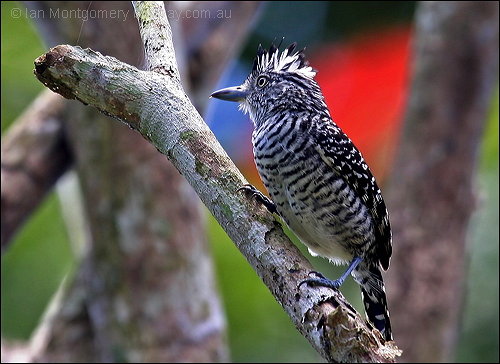
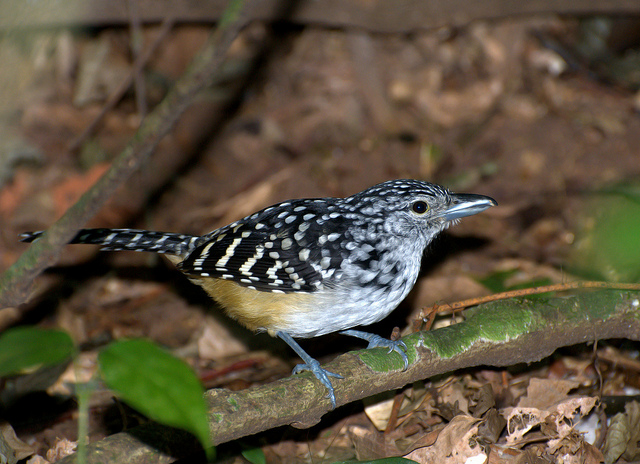
In the Amazon rainforests of Peru, 20 or more mixed species of birds will flock together in the lower levels of the rainforest canopy. Each flock has a leader and organizer – the bluish-slate ant-shrike. Each morning the ant-shrike will assemble its flock with loud calls.
This strange arrangement has a very good purpose. The ant-shrike watches over the flock like a mother watches her children. When a bird-eating hawk appears overhead, the ant-shrike shrieks a warning so that members of the flock can take cover. But as often as half the time, the ant-shrike sounds the alarm when there is no hawk. The ant-shrike sounds the alarm to distract members of the flock when he sees that they have discovered some choice insects. In this way, the ant-shrike gets up to 85 percent of its food by sounding the false hawk alarm. Nevertheless, the rest of the flock put up with his lying and thieving because of his value as a hawk watcher.
Lying and stealing are, of course, wrong for human beings. And our Creator will hold us each personally responsible for our thoughts and actions. But His Son, Jesus Christ, took our sins upon Himself so that all who believe in Him as their Lord and Savior will stand before Him cleansed of all their sins. Our Creator has promised this!
Prayer:
I thank You, Lord, that You have taken my sin upon Yourself. Help my trust to always rest in what You have done for me and not in what I think I can do to better myself before the heavenly Father. Amen.
Spot-backed Antshrike (Hypoedaleus guttatus) by Dario Sanches
Lee’s Addition:
A very good lesson from our Antshrike and Creation Moments. Antshrikes belong to the Thamnophilidae – Antbirds Family. The antbird family contains over 200 species, variously called antwrens, antvireos, antbirds and antshrikes. The names refer to the relative sizes of the birds rather than any particular resemblance to the true wrens, vireos or shrikes.
The antbirds are a large family, Thamnophilidae, of passerine birds found across subtropical and tropical Central and South America, from Mexico to Argentina. There are more than 200 species, known variously as antshrikes, antwrens, antvireos, fire-eyes, bare-eyes and bushbirds. They are related to the antthrushes and antpittas (family Formicariidae), the tapaculos, the gnateaters and the ovenbirds. Despite some species’ common names, this family is not closely related to the wrens, vireos or shrikes.
Antbirds are generally small birds with rounded wings and strong legs. They have mostly sombre grey, white, brown and rufous plumage, which is sexually dimorphic in pattern and colouring. Some species communicate warnings to rivals by exposing white feather patches on their backs or shoulders. Most have heavy bills, which in many species are hooked at the tip.
Most species live in forests, although a few are found in other habitats. Insects and other arthropods form the most important part of their diet, although small vertebrates are occasionally taken. Most species feed in the understory and midstory of the forest, although a few feed in the canopy and a few on the ground. Many join mixed-species feeding flocks, and a few species are core members. To various degrees, around eighteen species specialise in following columns of army ants to eat the small invertebrates flushed by the ants, and many others may feed in this way opportunistically.
Silvery-cheeked Antshrike (Sakesphorus cristatus) by AGrosset
Antbirds are monogamous, mate for life, and defend territories. They usually lay two eggs in a nest that is either suspended from branches or supported on a branch, stump, or mound on the ground. Both parents share the tasks of incubation and of brooding and feeding the nestlings. After fledging, each parent cares exclusively for one chick.
The antbirds are a group of small to medium-sized passerines that range in size from the large Giant Antshrike to the tiny Pygmy Antwren. In general terms, “antshrikes” are relatively large-bodied birds, “antvireos” are medium-sized and chunky, while “antwrens” include most smaller species; “antbird” genera can vary greatly in size. Members of this family have short rounded wings that provide good manoeuvrability when flying in dense undergrowth. The legs are large and strong, particularly in species that are obligate ant-followers. These species are well adapted to gripping vertical stems and saplings, which are more common than horizontal branches in the undergrowth, and thus the ability to grip them is an advantage for birds following swarms of army ants. The claws of these antbirds are longer than those of species that do not follow ants, and the soles of some species have projections that are tough and gripping when the foot is clenched. Tarsus length in antbirds is related to foraging strategy. Longer tarsi typically occur in genera such as the Thamnophilus antshrikes that forage by perch-gleaning (sitting and leaning forward to snatch insects from the branch), whereas shorter tarsi typically occur in those that catch prey on the wing, such as the Thamnomanes antshrikes.
Most antbirds have proportionately large, heavy bills. Several genera of antshrike have a strongly hooked tip to the bill, and all antbirds have a notch or ‘tooth’ at the tip of the bill which helps in holding and crushing insect prey. The two genera of bushbirds have upturned chisel-like bills. (Wikipedia with editing)
Barred Antshrike – Duet Song by Jeremy Minns (xeno-canto)
Barred Antshrike – Call by Jeremy Minns (xeno-canto)
“But now ask the beasts, and they will teach you; And the birds of the air, and they will tell you; (Job 12:7 NKJV)
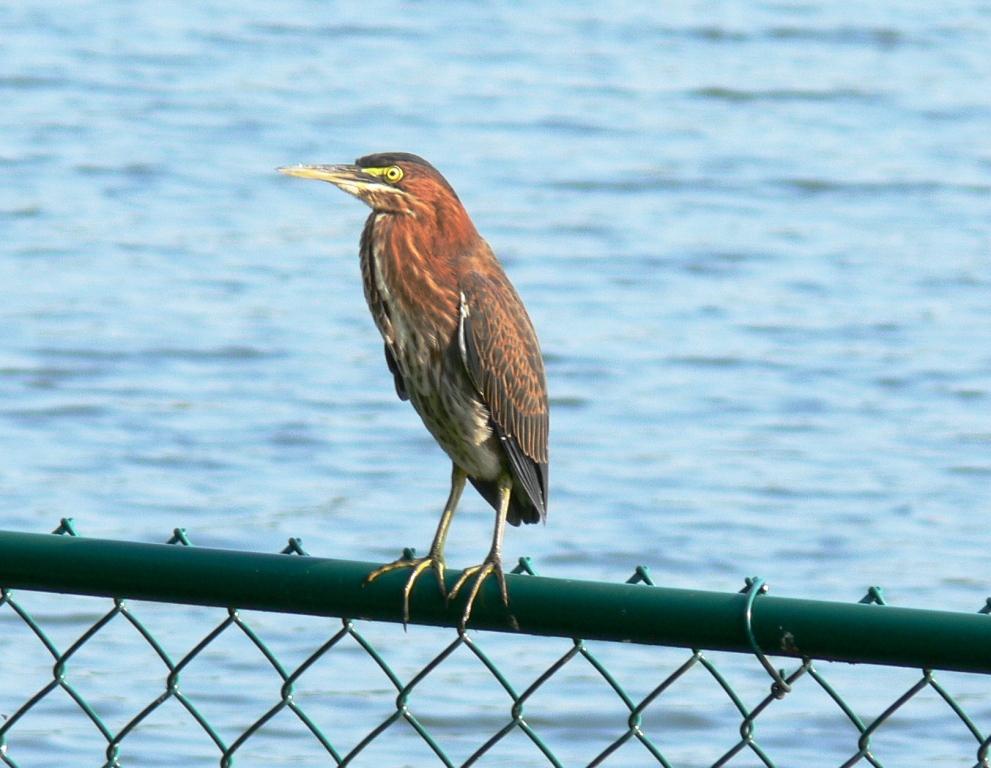
I have been thinking about that Green Heron in the video I posted a few days ago. (Green Heron Fishing With Bread) The verse above makes me think there has to be some lessons to learn from it. These are just some of my thoughts and I am sure you can come up with some of your own.
One that comes to thought right off is that bird’s patience. Are we?
These wait all upon thee; that thou mayest give them their meat in due season. That thou givest them they gather: thou openest thine hand, they are filled with good. (Psalms 104:27-28 KJV)
The verse used in the article tells how the Lord protects and provides for His creation. Will He not provide for us also. He loves us and wants to meet our needs, just as was provided for this Heron.
Look at the birds of the air, for they neither sow nor reap nor gather into barns; yet your heavenly Father feeds them. Are you not of more value than they? (Matthew 6:26 NKJV)
Another lesson is that the bird is doing something that we wouldn’t think it could do. You wonder where it learned that behavior. For us, the Lord wants us to do something, and if we are willing, we are amazed at what we can do. Things we would never think we had the capacity to do He helps us perform..
Jesus said unto him, If thou canst believe, all things are possible to him that believeth. (Mark 9:23 KJV)
I can do all things through Christ which strengtheneth me. (Philippians 4:13 KJV)
He (the heron) has a goal in mind and isn’t going to give up even though it takes several attempts to accomplish his goal. The Lord tells us to become “fishers of men” and we need to keep trying and not give up. Even when our “bread” is down to hardly anything and you think you might as well give up, you try one more time.
So then neither is he that planteth any thing, neither he that watereth; but God that giveth the increase. Now he that planteth and he that watereth are one: and every man shall receive his own reward according to his own labour. (1 Corinthians 3:7-8 KJV)
On a more light side, I am not so sure that the Heron wasn’t bordering on “gluttony.” Did you see that last part where it is swallowing the fish. Looks like it almost “bit of more than it could chew.”
But put ye on the Lord Jesus Christ, and make not provision for the flesh, to fulfil the lusts thereof. (Romans 13:14 KJV)
These are but a few and if you have some, leave a comment and share them with us.
Ian’s Bird of the Week – Double-banded Plover ~ by Ian Montgomery
Newsletter ~ 6-2-13
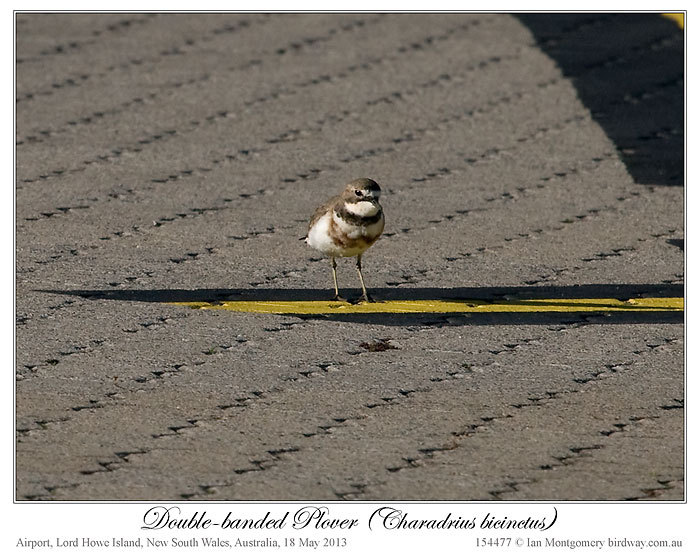
As well as the bird of the week, here is the airport of the year or maybe of the century. The photo shows the departure gate on Lord Howe Island, more like someone’s picket-fenced front garden: no crowds, escalators, queues or security, and plenty of opportunities for last-minute birdwatching. When I was there 20 years ago, I left the airport after checking-in to check out a Royal Spoonbill which had landed at the nearby wetland. This time there were plenty of waders on and near the runway and a pair of Woodhens in the bush in front of the picket fence.
Lord Howe Airport by Ian 1
The waders included out-of-season ones such as Pacific Golden Plovers, Bar-tailed Godwits and Ruddy Turnstones that had sensibly decided that spending the northern summer on Lord Howe was a much more attractive proposition that flying to Siberia to breed. There was also an in-season wader, the Double-banded Plover, in-season for reasons that I’ll explain in a moment.
Double-banded Plover (Charadrius bicinctus) by Ian 2
Waders in non-breeding and immature plumage are notoriously confusing, representing either a challenge or a headache to identify, depending on one’s attitude, and small plovers are no exception. What struck me in this case, however, was that these plovers seemed to be doing their utmost to help the waiting passengers with identification by persistently choosing to stand on the double black bands painted on the apron. The bird in the second photo is an immature Double-banded Plover – immatures have buffish faces as well as the diagnostic – but often faint traces – of the double bands on the breast.
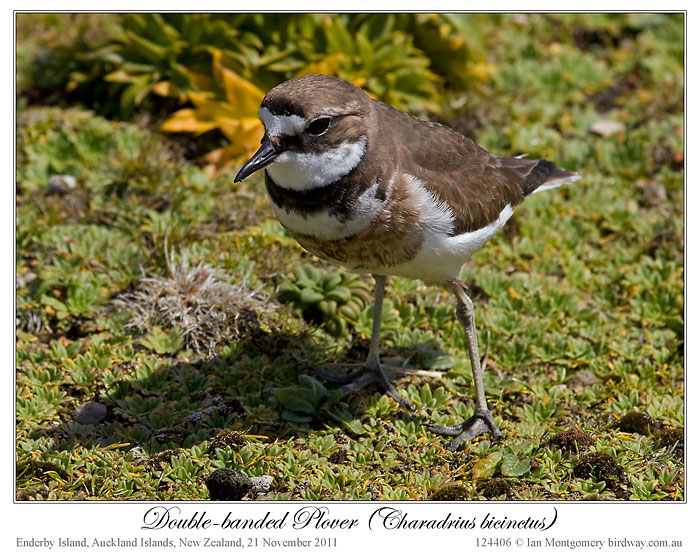
Double-banded Plover (Charadrius bicinctus) by Ian 3
The bird in the third photo is an adult, still showing the upper blackish and lower chestnut breast bands characteristic of this species. It’s probably a male, as the bands are fairly wide and there are traces of a black upper edge to the white forehead.
Double-banded Plover (Charadrius bicinctus) by Ian 4
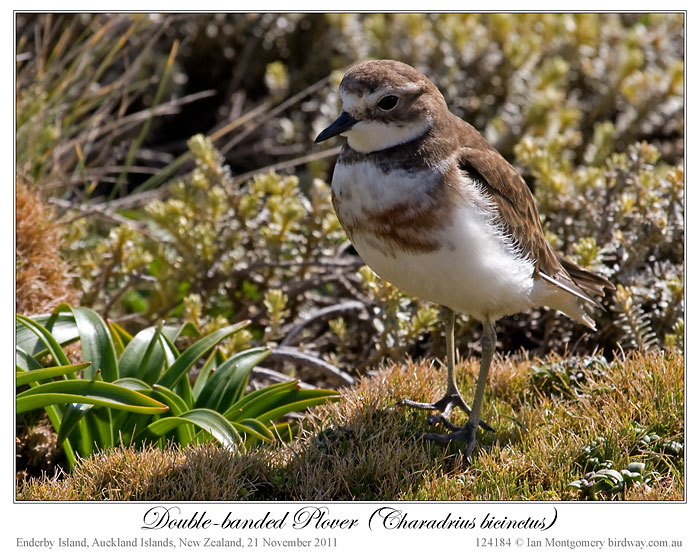
The bird in the fourth photo is an adult male in breeding plumage at the most southerly breeding location of this species on Enderby Island, one of the chain of sub-Antarctic Islands south of New Zealand. The Double-banded Plover is a New Zealand endemic – where it is called the Banded Dotterel – and widespread as a breeding species also on both of the main islands. The bird in the fifth photo is a breeding female with narrower and less intense bands and no black fringe to the white forehead.
Double-banded Plover (Charadrius bicinctus) Female by Ian 5
The bird in the sixth photo is an adult in non-breeding plumage with only faint breast bands and lacking the buffish background of the head of the juvenile. What is was doing in this condition on Enderby Island in the middle of the breeding season is anyone’s guess.
Double-banded Plover (Charadrius bicinctus) Adult in non-breeding plumage by Ian 6
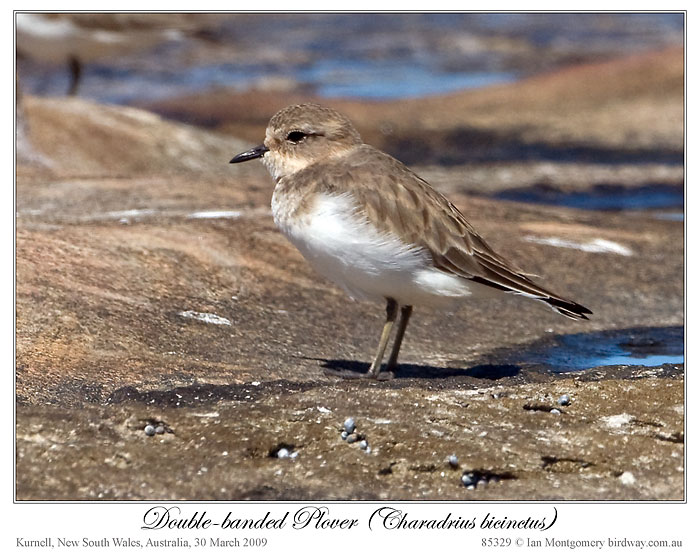
And finally the bird in the seventh photo shows a better view of an immature bird and the buff head markings contrast clearly with the corresponding white markings of the non-breeding adult. This bird had just arrived on the east coast of Australia for the southern winter when it is a fairly common species in southeastern Australia, Tasmania, Lord Howe and Norfolk Islands. It is thought that the birds migrating to Australia for the winter are high-country breeders on the South Island: many others remain in New Zealand.
Double-banded Plover (Charadrius bicinctus) Immature by Ian 7
So, that’s why these birds are in-season in Australia in the southern winter. Any other waders here at that time of the year are either Australian residents (eg the somewhat similar Red-capped Plover) or northern hemisphere breeders that have stayed behind.
Best wishes
Ian
**************************************************
Ian Montgomery, Birdway Pty Ltd,
454 Forestry Road, Bluewater, Qld 4818
Tel 0411 602 737 ian@birdway.com.au
Check the latest website updates: http://www.birdway.com.au/#updates
Lee’s Addition:
Bring forth every living thing that is with you of all flesh–birds and beasts and every creeping thing that creeps on the ground–that they may breed abundantly on the land and be fruitful and multiply upon the earth. (Genesis 8:17 AMP)
The Double-banded Plover (Charadrius bicinctus), known as the Banded Dotterel in New Zealand, is a small (18 cm) wader in the plover family of birds. It lives in beaches, mud flats, grasslands and on bare ground. Two subspecies are recognised, the nominate Charadrius bicinctus bicinctus breeding in New Zealand and the Chatham Islands and Charadrius bicinctus exilis breeding in the Auckland Islands.
Adults in breeding plumage are white, with a dark greyish brown back, and have a distinctive brown breast, with a thinner band of black below the neck, and between the eyes and beak. Younger birds have no bands, and are often speckled brown on top, with less white parts.
They are fairly widespread in the south of New Zealand, but not often seen in the north. The nominate subspecies is partly migratory, breeding in New Zealand and the Chatham Islands and some wintering in Australia, New Caledonia, Vanuatu and Fiji, others staying in New Zealand. The Auckland Islands subspecies is sedentary but some birds move from their territories to the shore.
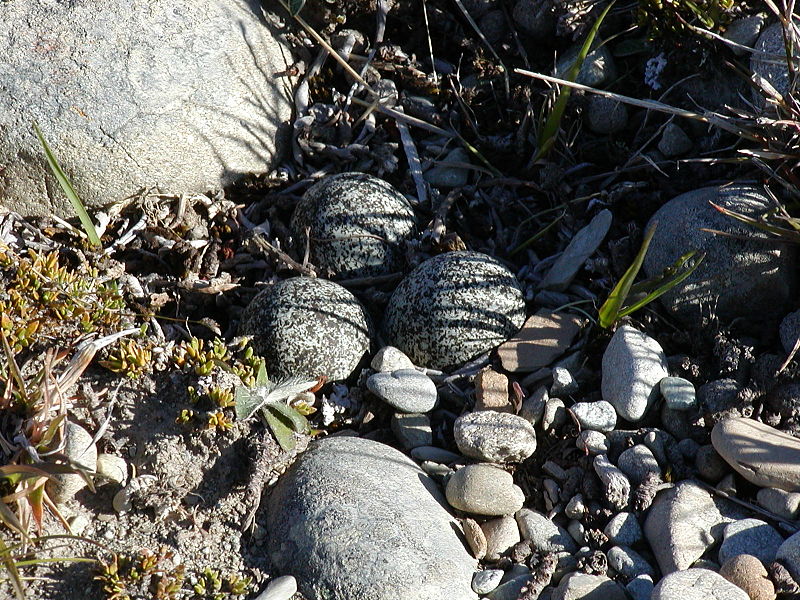
Their eggs are grey, speckled with black, making them well camouflaged against river stones and pebbles, which make up the main structure of their very simple nest. (Wikipedia with editing)
You have got to watch this Green Heron fishing with bread. The video speaks for itself.
Look at the birds of the air, for they neither sow nor reap nor gather into barns; yet your heavenly Father feeds them. Are you not of more value than they? (Matthew 6:26 NKJV)
Ian’s Bird of the Week – Providence Petrel ~ by Ian Montgomery
Newsletter ~ 5/20/13
Your collective moral support did it again, thank you very much, so here is the Providence Petrel the other really special bird species of Lord Howe Island. ‘Special’ in the sense that after its extermination on Norfolk Island by 1800, Lord Howe was its last remaining breeding site, saving it from extinction. Unlike Norfolk Island which lacks very high mountains, Lord Howe has two fairly inaccessible ones, Mount Lidgbird, on the left in the first photo, and the taller Mount Gower on the right and it is on the tops and slopes of these that the Providence Petrel breeds.
You need to be a mountaineer to climb Mount Lidgbird and young and very fit to climb Mount Gower. We took the easier option of going by boat to the base of Mount Gower where we got good views of many Petrels in flight preparing to land at their nesting burrows. They are winter breeders, returning to the island in March and laying eggs in May. They seem reluctant to actually land, so each afternoon the air around the two Mountains swarms with these birds like clouds of insects and it is a wonderful sight.
Very clumsy on the ground, they are fast and agile in the air so I was happy to get a few reasonable shots given the choppy conditions without falling overboard. The first Petrel photo shows the characteristic overall dark bird (it looks lighter than usual against Mount Gower) with the characteristic white patches on the primary wing feathers and under wing coverts that distinguishes it from most other similar petrels. The second petrel shot, shows the upper wings – these are all dark and lack the white shafts to the primaries that distinguish the similar Kermadec Petrel. Other field marks are the scaly white feathers on the face and the dark neck and upper breast.
The third petrel photo shows a more characteristic dorsal shot with the bird silhouetted against the sky and shows it long slender wings. The birds average 40cm/16 in in length with a wingspan of about 1 m/3 ft 3 in. After breeding, the disperse to the North Pacific. For food, they dive into the water for crustaceans, squid and small fish.
Providence Petrel (Pterodroma solandri) by Ian
The Lord Howe population is estimated at about 30,000 pairs. Feral pigs were eliminated as part of the Woodhen recovery project and the Petrels are recolonising the lower slopes of the mountains. They were rediscovered on Phillip Island close to Norfolk Island in 1985 and the current population there is less than 100 pairs. The elimination from Norfolk Island took place between 1790 and 1800 with perhaps one million adults and young being harvested in the period 1790-1793.
Best wishes Ian
************************************************** Ian Montgomery, Birdway Pty Ltd, 454 Forestry Road, Bluewater, Qld 4818 Tel 0411 602 737 ian@birdway.com.au Check the latest website updates: http://www.birdway.com.au/#updates
Lee’s Addition:
Let them give glory unto the LORD, and declare his praise in the islands. (Isaiah 42:12 KJV)
Ian has shared another of his birdwatching adventures with us. It’s good to hear that the Petrels there are making a comeback.
Petrels belong to the Procellaridae Family. The family consists of Petrels, Shearwaters, Fulmars, and Prions,
“The Providence Petrel (Pterodroma solandri) is a species that burrows in one location; isolated Lord Howe Island, some 800km from the Australian mainland in the Tasman Sea.
Of roughly pigeon like proportions (40cm), the bird was once also numerous on Norfolk Island (to Australia). However, its population here was consumed by starving epicurean transportees, sent to Norfolk Island as way of punishment. Nonetheless it numbers some 100,000 on Lord Howe. Graceful and supple in flight, the Providence Petrel has a cumbersome propensity on the ground, making it vulnerable from attack by predators.
Despite its reasonably copious strength of numbers, the Providence Petrel is deemed to be in a precarious disposition because its breeding is confined to two mountain tops and one tiny islet, and is therefore at great risk from a catastrophe.
This species is classified as vulnerable. Main causes of death are predation by the endangered Lord Howe Rail and flooding of burrows. Other dangers include rat predation and drowning in longline fishing gear. The current population is estimated at 64,000.
The scientific name of this species was given in honour of the Swedish botanist Daniel Solander, Solander’s Petrel being an alternative common name.” (Information from Wikipedia)