Lee’s One Word Monday – 4/17/17

***

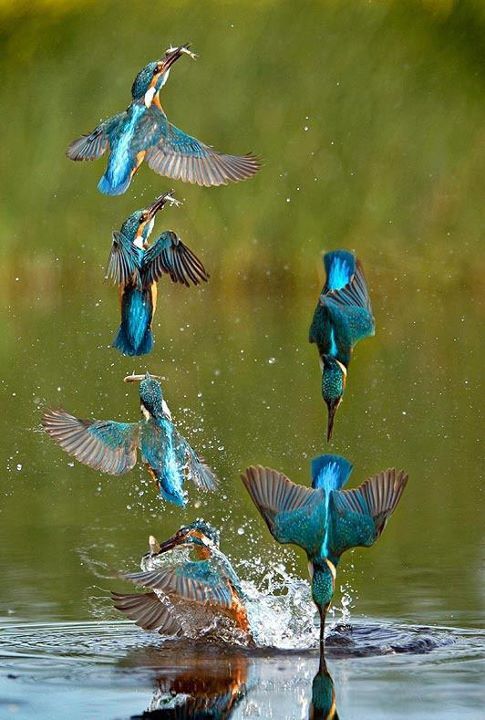
Kingfisher Diving Sequence ©SMedia-Cache

A-FISHING

***


“Simon Peter saith unto them, I go a-fishing. They say unto him, We also go with thee. They went forth, and entered into a ship immediately; and that night they caught nothing.  (John 21:3)

Kingfisher Diving Sequence ©SMedia-Cache

*

More Daily Devotionals

*

Mae and the Easter Egg Hunt by Emma Foster

Baby Chick with Easter Eggs

Mae and the Easter Egg Hunt  ~ by Emma Foster

Once there was a chicken named Mae who lived on a small farm in the country. Mae lived on this small farm with many other animals who were her friends, but despite living in such a nice place, Mae was not happy. Every day the farmer would come into the henhouse to collect all of the eggs that the chickens laid, but Mae really wanted to have chicks of her own. One day Mae laid two eggs and promptly decided to hide them behind the henhouse. Mae searched for several good places to hide them, and finally decided to hide them inside the coils of a garden hose and cover the hose with a tarp to keep the eggs warm.

Mae checked her eggs every now and then to make sure they were safe. A couple of days later, however, Mae noticed some of the farmers hiding different colored eggs in several different places around the farm. Puzzled, Mae flapped over to one purple egg to see to whom it the egg might belong. After pecking at it, Mae was startled to see the egg pop open to reveal a small piece of candy.
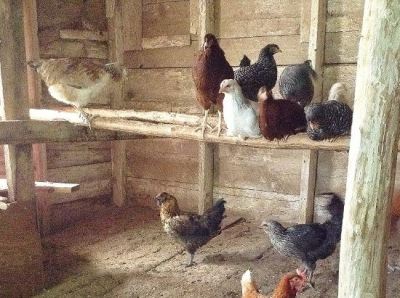
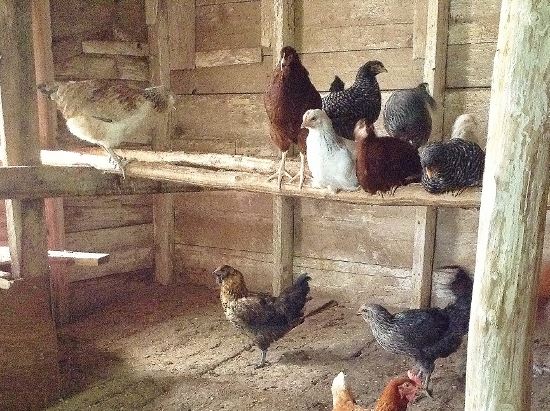
Variety of Chickens ©motherearthnews

Suddenly a large group of squealing children ran out into the yard. Mae was so frightened she flapped back into the safety of the hen house. She watched as the children began running around, searching for the colored eggs with candy inside them.

Mae eventually realized that each of the children was hunting for the eggs in order to obtain the candy inside each one. Confused at the overall purpose, Mae decided to stay inside the hen house while the children tried to find the rest of the eggs.

Eventually, Mae waddled outside the hen house to check on her eggs, but when she walked behind the hen house she noticed that the tarp had been cast aside and her eggs were gone. Mae began frantically searching for her eggs, but they were nowhere to be found. The only eggs she found were the brightly colored eggs filled with candy. Mae searched all over the farm to find her two eggs, but they had disappeared.
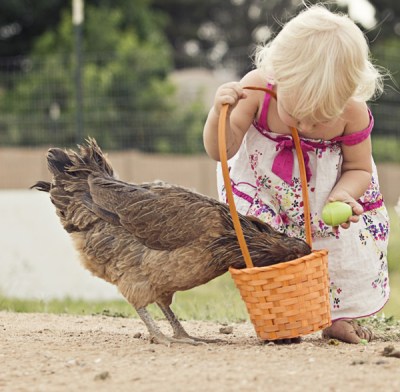
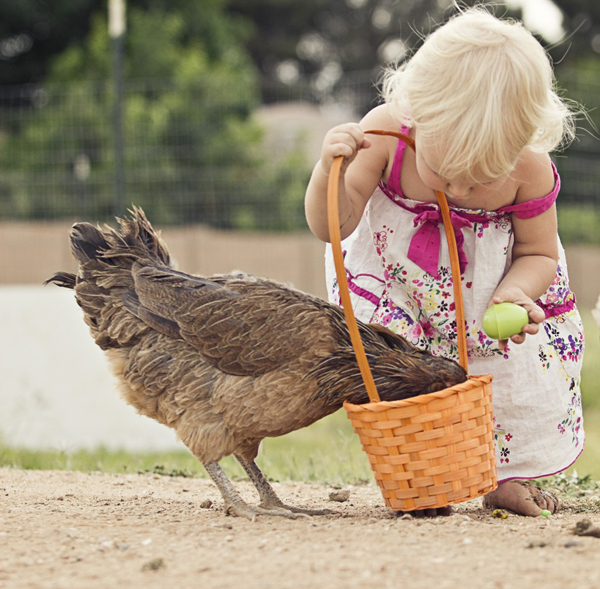
Easter Egg Huning ©Living Vintage

Mae grew very upset because she couldn’t find her eggs, so upset that she barely noticed a group of children gathering around a girl’s Easter basket. Mae started to walk past them, but she heard a small cracking sound, followed by cries from the children. Mae fluttered over to where the children stood and saw her eggs in the basket. One of the eggs was shaking while another was almost completely open. All of a sudden the egg hatched open to reveal a tiny chick. The chick peeped loudly and gazed at its new surroundings. Mae was so happy she started clucking noisily, and the children quickly drew back because they thought she was angry at them for accidentally taking her chicks, thinking they were Easter eggs.
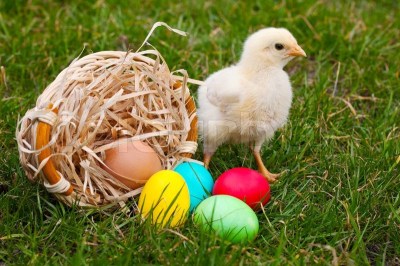
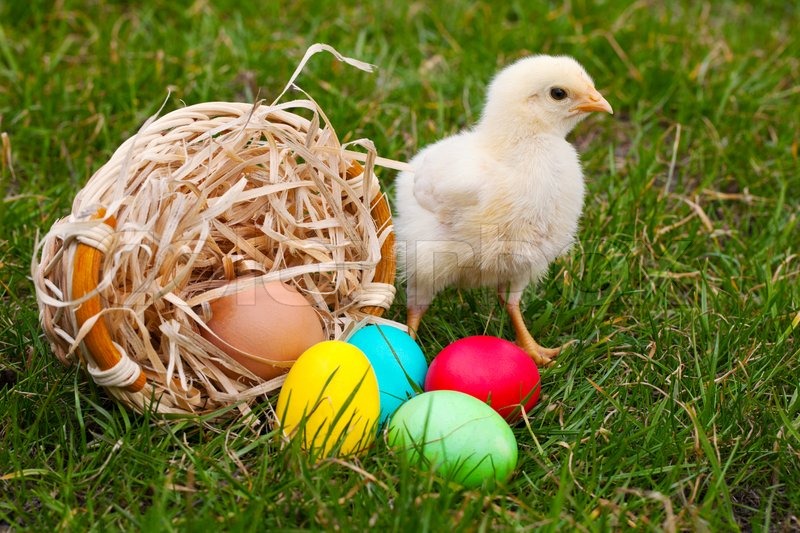
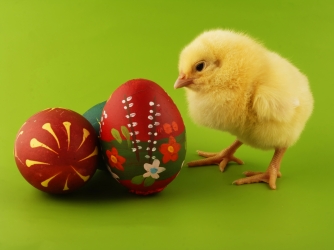
Baby Chicken with colorful easter eggs ©Colorbox

The other chick hatched out of his egg and quickly found its mother like the first chick. Carefully pulling her chicks out of her Easter basket, Mae guided her chicks toward the henhouse, grateful that she had found them and that they were safe. Mae came back from the henhouse, however, after her chicks were safe inside, and showed the children who had watched her chicks hatch where the rest of the Easter eggs were. Mae had done so much searching she was able to find other eggs that the rest of the children hadn’t seen. She decided to show them the eggs as a way of saying thank you, which made the children very happy. From then on Mae looked forward to the Easter egg hunt that came once a year, and every year she told her chicks the story of how they hatched in an Easter basket.
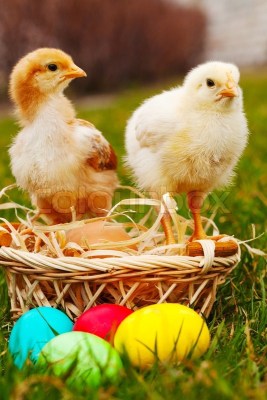
Baby Chickens with colorful easter eggs ©Colorbox


Lee’s Addition:

Emma, thank you for another delightful Bird Tale. Mae is quite an adventurous hen. Trust these added photos help illustrate Mae’s surprise of finding her new chicks in an Easter Basket.

Mae also reminds us that we should not be come overly concerned as Christians.

“Take therefore no thought for the morrow: for the morrow shall take thought for the things of itself. Sufficient unto the day is the evil thereof.” (Matthew 6:34 KJV)

“And which of you with taking thought can add to his stature one cubit?” (Luke 12:25 KJV)

*

Check out Emma’s other delightful stories.

*
Lee’s Seven Word Sunday – 4/16/17

***

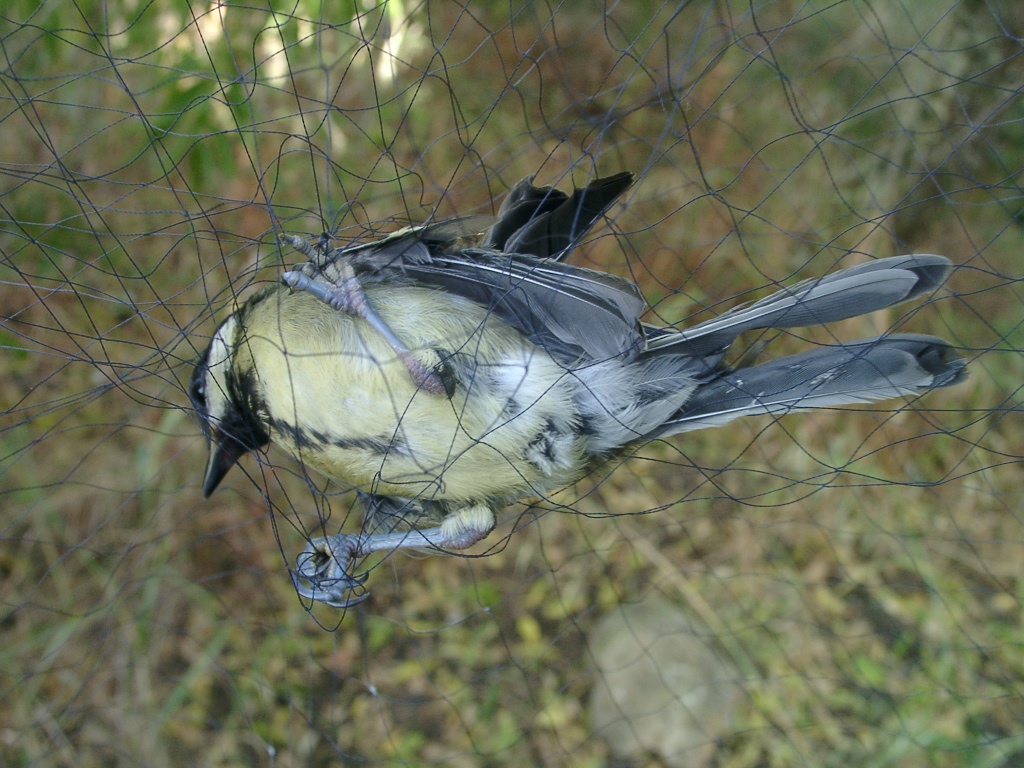
Bird Caught in a Net ©WikiC

PLUCK MY FEET OUT OF THE NET

***


“Mine eyes are ever toward the LORD; for he shall pluck my feet out of the net.” (Psalms 25:15 KJV)

Bird Caught in a Net ©WikiC

*

More Daily Devotionals

*

Animal Heros Video To Watch – Emotional

Here Is A Video For You To Watch – Emotional

Be prepared to shed a tear. [I did.]

“And God saw every thing that he had made, and, behold, it was very good. And the evening and the morning were the sixth day.” (Genesis 1:31 KJV)

These animals show such kindness to other animals. May they remind us to show kindness to those around us; to critters and especially our human acquaintances.

“And to godliness brotherly kindness; and to brotherly kindness charity.” (2 Peter 1:7 KJV)

“For his merciful kindness is great toward us: and the truth of the LORD endureth for ever. Praise ye the LORD.” (Psalms 117:2 KJV)

Lee’s Six Word Saturday – 4/15/17

***

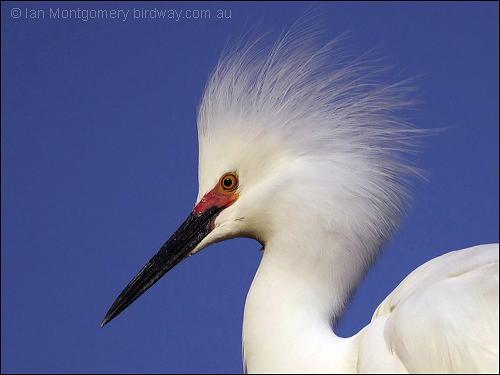
Snowy Egret by Ian

HAIR OF MY FLESH STOOD UP

***


“Then a spirit passed before my face; the hair of my flesh stood up:” (Job 4:15 KJV)

Snowy Egret by Ian

*

More Daily Devotionals

*

Lee’s Five Word Friday – 4/14/17

***

Atlantic Puffin (Fratercula arctica) by Michael Woodruff

***


WAS  SAD AT THAT SAYING


“And he was sad at that saying, and went away grieved: for he had great possessions.” (Mark 10:22 KJV)

Atlantic Puffin (Fratercula arctica) by Michael Woodruff

*

More Daily Devotionals

*

Lee’s Four Word Thursday – 4/13/17

***

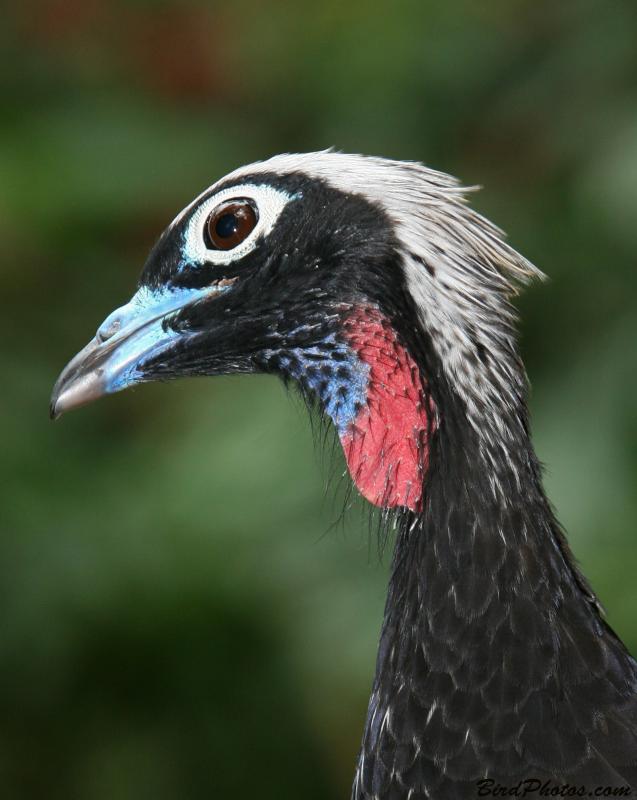
Black-fronted Piping Guan (Pipile jacutinga) ©BirdPhotos.com

GIVE EAR TO ME

***


“”Hear my words, you wise men; Give ear to me, you who have knowledge.” (Job 34:2 NKJV)

Black-fronted Piping Guan (Pipile jacutinga) ©BirdPhotos.com

*

More Daily Devotionals

*

Lee’s Three Word Wednesday – 4/12/17

***

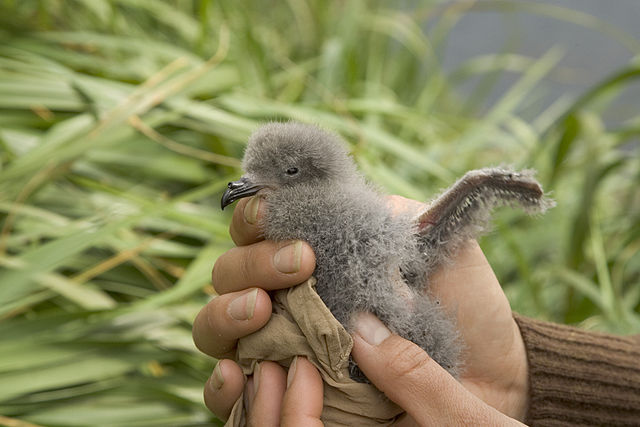
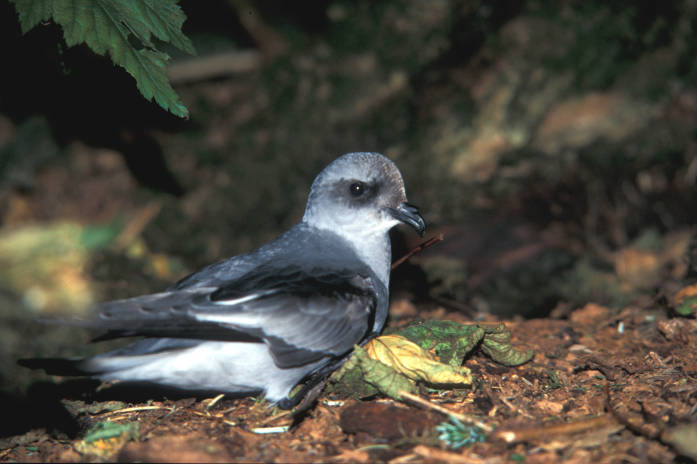
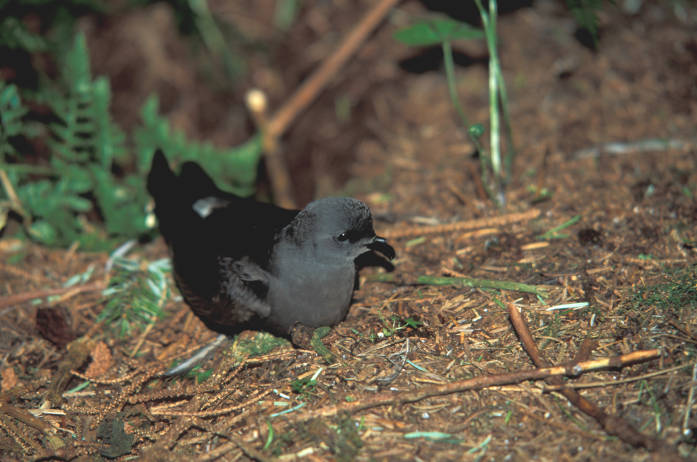
Fork-tailed Storm Petrel (Oceanodroma furcata) Chick ©WikiC

WITH YOUNG ONES

***


“If a bird’s nest happens to be before you along the way, in any tree or on the ground, with young ones or eggs, with the mother sitting on the young or on the eggs, you shall not take the mother with the young;” (Deuteronomy 22:6 NKJV)

Fork-tailed Storm Petrel (Oceanodroma furcata) Chick ©WikiC

*

More Daily Devotionals

*

Lee’s Two Word Tuesday – 4/11/17

***

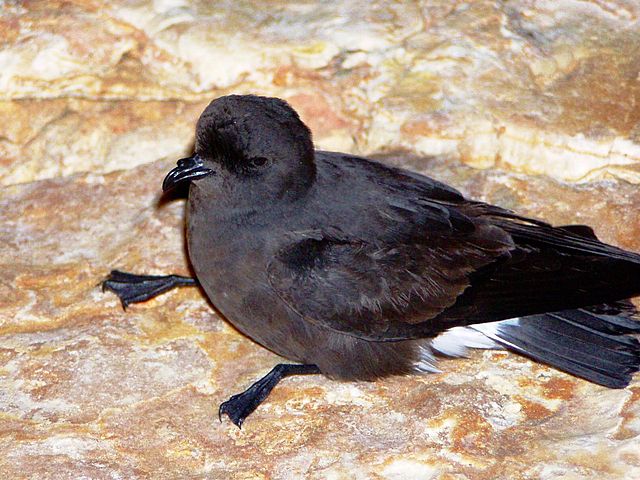
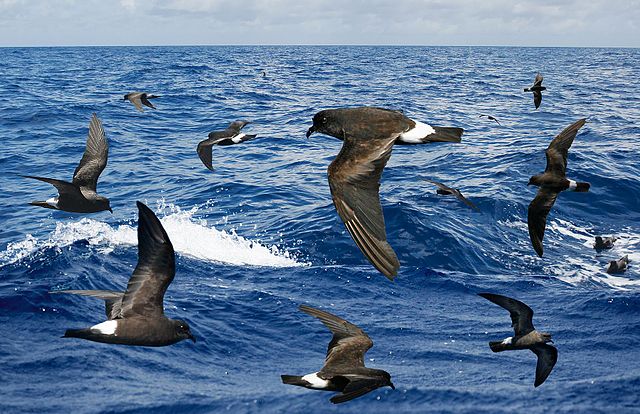
Black Storm Petrel (Oceanodroma melania) ©WikiC

SCATTERED ABROAD

***


“and not for that nation only, but also that He would gather together in one the children of God who were scattered abroad.” (John 11:52 NKJV)

Black Storm Petrel (Oceanodroma melania) ©WikiC

*

More Daily Devotionals

*

Lee’s One Word Monday – 4/10/17

***

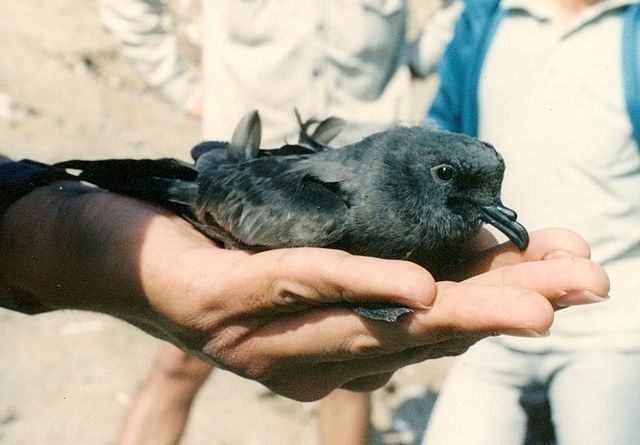
Markham's Storm Petrel (Oceanodroma markhami) ©WikiC

HANDS

***


“You have made him to have dominion over the works of Your hands; You have put all things under his feet,” (Psalms 8:6 NKJV)

Markham’s Storm Petrel (Oceanodroma markhami) ©WikiC

*

More Daily Devotionals

*

Lee’s Seven Word Sunday – 4/9/17

***

From Pinterest by Henji

IS DRAWN AWAY BY HIS OWN DESIRES

***


“But each one is tempted when he is drawn away by his own desires and enticed.” (James 1:14 NKJV)

From Pinterest by Henji

*

More Daily Devotionals

*

Sunday Inspiration – Northern Storm Petrels

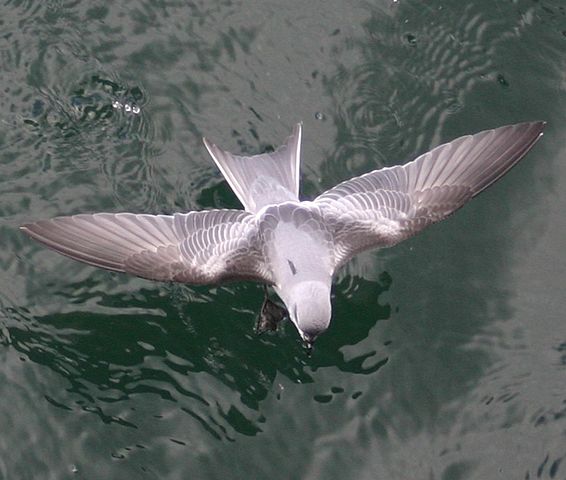
Fork-tailed Storm Petrel (Oceanodroma furcata) ©WikiC

“And God called the dry land Earth; and the gathering together of the waters called he Seas: and God saw that it was good.” (Genesis 1:10 KJV)

The Northern Storm Petrels make up the Hydrobatidae Family. The eighteen (18) species in the family are from two Genera; the Hydrobates (1) and the Oceanodroma (17). They are found in the northern hemisphere although some species around the equator dip into the south.

European Storm petrels cannot walk on land, and shuffle on their tarsi.

The European storm petrel, British storm petrel or just storm petrel (Hydrobates pelagicus) is a seabird in the northern storm petrel family, Hydrobatidae. It is the only member of the genus Hydrobates. The small, square-tailed bird is entirely black except for a broad white rump and a white band on the underwings, and it has a fluttering, bat-like flight. The large majority of the population breeds on islands off the coasts of Europe, with the greatest numbers in the Faroe Islands, United Kingdom, Ireland, and Iceland. The Mediterranean population is a separate subspecies, but is inseparable at sea from its Atlantic relatives; its strongholds are Filfla Island (Malta), Sicily and the Balearic Islands.

Fork-tailed Storm Petrel (Oceanodroma furcata) ©USFWS

Fork-tailed Storm Petrel (Oceanodroma furcata) ©USFWS

Oceanodroma is a genus of storm petrels. The genus name is from Ancient Greek okeanos, “ocean” and dromos, “runner”.

Leach's Storm Petrel (Oceanodroma leucorhoa) ©USFWS

Leach’s Storm Petrel (Oceanodroma leucorhoa) ©USFWS

The Leach’s petrel, known in some rural areas as Carrie chicks, is a small bird at 18–21 cm in length with a 43–48 cm wingspan. Like many other storm petrels, it has all-dark plumage and usually a white rump. However, dark-rumped individuals exist on the west coast of North America; they are very rare north of southern California, but the percentage increases suddenly on the United States-Mexico border where 90-100% of breeding birds are dark-rumped.

Wedge-rumped Storm Petrel (Oceanodroma tethys) ©WikiC

The wedge-rumped storm petrel (Oceanodroma tethys) is a storm petrel. It breeds in the Galápagos Islands and on the coast of Peru.

Band-rumped Storm Petrel (Oceanodroma castro) ©Crossley ID Guide Eastern Birds

The band-rumped storm petrel spends the non-breeding period at sea. Individuals feed by picking up prey items (invertebrates, small vertebrates and sometimes carrion) from the water surface. The band-rumped storm petrel is strictly nocturnal at its breeding sites to avoid predation by gulls and diurnal raptors such as peregrines, and will even avoid coming to land on clear moonlit nights. Like most petrels, its walking ability is limited to a short shuffle from/to the burrow.

Cape Verde Storm Petrel (Oceanodroma jabejabe) ©Taenos

The Cape Verde storm petrel (Oceanodroma jabejabe) is an oceangoing bird found in the Atlantic Ocean, especially around the islands of Cape Verde. It was at one time considered to be a subspecies of the band-rumped storm petrel, but is now considered to be a separate species by the British Birding Association, the Dutch Birding Association and other authorities. They breed much of year but most nest in the winter.

Because of being at sea so much of the time, photos and information are not readily available. Hence, the short slideshow today.

This slideshow requires JavaScript.

The birds of the air, And the fish of the sea That pass through the paths of the seas. O LORD, our Lord, How excellent is Your name in all the earth!
(Psalms 8:8-9 NKJV)

“Bless The Lord Oh My Soul” ~ By Sean Fielder

*

More Sunday Inspirations
Hydrobatidae – Storm Petrels Family
Gideon

*