Birds of the World – Laughingthrush and Allies

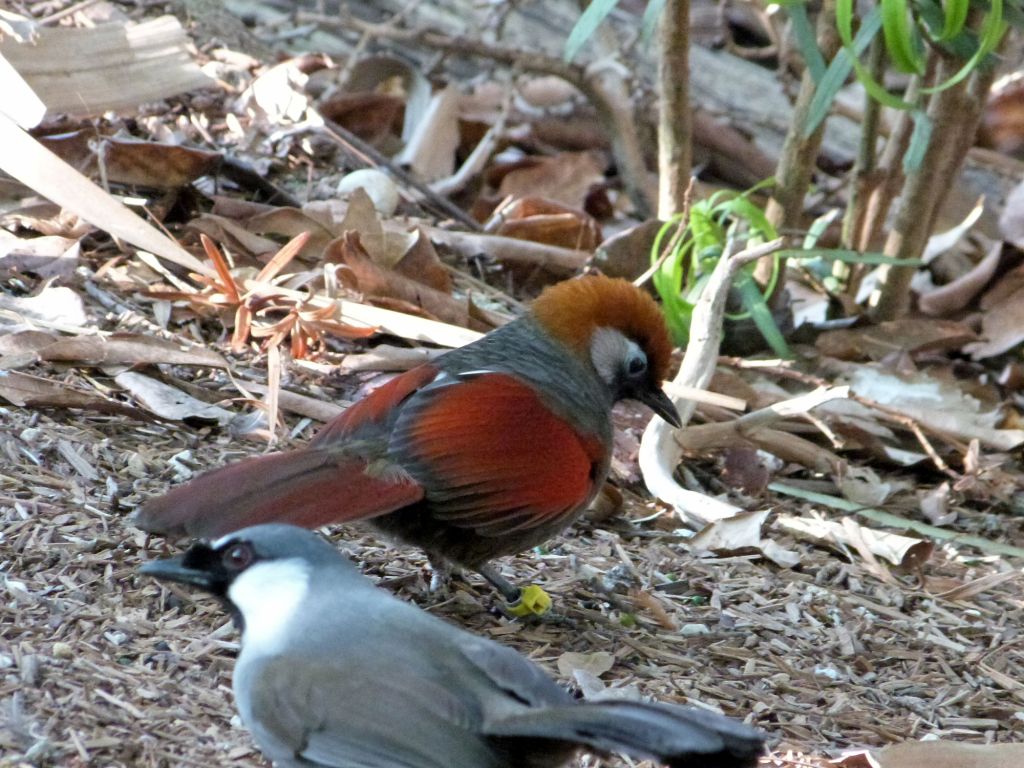
Red-tailed Laughingthrush (Trochalopteron milnei) and Black-throated Laughingthrush by Lee at Zoo Miami

Red-tailed Laughingthrush and Black-throated Laughingthrush by Lee at Zoo Miami

A time to weep, And a time to laugh; A time to mourn, And a time to dance; (Ecclesiastes 3:4 NKJV)

Blessed are you who hunger now, For you shall be filled. Blessed are you who weep now, For you shall laugh. (Luke 6:21 NKJV)

I trust you enjoyed seeing the Laughingthrush – Leiothrichidae family in the Sunday Inspiration – Laughingthrush article. From my first encounter with them, they have been a delight to watch. We have only seen them in Zoos, because they live in Southeast Asia and Indian Subcontinent.
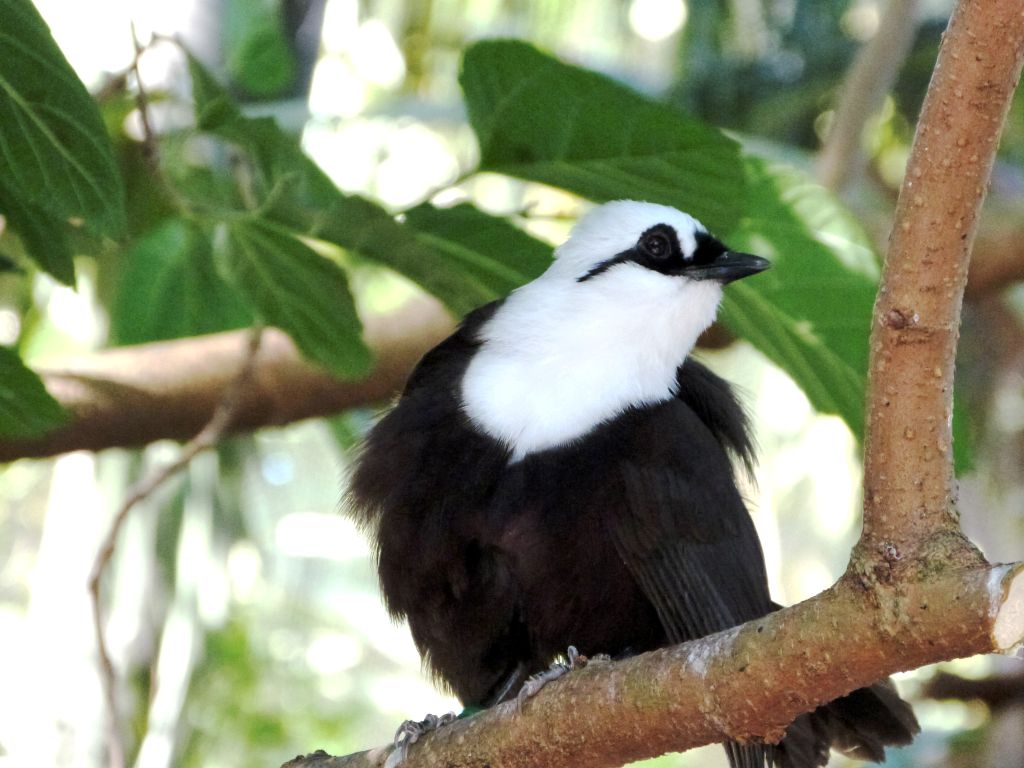
(Black and White) Sumatran Laughingthrush (Garrulax bicolor) by Lee

(Black and White) Sumatran Laughingthrush (Garrulax bicolor) by Lee

The Laughingthrushes are the genus Garrulax and Trochalopteron of the Leiothrichidae family of passerine birds. They primarily occur in tropical Asia. These are rangy, medium-sized landbirds. These birds have strong legs and are quite terrestrial. This group is not strongly migratory, and most species have short rounded wings, and a weak flight.

A few, like the Streaked Laughingthrush occur in fairly open habitats, but most are jungle species, difficult to observe in the dense vegetation they prefer.

These are noisy birds, and the characteristic laughing calls are often the best indication that these birds are present. They frequently occur in groups of up to a dozen, and the rainforest species like the Ashy-headed Laughingthrush often occur in the mixed feeding flocks typical of tropical Asian jungle.

They are small to medium sized birds. They have strong legs, and many are quite terrestrial. They typically have generalised bills, similar to those of a thrush. Most have predominantly brown plumage, with minimal difference between the sexes, but many more brightly coloured species also exist. This group is not strongly migratory, and most species have short rounded wings, and a weak flight. They live in lightly wooded or scrubland environments, ranging from swamp to near-desert. They are primarily insectivorous, although many will also take berries, and the larger species will even eat small lizards and other vertebrates. (Wikipedia)

The Sumatran Laughingthrush (Garrulax bicolor), also known as the Black-and-white Laughingthrush, is a member of the Leiothrichidae family. It is endemic to highland forest on the Indonesian island of Sumatra, The laughingthrushes are a family of mostly Old World passerine birds. They are rather diverse in size and coloration. These are birds of tropical areas, with the greatest variety in Southeast Asia and the Indian Subcontinent. The entire family was previously included in the Timaliidae.


From the Life List of All Birds We Have Seen (Not up to date), here are the family members we have seen so far.

Laughingthrushes (Family Leiothrichidae)

White-crested Laughingthrush (Garrulax leucolophus) by Lee Miami WA

White-crested Laughingthrush (Garrulax leucolophus) by Lee Miami WA

FUN FACT – White-crested Laughing Thrushes are noisy, social birds who occasionally burst into loud calls that sound just like laughter. (National Aviary)

White-crested Laughingthrush (Garrulax leucolophus) MZ NA WA
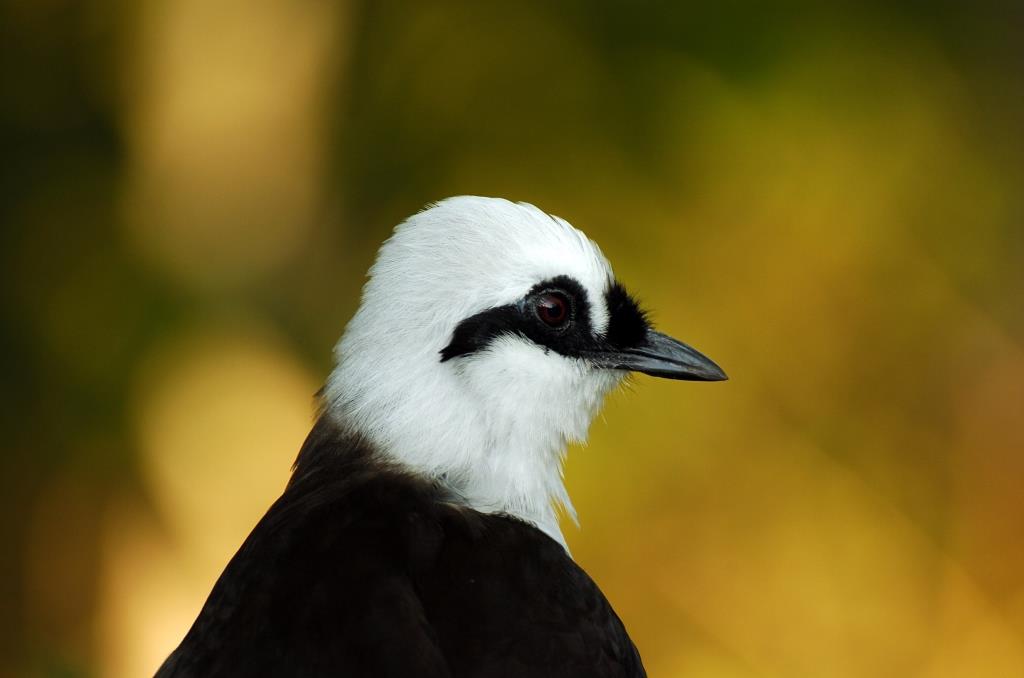
Sumatran Laughingthrush (Garrulax bicolor) by Dan at  Wing of Asia ZM

Sumatran Laughingthrush (Garrulax bicolor) by Dan at Wing of Asia ZM

Sumatran Laughingthrush (Garrulax bicolor) WA by Dan
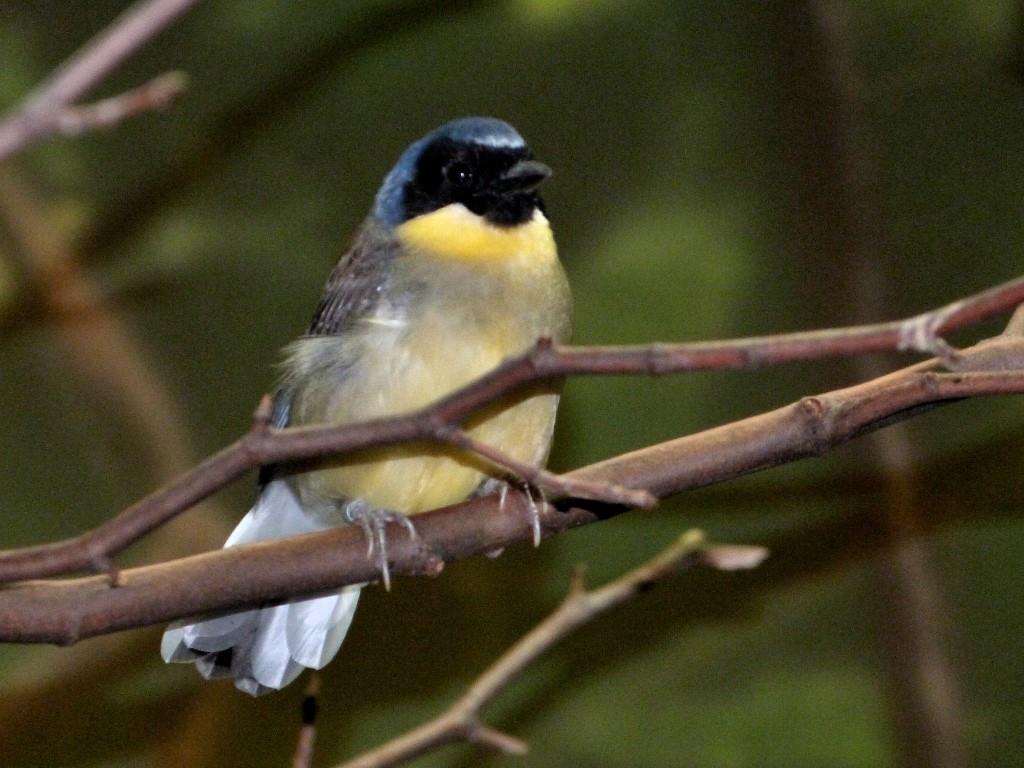
Blue-crowned Laughingthrush (Garrulax courtoisi) at Cincinnati Zoo by Lee

Blue-crowned Laughingthrush (Garrulax courtoisi) at Cincinnati Zoo by Lee

*

*

Black-throated Laughingthrush (Garrulax chinensis) ProofShot

Black-throated Laughingthrush (Garrulax chinensis) ProofShot – Zoo Miami by Lee

Black-throated Laughingthrush (Garrulax chinensis) WA by Lee

Spotted Laughingthrush (Garrulax ocellatus) WA

Chestnut-capped Laughingthrush (Garrulax mitratus) WA

(Spectacled) Red-winged Laughingthrush (Garrulax formosus) WA

Red-tailed Laughingthrush  by Dan at Wings of Asia Zoo Miami

Red-tailed Laughingthrush by Dan at Wings of Asia Zoo Miami

Red-tailed Laughingthrush (Trochalopteron milnei) WA by Dan

Red-faced Liocichla (Liocichla phoenicea) Proof shot by Lee Riverbanks Zoo

Red-faced Liocichla (Liocichla phoenicea) Proof shot by Lee Riverbanks Zoo

Red-faced Liocichla (Liocichla phoenicea) WA RZ by Lee

Red-billed Leiothrix (Leiothrix lutea) by Dan's Pix at National Aviary

Red-billed Leiothrix (Leiothrix lutea) by Dan’s Pix at National Aviary

*

Sunday Inspiration – Laughingthrush

Laughingthrushes (Family Leiothrichidae)

Life List of All Birds We Have Seen

*
 

“Horn” Birds

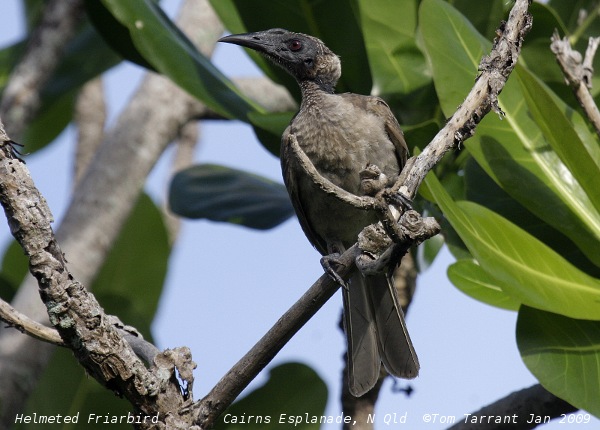
 Hornbill Friarbird (Philemon yorki) by Tom Tarrant

Hornbill Friarbird (Philemon yorki) by Tom Tarrant

The LORD is my rock, and my fortress, and my deliverer; my God, my strength, in whom I will trust; my buckler, and the horn of my salvation, and my high tower. (Psalms 18:2 KJV)

The Sunday Inspiration this week was about Hornbills. That put me to wondering what other birds have “Horn” in their name. So, let’s see what is listed in the IOC’s List of Birds, which is what this blog uses:

The first thing I found is a Hornbill Friarbird (Philemon yorki), formerly (Philemon buceroides yorki), is one of the newer splits. It was a subspecies of the Helmeted Friarbird (Philemon buceroides). In fact, Wikipedia doesn’t even cover it yet, but others do.

Call from xeno-canto by Marc Anderson

Next I sorted my IOC List of names alphabetically by first name of birds. Here is what I found:

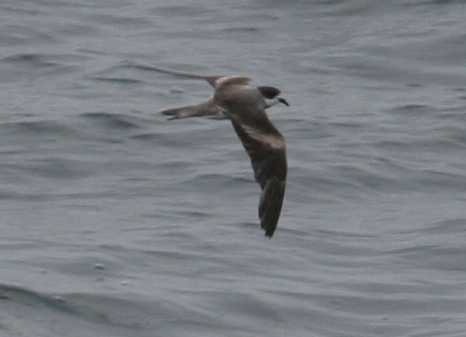
Hornby’s Storm Petrel (Oceanodroma hornbyi)
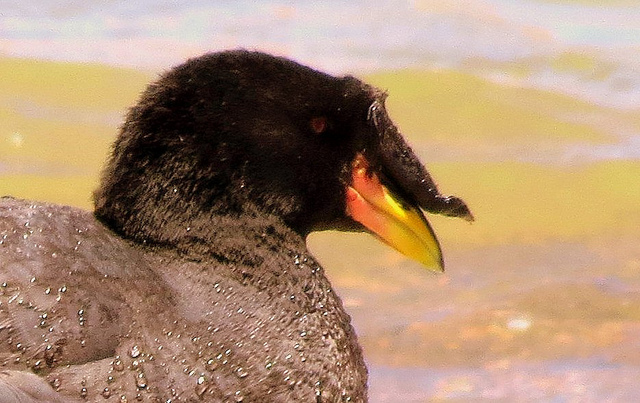
Horned Coot (Fulica cornuta)
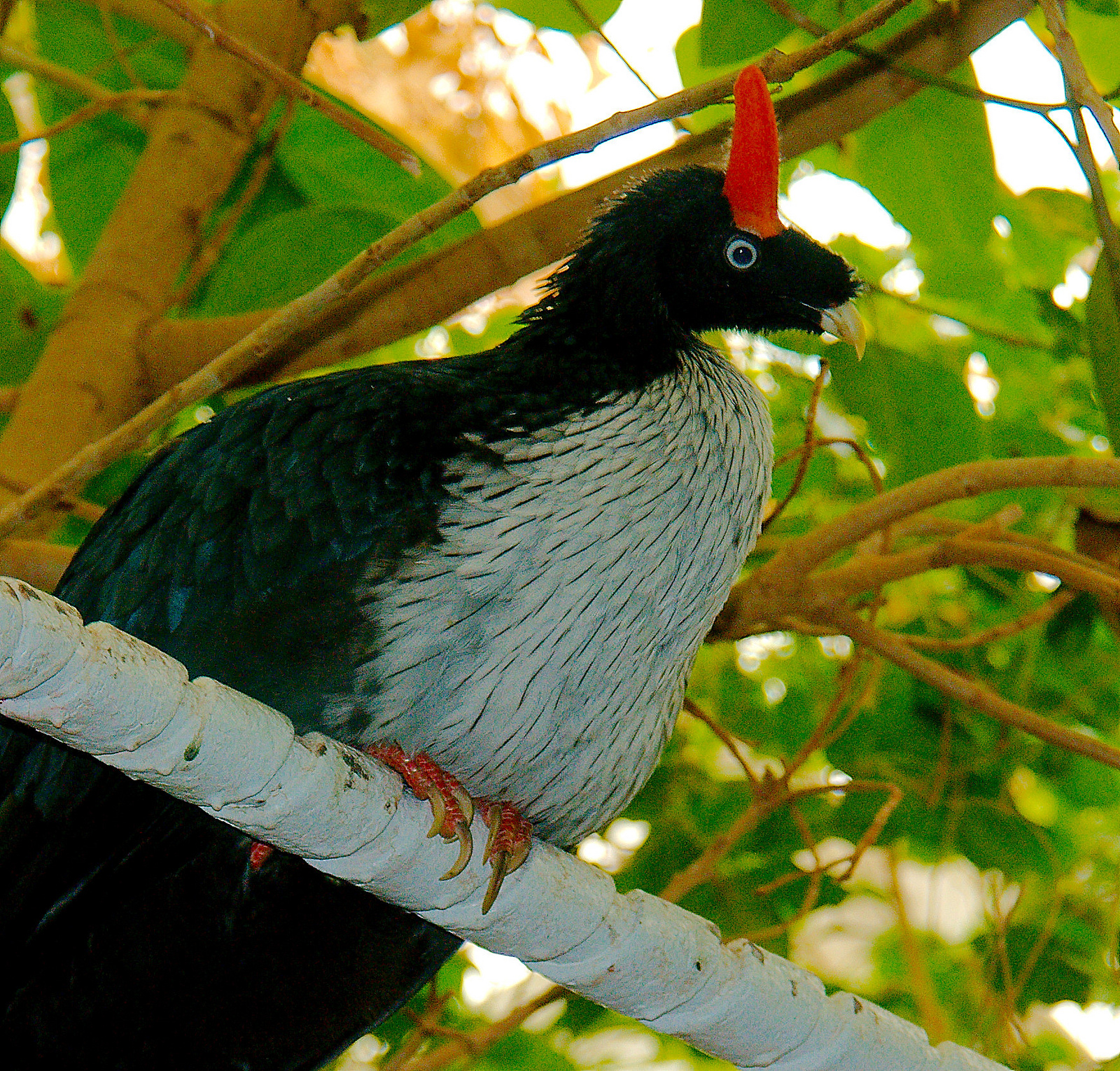
Horned Curassow (Pauxi unicornis)
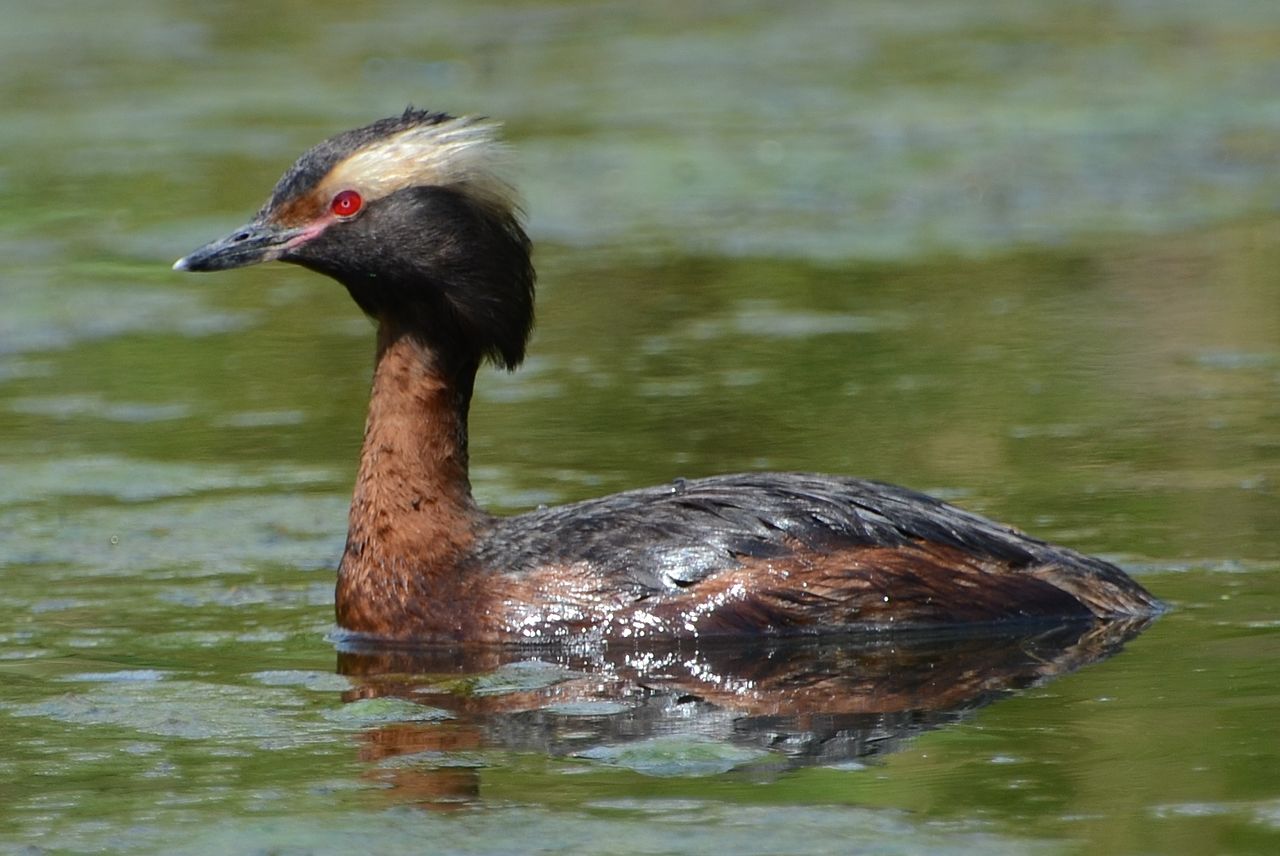
Horned Grebe (Podiceps auritus)
Horned Guan (Oreophasis derbianus)
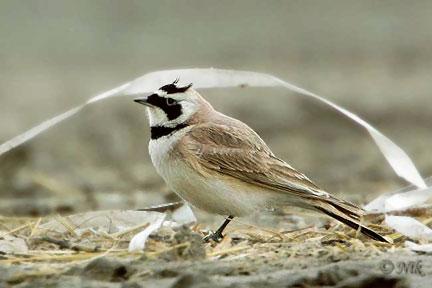
Horned Lark (Eremophila alpestris)
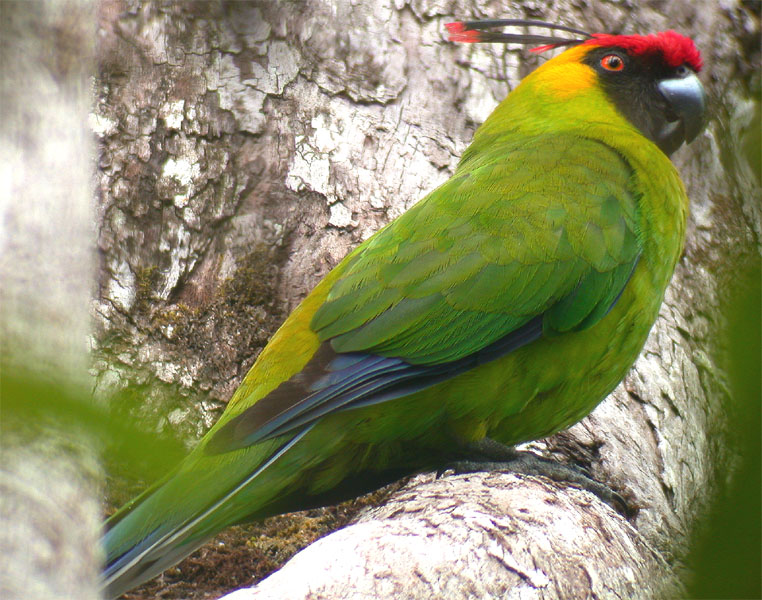
Horned Parakeet (Eunymphicus cornutus)
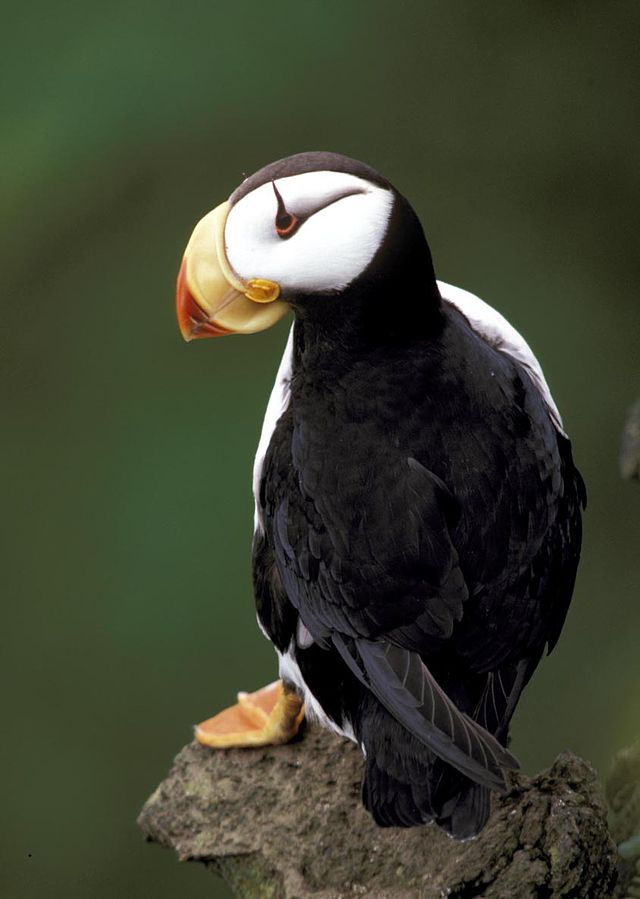
Horned Puffin (Fratercula corniculata)
Horned Screamer (Anhima cornuta)
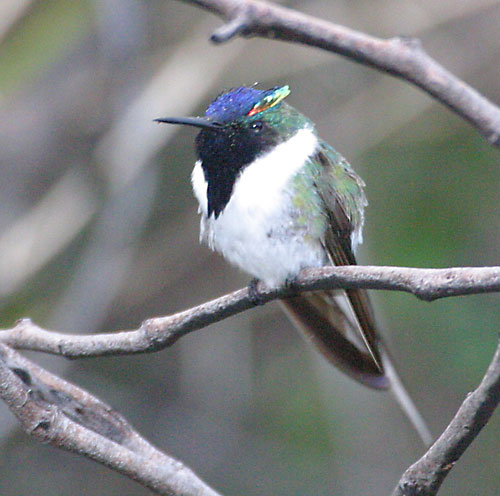
Horned Sungem (Heliactin bilophus)

I know there is a Great Horned Owl, so I guess I need to sort some more.

Great Horned Owl (Bubo virginianus)
Lesser Horned Owl (Bubo magellanicus)
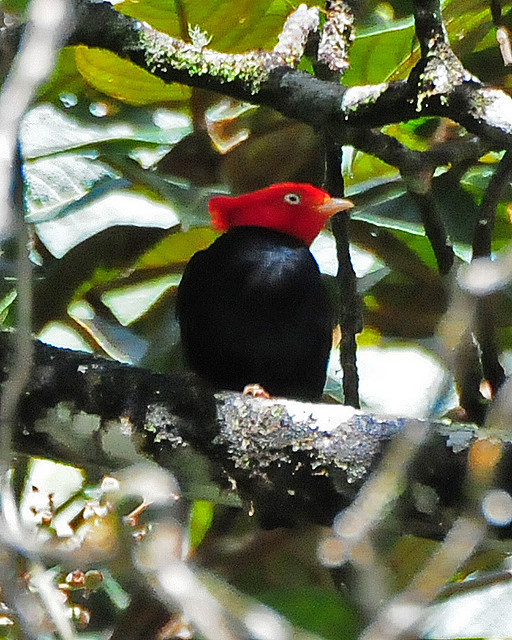
Scarlet-horned Manakin (Dixiphia cornuta)
Hornby’s Storm Petrel (Oceanodroma hornbyi)
Lesser Hornero (Furnarius minor)
Band-tailed Hornero (Furnarius figulus)
Pale-legged Hornero (Furnarius leucopus)
Pacific Hornero (Furnarius cinnamomeus)
Caribbean Hornero (Furnarius longirostris)
Bay Hornero (FurRufous Hornero (Furnarius rufus)
Rufous Hornero (Furnarius rufus)
Crested Hornero (Furnarius cristatus)

Trust you don’t mind finding out this information. When we stop being curious, we stagnate. Besides, the Lord has made so many birds out there for us to find, 10,530 at the time, this is a way to discover a few more of them. I found some “Thornbirds”, but will save that for another time. Also, birds do not have horns, but rather tufts of feathers that stick up like horns.

The blessing of the LORD, it maketh rich, and he addeth no sorrow with it. (Proverbs 10:22 KJV)

Also he (Solomon) spoke of trees, from the cedar tree of Lebanon even to the hyssop that springs out of the wall; he spoke also of animals, of birds, of creeping things, and of fish. (1 Kings 4:33 NKJV)


This slideshow requires JavaScript.

———————

Birds of the World

Sunday Inspiration – Hornbills

Other Sunday Inspirations

Good News Tracts

*


Sunday Inspiration – Hornbills

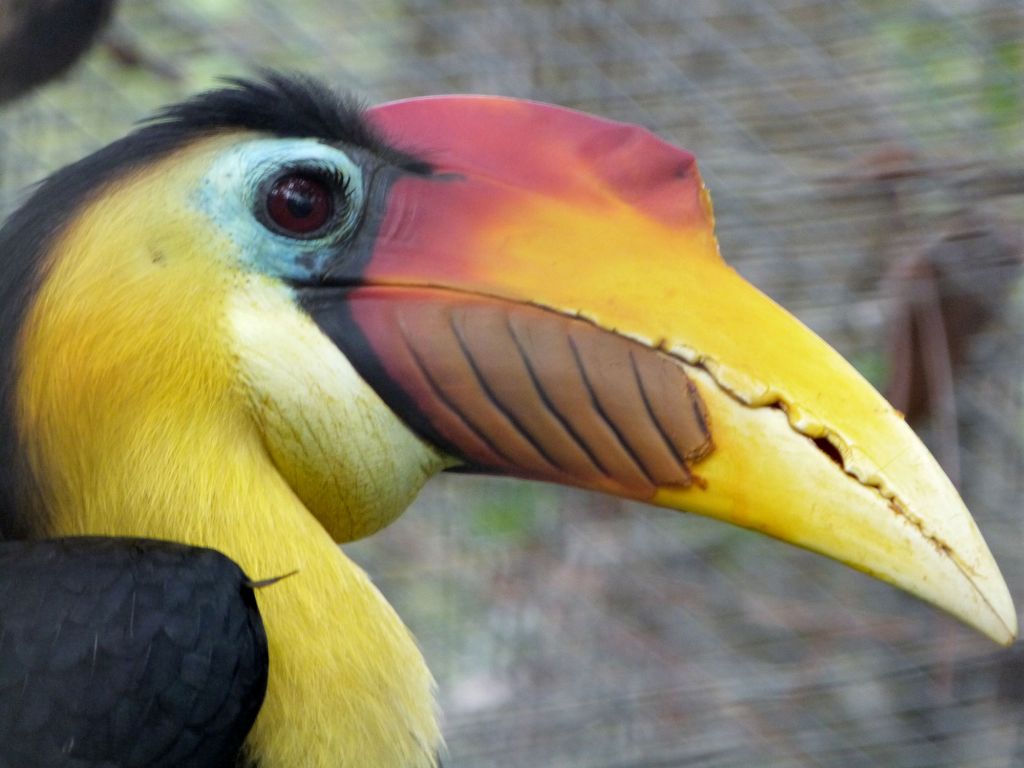
Wrinkled Hornbill (Aceros corrugatus) Brevard Zoo by Lee

Wrinkled Hornbill (Aceros corrugatus) Brevard Zoo by Lee

The God of my strength, in whom I will trust; My shield and the horn of my salvation, My stronghold and my refuge; My Savior, You save me from violence. (2 Samuel 22:3 NKJV)

The LORD is my rock and my fortress and my deliverer; My God, my strength, in whom I will trust; My shield and the horn of my salvation, my stronghold. (Psalms 18:2 NKJV)

Oh, my, what interesting group of birds the Lord’s Creative Hand created with these two Hornbill Families! They come from the Bucerotidae – Hornbills and Bucorvidae – Ground Hornbills. There are 61 hornbills in the two families.

Shout joyfully to the LORD, all the earth; Break forth in song, rejoice, and sing praises. Sing to the LORD with the harp, With the harp and the sound of a psalm, With trumpets and the sound of a horn; Shout joyfully before the LORD, the King. (Psalms 98:4-6 NKJV)

And has raised up a horn of salvation for us In the house of His servant David, (Luke 1:69 NKJV)

This slideshow requires JavaScript.

*

“I Sing The Mighty Power Of God” ~ by the ©Hyssongs

*

More:

*

Photos from Circle B and MacDill Shore

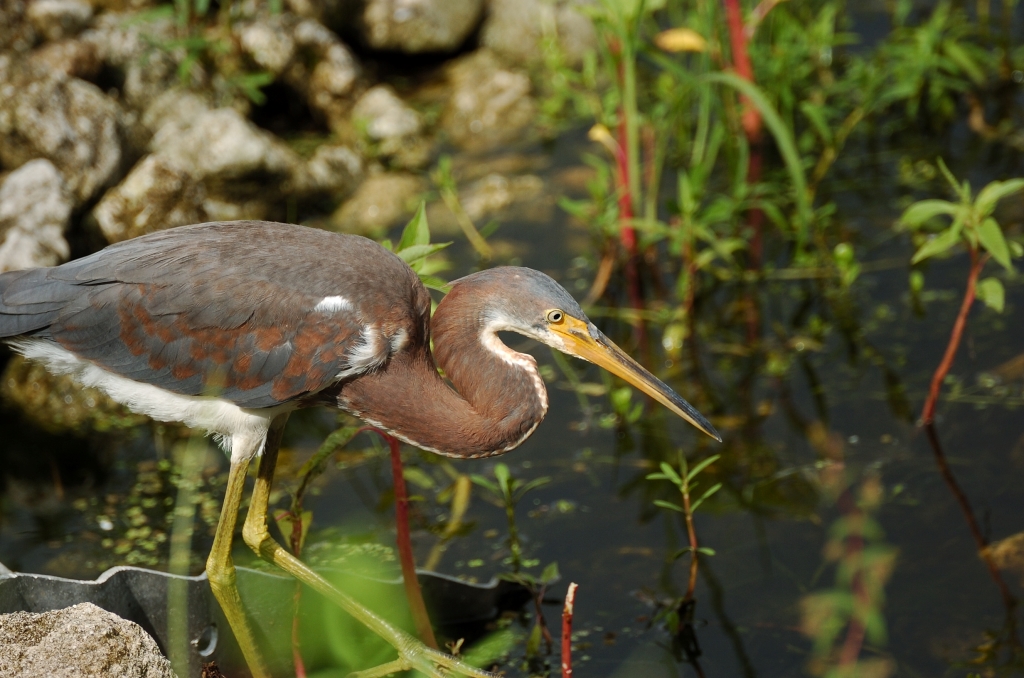
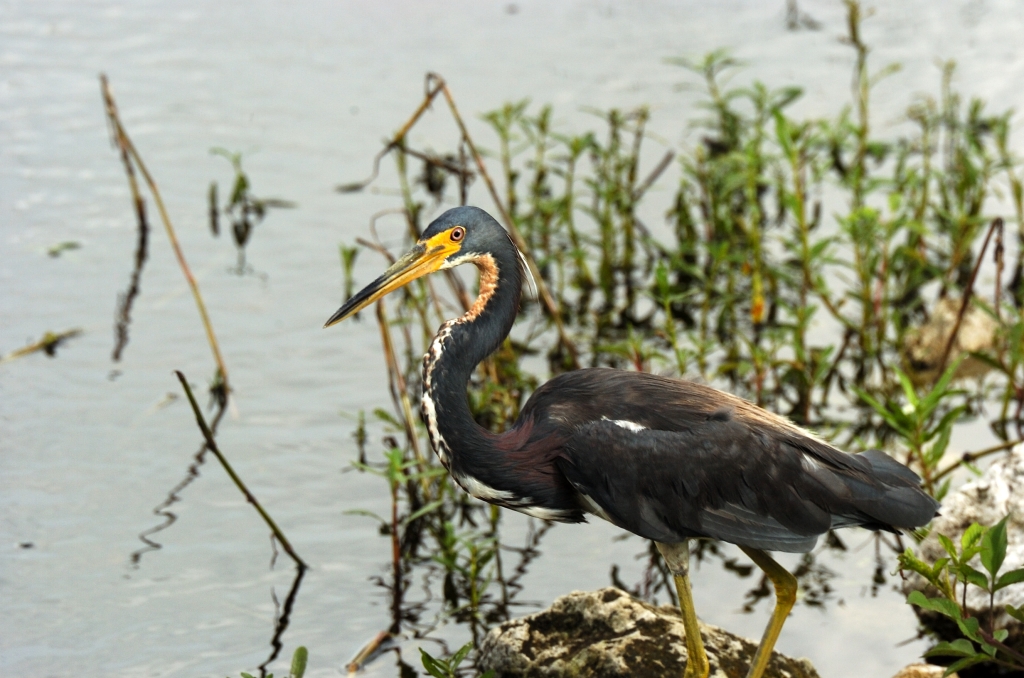
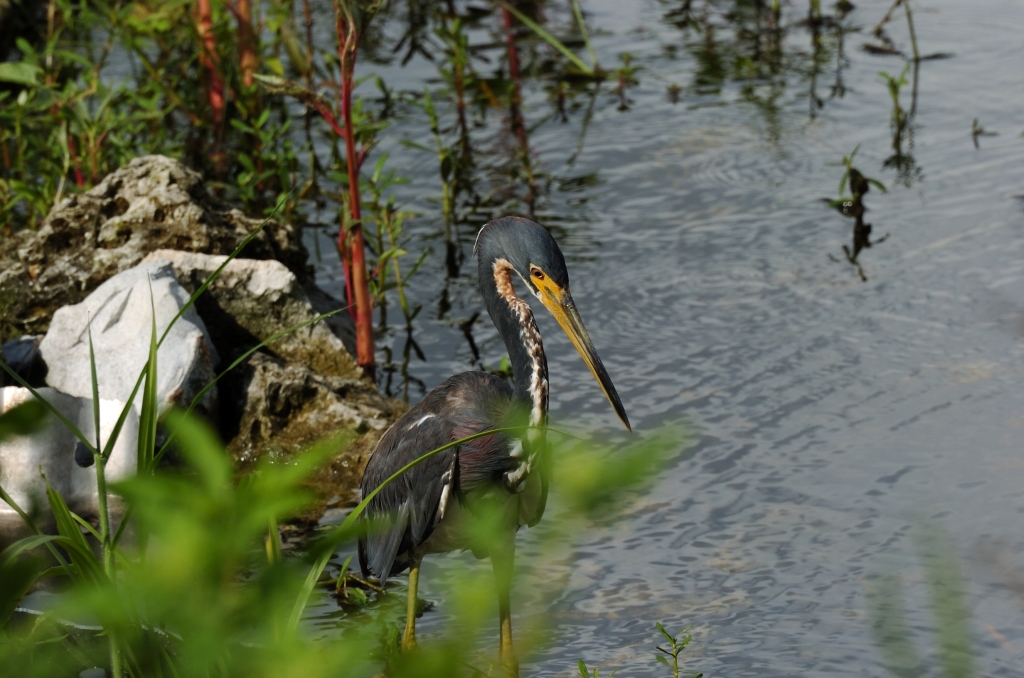
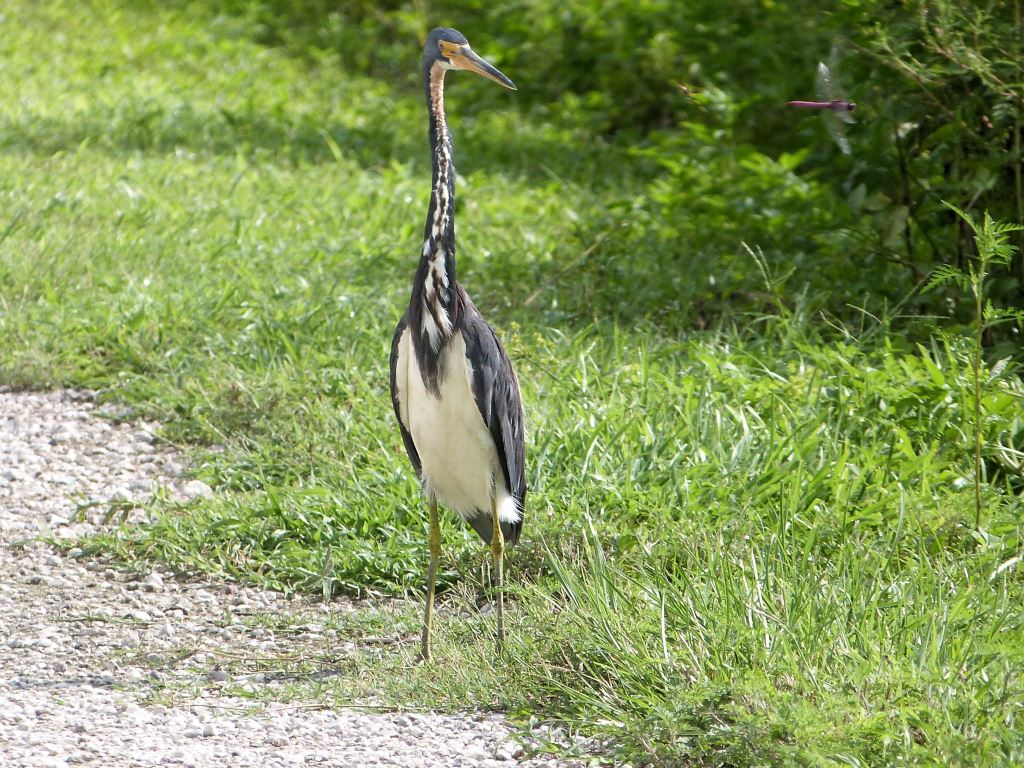
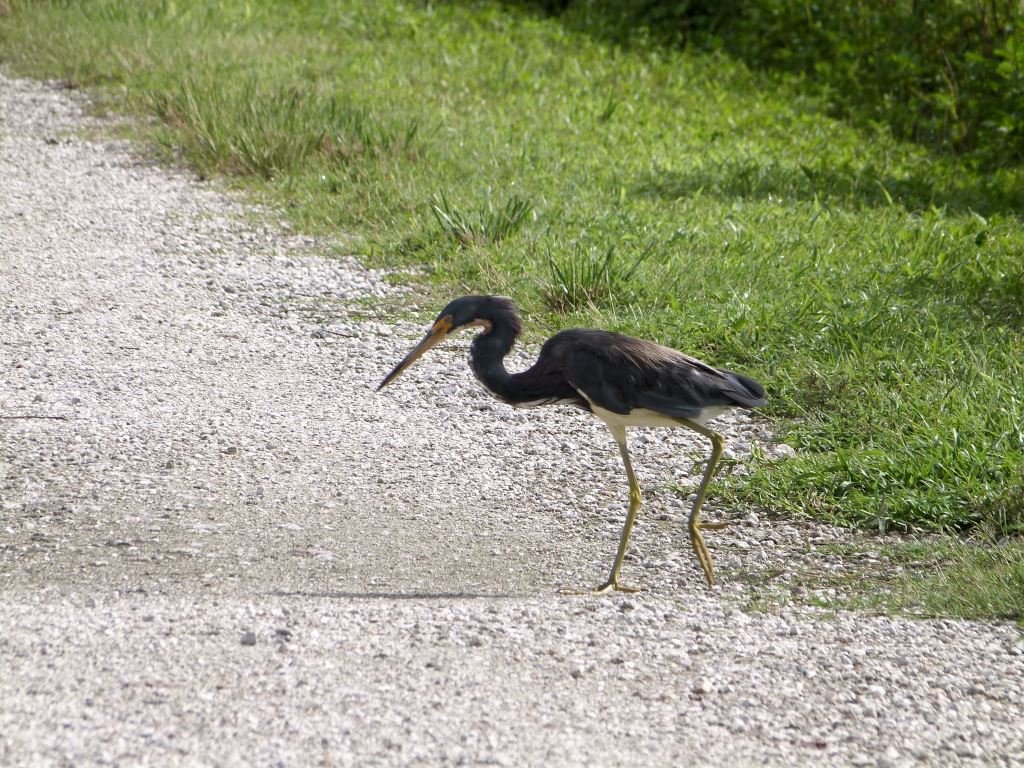
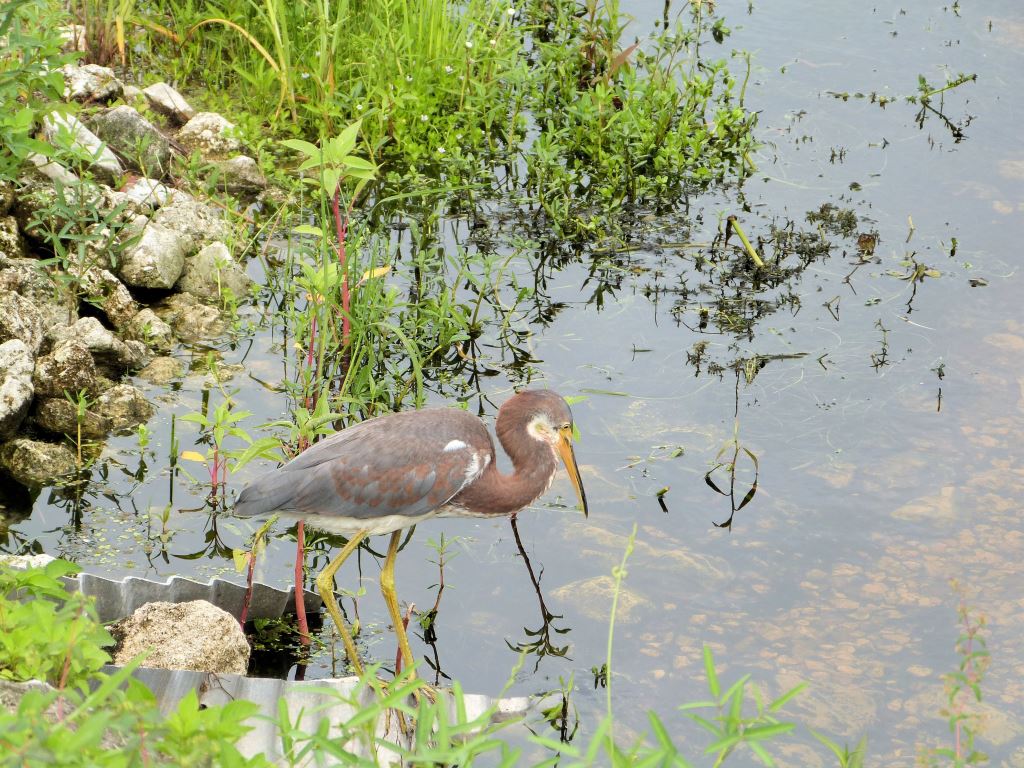
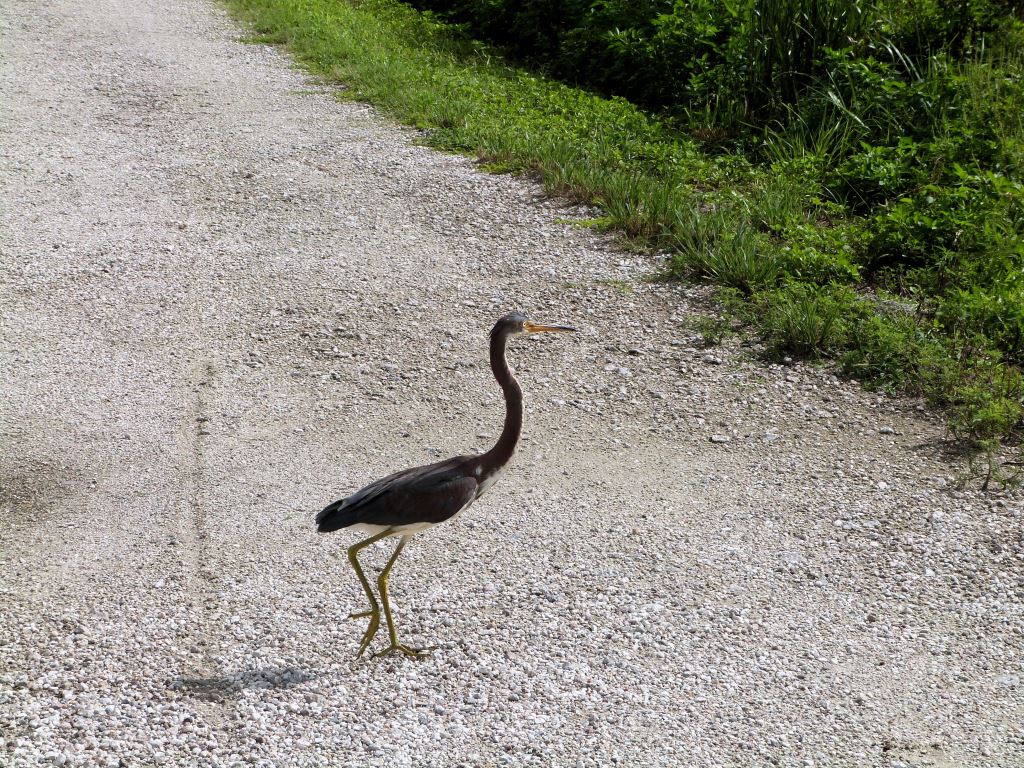
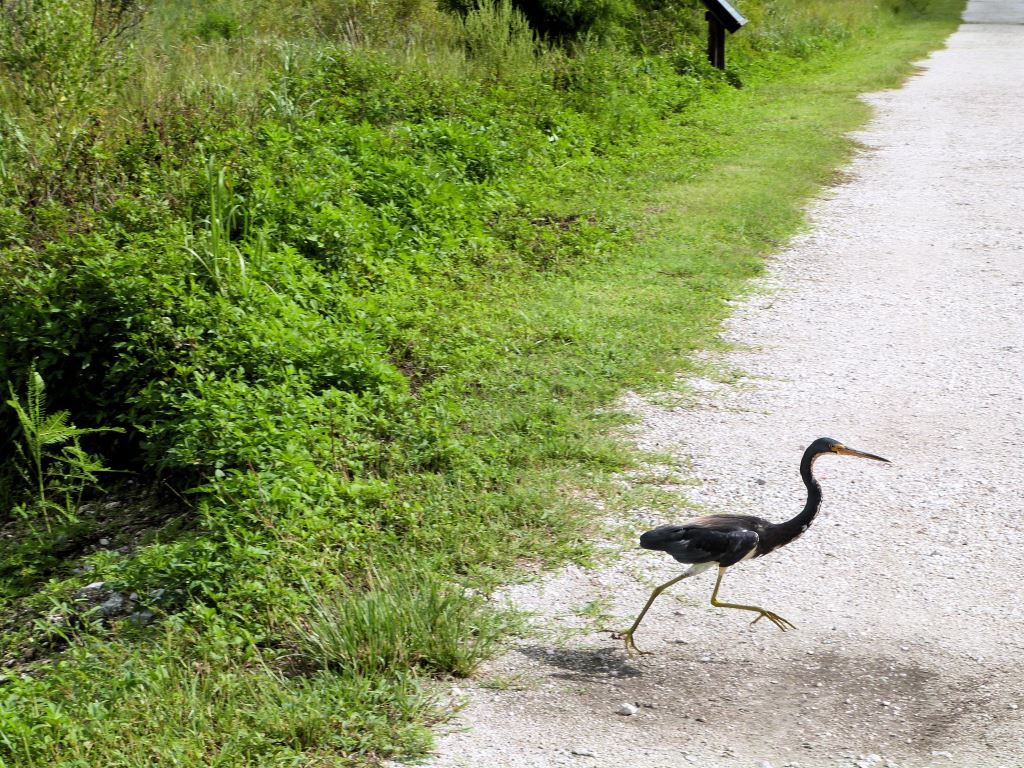
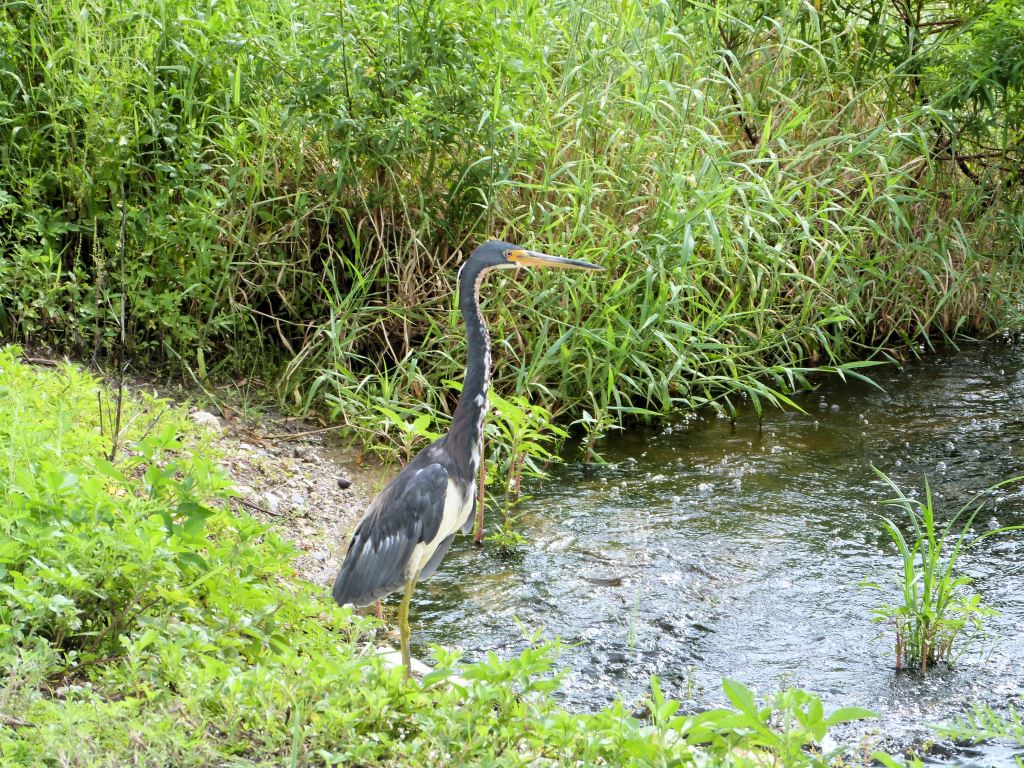
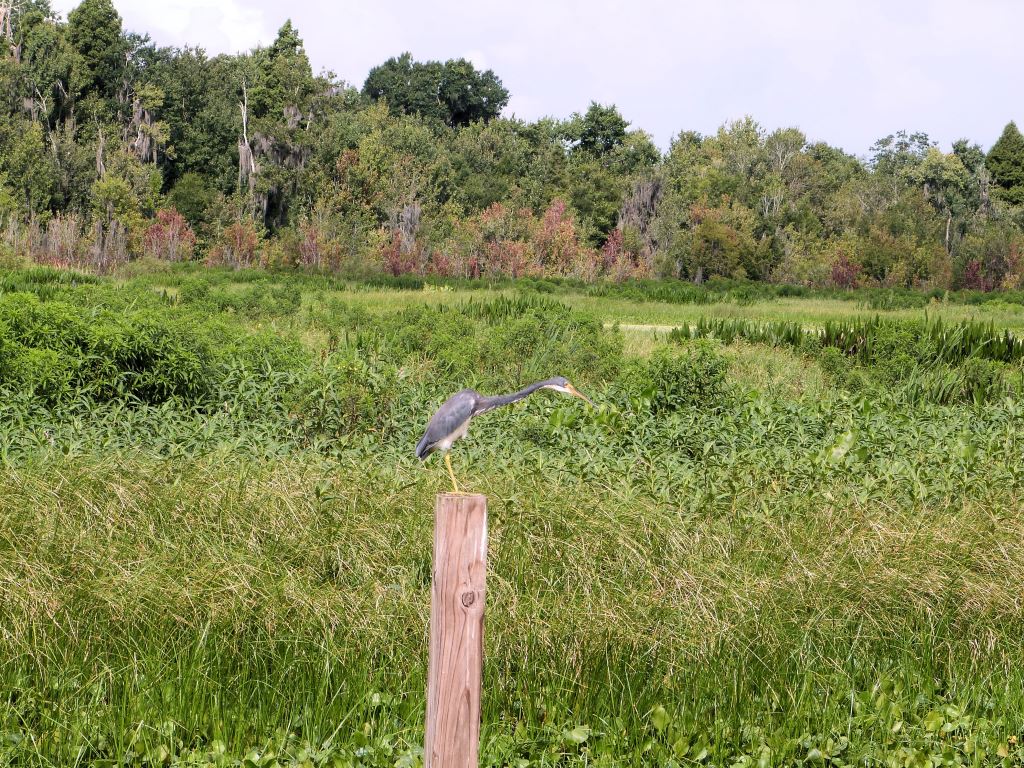
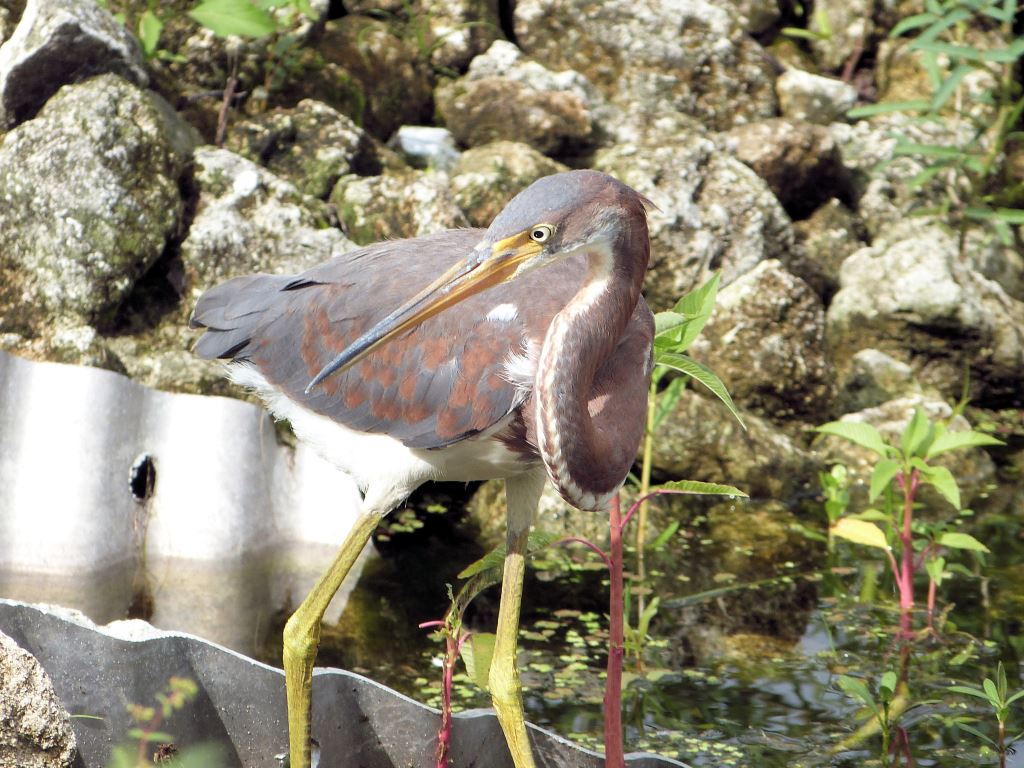
Tricolored Heron Juvenile by Dan at Circle B

The last post had my photos and videos from our trip to Circle B Bar Reserve (Circle B After Recent Rains) . Today, I am showing you the GOOD ONES! These were taken by Dan.

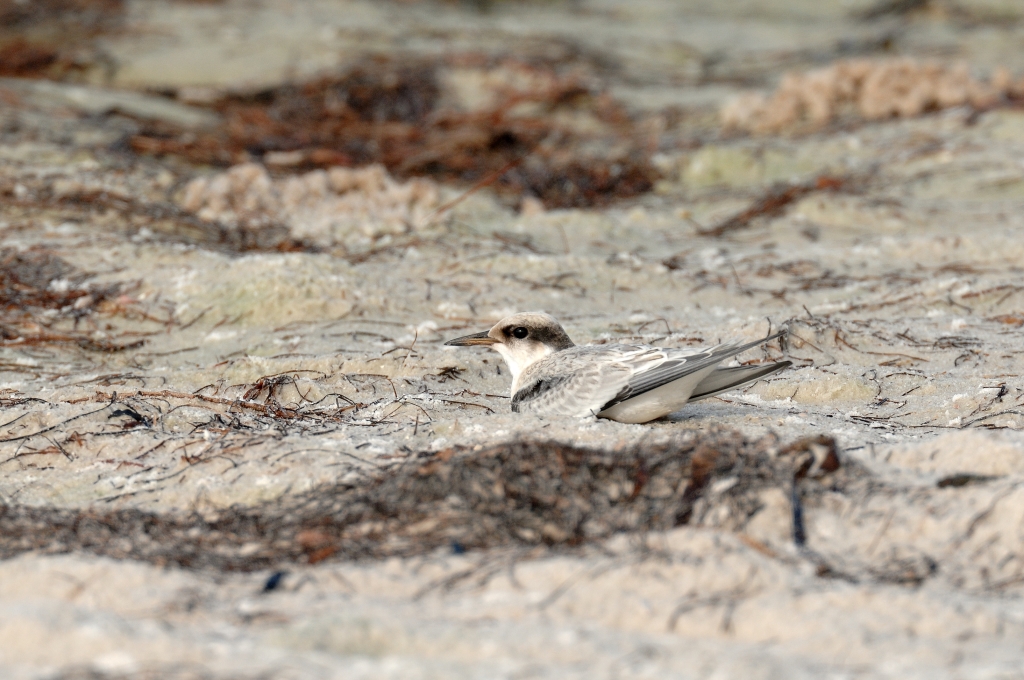
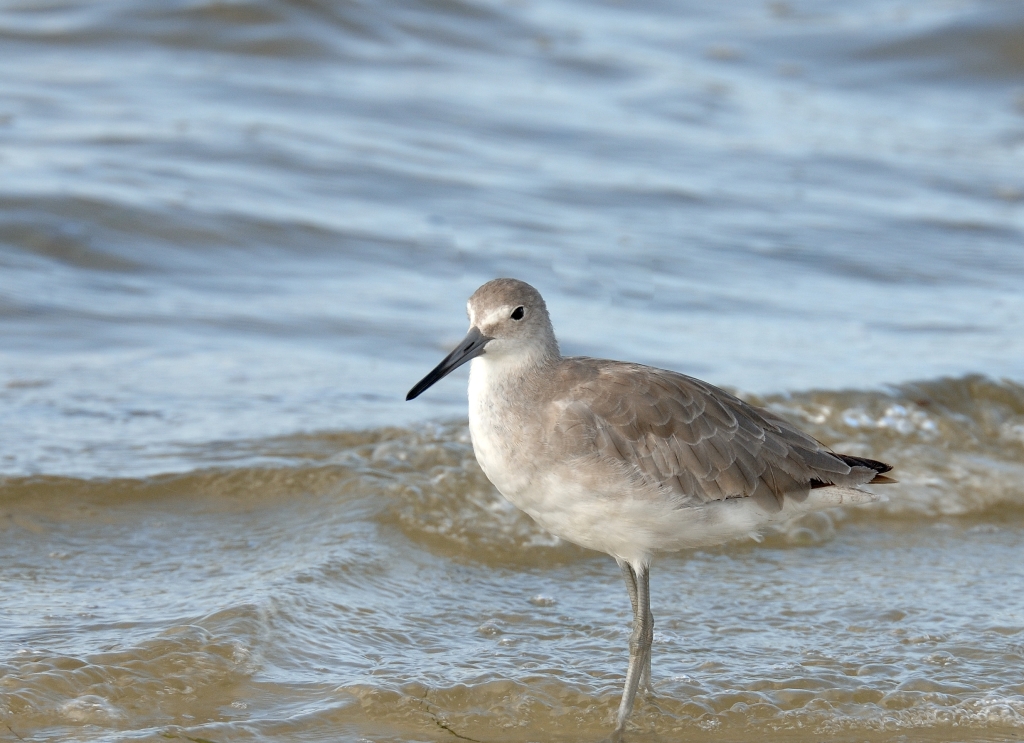
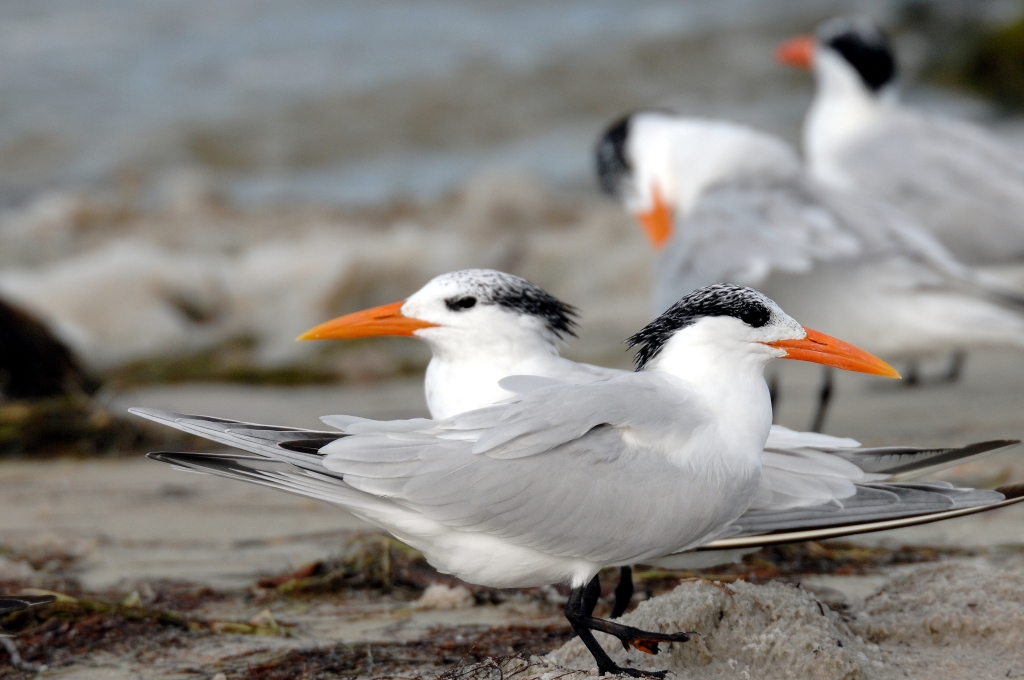
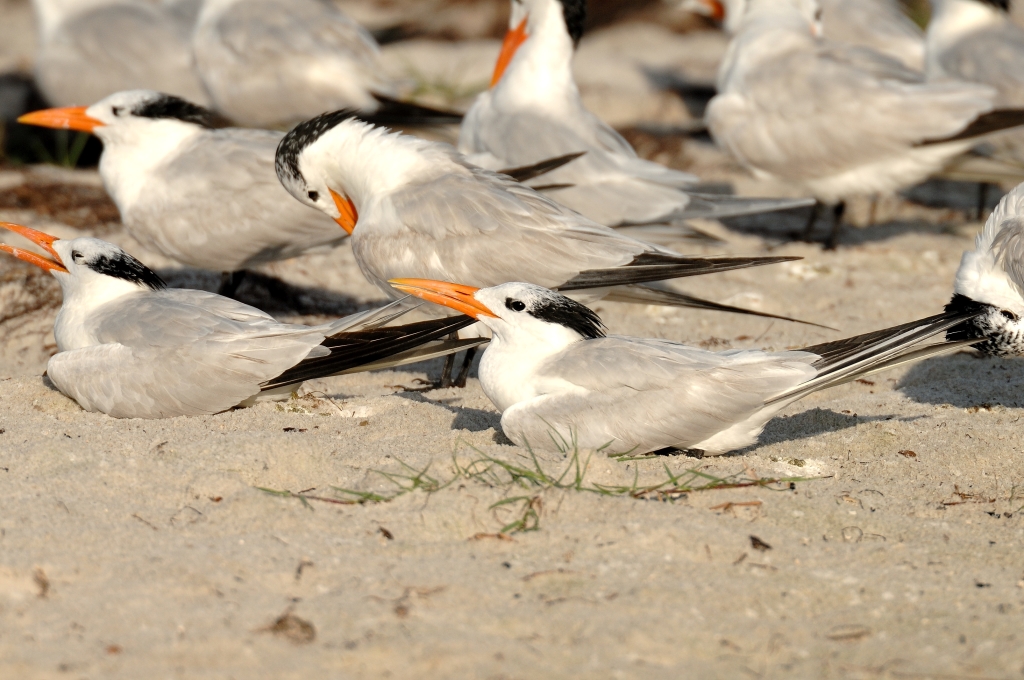
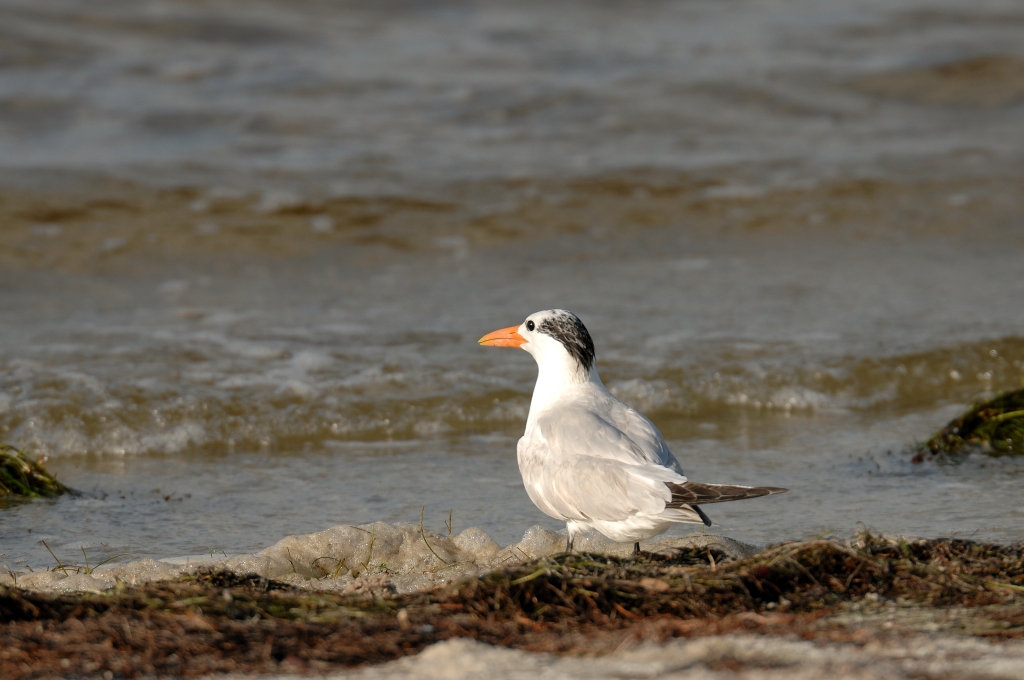
Also, I am adding his photos from the shore at MacDill AFB on Tampa Bay. The names were added by me and some are uncertain. I know many of you who visit this blog are better at naming birds than we are. Identifying shorebirds is still in the beginning stages for us, though I “think” I know what these are. So, If you can help, please leave a comment.

I have searched my books for Dan’s #19, and can’t find it. It must be an immature.

Unknown by Dan MacDill Shore 2014 (19)

Unknown by Dan MacDill Shore 2014 (19)

When the photos I took on this recent trip are blogged about, it would be nice to have proper names on the birds. (At least most of them.)

Enjoy Dan’s photos. He is the one that takes the great ones. You can also visit his website at Dan’s Pix.

*

But these are they of which ye shall not eat: the eagle, and the ossifrage, and the osprey, (Deuteronomy 14:12 KJV)

And the stork, the heron after her kind, and the lapwing, and the bat. (Leviticus 11:19)

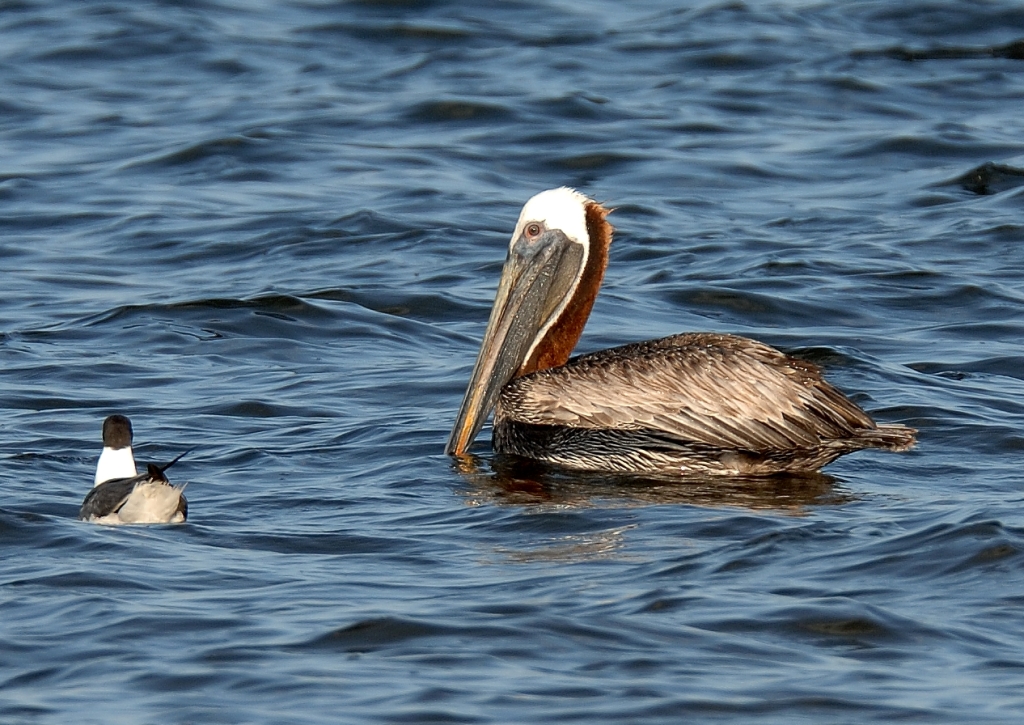
I am like a pelican of the wilderness; I am like an owl of the desert. (Psalms 102:6 NKJV)

See:

Circle B After Recent Rains

Dan’s Pix

Birdwatching Trips

Birdwatching Trips – Circle B Bar Reserve, FL

Birds of the Bible – Herons – PelicansOsprey Sea Gulls

Good News Tracts

*

Circle B After Recent Rains

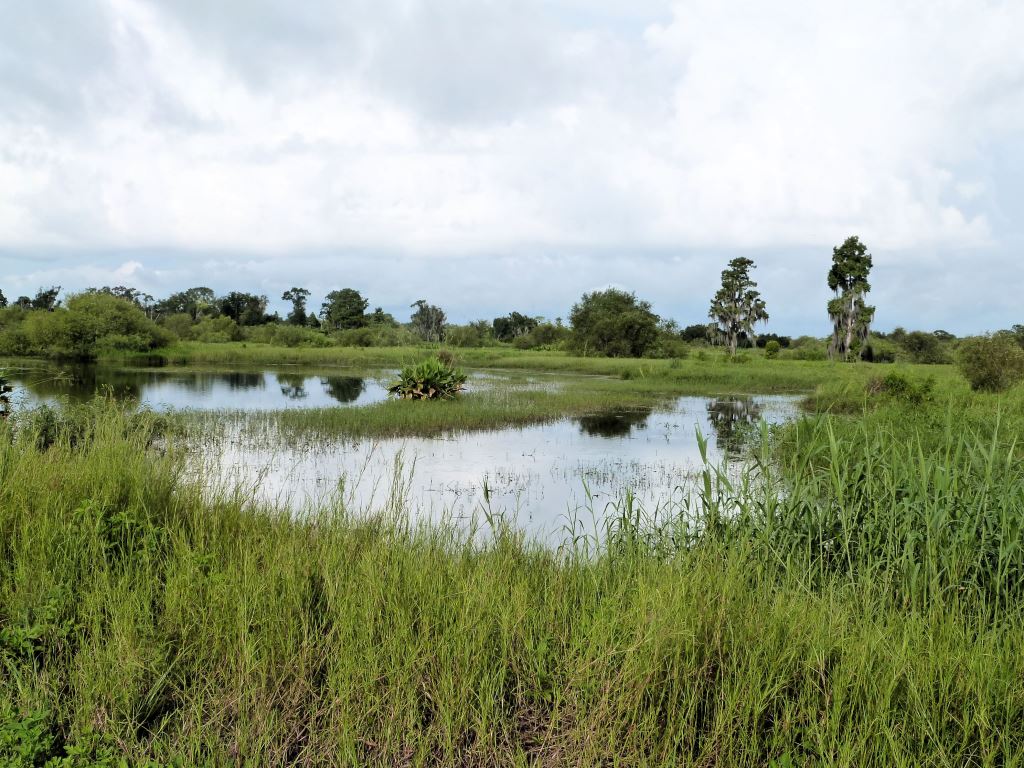
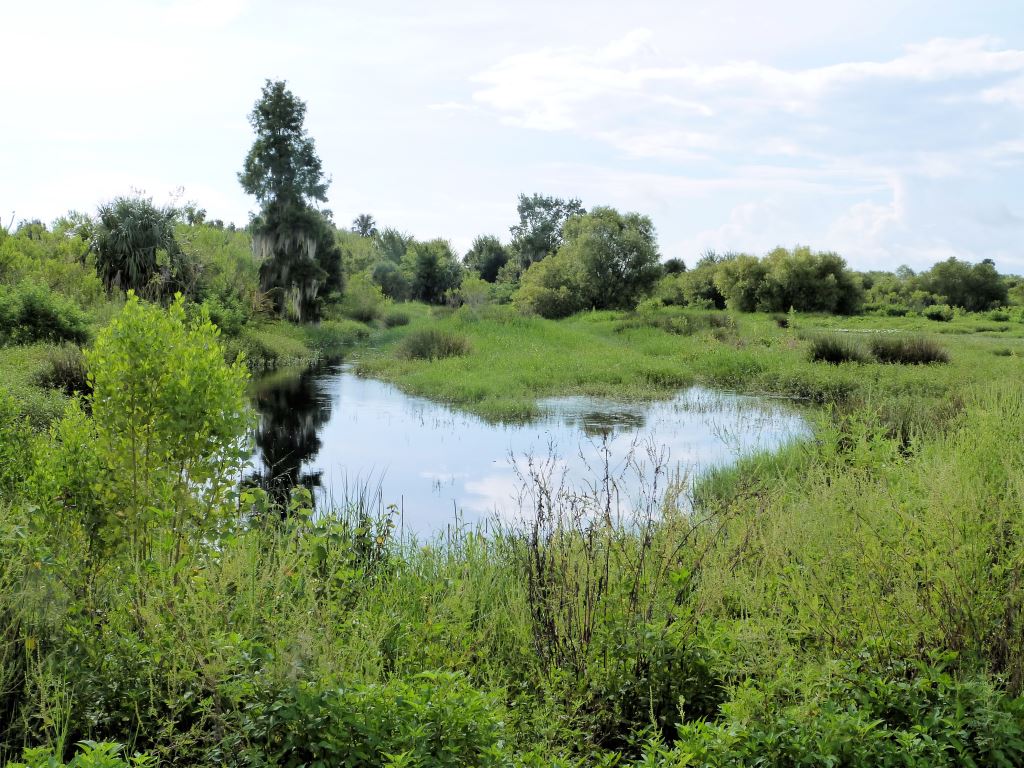
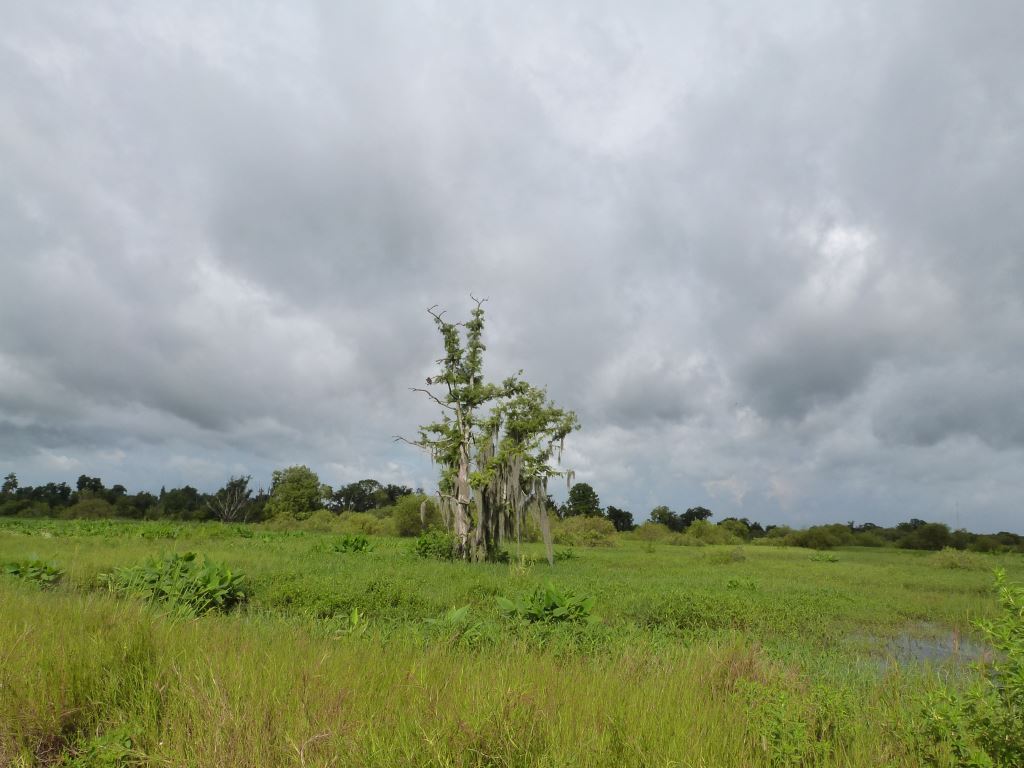
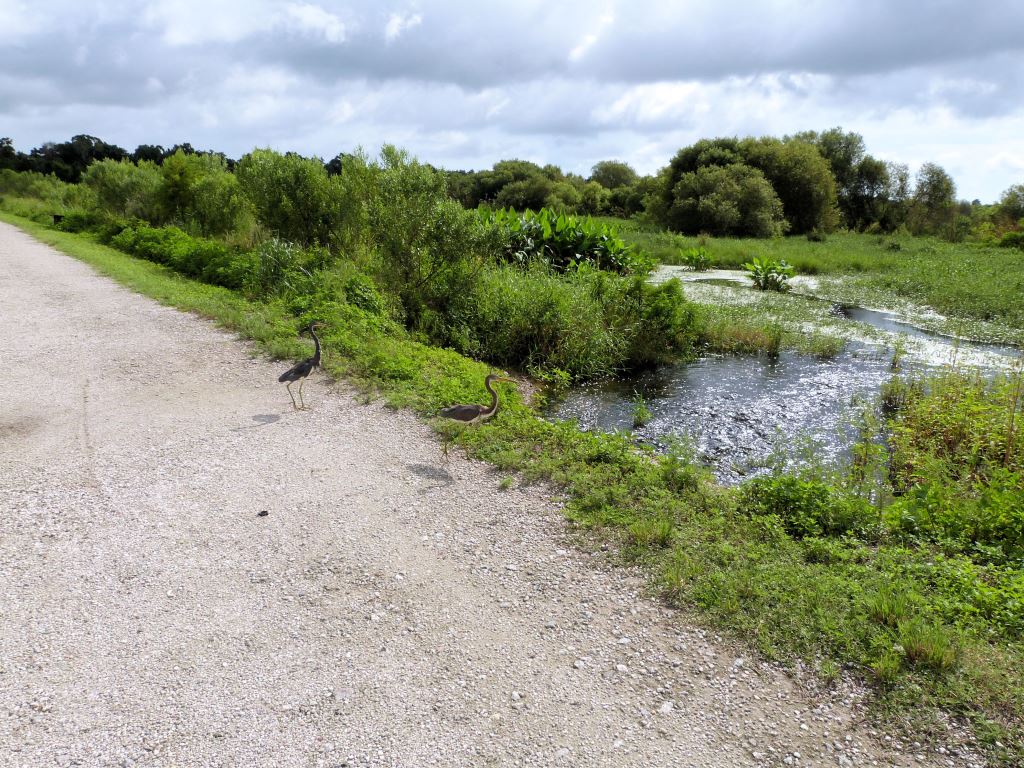
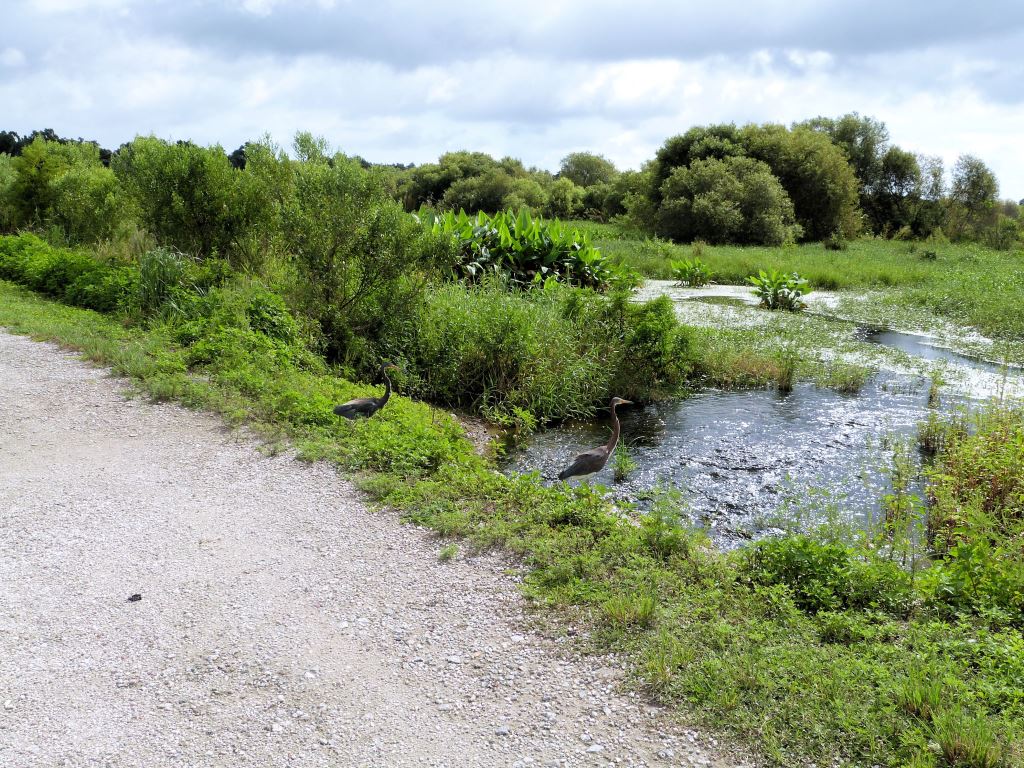
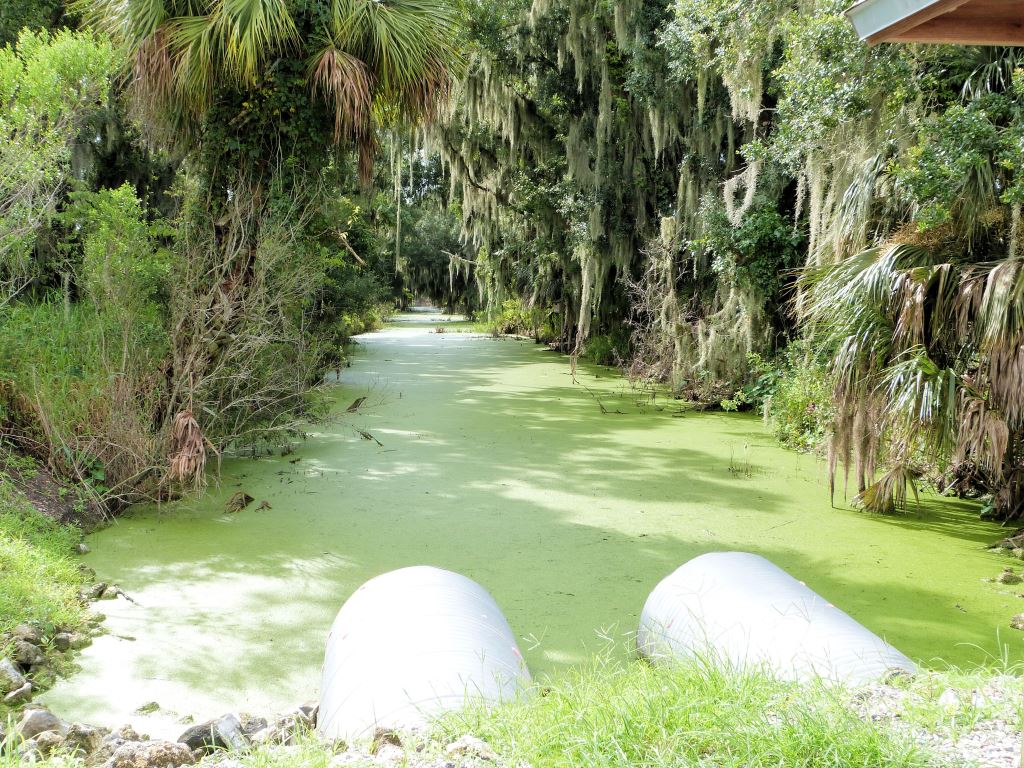
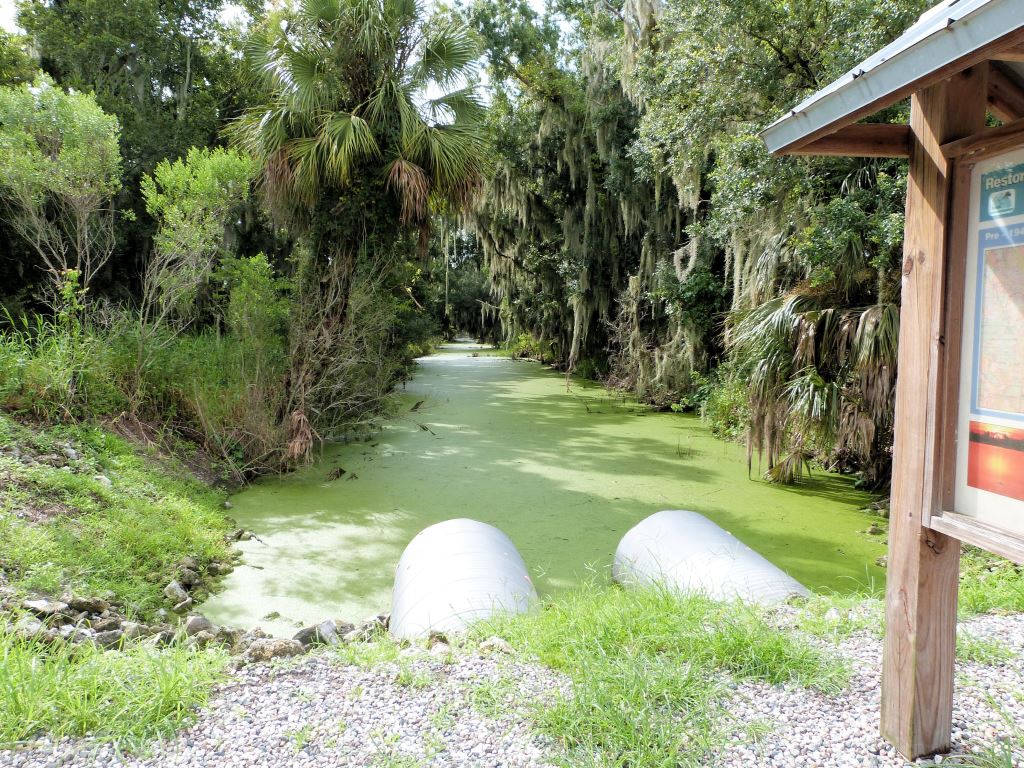
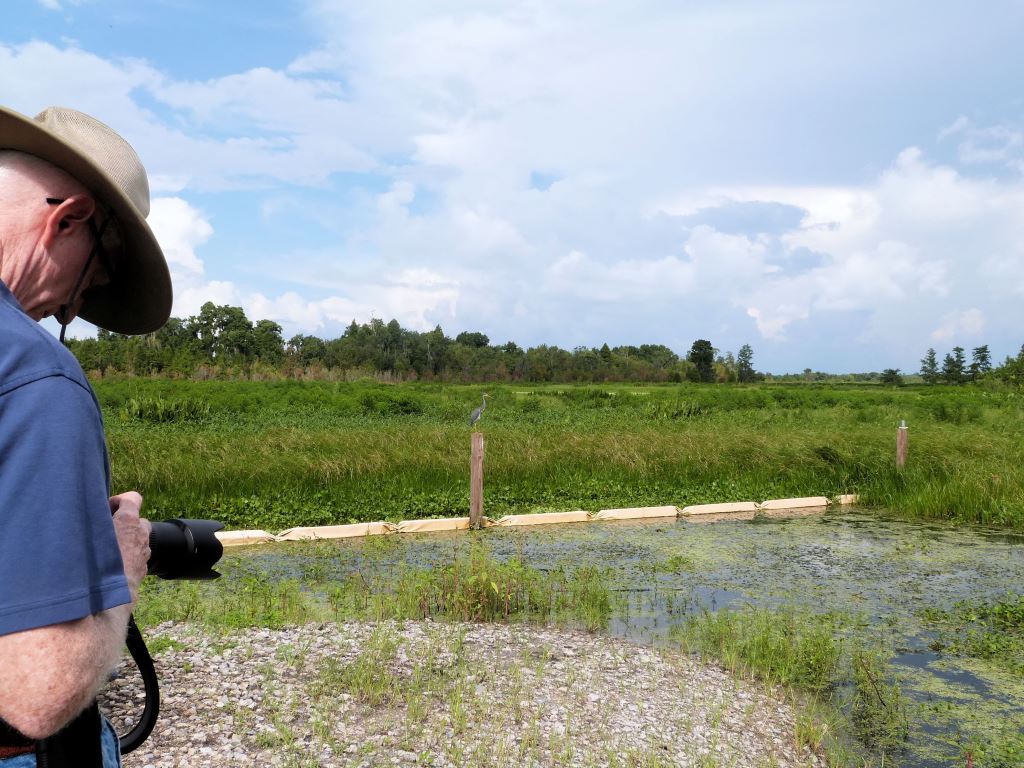
On Wednesday morning, July 16th, we decided to go out to Circle B Bar Reserve and see how the water levels were doing. We have had quite a bit of rain recently and figured that it had to be better than last time. It was quite dry then.

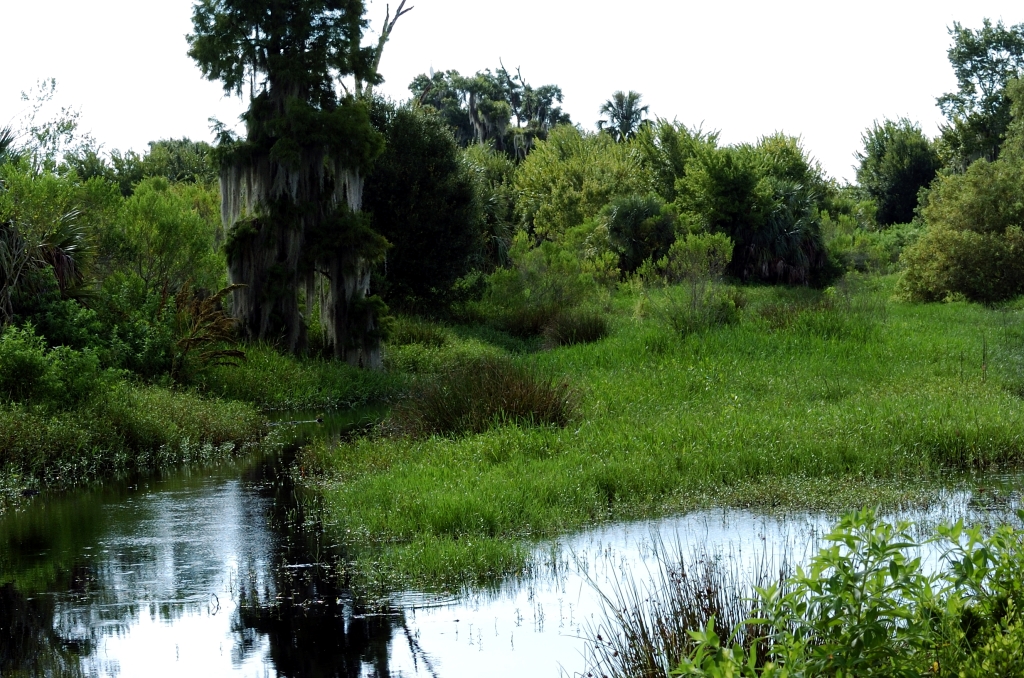
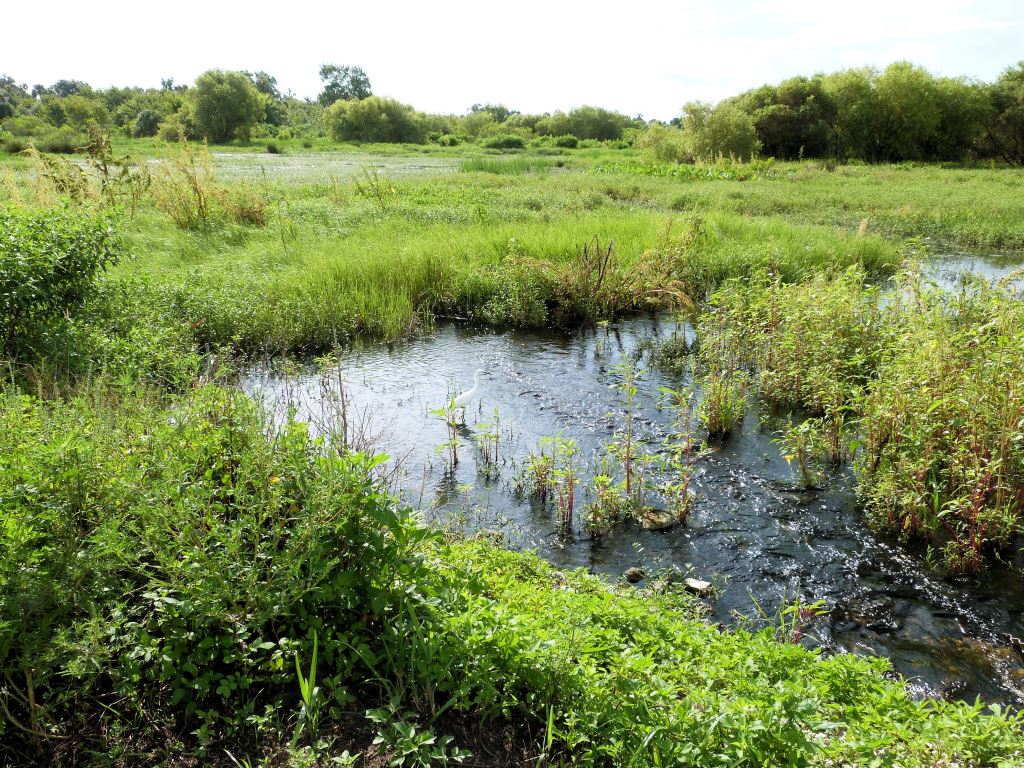
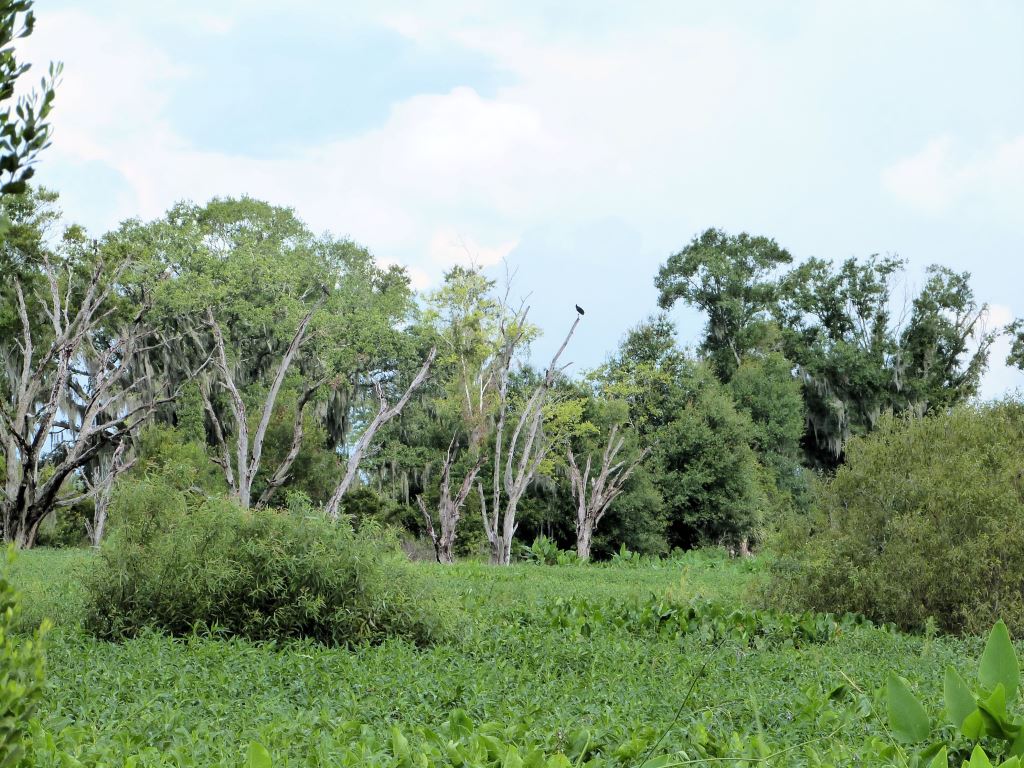
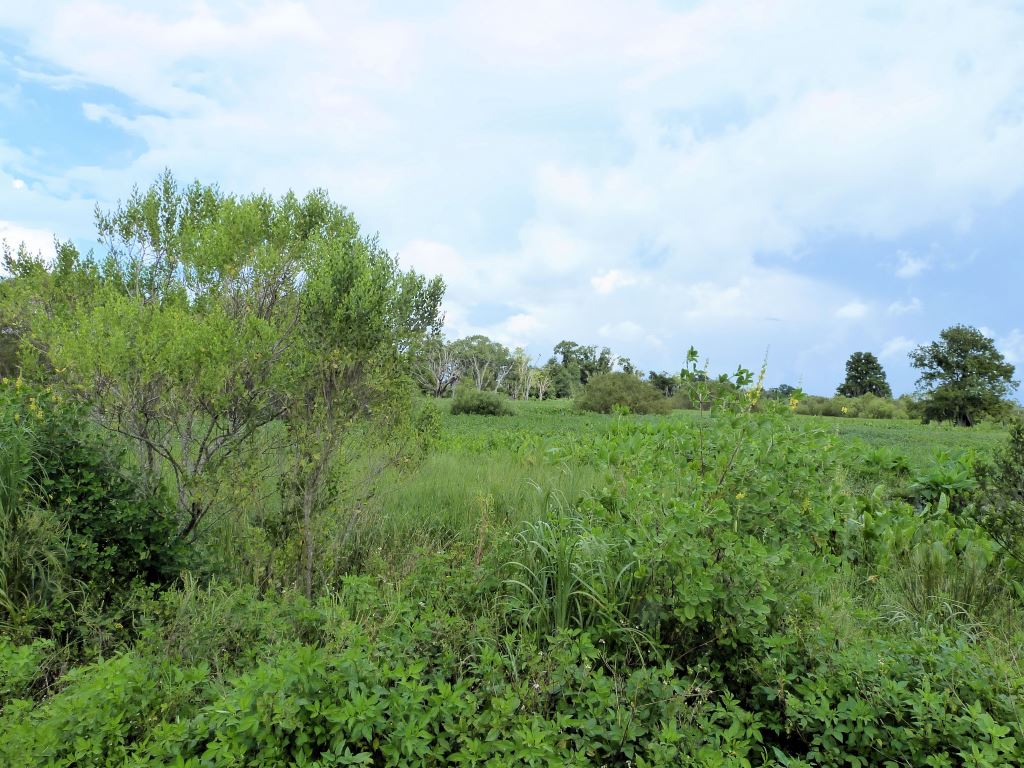
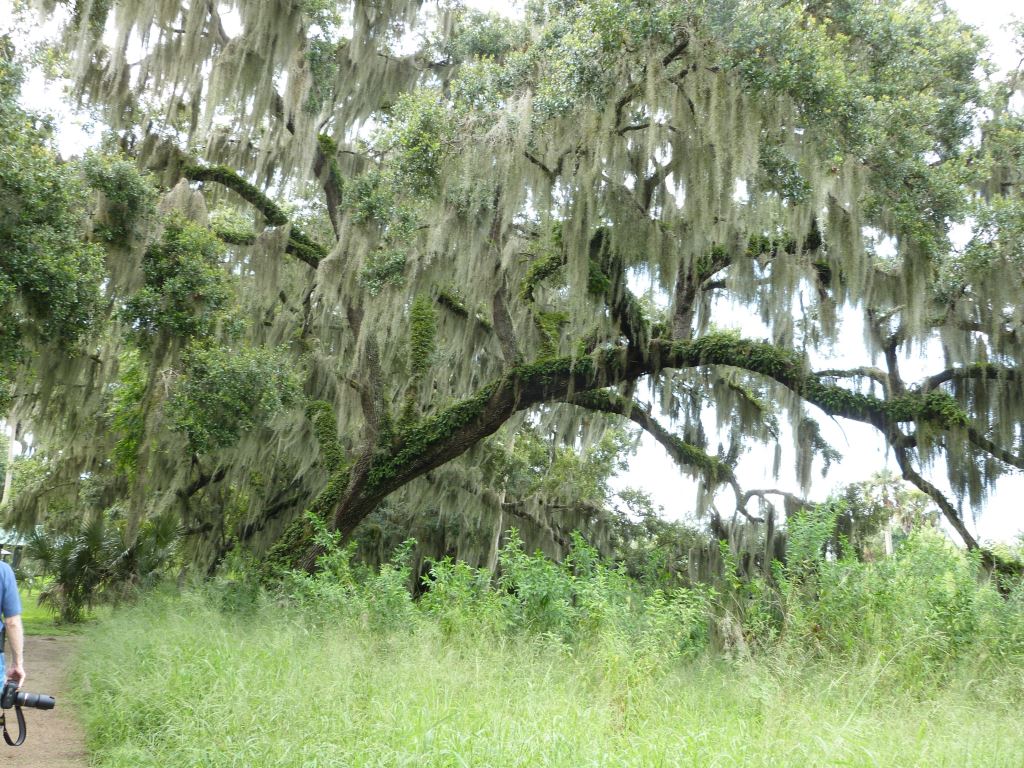
We were not disappointed. The marsh actually looked like a marsh for a change. There weren’t too many birds, but then again this time of the year most are up north.

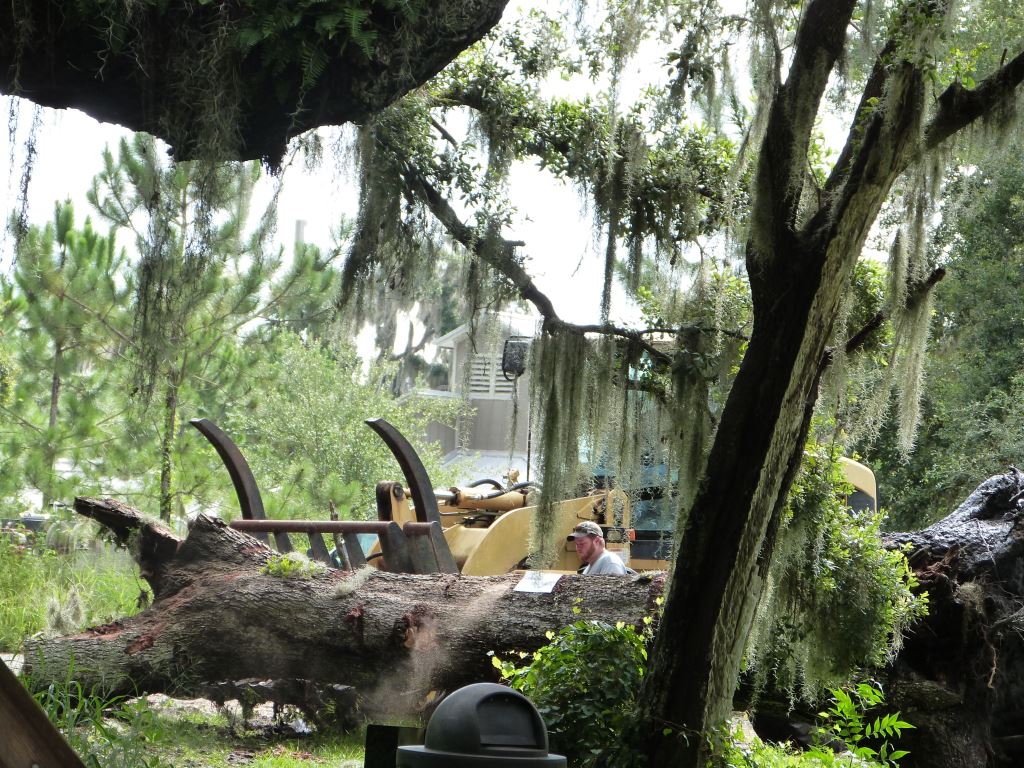
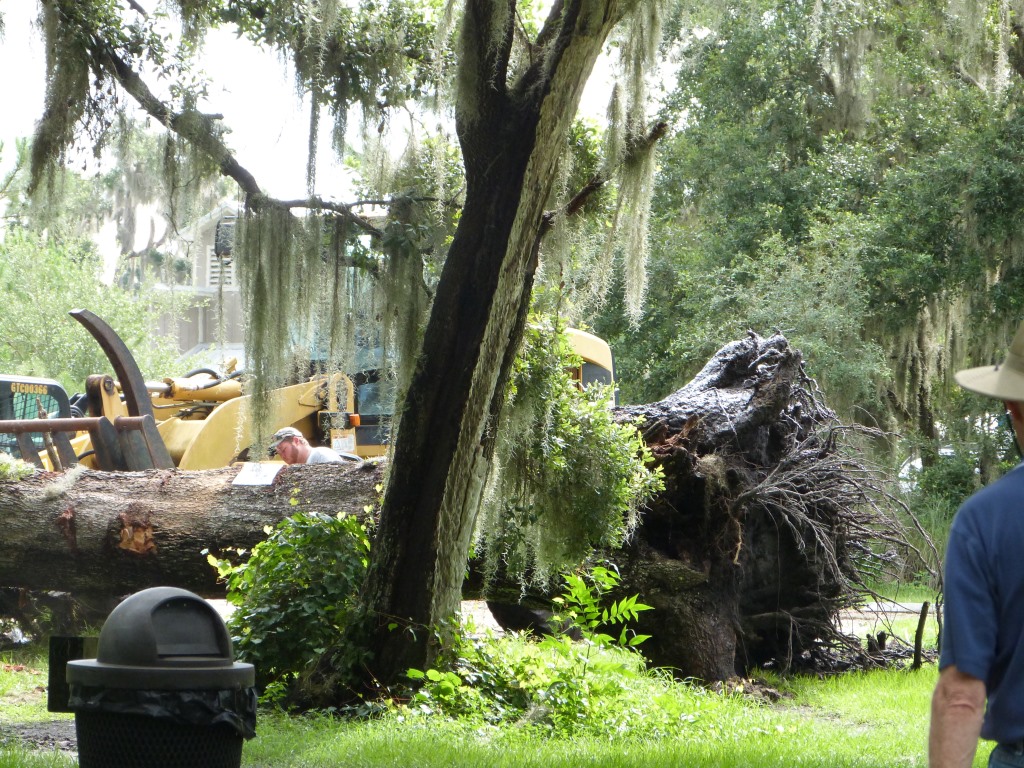
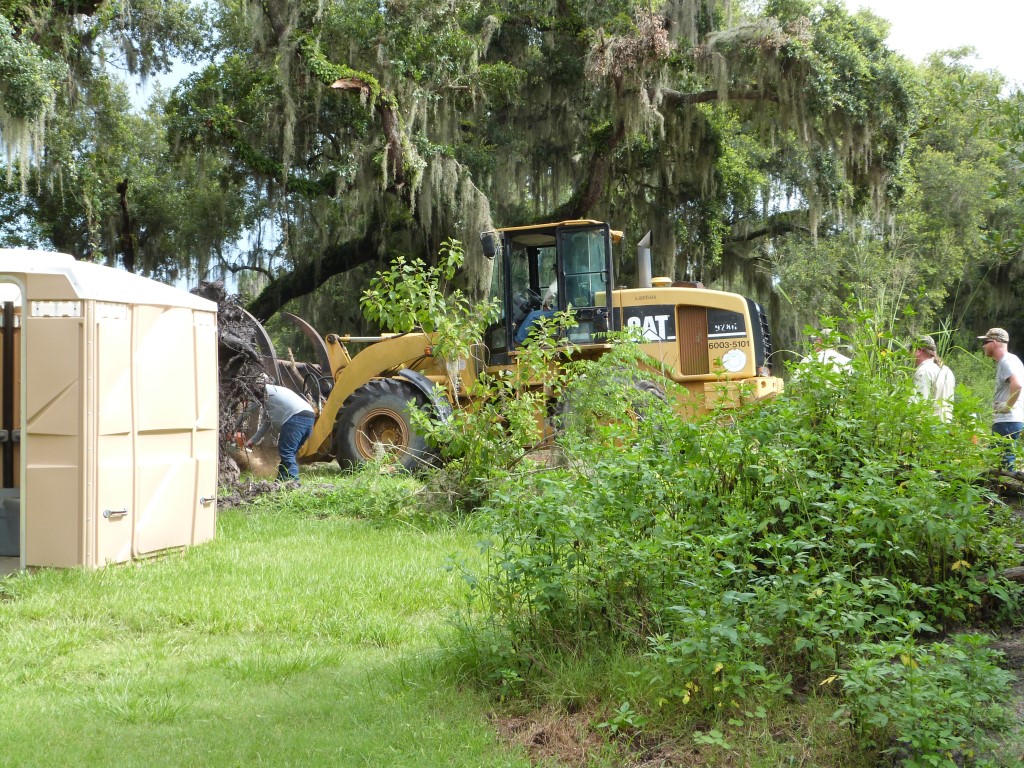
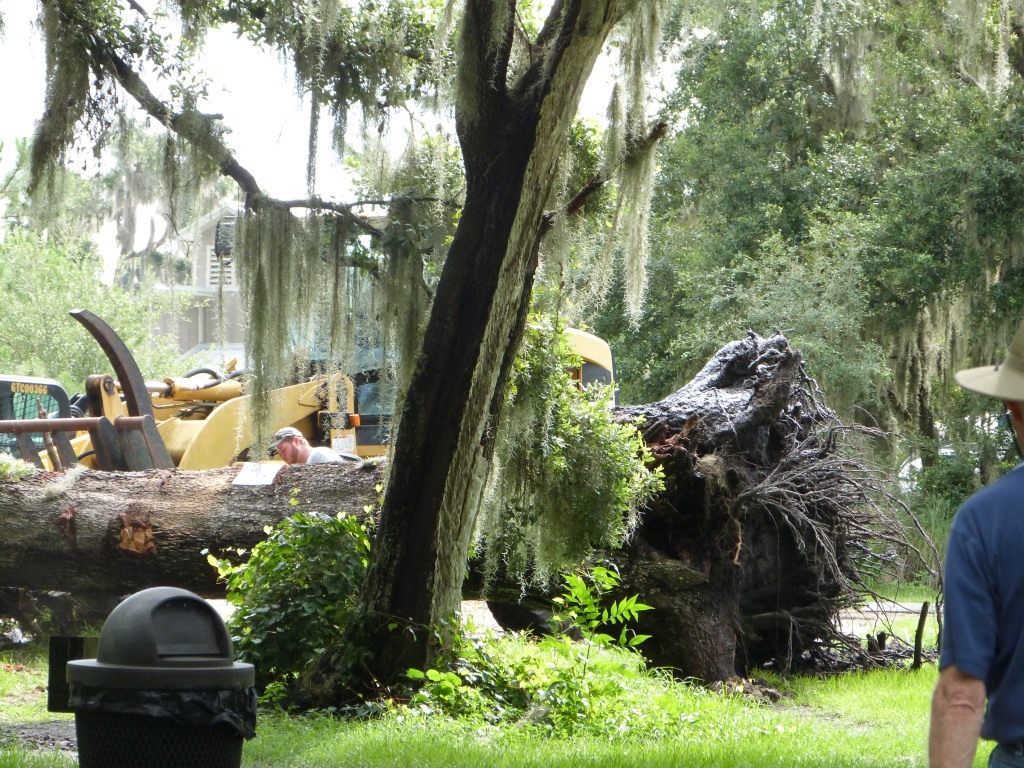
Removing the huge fallen Oak tree at Circle B

Removing the huge fallen Oak tree at Circle B

If the clouds are full of rain, They empty themselves upon the earth; And if a tree falls to the south or the north, In the place where the tree falls, there it shall lie. He who observes the wind will not sow, And he who regards the clouds will not reap. As you do not know what is the way of the wind, Or how the bones grow in the womb of her who is with child, So you do not know the works of God who makes everything. (Ecclesiastes 11:3-5 NKJV)

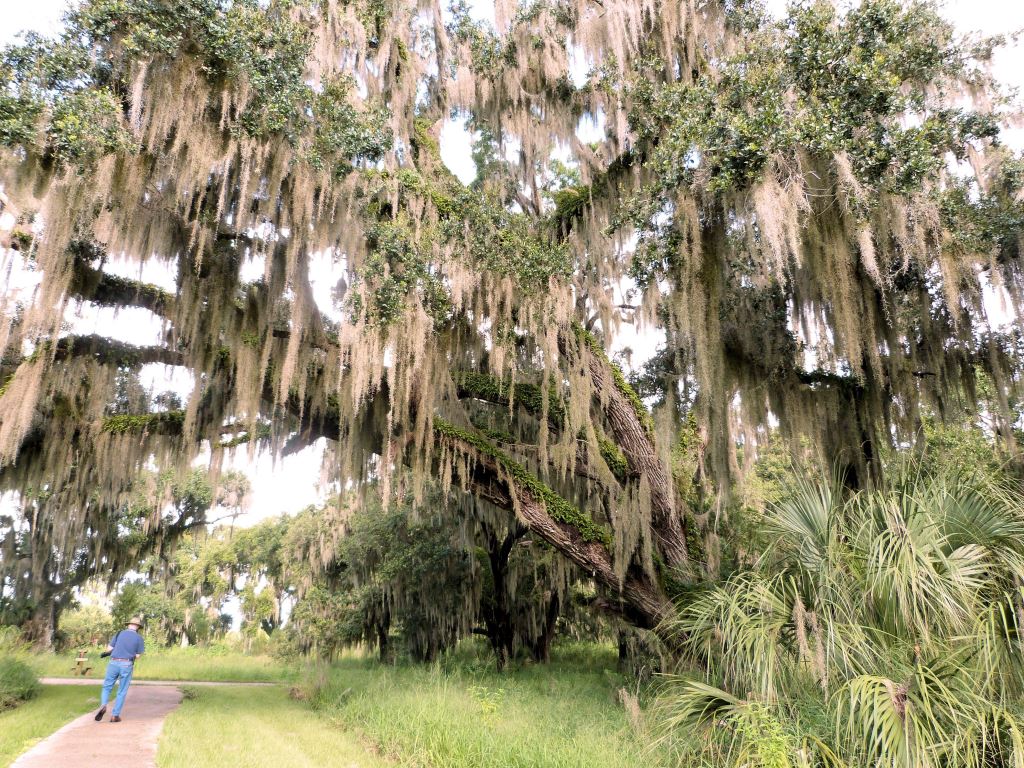
We were greeted at the parking lot by a crew working on a huge oak tree that had fallen. They were removing it. Sure glad no cars had been parked there at the time it came down.

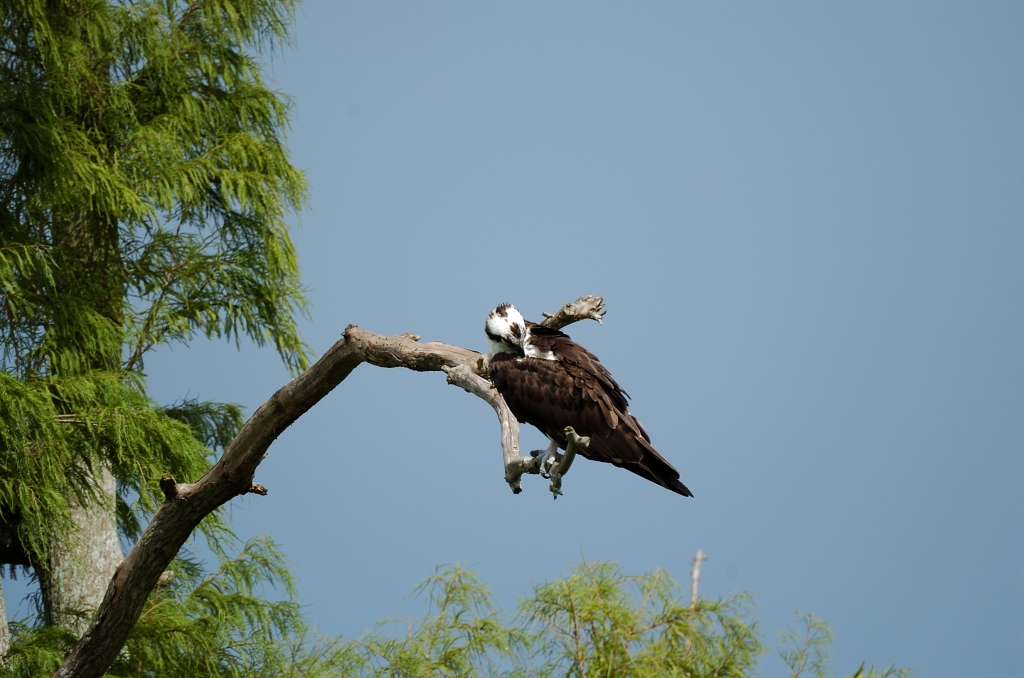
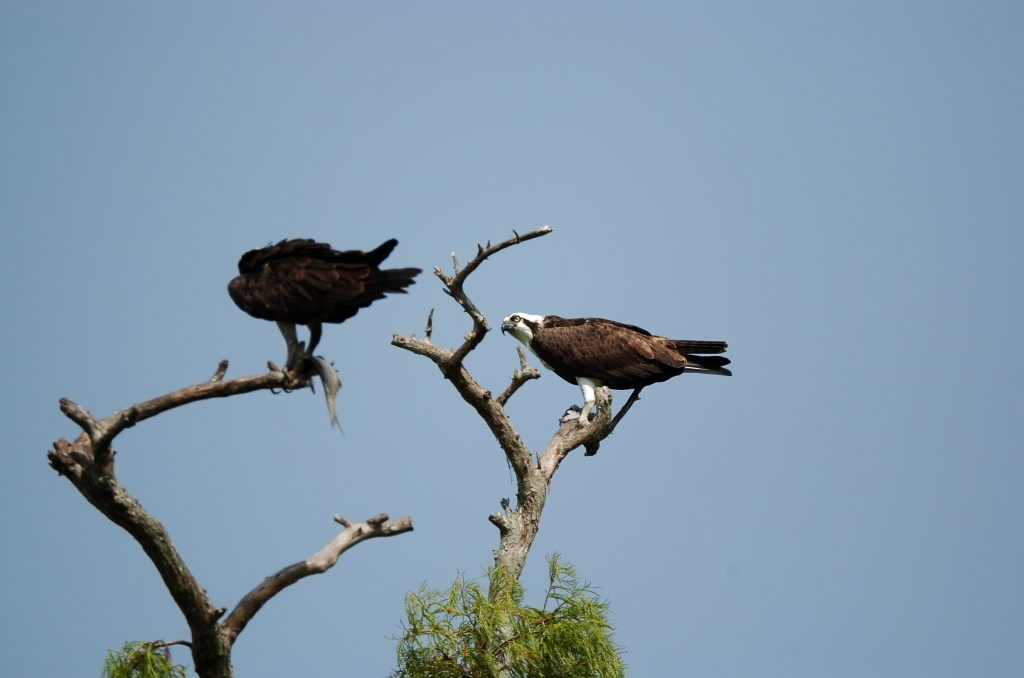
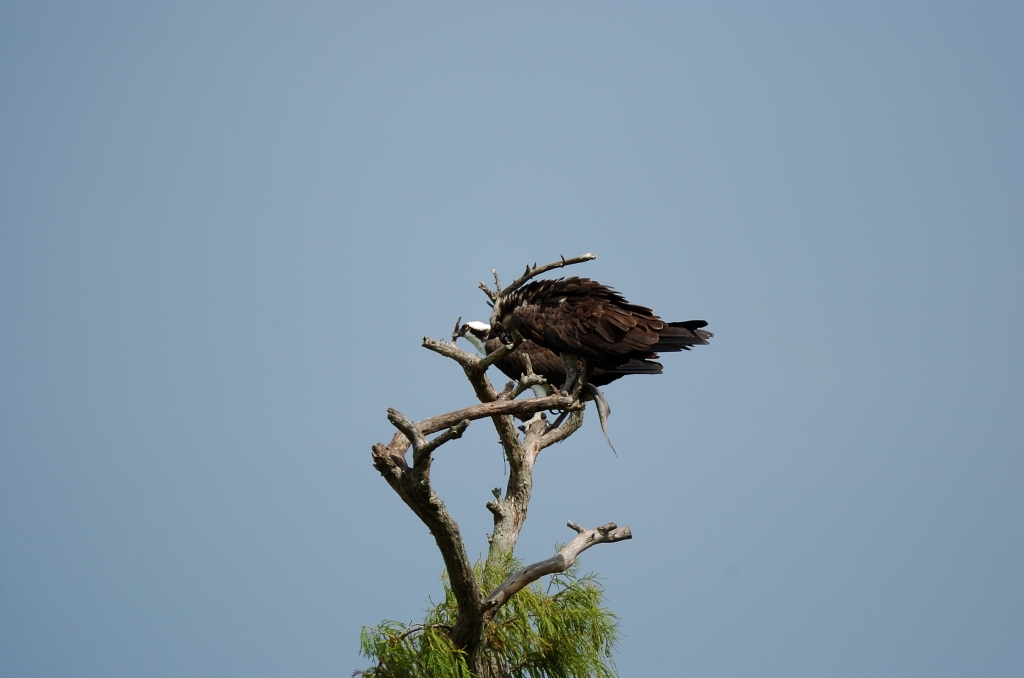
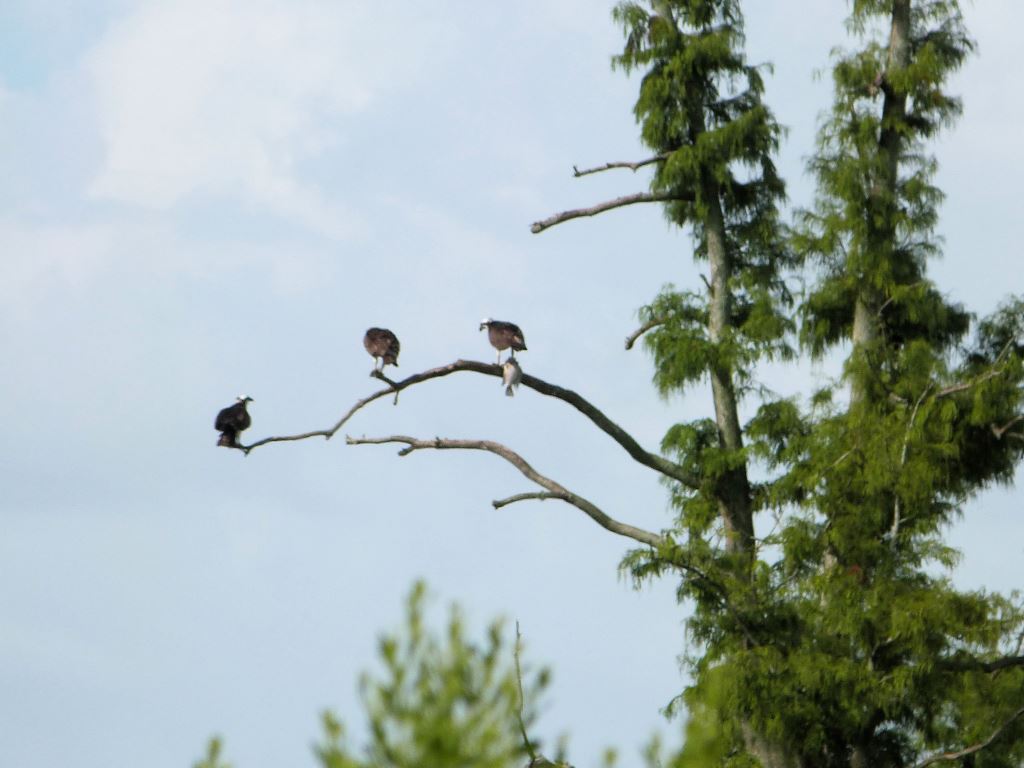
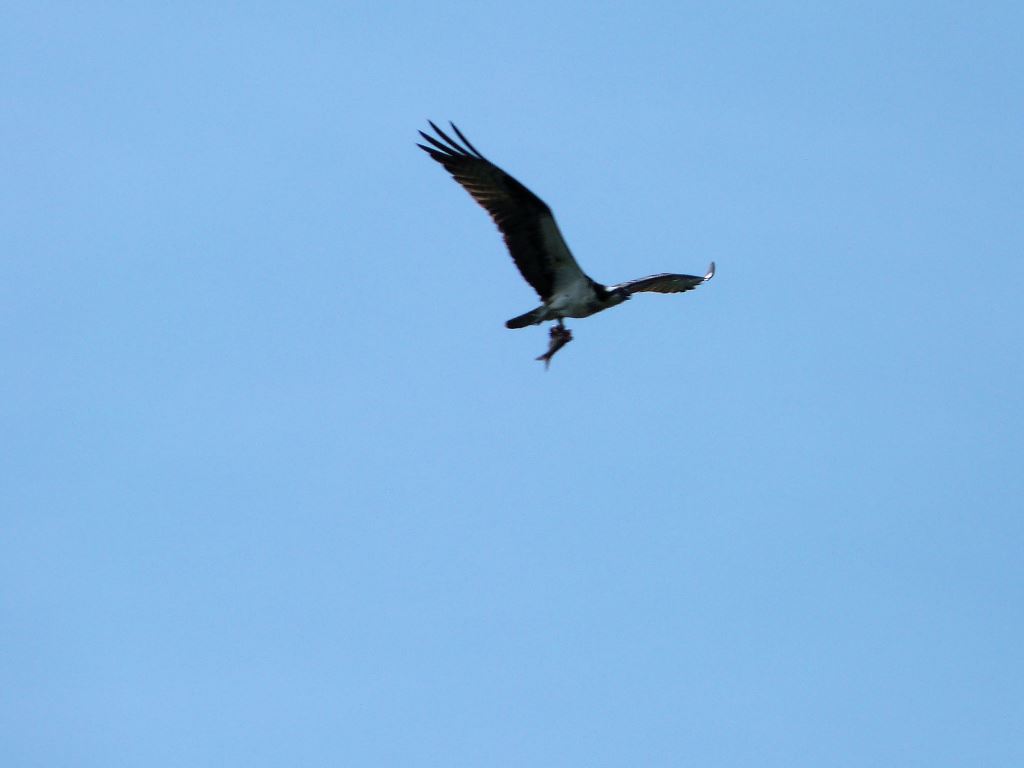
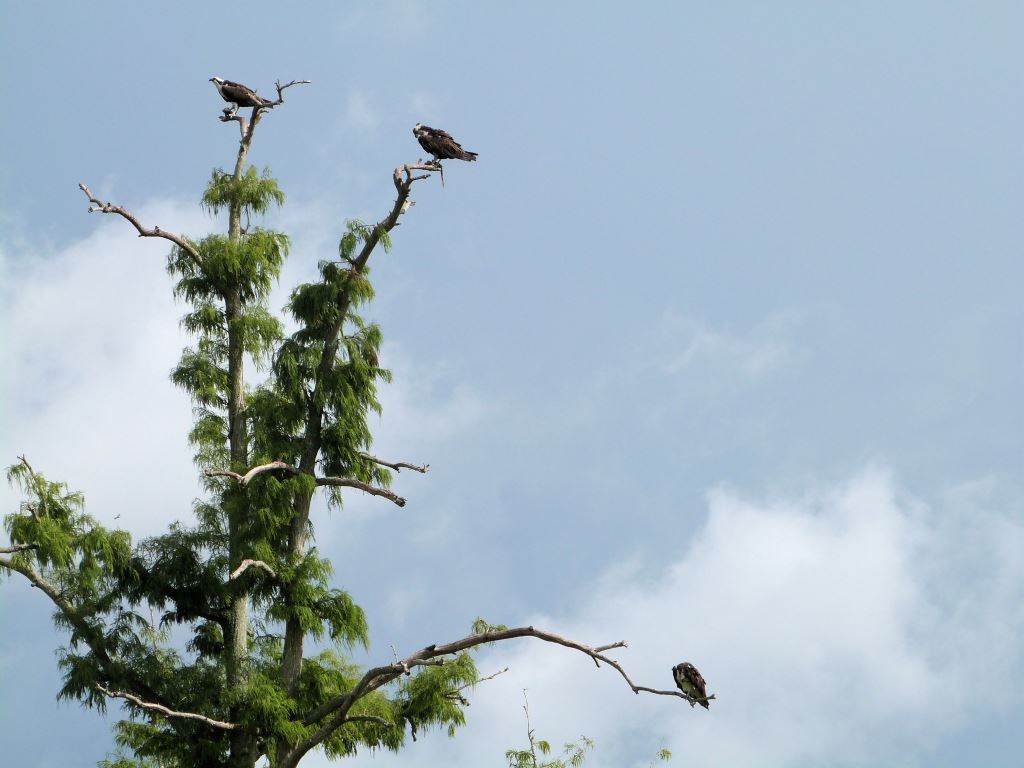
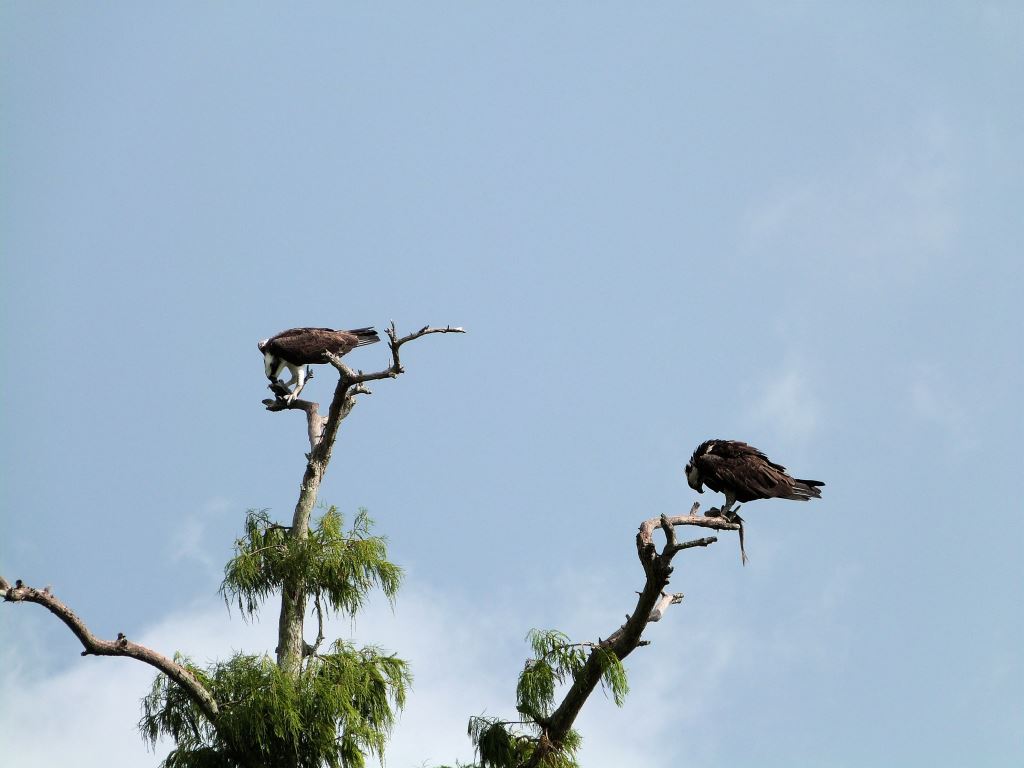
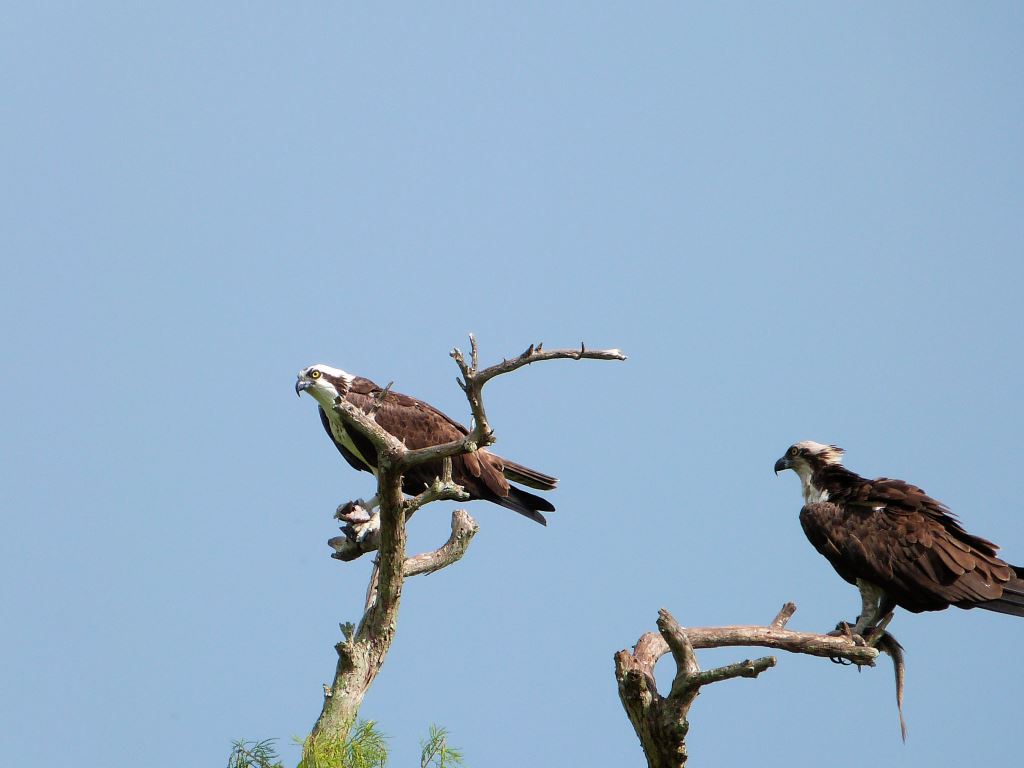
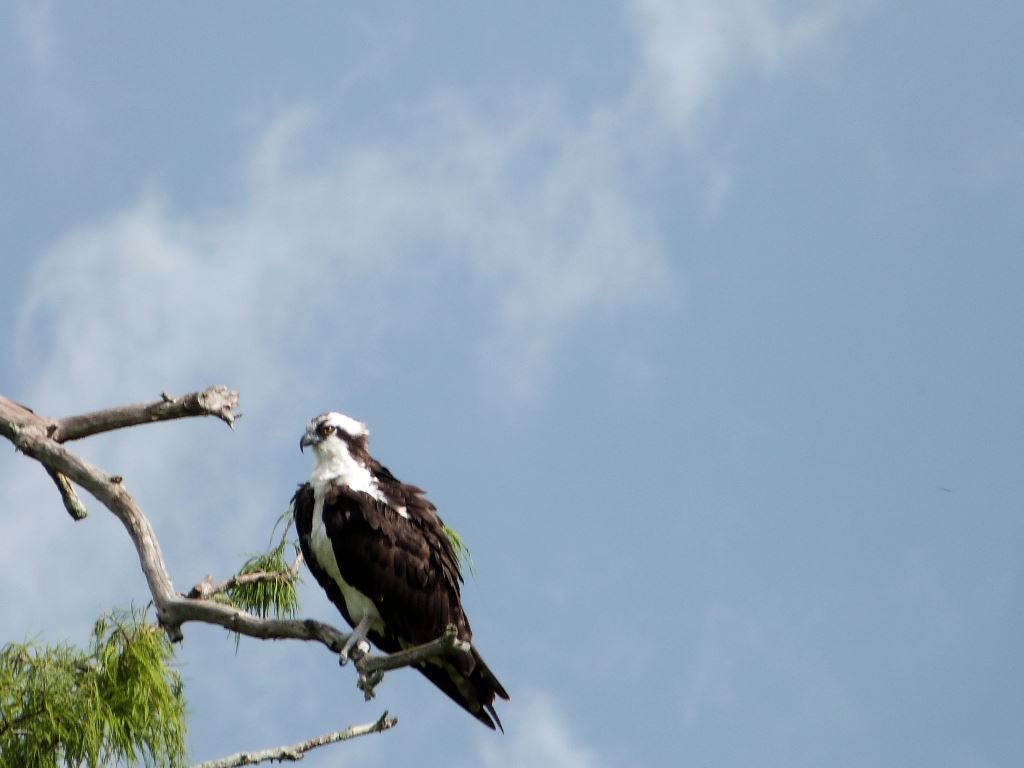
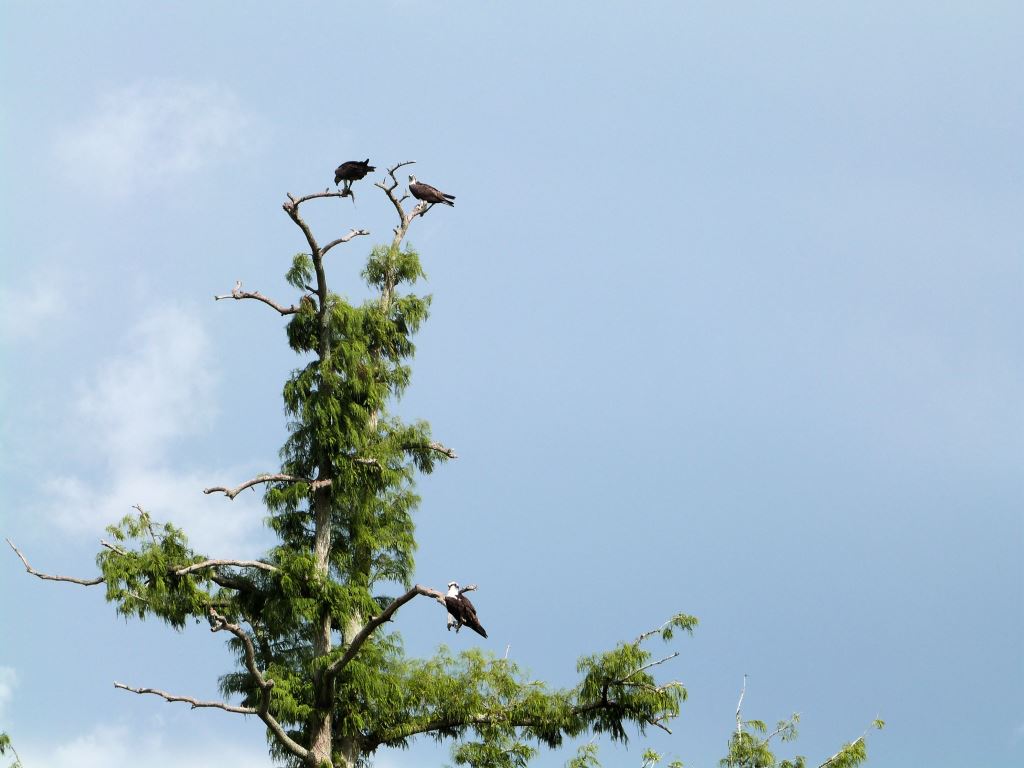
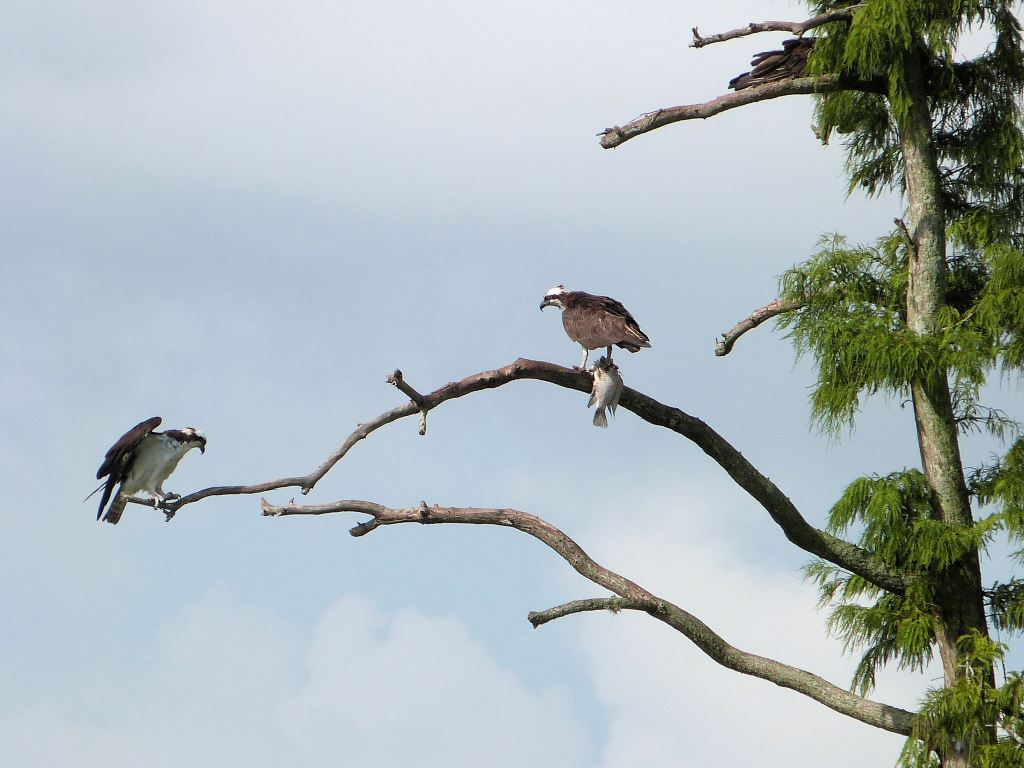
Western Osprey (Pandion haliaetus) With Fish

Western Osprey (Pandion haliaetus) With Fish

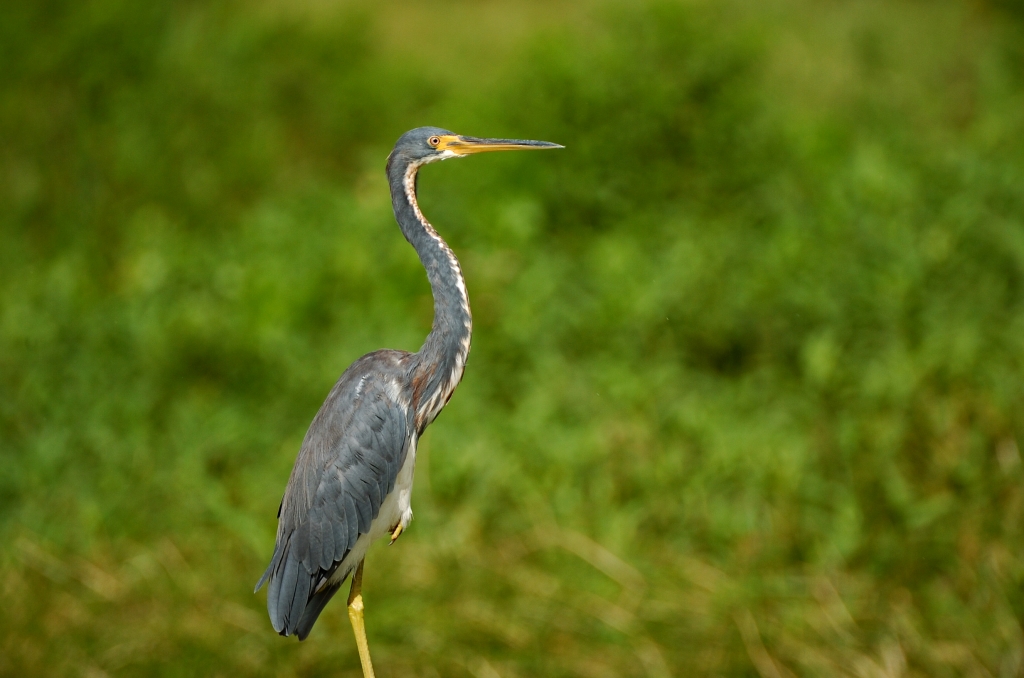
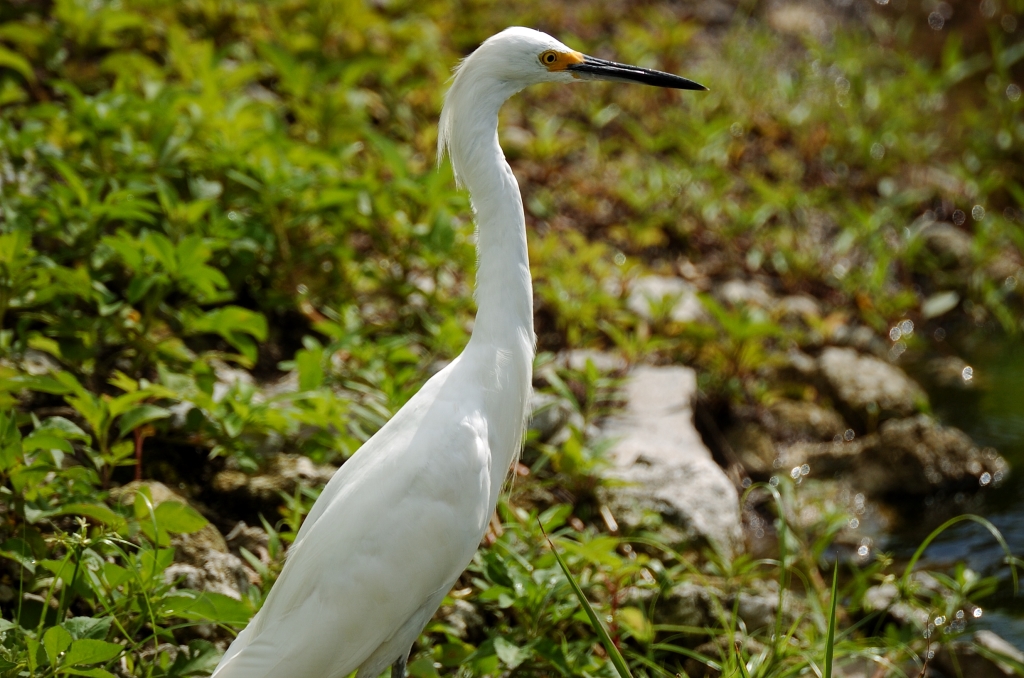
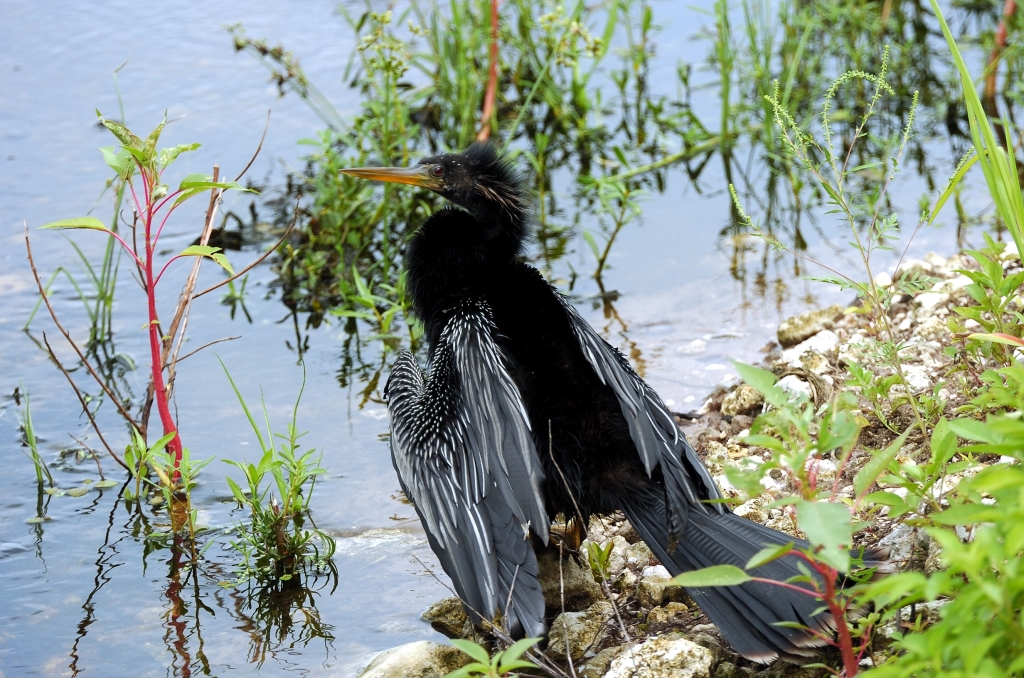
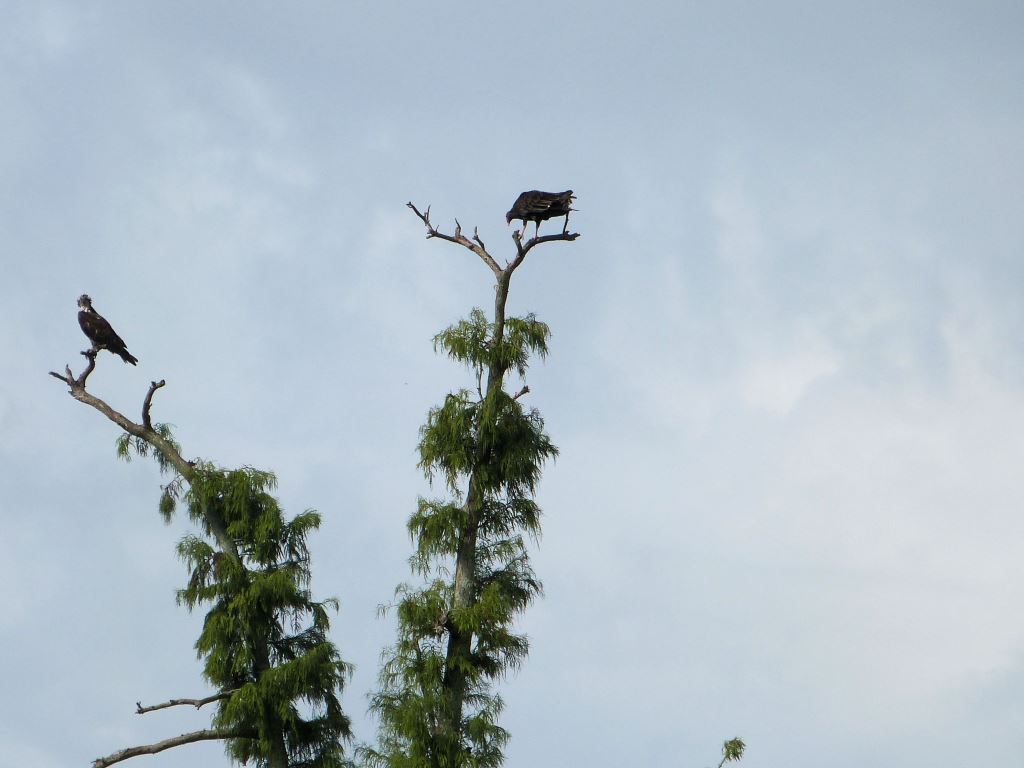
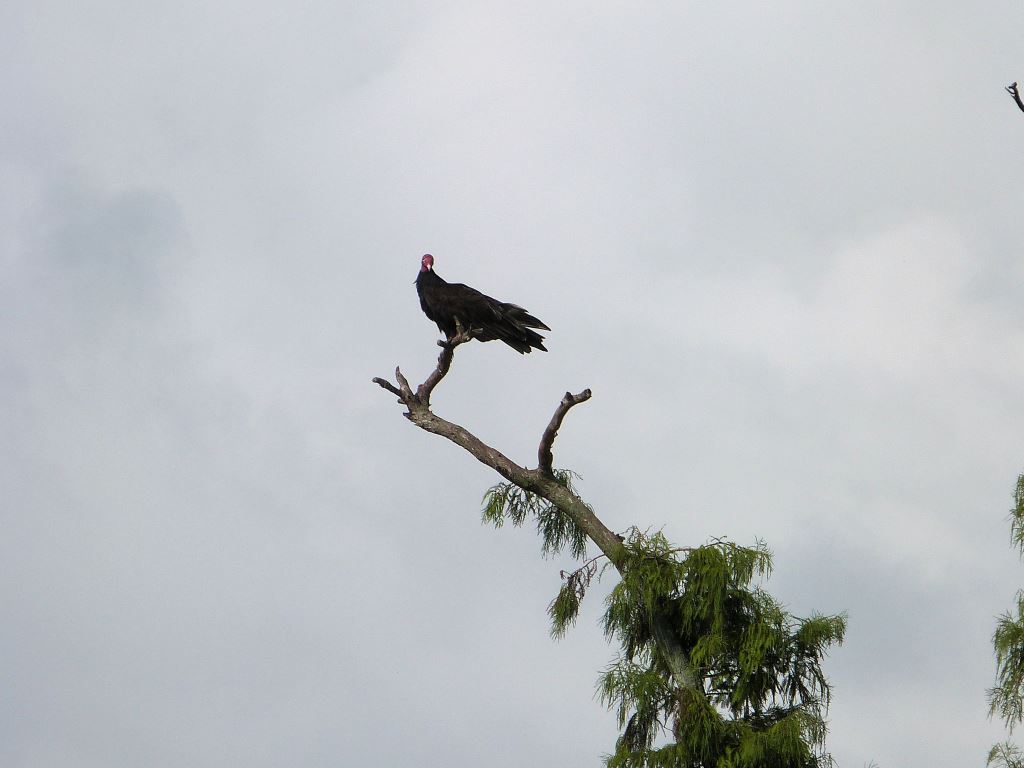
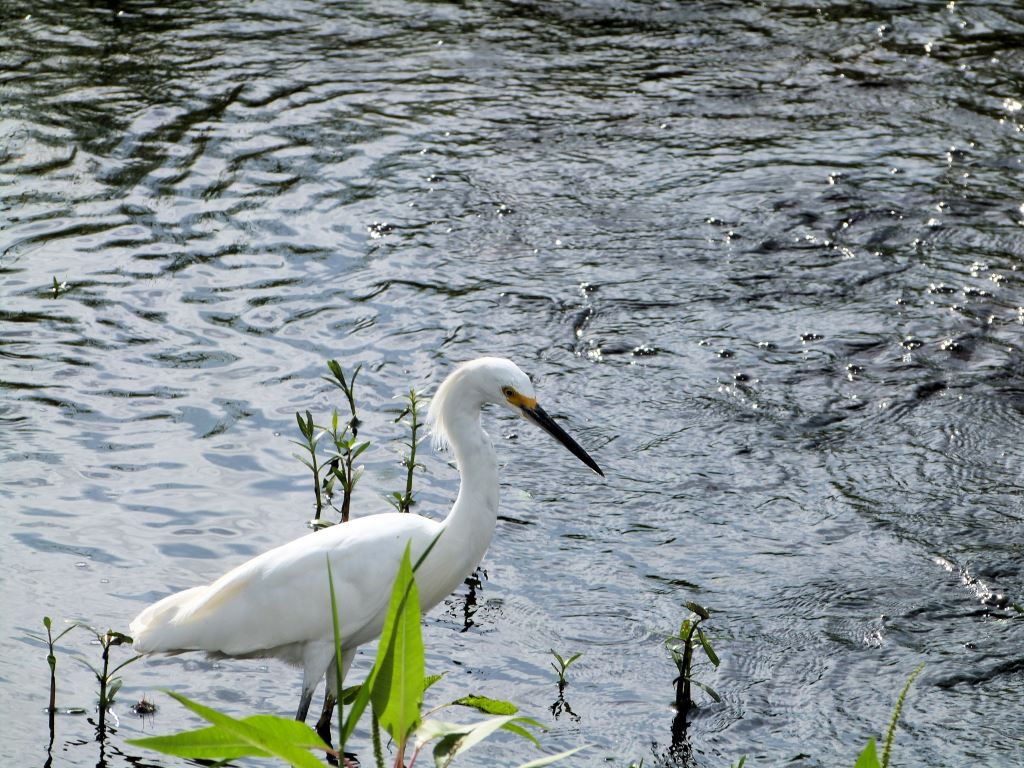
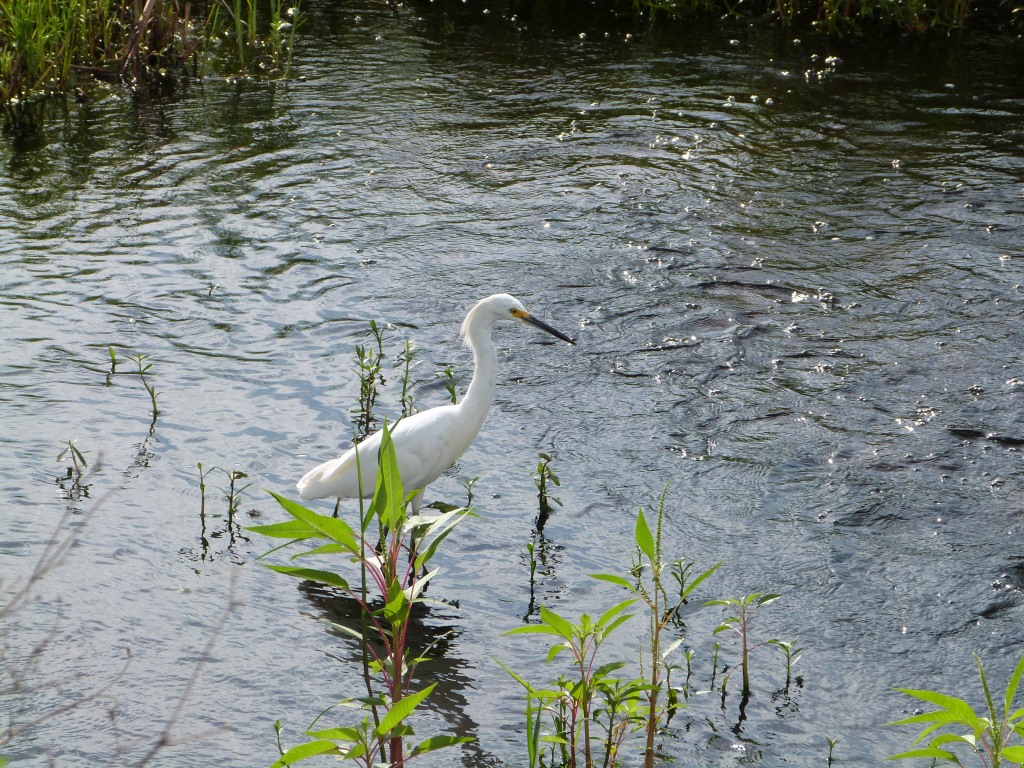
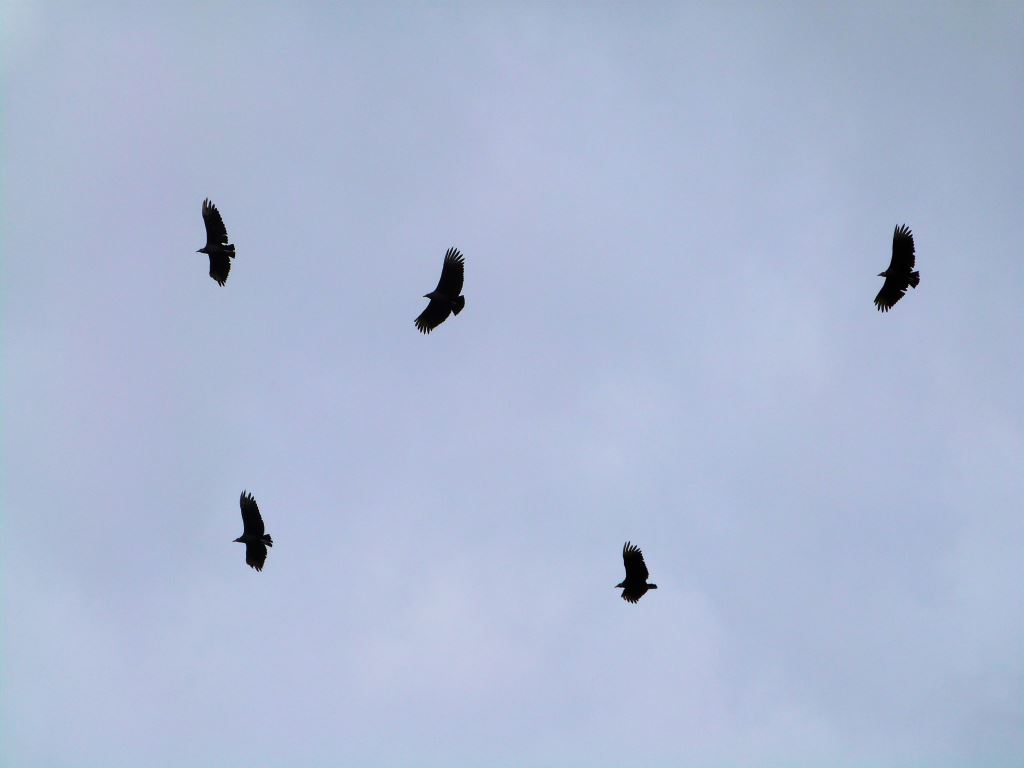
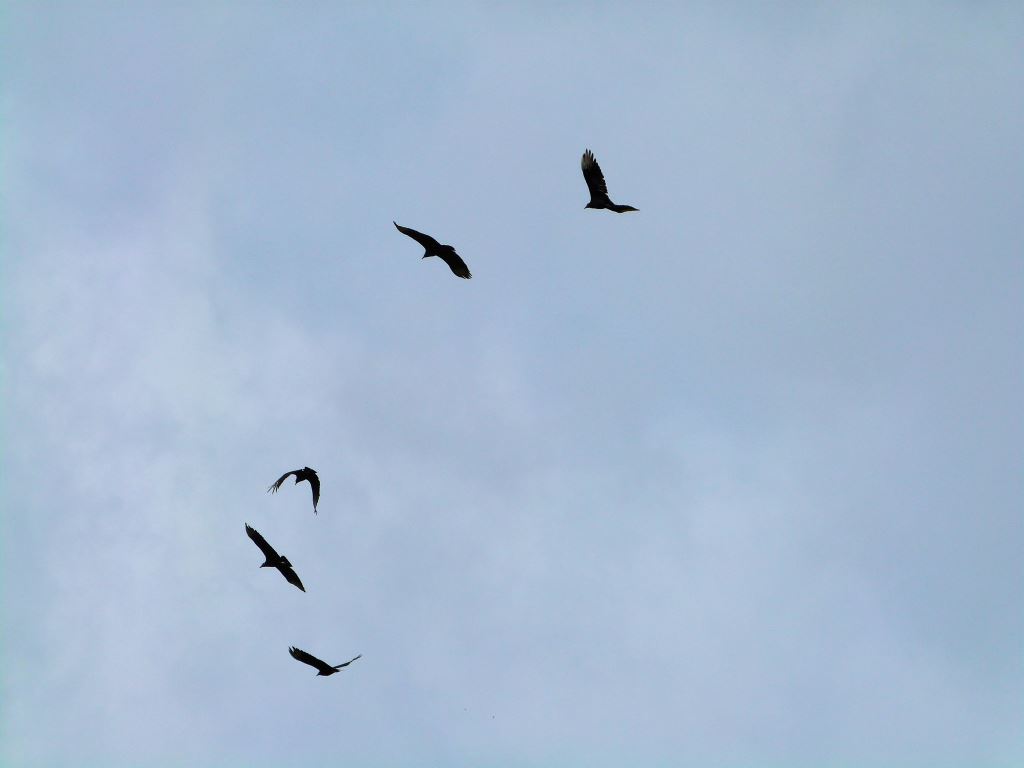
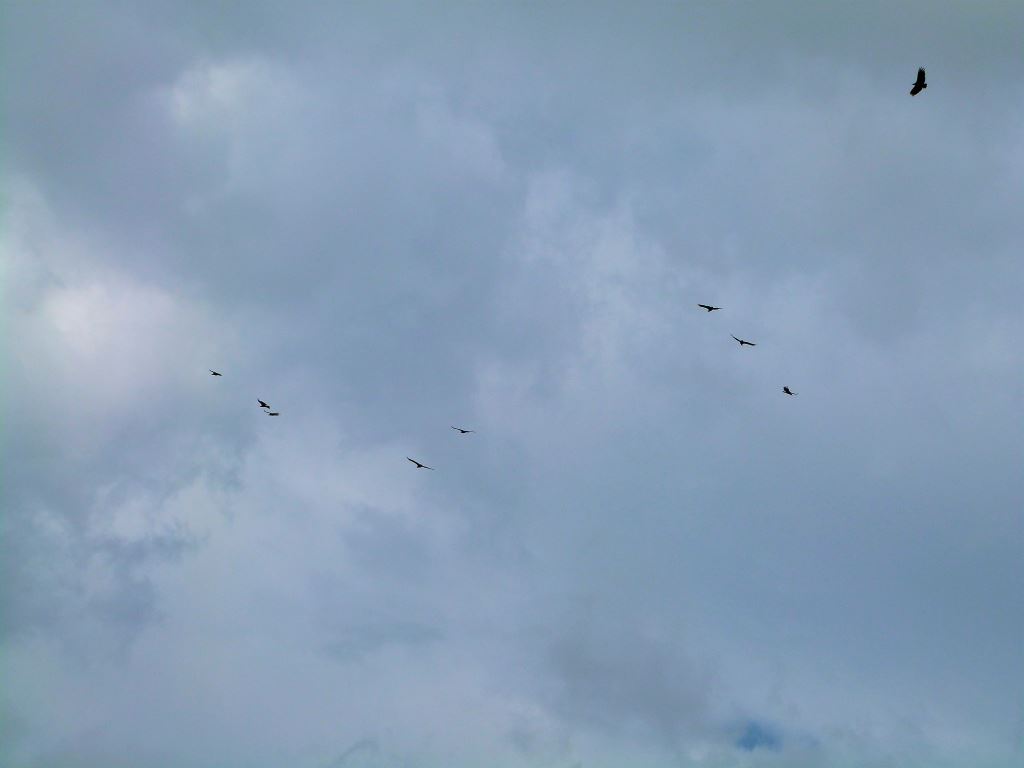
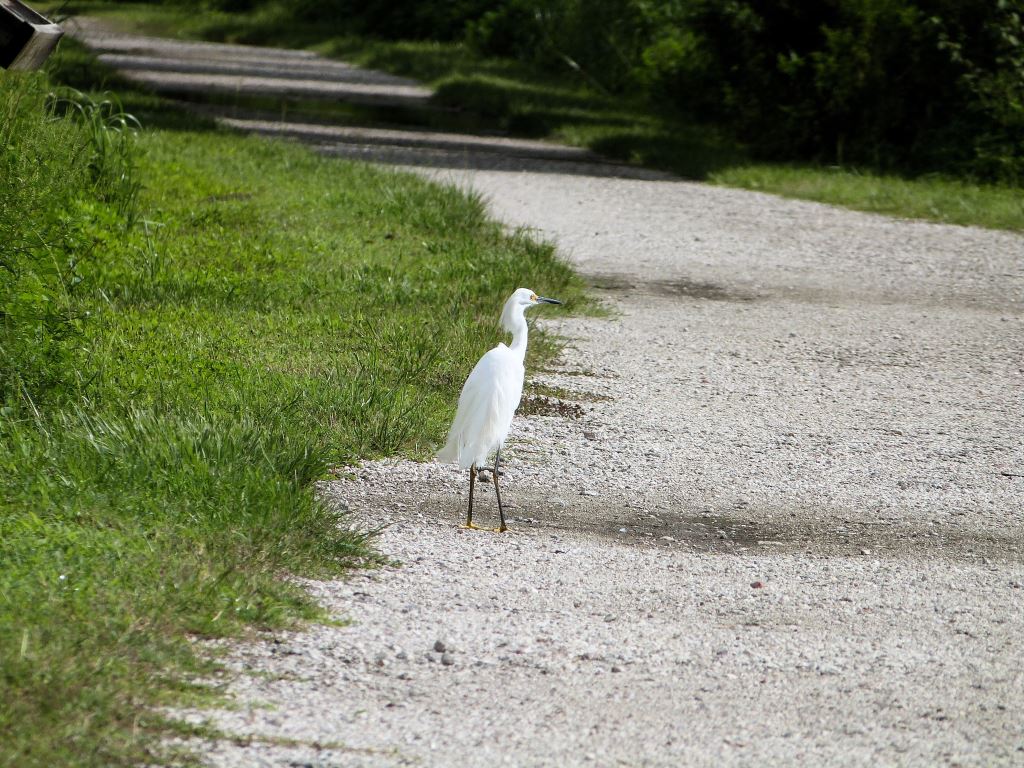
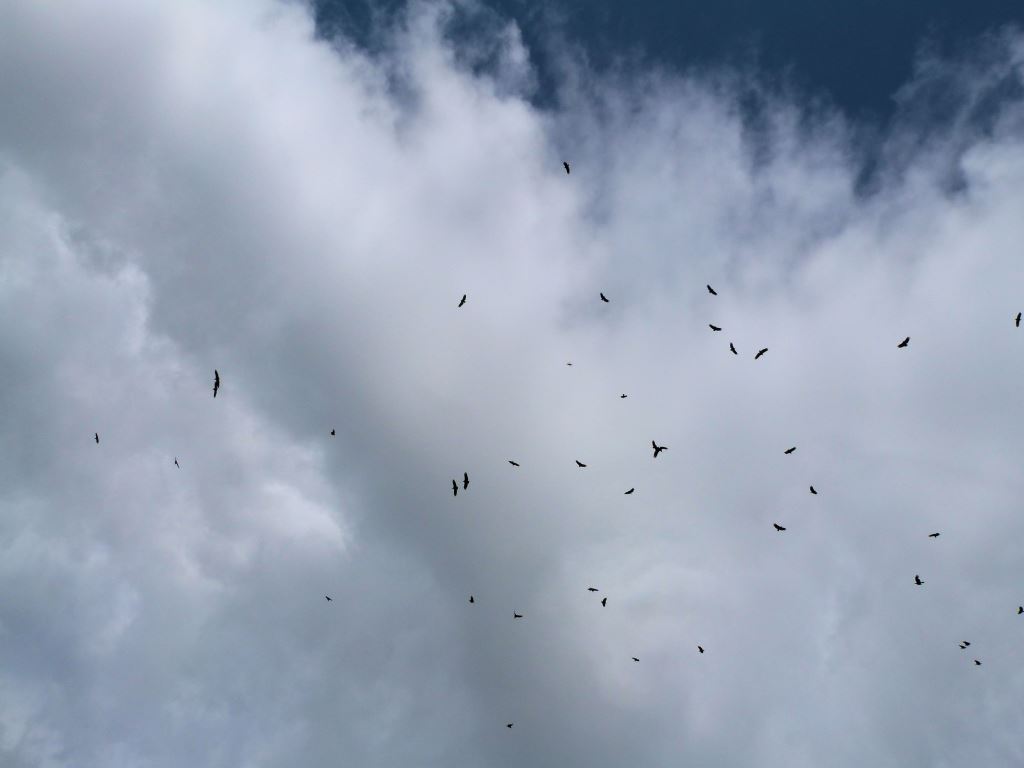
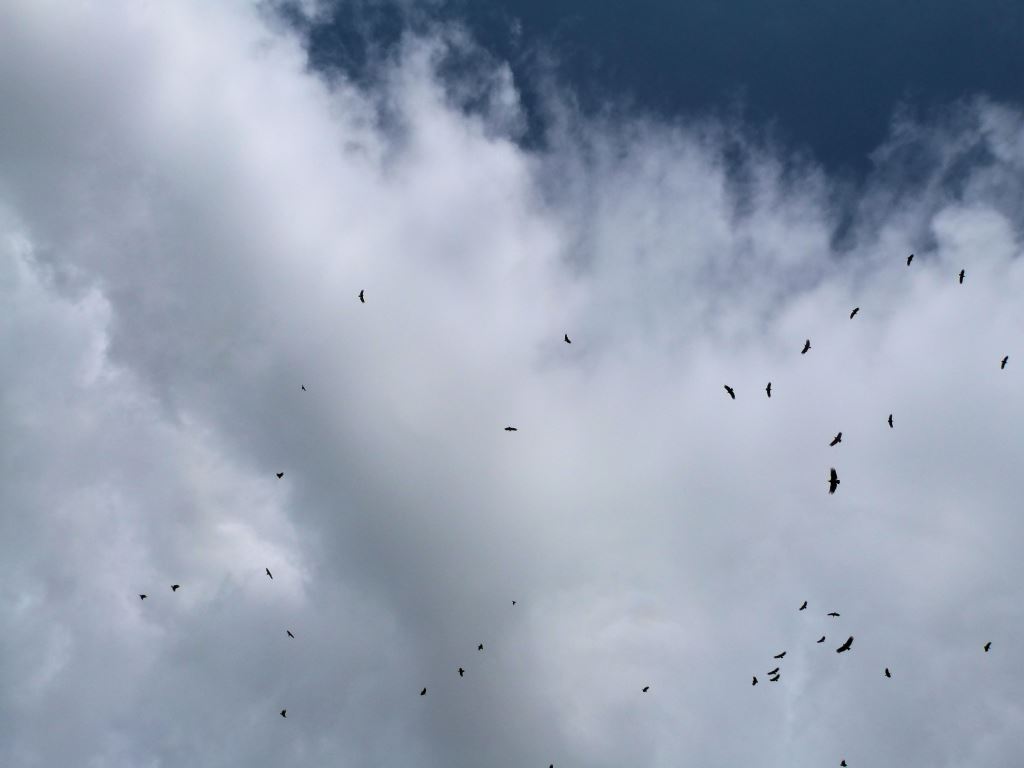
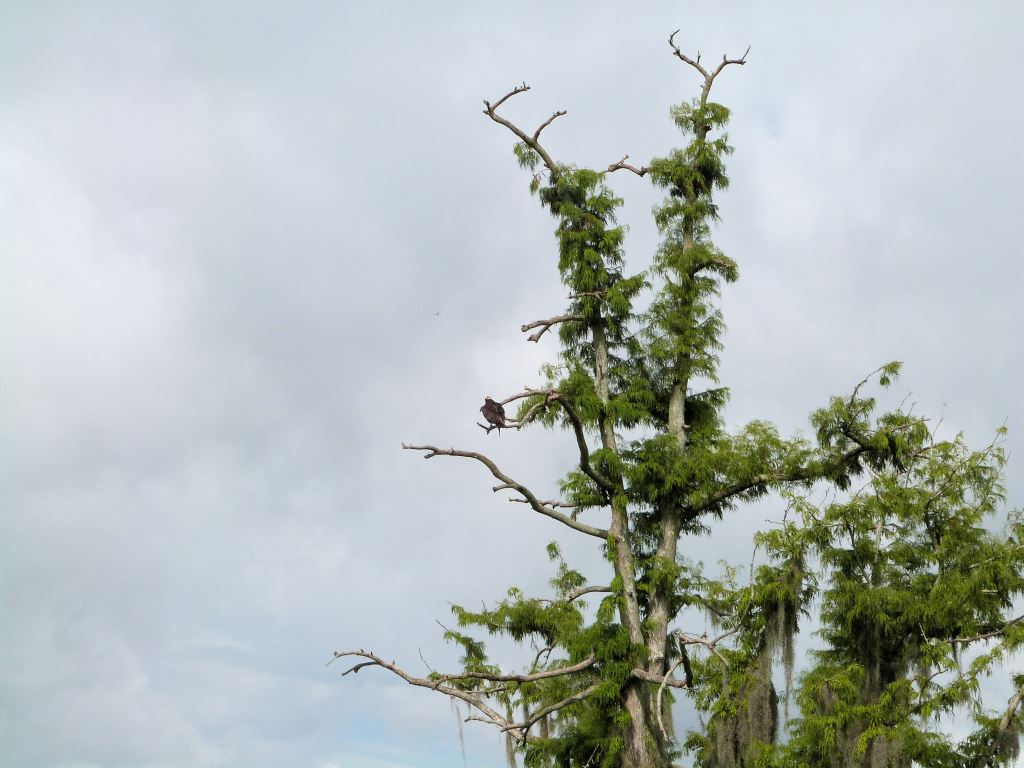
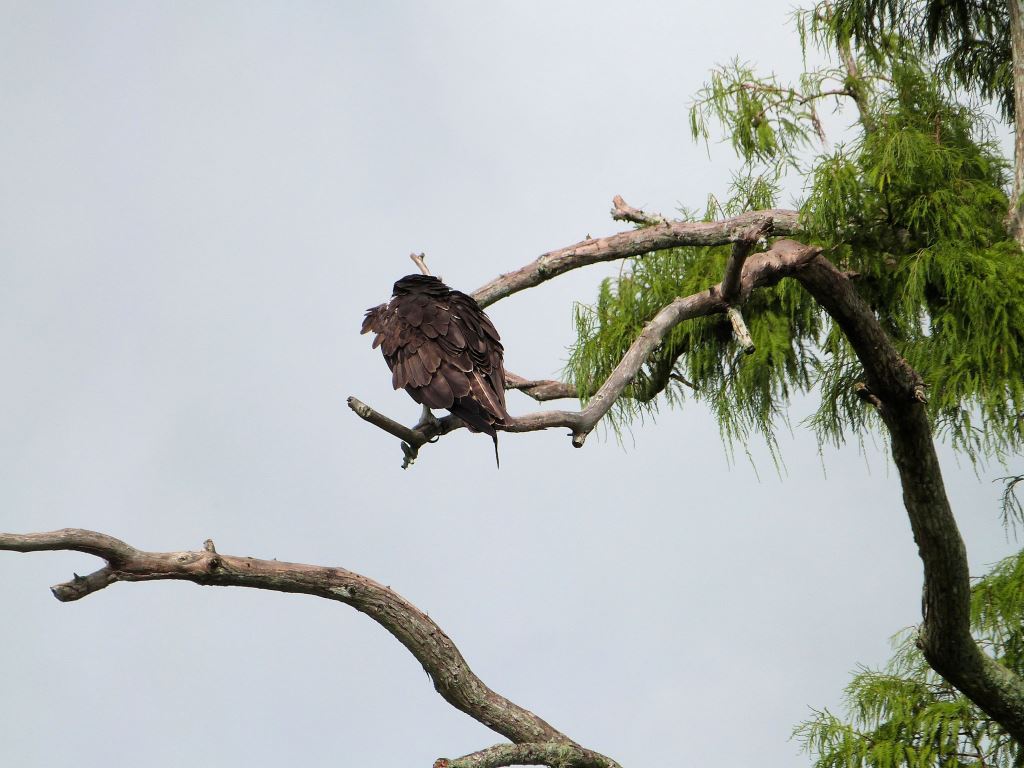
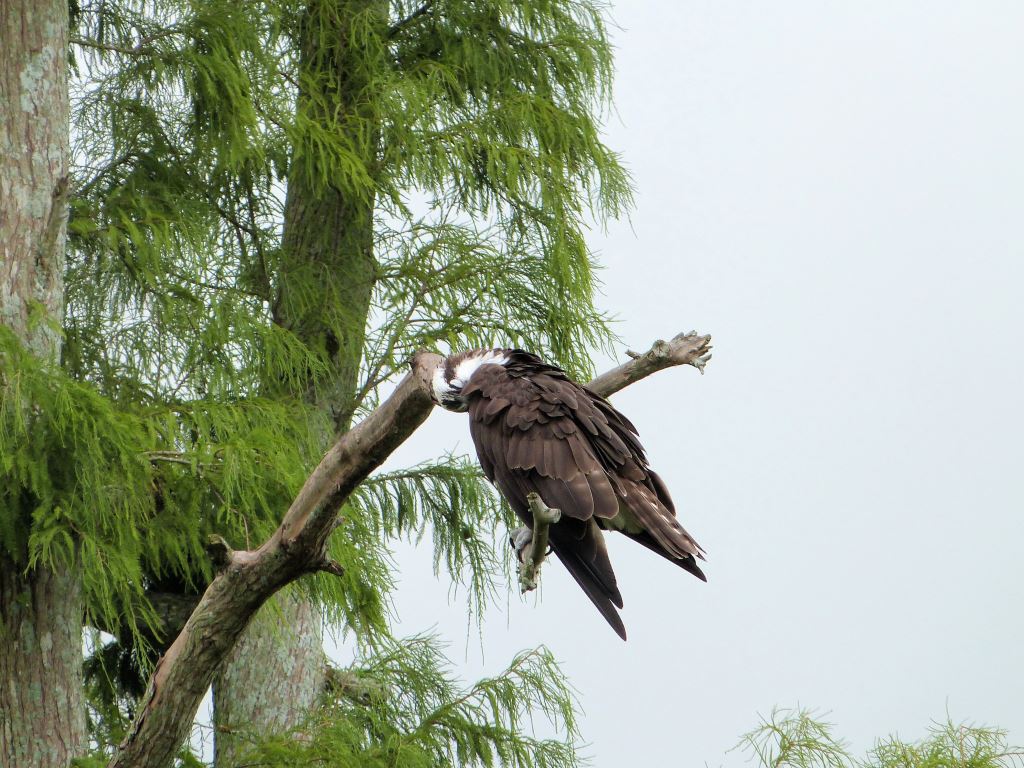
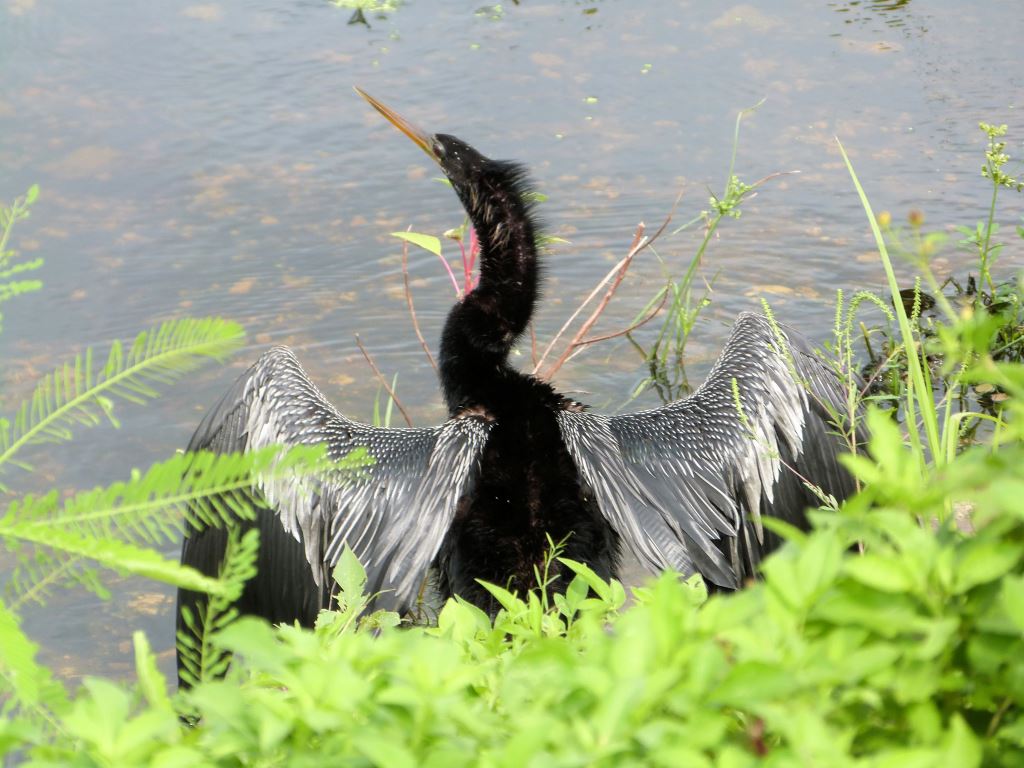
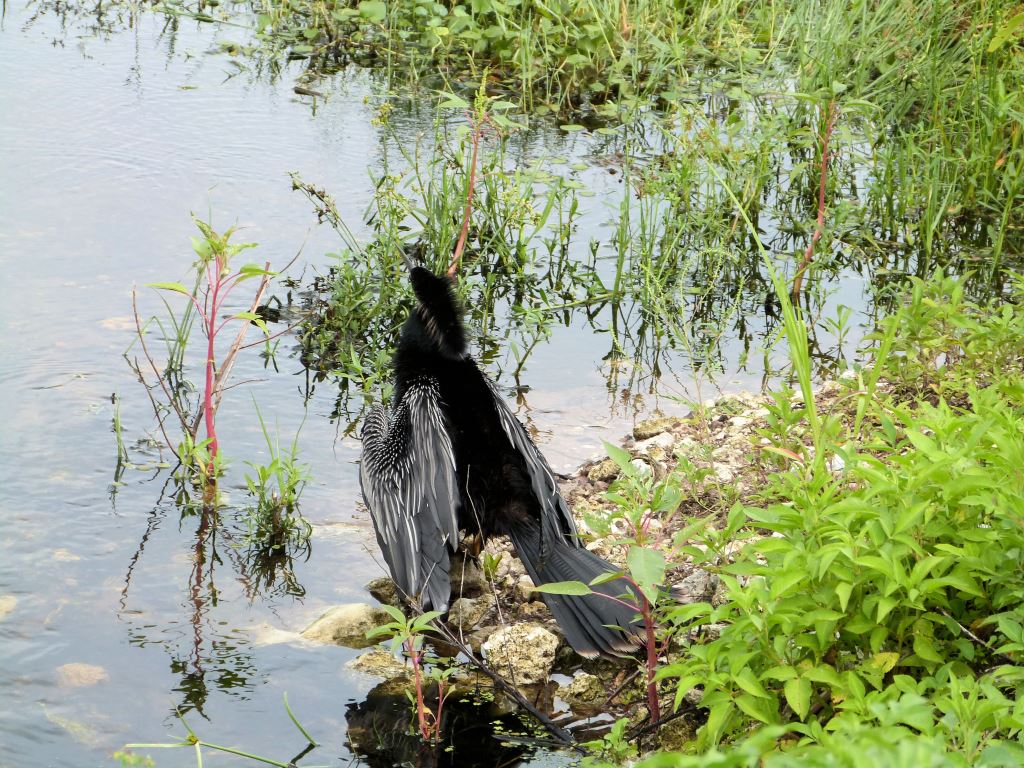
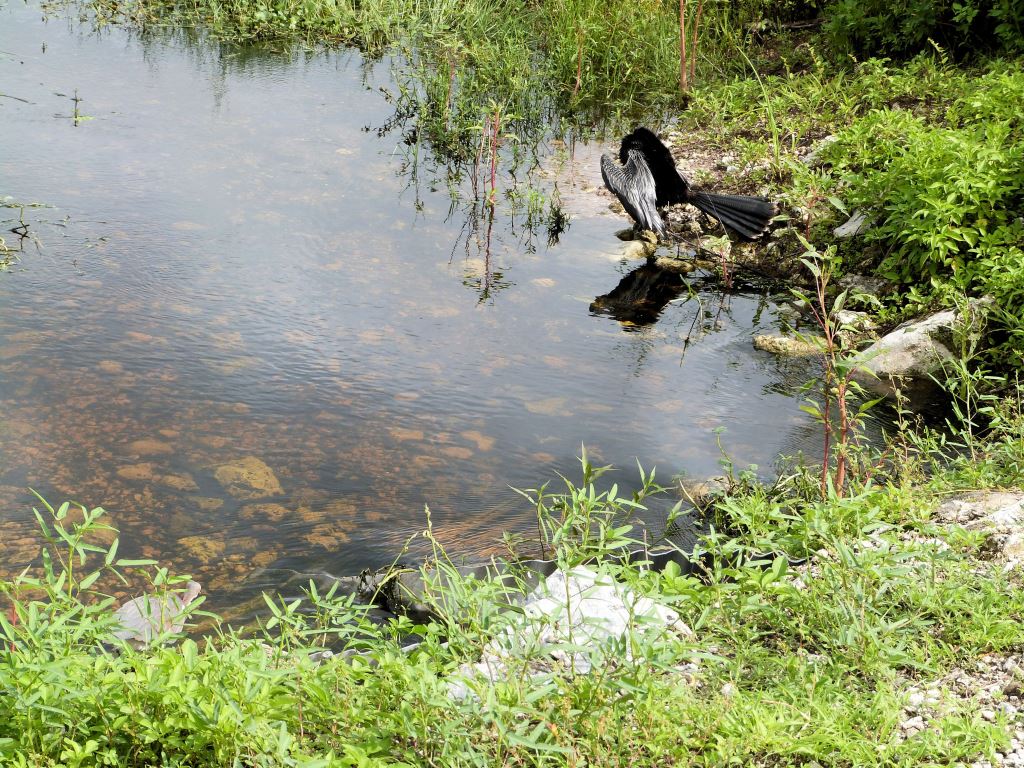
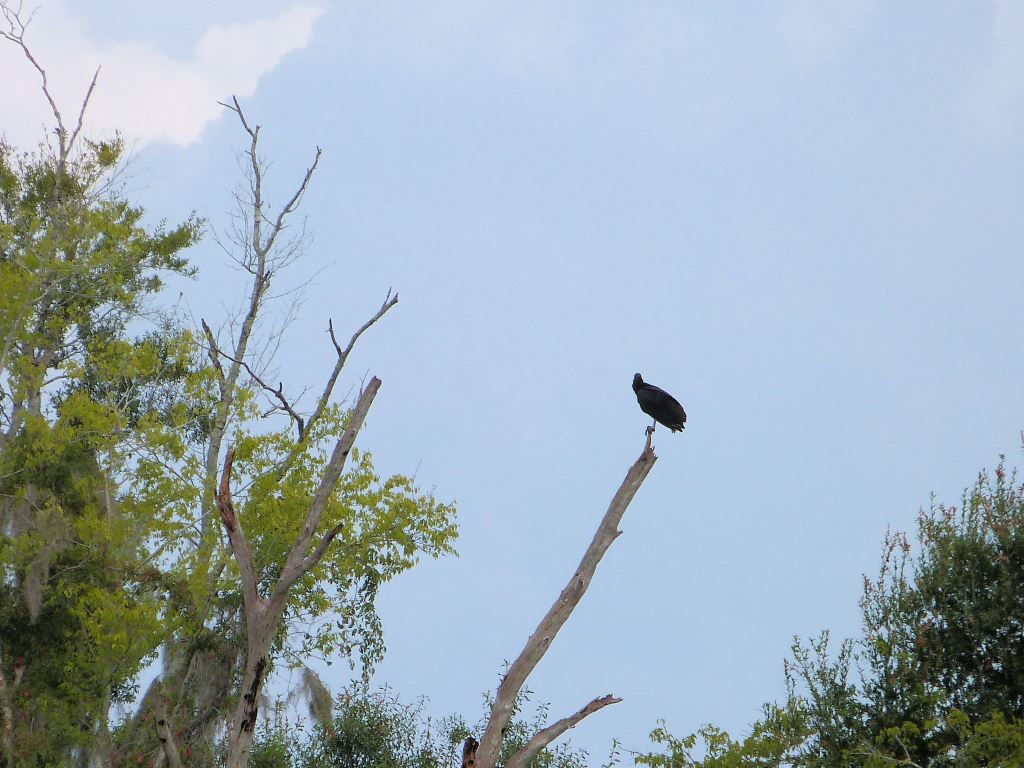
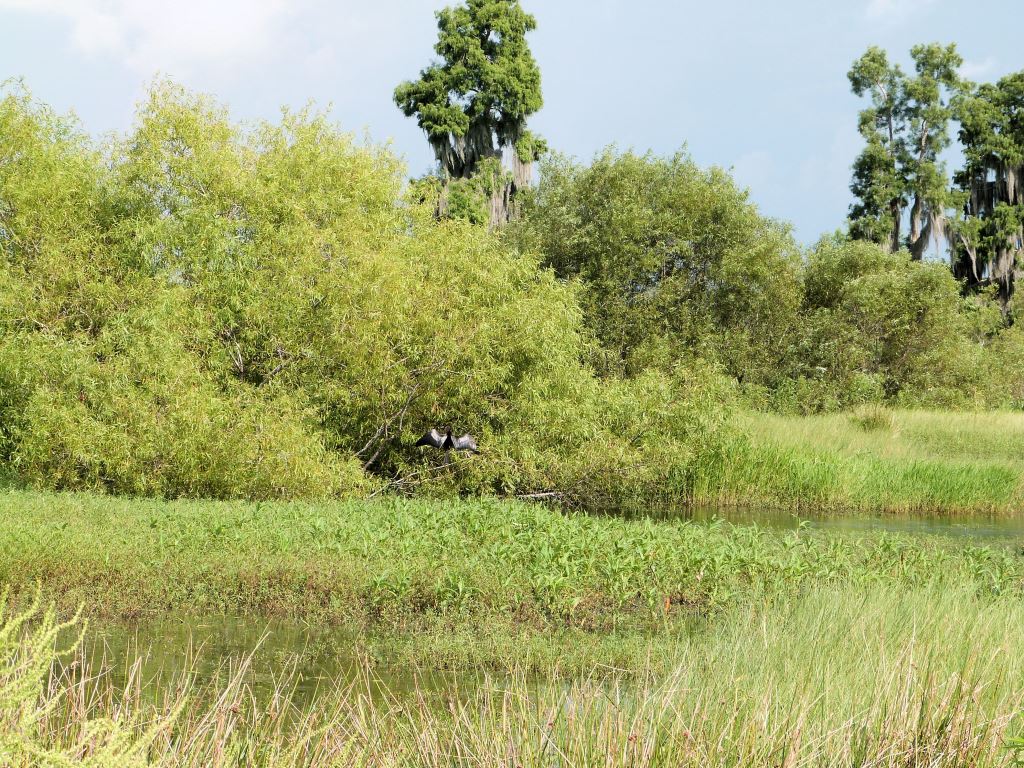
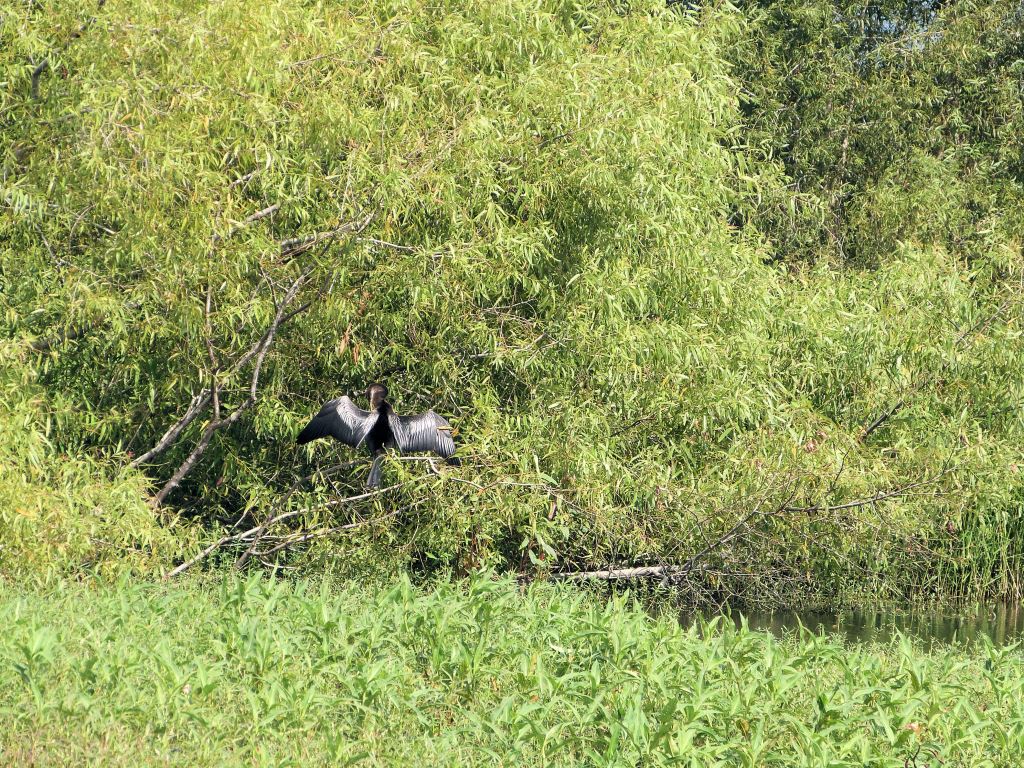
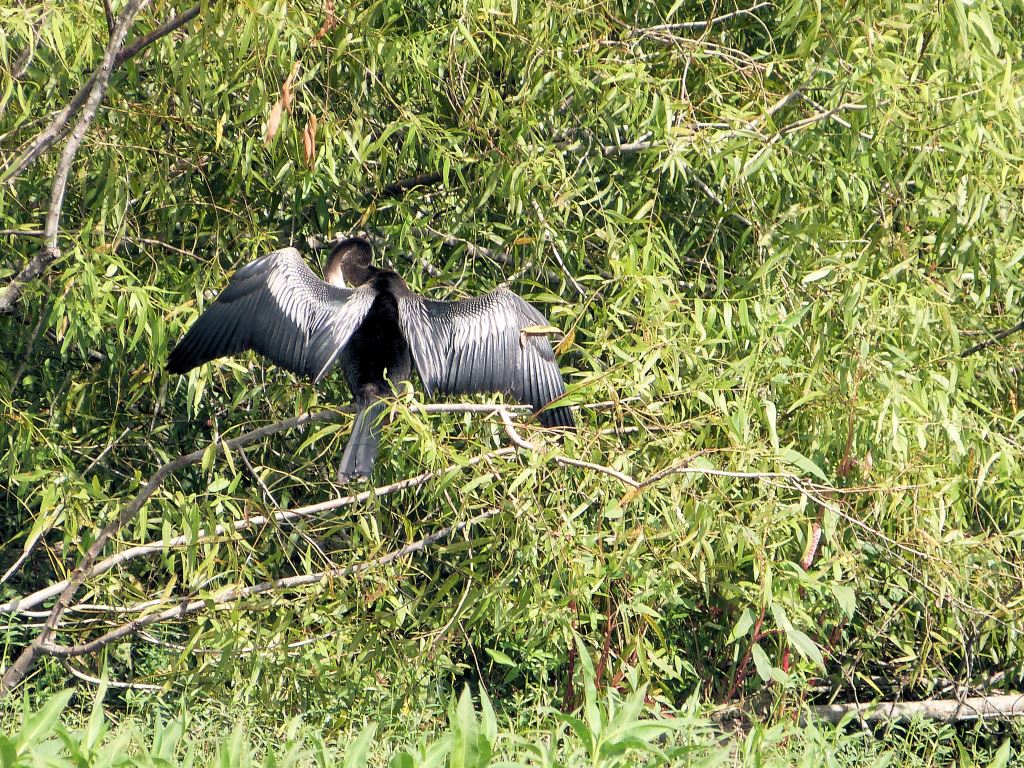
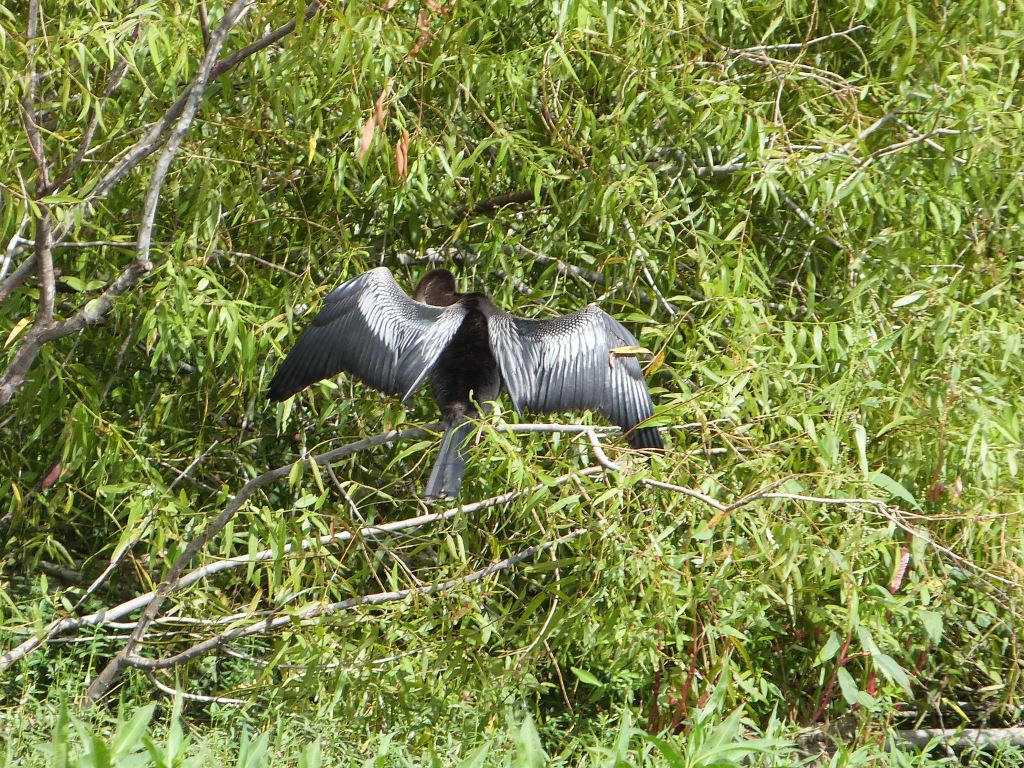
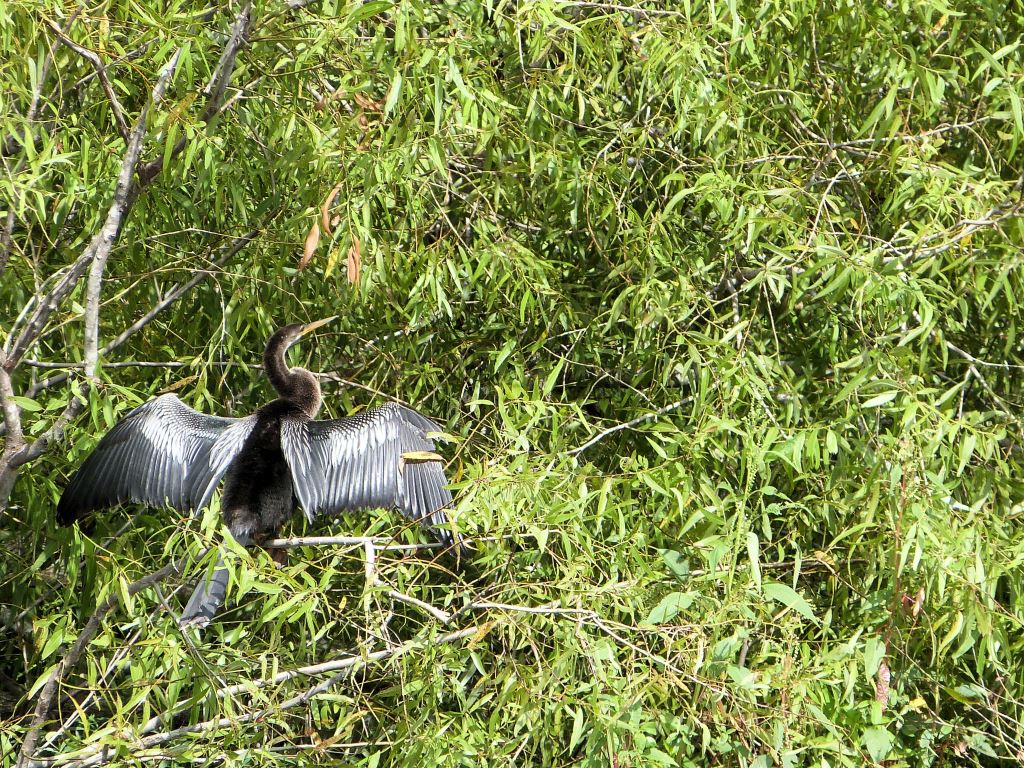
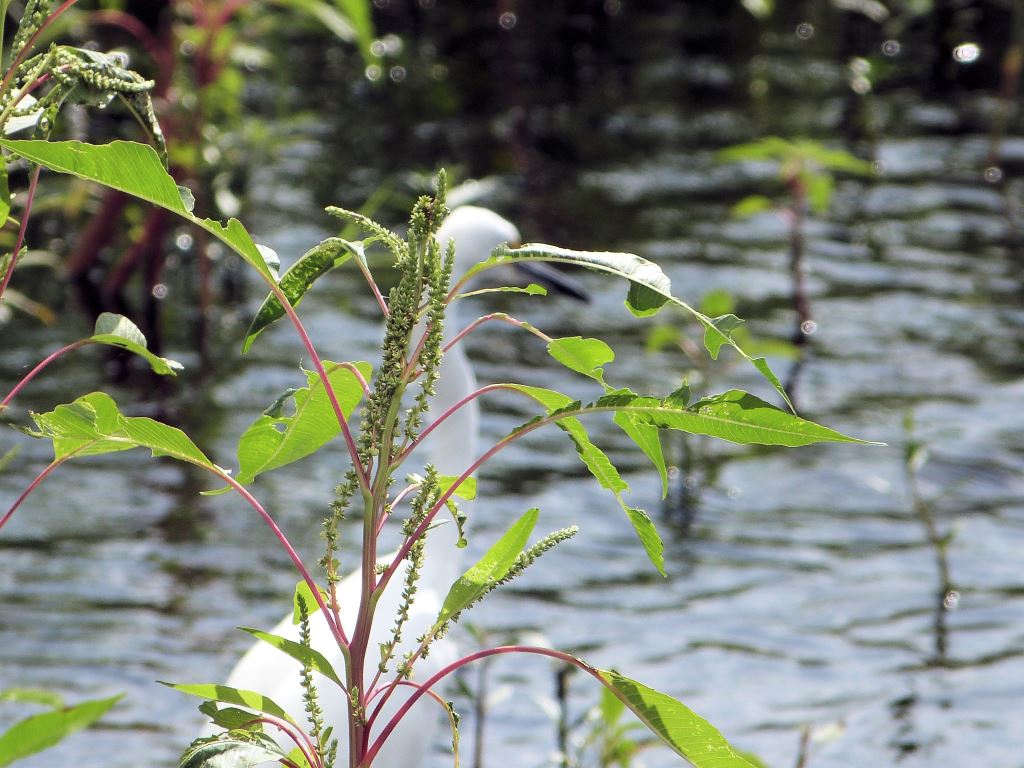
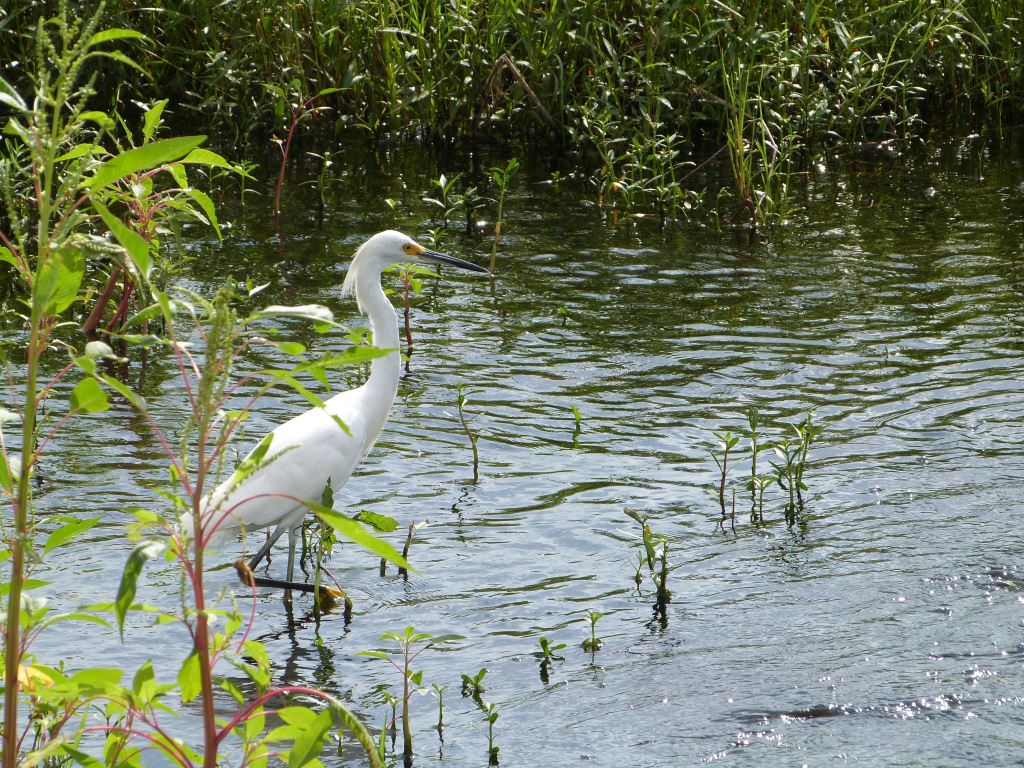
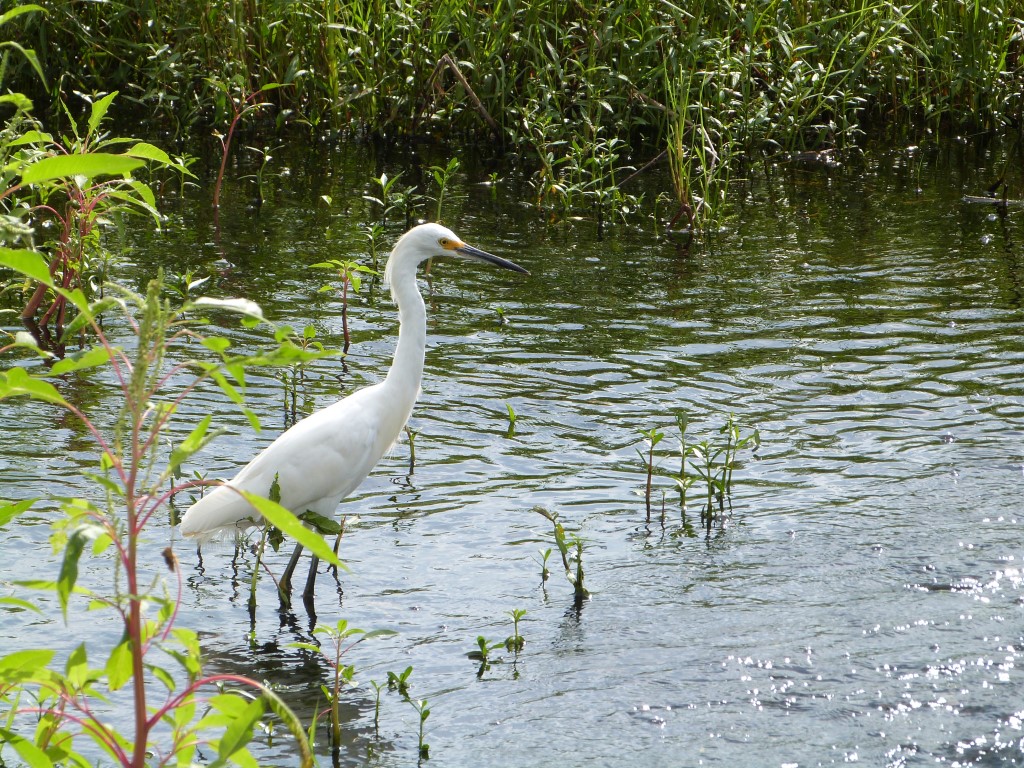
We managed to see quite a few Ospreys, one eating a huge fish up in a tree. There were at least five Tricolored Herons, one of them a juvenile, a Snowy Egret, two Black-bellied Whistling Ducks, some Common Gallinules, an Anhinga and lots of Black and Turkey Vultures circling overhead.


Tricolored Heron (Egretta tricolor) Juvenile Circle B by Lee

Tricolored Heron (Egretta tricolor) Juvenile Circle B by Lee

It was hot, humid, and it began to sprinkle, so we left after about 50 minutes or so. None the less, it is always enjoyable to get out and enjoy the Lord’s creations. I am also thankful that the Lord gave the rain recently to fill up the marsh again and water to drink. We had cool water in the car and did it ever “hit the spot.”

Here are some of my photos and videos that I took.

How great are his signs! and how mighty are his wonders! his kingdom is an everlasting kingdom, and his dominion is from generation to generation. (Daniel 4:3 KJV)

*


*

*

Photos from Honeymoon Island State Park

The same day went Jesus out of the house, and sat by the sea side. And great multitudes were gathered together unto him, so that he went into a ship, and sat; and the whole multitude stood on the shore. And he spake many things unto them in parables, saying, Behold, a sower went forth to sow; (Matthew 13:1-3 KJV)

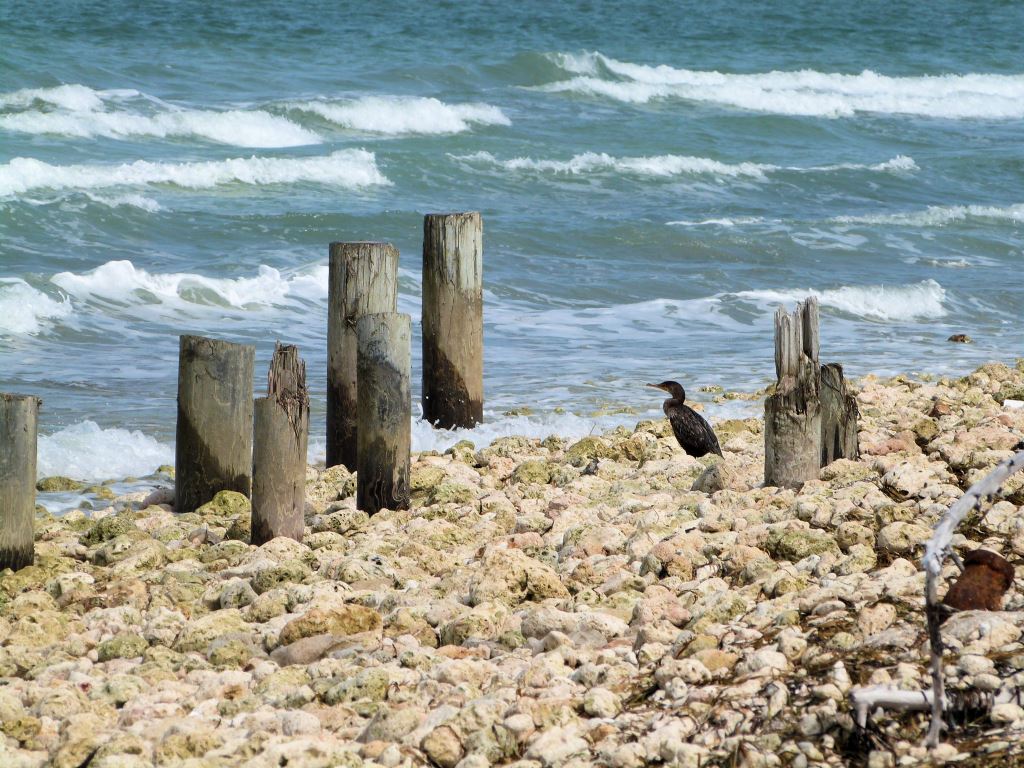
We recently took a short visit to Honeymoon Island State Park in Dunedin, Florida. (See – Another Birdwatching TripGrey Kingbird at Honeymoon Island SP)

These are some of the photos taken that day. It was hot, summer and not many birds available to watch unfortunately. It was enjoyable just the same and we plan on going back again when the fall birds start migrating through or stopping for the winter.


*

This slideshow requires JavaScript.

*

And flocks shall lie down in the midst of her, all the beasts of the nations: both the cormorant and the bittern shall lodge in the upper lintels of it; their voice shall sing in the windows; desolation shall be in the thresholds: for he shall uncover the cedar work. (Zephaniah 2:14 KJV)

*

Picture Story – Coppersmith Barbet (Observations) – Re-post

Coppersmith Barbet (Megalaima haemacephala) ©One Happy Birder

Coppersmith Barbet (Megalaima haemacephala) ©One Happy Birder

According to studies, January to June is usually the breeding season of Coppersmith Barbets found in the Indian Subcontinent. I had seen a courtship display of this species last year where the female waited patiently for the male, the male kept returning to the female with food in its beak, the male used to puff himself up, start flapping its wings and then feed the female displaying his affection to her, and then the eventually they would mate.

Recently, I observed two Coppersmith Barbets indulge in an activity which looked…. Picture Story- Coppersmith Barbet (Observations).


Lee’s Addition:

Let your speech be alway with grace, seasoned with salt, that ye may know how ye ought to answer every man. (Colossians 4:6 KJV)

The article goes on to describe this behavior as “a term ‘allobilling’ trying to find out what this behavior meant. From what i read, ‘allobilling’ is mutual mouthing between two birds.”

This mouthing is what caught my interest as a Christian. What kind of “mouthing” are we doing?

A man hath joy by the answer of his mouth: and a word spoken in due season, how good is it! (Proverbs 15:23 KJV)

Coppersmith Barbets are members of the Megalaimidae – Asian Barbets Family.

*

*


Sunday Inspiration – “King” Birds

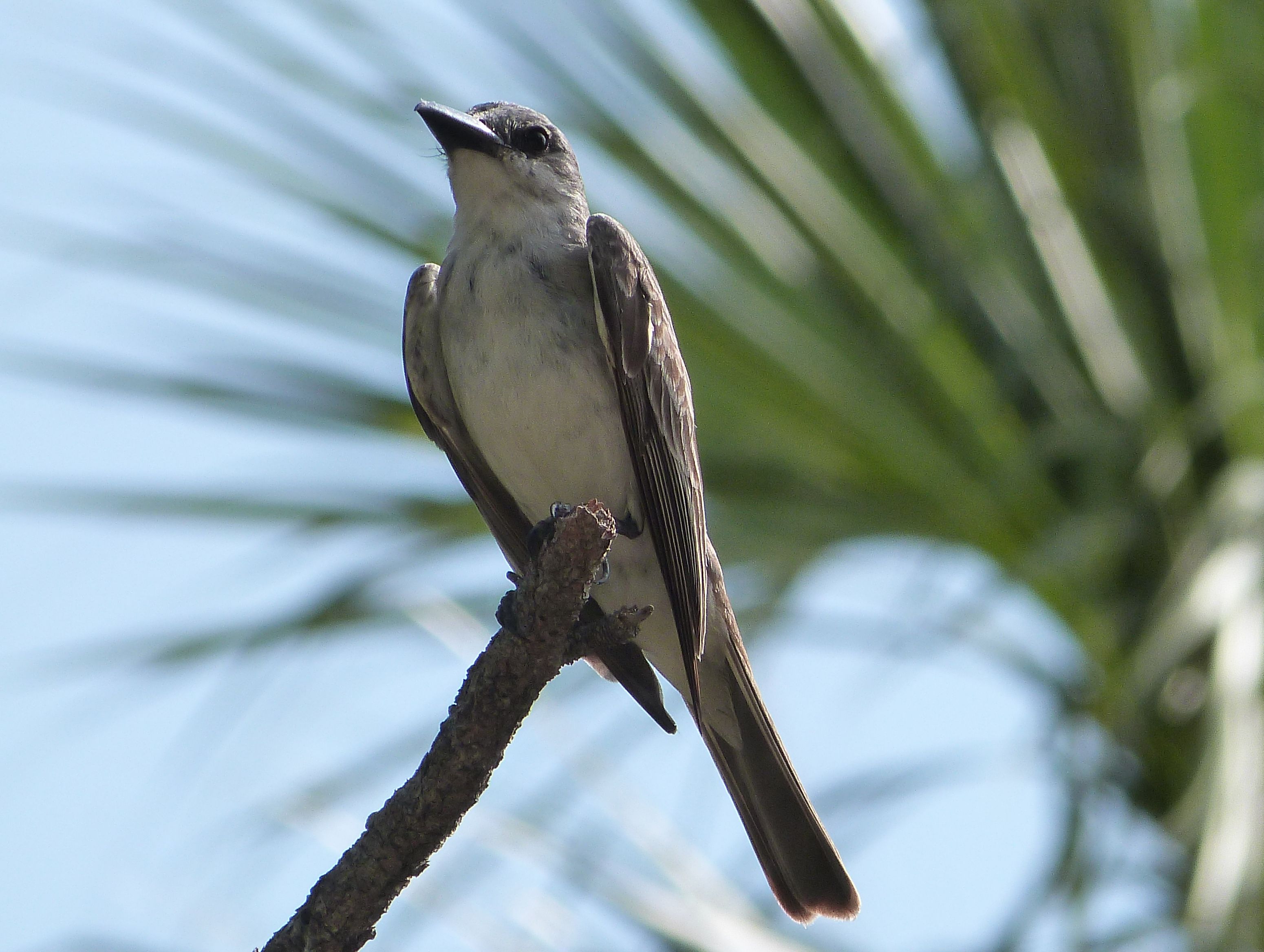
Grey Kingbird (Tyrannus dominicensis) by Lee at Honeymoon Is SP

Grey Kingbird (Tyrannus dominicensis) by Lee at Honeymoon Is SP

Rejoice greatly, O daughter of Zion! Shout, O daughter of Jerusalem! Behold, your King is coming to you; He is just and having salvation, Lowly and riding on a donkey, A colt, the foal of a donkey.
(Zechariah 9:9 NKJV)

‘TELL THE DAUGHTER OF ZION, ‘BEHOLD, YOUR KING IS COMING TO YOU, LOWLY, AND SITTING ON A DONKEY, A COLT, THE FOAL OF A DONKEY.’ ” (Matthew 21:5 NKJV)

Since writing about the Grey Kingbird last week, I have been thinking about birds that have “King” in their name. Here are some of the ones, plus many of the “King”fishers.

This slideshow requires JavaScript.

*

Both our Choir with the Orchestra and the Hyssongs did great and I couldn’t decide so here are both of them.

“The King is Coming” – Faith Baptist Choir and Orchestra. Intro by Pastor Osborne

Jesus answered, My kingdom is not of this world: if my kingdom were of this world, then would my servants fight, that I should not be delivered to the Jews: but now is my kingdom not from hence. Pilate therefore said unto him, Art thou a king then? Jesus answered, Thou sayest that I am a king. To this end was I born, and for this cause came I into the world, that I should bear witness unto the truth. Every one that is of the truth heareth my voice. (John 18:36-37 KJV)

“The King is Coming” – ©Hyssongs

*

The Gospel Message

More Sunday Inspirations

Faith Baptist Church

*

Bible Birds – Mighty Hand of God!

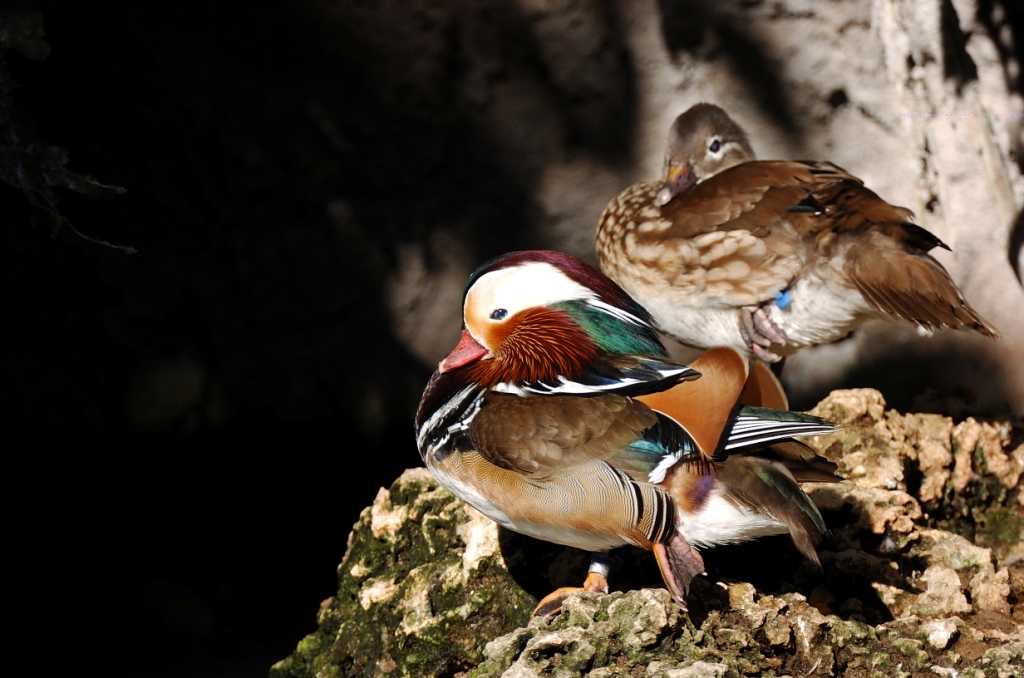
Mandarin Duck (Aix galericulata) by Dan at Zoo Miami

Mandarin Duck (Aix galericulata) by Dan at Zoo Miami

O Lord GOD, You have begun to show Your servant Your greatness and Your mighty hand, for what god is there in heaven or on earth who can do anything like Your works and Your mighty deeds? (Deuteronomy 3:24 NKJV)

What a beautiful duck. When we look around us, the Lord’s Hand is at work everywhere. Be thankful today for the Lord’s Blessing.

Brown-headed Barbet (Megalaima zeylanica) by Nikhil Devasar

Hang in there, today!

O taste and see that the LORD is good: blessed is the man that trusteth in him. (Psalms 34:8 KJV)

*

Bible Birds

*


Birds of the Bible – Mighty Hand of God

Mandarin Duck (Aix galericulata) by Dan at Zoo Miami

Mandarin Duck (Aix galericulata) by Dan at Zoo Miami

O Lord GOD, You have begun to show Your servant Your greatness and Your mighty hand, for what god is there in heaven or on earth who can do anything like Your works and Your mighty deeds? (Deuteronomy 3:24 NKJV)

What a beautiful duck. When we look around us, the Lord’s Hand is at work everywhere. Be thankful today for the Lord’s Blessing.

Brown-headed Barbet (Megalaima zeylanica) by Nikhil Devasar

Hang in there, today!

O taste and see that the LORD is good: blessed is the man that trusteth in him. (Psalms 34:8 KJV)

*

Birds of the Bible

*

Grey Kingbird at Honeymoon Island SP

Grey Kingbird by Lee at Honeymoon Is SP 7-4-2014

Grey Kingbird by Lee at Honeymoon Is SP 7-4-2014

All the kings of the earth will give thanks to You, O LORD, When they have heard the words of Your mouth. And they will sing of the ways of the LORD, For great is the glory of the LORD. (Psalms 138:4-5 NASB)

The Grey Kingbird (Tyrannus dominicensis) which we saw at Honeymoon Island SP last week was a Life Bird for me. Most Americans call it Gray, but the I.O.C. List of Birds use the Grey spelling. Either way, grey or gray, it is the same bird. That is one reason they use the Scientific name of Tyrannus dominicensis to ID the bird.

Recently I purchased the Latin for Bird Lovers book, because I have tried to see what these “scientific” mean on my own and thought this would be interesting. The book has over 3,000 bird names. I found it to be something quite useful, for me, at least. So let’s see what our Tyrannus dominicensis actually means.

  • Tyrannus “ti-RAN-nus” – “Tyrant, as in Tyanannus Allugularis, The White-throated Kingbird” [p.205]
  • dominicensis“doe-min-ib-SEN-sis-” – “After the Commonwealth of Dominica in the West Indies, as in Pluvialis dominica, the American Golden Plover, which passes through the West Indies during migrations.” [p.61]

So, we have a Tyrant that is from or passes through Dominica. The Kingbirds do belong to the Tyrannidae – Tyrant Flycatchers FamilyThere are 14 birds in the Tyrannus genus, which is the first part of the scientific name, Tyrannus Dominicensis, the second part of the name has 5 birds with that ending. That includes not only this Grey Kingbird, but also the Caribbean Martin (Progne dominicensis),  Antillean Siskin (Spinus dominicensis)Hispaniolan Oriole (Icterus dominicensis) and the Hispaniolan Spindalis (Spindalis dominicensis).

This was my 250th Life Bird record on eBird.

Grey Kingbird (Tyrannus dominicensis) by Lee at Honeymoon Is SP

Grey Kingbird (Tyrannus dominicensis) by Lee at Honeymoon Is SP

The bird also has found a house, And the swallow a nest for herself, where she may lay her young, Even Your altars, O LORD of hosts, My King and my God. (Psalms 84:3 NASB)

“The Grey or Gray Kingbird, also known as Pitirre (Tyrannus dominicensis) is a passerine bird. It breeds from the extreme southeast of the USA, mainly in Florida, through Central America, from Cuba to Puerto Rico as well as eastward towards all across the Lesser West Indies, south to Venezuela, Trinidad, Tobago the Guiana and Colombia. Northern populations are migratory, wintering on the Caribbean coast of Central America and northern South America.

Grey Kingbird by Dan

Grey Kingbird by Dan at HISP

This tyrant flycatcher is found in tall trees and shrubs, including the edges of savanna and marshes. It makes a flimsy cup nest in a tree. The female incubates the typical clutch of two cream eggs, which are marked with reddish-brown. Grey Kingbirds wait on an exposed perch high in a tree,which is where we found it, occasionally sallying out to feed on insects, their staple diet.

The adult Grey Kingbird is an average-sized kingbird. It measures 9.1 in (23 cm) in length and weighs from 1.3 to 1.8 oz (37 to 52 g). The upper parts are grey, with brownish wings and tail, and the underparts are white with a grey tinge to the chest. The head has a concealed yellow crown stripe, and a dusky mask through the eyes. The dark bill is heavier than that of the related, slightly smaller, Tropical Kingbird. The sexes are similar, but young birds have rufous edges on the wing coverts, rump and tail.

Grey Kingbird (Tyrannus dominicensis) by Lee at Honeymoon Is SP

The call is a loud rolling trill, pipiri pipiri, which is the reason behind many of its local names, like pestigre or pitirre, in the Spanish-speaking Greater Antilles, or “petchary” in some of the English-speaking zones.

(from xeno-canto)

Like other kingbirds, these birds aggressively defend their territory against intruders, including mammals and much larger birds such as caracaras and Red-Tailed Hawks. This phenomenon has led to the widespread adoption of the pitirre as a nationalist symbol (a sort of David vs. Goliath figure) in Puerto Rico.

It is found in increasing numbers in the state of Florida, and is more often found inland though it had been previously restricted to the coast. The species was first described on the island of Hispaniola, then called Santo Domingo, thus the dominicensis name.” (from Wikipedia with editing)

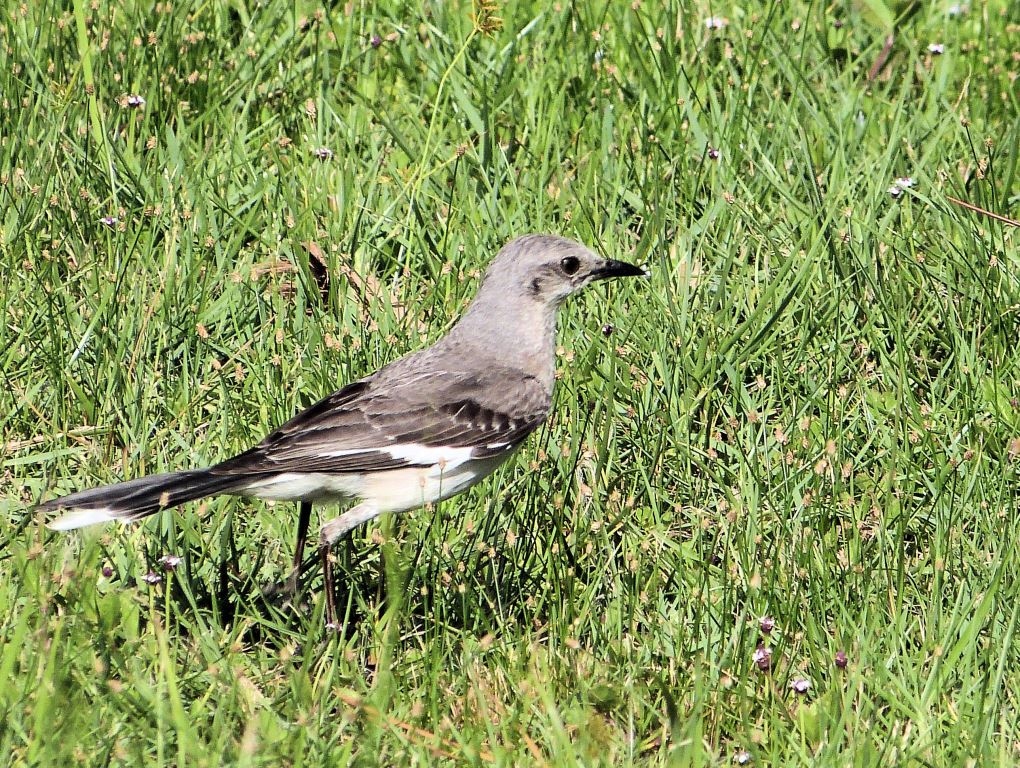
Northern Mockingbird (Mimus polyglottos) by Lee at Honeymoon Is SP

Northern Mockingbird (Mimus polyglottos) by Lee at Honeymoon Is SP

I added this Northern Mockingbird which was also there at the State Park. At first we kept thinking the Kingbird was a Mockingbird. If you compare the photos, you will notice the Mockingbird has a white spot on its wings and also a black spot near its ear. They are very close though. Also, Dan’s photo of the Kingbird came out more brownish. It may be that he caught a younger one. There were several at the park.

Isn’t the Lord great in that He makes us work for the IDs of these birds. As I have said, He should have put name tags on them, but then we wouldn’t learn about His creativity, would we? It is good for us to learn new things. Never get bored with learning.

Make me know Your ways, O LORD; Teach me Your paths. (Psalms 25:4 NASB)

I will instruct thee and teach thee in the way which thou shalt go: I will guide thee with mine eye. (Psalms 32:8 KJV)

*

*

Gideon

*
Sunday Inspiration – Thirst

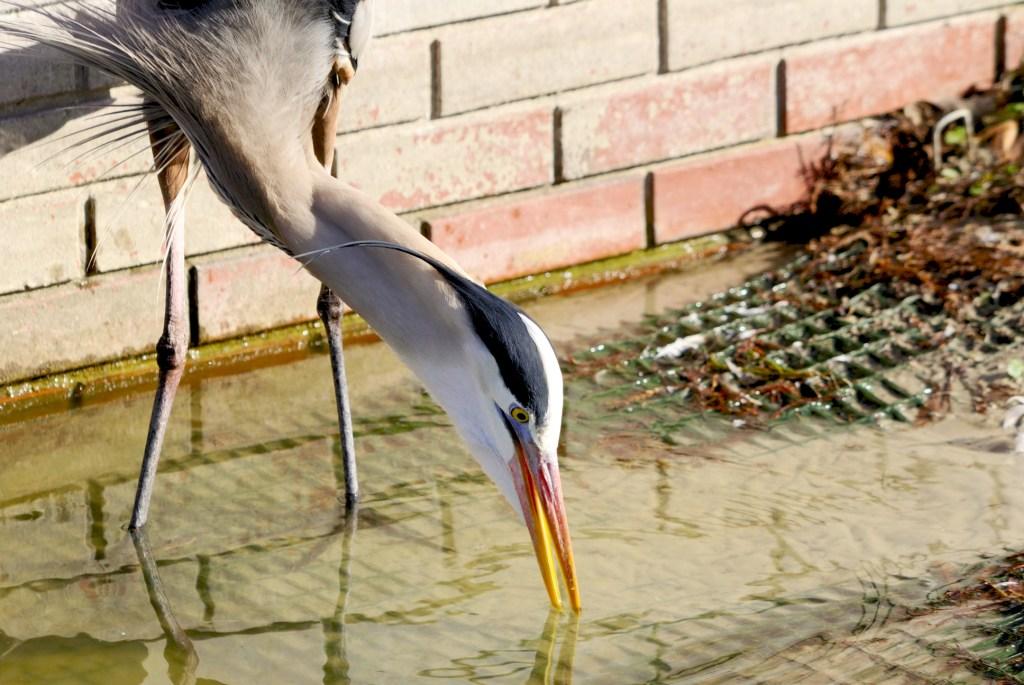
Great Blue Heron (Drinking) at Lake Morgan by Lee

Great Blue Heron (Drinking) at Lake Morgan

Jesus answered and said unto her, Whosoever drinketh of this water shall thirst again: But whosoever drinketh of the water that I shall give him shall never thirst; but the water that I shall give him shall be in him a well of water springing up into everlasting life. (John 4:13-14 KJV)

This slideshow requires JavaScript.

*
*
“Come Thou Fount Of Every Blessing” by Sean Fielder
*
More Sunday Inspiration

Gospel Message

*