Sparrow Frozen To A Fence – DoDo

Another interesting video from “the dodo” channel.

https://youtu.be/SRm3bpYO-fk&rel=0

“Bird Frozen To Metal Fence Rescued by Kind Man | This little bird landed on a fence that was so cold, his feet froze to it and he couldn’t fly away. But luckily the nicest guy came along and knew exactly what to do.”

Not sure if this bird prayed like this, but it would apply to us if we were in such a predicament as this.

“Be pleased, O LORD, to deliver me: O LORD, make haste to help me.” (Psalms 40:13 KJV)

P.S. This wouldn’t happen here in Central Florida. :)

See more from “the dodo” channel.

McGuffey’s Reader – 1st Grade Lessons LVI and LVII

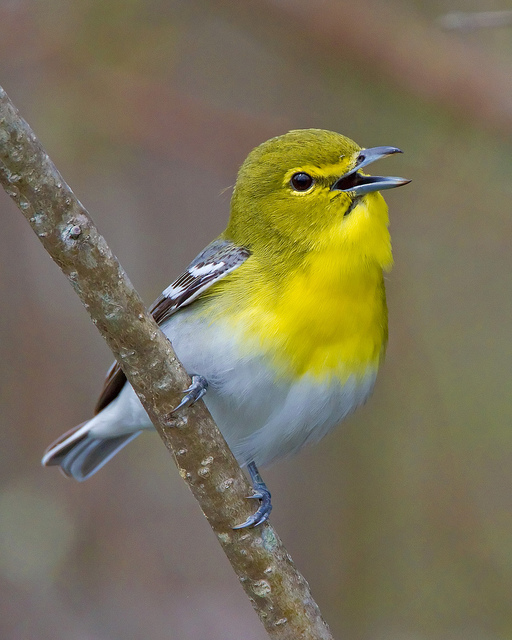
Yellow-throated Vireo (Vireo flavifrons) singing ©nebirdsplus

Yellow-throated Vireo (Vireo flavifrons) singing ©nebirdsplus

These lessons start off with words, then the story. You can practice writing with the Slate Work.

“The flowers appear on the earth; the time of the singing of birds is come, …” (Song of Solomon 2:12a KJV)

LESSON LVI.

strong round dry bill worked

sends claws flit God spring

“How does the bird make the nest so strong, Willie?”

“The mother bird has her bill and her claws to work with, but she would not know how to make the nest if God did not teach her. Do you see what it is made of?”

“Yes, Willie, I see some horse-hairs and some dry grass. The old bird must have worked hard to find all the hairs, and make them into such a pretty, round nest.”

“Shall we take the nest, Rose?”

“Oh no, Willie! We must not take it; but we will come and look at it again, some time.”

Verdin (Auriparus flaviceps) Building Nest 1 ©Earle Robinson

SLATE WORK.

[Illustration: Script Exercise:]

God made the little birds to sing,
And flit from tree to tree;
‘Tis He who sends them in the spring
To sing for you and me.


LESSON LVII.

feathers a go’ fly worm crumb feed’ing

ug’ly off feed brown guess things

Grey Jay (Perisoreus canadensis) Feeding at Nest WikiC

Grey Jay (Perisoreus canadensis) Feeding at Nest WikiC

“Willie, when I was feeding the birds just now, a little brown bird flew away with a crumb in its bill.”

“Where did it go, Rose?”

“I don’t know; away off, somewhere.”

“I can guess where, Rose. Don’t you know the nest we saw some days ago?
What do you think is in it now?”

“O Willie, I know! Some little brown birds. Let us go and see them.”

“All right; but we must not go too near. There! I just saw the old bird fly out of the bush. Stand here, Rose. Can you see?”

“Why, Willie, what ugly little things! What big mouths they have, and no feathers!”

“Keep still, Rose. Here comes the old bird with a worm in her bill. How hard she must work to feed them all!”


McGuffey’s First Grade Reader

The Wordless Book

Garfield’s Face and Bird’s Faces

Face Not Woke Up Yet! ©Garfield

Face Not Awake Yet! ©Garfield

Just thought you might enjoy seeing some birds who may not have their Face Awake Yet!

Shoebill by Lee Lowry Park Zoo

Shoebill by Lee Lowry Park Zoo

King Vulture (Sarcoramphus papa) ©WikiC – National Zoo-Washington-USA

King Vulture (Sarcoramphus papa) by Lee at Brevard Zoo

Egyptian Vulture (Neophron percnopterus) ©WikiC

“So God created great sea creatures and every living thing that moves, with which the waters abounded, according to their kind, and every winged bird according to its kind. And God saw that it was good.” (Genesis 1:21 NKJV)

Harpy Eagle (Harpia harpyja) by Lee at Zoo Miami 2014

Harpy Eagle (Harpia harpyja) by Lee at Zoo Miami 2014

Bornean Frogmouth (Batrachostomus mixtus) juv ©©RichardWellis

Papuan Frogmouth (Podargus papuensis) by Africaddict

“Awake to righteousness, and do not sin; for some do not have the knowledge of God. I speak this to your shame.” (1 Corinthians 15:34 NKJV)

Tawny Frogmouth (Podargus strigoides) ©Flickr Wayne Butterworth

There are many more birds that could give Garfield competition. Just thought you might enjoy seeing some of God’s Handiwork. Even if we aren’t the prettiest or most handsome person, God still loves us, even as He love all of His Creations.

Bird’s With Faces Like Garfield’s Face With different birds

ABC’s of the Gospel

Tickle Me Tuesday – Christmas Bird Videos

https://youtu.be/W6HAkw_apZs&rel=0

https://youtu.be/qUBMYF2p7bU&rel=0

https://youtu.be/lWEX89Ckpt0&rel=0

https://youtu.be/dNh4dKIl09s&rel=0

https://youtu.be/oenxgUiNOYA&rel=0

Just thought you needed a diversion from all the last minute gift wrapping and cooking. Enjoy these birds with a Christmas attitude.

“A merry heart maketh a cheerful countenance: but by sorrow of the heart the spirit is broken.” (Proverbs 15:13 KJV)

“A merry heart doeth good like a medicine: but a broken spirit drieth the bones.” (Proverbs 17:22 KJV)

“Sing unto him, sing psalms unto him, talk ye of all his wondrous works.” (1 Chronicles 16:9 KJV)

What is the Gospel?

Tilly’s Pumpkin House – by Emma Foster

Tilly’s Pumpkin House

by Emma Foster

Tilly the raven normally lived in a tree, but as winter came closer, the weather felt colder, and Tilly knew she needed to find a warmer place to live.

Her tree was near a small pumpkin farm, and several pumpkins had been left behind, going unused for Halloween. Tilly observed the different kinds of pumpkins that were still in the field. Many of them looked old, with green and yellow splotches on them. One of the pumpkins, however, looked perfect.

The pumpkin was large and perfectly round. When Tilly pecked at it with her beak, she noticed that it was soft enough for her to make a little door in it. She pecked her way into the pumpkin and surveyed the inside.

For a while, Tilly pulled out the seeds and guts from the inside of the pumpkin, until she had enough room to sit comfortably. Tilly felt protected from the wind and cold. Eventually, she fell asleep.
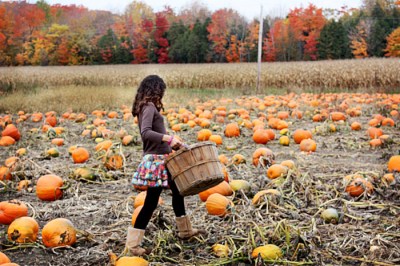
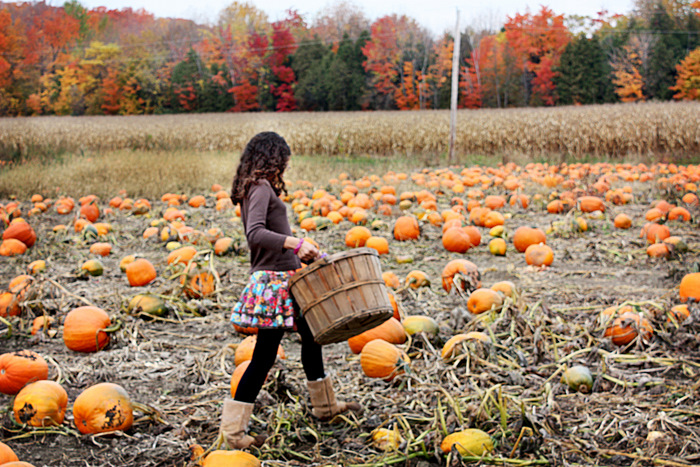
Gathering Pumpkins ©casienserio.blogspot.com

The next morning, Tilly woke up to her pumpkin house shaking. Someone had picked up her house and was taking it somewhere. Tilly peeked her head out of the door of her house. She noticed groups of people taking the old pumpkins and placing them to a pickup truck.
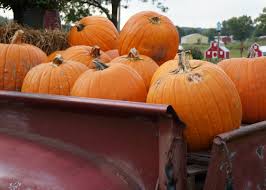
Pickup Truck With Pumpkins

Someone placed Tilly’s house in a pile beside other pumpkins. A second later, she rolled around and around and around as her house fell down a hill.

Splash! Tilly landed in the river. Fortunately, her house floated to the top, and the door she had made pointed up to the sky. Tilly carefully climbed out and flew back to land, sad that her house was floating away.
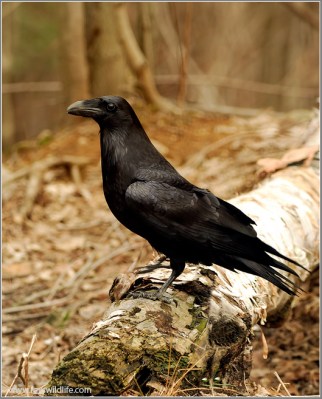
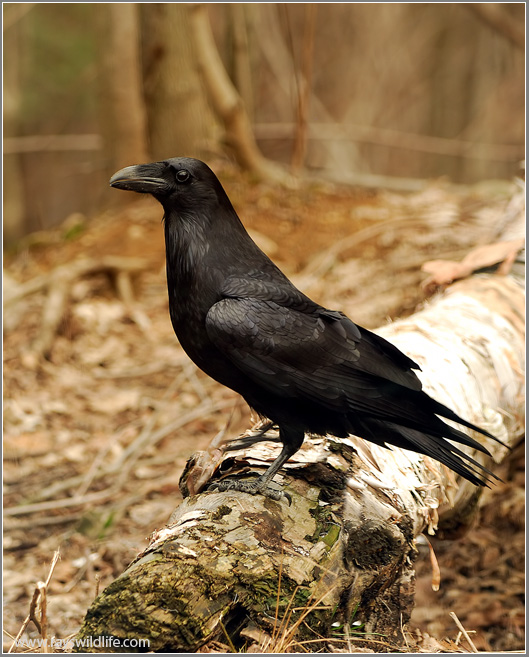
Northern Raven (Corvus corax) by Ray

Northern Raven (Corvus corax) by Ray

Snow started to fall to the ground. Tilly needed to come up with another plan. She decided to leave the pumpkin field and find somewhere else to live. Flying through the air as the snow fell, Tilly searched and found another pumpkin field. She searched for the next perfect pumpkin she could use. One of the pumpkins was soft and round just like the other one, and by the time she settled down inside, night had fallen and Tilly fell asleep instantly.

The next morning, Tilly woke up to something knocking against her new house. A deer she didn’t recognize was sniffing at her pumpkin and then took a giant chunk out of the top. Tilly looked up at the deer and the deer stared back at her. She flew out of her house, forced to watch the deer eat the rest of her pumpkin.
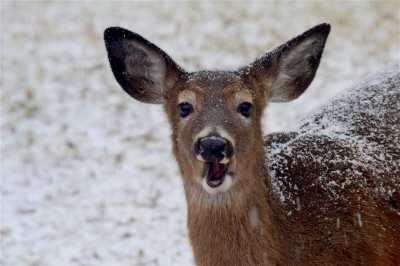
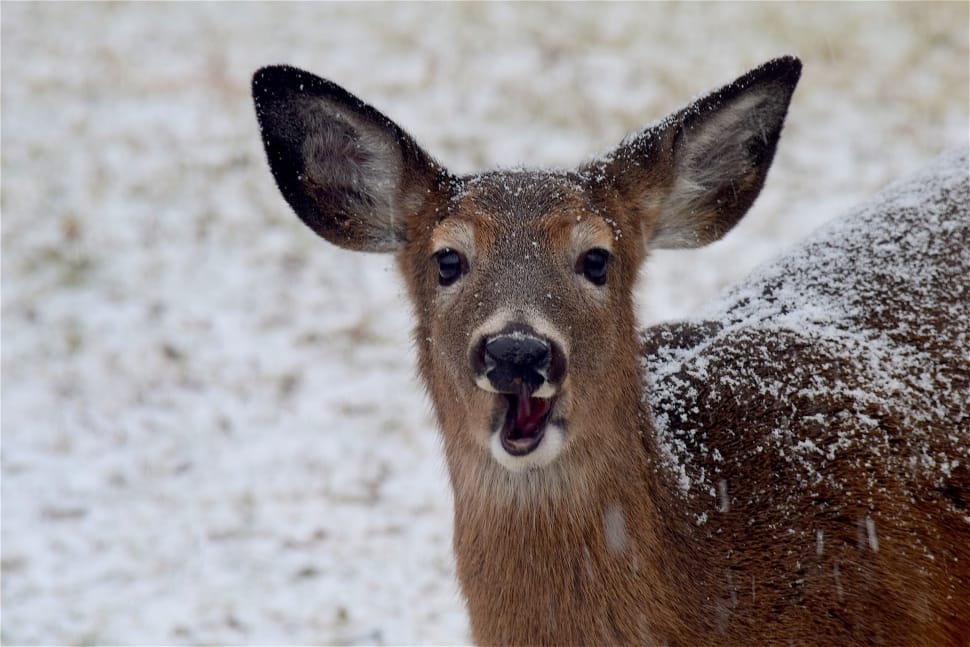
Deer Looking at Tilly ©CC

Deer Looking at Tilly ©CC

The snow made everything colder until Tilly could barely fly. She flew into some woods, hoping to find a tree in which to get warm. Eventually, she found a tree with a small hole in it. Tilly flew inside only to discover a small owl in the hole in the tree.

The owl introduced herself as Milly the long-eared owl. Tilly offered to leave since this was Milly’s home, but Milly explained that she was only stopping there for a minute. She said that she had found a nest in a tree a few miles away that had belonged to a raven. She also explained that long-eared owls liked to live in nests that belonged to ravens.
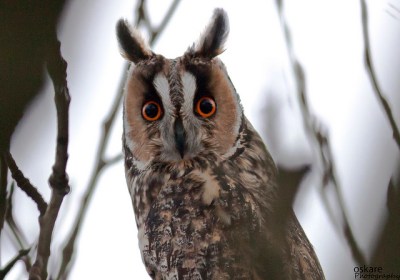
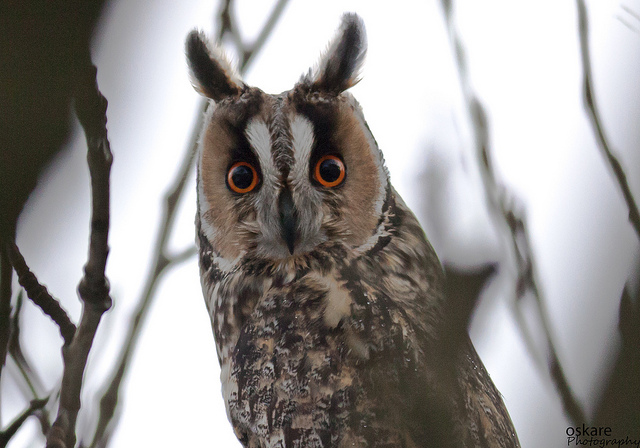
“Milly” – Long-eared Owl (Asio otus) ©Flickr Slgurossom

Tilly grew excited, believing that the nest Milly was talking about was hers, which meant she had to explain the pumpkin houses she had had, and how she had ended up there. Milly offered to let Tilly keep the tree to stay warm. Tilly also said that it was perfectly all right if Milly kept her nest.

All throughout the winter, Tilly stayed in the tree where she had met Milly, while Milly lived in Tilly’s nest next to the pumpkin field. When spring came around, Tilly and Milly remained friends, and Tilly even showed Milly how to make her own pumpkin house, though she didn’t recommend living there.

*

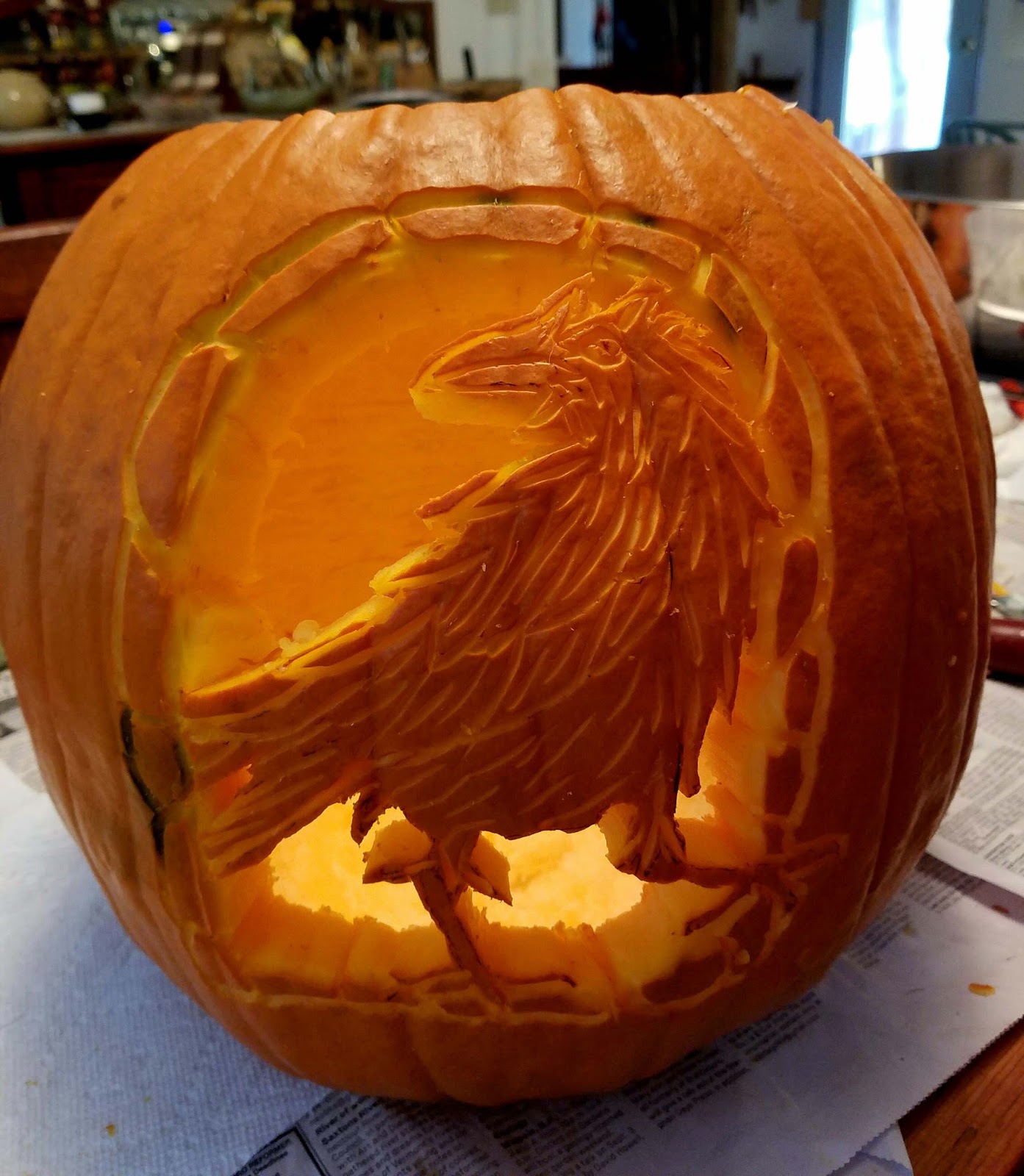
Linda Marcille carved the Raven in pumpkin.


“Now it came to pass, as they went, that he entered into a certain village: and a certain woman named Martha received him into her house.” (Luke 10:38 KJV)

“Be careful for nothing; but in every thing by prayer and supplication with thanksgiving let your requests be made known unto God.” Philippians 4:6 KJV)

What a great story from Emma. It is enjoyable to watch her talent developing. Also, it is good to see Tilly and Milly being so hospitable. This is only fiction, but how did the animals interact with each other before the fall and the curse affected all of nature? Maybe this story is just a glimpse of how they got along so well.

Emma’s Stories

Good News
Wordless Book Video

The Wordless Book by jmiketish

*

For God so loved the world, that he gave his only begotten Son, that whosoever believeth in him should not perish, but have everlasting life. (John 3:16 KJV)

But Jesus said, “Let the little children come to Me, and do not forbid them; for of such is the kingdom of heaven.” (Matthew 19:14 NKJV)

*

See the Wordless Birds

Bible Birds – Pelican Introduction

American White Pelican (Pelecanus erythrorhynchos) by AestheticPhotos

American White Pelican (Pelecanus erythrorhynchos) by AestheticPhotos

“And the swan, and the pelican, and the gier eagle,” (Leviticus 11:18 KJV)

Bible Birds – Pelican Introduction

The Pelican is mentioned in three verses in the Bible (KJV). In Leviticus 11:18 and in Deuteronomy 14:17, the Pelican is listed as one of the “Do Not Eat” birds. The Jewish people, from God’s chosen people, were given a list of birds that they were not to eat. [My “Do Not Eat” birds]

In Psalms 102:6, it mentions the Pelican in the wilderness. That will be mentioned in a later article.

Pelicans are huge birds that are larger than swans and have a remarkably enormous bill. The lower part of the bill is like a large pouch or bag that can expand to hold quarts of water. The pelican places the fish they catch in this lower part of the bill.

Brown Pelican with fish and Laughing Gull

Brown Pelican with fish in pouch and a Laughing Gull

The White Pelican was recording holding three gallons of water in that pouch. Wow! They belong to the Pelecanidae family which is in the Pelecaniformes Order. There are eight species of Pelicans:

Mature Brown Pelican by Dan at MacDill

Mature Brown Pelican by Dan at MacDill AFB

Great White Pelican, Pink-backed Pelican, Spot-billed Pelican, Dalmatian Pelican, Australian Pelican, American White Pelican, Brown Pelican, and the Peruvian Pelican.

The Kingbird – McGuffey’s 2nd Grade Reader

Grey Kingbird (Tyrannus dominicensis) by Lee at Honeymoon Is SP

McGuffey Readers were a series of graded primers for grade levels 1-6. They were widely used as textbooks in American schools from the mid-19th century to the mid-20th century, and are still used today in some private schools and in homeschooling. [Posting these for young readers to enjoy and practice reading while school is out.]

Here is a story of Kingbird from the Second Grade Reader. (From Gutenberg)

McGuffey Reader Set ©WikiC

LESSON XVIII.

New Words:

ber’ries strikes rob’in ea’gle short king rid

foe dart fails sharp hawk worms ac’tive

Eastern Kingbird (Tyrannus tyrannus) by Margaret Sloan

THE KINGBIRD.

1. The kingbird is not bigger than a robin.

2. He eats flies, and worms, and bugs, and berries.

3. He builds his nest in a tree, near some house.

4. When there are young ones in the nest, he sits on the top of a tree near them.

5. He watches to see that no bird comes to hurt them or their mother.

6. If a hawk, a crow, or even an eagle comes near, he makes a dash at it.

7. Though he is so small, he is brave, and he is also very active.

8. He never fails to drive off other birds from his nest.

9. He flies around and around the eagle, and suddenly strikes him with his sharp bill.

10. He strikes at his eye, and then darts away before the eagle can catch him.

11. Or he strikes from behind, and is off again before the eagle can turn round.

12. In a short time, the great eagle is tired of such hard blows, and flies away. He is very glad to get rid of his foe.

13. Is not the little fellow a brave bird?

14. Because he can drive off all other birds, he is called the KINGBIRD.

“Watch, stand fast in the faith, be brave, be strong.” (1 Corinthians 16:13 NKJV)

***


Title: McGuffey’s Second Grade Reader – Gutenberg – Author: William Holmes McGuffey

Release Date: June 29, 2005 [EBook #14668] – Language: English

Wordless Birds

More McGuffey’s Second Grade Reader Stories

The Owl – McGuffey’s 2nd Grade Reader

Western Screech Owl (Megascops kennicottii)(captive) by Raymond Barlow

Western Screech Owl (Megascops kennicottii)(captive) by Raymond Barlow

McGuffey Readers were a series of graded primers for grade levels 1-6. They were widely used as textbooks in American schools from the mid-19th century to the mid-20th century, and are still used today in some private schools and in homeschooling.

LESSON LII.

oak dusk fight squeak ruf’fled

bag Fred whoo a wake’ creep’ing

THE OWL.

1. “Where did you get that owl, Harry?”

2. “Fred and I found him in the old, hollow oak.”

3. “How did you know he was there?”

4. “I’ll tell you. Fred and I were playing ‘hide and seek’ round the old barn, one night just at dusk.

5. “I was just creeping round the corner, when I heard a loud squeak, and a big bird flew up with something in his claws.

6. “I called Fred, and we watched him as he flew to the woods. Fred thought the bird was an owl, and that he had a nest in the old oak.

Barn Owls (Family Tytonidae) with catch ©Pixelbirds

7. “The next day we went to look for him, and, sure enough, he was there.”

8. “But how did you catch him? I should think he could fight like a good fellow with that sharp bill.”

9. “He can when he is wide awake; but owls can’t see very well in the daytime, and he was taking a nap.

Northern Barred Owl (Strix varia) LPZ by Dan 2014

Northern Barred Owl (Strix varia) LPZ by Dan 2014

10. “He opened his great eyes, and ruffled up his feathers, and said, “Whoo! Whoo!’ ‘Never mind who,’ Fred said, and slipped him into a bag.”

Eurasian Eagle-Owl (Bubo bubo) by Nikhil Devasar

Eurasian Eagle-Owl (Bubo bubo) by Nikhil Devasar

May kinds of owls are mentioned in the Bible. Most of them are listed as birds to not eat.

“… the short-eared owl, ;… the little owl, the fisher owl, and the screech owl; the white owl,… (Leviticus 11:16-18 NKJV)

McGuffey’s Reader for 2nd Grade:

ABC’s of the Gospel

More McGuffey’s Second Grade Reader Stories

What A Bird Taught – McGuffey’s 2nd Grade Reader

MacGillivray's Warbler

[Illustration: Bird perched on tree branch.] MacGillivray’s Warbler

LESSON XI.

twit-twee bough (bow) twit-twit top’most lock

spray mate close’ly ros’y an’swer (an’ser)

WHAT A BIRD TAUGHT.

1. Why do you come to my apple tree,
Little bird so gray?
Twit-twit, twit-twit, twit-twit-twee!
That was all he would say.

2. Why do you lock your rosy feet
So closely round the spray?
Twit-twit, twit-twit, twit-tweet!
That was all he would say.

3. Why on the topmost bough do you get,
Little bird so gray?
Twit-twit-twee! twit-twit-twit!
That was all he would say.

4. Where is your mate? come, answer me,
Little bird so gray.
Twit-twit-twit! twit-twit-twee!
That was all he would say.
Alice Cary.

***


Title: McGuffey’s Second Grade Reader – Gutenberg – Author: William Holmes McGuffey

Release Date: June 29, 2005 [EBook #14668] – Language: English

“And whoso shall receive one such little child in my name receiveth me.” (Matthew 18:5 KJV)

Wordless Birds

More McGuffey’s Second Grade Reader Stories

Ted and Red – By Emma Foster

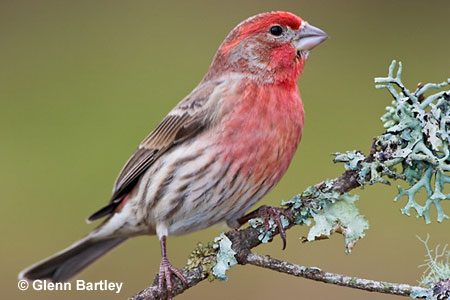
House Finch male ©Glenn Bartley-Wichita StateU

Ted and Red

by Emma Foster

Once there were two finches named Ted and Red who were brothers. They lived in two trees that had been planted next to each other. Their trees were in a courtyard by a museum, which provided them with plenty of shade because Florida was almost always hot. Both birds had many friends in the courtyard.

The birds spent most of their time flying around the beaches and hectic streets searching for food or just having fun watching the different tourists around the coast. Many times, people on the dock would feed them breadcrumbs.

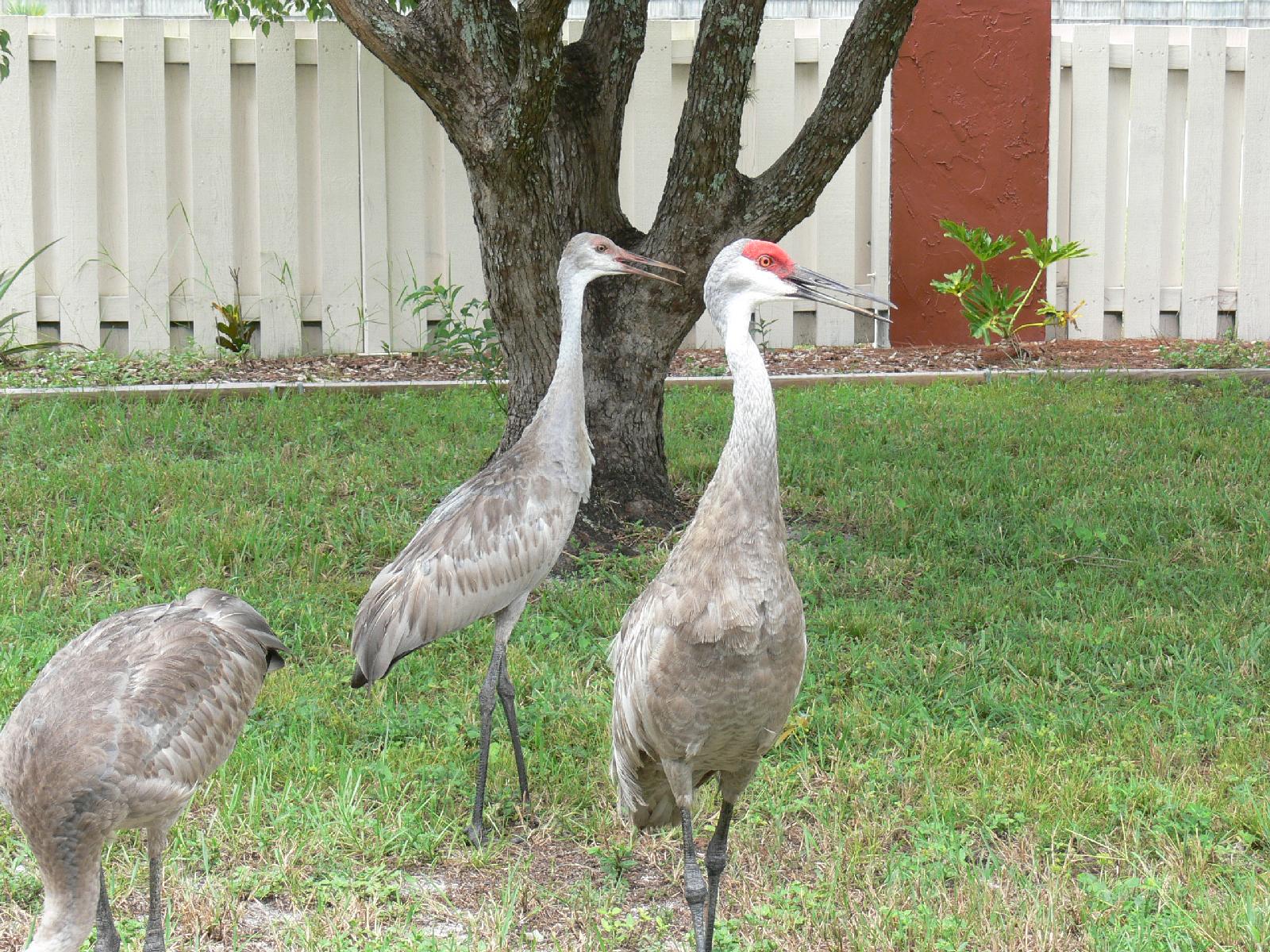
Sandhill Cranes

Sandhill Cranes

But as summer came, the days grew hotter and longer, and there were many rainy days. Ted and Red stayed in their nests most of the time under the protection of their large shady trees. Their friends stayed in their little homes too: the fish remained comfortable in their pond, the two cranes who lived nearby nestled in their nests in the bushes, and the black snake stayed in his small hole in the grass.

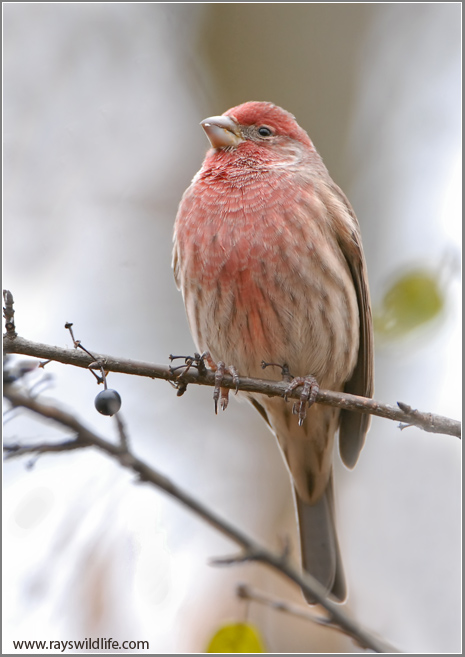
House Finch Resting

One day when there wasn’t much rain, Red went out to search for some food. While he was gone, the clouds grew black, and Red knew he needed to hurry home. However, when he reached the courtyard, the rain poured down harder, and Red couldn’t see very well. He flew toward a light that he saw up ahead and accidentally flew into the museum, sliding across the slippery floor. Red knocked against a small object, sending it crashing to the ground. An alarm went off somewhere, and Red quickly flew back outside and into his nest, where he told Ted what had happened. The rain slowly lessened, and the alarm stopped. Several museum employees had to clean up the mess. Red felt terrible for breaking the vase, but Ted and their friends told him it was an accident and it wasn’t his fault.

House Finch (Carpodacus mexicanus) by Raymond Barlow

Just then, another alarm went off, and someone ran out of one of the entrances, holding a large vase. Ted, Red, and their friends thought fast. The fish quickly pointed to the machine that visitors inserted quarters into to obtain fish food to throw to the fish. Ted and Red flew against it and beat on it with their feet as hard as they could, while the two cranes beat their wings against it. The black snake followed behind the man in case he turned around, hoping that the man would be too scared to step over him. The fish food spilled across the walkway, and the man stealing the vase fell over, while the security guards ran after him and caught him. The security guards were afraid to step over the black snake too. Ted and Red flew back into their nests. Red felt much better afterwards, knowing that he made up for his earlier mistake.

House Finch (Haemorhous mexicanus) by Ian

House Finch (Haemorhous mexicanus) by Ian

Ted and Red spent the rest of their summer with their friends in the courtyard. From then on, whenever it rained Ted and Red were careful to stay in their comfortable nests. To their friends, they were now considered honorary security guards.


What an interesting story, Emma. I trust our readers enjoy it as much as I do. The teamwork of this mixture of critters reminds us of how, as Christians, we work together, even though we have different gifts. The seems to blend us together to accomplish His Will.

“Now there are varieties of gifts, but the same Spirit; and there are varieties of service, but the same Lord; and there are varieties of activities, but it is the same God who empowers them all in everyone. To each is given the manifestation of the Spirit for the common good.” (1 Corinthians 12:4-7 ESV)

See More of Emma’s Stories

McGuffey’s Third Reader – Humming Birds

Rufous-tailed Hummingbird (Amazilia tzacatl) by Judd Patterson

Rufous-tailed Hummingbird (Amazilia tzacatl) by Judd Patterson

LESSON XXI. HUMMING BIRDS.
McGuffey's Third Eclectic Reader from Gutenberg.org

McGuffey’s Third Eclectic Reader from Gutenberg.org

1. The most beautiful humming birds are found in the West Indies and South America. The crest of the tiny head of one of these shines like a sparkling crown of colored light.

2. The shades of color that adorn its breast, are equally brilliant. As the bird flits from one object to another, it looks more like a bright flash of sunlight than it does like a living being.

Magnificent Hummingbird (Eugenes fulgens) by Judd Patterson

Magnificent Hummingbird (Eugenes fulgens) by Judd Patterson

3. But, you ask, why are they called humming birds? It is because they make a soft, humming noise by the rapid motion of their wings—a motion so rapid, that as they fly you can only see that they have wings.

4. One day when walking in the woods, I found the nest of one of the smallest humming birds. It was about half the size of a very small hen’s egg, and was attached to a twig no thicker than a steel knitting needle.

Vervain Hummingbird (Mellisuga minima) WikiC

Vervain Hummingbird (Mellisuga minima) WikiC

5. It seemed to have been made of cotton fibers, and was covered with the softest bits of leaf and bark. It had two eggs in it, quite white, and each about as large as a small sugarplum.

6. When you approach the spot where one of these birds has built its nest, it is necessary to be careful. The mother bird will dart at you and try to peck your eyes. Its sharp beak may hurt your eyes most severely, and even destroy the sight.

7. The poor little thing knows no other way of defending its young, and instinct teaches it that you might carry off its nest if you could find it.
“If a bird’s nest happens to be before you along the way, in any tree or on the ground, with young ones or eggs, with the mother sitting on the young or on the eggs, you shall not take the mother with the young;” (Deuteronomy 22:6 NKJV)

Title: McGuffey’s Third Eclectic Reader, Author: William Holmes McGuffey
Release Date: January 23, 2005 [EBook #14766]