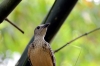
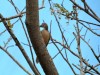
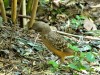
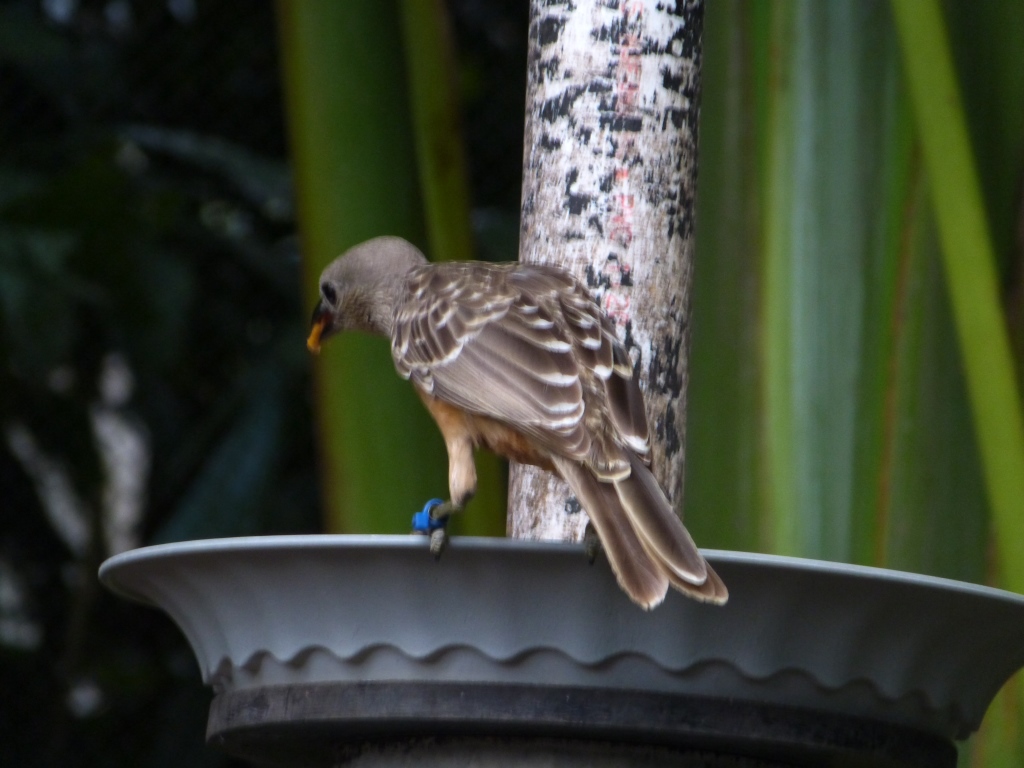
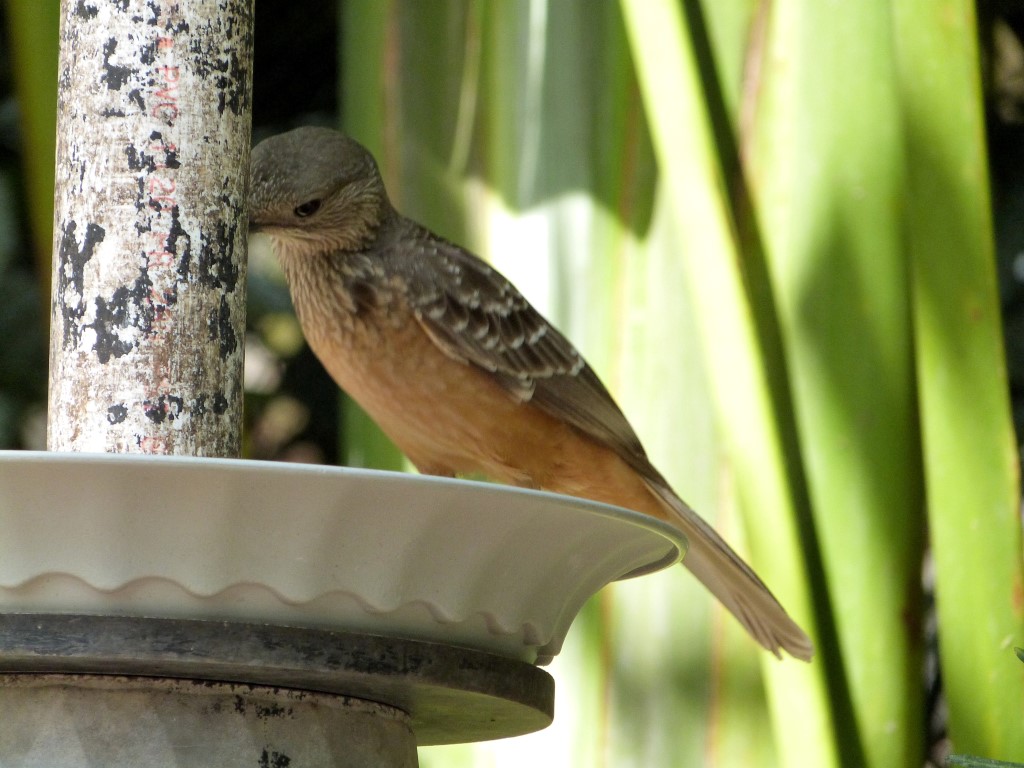
Fawn-breasted Bowerbird at Zoo Miami

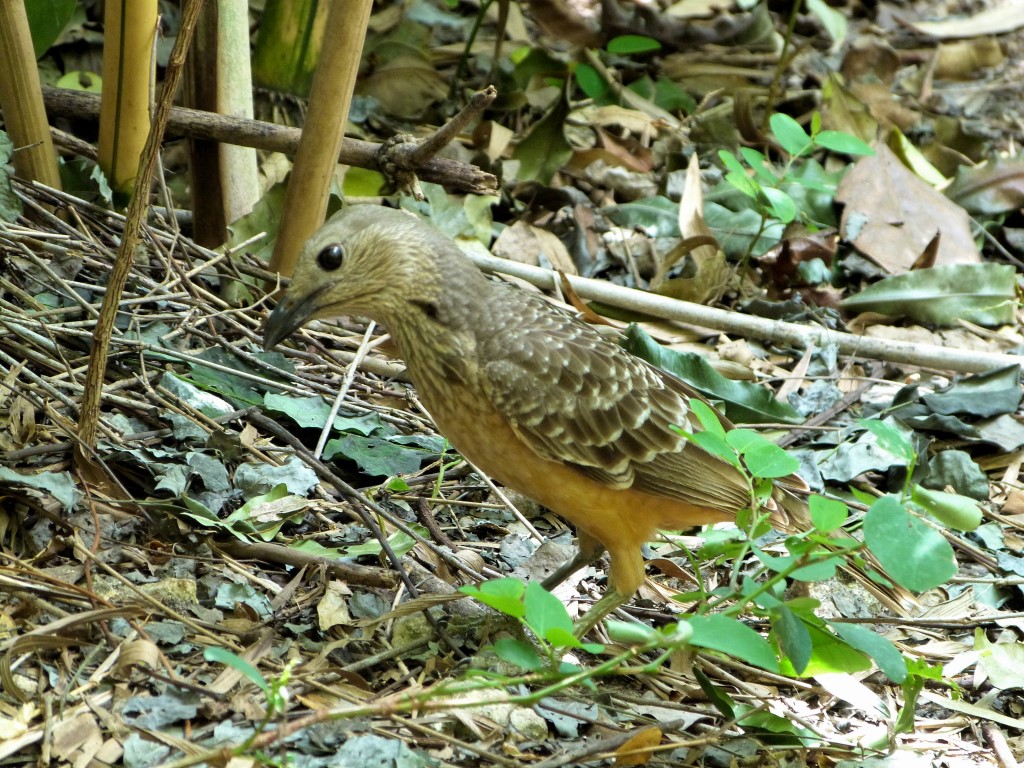
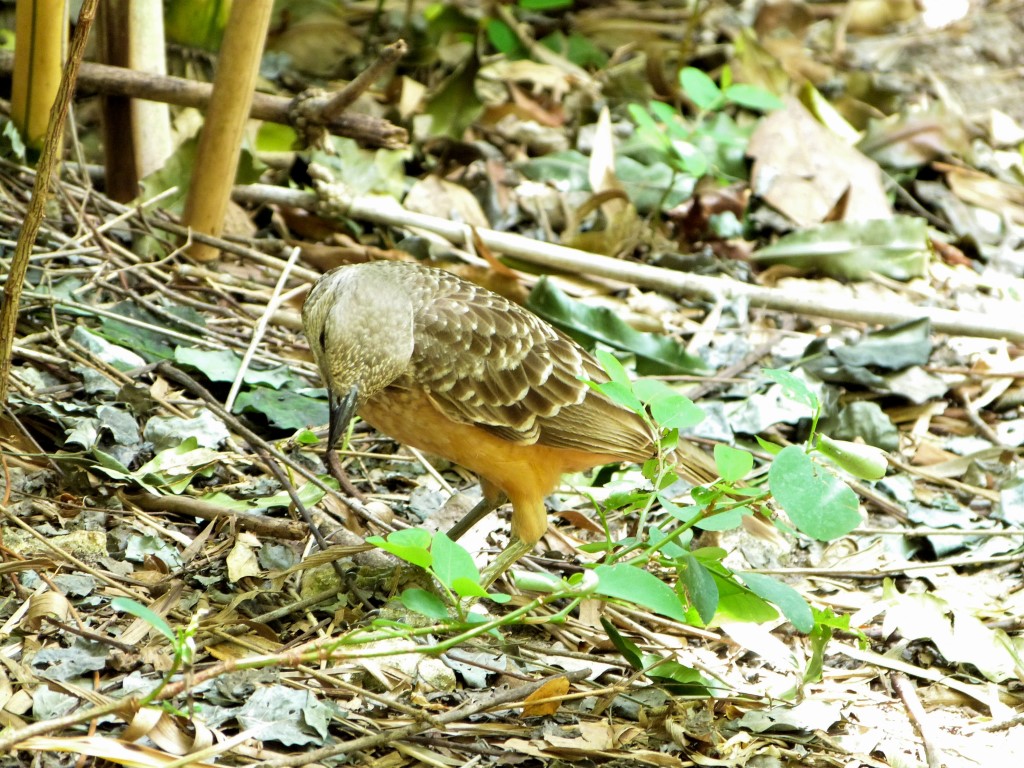
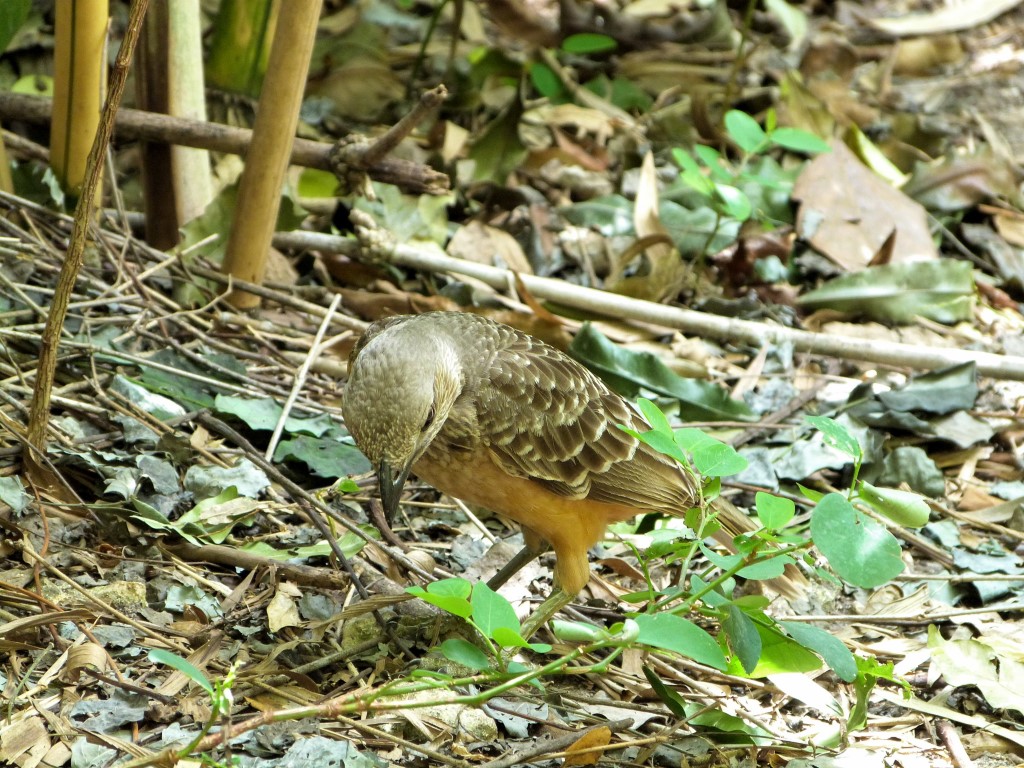
Fawn-breasted Bowerbird (Chlamydera cerviniventris) Zoo Miami by Lee

Fawn-breasted Bowerbird (Chlamydera cerviniventris) Zoo Miami by Lee

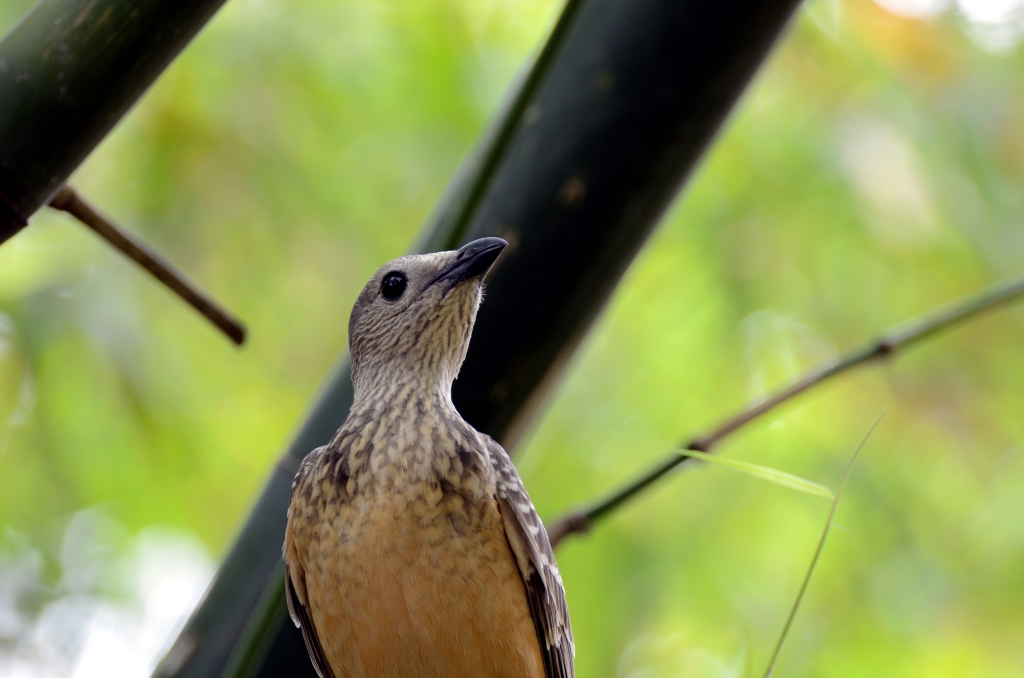
One of the neatest thing to watch on this last trip to the Wings of Asia Aviary at Zoo Miami was the Fawn-breasted Bowerbird working on his bower. “The bower itself is that of “avenue-type” with two sides of wall of sticks and usually decorated with green-colored berries.” In his case, he had green leaves laid out in front.

The Fawn-breasted Bowerbird (Chlamydera cerviniventris) is a medium-sized, up to 13 in (32 cm) long, bowerbird with a greyish brown spotted white plumage, a black bill, dark brown iris, yellow mouth and an orange buff below. Both sexes are similar. The female is slightly smaller than the male.

The Fawn-breasted Bowerbird is distributed in New Guinea and northern Australia, where it inhabits the tropical forests, mangroves, savanna woodlands and forest edges. Its diet consists mainly of figs, fruits and insects. The nest is a loose cup made of small sticks up in a tree. The bower itself is that of “avenue-type” with two sides of wall of sticks and usually decorated with green-colored berries. (Wikipedia with editing)
Fawn-breasted Bowerbird by Dan ZM

Fawn-breasted Bowerbird by Dan ZM

The Bowerbirds are in the Ptilonorhynchidae-Bowerbird Family. There are twenty species in the family, of which, 16 are Bowerbirds.

*

Here are two video clips of him working on the bower. Notice how he goes in and out the other end of the bower. Unfortunately we were only able to view it from the side. One shot he is actually placing the stick upright in the ground. (I recorded him for a bit and then Dan came along. As I was explaining it to him, I got tickled, so ignore the snorts.) I was absolutely amazed watching this bird, which the Lord created, knowing how to make his bower chamber.

*

*

Did you notice the birds chirping and singing in the background. It is so peaceful in that aviary. The birds have so much room and places to hang out. You actually “bird watch” there.
Fawn-breasted Bowerbird (Chlamydera cerviniventris) Sign Zoo Miami by Lee

Fawn-breasted Bowerbird (Chlamydera cerviniventris) Sign Zoo Miami by Lee

Bring out with you every living thing of all flesh that is with you: birds and cattle and every creeping thing that creeps on the earth, so that they may abound on the earth, and be fruitful and multiply on the earth.” (Genesis 8:17 NKJV)

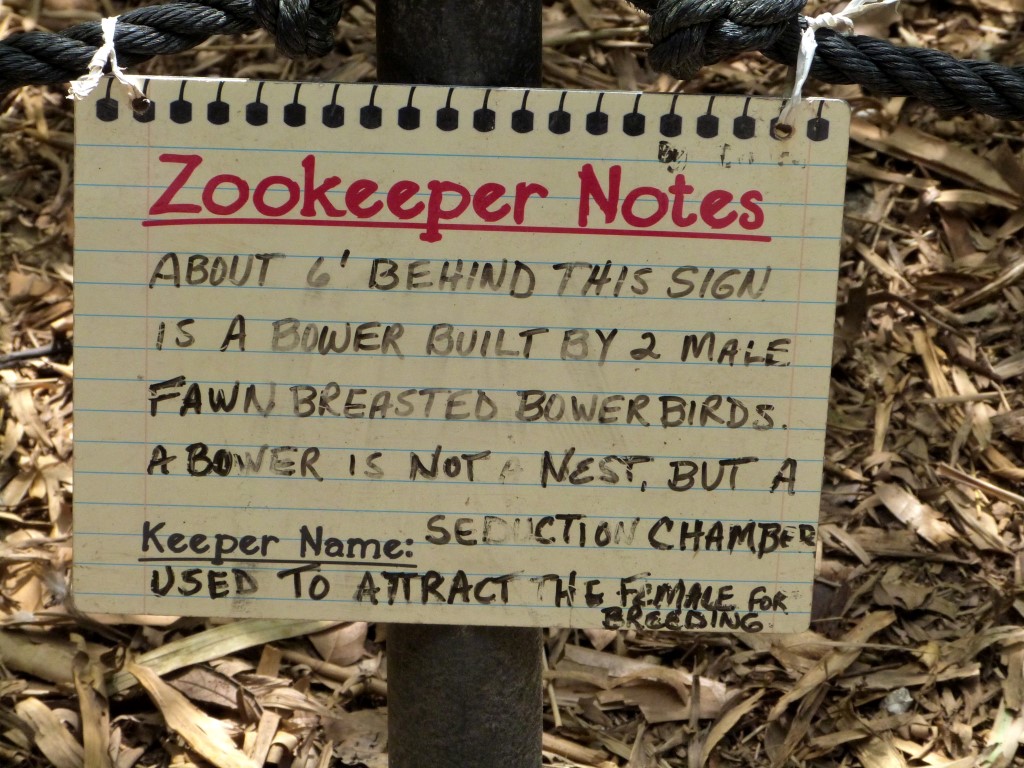
This is the sign telling about the Bowerbird and their name for it; a “Seduction Chamber.” We know that the Lord commanded the birds to reproduce and this bird is only following instructions. He builds his bower to entice a female to be his mate.

We were discussing this and several verses came to our minds:

My son, if sinners entice you, Do not consent. (Proverbs 1:10 NKJV)

And you shall stone him with stones until he dies, because he sought to entice you away from the LORD your God, who brought you out of the land of Egypt, from the house of bondage. (Deuteronomy 13:10 NKJV)

And then if any man shall say to you, Lo, here is Christ; or, lo, he is there; believe him not: For false Christs and false prophets shall rise, and shall shew signs and wonders, to seduce, if it were possible, even the elect. (Mark 13:21-22 KJV)

And this is the promise that he hath promised us, even eternal life. These things have I written unto you concerning them that seduce you. (1 John 2:25-26 KJV)

The Fawn-breasted is fine in what he is doing, but we can learn by watching and taking heed for ourselves.

But ask now the beasts, and they shall teach thee; and the fowls of the air, and they shall tell thee: (Job 12:7 KJV)

*

*

Ptilonorhynchidae-Bowerbird Family

Fawn-breasted Bowerbird – Wikipedia

Bowerbirds – Wikipedia

*

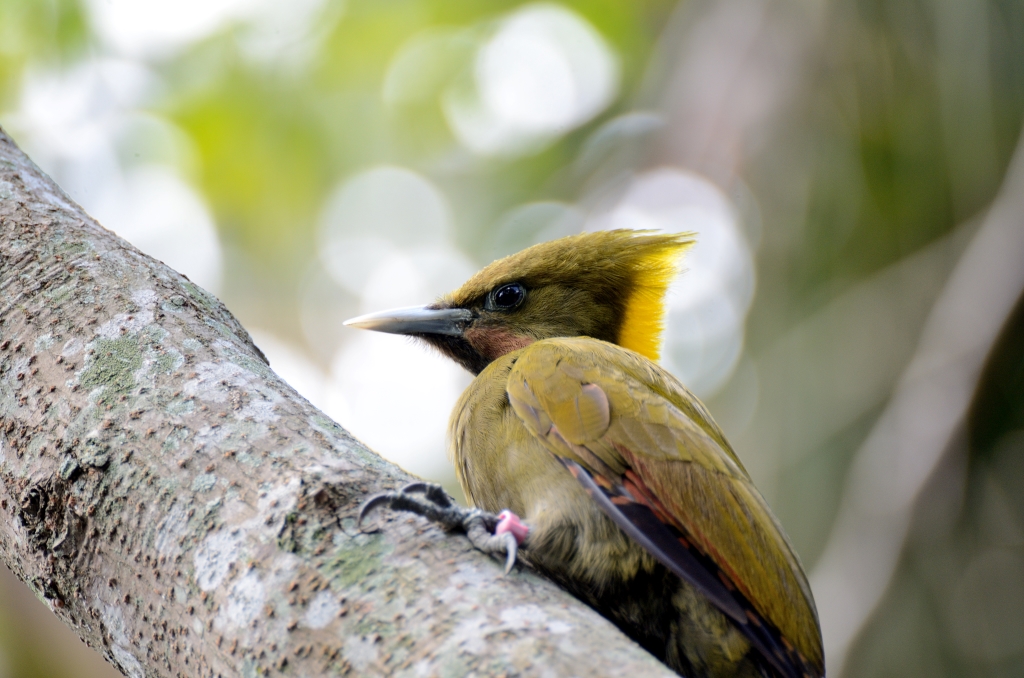
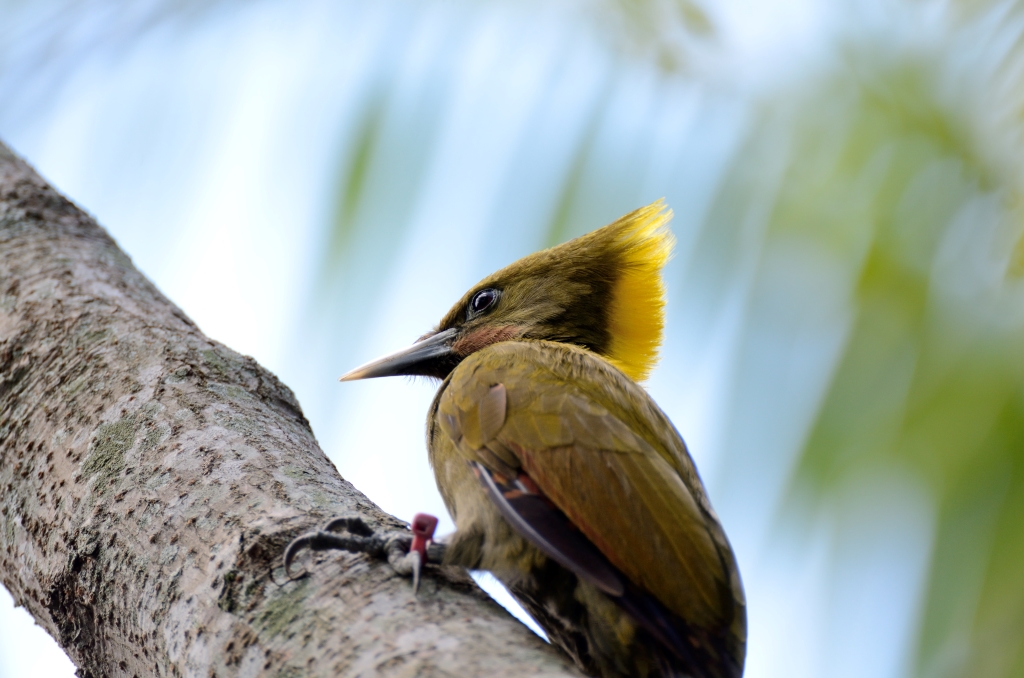
Zoo Miami’s Greater Yellownape

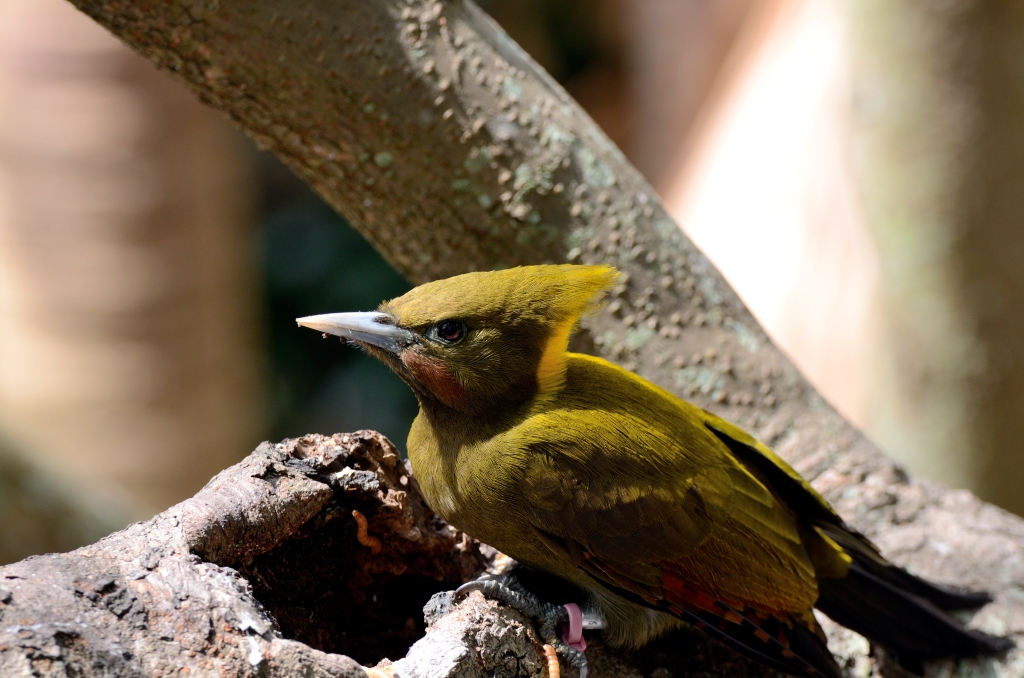
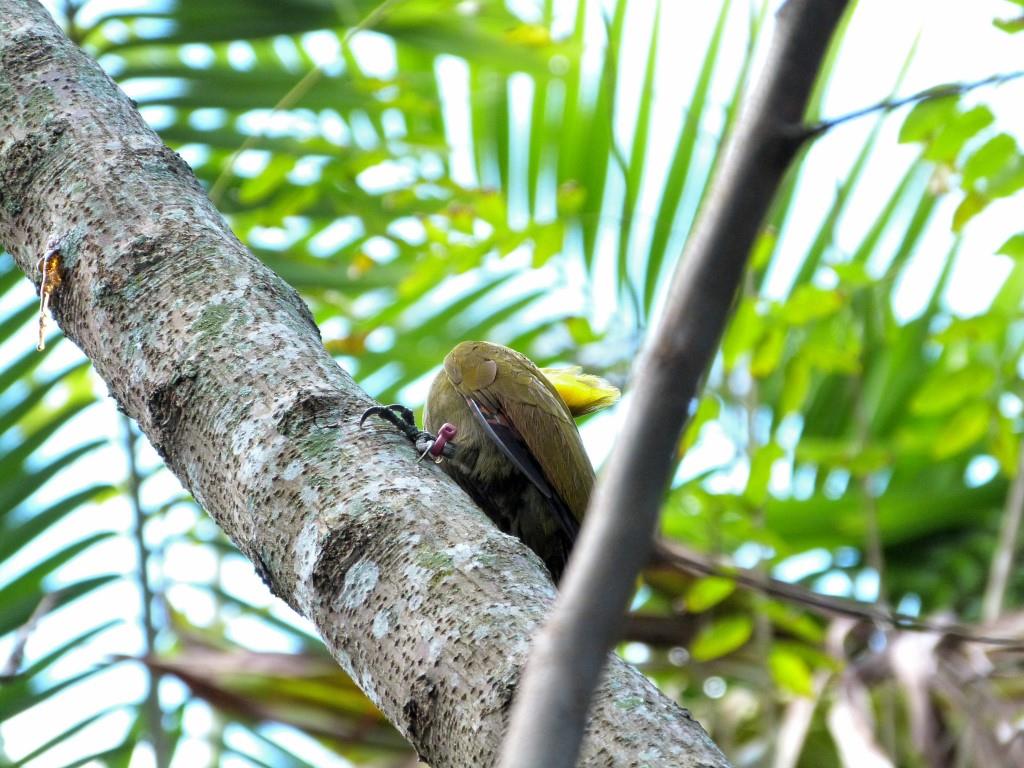
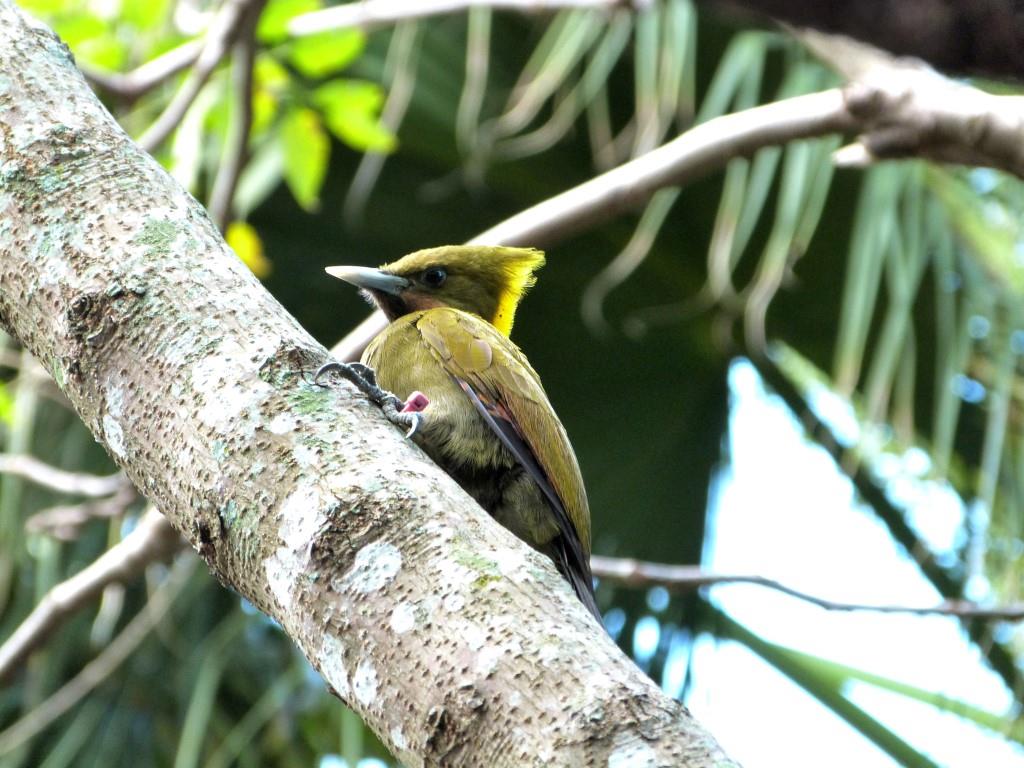
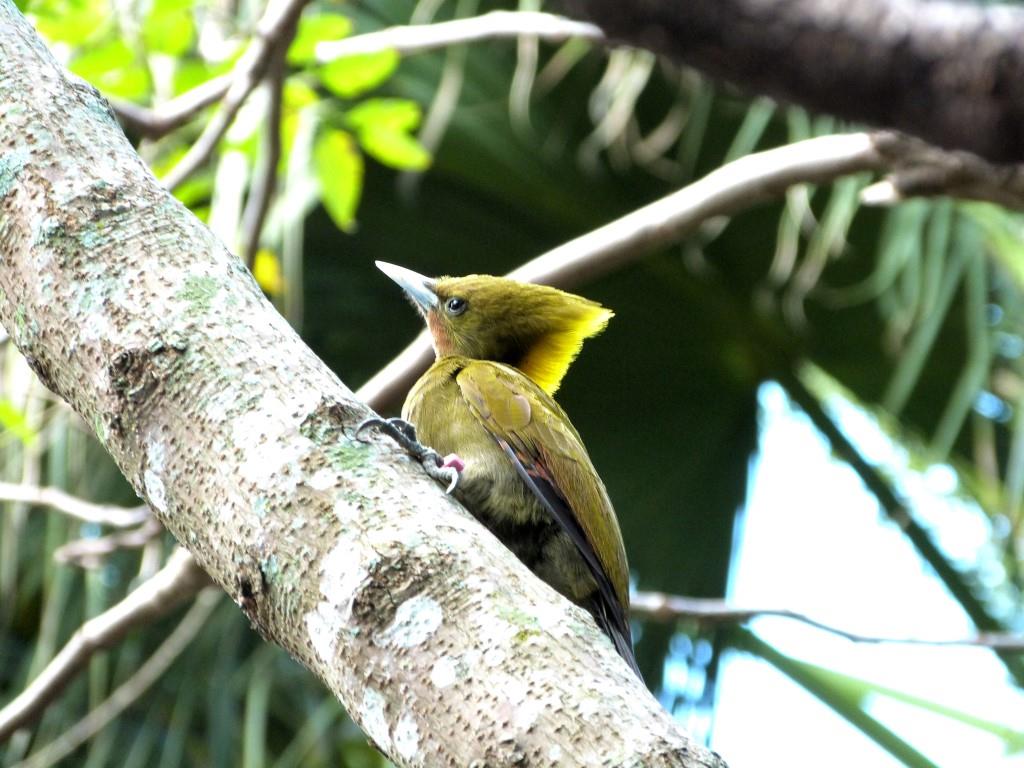
Greater Yellownape (Chrysophlegma flavinucha) female Zoo Miami by Lee

Greater Yellownape (Chrysophlegma flavinucha) female Zoo Miami by Lee

For they will be a graceful ornament on your head, And chains about your neck. (Proverbs 1:9 NKJV)

Here is one of my favorites at Zoo Miami’s Wings of Asia Aviary. They have 87 species and they are all my favorites, but this one is further up the scale. This is a Greater Yellownape (Chrysophlegma flavinucha) female and believe it is the only Yellownape there at present.

Dan and I went back down to Zoo Miami this week and spent two days just in the Aviary. When we were there earlier this year, most of my photos did not come out well. After some adjustments to my Panasonic Lumix FZ47 point-n-shoot (which I shoot in “program mode”), things didn’t do much better at first the first day. More adjustments and these came out better. Tuesday night in the motel, Dan made some more fixes. Yesterday, I finally got some really nice photos which I will share later.

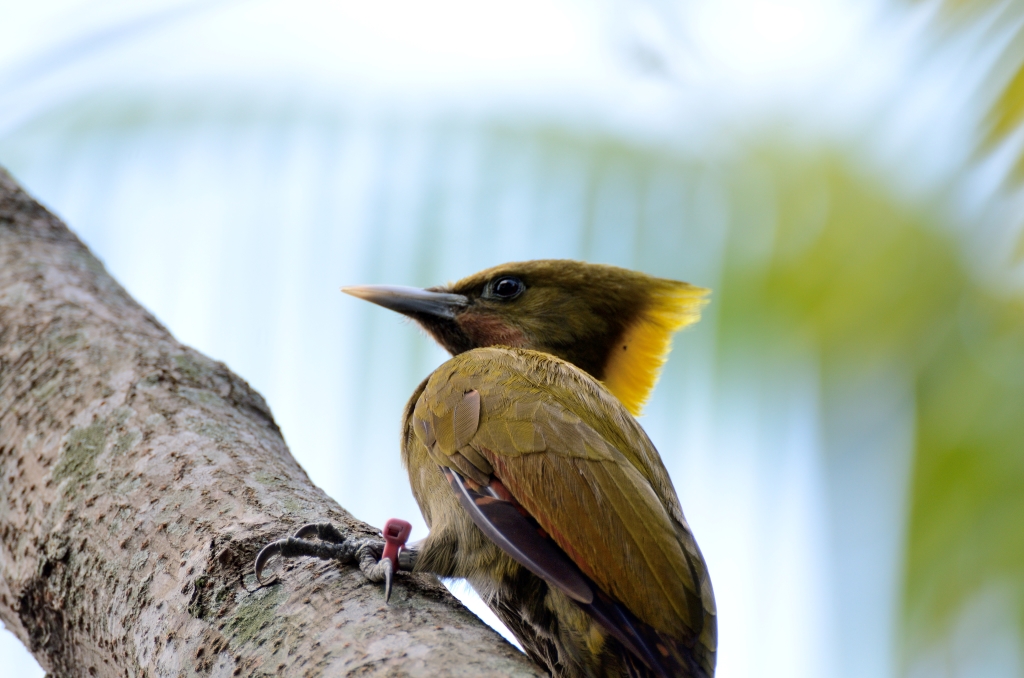
Greater Yellownape (Chrysophlegma flavinucha) female Zoo Miami by Dan

Greater Yellownape (Chrysophlegma flavinucha) female Zoo Miami by Dan

My son, keep your father’s command, And do not forsake the law of your mother. Bind them continually upon your heart; Tie them around your neck. (Proverbs 6:20-21 NKJV)

For those of you into photography, the problem is that the Aviary is well landscaped with lots of trees and is covered with its wire mesh. My ISO and lens speed were to low to compensate for the environment. My camera normally does well when I am “outdoors” and not in an aviary. (As for ISOs and F-stops, I don’t know much them. I would rather study about the birds and let Dan worry about the camera.)

Back to our Yellownape. This is another neat creation from its Creator. They belong to the Woodpecker – Picidae Family. At the aviary, they call it the Greater Yellow Naped Woodpecker.

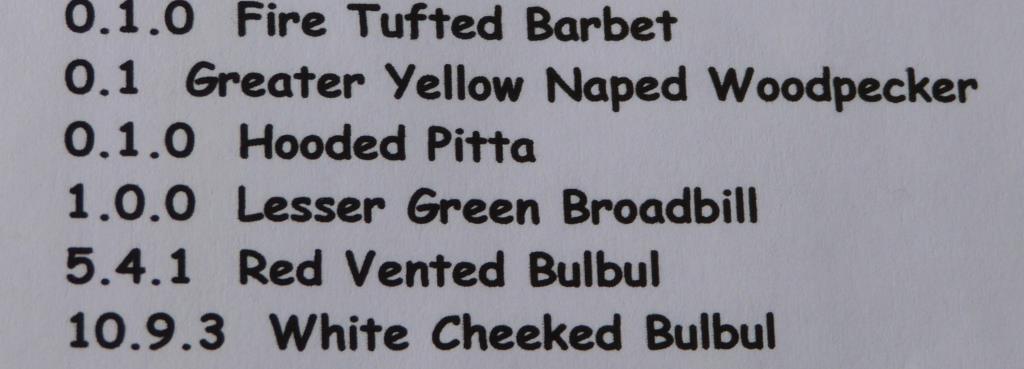
List of birds at Wings of Asia - Greater Yellow Nape

List of birds at Wings of Asia – Greater Yellownape

From a copy of their list, you can tell it is a female and the only one. The list has the number of males first, then number of females and then the third number is unknown sex. Every day they check on the birds and try to find each one. If after 3 days a bird isn’t spotted, then a real search begins. By following the counters around, who were very friendly and willing to help with names of birds, many of the birds come out and into view. Could it be because the counters have food with them? In fact some of the birds make themself right at home on the cart.

Counters with friends

Counters with friends

*
Counters with friends making themselves at home

Counters with friends making themselves at home

*

Counters with friends making themselves at home

Counters with friends making themselves at home

*

Actually the Yellownape came in close the second day, but I failed to get her photo, but Dan captured her in the second photo as she was eating worms from the hole in the tree. The worker had just placed some worms there to bring the birds in closer so they could be counted.

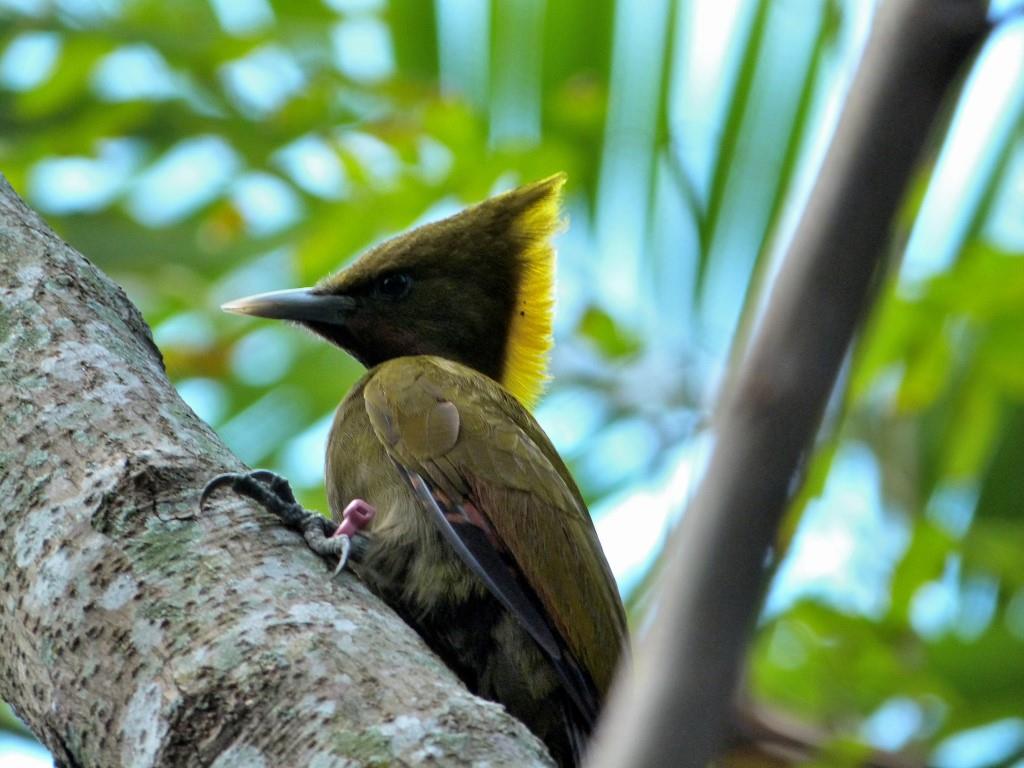
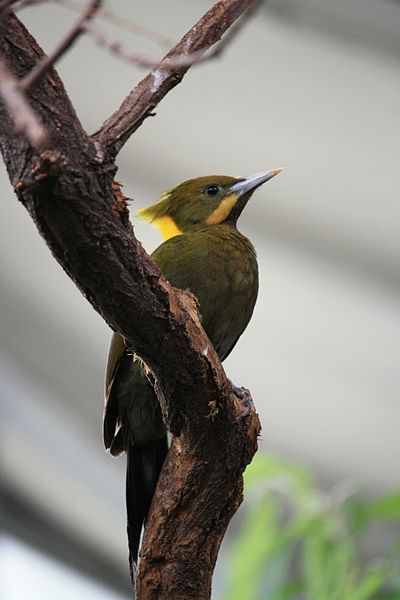
The Greater Yellownape is a large, olive-green woodpecker with prominent yellow-crested nape and throat. Dark olive-green with grey underparts. Crown brownish and flight feathers chestnut barred with black. Bill often looks whitish. “Nape” is the back or base of the neck area. See Birdwatching Term – Nape

It is found in Bangladesh, Bhutan, Cambodia, China, India, Indonesia, Laos, Malaysia, Myanmar, Nepal, Thailand, and Vietnam. Its natural habitats are subtropical or tropical moist lowland forests and subtropical or tropical moist montane forests. (Wikipedia)

Included in the photos below is a photo of a male from Wikipedia. Notice his line on his chin is more yellow than the female. Here is more of a rusty color.

Here are the photos of the Greater Yellownape (Chrysophlegma flavinucha).

“And he arose and came to his father. But when he was still a great way off, his father saw him and had compassion, and ran and fell on his neck and kissed him. …It was right that we should make merry and be glad, for your brother was dead and is alive again, and was lost and is found.’ ” (Luke 15:20, 32 NKJV)

See:

*

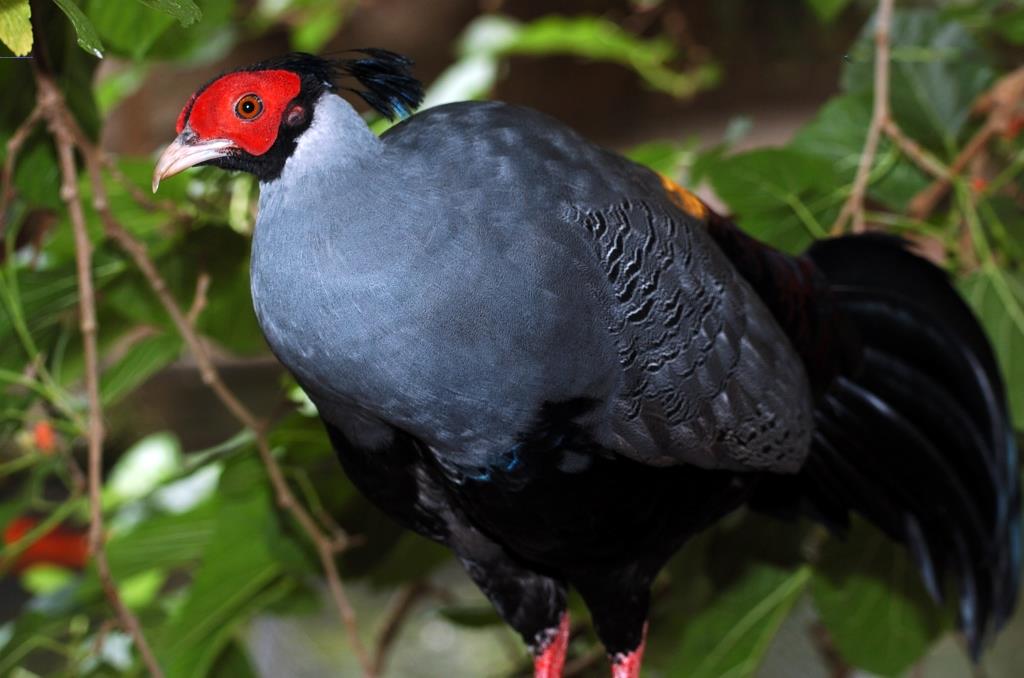
Siamese Fireback by Dan

Siamese Fireback by Dan's Pix

Siamese Fireback by Dan’s Pix at Zoo Miami

As the partridge sitteth on eggs, and hatcheth them not; so he that getteth riches, and not by right, shall leave them in the midst of his days, and at his end shall be a fool. (Jeremiah 17:11 KJV)

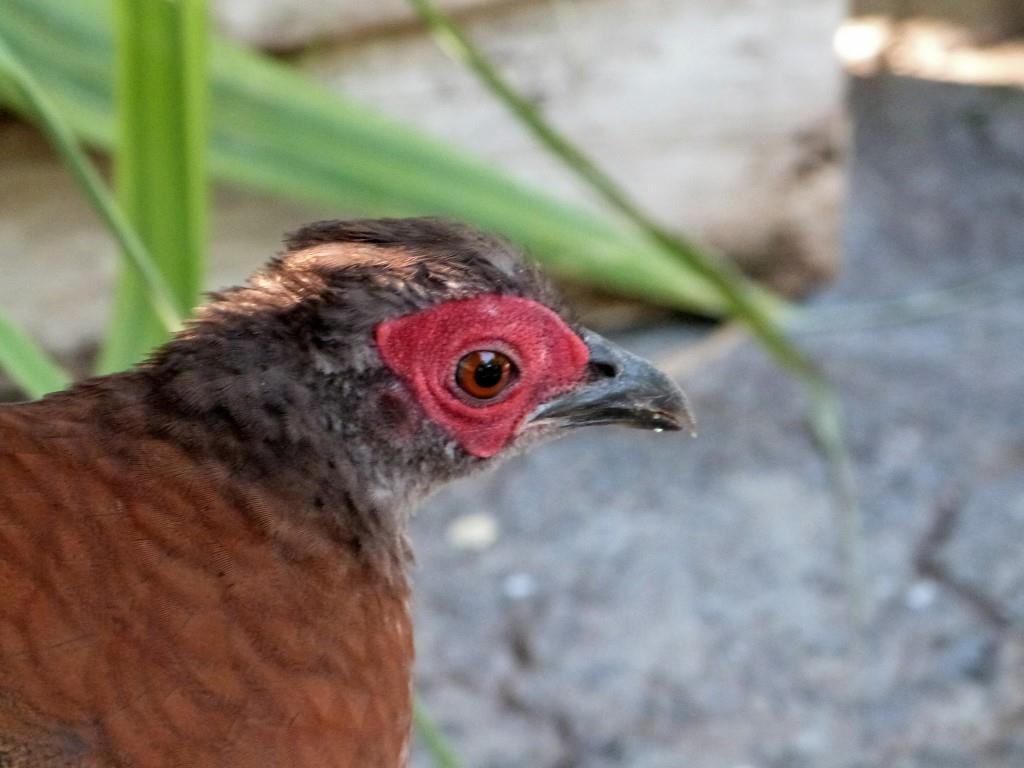
I was browsing through some of Dan’s photos on his Dan’s Pix site and came across the Siamese Fireback. We saw this bird in the Wings of Asia Aviary at Zoo Miami. This is another of the Lord’s interesting creations.

The Siamese Fireback (Lophura diardi) also known as Diard’s Fireback is a fairly large, approximately 31.5 in (80 cm) long, pheasant. The male has a grey plumage with an extensive red facial skin, crimson legs and feet, ornamental black crest feathers, reddish brown iris and long curved blackish tail. The female is a brown bird with blackish wing and tail feathers.

The Siamese Fireback is distributed to the lowland and evergreen forests of Cambodia, Laos, Thailand and Vietnam in Southeast Asia. Very dense forests, bamboo and evergreen from sea-level to 2,000 feet. This species is also designated as the national bird of Thailand.

Siamese Fireback (Lophura diardi) ©WikiC

Siamese Fireback (Lophura diardi) ©WikiC (You can see the yellow on its back)

The female usually lays between four to eight rosy eggs. They have a more subtle coloration that helps them blend into the area while nesting.

Siamese Fireback (Lophura diardi) female by Lee ZM

Siamese Fireback (Lophura diardi) female by Lee ZM

Where there is no wood, the fire goes out; And where there is no talebearer, strife ceases. (Proverbs 26:20 NKJV)

Siamese Fireback (Lophura diardi) female by Lee ZM

Siamese Fireback (Lophura diardi) female by Lee ZM

The scientific name commemorates the French naturalist Pierre-Médard Diard. (Information from various internet sources.)

The three Firebacks are part of the Phasianidae – Pheasants, Fowl & Allies Family. Partridges, Pheasants, Grouse, Quail, Francolin, Peafowl, Peacocks and others make up this family.

Crestless Fireback (Lophura erythrophthalma) IBC

Crested Fireback (Lophura ignita)

Siamese Fireback (Lophura diardi) by Dan’s Pix

Also:

*

Birds of the Bible – Harpy Eagle

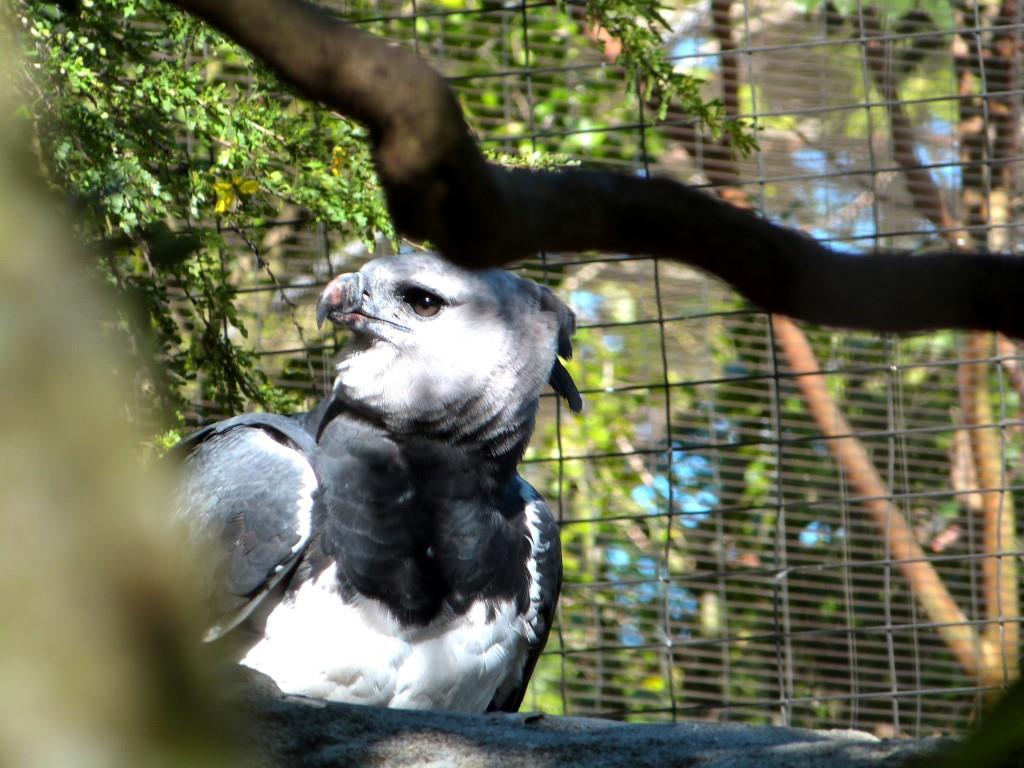
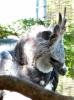
Harpy Eagle (Harpia harpyja) by Lee at ZM 2014

Harpy Eagle (Harpia harpyja) by Lee at ZM 2014

And say, Thus saith the Lord GOD; A great eagle with great wings, longwinged, full of feathers, which had divers colours, came unto Lebanon, and took the highest branch of the cedar: (Eze 17:3)

Dan and I were off on a birdwatching adventure this week. This time we visited the Zoo Miami’s Wings of Asia aviary and the Palm Beach Zoo. With over a thousand photos to sort through, I have some new photos to share. Because of the number, it will also be awhile before they are sorted and cleaned up.

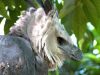
At Zoo Miami we encountered a Harpy Eagle and its young one. As far as I know, this is a first for seeing this Eagle. Its holding area is quite large and has a fly area right over the walk path. The biggest problems were a fence and it was very shady there which made photographing them challenging. But what an amazing creation by the Lord. Love that “hair do”.

And say, Thus saith the Lord GOD; A great eagle with great wings, longwinged, full of feathers, which had divers colours, came unto Lebanon, and took the highest branch of the cedar: (Eze 17:3)

Harpy Eagle (Harpia harpyja) by Lee at Zoo Miami 2014

Harpy Eagle (Harpia harpyja) by Lee at Zoo Miami 2014

I was able to get a few shots through the fence. I am not complaining about the fence being between me and that eagle. Looking at that beak makes one very thankful for a barrier between us.

Wikipedia says, “On occasion, larger prey such as capybaras, peccaries and deer are taken and they are usually taken to a stump or low branch and partially eaten, since they are too heavy to be carried whole to the nest. Red brocket deer, a species commonly weighing over 30 kg (66 lb), have been reportedly predated and, in such cases, the eagle may have to tear it into pieces or feed on at the killing site rather than fly with as it would be too heavy. The Harpy have been recorded as taking domestic livestock, including chickens, lambs, goats and young pigs, but this is extremely rare under normal circumstances. They control population of mesopredators such as capuchin monkeys which prey extensively on bird’s eggs and which (if not naturally controlled) may cause local extinctions of sensitive species.”

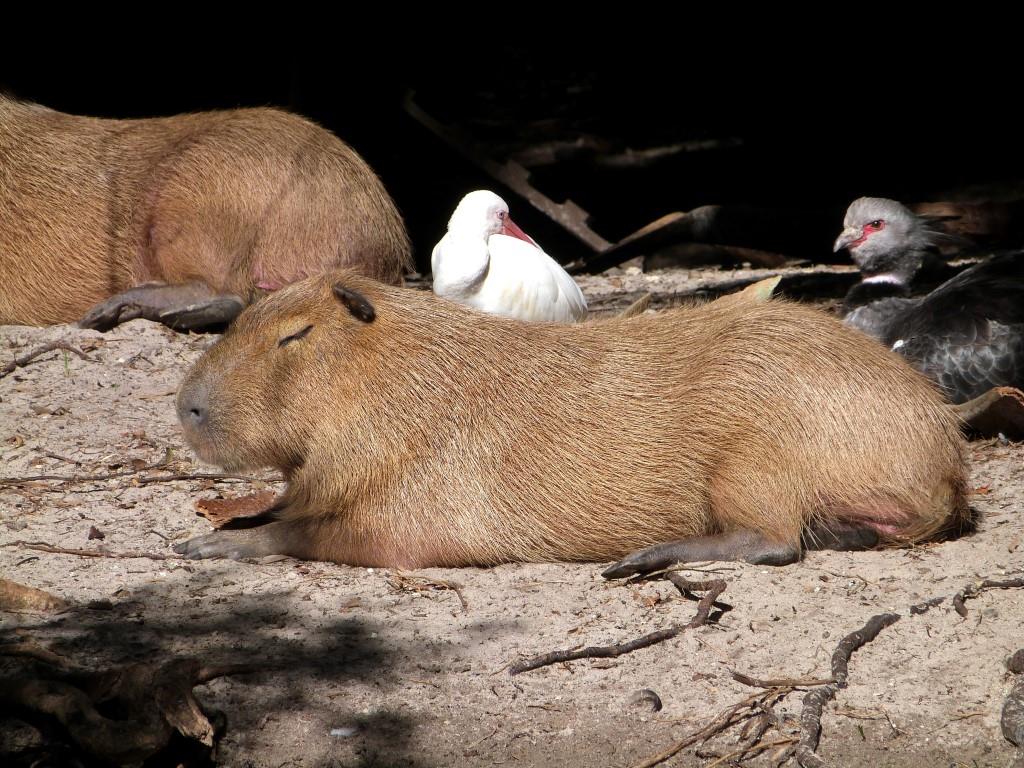
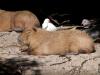
Here is a Capybara resting alongside a White Ibis and a Crested Screamer. It gives you an idea how large a critter the Harpy can take as prey. (The Capybara is problem happy it is at Palm Beach and not down in Miami with the Hapry.)

Capybara with White Ibis and Crested Screamer by Lee at PB Zoo

Capybara with White Ibis and Crested Screamer by Lee at PB Zoo 2014

Our persecutors are swifter than the eagles of the heaven: they pursued us upon the mountains, they laid wait for us in the wilderness. (Lam 4:19)

The Harpy Eagle (Harpia harpyja) is a Neotropical species of eagle. They are one of the 256 members of the Accipitridae – Kites, Hawks & Eagles Family. It is sometimes known as the American Harpy Eagle to distinguish it from the Papuan Eagle which is sometimes known as the New Guinea Harpy Eagle or Papuan Harpy Eagle. It is the largest and most powerful raptor found in the Americas, and among the largest living species of eagles in the world. It usually inhabits tropical lowland rainforests in the upper (emergent) canopy layer. Destruction of its natural habitat has seen it vanish from many parts of its former range, and it is nearly extirpated in Central America. In Brazil, the Harpy Eagle is also known as Royal-Hawk (in Portuguese: Gavião-Real).

Because of its endangerment, zoos are keeping them to help in breeding. In fact, there is a second Harpy in this enclosure. They have been successful in having chicks born. One was born in 2009 and again in 2013. I assume this young Harpy Eagle is the one born last year.

Harpy Eagle (Harpia harpyja) by Lee at Zoo Miami

Harpy Eagle (Harpia harpyja) by Lee at Zoo Miami

It is sometimes cited as the largest eagle alongside the Philippine Eagle, that is somewhat longer on average and the Steller’s Sea Eagle, that is slightly heavier on average. The wingspan of the Harpy Eagle is relatively small, an adaptation that increases maneuverability in forested habitats and is shared by other raptors in similar habitats. The wingspan of the Harpy Eagle is surpassed by several large eagles who live in more open habitats, such as those in the Haliaeetus and Aquila genera.

Additional Facts: (From Nature PBS)

  • The harpy was first described by Linnaeus in his 1758 Systema Naturae as the Vultur harpyja, after the Greek mythological spirit that had the body of an eagle and the face of a human.
  • The harpy eagle is most closely related to the crested eagle (Morphnus guianesis) and the New Guinea harpy eagle (Harpyopsis novaeguineae).
  • The harpy eagle is Panama’s national bird.
  • Its talons can be as large as the claws of a grizzly bear.
  • As an apex predator, the harpy eagle is often believed to be a key indicator of the health of the forest ecosystem. Where there are healthy numbers of harpy eagles, there are healthy numbers of the species it preys upon.
  • The exact number of harpies is not known. Birdlife International estimated that there were between 20,000 and 50,000 birds in 2009, but those numbers are far from definitive.

The Harpy Eagle is on the Coat of Arms of Panama – Harpy Eagle at Top – Wikipedia

To find out more about the Harpy see the links below. There a numerous verses in the Bible about Eagles and these are just a few more of them.

Wilt thou set thine eyes upon that which is not? for riches certainly make themselves wings; they fly away as an eagle toward heaven. (Pro 23:5)

The same hour was the thing fulfilled upon Nebuchadnezzar: and he was driven from men, and did eat grass as oxen, and his body was wet with the dew of heaven, till his hairs were grown like eagles’ feathers, and his nails like birds’ claws. (Dan 4:33)

Doth the eagle mount up at thy command, and make her nest on high? She dwelleth and abideth on the rock, upon the crag of the rock, and the strong place. (Job 39:27-28)

See:

*


*

Updated the Bible Birds – Crane Page

Sandhill Cranes and Babies in yard

Sandhill Cranes and Babies in yard

Cranes know when it’s time to move south for winter. And robins, warblers, and bluebirds know when it’s time to come back again. But my people? My people know nothing, not the first thing of GOD and his rule. (Jeremiah 8:7 MSG)

The Crane page of the Bible Birds has been updated. I added a Gallery of most of the Cranes and some other information. Cranes are interesting and we get to see them quite often. We have two that walk through the yard almost daily. They are Sandhill Cranes. When they have young, they have been known to parade them through the yard to “show them off.”

The tallest Crane I have seen were the two Sarus Cranes which we encountered at the Wings of Asia Aviary at Zoo Miami. They came strolling down the walkway in the aviary right past me. I am only 4′ 10″ and they are 5′ 6″. Needless to say, I had to look up to them. I also gave them some space.

Isn’t the Creator fantastic in the variety of critters, especially the birds, that He has made and for us to enjoy.

Sarus Crane (Grus antigone) by Lee at Wings of Asia

Sarus Crane (Grus antigone) by Lee at Wings of Asia

Wordless Book

*

Birds Vol 2 #2 – The Red Breasted Merganser

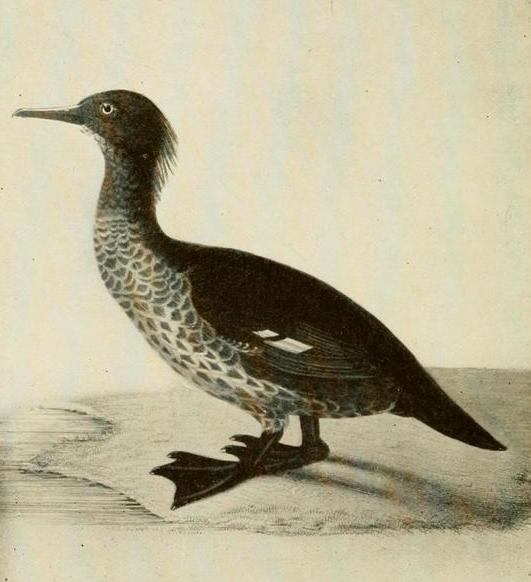
Red-breasted Merganser from Birds Illustrated by Color Photography

Red-breasted Merganser from Birds Illustrated by Color Photography

THE RED BREASTED MERGANSER.

imgy

HY this duck should be called red-breasted is not at first apparent, as at a distance the color can not be distinguished, but seen near, the reason is plain. It is a common bird in the United States in winter, where it is found in suitable localities in the months of May and June. It is also a resident of the far north, breeding abundantly in Newfoundland, Labrador, Greenland, and Iceland. It is liberally supplied with names, as Red-Breasted Goosander or Sheldrake, Garbill, Sea Robin, etc.

There is a difference in opinion as to the nesting habits of the Red-Breast, some authorities claiming that, like the Wood Duck, the nest is placed in the cavity of a tree, others that it is usually found on the ground among brushwood, surrounded with tall grasses and at a short distance from water. Davie says that most generally it is concealed by a projecting rock or other object, the nest being made of leaves and mosses, lined with feathers and down, which are plucked from the breast of the bird. The observers are all probably correct, the bird adapting itself to the situation.

Fish is the chief diet of the Merganser, for which reason its flesh is rank and unpalatable. The Bird’s appetite is insatiable, devouring its food in such quantities that it has frequently to disgorge several times before it is able to rise from the water. This Duck can swallow fishes six or seven inches in length, and will attempt to swallow those of a larger size, choking in the effort.

The term Merganser is derived from the plan of the bird’s bill, which is furnished with saw teeth fitting into each other.

The eggs of the Red-Breasted Merganser vary from six to twelve, are oval in shape, and are of a yellowish or reddish-drab, sometimes a dull buffy-green.

You may have seen pictures of this Duck, which frequently figures in dining rooms on the ornamental panels of stuffed game birds, but none which could cause you to remember its life-like appearance. You here see before you an actual Red-Breasted Merganser.

Birds Vol 2 #2 – The Red Breasted Merganser

From col. J. G. Parker, Jr.

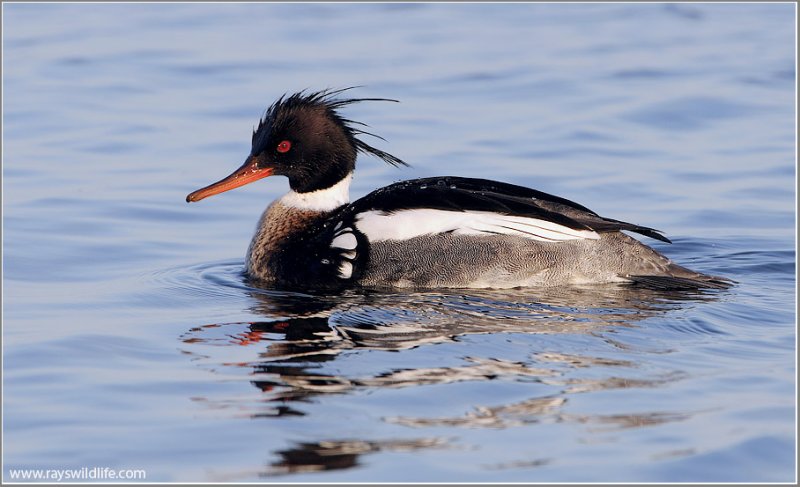
Red-breasted Merganser (Mergus serrator) by Ray

Red-breasted Merganser (Mergus serrator) by Ray

Lee’s Addition:

Out of the ground the LORD God formed every beast of the field and every bird of the air, and brought them to Adam to see what he would call them. And whatever Adam called each living creature, that was its name. (Genesis 2:19 NKJV)

Another of one of the Lord’s neat birds. Mergansers are found in the Anatidae – Ducks, Geese & Swans Family. There are six of them in two Genera. The Hooded Merganser in Lophodytes genus and the Auckland (extinct), Brazilian, Common, Red-breasted, and Scaly-sided in the Mergus genus.

The adult Red-breasted Merganser is 20–24 in (51–62 cm) long with a 28–34 in (70–86 cm) wingspan. It has a spiky crest and long thin red bill with serrated edges. The male has a dark head with a green sheen, a white neck with a rusty breast, a black back, and white underparts. Adult females have a rusty head and a greyish body. The juvenile is like the female, but lacks the white collar and has a smaller white wing patch.

The call of the female is a rasping prrak prrak, while the male gives a feeble hiccup-and-sneeze display call. (from xeno-canto)

Red-breasted Mergansers dive and swim underwater. They mainly eat small fish, but also aquatic insects, crustaceans, and frogs.

Its breeding habitat is freshwater lakes and rivers across northern North America, Greenland, Europe, and Asia. It nests in sheltered locations on the ground near water. It is migratory and many northern breeders winter in coastal waters further south.

It has been claimed to be the fastest bird in level flight, reaching speeds of 161 km/h (100 mph), but is disputed whether the White-throated Needletail is faster, reportedly flying at 170 km/h (105 mph).

Here is a video of a Common Merganser flipping his feet after diving for food that was given him at the Zoo Miami Wings of Asia Aviary – by me.

*

Birds Illustrated by Color Photography – Revisited – Introduction

The above article is the first article in the monthly serial that was started in January 1897 “designed to promote Knowledge of Bird-Live.” These include Color Photography, as they call them, today they are drawings. There are at least three Volumes that have been digitized by Project Gutenberg.

To see the whole series of – Birds Illustrated by Color Photography – Revisited

*

(Information from Wikipedia and other internet sources)

Next Article – The Yellow Legs

The Previous Article – The Kentucky Warbler

ABC’s Of The Gospel

Links:

Zoo Miami’s Wings of Asia – Wow! – II

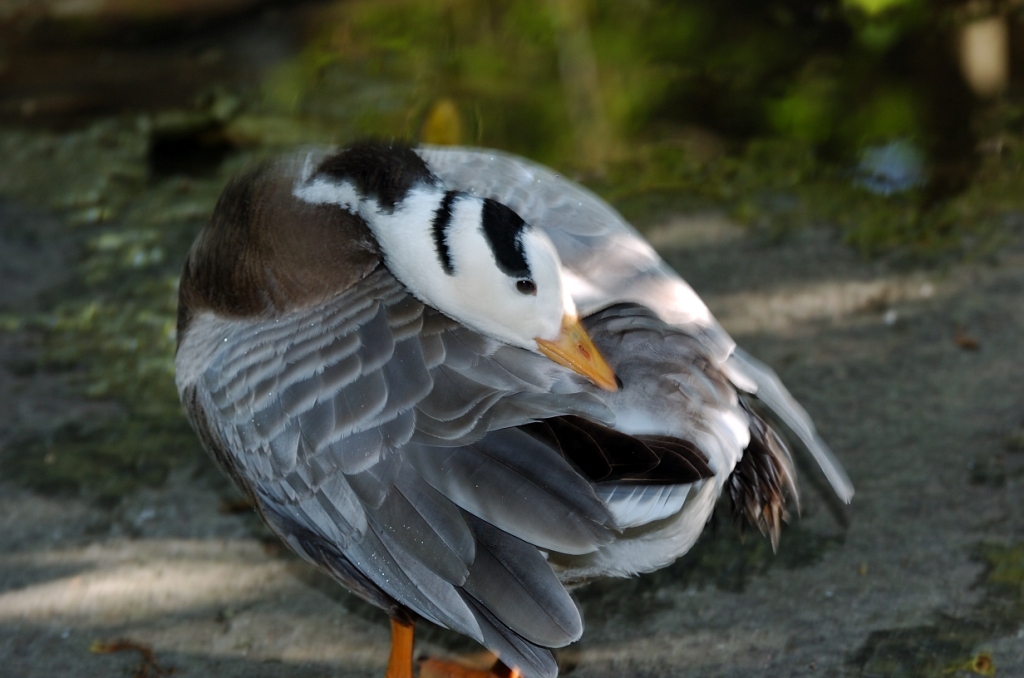
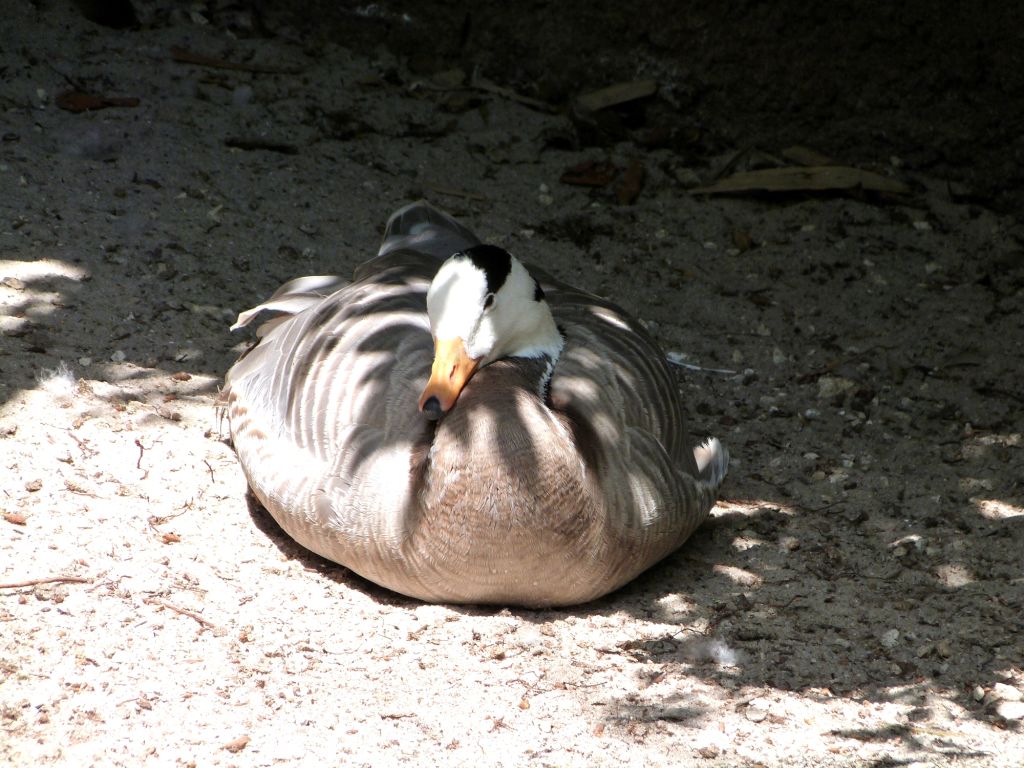
Bar-headed Goose (Anser indicus) by Dan at Zoo Miami

Bar-headed Goose (Anser indicus) by Dan at Zoo Miami

In Zoo Miami’s Wings of Asia – Wow! – I our trip their was introduced. Now to continue with our adventure there. I am still sorting photos, but I have most of the water birds figured out.

First, here are two quotes about the aviary from Zoo Miami’s website. “Brilliantly colored pheasants, hornbills, pigeons and many other birds show off their shimmering, iridescent plumage in a large, lush free-flight enclosure that provides them with unencumbered flight. Tiny and large birds swoop overhead, perch on branches and even strut and stroll right by visitors. The air is alive with bird activity, beautiful birdsongs, trickling brooks and waterfalls.” They said that so much better than I could, but it is so true.

“The bird collection is quite diverse with rare, colorful species that sing attractive songs and make unusual vocalizations. Some of the birds are cranes, rails, mynahs, parrots, pheasants, thrushes, fruit-pigeons, barbets and woodpeckers. The birds, vastly different in size, range from 10-gram (.35 oz) Japanese white-eyes to 7000-gram (15.4 lb) sarus cranes…  Many of these species are rare in zoo collections, and some can only be seen at Zoo Miami as part of our participation in wildlife conservation breeding initiatives such as the Species Survival Program.”

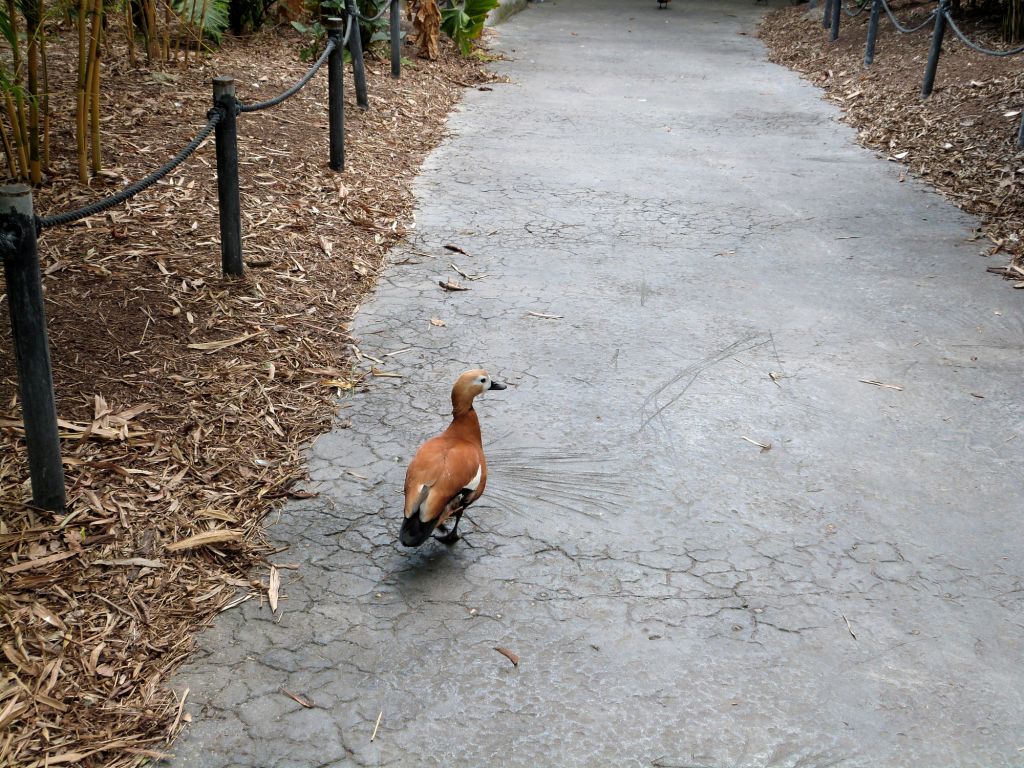
Ruddy Shelduck (Tadorna ferruginea) Zoo Miami by Lee

Ruddy Shelduck (Tadorna ferruginea) Zoo Miami by Lee

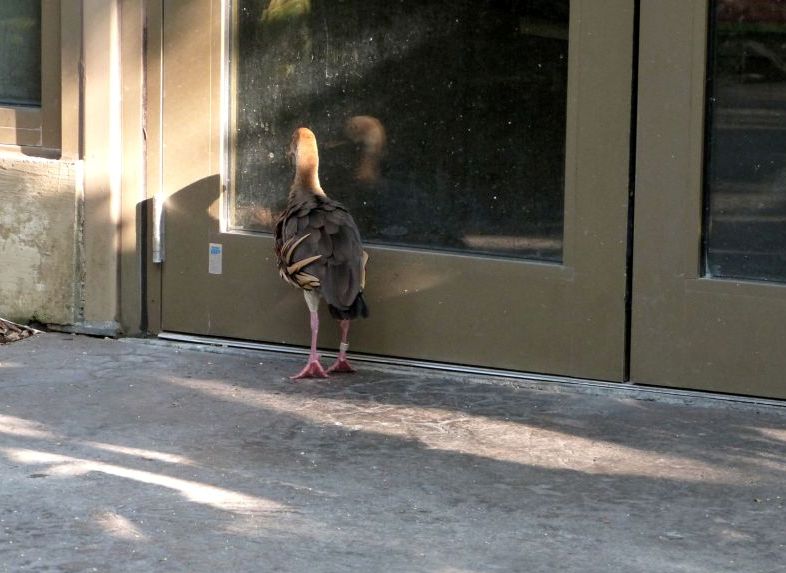
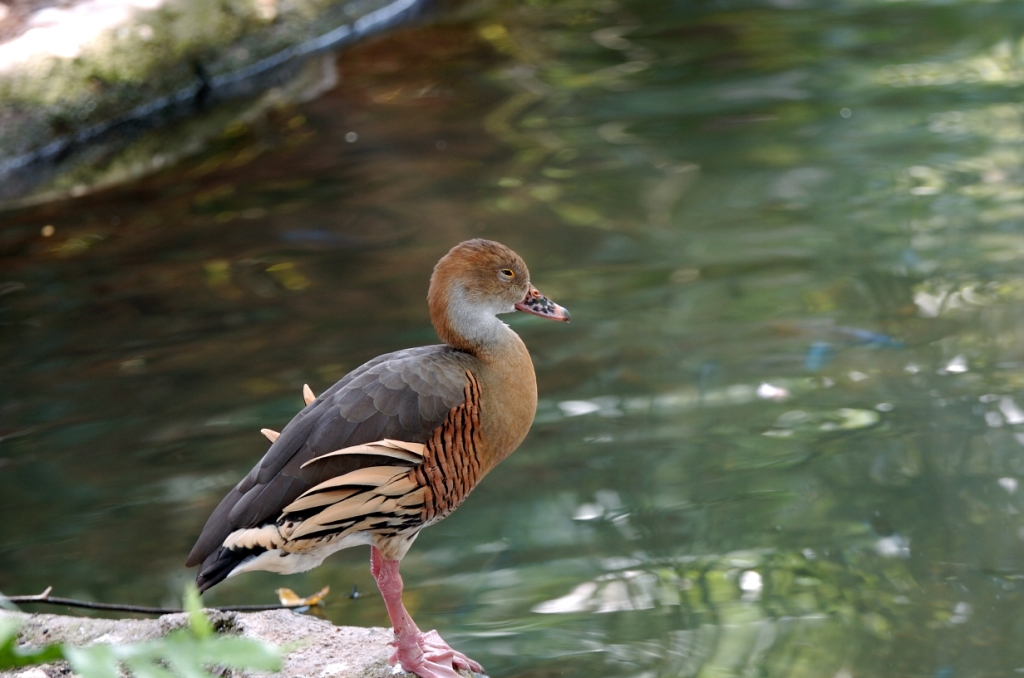
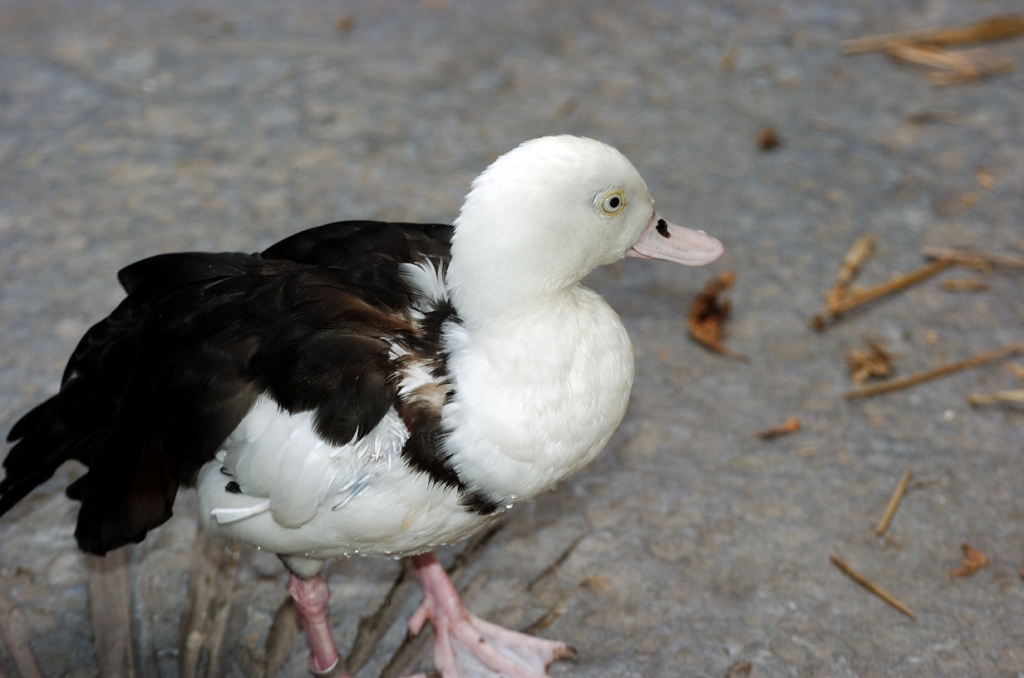
Strut some of them do! I’ll save the cranes for another article, but the Ruddy and Raja Shelducks were strolling all around. The Plumed Whistling Duck was checking out the entry door. Maybe looking for a way out or to see if the next visitors were on the way. Why would he want to leave such a fantastic surrounding?

Plumed Whistling Duck (Dendrocygna eytoni) Zoo Miami by Lee

Plumed Whistling Duck (Dendrocygna eytoni) Zoo Miami by Lee

Just in the Anatidae – Ducks, Geese & Swans Family there were 18 species that we were able to see and photograph. In addition there were 6 members of that family we found around the zoo (Amazon & Beyond and Cloud Forrest). Some we have seen previously, but most were ones not seen by us. Here is a list of those with a link to a photo and a slide show at the bottom. I am starting with these because they are the some of the first you encounter when you enter the aviary. By wandering around on the paths you actually arrive at three different heights with different bird species hanging out. More on that later.

Bar-headed Goose (Anser indicus) Zoo Miami by Lee

Bar-headed Goose (Anser indicus) Zoo Miami by Lee

The Bar-headed Goose’s picture was selected because of its behavior. I am featuring it because the Bar-headed Goose is thought to be one of the world’s highest flying birds, having been heard flying across Mount Makalu (the fifth highest mountain on earth at 8,481 metres (27,825 ft)) and apparently seen over Mount Everest (8,848 metres (29,029 ft), although this is a second hand report). This incredibly demanding migration has long puzzled physiologists and naturalists: “there must be a good explanation for why the birds fly to the extreme altitudes […] particularly since there are passes through the Himalaya at lower altitudes, and which are used by other migrating bird species” quoted from Black & Tenney (1980). In fact bar-headed geese is now believed that they do take the high passes through the mountains. The challenging northward migration from lowland India to breed in the summer on the Tibetan Plateau is undertaken in stages, with the flight across the Himalaya (from sea-level) being undertaken non-stop in as little as seven hours. Surprisingly, despite predictable tail winds that blow up the Himalayas (in the same direction of travel as the geese), bar-headed geese spurn these winds, waiting for them to die down overnight, when they then undertake the greatest rates of climbing flight ever recorded for a bird, and sustain these climbs rates for hours on end.

The Bar-headed Goose is known to be well equipped for this incredibly challenging migration. It has a slightly larger wing area for its weight than other geese, which is believed to help the goose fly at high altitudes. Studies have found that they breathe more deeply and efficiently under low oxygen conditions. The haemoglobin of their blood has a higher oxygen affinity than that of other geese. Again we see a well designed avian creation by its Creator. The Lord knew the conditions and heights it would need to cross to reach the feeding grounds provided for it.

Also, to every beast of the earth, to every bird of the air, and to everything that creeps on the earth, in which there is life, I have given every green herb for food”; and it was so. (Genesis 1:30 NKJV)

I know all the birds of the mountains, And the wild beasts of the field are Mine. (Psalms 50:11 NKJV)

The Bar-headed Goose migrates over the Himalayas to spend the winter in parts of India (from Assam to as far south as Tamil Nadu. The winter habitat of the Bar-headed Goose is cultivated fields, where it feeds on barley, rice and wheat, and may damage crops. Birds from Kyrgyzstan have been noted to stopover in western Tibet and southern Tajikistan for 20 to 30 days before migrating further south. Some birds may show high wintering site fidelity.

The bird is pale grey and is easily distinguished from any of the other grey geese of the genus Anser by the black bars on its head. It is also much paler than the other geese in this genus. In flight, its call is a typical goose honking. The adult is 71–76 centimetres (28–30 in) and weighs 1.87–3.2 kilograms (4.1–7.1 lb). (Wikipedia)

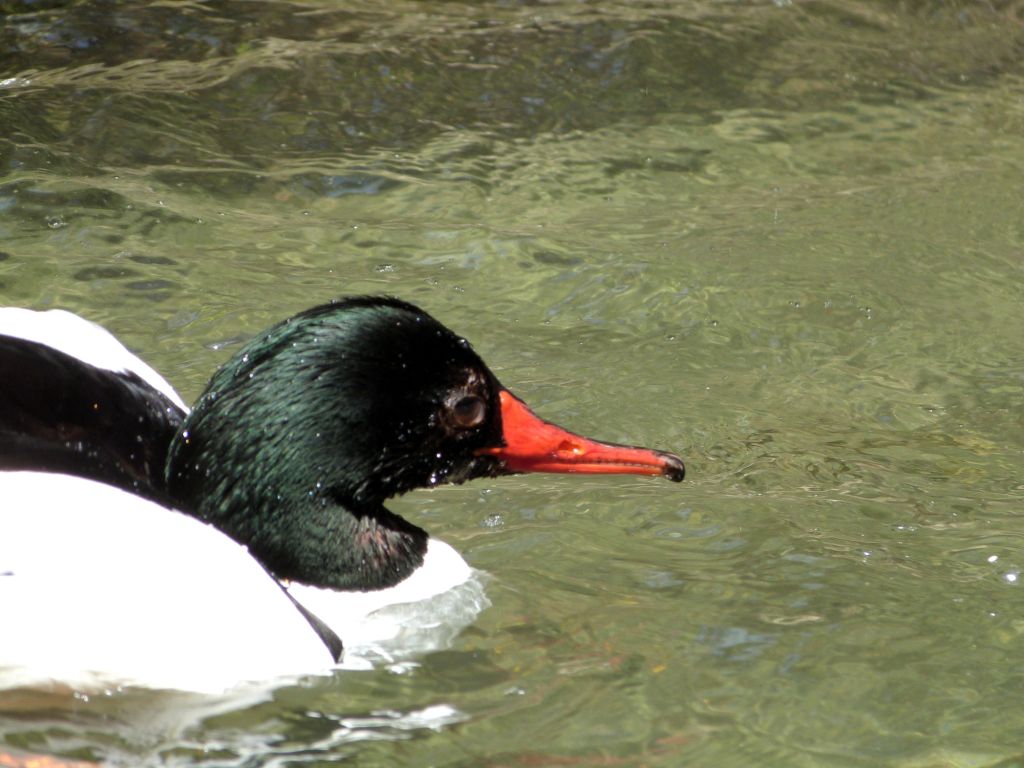
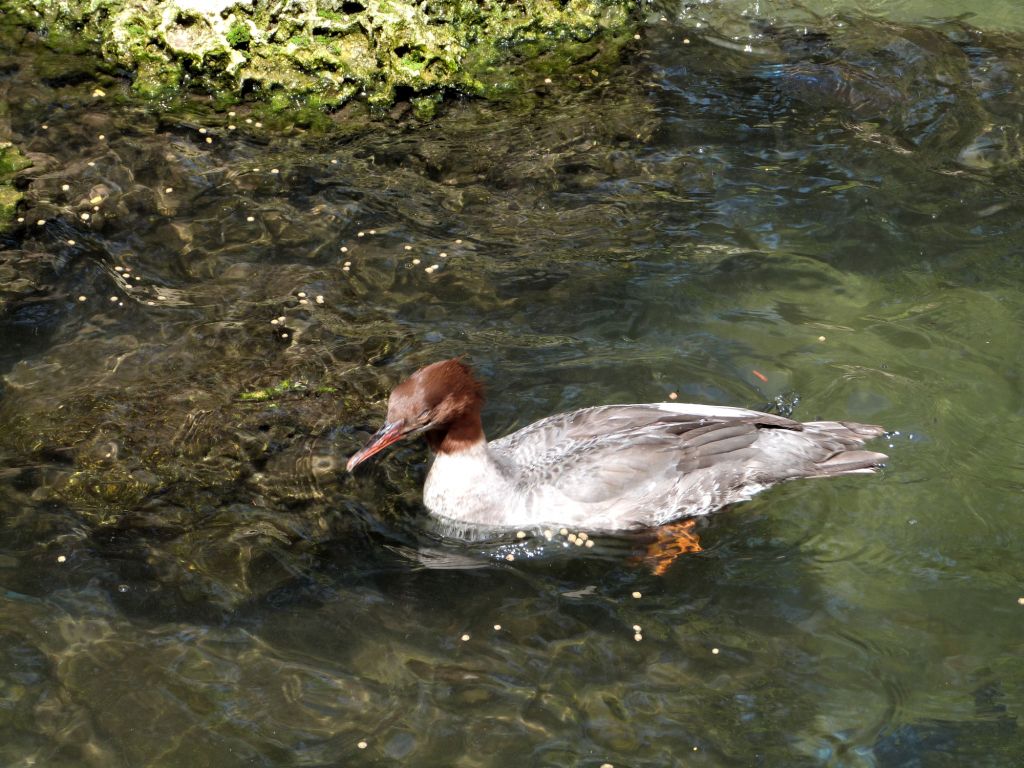
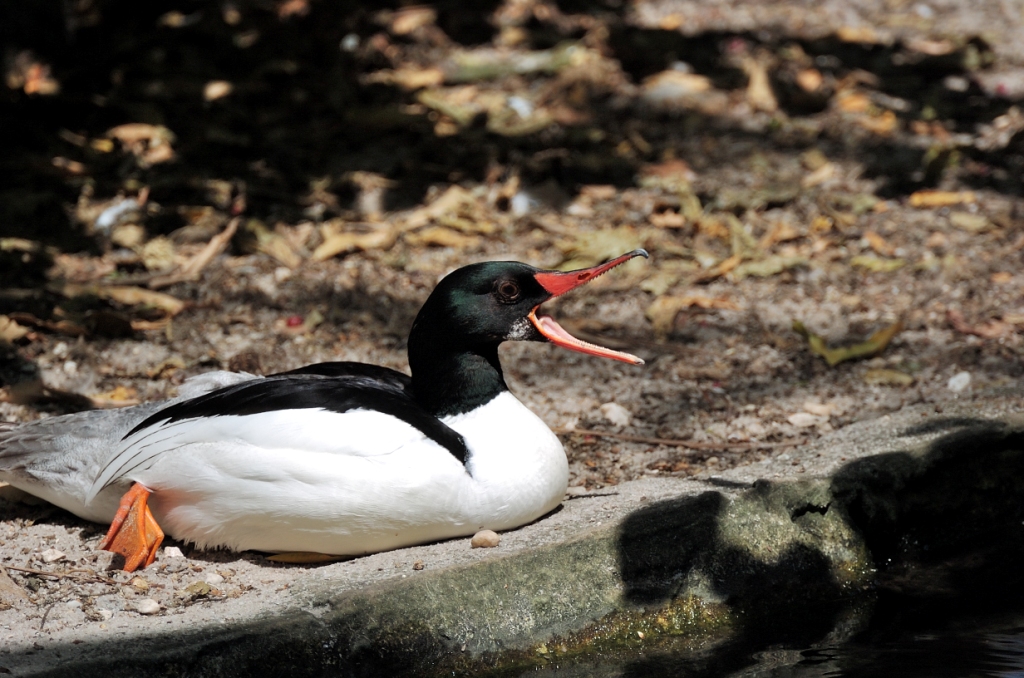
One more tale to tell. The Common Merganser had just eaten and he started flipping his feet like crazy. He was splashing water everywhere. I suppose he was happy. I finally turned the video on and caught part of it. He even chased the White-headed Duck around.


The name in (parenthesis) at the front is the name the zoo uses. I use the I.O.C. World Bird Names here on the blog. These are in taxonomic order.

White-faced Whistling Duck (Dendrocygna viduata) Amazon and Beyond
Plumed Whistling Duck (Dendrocygna eytoni) – Dan’s
(Javan) Lesser Whistling Duck (Dendrocygna javanica) – Dan’s
Bar-headed Goose (Anser indicus) – Dan’s
Red-breasted Goose (Branta ruficollis)
Coscoroba Swan (Coscoroba coscoroba) Amazon and Beyond
Raja Shelduck (Tadorna radjah) – Dan’s
Ruddy Shelduck (Tadorna ferruginea) – Dan’s
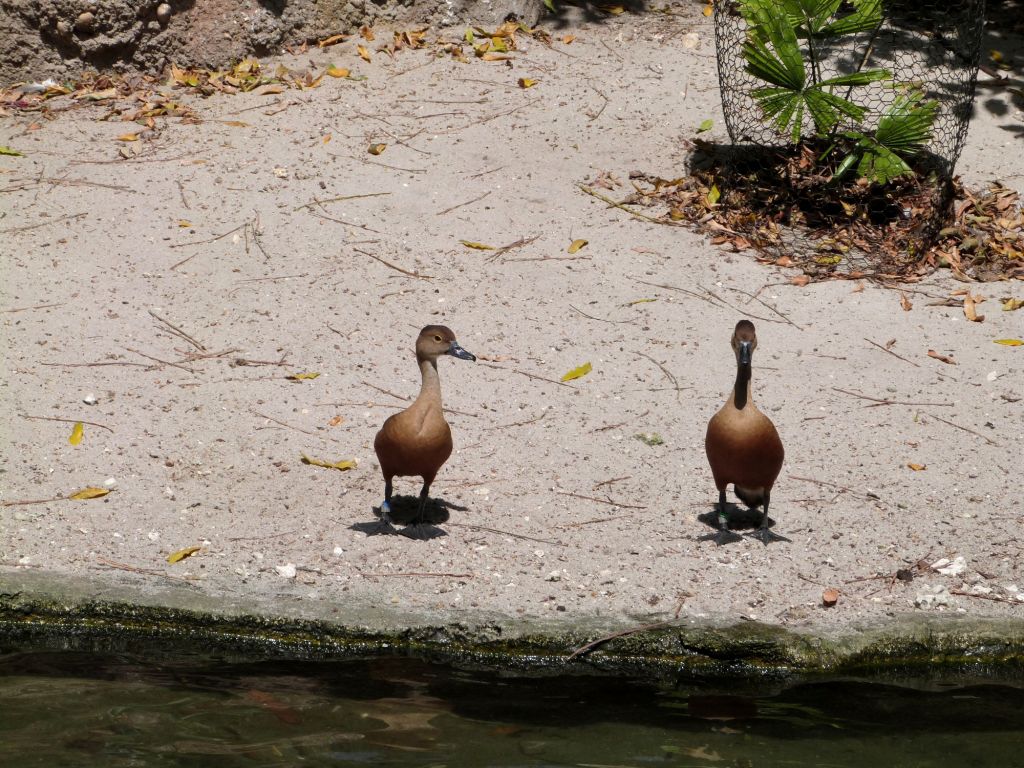
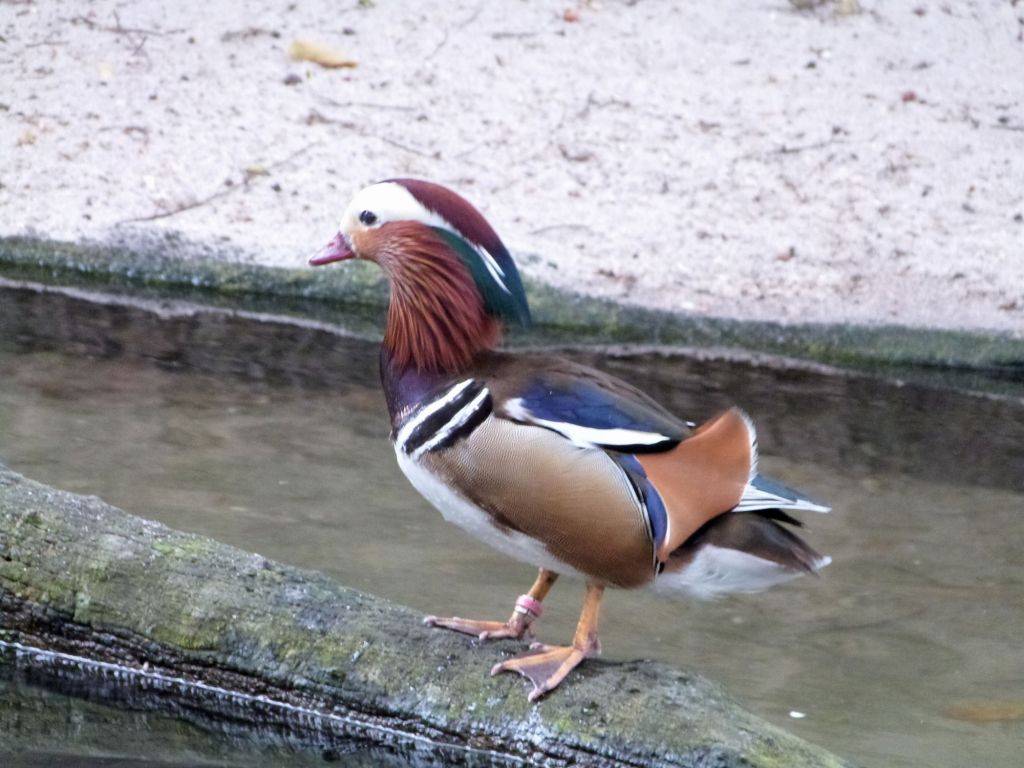
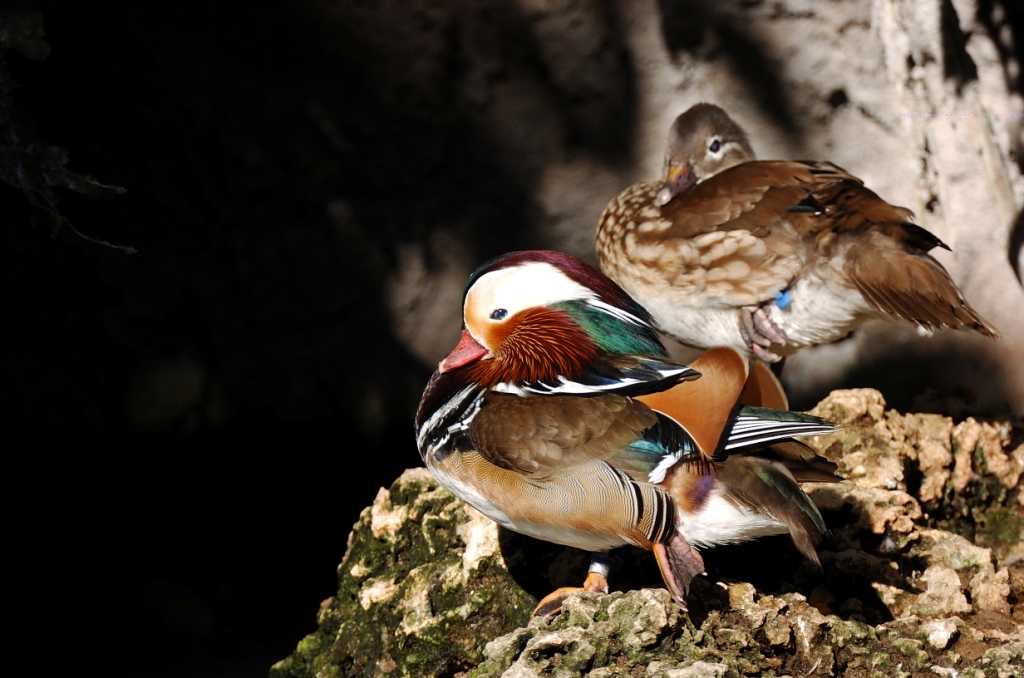
Mandarin Duck (Aix galericulata) – Male – Dan’s
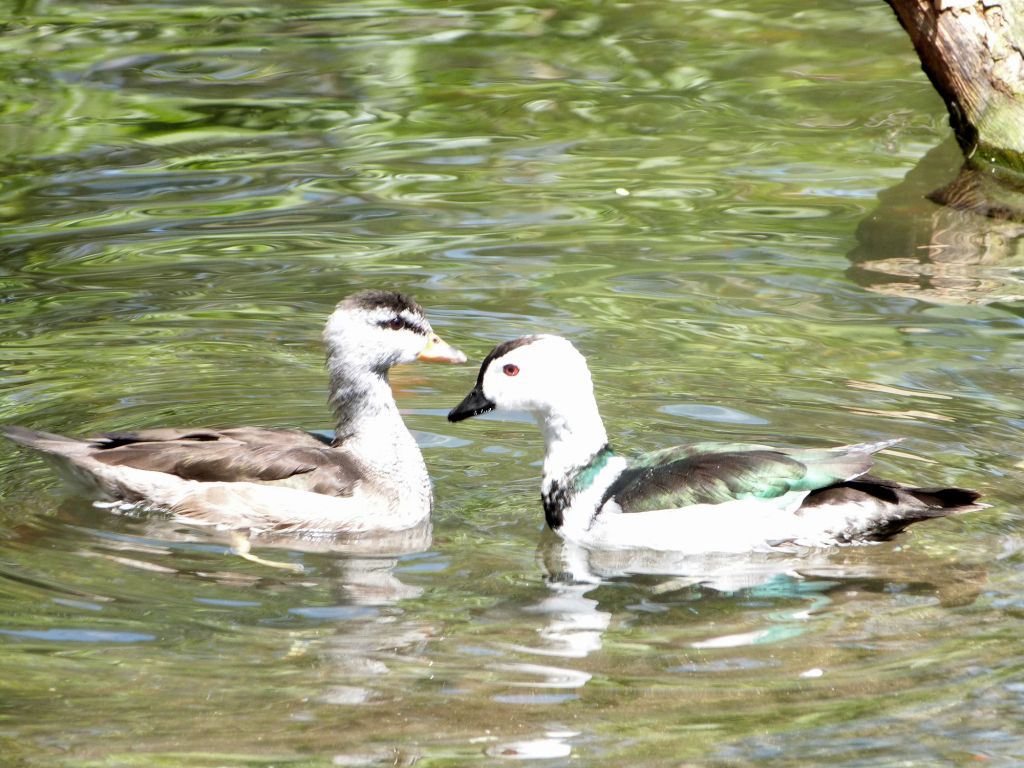
(Pygmy Goose) Cotton Pygmy Goose (Nettapus coromandelianus)
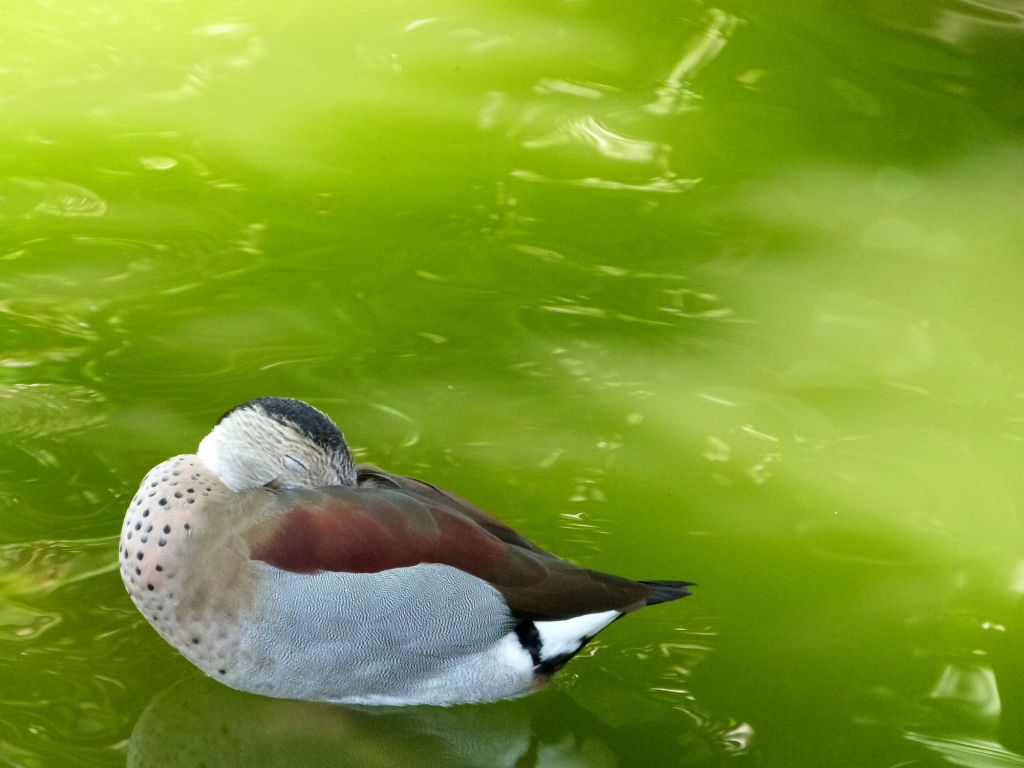
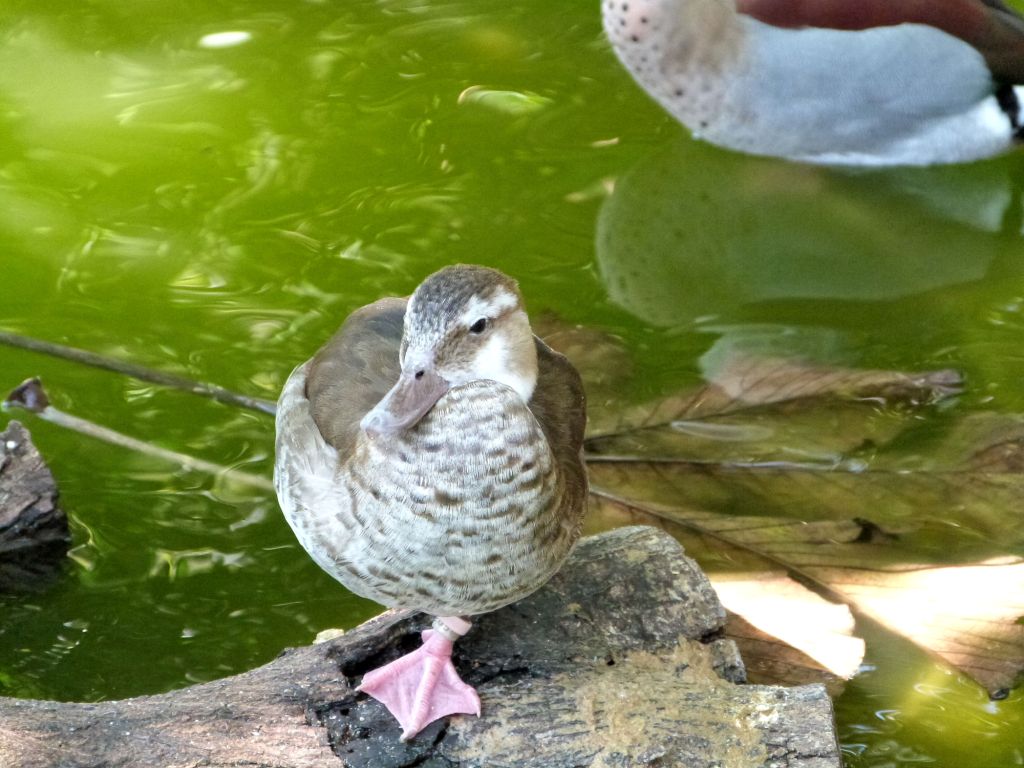
Ringed Teal (Callonetta leucophrys) Male – Female – Dan’s Amazon and Beyond
Bronze-winged Duck (Speculanas specularis) Sign (Saw, but no photo) Amazon and Beyond
Eurasian Wigeon (Anas penelope) (Saw, but no photo)
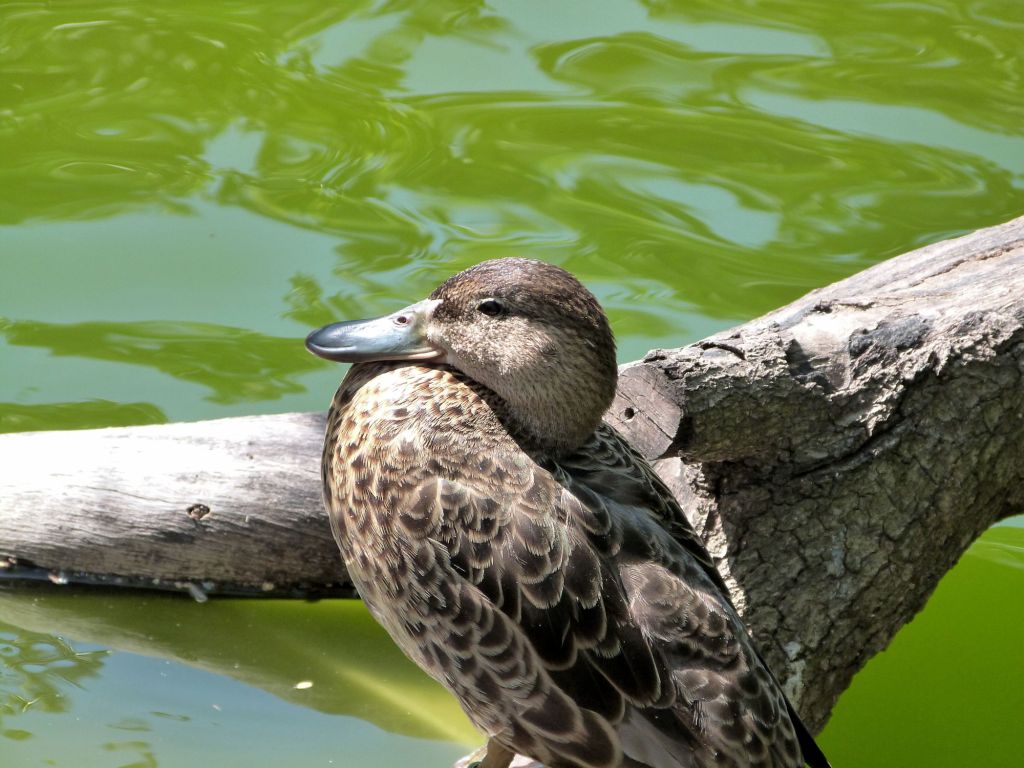
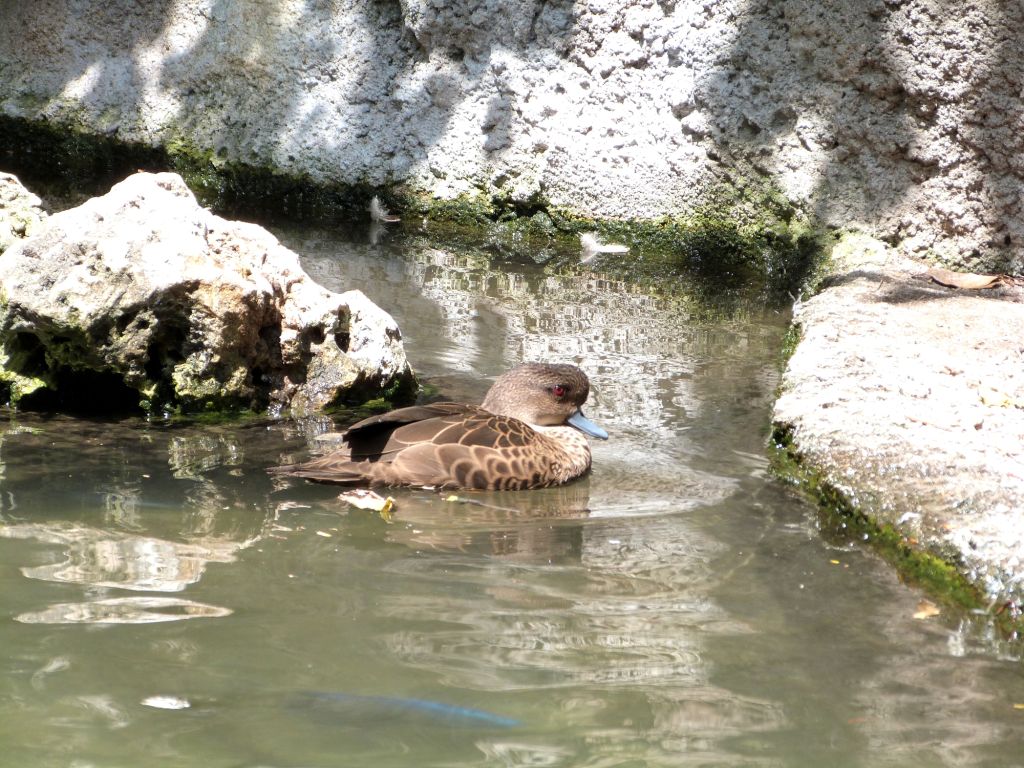
Blue-winged Teal Female (I think) – Dan’s Amazon and Beyond
Northern Shoveler (Anas clypeata) Dan’s
Sunda Teal (Anas gibberifrons)
Northern Pintail (Anas acuta) (proof)
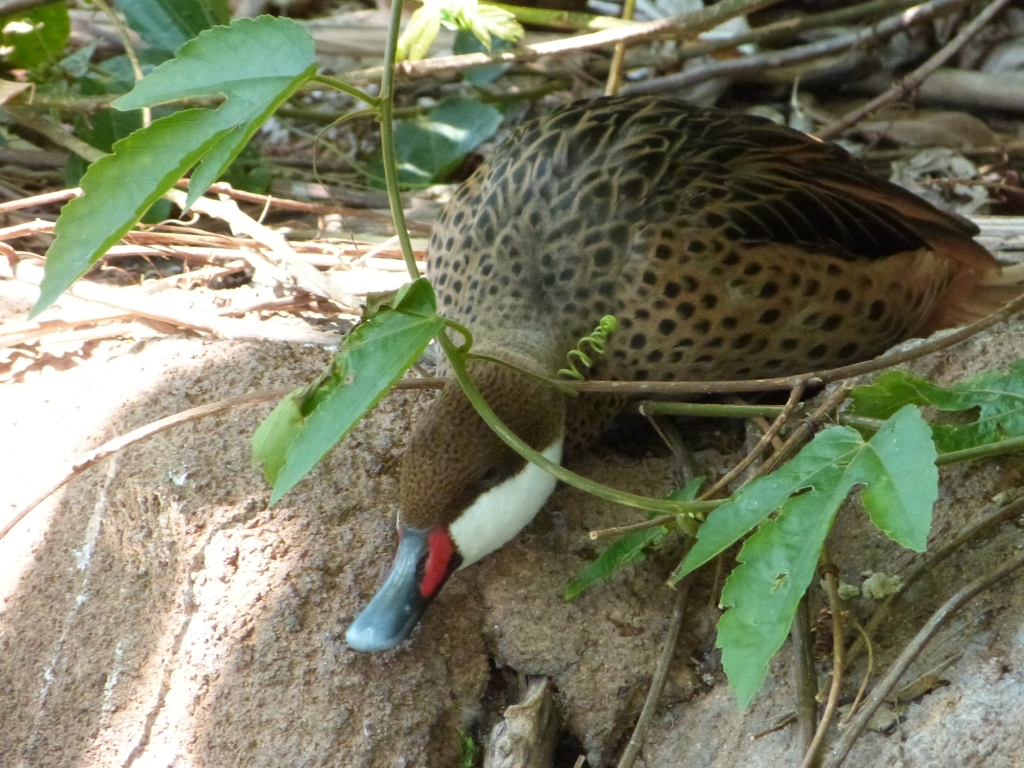
White-cheeked Pintail (Anas bahamensis) Amazon and Beyond
Baikal Teal (Anas formosa)
Red-crested Pochard (Netta rufina) – Dan’s
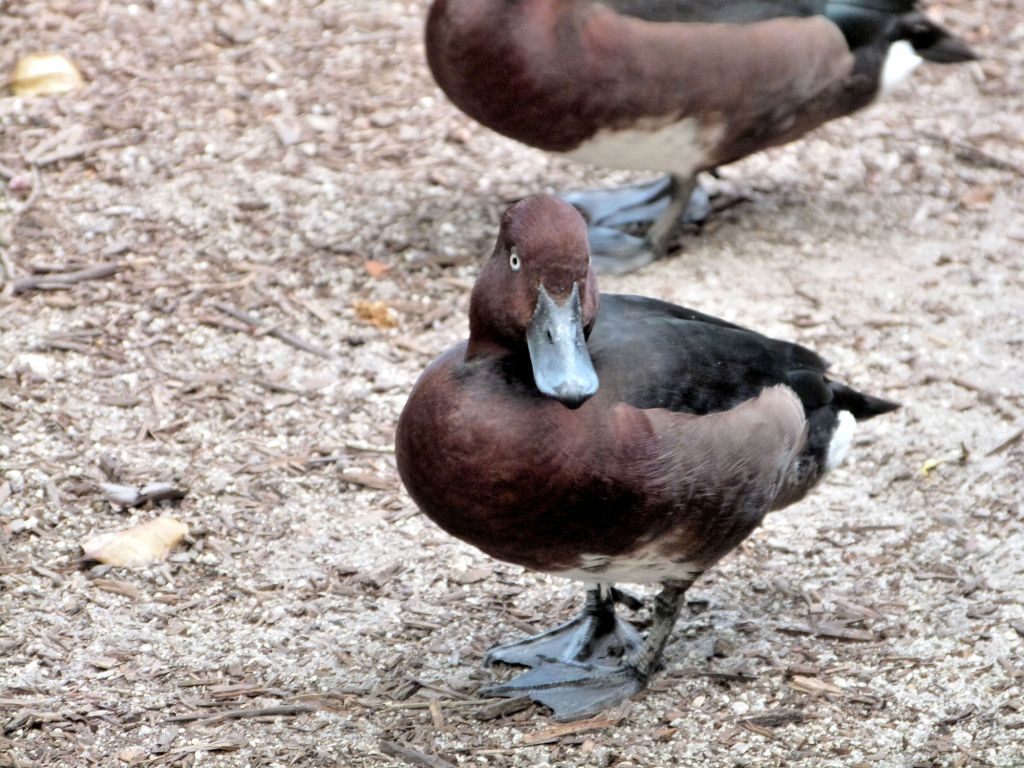
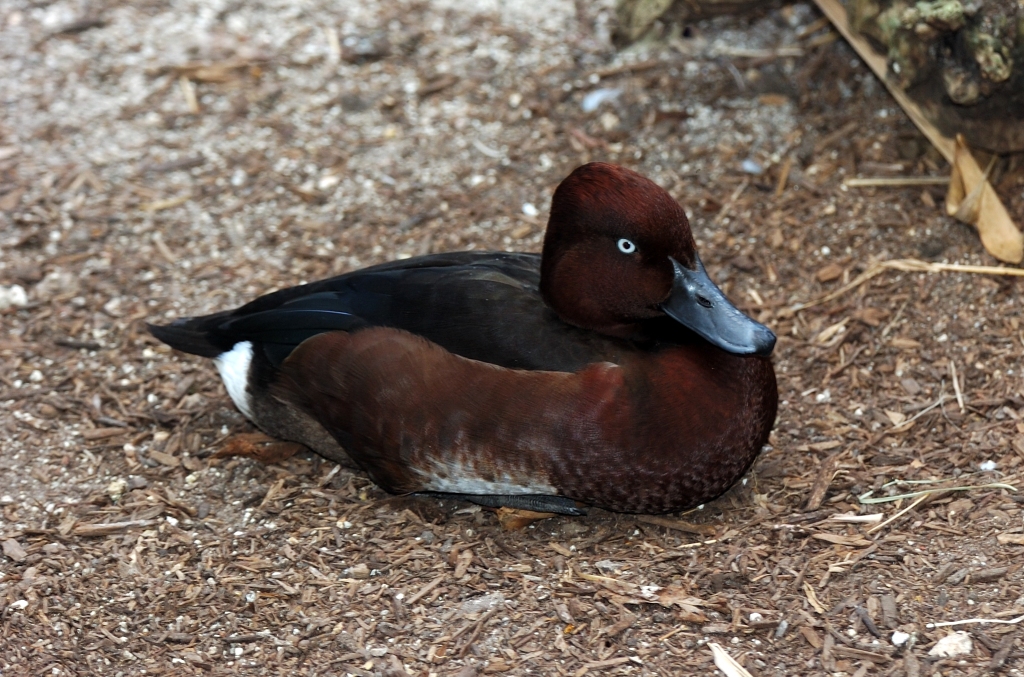
(Common White Eye) Ferruginous (Aythya myroca) – Dan’s
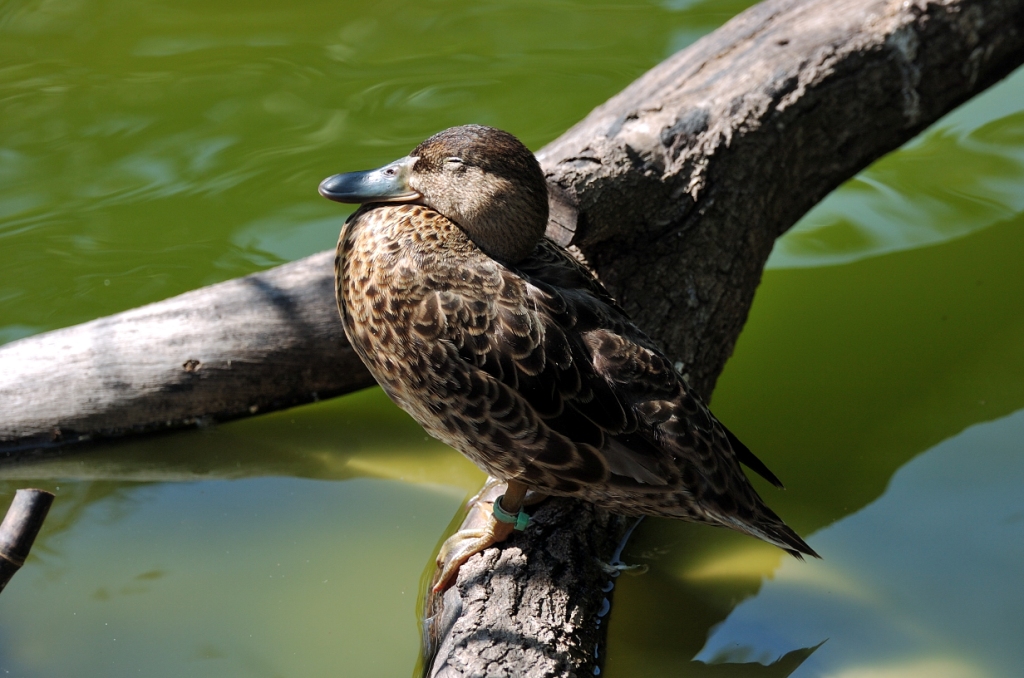
Common Merganser (Mergus merganser) Male – Female – Dan’s
Ruddy Duck (Oxyura jamaicensis) Male – Female & young – Dan’s
White-headed Duck (Oxyura leucocephala)

This slideshow requires JavaScript.

*

Links:

Zoo Miami’s Wings of Asia – Wow! – I

Bar-headed Goose – Wikipedia

Zoo Miami – Miami, Florida

Wings of Asia – Aviary

Anatidae – Ducks, Geese & Swans Family

Zoo Miami’s Wings of Asia – Wow! – I

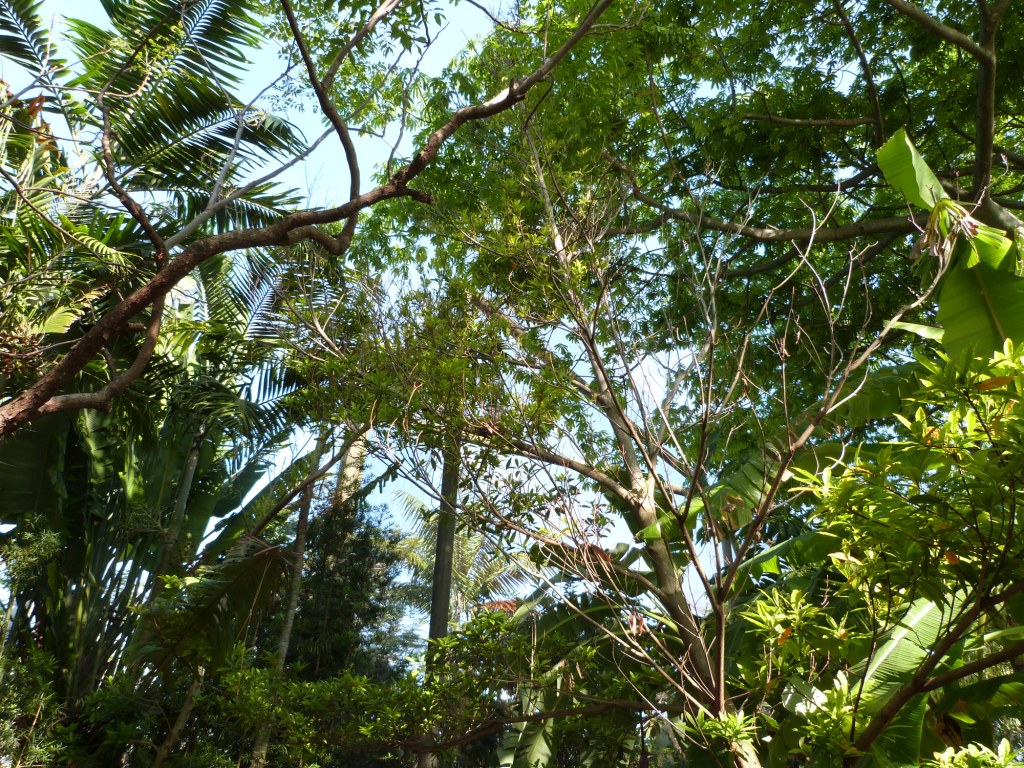
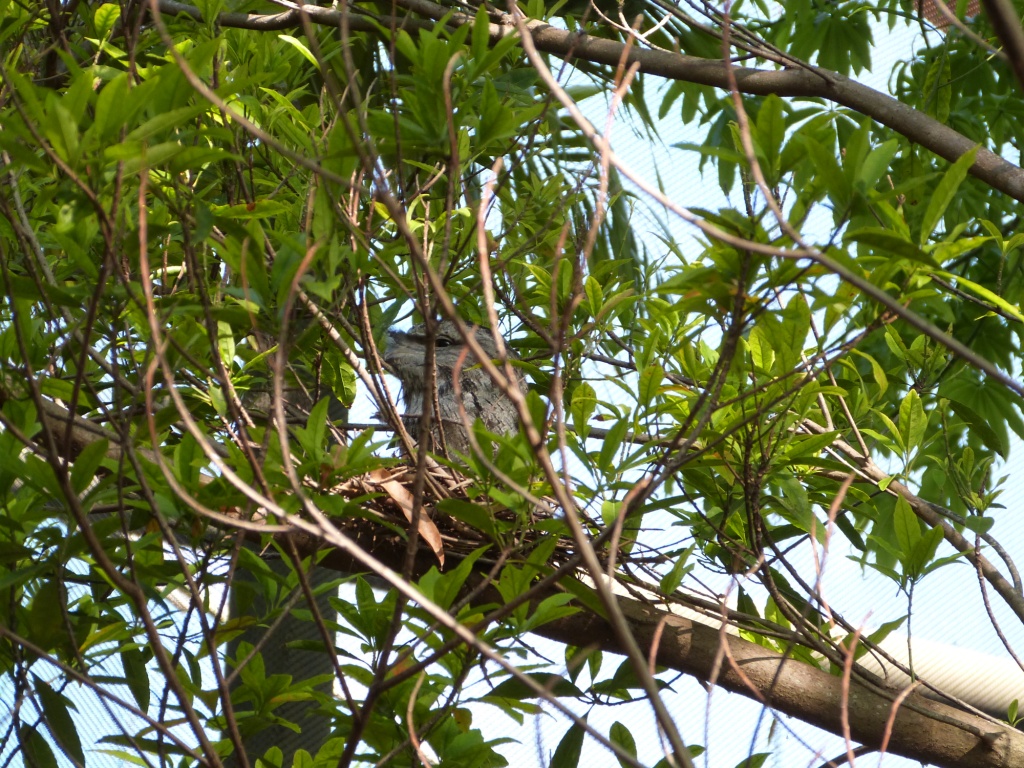
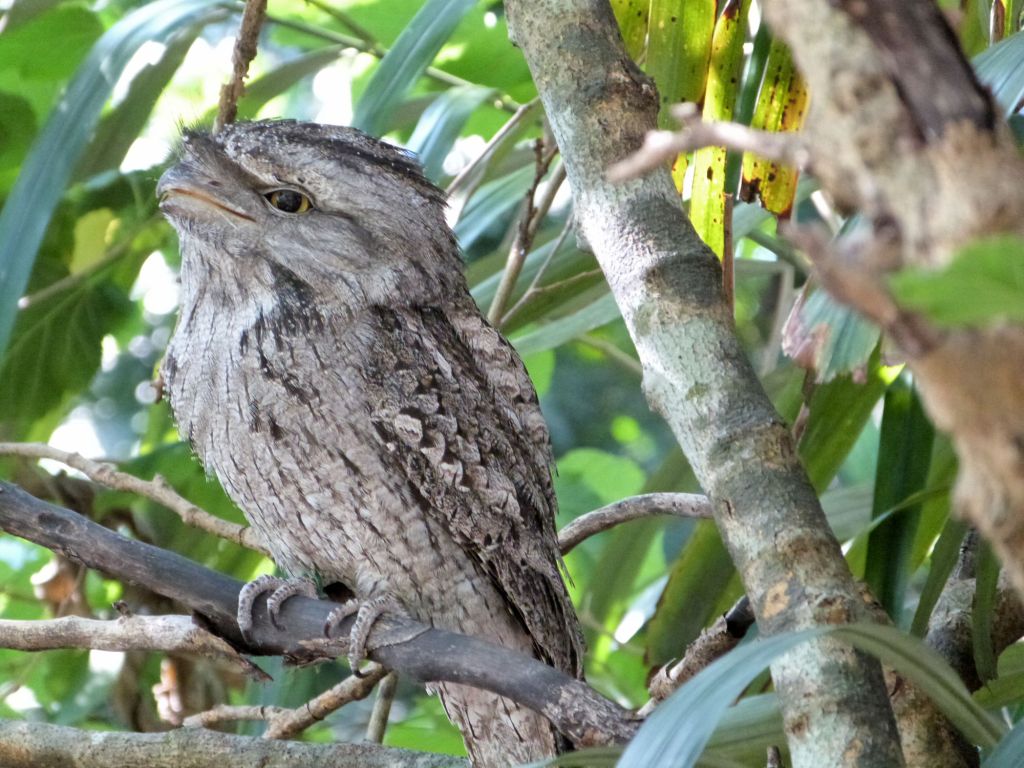
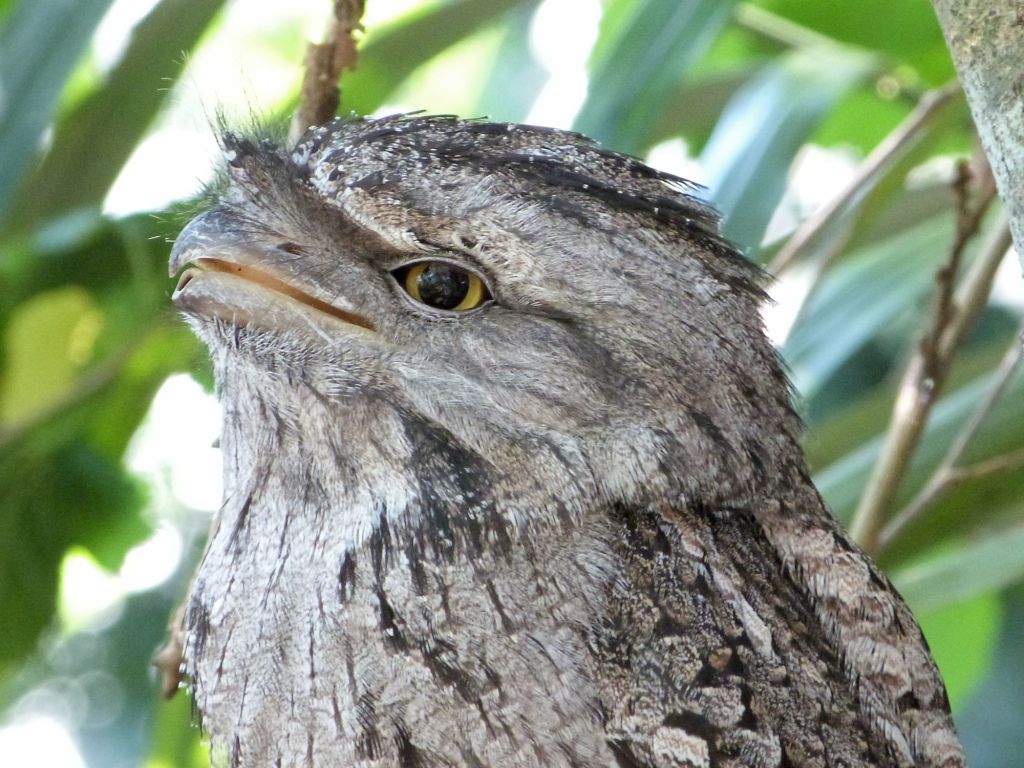
Tawny Frogmouth (Podargus strigoides) by Lee

Tawny Frogmouth (Podargus strigoides) Do You See It?

We drove down to Miami this week, 200 miles, went to Zoo Miami twice and drove home. Simple statement, but what we saw was fantastic. Just the ride down allowed us to observe some of our own wildlife. Those highlights were 2 Northern Crested Caracaras (one standing along the road), a Cooper’s Hawk, a Red-shouldered Hawk, several other hawks (unknown) and a Roseate Spoonbill flying by. The rest of the birds were just our normal Grackles, Doves, Egrets, Herons and Crows.

Our goal was to see the Wings of Asia aviary at Zoo Miami or Miami Metro Zoo as I call it. The last time we were there was before Hurricane Andrew destroyed it in the early 1990’s. We lived in Tamarac then and had an annual pass to the zoo. “ Wings of Asia opened in the spring of 2003 and marked the first phase of a 20-year master plan. More than 300 exotic, rare and endangered Asian birds representing over 70 species reside in this Aviary. Covering more than 54,000 square feet, it is the largest open air Asian aviary in the Western Hemisphere.” That number is now around 85 species. About a year or so ago I became aware that the Aviary had been rebuilt and we have been trying to work it out to get there. We finally got there and my description would be, “Wow!”

Tawny Frogmouth (Podargus strigoides) by Lee at Wings of Asia

Do You See It Yet?

All of those 85 species in there are free to fly and or swim around. Many species have 2 or more birds represented by couples, nests and young.

The staff are also very helpful and friendly. After they found out that we were really interested in the birds, they sort of took us “under their wing.” Our special thanks to Dolora, Stacie, Ezekial, Carl and the others.

Where do you begin to tell about the thrill of seeing birds that you have read about, only seen photos of, or never even heard of before? With over 10,000 birds in the world, any time you get to see them for real is exciting, even if they are at the zoo. The birds of Asia and a few from other countries were not just standing there waiting on you to look at them. No, that place is so large that you actually have to do some birdwatching. At times I felt like I was out in the field trying to find the birds. Because of the help from the staff we were able to see many more than we would have on our own.

We were able to see the Cloud Forrest and the Amazon and Beyond small aviaries. More on that later. Overall I took over 1,000 photos and not sure how many Dan took. It is going to take awhile to sort through them and put the right name on the right bird photo. We were extremely tired when we got in last night and so have not started working on them yet.

Tawny Frogmouth (Podargus strigoides) at Wings of Asia

Tawny Frogmouth (Podargus strigoides) at Wings of Asia by Lee

I did want to share one bird that was on my “most want to see” list. Again, it took the help of the keepers to point it out. I had walked under it several times on Wednesday and never saw it. The Lord has provided the Tawny Frogmouth with a fantastic protection. It looks like the bark on a tree. It also has a very big mouth and hence its “frogmouth” name. They are in the Podargidae – Frogmouth Family which is in the  Caprimulgiformes Order. I was amazed at how large it actually was because it is hard to judge size from photos.

Wikipedia says – The Tawny Frogmouth is often mistaken to be an owl. Many Australians refer to the Tawny Frogmouth by the colloquial names of “Mopoke” or “Morepork”, which usually are common alternative names for the Southern Boobook. Frogmouths are not raptorial birds.

Tawny Frogmouth (Podargus strigoides) at Zoo Miami

Tawny Frogmouth (Podargus strigoides) at Zoo Miami

Males and females look alike and are 35–53 cm (14–21 in) long. This very bulky species can weigh up to 680 grams (1.5 lbs) and, in overweight zoo specimens, up to 1400 grams (3.1 lbs). This species thus reaches the highest weights known in the Caprimulgiformes order. They have yellow eyes and a wide beak topped with a tuft of bristly feathers. They make loud clacking sounds with their beaks and emit a reverberating booming call.

Tawny Frogmouths hunt at night and spend the day roosting on a dead log or tree branch close to the tree trunk. Their camouflage is excellent — staying very still and upright, they look just like part of the branch. When feeling threatened, the Tawny Frogmouth stays perfectly still, with eyes almost shut and with bill pointed straight, relying on camouflage for protection.

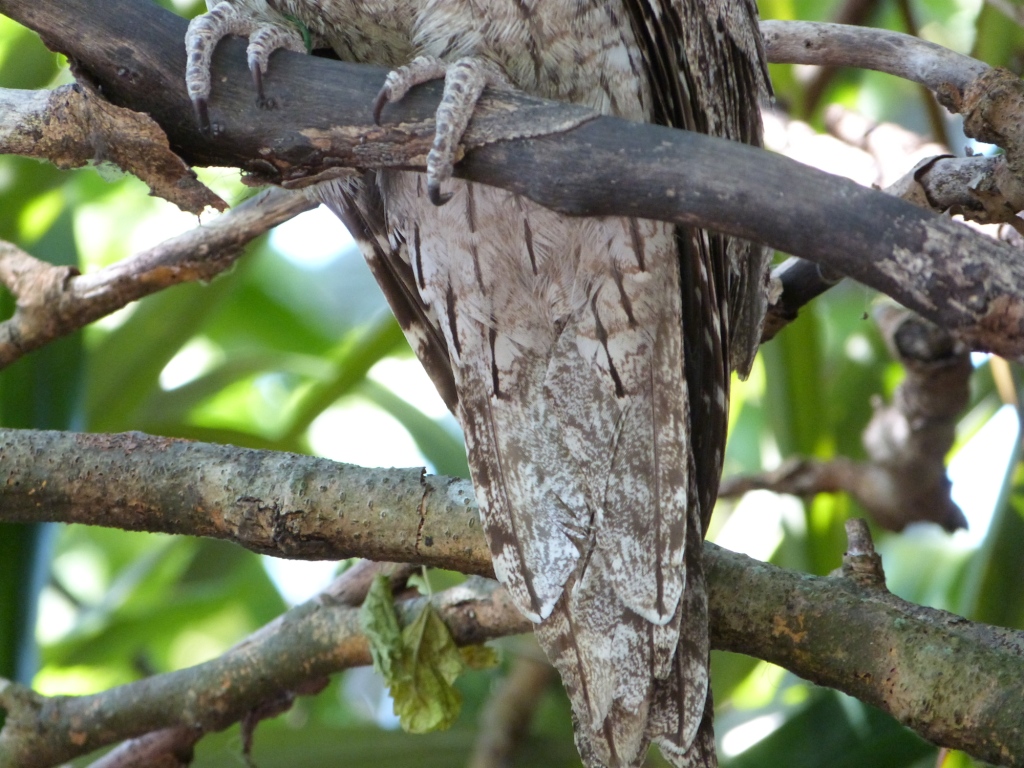
Tawny Frogmouth (Podargus strigoides) Tail

Tawny Frogmouth (Podargus strigoides) Tail

The Tawny Frogmouth is almost exclusively insectivorous, feeding rarely on frogs and other small prey. They catch their prey with their beaks rather than with their talons, another way in which they are different from owls. Owls fly around at night hunting food, but Tawny Frogmouths generally remain sitting very still on a low perch, and wait for food to come to them. They catch prey with their beaks, and sometimes drop from their perch onto the prey on the ground. The bird’s large eyes and excellent hearing aid nocturnal hunting.

Tawny Frogmouths and owls both have anisodactyl feet – meaning that one toe is facing backwards and the other three face forwards. However, owls’ feet are much stronger than the feet of the Tawny Frogmouth as owls use their feet to catch their prey. Owls are also able to swing one of their toes around to the back (with a unique flexible joint) to get a better grip on their prey. Tawny Frogmouths have fairly weak feet as they use their beaks to catch their prey. Owls eat small mammals, like mice and rats, so their bones are shorter and stronger than those of Tawny Frogmouths which usually hunt smaller prey. Tawny Frogmouths typically wait for their prey to come to them, only rarely hunting on the wing like owls.

Breeding – Tawny Frogmouth pairs stay together until one of the pair dies. They breed from August to December. They usually use the same nest each year, and must make repairs to their loose, untidy platforms of sticks. After mating, the female lays two or three eggs onto a lining of green leaves in the nest. Both male and female take turns sitting on the eggs to incubate them until they hatch about 25 days later. Both parents help feed the chicks.

I have many more adventures to share from Zoo Miami. Praise the Lord for a great trip to see more of His fantastic Creative Hand in person. Zoos are a favorite of mine along with being in the field birdwatching. The birds that they collect are many times endangered or are being threatened by lost of habitat. One of the commands that the LORD gave man was to be responsible for or have dominion over the birds and other critters. Dominion does not mean be cruel to them but to help them and Zoo are one of those places.

Then God said, “Let Us make man in Our image, according to Our likeness; let them have dominion over the fish of the sea, over the birds of the air, and over the cattle, over all the earth and over every creeping thing that creeps on the earth.” (Genesis 1:26 NKJV)

Links:

Zoo Miami – Miami, Florida

Podargidae – Frogmouth Family

*