The flowers appear on the earth; The time of singing has come, And the voice of the turtledove (Cisticola?) Is heard in our land. (Song of Solomon 2:12 NKJV)
The Cisticolidae – Cisticolas and Allies family has 158 species currently. They are warblers found mainly in warmer southern regions of the Old World. They are often included within the Old World warbler family Sylviidae. Among the Cisticolida, besides the Cisticola, there are; Jery, Prinia, Warblers, a Longtail, Apalis, Camaroptera, Wren-Warblers, Tailorbirds, Forest Warblers, and Eremomelas.
This family probably originated in Africa, which has the majority of species, but there are representatives of the family across tropical Asia into Australasia, and one species, the zitting cisticola, even breeds in Europe.
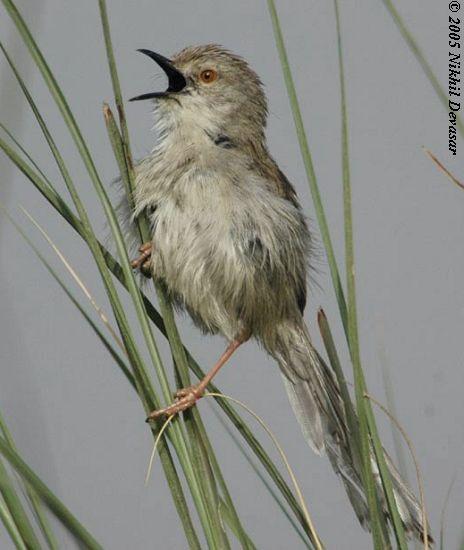
Graceful Prinia (Prinia gracilis) by Nikhil Devasar
These are generally very small birds of drab brown or grey appearance found in open country such as grassland or scrub. They are often difficult to see and many species are similar in appearance, so the song is often the best identification guide.
By them the birds of the heavens have their home; They sing among the branches. (Psalms 104:12 NKJV)
These are insectivorous birds which nest low in vegetation.
This slideshow requires JavaScript.
Serve the LORD with gladness; Come before His presence with singing. (Psalms 100:2 NKJV)
“How Can I Keep From Singing?” ~ by the Trio + 1 (Pastor Jerry, Reagan Osborne, Caleb & Jessie Padgett) Faith Baptist
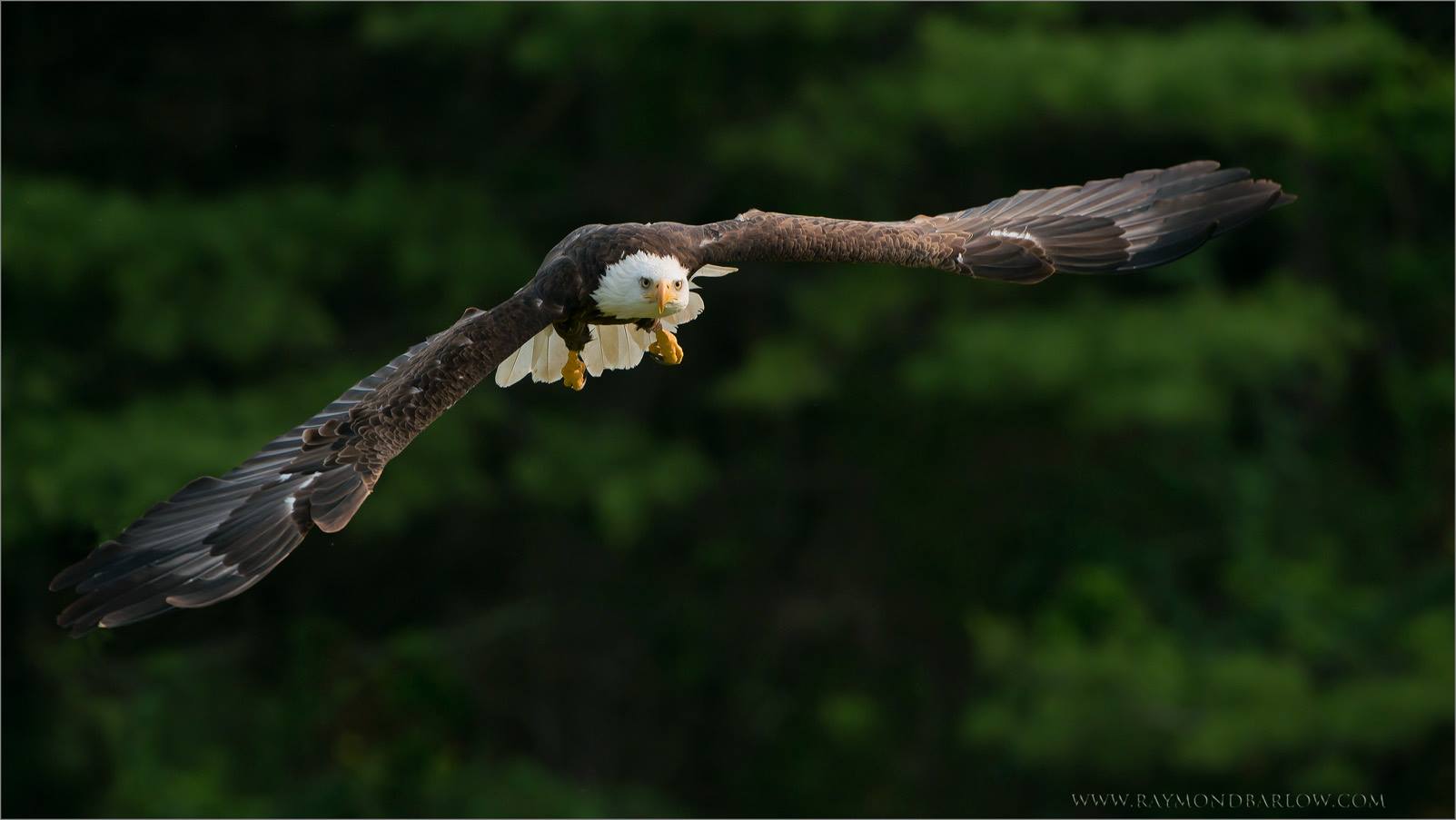
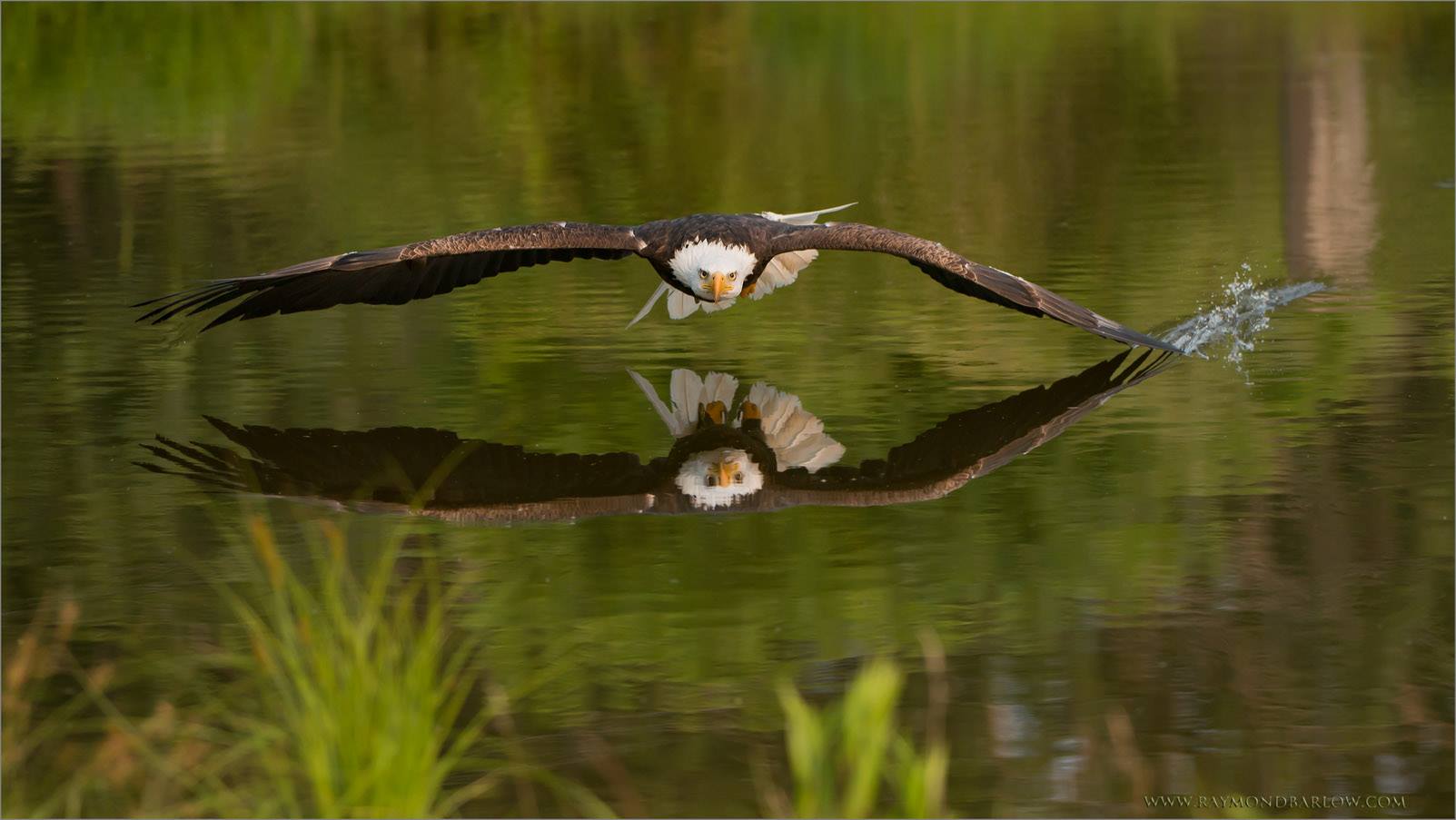
Bald Eagle (Haliaeetus leucocephalus) by Ray Barlow
These photos by Ray Barlow have just been running around in my mind. It’s about the same as when you hear a song and then for days you hear it and hum the song.
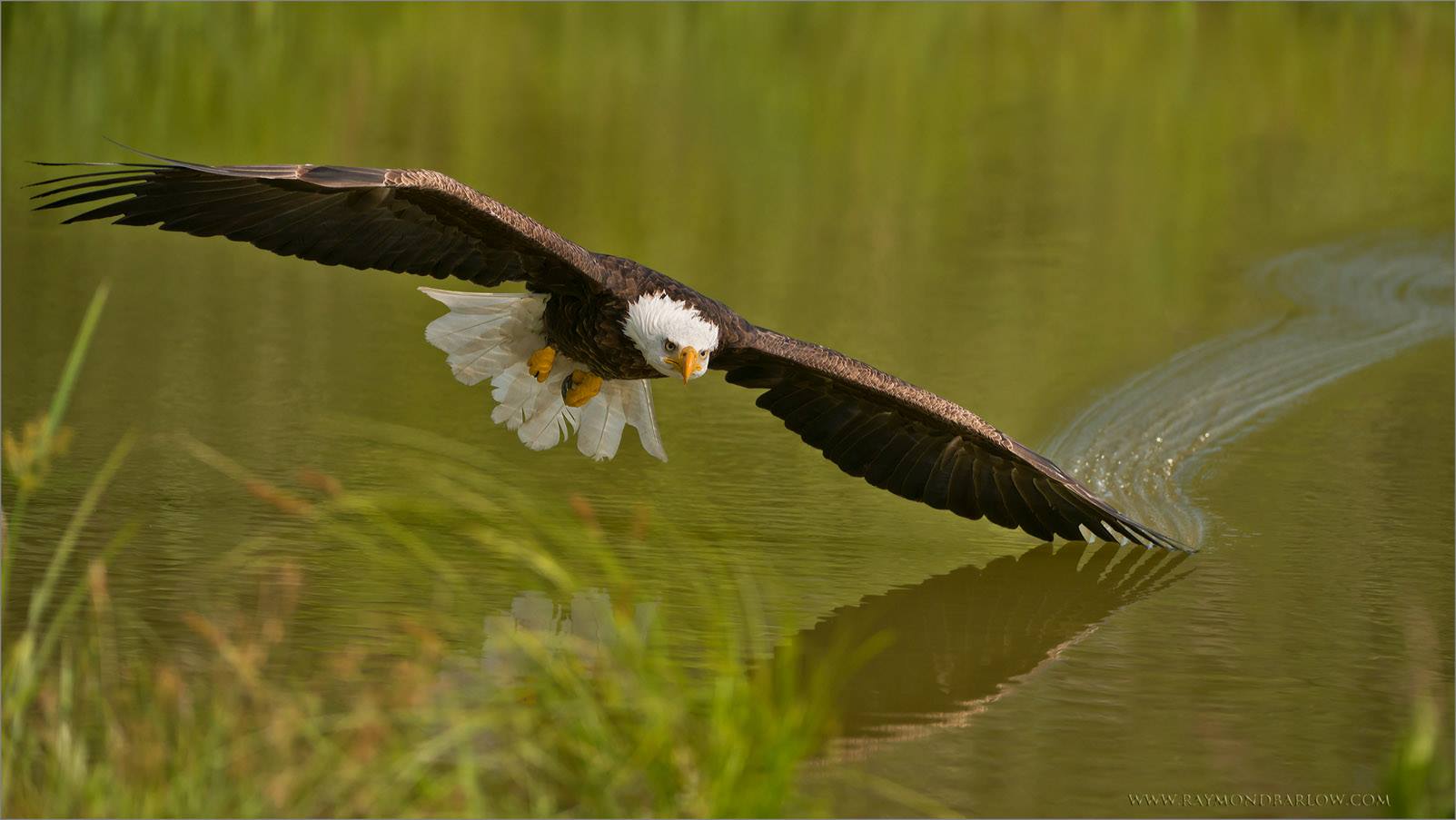
How close are we walking with the Lord Jesus Christ? Are we near and close enough to touch base once in awhile like the photo below?
Bald Eagle (Haliaeetus leucocephalus) by Ray Barlow
But be doers of the word, and not hearers only, deceiving yourselves. For if anyone is a hearer of the word and not a doer, he is like a man observing his natural face in a mirror; for he observes himself, goes away, and immediately forgets what kind of man he was. But he who looks into the perfect law of liberty and continues in it, and is not a forgetful hearer but a doer of the work, this one will be blessed in what he does. (James 1:22-25 NKJV)
Are we spending more time in reading, praying, attending church, and having fellowship with other believers? Getting closer to the Lord to where we are starting to reflect Him in our lives.
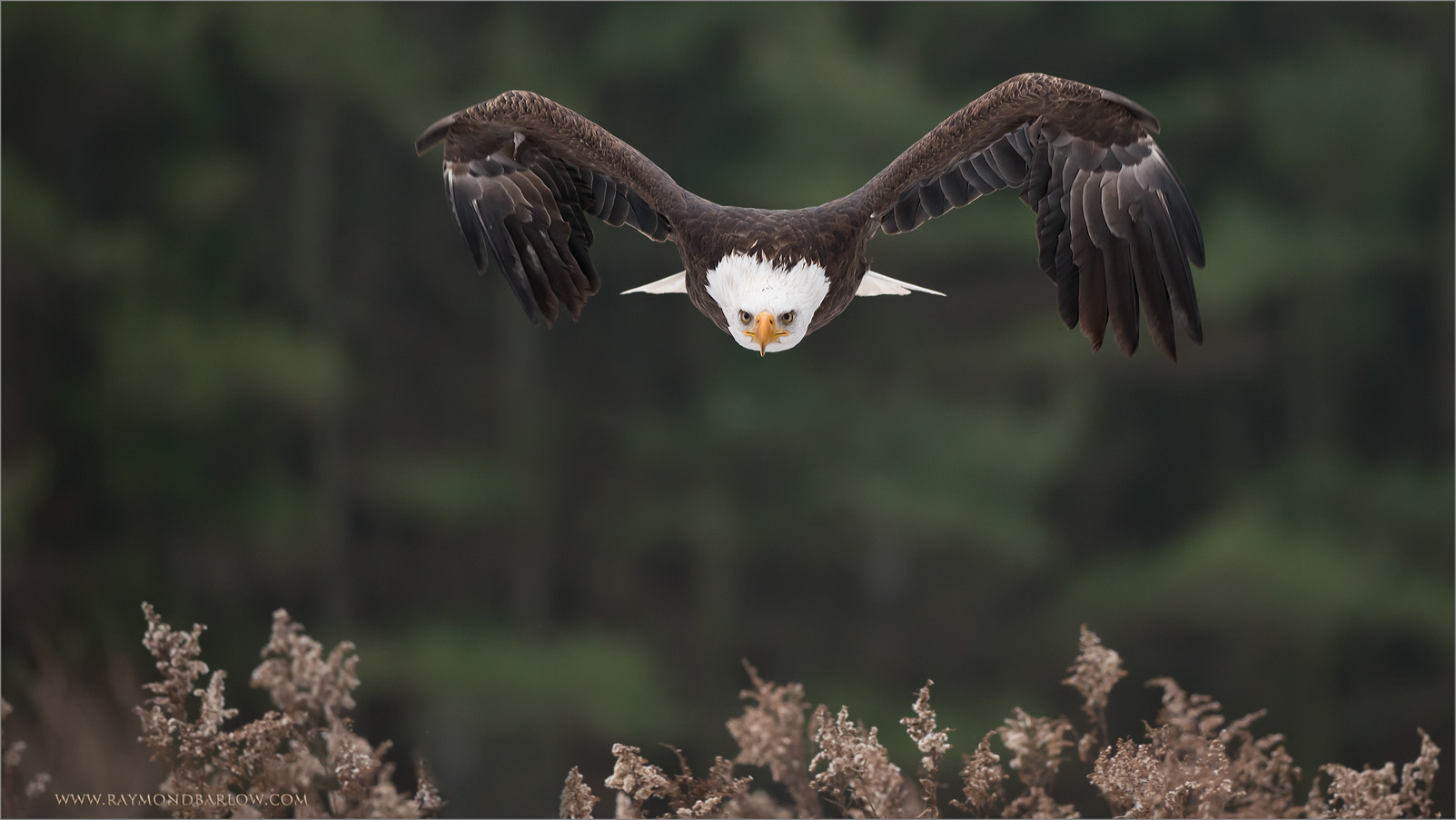
Bald Eagle (Haliaeetus leucocephalus) by Ray Barlow
As in water face reflects face, So a man’s heart reveals the man. (Proverbs 27:19 NKJV)
Bald Eagle (Haliaeetus leucocephalus) by Ray Barlow
But we all, with unveiled face, beholding as in a mirror the glory of the Lord, are being transformed into the same image from glory to glory, just as by the Spirit of the Lord. (2 Corinthians 3:18 NKJV)
*
Lord Bless your day as you consider these verses. I trust we all will strive to be more like Jesus and others can see Him in us.
Bald Eagle (Haliaeetus leucocephalus) by Ray Barlow
For thus saith the LORD; Behold, he shall fly as an eagle, and shall spread his wings over Moab. (Jeremiah 48:40 KJV)
I received an email newsletter from Raymond Barlow today with this photo. Oh, my! What a shot. Ray has been one of the first photographers that gave permission to use his photos on this blog. After sending a quick note up to him (Canada), that permission remains and here are some of his latest Bald Eagle photos.
Bald Eagle (Haliaeetus leucocephalus) by Ray Barlow
Wilt thou set thine eyes upon that which is not? for riches certainly make themselves wings; they fly away as an eagle toward heaven. (Proverbs 23:5 KJV)
Bald Eagle (Haliaeetus leucocephalus) by Ray Barlow
Behold, he shall come up and fly as the eagle, and spread his wings over Bozrah: and at that day shall the heart of the mighty men of Edom be as the heart of a woman in her pangs. (Jeremiah 49:22 KJV)
Bald Eagle (Haliaeetus leucocephalus) by Ray Barlow
And the first beast was like a lion, and the second beast like a calf, and the third beast had a face as a man, and the fourth beast was like a flying eagle.
(Revelation 4:7 KJV)
Bald Eagle (Haliaeetus leucocephalus) by Ray Barlow
And to the woman were given two wings of a great eagle, that she might fly into the wilderness, into her place, where she is nourished for a time, and times, and half a time, from the face of the serpent. (Revelation 12:14 KJV)
Bald Eagle (Haliaeetus leucocephalus) by Ray Barlow
If you click on these photos you will see them much larger. Thank you, Ray. Thank you Lord for creating such fantastic birds, especially Eagles.
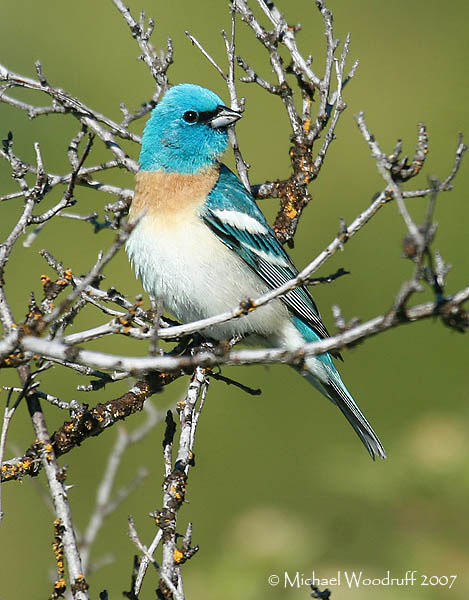
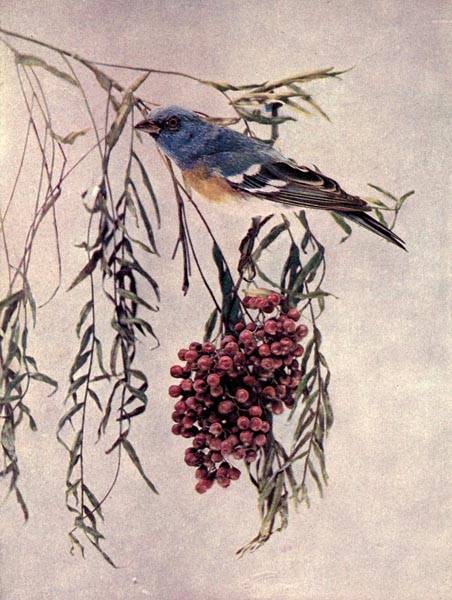
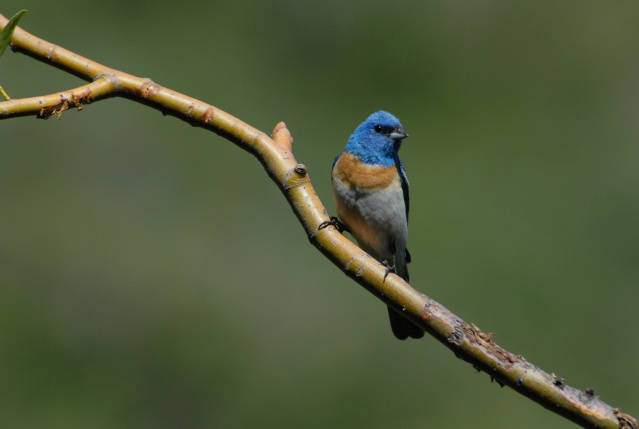
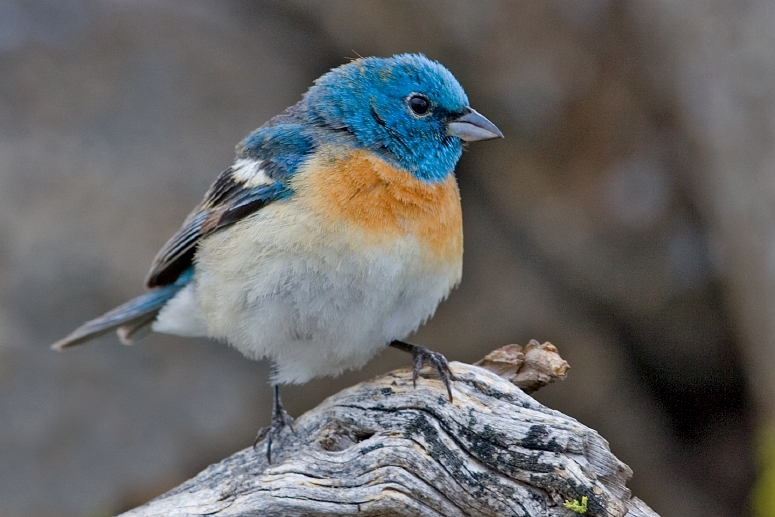
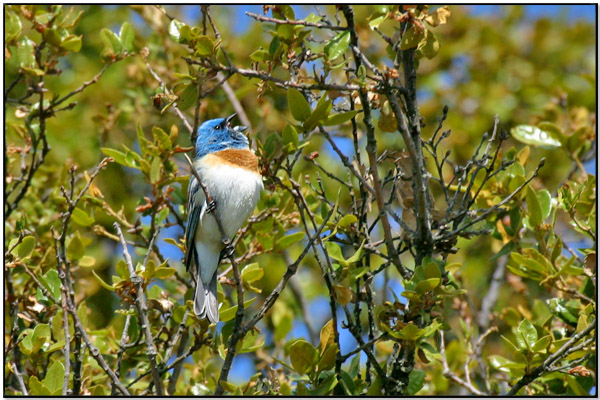
Lazuli Bunting (Passerina amoena) by Michael Woodruff
While reading through Lamentations, I came across this verse:
Her consecrated ones were purer than snow, They were whiter than milk; They were more ruddy in body than corals, Their polishing was like lapis lazuli. (Lamentations 4:7 NASB)
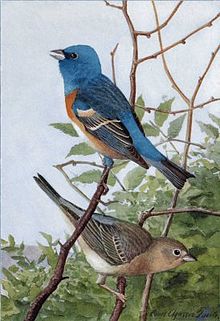
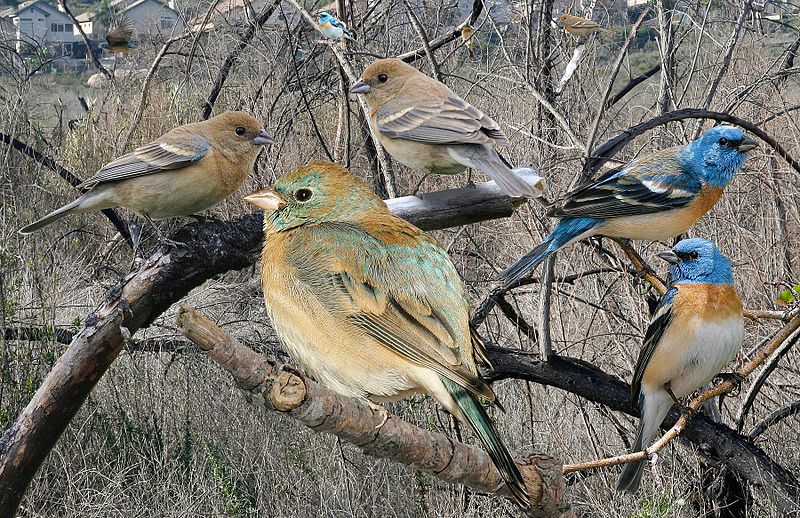
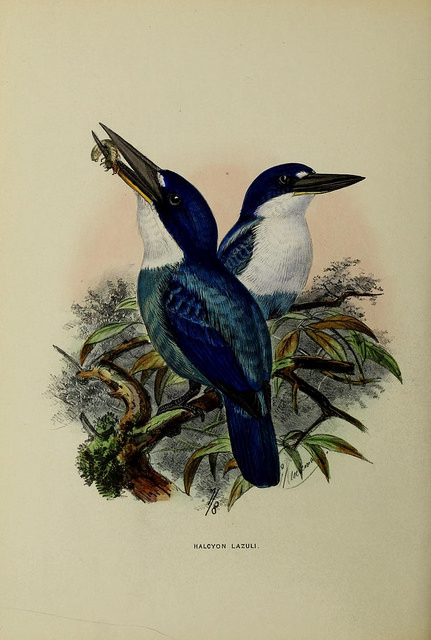
I immediately thought of the bird above – the Lazuli Bunting. Working with the Birds of the World, the name “Lazuli” has been seen before, so this is an attempt to find out what it really means and which birds have that color. Let’s dig around and see what we can find out.
The NASB has two more verses that use “lazuli”: Ezekial 1:26 and 28:13. All three use lapis with the lazuli. Checking with my eSword program in the compare mode most of the translations use “Sapphire.” and some use the lapis lazuli. They all refer to a very well polished and cut stone of the sapphire or lazuli color.
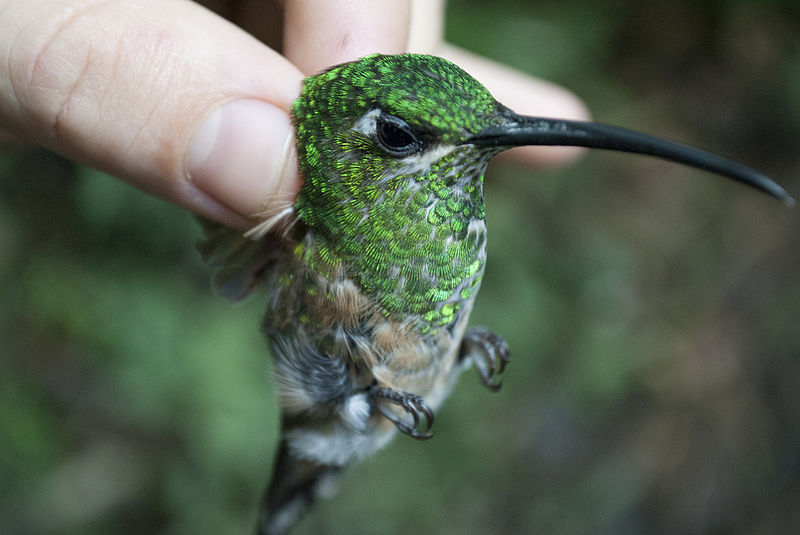
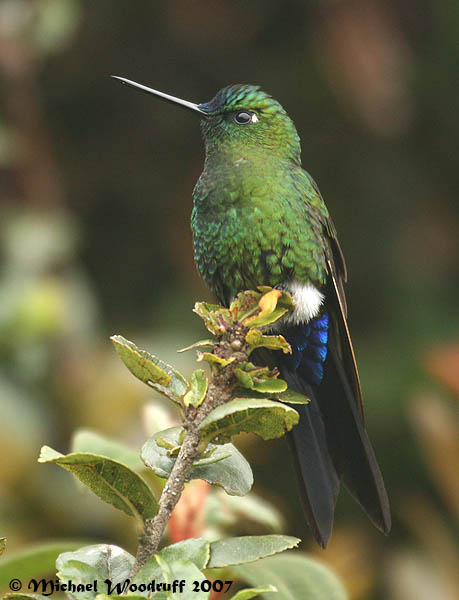
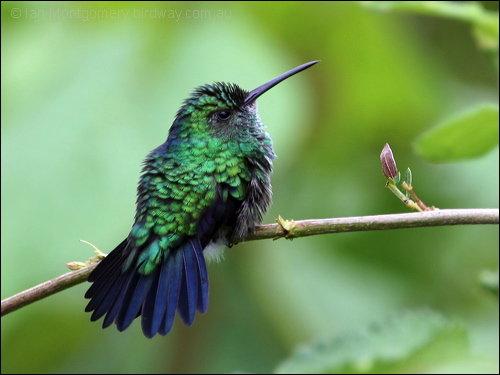
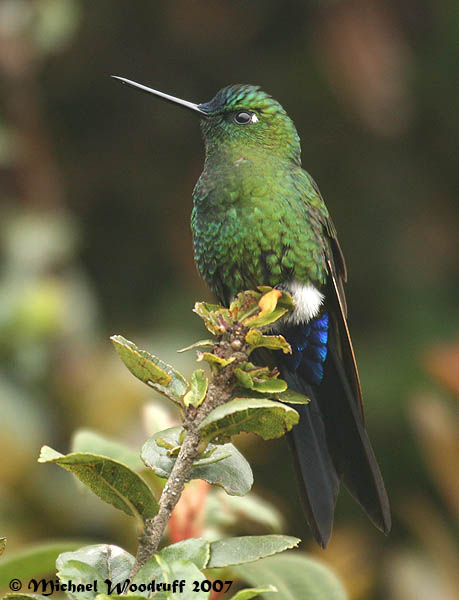
Sapphire-vented Puffleg (Eriocnemis luciani) by Michael Woodruff
What an amazing colection of birds with a beautiful color that the Lord has given us. Not only did we get that fantastic color in stones from the Creator, but He used that color for His avian beauties also.
Hope you enjoy seeing these beautiful birds. The Bibles verses didn’t really have anything to do with birds. The verse is actually about the destruction of Jerusalem and how those that had been so well dressed in various colors were now appearing blacker than soot (Lam 4:8) because of their sin which had caused the destruction. Jeremiah, the weeping prophet, was describing what had been and what they were seeing now.
We also will face judgment one day, for either rejection of the Lord Jesus Christ, at the Great White Throne judgment or for those that have accepted Him as Lord and Savior at the Judgment Seat of Christ.
“For God so loved the world, that He gave His only begotten Son, that whoever believes in Him shall not perish, but have eternal life. “For God did not send the Son into the world to judge the world, but that the world might be saved through Him. “He who believes in Him is not judged; he who does not believe has been judged already, because he has not believed in the name of the only begotten Son of God. “This is the judgment, that the Light has come into the world, and men loved the darkness rather than the Light, for their deeds were evil. “For everyone who does evil hates the Light, and does not come to the Light for fear that his deeds will be exposed. “But he who practices the truth comes to the Light, so that his deeds may be manifested as having been wrought in God.” (John 3:16-21 NASB)
Wherefore, holy brethren, partakers of the heavenly calling, consider the Apostle and High Priest of our profession, Christ Jesus;Who was faithful to him that appointed him, as also Moses was faithful in all his house. For this man was counted worthy of more glory than Moses, inasmuch as he who hath builded the house hath more honour than the house. For every house is builded by some man; but he that built all things is God. (Hebrews 3:1-4 KJV)
The Black-capped Donacobius (Donacobius atricapilla) is a conspicuous, vocal South American bird. It is found in tropical swamps and wetlands in Argentina, Bolivia, Brazil, Colombia, Ecuador, French Guiana, Guyana, Paraguay, Peru, Suriname, and Venezuela; also Panama of Central America. They are common in a wide range of Amazonian wetlands, including oxbow lakes, riparian zones, and other areas with tall dense aquatic or semi-aquatic vegetation.
Mating for life, pairs of Black-capped Donacobiuses can be seen frequently and throughout the day atop thickets of dense lakeside or streamside vegetation. They often will engage in antiphonic dueting. Adult offspring will remain with their parents and help raise siblings from subsequent nesting periods in a system of cooperative breeding. (Wikipedia)
The Malagasy warblers are a newly validated clade of songbirds. They were formally named Bernieridae in 2010. The family consists of 11 species of small forest birds and is endemic to Madagascar. (Wikipedia)
Our last family has Scimitar Babblers and some of the various Babblers.
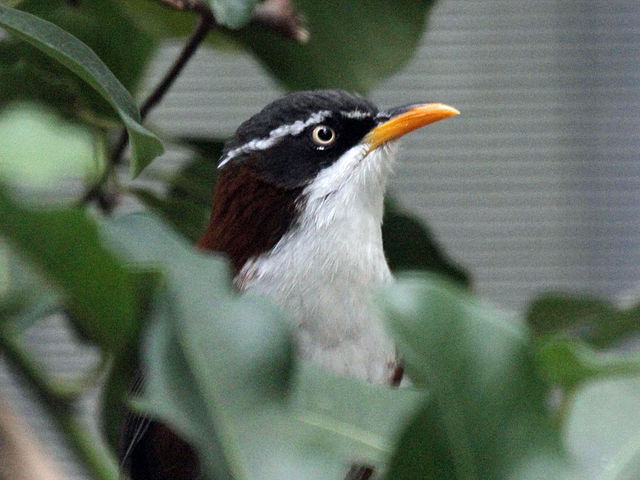
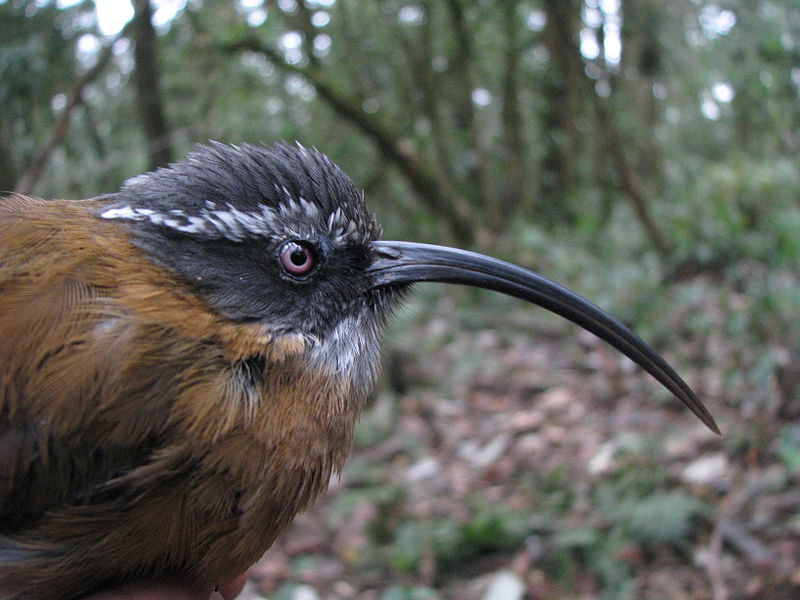
The genus Pomatorhinus of scimitar babblers are jungle birds with long downcurved bills. These are birds of tropical Asia, with the greatest number of species occurring in hills of the Himalayas. They are medium-sized, floppy-tailed landbirds with soft plumage. They are typically long-tailed, dark brown above, and white or orange-brown below. Many have striking head patterns, with a broad black band through the eye, bordered with white above and below.
Spelaeorni genusthe typical wren-babblers, is a bird genus in the family Timaliidae. Among this group, the typical wren-babblers are quite closely related to the type species, the chestnut-capped babbler (Timalia pileata). Typical babblers live in communities of around a dozen birds, jointly defending a territory. Many even breed communally, with a dominant pair building a nest, and the remainder helping to defend and rear their young. Young males remain with the group, while females move away to find a new group, and thus avoid inbreeding. They make nests from twigs, and hide them in dense vegetation. (Info from Wikipedia)
This slideshow requires JavaScript.
Saying with a loud voice, Worthy is the Lamb that was slain to receive power, and riches, and wisdom, and strength, and honour, and glory, and blessing. (Revelation 5:12 KJV)
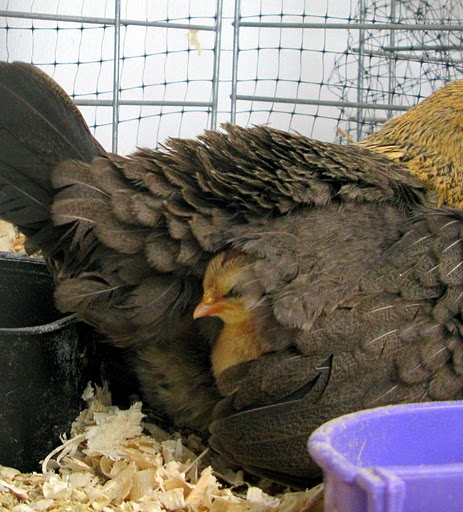
Baby Chick Peeping Out From Under His Mom’s Wing – CC
STAY UNDER HIS WINGS
“Abide in me, and I in you. As the branch cannot bear fruit of itself, except it abide in the vine; no more can ye, except ye abide in me. I am the vine, ye are the branches: He that abideth in me, and I in him, the same bringeth forth much fruit: for without me ye can do nothing.” (John 15:4, 5 King James Version)
Pastor William Orcutt Cushing wrote a beautiful hymn “UNDER HIS WINGS”. I love the words in this hymn. “Under His wings, what a refuge in sorrow! How the heart yearningly turns to His rest! Often when earth has no balm for my healing, There I find comfort, and there I am blessed.” We have a loving Saviour!
A mother bird will push her baby out of the nest so it will learn to fly. It is just the opposite with Jesus. He wants us to stay with Him not only so He can protect us, but also because we can’t do anything without Him. I can’t even get out of bed without Him. If I can’t serve Him, there is no reason to live.
Someone said “I can’t wait until I’m old enough to move out and leave home”. When Jesus is our Saviour, we don’t want to leave Him. Not only is Jesus our Saviour, He is also the dearest Friend we will ever have. He will never leave us, not even for one minute. What a Saviour, this Jesus of Nazareth!
For those who are trying to make it in this world without Jesus, it hasn’t worked and it will never work. We need Jesus every minute of every day. Stay under His wings and allow Him to protect you, comfort you and encourage you. Don’t try to make it without Jesus. You will hurt Him and break His heart.
But they that wait upon the LORD shall renew their strength; they shall mount up with wings as eagles; they shall run, and not be weary; and they shall walk, and not faint. (Isaiah 40:31 KJV)
Today we were blessed with the sightings of four mature Bald Eagles. Each had their beautiful white heads and their white tails visible. And I wasn’t even out birdwatching. I therefore had no camera with me.
Because I am still under the weather fighting a bad cold and my slipped disc, we have not gone “birdwatching.” So this morning on the way home from therapy, we spotted a Bald Eagle on one of the power poles. A few days ago we had seen one nearby on another street, so this may have been the same one.
I love this time of the year because the eagles start migrating back down to spend the winter with us. Polk County, Florida, where we live, has one of the highest concentrations (in the lower 48) from now through the winter.
Osprey Road by Dan – (Old Bartow Road)
This evening, we drove to Bartow on the Old Bartow Road, which I have renamed “Osprey” road. I call it that because of all the Ospreys that make nest on the flat platforms that are on the power poles. They were placed there when the Osprey were becoming endangered. Now they are recovering right well. Anyway, most of the Ospreys left within the last month, except for one or two, which we saw this evening. (They come down in late January or early February, make babies, and then leave July to August.)
On the way back, we spotted one Bald Eagle sitting in one of the nest and then up about this end, where the picture was taken, there were two more standing in a nest. So much for traipsing through the woods to find an eagle, they were just right there in plain view.
So, even though I didn’t get to go birdwatching lately, the Lord brought the birdwatching to us. What a Blessing. Thank you Lord for allowing us to see them.
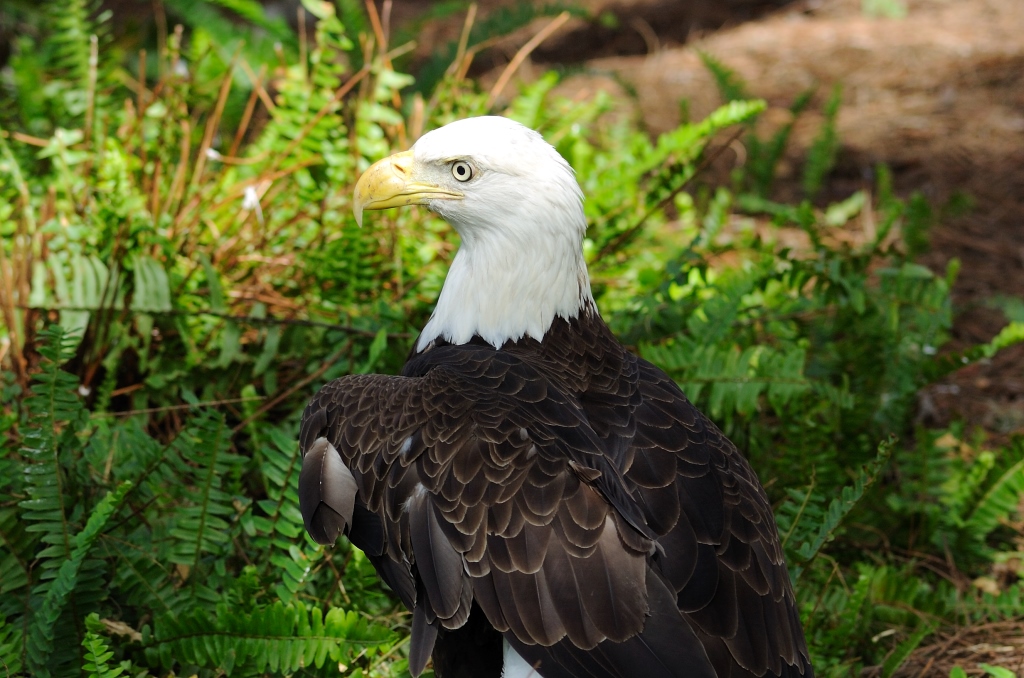
Bald Eagle (Haliaeetus leucocephalus) by Lee at National Aviary
I have seen other birds while we were riding around, but Bald Eagles are very special to me. As that top verse says, I am to be reminded that my strength will be renewed, not be weary or faint. Not so sure about the running though. :)
“I know all the fowls of the mountains: and the wild beasts of the field are mine.” Psalm 50:11
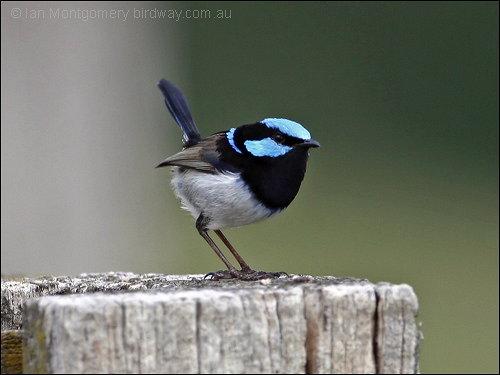
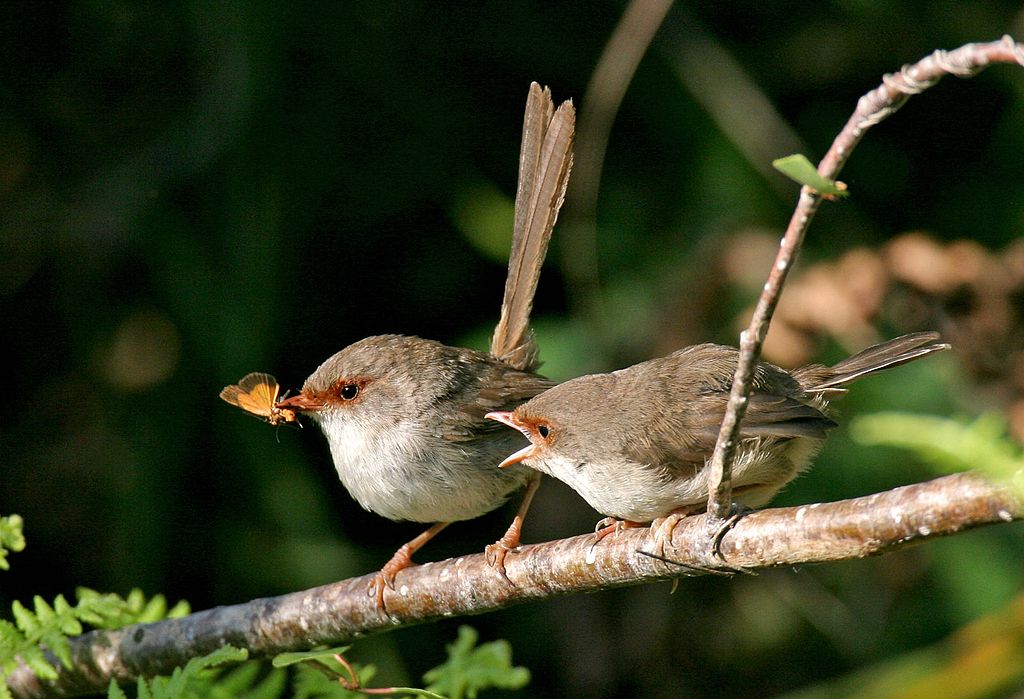
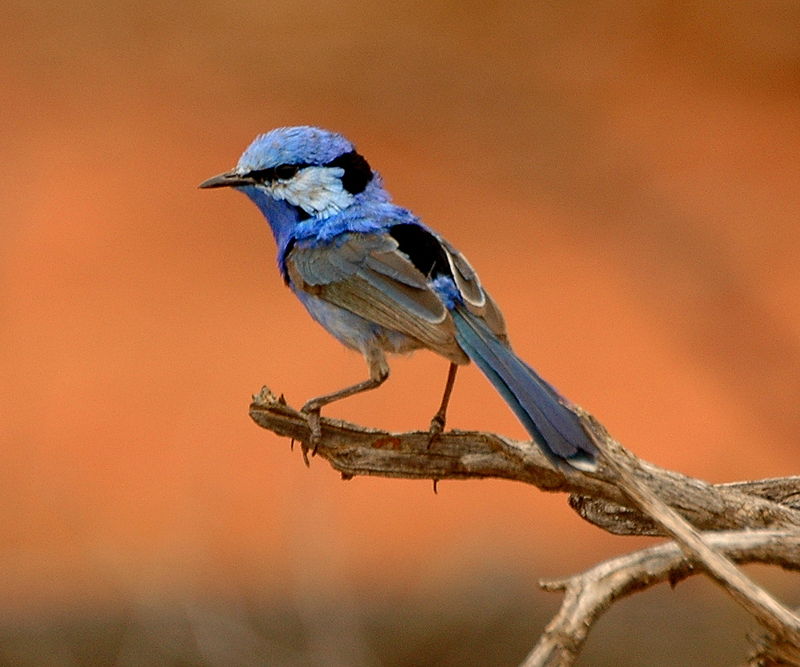
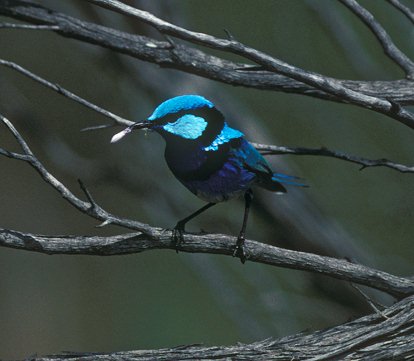
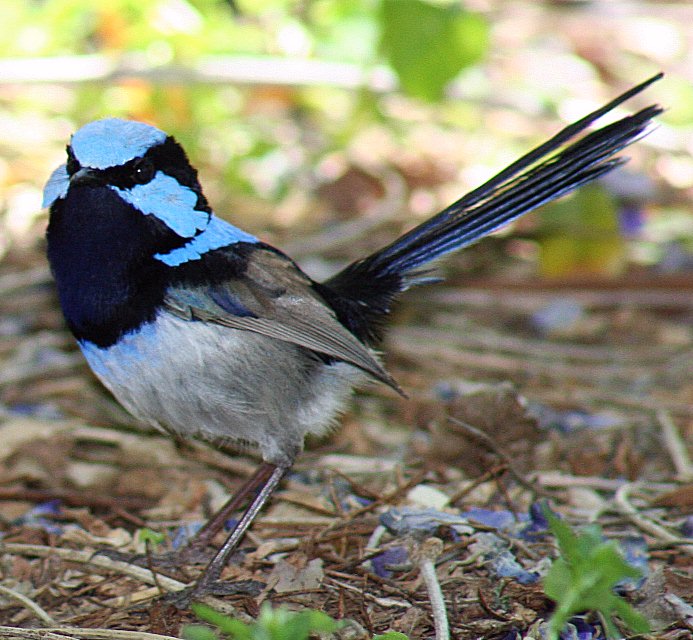
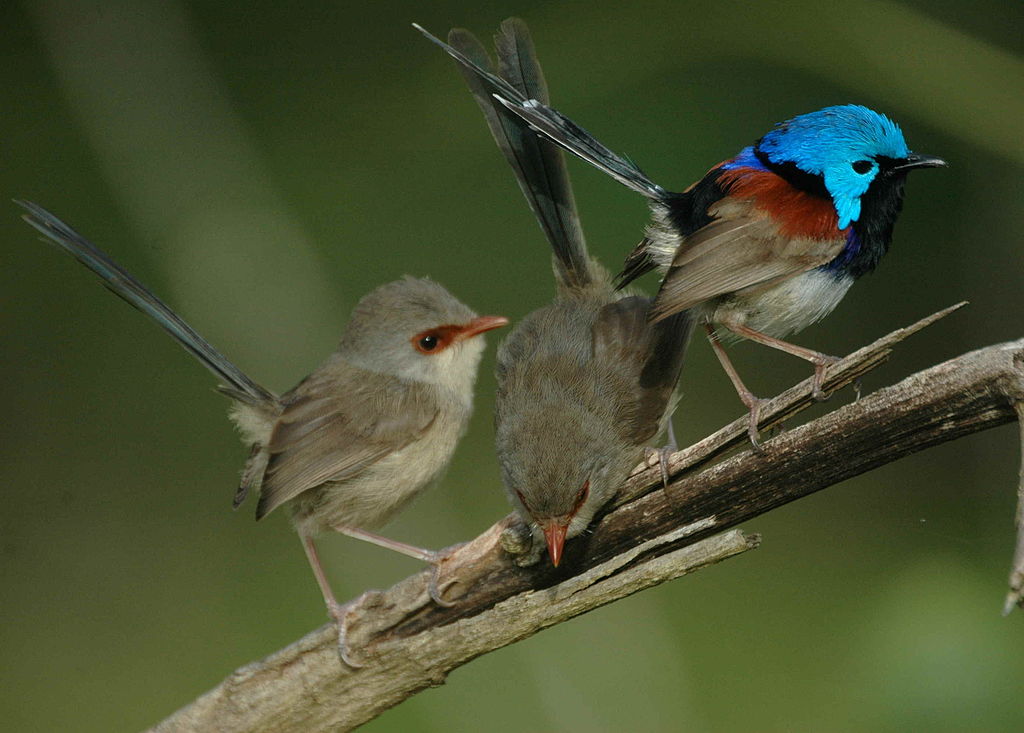
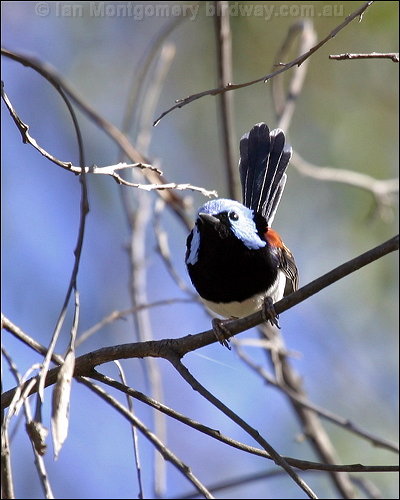
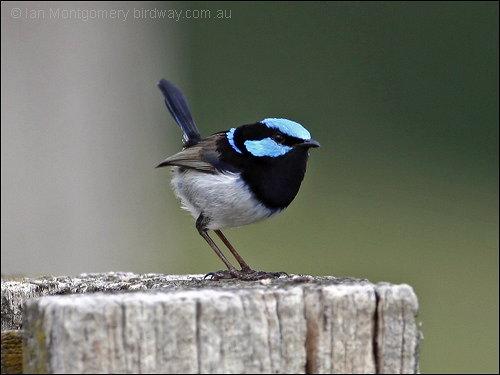
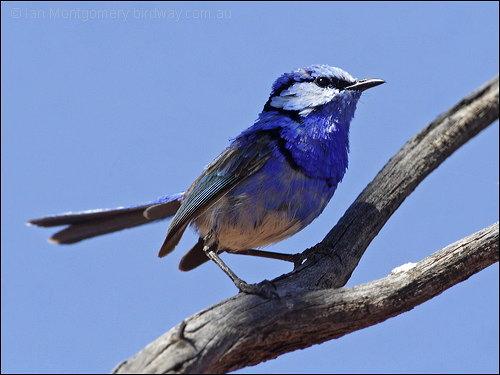
There are 13 species of a brightly plumed little songbird known as the fairy wren. The birds are found in Australia and New Guinea. So colorful are their feathers that the various species go by names like “superb,” “splendid” and “lovely.” However, even more noteworthy is the birds’ unusual behavior.
Superb Fairywren (Malurus cyaneus) by Ian
A male courting a female will bring her a flower petal. The petal usually matches his color or is a deeply contrasting color. Normally a perky little bird with an upright tail, when courting he lowers his tail and creeps around close to the ground. As he twists his body back and forth, he puffs out his cheek feathers. If the female accepts his courting, she builds their nest alone, lining it with bright parrot feathers. While they mate for life, they are not known for fidelity to their mates.
When mature, females will go off on their own, but males may stay with their parents for a year or more. Their main duty is to guard the family nest. If danger approaches the nest, the guard will puff up his wings, lower his tail and scuttle through dry grass, pretending to be a mouse. The idea is to lure the predator away from the nest.
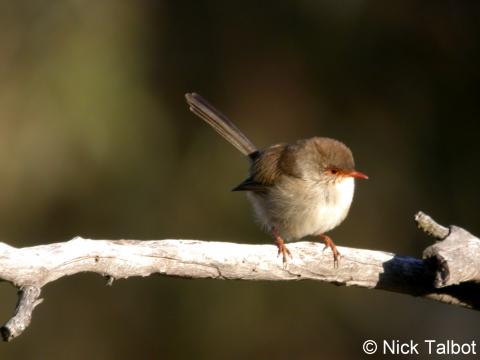
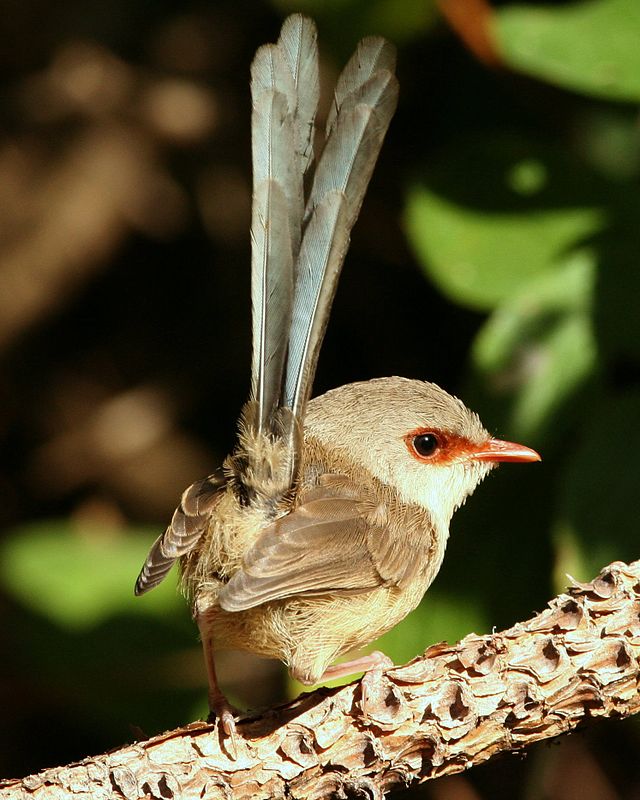
Superb Fairywren (Malurus cyaneus) Female by Nick Talbot
The beauty and unusual behavior of these little birds testifies to more than God’s creativity and love for beauty. They remind us of the beauty that was lost to God’s creation when it was tainted by man’s sin. Thankfully, some of that beauty that was lost can return to our lives through the forgiveness of sins that is found in Jesus Christ.
Prayer: Dear Father, I thank You for the beauty of Your creation and for giving me the forgiveness of sins in Jesus Christ. Amen.
Michael Powell loves to take photographs of Dragonflies and other neat things – up close. This one caught my attention because it reminds me of a great promise from the Lord.
“Come, let us return to the LORD. For He has torn us, but He will heal us; He has wounded us, but He will bandage us.” (Hosea 6:1 NASB)
The grass withers, the flower fades, but the word of our God will stand forever. (Isaiah 40:8 ESV)
The Lord Jesus Christ created another neat group (family) of birds that includes Grassbirds, Bush Warblers, Thicketbirds and other various warbler sized birds. There is even an Emutail.
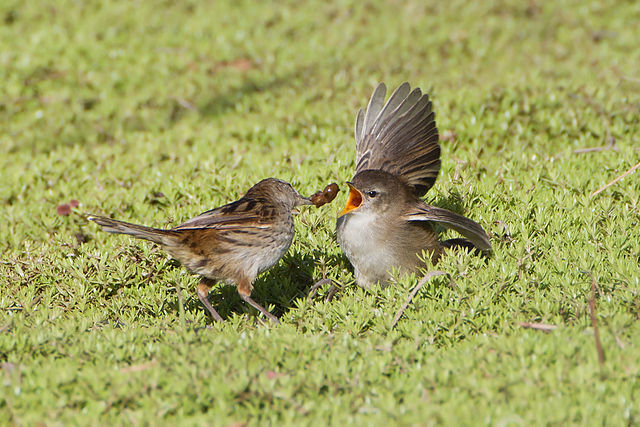
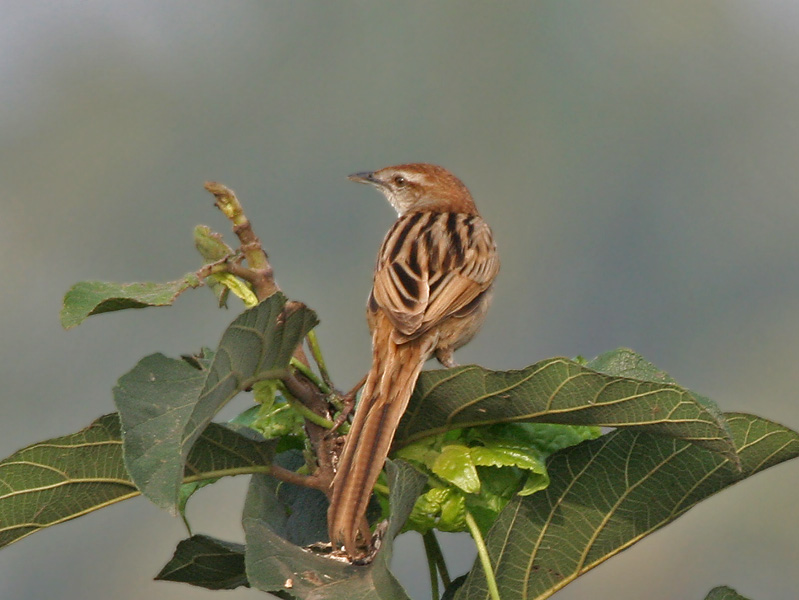
Locustellidae is a newly recognized family of small insectivorous songbirds (“warblers”), formerly placed in the Old World warbler “wastebin” family. It contains the grass warblers, grassbirds, and the Bradypterus “bush warblers”. These birds occur mainly in Eurasia, Africa, and the Australian region. The family name is sometimes given as Megaluridae, but Locustellidae has priority.
The species are smallish birds with tails that are usually long and pointed; the scientific name of the genus Megalurus in fact means “the large-tailed one” in plain English. They are less wren-like than the typical shrub-warblers (Cettia) but like these drab brownish or buffy all over. They tend to be larger and slimmer than Cettia though, and many have bold dark streaks on wings and/or underside. Most live in scrubland and frequently hunt food by clambering through thick tangled growth or pursuing it on the ground; they are perhaps the most terrestrial of the “warblers”. Very unusual for Passeriformes, some are becoming flightless in some taxa.
Among the “warbler and babbler” superfamily Sylvioidea, the Locustellidae are closest to the Malagasy warblers, another newly recognized (and hitherto unnamed) family; the black-capped donacobius (Donacobius atricapillus) is an American relative derived from the same ancestral stock and not a wren as was long believed. (Wikipedia with editing)
Then God said, “Let the earth bring forth grass, the herb that yields seed, and the fruit tree that yields fruit according to its kind, whose seed is in itself, on the earth”; and it was so. And the earth brought forth grass, the herb that yields seed according to its kind, and the tree that yields fruit, whose seed is in itself according to its kind. And God saw that it was good. (Genesis 1:11-12 NKJV)
You can see most of the Family as you listen to the music below the slideshow.
This slideshow requires JavaScript.
“The Church’s One Foundation” ~ Megan Fee, Cody Hancock & Dakota Hancock ~ at Faith Baptist
For we are labourers together with God: ye are God’s husbandry, ye are God’s building. According to the grace of God which is given unto me, as a wise masterbuilder, I have laid the foundation, and another buildeth thereon. But let every man take heed how he buildeth thereupon. For other foundation can no man lay than that is laid, which is Jesus Christ. (1 Corinthians 3:9-11 KJV)






























 Lee's Birdwatching Adventures Plus