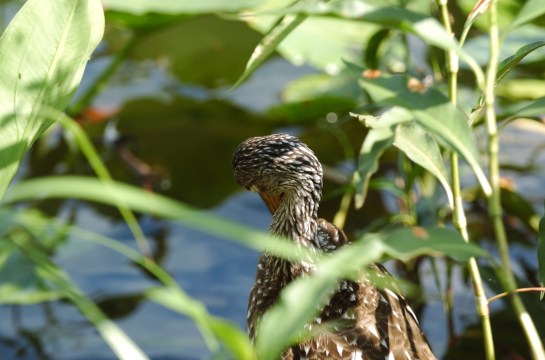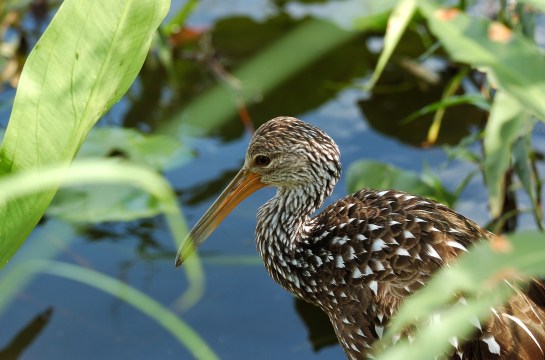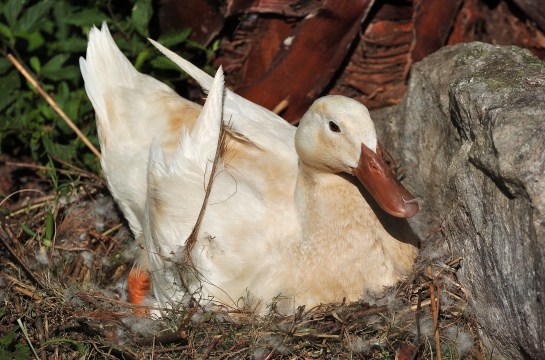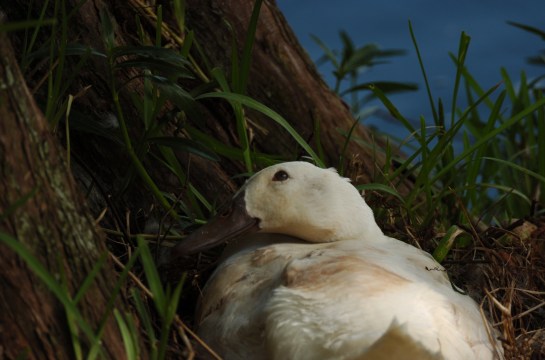
Plantain-eater at Parrot Mountain

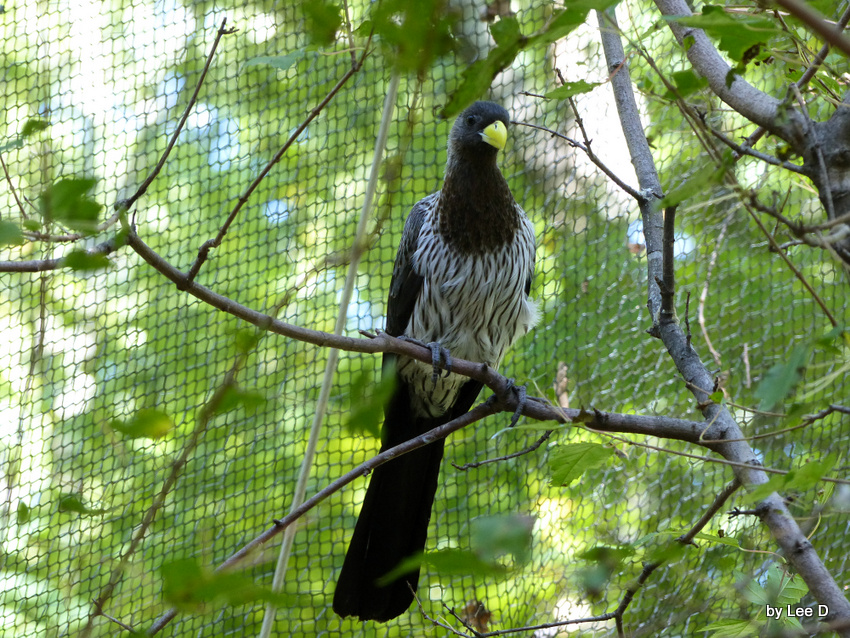
Western Plantain-eater (Crinifer piscator) at Parrot Mountain

Western Plantain-eater (Crinifer piscator) at Parrot Mountain

By them the birds of the heavens have their home; They sing among the branches. He waters the hills from His upper chambers; The earth is satisfied with the fruit of Your works. (Psalms 104:12-13 NKJV)

The western plantain-eater (Crinifer piscator), also known as the grey plantain-eater or western grey plantain-eater, is a large member of the Turaco family, a group of large arboreal near-passerine birds restricted to Africa.

Western Plantain-eater (Crinifer piscator) at Parrot Mountain

Western Plantain-eater (Crinifer piscator) at Parrot Mountain

This species is a resident breeder in open woodland habitats in tropical west Africa. It lays two or three eggs in a tree platform nest.

These are common, noisy and conspicuous birds, despite lacking the brilliant colours of relatives such as the violet turaco. They are 50 cm long, including a long tail. Their plumage is mainly grey above spotted with brown. The head, erectile crest, neck and breast are brown streaked with silver. The underparts are whitish, heavily streaked with brown.
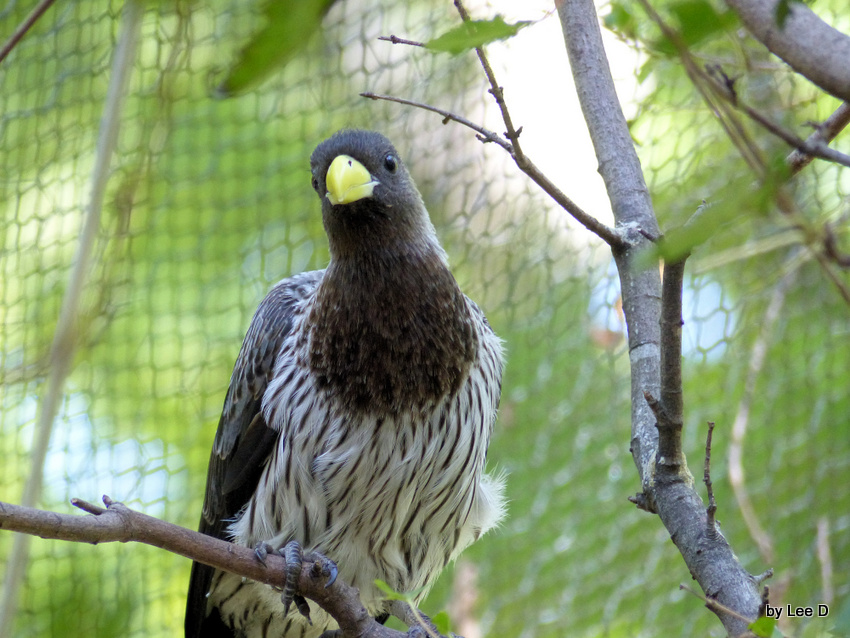
Western Plantain-eater (Crinifer piscator) at Parrot Mountain

Western Plantain-eater (Crinifer piscator) at Parrot Mountain

Western plantain-eater has a thick bright yellow bill, and shows a white wing bar in flight. The sexes are identical, but immatures have a black woolly head without silver streaking.
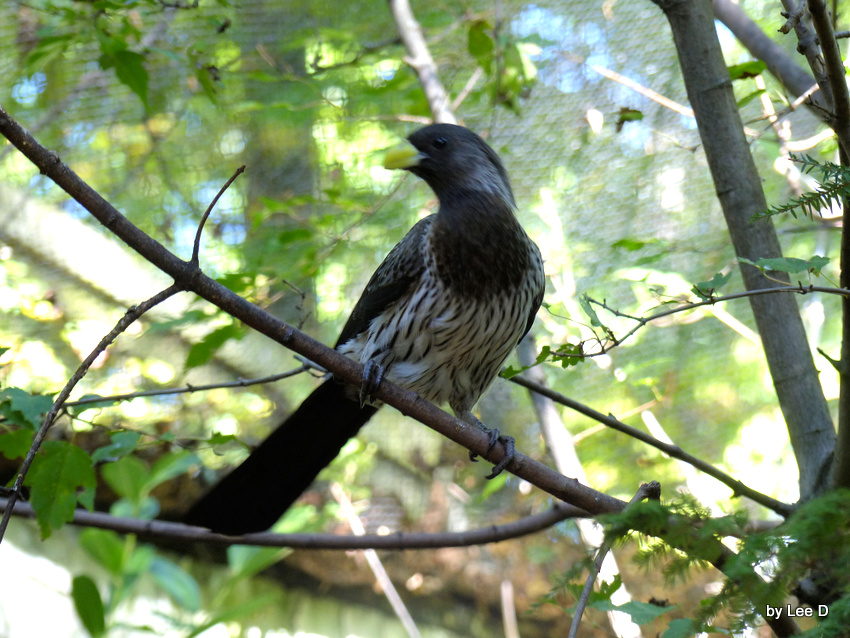
Western Plantain-eater (Crinifer piscator) at Parrot Mountain

Western Plantain-eater (Crinifer piscator) at Parrot Mountain

This bird is similar to the closely related eastern plantain-eater. The latter species has white tail bars, and lacks the chest bars and dark wing feather shafts of its western relative. This species feeds on fruit, especially figs, seeds and other vegetable matter.

We first encountered this amazing bird created by the Creator at the Houston Zoo this past spring. Those were in an enclosure with the normal fences to try to photograph through. That is what made this visit to Parrot Mountain so special because we were in a free-flying aviary with them.

Western Plantain-eater (Crinifer piscator) Houston Zoo

Western Plantain-eater (Crinifer piscator) Houston Zoo by Lee

Western Plantain-eater (Crinifer piscator) Houston Zoo

Western Plantain-eater (Crinifer piscator) Houston Zoo

Western plantain-eater has a loud cow-cow-cow call, very familiar in west Africa. (Info from Wikipedia)

Here is a video I took of the birds in the aviary feeding. The Plantain-eater comes in at tries to intimidate the Cardinal and then starts his call. If you watch him/her, you will notice it seems to be afraid of that cardboard dish holding the fruit. Hence my chuckle. I’ll tell you more about those other birds later.

“But the wisdom that is from above is first pure, then peaceable, gentle, willing to yield, full of mercy and good fruits, without partiality and without hypocrisy. Now the fruit of righteousness is sown in peace by those who make peace.” (James 3:17-18 NKJV)

*

Other Parrot Mountain Blogs

*

Parrot Mountain’s Prayer Garden

And when he had sent the multitudes away, he went up into a mountain apart to pray: and when the evening was come, he was there alone. (Matthew 14:23 KJV)

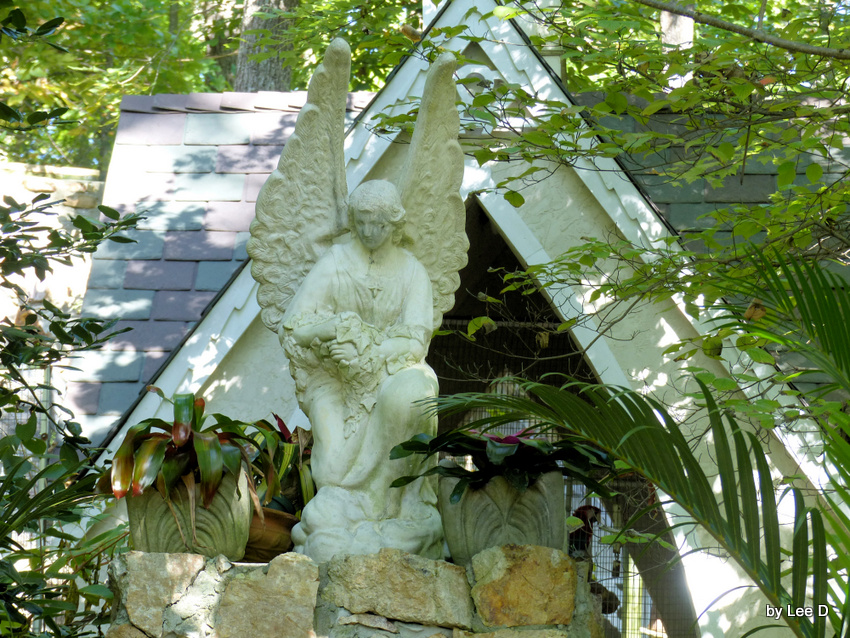
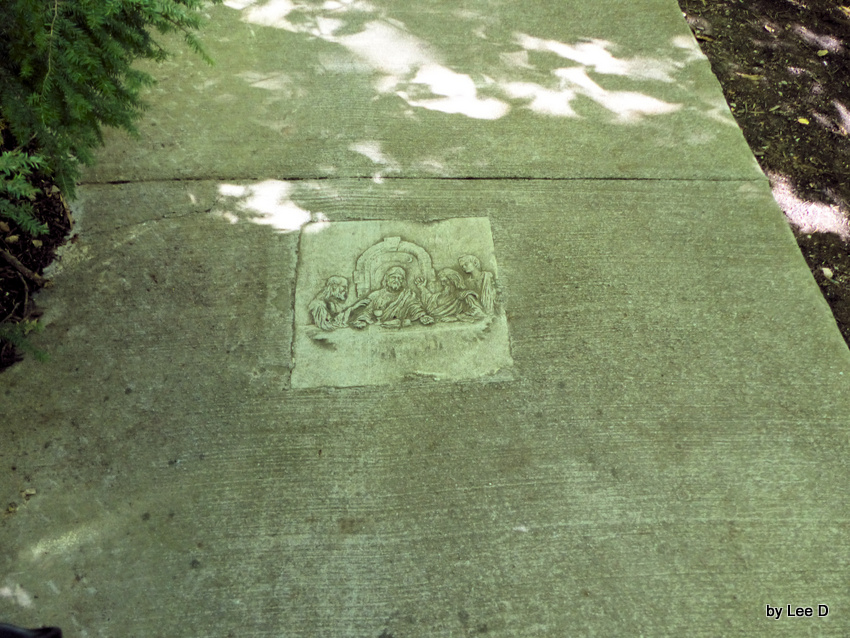
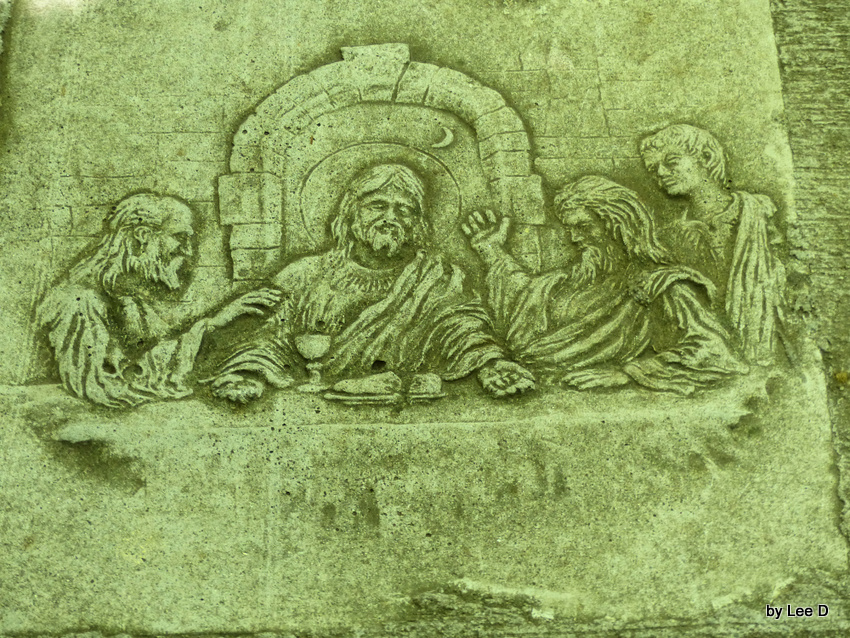
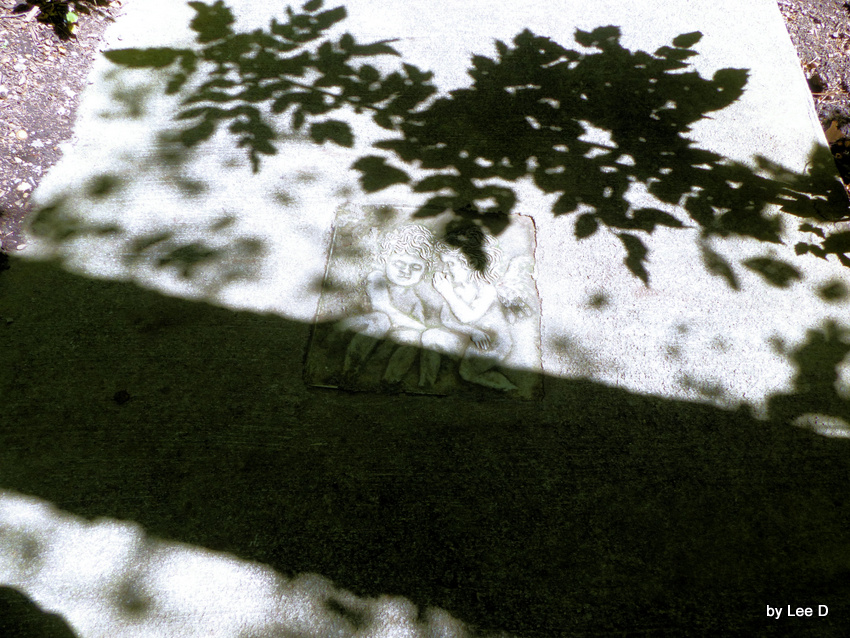
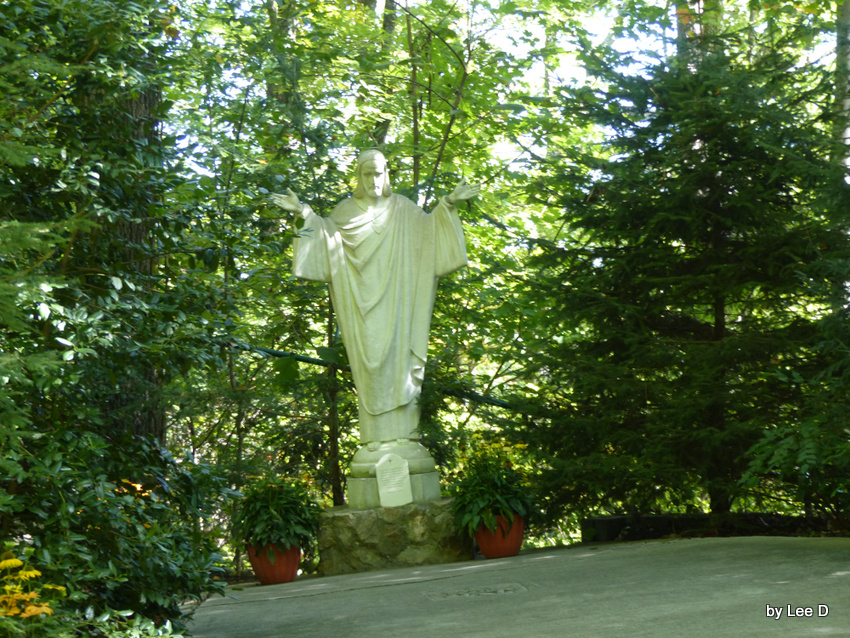
The Prayer Garden at Parrot Mountain is very peaceful and lovely. Thought I would share some of those photos this time. At the entrance there are two angel statues and then as you enter.

Angel

Angel

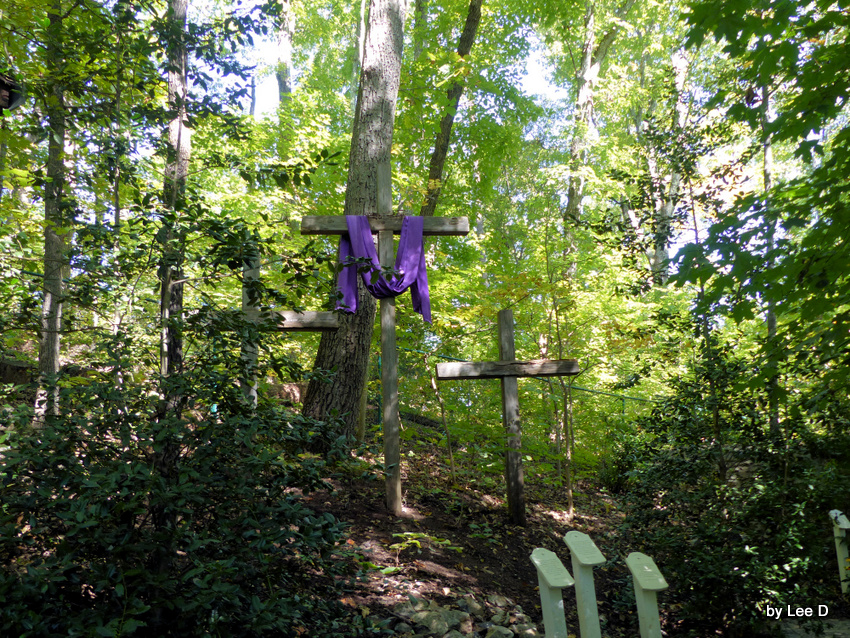
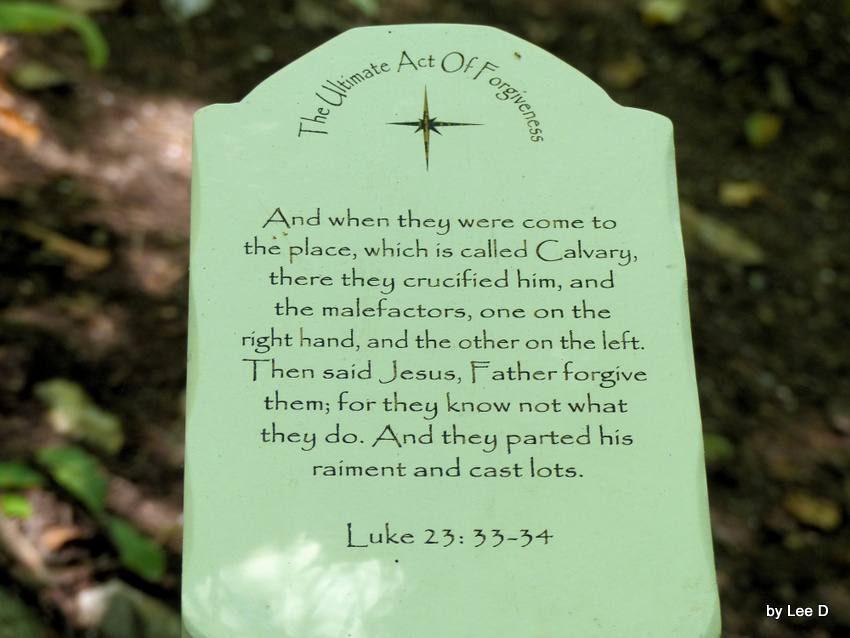
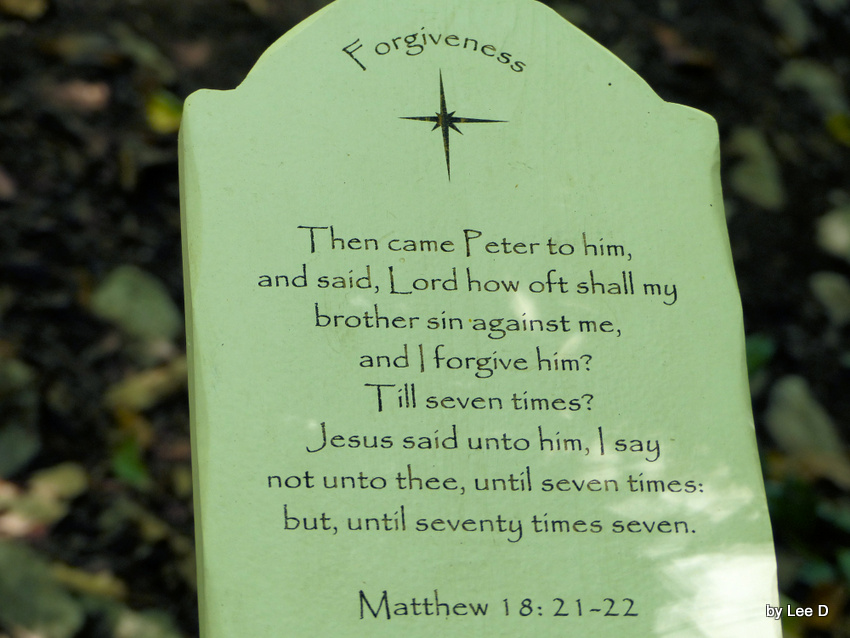
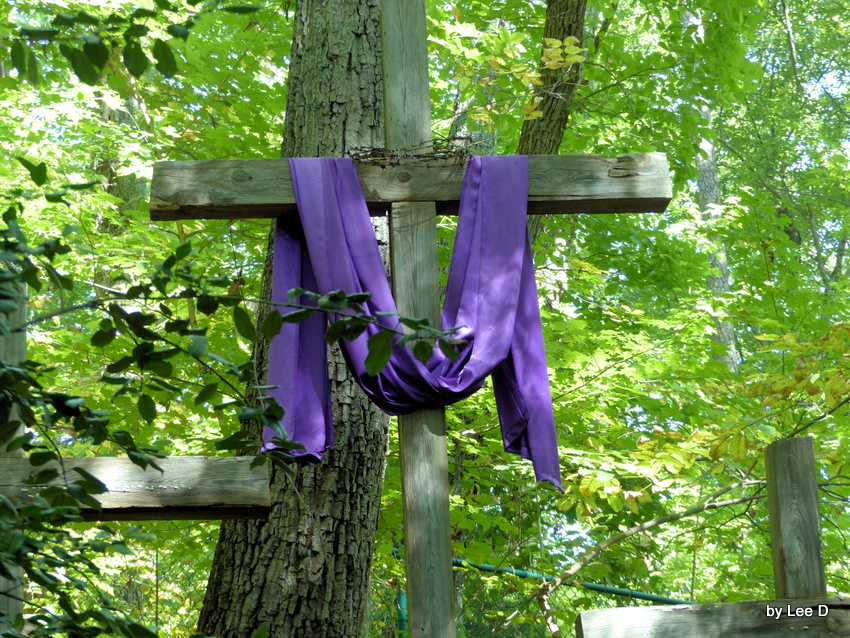
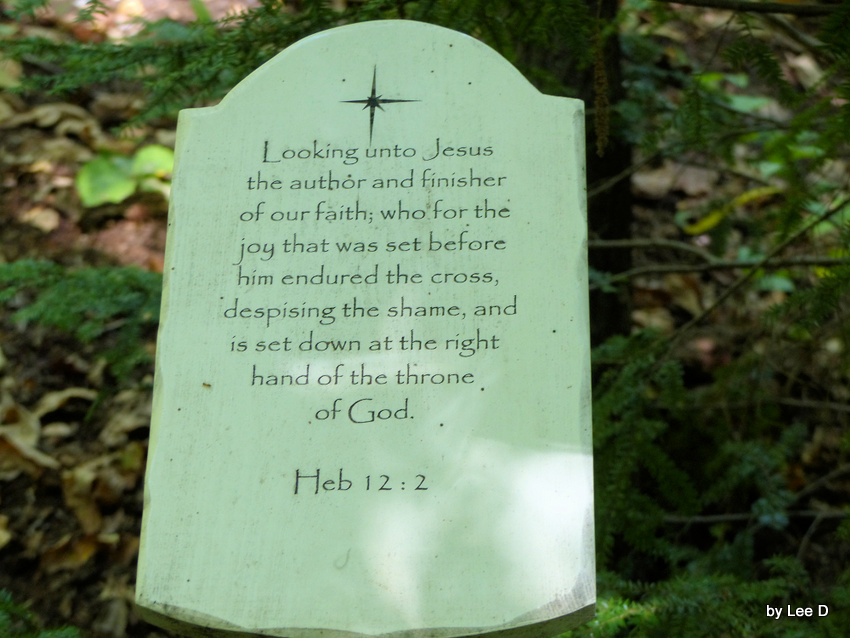
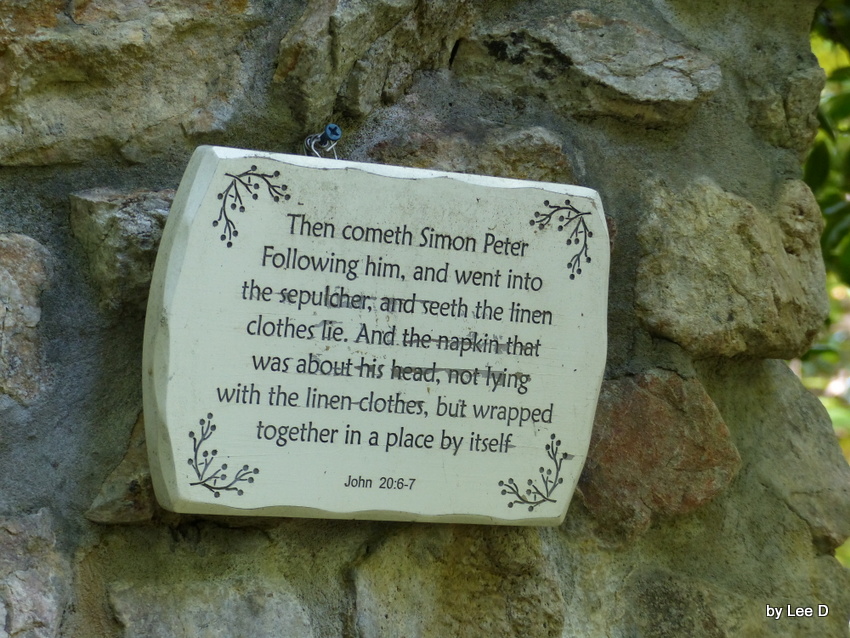
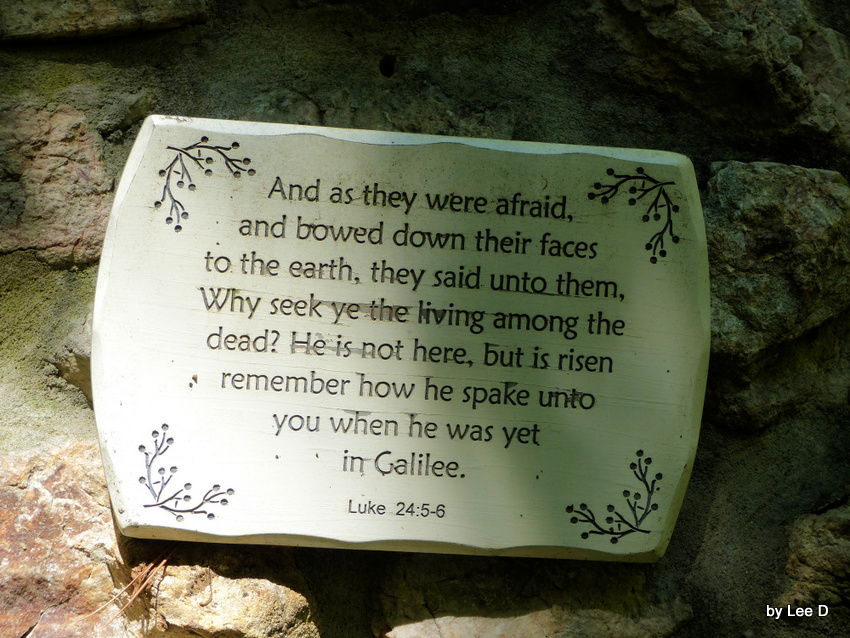
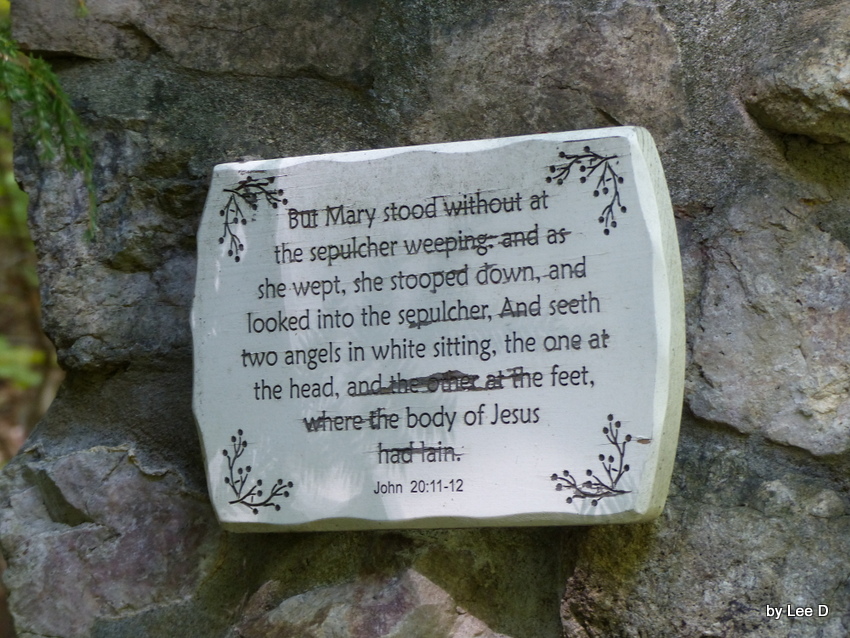
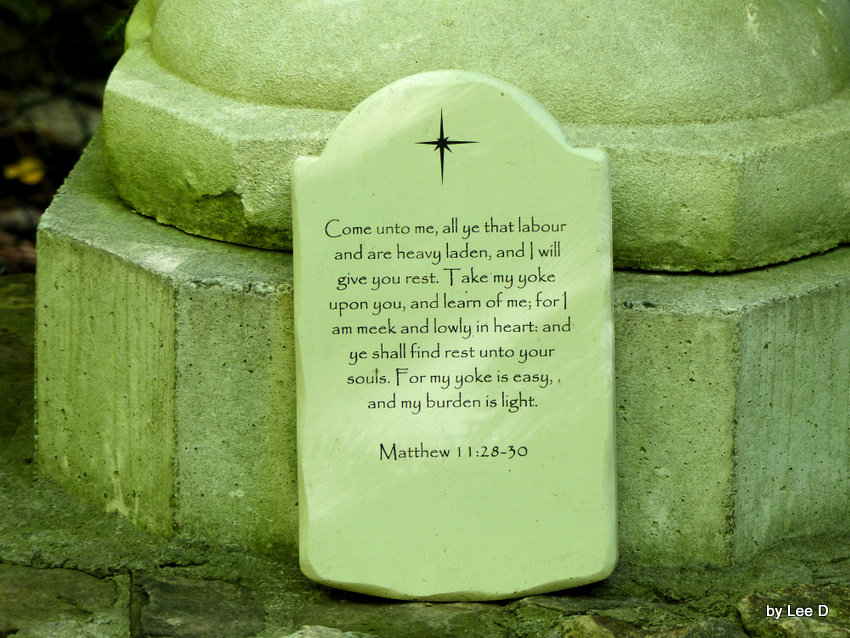
There are three crosses and some signs with verses:

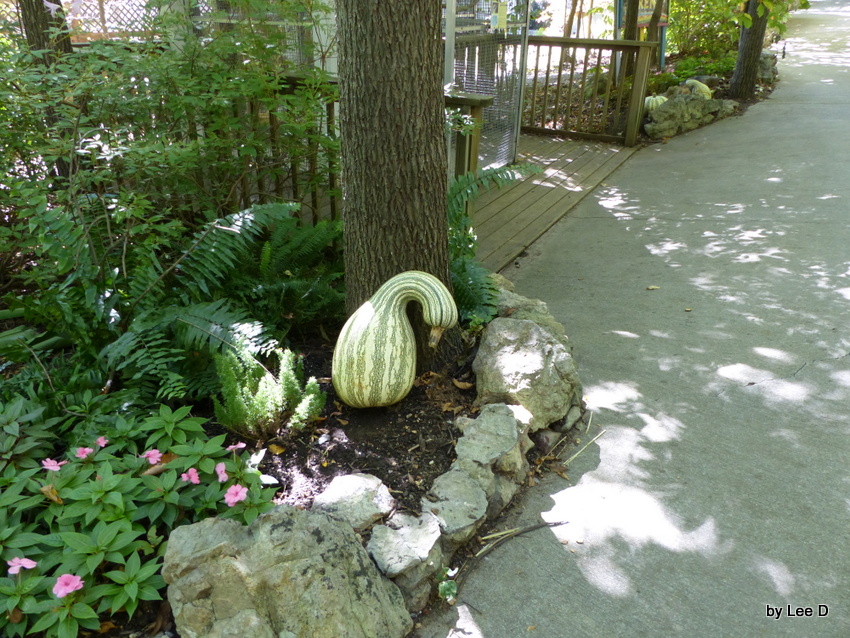
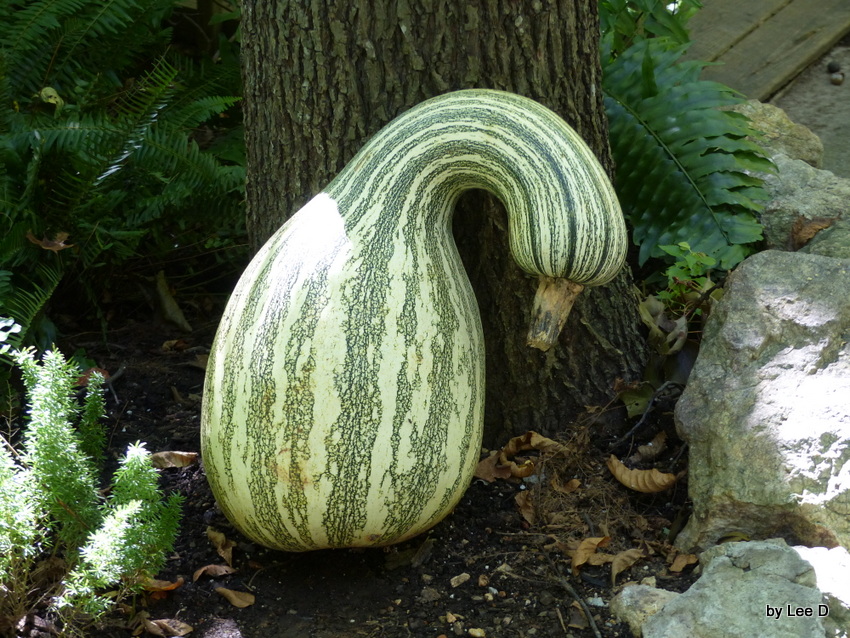
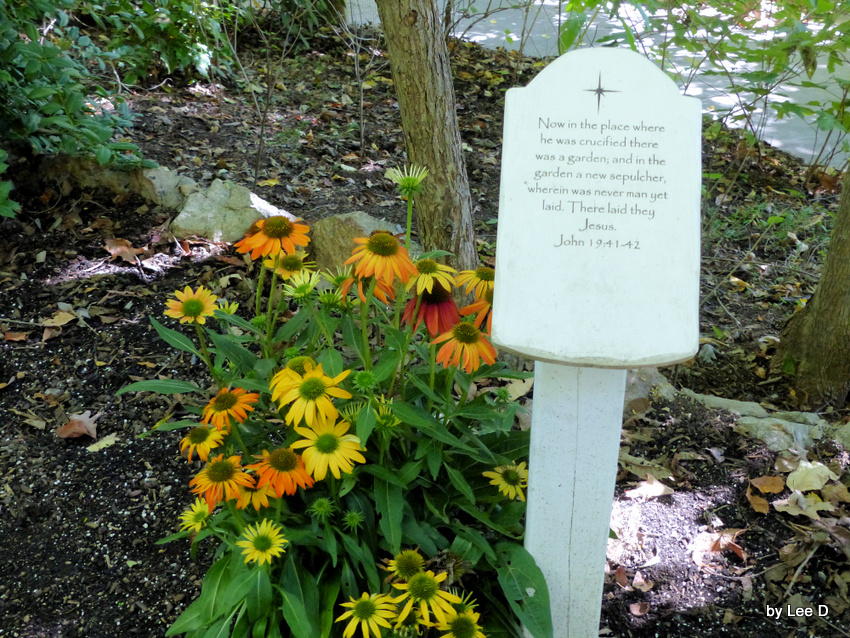
Parrot Mountain Landscape and Signs

Three Crosses and Signs

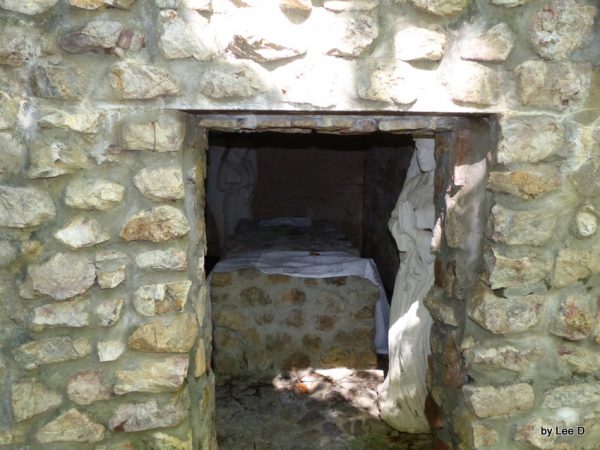
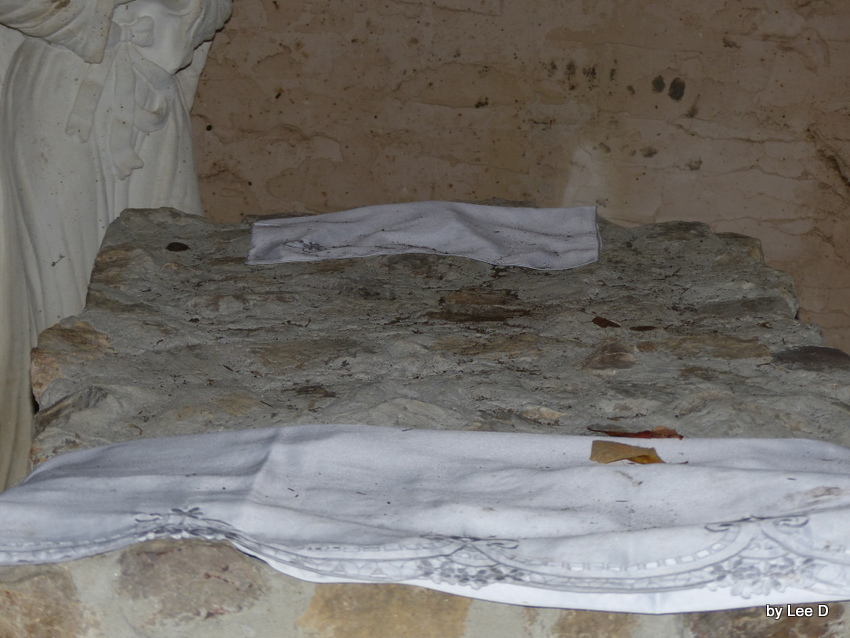
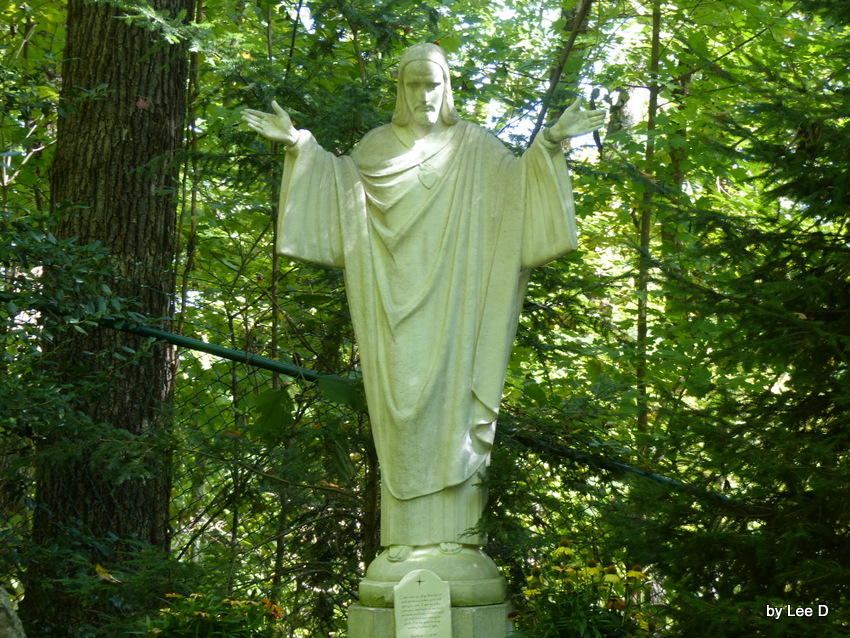
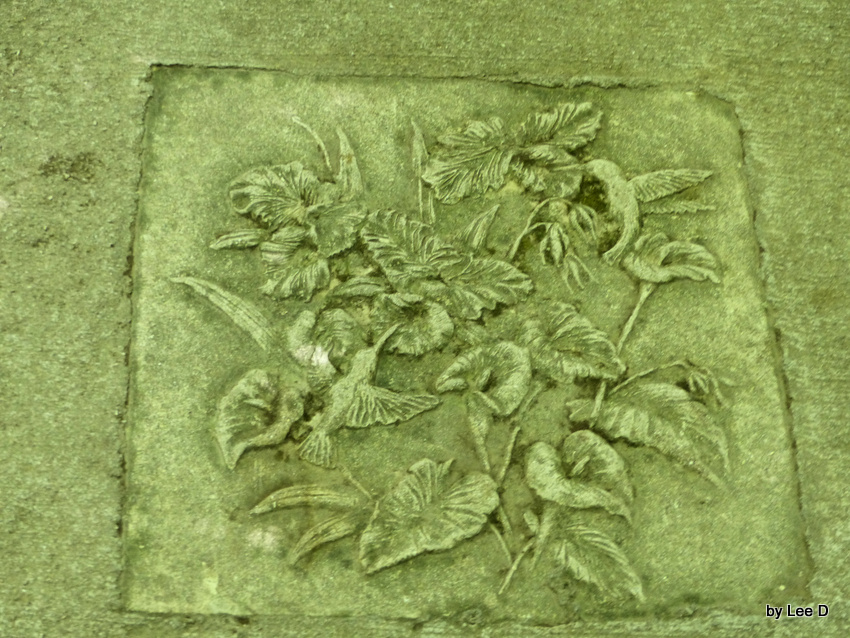
As you go in further there are more signs, a garden tomb with an angel and a place where the Savior was lain. More signs and walkway with sculptures in them. Here are more of the photos of this area of Parrot Mountain.

*
Parrot Mountain in Pigeon Forge, Tennessee
Fellowship in the Smokies
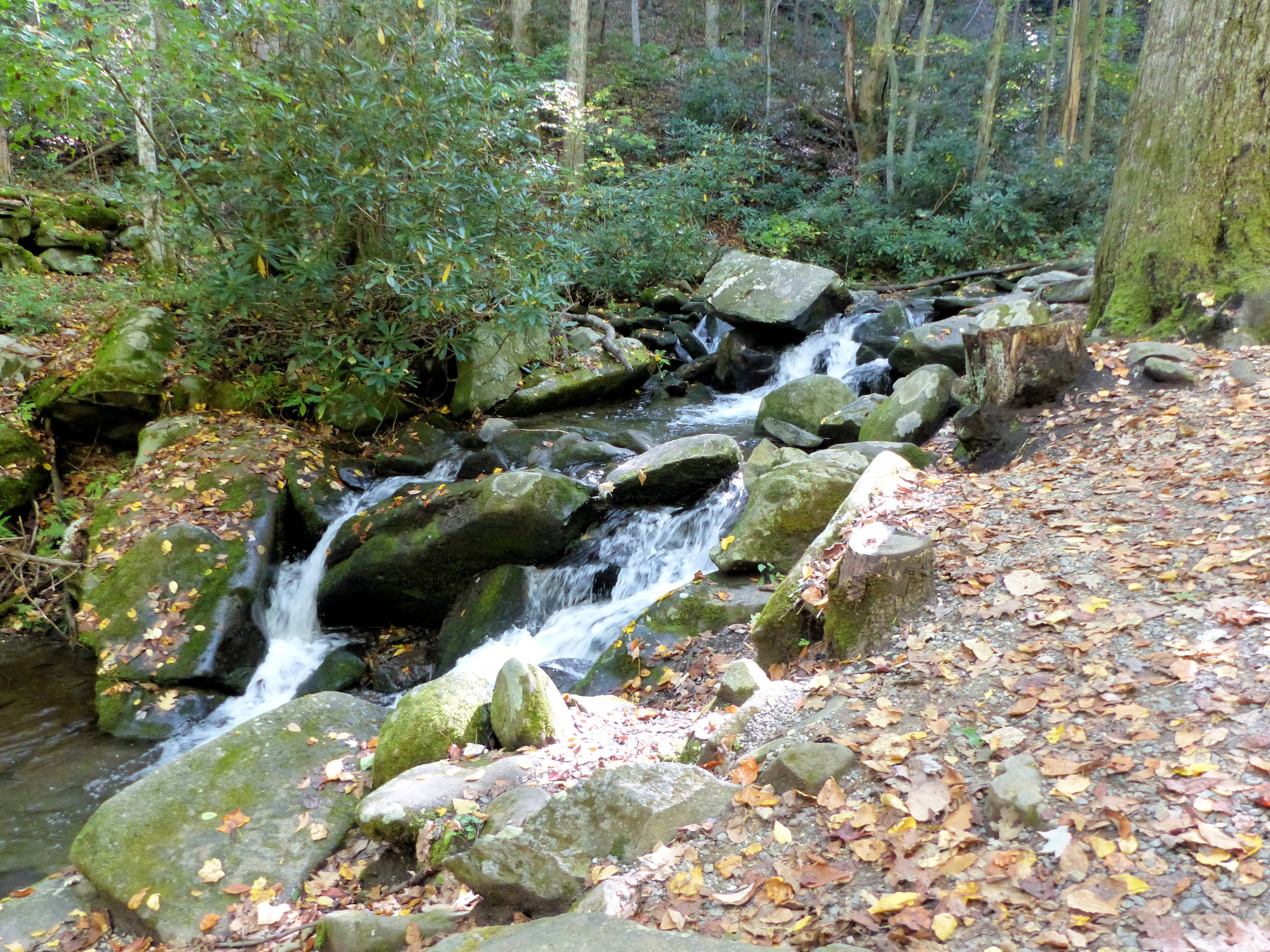
Peaceful Stream
Salmon-crested (Moluccan) Cockatoo at Parrot Mountain
Are You Missing Something?
Sharing The Gospel

*

Sunday Inspiration – Sylviid Babblers

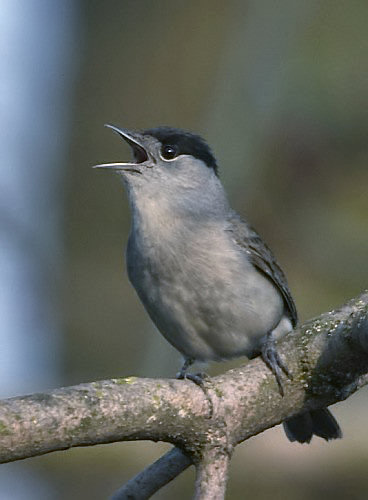
Eurasian Blackcap (Sylvia atricapilla) ©WikiC

Eurasian Blackcap (Sylvia atricapilla) ©WikiC

Here is our next avian group taxonomically, the Sylviidae – Sylvid Babblers Family. The Lord created these birds with a song to sing and some that are very colorful. Actually there are very few Babblers in the family. There are Blackcaps, various Warblers, Whitethroats, Fulvettas, Parrotbills plus a Myzornis and a Catbird.

Fire-tailed Myzornis (Myzornis pyrrhoura) ©WikiC

Fire-tailed Myzornis (Myzornis pyrrhoura) ©WikiC

Sylviidae is a family of passerine birds that was part of an assemblage known as the Old World warblers. The family was formerly a wastebin taxon with over 400 species of bird in over 70 genera. The family was poorly defined with many characteristics shared with other families. Advances in classification, particularly helped with molecular data, have led to the splitting out of several new families from within this group. Today the smaller family Sylviidae includes the typical warblers in the genus Sylvia, the parrotbills of Asia (formerly a separate family Paradoxornithidae), a number of babblers formerly placed within the family Timaliidae (which is itself currently being split) and the wrentit, an unusual North American bird that has been a longstanding taxonomic mystery.

Hume's Whitethroat (Sylvia althaea) ©WikiC

Hume’s Whitethroat (Sylvia althaea) ©WikiC

There is now evidence that these Sylvia “warblers” are more closely related to babblers [Timaliidae], and thus these birds are better referred to as Sylvia babblers, or just sylvids.

Vinous-throated Parrotbill (Sinosuthora webbiana) ©WikiC

Vinous-throated Parrotbill (Sinosuthora webbiana) ©WikiC

Sylviids are small to medium-sized birds. The bill is generally thin and pointed with bristles at the base. Sylviids have a slender shape and an inconspicuous and mostly plain plumage. The wings have ten primaries, which are rounded and short in non-migratory species. (Wikipedia)

For thus says the LORD, Who created the heavens, Who is God, Who formed the earth and made it, Who has established it, Who did not create it in vain, Who formed it to be inhabited: “I am the LORD, and there is no other. (Isaiah 45:18 NKJV)

This slideshow requires JavaScript.

Now if God so clothes the grass of the field, which today is, and tomorrow is thrown into the oven, will He not much more clothe you, O you of little faith? (Matthew 6:30 NKJV)

“I Stand Amazed” ~ Faith Baptist Choir

*

More Sunday Inspirations 

Sylviidae – Sylviid Babblers

Sylviidae – Wikipedia

Parrotbill – Wikipedia

Babbler For Who?

*

Are You Missing Something?

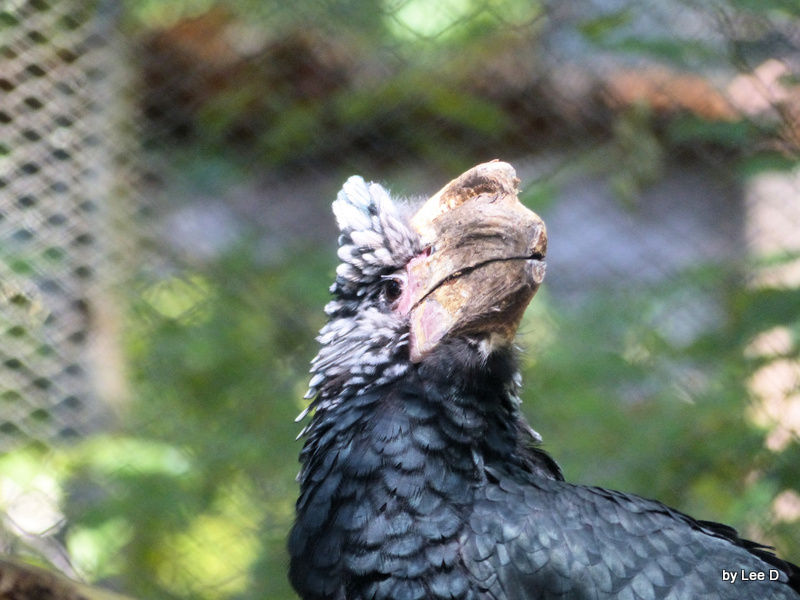
Silvery-cheeked Hornbill (Bycanistes brevis) Parrot Mtn

Silvery-cheeked Hornbill (Bycanistes brevis) Parrot Mtn

Wait on the LORD, And keep His way, And He shall exalt you to inherit the land; When the wicked are cut off, you shall see it. (Psalms 37:34 NKJV)

While at the Parrot Mountain last week, we saw this Silvery-cheeked Hornbill (Bycanistes brevis). As one of my friend said, after seeing these photos, “that is an ugly bird.” Well, almost, but is beauty in the eye of the beholder? I am sure that from the eyes of another Silvery-cheeked Hornbill, it may not be.

Silvery-cheeked Hornbill (Bycanistes brevis) Parrot Mtn

Silvery-cheeked Hornbill (Bycanistes brevis) Parrot Mtn

As the sign says,:

  • The Silvery-cheeked Hornbill can grow up to two and half feet long and weigh two and three quarter pounds.
  • Have an average life span of 50 years.
  • Silvery-cheeked Hornbills eat by plucking a piece of fruit and tipping its head back to swallow it whole. They will eat berries, figs, palmnuts, as well as a variety of insects.
  • The Hornbill is one of the few birds that have eyelashes to shield them from sun and dust.
Silvery-cheeked Hornbill (Bycanistes brevis) Parrot Mtn by Lee

Silvery-cheeked Hornbill (Bycanistes brevis) Parrot Mtn by Lee

Also the Silvery-cheeked Hornbill are residents of the tall evergreen forest of east Africa from Ethiopia to South Africa.

Well, maybe this bird is a little ugly:

Silvery-cheeked Hornbill (Bycanistes brevis) Parrot Mtn

Silvery-cheeked Hornbill (Bycanistes brevis) Parrot Mtn

Yet, in the Lord’s sight, this bird was created special and most likely fits right in with where it lives and what it does. What I haven’t shown you yet is that it is missing the tip of its beak. Most likely, that is why it is in captivity because it may not be able to obtain food in the wild.

Missing the tip of its beak

Missing the tip of its beak

Silvery-cheeked Hornbill with missing tip of beak.

Silvery-cheeked Hornbill with missing tip of beak.

I was surprised by how many verses that mention the words “cut off.” There are 200 verses in the NKJV. Even the verse where Peter cut off the ear of the servant, but Jesus healed him by putting back on. Only the Creator could have done that. Many mention enemies or sinners being cut off. Also, not being cut off if you are righteous and one of His saints.

For the LORD loves justice, And does not forsake His saints; They are preserved forever, But the descendants of the wicked shall be cut off. The righteous shall inherit the land, And dwell in it forever. The mouth of the righteous speaks wisdom, And his tongue talks of justice. The law of his God is in his heart; None of his steps shall slide. The wicked watches the righteous, And seeks to slay him. The LORD will not leave him in his hand, Nor condemn him when he is judged. Wait on the LORD, And keep His way, And He shall exalt you to inherit the land; When the wicked are cut off, you shall see it. (Psalms 37:28-34 NKJV)

Missing heaven and not spending eternity with the Lord Jesus Christ would be a terrible tragedy. I trust you will not be cut off with the wicked and that you know the Lord as your personal Savior. Accepting the Lord Jesus was the best decision I ever made in my life.

The Gospel Message and Gospel Presentation both explain how to not be cut off or missing out on eternity in heaven.

*

*

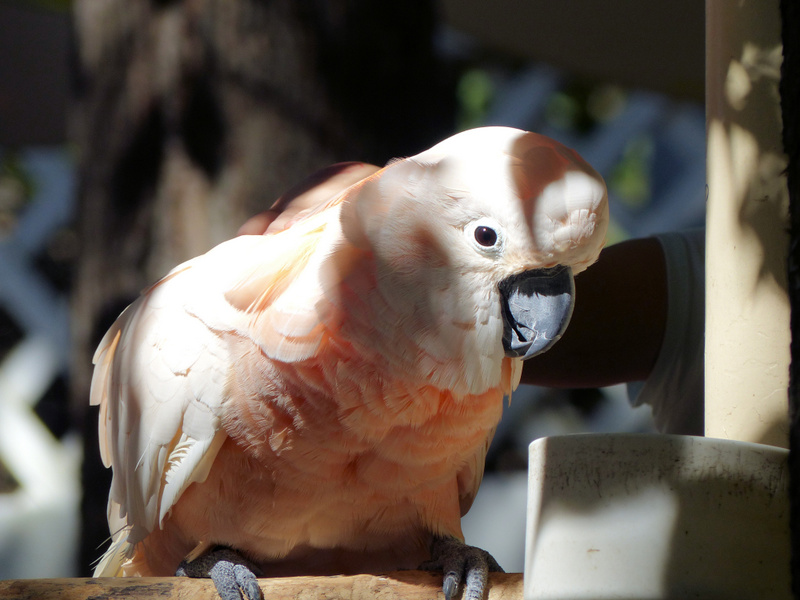
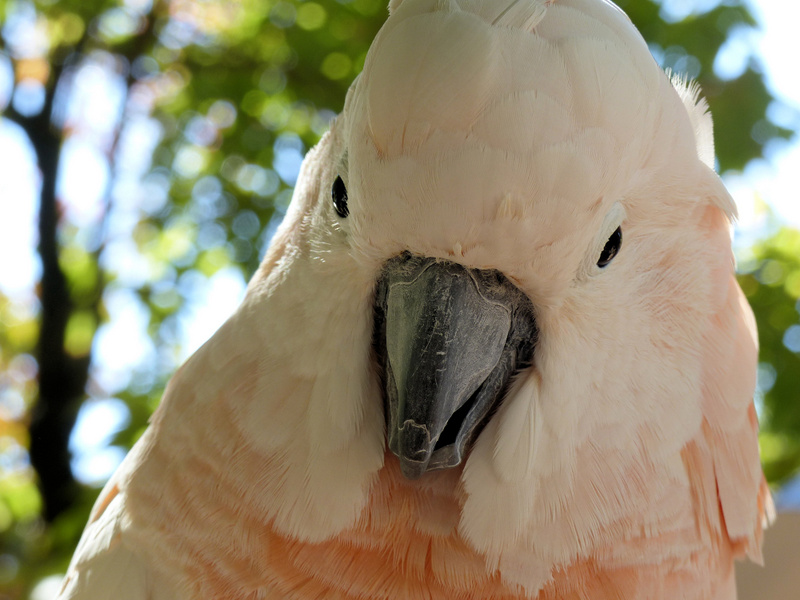
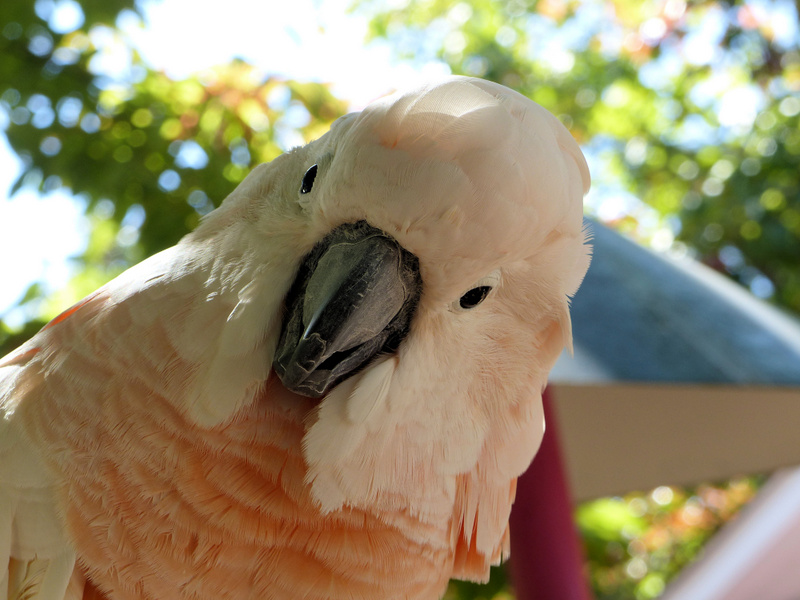
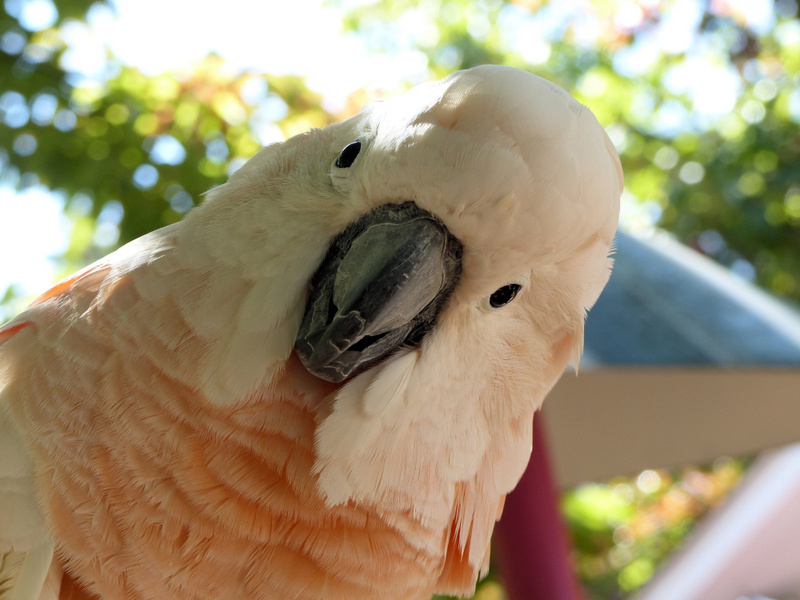
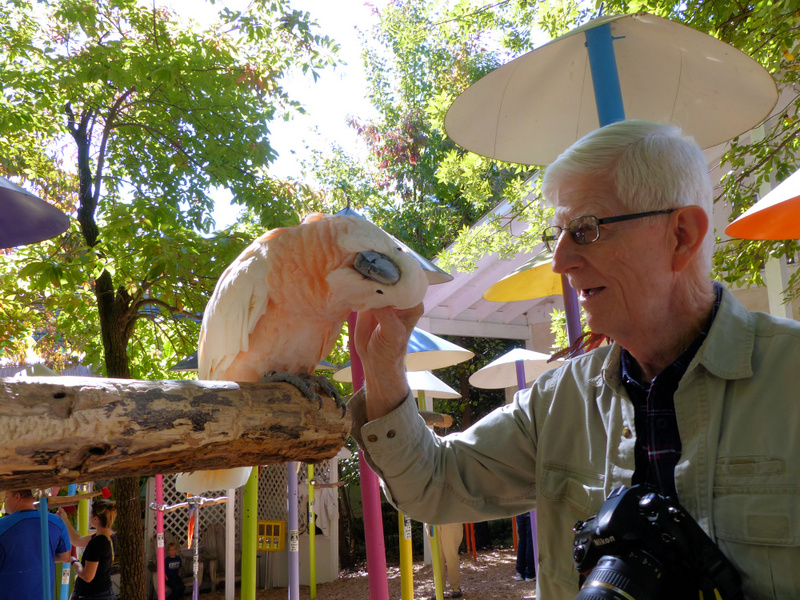
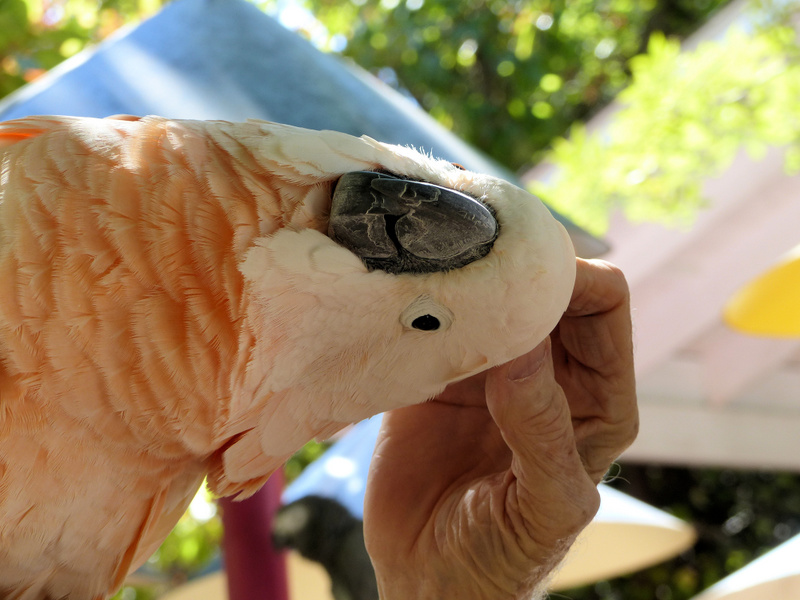
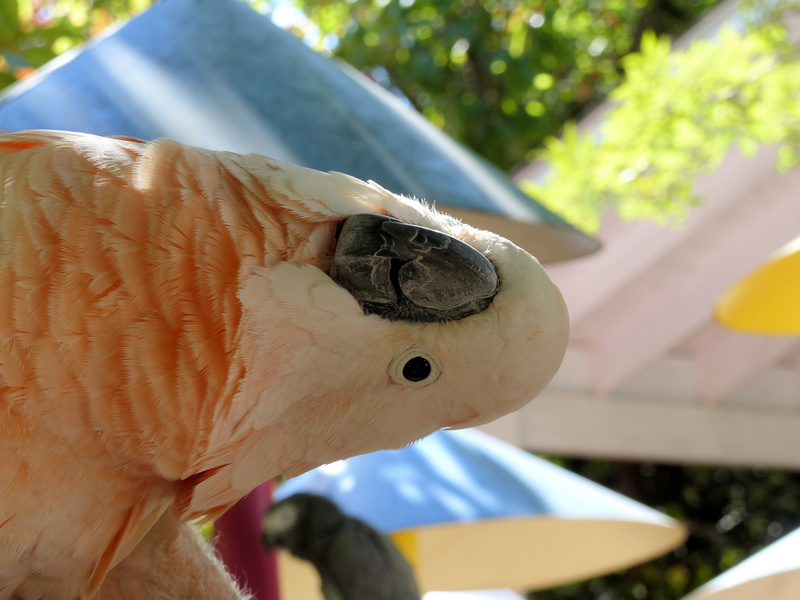
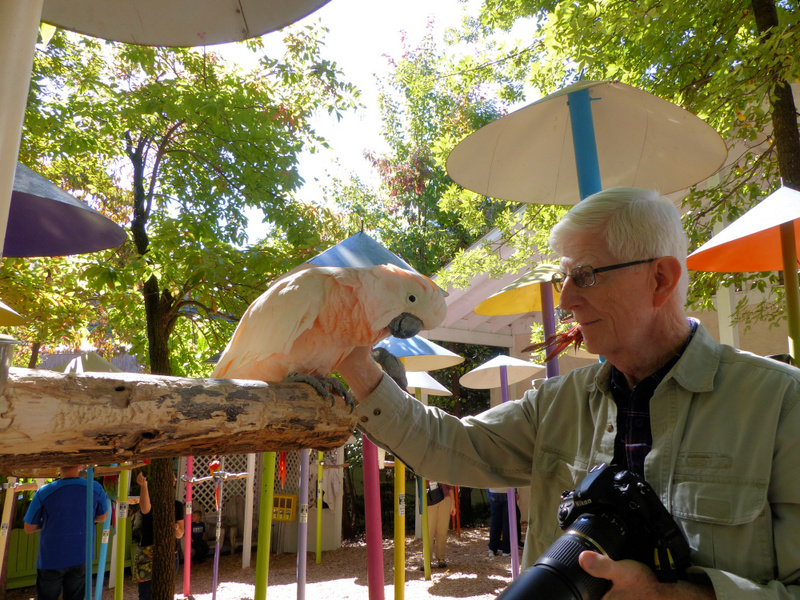
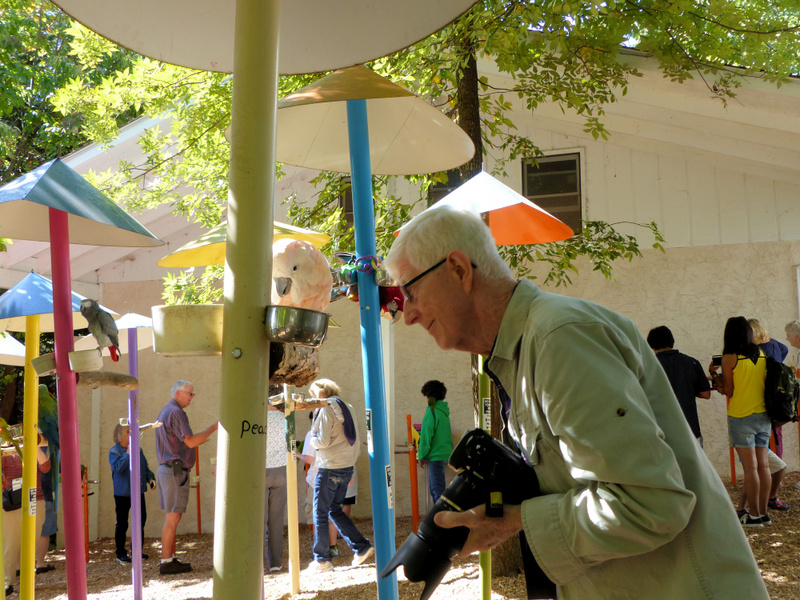
Salmon-crested (Moluccan) Cockatoo at Parrot Mountain

Salmon-crested Cockatoo (Cacatua moluccensis) at Parrot Mtn by Lee

Salmon-crested Cockatoo (Cacatua moluccensis) at Parrot Mtn by Lee

“So God created … every winged bird according to its kind. And God saw that it was good.” (Genesis 1:21 NKJV)

Here are a few photos of the Salmon-crested Cockatoo (Cacatua moluccensis) or Mouccan Cockatoo, as they call it, at the Parrot Mountain in Pigeon Forge, Tennessee. On their brochure they have “In the Beginning GOD Created All Things” and “Hundreds of Tropical Birds in a Garden of Eden Surrounding.” It is a very enjoyable place to visit. The landscaping is very pretty and colorful. More about that in another post. It is very much Christian oriented.

“The salmon-crested cockatoo (Cacatua moluccensis) also known as the Moluccan cockatoo, is a cockatoo endemic to the south Moluccas in eastern Indonesia. They are members of the Cacatuidae – Cockatoos Family. At a height of up to 46–52 cm and weight of up to 850 g, it is among the largest of the white cockatoos. The female is larger than the male on average. It has white-pink feathers with a definite peachy glow, a slight yellow on the underwing and underside of the tail feathers and a large retractable recumbent crest which it raises when threatened, revealing hitherto concealed bright red-orange plumes to frighten potential attackers. It may also be raised in excitement or in other ’emotional’ displays. Some describe the crest as “flamingo-colored.” It also has one of the louder calls in the parrot world and in captivity is a capable mimic.

Salmon-crested Cockatoo (Cacatua moluccensis) at Parrot Mtn by Lee

Salmon-crested Cockatoo (Cacatua moluccensis) at Parrot Mtn by Lee

In the wild the salmon-crested cockatoo inhabits lowland forests below 1000 m. The diet consists mainly of seeds, nuts and fruit, as well as coconuts, and also eats Meat. There is additional evidence that they eat insects off the ground, and pet Moluccan cockatoos have tested positive for anemia if their diet does not include enough protein.

Salmon-crested Cockatoo (Cacatua moluccensis) at Parrot Mtn by Le

Salmon-crested Cockatoo (Cacatua moluccensis) at Parrot Mtn by Lee

For every kind of beast and bird, of reptile and creature of the sea, is tamed and has been tamed by mankind. (James 3:7 NKJV)

The salmon-crested cockatoo can no longer be imported into the United States because it is listed on the Wild Bird Conservation Act. However, they are being bred in captivity. They are popular for their beauty and trainability (which makes them popular in trained bird shows). The salmon-crested cockatoo is widely considered to be one of the most demanding parrots to keep as a pet due to their high intelligence, large size, potential noise level, and need to chew. Moluccan cockatoos require a very large and very sturdy cage or aviary. Salmon-crested cockatoos are highly social and pets can be extremely cuddly, affectionate, and gentle birds.” (Wikipedia)

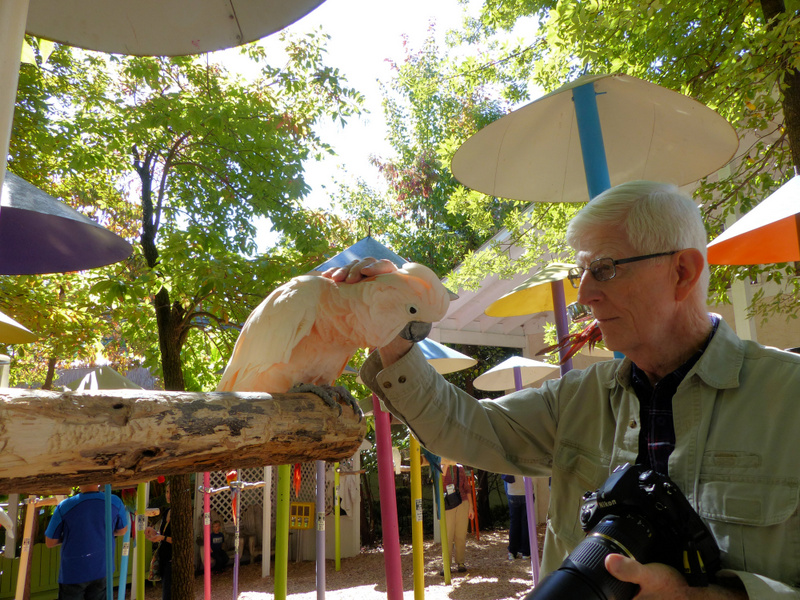
The photos are shown in the sequence taken. Dan was enjoying scratching its head.

*

Parrot Mountain in Pigeon Forge, Tennessee

Salmon-crested Cockatoo – Wikipedia

Cacatuidae – Cockatoos Family

Wordless Birds

*

Peaceful Stream

Trees along the Roaring Fork Drive

Trees along the Roaring Fork Drive

The trees have not turned that much yet, but the two videos below are just relaxing to watch. In about two weeks or so the leaves should really be at prime.

He brought streams also out of the rock, and caused waters to run down like rivers. (Psalms 78:16 KJV)

But let judgment run down as waters, and righteousness as a mighty stream. (Amos 5:24 KJV)

Now no chastening seems to be joyful for the present, but painful; nevertheless, afterward it yields the peaceable fruit of righteousness to those who have been trained by it. (Hebrews 12:11 NKJV)

*

Sunday Inspiration – Laughingthrush Leiothrichidae Family

Sumatran Laughingthrush (Garrulax bicolor) by Dan at Wing of Asia ZM

Sumatran Laughingthrush (Garrulax bicolor) by Dan at Wing of Asia ZM

A merry heart does good, like medicine, But a broken spirit dries the bones. (Proverbs 17:22 NKJV)

Every since we saw Laughingthrushes for the first time at Zoo Miami’s Wing of Asia aviary, I fell in love with these birds. The photo above is the one I like to call “Joe Cool.” Their “sunglasses” makes them look rather “Cool” don’t you think? They are fun to watch and most of them like to hop around instead of walking.

Joe Cool

(Black and White) Sumatran Laughingthrush (Garrulax bicolor) by Lee “Joe Cool”

The Laughingthrush Family, called Leiothrichidae, has 133 species and is our next passerine family. Actually there was a Sunday Inspiration about them previously. Sunday Inspiration – Laughingthrush

The Laughingthrushes are the genus Garrulax of the large Old World babbler family of passerine birds. They occur in tropical Asia, with the greatest number of species occurring in the Himalaya and southern China.
These are rangy, medium-sized, floppy-tailed landbirds with soft fluffy plumage. These birds have strong legs and are quite terrestrial. This group is not strongly migratory, and most species have short rounded wings, and a weak flight.

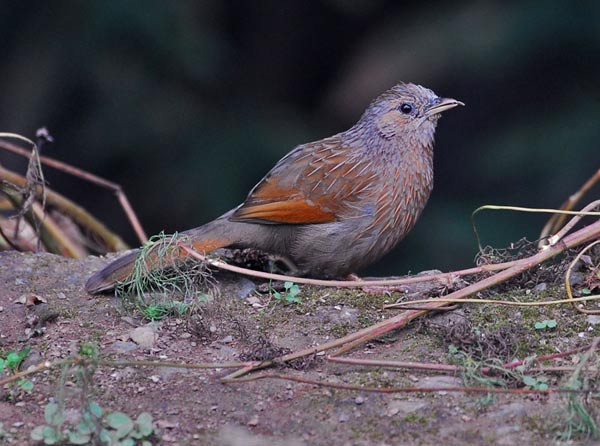
Streaked Laughingthrush (Garrulax lineatus) by Nikhil Devasar

Streaked Laughingthrush (Garrulax lineatus) by Nikhil Devasar

A few, like the Streaked Laughingthrush occur in fairly open habitats, but most are jungle species, difficult to observe in the dense vegetation they prefer.

Like other babblers, these are noisy birds, and the characteristic laughing calls are often the best indication that these birds are present. As with other babbler species, they frequently occur in groups of up to a dozen, and the rainforest species like the Ashy-headed Laughingthrush often occur in the mixed feeding flocks typical of tropical Asian jungle. (Wikipedia)

Red-tailed Laughingthrush at Wings of Asia by Lee

Red-tailed Laughingthrush (Trochalopteron milnei) by Lee

Then our mouth was filled with laughter, And our tongue with singing. Then they said among the nations, “The LORD has done great things for them.” The LORD has done great things for us, And we are glad. Bring back our captivity, O LORD, As the streams in the South. Those who sow in tears Shall reap in joy. He who continually goes forth weeping, Bearing seed for sowing, Shall doubtless come again with rejoicing, Bringing his sheaves with him. (Psalms 126:2-6 NKJV)

This slideshow requires JavaScript.

“Ten Thousand Joys” ~ Choir – Lisa Brock – Jessie Padgett (Faith Baptist)

*

More Sunday Inspirations

Laughingthrush – Leiothrichidae Family

Who Paints The Leaves?

*

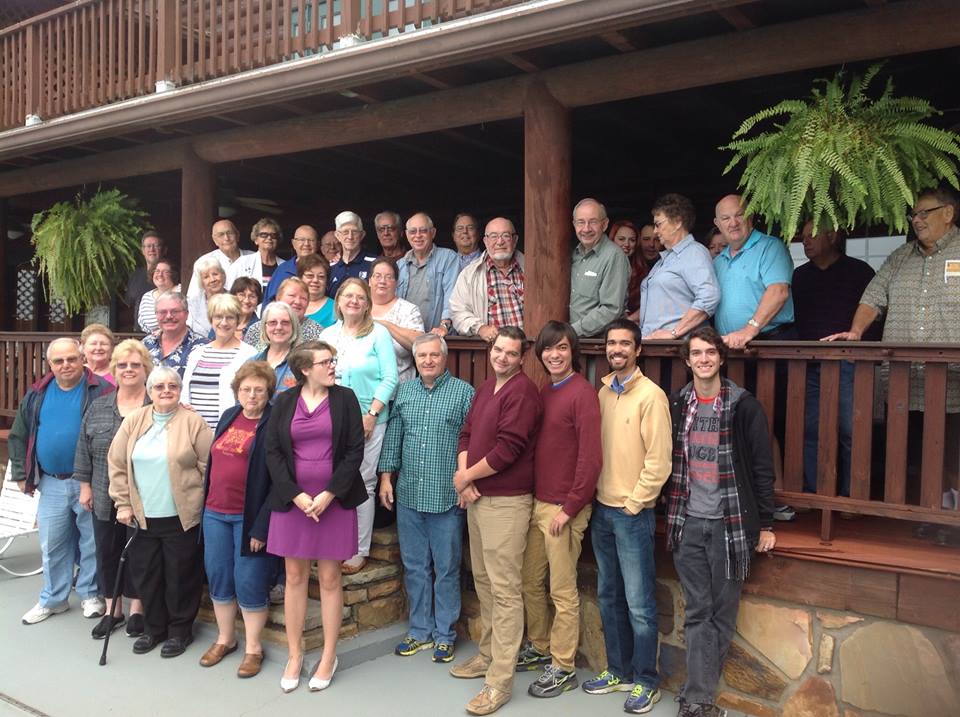
Fellowship in the Smokies

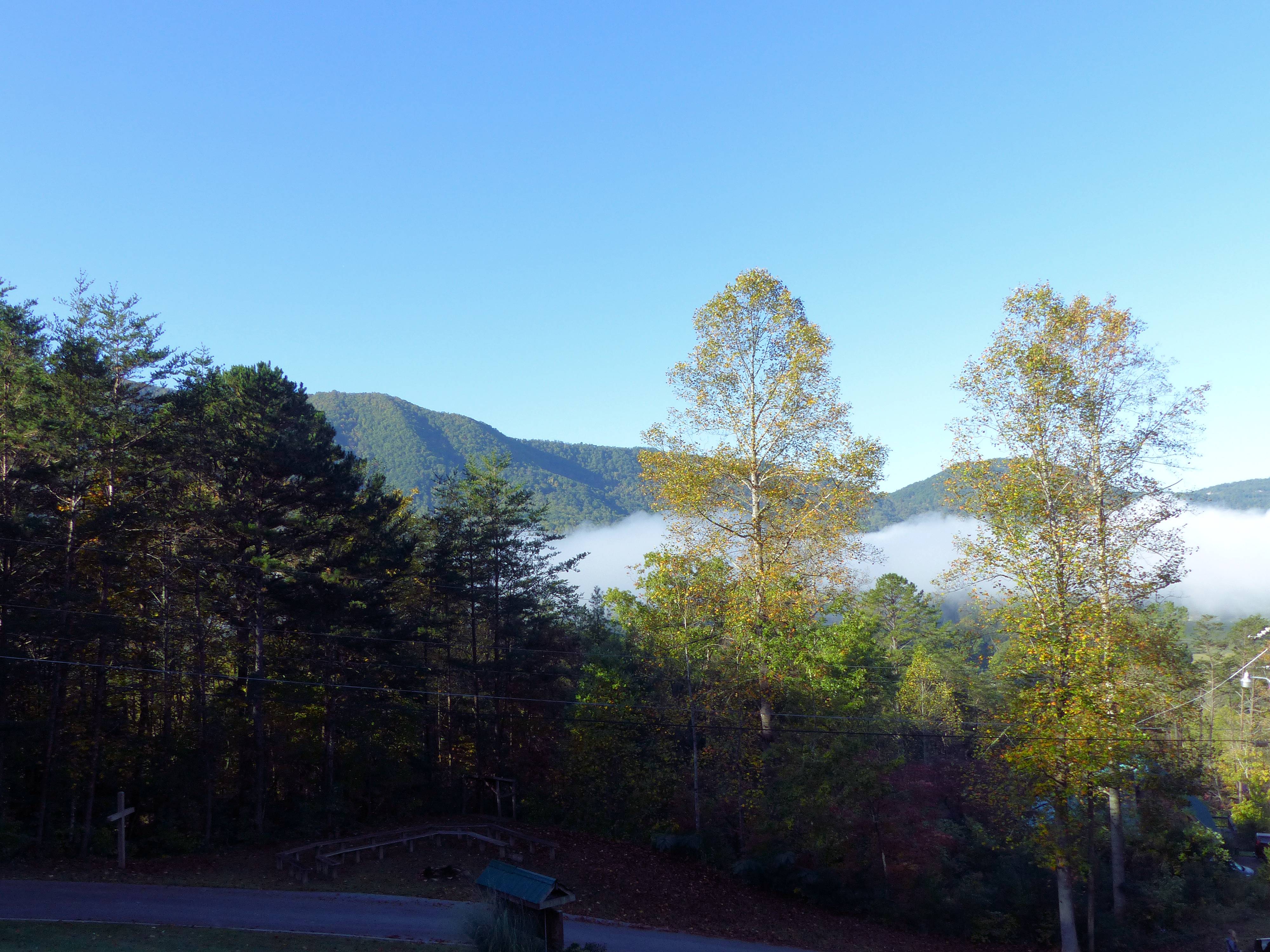
Mountains from the Tuckaleechee Retreat Center Lodge

Mountains from the Tuckaleechee Retreat Center Lodge

But if we walk in the light, as he is in the light, we have fellowship one with another, and the blood of Jesus Christ his Son cleanseth us from all sin. (1Jn 1:7)

We just spent four nights at the at Tuckaleechee Retreat Center in Townsend, Tennessee. They call it “Fellowship in the Smokies.” We were at the edge of the Great Smoky Mountain National Park, near Pigeon Forge and Gatlinburg. Those two towns are very “tourist” minded and have many attractions that have little to do with the beauty of the area. It is hard to see the commercialization of such a beautiful area created by Our Lord.

The Tuckaleechee Retreat Center is the national headquarters of the Children’s Bible Ministry. They open up a couple of weeks this time of the year for visitors, like a big group (13 couples) from our church and a few from other churches. We are fed a fantastic breakfast, have an informative time and then are free for the rest of the day.

Stream on Roaring Fork Nature Drive

Stream on Roaring Fork Nature Drive

Dan and I went into Gatlinburg to the Roaring Fork Auto Nature Dive to see some birds. One turkey seen, one Pileated Woodpecker heard, and a small waterfall later, we finished the drive.
Cars and people were everywhere and needless to say, we were somewhat disappointed.

Back at the Lodge, we had great fellowship with our friends and some new ones we met. We ate out at some nice restaurants with our friends and just had a relazing and enjoyable time.

The roads are very curvy in the mountains and I said, “I’m not going back over those mountains into Gatlinburg or Pigeon Forge again.” It was hurting my back somewhat.

Stream through the park - SMNP by Lee

Stream through the park – SMNP by Lee

The next morning, I was told about Parrot Mountain, with lots of Parrots. Other birds also. Run by Christian people and from a “Christian Perspective.” Have you ever heard of “eating crow”? Well, I swallowed my words and went. :) Am I glad we went.

You will have to wait until we arrive home in a few hours. Then I can get the photos ready. I have had the blog on “auto-pilot” this week and am glad WordPress lets us schedule articles for the future. (The only day not scheduled was this one.)

Taken Friday morning before we all left.

Fellowship in the Smokies — at Tuckaleechee Retreat Center.

Fellowship in the Smokies — at Tuckaleechee Retreat Center.

Tuckaleechee Retreat Center

Children’s Bible Ministry

*

Collared Aracari – Beautiful Creation

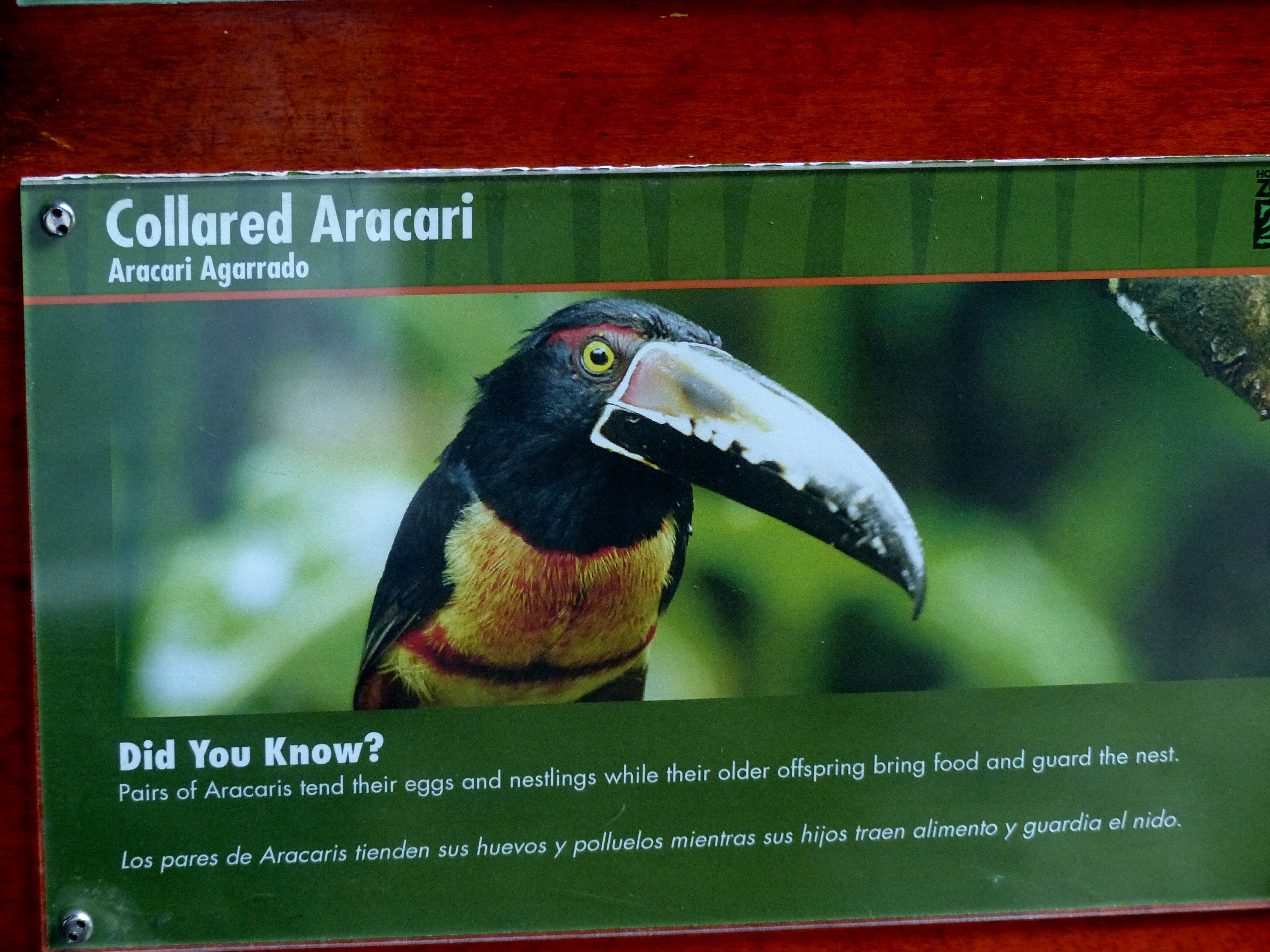
(Crooked) Collared Aracari Sign at Houston Zoo by Lee

“You are worthy, O Lord, To receive glory and honor and power; For You created all things, And by Your will they exist and were created.” (Revelation 4:11 NKJV)

When we visited the Houston Zoo this last spring, we saw a sign for the Collared Aracari. We were able to photograph two other Aracaris, but this one was “off exhibit.” Not sure why, but I was very disappointed, because it is such a neat creation from the Lord.

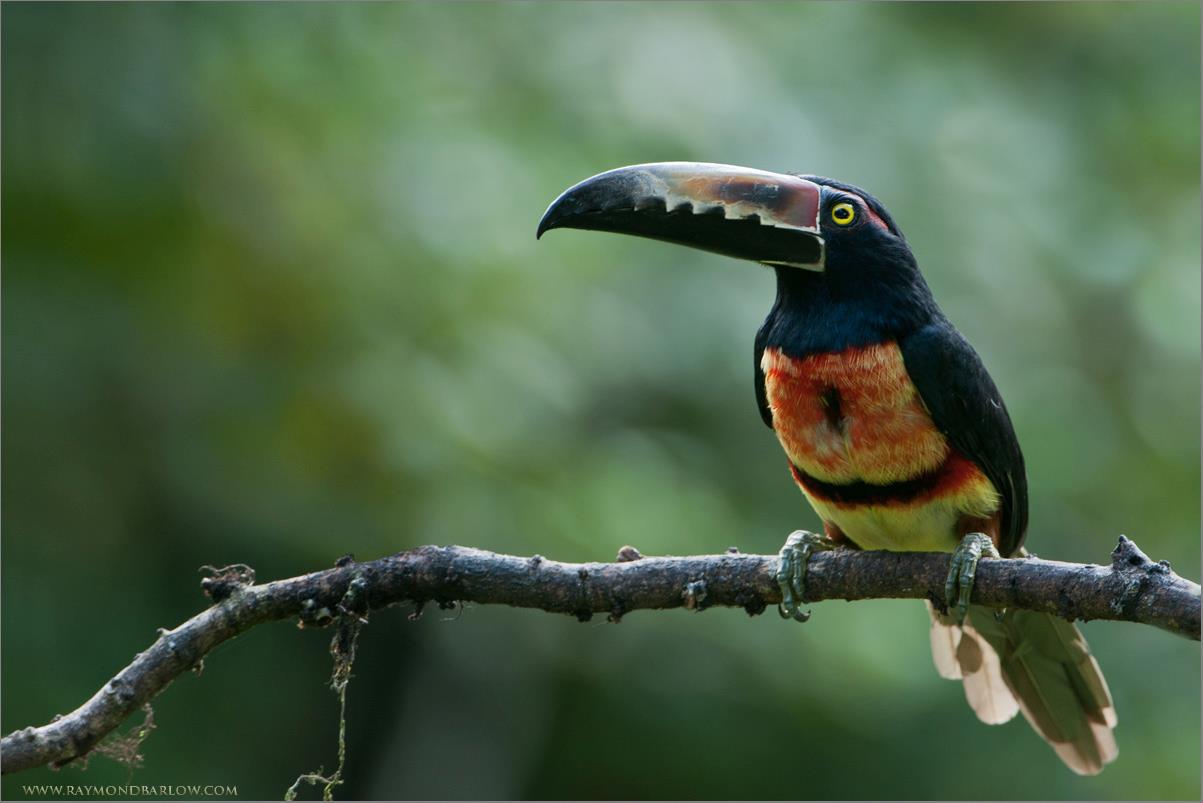
While checking through some more of Ray Barlow’s photos, guess what I found? Some really great photos of a Collared Aracari Ray had taken, and “without bars” like we get at a zoo. So I trust you will enjoy some more photos from Raymond Barlow.

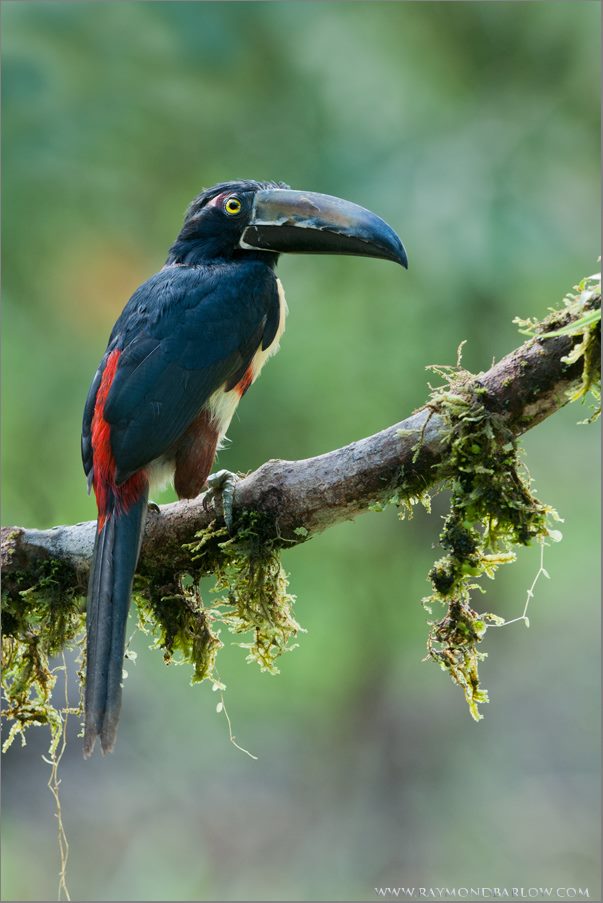
Collared Aracari (Pteroglossus torquatus) ©Raymond Barlow

Collared Aracari (Pteroglossus torquatus) ©Raymond Barlow

An aracari or araçari is any of the medium-sized toucans that, together with the saffron toucanet, make up the genus Pteroglossus. They belong to the Ramphastidae – Toucan Family. This Collared Aracari is not even one of the prettiest, but it is still very becoming.

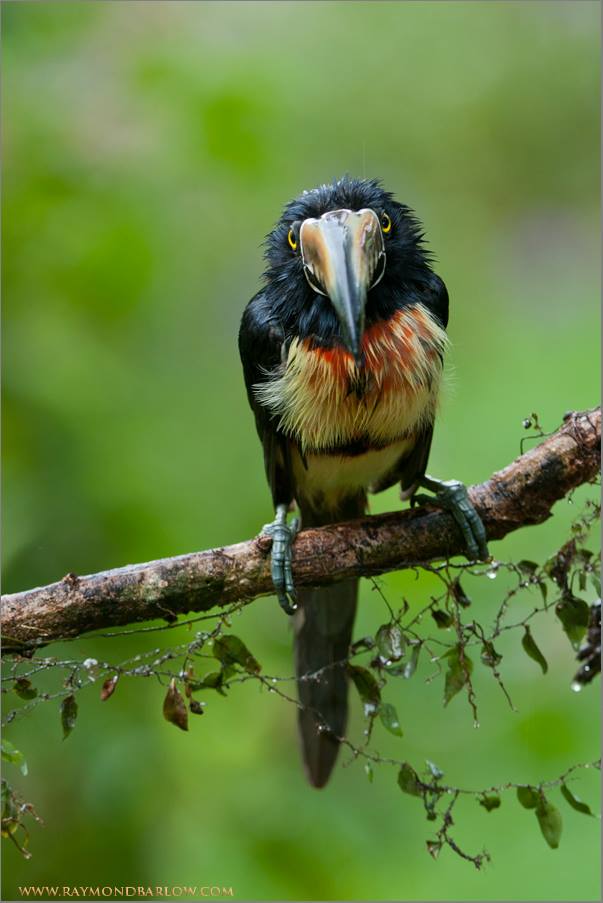
Collared Aracari (Pteroglossus torquatus) ©Raymond Barlow

Collared Aracari (Pteroglossus torquatus) ©Raymond Barlow

They are brightly plumaged and have enormous, contrastingly patterned bills. These birds are residents in forests and woodlands in the Neotropics.

Collared Aracari (Pteroglossus torquatus) ©Raymond Barlow

Collared Aracari (Pteroglossus torquatus) ©Raymond Barlow

All the species of Aracari are basically fruit-eating, but will take insects and other small prey.

Collared Aracari (Pteroglossus torquatus) ©Raymond Barlow

Collared Aracari (Pteroglossus torquatus) ©Raymond Barlow

They are arboreal and nest in tree holes laying 2–4 white eggs. The Collared Aracari breeds from southern Mexico to Panama; also Ecuador, Colombia, Venezuela and Costa Rica.

And now for the best one of Ray’s photos for the Collared Aracari, at least to me:

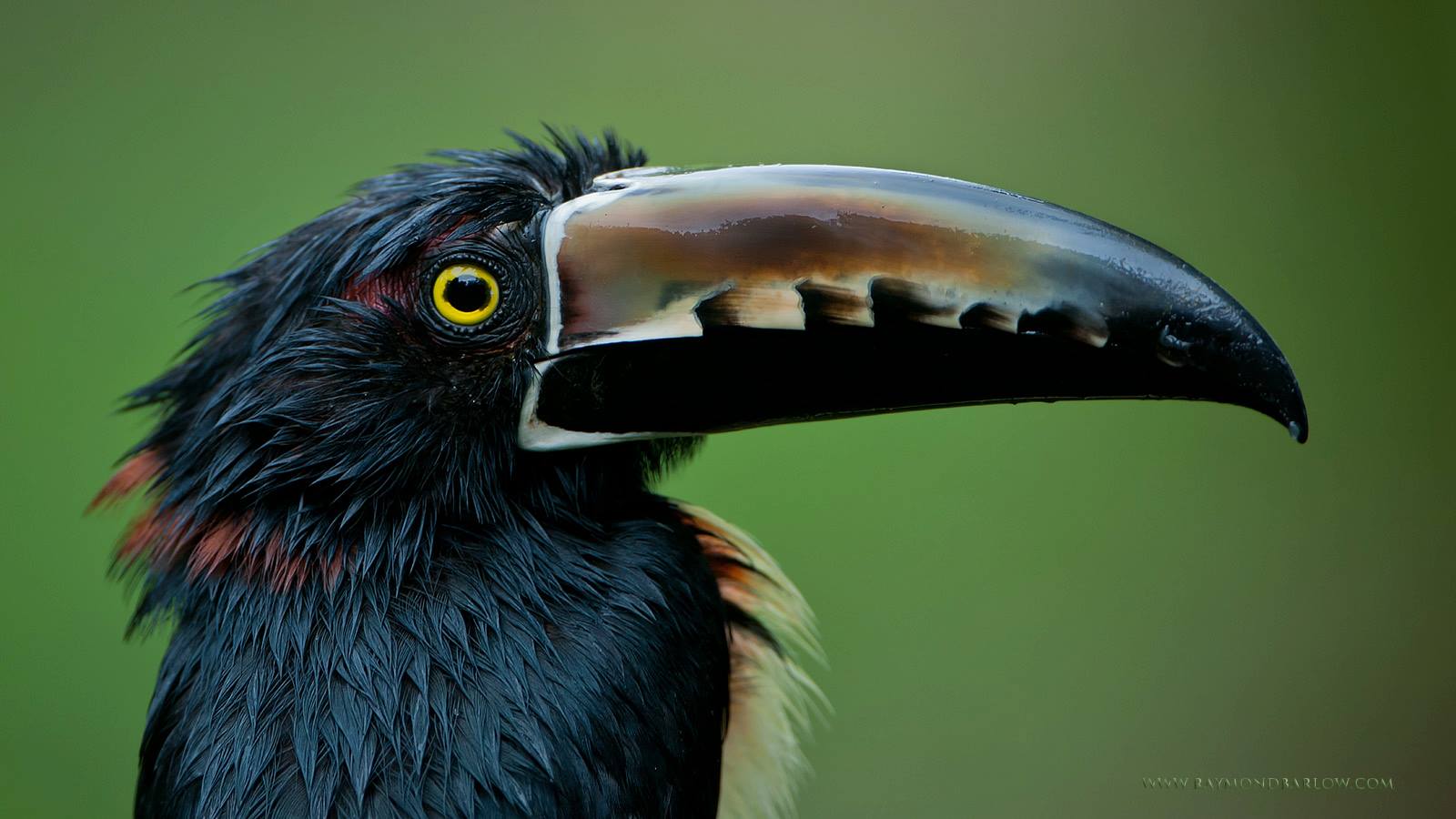
Collared Aracari (Pteroglossus torquatus) ©Raymond Barlow

Collared Aracari (Pteroglossus torquatus) ©Raymond Barlow

That beak is not painted by none other than the Creative Hand of the Lord Jesus Christ.

For by Him all things were created that are in heaven and that are on earth, visible and invisible, whether thrones or dominions or principalities or powers. All things were created through Him and for Him. (Colossians 1:16 NKJV)

Click on photos for larger view

Birds of the World – Ramphastidae – Toucan Family

Raymond Barlow’s Site

Ray’s Flickr Site

Collared Aracari – Wikipedia

Wordless Birds

*
Plus – Amazing Dolphin Show

Pacific White-sided Dolphin by Ian

Pacific White-sided Dolphin by Ian

For every kind of beast and bird, of reptile and sea animal, can be tamed and has been tamed by human genius (nature). (James 3:7 AMP)

A friend sent me this link to a Dolphin Show in Israel. This is one reason my blog’s name ends with Plus so I can add “non-birdie” things.

Here are some more of the fantastic creatures that the Lord has given mankind. Enjoy!

Full-screen is best.

Hast thou not known? hast thou not heard, that the everlasting God, the LORD, the Creator of the ends of the earth, fainteth not, neither is weary? there is no searching of his understanding. (Isaiah 40:28 KJV)

*

Birdwatching At Lake Morton Finally – Part 2

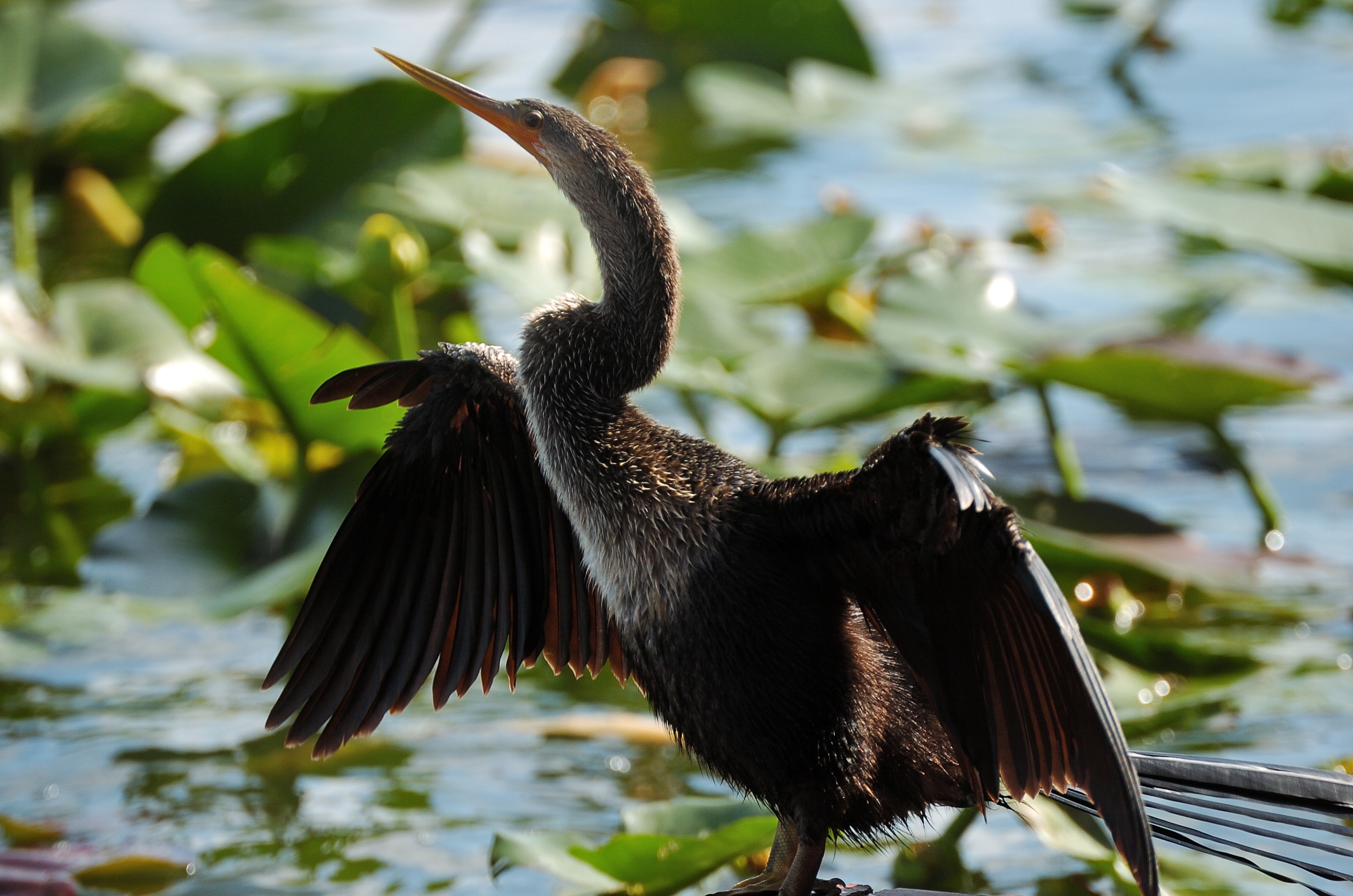
Anhinga Drying at Lake Morton by Dan

Anhinga Drying at Lake Morton by Dan

Out of the ground the LORD God formed every beast of the field and every bird of the air, and brought them to Adam to see what he would call them. And whatever Adam called each living creature, that was its name. (Genesis 2:19 NKJV)

After I finished posting Birdwatching At Lake Morton Finally Part 1, about 15 minutes later, Dan came in and handed me his photos. Okay, so what to do? Add to the one I just posted or do a Part 2? You are reading Part 2. So, I am going to share his better photos for you to enjoy.

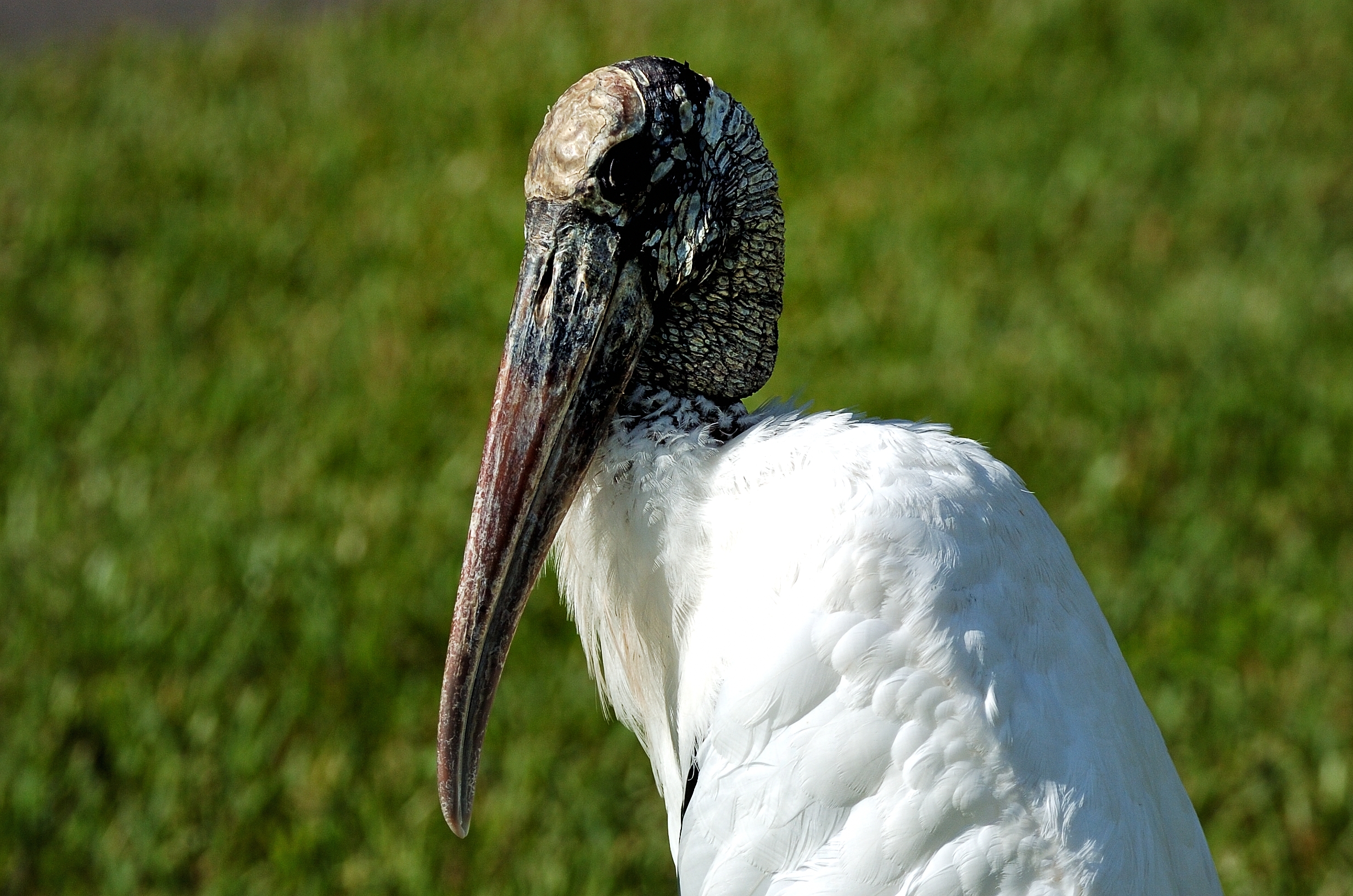
Wood Stork sitting at Lake Morton by Dan

Wood Stork sitting at Lake Morton by Dan

“Even the stork in the heavens Knows her appointed times; And the turtledove, the swift, and the swallow Observe the time of their coming. But My people do not know the judgment of the LORD. (Jeremiah 8:7 NKJV)

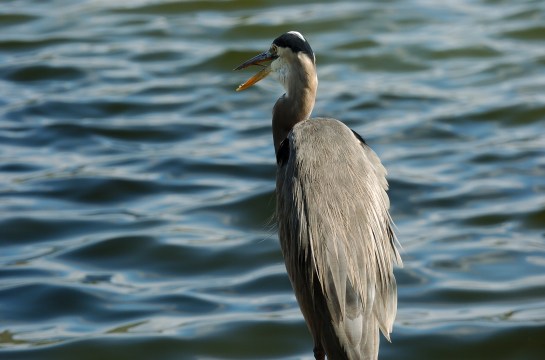
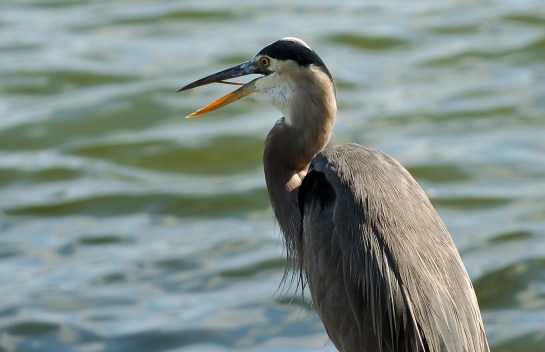
The Wood Storks were there. Maybe five or six and at least one Great Blue Heron and a Great Egret. Like mentioned in the first article, there weren’t that many birds around.

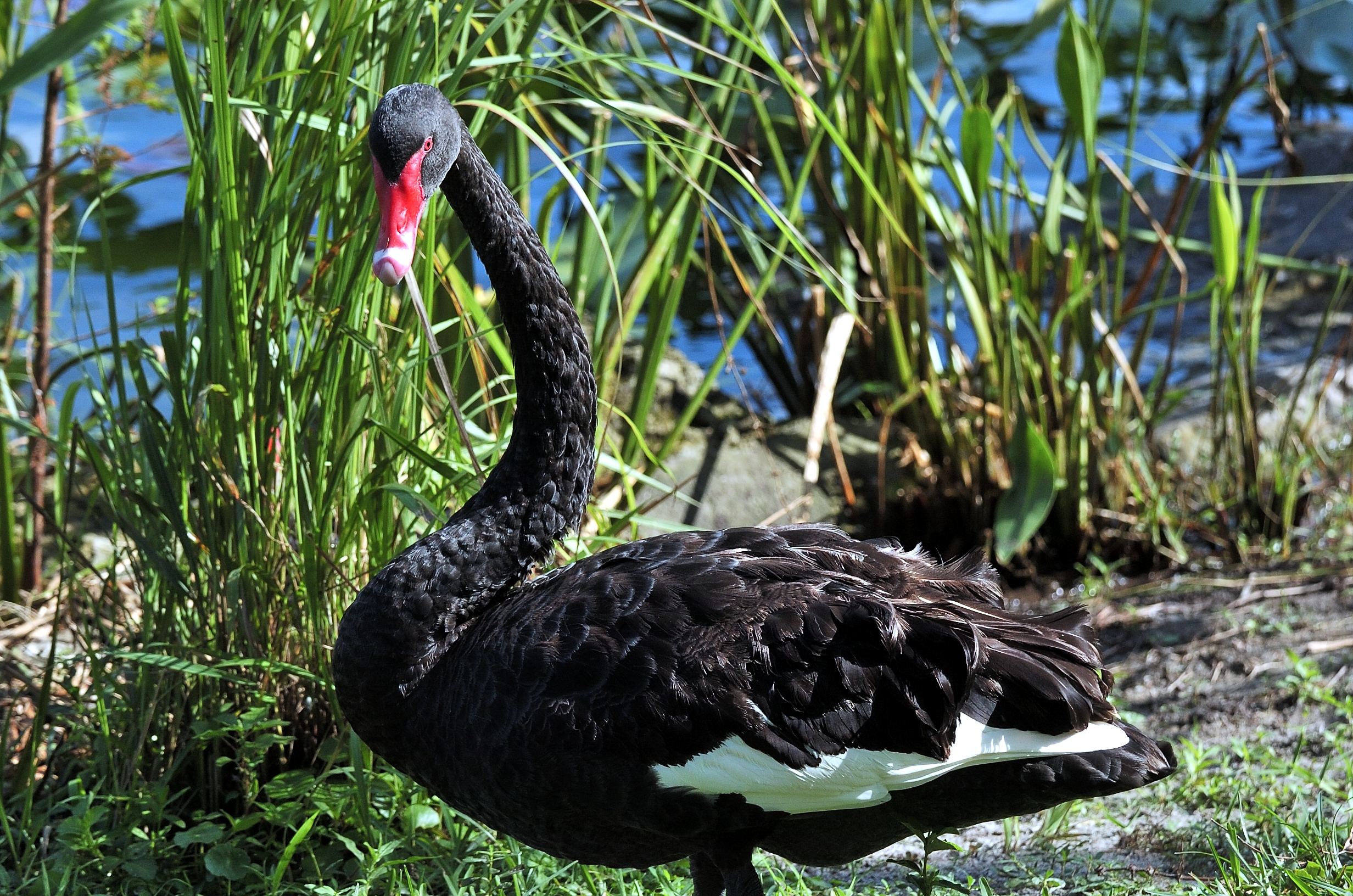
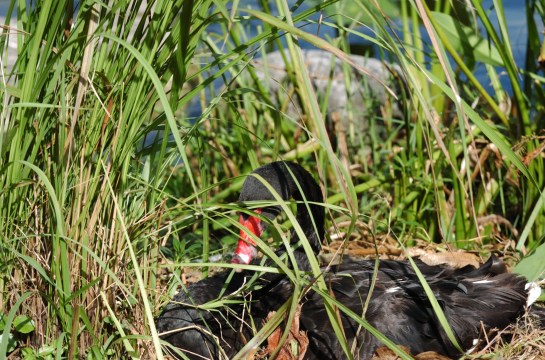
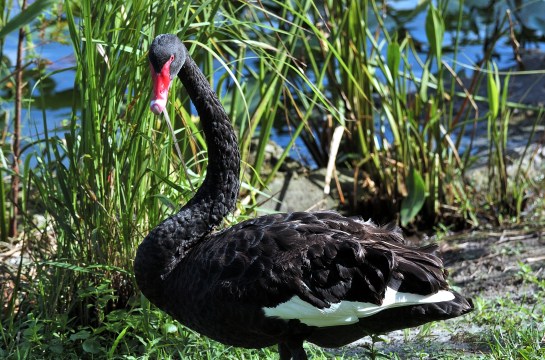
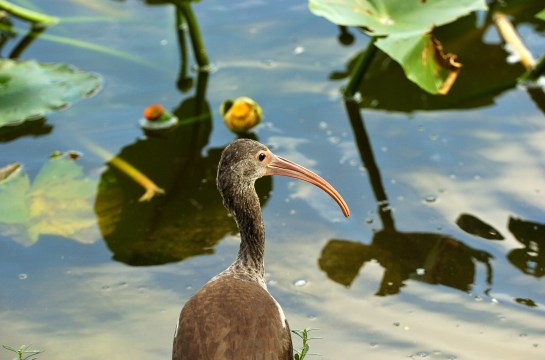
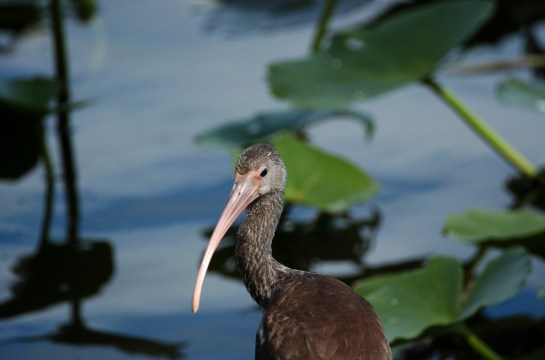
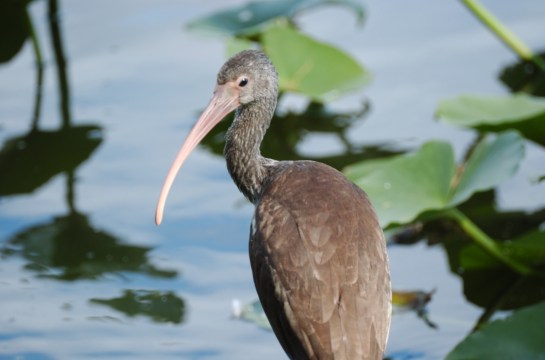
He also took photos of the Black Swan, and our immature Limpkin and White Ibis.

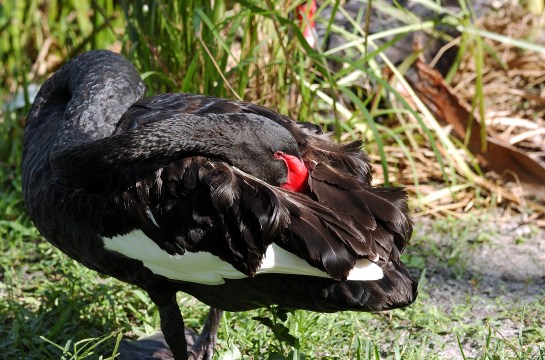
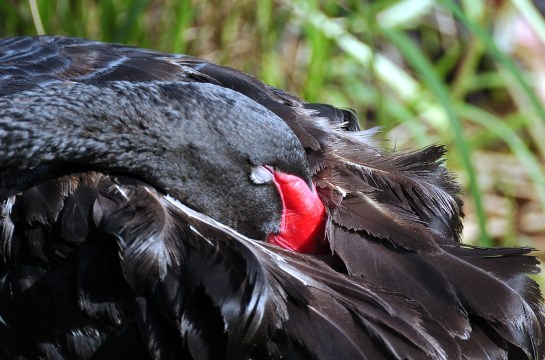
Black Swan by Dan at Morton

Black Swan by Dan at Morton

and the red-bill, and the pelican, and swan, (Leviticus 11:18 Brenton)

The “Aflac” Duck and the Wood Ducks were about it. Maybe next time the birdwatching will improve. Once it turns cold up north, our “winter visitors” will start coming to visit and spend the winter with us. Then, the chance for some different birds to show you. Stay Tuned!

I know and am acquainted with all the birds of the mountains, and the wild animals of the field are Mine and are with Me, in My mind.
(Psalms 50:11 AMP)

*
Visit Dan’s Site – USNDansPix.com

Birdwatching Trips – Lake Morton

Birdwatching Trips

Gideon

*

Sunday Inspiration – Fulvettas, Ground Babblers

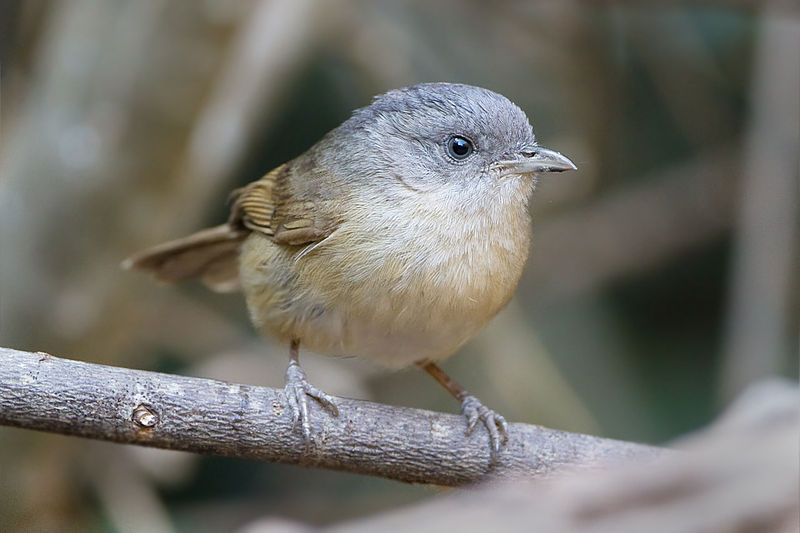
Brown-cheeked Fulvetta (Alcippe poioicephala) ©WikiC

Brown-cheeked Fulvetta (Alcippe poioicephala) ©WikiC

He loves righteousness and justice; The earth is full of the goodness of the LORD. (Psalms 33:5 NKJV)

The Pellorneida is another neatly created family that has 70 members and are a family of mostly Old World passerine birds. They are rather diverse in size and coloration, but are characterised by soft fluffy plumage. These are birds of tropical areas, with the greatest variety in Southeast Asia and the Indian subcontinent. The entire family was previously included in the Timaliidae.

Morphological diversity is rather high; most species resemble “warblers”, jays or thrushes.

White-hooded Babbler (Gampsorhynchus rufulus) ©WikiC

White-hooded Babbler (Gampsorhynchus rufulus) ©WikiC

They are small to medium-sized birds. They have strong legs, and many are quite terrestrial. They typically have generalised bills, similar to those of a thrush or warbler. Most have predominantly brown plumage, with minimal difference between the sexes, but many more brightly coloured species also exist.

This group is not strongly migratory, and most species have short rounded wings, and a weak flight. They live in lightly wooded or scrubland environments, ranging from swamp to near-desert. They are primarily insectivorous, although many will also take berries, and the larger species will even eat small lizards and other vertebrates.(Wikipedia with editing)

This slideshow requires JavaScript.

A soft answer turneth away wrath: but grievous words stir up anger. (Proverbs 15:1 KJV)

“Everything’s Fine” ~ ©Hyssongs

*
More Sunday Inspiration

Fulvettas, Ground Babblers – Pellorneida

The Amazing Butterfly

*