Formed By Him – Feathered Language Master

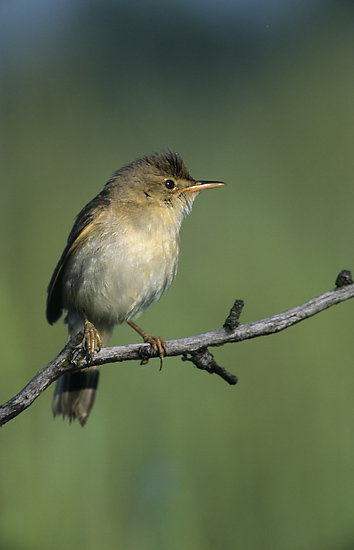
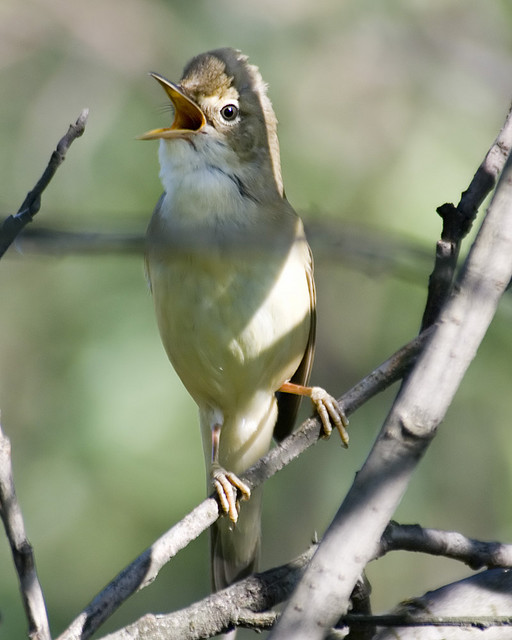
Marsh Warbler (Acrocephalus palustris) WikiC

Marsh Warbler (Acrocephalus palustris) WikiC

Come and see the works of God; He is awesome in His doing toward the sons of men. (Psa 66:5)

When I Consider!

Formed By Him

“It is common for world travelers to learn at least a few words of other languages as they visit different cultures and meet different people. Not only is the marsh warbler a champion world traveler, he is also a champion linguist.
The Marsh Warbler is a small brown bird that spends only two months out of the year in its central European breeding grounds. It spends most of the year in Zambia. The warbler travels to its winter grounds in Africa on a route that takes it through the Middle East and the Arabian Peninsula, across the Red Sea and into northeast Africa. Despite the distance warblers travel, they frequently return to the same bushes year after year.

The new generation of warblers is still quite young when they begin their 4,500-mile trip to Africa. These young warblers learn not only the calls of the various birds in Africa but also the calls of birds along the way. Warblers have been heard to imitate more than 210 species. One warbler once imitated 76 different species in 35 minutes. The following year, when the warblers return to Europe, the offer realistic mimics of other birds for only the first three or four days before they return to their own calls. This means that at the right time of year, walking through the English or German countryside, you might hear very convincing sounds from the African countryside.

The Marsh Warbler is a special tribute to our Creator’s inventive creativty as it celebrates in song the marvelous variety He fashioned in the bird kingdom.

Prayer: Dear Lord, as the Marsh Warbler praises You in its special way for the wonderful variety You have created in the bird kingdom, help me praise You for Your forgiveness in a special way before the world. Amen.”

From “Feathered Language Master“, Letting God Create Your Day, Vol. 2, p.118 Copyright from Creation Moments, 2011.
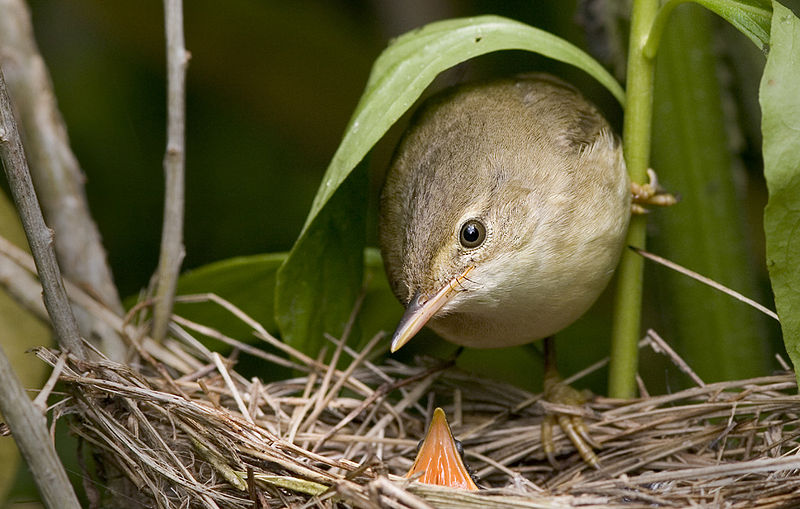
Marsh Warbler (Acrocephalus palustris) WikiC

Marsh Warbler (Acrocephalus palustris) WikiC

The Marsh Warbler, Acrocephalus palustris, is an Old World warbler currently classified in the family Acrocephalidae. It breeds in temperate Europe and western Asia and winters mainly in south east Africa. It is notable for incorporating striking imitations of a wide variety of other birds into its song.

The Marsh Warbler breeds in a variety of mostly damp habitats, but in Africa winters mainly in dry, well-vegetated areas. It is common over much of its breeding range and expanding its distribution in some areas. However in Britain it is now virtually extinct as a breeding bird. This insectivorous warbler can be easily confused with several close relatives, but the imitative song of the male is highly distinctive. The male’s distinctive song is useful for identification, as no other member of the genus mimics other birds to any significant extent. The Marsh Warbler also tends to avoid the stands of pure reed which are the Reed Warblers’ favoured habitat.
Marsh Warbler (Acrocephalus palustris) WikiC

Marsh Warbler (Acrocephalus palustris) WikiC

Song

The Marsh Warbler is best known for the highly imitative song uttered by males, and very occasionally by females. Each male Marsh Warbler incorporates imitations of a wide range of other birds into its song. Other passerines are most commonly imitated, but the calls of other kinds of bird such as waders, hornbills and pigeons have been noted too. On average, each male bird incorporates imitations of 75 other species into its song, with rather more African than northern species mimicked. All learning seems to take place in the summer the bird is hatched in Europe or Asia, and in its first winter in Africa. The calls of birds heard in subsequent years are not added to the warbler’s repertoire. Females may utter a simple, non-imitative song, and a range of other calls are also known. (Wikipedia)

Songs of a Marsh Warbler by Stuart Fisher – xeno-canto.org

They are in the Acrocephalidae – Reed warblers and allies Family of the Passeriformes Order. Various Internet sources.

What an interesting little bird that the Lord has formed through His creation. What a fantastic Creator and Saviour we have who cares so much for Marsh Warbler and for us.

All things were made through Him, and without Him nothing was made that was made. (John 1:3)

Wordless Birds

More Formed By Him Articles

*

Birds in Hymns – When I Survey The Wondrous Cross

Green-billed Toucan (Ramphastos dicolorus) by Dario Sanches

Green-billed Toucan (Ramphastos dicolorus) by Dario Sanches

Based on:

But God forbid that I should glory, save in the cross of our Lord Jesus Christ, by whom the world is crucified unto me, and I unto the world. (Galatians 6:14 KJV)

Words by  Isaac Watts, 1707. Charles Wes­ley reportedly said he would give up all his other hymns to have written this one.
Music is Hamburg, by Lowell Mason, 1824;

Al­ter­nate tune: Rockingham (Miller), Edward Miller, 1790

When I Survey The Wondrous Cross

When I survey the wondrous cross
On which the Prince of glory died,
My richest gain I count but loss,
And pour contempt on all my pride.

Forbid it, Lord, that I should boast,
Save in the death of Christ my God!
All the vain things that charm me most,
I sacrifice them to His blood.

See from His head, His hands, His feet,
Sorrow and love flow mingled down!
Did e’er such love and sorrow meet,
Or thorns compose so rich a crown?

His dying crimson, like a robe,
Spreads o’er His body on the tree;
Then I am dead to all the globe,
And all the globe is dead to me.

Were the whole realm of nature mine,,
That were a present far too small;
Love so amazing, so divine,
Demands my soul, my life, my all.

To Christ, who won for sinners grace
By bitter grief and anguish sore,
Be praise from all the ransomed race
Forever and forevermore.


This hymn was used even though a bird is not mentioned specifically. The verse with “Were the whole realm of nature mine,” always reminds me of all the birds and other critters that God created. To me, it belongs in with the Birds in Hymns section. Also, the message of the whole hymn tells of the Savior’s love and death on the cross for our salvation.

The Gospel Message

*

Birds of the Bible – Dove’s Dung

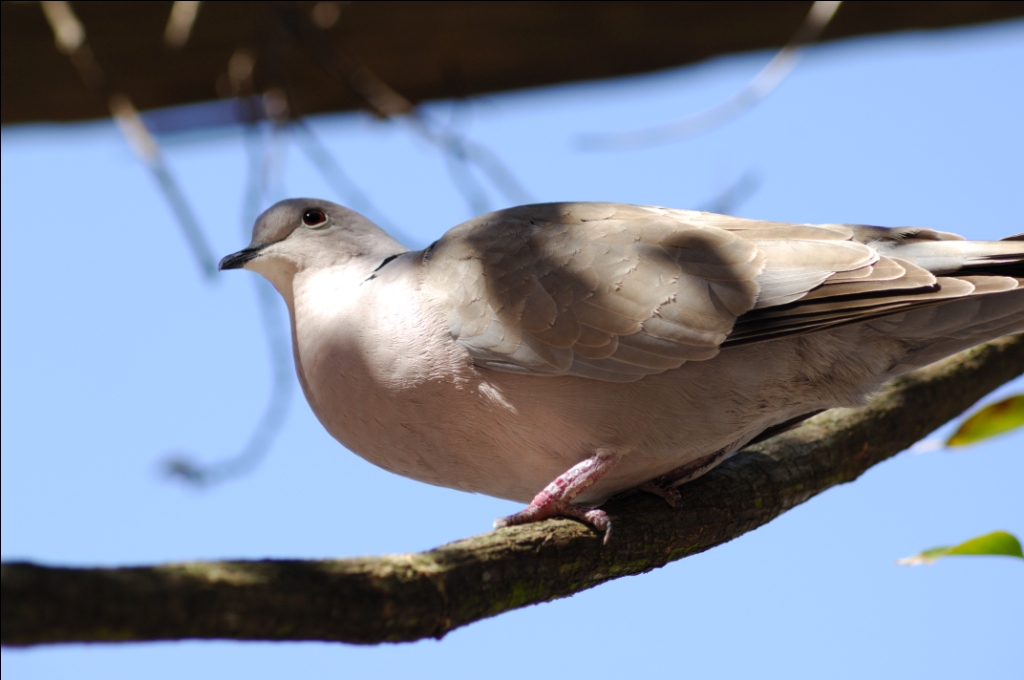
Eurasian Collared Dove (Streptopelia decaocto) by Dan

Eurasian Collared Dove (Streptopelia decaocto) by Dan

Now here is an interesting verse found in 2 Kings 6:25:

And there was a great famine in Samaria, as they besieged it, until a donkey’s head was sold for eighty shekels of silver, and the fourth part of a kab of dove’s dung for five shekels of silver. (2Ki 6:25)

First let’s find out what caused this event in the first place. Israel was being besieged and it was causing a very severe famine. Food was extremely scarce and the people were paying exorbitant prices for small amounts of anything edible.

Why were they under siege?

Afterward Ben-hadad king of Syria mustered his entire army and went up and besieged Samaria. (2Ki 6:24)

They were surrounded by the Syrian army and there was very little to eat. They may have been there for sometime or the inhabitants of Samaria were caught by surprise and didn’t have time to lay up supplies. Then again, if you read the verses just prior, 2 Kings 6:8-23, another reason for the lack of food may be given. The Samaritans had fed the Syrian raiders before sending them back home. Most commentators say that there was at least a year between that event and when this one happens.

What ever the cause, the people were so hungry that they were paying 80 shekels of silver for a donkey’s head. Several things about this:

  • Donkeys were very prized animals and well treated.
  • The head has very little meat on it.
  • “The head was the worst part of the animal.” (JFB)
  • They were on the “do not eat” list.
  • “A vast price, especially for that which had on it so little meat, and that unwholesome and unclean.” (Wesley)
Doves in Israel

Doves in Israel ©©

Now for the next food on their menu – “Dove’s dung.” Looking at the different versions of Scripture, here are some of the ways this is translated:

  • small measure of doves’ droppings was five shekels of silver – BBE
  • one-fourth of a kab of dove droppings for five shekels of silver – NKJV
  • fourth part of a (cab or kab) of dove’s dung at five pieces of silver – ASV Brenton ESV JPS KJV LITV NASB RV WEBSTER
  • small bowl of pigeon droppings cost about two ounces of silver – CEV
  • fourth part of a cab of dove’s dung five silver-pieces – Darby
  • fourth part of a cabe of pigeons’ dung, for five pieces of silver – DRB
  • forth of the cab of dovesdung at five silverlings – YLT
  • one pint of dove’s dung sold for five pieces of silver – ERV
  • one quarter of a unit of dove’s dung cost five silver coins – ISV
  • half a pound of dove’s dung cost five pieces of silver – GNB
  • two pounds of silver and a half-pint of dove manure for two ounces of silver – GW

One thing they all agree on is that it was either a Dove or a Pigeon, which are both in the same family and their names are changed back and forth even today. Most agree it was a forth of something. The cab or kab according to the commentaries is described as:

A kab – A measure containing twenty – four eggs. and a kab was the usual measure of all sorts of grains and fruits of that sort. (Wesley)
Cab – This measure is not mentioned elsewhere in Scripture. According to the rabbinical writers it was the smallest of all the dry measures in use among the Jews, being the sixth part of a seah, which was the third part of an ephah. If it was about equal to two of our quarts, the “fourth part of a cab” would be about a pint. (Barnes)

Nicobar Pigeon at Lower Park Zoo by Dan

Nicobar Pigeon at Lower Park Zoo by Dan

Up to now, we know that it was expensive for a small amount. What keeps the commentators of differing opinions is what the “Dove’s Dung” really was. Many say that it was a pulse or pease made from a pea or bean and that it had the color or texture of a dove’s droppings. Others say it was from the actual droppings and that (this is yuk) they picked through it for edible parts. (For an interesting study, load the e-Sword program – it’s free – and after loading the Bibles, dictionaries and commentaries, do a study of 2 Kings 6:25)

“dove’s dung: This probably denotes, as Bochart, Scheuchzer, and others suppose, a kind of pulse, or vetches, which the Arabs still call pigeon’s dung. “They never,” says Dr. Shaw (Travels, p. 140), “constitute a dish by themselves, but are strewed singly as a garnish over cuscasowe, pillowe, and other dishes. They are besides in the greatest repute after they are parched in pans and ovens; then assuming the name leblebby;” and he thinks they were so called from being pointed at one end, and acquiring an ash colour in parching.

Dove’s dung – Most commentators understand by this expression a sort of pulse which is called “dove’s dung,” or “sparrow’s dung” in Arabic. But it is possible that the actual excrement of pigeons is meant. The records of sieges show that both animal and human excrement have been used as food – under circumstances of extreme necessity.” (Barnes)

I am inclined to think that it could have actually been the real droppings.  The reason for that is what is mentioned after verse 25. Two ladies had agreed to eat their sons. See 2 Kings 6:26-29.

Now as the king of Israel was passing by on the wall, a woman cried out to him, saying,

“Help, my lord, O king!” And he said, “If the LORD will not help you, how shall I help you? From the threshing floor, or from the winepress?” And the king asked her, “What is your trouble?” She answered, “This woman said to me, ‘Give your son, that we may eat him today, and we will eat my son tomorrow.’ So we boiled my son and ate him. And on the next day I said to her, ‘Give your son, that we may eat him.’ But she has hidden her son.”  (2Ki 6:26-29)

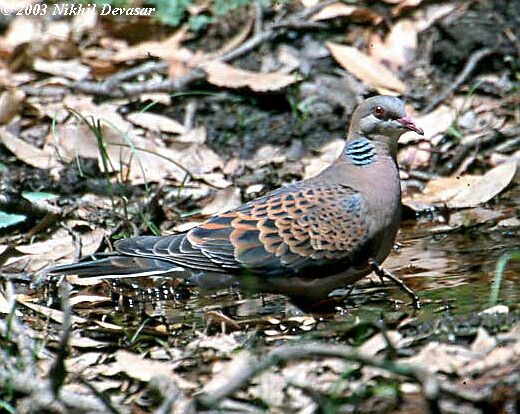
Oriental Turtle Dove (Streptopelia orientalis) by Nikhil Devasar

Oriental Turtle Dove (Streptopelia orientalis) by Nikhil Devasar

Another thought, were there any doves left that hadn’t been eaten?

I’ll end with a quote from the Wesley commentary. “Learn to value plenty, and to be thankful for it; see how contemptible money is, when, in time of famine, it is so freely parted with for anything that is eatable.”

See also:

Birds of the Bible – Doves and Pigeons
Birds of the Bible
Columbidae – Pigeons, Doves

Interesting articles from the Internet:

http://www.godfire.net/diet.html
From Heart to Heart
Dove’s Dung – Wikipedia
Plants of the Bible – Dove’s Dove

*

Birds of the Bible – Birds of Samuel and Kings

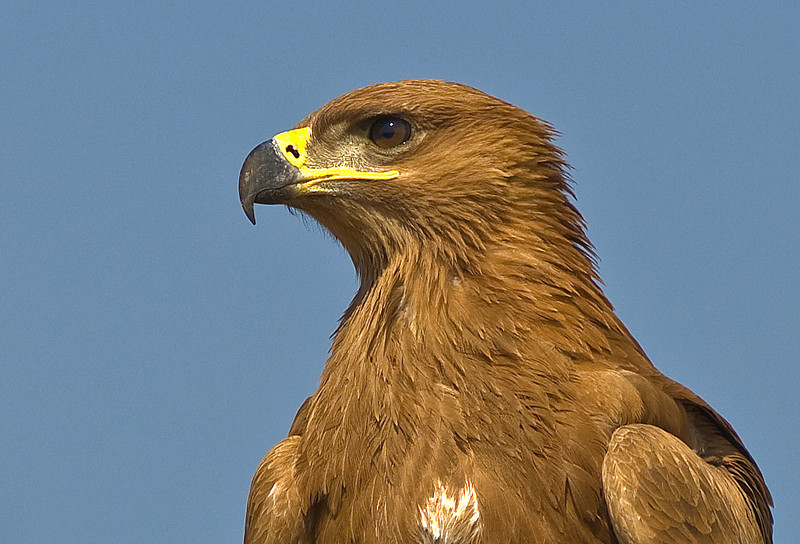
Tawny Eagle (Aquila rapax) by Africaddict

Tawny Eagle (Aquila rapax) by Africaddict

I have been reading through 1st and 2nd Samuel and 1st Kings lately in the English Standard Version (ESV). So far I have found seven references to “birds”, “birds of the air”, or “birds of the heavens.”

Five of the verses have to do with the birds coming to do something, especially to eat. I’ll save that for later. One verse is keeping the birds from eating and the other is totally unrelated to eating.

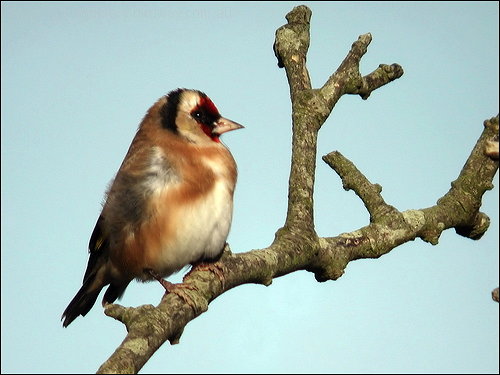
European Goldfinch (Carduelis carduelis) by Ian

European Goldfinch (Carduelis carduelis) by Ian

Let’s start with the easy one. In 1 Kings, Solomon was made king after his father, David, passed away. He asked the Lord for wisdom to know how to rule and do what was right. He was still a youngster. He was given wisdom that has surpassed any.

And God gave Solomon wisdom and understanding beyond measure, and breadth of mind like the sand on the seashore, so that Solomon’s wisdom surpassed the wisdom of all the people of the east and all the wisdom of Egypt. For he was wiser than all other men, wiser than Ethan the Ezrahite, and Heman, Calcol, and Darda, the sons of Mahol, and his fame was in all the surrounding nations. He also spoke 3,000 proverbs, and his songs were 1,005. He spoke of trees, from the cedar that is in Lebanon to the hyssop that grows out of the wall. He spoke also of beasts, and of birds, and of reptiles, and of fish. (1 Kings 4:29-33 ESV)

To save a war, seven sons were given to the Gibeonites, who hanged them. Then the mother of two of them, Rizpah, came and spread sackcloth over their remains and protected them from the birds of the air. That is told in 2 Samuel 21.

Then Rizpah the daughter of Aiah took sackcloth and spread it for herself on the rock, from the beginning of harvest until rain fell upon them from the heavens. And she did not allow the birds of the air to come upon them by day, or the beasts of the field by night. (2 Samuel 21:10 ESV)

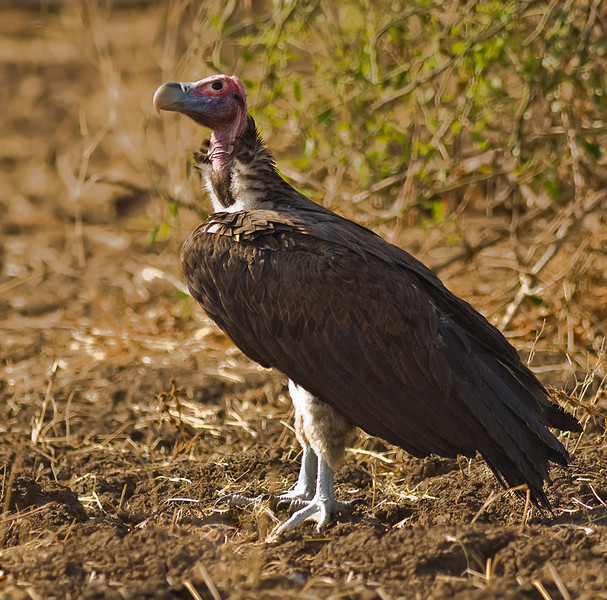
Lappet-faced Vulture (Torgos tracheliotus) by Africaddict

Lappet-faced Vulture (Torgos tracheliotus) by Africaddict

The next five incidents have to do with judgment and the birds coming to feed on the carcases of those who died.
Goliath, the giant Philistine threatened David with:

The Philistine said to David, “Come to me, and I will give your flesh to the birds of the air and to the beasts of the field.” (1 Samuel 17:44 ESV)

Then David told Goliath that the LORD would cause the Philistines to be delivered to David and the birds would be feasting on him and the other Philistines there.

This day the LORD will deliver you into my hand, and I will strike you down and cut off your head. And I will give the dead bodies of the host of the Philistines this day to the birds of the air and to the wild beasts of the earth, that all the earth may know that there is a God in Israel, (1 Samuel 17:46 ESV)

Keep reading in 2nd Samuel 17 and you will find out who the birds feasted on.

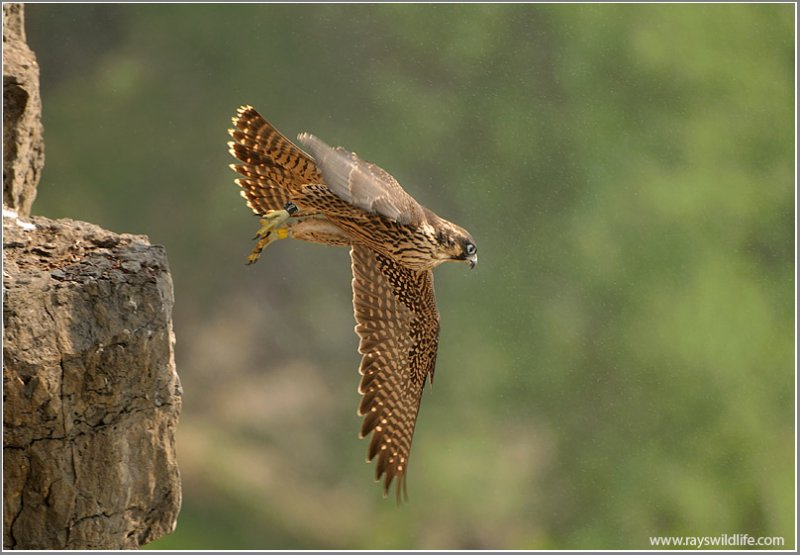
Peregrine Falcon Lift Off Into The Mist

Peregrine Falcon Lift Off Into The Mist

In 1 Kings 14:11, 1 Kings 16:4 and 1 Kings 21:24, three bad kings and their families were judged for the evil they did of not serving the LORD and causing their subjects to also fall into sin.
Jeroboam, Baasha, and Ahab all died and the birds of the heavens were invited to come and eat. Not a pretty picture, but God keeps His Word.

Anyone belonging to Jeroboam who dies in the city the dogs shall eat, and anyone who dies in the open country the birds of the heavens shall eat, for the LORD has spoken it. (1 Kings 14:11 ESV)
Anyone belonging to Baasha who dies in the city the dogs shall eat, and anyone of his who dies in the field the birds of the heavens shall eat. (1 Kings 16:4 ESV)
Anyone belonging to Ahab who dies in the city the dogs shall eat, and anyone of his who dies in the open country the birds of the heavens shall eat. (1 Kings 21:24 ESV)

Not knowing for certain which birds actually came and did the eating, my guess is that it would be those from the birds of prey families. Those birds are known to be carnivorous and would have arrived at the LORD’s will as prophesied.

Some of the birds of the large Order of Accipiitriformes – Raptors would have been involved. Those are the New World Vultures, Secretarybird, Ospreys, Kites, Hawks and Eagles. Then the Falcons and Caracaras of the Falconiformes Order possibly would have arrived. Owls from the Strigiformes Order might also have come.

But if you will not do so, behold, you have sinned against the LORD, and be sure your sin will find you out. (Numbers 32:23 ESV)

Wordless Birds

*

Birdwatching at Lowry Park Zoo – May 2011

Great Argus (Argusianus argus argus) (Great Malay Argus P) by Lee at LPZ

Great Argus (Argusianus argus argus) (Great Malay Argus Pheasant) by Lee at LPZ

Dan and I were able check out the birds again at the Lowry Park Zoo in Tampa, FL last Friday. We went to a few of the aviaries we haven’t been in for awhile. We went to the Sulawesi Aviary and saw the Magpie Goose, Masked Lapwing, Great Malay Argus Pheasant , Victorian Crowned Pigeon (SSP), Mandarin Duck, Sulawesi Tarictic (Temminck’s) Hornbill, Demoiselle Crane, Great Malay Argus, Javan Pond Heron and the (Green-naped) Pheasant Pigeon, with the Bar-headed Goose just outside.

Sulawesi Hornbill (Penelopides exarhatus) by Lee LPZ

Sulawesi Hornbill (Penelopides exarhatus) by Lee LPZ

From there we stopped by Lorikeet Landing to see many Lorikeets being feed by visitors. There the Green-naped, Swainson’s, Weber’s and Rainbow Lorikeets carry on with lots of noisy calls (all of these are subspecies of the Rainbow).

Lorikeet being feed by youngster at Lowry Pk Zoo

Lorikeet being feed by youngster at Lowry Pk Zoo

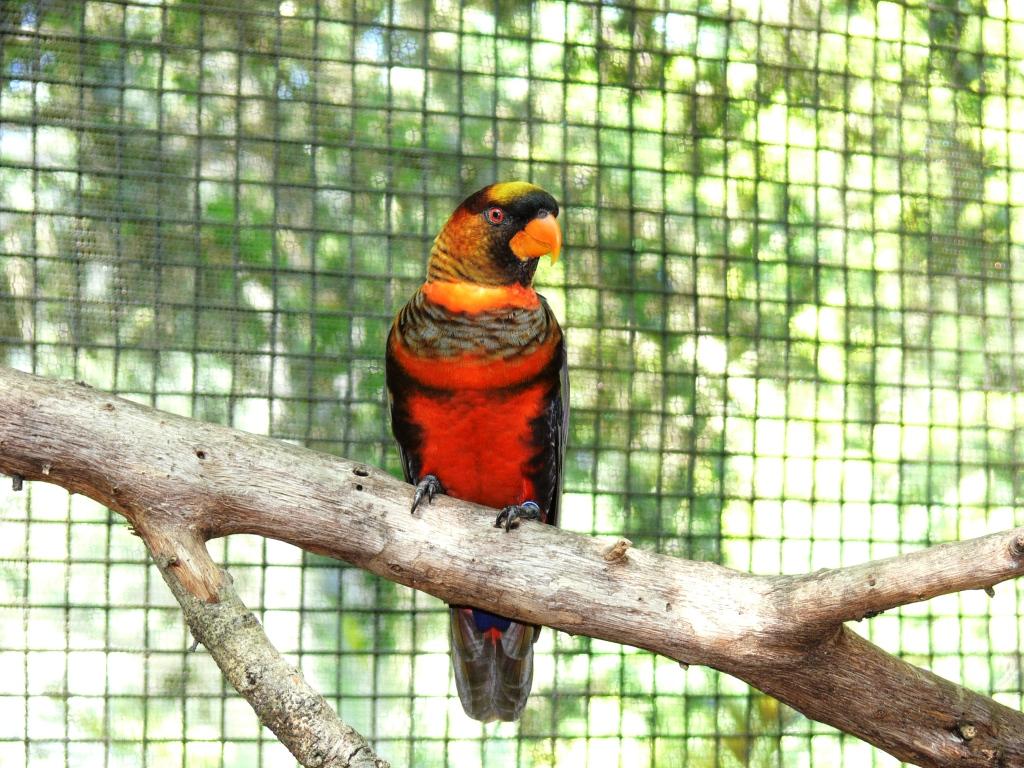
They also have Dusky Lory, Violet-crested Turaco, and Green-winged Teals.

Dusky Lory (Pseudeos fuscata) by Lee at LPZoo

Dusky Lory (Pseudeos fuscata) by Lee at LPZoo

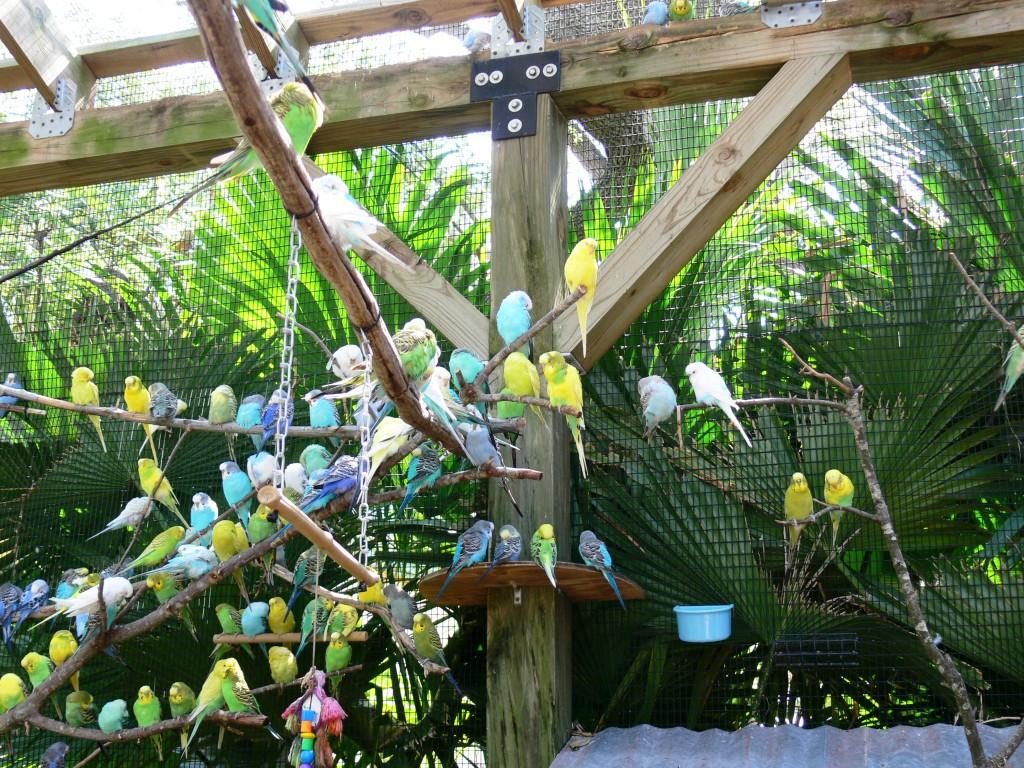
The Wallaroo Station (Australian) greets you with the Palm Cockatoo, Silky, Australorp and Buff Orphington Chickens. Then just inside you can view the sleepy Koala (whoops, that not a bird, but it was in a tree) and the Emu. The Malayan Flying Fox exhibit had those bats, plus the Magpie Goose, Rosy Starlings, Long-billed Corella (new for me), and Red-tailed Black Cockatoo. The Bali Myna was busy singing and showing off for its mate and then we entered the Budgerigar Aviary. Wow! They were everywhere.

Budgerigar (Melopsittacus undulatus) by Lee LPZ

Budgerigar (Melopsittacus undulatus) by Lee LPZ

We saw more, but will save that for another article. It was enjoyable as usual as we watched the Lord’s Creative Hand through these fantastic birds.

The works of the LORD are great, sought out of all them that have pleasure therein. His work is honourable and glorious: and his righteousness endureth for ever. (Psalms 111:2-3 KJV)

I have also been updating some more of the photos for:
Life List of All Birds We Have Seen

Koala by Lee LPZ

Koala by Lee LPZ

*

Birds in Hymns – Awake, Our Souls; Away, Our Fears

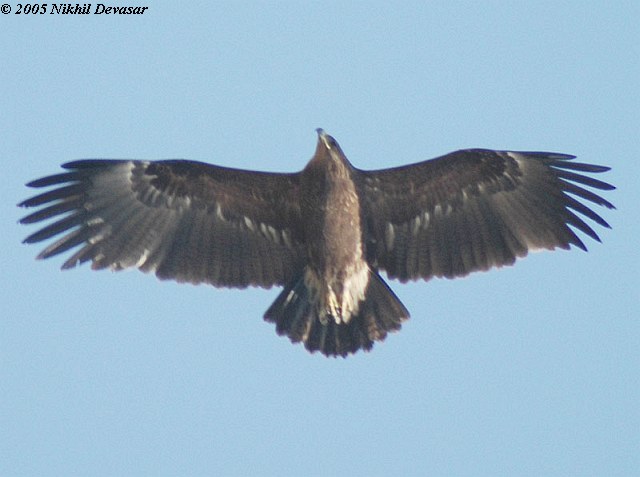
Greater Spotted Eagle (Aquila clanga) by Nikhil

Greater Spotted Eagle (Aquila clanga) by Nikhil

Based on:

But they that wait upon the LORD shall renew their strength; they shall mount up with wings as eagles; they shall run, and not be weary; and they shall walk, and not faint. (Isaiah 40:31 KJV)

Words by Isaac Watts,
Found in Hymns and Spir­it­u­al Songs, Book I, 1707, #48.
Born 1674 in South­amp­ton, Eng­land.- Died 1748 in Stoke New­ing­ton, Eng­land

Music: Trell by Low­ell Ma­son and Car­mi­na Sac­ra, 1844
Al­ter­nate tunes:
St. Pe­ters­burg, at­trib­ut­ed to Dmi­tri S. Bort­ni­an­sky, 1825
Samson, ar­ranged from George F. Han­del (1685-1759)

Awake, Our Souls; Away, Our Fears

Awake, our souls; away, our fears,
Let every trembling thought be gone;
Awake, and run the heavenly race,
And put a cheerful courage on.

True, ’tis a strait and thorny road,
And mortal spirits tire and faint;
But they forget the mighty God,
That feeds the strength of every saint.

Bald Eagle (Haliaeetus leucocephalus)  by AestheticPhotos

Bald Eagle (Haliaeetus leucocephalus) by AestheticPhotos

Thee, mighty God! whose matchless power
Is ever new, and ever young;
And firm endures, while endless years
Their everlasting circles run.

From Thee, the overflowing spring,
Our souls shall drink a fresh supply;
While such as trust their native strength
Shall melt away, and droop, and die.

Swift as an eagle cuts the air,
We’ll mount aloft to Thine abode;
On wings of love our souls shall fly,
Nor tire amidst the heav’nly road.

*

More Birds in Hymns

*

Formed By Him – Birds of Peru and Chile – II

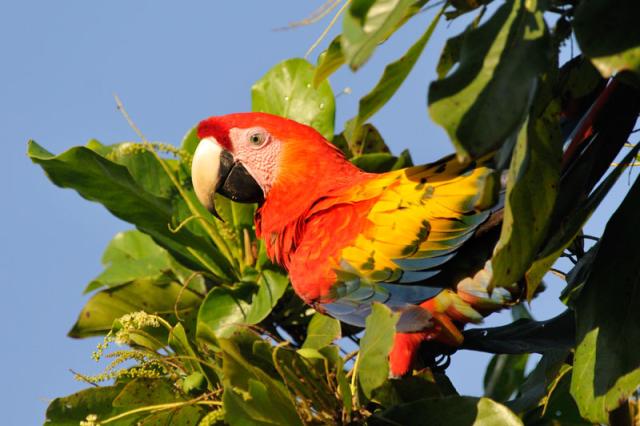
Scarlet Macaw (Ara macao) Reinier Munguia

Scarlet Macaw (Ara macao) Reinier Munguia

This is a continuation of Formed By Him – Birds of Peru and Chile – I

Since there are so many birds that could be seen by our team in Peru and Chile, I have saved two large families for Part II. The Psittacidae Family which has the Parrots, Macaws, Parakeets, Parrotlets and the Amazons. There are 53 species in Peru and 5 in Chile.

*

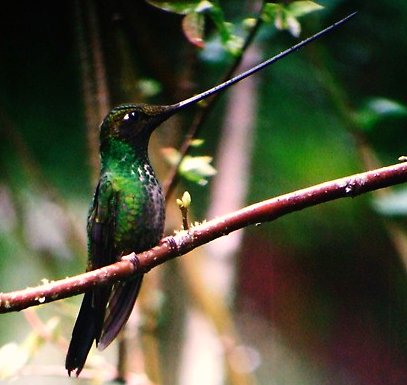
Sword-billed Hummingbird (Ensifera ensifera)©WikiC

Sword-billed Hummingbird (Ensifera ensifera)©WikiC

We did an article about the Sword-billed Hummingbird and maybe they will get to see one of them.

The Trochillidae Family which has the Hummingbirds, Sicklebills, Hermits, Lancebills, Sabrewings, Jacobin, Violetears, Mangos, Topaz, Coquettes, Thorntails, Sapphires, Woodnymphs, Goldenthroat, Emerald, Plumeleteer, Piedtails, Brilliants, Coronet, Sunbeams, Velvetbreast, Inca, Starfrontlets, Sapphirewing, Sunangel, Pufflegs, Whitetip, Racket-tail, Comets, Mountaineer, Metaltail, Thornbills, Avocetbill, Fairy, Spatuletail, Sheartail and Woodstar. All of these are in the Hummingbird family. There are 123 species in Peru and 9 in Chile.

The two country’s birds are combined in the slideshow.

*

This slideshow requires JavaScript.

*

These two countries abound in the Creative Hand of the Lord, especially when the birds of the air are observed.

They have lyre and harp, tambourine and flute and wine at their feasts, but they do not regard the deeds of the LORD, or see the work of his hands. (Isaiah 5:12 ESV)
that they may see and know, may consider and understand together, that the hand of the LORD has done this, the Holy One of Israel has created it. (Isaiah 41:20 ESV)

*

Formed By Him – Birds of Peru and Chile – I

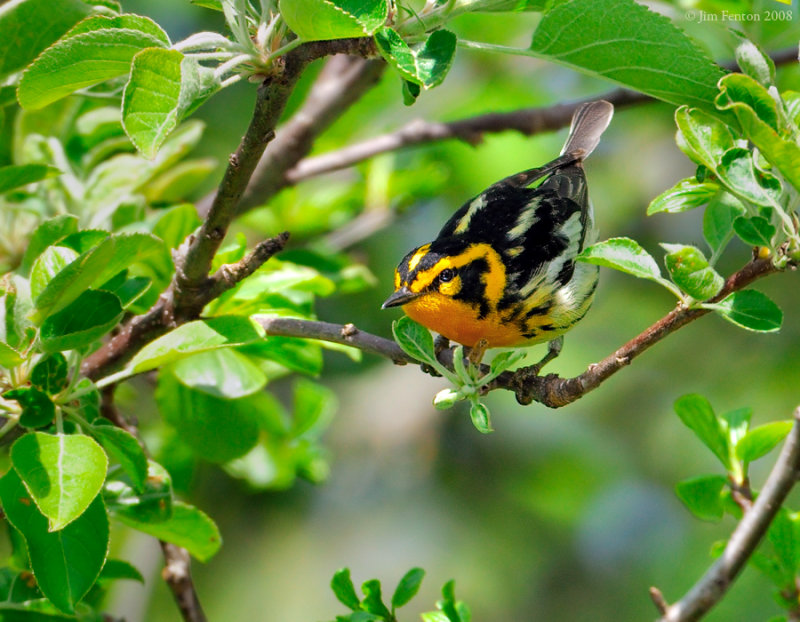
Blackburnian Warbler (Dendroica fusca) by J Fenton

Blackburnian Warbler (Dendroica fusca) by J Fenton

Beside them the birds of the heavens dwell; they sing among the branches. (Psalms 104:12 ESV)

Two of our church members, a pastor and his helper, have gone on a two week trip to assist and train preachers down there. So, here is a survey of some of the birds in those countries that they might encounter. Just the trip on the Amazon should give them some interesting views of our feathered friends. Let’s see what we can discover:

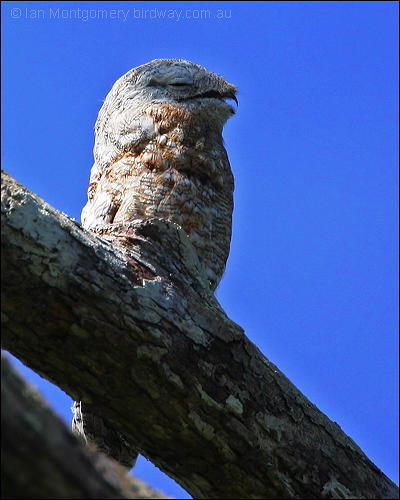
Great Potoo (Nyctibius grandis) by Ian's Birdway

Great Potoo (Nyctibius grandis) by Ian’s Birdway

Since there are so many to consider, see the numbers below, I have picked out some of the most interesting (at least to me) that you might enjoy seeing God’s Designing Hand at work. To start off, there is the Potoo – Nyctibiidae Family, which is related to nightjars and frogmouths (Whip-poor-will or Chuck-will’s-widow). They are nocturnal and hunt insects, but lack the bristles around the mouth. What is so neat about these is how they appear in the daytime. They sit on branches and look like the bark or a stump. Peru has the Great, Long-tailed, Common, Andean, White-winged and Rufous Potoo. See an article about them and their Family page.

Blue-footed Booby (Sula nebouxii) by Ian

Blue-footed Booby (Sula nebouxii) by Ian

Another interesting set of birds they could encounter would be ones from the Sulidae Family which Peru has; the Blue-footed, Peruvian, Masked, Nazca, Red-footed and Brown Booby. Chile has those minus the Red-footed Booby. The family also include the Cape Gannet found in Peru. We did an article about the Blue-footed Booby.

Sunbittern (Eurypyga helias) by Dan

Sunbittern (Eurypyga helias) by Dan at LP Zoo

Our team may also get a chance to spot the beautiful Sunbittern while in Peru. See Birds of the Bible – Sunbittern. They could also see the “The Stinker” or Hoatzin  and the Oilbird also in Peru.

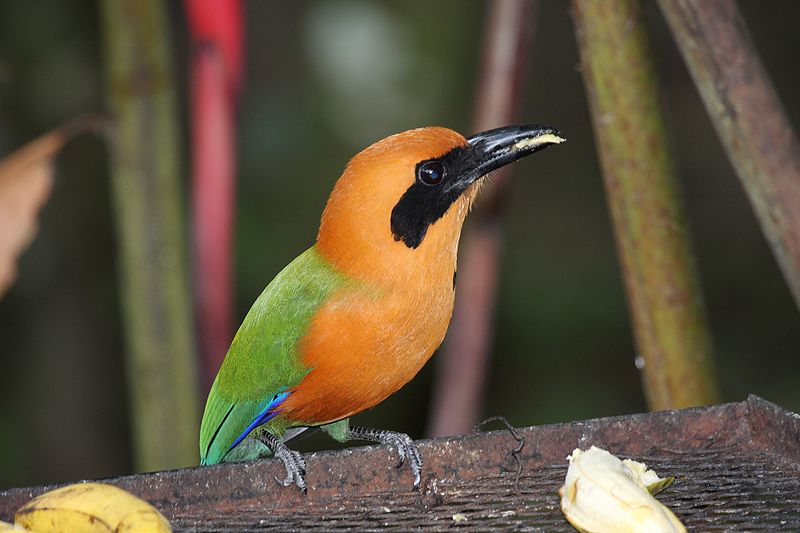
Rufous Motmot (Baryphthengus martii) ©WikiC

Rufous Motmot (Baryphthengus martii) ©WikiC

Of the 14 Motmots in the Momotidae Family, 5 of them can be found in Peru, but none in Chile. The Whooping, Amazonian, Andean, Rufous and the Broad-billed Motmots live in Peru.

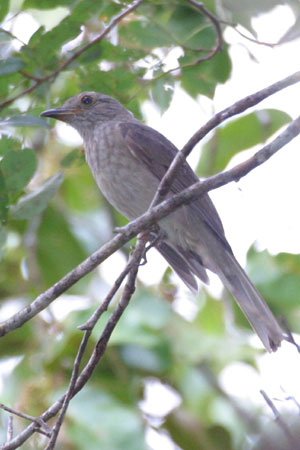
Screaming Piha (Lipaugus vociferans) ©AGrosset

Screaming Piha (Lipaugus vociferans) ©AGrosset

The Cotingas – Cotingidae Family has 30 species in Peru and 1 in Chile. Some articles about them are:
The Pompadour Cotinga – Concealed incubators…

Andean Cock-of-the-rock – The Changer… Both by a j mithra

The Cotingas in Peru are the Red-crested, Chestnut-crested, White-cheeked, Bay-vented, Black-necked Red, Plum-throated, Purple-breasted, Spangled, Black-faced, Purple-throated, Pompadour. Chile only has the Rufous-tailed Plantcutter and Peru has the Peruvian Plantcutter. Peru also has 8 Fruiteaters, 2 Fruitcrows, 4 Pihas and the Andean Cock-of-the-rock.

Peru has 1782 species, with 110 only found in that area, 89 species are globally threatened. Peru List of Birds
Chile has 485 species, with 14 only found in that area, 35 species are globally threatened. Chile List of Birds

See – Formed By Him – Birds of Peru and Chile – II
*

Introducing New Videographers

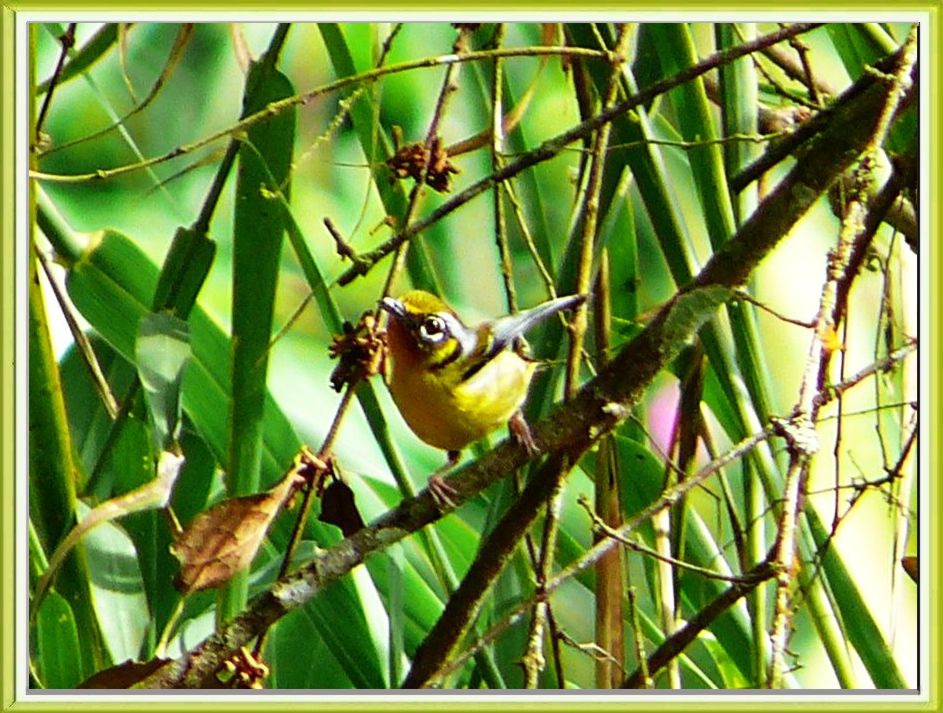
Black-eared Shrike-babbler (Pteruthius melanotis) by Khong T Khoon

Black-eared Shrike-babbler (Pteruthius melanotis) by Khong T Khoon

From time to time we are blessed to receive the permission to use material from Photographers and/or Videographers. Recently, Khong Tuck Khoon gave his permission to use his videos and photographs. Khong is known as “wondersf” on YouTube and has over 800 video on his Birds of Malaysia channel.

Khong T Khoon’s  video of a Silver-breasted Broadbill (Serilophus lunatus)

Khong also has his regular website, Malaysian Birds, which has “Birds photos, Bird lists, Bird Calls & tips on birding in Malaysia.” There he has over 7,000 photos of birds from Malaysia. He has them listed from A to Z and by 57 Families. He is from Penang, Malaysia and is retired.

One of the interesting parts of his site is about the Nesting Birds stories he shows with photos. I really enjoyed the story of the Flameback and the Coppersmith, though part of the ending was sad.

Also, prior to “wondersf” giving his permission, “redshouldervids” gave us the honor of using his videos also. Both have been added to the sidebar, but I had failed to introduce Derek.

Long-eared Owl (Asio otus) by Derek

Long-eared Owl (Asio otus) by Derek or “redshouldervid”

Derek’s YouTube Channel is called “Birds, Other Wildlife and The World Around Us“, or “redshouldervids’s Channel“. Derek lives in Winchester, Hampshire, United Kingdom and is retired. Apparently he also spends his free time out videoing birds and other things.

Here is his video of a Singing Western Meadowlark.

Thanks to both of you for letting your photos and videos being made available for our readers to enjoy your views through your lens. Please visit their sites for many more delights.

If you would like to allow permission to use your handiwork and be added to our photographers and videographers, leave a comment or write us at: Lee@leesbird.com

*

Birds in Hymns – The Son of God Goes Forth to War

Bald Eagle (Haliaeetus leucocephalus) by Quy Tran

Bald Eagle (Haliaeetus leucocephalus) by Quy Tran

But Jesus answered and said, Ye know not what ye ask. Are ye able to drink of the cup that I shall drink of, and to be baptized with the baptism that I am baptized with? They say unto him, We are able. (Matthew 20:22 KJV)

Words: Reginald He­ber, 1812.
(This hymn was sung in the 1975 mo­vie The Man Who Would Be King, which was nom­in­at­ed for sev­er­al Acad­e­my Awards.)

Music: All Saints, Hen­ry S. Cut­ler, in The Hymn­al with Tunes Old and New, by John Ire­land Tuck­er, 1872

Al­ter­nate tunes:

Old 81st, Day’s Psal­ter, 1562

St. Anne, Will­iam Croft, 1708

Warrior, Ar­chi­bald Mac­Don­ald, 1877

In Mrs. Ew­ing’ Sto­ry of a Short Life it is the favorite hymn in the bar­racks, where the sol­diers call it the ‘tug of war’ hymn. The of­fi­cer’s son, who had been crip­pled for life by an ac­ci­dent, begs just be­fore his death that the sol­diers will sing it again. They go un­der his win­dow, and when in the midst of the verse, ‘A no­ble ar­my, men and boys,’ a hand is seen at the win­dow pull­ing down the blind. The brave suf­fer­er is gone. The sto­ry made the hymn wide­ly pop­u­lar among child­ren as the ‘tug of war’ hymn. Telford, p. 410

The Son of God Goes Forth to War

*

The Son of God goes forth to war,
A kingly crown to gain;
His blood red banner streams afar:
Who follows in His train?
Who best can drink His cup of woe,
Triumphant over pain,
Who patient bears his cross below,
He follows in His train.

That martyr first, whose eagle eye
Could pierce beyond the grave;
Who saw his Master in the sky,
And called on Him to save.
Like Him, with pardon on His tongue,
In midst of mortal pain,
He prayed for them that did the wrong:
Who follows in his train?

A glorious band, the chosen few
On whom the Spirit came;
Twelve valiant saints, their hope they knew,
And mocked the cross and flame.
They met the tyrant’s brandished steel,
The lion’s gory mane;
They bowed their heads the death to feel:
Who follows in their train?

A noble army, men and boys,
The matron and the maid,
Around the Savior’s throne rejoice,
In robes of light arrayed.
They climbed the steep ascent of Heav’n,
Through peril, toil and pain;
O God, to us may grace be giv’n,
To follow in their train.
*

Birds of the Bible – Sea Gulls

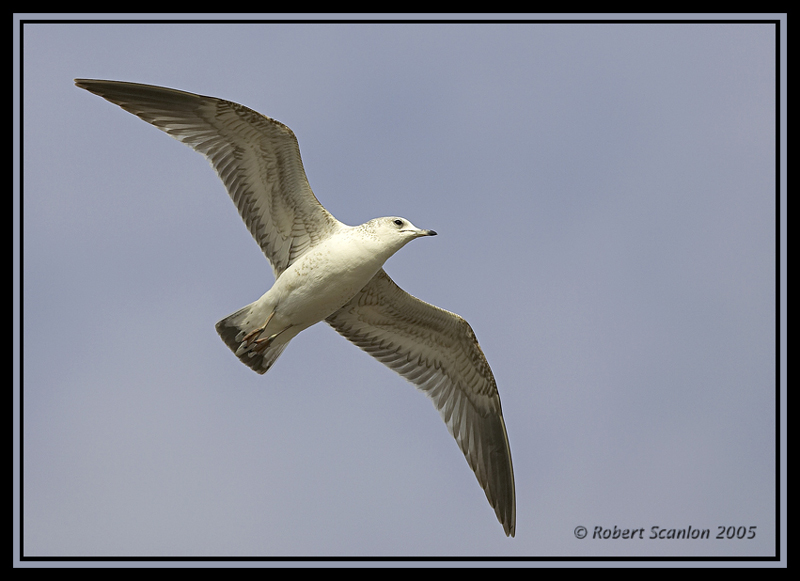
Mew Gull (Larus canus) by Robert Scanlon

Mew Gull (Larus canus) by Robert Scanlon

the ostrich, the short-eared owl, the sea gull, and the hawk after its kind; (Leviticus 11:16 NKJV)

The Sea Gull has been upgraded to an official Bird of the Bible here on this blog. The article “Birds of the Bible – A Gull?” was written when I first discovered the Gull in my reading, per article. The Gull now has it’s own Birds of the Bible – Sea Gulls page and it shows up in the sidebar along with the others birds mentioned in the Scriptures.

After updating my E-sword program and loading every English Bible Translation they have available, (for free and a few paid ones) I have been comparing the Leviticus 11:13-19 and the Deuteronomy 14:12-18 sections with a spreadsheet. That is the list of unclean birds that the Israelites were told not to eat. (Just because the different versions are being compared does not mean that this writer is in agreement with all of them or their stand.)

Iceland Gull (Larus glaucoides) chick-egg nest ©USFWS

Iceland Gull (Larus glaucoides) chick-egg nest ©USFWS

Here is an analysis of words used in those verses for the Sea Gull:
(Mouse over initials for full name of translation)

Leviticus 11:15 or 16:

gull – ABP+, MKJV
sea-gull or sea gull – DARBY, ESV, NAS77, NASB, NKJB
sea gulls – ERV, GW
seamew – ASV
sea-mew – BRENTON, JPS
sea meaw – RV
sea-hawk – BBE
larus – DRB
Different bird used –
(cuckow) – KJV & WEBSTER ,
(cuckoo) – YLT

Deuteronomy 14:15:

The word was use the same in both verses except in these translations:
LITV used – “gull” in Lev. and “sea gull” in Deut.
MKJV used – “gull” in Lev. and “cuckoo” in Deut.

Ring-billed Gull (Larus delawarensis) Lk Hollingsworth by Lee

Ring-billed Gull (Larus delawarensis) Lk Hollingsworth by Lee

Why bother in the first place to compare them, you ask? I still find it amazing how different translations vary in their description of the birds. The differences do not affect the doctrines of the Word of God, nor will they affect my faith in the Lord. So far, none of the differences have affected my appetite to eat any of the birds listed. Whether they are Sea Gulls or a Cuckoos, they still won’t end up on my dinner plate.

What it does do though is to give good reason to make the Gull a Bird of the Bible and give them their own page.

And the ostrich, and the owl, and the larus, and the hawk according to its kind: (Deuteronomy 14:15 DRB)
and the ostrich, and the night-hawk, and the sea-mew, and the hawk after its kind, (Deuteronomy 14:15 ASV)

One of the words used was “larus” which happens to be one of the Genus of Gulls and contains a Mew Gull which sounds similar to a “sea mew or seameaw”. Interesting.  Also the Laridae is the Gulls, Terns & Skimmers Family name.

The Larus Genus includes:
Pacific Gull (Larus pacificus)
Belcher’s Gull (Larus belcheri)
Olrog’s Gull (Larus atlanticus)
Black-tailed Gull (Larus crassirostris)
Heermann’s Gull (Larus heermanni)
Mew Gull (Larus canus)
Ring-billed Gull (Larus delawarensis)
California Gull (Larus californicus)
Great Black-backed Gull (Larus marinus)
Kelp Gull (Larus dominicanus)
Glaucous-winged Gull (Larus glaucescens)
Western Gull (Larus occidentalis)
Yellow-footed Gull (Larus livens)
Glaucous Gull (Larus hyperboreus)
Iceland Gull (Larus glaucoides)
European Herring Gull (Larus argentatus)
American Herring Gull (Larus smithsonianus)
Vega Gull (Larus vegae)
Caspian Gull (Larus cachinnans)
Yellow-legged Gull (Larus michahellis)
Armenian Gull (Larus armenicus)
Slaty-backed Gull (Larus schistisagus)
Lesser Black-backed Gull (Larus fuscus)

The voice of thy thunder was in the heaven: the lightnings lightened the world: the earth trembled and shook. Thy way is in the sea, and thy path in the great waters, and thy footsteps are not known. (Psalms 77:18-19 KJV)

European Herring Gull (Larus argentatus) by Keith Blomerley – An adult on the sea trying to steal food from a Common Eider

*

Birds In Hymns – When The Lord Of Love Was Here

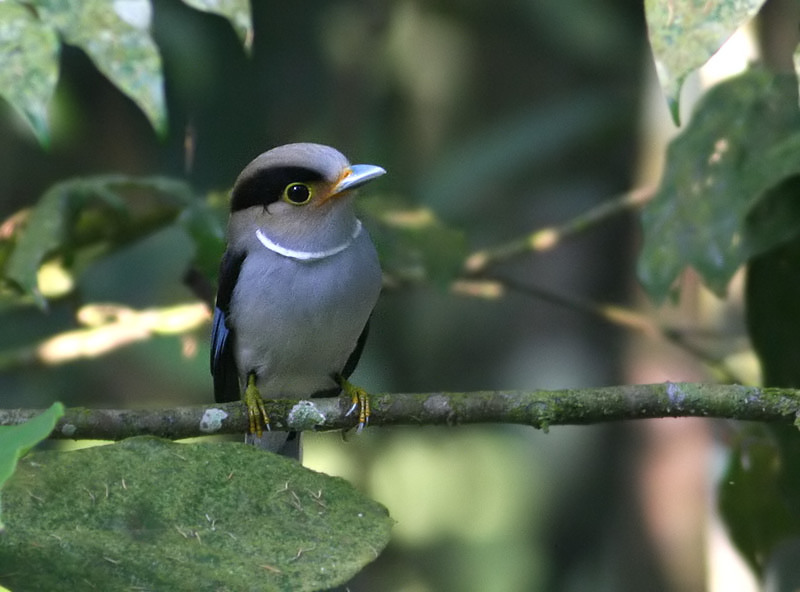
Silver-breasted Broadbill (Serilophus lunatus) by Peter Ericsson

Silver-breasted Broadbill (Serilophus lunatus) by Peter Ericsson

We love him, because he first loved us. (1 John 4:19 KJV)

Here is another hymn from the past. This time written by Stopford A. Brooke (1832-1916) and composed by George W. Chadwick (1854-1931)

Words by Stop­ford A. Brooke, Christ­ian Hymns, 1881.

Music is called “Arm­strong” (Chad­wick) by George W. Chad­wick , 1888

When The Lord Of Love Was Here

**

When the Lord of Love was here,
Happy hearts to Him were dear,
Though His heart was sad;
Worn and lonesome for our sake,
Yet he turned aside to make
All the weary glad.

Meek and lowly were His ways,
From His loving grew His praise,
From His giving, prayer;
All the outcast thronged to hear,
All the sorrowful drew near
To enjoy His care.

When he walked the fields, He drew
From the flowers and birds and dew
Parables of God;
For within His heart of love
All the soul of man did move,
God had His abode.

Lord, be ours Thy power to keep
In the very heart of grief,
And in trial, love;
In our meekness to be wise,
And through sorrows to arise
To our God above.

Fill us with Thy deep desire
All the sinful to inspire
With the Father’s life;
Free us from the cares that press
On the heart of worldliness
From the fret and strife.

And, when in the fields and woods
Were are filled with Nature’s moods,
May the grace be given
With Thy faithful heart to say,
“All I see and feel today
Is my Father’s Heaven.”

Most information from The Cyber Hymnal

See ~ Wordless Birds

More ~ Birds in Hymns

*