Intro to Some Latin Names of Birds

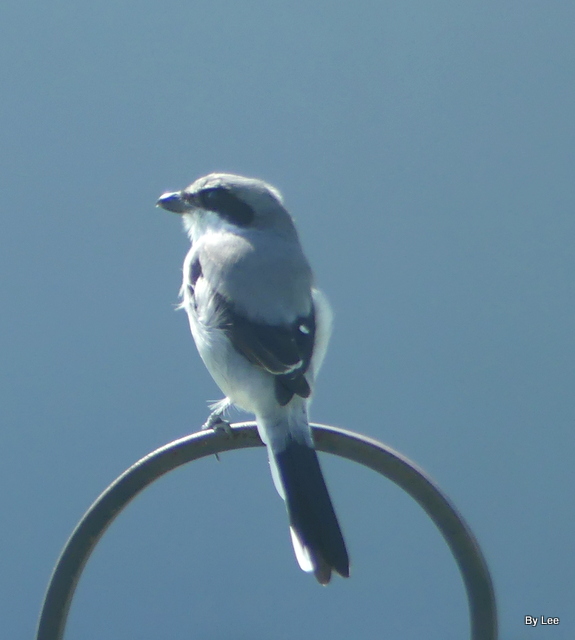
On my last post, Our Loggerhead Shrike Again, I emphasized the Latin name for this bird. “In case you’re curious, the Latin name Lanius is Great Grey Shrike. The ludovicianus means “butcher” and laniare – “to tear to pieces.” They have been referred to at times a “butcher birds” because of what they do to their victims.”

While recently browsing through my many “dusty” bird books, I rediscovered my “Latin for Bird Lovers,” by Roger Lederer Carol Burr.  It actually is quite interesting, even though I have never studied Latin or paid much attention to the scientific names of our beautiful birds we write about. We can all learn some new and interesting facts about these wonderful birds. Dr. Jim, (JJSJ) also agrees and is willing to adds some articles also. Maybe I can encourage some of our other contributors to join in.

As we all know, various birds migrate during parts of the year, and they do not have to carry passports or “flying licenses” to pass through different states or countries. Countries and even states have varying names for birds. Yet, we are all seeing the same avian wonder.

Latin for Bird Lovers by Roger Lederer & Carol Burr

Bird names also change over time, yet the Latin name or scientific name doesn’t (normally). I’ll be using this book, Latin for Bird Lovers by Roger Lederer & Carol Burr as one of the sources for some upcoming articles.

Here are some examples of how bird names have changed over the years. Imagine how hard it is today for the international groups like the I.O.C.’s World Bird List to report on the same bird’s names from various languages if it wasn’t for these Latin names.

Here are some examples of re-named birds (not from Latin) just here in our part of the world:

  • Common Loon — Great Northern Diver
  • Horned Grebe — Hell-diver
  • Double-crested Cormorant — Farallon Cormorant, White-tufted Cormorant, Shag
  • American Bittern — Bog Pumper, Dunk-a-doo, Indian Hen
  • Greater White-fronted Goose — Specklebelly

Northern Pintail (Anas acuta) ©USFWS

  • Northern Pintail — Sprigtail
  • American Wigeon — Baldpate
  • Redhead — American Pochard
  • Ring-necked Duck — Blackhead
  • Scaups — Bluebill
  • White-winged Scoter — Velvet Scoter
  • Common Goldeneye — Cobhead, Whistler
  • Goldeneyes — Garrot
  • Bufflehead — Butterball, Spirit duck
  • Hooded Merganser — Cock Robin
  • Common Merganser — Goosander, American Sheldrake
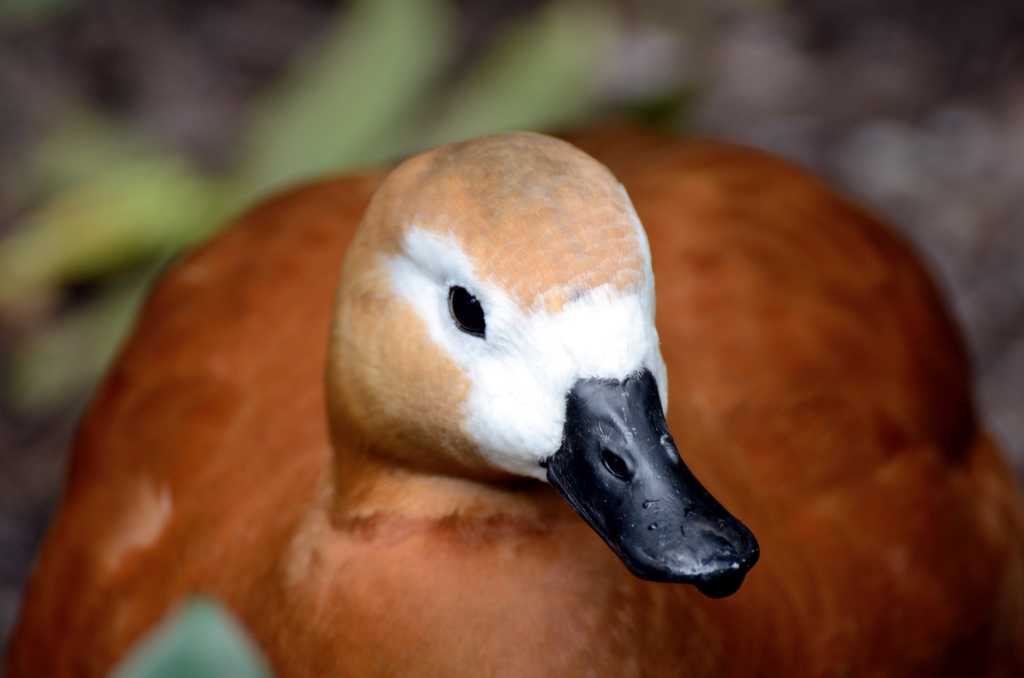
Ruddy Shelduck (Tadorna ferruginea) at Wings of Asia by Dan

Ruddy Shelduck (Tadorna ferruginea) at Wings of Asia by Dan

  • Ruddy Duck — Sleepy Duck
  • Sharp-shinned Hawk — Little Blue Darter
  • Cooper’s Hawk — Big Blue Darter
  • Ferruginous Hawk — Rusty Squirrel Hawk
  • Merlin — Pigeon Hawk
  • Sage Grouse — Sage Cock
  • Sora — Ortolan
  • American Coot — Mudhen
  • Black-bellied Plover — Bullhead
  • Black-necked Stilt — Lawyer
  • Greater Yellowlegs — Tell-tale
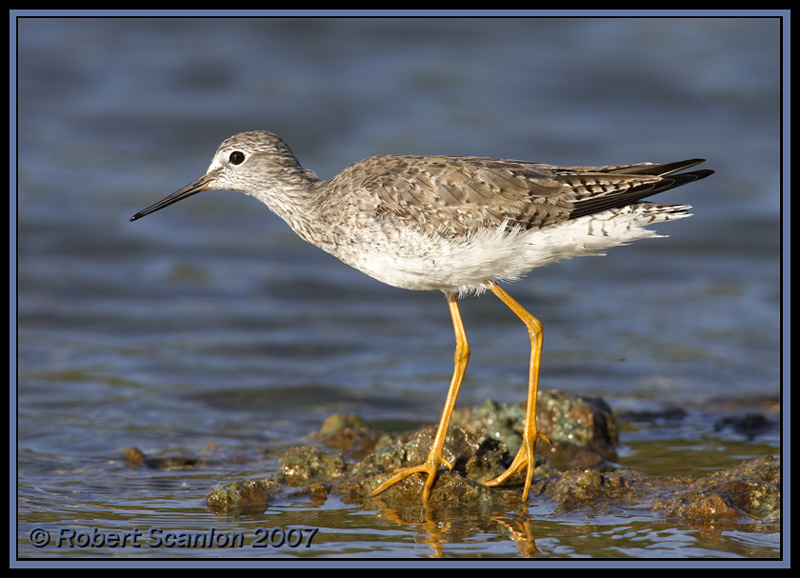
Lesser Yellowlegs (Tringa flavipes) by Robert Scanlon

Lesser Yellowlegs (Tringa flavipes) by Robert Scanlon

  • Lesser Yellowlegs — Yellowshanks
  • Marbled Godwit — Marlin
  • Ruddy Turnstone — Calico-back
  • Red Knot — Robin Snipe
  • Least Sandpiper — Oxeye
  • Dunlin — Purre, Black-breast
  • Shortbilled Dowitcher — Brownback
  • Common Nighthawk — Bull-bat
  • Northern Flicker — Golden-winged Woodpecker, Yellowhammer
  • Pileated Woodpecker — Log-cock, Black woodcock
  • Bank Swallow — Sand Martin
  • Black-capped Chickadee — Long-tailed Chickadee, Yukon Chickadee, Western Titmouse
  • Mountain Chickadee — Bailey’s Chickadee
  • Boreal Chickadee — Brown-capped Chickadee
  • American Dipper — Water-ouzel
  • Mountain Bluebird — Arctic Bluebird
  • Townsend’s Solitaire — Townsend’s Ptilogonys
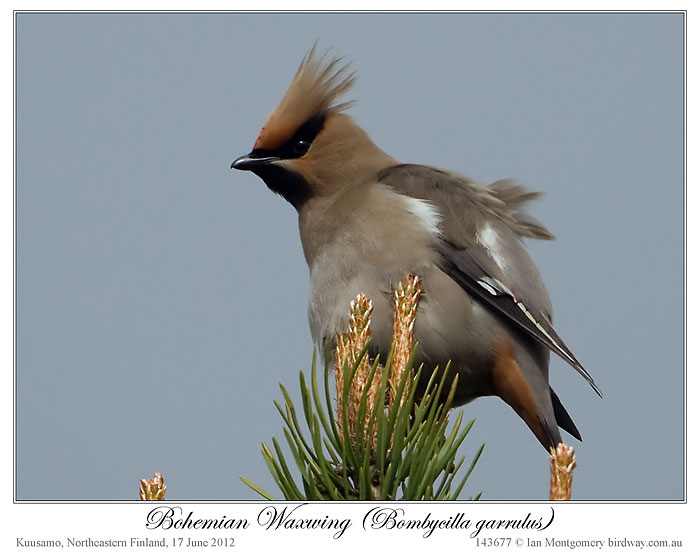
Bohemian Waxwing (Bombycilla garrulus) by Ian 3

Bohemian Waxwing by Ian

  • Bohemian Waxwing — Bohemian Chatterer
  • Cedar Waxwing — Cherry-bird
  • Loggerhead Shrike, Northern Shrike — Butcher-bird
  • Red-eyed Vireo — Greenlet
  • Orange-crowned Warbler — Lutescent Warbler
  • Yellow Warbler — Golden warbler, Mangrove Warbler
  • Spotted Towhee — Chewink, Ground Robin
  • Chipping Sparrow — Hairbird
  • Vesper Sparrow — Bay-winged Bunting
  • Dark-eyed Junco — Snowbird
  • Snow Bunting — Snowflake
  • Lark Bunting — White-shouldered Blackbird
  • Bobolink — Reedbird
  • Red-winged Blackbird — Bicolored blackbird, Red-and-buff-shouldered blackbird, Swamp Blackbird
  • Common Grackle — Bronzed Crow Blackbird
  • Brown-headed Cowbird — Cow Blackbird, Dwarf Cowbird
  • Common Raven — Holarctic Raven
  • Hoary Redpoll — Mealy Redpoll

Stay-tuned as I, and others present some of our amazing Avian Wonders from their Creator. We’ll group them by their Latin naming. Or, by the current Scientific names. One thing is for sure, when Adam named the birds, he did not use Latin to help him. He most likely had the best assistance from their Creator.

“So Adam gave names to all cattle, to the birds of the air, and to every beast of the field…” (Genesis 2:20 NKJV)

Good News

Our Loggerhead Shrike Again

Loggerhead Shrike on Bench outside our back patio door.

“Look at the birds of the air, for they neither sow nor reap nor gather into barns; yet your heavenly Father feeds them. Are you not of more value than they?” (Matthew 6:26 NKJV)

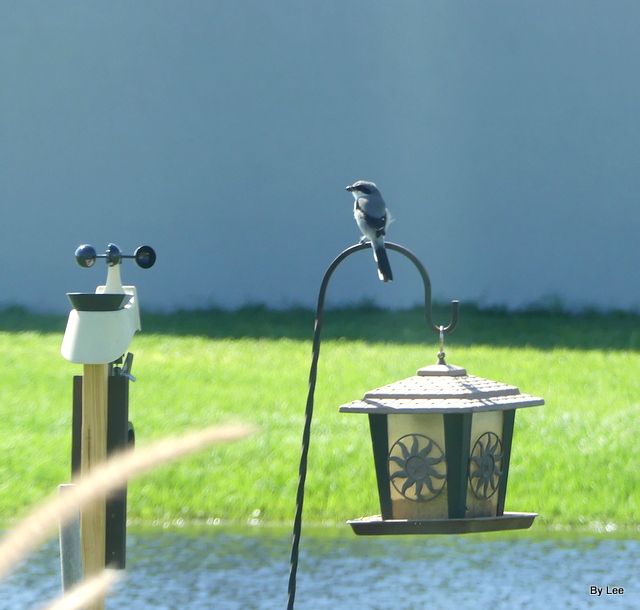
While eating our supper this evening, our friendly Loggerhead Shrike showed up again. He landed on his favorite perch, the hook out in the yard. (these are older photos, who keeps a camera at the table?)

Loggerhead Shrike on hook - by Lee Closeup

Loggerhead Shrike (Lanius ludovicianus) on hook – by Lee Closeup

He and the Mockingbird takes turns using that favorite spot to land and watch for breakfast, lunch, or dinner. We see both of them quite often, especially this time of the year.

In case you’re curious, the Latin name Lanius is Great Grey Shrike. The ludovicianus means “butcher” and laniare – “to tear to pieces.” They have been referred to at times a “butcher birds” because of what they do to their victims.

We have featured quite a few articles about this beautiful bird, and here is one, written by JJSJ, “Dr. Jim”, that tells and shows the “butcher bird” at work:

Loggerhead Shrike: Converting Thorns into Meat-hooks

Thankfully, we haven’t found any of these kinds of catches hanging around in our yard!


Just thought I’d share our latest visitor to the yard. I’m sure he will migrate north soon, but hopefully we will see him in the fall again. I still never cease to be amazed by the Lord’s designs in His Creation!

Check out some of the many articles about this beautiful bird that we have written about before:

Sunday Inspiration – Shrikes and Vireos

Birds Vol 1 #6 – The Loggerhead Shrike

Laniidae – Shrikes

Just In Time For Halloween

Birdwatching and Blessings – 6/6/21

Crown of Thorns

Also see:

Birds of the Bible – Whole Armour of God

State Birds of America – Information

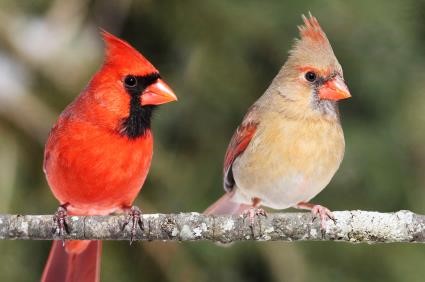
Northern Cardinal M-F (The most chosen state bird) ©BackyardBirdLover

We considered a series on the State Birds, but as I have searched more about this topic, there are already many great sites to visit. So, I’ve decided to share links to those great websites, and then find another bird series to investigate.

All 50 states and the District of Columbia have official birds. To become a state bird, it helped to be familiar, colorful, and have a punchy song. The Northern Cardinal perches as state bird in seven eastern states, the Western Meadowlark in six western states. Bluebirds – like this Western Bluebird – and goldfinches are mascots of another seven. The country’s most insistent songster, the Northern Mockingbird, holds down five states. And Washington, DC’s official bird? The shy Wood Thrush! Find out which bird is your state bird.  Learn more about these state birds at Cornell’s All About Birds.

Oh, by the way, we are orginally from Indiana and the Northern Cardinal is their state bird.

“Consider the ravens, for they neither sow nor reap, which have neither storehouse nor barn; and God feeds them. Of how much more value are you than the birds?” (Luke 12:24 NKJV)

Stay tuned and enjoy these great articles:

List of State Birds – Love to Know

Wikipedia List of U.S. State Birds

Birds by State – Backyard Bird Watchers

To find out more about these birds, go to All About Birds to see great information and photos.

Also check our index for articles about a specific bird. We may have written about it in the past.

For instance, the Cardinal:

Sunday Inspiration – Cardinalidae Family of Cardinals Plus

***

Joy in the Sharing

***

Why Red?

***

Northern Cardinal

***

“A Cardinal Sits With Me” ~ by Sandra Conner

***

Various Birds From Creation Moments

Good News

Wordless Birds

Just In Time For Halloween

Loggerhead or Northern Shrike on Bench

While looking back through our visitors this winter, I remembered the one bird who would appear to be ready for today, Halloween. Not that we celebrate it much, other than giving out candy to the kiddos in the neighborhood.

When Dan and I spotted this bird the first winter, I thought it was a Loggerhead Shrike. They, sometime two of them, usually land on a post out in the yard, but this time I caught him right outside the door on the bench arm.

Loggerhead Shrike on hook - by Lee Closeup

Loggerhead or Northern Shrike on hook – by Lee Closeup

Today, while writing this post, and going to the All About Birds Loggerhead vs Northern Shrike page, I realized that this is a Northern and NOT my supposed Loggerhead. See what you think by clicking that link.

It’s never too late to learn something new. The part about the “mask that often does not cover the top of the bill,” is what made me take a double-take.

Close up of NORTHERN Shrike

As you can see, this was a post in progress as I put it together. Isn’t birding and learning about the Lord’s wonderfully created avian wonders great??? I’ve made my decision, and am changing the names on my photos. :0)

“Which doeth great things past finding out; yea, and wonders without number.” (Job 9:10)

Have you had to change your mind about a bird you just knew what it was, and then it wasn’t? I JUST DID!!

  1. Loggerhead Shrike: Converting Thorns into Meat-hooks
  2. Birds Vol 1 #6 – The Loggerhead Shrike
  3. Sunday Inspiration – Shrikes and Vireos
  4. Wordless Birds

From The Window – Oct 30


Back yard this morning – 10/30/23

Since we haven’t been “birdwatching” in months, that does mean that we don’t “bird watch.” Every morning the local ducks visit to see if they can quack us out of something for their bellies. Usually they win. We buy scratch grain that they seem to enjoy.

The photo above was taken right after I came in from filling their feeders. Later the other will drop in along with the winter Grackle gang that has arrive.

This photo is looking out across to where the Eagle, and lately it’s mate have perched off and on through the day.

I remember trapsing through the woods and everywhere trying to get a photo of an Eagle. Now, this time of the year, he lands there several times a day. Come spring they, along with the Whistling ducks will scurry home up north.

Here is a photo of them a few days ago. Never know what I might find. Stay Tuned!

“This I recall to my mind, Therefore I have hope. Through the LORD’s mercies we are not consumed, Because His compassions fail not. They are new every morning; Great is Your faithfulness. “The LORD is my portion,” says my soul, “Therefore I hope in Him!” (Lamentations 3:21-24 NKJV)

Eagles

Good News

An Apology and a Great Thank You!!

American Woodcock through door 12-3-19 by Lee

American Woodcock through door 12-3-19 by Lee

I would like to apologize for my lack of posting any articles since back in February of this year. (More explanation later.) What I am really thankful for is Dr. James J.S. Johnson, Dr. Jim, as Dan and I affectionately call him.

THANK YOU, DR. JIM!

Also a Hugh THANK YOU to all of you who have continued to stop by this blog. Many of you have read and commented of his articles and other previously published posts.

Black-bellied Whistling Ducks feeding in yard.

Back in February, a number of health problems began, and it seemed like about the time I improved, some other issue came up. It seems that it has just been one thing after another. Needless to say between Doctor visits, physical therapy, medical test, using cane or walker, etc. etc., birdwatching has come to a halt other than my view out the back door.

“God is faithful, by whom you were called into the fellowship of His Son, Jesus Christ our Lord.” (1 Cor. 1:9)

That top photo about describes the lack of birds lately. Like many of you around the country and parts of the world, we have had some very high heat indexes. Plus, the wintering birds have not arrived yet.

Other than Muscovy Ducks and the neighborhood Robins and Doves, there hasn’t been much going on.

Lord willing, I trust that there will be more post from me. Now that I’m improving some, I will try to at least write more about God’s amazingly Created Avian Wonders. Stay tuned!

Thanks again to all our visitors to this blog and “Dr. Jim” for keeping us blessed by his great articles.

Good News

Birds of the Bible Articles

Check the many other links on the main page.

Birds of the Bible II – Raven Adventures

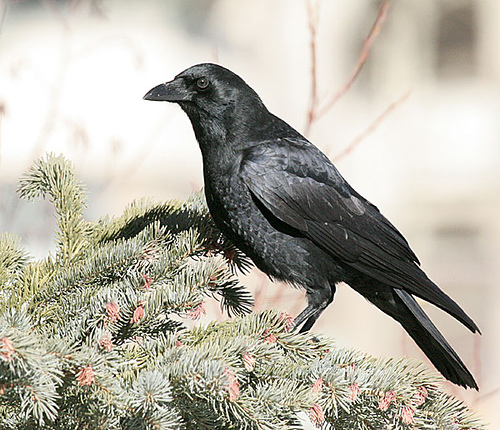
Common Raven at Cypress Provincial Park, British Columbia ©WikiC

In the First Bird Species Named post, you found out that it was the Raven that was sent out first from the Ark. He never came back in, but may have landed on it now and then. The Raven family has a very resourceful way of finding and collecting food and objects.

Today there are several species in the Raven family (Covidae). Of course, not all of those species were on the Ark. They spread out and reproduced after their kind. “every raven after its kind,” (Lev 11:15)

Chihuahuan Raven (Corvus cryptoleucus)Raven (Corvus corax) by Kent Nickell

Northern Raven (Corvus corax) by Kent Nickell

Compare the Common Raven and the Chihuahuan Raven

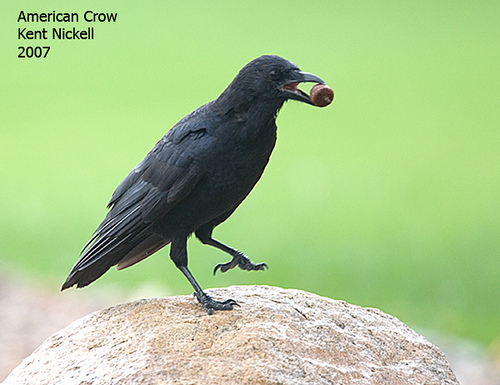
American Crow (Corvus brachyrhynchos) by Kent Nickell

American Crow (Corvus brachyrhynchos) by Kent Nickell

and compare the Common Raven and the American Crow.

All of these birds belong to the Covid family and Dr. Johnson posted a great article that covers this family.

Crows and Other Corvids are Really Smart Birds!

As was pointed out in that article, how the ravens came and fed Elijah. They brought him bread and flesh. (I Kings 17:6) But where do the Ravens get their food? (Job 38:41)

Much has been written about these interesting birds here over the years. Here are some of the links to help you find out more about the Ravens and their kind:

Birds of the Bible – Ravens

Other articles about the Raven:

Also check out articles by our various writers:

For younger readers:

**

All Birds of the Bible section

Gideon

Valentines Greetings

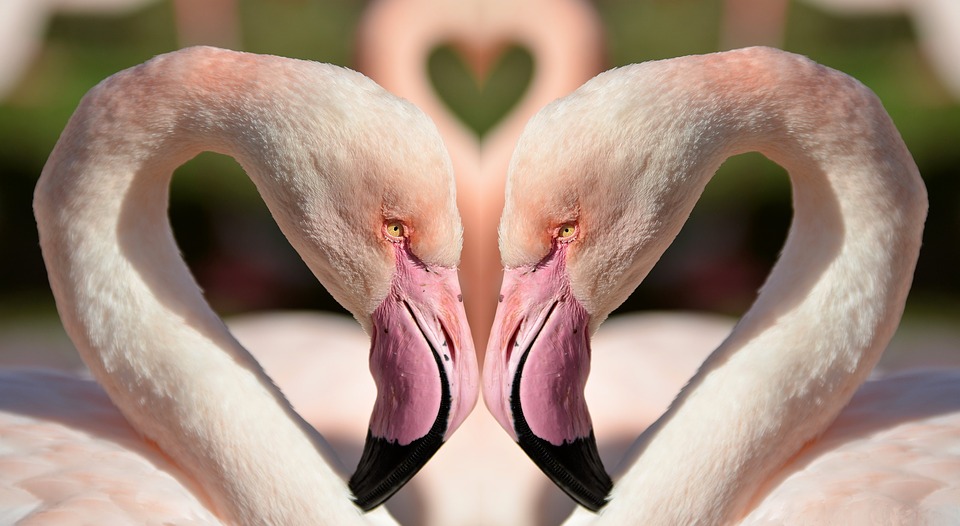
Flamingos In Love ©Pixabay

In honor of Valentines tomorrow, I thought I would re-post this:

Tickle Me Tuesday – Dancing Birds I

“A time to weep, And a time to laugh; A time to mourn, And a time to dance;” (Ecc 3:4)

I apologize for not posting lately but was sick with food poisoning that zapped me for a while. All is well now and hope to get back to the Birds of the Bible II series.

Birds of the Bible II – Introduction

Birds of the Bible – First Bird Species Named

Also see all the previous Birds of the Bible posts

What will you do with Jesus?

Birds of the Bible II – First Bird Species Named

Raven; Grand Canyon National Park, by William Wise

Raven; Grand Canyon National Park, by William Wise

In the introduction to this new series, Birds of the Bible II – Introduction, several questions were asked. Did you check those questions out?

What were the names of first bird species listed in the Bible? (Genesis 8:7, 8)

If you checked these verses, you know that they were the Raven and the Dove. The Raven was released from the Ark first. It flew back and forth until the waters were abated or dried up. It does not say that Noah brought it back into the Ark. My imagination is that it landed on the ark but stayed outside.

While looking through several of the books I showed you in the first post, some interesting facts come to light:

The Raven’s feeding habits:

  • They are resourceful
  • They like plants and seeds
  • They eat carrion

If you imagine the total destruction that the worldwide flood caused, there would still be some things floating on the surface of the water. As the waters receded, the Raven would eventually not need to return to Noah or the Ark.

From All About Birds:

“Common Ravens will eat almost anything they can get hold of. They eat carrion; small animals from the size of mice and baby tortoises up to adult Rock Pigeons and nestling Great Blue Herons; eggs; grasshoppers, beetles, scorpions, and other arthropods; fish; wolf and sled-dog dung; grains, buds, and berries; pet food; and many types of human food including unattended picnic items and garbage.”

Northern Raven (Corvus corax) ©CreationWikiC

Northern Raven (Corvus corax) ©CreationWikiC

An interesting thought. Since all the fowls or birds were in pairs of seven, when did its mate finally join the first one?

Ravens are in the Corvidae Family and here are some of the articles about them:

Birds of the Bible – Ravens (Main page)

There are many links to the articles, facts, and photos about the Raven from previous post. Also, by typing in the Search,,, box on the right side of the page, you will find many more posts about Ravens.

LIKE:

Raven

April Lorier’s Article about the Ravens

Crows and Other Corvids are Really Smart Birds!

Ravin about Corvid Hybrids: Something to Crow About! by JJSJ

Diet of Jackdaws and Ravens by JJSJ

Scripture Alphabet of Animals: The Raven

And many others

What were the names of first bird species listed in the Bible? (Genesis 8:7, 8)

Okay, you now know that the Raven was listed first. What was the second bird listed?

Stay tuned!

What is the Gospel?

Birds Of The Bible II – Introduction

The Birds of the Bible are why Lee’s Birdwatching Adventures Plus was started. Now, 16 years later, do you or I remember what was posted?

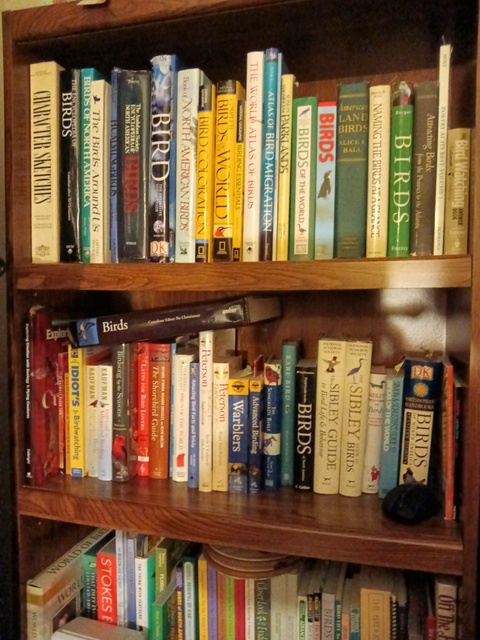
When we started this, we may have had one or two birdwatching books. Today, my bookshelves, at least three of them. have these books waiting on me to find new and interesting bird facts. I wonder what amazing information could be gleaned about God’s Creative Handiwork at work on the birds? Huh??

Bird Books in Library

We now have additional writers that would also be willing to contribute more articles. (I will invite them to join in this.)

When was the first bird created? (Genesis 1:20)

What day was that? (Genesis 1:23)

Who named the first birds? (Genesis 2:19)

What were the names of first bird species listed in the Bible? (Genesis 8:7, 8)

Did birds come from dinosaurs?

Do you know? Want to find out more? Leave me a comment. Stay tuned!

Birds of the Bible

Looking Back – Blog Anniversaries, and Why It Began

Good News

Looking Back – Blog Anniversaries, and Why It Began

Kathy Wire, one of our faithful followers of this blog, left some suggestions for this series of Looking Back for reviewing the articles and blessings from these many posts. Here are those suggestions. They are all very appropriate, and hard to choose which one. 
  • Time Flies
  • On the Wings of Time
  • Wings of the Winds of Time
  • Hovering Over the Past
  • A Bird’s-Eye Overview (…of the Glory of God)

Drop a comment and help decide which to use. For today’s article, I stuck with “Looking Back.”

To begin this series, I found all the post that looked back over the Anniversaries of Lee’s Birdwatching Adventures Plus. If you scan through them, you will discover why it was started and how the Lord has been blessing it over the years. As different writers began adding articles, photographers gave permission to use their photos, and linked their websites, the blog has continued to grow.

Beginning Post of Anniversaries of the Blog:

Wallcreeper (Tichodroma muraria) by Nikhil

Wallcreeper (Tichodroma muraria) by Nikhil

Sunbittern (Eurypyga helias) by Dan

Sunbittern (Eurypyga helias) by Dan

White-throated Sparrow by Ray Barlow

American Flamingo by Dan’ at Flamingo Gardens

Ring-necked Duck at Lake Morton by Dan

Ring-necked Duck at Lake Morton by Dan

Hooded Merganser Diving Duck, Georgia by William Wise

When I look back over these, and the many posts about the Lord’s Creation, especially His beautiful Avian Wonders, I am reminded:

“Who can utter the mighty acts of the LORD? Who can declare all His praise?” (Psa 106:2)

Stay Tuned! (I have some ideas for more series)

The Wise Owl

Looking Back Through 2022 and Before

Bald Eagle flying by Dave's BirdingPix

Bald Eagle flying by Dave’s BirdingPix

As we head into the new year, 2023, many like to look back over the last year. They find many good memories and blessings, plus a few not so pleasant ones. Many of you liked and made remarks about the Christmas Bird Review series (that was just completed).  It seems you do not mind looking back.

That thought started me thinking about a new series that we could begin. “Looking Back – “, “Reviving the Past – “, or some other name to give it. ANY IDEAS?

Hornbill at Brevard Zoo by Dan Aug-2014

Many of you have chosen to follow this blog through many years, and some have just begun following us.

  • How did this all begin? Purpose?
  • When did it begin?
  • What topics have we covered?
  • What Birds have we highlighted?
  • Who have been the writers and photographers over the years?

As many know, I have been dealing with medical issues which have slowed our birding adventures down considerably. I still watch birds, but on a more limited basis. Having just received a new computer, and trying to transfer photos over to it, I have been finding photos that could be used to update or enhance updates.

I especially am thinking about the original purpose, which was to show and thank the Lord for all the Birds of the Bible.

“I will give You thanks in the great assembly; I will praise You among many people.” (Psalm 35:18)

This is from the main page Menu. As of today (Dec 30, 2022), that number is:

  • 2,371,257 visits

THANKS TO VISITORS

Moved to WordPress
00,000 – July 05, 2008
50,000 – Oct 10, 2009
100,000 – Apr 5, 2010
150,000 – Sep 6, 2010
200,000 – Dec 30, 2010
250,000 – Apr 9, 2011
300,000 – June 29, 2011
350,000 – Sep 19, 2011
400,000 – Nov 18, 2011
450,000 – Jan 21, 2012
500,000 – Mar 1, 2012
600,000 – May 24, 2012
700,000 – Sep 2, 2012
800,000 – Dec 16, 2012
900,000 – Ap 13, 2013
1,000,000 – Oct 20, 2013
2,200,000 – Jun 5, 2021

So, what are your thoughts? Please leave a comment, or at least a like. And even a suggestion for a series title.

Thanks for all your visits, likes, and remarks over the years.

Good News