Sunday Inspiration – Guineafowl

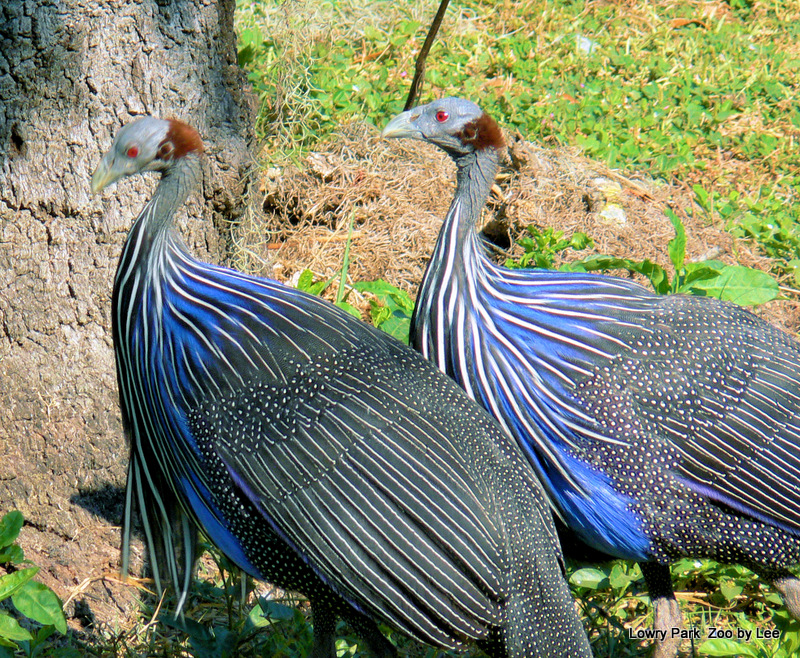
Vulturine Guineafowl (Acryllium vulturinum) by Lee

Vulturine Guineafowl (Acryllium vulturinum) by Lee

“Every beast, every creeping thing, and every fowl, and whatsoever creepeth upon the earth, after their kinds, went forth out of the ark.” (Genesis 8:19 KJV)

Several Sundays ago, we started introducing you to the Galliformes Order. You have seen the Megapodes Family, the Chachalacas, Curassows and Guans Family, and today, you get to meet the members of the Guineafowl Family. The family name is Numididae, and there are four genera for only six species. They are all from the African continent.

The guineafowl (sometimes called guineahen) are a family of birds that are native to Africa, but the Helmeted Guineafowl has been domesticated, and both feral and wild-type birds have been introduced elsewhere.

This family of insect and seed-eating, ground-nesting birds resemble partridges, but with featherless heads, though both members of the genus Guttera have a distinctive black crest, and the Vulturine Guineafowl has a downy brown patch on the nape. Most species of guineafowl have a dark grey or blackish plumage with dense white spots, but both members of the genus Agelastes lack the spots (as do some domestic variants of the Helmeted Guineafowl). While several species are relatively well known, the Plumed Guineafowl and the two members of the genus Agelastes remain relatively poorly known. These large birds measure from 40–71 cm (16–28 inches) in length, and weigh 700–1600 (grams) or 1.5-3.5 (pounds)
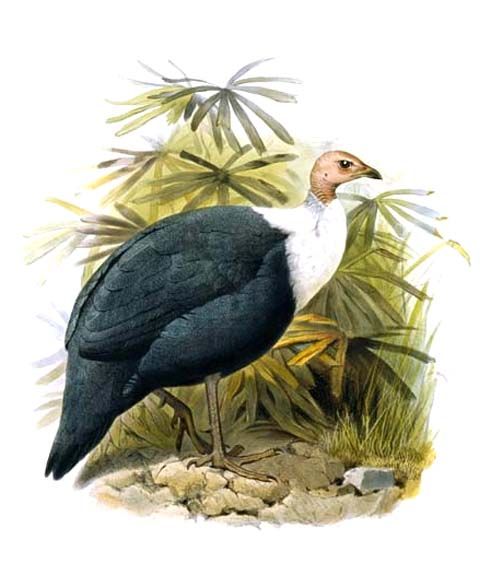
White-breasted Guineafowl (Agelastes meleagrides) ©DrawingWikiC

White-breasted Guineafowl (Agelastes meleagrides) ©DrawingWikiC

The White-breasted Guineafowl (Agelastes meleagrides) is a medium-sized, up to 45 cm long, terrestrial bird of the guineafowl family. It has a black plumage with a small, bare red head, white breast, long black tail, greenish brown bill and greyish feet. The sexes are similar, although the female is slightly smaller than the male. They are distributed in subtropical West African forests of Côte d’Ivoire, Ghana, Guinea, Liberia and Sierra Leone. The diet consists mainly of seeds, berries, termites and small animals.

Black Guineafowl (Agelastes niger) ©Drawing WikiC

Black Guineafowl (Agelastes niger) ©Drawing WikiC

The Black Guineafowl, (Agelastes niger), is a member of the guineafowl bird family. It occurs in humid forests in Central Africa where it is often heard but seldom seen. It is a medium-sized black bird with a bare pink head and upper neck. Little is known of its behaviour because it has been little studied. It is usually found in pairs or small groups and is a shy, elusive bird of the forest floor. It occurs in primary and secondary growth woodland, favouring parts with thick undergrowth but sometimes venturing out onto adjacent cultivated lands. It feeds on invertebrates such as ants, termites, millipedes and beetles, and also small frogs, seeds, berries and shoots. The nesting habits of this species are not known but the eggs are pale reddish brown, sometimes shaded with yellow or purple.
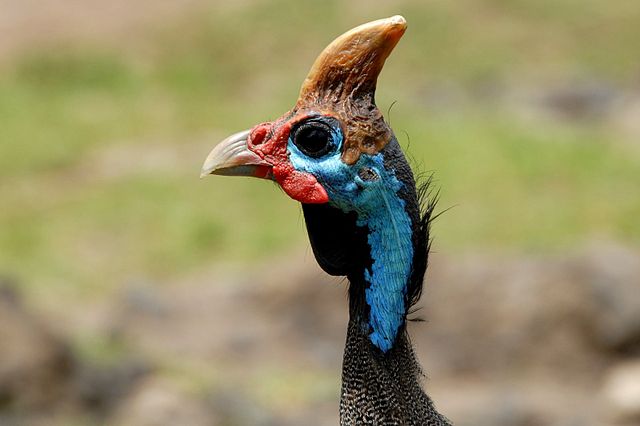
Helmeted Guineafowl (Numida meleagris) ©WikiC

Helmeted Guineafowl (Numida meleagris) ©WikiC

The Helmeted Guineafowl (Numida meleagris) is a large (53–58 cm) bird with a round body and small head. They weigh about 1.3 kg. The body plumage is gray-black spangled with white. Like other guineafowl, this species has an unfeathered head, in this case decorated with a dull yellow or reddish bony knob, and red and blue patches of skin. The wings are short and rounded, and the tail is also short. Various sub-species are proposed, differences in appearance being mostly a large variation in shape, size and colour of the casque and facial wattles.
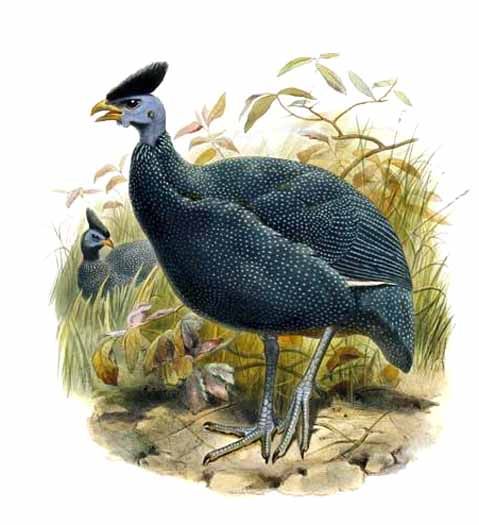
Plumed Guineafowl (Guttera plumifera) ©Drawing WikiC

Plumed Guineafowl (Guttera plumifera) ©Drawing WikiC

The Plumed Guineafowl (Guttera plumifera) is a member of the guineafowl bird family. It is found in humid primary forest in Central Africa. It resembles some subspecies of the crested guineafowl, but has a straighter (not curled) and higher crest, and a relatively long wattle on either side of the bill. The bare skin on the face and neck is entirely dull grey-blue in the western nominate subspecies, while there are a few orange patches among the grey-blue in the eastern subspecies schubotzi.

Crested Guineafowl(Guttera pucherani) ©WikiC

Crested Guineafowl(Guttera pucherani) ©WikiC

The Crested Guineafowl (Guttera pucherani) is a member of the Numididae, the guineafowl bird family. It is found in open forest, woodland and forest-savanna mosaics in Sub-Saharan Africa. The plumage is overall blackish with dense white spots. It has a distinctive black crest on the top of its head, the form of which varies from small curly feathers to down depending upon subspecies, and which easily separates it from all other species of guineafowl, except the plumed guineafowl. The names “crested” and “plumed” are often misapplied across the species.

The species is monogamous with probable strong and long-lasting pair bonds. Courtship feeding is common, the author having seen a captive male run 5–10 metres to the hen to present some particular morsel. The nest is a well-hidden scrape in long grass or under a bush; eggs vary from nearly white to buff and a clutch is usually around 4 or 5.
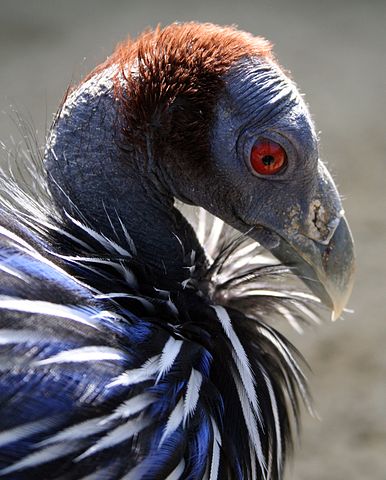
Vulturine Guineafowl (Acryllium vulturinum) ©WikiC

The Vulturine Guineafowl (Acryllium vulturinum) is the largest extant species of guineafowl. Systematically, it is only distantly related to other guineafowl genera. Its closest living relative, the white breasted guineafowl, Agelastes meleagrides inhabit primary forests in Central Africa. It is a member of the bird family Numididae, and is the only member of the genus Acryllium. It is a resident breeder in northeast Africa, from southern Ethiopia through Kenya and just into northern Tanzania.

The vulturine guineafowl is a large (61–71 cm) bird with a round body and small head. It has a longer wings, neck, legs and tail than other guineafowl. The adult has a bare blue face and black neck, and although all other guineafowl have unfeathered heads, this species looks particularly like a vulture because of the long bare neck and head.

The slim neck projects from a cape of long, glossy, blue and white hackles. The breast is cobalt blue, and the rest of the body plumage is black, finely spangled with white. The wings are short and rounded, and the tail is longer than others in the family Numididae.

Domesticated Guineafowl, sometimes called pintades or gleanies, are a family of birds originating from Africa, related to other game birds such as the pheasants, turkeys and partridges; they have a long history of domestication, mainly involving the helmeted guineafowl.  (Most information from Wikipedia, with editing)

This slideshow requires JavaScript.

“Behold the fowls of the air: for they sow not, neither do they reap, nor gather into barns; yet your heavenly Father feedeth them. Are ye not much better than they?” (Matthew 6:26 KJV)

“Don’t Give Up” ~  ©The Hyssongs (Used With Permission of the Hyssongs)

*

More Sunday Inspirations

GALLIFORMES – Fowl, Quail, Guans, Currasows, Megapodes

Sunday Inspiration – Galliformes Order Overview

Sunday Inspiration – Megapodiidae Family

Sunday Inspiration – Chachalacas

Sunday Inspiration – Guans

Sunday Inspiration – Curassows

Guineafowl Family

Gideon

*

Lee’s Six Word Saturday – 2/4/17

***

WHERE THIEVES BREAK

THROUGH AND STEAL

***


“Lay not up for yourselves treasures upon earth, where moth and rust doth corrupt, and where thieves break through and steal: But lay up for yourselves treasures in heaven, where neither moth nor rust doth corrupt, and where thieves do not break through nor steal:” (Matthew 6:19-20 KJV)

Video – Wood Stork Stealing Young Alligators Food at Gatorland by Lee 2/3/17

*

More Daily Devotionals

*

Lee’s Five Word Friday – 2/3/17

***

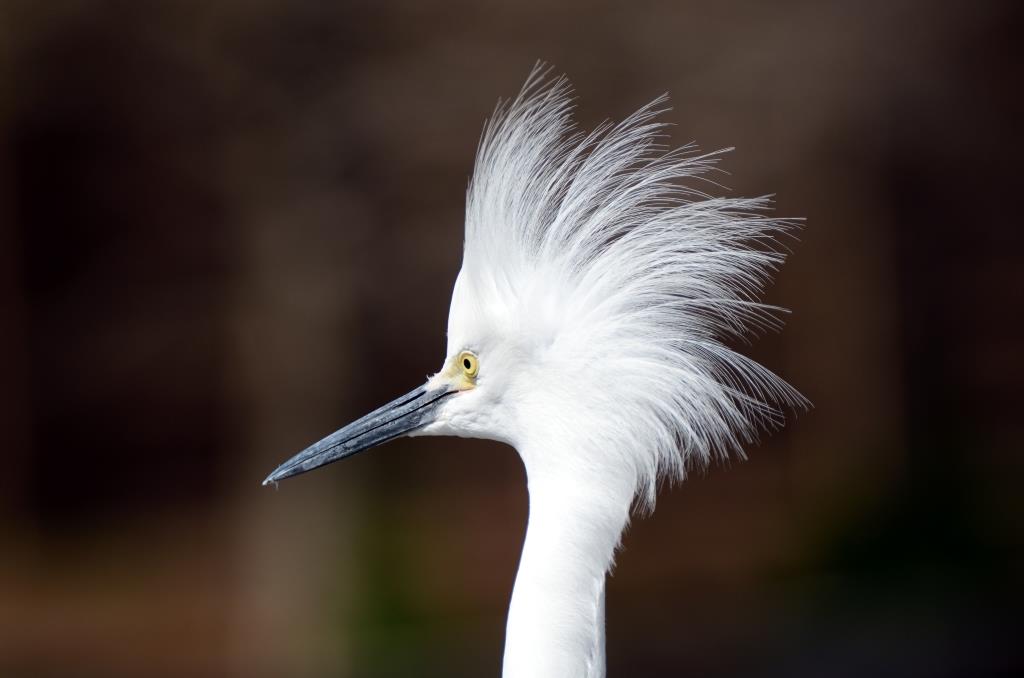
Snowy Egret in Breeding Plumage at Gatorland by Dan

WHAT TIME I AM AFRAID

***


What time I am afraid, I will trust in thee.” (Psalms 56:3 KJV)

Snowy Egret in Breeding Plumage at Gatorland by Dan

*

More Daily Devotionals

*

Lee’s Four Word Thursday – 2/2/17

***

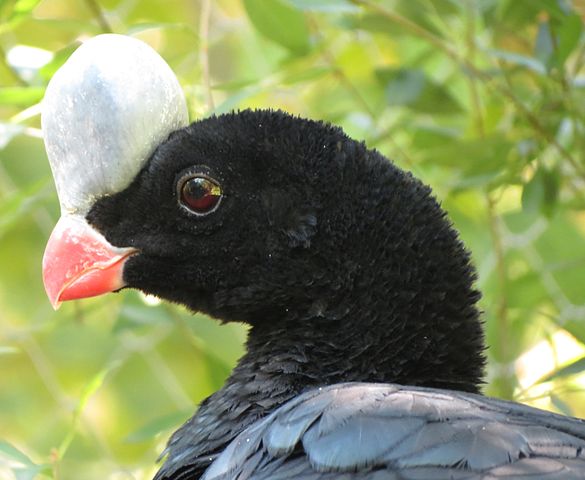
Helmeted Curassow (Pauxi pauxi pauxi) Northern - Peggy ©WikiC Denveri Zoo

HIS HORN BE EXALTED

***


“But my faithfulness and my mercy shall be with him: and in my name shall his horn be exalted.” (Psalms 89:24 KJV)

Helmeted Curassow (Pauxi pauxi pauxi) Northern – Peggy ©WikiC Denveri Zoo

*

More Daily Devotionals

*

All Pages Updated For the I.O.C. Version 7.1

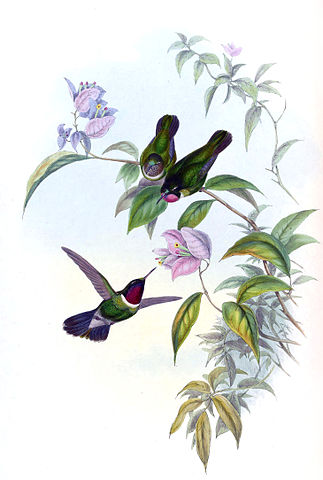
Longuemare's Sunangel (Heliangelus clarisse) ©Drawing WikiC

Longuemare’s Sunangel (Heliangelus clarisse) ©Drawing WikiC

The blog has been updated. All the new birds have been added, the indexes and pages are up to date. [I trust] Working behind the scenes on these blogs can be interesting at time. If the efforts put forth can assist you in finding a certain bird, then the task will have been worth it.

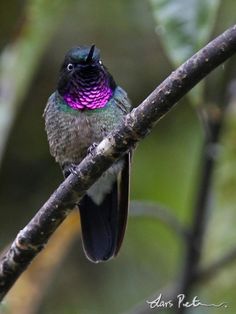
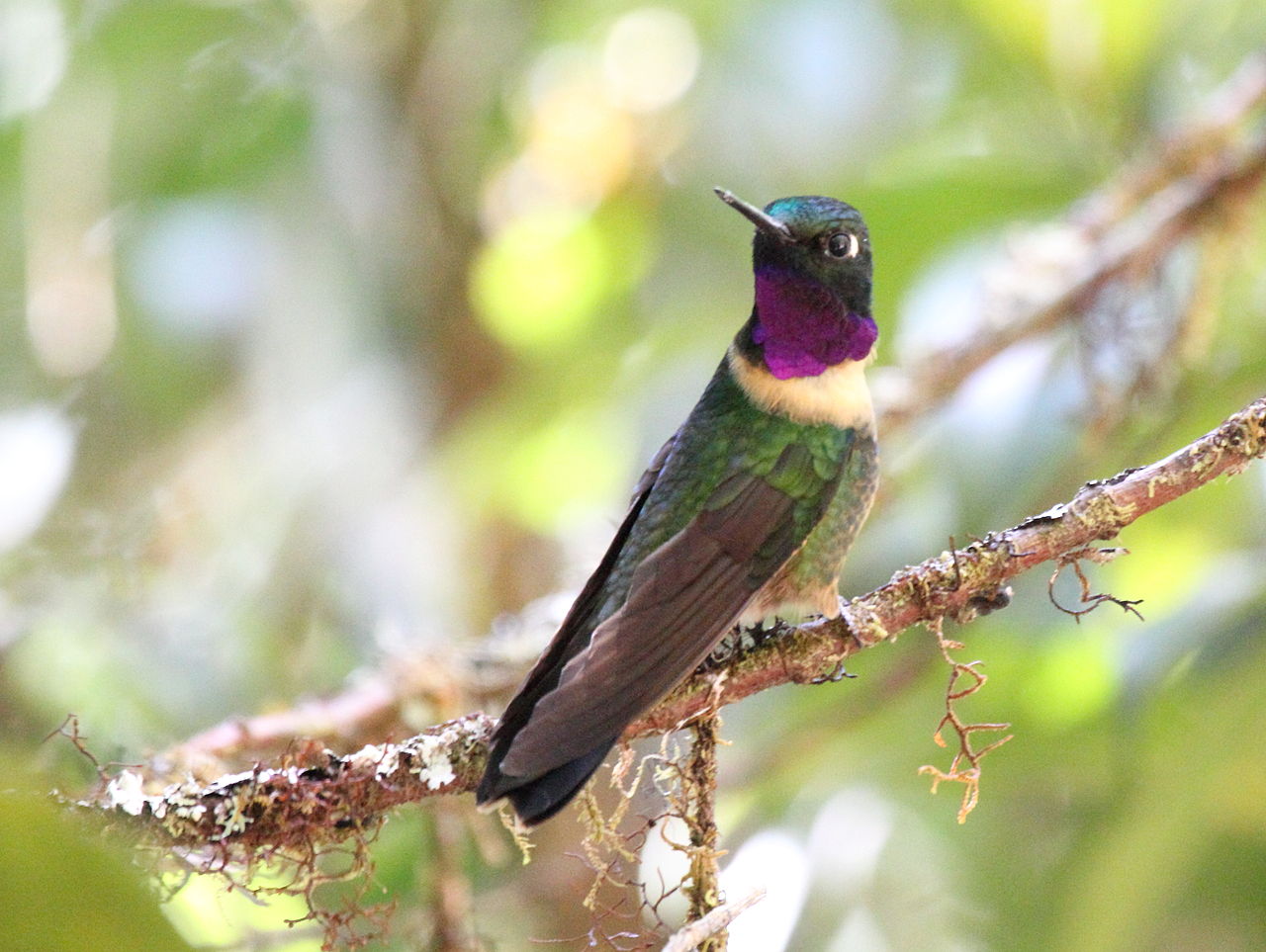
The Longuemare’s Sunangel was a subspecies of the Amethyst-throated Sunangel, which has now been raised to full species status. This is just one of the new additions. See The Newest I.O.C. Updates – Version 7.1.

Colossians reminds us in several verses to do our best. That has been a goal of our blog here to provide the most accurate information we can obtain. The Lord Created these marvelous flying wonders for us to observe, read and learn about, and we want to do it the best we can.

Longuemare's Sunangel (Heliangelus clarisse) ©Pinterest

Longuemare’s Sunangel (Heliangelus clarisse) ©Pinterest

“And whatsoever ye do in word or deed, do all in the name of the Lord Jesus, giving thanks to God and the Father by him.” (Colossians 3:17 KJV)

“And whatsoever ye do, do it heartily, as to the Lord, and not unto men;” (Colossians 3:23 KJV)

Amethyst-throated Sunangel (Heliangelus_amethysticollis) ©WikiC

Amethyst-throated Sunangel (Heliangelus_amethysticollis) ©WikiC

*

The Newest I.O.C. Updates – Version 7.1.

Birds of the World

ORDER

Family

Species Index
*

Lee’s Three Word Wednesday – 2/1/17

***

Bare-faced Curassow (Crax fasciolata) ©WikiC

LOCKS ARE BUSHY

***


“His head is as the most fine gold, his locks are bushy, and black as a raven.” (Song of Solomon 5:11 KJV)

Bare-faced Curassow (Crax fasciolata) ©WikiC

*

More Daily Devotionals

*

Sunday Inspiration – Curassows

Wattled Curassow (Crax globulosa) by Lee at National Aviary

Wattled Curassow (Crax globulosa) by Lee at National Aviary

“Looking unto Jesus the author and finisher of our faith; who for the joy that was set before him endured the cross, despising the shame, and is set down at the right hand of the throne of God.” (Hebrews 12:2 KJV)

Today we will finish up the Cracidae family by introducing you to the last 15 species. The are the Curassows in four genera. I love their curly hairdo on most of them. We see them in the different zoo quite frequently. “Curassows are one of the three major groups of cracid birds. Three of the four genera are restricted to tropical South America; a single species of Crax ranges north to Mexico.

Nocturnal Curassow (Nothocrax urumutum) ©WikiC

Nocturnal Curassow (Nothocrax urumutum) ©WikiC

The Nocturnal Curassow (Nothocrax urumutum) is the only one in his genus. They are found in Brazil, Colombia, Ecuador, Peru, and Venezuela. Its natural habitats are subtropical or tropical moist lowland forests and subtropical or tropical swamps.

gal-crac-razor-billed-curassow-mitu-tuberosum-birdphotos-com

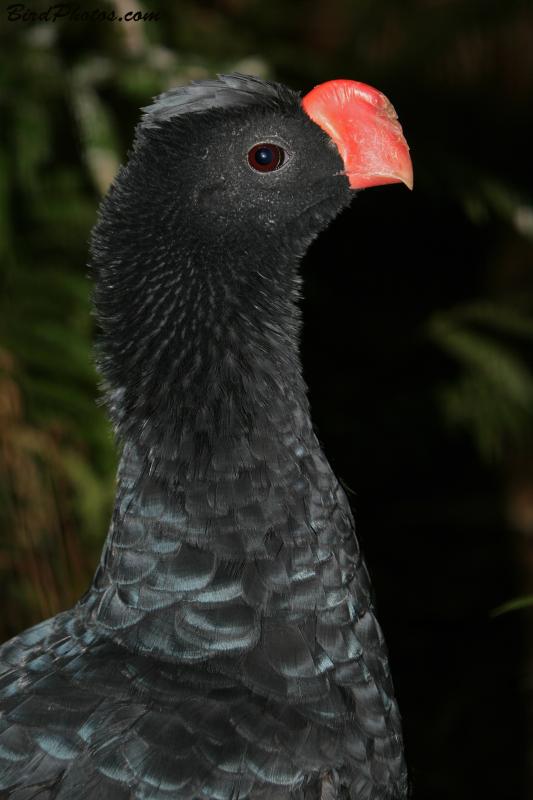
The next genus of Curassows are the Mitu, of which there are four. They are found in humid tropical forests in South America. Their plumage is iridescent black with a white or rufous crissum and tail-tip, and their legs and bills are red. The genders are alike. These are the Crestless, Alagoas, Salvin’s, and the Razor-billed Curassows.

Helmeted Curassow (Pauxi pauxi pauxi) Northern - Peggy ©WikiC Denveri Zoo

Helmeted Curassow (Pauxi pauxi pauxi) Northern – Peggy ©WikiC Denveri Zoo

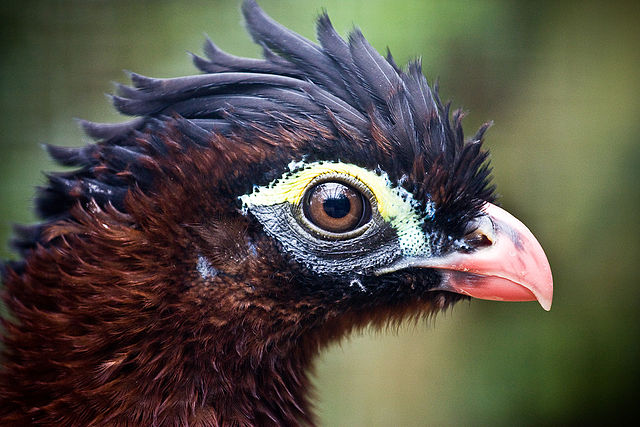
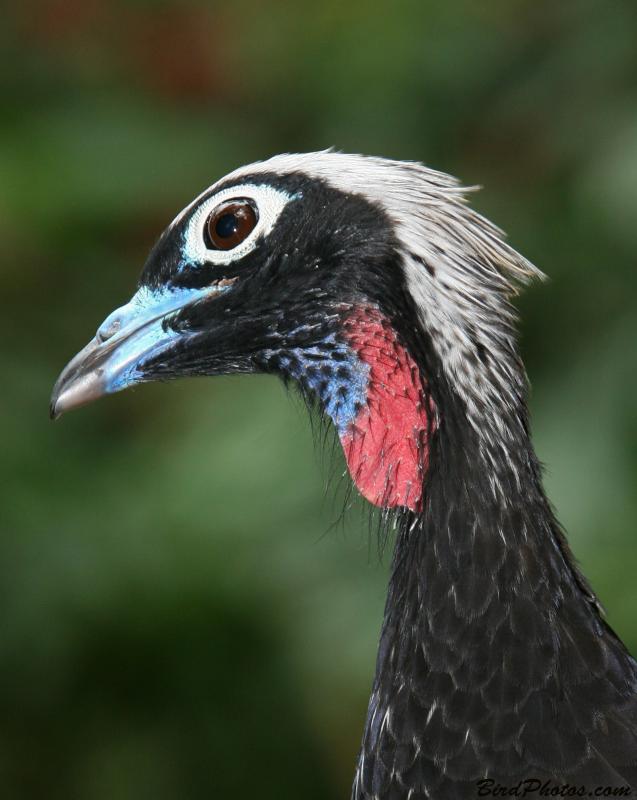
The next Genus Pauxi – are called Helmeted Curassows. The Helmeted, Horned and Sira Curassows make up this group. They are  terrestrial black fowl with ornamental casque on their heads. All are found in South America.

Bare-faced Curassow (Crax fasciolata) ©WikiC

Bare-faced Curassow (Crax fasciolata) ©WikiC

The last genus in this Cracidae Family are the Crax. Seven of them finish off with their curly hairdos. “Crax is a genus of curassows in the order Galliformes, a clade of large, heavy-bodied, ground-feeding birds. They are known from tropical South America with one species, the great curassow, ranging northwards through Central America as far as Mexico. The currasows in this genus are noted for their sexual dimorphism; males are more boldly coloured than females and have facial ornamentation such as knobs and wattles. They are also characterised by curly crests and contrastingly-coloured crissums.” (Most information from Wikipedia with editing)

This slideshow requires JavaScript.

*

“For the preaching of the cross is to them that perish foolishness; but unto us which are saved it is the power of God.” (1 Corinthians 1:18 KJV)

“Its About The Cross” ~ Quartet FBC

*

More Sunday Inspirations

The Other Articles About the Cracidae Family:

Chachalacas, Curassows & Guans Family

Gospel Message

*

The Newest I.O.C. Updates – Version 7.1

Large Cactus Finch (Geospiza conirostris) ©WikiC

Large Cactus Finch (Geospiza conirostris) is now the Ground Finch ©WikiC

“My son, fear thou the LORD and the king: and meddle not with them that are given to change:” (Proverbs 24:21 KJV)

Updates

Below are summaries of  quarterly updates  to the IOC World Bird List. We  strive to track taxonomic advances in ornithology in a timely way.  All of the updated information and species changes are included in the latest version of the list on this website.

Please click on one of the tabs on the pull down Updates Menu above for particular sets of  updates, i.e. Species, Subspecies etc. Also see edits of the nomenclature authorities.

Version 7.1 (Jan 8, 2017 )

The IOC World Bird List 7.1 contains 10,672 extant species (and 156 extinct species)  classified in 40 Orders,  238 Families (plus 2 Incertae Sedis) and 2,294 Genera.  The list also includes 20,344 subspecies, their ranges and  authors.

Changes include:

SPECIES ADDED:                13  including one extinct (San Cristobal Flycatcher)

SPECIES DELETED:             0

ENGLISH NAMES:                3

TAXONOMY:                          10  including resequence of Ratites, Draft revision of Orders.

The IOC was busy at work putting out their newest version, and we were too incumbered [crashed computer, bronchitis, on-line course] to really get to it. I trust this blog will be updated in the next few days to reflect these changes.

These are the 13 new birds added:

Foveaux Shag
Merida Sunangel
Longuemare’s Sunangel
White-throated  Wedgebill
Scarlet Flycatcher
Darwin’s Flycatcher
San Cristobal Flycatcher
Double-collared Crescentchest
Chinese Rubythroat
Mediterranean Flycatcher
Genovesa Ground Finch
Vampire Ground Finch
Genovesa Cactus Finch

"Geoffroy’s

Three had their names changed:

Stewart [Island] Shag (Leucocarbo chalconotus) to Otago Shag
Wedge-billed Hummingbird  (Schistes geoffroyi) to Geoffroy’s Wedgebill
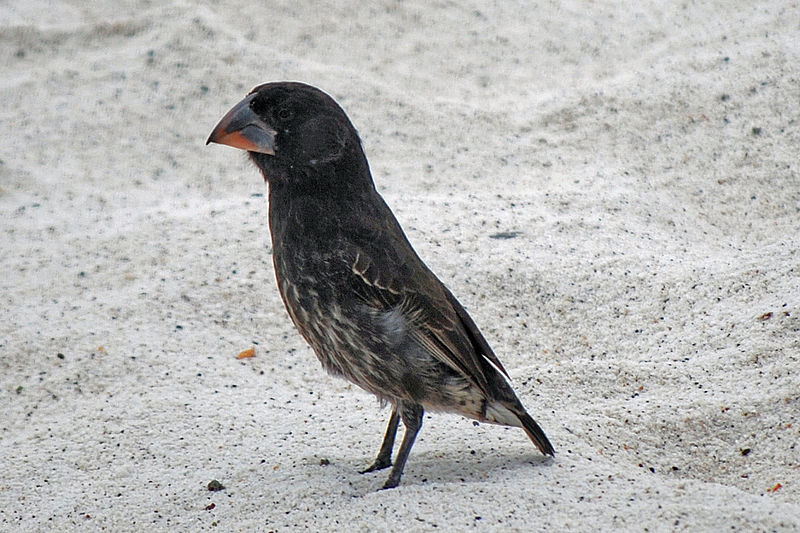
Large Cactus Finch (Geospiza conirostris Espanola) to Ground Finch

They also changed the sequence of the first six Orders. They were in this order:

Tinamous – Tinamidae
Ostriches – Struthionidae
Rheas – Rheidae
Cassowaries – Casuariidae
Emu – Dromaiidae
Kiwis – Apterygidae

Now they will be in this order:

Ostriches – Struthionidae
Rheas – Rheidae
Kiwis – Apterygidae
Cassowaries – Casuariidae
Emu – Dromaiidae
Tinamous – Tinamidae

Stay tuned!

Birds of the World

*

Lee’s Two Word Tuesday – 1/24/17

***

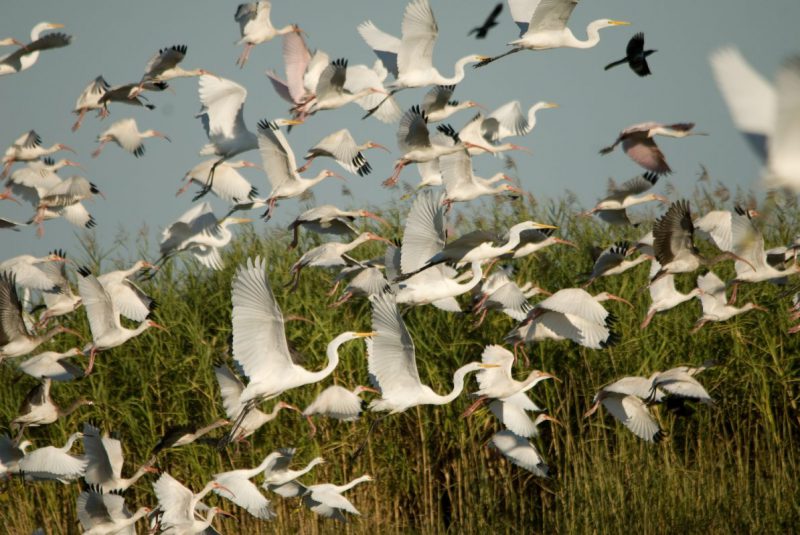
Egrets, Ibises, Spoonbills, etc ©Ericripma Photo

WILL SCATTER

***


“Remember, I pray, the word that You commanded Your servant Moses, saying, ‘If you are unfaithful, I will scatter you among the nations; but if you return to Me, and keep My commandments and do them, though some of you were cast out to the farthest part of the heavens, yet I will gather them from there, and bring them to the place which I have chosen as a dwelling for My name.’ ” (Nehemiah 1:8-9 NKJV)

Egrets, Ibises, Spoonbills, etc ©Ericripma Photo

*

More Daily Devotionals

*

Lee’s One Word Monday – 1/23/17

***

Cauca Guan (Penelope perspicax) chick ©BirdPhotos.com

TRAIN

***


Train up a child in the way he should go: and when he is old, he will not depart from it.” (Proverbs 22:6 KJV)

Cauca Guan (Penelope perspicax) chick ©BirdPhotos.com

*

More Daily Devotionals

*

Lee’s Many Word Sunday – African Fish Eagle Revisited

African Fish Eagle (Haliaeetus vocifer) by Africaddict

African Fish Eagle (Haliaeetus vocifer) by Africaddict

“Ye have seen what I did unto the Egyptians, and how I bare you on eagles’ wings, and brought you unto myself.” (Exodus 19:4 KJV)

One of the first videos shown on the blog was of the African Fish Eagle. That was back when this blog first started up. I have repeatedly shown it over the years.

First my favorite one with the music:

“For thus saith the LORD; Behold, he shall fly as an eagle, and shall spread his wings over Moab.” (Jeremiah 48:40 KJV)

Now here is a great one to show in slow motion.


“They are passed away as the swift ships: as the eagle that hasteth to the prey.” (Job 9:26 KJV)

What a CREATOR!!

*

Birds of the Bible – Eagles (February 17, 2008)

Birds of the Bible – Favorites (July 3, 2009)

Just a little change of pace for today’s Devotional.

*

Sunday Inspiration – Guans

Cauca Guan (Penelope perspicax) chick ©BirdPhotos.com

Here is the second group of birds in the Cracidae Family. Last weeks Chachalacas were rather plain, but an interesting group. Today’s second set of species has 20 Guans and 4 Piping Guans.  You will notice a little more variety and coloring in these Guans, yet the overall shapes are similiar to the Chachalacas. “The guans are a number of bird genera which make up the largest group in the family Cracidae. They are found mainly in northern South America, southern Central America, and a few adjacent Caribbean islands. There is also the peculiar horned guan (Oreophasis derbianus) which is not a true guan, but a very distinct and ancient cracid with no close living relatives (Pereira et al. 2002).”

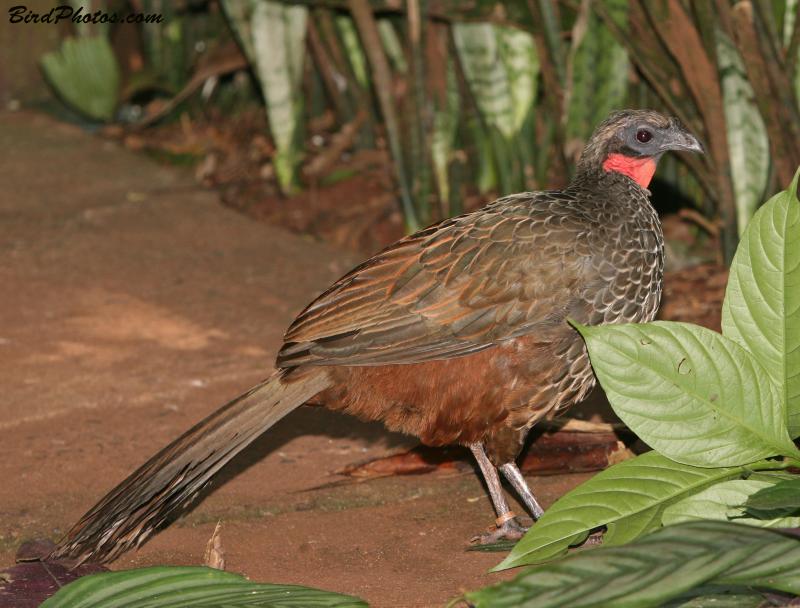
Rusty-margined Guan (Penelope superciliaris) ©BirdPhotos.com

Rusty-margined Guan (Penelope superciliaris) ©BirdPhotos.com

These are distributed through 6 genera. These are the birds in the Penelope genera; Band-tailed Guan, Bearded Guan, Baudo Guan, Andean Guan, Marail Guan, Rusty-margined Guan, Red-faced Guan, Crested Guan, Cauca Guan, White-winged Guan, Spix’s Guan, Dusky-legged Guan, White-crested Guan, Chestnut-bellied Guan, and White-browed Guan

Black-fronted Piping Guan (Pipile jacutinga) ©BirdPhotos.com

Black-fronted Piping Guan (Pipile jacutinga) ©BirdPhotos.com

There are 4 in the Pipile genera; Trinidad Piping Guan, Blue-throated Piping Guan, Red-throated Piping Guan, and the Black-fronted Piping Guan

Horned Guan (Oreophasis derbianus) ©©Flickr JoshMore

Horned Guan (Oreophasis derbianus) ©©Flickr JoshMore

Wattled Guan is in Aburria, Black Guan and Sickle-winged Guan are in the Chamaepetes genus, Highland Guan in the Penelopina and the Horned Guan in the Oreophasis generas.

I found this additional remark in Wikipedia rather amazing. “This indicates that the guans’ origin is in the northern Andes region, in the general area of Colombia or perhaps Ecuador; the date of their initial radiation is not well resolved due to the lack of fossil evidence but can be very roughly placed around 40–25 mya (Oligocene, perhaps some time earlier). The two basal lineages diverged during the Burdigalian, around 20–15 mya.(Pereira et al. 2002)” They have no proof or fossil evidence, yet they came up with these millions of years. Their initial radiation was the day they came off of the ark., which was not millions of years ago.

“Bring forth with thee every living thing that is with thee, of all flesh, both of fowl, and of cattle, and of every creeping thing that creepeth upon the earth; that they may breed abundantly in the earth, and be fruitful, and multiply upon the earth. And Noah went forth, and his sons, and his wife, and his sons’ wives with him: Every beast, every creeping thing, and every fowl, and whatsoever creepeth upon the earth, after their kinds, went forth out of the ark.” (Genesis 8:17-19 KJV)

This slideshow requires JavaScript.


*

“For in the time of trouble he shall hide me in his pavilion: in the secret of his tabernacle shall he hide me; he shall set me up upon a rock.” (Psalms 27:5 KJV)


“Hide Thou Me” ~ ©The Hyssongs (with permission)

Verse and song picked because of how well these created birds are able to blend in and hide from their enemies..
*
More Sunday Inspirations
Cracadaie Family – Wikipedia
Many Photos by BirdPhotos.com

In Our Place
*