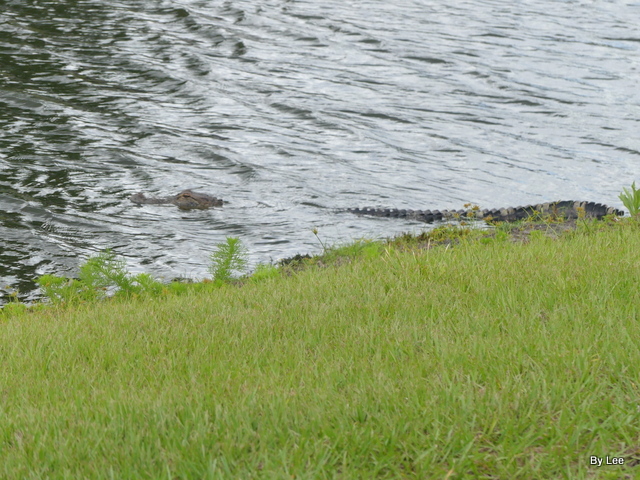
By Design: Woodpeckers

“I feel like I’m beating my head against the wall.” Obviously, that’s an expression we use to describe a pointless pursuit that accomplishes nothing but pain. However, it is an action that a woodpecker does on purpose… and apparently by design!

“God’s plan for the world stands up, all his designs are made to last.” Psalm 33:12, The Message
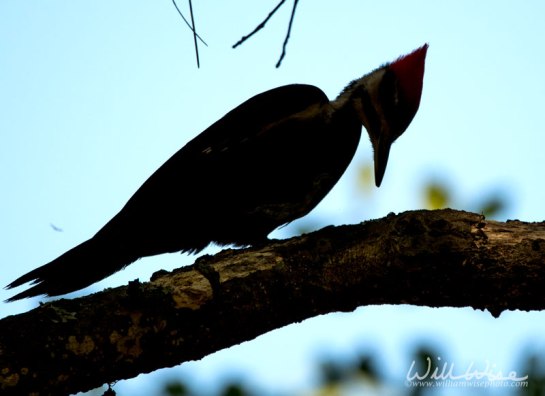
Silhouette of a Pileated Woodpecker at dawn. Okefenokee National Wildlife Refuge, Georgia. May 4, 2020. ©www.williamwisephoto.com

I always marvel as I watch woodpeckers hammer away… chunks of bark and wood flying everywhere. I could only imagine how much my brain would be rattled if I were to try it myself. With all the concerns about concussions in high school and college athletes, it is clearly something humans weren’t designed to do.

But that is not true of the woodpeckers. The ability to hammer on hard objects with the front of their face is undoubtedly designed by a Creator. In Unlocking the Mysteries of Creation, Dennis Peterson writes, “The woodpecker is totally different from other birds. Every part of his body is especially fitted for drilling into wood.”
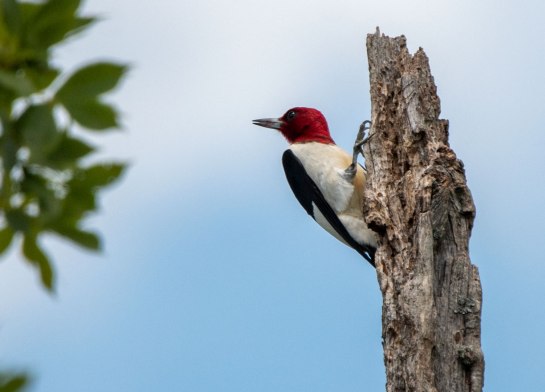
Red-headed Woodpecker; Greene County, Georgia birding, June 13, 2020. ©www.williamwisephoto.com.

The woodpecker’s beak alone is designed for the job. It is harder than that of other birds, and the base of the bill is fitted with a shock-absorbing tissue not found in some other species. To go along with a beak designed for drilling, the woodpecker has a specialized tongue. Fashioned to fit into those freshly drilled holes, the woodpecker’s tongue is four times longer than the beak and wraps around the back of the bird’s skull! The tail, legs and claws are also specialized designs to help the woodpecker hold in place during his jack-hammer feeding sessions. And a keen sense of smell helps the woodpecker determine the precise drilling point to maximize the chance of excavating an insect.

All these wonderfully engineered traits could only come about by design. Partially evolved traits in a primitive ancestor would only result in broken beaks and a lot of headaches! These features are obviously designed to the woodpecker’s advantage and keep it from pointlessly beating his head against the wall!


Hi, I’m wildlife photographer and nature writer William Wise. I was saved under a campus ministry while studying wildlife biology at the University of Georgia. My love of the outdoors quickly turned into a love for the Creator and His works. I’m currently an animal shelter director and live in Athens, Georgia with my wife and two teenage daughters, who are all also actively involved in ministry. Creation Speaks is my teaching ministry that glorifies our Creator and teaches the truth of creation.  — “What a wildly wonderful world, God! You made it all, with Wisdom at Your side, made earth overflow with your wonderful creations.” Psalms 104, The Message.
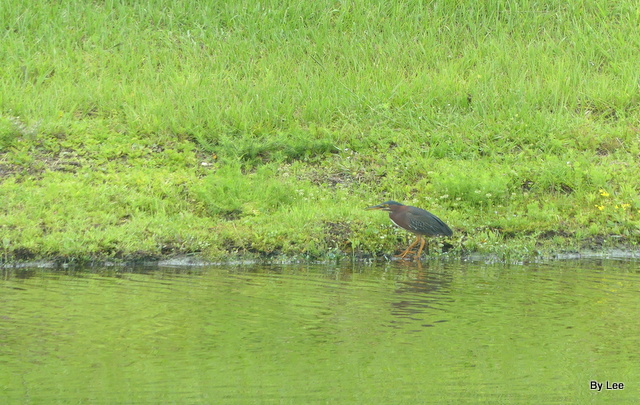
Backyard Birding – Green Heron

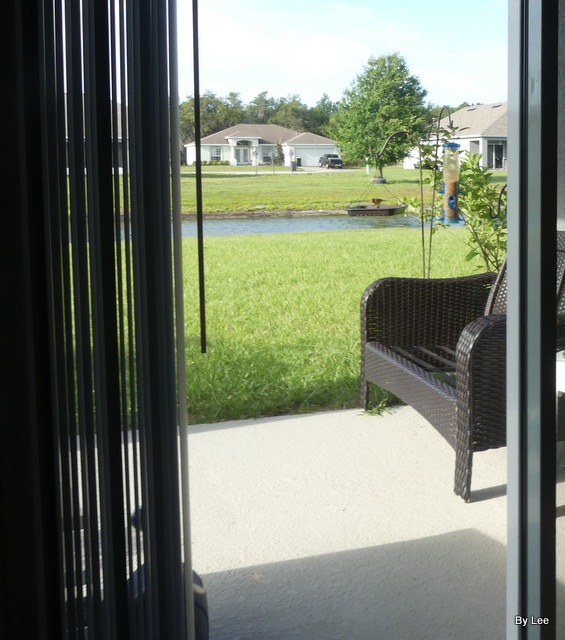
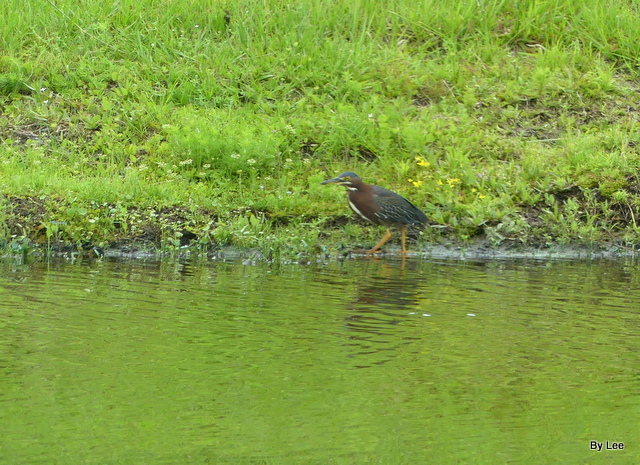
Watching birds from our backyard/backdoor is becoming quite interesting. Our latest visitor to the water’s edge is this Green Heron. He caught our attention again this morning while we were having breakfast. Of course, by the time I got my camera on, he flew off. The Joys and Disapointments of birdwatching. These photos are cropped so that you can see him better. These were taken a few days ago.

Green Heron 6-9-20 by Lee Cropped

And the stork, the heron after her kind, and the lapwing, and the bat. (Leviticus 11:19)

What is so amazing about this sighting is how hard we have searched for them on birdwatching trips. Green Herons (Butorides virescens) are known to be secretive, and because of their colors, stay well hidden in the mangroves and other bushes along the water. When we spot “Greenies” on a trip, it is usally one of our highlights.

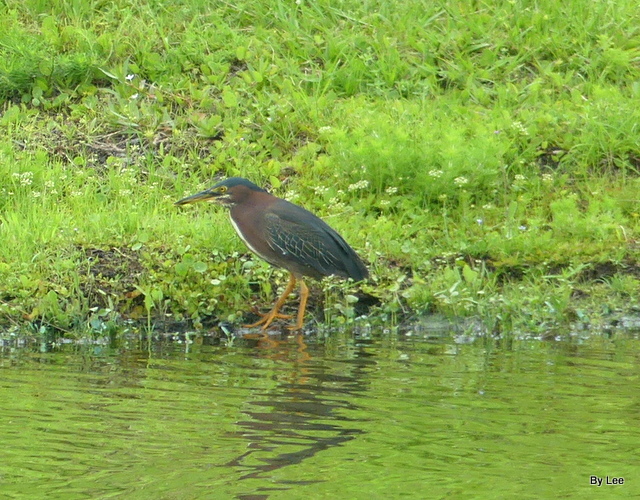
“Compared with most herons, Green Herons are short and stocky, with relatively short legs and thick necks that are often drawn up against their bodies. They have broad, rounded wings and a long, daggerlike bill. They sometimes raise their crown feathers into a short crest.” All About Birds – Size & Shape

Green Heron 6-9-20 by Lee Cropped

Interesting Fact from Wikipedia: “Green herons are one of the few species of bird known to use tools. In particular, they commonly use bread crusts, insects, or other items as bait. The bait is dropped onto the surface of a body of water in order to lure fish. When a fish takes the bait, the green heron will then grab and eat the fish. When green herons catch large frogs, they will drown them before swallowing them whole.

Look at the birds of the air, for they neither sow nor reap nor gather into barns; yet your heavenly Father feeds them. Are you not of more value than they? (Matthew 6:26 NKJV)

I posted this video back in 2013, and thought you might enjoy it again.

“Color Pattern – From a distance Green Herons look all dark. In better light they are deep green on the back with a rich chestnut breast and neck. The wings are dark gray. Juveniles are browner, with pale streaking on the neck and spots on the wings.” All About Birds

Green Heron 6-9-20 by Lee Cropped

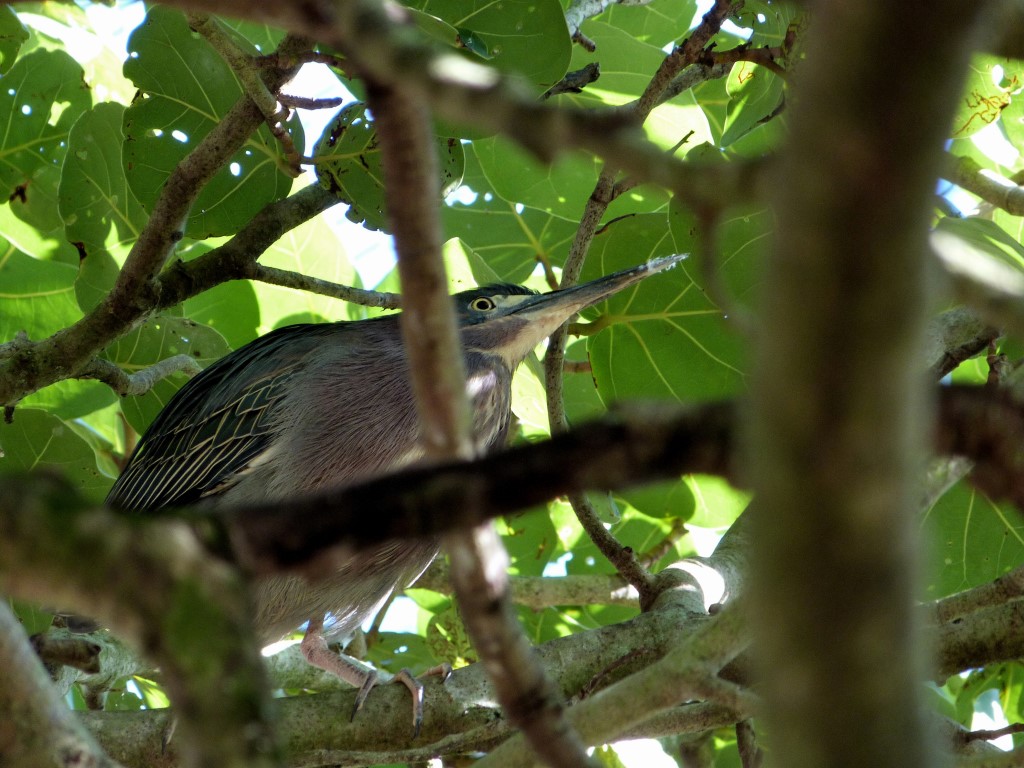
Here is a previous photo taken at Flamingo Gardens, Florida several years ago. That is the way you normally find them. Not out in the open like our current one.

Green Heron at Flamingo Gardens by Lee


Desert Oasis – The Church

“He turns a desert into pools of water, a parched land into springs of water.” ​​Psalm 107:35

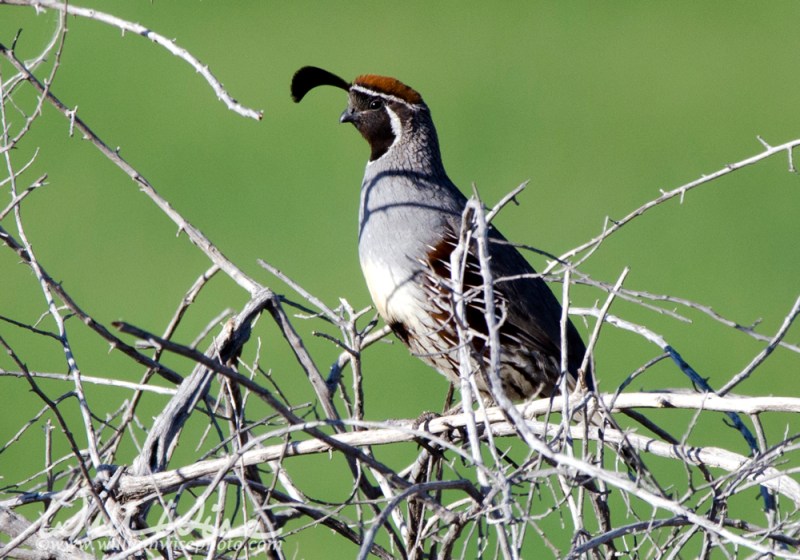
Gambel's Quail, Sweetwater Wetlands, Tucson Arizona

Gambel’s Quail; Sweetwater Wetlands Park; Tucson, Arizona USA. June 10, 2018. ©www.williamwisephoto.com.

In the midst of dry, heat-baked Tucson, Arizona there is a lush, green, water-filled oasis. This birding and wildlife hotspot is called Sweetwater Wetlands. Over 300 species of birds have been listed in this riparian paradise. Having visited three times, I was amazed at the number of birds and other critters that can be spotted in under an hour. It is a place of refuge and provision, even as the Arizona heat soars above 100 degrees.

Sweetwater Wetlands is a man-made wetland created from reclaimed waste water that is pumped into a series of pools and streams. Willows and Cottonwoods provide shade and perches; a thick green, organic covering lies over the water’s surface; gravel paths circumnavigate the cattail, bulrush and willow lined ponds. Based upon the number of bird species, and the number of birders that visit the park, it is a welcoming habitat for all.

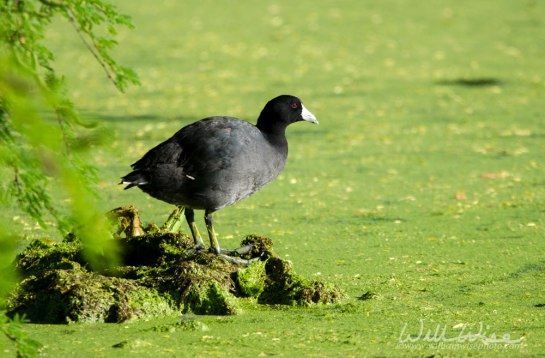
American Coot Sweetwater Wetlands Park, Tucson Arizona

American Coot; Sweetwater Wetlands birding; Tucson, Arizona USA. ©www.williamwisephoto.com. June 10, 2018.

Even we humans need a welcoming refuge! History has always had its ups and downs; from times of prosperity to periods of drought and devastation. The United States alone, in its relatively brief history of existence, has fought in over 120 wars! And on the personal level, our lives can be filled with the vacillations of economic hardships, medical issues, and relationship dramas. It is for this reason that Jesus spoke the words, “In the world ye shall have tribulation: but be of good cheer; I have overcome the world” (John 16:33).

But just like the man-made desert oasis provided by Sweetwater Wetlands, there is a God-made oasis in the parched desert of this world: that oasis is the church! Through all the riot and uproar of the centuries, the church has always stood as a beacon and refuge for ailing humanity. Like the reclaimed wastewater of Sweetwater, the church is filled with men and women whose once wasted lives have been redeemed, repurposed, and renewed by the blood of the Lamb!

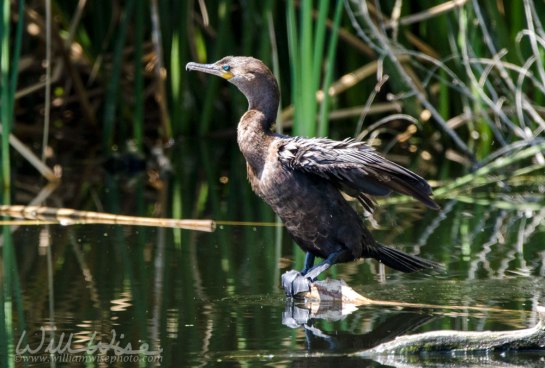
Neotropic Cormorant; Sweetwater Wetlands Park; Tucson, Arizona, USA. June 14, 2018. ©www.williamwisephoto.com.

As the nations rage and people plot in vain (Psalms 2), the church cannot be silent. We must stand together, as the church as has always stood, and welcome the weary into the refuge of the Great Shepherd, Jesus Christ. Only Jesus can quench the thirst of hurting man in this world, and in the world to come.

Isaiah 35:5-7 “Blind eyes will be opened, deaf ears unstopped, Lame men and women will leap like deer, the voiceless break into song. Springs of water will burst out in the wilderness, streams flow in the desert. Hot sands will become a cool oasis, thirsty ground a splashing fountain. Even lowly jackals will have water to drink, and barren grasslands flourish richly.”


Hi, I’m wildlife photographer and nature writer William Wise. I was saved under a campus ministry while studying wildlife biology at the University of Georgia. My love of the outdoors quickly turned into a love for the Creator and His works. I’m currently an animal shelter director and live in Athens, Georgia with my wife and two teenage daughters, who are all also actively involved in ministry. Creation Speaks is my teaching ministry that glorifies our Creator and teaches the truth of creation.  — “What a wildly wonderful world, God! You made it all, with Wisdom at Your side, made earth overflow with your wonderful creations.” Psalms 104, The Message.
A Helpful Pigeon and Injured Puppy

©The Dodo

“And let us consider and give attentive, continuous care to watching over one another, studying how we may stir up (stimulate and incite) to love and helpful deeds and noble activities,” (Hebrews 10:24 AMP)

©The Dodo

“Two are better than one because they have a good return for their labor [friendship]. For if either of them falls, the one will lift up his companion. But woe to the one who falls when there is not another to lift him up. Furthermore, if two lie down together they keep warm, but how can one be warm alone?” (Ecclesiastes 4:9-11 NASB) [added emphasis]


Another Miracle: Norway’s Bird who Walks Underwater

Another Miracle: Norway’s Bird who Walks Underwater

Dr. James J. S. Johnson

European-Dipper.TheEcologist.Org-photo

EUROPEAN DIPPER credit: TheEcologist.org

For a quick study on Norway’s official bird, check out “The Bird that Flies and Walks Underwater”, posted by ICR at this link: https://www.icr.org/article/the-bird-that-walks-and-flies-under-water .

The European Dipper (Cinclus cinclus), also called the White-throated Dipper (and Eurasian Dipper), is truly a miracle of God’s creation!

European-Dipper.Birds-of-European-Russia

EUROPEAN DIPPER credit: Birds of European Russia

On Bird Kinds, the Bible, and Racism

“And God created every winged fowl after his kind:” – Genesis 1:21

The dove represents peace and the Holy Spirit… two things we should be seeking in this day-and-age. White-winged Dove; Hays County, TX. ©www.williamwisephoto.com.

“What kind of bird is that?” my young daughter asked, pointing up into the tree. “It’s a White-winged Dove.” After giving a short species account, I went on to explain, “For many, the dove represents peace. And in the Bible it often represents the Holy Spirit.” When she asked what kind it was, I understood that she was asking what species of bird sat perched before us. But her use of the word “kind” brought another thought to my mind.

The Bible reveals that on Day Five, God created all the winged creatures after their kind. While Baraminologists (scientists that study created kinds) aren’t sure of the specific groupings, perhaps the bird kinds are similar to what you find the index of your favorite Field Guide: long-legged waders, ducks, seabirds and gulls, raptors, passerines, etc. Modern day science labels them by genus and species. The Bible says each were created after their kinds.

But when it comes to the creation account of man, the language of the Bible makes a change. We do not read the phrase “And God created man after his kind”. Instead, we read, “God created man in his own image” (Genesis 1:27). From the very beginning, we can see the truth that humans are not broken down into different kinds, but all mankind is one kind!

Grouping people into kinds, or “races” as we call them today, is purely a human invention. And racism is most certainly a human invention! The Bible is quite clear that all humans are related; all are of one blood. “And hath made of one blood all nations of men for to dwell on all the face of the earth” (Acts 17:26).

In God’s system, all men and women are of the same kind; all are of the same standing and worth, no matter the differences in appearance. In fact, the value of something is based upon the price someone is willing to pay for it. Jesus Christ paid the price of His life and blood equally for all human beings.

“This is how we know what love is: Jesus Christ laid down his life for us. And we ought to lay down our lives for our brothers and sisters” (1 John 3:16).

Race is purely a discriminatory classification system concocted by humans themselves. In God’s order, there is no such thing as race, and therefore absolutely no grounds for racism! “For there is no difference between Jew and Gentile—the same Lord is Lord of all and richly blesses all who call on him, for, Everyone who calls on the name of the Lord will be saved” (Romans 10:12-13).

(Read the full text of this article at www.williamwisephoto.com)


Hi, I’m wildlife photographer and nature writer William Wise. I was saved under a campus ministry while studying wildlife biology at the University of Georgia. My love of the outdoors quickly turned into a love for the Creator and His works. I’m currently an animal shelter director and live in Athens, Georgia with my wife and two teenage daughters, who are all also actively involved in ministry. Creation Speaks is my teaching ministry that glorifies our Creator and teaches the truth of creation.  — “What a wildly wonderful world, God! You made it all, with Wisdom at Your side, made earth overflow with your wonderful creations.” Psalms 104, The Message.
Creation Moments – How Many Feathers?

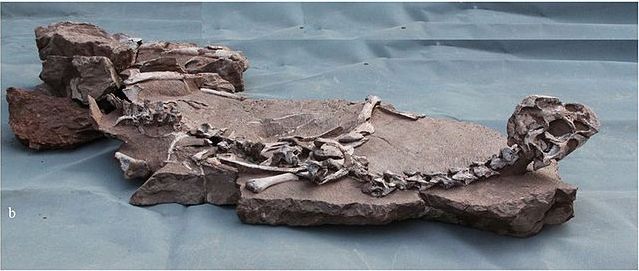
Tongtianlong Cropped ©WikiC

And God made the beast of the earth after his kind, and cattle after their kind, and every thing that creepeth upon the earth after his kind: and God saw that it was good.” Genesis 1:25

 Today, we often see pictures of dinosaurs covered in feathers, which used to be represented with bare scales. Why has this change occurred? There is a preconceived notion, held by many evolutionists, that birds evolved from therapod dinosaurs, such as tyrannosaurus and the smaller raptor dinosaurs.

One such dinosaur reported in the media just a few years ago was Tongtianlong limosus. Apparently, its name means “muddy dragon on the road to heaven”. This sheep-sized dinosaur was discovered in China, and the fossil had an arched neck and raised head, as if it was trying to get free of something. Artists’ impressions of the creature show it covered with feathers, and reporters and researchers alike assume that this is correct. One scientific commentator said, “Modern birds came from dinosaurs … and it’s dinosaurs like Tongtianlong that give us a glimpse of what the ancestors of modern birds would have looked like. Fossils like these capture evolution in action.” Yet, this is simply not the case and appears to be an example of circular reasoning. The fossil shows no sign of feathers – not even the so-called dubious proto-feathers associated with other finds. It is simply the type of dinosaur that has caused it to be so classified by evolutionists, exercising more artistic license than is appropriate for serious scientific work.

In the Bible we read that God made birds on day five, and He made land animals on day six, so birds could not have evolved from dinosaurs.

Prayer: Lord God, You made everything right, in the way that You designed it, according to Your glory. Amen.

Author: Paul F. Taylor

Ref: Robinson, P. (2016), Sorry, how many feathers did you find?, < https://creation.com/sorry-how-many-feathers-did-you-find >, accessed 5/1/2019. Image: CC BY-SA 4.0 International.

Used With Permission: © 2020 Creation Moments, Inc.


“If you tell a big enough lie and tell it frequently enough, it will be believed.” Adolf Hitler

“If I told you earthly things and you do not believe, how will you believe if I tell you heavenly things?” [Jesus’ Words] (John 3:12 NASB)

If people do not believe the things that the Lord said about His Creation, and continue to make up false theories, how will they ever believe the truth of Christ’s offer of salvation?

Will they prepare for heaven? God’s Word is true, yet many refuse to believe it. They would rather lie, than accept the truth. So sad. Maybe a good title for this article should have been,

“How Many Lies!”

Creation Moments – How Many Feathers?

Creation Moments

More Creation Moment articles here

What will you do with Jesus?

Walter the Directionally Challenged Goose, Part 2

Walter the Directionally Challenged Goose, Part 2

by Emma Foster

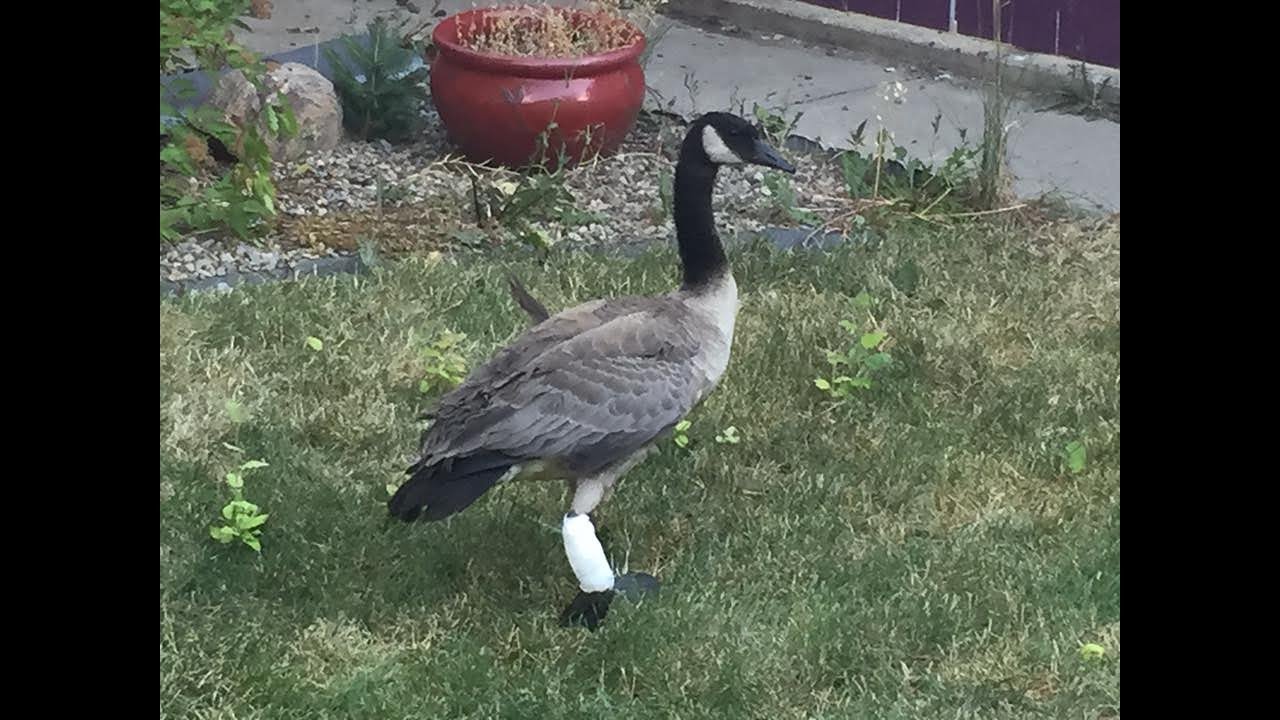
Walter with injured foot, in Part 1

Walter the goose didn’t have to worry about flying south for the winter now that he lived at the veterinary clinic. Whenever winter returned, Walter was safe and warm inside the clinic, and during the summer he could walk outside and explore. However, Walter made sure to stay close to the clinic so he wouldn’t get lost. He was still directionally challenged.

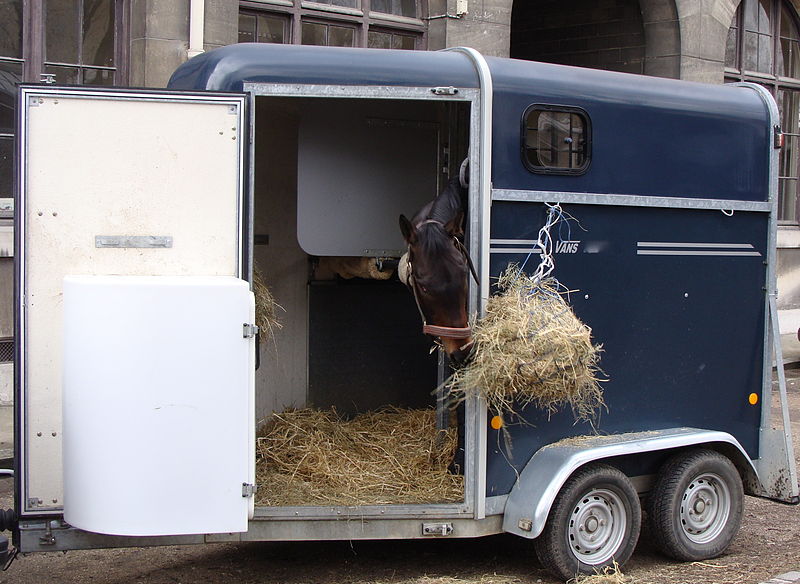
One summer day Walter was walking around by the garage at the veterinary clinic. A truck drove up and parked in front of the garage. Walter had to quickly waddle out of the way to avoid getting run over, but when he was a good distance away he noticed a trailer attached to the back end of the truck. Inside the trailer was a small horse.

Horse in Trailer ©WikiC

The horse looked out the window when Walter approached the trailer. Walter had seen many different kinds of animals during his short time at the vet, but he had never seen a horse before. When Walter craned his neck to see inside, he could tell that the horse was nervous. Every now and then, Walter needed to come into the rooms to calm the other animals down, since they were nervous about being at the vet. Walter asked the horse his name to help him not feel so nervous. The horse said that his name was Angus. He also mentioned that he didn’t know why he was there, but this was his first time at the vet without his mother.

Walter sat by the trailer while the vets came out and Angus was brought out of the trailer. Angus became so nervous that he bolted, jumping a fence and running into the fields. Walter flapped after him, determined that his new friend would overcome his fear.

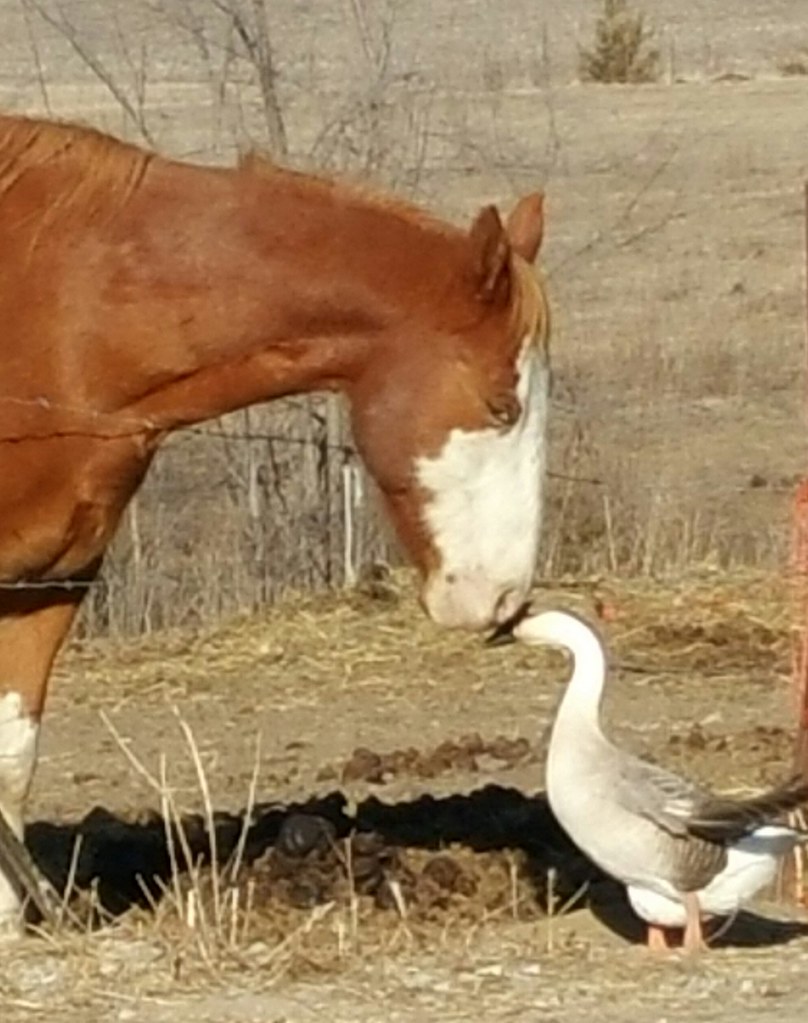
A Goose and her horse ©Flickr Lisa Donahoo

A Goose and her horse ©Flickr Lisa Donahoo

Walter flew over a small field and a patch of trees. By then, the vets and Angus’s owner were far behind. Walter searched for a long time, turning in different directions before resting on a tree stump to see where he was. To his surprise, when he looked ahead, he noticed the veterinary clinic! He had gone in circles, since he was so directionally challenged.

Deciding to go back the other way, Walter flew in the opposite direction, took a right, then landed in another field that he had never been in before. Walter sat in the brush and thought, but he did not give up. Suddenly he realized that the tall grass around him was moving a little. Walter crouched down, but Angus pulled his head over the grass and looked down at him. Angus had seen him land in the field. Walter explained that he had been looking for Angus, but he had gotten lost. Angus decided that, if Walter could fly around looking for him and not give up or become afraid, he didn’t have to be afraid about being at the vet for a checkup. He knew Walter would be right there with him.

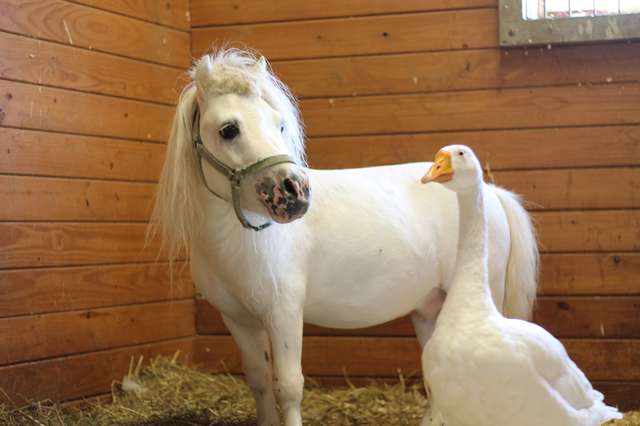
Mini Horse and Friend

Walter flapped up onto Angus’s back, and Angus trotted back to the clinic, where Angus’s owner and the vets had been waiting for them. They were all extremely glad that they had both returned. Walter stood by Angus the entire time he received his checkup. Angus was very healthy. He did have to receive a few shots, but Walter assured him they weren’t that bad. When Angus’s checkup was over, Angus had to say goodbye to Walter. Walter hoped that he would see Angus again soon, but only for a checkup.


Lee’s Addition:

“Therefore encourage one another and build up one another, just as you also are doing.” (1 Thessalonians 5:11 NASB)

We met Walter in Walter the Directionally Challenged Goose.  Walter seems to have found his permanent home and a mission to be a encourager. I love Emma’s stories, but it becomes challenging to illustrate these adventures. So forgive the different types of geese and horses.

What I did find is a very interesting story about a real horse and goose. This is not to take away from Emma’s Story, but to show that it could be more true than she thought.

“A man who has friends must himself be friendly, But there is a friend who sticks closer than a brother.” (Proverbs 18:24 NKJV)

See All of Emma’s Stories

Hidden in Plain Sight

My testimony, told through an American Bittern, of finding a Creator and Savior that was there all along…

“The god of this age has blinded the minds of unbelievers, so that they cannot see the light of the gospel that displays the glory of Christ, who is the image of God.” 2 Corinthians 4:4

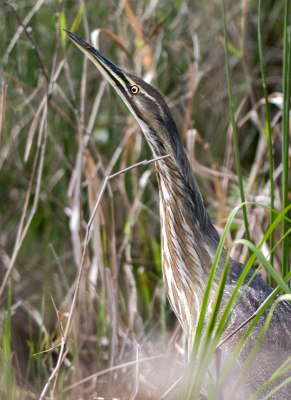
The American Bittern, a master of camouflage; Okefenokee Swamp, Georgia. March 13, 2019. ©www.williamwisephoto.com.

My daughter and I were only ten minutes into a four-day canoe trip through the Georgia’s Okefenokee Swamp and already we had missed something. As a tourist-laden pontoon boat passed by, the naturalist on board pointed out an American Bittern camouflaged in the marsh grasses. We had paddled right past it, hidden in plain sight!

But we can’t be blamed. A prominent ornithology website says, “You’ll need sharp eyes to catch sight of an American Bittern. This streaky, brown and buff heron can materialize among the reeds, and disappear as quickly, especially when striking a concealment pose with neck stretched and bill pointed skyward.” With his bill pointed upward, our bittern blended in perfectly with the tall brown grasses that lined the water’s edge. Again, perfectly hidden in plain sight.

American Bittern; Okefenokee Swamp Georgia. March 13, 2019. ©www.williamwisephoto.com.

I began to remember that same “hidden-in-plain-sight” feeling just after surrendering my life to Jesus Christ while in college. As Christ continued to reveal Himself to me in those first days of salvation, I was mesmerized by the fact that the truth of the gospel had been there all along, right in front of my nose, but I never saw it. And over the years, as my love of the outdoors and my study of wildlife continued, the evidence of God’s hand as Creator became more and more obvious: overwhelming evidence of design, the complexity of biology, genetic programming within animals, the beauty found in nature… all things that point to a Designer. And they were all right there all along, hidden in plain sight.

But why don’t we see them? Two reasons: In part, we are blinded by an outside force. The Bible states that, “the god of this world hath blinded the minds of them which believe not, lest the light of the glorious gospel of Christ” (2 Corinthians 4:4). And we are also blinded by our own internal biases against the Bible that cause us not to see the evidence of God in creation. When speaking of the past creation and future destruction of this world, Peter wrote, “For this they willingly are ignorant of, that by the word of God the heavens were of old, and the earth standing out of the water and in the water.” (2 Peter 3:5).

Even though my daughter and I paddled right by that Bittern and didn’t recognize his presence, he was still there. He was just hidden in plain sight and merely needed to be pointed out to us. For twenty years, I paddled right through life not noticing Christ. But when someone pointed Him out on December 1, 1993, I realized He was there all along, hidden in plain sight and the overwhelming evidence became more and more obvious.


Hi, I’m wildlife photographer and nature writer William Wise. I was saved under a campus ministry while studying wildlife biology at the University of Georgia. My love of the outdoors quickly turned into a love for the Creator and His works. I’m currently an animal shelter director and live in Athens, Georgia with my wife and two teenage daughters, who are all also actively involved in ministry. Creation Speaks is my teaching ministry that glorifies our Creator and teaches the truth of creation.  — “What a wildly wonderful world, God! You made it all, with Wisdom at Your side, made earth overflow with your wonderful creations.” Psalms 104, The Message.
Backyard Birding – Maybe Part III

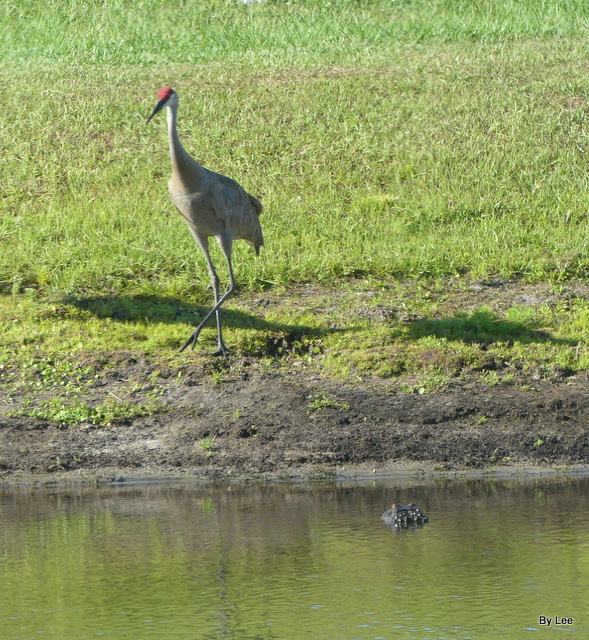
Gator and Sandhill Cranes 05-20-20 by Lee

Gator and Sandhill Cranes 05-20-20 by Lee

“Ponder the path of your feet, And let all your ways be established.” (Proverbs 4:26 NKJV)

In Backyard Birding – Maybe Part I and Part II, I referred to our gator that hangs out at the edge of our backyard. Here is the video I promised.

The two Sandhills had been on our back lanai and we had shooed them off. They went down to the water at the end of our yard and started teasing the gator. They jumped up a few times and just looked at him. Then they flew across to the other bank, and that is where I captured this on video.

[I thought I knew how to kill parts of the sound, but it killed it all. So I left the sound on. We were eating our breakfast when all of this was occurring. I was sitting in my chair filming this.]

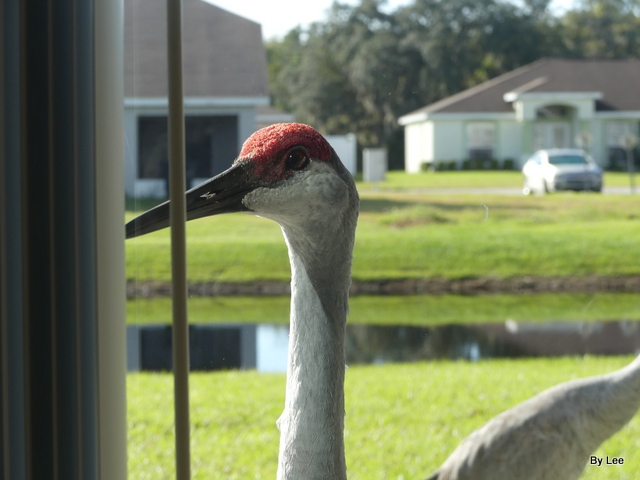
From the following articles, it is obvious that Sandhill Cranes are quite common here in central Florida. They are fun to watch, except when the peck on the back sliding door.

Sandhill Cranes ousidet window Coventry by Lee

Sandhill Cranes ousidet window Coventry by Lee

“Yea, the stork in the heaven knoweth her appointed times; and the turtle and the crane and the swallow observe the time of their coming; but my people know not the judgment of the LORD.” (Jeremiah 8:7 KJV)

“Sandhill Cranes mate for life, choosing their partners based on dancing displays. Displaying birds stretch their wings, pump their heads, bow, and leap into the air.” [All About Birds – Sand Hill Cranes]

More about Cranes:

Backyard Birdwatching – Maybe Part II

Old Bench for Backyard Birdwatching

Old Bench for Backyard Birdwatching

Our gator adventure has been keeping me from using my bench, but we still have lots of birds to watch. Just from a safer distance. In Backyard Birdwatching – Maybe, I explained why I haven’t used my bench too much yet. The talk of the neighborhood, “our own gator,” brings visitors to the water. As I mentioned before, we don’t get to see it most of the time because of the embankment.

When he [or she] moves more to the middle of the water, then we get to see it. When we came home from church, Sunday (5-17), there he was. We both grabbed our cameras, which we now keep at the table by the door. Here is what I saw:

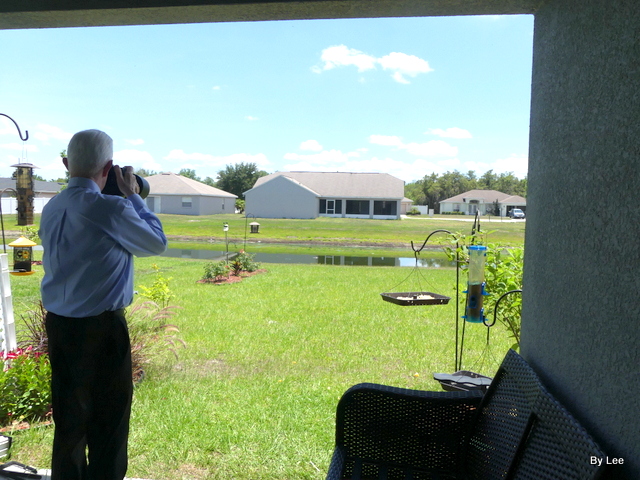
Dan taking a photo of the gator and me taking of photo of him.

Dan taking a photo of the gator and me taking of photo of him.

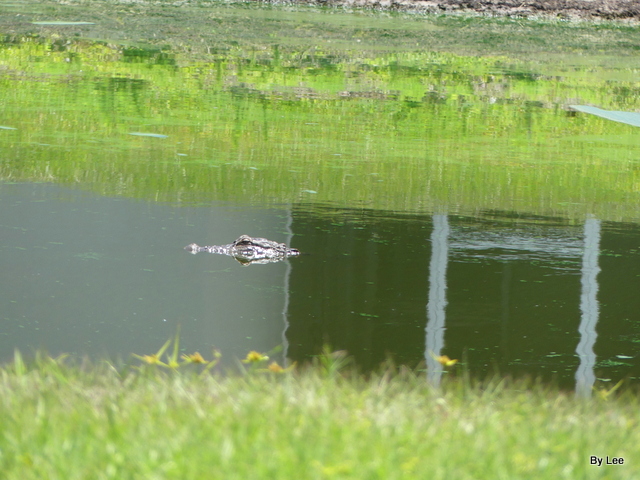
Then I zoomed in on what he was taking a photo of:

What Dan Was Photographying by Lee 5-17-20

What Dan Was Photographying by Lee 5-17-20

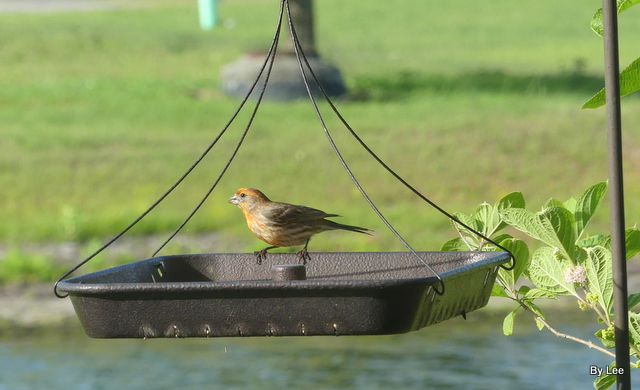
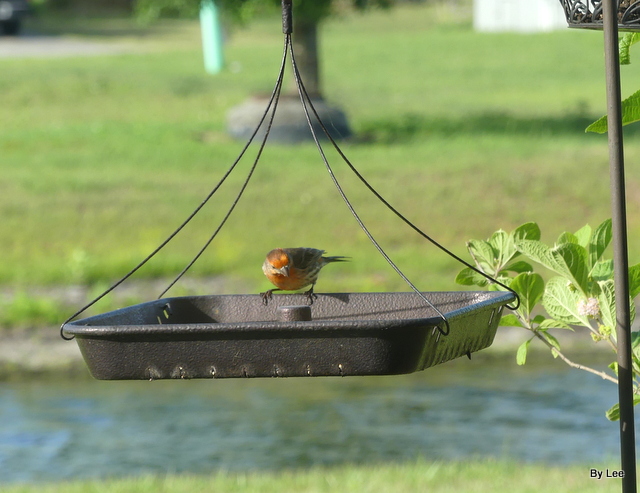
We still have that Variant House Finch stopping by. He feeds at the feeder up by the door. Much safer there. The sun was shining brightly, and it made him almost glow. Here a few I took a few days ago:

Variant House Finch 5-14-20

Variant House Finch 5-14-20

Variant House Finch 5-14-20

Variant House Finch 5-14-20

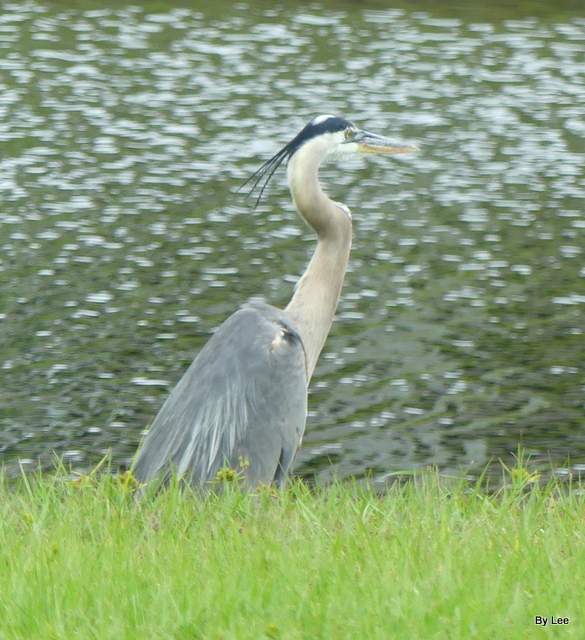
Also recently, the three species I mentioned in the first post, we spotted though the door on May 16th. Here are a few more closeups:

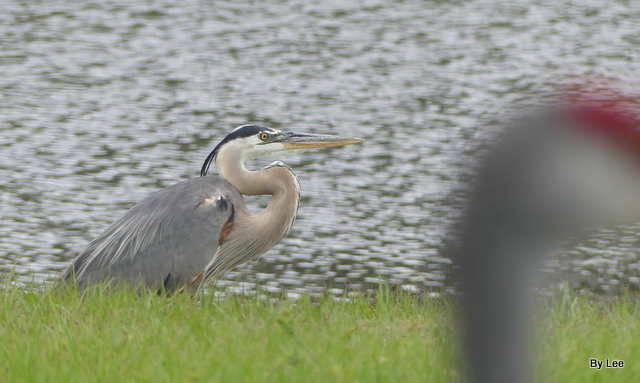
Great Blue Heron close up

Great Blue Heron close up

“And the stork, the heron after her kind, and the lapwing, and the bat.” (Leviticus 11:19 KJV) – Don’t Eat List

Great Blue Heron with neck bent in S

Great Blue Heron with neck bent in S – Sandhill Crane in foreground

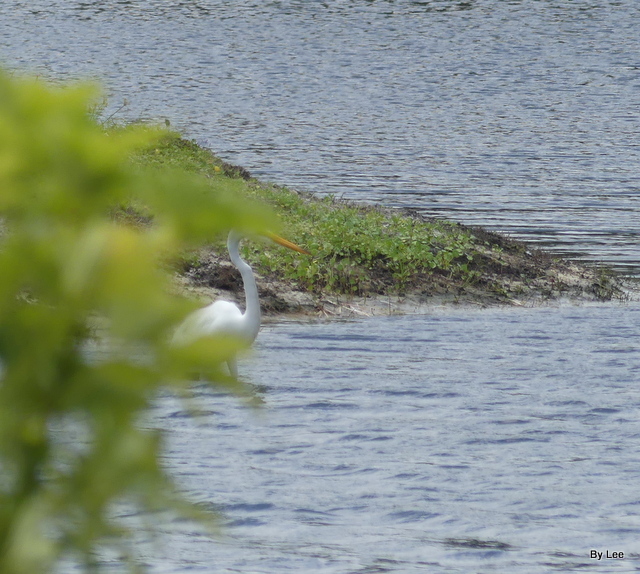
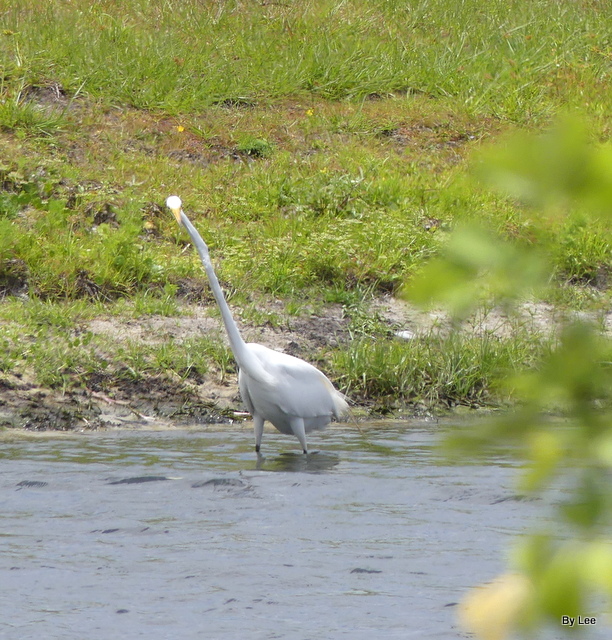
Great Egret 5-16-20

Great Egret 5-16-20

I know these are not the greatest photos, but I sure do enjoy seeing so many interesting birds to watch, and even the alligator. Stay tuned for a video I shot this morning.

Backyard Birdwatching – Maybe

Birds of the Bible – Herons

Birds of the Bible – Cranes

Wordless Birds


Backyard Birdwatching – Maybe

Old Bench for Backyard Birdwatching

Old Bench for Backyard Birdwatching

Recently, we laid a few blocks down in the backyard so that I [we] could use our old bench. My goal was to be able to watch some of the numerous birds that stop or fly by. Needless to say, the bench needs a little TLC [tender love and care] This was taken May 14th.

I grabbed my camera and took a few photos, thinking I’d start a new series called: Backyard Birdwatching. Real original, right?

Great White Egret - First bird spotted from bench 05-14-20

Great White Egret – First bird spotted from bench 05-14-20

Had to wait for him to get in the clear.

Great White Egret finally in the clear 05-14-20

Great White Egret finally in the clear 05-14-20

I took a few photos and then the next day, decided that plan may be put on hold for awhile. Why? Hang on.

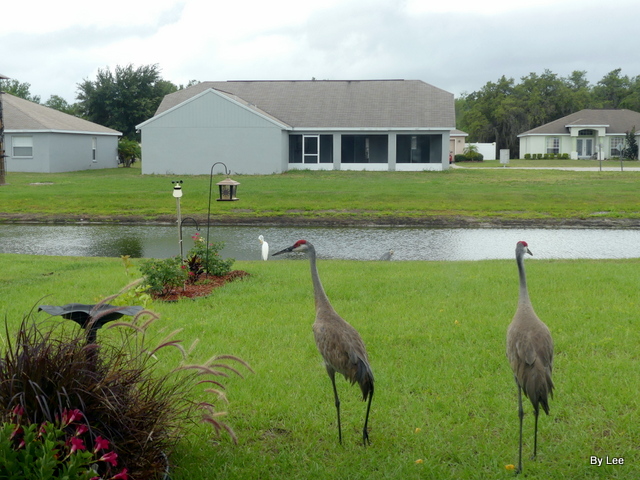
On the 16th, I was able to capture three different species through our door. We were having breakfast when they all appeared. A Great Blue Heron and Great Egret by the water’s edge and the two pesky Sandhill Cranes.

Three species from our door 05-16-20

Three species from our door 05-16-20

Why was I shooting through the door instead of from my bench? Well, this dude showed up the 15th.

Alligator Taken from my neighbor's yard. 05-16-20

Alligator Taken from my neighbor’s yard. 05-16-20

This Alligator is at the end of our yard. Because of the incline by the bank, we don’t get to see him often. So, I went to my neighbor’s yard and took this. She was with me, so if I had to waddle away fast, she could help me. Our neighbor, from across the water, told us that he comes and has layed on our bank at about 6 or 7 every morning for that last few days. Yikes!!

Needless to say, I have not been using my bench, yet!!

“Of the birds after their kind, of animals after their kind, and of every creeping thing of the earth after its kind, two of every kind will come to you to keep them alive.” (Genesis 6:20 NKJV)

We know that at least two of each kind of birds and creeping things were kept alive in the ark. I wonder if the alligators were on board, or swimming? Never thought about that before. Have you?

More later. We had a great view of this gator and the two Sandhill cranes today. Stay turned!