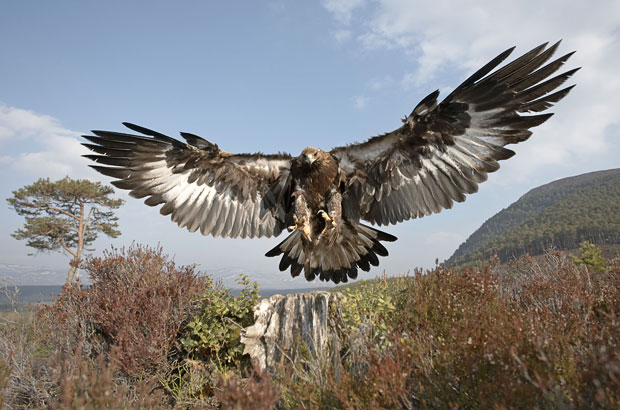
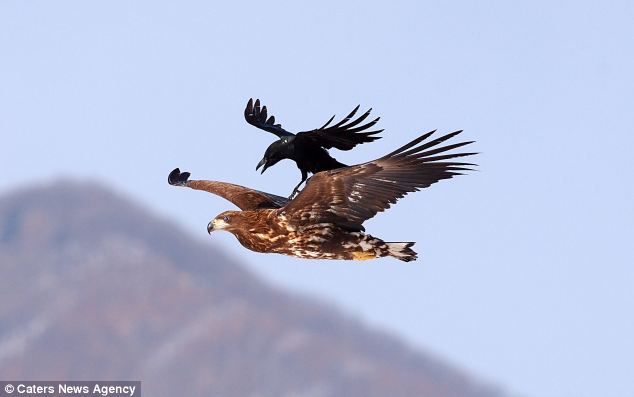
“But those who wait on the LORD Shall renew their strength; They shall mount up with wings like eagles, They shall run and not be weary, They shall walk and not faint.” (Isaiah 40:31 NKJV)
Bald Eagle (Haliaeetus leucocephalus) Flying by Aesthetic Photos
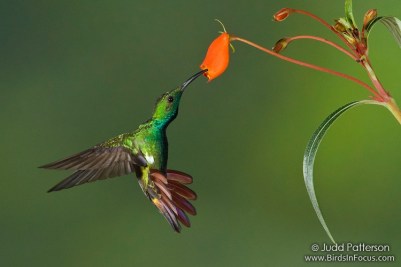
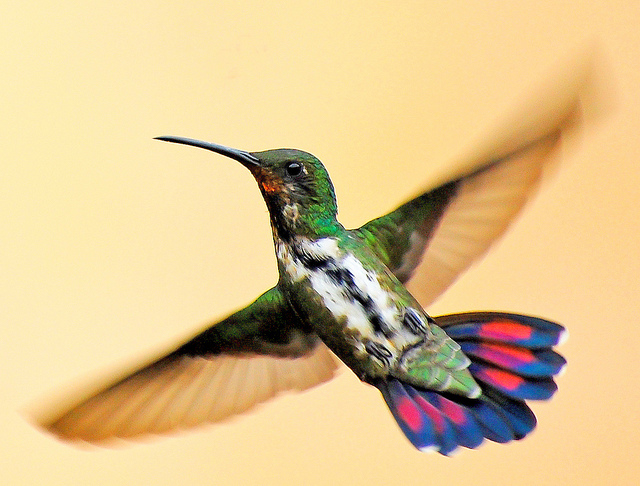
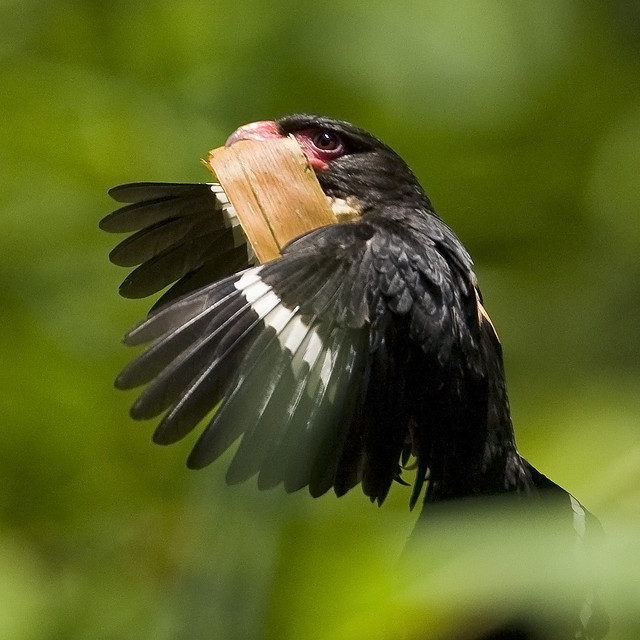
Green-breasted Mango (Anthracothorax prevostii) by Judd Patterson
Wonders Which You Have Done
***
Many, O LORD my God, are the wonders which You have done, And Your thoughts toward us; There is none to compare with You. If I would declare and speak of them, They would be too numerous to count.
(Psalms 40:5 NASB)
Green-breasted Mango (Anthracothorax prevostii) by Judd Patterson
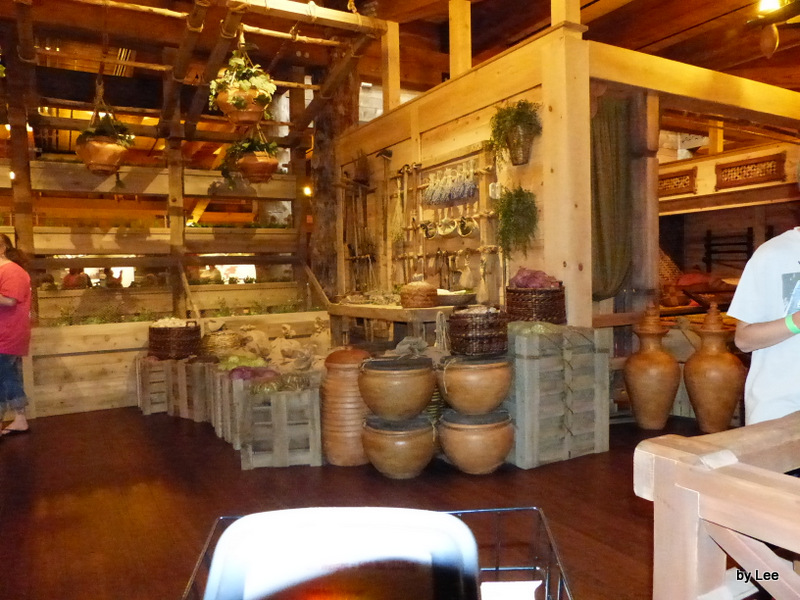
Food Preparation Area inside the Ark Encounter by Lee
“Evidence From The Worldwide Flood”
“How could the Ark have survived a year-long water catastrophe without sinking? The study of hydrodynamics (the branch of physics having to do with the motion and action of water) has demonstrated that a giant boxlike vessel the size and shape described in the Bible would be almost unsinkable. Even in a sea of gigantic waves, the Ark could be tilted to almost a 90° angle and would always tend to right itself again. A vessel of this shape also aligns itself with the waves so that it experiences the least amount of pitching.
In 1604, a Dutchman named Peter Jansz, built two smaller ships with the same proportions as the Ark. These small “arks” could carry one-third more cargo than regular ships without requiring any additional crew and quickly became a popular cargo carrier.
The perfect engineering of the Ark, with the exact characteristics necessary to survive the Flood, points to God as the ultimate Designer. Every detail of the Bibleconfirms its accuracy and supernatural origin.”
The Door of the Ark by Lee
This image is a reproduction of the ark at Ark Encounter, USA. Answers in Genesis.
The Article is from:
The Creation, p. 150-151
The Genesis Record, p. 181
This is how you are to make it: The ark will be 450 feet long, 75 feet wide, and 45 feet high. (Genesis 6:15 HCSB)
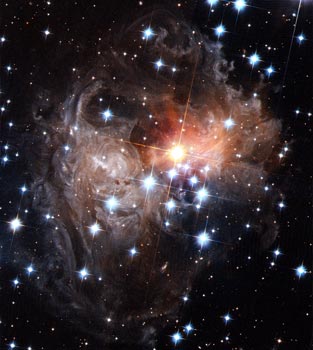
“When I Consider!” is based on: (Psalms 8:3-9) (3) When I consider Your heavens, the work of Your fingers, The moon and the stars, which You have ordained…(9) O LORD, our Lord, How excellent is Your name in all the earth!
Then God said, “Let the waters abound with an abundance of living creatures, and let birds fly above the earth across the face of the firmament of the heavens.” (Genesis 1:20 NKJV)
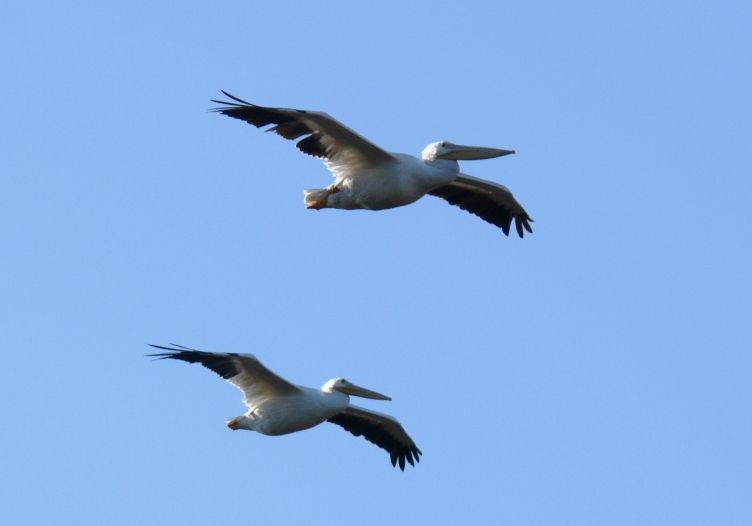
American White Pelican (Pelecanus erythrorhynchos) by Lee at Circle B Bar Reserve
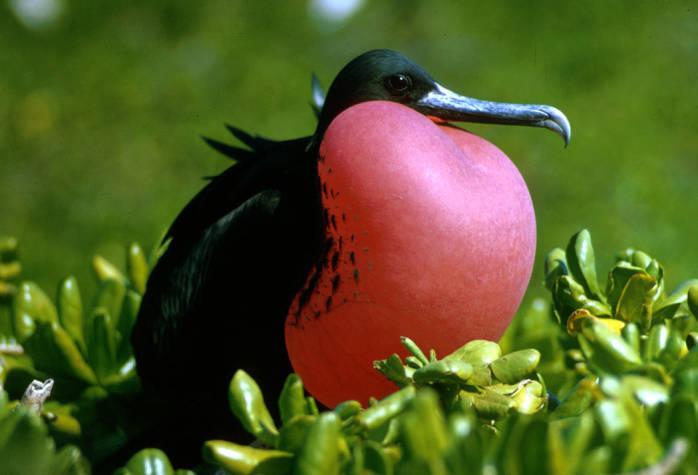
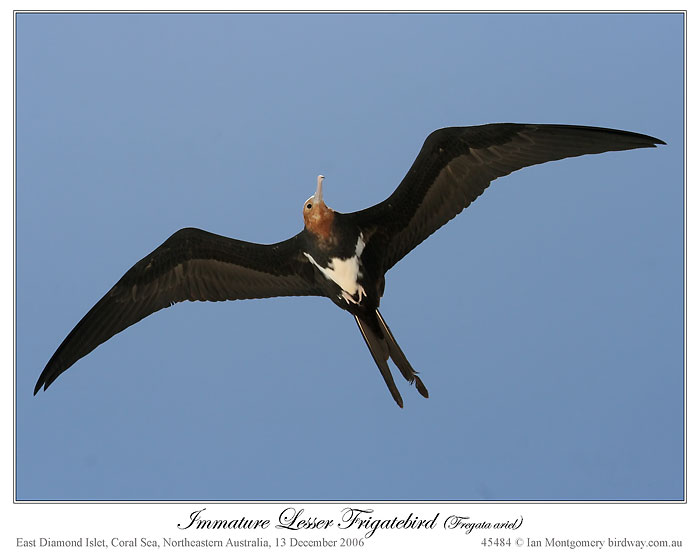
The Frigatebirds belong to the Fregatidae Family and only have one genus, the Fregata. There are five species, the Ascension, Christmas, Magnificent, Great, and the Lesser Frigatebirds.
Frigatebirds (also listed as “frigate bird”, “frigate-bird”, “frigate”, frigate-petrel”) are found across all tropical and subtropical oceans. The five extant species are classified in a single genus, Fregata. All have predominantly black plumage, long, deeply forked tails and long hooked bills. Females have white underbellies and males have a distinctive red gular pouch, which they inflate during the breeding season to attract females. Their wings are long and pointed and can span up to 2.3 metres (7.5 ft), the largest wing area to body weight ratio of any bird.
Lesser Frigatebird (Fregata ariel) immature by Ian
Able to soar for weeks on wind currents, frigatebirds spend most of the day in flight hunting for food, and roost on trees or cliffs at night. Their main prey are fish and squid, caught when chased to the water surface by large predators such as tuna. Frigatebirds are referred to as kleptoparasites as they occasionally rob other seabirds for food, and are known to snatch seabird chicks from the nest. Seasonally monogamous, frigatebirds nest colonially. A rough nest is constructed in low trees or on the ground on remote islands. A single egg is laid each breeding season. The duration of parental care is among the longest of any bird species; frigatebirds are only able to breed every other year.
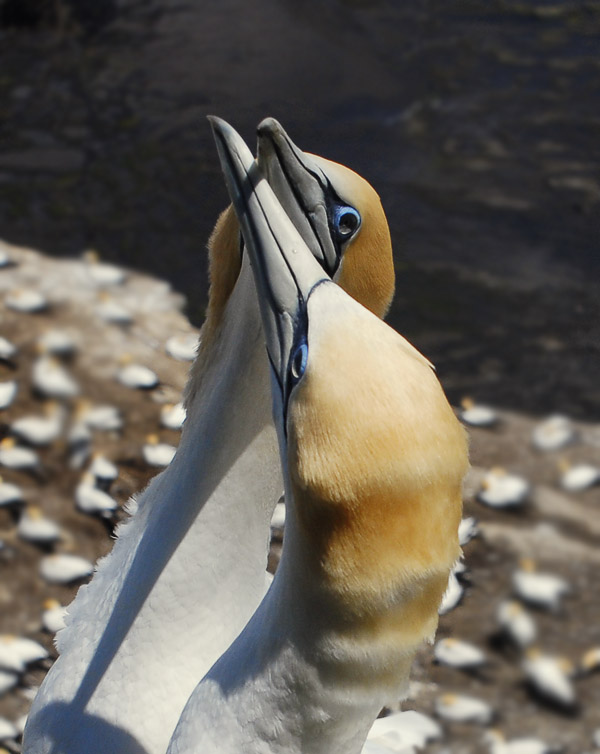
Northern Gannet (Morus bassanus) by W Kwong
The Gannets and Boobies make up the Sulidae Family. The bird family Sulidae comprises the gannets and boobies. Collectively called sulids, they are medium-large coastal seabirds that plunge-dive for fish and similar prey. However, Sula (true boobies) and Morus (gannets) can be readily distinguished by morphological and behavioral and DNA sequence characters. Abbott’s booby (PapaIt appears to be a distinct and ancient lineage, maybe closer to the gannets than to the true boobies. There are 10 species. The Morus genus has three species, the Northern, Cape and Australasian Gannets.
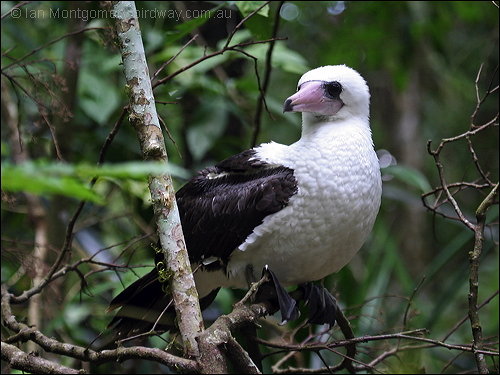
Abbott’s Booby (Papasula abbotti) by Ian
The Papasula genus consists of only the Abbott’s Booby.
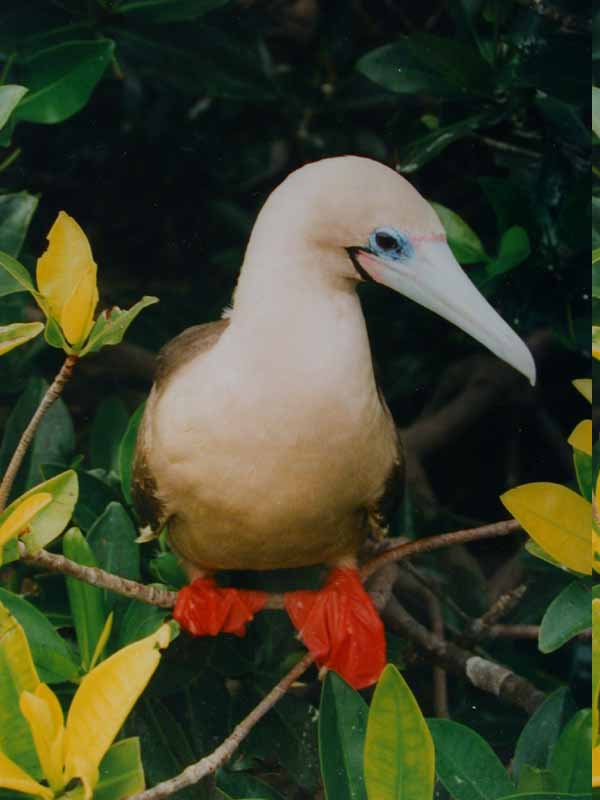
Red-footed Booby (Sula sula) by Bob-Nan
The rest of the Boobies are in the Sula genus. They are the Blue-footed Booby [a favorite], Peruvian Booby, Masked Booby, Nazca Booby, Red-footed Booby [another favorite], and the Brown Booby. [Wikipedia, with editing]
This slideshow requires JavaScript.
“Hold up my goings in thy paths, that my footsteps slip not.” (Psalms 17:5 KJV)
“My Faith Still Holds” ~ Faith Baptist Church Orchestra
*
(Sunday Inspiration – Frigatebirds, Gannets and the Booby was originally posted in 2017)
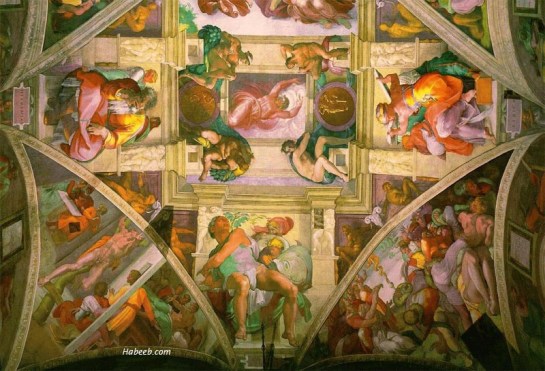
When I Consider – Wednesdays – Sistine Chapel Ceiling and God’s Creation
(Sistine Chapel Ceiling and God’s Creation – Reposted and Updated)
“Imagine that you are the child of the famous painter, Michelangelo. You grew up watching your father paint the ceiling of the Sistine Chapel. Each stroke of the brush revealed his love, creative genius, and masterful perfection.”
Later in life, you visit the Chapel and see a tour guide giving his talk about how the painting came about. They are standing there in “awe under the grandeur of the artistic work” and then hears the guide boldly say words to this effect. “The ceiling occurred by naturalistic processes over countless years as water leaked through the roof and stained the plaster. The people are told by their expert guide that what appears as an intentionally designed work of beauty is strictly a chance occurrence.”
“Would you not, as Michelangelo’s child, rise up in righteous indignation at the telling of such a flagrant lie? If the guide said that you father had used the random procedure of dripping water through the plaster to create the masterpiece, would that lie have been any more palatable?”
He telleth the number of the stars; He calleth them all by their names. (Psalm 26:7)
“The modern “tour guides” of our world are evolutionists who would have us believe that all of the purpose, eloquent design, and astronomical complexity of life just happened as chance naturalistic processes (such as mutations) formed life over billions of years. Liberal theologians would have us believe that God used such a process to make things.”
As Christians that believe the Word of God as truth, we should “boldly proclaim the truth so that more people may come to know the true Master Artist and come to trust His written revelation to mankind (the Bible)”
The LORD by wisdom hath founded the earth; by understanding hath he established the heavens. (Proverbs 3:19)
Who knoweth not in all these that the hand of the LORD hath wrought this? (Job 12:9)
By his spirit he hath garnished the heavens; (Job 26:13)
That I may publish with the voice of thanksgiving, and tell of all thy wondrous works. (Psalms 26:7)
That they might set their hope in God, and not forget the works of God, but keep his commandments: (Psalms 78:7)
*Quotes from “Evidence from Common Sense March 22,” in “A Closer Look at the Evidence,” by Richard & Tina Kleiss, (Bryce Gaudian, The Great Works Catalog, p22)
Gambel’s Quail; Sweetwater Wetlands birding; Tucson, Arizona USA
Gambel’s Quail Chicks Drinking on a Hot Day – by James J. S. Johnson, or Dr. Jim, as I call him. He has just returned from an excursion through the Grand Canyon, and after he gets caught up, I’m sure he will tell us about that adventure.
In the meantime, he has asked that I show you this video:
“They give drink to every beast of the field: the wild asses quench their thirst.” (Psalm 104:11)
“But the LORD said unto Samuel, Look not on his countenance, or on the height of his stature; because I have refused him: for the LORD seeth not as man seeth; for man looketh on the outward appearance, but the LORD looketh on the heart.” (1 Samuel 16:7 KJV)
This is a repost of one of my favorite Sunday Inspirations. Bonnie Standifer plays an original version of “Jesus Loves Me” while these beautiful birds are displayed.
Pileated Woodpecker by Lee at Circle B
All the birds of the heavens made their nests in its boughs; Under its branches all the beasts of the field brought forth their young; And in its shadow all great nations made their home. (Ezekiel 31:6 NKJV)
The trees of the LORD are full of sap, The cedars of Lebanon which He planted, Where the birds make their nests; The stork has her home in the fir trees. (Psalms 104:16-17 NKJV)
Woodpeckers and their kind belong to the Picidae – Woodpeckers Family. There are 234 species including not only Woodpeckers, but also Wrynecks, Piculets, Flickers, Sapsuckers and Flamebacks. Again, these birds show amazing characteristics given them by their Creator. Check out some of the articles about them below.
Members of this family are found worldwide, except for Australia, New Guinea, New Zealand, Madagascar, and the extreme polar regions. Most species live in forests or woodland habitats, although a few species are known to live in treeless areas, such as rocky hillsides and deserts.
The Lord Jesus not only loves all the birds He made, but best of all, He loves us.
For God so loved the world, that he gave his only begotten Son, that whosoever believeth in him should not perish, but have everlasting life. (John 3:16 KJV)
*
This slideshow requires JavaScript.
*
*
“Jesus Loves Me” by Bonnie Standifer
This piece was written and played by Bonnie Standifer at our Orchestra Concert in March of 2013 at Faith Baptist Church. You have never heard it played this way before. Bonnie is a very gifted arranger and pianist. She is also married to the orchestra conductor.