Nail-punctured Tire Leads to Red-bellied Woodpecker

Nail-punctured  Tire  Leads  to  Red-bellied  Woodpecker

Dr. James J. S. Johnson

 Go to now, ye that say, Today or tomorrow we will go into such a city, and continue there a year, and buy and sell, and get gain.  Whereas ye know not what shall be on the morrow. For what is your life? It is even a vapor that appears for a little time, and then it vanishes away.  For that ye ought to say, ‘If the Lord will, we shall live, and do this, or that’.   (James 4:13-15)

Red-bellied-Woodpecker.KenThomas-Wikipedia

RED-BELLIED WOODPECKER photo credit: Ken Thomas / Wikipedia

How was seeing a Red-bellied Woodpecker, on July the 5th, the direct result discovering a punctured car tire on July the 4th? And how was this series of related events an illustration of James 4:13-15?

On the 4th of July we planned a multi-generational (i.e., 4 generations!) family get-together, to share a meal and a relaxing visit, but en route I discovered a silver screw-nail pressed into the front right tire of our van.  Surprise! – surprises like that can interrupt your “flight plan”, so a “Plan B” becomes necessary.

Although our arrival was a bit delayed, it all worked out, without too much trouble, by using a different car, but on July 5th about a half-day was spent with me at the tire repair place  —  but I used the wait-time wisely, reading about lobster ecdysis (i.e., shell-shedding, a/k/a molting) and other such fascinating activities of coastal crustaceans!

Yet should I have been totally surprised?  As James 4:13-15, quoted above, indicates, we should never be shocked when our Plan A must be replaced by a Plan B.  In the end, because we belong to our Lord Jesus Christ, it all works out for good (Romans 8:28).

A NAIL, A TIRE, AND INTERRUPTED PLANS

Silver gleamed from a tire of our van;

A road trip stopped ere it began:

A nail caused air to leak,

Making our van’s tire weak,

Quickly changing my day’s checklist plan.

On the brighter side, on the 5th of July, in a grassy are (with a few small trees) by the tire repair center, I saw (and watched with admiration for God’s detailed bioengineering handiwork) a Red-bellied Woodpecker — that’s a bird I don’t often get to see.

RED-BELLIED WOODPECKER photo credit: Helena Reynolds / Audubon Field Guide

Each day has its little treasures, if we have eyes to see them.  (And some days have much bigger treasures, such as when a grandchild demonstrated a sincere reverence for God and His Word!)


Butterflies at Brevard Zoo

Monarch and White Peacock at Brevard Zoo Butterfly Exhibit

“O LORD, how manifold are thy works! in wisdom hast thou made them all: the earth is full of thy riches.” (Psalms 104:24 KJV)

They recently opened up a new Butterfly area at the Brevard Zoo in Brevard, Florida. This was the first time we have been to this exhibit.

There was soft music playing and the butterflies were just flitting here and there. I took this video, which is not the best, but they were really beautiful [when I could keep it in focus].

It was not a frog making noise. It was a pair of Turocos calling.

White-crested Turaco at Brevard Zoo was calling

“He will bless them that fear the LORD, both small and great.” (Psalms 115:13 KJV)

Julia Butterfly

Below are some of the photo that I took. I trust I attached the right names to them. I used the signs they provided.

Brevard Zoo
Wordless Hummingbirds

When I Am Grown

Young Gallinule at Viera Wetlands

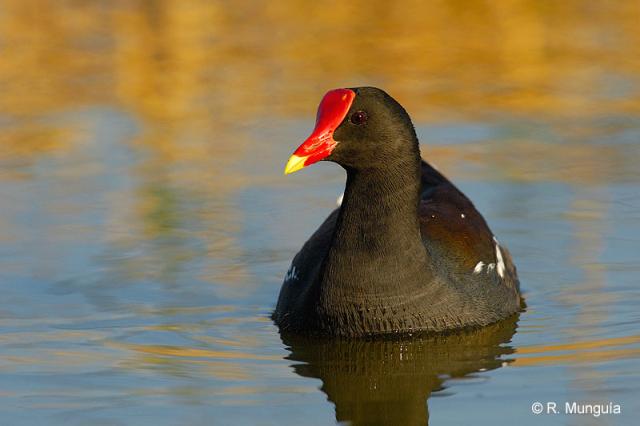
On the Fourth of July, yesterday, we were at Viera Wetlands, Viera, Florida and spotted this young Common Gallinule, depending on what they are calling it. Look at its feet. He/she has some growing to do to fit those feet.

Below is how it will look when it matures.

Common Gallinule (Gallinula chloropus) by Reinier Munguia

“I have been young, and now am old; yet have I not seen the righteous forsaken, nor his seed begging bread.” (Psalms 37:25 KJV)

Another promise our Savior and Creator has given us. Lord’s Blessings.

Common Gallinule – All About Birds

Shield of Thy Salvation

Cardinals Watching Out For Fallen Baby

Cardinal Brevard Zoo

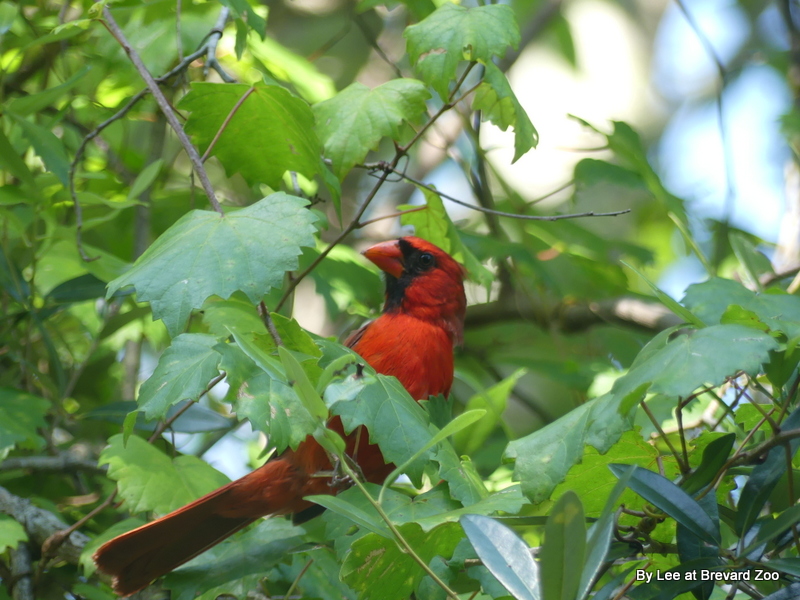
At the Brevard Zoo today, we saw some Northern Cardinals flying really close to where I was standing.

Cardinal Brevard Zoo 7-3-18

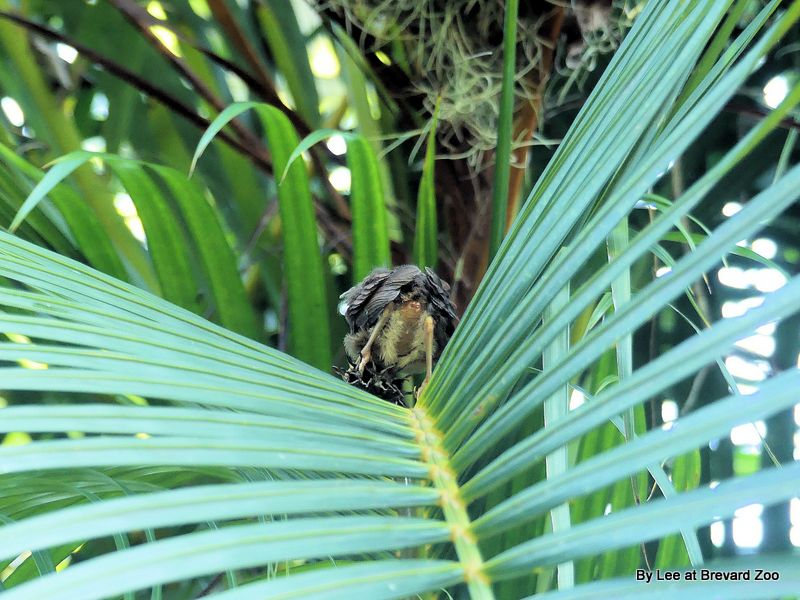
I was enjoying getting some photos, when we noticed that they were feeding a youngster who had fallen out of the nest. It had landed on a palm leaf right above the walkway where I was standing.

Cardinal Baby Brevard Zoo 7-3-18

That is when I realized the Momma Cardinal was also keeping an eye on the situation.

Momma Cardinal Brevard Zoo 7-3-1

We were quite concerned that it might fall into the walkway and someone would step on it accidentally. At the next exhibit, we told the keeper. He asked if it was the one in the palm tree. Yes. Well, he had just put it back in the nest about 10 minutes before. Said he would go back and put it back in again.

We sure hope it makes it and quits getting out of the nest. It is too small to survive on its own and can’t fly yet. He also told us that there were no other little ones in the nest. I am sure that those concerned Cardinals will do their best.

“I know all the fowls of the mountains: and the wild beasts of the field are mine.” (Psalms 50:11 KJV)

I know the Lord, who Created Cardinals, knows all about the situation. If He cares about the littlest baby Cardinal, rest assured, He cares about you and I.

Photos aren’t the best, but I am writing this on my laptop and away from the editing program.

An Amazing Osprey Out Fishing!

Received this from an email and needs to be shared! Enjoy!

Osprey with his catch!

But these are they of which ye shall not eat: the eagle, and the ossifrage, and the osprey, (Deuteronomy 14:12 KJV)
BOTH THE BIRD AND THE PHOTOGRAPHY
Hard to believe this Osprey got 5-6 fish at a time,  then got a ‘flounder’ under 3 feet of water and finally made off with what looks to be a 5+ lbs steel head.
Have you ever seen a bird shake water off like a dog does?
Wouldn’t want to get in its way when its eyes are locked onto you and talons in the “load” position! It’s talons are amazing!
There are 3 sequences in this one video:
1st sequence – catches half a dozen fish in one strike.
2nd sequence – plunges talons into deep water to grab the prey.
3rd sequence – captures a big old fish that looks as if it weighs more than he does!
This is incredible to watch!

CLICK: OSPREY

*

I.O.C. World Bird List Version 8.2 – Updated

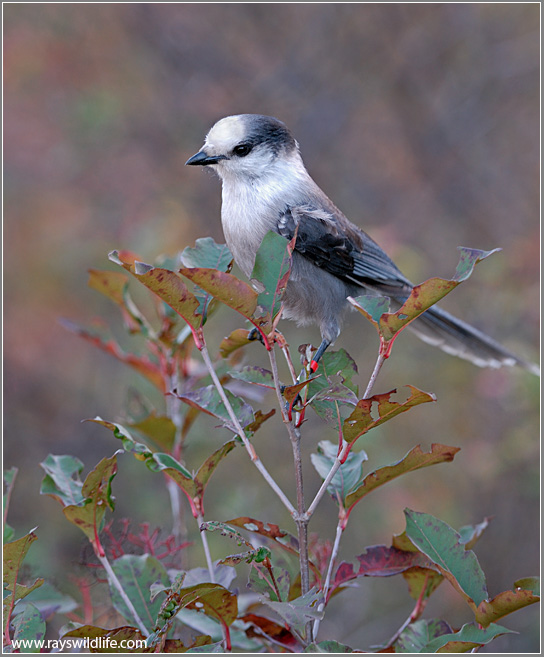
Canada Jay (Perisoreus canadensis) by Raymond Barlow

Gray Jay now Canada Jay (Perisoreus canadensis) by Raymond Barlow

“For by him were all things created, that are in heaven, and that are in earth, visible and invisible, whether they be thrones, or dominions, or principalities, or powers: all things were created by him, and for him: And he is before all things, and by him all things consist.” (Colossians 1:16-17 KJV)

I finally finished updating the Birds of the World pages to reflect the newest version, 8.2. of the IOC’s bird list. The family pages and the indexes have been modified. Since the photos on the site were hacked last year, the family pages were changed. Now the photos are at the bottom of the pages instead of with each name.

With this version, I added the Genera in with Green. Many of the new changes are in red and a few in blue. The red are spelling or Genera changes. Blue seems to represent reshuffled positions within a family. [I think – this is from their Excel spreadsheet]

White-crested Helmetshrike (Prionops plumatus) ©WikiC

Two families were moved into the Vangidae – Vanga and Allies family.

Here is the over update:

The IOC World Bird List 8.2 contains 10,711 extant species (and 158 extinct species)  classified in 40 Orders,  246 Families (plus 1 Incertae Sedis) and 2,313 Genera.  The list also includes 20,055 subspecies, their ranges and authors.

Changes include:

SPECIES ADDED:                15 

SPECIES DELETED:             3

ENGLISH NAMES:               18

TAXONOMY:                         18 incl revisions of  Campephagidae, Phylloscopidae and Locustellidae, and expansion of Vangidae to include helmetshrikes, woodshrikes, and shrike-flycatchers

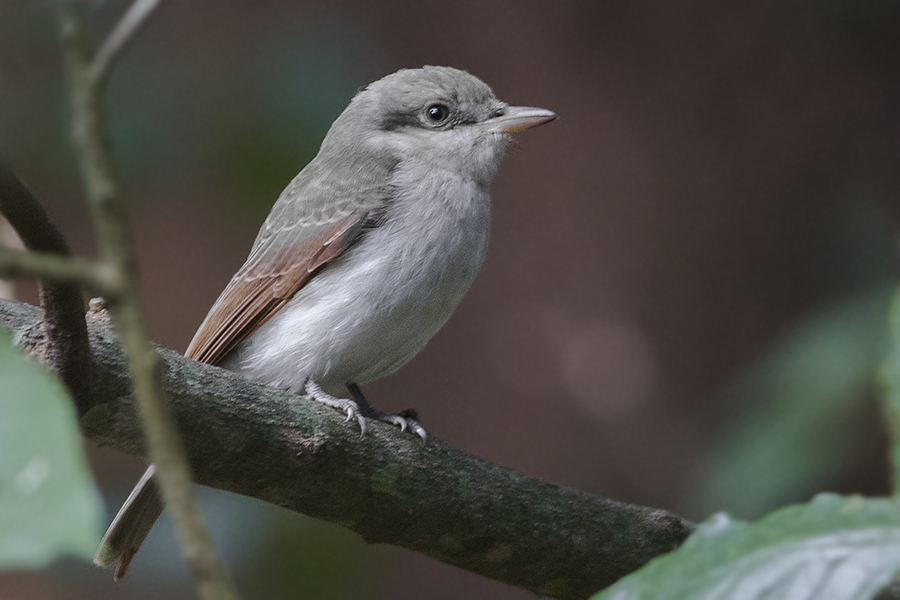
Large woodshrike (Tephrodornis gularis) ©WikiC

The three articles listed in the Time For Another Update From The I.O.C. explain the changes and saves me rewriting the same information.

2018 AOS Supplement is Out!

2018 checklist changes include few splits

David Sibley: How to make peace with changes to your checklist

The Indexes, Alphabetical Pages and Family Pages are all current here on the site:

Birds of the World

Alphabetical List of the Birds.

ORDER

Family

Families – Alphabetical (Scientific)

Families – Alphabetical (English)

Families – Taxonomic (Scientific – English)

Families – Taxonomic (English – Scientific)

Species Index

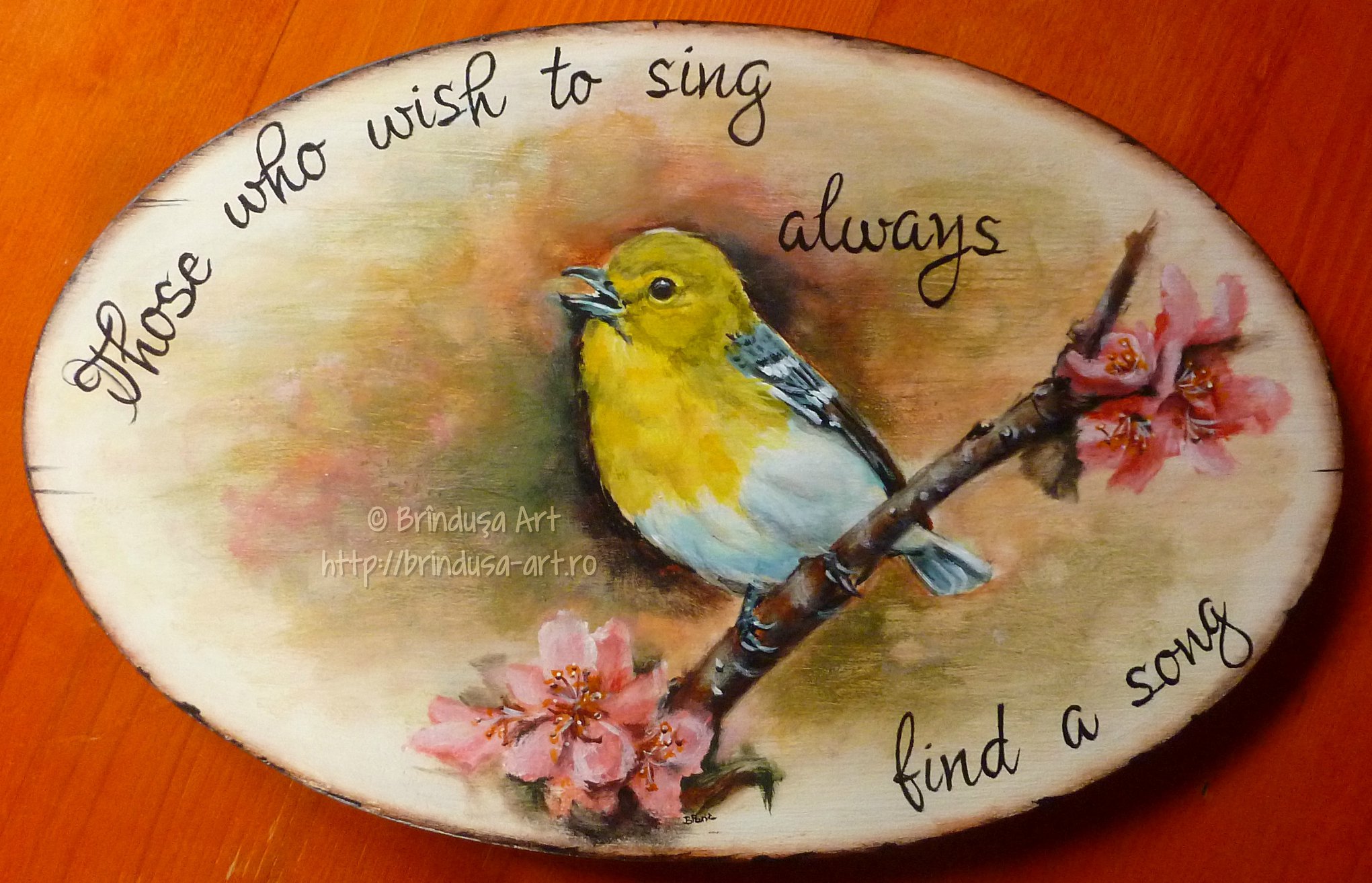
Those Who Wish To Sing

I received an email recently to ask if I would allow permission to use this photo:

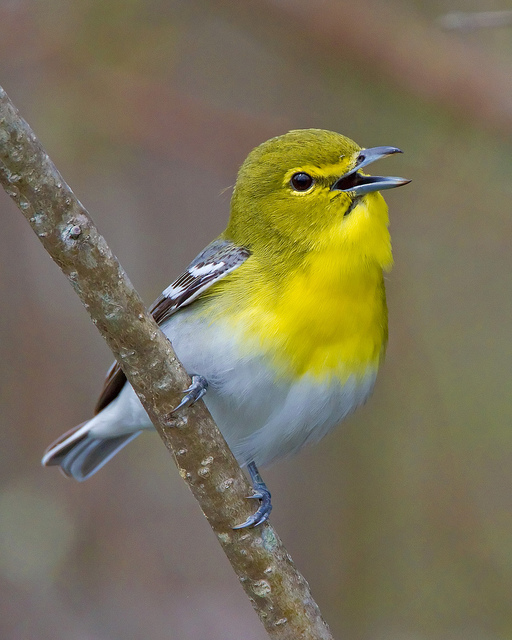
Yellow-throated Vireo (Vireo flavifrons) singing ©nebirdsplus

Yellow-throated Vireo (Vireo flavifrons) singing ©nebirdsplus

“Sing unto him, sing psalms unto him, talk ye of all his wondrous works.” (1 Chronicles 16:9 KJV)

Since this beautiful singing Vireo is on the internet as Creative Commons, they were free to use it.

Here is how a very artistic person painted it. Wow! I can hardly draw a stick man correctly!

Yellow-throated Vireo (Vireo flavifrons) singing ©Brindusa Art

Here is a little about her:

I am a Christian woman who greatly enjoys painting and sharing some of the beauty she sees around her. I am very grateful for God’s grace and for this gift of painting that He’s given me…

Please visit her site and see this lovely drawing and her other drawings.

Those Who Wish To Sing Always Find A Song

https://www.facebook.com/BrindusaArt/

http://brindusa-art.ro/wordpress/gallery/


Time For Another Update From The I.O.C.

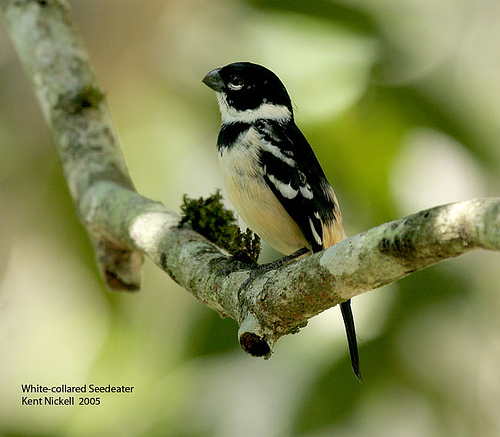
White-collared Seedeater (Sporophila torqueola) male by Kent Nickell

White-collared Seedeater (Sporophila torqueola) male by Kent Nickell Now Split

The latest update from the I.O.C. [8.2] just came out yesterday. Thankfully, they are only doing two a year now, not four. So, while I dig in and rearrange and update this site, here are a couple of articles about the latest changes that might interest you.

If you are new to this blog, several times a year, the birding authorities accept and reject proposals for splits, lumps and new species. Some are accepted and many are rejected for now. These articles help explain that procedure better than I can. So, look them over. They reveal the hows and whys of the latest changes.

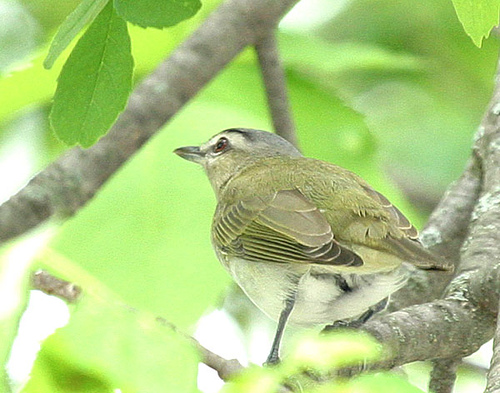
Red-eyed Vireo (Vireo olivaceus) by Kent Nickell

Red-eyed Vireo (Vireo olivaceus) by Kent Nickell Now Split

This first one shows the changes very well and may save me doing the same.

2018 AOS Supplement is Out!

BirdWatching magazine has this article:

2018 checklist changes include few splits

This next article by David Sibley is really good and helps us understand these changes from a personal level:

David Sibley: How to make peace with changes to your checklist

***

Latest update online here is the IOC 8.1. Stay tuned, I’m on it!

“My son, fear thou the LORD and the king: and meddle not with them that are given to change:” (Proverbs 24:21 KJV)

I.O.C. Version 8.1 Update Completed

Dividing the Buntings and Sparrows – I.O.C. 8.1

Hang On To Your Hat – I.O.C. 8.1 Update Underway

Scissor-tailed Birds

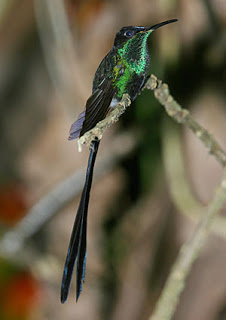
In JJSJ’s [Dr. Jim] article, Scissor-Tailed Flycatcher, Oklahoma’s Long-tailed State Bird, he introduced you to the beautiful Scissor-Tailed Flycatcher. Today, I would like to show you three more “scissor-tailed” birds.

The word “Scissor” is not mentioned in the Bible, at least that I can find. Yet, God told us in His Word:

“This shall be written for the generation to come: and the people which shall be created shall praise the LORD.” (Psalms 102:18 KJV)

“Let them praise the name of the LORD: for he commanded, and they were created.” (Psalms 148:5 KJV) [Refers to the heavens and these beautiful birds fly in the sky, which was created.


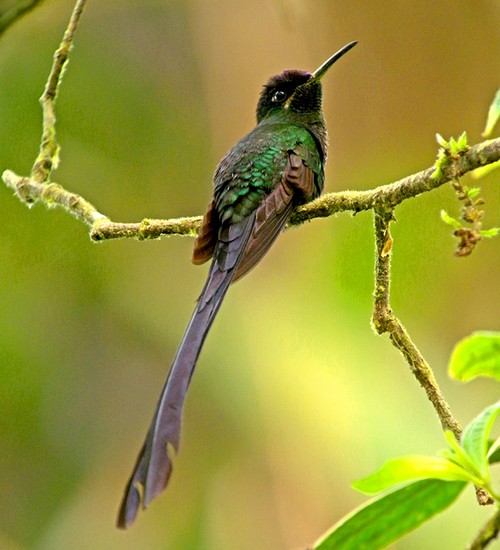
Scissor-tailed Hummingbird (Hylonympha macrocerca)

Scissor-tailed Hummingbird from Speak up for the Voices

Scissor-tailed Hummingbird (Hylonympha macrocerca) Endangered

Speak Up For The Voices Article About Scissor-tailed Hummingbird


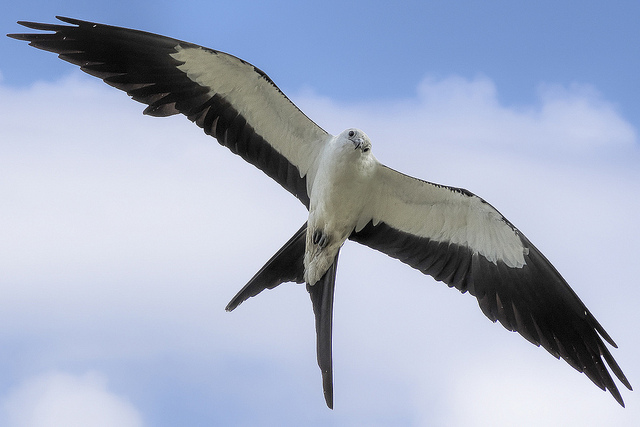
Scissor-tailed Kite (Chelictinia riocourii) ©WikiC

Scissor-tailed Kite (Chelictinia riocourii) ©WikiC

Scissor-tailed Kite (Chelictinia riocourii)

Today we rode over to Melbourne, Florida (90 miles) for the one-year checkup of my back surgery. We were blessed to see one of the Scissor-tailed Kites flying along in the field. They are here in Florida for a few months, starting in April or May. We always enjoy watching them, especially when they turn and you get a glimpse of the “scissor” tail.

Scissor-tailed Kite (Chelictinia riocourii) ©Flickr Lawrence C

Scissor-tailed Kite (Chelictinia riocourii) ©Flickr Ron Knight


Scissor-tailed Nightjar (Hydropsalis torquata)

Scissor-tailed Nightjar (Hydropsalis torquata) by ©AGros

Scissor-tailed Nightjar (Hydropsalis torquata) ©WikiC

Scissor-tailed Nightjar (Hydropsalis torquata) ©WikiC


See:

Scissor-tailed Nightjar (Hydropsalis torquata)

Scissor-tailed Hummingbird (Hylonympha macrocerca)

Scissor-tailed Kite (Chelictinia riocourii)

Scissor-tailed Flycatcher (Tyrannus forficatus)

Scissor-Tailed Flycatcher, Oklahoma’s Long-tailed State Bird

Scissor-Tailed Flycatcher,

Oklahoma’s Long-tailed State Bird

Dr. James J. S. Johnson

Scissortail-OklaDeptWildlifeConservn

SCISSOR-TAILED FLYCATCHER in flight

Photo credit: Oklahoma Dep’t of Wildlife Conservation

He shall cover thee with his feathers, and under his wings shalt thou trust: his truth shall be thy shield and buckler.    (Psalm 91:4)

Feathers provide a soft aerodynamic covering for birds, and parent birds are known to use their feather-clad wings to protect their young –  so much so that God Himself compared His own protectiveness to the protective wings of parent birds (see also Matthew 23:37).  What wonderfully lightweight yet sturdy  structures feathers are – it is amazing how God cleverly imagined and invented such airworthy body parts!  One bird with unusually long tail feathers is the Scissor-tailed Flycatcher, several of which my wife and I saw throughout the day last Saturday, while visiting part of Oklahoma.

Specifically, last Saturday (June 16th AD2018) my wife and I undertook a day trip to Frederick, Oklahoma  –  a small town not far from Wichita Falls, Texas (yet obviously north of the Red River, on the Oklahoma side) –  to visit some American West historical sites and the Tillman County Historical Society’s museum, a/k/a Frederick’s “Pioneer Heritage Townsite Museum”, located next to the Tillman County Courthouse — which courthouse’s lawn features a statue of two of Frederick’s most courageous young adventurers, Louis and Temple Abernathy, sons of U.S. Marshal “Catch-’em-alive” Jack Abernathy.

[ See https://en.wikipedia.org/wiki/Louis_Abernathy_and_Temple_Abernathy and https://en.wikipedia.org/wiki/Jack_Abernathy and http://www.visitfrederickok.com/placestosee/abernathy_boys.html .]

What amazing epic adventures occurred a little more than a century ago, in that area – and are now are chronicled there, for us now to appreciate!

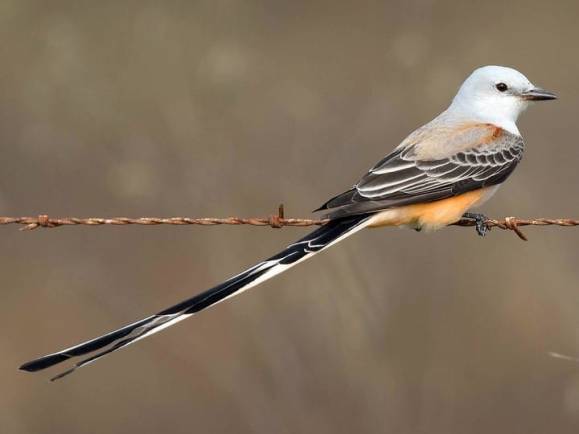
Scissortail-perching.Cornell-allaboutbirds

SCISSOR-TAILED FLYCATCHER perching on barbed wire

                                     Photo credit: Allaboutbirds.org / Cornell University

However, that report must appear elsewhere (D.v.) because this is a birdwatching blogsite, so here I will report on the most remarkable of the birds we observed that day, the SCISSOR-TAILED FLYCATCHER, which happens to be the official state bird of Oklahoma. Roger Tory Peterson describes this fine-feathered foot-long flycatcher as follows:

“A beautiful bird, pale pearly gray, with an extremely long, scissorlike tail that is usually folded. Sides and wing linings salmon-pink.  Young birds with shorter tails may suggest Western Kingbird.  Hybrids [with other tyrant flycatchers] are known.”

[Quoting Roger Tory Peterson, A FIELD GUIDE TO WESTERN BIRDS (Houghton Mifflin / Peterson Field Guides series, 3rd edition 1990), page 230.]

Scissortail-perching.DickDaniels

SCISSOR-TAILED FLYCATCHER, perching on branch

Photo credit: Dick Daniels / Carolinabirds.org

Scissortails breed mostly in Oklahoma and Texas (and Kansas), migrating to Mexico and beyond (to Panama) for the winter. Scissortails (like many other kingbirds) prefer open prairies and semi-open areas, such as thinly wooded farms, ranches, towns, and roadsides – often perching upon ranchland barbed wires, tree branches, or atop bushy shrubs, as they monitor their surroundings for flies to snatch.  As their name suggests, scissortail flycatchers are “hawking” aerial predators of flies and other flying insects (such as dragonflies, wasps, robber flies, bees, etc.), although they also enjoy eating earthbound insects (like beetles and grasshoppers), as well as winter berries.

So here is my limerick, to memorialize the time birdwatching in and around Frederick, Oklahoma, historic home of the adventurous Abernathy family:

SCISSOR-TAILED FLYCATCHERS, OKLAHOMA’S OFFICIAL BIRD

Perching and alert, scissortail

Pearly grey, its plumage is pale;

Hawking flies in midflight,

Eating bugs with delight

Long-tailed bird that Okies do hail!

Scissortail-with-grasshopper-Birdsna.org-JoeOvercash

SCISSOR-TAILED FLYCATCHER with grasshopper

Photo credit: Birds of North America / Joe Overcash


Avian And Attributes – Scarlet-plus Birds

Scarlet-and-white Tanager (Chrysothlypis salmoni) ©WikiC

“They shall spread over them a scarlet cloth, …” (Numbers 4:8a NKJV)

“Come now, and let us reason together, saith the LORD: though your sins be as scarlet, they shall be as white as snow; though they be red like crimson, they shall be as wool.” (Isaiah 1:18 KJV)


Avian and Attributes – Scarlet II

Scarlet
This dye was obtained by the Egyptians from the shell-fish Carthamus tinctorius; and by the Hebrews from the Coccus ilicis, an insect which infests oak trees, called kermes by the Arabians.
This colour was early known (Gen_38:28). It was one of the colours of the ephod (Exo_28:6), the girdle (Exo_28:8), and the breastplate (Exo_28:15) of the high priest. It is also mentioned in various other connections (Jos_2:18; 2Sa_1:24; Lam_4:5; Nah_2:3). A scarlet robe was in mockery placed on our Lord (Mat_27:28; Luk_23:11). “Sins as scarlet” (Isa_1:18), i.e., as scarlet robes “glaring and habitual.” Scarlet and crimson were the firmest of dyes, and thus not easily washed out. [Easton’s Bible Dictionary]

Crimson, red, purple, and scarlet:
Used in the symbolisms of the tabernacle furnishings and priestly vestments and functions, as types and shadows of the atonement. ]Nave’s Topical Bible]


There are so many birds whose names begin with “Scarlet-“, that I decided to do a Part II. I want to show more of God’s Handiwork in the Avian Creations. These are by far not all of them.

Scarlet-browed Tanager (Heterospingus xanthopygius) ©WikiC

Scarlet-browed Tanager (Heterospingus xanthopygius) ©WikiC

Scarlet-browed Tanager (Heterospingus xanthopygius) ©WikiC

Scarlet-bellied Mountain Tanager (Anisognathus igniventris) ©Flickr Joao Quental

Scarlet-bellied Mountain Tanager (Anisognathus igniventris) ©Flickr vll.sandl

Scarlet-rumped Cacique (Cacicus microrhynchus) ©WikiC

Scarlet-backed Flowerpecker (Dicaeum cruentatum) ©Flickr Dave Curtis

The scarlet-throated Frigate bird, Galapagos islands, EcuadorFrom Pinterest

Scarlet-horned Manakin (Ceratopipra cornuta) ©©Flickr JerryOldenettel

Scarlet-horned Manakin (Ceratopipra cornuta) ©©Flickr JerryOldenettel

Scarlet-horned Manakin (Ceratopipra cornuta) ©©Flickr JerryOldenettel

Scarlet-horned Manakin (Ceratopipra cornuta) ©©Flickr JerryOldenettel

Scarlet-backed Flowerpecker (Dicaeum cruentatum) by ©Wiki

Scarlet-headed Flowerpecker (Dicaeum trochileum) by© Wiki

Scarlet-rumped Trogon (Harpactes duvaucelii) ©©LipKee

Scarlet-rumped Trogon (Harpactes duvaucelii) ©©LipKee

Scarlet-rumped Trogon (Harpactes duvaucelii) ©WikiC

Scarlet-rumped Trogon (Harpactes duvaucelii) ©WikiC

Scarlet-headed Blackbird (Amblyramphus holosericeus) by Lee

Scarlet-headed Blackbird asleep by Lee

Scarlet-headed Blackbird by Dan

Scarlet-headed Blackbird (Amblyramphus holosericeus) by Dan


More Avian and Attributes

Birds whose first name starts with “S”

Good News

*
[Definitions from Webster’s Dictionary of American English (1828), unless noted. Bird info from Wikipedia plus.]

Avian And Attributes – Scarlet

Scarlet Myzomela (Myzomela sanguinolenta) by Ian at Birdway

Scarlet Myzomela (Myzomela sanguinolenta) by Ian at Birdway

“And they stripped Him and put a scarlet robe on Him. When they had twisted a crown of thorns, they put it on His head, and a reed in His right hand. And they bowed the knee before Him and mocked Him, saying, “Hail, King of the Jews!” (Matthew 27:28-29 NKJV)


Avian and Attributes – Scarlet

SC’ARLET, n.
1. A beautiful bright red color, brighter than crimson.
2. Cloth of a scarlet color.
All her household are clothed with scarlet. Prov 31.
SC’ARLET, a. of the color called scarlet; of a bright red color; as a scarlet cloth or thread; a scarlet lip.


Scarlet Birds

Scarlet Finch

Scarlet Finch (Haematospiza sipahi) by Nikhil Devasar

Scarlet Finch (Haematospiza sipahi) by Nikhil Devasar

Scarlet Flycatcher

Scarlet Flycatcher (Pyrocephalus rubinus) by Dario Sanches

Scarlet Ibis

Scarlet Ibis (Eudocimus ruber) ©whm.ac.uk

Scarlet Macaw

Scarlet Macaw (Ara macao) by Lee at Brevard Zoo

Scarlet Macaw (Ara macao) by Lee at Brevard Zoo

Scarlet Minivet

Scarlet Minivet (Pericrocotus speciosus) by Ian

Scarlet Myzomela

Scarlet Honeyeater or Myzolema (Myzomela sanguinolenta) by Tom Tarrant

Scarlet Robin

Scarlet Robin (Petroica boodang) by Ian

Scarlet Robin (Petroica boodang) by Ian

Scarlet Tanager

Scarlet Tanager (Piranga olivacea) by Kent Nickell

Scarlet Tanager (Piranga olivacea) by Kent Nickell

She is not afraid of snow for her household, For all her household is clothed with scarlet. (Proverbs 31:21 NKJV)


More Avian and Attributes

Birds whose first name starts with “S”

Good News

*
[Definitions from Webster’s Dictionary of American English (1828), unless noted. Bird info from Wikipedia plus.]