***
FILLED WITH ALL THE FULNESS OF GOD
***
“And to know the love of Christ, which passeth knowledge, that ye might be filled with all the fulness of God.” (Ephesians 3:19 KJV)
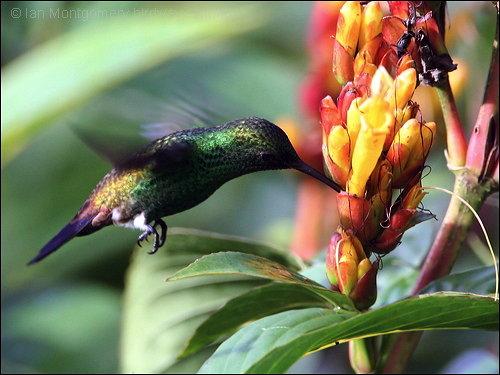
Copper-rumped Hummingbird (Amazilia tobaci) by Ian
*
*
“And to know the love of Christ, which passeth knowledge, that ye might be filled with all the fulness of God.” (Ephesians 3:19 KJV)
Copper-rumped Hummingbird (Amazilia tobaci) by Ian
*
*
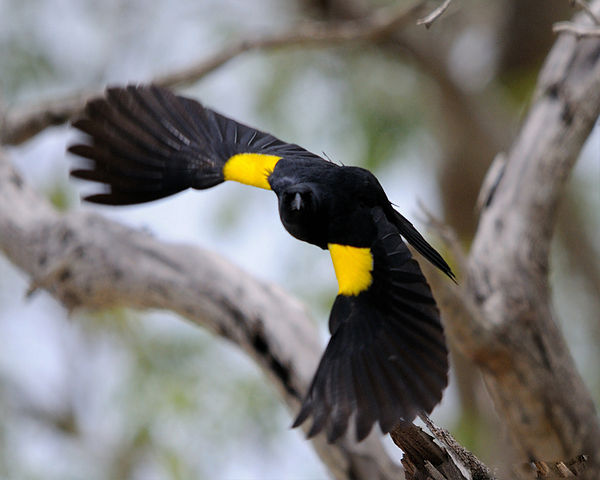
Yellow-shouldered Blackbird (Agelaius xanthomus) ©WikiC
All flesh is not the same flesh: but there is one kind of flesh of men, another flesh of beasts, another of fishes, and another of birds. (1 Corinthians 15:39 KJV)
Today we finish up the Icteridae Family of New World blackbirds, New World orioles, the Bobolink, Meadowlarks, Grackles, Cowbirds, Oropendolas and Caciques, plus. Trust you enjoyed seeing the first two parts of the family. (Part I, Part II)
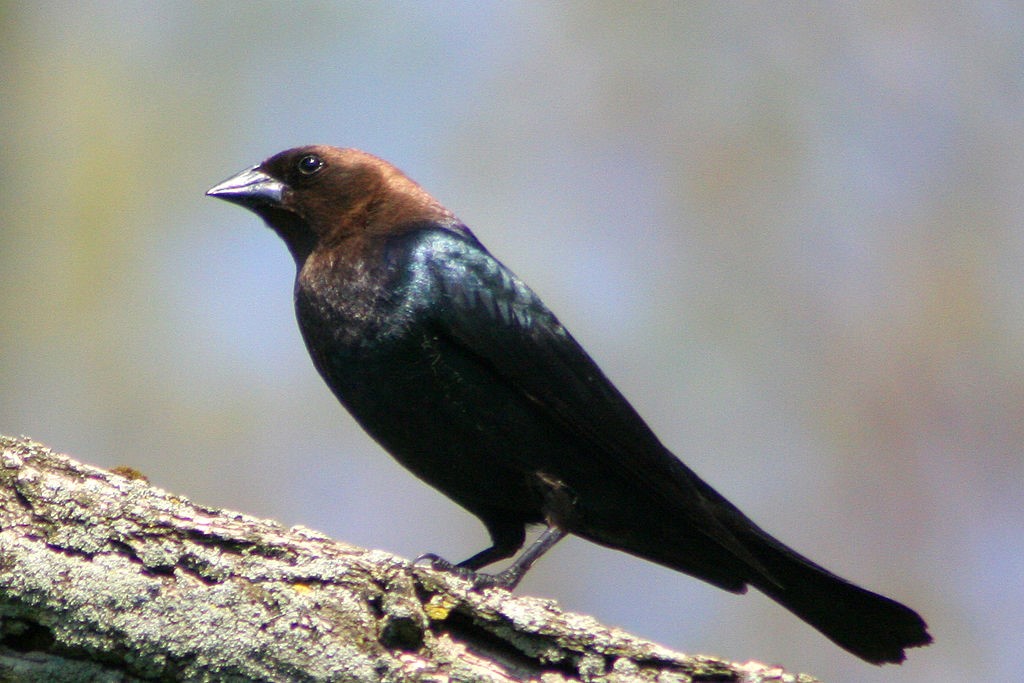
Brown-headed Cowbird (Molothrus ater) ©WikiC
“All flesh is not the same flesh: but there is one kind of flesh of men, another flesh of beasts, another of fishes, and another of birds.” (1 Corinthians 15:39 KJV)
The last 64 members of the family come from numerous Genus; the Nesopsar, Agelaius, Molothrus, Dives,Ptiloxena, Euphagus, Quiscalus, Hypopyrrhus, Lampropsar, Gymnomystax, Macroagelaius, Macroagelaius, Curaeus, Amblyramphus, Anumara, Gnorimopsar, Oreopsar, Agelaioides, Chrysomus, Xanthopsar and the Pseudoleistes. Some have only one species per genus. For many of you, the genus names mean little, but, if we mention Cowbirds, Grackles, Blackbirds, Baywings and Marshbirds, then you would recognize them that way.
Blessed be the LORD, who hath not given us as a prey to their teeth. Our soul is escaped as a bird out of the snare of the fowlers: the snare is broken, and we are escaped. Our help is in the name of the LORD, who made heaven and earth. (Psalms 124:6-8 KJV)
“Stay Close To Me” ~ ©Hyssongs
*
Sunday Inspiration – Icteridae Family I
Sunday Inspiration – Icteridae Family II
Icteridae – Oropendolas, Orioles & Blackbirds Family
Icterid – Wikipedia
*

Hairy Woodpecker (Picoides villosus – now Leuconotopicus villosus) by Daves BirdingPix
“And Adam gave names to all cattle, and to the fowl of the air, and to every beast of the field;” (Genesis 2:20a KJV)
Since I.O.C. Version 6.2 Has Come Out, the rest of the changes are all now complete. I finished all the “First Name-Last Name” indexes. Now you can find your bird by either part of its name. Since the English alphabet has 26 letters, that is 51 pages that had to be changed. There aren’t any birds, whose last name begins with “Z.” There are also 9 other Index pages to change. Then the Family page for the individual bird has to be updated. And, I am just a website. Those that do the actual work at I.O.C. are to be commended for the weeks of work that they do.
From the top of the main indexes:
These pages contain Lee’s Birds of the World, based on the IOC World Bird List 6.2 contains 10,637 extant species (and 154 extinct species) classified in 40 Orders, 239 Families (plus 2 Incertae Sedis) and 2289 Genera and 20,490 Subspecies. All the ORDERs and the Families are listed. Please enjoy looking around at the references to the numerous birds that the Lord has created.
(All the Indexes are now up to date and it makes it easier to find them with theTaxonomic List of the Birds. (The use of your “Search” or “Find” on your browser is very useful on long lists. “Control + F” is the shortcut for Find. I use it quite frequently.)
So, what did they do this time? They added 22 new species, changed the names of 9 birds, changed 4 genus names and the hardest to update was the Woodpecker-Picidae family. (Never thought I would get that one straight.)
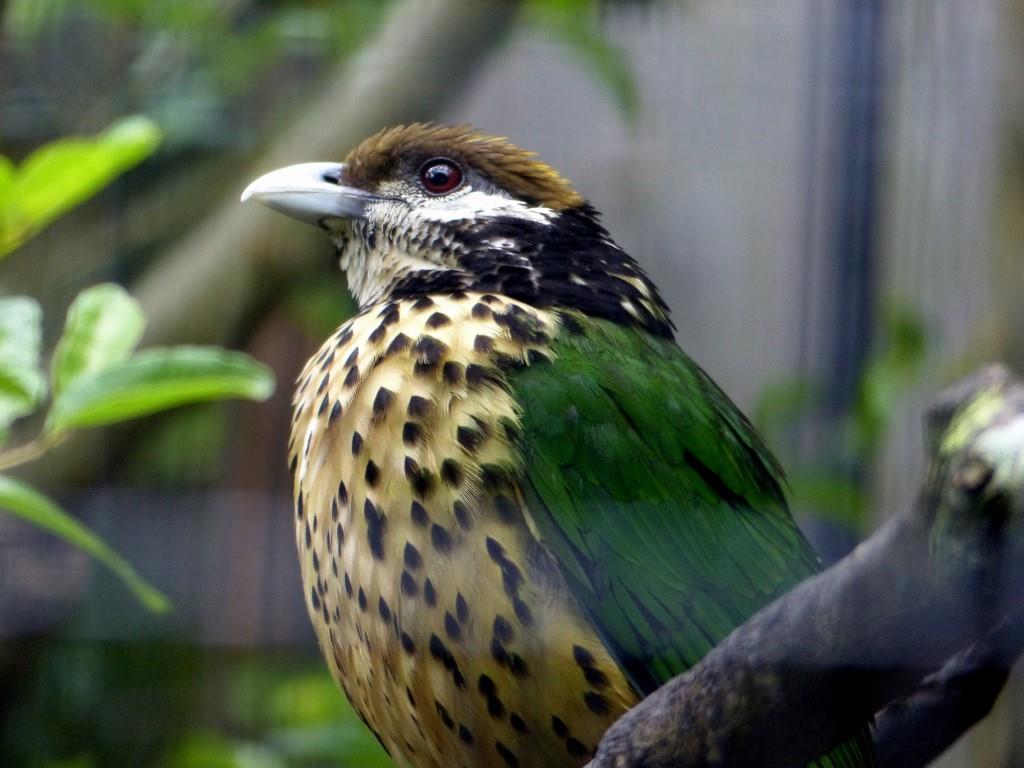
White-eared Catbird (Ailuroedus buccoides) Houston Zoo by Lee
The new Species added are many times subspecies moving up to full genus status. The family with the most new additions is the Bowerbirds – Ptilonorhynchidae family. There were 3 Catbirds; the White-eared, Green, and Spotted Catbirds. Now, there are 10 Catbirds.
Ochre-breasted Catbird (Ailuroedus stonii) – NEW
White-eared Catbird (Ailuroedus buccoides) NA
Tan-capped Catbird (Ailuroedus geislerorum) – NEW
Green Catbird (Ailuroedus crassirostris) NA
Spotted Catbird (Ailuroedus maculosus) – NEW
Huon Catbird (Ailuroedus astigmaticus) – NEW
Black-capped Catbird (Ailuroedus melanocephalus)
Northern Catbird (Ailuroedus jobiensis) – NEW
Arfak Catbird (Ailuroedus arfakianus) – NEW
Black-eared Catbird (Ailuroedus melanotis) – this was a name change. It was the Spotted Catbird (Ailuroedus melanotis)

Slender-billed Cuckoo-Dove now the Amboyna Cuckoo-Dove (Macropygia amboinensis) ©WikiC
The Pigeons, Doves – Columbidae Family also had 8 new additions added. Before doing that, they changed the names of four more birds.
Amboyna Cuckoo-Dove (Macropygia amboinensis) – was Slender-billed Cuckoo-Dove
Sultan’s Cuckoo-Dove (Macropygia doreya) – NEW
Ruddy Cuckoo-Dove (Macropygia emiliana) NA
Enggano Cuckoo-Dove (Macropygia cinnamomea) – NEW
Barusan Cuckoo-Dove (Macropygia modiglianii) – NEW
Timor Cuckoo-Dove (Macropygia magna) – was Bar-necked Cuckoo-Dove
Tanimbar Cuckoo-Dove (Macropygia timorlaoensis) – NEW
Flores Sea Cuckoo-Dove (Macropygia macassariensis) – NEW
Philippine Cuckoo-Dove (Macropygia tenuirostris) NA
Brown Cuckoo-Dove (Macropygia phasianella) NA
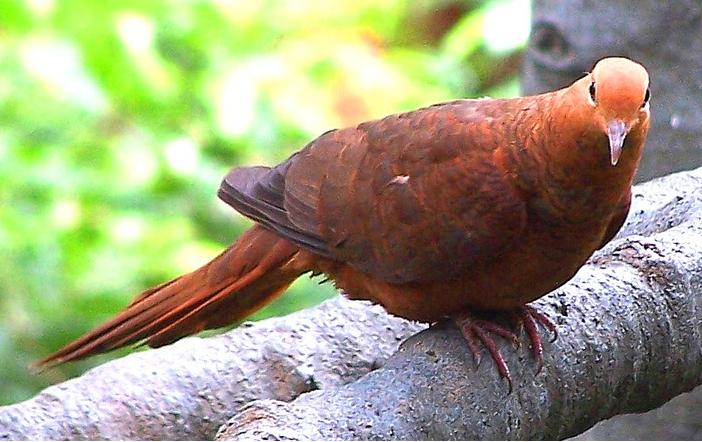
Ruddy Cuckoo-Dove (Macropygia emiliana) ©WikiC
White-faced Cuckoo-Dove (Turacoena manadensis) – was the White-faced Dove
Sula Cuckoo-Dove (Turacoena sulaensis) – NEW
Black Cuckoo-Dove (Turacoena modesta) – was the Black Dove
They also added:
Sula Fruit Dove (Ptilinopus mangoliensis) – NEW
Kosrae Fruit Dove (Ptilinopus hernsheimi) – NEW
As for the Woodpecker family, it was a change of genus names and resuffling that was mostly involved. More on those later. I still want to double check that they are right on the page.
There were other changes, but enough for now. Those are the biggest changes. For once there were not deletions.
For those who are photographers, these changes can affect how the bird names are filed and given. Which means, names of photos have to be updated also. No one in the bird hobby or profession has ever “arrived.” There is always something to do, after the “shoot”.
*
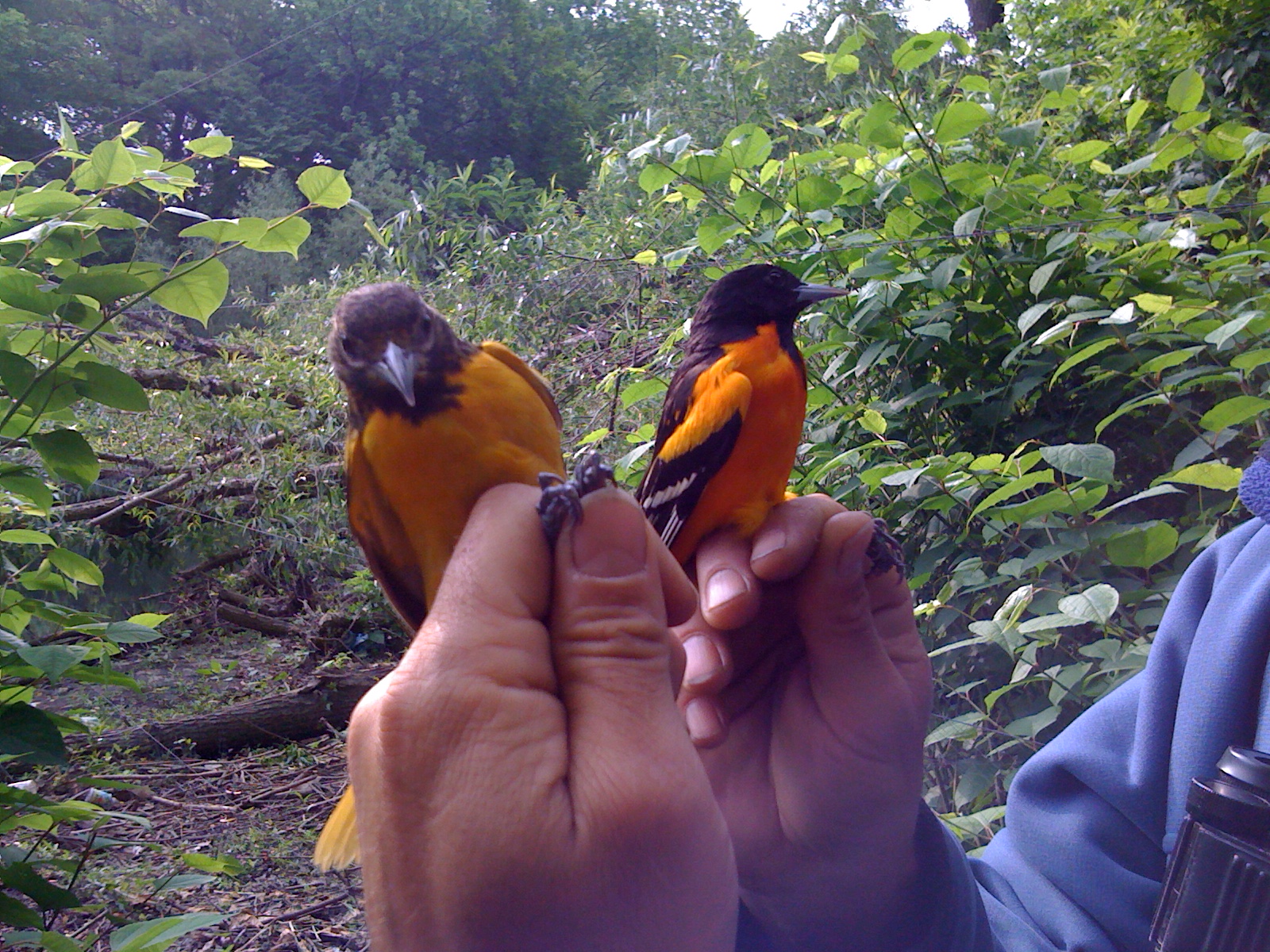
“So he fed them according to the integrity of his heart; and guided them by the skillfulness of his hands.” (Psalm 78:72)
Photo by – Skillfulness of Hands ©Outwalkingthedog
*
*
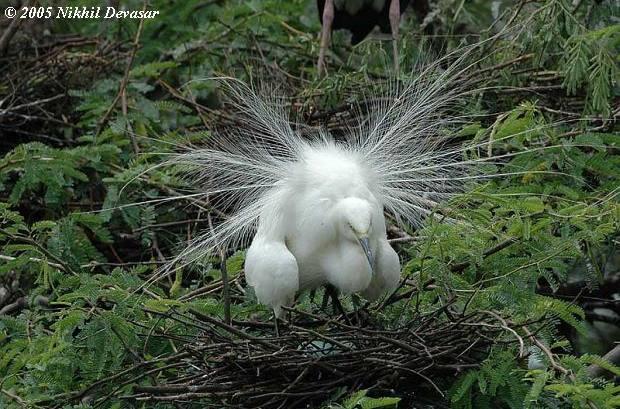
Intermediate Egret (Egretta intermedia) is now (Ardea intermedia) 6.2 Taxonomy Change
“For I am the LORD, I change not;…” (Malachi 3:6 KJV)
The I.O.C. released their latest version, and I have started updated the blog to reflect those changes. It takes time, but I have the “Last, First” name’s lists up and running. In the I. O. C. 6.1 Updated post, I mentioned that I would catch on the next version. It is the hardest one to get ready, so, I decided to do it first.

Streak-chested (Spectacled) Antpitta (Hylopezus perspicillatus) by Ian
As the name implies, the birds are listed as “Sparrow, House” or “Duck, Wood”. These lists are especially handy when trying to find birds that have the same last name, but are not in the same bird family. An example would be Antpitta. Almost all of them are in the Grallariidae family, yet two of them are over in the Gnateater-Conopophagidae family. The Streak-chested is in with most of the Antpittas in the Grallarridae and this Black-crowned and the Rufous-crowned Antpitta are down in the next family of Gnateaters.

Black-crowned Antpitta (Pittasoma michleri) ©WikiC
That is just one example. There are many other uses for the links. Lord willing, I plan on having the normal “First Name-Last Name” list up later this evening. Then I will make the actual species updates.
The IOC World Bird List 6.2 contains 10,637 extant species (and 154 extinct species) classified in 40 Orders, 239 Families (plus 2 Incertae Sedis) and 2289 Genera and 20,601 Subspecies. They added 22 new species, changed the names of 8 species and made 4 taxonomy changes. Those will be updated as soon as the indexes are changed. Stay Tuned!
Links to the Indexes:
Birds of the World – Species Index
*
Grallarridae-Gnatcatchers Family
Gnateater-Conopophagidae Family
*
“In a moment, in the twinkling of an eye, at the last trump: for the trumpet shall sound, and the dead shall be raised incorruptible, and we shall be changed.
(1 Corinthians 15:52)
YouTube ~ Aleksandr Voropaev
*
*
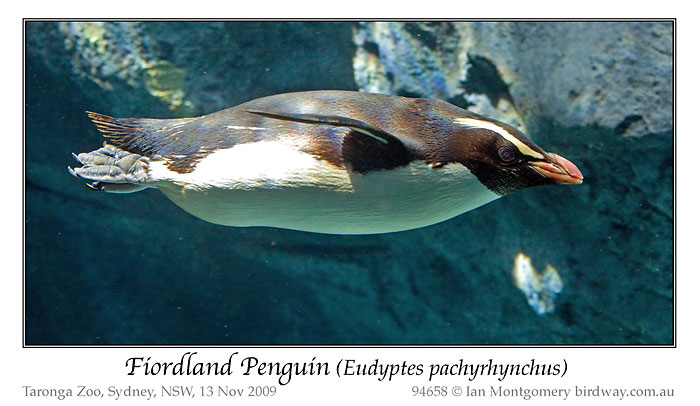
“The waters compassed me about, even to the soul: the depth closed me round about, the weeds were wrapped about my head.” (Jonah 2:3)
Fiordland Penguin (Eudyptes pachyrhynchus) by Ian
*
*

Blue Manakin (Chiroxiphia caudata) by ©AGrosset
And God created great whales, and every living creature that moveth, which the waters brought forth abundantly, after their kind, and every winged fowl after his kind: and God saw that it was good. And God blessed them, saying, Be fruitful, and multiply, and fill the waters in the seas, and let fowl multiply in the earth. (Genesis 1:21-22 KJV)
I came across a couple of videos of Blue Manakins doing what they were commanded to do by the Lord, by multiplying. Well, to do this, they have to attract the females. There are many birds that use the method of the displaying at a lek. The noun, “lek“, is “a traditional place where males assemble during the mating season and available engage in competitive displays that attract females.” The verb, “lekked, lekking” is defined as, “a male to assemble in a lek and engage in competitive displays.” (definitions from Dictionary.com)
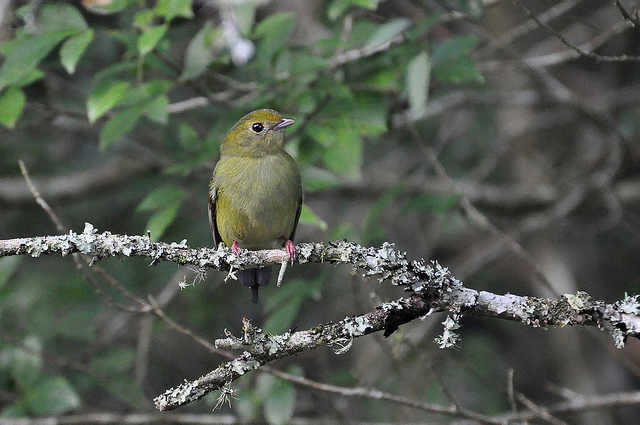
Blue Manakin (Chiroxiphia caudata) Female ©CTimm
Bring forth with thee every living thing that is with thee, of all flesh, both of fowl, and of cattle, and of every creeping thing that creepeth upon the earth; that they may breed abundantly in the earth, and be fruitful, and multiply upon the earth. (Genesis 8:17 KJV)
The Blue Manakins (Chiroxphia caudata) are members of the Manakins – Pipridae Family. They were previously called the Swallow-tailed Manakin. They are found “in north-eastern Argentina, southern and south-eastern Brazil, and Paraguay. Its typical habitat is wet lowland or montane forest and heavily degraded former forest. Males have a bright blue body, black head wings and tail and a red crown. Females and juveniles are olive-green. At breeding time, males are involved in lekking behaviour when they sing and dance to impress females.” (Wikipedia)
Not the clearest, but it is difficult in a jungle to video:
From another lek:
Now for the clearest of all:
*
*
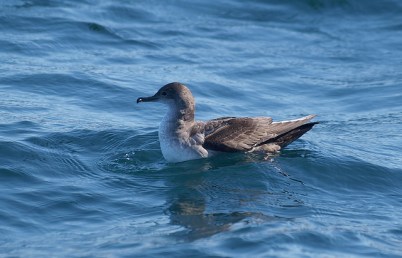
Balearic Shearwater (Puffinus mauretanicus) ©©Flickr
“But the LORD sent out a great wind into the sea, and there was a mighty tempest in the sea, so that the ship was like to be broken.
(Jonah 1:4 KJV)
*
*
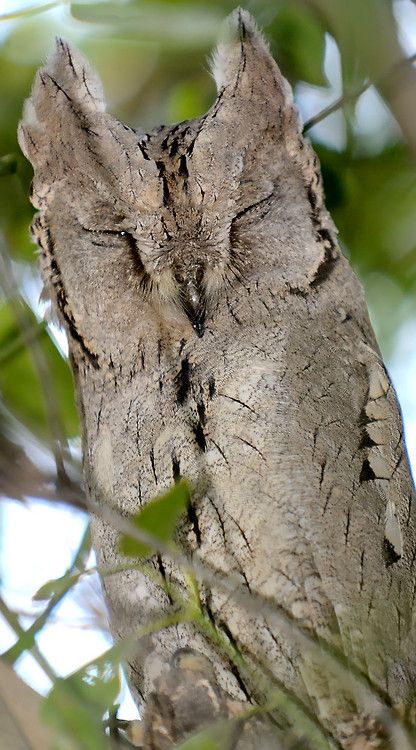
Napping Pallid Scops Owl by Yogesh Bhandarkar From Pinterest
“Then the mariners were afraid, and cried every man unto his god, and cast forth the wares that were in the ship into the sea, to lighten it of them. But Jonah was gone down into the sides of the ship; and he lay, and was fast asleep. Jonah 1:5
Napping Pallid Scops Owl by Yogesh Bhandarkar From Pinterest
*
*
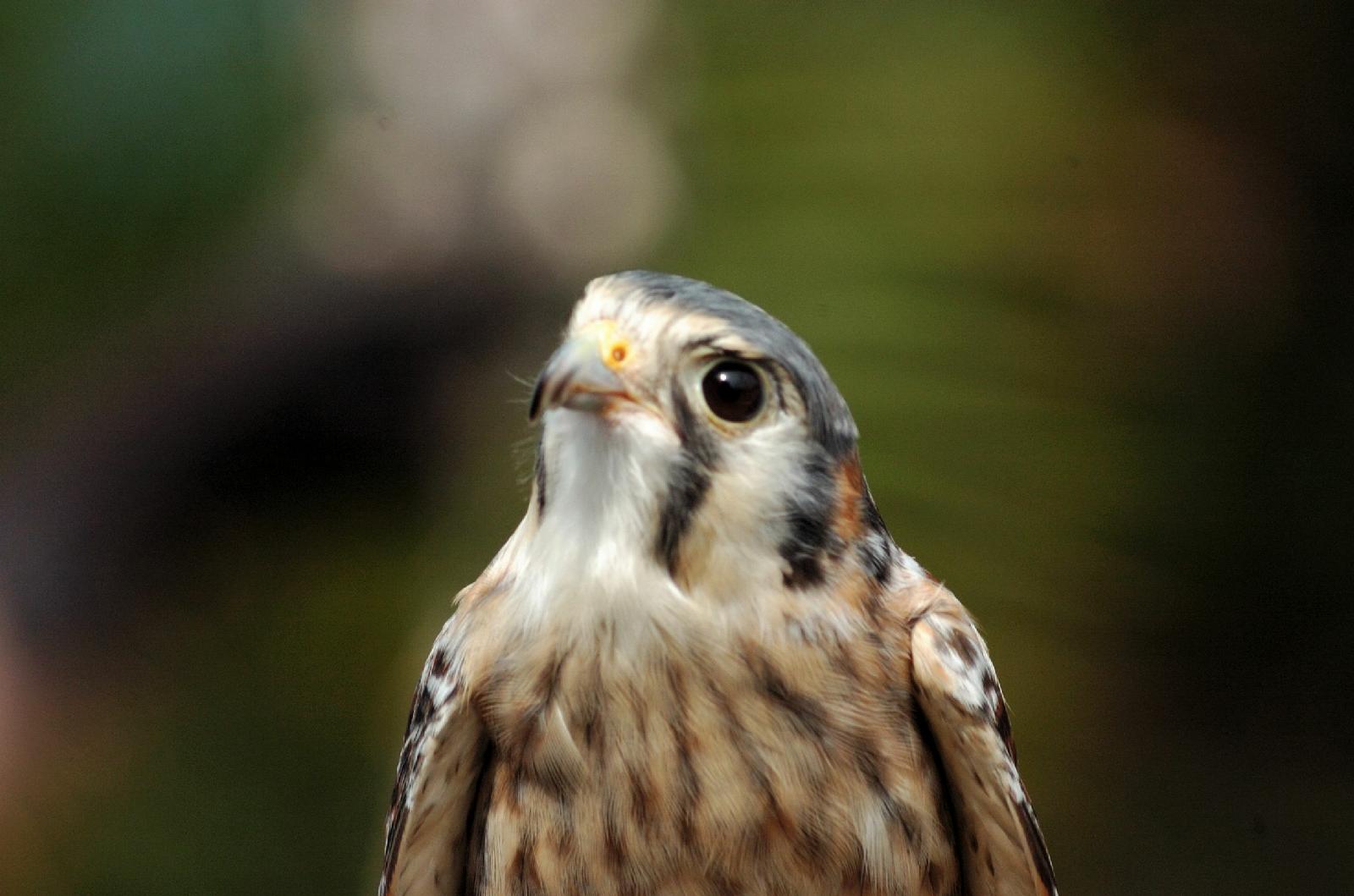
American Kestrel at National Aviary by Dan
If you watched the 19 Funny Bird Videos posted recently, you saw the American Kestrel. It fascinated me that they could hold their head so steady. So, I went looking to find out how and why they do that.
Number one, the American Kestrel (Falco sparverius) is part of the Falconidae – Caracaras, Falcons family. Being part of this family, it is therefore a Bird of the Bible. They Falcon is mentioned in at least two verses. In the list of birds to not eat in Leviticus:
“the kite, and the falcon after its kind;” (Leviticus 11:14 NKJV)
The Sparrow Hawk, as it was formerly called, now the American Kestrel, is the “smallest, most numerous, and most widespread North American falcon. Of the 13 kestrel species that occur throughout the world, it is the only one found in the Western Hemisphere” (Birds of North America) They live on open areas and like to hunt from perches or even utility lines. This place of perching moves as the wind blows. Our Great Creator designed these birds to have the ability to do as you will see in the videos.
As I watched this reaction, several verses came to mind.
Therefore, my beloved brethren, be ye stedfast, unmoveable, always abounding in the work of the Lord, forasmuch as ye know that your labour is not in vain in the Lord. (1 Corinthians 15:58 KJV)
My son, let not them depart from thine eyes: keep sound wisdom and discretion: (Proverbs 3:21 KJV)
Which hope we have as an anchor of the soul, both sure and stedfast, and which entereth into that within the veil;
(Hebrews 6:19 KJV)
(Sorry, I don’t know the code to kill the music.)
But exhort one another daily, while it is called To day; lest any of you be hardened through the deceitfulness of sin. For we are made partakers of Christ, if we hold the beginning of our confidence stedfast unto the end; While it is said, To day if ye will hear his voice, harden not your hearts, as in the provocation. (Hebrews 3:13-15 KJV)
*
Falconidae – Caracaras, Falcons
*
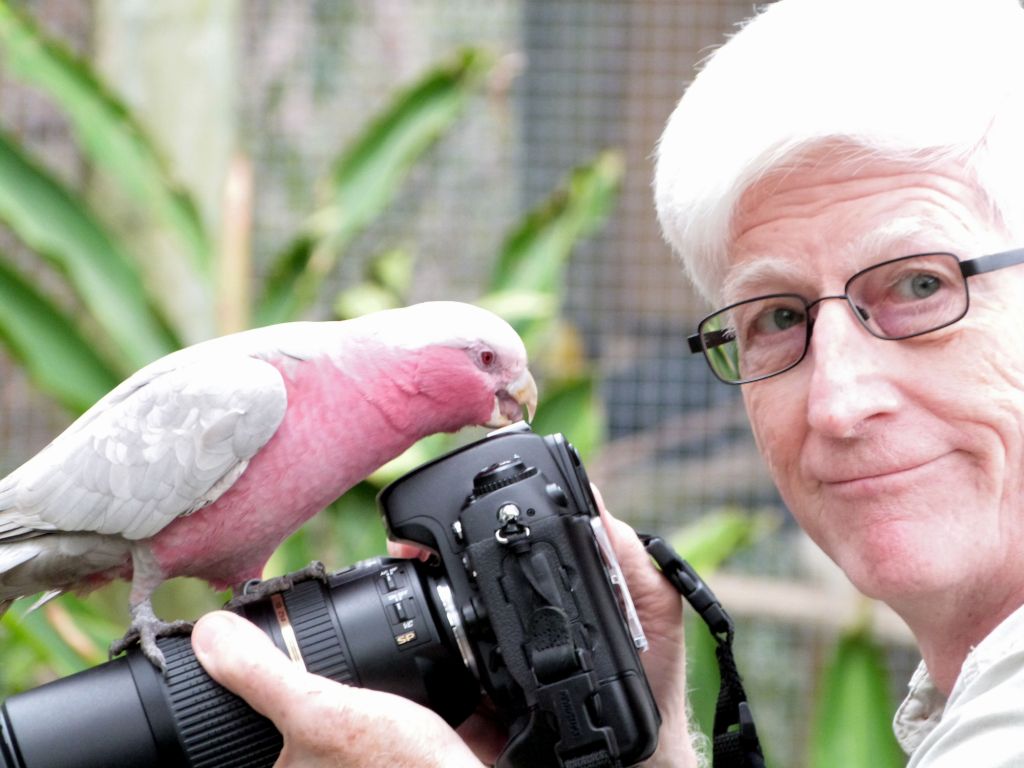
“But the fruit of the Spirit is love, joy, peace, longsuffering, gentleness, goodness, faith, Meekness, temperance: against such there is no law.” (Galatians 5:22-23 KJV)
Galah (Eolophus roseicapilla) and Dan
*
*
 Lee's Birdwatching Adventures Plus