BOTH THE BIRD AND THE PHOTOGRAPHYHard to believe this Osprey got 5-6 fish at a time, then got a ‘flounder’ under 3 feet of water and finally made off with what looks to be a 5+ lbs steel head.Have you ever seen a bird shake water off like a dog does?Wouldn’t want to get in its way when its eyes are locked onto you and talons in the “load” position! It’s talons are amazing!There are 3 sequences in this one video:1st sequence – catches half a dozen fish in one strike.2nd sequence – plunges talons into deep water to grab the prey.3rd sequence – captures a big old fish that looks as if it weighs more than he does!This is incredible to watch!CLICK: OSPREY
Category Archives: Birdwatching
I.O.C. World Bird List Version 8.2 – Updated
“For by him were all things created, that are in heaven, and that are in earth, visible and invisible, whether they be thrones, or dominions, or principalities, or powers: all things were created by him, and for him: And he is before all things, and by him all things consist.” (Colossians 1:16-17 KJV)
I finally finished updating the Birds of the World pages to reflect the newest version, 8.2. of the IOC’s bird list. The family pages and the indexes have been modified. Since the photos on the site were hacked last year, the family pages were changed. Now the photos are at the bottom of the pages instead of with each name.
With this version, I added the Genera in with Green. Many of the new changes are in red and a few in blue. The red are spelling or Genera changes. Blue seems to represent reshuffled positions within a family. [I think – this is from their Excel spreadsheet]
Two families were moved into the Vangidae – Vanga and Allies family.
Here is the over update:
The IOC World Bird List 8.2 contains 10,711 extant species (and 158 extinct species) classified in 40 Orders, 246 Families (plus 1 Incertae Sedis) and 2,313 Genera. The list also includes 20,055 subspecies, their ranges and authors.
Changes include:
TAXONOMY: 18 incl revisions of Campephagidae, Phylloscopidae and Locustellidae, and expansion of Vangidae to include helmetshrikes, woodshrikes, and shrike-flycatchers
The three articles listed in the Time For Another Update From The I.O.C. explain the changes and saves me rewriting the same information.
2018 checklist changes include few splits
David Sibley: How to make peace with changes to your checklist
The Indexes, Alphabetical Pages and Family Pages are all current here on the site:
Alphabetical List of the Birds.
ORDER
Family
Families – Alphabetical (Scientific)
Families – Alphabetical (English)
Families – Taxonomic (Scientific – English)
Families – Taxonomic (English – Scientific)
Species Index
Those Who Wish To Sing
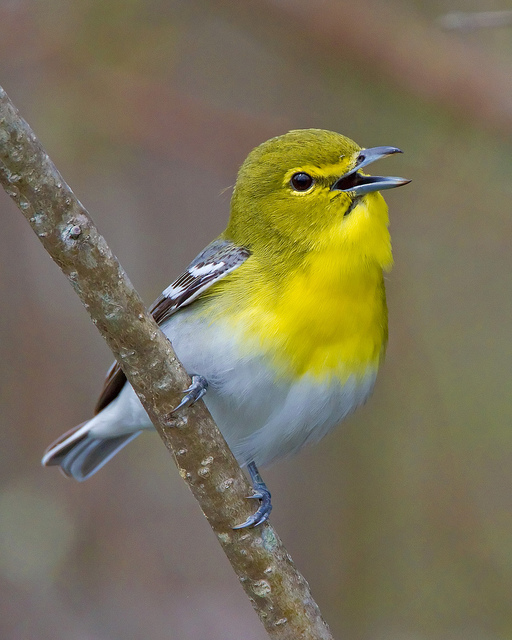
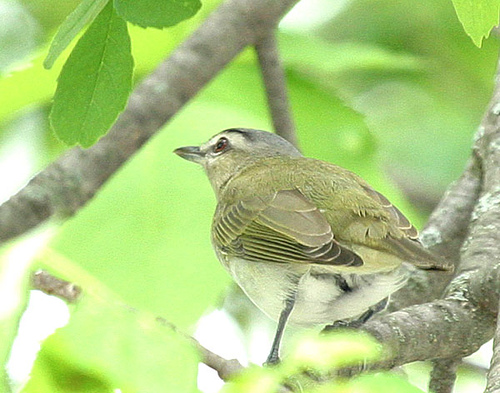
I received an email recently to ask if I would allow permission to use this photo:
“Sing unto him, sing psalms unto him, talk ye of all his wondrous works.” (1 Chronicles 16:9 KJV)
Since this beautiful singing Vireo is on the internet as Creative Commons, they were free to use it.
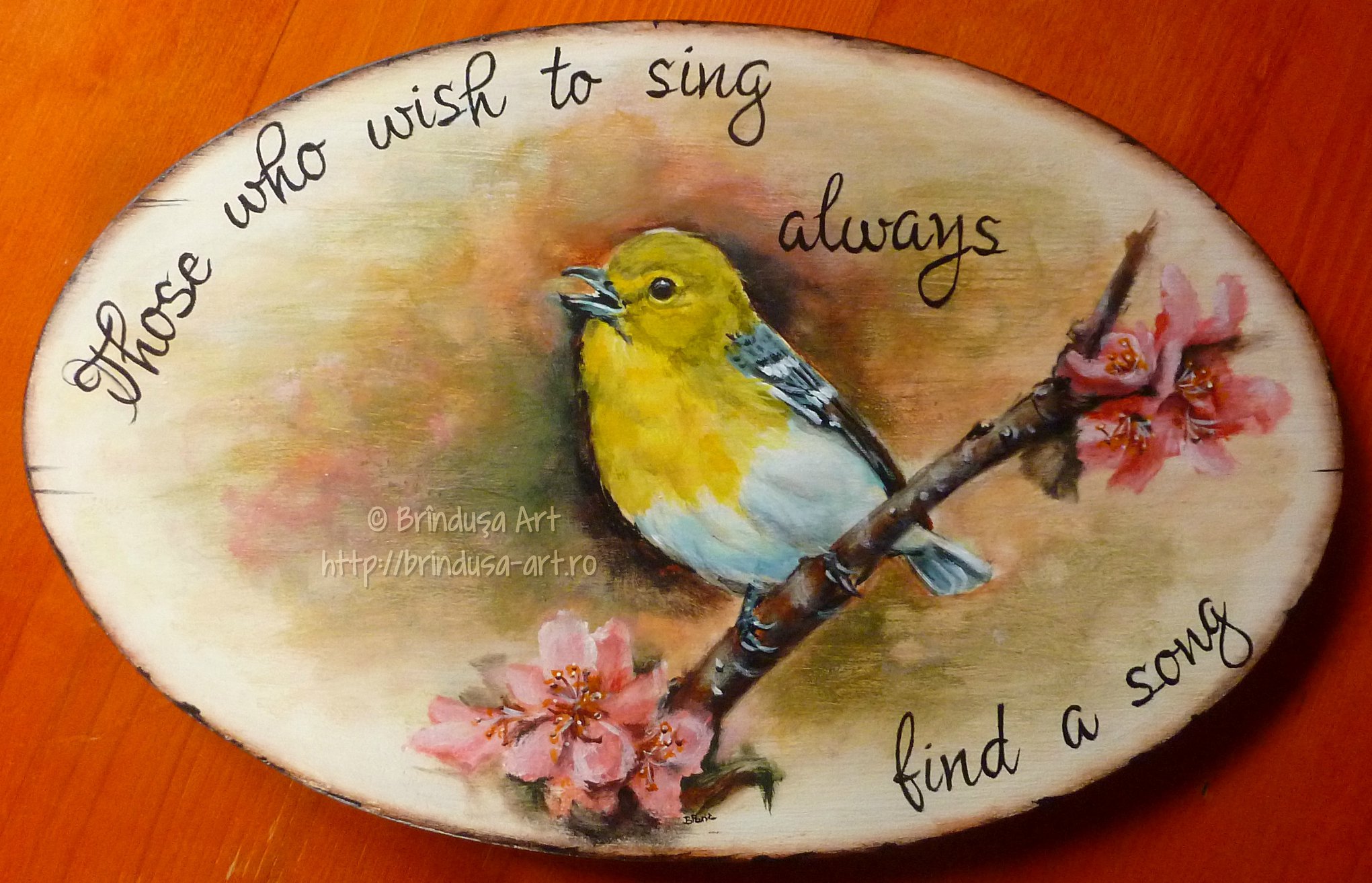
Here is how a very artistic person painted it. Wow! I can hardly draw a stick man correctly!
Here is a little about her:
I am a Christian woman who greatly enjoys painting and sharing some of the beauty she sees around her. I am very grateful for God’s grace and for this gift of painting that He’s given me…
Please visit her site and see this lovely drawing and her other drawings.
Those Who Wish To Sing Always Find A Song
https://www.facebook.com/BrindusaArt/
http://brindusa-art.ro/wordpress/gallery/
Time For Another Update From The I.O.C.
The latest update from the I.O.C. [8.2] just came out yesterday. Thankfully, they are only doing two a year now, not four. So, while I dig in and rearrange and update this site, here are a couple of articles about the latest changes that might interest you.
If you are new to this blog, several times a year, the birding authorities accept and reject proposals for splits, lumps and new species. Some are accepted and many are rejected for now. These articles help explain that procedure better than I can. So, look them over. They reveal the hows and whys of the latest changes.
This first one shows the changes very well and may save me doing the same.
BirdWatching magazine has this article:
2018 checklist changes include few splits
This next article by David Sibley is really good and helps us understand these changes from a personal level:
David Sibley: How to make peace with changes to your checklist
***
Latest update online here is the IOC 8.1. Stay tuned, I’m on it!
“My son, fear thou the LORD and the king: and meddle not with them that are given to change:” (Proverbs 24:21 KJV)
I.O.C. Version 8.1 Update Completed
Scissor-tailed Birds
In JJSJ’s [Dr. Jim] article, Scissor-Tailed Flycatcher, Oklahoma’s Long-tailed State Bird, he introduced you to the beautiful Scissor-Tailed Flycatcher. Today, I would like to show you three more “scissor-tailed” birds.
The word “Scissor” is not mentioned in the Bible, at least that I can find. Yet, God told us in His Word:
“This shall be written for the generation to come: and the people which shall be created shall praise the LORD.” (Psalms 102:18 KJV)
“Let them praise the name of the LORD: for he commanded, and they were created.” (Psalms 148:5 KJV) [Refers to the heavens and these beautiful birds fly in the sky, which was created.
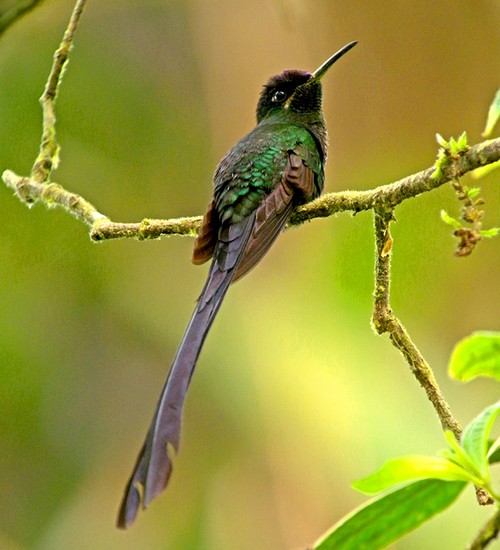
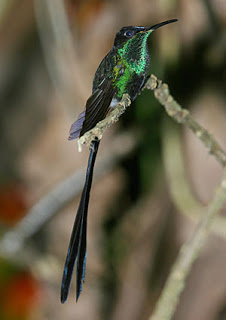
Scissor-tailed Hummingbird (Hylonympha macrocerca)

Scissor-tailed Hummingbird from Speak up for the Voices
Speak Up For The Voices Article About Scissor-tailed Hummingbird

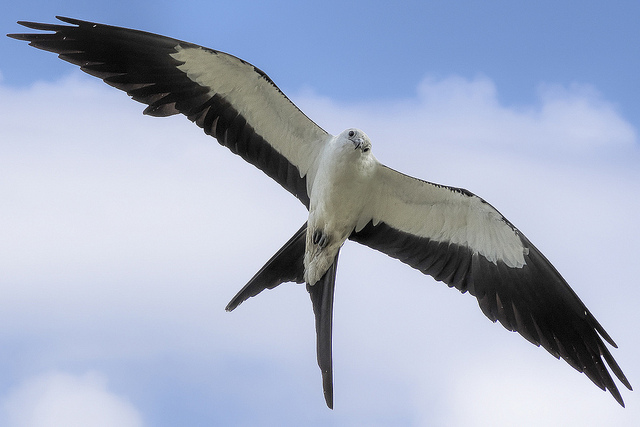
Scissor-tailed Kite (Chelictinia riocourii) ©WikiC
Scissor-tailed Kite (Chelictinia riocourii)
Today we rode over to Melbourne, Florida (90 miles) for the one-year checkup of my back surgery. We were blessed to see one of the Scissor-tailed Kites flying along in the field. They are here in Florida for a few months, starting in April or May. We always enjoy watching them, especially when they turn and you get a glimpse of the “scissor” tail.
Swallow-tailed Kites In The Area Again
Scissor-tailed Nightjar (Hydropsalis torquata)
See:
Scissor-tailed Nightjar (Hydropsalis torquata)
Scissor-tailed Hummingbird (Hylonympha macrocerca)
Avian And Attributes – Scarlet-plus Birds
“They shall spread over them a scarlet cloth, …” (Numbers 4:8a NKJV)
“Come now, and let us reason together, saith the LORD: though your sins be as scarlet, they shall be as white as snow; though they be red like crimson, they shall be as wool.” (Isaiah 1:18 KJV)
Avian and Attributes – Scarlet II
Scarlet
This dye was obtained by the Egyptians from the shell-fish Carthamus tinctorius; and by the Hebrews from the Coccus ilicis, an insect which infests oak trees, called kermes by the Arabians.
This colour was early known (Gen_38:28). It was one of the colours of the ephod (Exo_28:6), the girdle (Exo_28:8), and the breastplate (Exo_28:15) of the high priest. It is also mentioned in various other connections (Jos_2:18; 2Sa_1:24; Lam_4:5; Nah_2:3). A scarlet robe was in mockery placed on our Lord (Mat_27:28; Luk_23:11). “Sins as scarlet” (Isa_1:18), i.e., as scarlet robes “glaring and habitual.” Scarlet and crimson were the firmest of dyes, and thus not easily washed out. [Easton’s Bible Dictionary]
Crimson, red, purple, and scarlet:
Used in the symbolisms of the tabernacle furnishings and priestly vestments and functions, as types and shadows of the atonement. ]Nave’s Topical Bible]
There are so many birds whose names begin with “Scarlet-“, that I decided to do a Part II. I want to show more of God’s Handiwork in the Avian Creations. These are by far not all of them.

Scarlet-browed Tanager (Heterospingus xanthopygius) ©WikiC
Birds whose first name starts with “S”
*
[Definitions from Webster’s Dictionary of American English (1828), unless noted. Bird info from Wikipedia plus.]
Avian And Attributes – Scarlet
“And they stripped Him and put a scarlet robe on Him. When they had twisted a crown of thorns, they put it on His head, and a reed in His right hand. And they bowed the knee before Him and mocked Him, saying, “Hail, King of the Jews!” (Matthew 27:28-29 NKJV)
Avian and Attributes – Scarlet
SC’ARLET, n.
1. A beautiful bright red color, brighter than crimson.
2. Cloth of a scarlet color.
All her household are clothed with scarlet. Prov 31.
SC’ARLET, a. of the color called scarlet; of a bright red color; as a scarlet cloth or thread; a scarlet lip.
Scarlet Birds
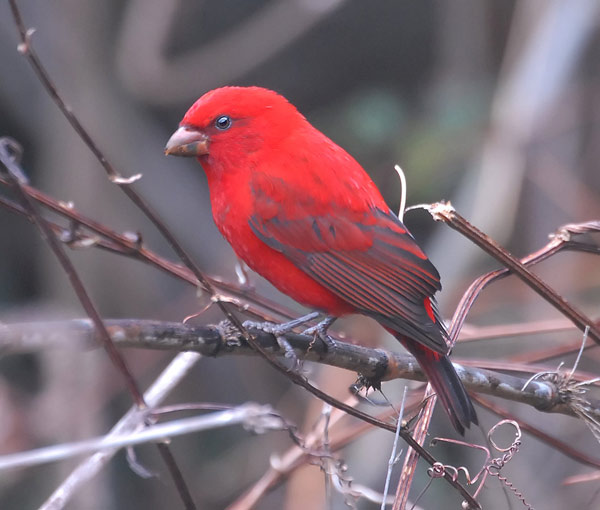
Scarlet Finch
Scarlet Flycatcher
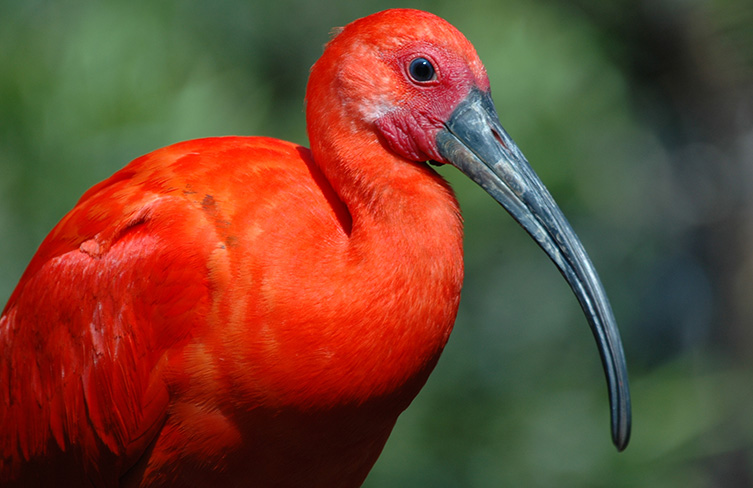
Scarlet Ibis
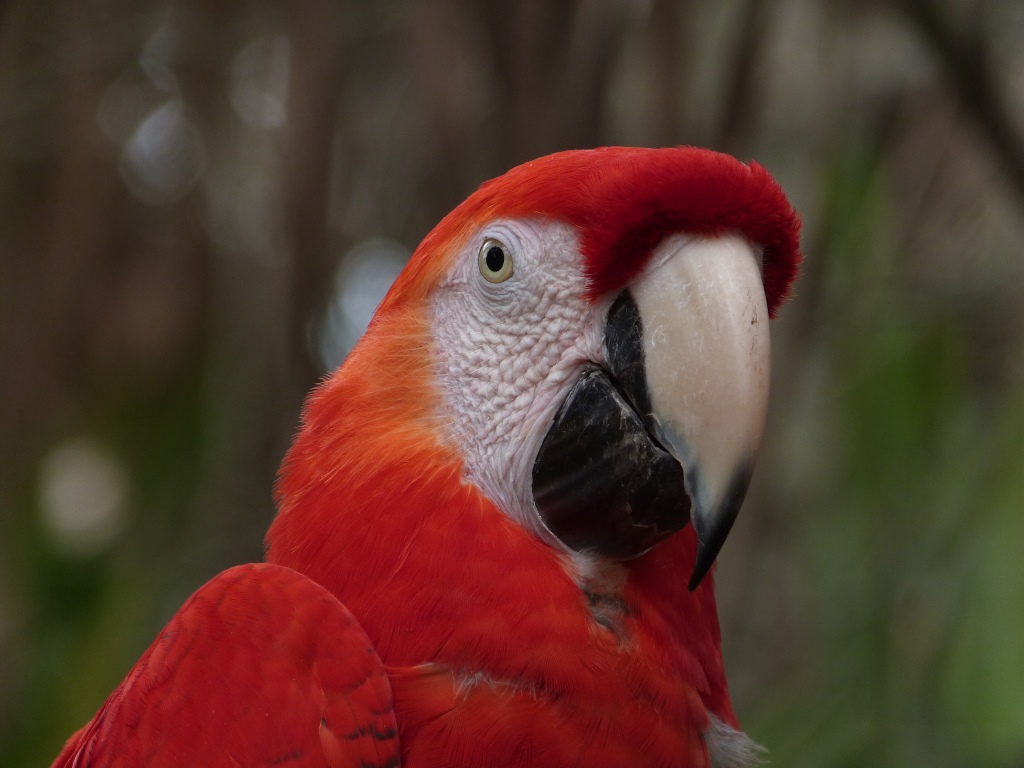
Scarlet Macaw
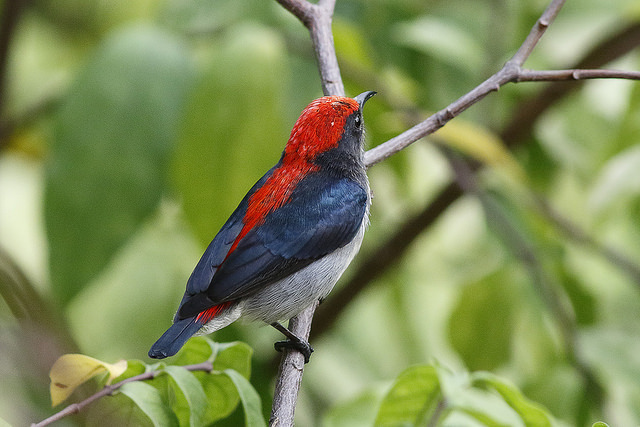
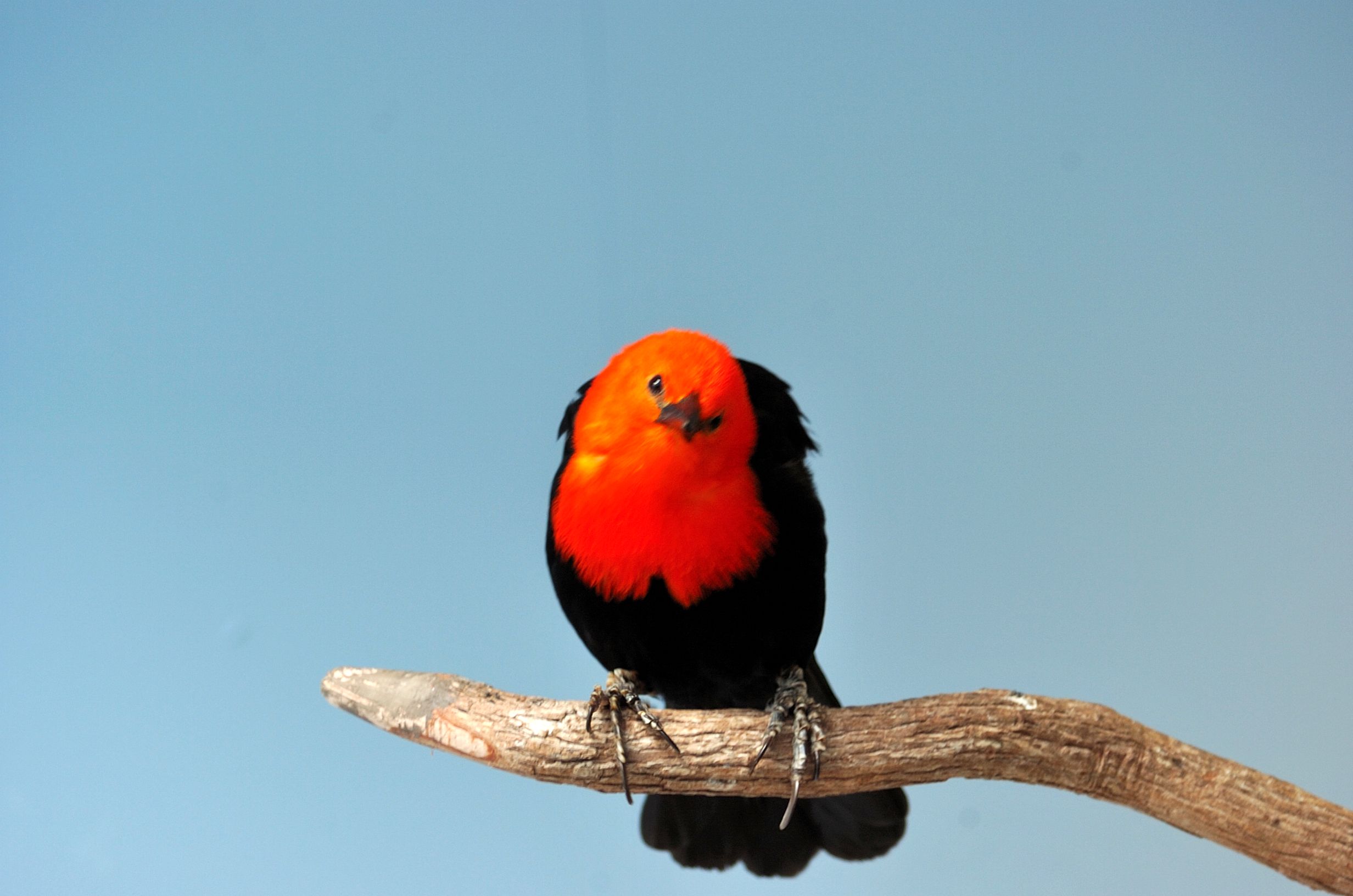
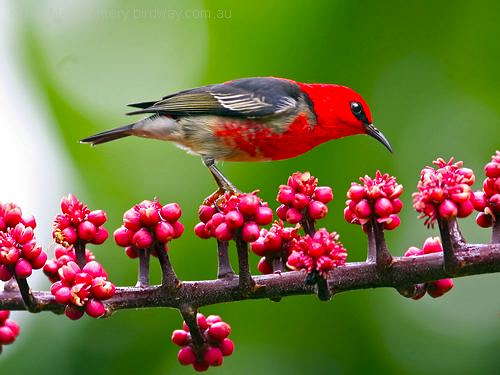
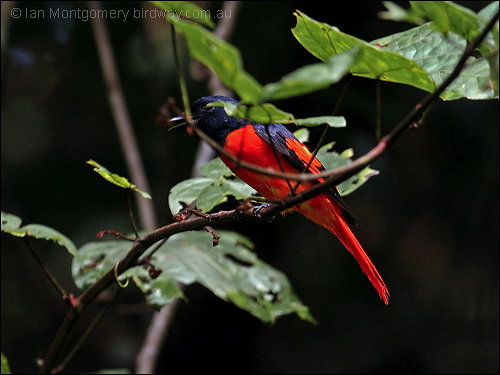
Scarlet Minivet
Scarlet Myzomela
Scarlet Robin
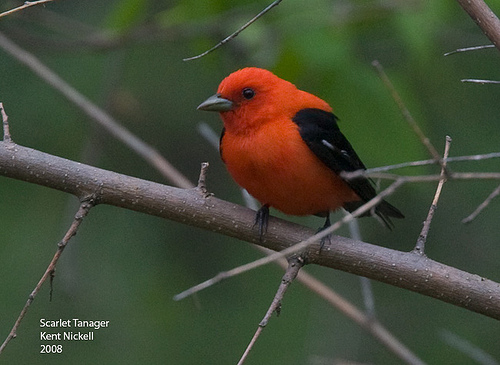
Scarlet Tanager
She is not afraid of snow for her household, For all her household is clothed with scarlet. (Proverbs 31:21 NKJV)
Birds whose first name starts with “S”
*
[Definitions from Webster’s Dictionary of American English (1828), unless noted. Bird info from Wikipedia plus.]
Avian And Attributes – Scale
“Who has measured the waters in the hollow of His hand, Measured heaven with a span And calculated the dust of the earth in a measure? Weighed the mountains in scales And the hills in a balance? Who has directed the Spirit of the LORD, Or as His counselor has taught Him? With whom did He take counsel, and who instructed Him, And taught Him in the path of justice? Who taught Him knowledge, And showed Him the way of understanding?” (Isaiah 40:12-14 NKJV)
Avian and Attributes – Scale
SCALE, n. [L. id. If the sense is to strip, it coincides with the Gr. to spoil.]
1. The dish of a balance; and hence, the balance itself, or whole instrument; as, to turn the scale.
Long time in even scale the battle hung.
3. The small shell or crust which composes a part of the covering of a fish; and hence, any thin layer or leaf exfoliated or separated; a thin lamin; as scales of iron or of bone.
4. A ladder; series of steps; means of ascending. [L. scala.]
5. The art of storming a place by mounting the wall on ladders; an escalade, or scalade.
6. A mathematical instrument of wood or metal, on which are marked line and figures for the purpose of measuring distances, extent or proportions; as a plain scale; a diagonal scale.
7. Regular gradation; a series rising by steps or degrees like those of a ladder. Thus we speak of the scale of being, in which man occupies a higher rank than brutes, and angels a higher rank than man.
8. Any instrument, figure or scheme, graduated for the purpose of measuring extent or proportions as a map drawn by a scale of half an inch to a league.
9. In music, a gamut; a diagram; or a series of lines and spaces rising one above another, on which notes are placed; or a scale consists of the regular gradations of sounds. A scale may be limited to an octave, called by the Greeks a tetrachord, or it may extend to the compass of any voice or instrument.
10. Any thing graduated or marked with degrees at equal distances.
SCALE, v.t.
1. To climb, as by a ladder; to ascend by steps; and applied to the walls of a fortified place, to mount in assault or storm.
Oft have I scal’d the craggy oak.
2. [from scale, a balance.] To measure; to compare; to weight.
3. [from scale, the covering of a fish.] to strip or clear of scales; as, to scale a fish.
4. To take off in thin lamins or scales.
5. To pare off a surface.
If all the mountains were scaled, and the earth made even –
[Edited]
Scale- Birds
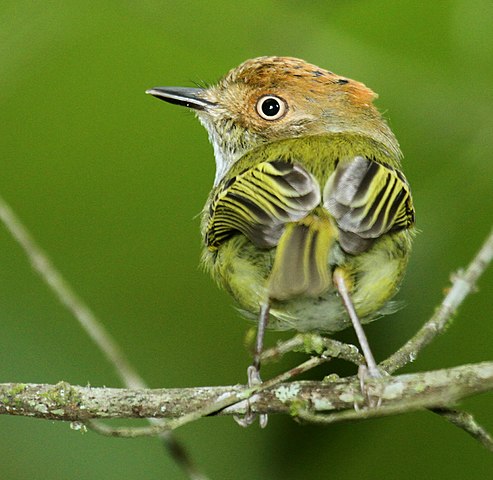
Scale-crested Pygmy Tyrant (Lophotriccus pileatus)
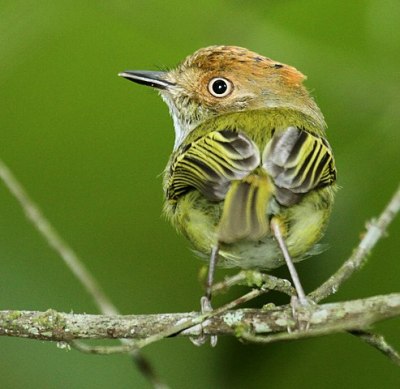
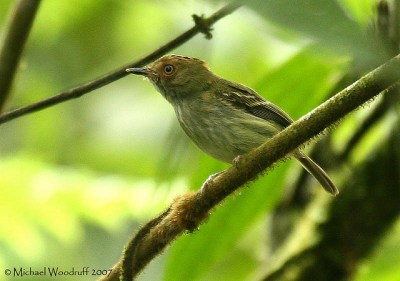
The Scale-crested Pygmy Tyrant (Lophotriccus pileatus) is a species of bird in the family Tyrannidae. It was given its name for the small crown-like ring of feathers on the top of its head. It raises these feathers both to attract a mate and to seem larger when frightened.
It is found in Colombia, Costa Rica, Ecuador, Panama, Peru, Venezuela, and possibly Honduras. Its natural habitats are subtropical or tropical moist lowland forest and subtropical or tropical moist montane forest. Not much is known about the habits or breeding of the bird.
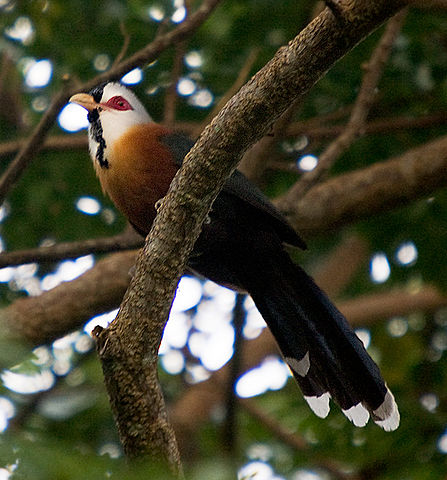
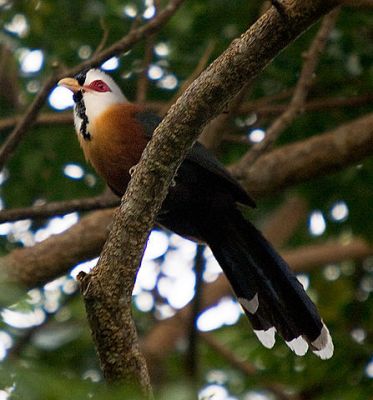
Scale-feathered Malkoha
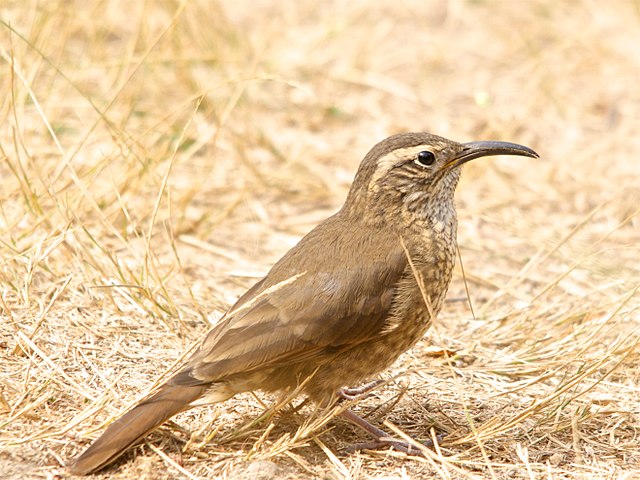
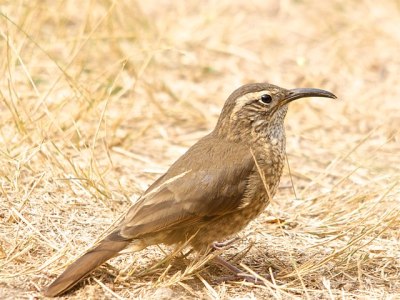
Scale-throated Earthcreeper
The Scale-feathered Malkoha (Dasylophus cumingi) is a species of cuckoo in the family Cuculidae. It is endemic to the northern Philippines.
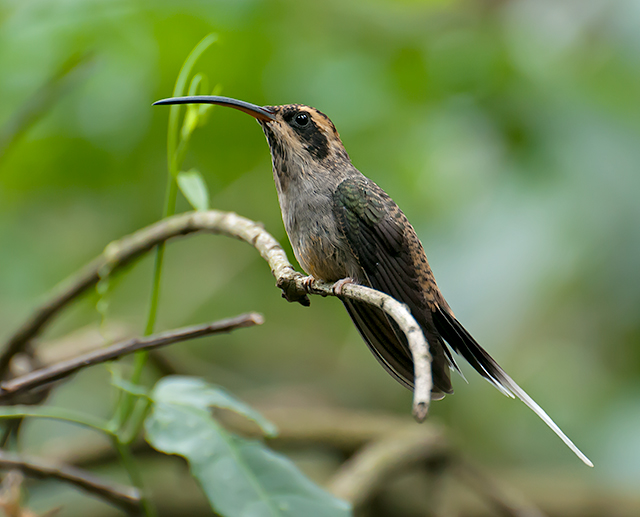
Scale-throated Hermit
The Scale-throated Earthcreeper (Upucerthia dumetaria) is a species of bird in the Furnariidae family. It is found in Argentina and the Altiplano; it winters in the Pampas and east of Córdoba. Its natural habitats are subtropical or tropical dry shrubland, subtropical or tropical high-altitude shrubland, and subtropical or tropical high-altitude grassland. They build their nests at the end of tunnels measuring between one and two meters. These tunnels are almost exclusively based on slopes; however, rock crevices are occasionally used. It formerly included the Patagonian forest earthcreeper (U. saturatior) as a subspecies.
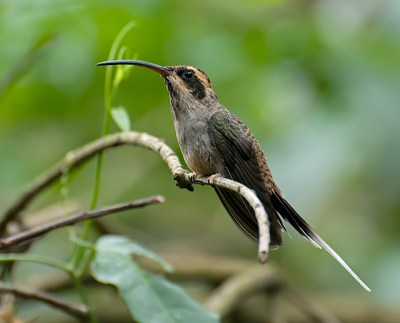
The Scale-throated Hermit (Phaethornis eurynome) is a species in the hummingbird family, Trochilidae.
It is found in the Atlantic forest in north-eastern Argentina, south-eastern Brazil, and eastern Paraguay. The supposed “black-billed hermit”, described as P. nigrirostris, has turned out to be a mutant P. eurynome with an all-black bill.
Birds whose first name starts with “S”
*
[Definitions from Webster’s Dictionary of American English (1828), unless noted. Bird info from Wikipedia plus.]
To Avoid Hunger, Don’t Be a Picky Eater
To Avoid Hunger, Don’t Be a Picky Eater ! – Dr. James J. S. Johnson
And into whatsoever city ye enter, and they receive you, eat such things as are set before you. (Luke 10:8)

GREAT BLUE HERON ( photo: GreatEscapes.com )
Earlier today I was reviewing some pages in Peter Alden’s handy guidebook, NATIONAL AUDUBON SOCIETY FIELD GUIDE TO NEW ENGLAND (Alfred A. Knopf, 2016), and I noticed info (on page 283) on the Great Blue Heron, whose range was described as:
“Apr.-Oct: mainly inland south to MA; nests early, disperses widely by July. Oct.-Apr.: coast of s n. Eng.” [referring to its range in the New England states].
Alden also noted the habitat of the Great Blue Heron: “Marshes, watersides” [and you usually find Great Blues near water — see Lee Dusing’s “Gatorland’s Taxi Service”, posted at https://leesbird.com/tag/great-blue-heron/ ]. This makes sense — herons are wading birds, frequenting the margins of lakes, ponds, and other well-watered wetlands.
However, don’t be shocked when you find them not-so-close to bodies of freshwater, because Great Blue Herons are good at flying — and they are opportunistic eaters (e.g., crayfish, finfish, frogs, small birds, bugs, small rodents, snakes, etc.), so they are not limited to pondshores (or seashores) for their dietary opportunities. [See, accord, “Great Blue Heron Couples, Contented with Stereotypical Domestic Roles” , posted at https://leesbird.com/2018/05/31/great-blue-heron-couples-contented-with-stereotypical-domestic-roles/ ].
Why am I not surprised, today, when I think about the opportunistic travels undertaken by Great Blue Herons? Because this morning, during my morning commute along Interstate 635 (a major highway in Dallas, with the eastbound and westbound lanes divided by an expansive grassy median) I witnessed a Great Blue Heron picking around in the median’s weedy grasses, hunting for something to eat — with no body of water anywhere in sight! Picky eaters, like Florida Kites (which focus their diet on Everglade apple snails) often go hungry — but not Great Blue Herons, because their diet is anything but “picky”. (Seems like Great Blue Herons don’t like to go hungry.)

GREAT BLUE HERON (photo: Audubon Society of Portland)
Flying – By Creation Moments

“But they that wait upon the LORD shall renew their strength; they shall mount up with wings as eagles; they shall run, and not be weary; and they shall walk, and not faint.” Isaiah 40:31
Flying – By Creation Moments
The concept of flying has inspired so much in the way of art – visual, musical, and literary. “One day, I’ll fly away,” sang Randy Crawford, evoking a view of flying as a metaphor for freedom. Other songs have taken up the same theme. “You are the wind beneath my wings”. “Love lift us up where we belong”. “Come fly with me, come fly, let’s fly away”.
The Bible also uses this metaphor. “They who wait for the LORD shall renew their strength; they shall mount up with wings like eagles; they shall run and not be weary; they shall walk and not faint.” (Isaiah 40:31). We instinctively know that Isaiah is referring to a sense of strength, produced by the power of the Lord, by waiting on Him.
Being free from the clutches of sin is like being free of gravity! And this freedom evokes images of eagles soaring without even flapping their wings as they ride the thermal air currents.
An evolutionist has to believe that the ability to fly has evolved. Not only that, but they must believe that this ability has evolved at least three times, and maybe four – birds, bats, flying insects, and pteradactyls being the four groups of animals which fly.
In contrast, the Bible tells us that flight was a deliberate design of God. Flying creatures were created on Day Five of the creation week. God designed flight, and the Bible says that He pronounced it “good”.
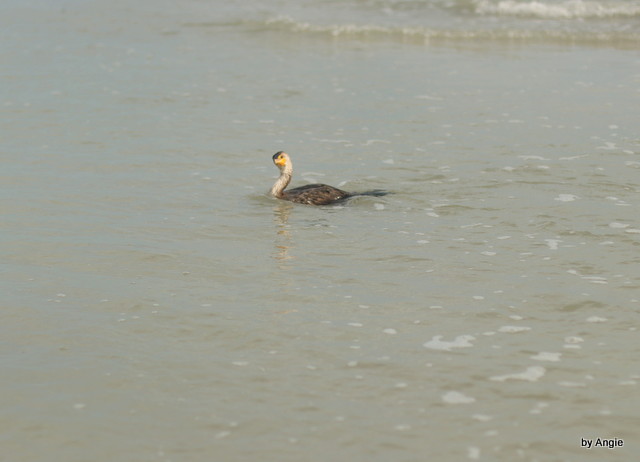
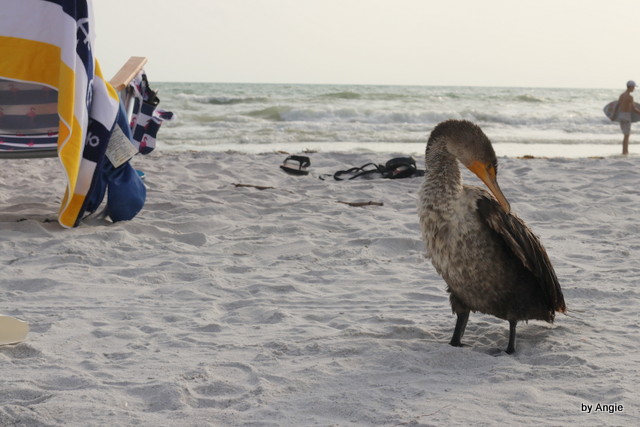
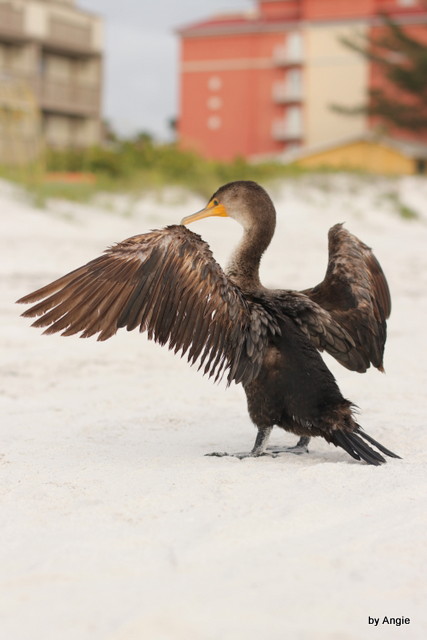
Double-crested Cormorant Juvenile at Indian Rocks Beach
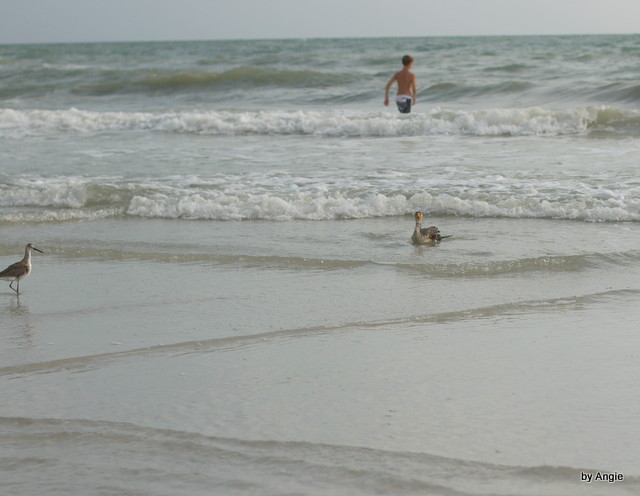
My niece, Angie, sent the above photo of a bird they observed at the Indian Rocks Beach shore in Florida. She asked what kind of a “sea duck” it was. She was close, but the cormorant family is totally separate. I let her know that it was a juvenile Double-crested Cormorant.
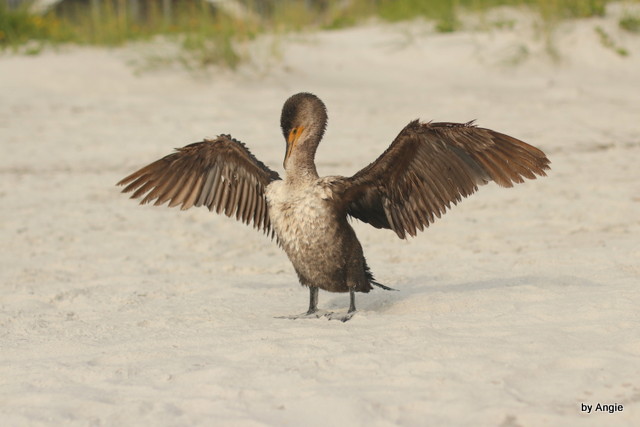
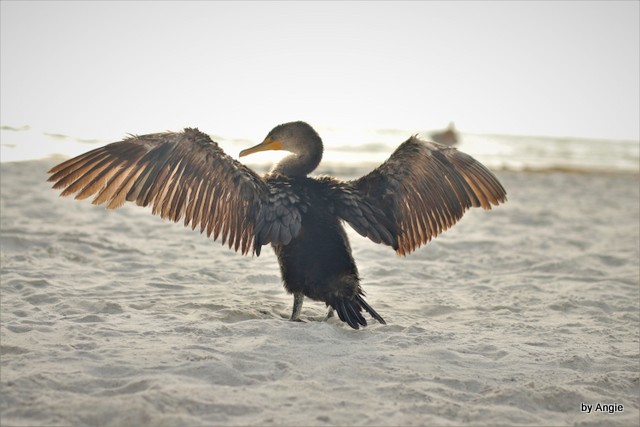
She later told me that it was almost struggling to get out of the water. Angie also provided me with more photos of this youngster. I may be wrong, but, being immature, it may have become too water-logged. I have never experienced seeing one “swimming ashore”. If they were to become too wet, that could happen, I suppose. Whatever the case, enjoy seeing her sequence of another fantastic creation from our Creator. He provides for us and the avian population with provisions to help us when in need.
“Let us therefore come boldly unto the throne of grace, that we may obtain mercy, and find grace to help in time of need.” (Hebrews 4:16 KJV)
The Cormorant is listed in four verses in the Bible, therefore making it a Bird of the Bible. “And the pelican, and the gier eagle, and the cormorant,”
(Deuteronomy 14:17 KJV)
The Double-crested Cormorant (Phalacrocorax auritus) is a member of the cormorant family of seabirds. It occurs along inland waterways as well as in coastal areas, and is widely distributed across North America, from the Aleutian Islands in Alaska down to Florida and Mexico. Measuring 70–90 cm (28–35 in) in length, it is an all-black bird which gains a small double crest of black and white feathers in breeding season. It has a bare patch of orange-yellow facial skin. Five subspecies are recognized.
After fishing, cormorants go ashore, and are frequently seen holding their wings out in the sun. All cormorants have preen gland secretions that are used ostensibly to keep the feathers waterproof. Some sources state that cormorants have waterproof feathers while others say that they have water permeable feathers. Still others suggest that the outer plumage absorbs water but does not permit it to penetrate the layer of air next to the skin. The wing drying action is seen even in the flightless cormorant but commonly in the Antarctic shags and red-legged cormorants. Alternate functions suggested for the spread-wing posture include that it aids thermoregulation, digestion, balances the bird or indicates presence of fish. A detailed study of the great cormorant concludes that it is without doubt to dry the plumage.
The Double-crested Cormorant (Phalacrocorax auritus) is a member of the cormorant family of seabirds. It occurs along inland waterways as well as in coastal areas, and is widely distributed across North America, from the Aleutian Islands in Alaska down to Florida and Mexico. Measuring 70–90 cm (28–35 in) in length, it is an all-black bird which gains a small double crest of black and white feathers in breeding season. It has a bare patch of orange-yellow facial skin. Five subspecies are recognized.
The double-crested cormorant is found near rivers and lakes and along the coastline. It mainly eats fish and hunts by swimming and diving. Its feathers, like those of all cormorants, are not waterproof and it must spend time drying them out after spending time in the water.
[Info from Cormorant] and Double-Crested Cormorant from Wikipedia]
Avian And Attributes – Sapphire
“And the foundations of the wall of the city were garnished with all manner of precious stones. The first foundation was jasper; the second, sapphire; the third, a chalcedony; the fourth, an emerald;” (Revelation 21:19 KJV)
Avian and Attributes – Sapphire
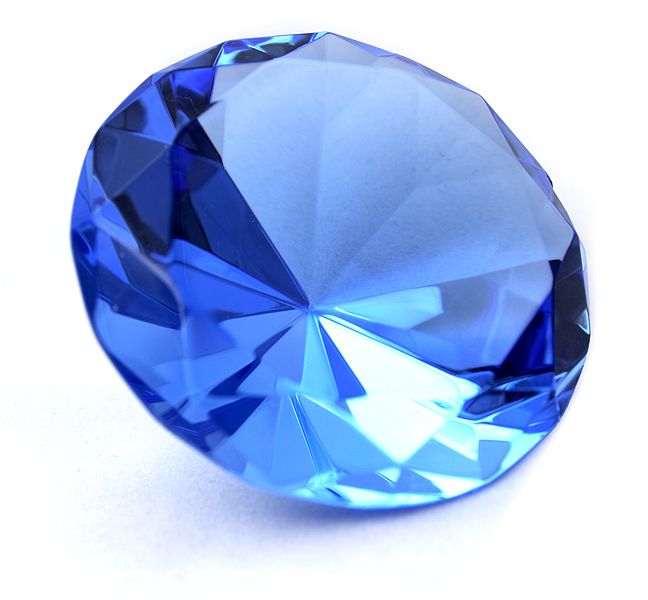
SAP’PHIRE, n. [L. sapphirus; Gr. to scrape, to shine, to be fair, open, beautiful.]
A species of silicious gems or minerals, of several varieties. In hardness it is inferior to the diamond only. Its colors are blue, red, violet, yellow, green, white, or limpid, and one variety is chatoyant, and another asteriated or radiated.
Sapphire is a subspecies of rhomboidal corundum.
The oriental ruby and topaz are sapphires.
Sapphire is employed in jewelry and the arts.
Sapphire Birds
Sapphire Flycatcher
Sapphire Quail-Dove
Sapphire-bellied Hummingbird
Sapphire-rumped Parrotlet
Sapphire-spangled Emerald
Sapphire-throated Hummingbird
Sapphire-vented Puffleg
Birds whose first name starts with “S”
*
[Definitions from Webster’s Dictionary of American English (1828), unless noted. Bird info from Wikipedia plus.]