Hang On To Your Hat – I.O.C. 8.1 Update Underway

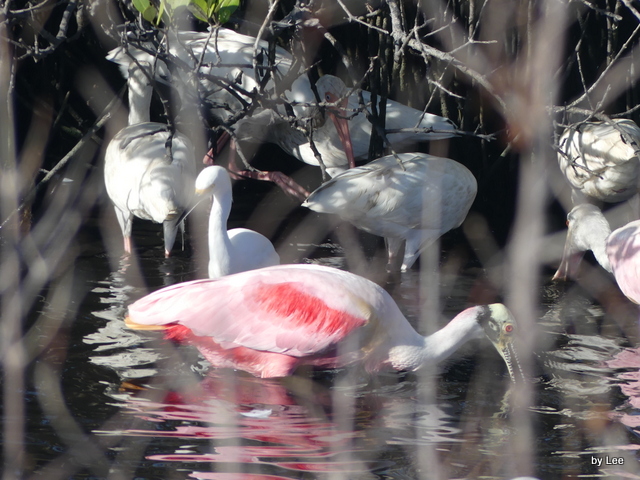
Mixed Flock Eating 122717 Merritt Is NWR by Lee

“Better is the end of a thing than the beginning thereof: and the patient in spirit is better than the proud in spirit.” (Ecclesiastes 7:8 KJV)

The new I.O.C. 8.1 Update was released on the 25th of January and I began updating this blog. There were a few minor changes at the beginning of the Taxonomic Order. They added a Sclater’s Crowned Pigeon and deleted the Ruwenzori Nightjar. (Simple enough). Then the Raja Shelduck (Tadorna radjah) became the (Radjah radjah) and the Grey Noddy (Anous albivittus became albivitta)

Four more birds had name changes; White-headed Stilt to Pied Stilt, Southern Crowned Pigeon to Scheepmaker’s Crowned Pigeon, Indigo-crowned Quail-Dove to Purple Quail Dove, and the Admirable Hummingbird is now the Talamanca Hummingbird. Okay so far.

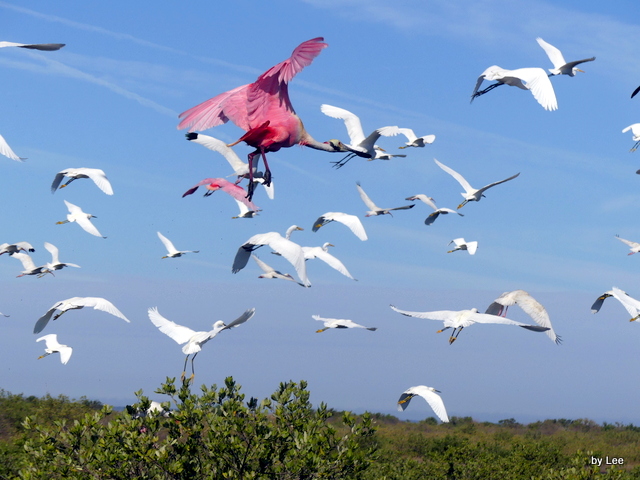
Mixed Flock Flyiing 122717 Merritt Is NWR by Lee

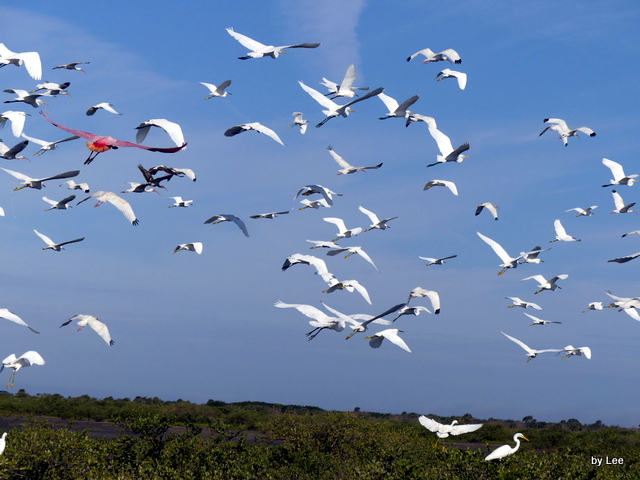
When we were at Merritt Island NWR in late December. There was a mixed flock of birds along the trail eating and drinking, then something spooked them and they all flew up at once and scattered. (Photo taken through the windshield) Why mention this?

Mixed Flock Flyiing 122717 Merritt Is NWR by Lee

The Antbirds, of the Thamnophilidae Family, were relaxing in their Taxonomy order within the family until the IOC decided to throw them all up in the air. All 236 have landed in a totally different sequence than before. So, the dust is flying as I am working on the newest update.

Stay tuned! This is just the beginning. There were eight new families created from others as we get further down the Taxonomic order of these families. I’ll let you know when some more family pages are updated. (I have been basically reworking this site.)

Once some dusk clears, I’ll present the links to the Families. [This dust is not helping my bronchitis. :) (of which I am about over with.)]

Birds of the World

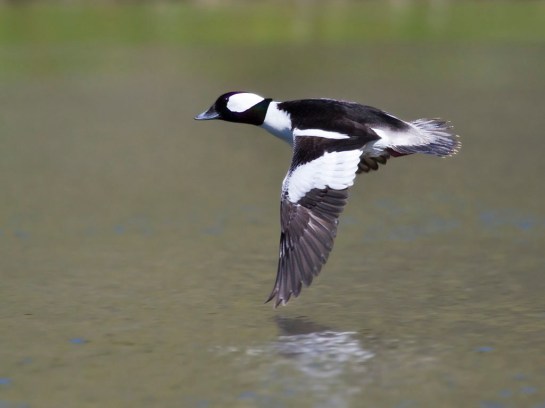
Bufflehead Duck, One of Diverse Divers at Aransas Bay

 Bufflehead Duck, One of Diverse Divers at Aransas Bay

Dr. James J. S. Johnson

Bufflehead-male.TorontoCanada-Wikipedia

BUFFLEHEAD male (Wikipedia)

And God blessed them, saying, Be fruitful, and multiply, and fill the waters in the seas, and let fowl multiply in the earth. (Genesis 1:22)

Diverse birds have lived and thrived upon planet Earth ever since God created bird-life on Day #5 of Creation Week. One of the major categories of God’s avian inventory are the waterfowl we call “ducks”, some of which dive to get their food. The Bufflehead duck is one such diving duck (in contrast to perching duck, dabbling ducks, and whistling ducks), and is described on the Sea Duck Joint Venture website as follows:

Bufflehead  [Bucephala albeola] The bufflehead is the smallest diving duck in North America. Males weigh about 450 g (1 lb.) and females 325 g (11 oz.). Breeding males are striking with a black head glossed green and purple, a large white patch covering the back of the head, a black back, white underparts, and black wings with a large white patch covering most of the inner wing.

[Quoting from https://seaduckjv.org/meet-the-sea-ducks/bufflehead/ .]

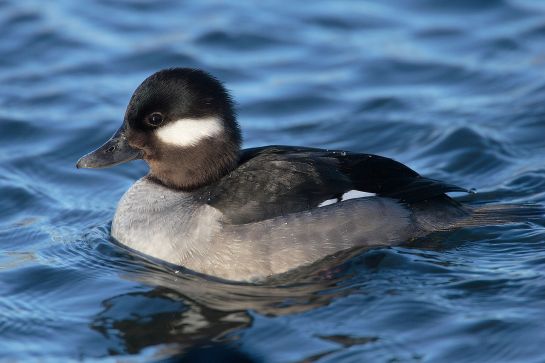
Bufflehead-female.TorontoCanada-Wikipedia

BUFFLEHEAD female (Wikipedia)

The Bufflehead female, however, is mostly brownish-hued, with grey sides and breast, white underside, and a white cheek patch that is shaped like an oval, almost like the shape of a fallen bowling pin. [See Kevin T. Karlson, “Waterfowl of North America:  A Comprehensive Guide to All Species”, page 10.]

The Bufflehead’s cousins include the goldeneye ducks, such as the Common Goldeneye (Bucephala clangula) and Barrow’s Goldeneye (Bucephala islandica).

As the range map below shows, the Bufflehead breeds mostly in Alaska and Canada, migrating south into more than half of America’s Lower 48 for over-wintering.

Bufflehead-range.SeaDuckJV.org-map

BUFFLEHEAD range map / North America (Sea Duck Joint Venture photo)

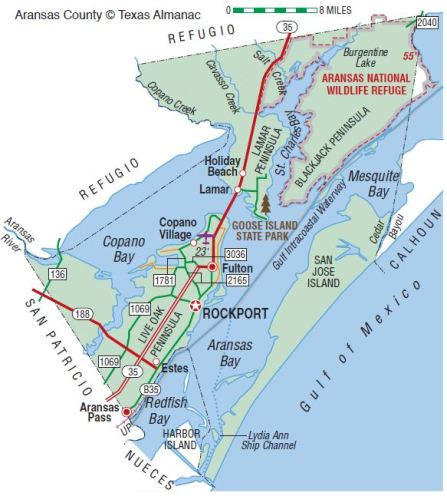
During an over-wintering season, on March 11th of AD1996, I first saw a Bufflehead duck – it was in the part of Aransas Bay (part of the Texas Gulf coast), while visiting Aransas Bay and Aransas Bay National Wildlife Refuge.

That same day my family and I saw many other “winter Texan” migrants (as well as some year-round residents), including several “lifers”:  Whooping Crane, Brown Pelican, Pelican, Least Tern, Bonaparte’s Gull, Herring Gull, Laughing Gull, American Coot,  Short-billed Dowitcher, Western Sandpiper, Black Skimmer, Black-necked Stilt, American Oystercatcher, Common Goldeneye, Green-winged Teal, Cinnamon Teal, Louisiana Heron, Roseate Spoonbill, White Ibis, and Western Kingbird —  not to mention many other birds seen previously elsewhere (e.g., Sandhill Crane, Blue-winged Teal, Great Blue Heron, White Pelican, Double-crested Cormorant, Common Grackle, Western Kingbird, Loggerhead Shrike, etc.)!

Aransas-County-map.TexasAlmanac

Obviously, early March (and winter in general) is a good time for coastal wetland birdwatching at Aransas Bay! What a pleasant time it was, hour after hour, witnessing Gods’ love of variety, exhibited in those beautiful bayside birds!

God loves variety — so should we!  (For more on this, see my article “Valuing God’s Variety”, ACTS & FACTS, 42(9):8-9 (September 2012), posted at  http://www.icr.org/article/6939 .]

So, if you get the opportunity, check out Aransas Bay National Wildlife Refuge for yourself — unless a hurricane is approaching.  (It’s always good to check the weather forecast before you undertake a serious birding adventure.)

Bufflehead-flying.SanLuisObispo-California-BillBouton

BUFFLEHEAD male in flight (Bill Bouton photo)


Avian And Attributes – House

House Wren (Troglodytes aedon) by Ian

House Wren (Troglodytes aedon) by Ian

“LORD, I have loved the habitation of thy house, and the place where thine honour dwelleth.” (Psalms 26:8 KJV)

“One thing have I desired of the LORD, that will I seek after; that I may dwell in the house of the LORD all the days of my life, to behold the beauty of the LORD, and to enquire in his temple.” (Psalms 27:4 KJV)

“A Song of degrees of David. I was glad when they said unto me, Let us go into the house of the LORD.” (Psalms 122:1 KJV)

“And the lord said unto the servant, Go out into the highways and hedges, and compel them to come in, that my house may be filled.” (Luke 14:23 KJV)


Avian and Attributes – House

HOUSE, n. hous. [L. casa; Heb. to put on, to cover.]
1. In a general sense, a building or shed intended or used as a habitation or shelter for animals of any kind; but appropriately, a building or edifice for the habitation of man; a dwelling place, mansion or abode for any of the human species. It may be of any size and composed of any materials whatever, wood, stone, brick, &c.
2. An edifice or building appropriated to the worship of God; a temple; a church; as the house of God.
3. A monastery; a college; as a religious house.
6. A family of ancestors; descendants and kindred; a race of persons from the same stock; a tribe. It particularly denotes a noble family or an illustrious race; as the house of Austria; the house of Hanover. So in Scripture, the house of Israel,or of Judah.
7. One of the estates of a kingdom assembled in parliament or legislature; a body of men united in their legislative capacity, and holding their place by right or by election. Thus we say, the house of lords or peers of Great Britain; the house of commons; the house of representatives. In most of the United States, the legislatures consist of two houses, the senate, and the house of representatives or delegates.
9. In Scripture, those who dwell in a house and compose a family; a household.
Cornelius was a devout man, and feared God with all his house. Acts 10.
10. Wealth; estate. – Ye devour widows’ houses. Mat 23.
11. The grave; as the house appointed for all living. Job 30.
12. Household affairs; domestic concerns. – Set thy house in order. 2 Ki 20.
13. The body; the residence of the soul in this world; as our earthly house. 2 Cor 5.
14. The church among the Jews. – Moses was faithful in all his house. Heb 3.
15. A place of residence. Egypt is called the house of bondage. Exo 13.


House Birds

House Sparrow (Passer domesticus) Eggs ©WikiC

House Sparrow (Passer domesticus) Eggs ©WikiC

“Yea, the sparrow hath found an house, and the swallow a nest for herself, where she may lay her young, even thine altars, O LORD of hosts, my King, and my God.” (Psalms 84:3 KJV)

There are six birds whose first name is House. Here are the “House Birds;” House Bunting, House Crow, House Finch, House Sparrow, House Swift, and the House Wren.
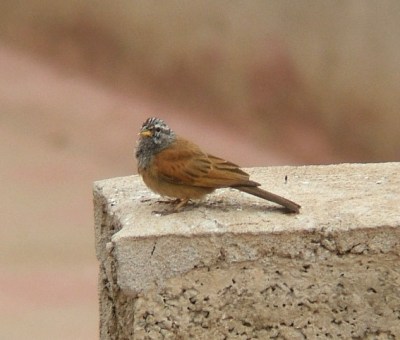
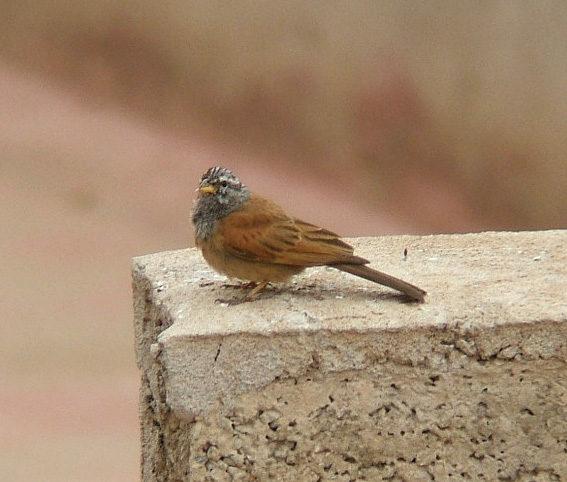
House Bunting (Emberiza sahari) ©WikiC

The House Bunting (Emberiza sahari) is a passerine bird in the bunting family Emberizidae. It is a resident breeder of dry country from north-western Africa from Morocco south to Mali and east to Chad. The house bunting breeds around human habitation, laying two to four eggs in a nest in a hole in a wall or building. Its natural food consists seeds, or when feeding young, insects.
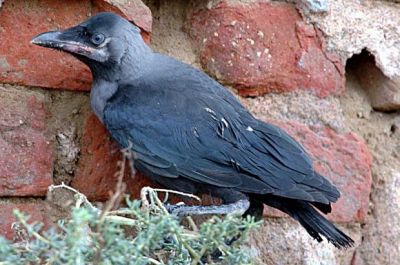
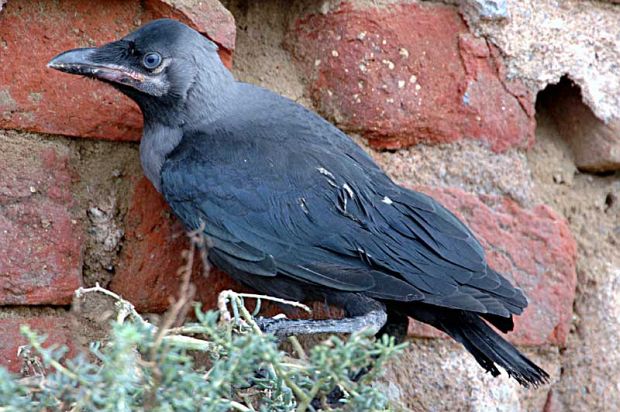
House Crow (Corvus splendens) by Nikhil Devasar

The House Crow (Corvus splendens), also known as the Indian, greynecked, Ceylon or Colombo crowis a common bird of the crow family that is of Asian origin but now found in many parts of the world, where they arrived assisted by shipping.

House Finch (Haemorhous mexicanus) by Ian

House Finch (Haemorhous mexicanus) by Ian

The House Finch (Haemorhous mexicanus) is a bird in the finch family Fringillidae. It is native to western North America, and has been introduced to the eastern half of the continent and Hawaii. This species and the other “American rosefinches” are placed in the genus Haemorhous.
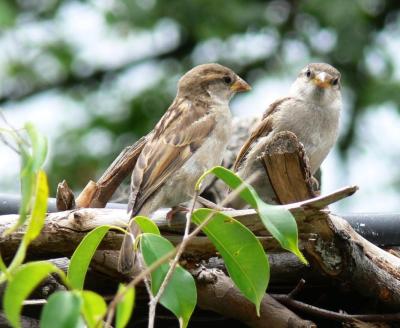
House Sparrows watching Parrot show at National Aviary by Lee

House Sparrows at National Aviary by Lee

The House Sparrow (Passer domesticus) is a bird of the sparrow family Passeridae, found in most parts of the world.
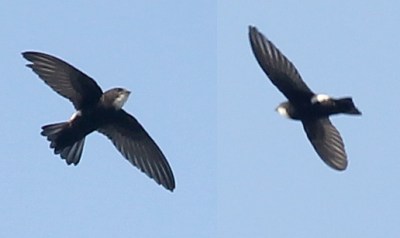
House Swift (Apus nipalensis) ©WikiC

The House Swift (Apus nipalensis) is a species of swift in the family Apodidae. It is found in Japan, Nepal, and Southeast Asia. It is capable of flying long distances by alternately shutting off hemispheres of their brain in-flight.
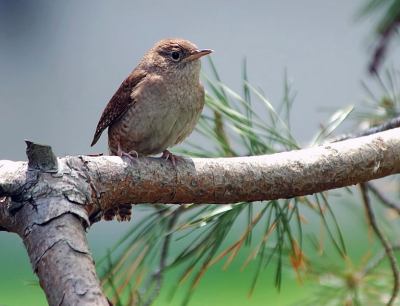
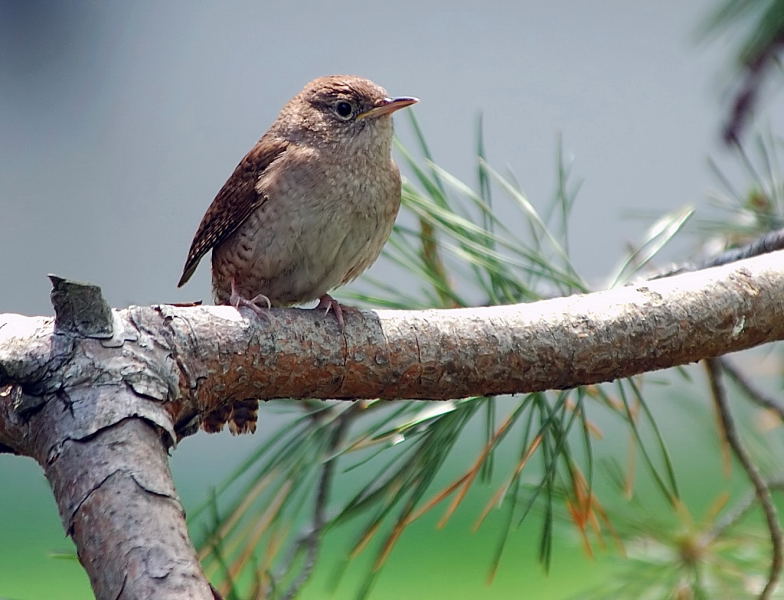
House Wren (Troglodytes aedon) by Ray

House Wren (Troglodytes aedon) by Ray

The House Wren (Troglodytes aedon) is a very small songbird of the wren family, Troglodytidae. It occurs from Canada to southernmost South America, and is thus the most widely distributed bird in the Americas.


More Avian and Attributes

Birds whose first name start with “H”

Good News

*
[Definitions from Webster’s Dictionary of American English (1828), unless noted. Bird info from Wikipedia plus.]
Avian And Attributes – Hill

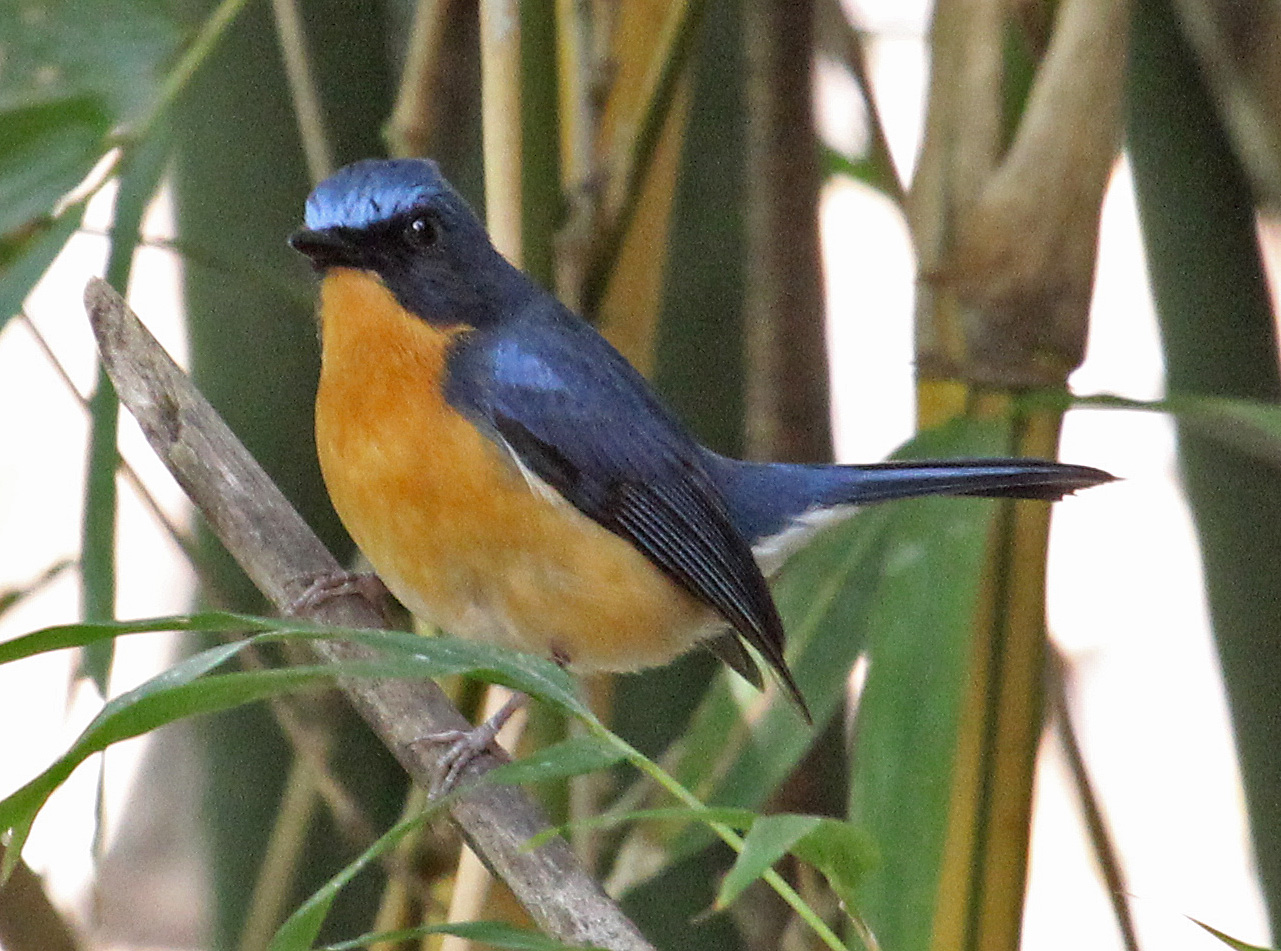
Hill Blue Flycatcher (Cyornis banyumas) ©©Flickr

“A Psalm of David. The earth is the LORD’S, and the fulness thereof; the world, and they that dwell therein. For he hath founded it upon the seas, and established it upon the floods. Who shall ascend into the hill of the LORD? or who shall stand in his holy place?” (Psalms 24:1-3 KJV)

“For thou art the God of my strength: why dost thou cast me off? why go I mourning because of the oppression of the enemy? O send out thy light and thy truth: let them lead me; let them bring me unto thy holy hill, and to thy tabernacles. Then will I go unto the altar of God, unto God my exceeding joy: yea, upon the harp will I praise thee, O God my God.” (Psalms 43:2-4 KJV)


Avian and Attributes – Hill

Exalt the LORD our God, and worship at his holy hill; for the LORD our God is holy.” (Psalms 99:9 KJV)

Hill
HILL, n. [L. collis.]
1. A natural elevation of land, or a mass of earth rising above the common level of the surrounding land; an eminence. A hill is less than a mountain, but of no definite magnitude, and is sometimes applied to a mountain. Jerusalem is seated on two hills. Rome stood on seven hills.
2. A cluster of plants, and the earth raised about them; as a hill of maiz or potatoes.
HILL, v.t. To raise earth about plants; to raise a little mass of earth. Farmers in New England hill their maiz in July.
Hilling is generally the third hoeing.
1. To cover. [L. celo.]


Five Hill Birds

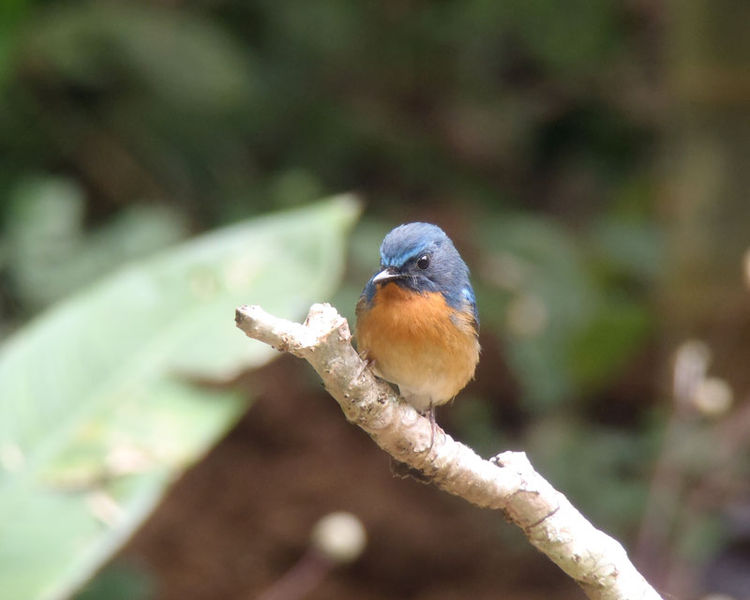
Hill Blue Flycatcher (Cyornis banyumas) ©WikiC2

The Hill Blue Flycatcher (Cyornis banyumas) is a species of bird in the family Muscicapidae. It is found in southern China and Southeast Asia.

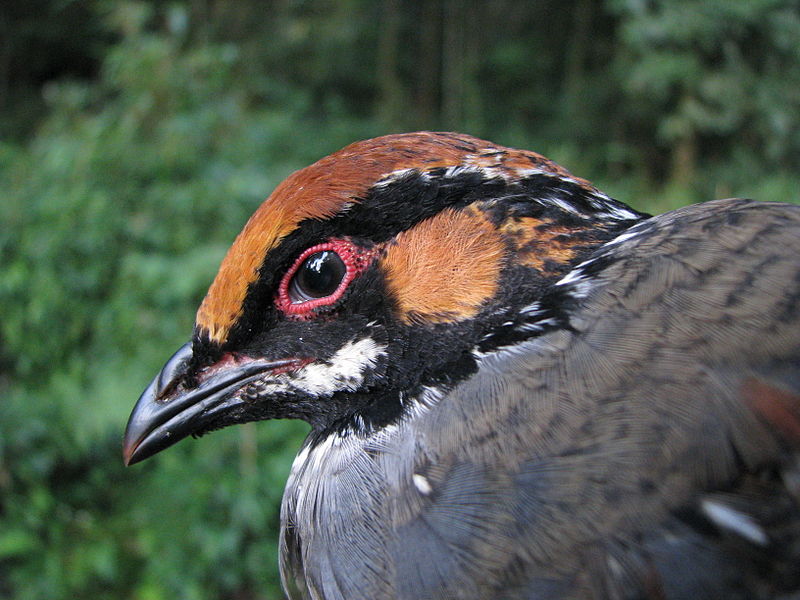
Hill Partridge (Arborophila torqueola) ©WikiC

The Hill Partridge, necklaced hill partridge (Arborophila torqueola) is a species of bird in the pheasant family that is found in Asia.

Hill Pigeon (Columba rupestris) by Nikhil Devasar

Hill Pigeon (Columba rupestris) by Nikhil Devasar

The Hill Pigeon (Columba rupestris) is a stout-bodied pigeon, very similar in size and general appearance to the rock pigeon, but mainly differentiated by its tail pattern which consists of a broad white tail-band across the black tail. Other differences include a paler mantle and upper wings and a white patch on the back. In flight, the tail pattern is similar to the snow pigeon, but lacks the contrast between the head and neck in that species.

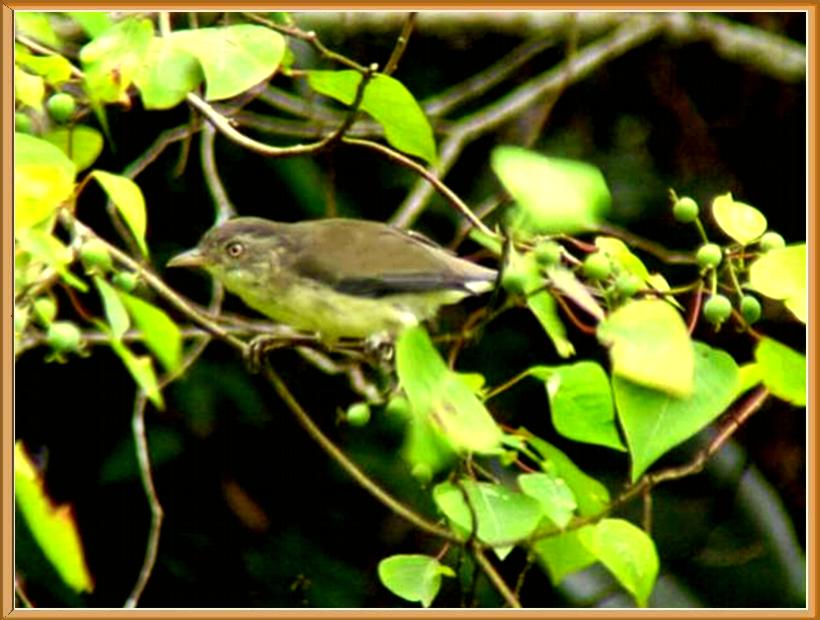
Hill Prinia (Prinia superciliaris)

Hill Prinia (Prinia superciliaris)

Hill Prinia

The Hill Prinia (Prinia superciliaris) is a species of passerine bird in the Cisticolidae family.

It is found in China, India, Indonesia, Laos, Malaysia, Myanmar, Thailand and Vietnam. It was formerly considered con-specific with the black-throated prinia.

Hill Swallow (Hirundo domicola) ©WikiC

Hill Swallow (Hirundo domicola) is a small passerine bird in the swallow family. It breeds in southern India and Sri Lanka. It is resident apart from some local seasonal movements. This bird is associated with coasts, but is increasingly spreading to forested uplands. It was formerly considered a subspecies of the Pacific swallow.


More Avian and Attributes

Birds whose first name starts with “H”

Good News

“Ye are the light of the world. A city that is set on an hill cannot be hid.” (Matthew 5:14 KJV)

*
[Definitions from Webster’s Dictionary of American English (1828), unless noted. Bird info from Wikipedia plus.]
Master’s Degree WAS Finished in 2017

From February 2016 until October 2017 I was working on a Master’s Degree online from the School of Biblical Apologetics. With my back surgery, a hurricane, and etc., etc., … I failed to post the conclusion of it. It’s about time I express my thankfulness to the Institute for Creation Research for having the online school.

SOBA Degree

I was delighted when I received my tassel and the cords that I would have worn with a cap and gown. When there is no graduation ceremony because of being an online degree, you are at a loss to figure out how to show them off. I solved that problem by hanging my tassel on my walker. Then I showed it off at church. I caused my pastor to double over laughing when I told him the following:

When you graduate when you are young, you hang your tassel on your mirror in the car. When you are 74, you hang it on your walker.

Tassel Hanging plus the Cords on Walker (Posed)

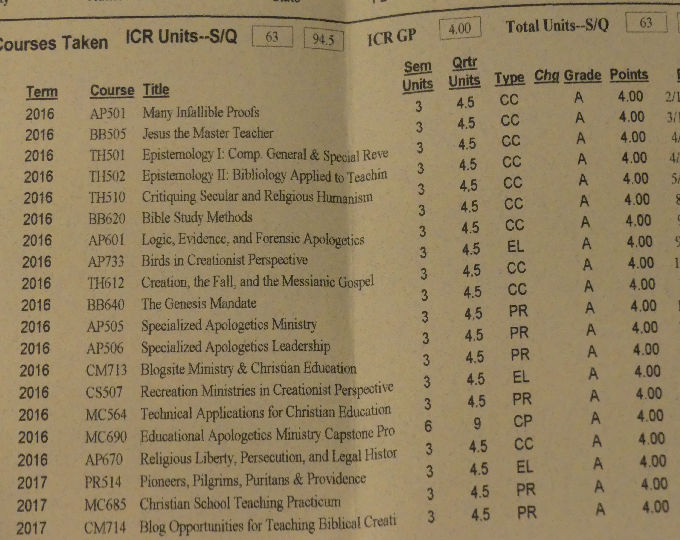
I praise the Lord for the opportunity to take the great courses offered through the School of Biblical Apologetics. Here is a list of the courses that I took for my Master of Christian Education in Biblical Education and Apologetics.

S.O.B.A. Courses Taken

What is the School all about? (Taken from their About page)

The School of Biblical Apologetics (SOBA) is a formal education arm of the Institute for Creation Research. (For more on ICR’s purposes, see Who We Are.)

SOBA provides certificate-level, undergraduate-level, and graduate-level training in biblical education and apologetics. SOBA’s foundation is Scripture, which the school and its faculty hold as inerrant, accurate, and authoritative. Biblical creation, with a special emphasis on Genesis 1-11, is a significant focus of all SOBA degrees, majors, and minors. This focus sets ICR’s program apart from other graduate level apologetic programs.

Fulfilling the purpose of training future leaders in biblical education and apologetics, while maintaining a strict adherence to Scripture (including biblical creationist appreciation of Genesis 1-11), makes ICR’s School of Biblical Apologetics the best choice for those desiring to round out their biblical education. SOBA prepares its students with defensible answers for their faith, giving them the tools necessary to “be ready always to give an answer” for the hope within (1 Peter 3:15) and to “earnestly contend for the faith” (Jude 1:3).

Dr. James J. S. Johnson is the Chief Academic Officer of the School. As you may know, he posts articles here on this blog. He loves birdwatching and taught birding courses previous to joining I.C.R. He was a tremendous encouragement for me to begin and continue working on this degree. Also, Mrs Mary Smith, the Registrar and Academic Coordinator, was a great encourager. My thanks to both of them.

My husband, Dan, was my most encouraging supporter. He helped complete my neglected duties because of me “having my head in a book.” :) Thank you, Dan!

At my age, this degree was undertaken for several reasons. It was to help increase my Biblical Knowledge and to help me explain the Creation of God’s fantastic critters better. In other words, for personal enrichment and better witnessing of God’s Love and Salvation. The best decision I ever made in my life was on March 20, 1960, when I personally accepted the Lord Jesus Christ as my Personal Savior.

I desire to use the truth of God’s Word to encourage others to, 1) accept Christ as their personal Savior, 2) to read and study the truths found in Scripture, 3) apply the Word to their lives and grow Spiritually, and 4) use that knowledge to teach others to do the same.

Please check out the School of Biblical Apologetics and see how you could also benefit from their courses.

“For God so loved the world, that he gave his only begotten Son, that whosoever believeth in him should not perish, but have everlasting life. For God sent not his Son into the world to condemn the world; but that the world through him might be saved.” (John 3:16-17 KJV)


Avian And Attributes – Glowing

Glowing Puffleg (Eriocnemis vestita) ©WikiC

“Who is this who comes from Edom, With garments of glowing colors from Bozrah, This One who is majestic in His apparel, Marching in the greatness of His strength? “It is I who speak in righteousness, mighty to save.” (Isaiah 63:1 NASB)

“Then I noticed from the appearance of His loins and upward something like glowing metal that looked like fire all around within it, and from the appearance of His loins and downward I saw something like fire; and there was a radiance around Him. As the appearance of the rainbow in the clouds on a rainy day, so was the appearance of the surrounding radiance. Such was the appearance of the likeness of the glory of the LORD. And when I saw it, I fell on my face and heard a voice speaking.” (Ezekiel 1:27-28 NASB)

“It came about in the sixth year, on the fifth day of the sixth month, as I was sitting in my house with the elders of Judah sitting before me, that the hand of the Lord GOD fell on me there. Then I looked, and behold, a likeness as the appearance of a man; from His loins and downward there was the appearance of fire, and from His loins and upward the appearance of brightness, like the appearance of glowing metal.” (Ezekiel 8:1-2 NASB)


Avian and Attributes – Glowing

Glowing
GLOWING, ppr. Shining with intense heat; white with heat.
1. Burning with vehement heat.
2. Exhibiting a bright color; red; as a glowing color; glowing cheeks.
3. Ardent; vehement; animated; as glowing zeal.
4. Inflamed; as a glowing breast.


Glowing Puffleg (Eriocnemis vestita) ©WikiC

Glowing Puffleg (Eriocnemis vestita)

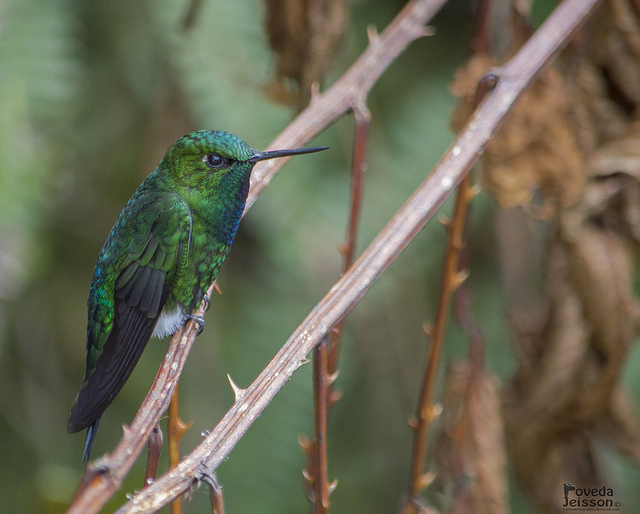
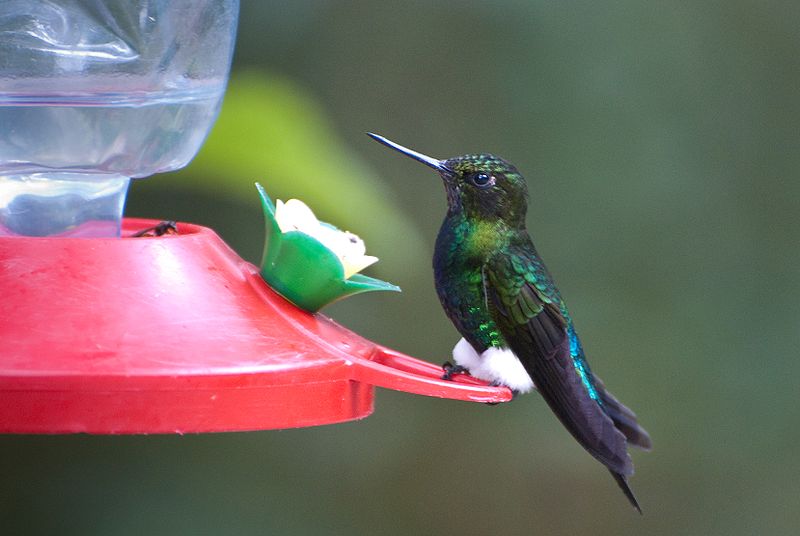
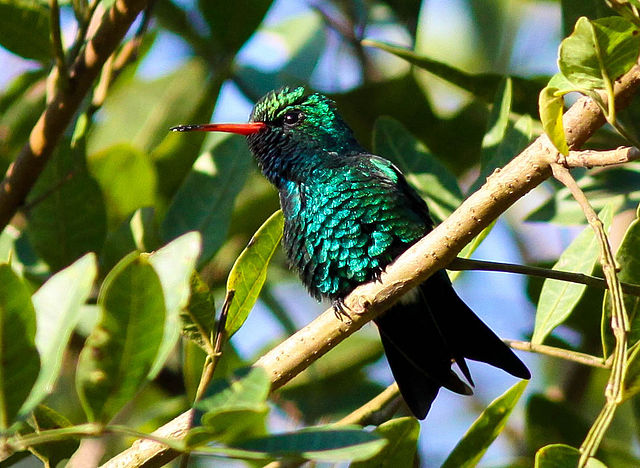
The Glowing Puffleg (Eriocnemis vestita) is a species of hummingbird in the Trochilidae family.

It is found in the Andes of Colombia, Ecuador, northern Peru and western Venezuela. Its natural habitats are subtropical or tropical moist montane forests and heavily degraded former forest.


More Avian and Attributes

Birds whose first name start with “G”

Good News

*
[Definitions from Webster’s Dictionary of American English (1828), unless noted. Bird info from Wikipedia plus.]

Avian And Attributes – Glittering

Glittering-throated Emerald (Amazilia fimbriata) by Dario Sanches

“A prayer of Habakkuk the prophet upon Shigionoth.  O LORD, I have heard thy speech, and was afraid: O LORD, revive thy work in the midst of the years, in the midst of the years make known; in wrath remember mercy.  God came from Teman, and the Holy One from mount Paran. Selah. His glory covered the heavens, and the earth was full of his praise.  And his brightness was as the light; he had horns coming out of his hand: and there was the hiding of his power…. (6)  He stood, and measured the earth: he beheld, and drove asunder the nations; and the everlasting mountains were scattered, the perpetual hills did bow: his ways are everlasting… (11)  The sun and moon stood still in their habitation: at the light of thine arrows they went, and at the shining of thy glittering spear.” (Habakkuk 3:1-4, 6, 11 KJV  )


Avian and Attributes – Glittering

GLIT’TERING, ppr. Shining; splendid; brilliant.

Glitter
GLIT’TER, v.i.
1. To shine; to sparkle with light; to gleam; to be splendid; as a glittering sword.
The field yet glitters with the pomp of war.
2. To be showing, specious or striking, and hence attractive; as the glittering scenes of a court.
GLIT’TER, n. Brightness; brilliancy; splendor; luster; as the glitter of arms; the glitter of royal equipage; the glitter of dress.


Glittering Birds

White-rumped Kingfisher (Caridonax fulgidus), Pagal, Flores, Indonesia, 2015-09-15--105

Glittering Kingfisher (Caridonax fulgidus) ©Marcel Holyoak

The Glittering Kingfisher or White-rumped Kingfisher (Caridonax fulgidus) is a species of bird in the family Alcedinidae. It is monotypic within the genus Caridonax. It is endemic to Indonesia, where its natural habitats are subtropical or tropical moist lowland forests and subtropical or tropical moist montane forests.

Glittering-bellied Emerald (Chlorostilbon lucidus) ©WikiC

Glittering-bellied Emerald
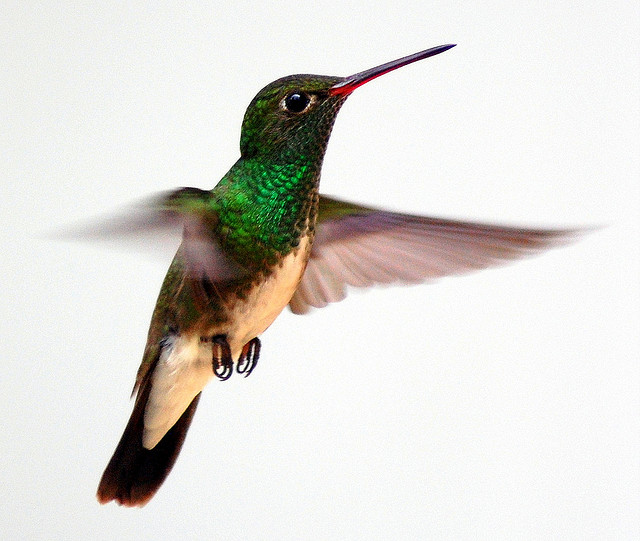
The Glittering-bellied Emerald (Chlorostilbon lucidus) is a species of hummingbird in the Trochilidae family. It has widely been listed by the scientific name Chlorostilbon aureoventris, but this was shown to be mistaken by J. F. Pacheco and B. M. Whitney in 2006.

It is found in north-eastern Argentina, eastern and central Bolivia, eastern Brazil, Paraguay, and Uruguay. It is widespread and often common in a wide range of semi-open habitats, including gardens and parks.

Glittering-throated Emerald (Amazilia fimbriata) by Dario Sanches

Glittering-throated Emerald

The Glittering-throated Emerald emerald (Amazilia fimbriata), sometimes placed in the genus Polyerata, is a species of hummingbird in the Trochilidae family. It is found in the Amazon Basin, Venezuela, the Guianas and Brazil. Its natural habitats are subtropical or tropical moist lowland forests, subtropical or tropical dry shrubland, and heavily degraded former forest.


More Avian and Attributes

Birds whose first name start with “G”

Good News

*
[Definitions from Webster’s Dictionary of American English (1828), unless noted. Bird info from Wikipedia plus.]
Why Do We Get New Species? – Creation Moments

Mixed Flock of birds flying in a V Formation- Put together- ©Creative Commons

Mixed Flock of birds flying in a V Formation- Put together- ©Creative Commons

WHY DO WE GET NEW SPECIES?

“And God said, Let the earth bring forth the living creature after his kind, cattle, and creeping thing, and beast of the earth after his kind: and it was so. And God made the beast of the earth after his kind, and cattle after their kind, and every thing that creepeth upon the earth after his kind: and God saw that it was good.” Genesis 1:24-25

We know that Noah did not have to fit two of every species of animal on the Ark. The Ark sheltered two of every kind of land and flying vertebrate, not two of every species. For example, modern species like lions and tigers would have developed from the pair from the Image: Wild Big Catscat family that were on the Ark. Over time, different species of cats have developed from this pair.

It is easy to see how this happened. Environmental conditions favor certain genes over others, so that these features are selected in the offspring. A simplistic example is that creatures with longer hair or fur have developed in colder areas of the world. This has involved no new genetic information; there has simply been selection from existing genetic information.

But why did God make this speciation possible? God knew the different conditions that would arise in different parts of the world. Because Scripture shows us that God actively sustains life, it is possible that He included this ability to diversify in creatures in order to help their offspring to survive in radically different conditions – especially the vastly changed conditions in the aftermath of the Flood.

Prayer:
Thank You, Lord, because we read that You give the beasts their food. You own the cattle on a thousand hills, and You look after Your creation with wisdom. Amen.

Notes:
Ref: Lightner, J.K. (2016), Toward a Creationary View of Why Speciation Occurs, Journal of Creation 30(1):70–75, April 2016. Image: Adobe Stock Photo, licensed to author.


When the new updates come out from the I.O.C. of the list of world birds, this helps explain why they find “new species.” Also, as the subspecies develop, many time they have been raised to full species status also. Our Lord, their Creator, knew how to protect his created critters.

©Creation Moments 2018 Used with Permission

More articles from Creation Moments

Surveying the Birds in Puerto Rico after Hurricane Maria – Audubon

Pin-tailed Whydah (Puerto Rico)

“I know every bird of the mountains, And everything that moves in the field is Mine.” (Psalms 50:11 NASB)

Here is an Interesting Article from Audubon that I wanted to share from Audubon. It concerns their Christmas Bird count there on the island.

Christmas Bird Count

Puerto Ricans Band Together to Survey Birds in Hurricane Maria’s Aftermath

Amid power outages, devastated landscapes, and destroyed buildings, birders assessed the storm’s avian toll on their Christmas Bird Count.

José Salguero places his hands around his mouth to make the sound go farther. His right hand clenching the homemade cane he now needs to walk up the small mountain, he emits the call of the Puerto Rican Screech-Owl. The only answer he receives is silence. He keeps walking the same path he has been walking every year, only to realize this time, the outcome will be different.

“What is happening here that the birds are . . . ?” He doesn’t even finish the question. Omar Monzón already has the answer: “Maria.”…..

Continue Reading

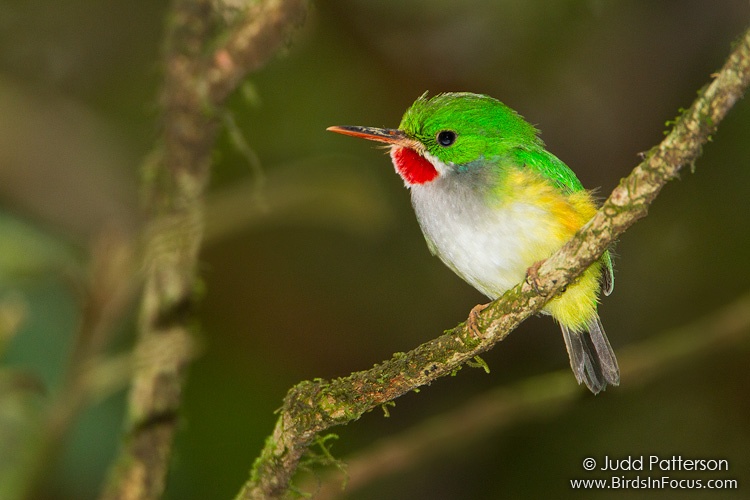
Puerto Rican Tody (Todus mexicanus) by Judd Patterson

Puerto Rican Tody (Todus mexicanus) by Judd Patterson

Avian And Attributes – Glistening

Glistening-green Tanager (Chlorochrysa phoenicotis) ©WikiC

“And after six days Jesus taketh with him Peter, and James, and John, and leadeth them up into an high mountain apart by themselves: and he was transfigured before them. And his raiment became shining, exceeding white as snow; so as no fuller on earth can white them.” (Mark 9:2-3 KJV)

“Six days after this, Jesus took with Him Peter and James and John and led them up on a high mountain apart by themselves. And He was transfigured before them and became resplendent with divine brightness. And His garments became glistening, intensely white, as no fuller (cloth dresser, launderer) on earth could bleach them.”
(Mark 9:2-3 AMP)


Avian and Attributes – Glistening

GLIS’TENING, ppr. Shining; sparkling; emitting rays of light

GLIS’TEN, v.i. glis’n. [Heb. to shine; L. glisco; Eng. gloss.]
To shine; to sparkle with light; as the glistening stars.


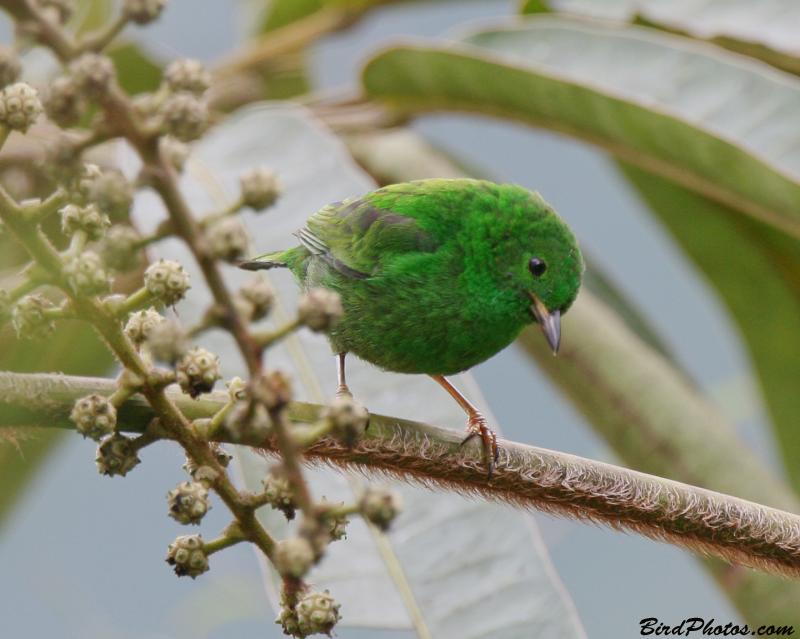
Glistening-green Tanager (Chlorochrysa phoenicotis) Female ©BirdPhotos.com

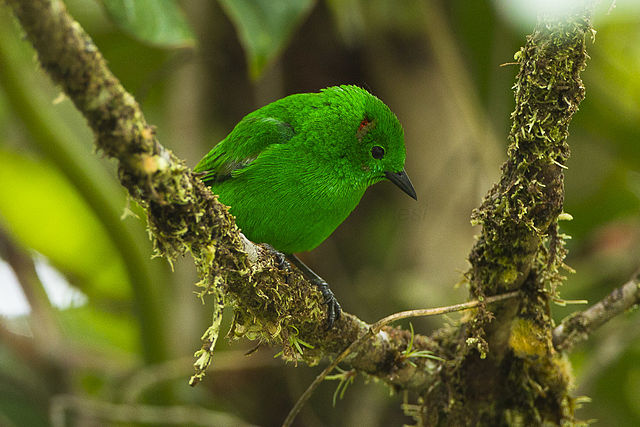
The Glistening-green Tanager (Chlorochrysa phoenicotis) is a species of bird in the family Thraupidae. It is found in Colombia and Ecuador. Its natural habitat is subtropical or tropical moist montane forests.

Males are almost entirely bright glistening emerald green, with small gray patches behind and below the eye with another on the shoulders. Females are slightly duller than males.


More Avian and Attributes

Birds whose first  name start with “G”

Good News

*
[Definitions from Webster’s Dictionary of American English (1828), unless noted. Bird info from Wikipedia plus.]

Avian and Attributes – Creator of The Garden

Garden Warbler (Sylvia borin) ©WikiC

“And the LORD God formed man of the dust of the ground, and breathed into his nostrils the breath of life; and man became a living soul. And the LORD God planted a garden eastward in Eden; and there he put the man whom he had formed. And out of the ground made the LORD God to grow every tree that is pleasant to the sight, and good for food; the tree of life also in the midst of the garden, and the tree of knowledge of good and evil.” (Genesis 2:7-9 KJV)


Avian and Attributes – Creator of The Garden

“When Jesus had spoken these words, he went forth with his disciples over the brook Cedron, where was a garden, into the which he entered, and his disciples. And Judas also, which betrayed him, knew the place: for Jesus ofttimes resorted thither with his disciples.” (John 18:1-2 KJV)

Garden

G`ARDEN, n. [Eng. yard, an inclosed place; L. hortus.]
1. A piece of ground appropriated to the cultivation of herbs, or plants, fruits and flowers; usually near a mansion-house. Land appropriated to the raising of culinary herbs and roots for domestic use, is called a kitchen-garden; that appropriated to flowers and shrubs is called a flower garden; and that to fruits, is called a fruit garden. But these uses are sometimes blended.
2. A rich, well cultivated spot or tract of country; a delightful spot. The intervals on the river Connecticut are all a garden. Lombardy is the garden of Italy.
Garden, in composition, is used adjectively, as garden-mold, a rich fine mold or soil; garden-tillage,the tillage used in cultivating gardens.
G`ARDEN, v.i. To layout and to cultivate a garden; to prepare ground to plant and till it, for the purpose of producing plants, shrubs, flowers and fruits.

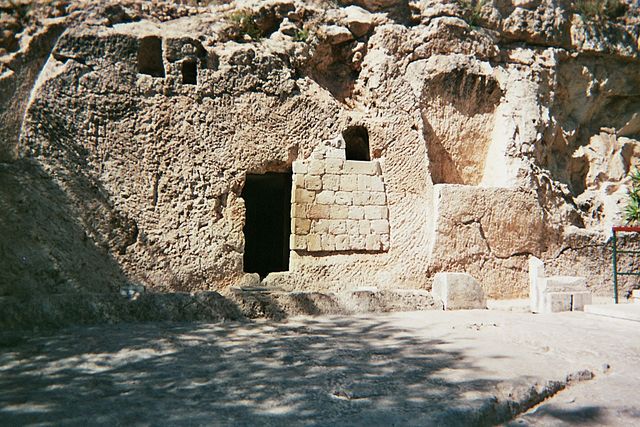
“Now in the place where he was crucified there was a garden; and in the garden a new sepulchre, wherein was never man yet laid. There laid they Jesus therefore because of the Jews’ preparation day; for the sepulchre was nigh at hand.” (John 19:41-42 KJV)

Jerusalem Tomb of the Garden ©WikiC


Garden Emerald (Chlorostilbon assimilis) ©WikiC

Garden Emerald (Chlorostilbon assimilis)

The Garden Emerald (Chlorostilbon assimilis) is a small hummingbird that is an endemic resident breeder in Costa Rica and western Panama. It was formerly considered to be a subspecies of the blue-tailed emerald. This is a species of open habitats, including bushy savanna, clearings, cultivation, and gardens. It can be found in the Pacific lowlands and hills, locally up to an elevation of 1500 m.

The nest is a neat cup of plant fibres decorated on the outside with bark fragments. The two white eggs are incubated by the female alone.

The garden emerald is 8 cm long and weighs 2.6 g. The male has bronze-green upper parts, brilliant green under parts, white thighs and a deeply forked tail. The female has grey underparts, a white stripe behind the eye and dusky ear patches. She has white tips to her tail, which lacks the deep fork of the male. Young birds resemble the adult female, but have some buff feather tips.
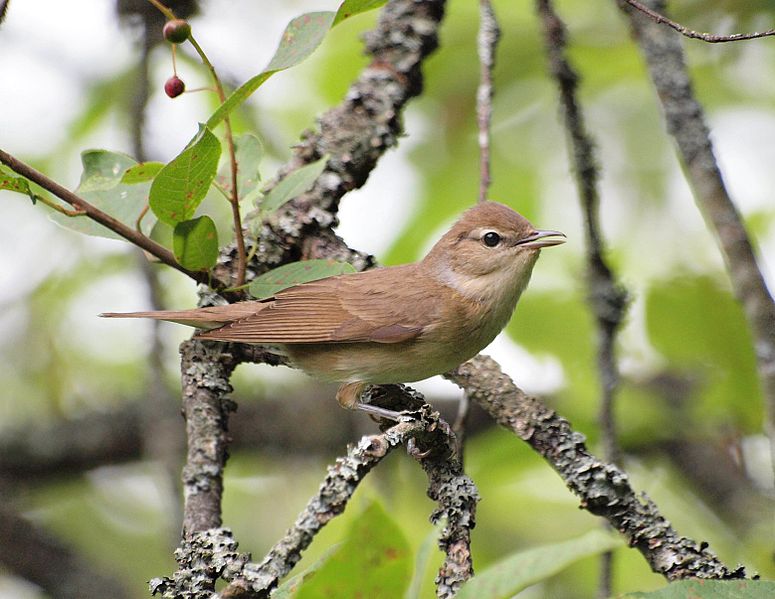
Garden Warbler (Sylvia borin)

Garden Warbler (Sylvia borin) ©WikiC

Garden Warbler (Sylvia borin

The Garden Warbler (Sylvia borin is a common and widespread small bird that breeds in most of Europe and in western Asia. It is a plain, long-winged and long-tailed typical warbler with brown upperparts and dull white underparts; the sexes are similar and juveniles resemble the adults. Its two subspecies differ only slightly and interbreed where their ranges overlap. Due to its lack of distinguishing features, this species can be confused with a number of other unstreaked warblers. The garden warbler’s rich melodic song is similar to that of the blackcap, its closest relative, which competes with it for territory when nesting in the same woodland.

The preferred breeding habitat in Eurasia is open woodland with dense low cover for nesting; despite its name, gardens are rarely occupied by this small passerine bird. The clutch of four or five blotched cream or white eggs is laid in a robust cup-shaped nest built near the ground and concealed by dense vegetation. The eggs are incubated for 11–12 days. The chicks are altricial, hatching naked and with closed eyes, and are fed by both parents. They fledge about 10 days after hatching.


More Avian and Attributes

Birds whose first name starts with “G”

Birds in Hymns – In The Garden

Birds in Hymns – The Garden of My Heart

Good News

*
[Definitions from Webster’s Dictionary of American English (1828), unless noted. Bird info from Wikipedia plus.]
Avian And Attributes – Friend/Friendly

“The Son of man came eating and drinking, and they say, Behold a man gluttonous, and a winebibber, a friend of publicans and sinners. But wisdom is justified of her children.” (Matthew 11:19 KJV)
“Yea, mine own familiar friend, in whom I trusted, which did eat of my bread, hath lifted up his heel against me.” (Psalms 41:9 KJV)

“These things said he: and after that he saith unto them, Our friend Lazarus sleepeth; but I go, that I may awake him out of sleep.” (John 11:11 KJV)


Avian and Attributes – Friendly

“And the scripture was fulfilled which saith, Abraham believed God, and it was imputed unto him for righteousness: and he was called the Friend of God.” (James 2:23 KJV)

FRIEND’LY, a. frend’ly.
1. Having the temper and disposition of a friend; kind; favorable; disposed to promote the good of another.
Thou to mankind be good and friendly still, and oft return.
2. Disposed to peace.
3. Amicable. We are on friendly terms.
4. Not hostile; as a friendly power or state.
5. Favorable; propitious; salutary; promoting the good of; as a friendly breeze or gale. Excessive rains are not friendly to the ripening fruits. Temperance is friendly to longevity.
FRIEND’LY, adv. frend’ly. In the manner of friends; amicably. [Not much used.]

“A man that hath friends must shew himself friendly: and there is a friend that sticketh closer than a brother.”
(Proverbs 18:24 KJV) Christ has definitely shown Himself friendly.

Friendly Bush-warbler, Mt Kinabalu, Borneo, 2009-07-03 (1 of 1).jpg

Friendly Bush Warbler ©Flickr Marcel Holyoak

Friendly Bush Warbler (Locustella accentor), also known as the Kinabalu friendly warbler, is a species of Old World warbler in the family Locustellidae. It is endemic to the island of Borneo.

See Video Above

The Friendly Fantail (Rhipidura albolimbata) is a species of bird in the family Rhipiduridae. It is found in the highlands of New Guinea. Its natural habitat is subtropical or tropical moist montane forests. Lives in the “Forest, mainly in more open lower to middle levels, occasionally in canopy, and forest edge; also wooded grassland, human-altered areas (gardens), clearings, stunted moss forest, alpine grassland with tree-ferns. Found mainly at 1370–3600 m, including above timber-line; on occasion as low as 1130 m.” [©HBW Alive]
*** The Post have been slower than normal. Dealing with Bronchitis again. ***


More Avian and Attributes

Birds whose first name start with “F”

Good News

*
[Definitions from Webster’s Dictionary of American English (1828), unless noted. Bird info from Wikipedia plus.]