Avian And Attributes – Cook

Cook’s Petrel (Pterodroma cookii) ©WikiC

“As soon then as they were come to land, they saw a fire of coals there, and fish laid thereon, and bread. (John 21:9 KJV)

“Jesus saith unto them, Come and dine. And none of the disciples durst ask him, Who art thou? knowing that it was the Lord. Jesus then cometh, and taketh bread, and giveth them, and fish likewise. This is now the third time that Jesus shewed himself to his disciples, after that he was risen from the dead.” (John 21:12-14 KJV)


Avian and Attributes – Cook

From the above verses, it appears our Lord was also a good Cook.

Cook
(1): (v. i.) To prepare food for the table.
(3): (v. t.) To prepare, as food, by boiling, roasting, baking, broiling, etc.; to make suitable for eating, by the agency of fire or heat.
(6): (n.) One whose occupation is to prepare food for the table; one who dresses or cooks meat or vegetables for eating.
(7): (v. t.) To throw.
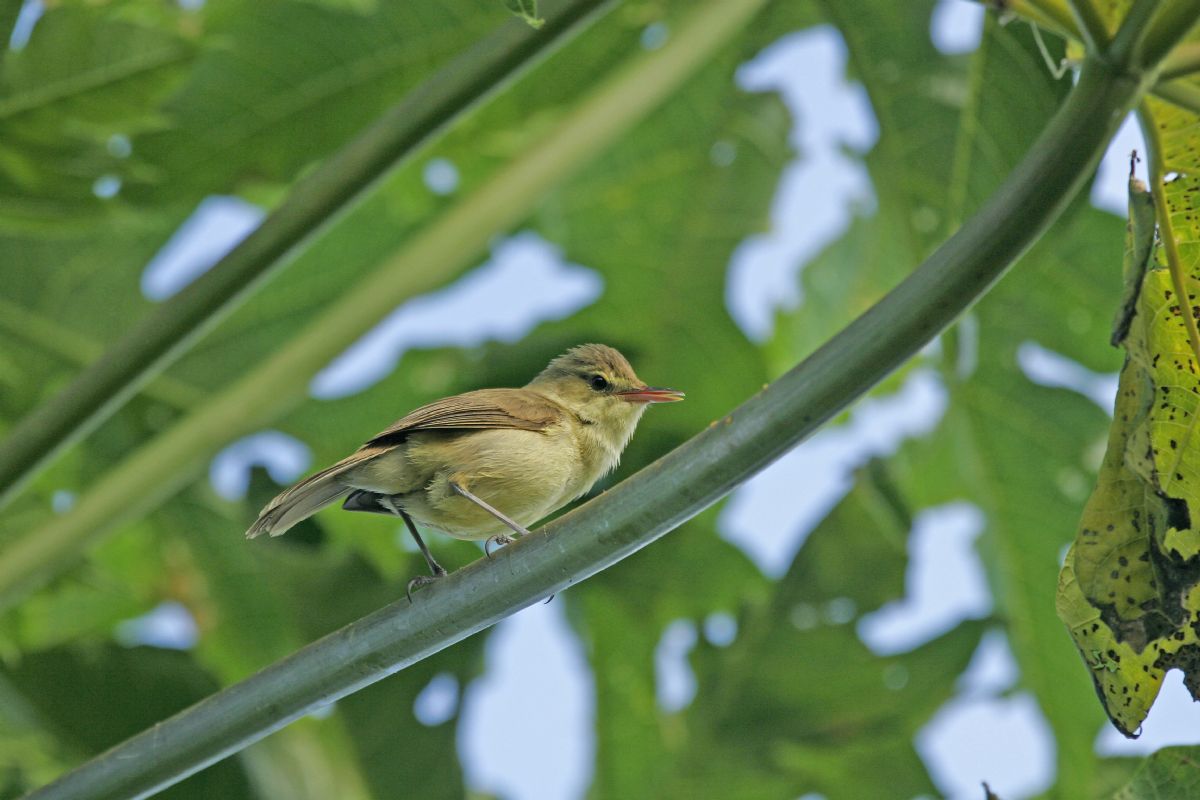

Cook Reed Warbler (Acrocephalus kerearako) ©IGoTerra

Cook Reed Warbler (Acrocephalus kerearako)

The Cook Reed Warbler or Cook Islands reed warbler (Acrocephalus kerearako) is a species of Old World warbler in the Acrocephalidae Family. It is found only in the Cook Islands. Its natural habitats are subtropical or tropical dry forests, swamps, and rural gardens. It is threatened by habitat loss.

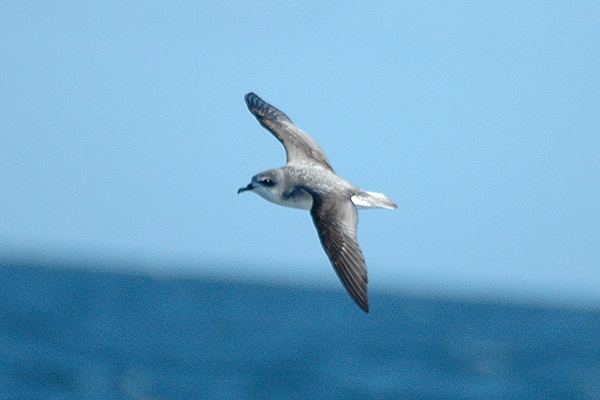
Cook’s Petrel (Pterodroma cookii) ©Flickr Duncan

Cook’s Petrel (Pterodroma cookii)

The Cook’s petrel (blue-footed petrel) (Pterodroma cookii), is a Procellariform seabird. It is a member of the gadfly petrels and part of the subgroup known as Cookilaria petrels, which includes the very similar Stejneger’s petrel. One of the smallest petrels, Cook’s petrel is typically 25–30 cm (9.8–11.8 in) in length with a 65–66 cm (26–26 in) wingspan and a weight of around 200 g (7.1 oz). Its colouration is typical of gadfly petrels: pale grey upperparts with a dark grey “M” on the wings and white underparts.

The bill is long and black with tubular nostrils on both sides. As in all members of the order Procellariiformes, this nostril configuration enables an exceptionally acute sense of smell, which the birds use to locate food and nest sites in the dark. In the  Procellariidae – Petrels, Shearwaters Family.

Cook’s petrel breeds only in New Zealand on three small islands: Little Barrier Island, Great Barrier Island, and Codfish Island. The breeding season is the southern summer, October–May. It nests in burrows and rock crevices, preferring sites on thickly forested ridges.
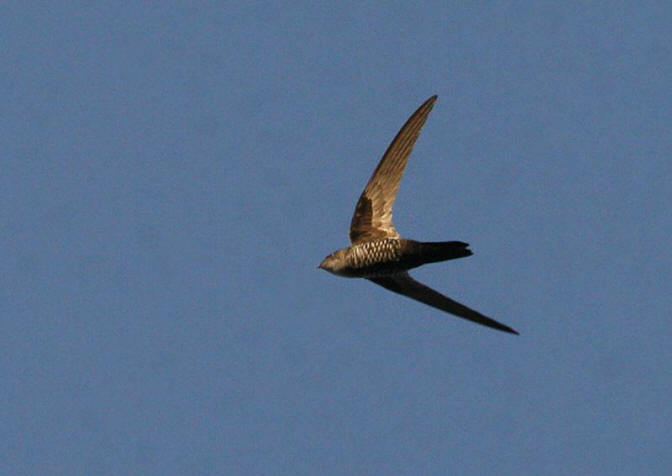
Cook’s Swift (Apus cooki) ©Peter Ericsson

Cook’s Swift (Apus cooki)

The Cook’s Swift (Apus cooki), is a small bird, superficially similar to a house martin. It is, however, completely unrelated to those passerine species, since swifts are in the order Apodiformes. These birds have very short legs which they use only for clinging to vertical surfaces. The scientific name comes from the Greek απους, apous, meaning “without feet”. They never settle voluntarily on the ground. Blyth’s swifts spend most of their lives in the air, living on the insects they catch in their beaks.

Cook’s swifts breed in limestone caves of Thailand, Myanmar and Indochina. The species has a green iridescence, a shallow tail fork and is a short distance migrant. In the Apodidae – Swift Family


More Avian and Attributes

Birds whose first or last name start with “C”

Good News

*
[Definitions from Webster’s Dictionary of American English (1828), unless noted. Bird info from Wikipedia plus. With Editing]
Avian And Attributes – Cloud

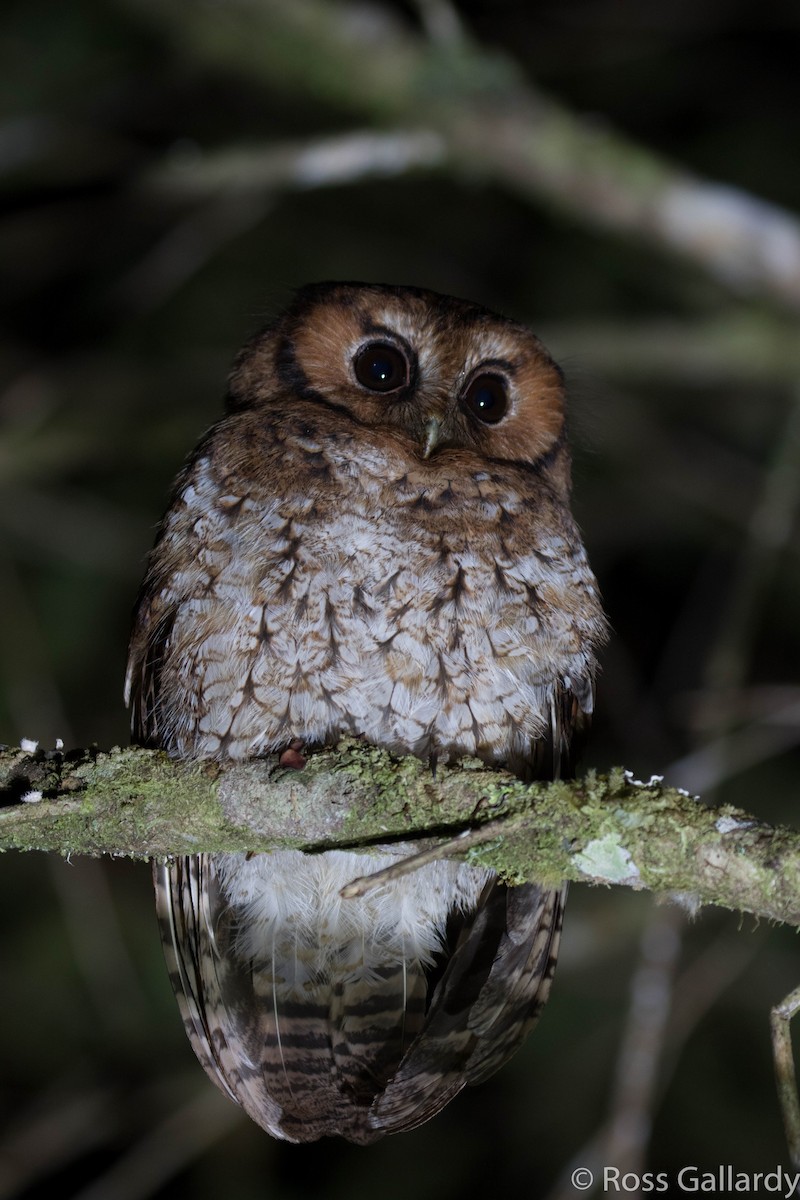
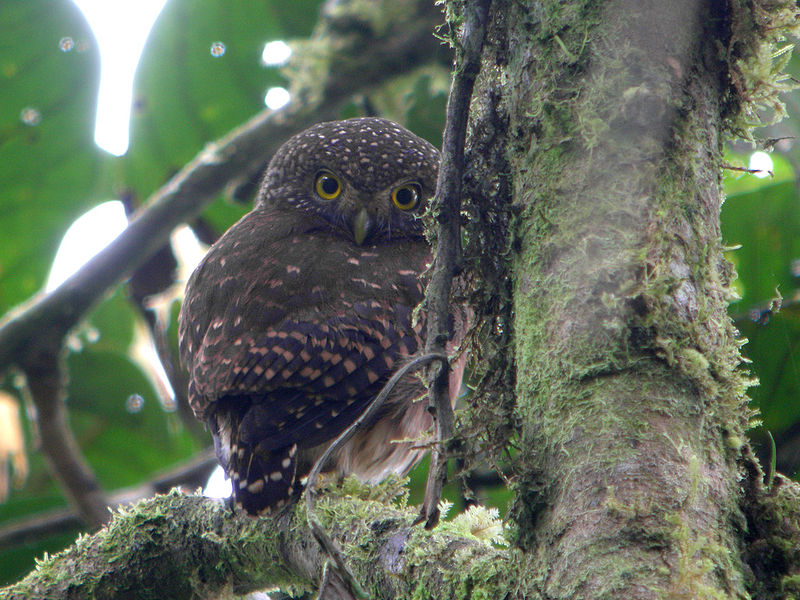
Cloud-forest Pygmy Owl (Glaucidium nubicola) ©WikiC

“And then shall they see the Son of man coming in a cloud with power and great glory. And when these things begin to come to pass, then look up, and lift up your heads; for your redemption draweth nigh.” (Luke 21:27-28 KJV)

“And the cloud of the LORD was upon them by day, when they went out of the camp.” (Numbers 10:34 KJV)

Where wast thou when I laid the foundations of the earth? declare, if thou hast understanding.” When I made the cloud the garment thereof, and thick darkness a swaddlingband for it,” (Job 38:4, 9 KJV)


Avian and Attributes – Cloud

Cloud
(1): (n.) A dark vein or spot on a lighter material, as in marble; hence, a blemish or defect; as, a cloud upon one’s reputation; a cloud on a title.
(2): (v. i.) To grow cloudy; to become obscure with clouds; — often used with up.
(3): (n.) That which has a dark, lowering, or threatening aspect; that which temporarily overshadows, obscures, or depresses; as, a cloud of sorrow; a cloud of war; a cloud upon the intellect.
(6): (v. t.) To overspread or hide with a cloud or clouds; as, the sky is clouded.

“And the LORD went before them by day in a pillar of a cloud, to lead them the way; and by night in a pillar of fire, to give them light; to go by day and night:” (Exodus 13:21 KJV)

(8): (n.) A collection of visible vapor, or watery particles, suspended in the upper atmosphere.
(9): (n.) A mass or volume of smoke, or flying dust, resembling vapor.
(10): (v. t.) To blacken; to sully; to stain; to tarnish; to damage; — esp. used of reputation or character.
(11): (n.) A great crowd or multitude; a vast collection.

“Wherefore seeing we also are compassed about with so great a cloud of witnesses, let us lay aside every weight, and the sin which doth so easily beset us, and let us run with patience the race that is set before us, Looking unto Jesus the author and finisher of our faith; who for the joy that was set before him endured the cross, despising the shame, and is set down at the right hand of the throne of God.” (Hebrews 12:1-2 KJV)


Cloud Birds – Cloud Cisticola, Cloud-forest Pygmy Owl, Cloud-forest Screech Owl

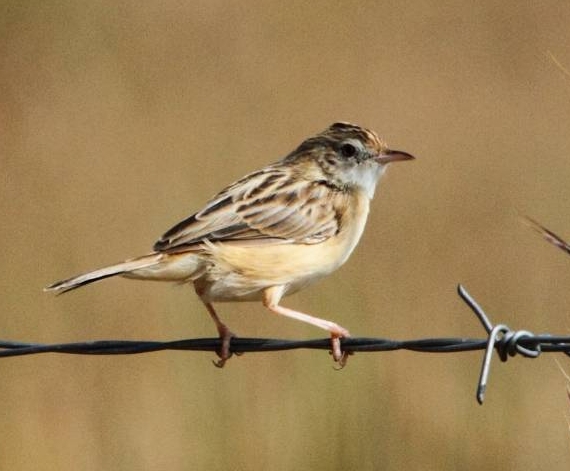
Cloud Cisticola (Cisticola textrix) ©WikiC

The Cloud Cisticola or tink-tink cisticola (Cisticola textrix) is a species of bird in the Cisticolidae – Cisticolas and allies Family. It is found in Angola, Lesotho, Mozambique, South Africa, Swaziland, and Zambia, and its natural habitat is subtropical or tropical dry lowland grassland.

Cloud-forest Pygmy Owl (Glaucidium nubicola) ©WikiC

The Cloud-forest Pygmy Owl (Glaucidium nubicola) is a short, muscular, small-sized species of owl found throughout the Andes of western Colombia and north-western Ecuador, being confined to cloud forests between 900–2000 m a.s.l. Below this altitudinal range the Central American pygmy owl (Glaucidium griseiceps) occurs; above the Andean pygmy owl (Glaucidium jardinii) occurs. It is in the Strigidae – Owls Family.

Its epithet nubicola means in Latin “cloud inhabiting”, because this species is restricted to very humid cloud forests.

Cloud-forest Screech-Owl (Megascops marshalli)©Neotropical Birds Online

The Cloud-forest Screech Owl (Megascops marshalli) is a species of owl in the Strigidae – Owls Family. It is found in Bolivia and Peru. Its natural habitat is subtropical or tropical moist montane forests. It is threatened by habitat loss.


More Avian and Attributes

Birds whose first or last name start with “C”

Good News

*
[Definitions from Webster’s Dictionary of American English (1828), unless noted. Bird info from Wikipedia plus.]

Avian And Attributes – Clay (Molder or Potter)

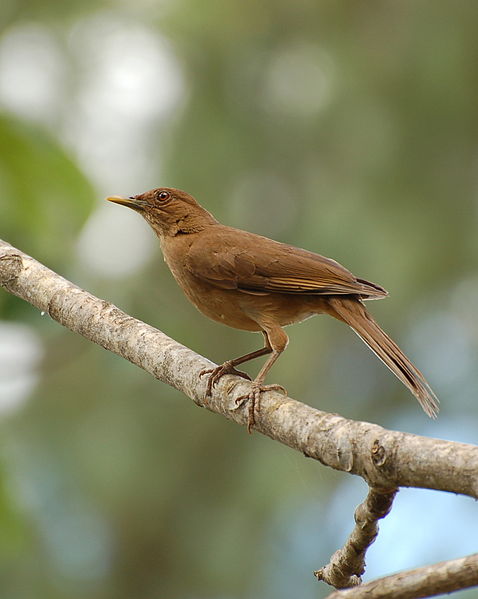
Clay-colored Thrush (Turdus grayi) ©WikiC

“But now, O LORD, thou art our father; we are the clay, and thou our potter; and we all are the work of thy hand.” (Isaiah 64:8 KJV)


Avian and Attributes – Clay (Molder or Potter)

Clay
(1): (n.) A soft earth, which is plastic, or may be molded with the hands, consisting of hydrous silicate of aluminium. It is the result of the wearing down and decomposition, in part, of rocks containing aluminous minerals, as granite. Lime, magnesia, oxide of iron, and other ingredients, are often present as impurities.
(2): (n.) Earth in general, as representing the elementary particles of the human body; hence, the human body as formed from such particles.
(4): (v. t.) To clarify by filtering through clay, as sugar. [edited]

“Then I went down to the potter’s house, and, behold, he wrought a work on the wheels. And the vessel that he made of clay was marred in the hand of the potter: so he made it again another vessel, as seemed good to the potter to make it.” (Jeremiah 18:3-4 KJV)


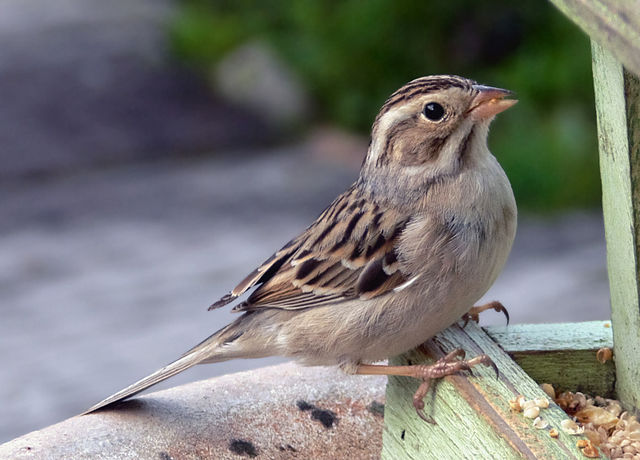
Clay-colored Sparrow (Spizella pallida) ©WikiC

Clay-colored Sparrow (Spizella pallida)  or clay-coloured sparrow (Spizella pallida) is a small sparrow of North America.

Adults have light brown upperparts and pale underparts, with darker streaks on the back. They have a pale crown stripe on a dark brown crown, a white line over the eyes, a dark line through the eyes, a light brown cheek patch and brown wings with wing bars. The short bill is pale with a dark tip and the back of the neck is grey; they have a long tail. Non-breeding adults and immature resemble chipping sparrows and Brewer’s sparrows; they often form flocks with these birds outside the nesting season.

The male sings from an open perch to indicate his ownership of the nesting territory. The song is a Bzzzz bzzzz za za.

**

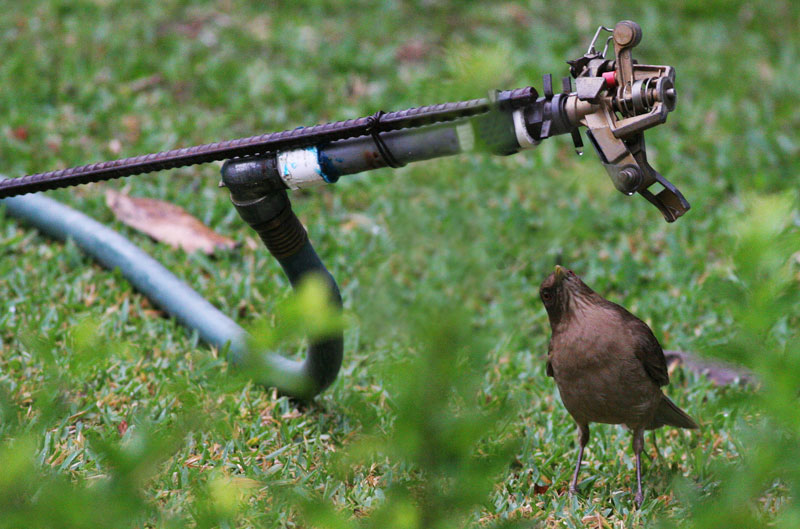
Clay-colored Thrush (Turdus grayi) by Margaret Sloan – Anticipation pose

Clay-colored Thrush (Turdus grayi) is a common Middle American bird of the thrush family (Turdidae). It is the national bird of Costa Rica, where it is well-known as the yigüirro. Other common names include clay-colored robin.

It ranges from South Texas (where it is rapidly expanding its range) to northern Colombia; west and north of the Isthmus of Tehuantepec. It is limited to the Atlantic slope, except for a population around Oaxaca City, Mexico that probably originates from escaped cage birds.

In general appearance and habits it resembles other Turdus thrushes such as the American robin. It is about the same length or slightly smaller. The plumage is brownish, somewhat lighter below than above, lightest on the flanks. Birds from humid regions are darker than those from dry regions. The throat is faintly streaked. Immature birds have faint mottling on the back and underparts. The bill is greenish-yellow with a dark base, the legs are pinkish or flesh-colored, and the irises are reddish—all useful identification points.

The song, rather low-pitched and with a slow steady tempo, consists of many slurred musical phrases which are often repeated irregularly. The tock flight call is like the American robin’s but harsher.

“Thou wilt say then unto me, Why doth he yet find fault? For who hath resisted his will? Nay but, O man, who art thou that repliest against God? Shall the thing formed say to him that formed it, Why hast thou made me thus? Hath not the potter power over the clay, of the same lump to make one vessel unto honour, and another unto dishonour?” (Romans 9:19-21 KJV)


More Avian and Attributes

Birds whose first or last name start with “C”

Good News

*
[Definitions from Webster’s Dictionary of American English (1828), unless noted. Bird info from Wikipedia plus. Both With Editing]

Avian And Attributes – Cheer

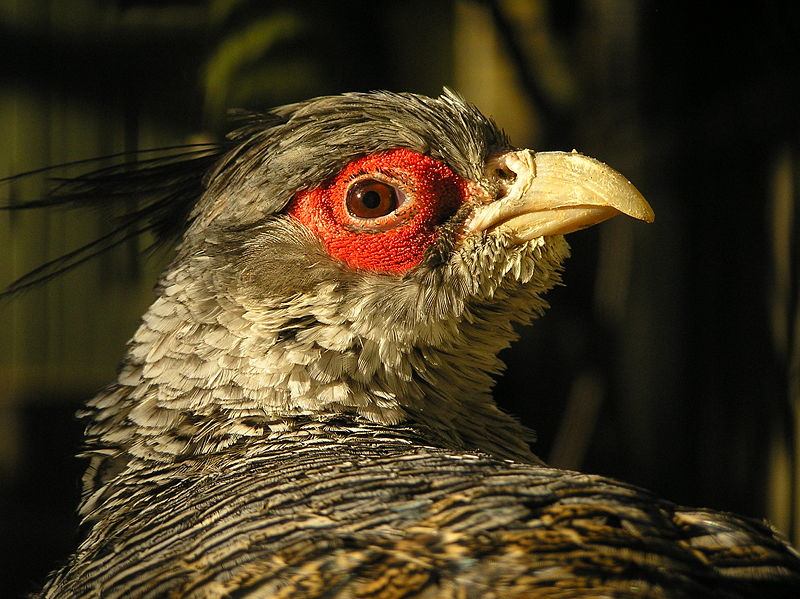
Cheer Pheasant (Catreus wallichii) ©©

Cheer Pheasant (Catreus wallichii) ©©

“And when the disciples saw him walking on the sea, they were troubled, saying, It is a spirit; and they cried out for fear. But straightway Jesus spake unto them, saying, Be of good cheer; it is I; be not afraid.” (Matthew 14:26-27 KJV)


Avian and Attributes – Cheer

CHEER, v.t.
1. To salute with shouts of joy, or cheers.
2. To dispel gloom, sorrow, silence or apathy; to cause to rejoice; to gladden; to make cheerful; as, to cheer a lonely desert; the cheering rays of the sun; good news cheers the heart.
3. To infuse life; spirit, animation; to incite; to encourage; as, to cheer the hounds.
CHEER, v.i. To grow cheerful; to become gladsome, or joyous.

CHEER, n.
1. A shout of joy; as, they gave three cheers.
2. A state of gladness or joy; a state of animation, above gloom and depression of spirits, but below mirth, gayety and jollity.
Son, be of good cheer, thy sins are forgiven thee. Mat 9.

And, behold, they brought to him a man sick of the palsy, lying on a bed: and Jesus seeing their faith said unto the sick of the palsy; Son, be of good cheer; thy sins be forgiven thee.” (Matthew 9:2 KJV)

Then were they all of good cheer, and they also took some meat. Acts 27.
6. Air of countenance, noting a greater or less degree of cheerfulness. [edited]


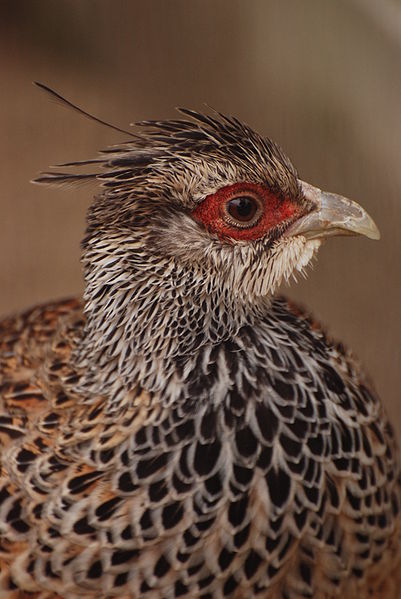
Cheer Pheasant (Catreus wallichii) ©WikiC

Cheer Pheasant (Catreus wallichii)

The Cheer Pheasant, (Catreus wallichii), also known as Wallich’s pheasant is a vulnerable species of the pheasant family, Phasianidae. It is the only member in monotypic genus Catreus. The scientific name commemorates the Danish botanist Nathaniel Wallich.

These birds lack the color and brilliance of most pheasants, with buffy gray plumage and long gray crests. Its long tail has 18 feathers and the central tail feathers are much longer and the colour is mainly gray and brown. The female is slightly smaller in overall size.

Males are monogamous. They breed on steep cliffs during summer with a clutch of 10 to 11 eggs. The cheer pheasant is distributed in the highlands and scrublands of the Himalayas region of India, Nepal, Kashmir and Pakistan.

Cheer Pheasant (Catreus wallichii) ©WikiC


More Avian and Attributes

Birds whose first or last name starts with “C”

Good News

*
[Definitions from Webster’s Dictionary of American English (1828), unless noted. Bird info from Wikipedia plus.]

Birds of the Bible – Eagle in Hosea 8

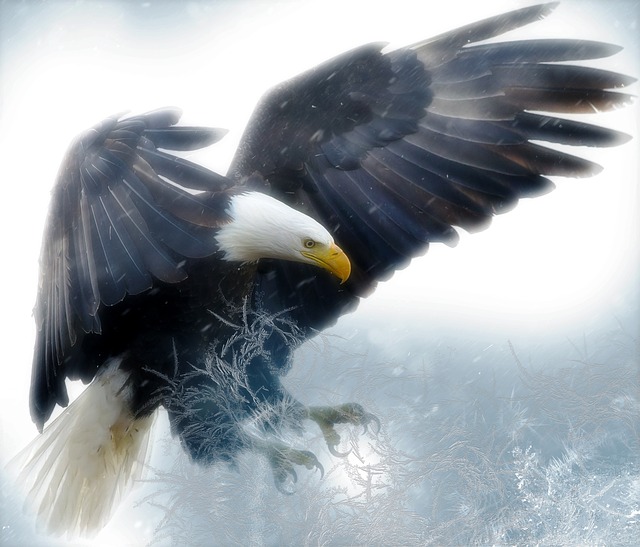
Bald Eagle landing ©CC0 Pixabay

“Set the trumpet to thy mouth. He shall come as an eagle against the house of the LORD, because they have transgressed my covenant, and trespassed against my law.” (Hosea 8:1 KJV)

In my Bible reading today, an Eagle was mentioned in Hosea 8:1. My current version of the Bible is the Defender’s Study Bible and the notes for that verses are from the New Defender’s Study Bible Notes on Hosea 8 says:

8:1 as an eagle. Literally, “like a vulture,” the Assyrians were about to swoop down on Israel to devour her spiritually dead body. She would cry out to God for deliverance (Hosea 8:2), but still depended on her idols. [NDSB Notes]

So why would an illustration of an eagle be used against the house of the Lord? The people had turned their backs on the Lord and were adopting the “things” of the heathens. They turned more and more away from the truths of the Scriptures and were adopting the attitudes, amoral acceptance, and sins of the people. [sounds like what is happening today]

God brings judgment on sin, and as an eagle attacks its prey, sometimes by surprise, the time of judgment would arrive. Verse 8:7 tells part of their problem. “For they have sown the wind, and they shall reap the whirlwind: it hath no stalk: the bud shall yield no meal: if so be it yield, the strangers shall swallow it up.” (KJV)

8:7 reap the whirlwind. Reaping follows sowing. “He that soweth to his flesh shall of the flesh reap corruption” (Galatians 6:8). This principle was applied with great fury to ancient Israel, and a similar time of reaping awaits other nations that forget God (Psalm 9:17). [NDSB Notes]

Our sins can start out small, but over time, they can multiply beyond measure. Just watching the news these days can show that principle is alive and well, unfortunately.

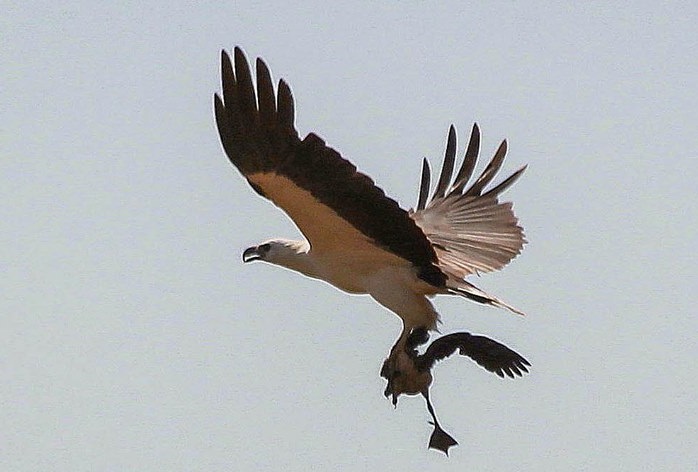
White-bellied Sea Eagle captured a Lesser Whistling Duck ©WikiC

Even trying to talk about God’s Creation, His Love, His Sacrifice on the Cross for our sins, and His free gift of Salvation through faith are like Hosea 8:1:

“I have written to him the great things of my law, but they were counted as a strange thing.” (Hosea 8:12 KJV)

Again, the comment in the notes says much that should give us a warning:

8:12 a strange thing. God judged Israel for rejecting the great things of His law. How great must be his anger at those modern “Christian” nations that not only count His law “strange,” but also the whole Bible and God’s great work of creation and redemption! [NDSB Notes]

As a critter does not want to not fall prey to an Eagle, Lord help us to live our lives that will bring blessings and not judgment.


More Birds of the Bible

Gideon

*

Afraid To Stick Neck Out

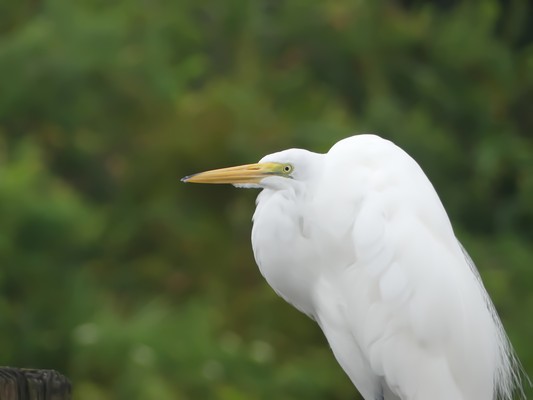
Great Egret with head tucked in at Gatorland

“Whatsoever thy hand findeth to do, do it with thy might; for there is no work, nor device, nor knowledge, nor wisdom, in the grave, whither thou goest.” (Ecclesiastes 9:10 KJV)

I found this Great Egret at Gatorland recently who was afraid to stick his neck out. Have you ever felt that way? As many readers are aware, there have been numerous broken links discovered on this site. Many pages have been fixed already, yet there are hundreds and hundreds more that need to be corrected. After chatting with WordPress again today, there is not much they can do to revive the deleted photos and music from the Media Cache. I did find out today, it is possible that this site was hacked. “You’re kidding,” I told them. “No, others have had that happen”.

For those of us on WordPress and other sites for that matter, they said it is very important to use a STRONG password. Also, to use a two-step authentification. I have since rechanged the password again. Here is a link to instructions on how to do this on WordPress.com.

Two Step Authentication

For now, I am not going to pull my head in, but am going to plug away at repairing the damage done to Lee’s Birdwatching Adventures Plus. This was not quite the “Adventure”  I had in mind, but it would be wrong to pull my head in and give up. Who knows, maybe the Lord will help me improve it and find more ways to show forth His wonderful Birds and Creation. Stay tuned!

Great Egret at Gatorland by Dan


Dinosaurs and Feathers Re-post from Creation Moments

“And God made the beast of the earth after his kind, and cattle after their kind, and every thing that creepeth upon the earth after his kind: and God saw that it was good.”
I am a long-time fan of the BBC science fiction show Doctor Who, having watched it since the mid-1960s when the show was in black and white with no computer graphics and Daleks were upturned trash cans with sink plungers attached. One of my favorite episodes of the modern era was entitled Dinosaurs on a Spaceship. The title said it all.Dinosaur

A lost craft was traveling through space with a cargo of untethered dinosaurs. But not everyone enjoyed the episode. Some well-known evolutionary biologists in Britain complained about one scene which featured a couple of tyrannosauruses. Their complaint was that the T. Rexes should have been covered in feathers.

In practice, the idea of feathered dinosaurs still does not have solid fossil evidence to back it up. Most of the fossils found with evidence of feathers are clearly birds. A small number of others are doubtful but could easily be assumed to be birds.

In 2016, it was announced that a dinosaur feather had been found entrapped in amber. However, the feather was not attached to an animal. Later the same year, other amber-clad feathers were discovered that were definitely attached to a bird. Some have claimed that there are fossil T. Rexes that show signs of feather follicles.

Again, these patterns are open to interpretation. Now, it is possible, perhaps, that some dinosaurs could have had feathers, but this does not provide proof that birds evolved from dinosaurs. What we actually find in the fossil record is evidence of kinds of animals, just as the Bible states. It does not make sense to impose an evolutionary worldview on any of these findings.

Prayer: 
When You finished creating, Lord God, You looked at all You had made and declared it to be “very good”. Thank You that all we understand about dinosaurs and other animals is consistent with Your word. Amen.
Notes:
Ref: Thomas, B. New Doubts about Dinosaur Feathers, ICR article. Image: RJ Palmer, license: Creative Commons Attribution Share-alike 4.0 International.

Source: Dinosaurs and Feathers | Creation Moments

Used with permission ©Creation Moments 2017

The Snowy “Want-to-Be” at Gatorland

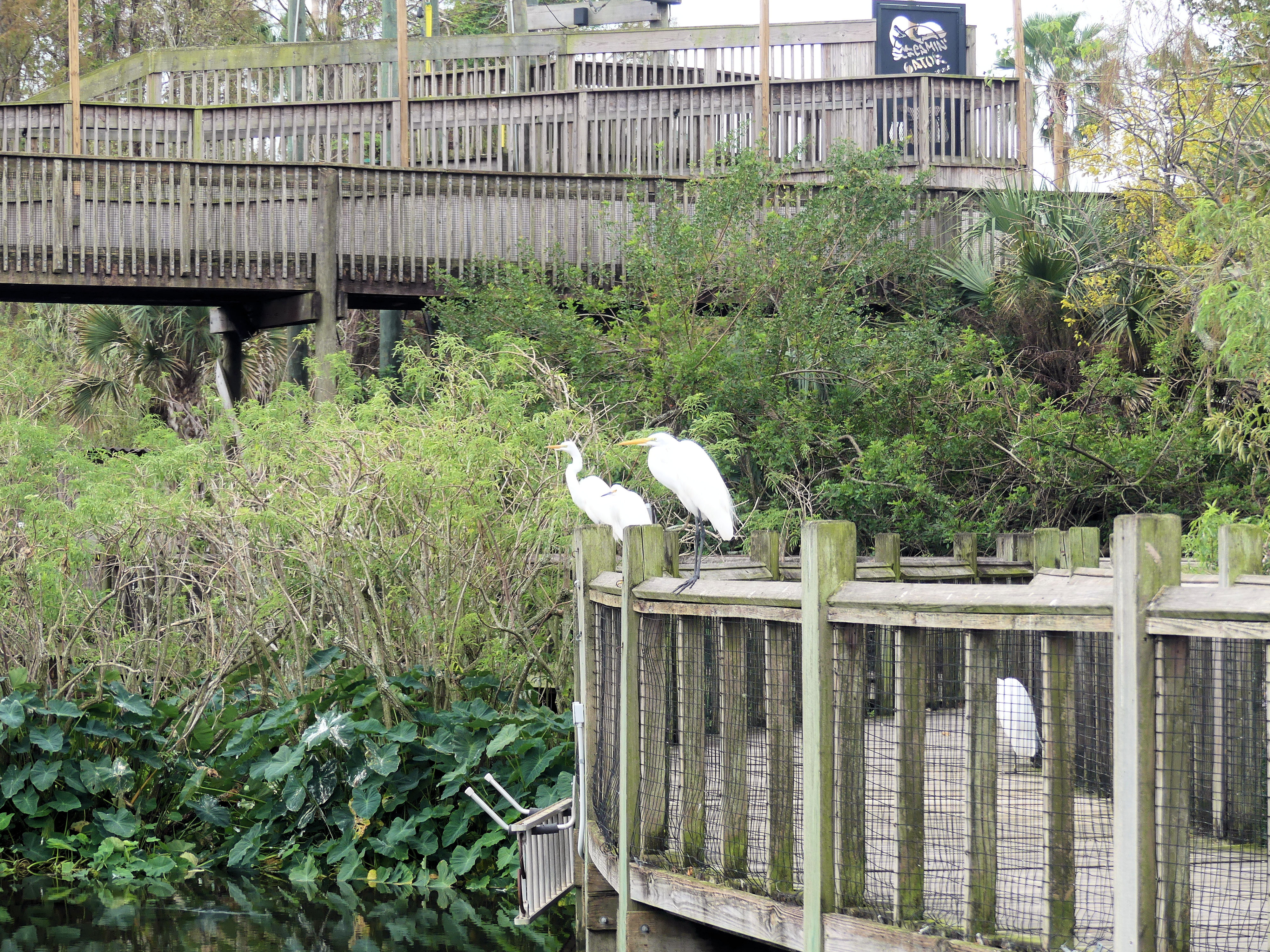
Great Egrets and a Snowy Egret at Gatorland

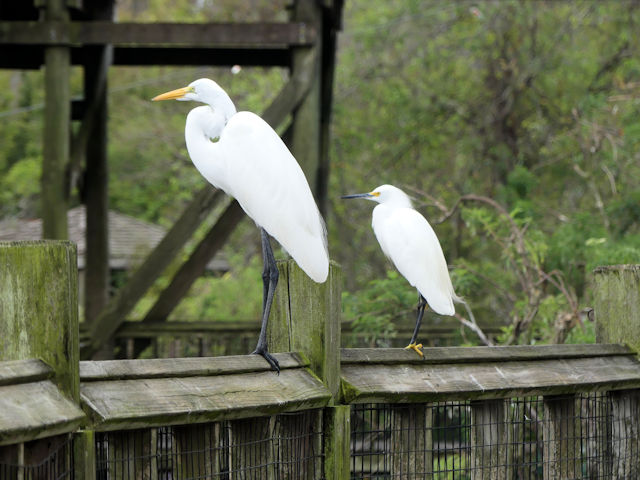
When we were at Gatorland a few weeks ago, I noticed two Great Egrets on the walkway rail. I zoomed in to get a better view of them. There were actually two Great Egrets and a Snowy Egret in between them.

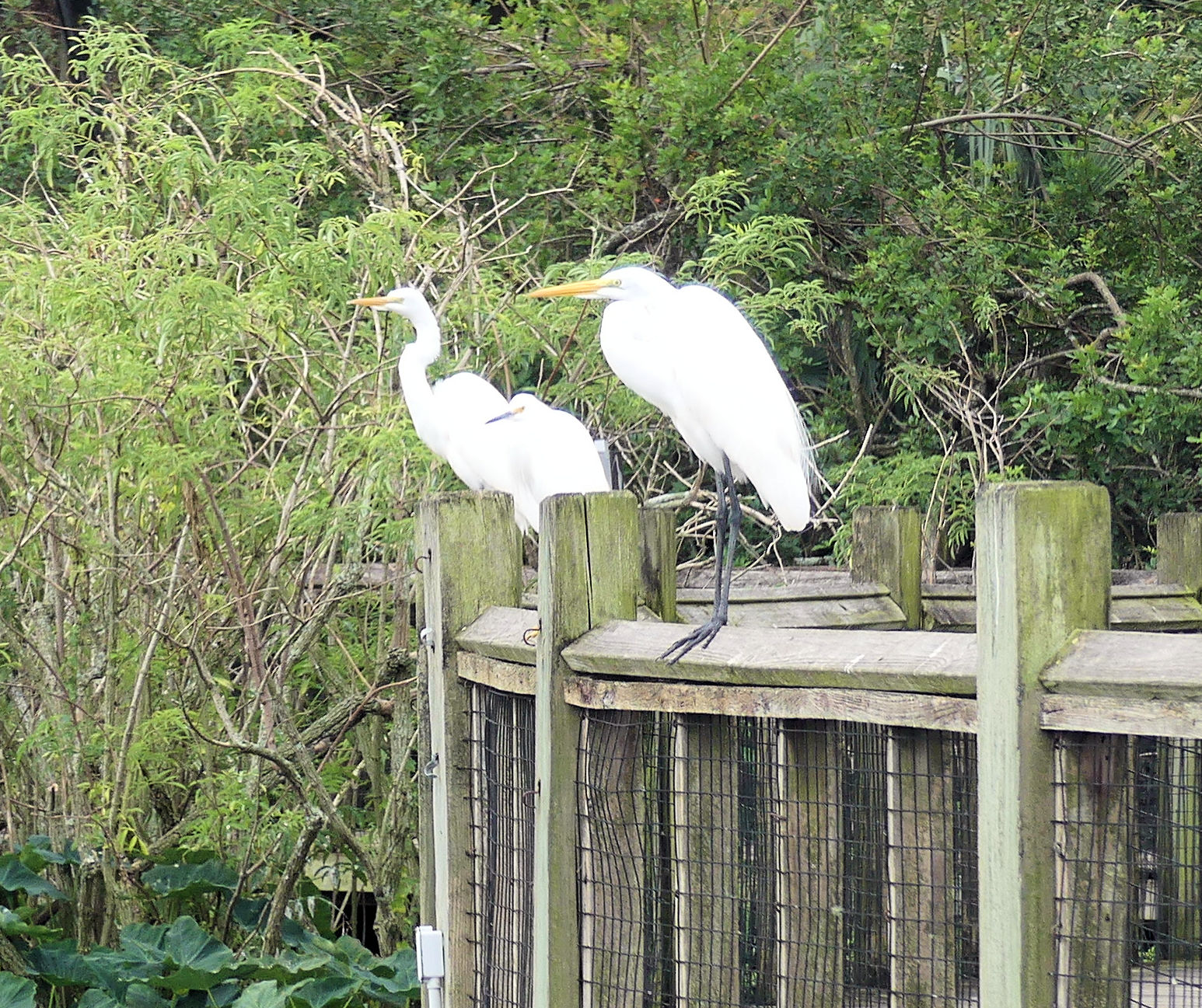
Great Egrets and a Snowy Egret at Gatorland zoomed

By the time we arrived at their location, one of the Great Egrets had flown off to check something out. There sat the Great Egret and the Snowy Egret side-by-side. I thought maybe that Snowy was thinking he would like to be tall like this friendly Great Egret.

A Great Egret “Want to Be”

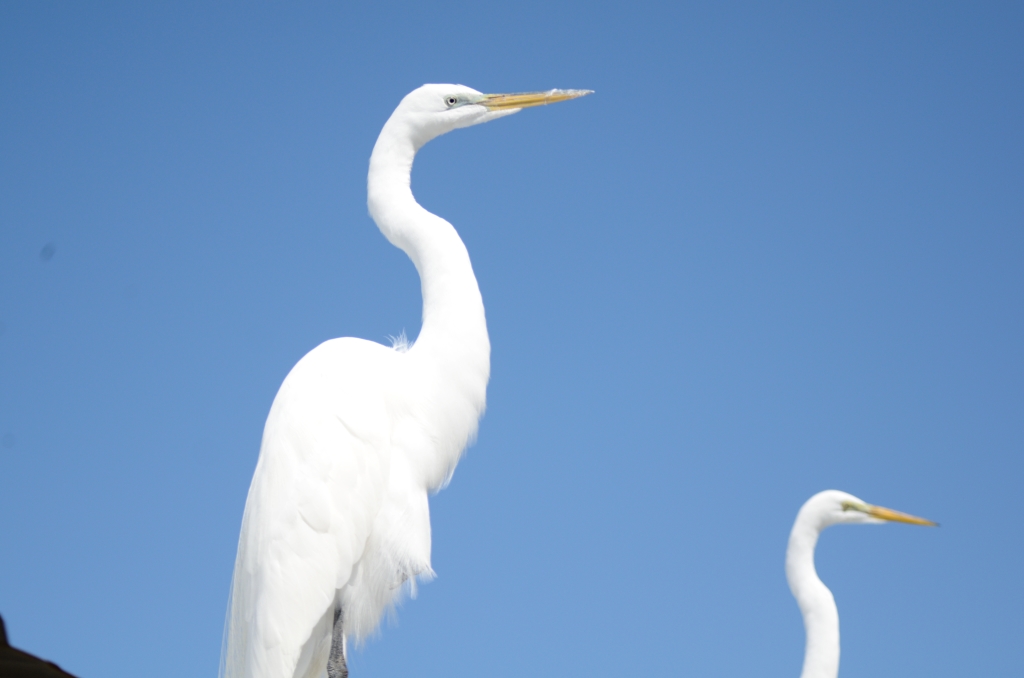
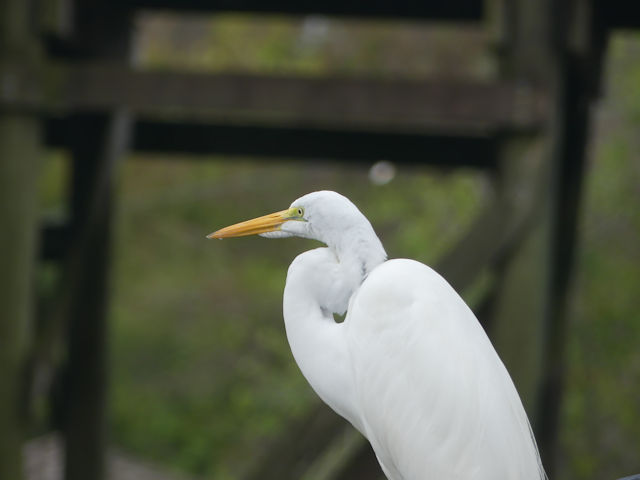
The Great Egret is tall and nice looking with his long yellow beak and black feet.

Great Egret up Close at Gatorland by Lee

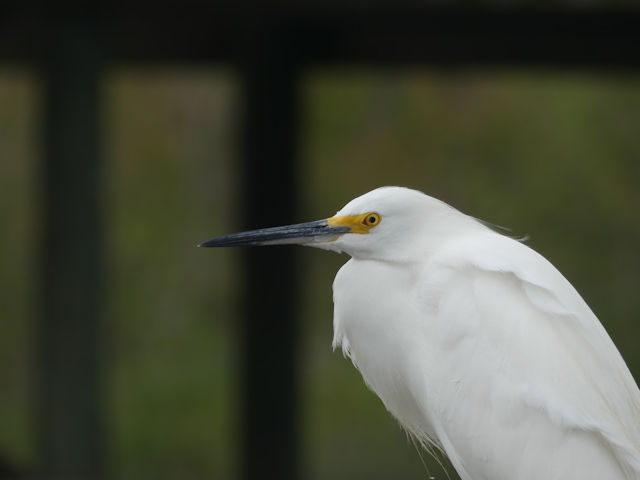
The Snowy though shorter has a nice black beak and cool yellow feet.

Snowy Egret up close at Gatorland by Lee

Knowing that the Lord created both of these fine birds, He made them just the way He wanted them. One tall, one short. One with a black beak and the other with a yellow one. And He may have given height to the Great Egret, but He gave the shorter Snowy those neat yellow feet.

Do we get envious and desire what someone else has? Maybe taller, more talented, sing better, etc? God has made us just the way He wants us, and has provided us with different bodies, talents, abilities, and directions to serve Him. Are we content with what He has given us?

“Not that I speak in respect of want: for I have learned, in whatsoever state I am, therewith to be content.” (Philippians 4:11 KJV)

“And having food and raiment let us be therewith content.” (1 Timothy 6:8 KJV)

“Let your conversation be without covetousness; and be content with such things as ye have: for he hath said, I will never leave thee, nor forsake thee.” (Hebrews 13:5 KJV)

I am sure are Snowy Egret was not the least bit jealous or envious.

Snowy Egret up close at Gatorland by Lee


More posts from Gatorland:

Gatorland, FL

Gatorland’s Greedy Snowy Egret

Gatorland Roseate Spoonbills

Gatorland Grackle

*


Far Flying Ducks and Their Allies

Black-bellied Whistling Ducks forming V by Lee

I’ll fly away, Oh Glory
I’ll fly away; (in the morning)
When I die, Hallelujah, by and by,
I’ll fly away (I’ll fly away).

“Who are these who fly like a cloud, And like doves to their roosts?” (Isaiah 60:8 NKJV)

Yep! That’s what they have been doing. Flying right off the pages. I am still working away trying to fix my broken links. It is time consuming, but maybe the new reworked Bird Family pages will be easier to work with.

As you know, from the last few posts, I have been fixing missing birds, photographers, songs, etc:

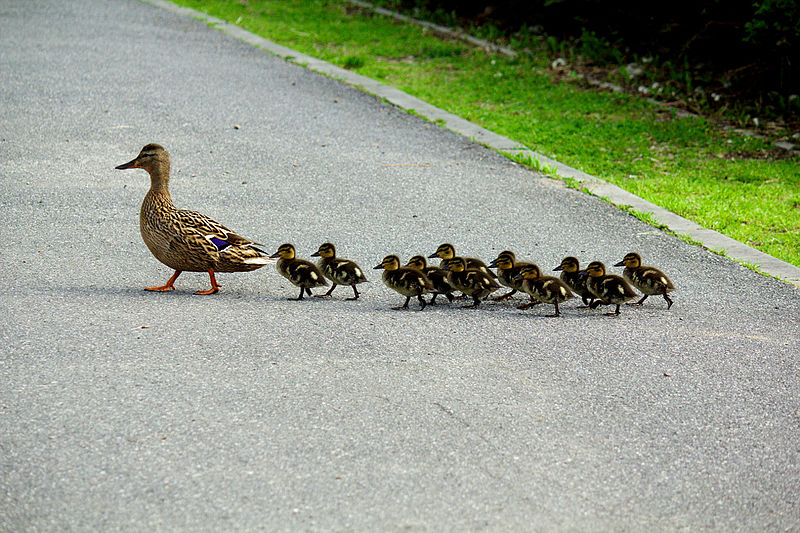
Mallard Duck army marching (I know it’s not a King, but it’s cute) ©WikiC

Today, a decision was made to rework ALL the Family Bird Pages. Hopefully, all of the pages listed below are error free. [Famous Last Words] These are in the new format. I wasn’t doing too bad until the Ducks pages were checked. 131 of them had taken off. Whew! I think most of them came back safely, especially because the hunters are out and about. The PLAN is to continue through the family pages one at a time. If you should find any escaped birds, would you try to SHOO them back this way??

Updated Family Pages

Stay Tuned!

Mass Exodus of Old World Parrots

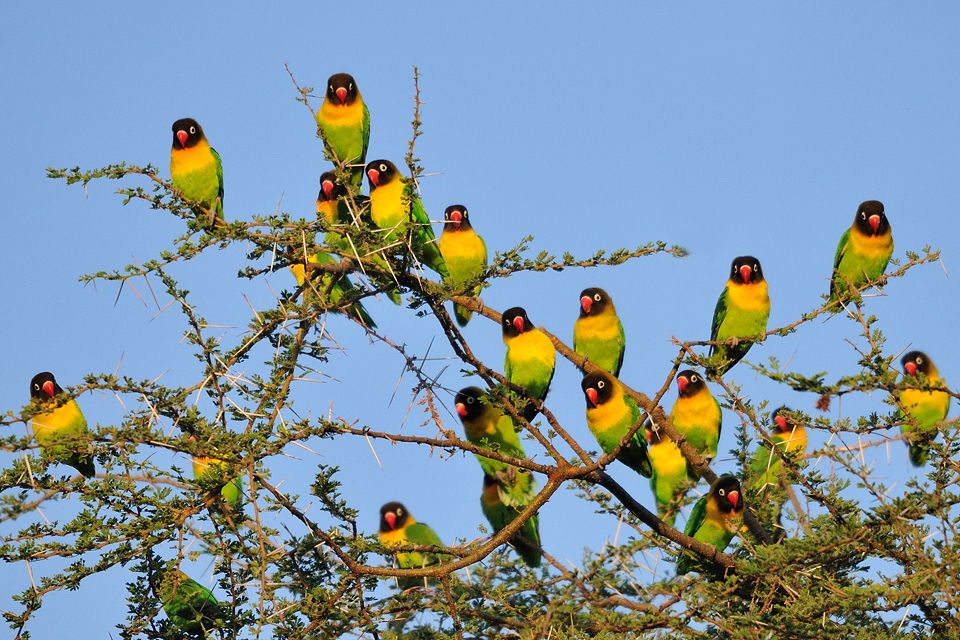
Black-cheeked Lovebird (Agapornis nigrigenis) ©ImagesFromAfrica

Mass Exodus of Parrots from the Psittaculidae – Old World Parrots

Now that the Thanksgiving break is over, I am back at work on the broken links. Out of 192 Old World Parrots in the Psittaculidae Family, 133 of them scattered. This was/is a major page to figure out how to rescue all those Parrots.

What to do??? I decided crying would not bring them back.

“For His anger is but for a moment, His favor is for life; Weeping may endure for a night, But joy comes in the morning.” (Psalms 30:5 NKJV)

After checking with WordPress recently, they found that there was a mass set of deletions back in April of this Year. They say I must have done it, and there is nothing they can do to retrieve those files. What I find so amazing is that every photo of a certain bird is gone. I could see me deleting duplicates, but to take out every copy of a bird, is beyond me. Also, even MP3 used in my Birds in Hymns pages are missing. I am only mentioning this, because many of you maintain blogs with photos, songs, or links to other articles, etc. It is wise to check your site occasionally for missing items. Dead Link Checker is a free link checker that I am using.

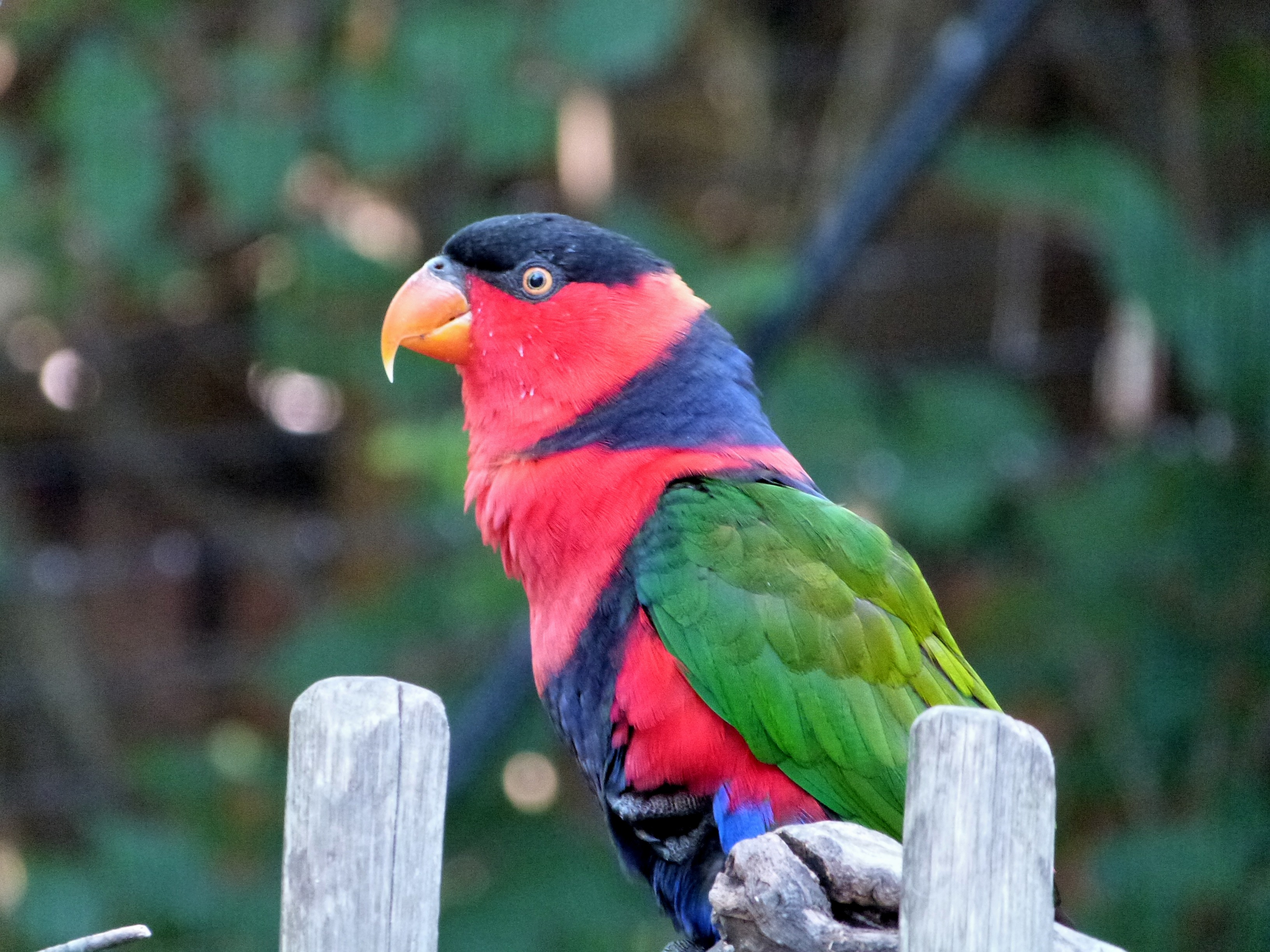
Black-capped Lory (Lorius lory) Cincinnati Zoo 9-5-13 by Lee

Black-capped Lory (Lorius lory) by Lee

“Look at the birds of the air, for they neither sow nor reap nor gather into barns; yet your heavenly Father feeds them. Are you not of more value than they?” (Matthew 6:26 NKJV)

The parrots must have thought hanging out on my page was similar to being in a barn. They sought their freedom.

This site tries to keep up with the latest version of the I.O.C. World List of Birds. The way the page is set up now, it will be easier to update in the future. The bird photos are now at the end of the page, in three columns. They will be alphabetical down the first row, then down the 2nd, then the last row. That is the way WordPress does their columns. Being in alphabetical order will make it easier to find the bird you are desiring.

Please leave a remark with your thoughts on this. I would appreciate ideas to improve these bird pages. [For now, I have not reloaded all the photos yet for this family. Also, I’ll have to locate new missing photos in the public domain since the pages were originally produced.]

Stay Tuned!

Birds in Hymns – Carol of the Birds – Again

Five years ago, this Birds in Hymns was re-posted, now the re-post has had some broken links fixed. I also, added the Video for the music. Now that Thanksgiving is winding down, it’s time to start thinking about Carols again. Enjoy the revised revision. :)

American Yellow Warbler (Dendroica aestiva) singing by J Fenton

American Yellow Warbler (Dendroica aestiva) singing by J Fenton

And the angel said unto them, Fear not: for, behold, I bring you good tidings of great joy, which shall be to all people. For unto you is born this day in the city of David a Saviour, which is Christ the Lord. (Luke 2:10-11)

Written as – El Cant Dels Ocells – Traditional Catalonian Carol

Translator Unknown

Birds in Christmas Hymns

Carol of the Birds

1. Upon this holy night,

When God’s great star appears,
And floods the earth with brightness
Birds’ voices rise in song
And warbling all night long
Express their glad heart’s lightness
Birds’ voices rise in song
And warbling all night long
Express their glad heart’s lightness

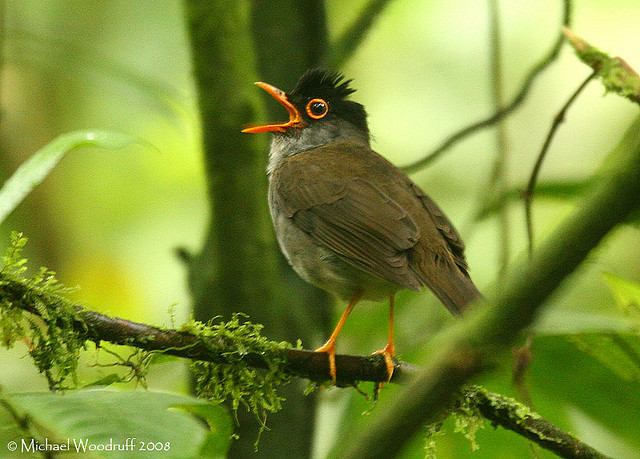
Black-headed Nightingale-Thrush (Catharus mexicanus) by Michael Woodruff

Black-headed Nightingale-Thrush (Catharus mexicanus) by Michael Woodruff

2. The Nightingale is first
To bring his song of cheer,
And tell us of His glad – ness:
Jesus, our Lord, is born
To free us from all sin
And banish ev’ry sadness!
Jesus, our Lord is born
To free us from all sin
And banish ev’ry sadness!

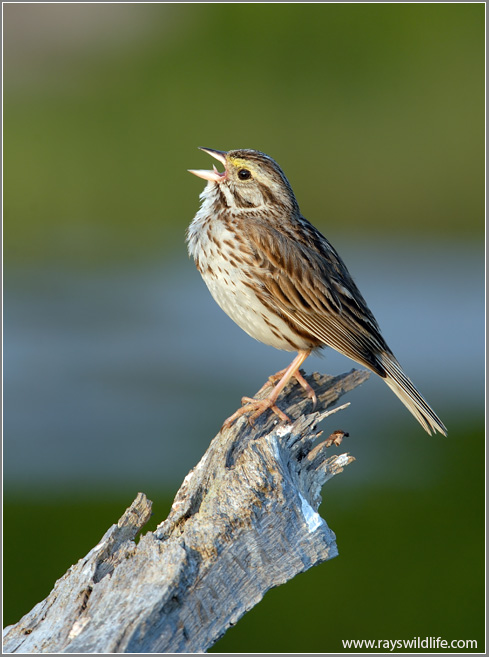
Savannah Sparrow singing by Ray

Savannah Sparrow singing by Ray

3. The answ’ring Sparrow cries:
“God comes to earth this day
Amid the angels flying.”
Trilling in sweetest tones,
The Finch his Lord now owns:
“To Him be all thanksgiving.”
Trilling in sweetest tones,
The Finch his Lord now owns:
“To Him be all thanksgiving.”

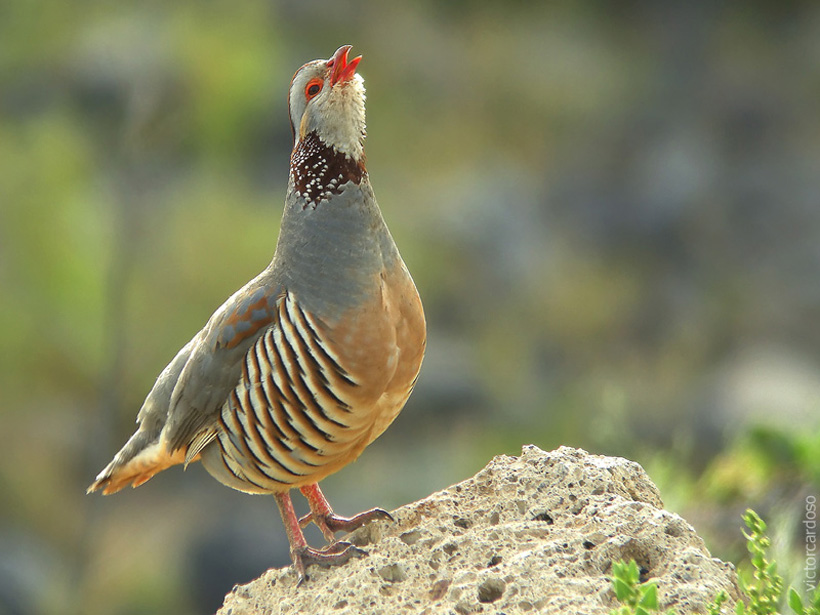
Barbary Partridge (Alectoris barbara koenigi) Pixdaus

Barbary Partridge (Alectoris barbara koenigi) Pixdaus

4. The Partridge adds his note:
“To Bethlehem I’ll fly,
Where in the stall He’s lying.
There, near the manger blest,
I’ll build myself a nest,
And sing my love undying.
There, near the manger blest,
I’ll build myself a nest,
And sing my love undying.

*

Found another version of the Carol of the Birds and it appears to be Australian Birds.

The Carol of the Birds
(Wheeler/James)

Brolga (Grus rubicunda) by Ian

Brolga (Grus rubicunda) by Ian

Out on the plains the brolgas are dancing
Lifting their feet like warhorses prancing
Up to the sun the woodlarks go winging
Faint in the dawn light echoes their singing
Crana! Orana! Orana to Christmas Day.

Crested Bellbird (Oreoica gutturalis) by Ian

Crested Bellbird (Oreoica gutturalis) by Ian

Down where the tree ferns grow by the river
There where the waters sparkle and quiver
Deep in the gullies bell-birds are chiming
Softly and sweetly their lyric notes rhyming
Orana! Orana! Orana to Christmas Day.

Silver-crowned Friarbird (Philemon argenticeps) by Ian

Silver-crowned Friarbird (Philemon argenticeps) by Ian

Friar birds sip the nectar of flowers
Currawongs chant in wattle tree bowers
In the blue ranges lorikeets calling
Carols of bush birds rising and falling
Orana! Orana! Orana to Christmas Day.
*

More Birds in Hymns

See ~ Share The Gospel

Most information from The Hymns and Carols of Christmas – Name of Hymn with Link to it

*

Gatorland’s Greedy Snowy Egret

Happy Thanksgiving to you all.

May you have a great day enjoying family, friends, and fine food. But please, do not bite off more than you should! [This video of a Snowy Egret was taken at Gatorland this week.]

“A Psalm of Thanksgiving. Make a joyful shout to the LORD, all you lands! Serve the LORD with gladness; Come before His presence with singing. Know that the LORD, He is God; It is He who has made us, and not we ourselves; We are His people and the sheep of His pasture. Enter into His gates with thanksgiving, And into His courts with praise. Be thankful to Him, and bless His name. For the LORD is good; His mercy is everlasting, And His truth endures to all generations.” (Psalms 100:1-5 NKJV)

Family: Building a Home God’s Way

More Gatorland Adventures

Gatorland in Orlando, Florida

*